Keywords
Digital literacy, Artificial intelligence in education, Project-based learning, Teacher professional development, Coastal education context

Digital literacy, Artificial intelligence in education, Project-based learning, Teacher professional development, Coastal education context
Digital transformation has become one of the most significant global agendas in 21st-century education systems. The integration of information and communication technology (ICT) is no longer understood as an additional innovation, but rather as a foundation for building relevant, adaptive, and future-oriented learning (Walter, 2024). In this context, teachers’ digital literacy is a key determinant of educational quality, as they act as mediators between technology and students’ learning experiences (Bülbül & Özelçi, 2025). Several studies have shown that teachers’ technological mastery is positively correlated with learning effectiveness, pedagogical creativity, and improved student learning outcomes (Slovaček et al., 2017; Bernacki et al., 2023). In other words, the digital transformation of education is highly dependent on teachers’ professional readiness.
However, this readiness is not evenly distributed globally. Digital inequality (the digital divide) remains a fundamental issue, particularly in remote, rural, and island areas (Chaoub et al., 2021; Purbo, 2017). In many developing countries, teachers in marginalized areas face limited infrastructure, unstable internet access, and a lack of ongoing professional training (Hennessey et al., 2021; Inegbedion, 2021). Even when ICT devices are available, their utilization in learning practices is often suboptimal. This phenomenon demonstrates that the availability of technology does not automatically result in adequate digital literacy (Onitsuka et al., 2018). There is a gap between access and usage.
The situation has become even more complex in the post-COVID-19 pandemic era. Global school closures have forced education systems to adopt distance learning on an unprecedented scale (Carrillo & Flores, 2020; Pokhrel & Chhetri, 2021; Onitsuka et al., 2018). This sudden transformation clearly demonstrates that teachers’ digital readiness is a crucial factor in ensuring the continuity of learning (Asio & Bayucca, 2021; Jung et al., 2024). However, various findings indicate that teachers in remote areas tend to be more vulnerable to digital disruption due to limited skills, technical support, and access to training (Ferri et al., 2020; Diaz, 2021; Seetal et al., 2021). Thus, teachers’ digital literacy is not only an issue of individual competence but also a matter of educational equity.
In academic discourse, teacher digital literacy has evolved from merely operational technical skills to a more comprehensive understanding, encompassing pedagogical integration, technology-based learning design, online collaboration, and ethical and legal awareness in the use of digital media (Su, 2023; Asmayawati et al., 2025; Lazou & Tsinakos, 2025). The Teacher Digital Competency (TDC) framework emphasizes that digital literacy is a multidimensional construct encompassing technological knowledge, pedagogical practices, and reflective capacity (Falloon, 2020). However, most empirical research still focuses on measuring literacy levels or testing the effectiveness of specific training interventions, while diagnostic-based design approaches are relatively rarely systematically developed.
On the other hand, the development of artificial intelligence (AI) in recent years has brought a new dimension to educational transformation (Alkhawaja et al., 2025; Kehoe, 2023; Ritu Arya & Ashish Verma, 2024). AI is no longer limited to adaptive systems for students, but has expanded to support lesson planning, content development, automated assessment, and personalized feedback for teachers (Celik et al., 2022; Zhang & Zhang, 2024). The potential of AI to improve the efficiency and quality of pedagogical practices has been widely discussed in international literature. However, the integration of AI into teacher professional development programs—especially in coastal and island regions—is still at an early stage of exploration. There is a risk that AI innovations will widen the gap if they are not designed contextually and based on real needs.
The Project-Based Learning (PBL) approach, particularly within the Gold Standard PBL framework, has been proven effective in increasing engagement, collaboration, and creativity in learning (Doudou et al., 2025). When combined with AI support, PjBL has the potential to be a training model that not only improves technical skills but also builds teachers’ reflective and innovative capacities. Although previous research has demonstrated the effectiveness of the AI-assisted GS-PBL model in improving teachers’ digital literacy scores (Hamsiah et al., 2026), the intervention design was not based on comprehensive digital literacy profile mapping.
However, the coastal context has unique social, geographic, and cultural characteristics. Teachers in island regions often face professional isolation, limited collaborative networks, and limited access to learning resources (Dos Santos, 2019; Poedjiastutie et al., 2021). In such situations, generic training approaches have the potential to be less responsive to actual needs. Therefore, an instructional design strategy is needed that begins with empirically identifying teachers’ digital literacy profiles and then uses this as a basis for designing contextual and adaptive training models.
Based on this gap, this study places needs analysis as the foundation in developing AI-Based Project-Based Learning (AI-PjBL) to improve teachers’ digital literacy in coastal areas. Unlike previous studies that focused on testing the effectiveness of training models, this study adopts an exploratory approach and diagnostic-based design to: (1) map the digital literacy profile and AI readiness of teachers in coastal areas; (2) identify priority domains that require strengthening; and (3) design an AI-PjBL framework developed based on empirical data and local context.
The theoretical contribution of this research lies in the integration of three perspectives: (1) teacher digital literacy as a multidimensional construct, (2) AI as an instrument of pedagogical transformation, and (3) needs-based instructional design as a responsive strategy to digital inequality. Practically, this research offers a training design framework that can be replicated in marginalized areas with similar characteristics, while enriching the global discourse on the equitable distribution of teacher digital competencies in the AI era.
This study employed an exploratory-developmental design, which places needs analysis as the foundation for designing a learning model (Hamid et al., 2026). This approach was chosen because the primary objective of the study was not simply to test the effectiveness of an intervention, but rather to design an AI-Based Project-Based Learning (AI-PjBL) framework based on the digital literacy profiles of teachers in coastal areas. Therefore, this study adopted a diagnostic approach that begins with mapping empirical conditions before entering the instructional design stage.
Conceptually, the research consists of two main phases. The first phase is an exploratory phase aimed at identifying the digital literacy profile and AI readiness of teachers in coastal areas. The second phase is a development phase that focuses on designing an AI-PjBL framework based on the needs analysis results from the previous phase. After the model was designed, expert validation was conducted to assess conceptual feasibility, pedagogical suitability, and technology integration in the resulting design.
This design allows researchers to avoid a generic approach in developing training models and ensures that the designed AI-PjBL is truly responsive to contextual conditions, teachers’ initial capacities, and structural challenges faced in coastal areas.
The study was conducted from March to August 2025. The research was conducted in a coastal area geographically isolated from the city center and characterized by limited access to educational infrastructure and professional development. The study was conducted on Balang Lompo Island, Pangkajene Kepulauan Regency. This area represents an island school context where internet access is starting to develop (enabling AI), but it is not yet fully stable and equitable. These conditions make the research location relevant for examining teachers’ digital literacy in the context of digital inequality.
Participants included 35 teachers (15 male and 20 female) representing various levels of education: elementary, junior high, and senior high school. Participant selection was conducted purposively, considering representation across educational levels and varying teaching experiences. Inclusion criteria included teachers directly involved in the regular learning process and having minimal access to digital devices, either school-owned or personal.
In addition to participants in the exploratory phase, this research also involved five expert validators in the development phase. The validators consisted of experts in education, learning technology, and digital literacy with experience in developing technology-based learning models. The involvement of the validators aimed to ensure that the designed AI-PjBL framework met academic, pedagogical, and technological standards.
Data collection in the exploratory phase was conducted using two main instruments: a teacher digital literacy test and a semi-structured interview guide. The test and interview guide were developed to map teachers’ digital literacy as a multidimensional construct encompassing device operational capabilities, basic application use, multimedia utilization, ICT integration in lesson planning, technology-based learning environment design, pedagogical innovation, and ethical and legal aspects of technology use (Swandi, 2026a). Furthermore, the instrument also includes indicators of readiness to utilize AI in learning contexts, including the use of AI tools for planning, content development, assessment, and learning reflection.
The test instrument used a 30-item multiple-choice test with varying numbers of items for each sub-dimension of teacher digital literacy and competence (Swandi, 2026b). The sub-dimensions used were adapted from Suárez-Rodríguez (2018) and included a sub-dimension on AI readiness. Prior to use, the instrument was reviewed through content validity testing by experts to ensure construct suitability and item clarity. Internal reliability was analyzed to ensure consistency between items within each dimension.
Semi-structured interviews were conducted to gain a deeper understanding of contextual barriers, teachers’ perceptions of AI, experiences using the technology, and perceived training needs. These interviews allowed for triangulation of quantitative data from the questionnaire with narratives of teachers’ lived experiences in the field.
During the development phase, the instrument used was an expert validation sheet covering aspects of content knowledge, pedagogical suitability, technological integration, and the relevance and feasibility of AI implementation in a coastal area context (Swandi, 2026c). Validators were asked to provide quantitative assessments and qualitative comments for design improvements.
Data analysis in the exploratory phase was conducted descriptively to map teachers’ digital literacy profiles across each dimension. Average values and score distributions were used to identify domains categorized as low, medium, and high. This analysis aimed to determine priority areas requiring strengthening in the AI-PjBL design.
Interview data was analyzed using a thematic approach. Interview transcripts were openly coded to identify key themes related to structural barriers, psychological readiness, AI experience, and professional development needs. The analysis process was conducted iteratively, comparing patterns of findings across participants to ensure consistency and depth of interpretation.
In the development phase, the results of the needs analysis were translated into a design matrix that linked the digital literacy profile to the AI-PjBL components. This process resulted in a conceptual framework containing learning syntax, social systems, reaction principles, support systems, and instructional and accompanying impacts. Expert validation results were analyzed using a content validity index to measure the level of agreement between validators regarding the model’s feasibility. Qualitative feedback from the validators was used to revise and refine the final design.
This research was conducted in accordance with ethical principles of educational research. All participants were informed about the purpose of the study, data collection procedures, and their right to discontinue participation at any time without academic consequences. Consent was obtained prior to data collection. Participants’ identities were kept confidential through anonymization during the analysis and reporting stages of the research results. The data collected were used solely for academic purposes and the development of learning models.
To complement the qualitative findings from the interviews, this study also analyzed teachers’ digital literacy and technological competency profiles through quantitative measurements across nine key aspects. Scores for each dimension were calculated on an index scale that represents teachers’ relative mastery of the competencies being measured. This analysis aimed to identify domains that had developed well and those that still required priority intervention in the design of AI-Based Project-Based Learning (AI-PjBL). The results of the analysis of teachers’ digital literacy and technological competency profiles are presented in Figure 1.
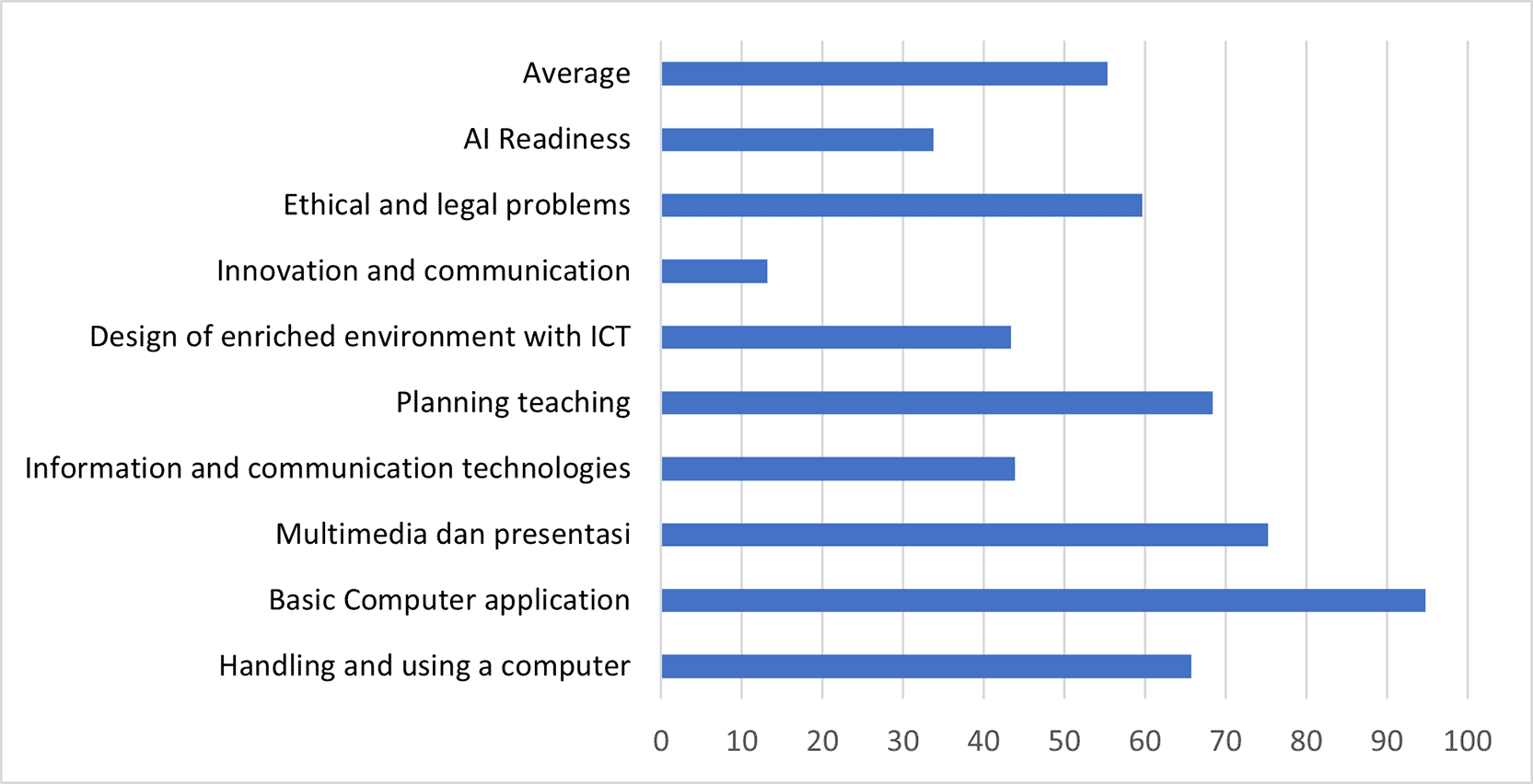
Overall, the average digital literacy score for teachers was 55.34, indicating that digital competence is still moderate and has not yet reached optimal levels. However, there is significant variation across dimensions, indicating internal inequalities in teacher competency profiles.
The dimension with the highest score was Basic Computer Application (94.74). This finding indicates that technically, most teachers have mastered basic applications such as word processing and presentations. However, the dominance of high scores in this technical aspect does not automatically translate to integrative learning skills, as seen in other dimensions. This condition reinforces the interview findings that technical literacy does not always translate into pedagogical innovation.
The Multimedia and Presentation (75.26) and Planning Teaching (68.42) dimensions showed relatively better performance compared to other dimensions, but implementation remains inconsistent. Although some teachers have included ICT in lesson planning, its integration into classroom practice remains limited. This indicates a gap between administrative planning and instructional implementation.
In contrast, the Information and Communication Technologies (43.85) and Design of an Enriched Environment with ICT (43.42) dimensions showed relatively low scores. These scores confirm that the use of ICT is still more dominant as a communication tool than as a means of enriching the learning environment. Limited infrastructure, internet access, and low LMS utilization also impacted achievement in these two dimensions.
The dimension with the lowest score was Innovation and Communication (13.16). This score indicates that technology-based innovation has not yet become a systematically developed professional culture. The innovations that emerge tend to be individual and not integrated into school policies or teacher learning communities.
The Ethical and Legal Problems aspect (59.65) is in the medium category, indicating that awareness of regulations on the use of technology has begun to form, but does not yet include broader critical digital literacy, including data security and the ethics of using digital technology.
Most crucial in the context of this research is the AI Readiness score (33.74), which is in the low category. This finding confirms that teachers’ readiness to utilize AI for planning, content development, assessment, and learning reflection is still very limited. This low score aligns with interview results, which indicated that the use of AI is still experimental and not yet pedagogically integrated.
To further explore disparities in teachers’ digital literacy, the analysis was disaggregated by educational level. This comparison highlights how contextual factors across elementary, junior high, and senior high schools influence the development of digital competencies. The results of the analysis of teachers’ digital literacy and competency levels at each educational level are presented in Figure 2.
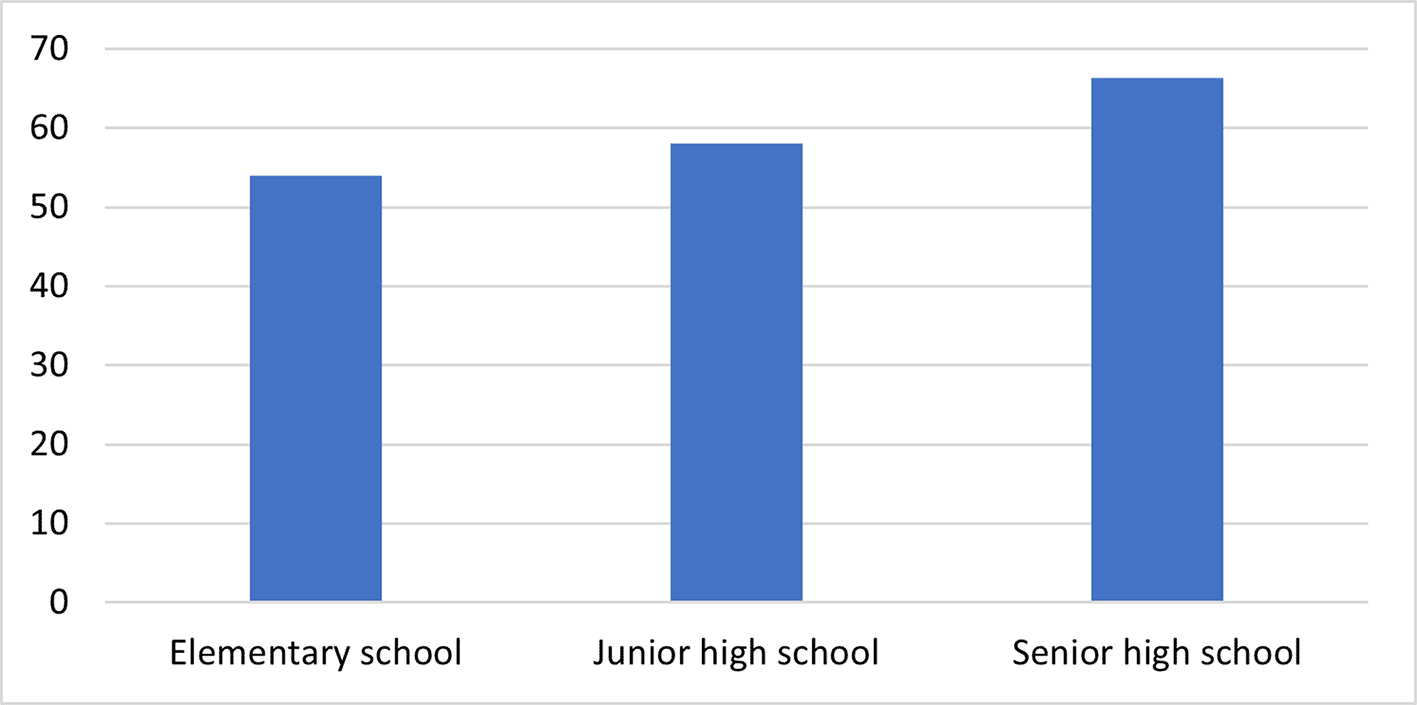
The results of mapping teachers’ digital literacy by educational level show a clear variation in competency levels between groups. Elementary school teachers achieved an average score of 54, indicating that digital literacy is still in the moderate category and tends to be limited to the use of basic technology. At the junior high school level, the score increased to 58, indicating competency development, particularly in the use of applications and technology integration in learning, although not yet optimal.
Meanwhile, teachers at the senior high school level scored the highest, at 66, reflecting a relatively higher level of digital literacy compared to other levels. This achievement indicates that high school teachers have broader exposure and experience in utilizing technology, both in planning and implementing learning.
This difference indicates a gradient in digital competency based on educational level, where the higher the school level, the higher the teacher’s digital literacy level. This finding aligns with interview results, which showed that high school teachers have greater access to training, technological tools, and opportunities to develop ICT-based learning innovations. Conversely, elementary school teachers face more significant limitations in infrastructure and technical support.
The implication of these findings is that the development of AI-PjBL models needs to be designed in a differentiated and adaptive manner to each educational level, by strengthening basic digital literacy for elementary school teachers and encouraging AI-based pedagogical and reflective integration at higher levels. Thus, a needs-based design approach is crucial to ensure that the interventions developed are relevant to real-world conditions at each educational level.
To obtain a more systematic overview of teachers’ digital literacy profiles and their readiness to utilize AI in learning contexts, interview results were analyzed using a thematic approach. The analysis process was carried out by grouping respondents’ answers into recurring patterns of meaning across each subdimension. This approach allows for the identification of not only factual conditions but also structural trends influencing learning practices in coastal areas. Table 1 presents a summary of thematic findings that integrate key interview patterns and their implications for AI-Based Project-Based Learning (AI-PjBL) design.
In general, thematic findings indicate that teachers’ digital literacy in coastal areas remains at the functional stage and has not yet reached the transformational level. In terms of computer handling and use, limited infrastructure—particularly electricity availability and minimal laboratory utilization—are the main limiting factors. This situation indicates that digital literacy challenges are not only individual but also structural. Therefore, AI-PjBL design needs to consider flexibility in device use and adaptation to low-resource environments.
In terms of basic computer applications and multimedia, a competency gap between generations of teachers is evident. Younger teachers are relatively more adaptable to presentation applications and online information searches, while older teachers experience operational difficulties. However, the use of multimedia in learning remains incidental and has not been pedagogically integrated. This indicates that technical literacy has not automatically transformed into pedagogical literacy. Therefore, AI-PjBL needs to be designed not only as training in tool use, but as a structured learning design framework.
The dimensions of ICT-based learning planning and environmental design reveal inconsistencies between planning documents and classroom practice. ICT has been included in lesson plans at certain levels, but has not been systematically implemented in core learning activities or assessments. The existence of unused LMS accounts further emphasizes that digital integration is not yet operational. These findings reinforce the urgency of a project-based approach that bridges planning, implementation, and evaluation within a single, integrated framework.
Regarding innovation and ethics, findings indicate that ICT-based innovation remains individual and has not yet become an institutional culture. Regulation of technology use is also limited to laboratory procedures, without addressing critical digital literacy. This situation has the potential to hinder responsible AI integration, particularly in the context of data use and information validity.
The most significant findings emerged in the AI readiness subdimension. The use of AI remains experimental, limited to a few high school teachers, and has yet to address reflective or evaluative aspects. There are no practices using AI for learning outcome analysis or instructional design improvement. Low awareness of ethical aspects and the potential for algorithmic bias further emphasizes that AI readiness is at an early (emergent) stage. Therefore, the AI-PjBL developed in this study cannot be directly directed towards advanced integration; instead, it needs to begin with conceptual orientation, guided use, and reflective pedagogical integration.
Overall, this thematic findings table demonstrates that development needs lie not only in technological mastery, but also in contextual and sustainable transformation of pedagogical practices. These findings provide a rationale for designing AI-PjBL as a model for teacher professional development based on the real needs of coastal areas.
The design of the AI-Based Project-Based Learning (AI-PjBL) model in this study was not conducted normatively, but rather departed from empirical findings regarding the digital literacy profile and AI readiness of teachers in coastal areas. The integration of quantitative data and thematic interview findings indicated a competency imbalance: teachers were relatively strong in basic technical aspects, but weak in integrative, innovative, and reflective dimensions, especially in the context of AI utilization. Therefore, the designed AI-PjBL framework was not directed at advanced technology integration, but at a gradual transformation from functional literacy to pedagogical and reflective literacy. To clarify the relationship between empirical findings and the developed model design.
To strengthen the linkage between empirical findings and the design of the proposed model, a diagnostic-based mapping was conducted. This mapping integrates quantitative results on teachers’ digital literacy profiles with qualitative insights from thematic interview analysis. The purpose is to explicitly demonstrate how each identified gap informs specific components of the AI-Based Project-Based Learning (AI-PjBL) model. The results of the empirical findings mapping are presented in Table 2.
Referring to the mapping results in Table 2, the AI-PjBL model was developed into five main phases: (1) orientation and strengthening of basic literacy, (2) formulation of authentic challenges based on local context, (3) inquiry and development of AI-assisted products, (4) presentation and reflective feedback, and (5) critical reflection and ethical evaluation. These five phases were not designed generically, but rather were a direct response to identified gaps in the digital literacy profile and AI readiness of teachers in coastal areas.
The first phase was designed in response to two key findings in Table 2: high mastery of basic computer applications but low pedagogical integration, and low levels of AI readiness. In this phase, teachers were introduced to the pedagogical functions of AI in a structured manner, including its limitations, information validity, and ethical implications of its use. This orientation serves as a conceptual bridge connecting functional digital literacy to more reflective and pedagogical AI literacy, while also addressing the tendency for AI to be used instrumentally.
The second phase focuses on formulating driving questions or contextual project challenges. This phase directly responds to findings of low innovation and communication, which are still individual and not yet systemic. Therefore, AI is utilized as a tool to explore local issues—such as coastal resource potential, environmental issues, or the local social context—and then formulated into authentic projects. In this context, AI does not replace the role of teachers, but rather expands the capacity for exploration and synthesis of ideas, in line with the principles of constructivism and connectivism.
The third phase is the core of the project implementation, designed to adapt to infrastructure limitations, as identified in the ICT and ICT-based environmental design dimensions in Table 2. Given the low utilization of LMS and limited access to electricity and internet, the project product does not have to be based on a complex platform, but can be a contextual learning module, lightweight presentation media, or bandwidth-efficient online form-based assessment. AI is utilized to assist teachers in developing rubrics, designing HOTS-based questions, and producing simple, relevant learning media. This approach reflects the principles of low-tech and adaptive design, so that AI integration remains feasible in the context of limited resources.
The fourth phase emphasizes product presentation and reflective feedback. This phase is specifically designed to address low innovation and communication scores, which indicate that innovation practices remain individualized. Through presentation and discussion mechanisms, this model encourages collaborative practices among teachers. AI can be utilized as a tool to generate alternative feedback or evaluation simulations, but the final decision remains with the teacher, the primary actor in the pedagogical reflection process.
The fifth phase, critical reflection and ethical evaluation, stems from the finding that digital ethics awareness is at an intermediate level, while ethical literacy in the use of AI remains very low. In this phase, teachers are encouraged to evaluate the accuracy of AI-generated information, identify potential algorithmic bias, and understand the limitations of its use in learning contexts. This phase aims to develop critical digital literacy and ensure that AI integration not only improves efficiency but also strengthens teachers’ professional responsibilities.
Structurally, the AI-PjBL model developed in this study adopts a progressive integration approach, as reflected in Table 2. AI integration begins with awareness and guided use, then progresses to pedagogical integration and reflective practice. This pattern aligns with the finding that teachers’ AI readiness is still in its early stages, requiring interventions to be designed in a phased and contextual manner.
Thus, the AI-PjBL framework developed is not simply an adaptation of GS-PBL, but rather a reconstruction based on empirical data and the contextual needs of coastal areas. This model bridges the gap between relatively good technical literacy and still-low innovative capacity, while also providing a transitional pathway to ethical, reflective, and sustainable AI integration in learning practices.
To ensure the conceptual, pedagogical, technological, and implementative feasibility of the developed AI-Based Project-Based Learning (AI-PjBL) model, a validation process was conducted by five experts in the fields of education, learning technology, and AI-based innovation. The assessment was conducted using a five-level scale and analyzed using the Aiken’s V index to measure the level of agreement between validators on each aspect of the model. Table 3 presents the average validation results based on the four main aspects formulated in the assessment instrument.
The validation results show that all aspects of the AI-PjBL model are in the High (Valid) category with Aiken’s V values ranging from 0.85 to 0.91. The implementation feasibility aspect received the highest score (Aiken’s V = 0.91), indicating that experts consider this model realistic for application in the context of coastal schools. This assessment reflects that the project syntax, activity duration, and potential for increasing digital literacy and AI readiness are assessed according to the empirical conditions of teachers.
The pedagogical feasibility aspect also received a high score (Aiken’s V = 0.90), indicating that the AI-PjBL syntax structure, integration of reflection, and integration between planning, implementation, and assessment were deemed consistent with the principles of Project-Based Learning. This reinforces previous findings that the model aligns with the conceptual framework of AI-assisted PBL and the contextual needs of teachers.
Meanwhile, the conceptual feasibility aspect achieved an Aiken’s V value of 0.86, indicating that the integration of constructivism theory, PBL, and the use of AI was deemed adequate and relevant to the needs analysis results. This value confirms that the model was not developed normatively, but rather based on digital literacy profile data and interview findings.
The aspect with the lowest relative value was technological feasibility (Aiken’s V = 0.85), although it remained in the valid category. Minor comments from the validators primarily concerned the need for more detailed implementation guidance and adaptation to infrastructure limitations. These findings provide guidance for technical improvements without compromising the model’s overall feasibility.
Overall, the validation results indicate that the AI-PjBL model has a high level of validity across all four key aspects. The overall average score, which falls within the highly valid category, strengthens the argument that this model is suitable for implementation in a limited trial phase in a coastal learning context.
The results of this study indicate a significant gap between teachers’ basic technical competencies and transformational capacity in utilizing technology. High scores on the Basic Computer Application dimension indicate that most teachers have mastered operational skills such as the use of word processing and presentation software. However, this achievement is not accompanied by innovative and reflective abilities, as reflected in low scores on the Innovation and Communication and AI Readiness dimensions (Tehrani et al., 2024; Uren & Edwards, 2023). Similar findings emerged in a study of digital competency frameworks, which showed that many teachers stop at mastering basic applications without advancing to pedagogical integration that fosters learning innovation (Rakisheva & Witt, 2023).
These findings confirm that teachers’ digital literacy does not develop linearly from technical aspects to pedagogical integration. Mastery of technology at the operational level does not automatically result in innovative learning practices. A review of digital competency frameworks emphasized that digital professional competencies encompass not only technical skills but also the ability to design learning activities, collaborate professionally, and critically reflect on technology use (Rakisheva & Witt, 2023). Within the Teacher Digital Competency (TDC) framework, mature digital literacy encompasses technology integration in learning design, professional collaboration, and critically reflect on technology use. Therefore, teachers in the context of this study are still at the functional literacy stage, where technology is used primarily as an administrative tool, not yet as a medium for transforming learning. A similar pattern was reported in a study of novice teachers’ digital competencies, which found that many teachers felt technically confident but lacked the ability to connect technology to pedagogical goals and the students needs of 21st-century (Gudmundsdottir & Hatlevik, 2018).
This phenomenon aligns with technology integration models like SAMR, where most teacher practices remain at the substitution and augmentation level, not yet at the modification and redefinition level. Recent research on the implementation of the SAMR model shows that technology utilization in the classroom is often limited to replacing legacy media with digital media without in-depth redesign of learning tasks (Cáceres-Nakiche et al., 2024). This suggests that the primary challenge is no longer access or technical skills, but the ability to transform technology into an integral part of meaningful learning experiences.
The findings of this study also demonstrate that teachers’ limited digital literacy is inextricably linked to the structural context of coastal areas. Interviews revealed that limited infrastructure, such as unstable electricity access, minimal use of computer laboratories, and limited internet connectivity, are major barriers to integrating learning technology. In some cases, available facilities are not optimally utilized due to operational constraints and a lack of technical support. Studies in rural schools show a similar pattern, where the main barriers to ICT integration are budget constraints, weak internet connectivity, and a lack of local technical support (Kormos & Wisdom, 2021; Powers et al., 2020).
This situation reflects the existence of a second-level digital divide, where disparities exist not only in access to technology but also in the ability and quality of its use. Research on the digital divide in rural contexts confirms that once minimum access is achieved, further disparities emerge in the form of a lack of pedagogical capacity to meaningfully utilize technology in learning (Vodopivec, 2025). Teachers in coastal areas face limited access to training, professional networks, and the institutional support needed to develop sustainable digital competencies. As a result, technology use tends to be limited to basic communication functions, such as instant messaging applications, without evolving into a tool for transforming learning. This is consistent with findings that teachers in rural schools use technology more frequently for administrative tasks and assessment than for collaborative learning design and problem-based projects (Kormos & Wisdom, 2021; Powers et al., 2020).
These findings confirm that developing teachers’ digital competencies cannot be achieved through a generic approach. Interventions designed without considering local contexts have the potential to be ineffective or even widen existing gaps. Studies on ICT-based professional development in low-income countries emphasize that effective programs must be designed sensitively to context, including considering local infrastructure, language, and cultural limitations ( Hennessey et al., 2021). Therefore, a context-sensitive design approach is crucial in designing teacher professional development models in resource-limited settings.
One of the most significant findings in this study is the low level of teacher readiness to utilize AI in learning. A low AI Readiness score indicates that AI utilization is still limited, sporadic, and not yet pedagogically integrated. Interviews revealed that only a small proportion of teachers have tried using AI applications, and their use is still limited to simple functions such as summarizing material or setting learning objectives. A nationwide survey study in Estonia, for example, also found that although more than half of teachers have tried AI tools, their use is still dominated by efficiency functions such as material creation and task automation, rather than for designing rich learning experiences (Granström & Oppi, 2025).
This situation indicates that teachers are still at the instrumental stage of AI use, where technology is used as a practical tool without a thorough understanding of its pedagogical potential, limitations, or ethical implications. Furthermore, low awareness of information validity, algorithmic bias, and the ethical aspects of AI use indicates that AI literacy has not yet developed comprehensively. Akgun and Greenhow (2022) emphasize that AI applications in K-12 education have the potential to reinforce bias and injustice if teachers and students are not equipped with an understanding of ethical risks, privacy, and digital surveillance.
These findings align with a growing body of literature showing that AI integration in education requires not only technical skills but also reflective and ethical competencies. Recent research on teachers’ AI readiness indicates that perceived usefulness and psychological readiness are strong predictors of AI adoption intentions in teaching practice, alongside training and policy support (Granström & Oppi, 2025). Without such a foundation, the use of AI risks producing uncritical and technology-dependent learning practices. Therefore, the development of teachers’ AI competencies needs to be designed in stages, starting with awareness-raising, guided use, and then reflective pedagogical integration.
The findings of this study have direct implications for the design of the AI-Based Project-Based Learning (AI-PjBL) model being developed. First, the low level of AI readiness requires the model to begin with an orientation phase that focuses on introducing the concept of AI, its pedagogical functions, and its ethical limitations and implications. Recent ethnographic and conceptual studies confirm that an AI literacy curriculum that places ethical aspects and critical awareness as a starting point is crucial for preventing irresponsible use of AI in the classroom (Akgun & Greenhow, 2022). This approach is crucial for building a conceptual foundation before teachers engage in more complex AI use.
Second, limitations in the ICT dimension and technology-based environmental design suggest that the model needs to be designed with low-tech and adaptive design principles. Project activities should not rely on complex infrastructure but should be flexible to conditions with limited electricity and internet access. Findings from rural school contexts indicate that intervention designs that rely too heavily on high connectivity tend to deepen the learning gap between schools with and without adequate infrastructure (Kormos & Wisdom, 2021). Therefore, the use of AI in this model focuses on lightweight and flexibly accessible tools.
Third, low levels of innovation and communication indicate the need to integrate collaborative mechanisms into the model. The presentation and feedback phases in AI-PjBL are designed to encourage interaction between teachers, so that innovation is no longer individual but develops into collective practice. Research on virtual coaching models shows that ongoing mentoring, reflective discussions, and communities of practice can improve teachers’ digital competence and the frequency of technology integration in learning (Zimmer & Matthews, 2022).
Fourth, the gap between learning planning and implementation highlights the importance of alignment between design, implementation, and assessment. Studies on teacher AI readiness indicate that teachers are more likely to adopt AI when they perceive direct benefits from AI in terms of efficiency in planning, implementing, and assessing learning (Granström & Oppi, 2025). Therefore, AI in this model is used not only for material development but also to support the development of assessments and integrated learning reflection.
Overall, the AI-PjBL model developed in this study adopts a progressive integration approach, where the use of AI is not carried out directly at an advanced level, but rather through gradual stages that include orientation, guided use, pedagogical integration, and critical reflection. This approach aligns with findings that a combination of readiness, perceived usefulness, and ongoing professional development support are prerequisites for effective and sustainable AI integration in the classroom (Granström & Oppi, 2025; Zimmer & Matthews, 2022).
This study aims to map the digital literacy profile and readiness for AI utilization among teachers in coastal areas and to develop a needs-based AI-Based Project-Based Learning (AI-PjBL) framework. The results indicate that teachers’ digital literacy remains moderate, with disparities across dimensions. Teachers possess relatively good competency in basic technical aspects, but remain weak in the integrative, innovative, and reflective dimensions. Furthermore, readiness for AI utilization is low and remains experimental, not yet pedagogically integrated into learning practices.
These findings confirm that teachers’ digital literacy does not develop linearly from technical skills to pedagogical transformation, and is heavily influenced by structural contexts such as limited infrastructure, access to training, and institutional support in coastal areas. Based on these findings, this study developed a contextually and incrementally designed AI-PjBL model, emphasizing the integration of AI as an adaptive, reflective, and ethical pedagogical tool. This model adopts a progressive integration approach, enabling teachers to transition from functional use of technology to more innovative and meaningful learning practices. This study contributes to the growing discourse on equitable AI integration in education by demonstrating that diagnostic-based instructional design is essential for bridging digital inequality in under-resourced contexts.
However, this study has several limitations. First, the relatively limited number of participants, drawn from a single geographic region, limits the generalizability of the findings to a broader context. Second, this study focused on the exploration and model development phase, thus not empirically testing the effectiveness of AI-PjBL implementation on improving teacher competency. Third, the measurement of digital literacy and AI readiness is still based on instruments developed within the context of this study, thus requiring further validation in a more diverse population.
Therefore, further research is recommended to test the effectiveness of the AI-PjBL model through experimental or quasi-experimental designs to evaluate its impact on digital literacy, AI readiness, and teachers’ pedagogical practices. Furthermore, follow-up studies can expand the research context to regions with different characteristics to test the model’s flexibility and adaptability. The development of more comprehensive and standardized instruments is also needed to measure digital literacy and AI literacy in greater depth. Therefore, this research is expected to serve as a foundation for the development of more inclusive, contextual, and sustainable AI-based teacher training models in various educational settings.
This study was approved by the Institutional Review Board of Universitas Bosowa on 19 May 2025 (Ref: 063a/1.02/DRIPM-UNIBOS/V/2025). The research timeline included a preparatory phase (March–April 2025), which involved instrument development and expert validation of the research instruments (Digital Literacy Test Instrument and Semi-Structured Interview Guidelines). This phase did not involve any human participant data collection.
All data collection involving participants was conducted only after ethical approval had been granted. The expert validation of the AI-PjBL model was conducted after the data collection phase as part of the development stage of the study.
All participants were informed about the purpose of the study, and written informed consent was obtained prior to their participation. Participation was voluntary, and participants had the right to withdraw at any time without consequences. Participants’ identities were anonymized, and all data were used solely for academic and research purposes.
The authors stated that generative artificial intelligence tools were used in a limited manner to assist with language editing, organization of academic writing, and improvement of clarity. The conceptual framework, research design, data analysis, interpretation, and final conclusions were developed entirely by the authors.
| Views | Downloads | |
|---|---|---|
| F1000Research | - | - |
|
PubMed Central
Data from PMC are received and updated monthly.
|
- | - |
Provide sufficient details of any financial or non-financial competing interests to enable users to assess whether your comments might lead a reasonable person to question your impartiality. Consider the following examples, but note that this is not an exhaustive list:
Sign up for content alerts and receive a weekly or monthly email with all newly published articles
Already registered? Sign in
The email address should be the one you originally registered with F1000.
You registered with F1000 via Google, so we cannot reset your password.
To sign in, please click here.
If you still need help with your Google account password, please click here.
You registered with F1000 via Facebook, so we cannot reset your password.
To sign in, please click here.
If you still need help with your Facebook account password, please click here.
If your email address is registered with us, we will email you instructions to reset your password.
If you think you should have received this email but it has not arrived, please check your spam filters and/or contact for further assistance.

Comments on this article Comments (0)