Keywords
Indigenous knowledge, elementary, culture, pedagogy

Indigenous knowledge, elementary, culture, pedagogy
Indigenous knowledge is a vital local community heritage that plays a crucial role in the sustainability of cultural, social, and ecological systems. Indigenous knowledge is accumulated over generations through life experiences, observations, and interactions with the environment, deeply embedded in the cultural practices and traditions of indigenous communities (Masenya & Bhuda, 2025; Menon, Noble, Padmavilochanan, Rashed, & Bhavani, 2023; A. Sharma et al., 2024). It is typically transmitted through oral traditions, apprenticeship, and experiential learning, forming a dynamic system that evolves in response to community needs and environmental conditions.
Indigenous knowledge is increasingly recognized as a key resource for achieving the Sustainable Development Goals (SDGs), particularly SDG 4 (Quality Education). Efforts to improve inclusive and equitable education emphasize the integration of local epistemologies and experiential learning into formal curricula, thereby enhancing contextual relevance and cultural responsiveness, such integration enables education systems to reflect the lived realities of learners and to support culturally grounded forms of knowledge production (Dei, Anane-Donkor, Dzandza, Peasah, & Puttick, 2025; Seehawer & Breidlid, 2021).
The integration of Indigenous Knowledge into formal education has also been legitimized by UNESCO which emphasizes the importance of integrating diverse knowledge systems to address global challenges such as biodiversity loss, food insecurity, and climate change (Huambachano, Nemogá Soto, & Mwampamba, 2025). Furthermore, UNESCO also emphasized the importance of integrating indigenous knowledge into formal education curricula by promoting the Recognition, Validation, and Accreditation (RVA) of Indigenous Knowledge to address the lack of relevant qualifications in various countries. This validation aims to formalize and enhance value of Indigenous Knowledge within national education system (Singh, 2015).
Indigenous knowledge integration practices have been implemented in secondary and higher education levels. These practices have impacted research developments that continue to evolve to this day. The initial findings of researchers regarding the development trend of Indigenous Knowledge integration using bolean operation (TITLE-ABS-KEY (“Indigenous Knowledge” OR “Local Knowledge” OR “Cultural Knowledge”) AND TITLE-ABS-KEY (“High School” OR “University”)) AND (LIMIT-TO (SUBJAREA, “SOCI”) OR LIMIT-TO (SUBJAREA, “ARTS”) OR LIMIT-TO (SUBJAREA, “ENVI”)) AND (LIMIT-TO (DOCTYPE, “ar”)) AND (LIMIT-TO (EXACTKEYWORD, “Indigenous Knowledge”) OR LIMIT-TO (EXACTKEYWORD, “Education”) OR LIMIT-TO (EXACTKEYWORD, “Humans”) OR LIMIT-TO (EXACTKEYWORD, “Human”)) shows that the research trend of Indigenous Knowledge integration towards learning in secondary and higher education continues to experience development, especially in the last 10 years and will continue to develop.
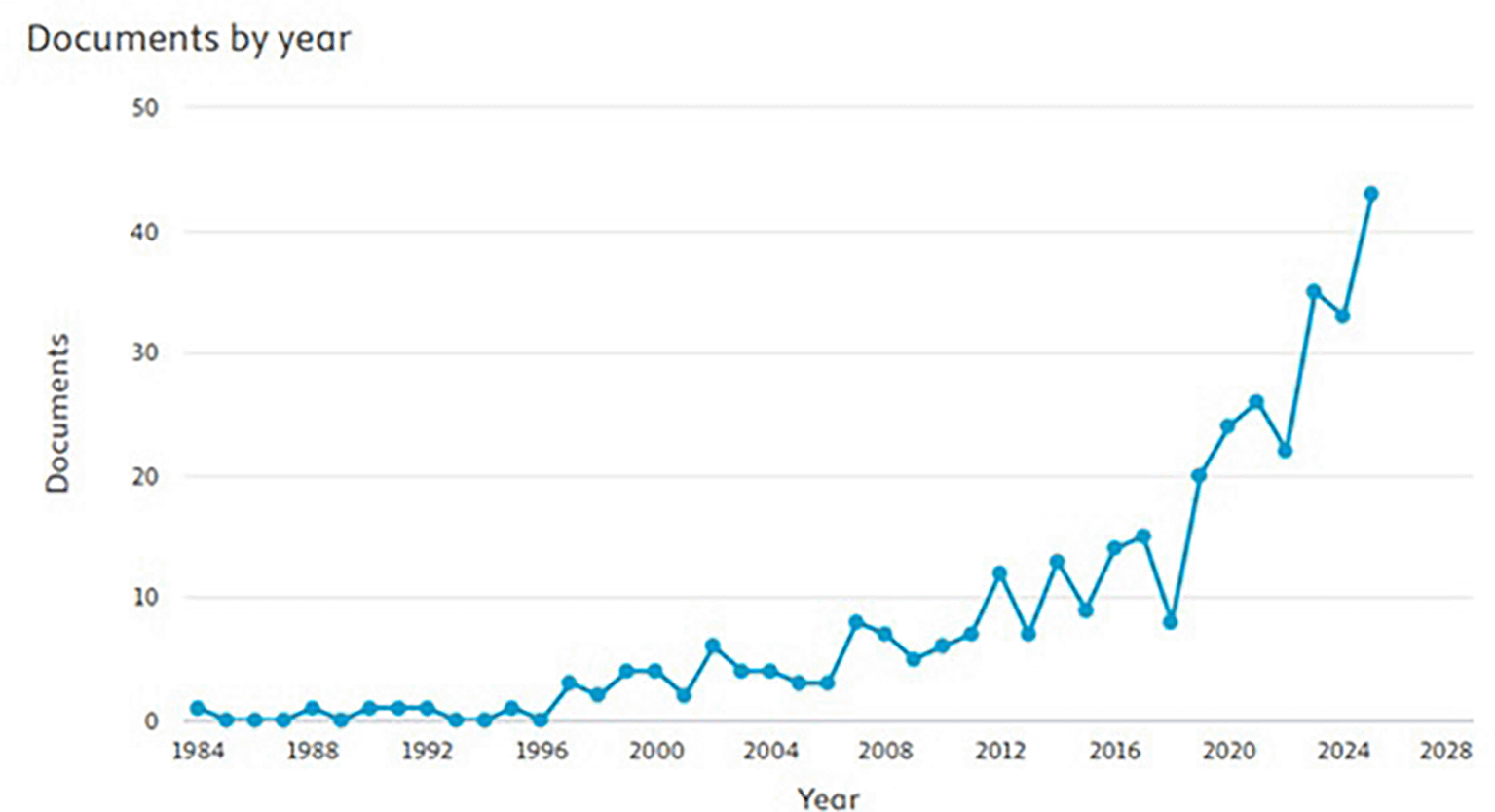
Based on Figure 1, this increasing trend opens opportunities and creates a new focus for primary education. It is known that primary education is a phase in which character and cultural identity are formed, laying the foundation for recognizing, appreciating, and preserving Indigenous Knowledge from an early age. The global trend suggests that education is moving toward culturally responsive pedagogy and a local-wisdom-based curriculum, which demands a more inclusive education system embracing local knowledge from elementary school onward.
Source: Scopus (October 28th, 2025).
Despite the growing body of literature on Indigenous Knowledge practices, there remains a lack of comprehensive bibliometric mapping that capture research trends, themes, and collaborative research networks. Existing studies largely focus on specific cases of connections, often limited to specific regions, cultural groups, or fields of study. Moreover, most employ qualitative or descriptive approaches that emphasize practical implementation in educational settings. While these practices undoubtedly contribute to the contextualization of Indigenous knowledge-based pedagogy, there has been no comprehensive bibliometric mapping that systematically analyzes publication trends, influential authors, institutional collaborations, or thematic clusters regarding Indigenous Knowledge integration in education. This gap hinders a deeper understanding of how scholarship on Indigenous Knowledge integration in education has evolved and where future research efforts should be directed.
Based on this gap, the present study aims to explore and map global research trends on the integration of indigenous knowledge in primary education through bibliometric analysis. Specifically, this study seeks to: 1) identify publication trends and growth patterns in the field of indigenous knowledge integration in primary education; 2) determine the most influential authors, journals, and countries; 3) visualize keyword co-occurrence and thematic clusters.
Bibliometric analysis is a quantitative method used to examine the development of a research domain, including its theme, contributors, and knowledge structure, by analyzing the social, intellectual, and conceptual relationship within a scientific field (Fitria, Zafrullah, Putro, Ibrahim, & Akbar, 2024). This approach has been widely applied across disciplines and focuses on quantitative analysis of journal papers, books and other written communications (Aria & Cuccurullo, 2017; Cuccurullo, Aria, & Sarto, 2016). The overall article mapping process is carried out through the R-Studio platform, which is known as a bibliometric tool. Apart from using RStudio, the researchers also utilized Vosviewer to map keyword groups and track the development of new keywords in scientific literature. In this study, bibliometric mapping was conducted using the R programming environment through the Bibliometric package in RStudio. In addition, the researchers also utilized Vosviewer to map keyword groups and track the development of new keywords in scientific literature.
The data were obtained from the Scopus database, which was selected due to its extensive coverage of high quality peer-reviewed journals across multiple disciplines, including social sciences, natural sciences, engineering, and medicine (Baas, Schotten, Plume, Côté, & Karimi, 2020; Bakhmat, Kolosova, Demchenko, Ivashchenko, & Strelchuk, 2022). Scopus offers comprehensive author and institutional profiles, derived from advanced profiling algorithms and manual curation, and ensuring high precision and completeness. These profiles help to identify significant research collaborations and networks (Baas et al., 2020).
Additionally, the Scopus database is often used in conjunction with bibliometric analysis tools such as VOSviewer and Biblioshiny, which enable in-depth data visualization and thematic analysis (Febiyani, Suhardi, Laksono, & Prastawa, 2023; James, Cherian, & Abey, 2025; Rajath et al., 2025; Thomas, Joseph, & Jose, 2023). Scopus is known for having a user-friendly interface, which makes it easy for researchers to access and use data for everyday analysis (Bakhmat et al., 2022).
The search for relevant articles was carried out on 20 October 2025, at 17.00 using the menu option ‘article title, abstract, keyword, with the keywords (TITLE-ABS-KEY (“indigenous knowledge”) OR TITLE-ABS-KEY (“local knowledge”) OR TITLE-ABS-KEY (“cultural knowledge”) OR TITLE-ABS-KEY (“local knowledge”) OR TITLE-ABS-KEY (“ethno-knowledge”) AND TITLE-ABS-KEY (elementary) OR TITLE-ABS-KEY (“elementary school”) OR TITLE-ABS-KEY (“primary school”) OR TITLE-ABS-KEY (“elementary students”) OR TITLE-ABS-KEY (“primary students”) OR TITLE-ABS-KEY (“elementary teacher”) OR TITLE-ABS-KEY (“ primary school students”) OR TITLE-ABS-KEY (“elementary school teachers”) OR TITLE-ABS-KEY (“primary school teachers”) OR TITLE-ABS-KEY (“character”)) AND (LIMIT-TO (DOCTYPE, “ar”)) AND (LIMIT-TO (LANGUAGE, “English”)). To obtain a comprehensive overview of empirical research, the search was not limited by a specific time span. This research yielded 530 titles.
To focus on the most relevant and substantial contributions in this field, the search result was refined to include only journal articles. Articles were selected because they typically provide detailed empirical research findings and critical analysis that are essential for understanding trends and developments in the topic of integrating indigenous knowledge into primary school learning. Other documents, such as conference papers, book chapters, or editorials, were excluded. After applying this criterion, a total of 355 relevant articles were identified. The data were exported in CSV (Comma-Separated Values) format for further processing. Given that the database used was not specifically designed for bibliometric analysis (Sugito, 2024). After the data was exported, it was filtered for duplicates. During this process, nine duplicate articles were identified and removed. As a result, the final dataset consisted of 355 unique articles, which were prepared for the analysis.
This study aims to provide an overview of the contributions and developments in the research theme of integrating indigenous knowledge into learning in elementary schools. To achieve this objective, two complementary bibliometric techniques were employed: performance analysis and science mapping (Sugito, 2024). Performance analysis evaluates research productivity and impact based on citation indicators, including contributions of journals, articles, authors, and countries. Meanwhile, science mapping is used to explore the relationships between research aspects such as keywords, authors, journals, and countries. This analysis encompasses conceptual structure, intellectual structure, and social structure. The dataset was analyzed using RStudio and VOSviewer, both of which are widely used and freely accessible bibliometric tools.
Indigenous knowledge and its integration into education have become research objects that have shown an increasing trend over the past decade. This is proven by the research trends published by articles indexed by Scopus during the years 1984–2025 with the keywords (TITLE-ABS-KEY (“indigenous knowledge”) OR TITLE-ABS-KEY (“local knowledge”) OR TITLE-ABS-KEY (“cultural knowledge”) OR TITLE-ABS-KEY (“local knowledge”) OR TITLE-ABS-KEY (“ethno-knowledge”) AND TITLE-ABS-KEY (elementary) OR TITLE-ABS-KEY (“elementary school”) OR TITLE-ABS-KEY (“primary school”) OR TITLE-ABS-KEY (“elementary students”) OR TITLE-ABS-KEY (“primary students”) OR TITLE-ABS-KEY (“elementary teacher”) OR TITLE-ABS-KEY (“primary school students”) OR TITLE-ABS-KEY (“elementary school teachers”) OR TITLE-ABS-KEY (“primary school teachers”) OR TITLE-ABS-KEY (“character”)) AND (LIMIT-TO (DOCTYPE, “ar”)) AND (LIMIT-TO (LANGUAGE, “English”)).
Based on the Figure 1, it is evident that research interest in indigenous knowledge in education has increased substantially over the past four decades. This increase indicates a growing awareness of the importance of integrating indigenous knowledge into the formal education system, particularly in the elementary school level. Integrating indigenous knowledge into elementary school learning not only enriches the curriculum with local cultural values but also supports the formation of students’ cultural identities from an early age. Moreover, such integration serves as a strategic effort to preserve and transmit indigenous knowledge that is at risk of erosion due to globalization and modernization.
General information regarding the dataset is presented in Table 1. A total of 355 scientific articles were authored by 1,271 researchers, including two single-authored publications. On average, each document received 15.75 citations, and the articles were published across 299 academic journals. The authors employed a total of 1,225 keywords, representing approximately 1,257 conceptual terms identified within the article content. The growth of research writing on the integration of indigenous knowledge into basic education is also presented in Figure 1.
The integration of Indigenous Knowledge (IK) into primary school education has become a subject of increasing interest and global pursuit. The process can be understood through several phases, each characterized by different approaches and challenges.
a. Initial Recognition. The earliest phase was marked by growing acknowledgment of the importance of IK in preserving cultural identity and promoting holistic education. However, IK was often considered inferior and faced significant obstacles to integration into the formal education system (da Silva, Pereira, & Amorim, 2023; Govender & Mutendera, 2020).
b. Initial Integration Efforts. Initial efforts involve pilot programs and studies to explore the feasibility of IK integration (Acharibasam & McVittie, 2021). In addition, this integration effort is accompanied by the development of educational policies to combine local knowledge systems with modern knowledge (Miole, 2024).
c. Systematic integration and framework development. Efforts to systematically integrate IK into curricula and syllabi have been observed, with some success in reflecting IK elements in textbooks and educational policies. However, these elements are still rarely incorporated into actual teaching practices (Gunjebo, Woldemariam, & Boru, 2025).
d. Current Trends and Future Directions. Current trends emphasize inclusive education models that encourage ongoing dialogue and collaboration between Indigenous communities and educational institutions. This approach aims to ensure meaningful Indigenous inclusion and respect for Indigenous rights. (Miole, 2024; Quintriqueo et al., 2023).
Prominent author
To understand the evolving trend of integrating indigenous knowledge into primary school learning, it is important to examine authors’ contributions to the field. Such Table 2 presents the ten most productive authors, each contributing between two and three publications. Rigby, David L., was identified as the most prolific and influential author, with three publications and a total of 66 citations. This indicates Rigby’s strong and consistent contributions. Rigby’s publications also indicate a continued research focus on developing indigenous knowledge-based pedagogical approaches.
In addition to Rigby, other authors, such as Achribasam and Chote, have emerged as new contributors, each with two publications. While their publication numbers are relatively small, their emergence in 2023 signals the emergence of emerging scholars who are beginning to expand research on indigenous knowledge at the primary school level, particularly in the context of Africa and Oceania.
Other authors such as Kebebew (2001, TC 54) and Harper (2017, TC 36) indicate that research on indigenous knowledge has a long history, with early contributions still relevant and frequently cited today. The relatively uniform H-Index value of 2 across authors suggests that, despite growing interest in IK integration, individual research productivity and impact remain limited, reflecting an emerging yet still consolidating area of scholarship.
Prominent institution
Institutions play a crucial role in advancing the integration of Indigenous Knowledge into primary school education, as reflected in their scholarly output. Table 3 present an overview of the top 10 institutions based on the number of articles published. The School of Medicine and Public Health leads with 13 publications, followed by Los Almos National Laboratory (12), The University of Manchester (11), University of California (11), Universita Degli Studi Di Torino (11), Notreported (10), Centre Valbio (9), Institute for Health Education (9), Universitas Sebelas Maret (9), and the International Livestock Research Institute Nairobi (8).
This list of top institutions demonstrates that research on the integration of indigenous knowledge into basic education is multidisciplinary and global, with strong contributions from the fields of education, public health, and the environment. The researchers assume that institutions in developed countries play a role in providing the conceptual and technological framework, while universities in developing countries contribute to the implementation and cultural context.
Figure 2 illustrates the growth in the number of publications from year to year. This growth generally began around 2010, when the number of publications was still very limited, indicating that indigenous knowledge issues had not yet become a primary focus in primary education research. After 2015, the number of publications began to increase consistently. This was likely driven by the global movement for decolonization of education, sustainable education (Education for Sustainable Development – ESD), and the increasing emphasis in national policies in various developing countries on the preservation of local wisdom in schools.
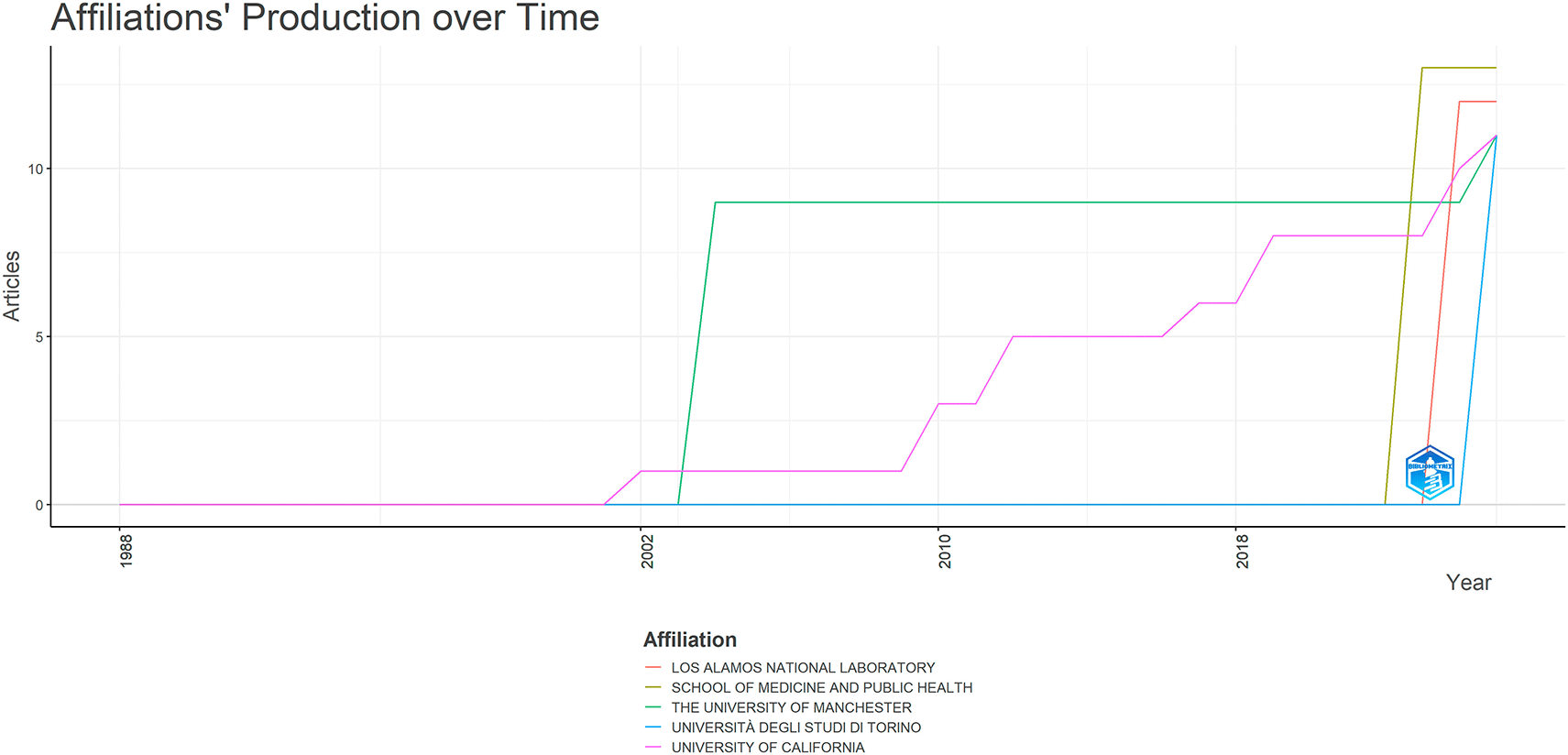
The annual growth pattern shown in Figure 2 indicates that research on Indigenous Knowledge has entered a phase of expansion rather than remaining in an early exploratory stage. This suggests indigenous knowledge in primary education has become an established topic with the potential to become a multidisciplinary research cluster involving education, anthropology, public health, and environmental science.
Table 4 presents the top 10 countries based on article productivity and number of citations. Article productivity is measured by the number of scientific publications produced by each country. The United States of America leads in article productivity with 167 publications, followed by Indonesia (130), Australia (96), the United Kingdom (71), China (60), South Africa (36), Canada (35), India (34), Brazil (33), and New Zealand (32). Overall, this distribution shows that research on the integration of indigenous knowledge is global and cross-continental, with a strong dominance in countries with high cultural diversity and educational policies based on local wisdom and sustainability.
| Country | Freq |
|---|---|
| USA | 167 |
| INDONESIA | 130 |
| AUSTRALIA | 96 |
| UK | 71 |
| CHINA | 60 |
| SOUTH AFRICA | 36 |
| CANADA | 35 |
| INDIA | 34 |
| BRAZIL | 33 |
| NEW ZEALAND | 32 |
Figure 3 illustrates the cumulative productivity of journals publishing articles on the integration of Indigenous Knowledge in elementary school learning from 1984 to 2025. The data show that publications began to appear sporadically since the early 2000s and then experienced a more consistent increase after 2015. This pattern indicates that the topic of indigenous knowledge integration has evolved from a marginal research theme into a scientifically recognized area of inquiry across various international journals and studies.
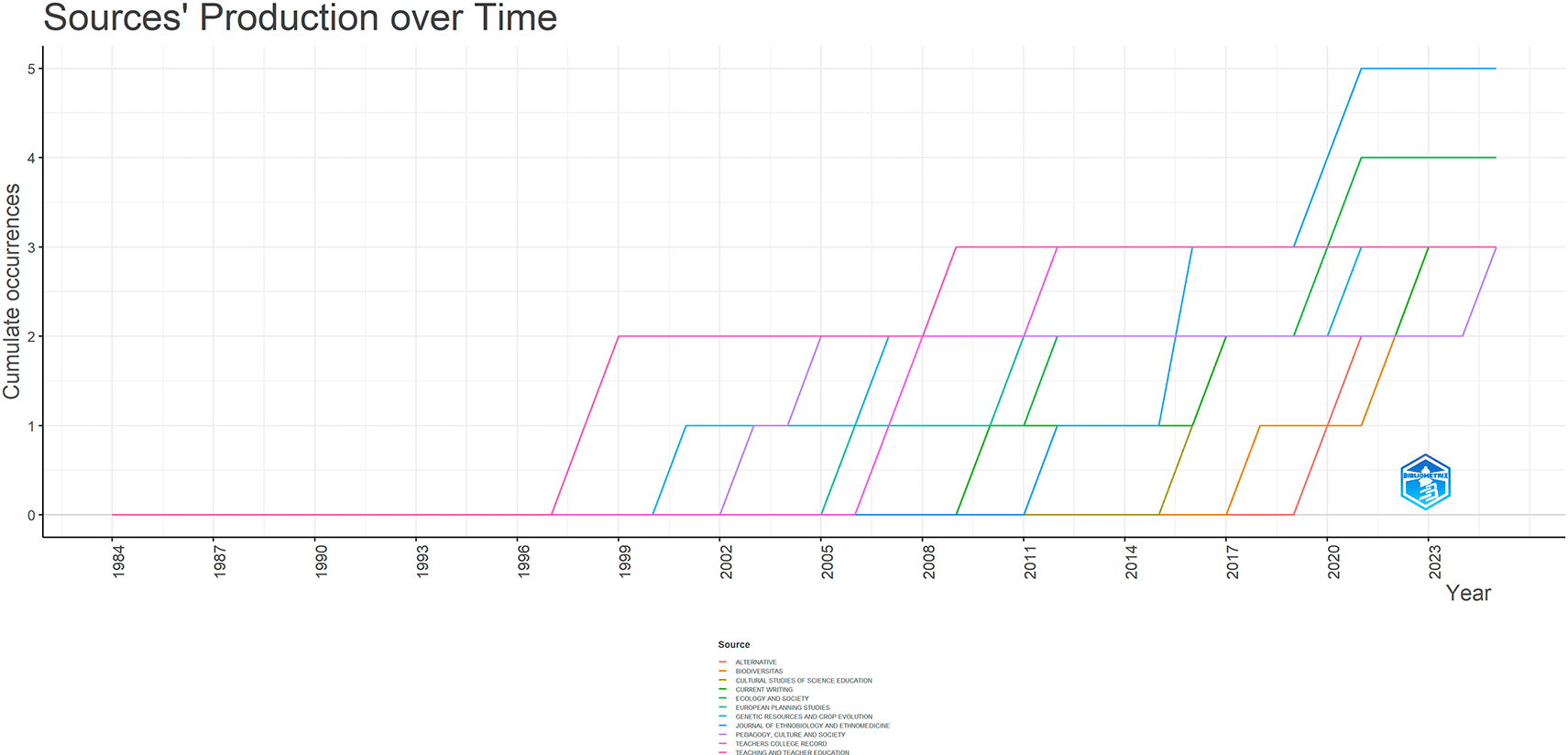
Table 5 presents an overview of the documents with the highest number of citations. A total of 10 articles were identified, with citations ranging from 85 to 326. The five articles with the highest number of citations are: ‘Translating local knowledge at organizational peripheries’ (326), followed by ‘Human cumulative culture: a comparative perspective’ (263), ‘Innovation in knowledge-intensive industries: The nature and geography of knowledge links’ (197), ‘Indigenous and local knowledge in sustainability transformations research: a literature review’ (189), and ‘Compartmentalizing culture: the articulation and consideration of Indigenous values in water resource management’ (163).
| Author & Journal | Title &DOI | Total citations | TC per year | Normalized TC |
|---|---|---|---|---|
| YANOW, 2004 BR. J. MANAG. | Translating local knowledge at organizational peripheries 10.1111/j.1467-8551.2004.t01–1-00403.x | 326 | 14,82 | 3,34 |
| DEAN, 2014. BIOL. REV | Human cumulative culture: a comparative perspective 10.1111/brv.12053 | 263 | 21,92 | 6,92 |
| TÖDTLING, 2006, EUR. PLAN. STUD. | Innovation in knowledge intensive industries: The nature and geography of knowledge links 10.1080/09654310600852365 | 197 | 9,85 | 1,57 |
| LAM, 2020, ECOL. SOC. | Indigenous and local knowledge in sustainability transformations research: a literature review. 10.5751/ES-11305-250103 | 189 | 31,50 | 13,50 |
| JACKSON, 2006, AUST. GEOGR. | Compartmentalising culture: the articulation and consideration of Indigenous values in water resource management 10.1080/00049180500511947 | 163 | 8,15 | 1,30 |
| MICHON, 2007, ECOL. SOC. | Domestic forests: a new paradigm for integrating local communities’ forestry into tropical forest science 10.5751/ES-02058-120201 | 147 | 7,74 | 2,84 |
| REID, 2016, PROC. NATL. ACAD. SCI. U. S. A. | Evolution of models to support community and policy action with science: Balancing pastoral livelihoods and wildlife conservation in savannas of East Africa 10.1073/pnas.0900313106 | 142 | 14,20 | 5,49 |
| BROWN, 2002, MANAG. LEARN. | Local knowledge: Innovation in the networked age 10.1177/1350507602334002 | 116 | 4,83 | 2,78 |
| HASSANEIN, 1995, RURAL. SOCIOL. | Where the Grass Grows Again: Knowledge Exchange in the Sustainable Agriculture Movement 10.1111/j.1549-0831.1995.tb00603.x | 100 | 3,23 | 1,00 |
| MUKUNGU, 2016, J. ETHNOPHARMACOL. | Medicinal plants used for management of malaria among the Luhya community of Kakamega East sub-County, Kenya 10.1016/j.jep.2016.08.050 | 85 | 8,50 | 3,29 |
When considering the average citation rate for documents published in the same year (normalized citations). The top five rankings change to: ‘Indigenous and local knowledge in sustainability transformations research: a literature review’ (13.50), ‘Human cumulative culture: a comparative perspective’ (6.92), ‘Evolution of models to support community and policy action with science: Balancing pastoral livelihoods and wildlife conservation in savannas of East Africa’ (5.49), ‘Translating local knowledge at organizational peripheries’ (3.34), and ‘Medicinal plants used for management of malaria among the Luhya community of Kakamega East sub-County, Kenya’ (3.29).
A journal’s impact can be assessed not only through its global influence but also through its local significance within a particular region or academic community. Local impact reflects how a journal contributes to academic and practical advancement in its surrounding environment, which can be assessed through various metrics such as the number of publications, the number of citations, and the journal’s role in local academic discourse.
Table 6 provides an overview of journals based on Number of Publications (NP), Total Citations (TC), Year of First Publication (PY), and h-index values. This table illustrates the local impact of journals by showing which journals lead in terms of publication volume and citation metrics within their communities. For example, Ecology and Society (h-index = 4, TC = 411, NP = 4) demonstrates significant societal impact through its large number of articles and citations. This journal has been influential in shaping local academic discussions around the integration of indigenous knowledge. Similarly, the Journal of Ethnobiology and Ethnomedicine (h-index = 4, TC = 94, NP = 5) has also contributed to the integration of indigenous knowledge into biology and medicine, reflecting the relevance of indigenous knowledge to medicine and biology locally.
Furthermore, Genetic Resources and Crop Evolution (h index = 3, TC = 44, NP = 3), although recognized for its broader impact, also addresses genetic and evolutionary issues from an indigenous knowledge perspective. The role of these journals in addressing local educational challenges and fostering academic dialogue is a key aspect of their overall impact. The local impact of these journals is also evident in the trends shown in Figure 3, which depict the growth of these journals over time. The consistent growth of journals such as Ecology and Society underscores their growing importance among local academics, influencing both theoretical interest and practical application in the integration of indigenous knowledge in primary education.
Science mapping
Science mapping provides a visual representation of the structure and development of a research field, offering insights into how knowledge evolves and connects over time. In this section, researchers explore science mapping’s integration of indigenous knowledge into primary education learning to understand its conceptual, intellectual, and social implications through a detailed analysis of research trends and networks within the field.
Co-Occurrence network
Co-occurrence analysis reflects the relationship and frequency of concepts or topics studied in the field of indigenous knowledge. Based on Figure 4, these two aspects are represented by nodes and edges. The size of each node represents the number of documents associated with a particular keyword, while edges between nodes represent the co-occurrence of two keywords within the same document. A larger node size signifies a higher frequency of keyword occurrence, whereas thicker connecting lines indicate stronger associations between keywords. Additionally, different colors represent clusters of related keywords.
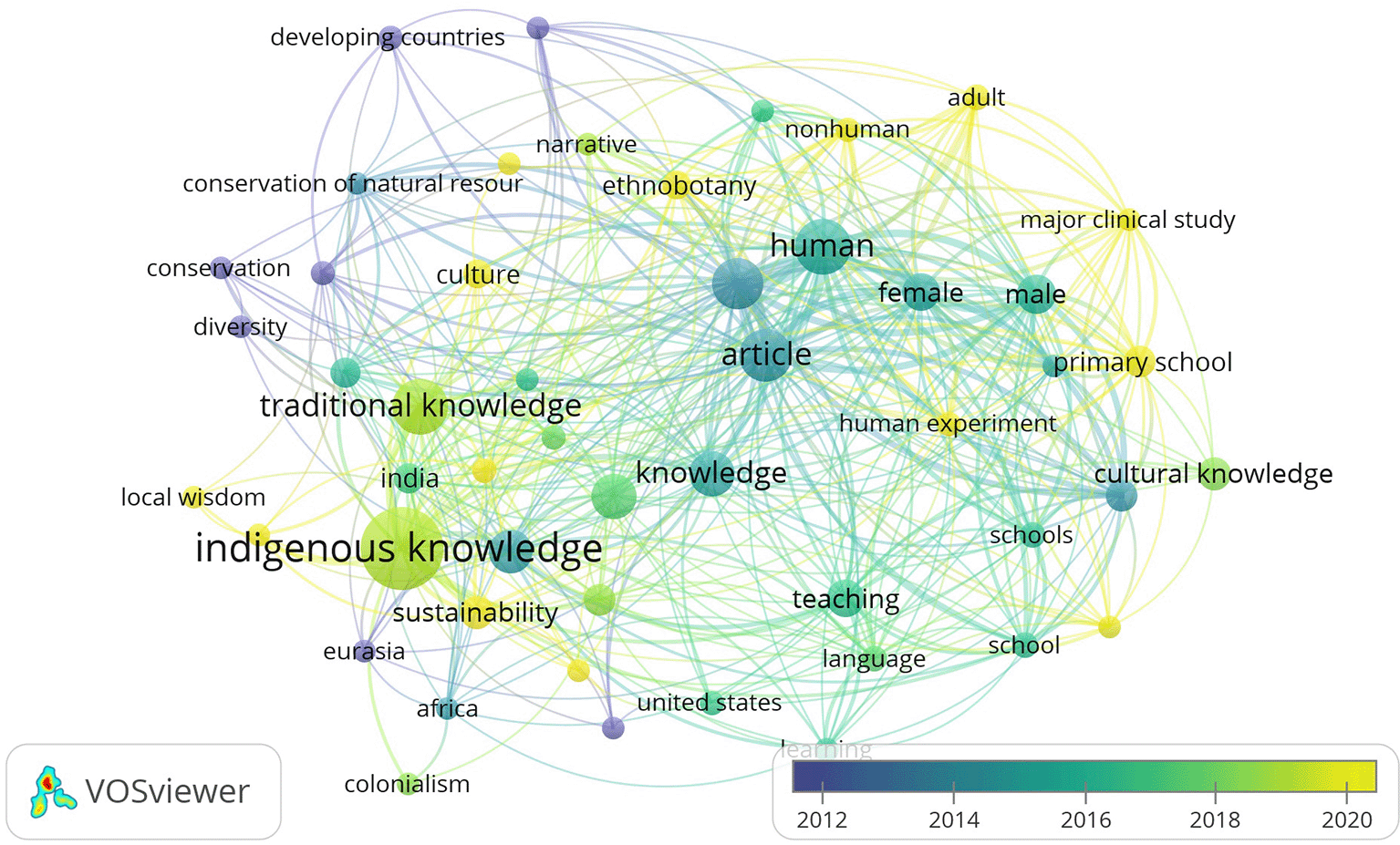
This information provides insight into how different concepts or topics are interconnected within the analyzed literature. It also helps to illustrate the patterns of Indigenous Knowledge integration in primary education. The analysis was conducted using a minimum threshold of five keyword occurrences, resulting in 50 keywords that met the inclusion criteria.
Keywords such as indigenous knowledge, traditional knowledge, local wisdom, and cultural heritage dominate the yellowish-green color. This cluster signifies the research's focus on preserving indigenous knowledge and local wisdom as the basis for developing contextual learning. Its association with the terms such as sustainability, biodiversity, and climate change demonstrate that the integration of local knowledge is not only cultural but also closely linked to education for sustainable development.
Temporally, the blue color indicates early research focused on traditional knowledge and ethnobotany (around 2012–2015), the green color marks the shift to sustainability, curriculum, and teaching (2016–2019), and the yellow color indicates the most recent theme (2020–2023) which highlights primary schools, students, learning, and local wisdom. This means that in the last decade there has been a shift in research focus from conservation and tradition issues to practical implementation in the context of formal education, particularly elementary schools.
Thematic maps provide a comprehensive overview of research trends, knowledge structures, and topic developments in publications. Figure 5 illustrates the evolution of research themes categorized into four clusters: niche themes, emerging or declining themes, basic themes, and motor themes. Niche themes represent topics that are highly developed but relatively isolated and less relevant to the broader field. Emerging or declining themes refer to topics with low centrality that are either gaining attention or losing relevance. Basic themes are fundamental topics that are highly relevant but still underdeveloped. Motor themes, in contrast, are both highly relevant and well-developed, serving as the driving forces of research in the field.
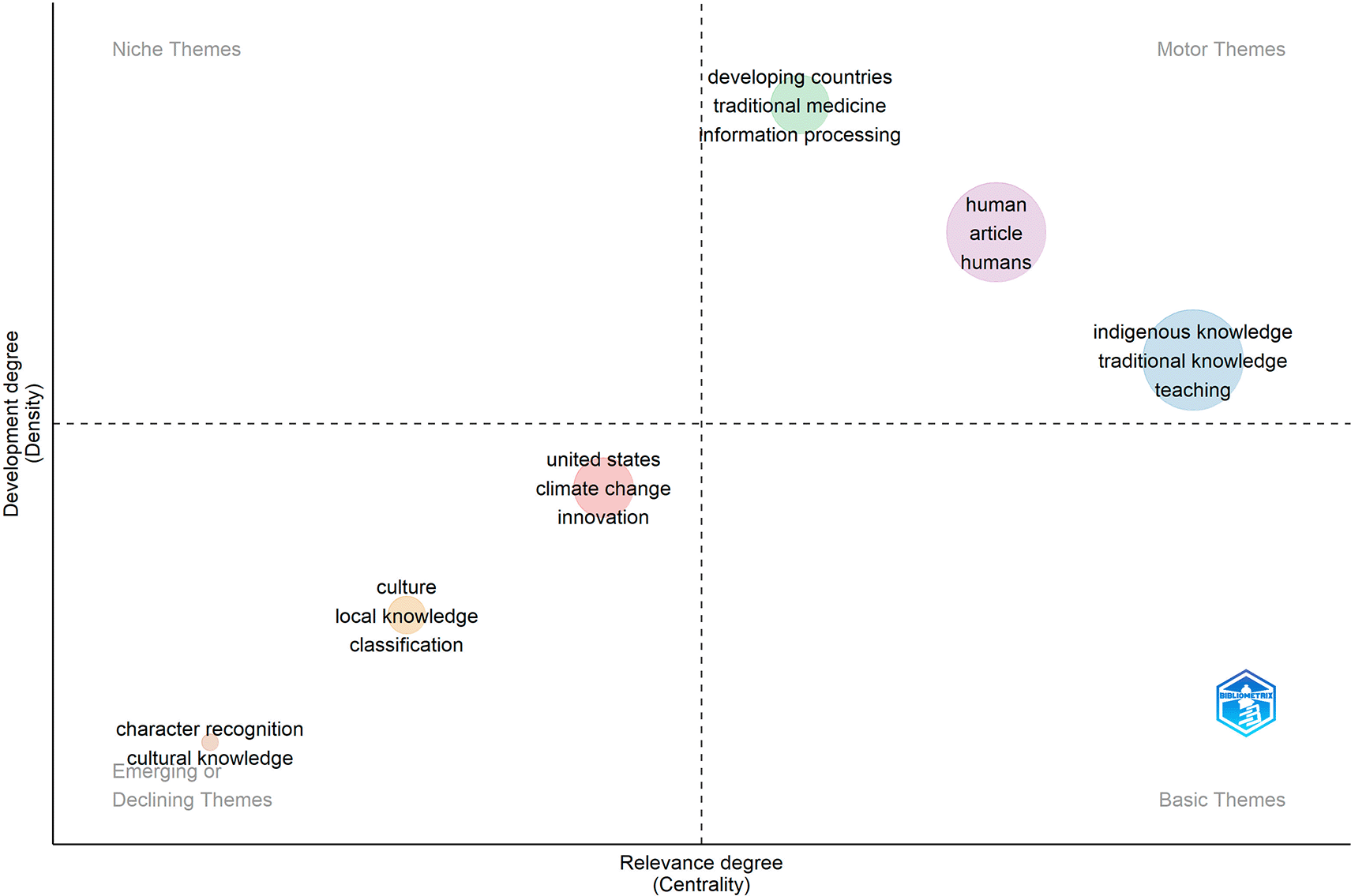
Indigenous knowledge, traditional knowledge, and teaching are among the motor themes, demonstrating that the integration of indigenous knowledge and traditional knowledge in learning contexts is a primary focus and is rapidly developing in research. This finding demonstrate that this issue is not only relevant but also a key driver of academic discourse in the field of culture-based education. The themes emerging within the motor themes are human, article, and humans, as well as developing countries, traditional medicine, and information processing.
Themes such as "character recognition, cultural knowledge, local knowledge, and classification" fall into the category of emerging or declining themes. This classification indicates that these themes are emerging or declining in scholarly attention. However, in the context of elementary education, topics such as "cultural knowledge" and "local knowledge" could indicate a new direction for future research, particularly in linking character education, local cultural values, and curricula grounded in local wisdom.
An analysis of the author collaboration network in the field of indigenous knowledge integration in primary education provides insight into emerging collaboration patterns in research. Figure 6 illustrates the collaborative patterns among authors in the field of indigenous knowledge integration. The resulting collaborative network demonstrates the existence of closely connected groups of authors (clusters). These clusters indicate that research on indigenous knowledge and local contexts is frequently conducted through collaborative efforts across institutions and countries.
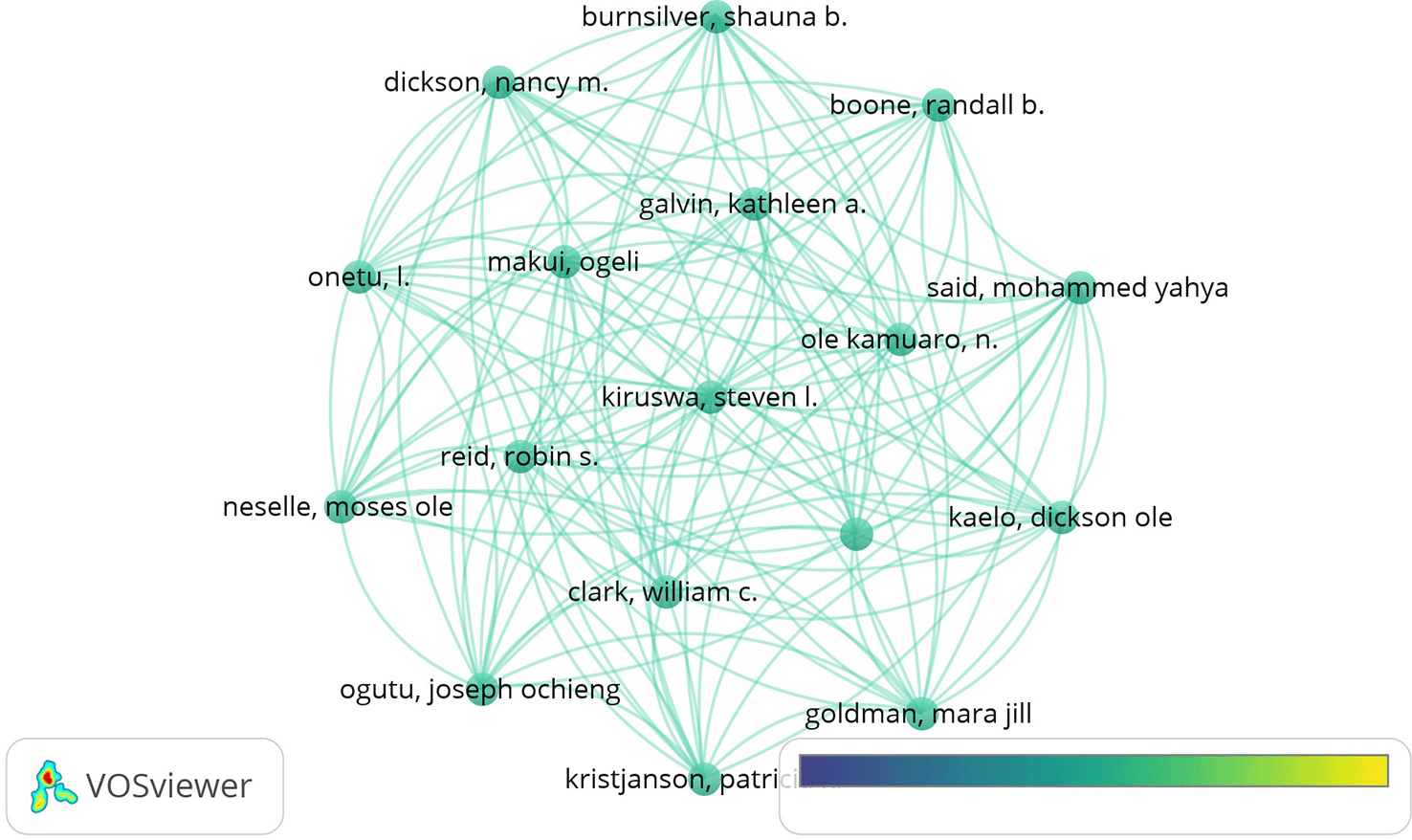
The visualization shows that Steven I. Kiruswa, Kathleen A. Galvin, and Randall B. Boone are central authors within the network. They serve as core authors, facilitating connections among multiple researchers. Other authors, including Nancy M. Dickson, Mohammed Yahya Said, Dickson Ole Kaelo, and William C. Clark, also have strong connections within the network, indicating a high level of collaboration.
The presence of numerous connecting lines between authors indicates a high level of scientific collaboration in this field, particularly in research areas related to local knowledge and community-based conservation. Furthermore, the colors in the network depict the chronology or time dynamics of collaboration, with blue indicating early collaboration and yellow indicating more recent collaboration. This indicates that active collaboration is ongoing, strengthening the sustainability of research in this theme.
Country collaboration
International author collaboration is a crucial pillar in research progress. Using a threshold of five documents per country, a total of 23 countries met the criteria for inclusion. Figure 7 provides an overview of these collaborations. The visualization reveals that the United States is the primary hub of global collaboration, with the highest number of publications and highest connectivity. The US has strong ties with the UK, Australia, Canada, Sweden, India, and Mexico. Meanwhile, the UK and Australia are also important nodes in the collaborative network, acting as a transcontinental link between the Americas, Europe, Asia, and Oceania.
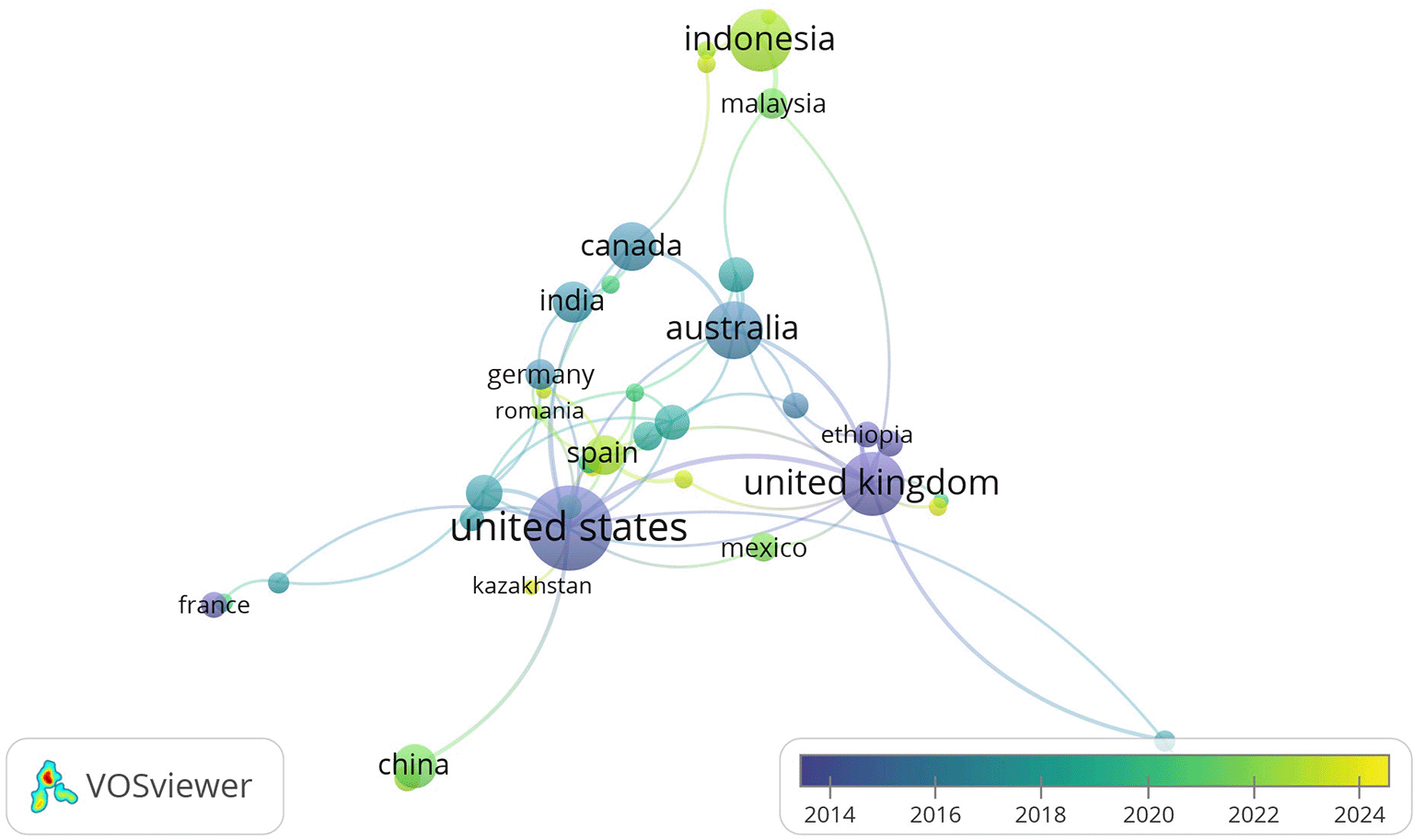
Collaborations involving countries such as Brazil, Spain, Turkey, and Ethiopia demonstrate the spread of research to developing regions, signalling a growing global interest in local and traditional knowledge issues. Indonesia and China emerge as new actors, indicated by yellowish hues that reflect more recent contributions and collaborations (circa 2020–2022). This highlight increasing attention to local wisdom in Asia, including in the context of education and environmental sustainability.
This bibliometric analysis provides a broader exploration of the integration of indigenous knowledge into learning in primary education. Utilizing data from the Scopus database from 1984 to 2025, this study offers a more comprehensive overview of research trends in this field. This approach provides in-depth insights into the development and future directions of research on the integration of indigenous knowledge into learning in primary education, as well as uncovering the performance and collaboration within the academic community involved within this area. The study examines performance indicators such as contributions by authors, institutions, countries, and journals, as well as scientific mapping elements, including keyword co-occurrence, research themes, author networks, and country-level collaborations.
An analysis of contributions from authors, journals, institutions, and countries to research on the integration of indigenous knowledge into primary education shows a significant trend. This surge in interest is driven by the desire to revive and restore indigenous knowledge previously neglected due to colonization and modernization. Multilateral institutions, NGOs, policymakers, and the private sector have shown significant interest in integrating indigenous knowledge into various practices, including education (Management Association, 2019; Srikantaiah, 2008). Some of the studies are co-authored, reflecting collaborative efforts between researchers. The authors’ average citation rates and keyword diversity further emphasize the depth and scope of the research.
Furthermore, the steady growth of publications over time, particularly over the past two decades, reflects the growing significance and maturity of research on the integration of indigenous knowledge into primary school learning. The expanding number of contributors and journals suggests that the field is becoming not only more established but also more diverse, offering opportunities for interdisciplinary engagement in both practical applications and theoretical development. This trend is likely driven by the recognition and support of decolonization of education through indigenous knowledge-based education to improve the educational status of indigenous children and youth worldwide (Tippeconnic & Faircloth, 2010).
Journals play a crucial role in shaping the development of scientific knowledge. An analysis of the top ten journals shows that one journal focuses primarily on indigenous knowledge-related fields such as ecology, ethnobiology, and ethnomedicine, two journals specialize in indigenous education, two journals focus on learning/education, and the remaining journals cover other fields. This demonstrates that indigenous knowledge has penetrated various disciplines. However, all ten journals are published exclusively in English, highlighting the dominance of Western academic culture, which can present challenges for researchers from non-English-speaking countries (Sugito, 2024).
An analysis of the ten institutions with the highest number of publications shows that the lowest number of articles is 8 and the highest is 13. Overall, these institutions rank highly in global university rankings. For instance, the University of California is in the top 20 for retaining highly cited researchers (Panaretos & Malesios, 2014). Meanwhile, The University of Manchester was ranked first in the Times Higher Education (THE) Impact Rankings 2021 which measures universities’ contributions to the UN’s SDGs (Genilo & Intaratat, 2023). These achievements suggest that strong academic cultures significantly contribute to research progress.
Among the ten most productive countries, the United States and other Western nations stand out with the highest number of publications. These findings suggest that such countries often have substantial indigenous populations and complex colonial histories, resulting in longstanding and multifaceted relationships with Indigenous communities. This historical context has driven the need to address past injustices and integrate indigenous knowledge into contemporary research and policy (Shannon, Jennings, & Friedman, 2022; Stefanelli et al., 2017). In addition, there is substantial institutional and financial support for indigenous research in these countries. For example, the US National Science Foundation has been a major funder, supporting nearly half of the studies in this domain. (Mubako, 2022). Then, performance-based research funding systems in countries such as New Zealand aim to increase the representation of Indigenous academics in higher education and research (Love & Hall, 2020). Next, Western countries have well-established research infrastructure and networks that facilitate extensive collaboration and publication (Stefanelli et al., 2017).
Meanwhile, countries characterized by rich cultural diversity, such as Indonesia, China, South Africa, India, and Brazil, play a supporting role in indigenous knowledge research because they possess traditional knowledge systems and extensive biodiversity, which are crucial for sustainable development and bioprospecting. However, resource accessibility and equitable benefit sharing remain challenges (G. Sharma & Pradhan, 2024). Research conducted in these countries frequently focuses on local and regional needs, which may not always align with global research agendas. This focus may limit the impact of their international publications, but it is crucial for effectively addressing local issues (Deta, Prahani, Suprapto, & Diani, 2024; Rau, Monjeau, Pizarro, & Anderson, 2017).
The exploration of research themes in the integration of indigenous knowledge into elementary school learning can be effectively analyzed through co-occurrence analysis and thematic studies. Based on the results of the bibliometric analysis, research on the integration of indigenous knowledge into elementary school learning has continued to develop over the past decade. The results of previous studies form a multidisciplinary and contextual research landscape that encompasses the fields of education, culture, the environment, and sustainable development.
The interconnected pattern among concepts such as traditional knowledge, teaching, curriculum, sustainability, and local wisdom emphasizes that the main issue in the literature is not just the preservation of indigenous knowledge, but also about how indigenous knowledge can be integrated into the formal education system as an effort to build character, cultural identity, and ecological awareness in elementary school students.
The association of indigenous knowledge with terms such as sustainability and climate change indicate the emergence of a new paradigm that combines local wisdom with education for sustainable development. This demonstrates a shift in research focus from a cultural approach to an ecological and pedagogical approach, where indigenous knowledge is viewed as a source of values and adaptive strategies for addressing global environmental change. The association of the words “teaching,” “school,” and “language” indicates that research is beginning to emphasize the practical aspects of how teachers, curriculum, and indigenous knowledge can serve as teaching media.
In the realm of integrating indigenous knowledge into primary education, understanding the dynamics of collaboration between authors and countries is crucial for advancing the field. By analyzing collaborative networks, we can uncover the complex patterns of cooperation that drive scholarly contributions. This study examines these networks to identify how authors and countries interact and collaborate, revealing distinct patterns and clusters of collaboration over time.
Based on the timing of their appearance, this analysis reveals that Steven I. Kiruswa, Kathleen A. Galvin, and Randall B. Boone are authors with central positions within the collaboration network. Other authors, including Nancy M. Dickson, Mohammed Yahya Said, Dickson Ole Kaelo, and William C. Clark also have strong connections, indicating a high intensity of collaboration. This suggests that the level of expertise of the authors can influence the structure and dynamics of research collaboration.
Furthermore, collaboration at the country level serves as an important indicator of the global integration of indigenous knowledge into primary school learning. This analysis reveals a positive trend in international collaboration over the past few years, characterized by increasing partnerships not only among developed nations but also between developed and developing countries across both Western and Eastern hemispheres.
By examining the evolution of collaboration between authors and countries, we can observe that research on the integration of indigenous knowledge into primary school learning shows a significant upward trend, both in terms of the number of publications and their geographical distribution. This trend is closely linked to the broader internationalization policy of higher education, where collaboration and scientific publications are key indicators (Sugito, 2024).
| Views | Downloads | |
|---|---|---|
| F1000Research | - | - |
|
PubMed Central
Data from PMC are received and updated monthly.
|
- | - |
Provide sufficient details of any financial or non-financial competing interests to enable users to assess whether your comments might lead a reasonable person to question your impartiality. Consider the following examples, but note that this is not an exhaustive list:
Sign up for content alerts and receive a weekly or monthly email with all newly published articles
Already registered? Sign in
The email address should be the one you originally registered with F1000.
You registered with F1000 via Google, so we cannot reset your password.
To sign in, please click here.
If you still need help with your Google account password, please click here.
You registered with F1000 via Facebook, so we cannot reset your password.
To sign in, please click here.
If you still need help with your Facebook account password, please click here.
If your email address is registered with us, we will email you instructions to reset your password.
If you think you should have received this email but it has not arrived, please check your spam filters and/or contact for further assistance.

Comments on this article Comments (0)