Keywords
vascular and cardiac surgery, fundamentals, training, ex vivo

vascular and cardiac surgery, fundamentals, training, ex vivo
Mistakes are part of the learning process. However, in surgery, learning errors are unacceptable because they can lead to serious or even fatal complications for the patient.1 To reduce the risk of errors with disastrous consequences, airline pilots practice routine and/or emergency procedures through simulation.2 Like airline pilots, surgeons or future surgeons, to reduce the risk of errors with serious consequences for the patient, need to train simple and complex surgical techniques. Traditionally, this training took place in the operating room according to the apprenticeship model (“ see one, do one, teach one”). However, this paradigm is now showing its limitations, particularly due to the reduction in operating time dedicated to training, the increase in patient safety requirements, and the growing complexity of surgical procedures.3,4 In this context, it is becoming increasingly difficult for novice trainees and junior surgeons to acquire sufficient experience exclusively in the operating room. Faced with these constraints, surgical simulation has emerged as an essential educational alternative. It allows for progressive, reproducible, and safe learning of technical procedures, without directly exposing patients to the errors of operators in training.1 Among the various simulation modalities, ex vivo models, that is, models “outside of a living organism,” occupy a special place in learning surgical procedures. They offer an interesting compromise between tissue realism, accessibility, moderate cost, and ease of implementation, particularly in resource-limited countries.3,5 Vascular and cardiac suturing is one of the fundamental surgical skills in cardiovascular surgery. It directly determines the patency of anastomoses, the prevention of thrombotic or hemorrhagic complications, and the functional prognosis of patients. Mastering this procedure requires high technical precision with a limited execution time, optimal hand-eye coordination, and a thorough understanding of the biomechanical and physiological principles of vascular tissue.6,7 Several simulator models have been developed, such as synthetic models, cadavers, animals, and virtual reality simulators.5 The integration of these methods into surgical curricula is part of an active learning approach focused on competence and safety.8 Several studies have highlighted a direct correlation between surgical simulation and actual performance in the operating room, thus validating the usefulness of ex vivo models in learning.9 Some authors have demonstrated that the repetition of structured surgical exercises improves the accuracy of sutures, reduces operating time, and decreases technical errors.10 Vascular and cardiac suturing require several fundamental techniques.11 Their learning could be facilitated by the ex vivo repetition of vascular and cardiac suturing procedures through simulation within the framework of initial and continuing surgical training.10 However, few studies have systematically impact of ex-vivo training on performance improvement in the acquisition of vascular and cardiac suturing fundamental skills among novice trainees. Vascular and cardiac sutures meet specific requirements related to the fragile, thin, and hemodynamically active nature of vascular and cardiac tissue. Therefore, The fundamental techniques of sutures in vascular and cardiac surgery are: respecting the integrity of the vascular and cardiac wall and minimizing tissue trauma,12 ensuring regularity of the punctures in the vascular and cardiac tissue,12 and correct needle orientation and trajectory,13 thread tension control and knot quality, movement economy and ergonomics.14 The aim of this study was to evaluate the impact of a structured ex-vivo training on performance improvement in the acquisition of vascular and cardiac suturing fundamental skills among novice trainees in surgery.
This was an experimental, prospective, interventional, and analytical study conducted from October 2024 to May 2025, which included 15 volunteer pre-doctoral medical students with no prior experience in vascular and cardiac suturing. Inclusion criteria were enrollment in a pre-doctoral medical training program, voluntary participation based on informed consent, attendance at all sessions, and no prior training in vascular and cardiac suturing techniques.
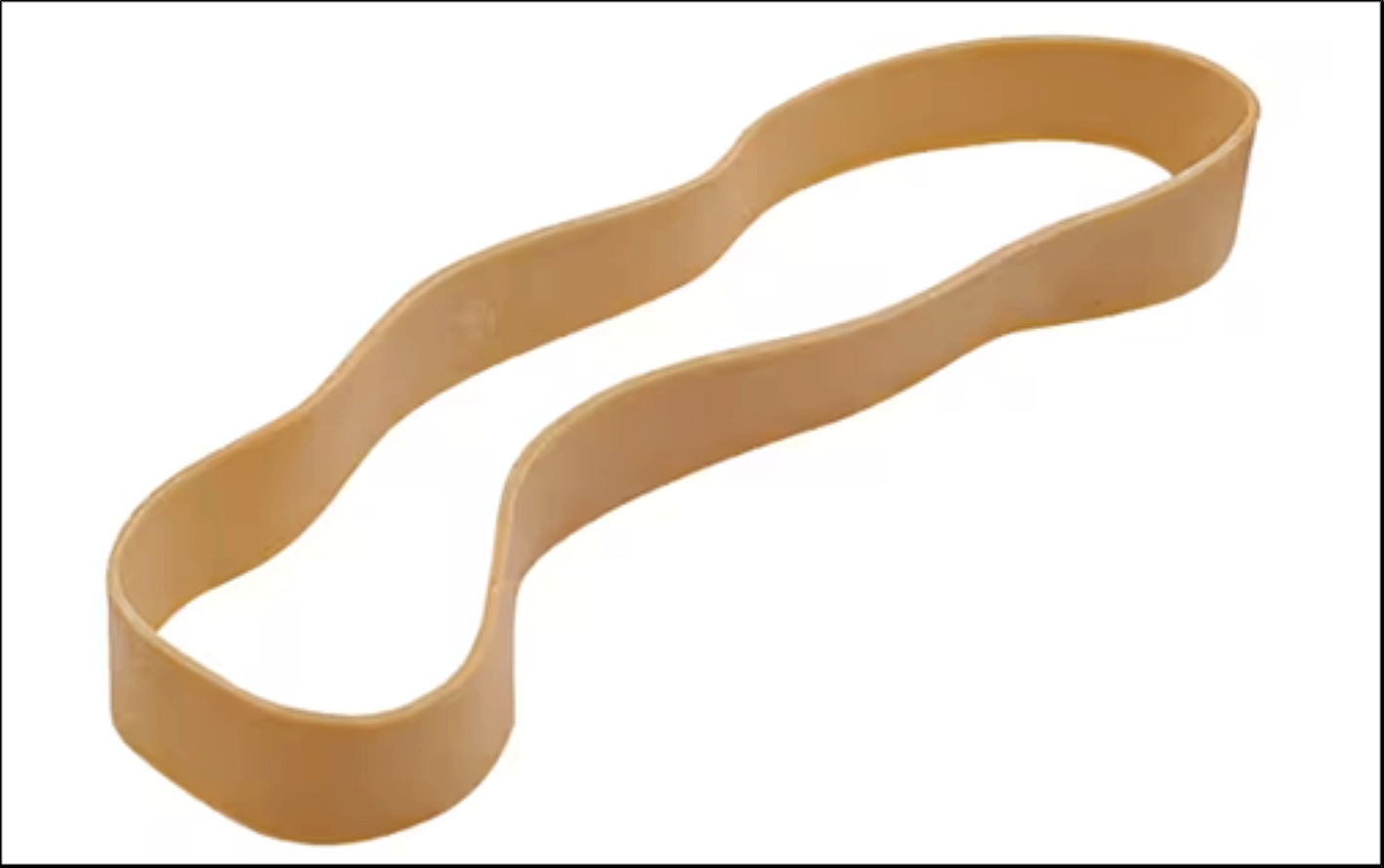
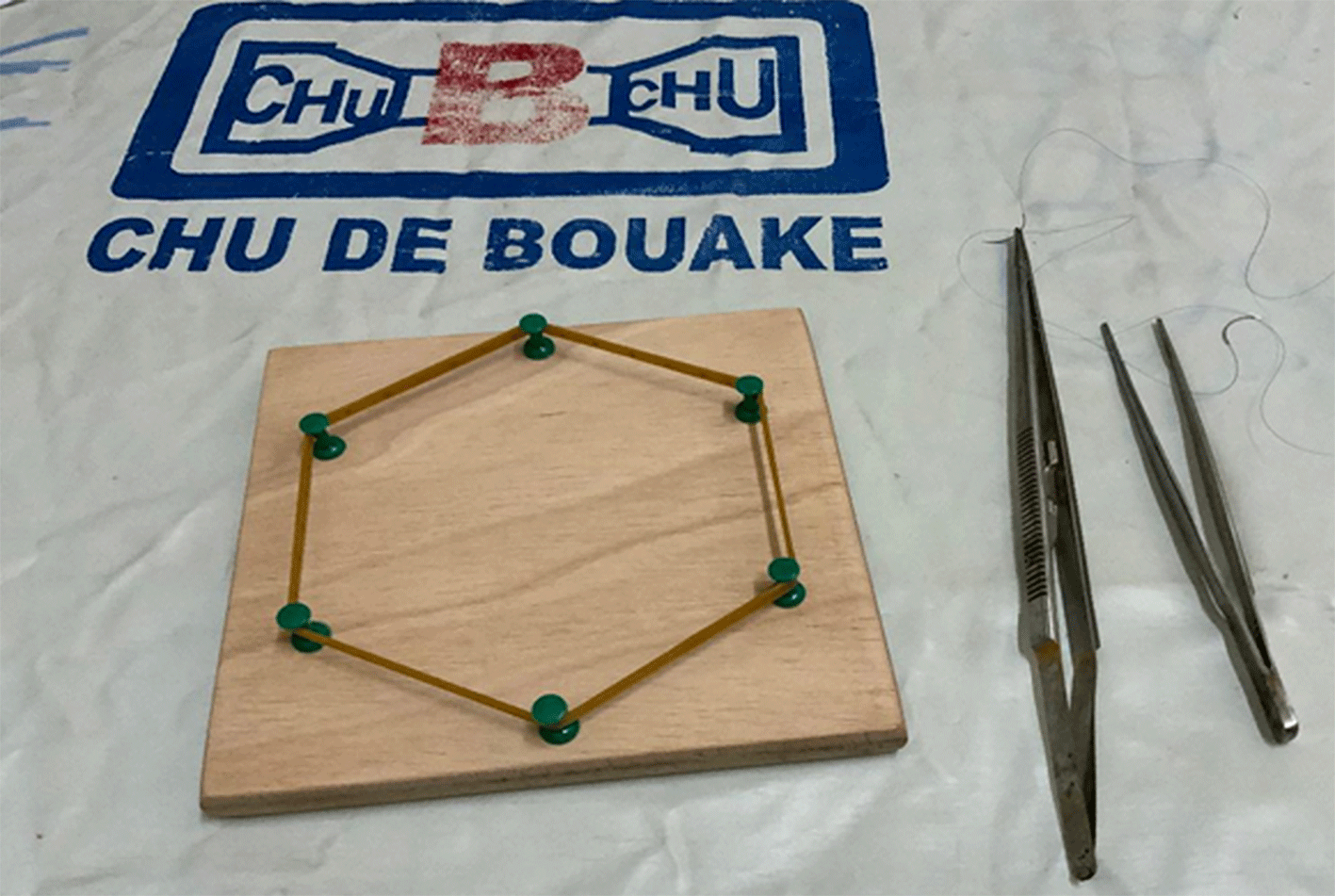
The suturing exercises were performed on Biotix® brand elastic rubber bracelets, 1.5 mm thick and 8 mm wide, mounted in a hexagonal shape on 6 10 mm pins pointed into a 20 mm thick sheet of plywood (Figures 1 and 2). The surgical instruments used were standardized for all participants and included a Castroviejo type needle holder, a dissecting forceps without teeth, a 4/0 non-absorbable monofilament suture and a stopwatch.
CHU de Bouake: Bouake Teaching Hospital.
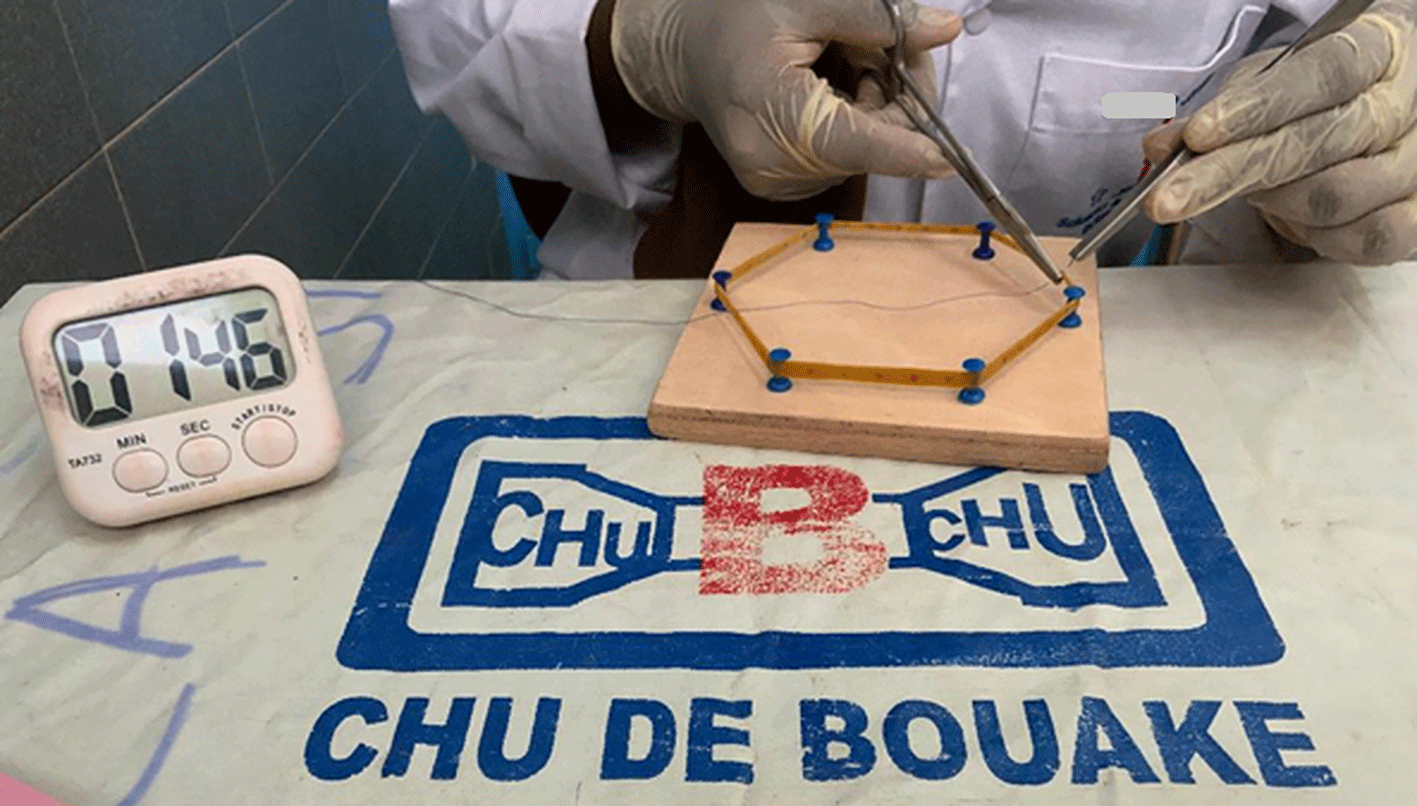
Each session was timed and consisted of performing 80 stitches ( Figure 3) in elastic rubber at bite sites previously marked on the rubber and spaced 2 mm apart. Sessions were regularly spaced to allow for gradual skill development and to minimize muscle fatigue. Analyses were performed on the mean scores per criterion, per session, and per participant to limit within-subject bias.
CHU de Bouake: Bouake Teaching Hospital.
For each suture, five technical performance criteria were evaluated and rated on an ordinal scale of 1 to 5, as described in Table 1.
Performance was assessed by 2 senior surgeons using a standardized grid inspired by the principles of Objective Structured Surgery Assessment of Technical Skills (OSATS).15 The evaluation was conducted independently at the end of each session to minimize observational bias. Evaluators did not intervene during the suturing process, except in cases where there was a risk of damaging the equipment.
The data was collected using individual and personalized assessment forms. The data was then entered into a dedicated SPSS database for statistical analysis.
Statistical analyses were performed using SPSS 26.0. Quantitative variables were described by mean, standard deviation, median, and interquartile ranges. Changes in performance over the sessions were analyzed using repeated-data comparison tests. Learning curves were constructed from the changes in mean scores per session. The threshold for statistical significance was set at p < 0.05.
A total of 15 participants were included in the study. Each participant completed 30 training sessions, each involving 80 vascular sutures, for a total of 2400 stitches per participant and 36,000 (15 × 30 × 80) suture points analyzed for the entire cohort.
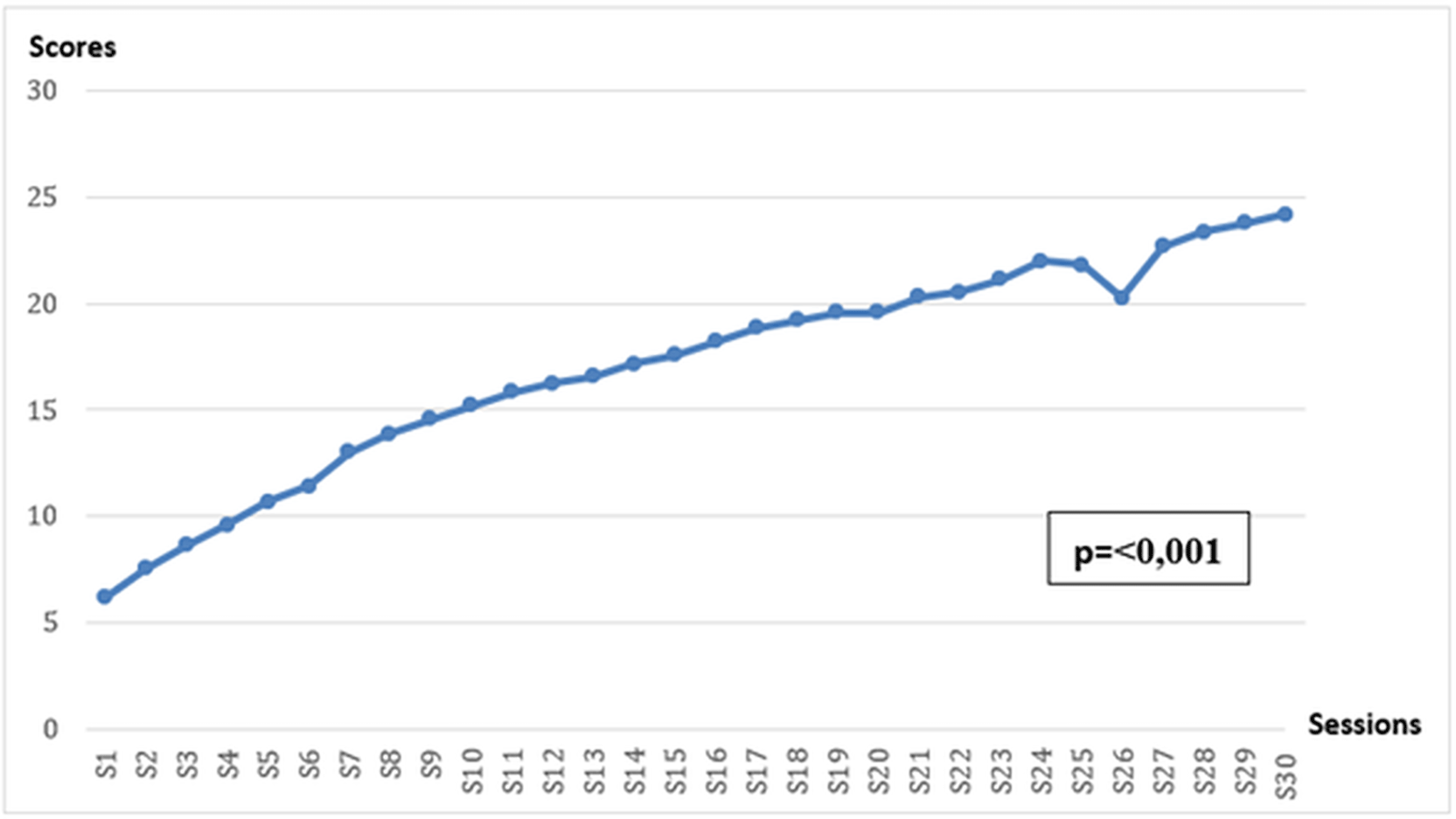
Longitudinal analysis shows a significant and continuous progression in technical performance throughout the training program, as illustrated in Table 2 and Figure 4. Thus, at the first session (S1), the average overall performance score was 6.17 ± 2.24. The lowest-scored criteria were tissue bite quality and stitch spacing. A progressive and continuous improvement was observed over the course of the sessions. At session 10 (S10), the overall score reached 15.20 ± 2.96, then 19.60 ± 2.36. at session 20 (S20). At the final session (S30), the overall average score was 24.20 ± 0.90, reflecting a high and consistent technical performance. The repeated measures ANOVA analysis showed a statistically significant increase in scores for each of the five criteria assessed as well as for the overall score (p < 0.001 for all comparisons). In parallel, the execution time of the 80 stitches decreased significantly during training, from 25.10 ± 7.8 minutes in session 1 to 9.36 ± 1.9 minutes in session 30 (p < 0.001).
The direct comparison between session 1 and session 30 is presented in Table 3. A significant improvement was observed for all technical criteria. Needle angle, tissue bite, stitch spacing, and the use of the needle holder and dissecting forceps each increased by approximately 3 points, corresponding to a relative gain ranging from 193.7% to 300% depending on the criterion. The overall composite score increased from 6.17 ± 2.24 to 24.20 ± 0.90, representing an absolute gain of 18.03 (p < 0.001). The average procedure time decreased by 15.5 minutes, corresponding to a relative reduction of 61.75% between the first and last sessions (p < 0.001).
The longitudinal evolution of the overall score and execution time is detailed in Table 4 and Figure 5. A steady increase in the overall score was observed from the 1st to the 30th session. Conversely, the execution time decreased progressively from the 1st to the 30th session, suggesting an inversely proportional relationship between performance score and execution speed in vascular surgery training. Statistical analyses confirmed a significant difference between sessions for both the overall score and execution time (p < 0.001).
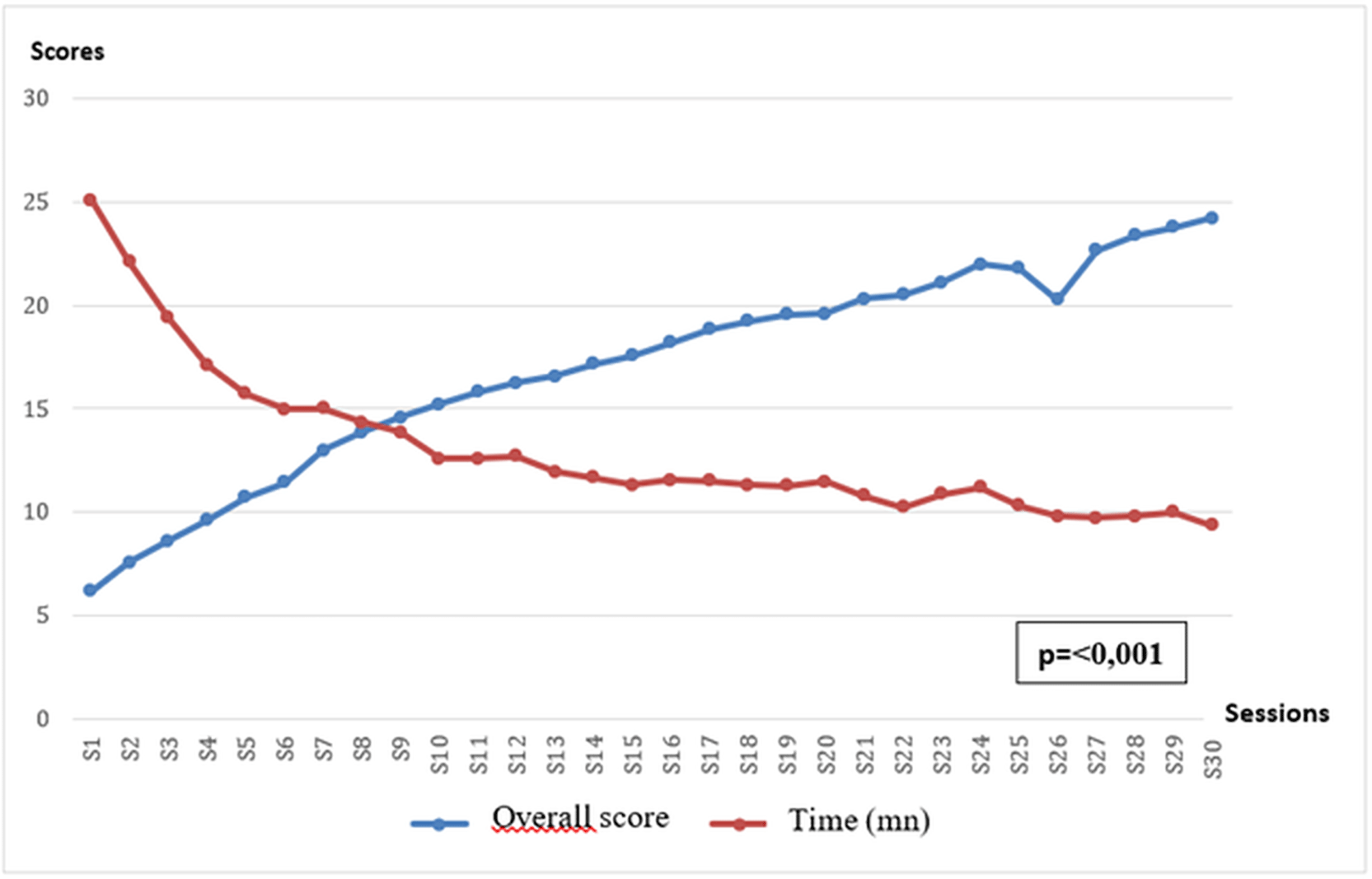
Table 5 shows the evolution of the ratio between the overall score and the execution time, used as an indicator of technical efficiency. This ratio gradually increased over the course of the sessions, rising from 0.24 from session 1 to 2.58, to session 30, reflecting a joint improvement in the quality of the movement and the speed of execution.
The dispersion of overall scores is presented in Table 6. The standard deviation decreased progressively from 2.25 (session 1) at 0.90 (session 30). At the same time, the gap between the minimum and maximum scores narrowed over the sessions, reflecting a homogenization of performance among the participants.
This study revealed a significant improvement in all performance criteria (p < 0.001), a marked decrease in the execution time of each performance criterion (−61.75), a reduction in inter-individual variability, and a progressive increase in technical efficiency.
This study demonstrates that a structured ex-vivo vascular suturing training program, based on prolonged repetition and objective assessment, leads to significant, progressive, and consistent improvement in technical performance among novice learners. The longitudinal analysis of 36,000 sutures, combining five qualitative criteria scored on a standardized scale and execution time, reveals a learning curve. Characterized by a continuous increase in technical quality associated with a marked decrease in operating time. These results confirm the fundamental principles of learning surgical techniques described in the literature, according to which technical competence is based on repeated, structured and objectively evaluated practice.16,17
The learning curves observed in this study show increasing progression in line with the deliberate practice model described by Ericsson, which stipulates that expertise results from repeated, intentional training accompanied by precise feedback.18
A notable finding of this study is the concurrent and parallel improvement of the five assessed technical criteria. This consistent progression contrasts with some publications reporting a dissociated improvement in technical sub-skills, particularly between gestural precision and instrumental manipulation.19 Reznick and MacRae emphasize that complex surgical procedures rely on an integrated coordination of motor and instrumental skills, which are difficult to separate in real-life situations.16 Our results support this integrative approach, suggesting that ex vivo training promotes a holistic acquisition of the skill rather than fragmented learning. The use of criteria inspired by OSATS scores reinforces the validity of this multi-criteria assessment, widely recognized as a standard in the objective assessment of surgical skills.15
The significant reduction in the time required to complete the 80 sutures, along with the improvement in technical quality, constitutes a major result. Several studies have shown that execution speed increases rapidly during the initial stages of learning, sometimes at the expense of quality.20 In our study, the reduction in time is accompanied, on the contrary, by a continuous improvement in qualitative scores, reflecting a real increase in surgical efficiency.
Stefanidis and colleagues emphasized the need to systematically link quality criteria to time measurements in order to avoid a biased interpretation of performance.21 The joint analysis of the overall score and execution time in our work directly addresses this methodological recommendation.
The progressive decrease in the standard deviation of the overall score and the narrowing of the extreme values reflect a homogenization of performance among participants. This phenomenon is particularly important in surgical training, as technical variability is recognized as a risk factor for postoperative complications. Zendejas et al. have shown that surgical simulation helps reduce this variability by promoting standardization of technical procedures before clinical exposure.22 Our results confirm these observations and suggest that prolonged ex-vivo training not only leads to individual improvement but also raises the minimum level of competence within a group of learners.
The use of a comprehensive composite score, integrating the five technical criteria on a homogeneous scale, is a key methodological choice. Since vascular and cardiac suturing is a multidimensional procedure, evaluation by a single criterion does not accurately reflect overall surgical skill. This approach is consistent with the principles of the OSATS scores and with methodological recommendations aimed at improving the validity and reproducibility of technical assessments.15,23 Furthermore, the use of a composite score increases statistical power and allows for more robust longitudinal analysis, as highlighted by Aggarwal et al.24
Numerous studies have demonstrated the effectiveness of surgical simulation in learning technical skills.21,22,25 However, most of them have methodological limitations, including a limited number of repetitions, a short follow-up period, or a lack of overall detail in the evaluation. The originality of our study seems to lie in the large number of sessions (30), the large volume of sutures analyzed, the detailed multi-criteria evaluation, and the joint analysis of quality, time, and variability. These elements seem to give this work a high level of educational evidence, in accordance with current recommendations for competency-based surgical training.26
From a pedagogical standpoint, these results support the development of training programs based on achieving objective competency thresholds, rather than solely on the number of hours or procedures performed. From a clinical perspective, although this study did not directly assess transfer to in vivo practice, data from the literature suggest that improved simulation performance is associated with better clinical outcomes.25 This study confirms that prolonged and objectively assessed ex-vivo training is an effective tool for learning vascular suturing. It seems to make an original methodological contribution to surgical training and is fully aligned with the current trend towards competency-based training, ultimately benefiting patient safety.
Elastomeric materials (latex, rubber) reproduce key properties: resistance to penetration, elasticity, and behavior under tension. Low-fidelity latex/rubber models have shown significant improvements in technical skills (improved time, anastomosis quality, and confidence) when integrated into structured workshops. This makes the rubber simulator relevant for acquiring fundamental skills before practicing on higher- fidelity models.27 A hexagonal shape imposes varied angles and orientations (multiples of 60°), requiring the learner to adapt their trajectory and posture. The geometry facilitates the standardization of exercises (same reference points for all learners) and inter- and intra-subject comparisons during an assessment protocol. Simulation studies highlight the value of geometric/structured tasks for objective assessment.15 In settings where access to expensive simulators is limited, low-cost (latex/rubber) models multiplied on boards allow for deliberate practice (repeated repetitions)—a key factor in expertise. Studies show that intensive training on simple models leads to measurable gains.28 The literature on simulation in anastomosis (including cardiothoracic and microsurgery) documents an improvement in measured performance and a partial transfer to operating room practice, especially if the simulation is structured and evaluated (mastery learning). The benefits are clearer when simulation is integrated into a curriculum and coupled with objective feedback.16 The hexagonal setup facilitates the identification of measurable indicators: bite regularity (mm), mean entry angle, sealing (pressure test on connected segments), time per point. Reviews recommend the use of standardized metrics to validate simulation programs.15
Despite its results, this study has certain limitations that should be highlighted. It was an ex-vivo model, which does not fully reproduce in-vivo physiological conditions, particularly blood perfusion, the fragility of living tissues, and the management of real surgical stress. However, this methodological choice is justified in an initial training context, where safety is paramount. Performance was not correlated with real clinical outcomes. Extrapolation to in-vivo practice must therefore be cautious and will be the subject of further research. Although the criteria were standardized, a degree of subjectivity inherent in any human evaluation remains. The use of multiple evaluators and structured assessment grids helped to limit this bias. All participants were novices in vascular suturing. The results cannot be directly extrapolated to experienced surgeons.
Several perspectives emerge from this work, both pedagogically and scientifically and clinically. A major initial perspective involves evaluating the transfer of skills acquired ex vivo to actual surgical practice. Future studies could correlate ex vivo scores with the quality of sutures performed during surgery, the rate of early vascular and cardiac complications, operative time, and the need for technical revision. The data obtained pave the way for defining objective competency thresholds, based on the overall composite score, which would determine progressive access to in vivo practice. This approach would contribute to surgical training based on competency rather than training time. A detailed analysis of individual learning curves would allow for the identification of rapid learners, those requiring targeted support, and the most discriminating technical criteria. This would foster the development of personalized learning pathways, tailored to the specific needs of each learner. The proposed methodological model could be extended to other fundamental surgical skills. This standardization would facilitate comparisons between centers and specialties. The integration of innovative technologies represents a promising prospect, including automated video analysis, artificial intelligence for the objective evaluation of procedures, and hybrid simulators combining ex vivo and augmented reality. These tools could enhance the objectivity of the evaluation and reduce reliance on human evaluators. Finally, this work provides a solid foundation for publication in international surgical journals, the development of national training standards, and the structuring of surgical simulation programs in medical schools.
This study clearly demonstrates that repeated ex vivo surgical training enables a progressive, consistent, and measurable acquisition of fundamental vascular and cardiac suturing techniques. It provides a methodological framework for the objective assessment of these fundamentals and supports the integration of ex vivo simulation as a cornerstone of modern surgical training. It also demonstrates that learning vascular and cardiac suturing can be measured, objectively assessed, and optimized through structured ex vivo training. This could contribute to a modern, safe, and competency-based surgical education, ultimately benefiting patients.
We will use academic media (i.e., peer-reviewed journal articles and national and international conference presentations) to disseminate the findings of the study.
This study is a prospective experimental work of pedagogical design, evaluating a structured ex-vivo training program for novice surgical trainees. The participants were the trainees themselves; the intervention under evaluation was exclusively educational; all procedures were performed on ex-vivo synthetic models. No patient was involved at any stage of the study. Given this design, the study did not fall within the categories of research requiring full ethics committee review under the research framework of Bouake Teaching Hospital. The protocol received formal written institutional authorization, issued on 5 January 2024 under reference No. 01 MSHP/CHU-B/DMS/CARDIO/K.C/24 by the Head of the Cardiology Department of Bouaké Teaching Hospital, after the prior agreement of the Medical and Scientific Director of the institution, following the procedure in force at our establishment for research of this category. Written informed consent was obtained from every participant before inclusion, covering the voluntary and revocable nature of participation, the absence of any consequence in case of withdrawal, anonymization through unique participant coding, and the absence of any identifiable information in publications. No financial compensation was provided. The study was conducted in keeping with the Declaration of Helsinki (2013 revision).
| Views | Downloads | |
|---|---|---|
| F1000Research | - | - |
|
PubMed Central
Data from PMC are received and updated monthly.
|
- | - |
Provide sufficient details of any financial or non-financial competing interests to enable users to assess whether your comments might lead a reasonable person to question your impartiality. Consider the following examples, but note that this is not an exhaustive list:
Sign up for content alerts and receive a weekly or monthly email with all newly published articles
Already registered? Sign in
The email address should be the one you originally registered with F1000.
You registered with F1000 via Google, so we cannot reset your password.
To sign in, please click here.
If you still need help with your Google account password, please click here.
You registered with F1000 via Facebook, so we cannot reset your password.
To sign in, please click here.
If you still need help with your Facebook account password, please click here.
If your email address is registered with us, we will email you instructions to reset your password.
If you think you should have received this email but it has not arrived, please check your spam filters and/or contact for further assistance.

Comments on this article Comments (0)