Keywords
Type 2 diabetes mellitus, cardiovascular risk factor, chronic kidney disease, hypertension, dyslipidemia, obesity

Type 2 diabetes mellitus, cardiovascular risk factor, chronic kidney disease, hypertension, dyslipidemia, obesity
Diabetes mellitus (DM) is a common metabolic disorder characterized by chronically elevated blood glucose levels and impaired metabolism of carbohydrates, lipids, and proteins due to alterations in insulin secretion, action, or both.1 An estimated 537 million people worldwide have DM, and its prevalence varies from country to country, constituting a global health problem2 that increases the risk of developing or dying from cardiovascular disease, as there is a reported risk of >10% of suffering a stroke, >50% of suffering a myocardial infarction or stroke, and >12% of suffering heart failure among people with diabetes mellitus.3
Cardiovascular diseases (CVD) include coronary heart disease (myocardial infarction and angina pectoris), heart failure, stroke, and transient ischemic attack, and have a higher incidence in people with DM, a population in which they are one of the leading causes of death and disability4; Therefore, type 2 diabetes (T2D) is considered a cardiovascular risk factor (CVRF).5
CVD risk factors are clinical conditions or personal characteristics that increase the likelihood of developing CVD. They include advanced age,3,6 smoking,3,6 physical inactivity,6 alcohol consumption,3,6 high blood pressure (HBP),3,6 DM,3,6,7 and obesity.3,6,8 Other CVRFs include atrial fibrillation, dyslipidemia,3,6,8 and family history of cardiovascular disease.3,6 In the case of people with T2D who have one or more CVRFs, their metabolic control may worsen, so interventions that ensure adequate treatment and lifestyle improvements are recommended to significantly reduce cardiovascular risk (CVR).4,9,10
Other CVRF include chronic kidney disease (CKD), which is diagnosed by the presence of confirmed kidney damage,11 by the presence of proteinuria,11,12 which may or may not be accompanied by a decrease in glomerular filtration rate (GFR) < 60 ml/min/1.73 m2,11,13 regardless of gender. As for the last variable, there are biological (hormonal, body fat distribution, and vagal tone) and pathophysiological (plaque erosion, microvascular dysfunction) differences between the sexes that explain the development of CVD.14 Some studies show that women develop CVD approximately 10 years later than men but have higher rates of early mortality and one-year mortality following a myocardial infarction.15
Scientific societies recommend pooled cohort equations to estimate the 10-year risk of atherosclerotic CVD in people with DM, taking into account variables such as age, sex, race, blood pressure, total cholesterol (TC), high-density lipoproteins (LDLc), smoking, and history of DM, as well as risks inherent to DM: duration of disease ≥10 years, retinal pathology, neuropathy, chronic kidney disease (CKD); among other validated variables for people aged 40 to 79 years with DM.10
A population study of 12,924 adults aged 20 to 44 years, with a 10-year follow-up, reported an increase in CVRF in terms of the prevalence of DM, obesity, and hypertension (HT) compared to baseline values. The highest rates of hypertension(HT) and DM were found in young black males, Mexican Americans, and Hispanics. Blood glucose levels remained predominantly uncontrolled throughout the study.2 A Chinese observational study involving 20,412 patients (56% men, mean age 59.4 ± 10.4 years) reported that 94% of patients with T2D had hyperglycemia as a CVRF and only a quarter of participants had controlled glycosylated hemoglobin (HbA1c), blood pressure, and LDLc. Patients with normal BMI, who were non-smokers and had controlled HbA1c values were associated with a lower CVR.16
There is consensus on early interventions to reduce CVRF in people with DM through regular physical activity (>150 minutes/week, with moderate intensity for adults) and personalized dietary guidance10; treatment of obesity, LDLc, and HT (blood pressure <130/80 mm Hg for all people with DM).10,17 Patients with T2D, being at high risk, benefit from FR detection and treatment of HT, dyslipidemia, DM, nephroprotection, and lifestyle changes.4,9,18,19
In a study of 40,972,682 adults aged 18 to 69 living in 20 regions of Italy who were studied for four years, the frequency of risk factors and protective factors for CVD in people with and without DM was estimated, as well as the influence of socioeconomic status on CVR. Among those who responded to the survey, 4.7% had a diagnosis of DM. CVRFs were significantly more prevalent in this group, and a significant association was found between low educational attainment and overweight/obesity and lack of physical activity during leisure time in both men and women. Lower educational attainment was associated with significantly lower protective behaviors and preventive interventions, especially in women.20
The results of epidemiological studies and clinical trials indicate that metabolic control and control of modifiable CVRFs can reduce CVD by 50% or more; However, less than 20% of patients with DM achieve therapeutic targets for plasma lipid levels, blood pressure, blood glucose, body weight, and smoking. It is therefore necessary to improve the control of combined risk factors through healthy habits, weight loss, and evidence-based pharmacological treatments.5
No local studies on CVRF in adults with DM have been found, so this research conducted at an Essalud primary care hospital provided updated clinical information on these factors in adults with T2D. The results may help to systematize information to establish or improve educational intervention, risk detection, or treatment protocols in programs aimed at DM patients treated at EsSalud.
This study is important because it will reveal the cardiovascular risk factors in adults with T2D and help us understand how T2D increases the risk of cardiovascular disease. This knowledge can improve prevention strategies, personalize treatments and reduce complications, which would have a major impact on the quality of life of patients and their families. The objectives of this study were: to analyze the demographic, clinical, and laboratory characteristics of patients with T2D; to analyze whether HT, dyslipidemia, obesity, albuminuria, CKD, male sex, advanced age, and smoking are CVRF in patients with controlled and uncontrolled T2D.
A quantitative research study with a retrospective descriptive design was conducted.21,22 The population consisted of 2100 patients with T2D treated between January 2024 and July 2025 at a Level I Essalud hospital in La Libertad Healthcare Network. The data was collected between October and December 2025.
Information was collected from the medical records of patients treated during the study period who met the following inclusion criteria: adults aged 20 years and older of both sexes with a diagnosis of T2D, with results for blood pressure, body mass index, blood glucose values, glycosylated hemoglobin, albuminuria, albuminuria/creatinuria ratio, glomerular filtration rate, and lipid profile; who attended quarterly medical check-ups and had complete information in their medical records.
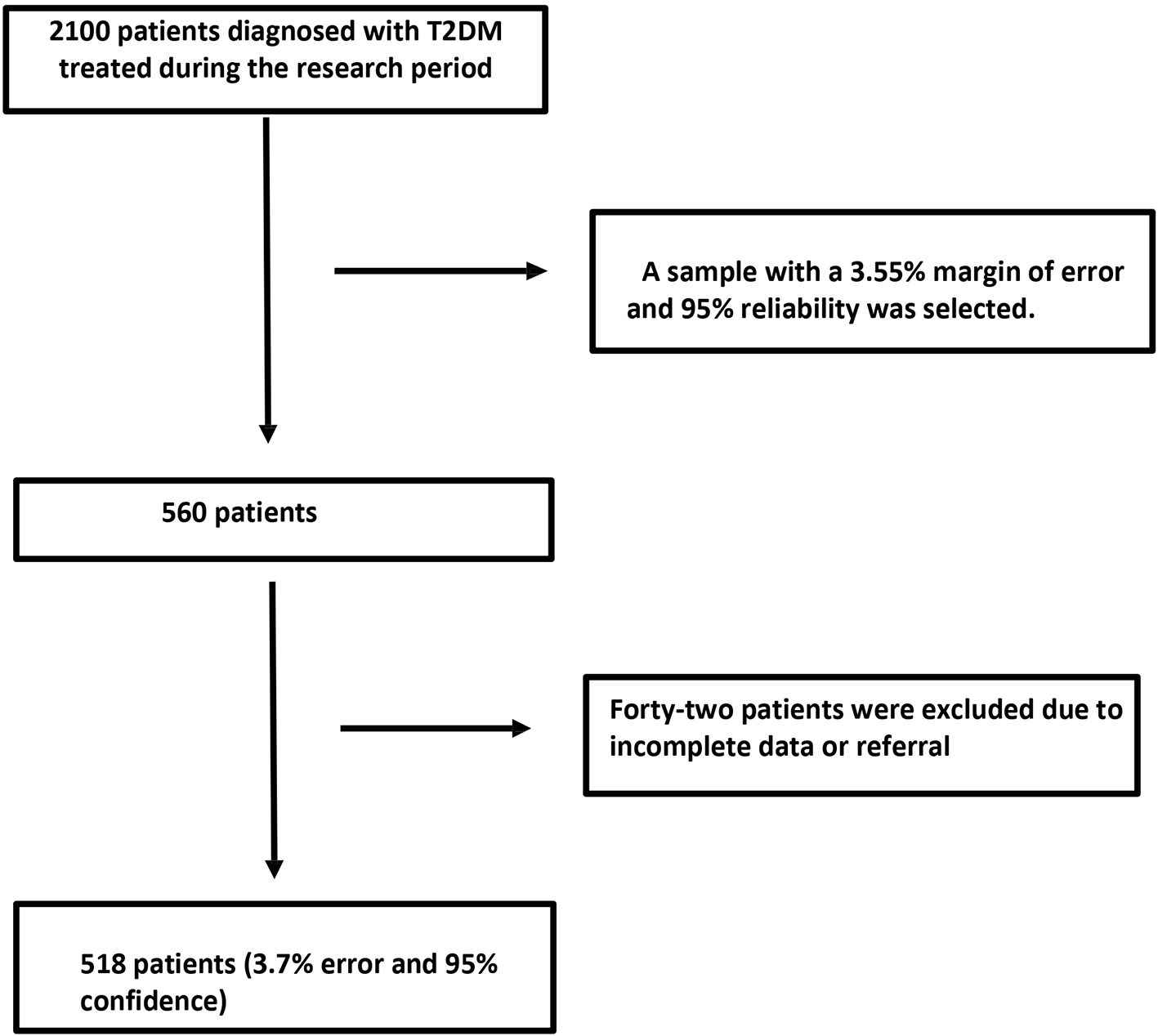
Of the 2,100 patients, an initial sample of 560 participants was obtained, considering a margin of error of 3.55% and a 95% confidence level. Forty-two (7.5%) medical records were excluded due to incomplete data or because they corresponded to referred patients, resulting in a final sample of 518 patients, which corresponds to a margin of error of 3.7% and a 95% level of reliability, making it a representative and adequate sample ( Figure 1).
Documentary analysis was used.22 Data collection was carried out using a structured form designed by the authors, in which demographic data were recorded: age, sex; clinical data: duration of the disease, smoking, comorbidities, weight, height, body mass index (BMI), blood pressure values, treatment for T2D and nephroprotection; laboratory data: blood glucose and glycosylated hemoglobin (HbA1c) values, lipid profile, albuminuria, creatinuria, and creatinine.
In this study, CVRFs included high blood pressure, dyslipidemia, albuminuria, chronic kidney disease, age, sex, diabetes duration, smoking, and BMI-calculated obesity. All CVRFs recorded in the medical history were registered, and HT was considered uncontrolled when systolic BP was ≥ 130 mm Hg and diastolic BP was ≥ 80 mm Hg; 6,10 Controlled T2D if HbA1c < 7%2,6,7; and fasting glucose < 120 mg/dl; 19 hyperlipidemia when total cholesterol ≥ 200 mg/dl, LDLc > 100 or triglycerides >150 mg/dl;9,23 obesity when BMI ≥ 30 in adults under 60 years of age8 or BMI >32 in adults over 60 years of age24; active smoking if the person continues to smoke or has done so in the last year18; CKD when the albuminuria/creatinuria ratio was > 30 in women and > 20 in men. Based on the CKD EPI formula,25 CKD has five stages: G3–G5 involve GFR < 60 ml/min/1.73 m2 without albuminuria, while G1 and G2 require proteinuria.26
The medications used for T2D and HT in each patient were recorded, identifying those with nephroprotective properties. Treatment with angiotensin-converting enzyme inhibitors (ACE inhibitors) or angiotensin II receptor antagonists (ARA II)27; since Essalud does not have GLP1RA and SGLT2i in primary care.
Information on lifestyle and educational level was not found. Genetic background is also unknown.
Authorization was obtained to access information from the medical records of patients diagnosed with T2D who were treated on an outpatient basis. This process ensured that data collection adhered to institutional requirements and protected the confidentiality of patient records throughout the study.
Selection criteria were applied and the information for each patient was entered into a database. This information was then analyzed. All the variables recorded by the responsible physician were considered. After the statistical analysis, the scientific article was written.
The La Libertad Healthcare Network's ethics committee reviewed and approved the project for authorization. After that, selection criteria were applied to collect information from medical records anonymously and confidentially to protect personal information. The results were presented considering the STROBE21 checklist. Subsequently, the information was analyzed and the article was written.
Data were processed using IBM SPSS Statistics software, version 30.0. Categorical variables were expressed as frequencies and percentages, and Pearson's Chi-square test was applied for bivariate analysis. Regarding continuous variables, normality was assessed using the Kolmogorov-Smirnov test; since the variables followed a non-normal distribution, they were reported as median and interquartile range (IQR), and the Mann-Whitney U test was used for group comparisons.22
To identify the independent risk factors associated with metabolic control, a multivariate analysis was performed using a binary logistic regression model. The initial model included the following variables: age, sex, disease duration, obesity, smoking, lipid profile (TC, HDL, LDL, triglycerides), hypertension, albuminuria, and chronic kidney disease. A stepwise selection method was employed, identifying the final model (Step 3) based on its superior statistical fit. Results are presented as Odds Ratios (OR) with their respective 95% confidence intervals (95% CI). A p-value < 0.05 was considered statistically significant for all tests.22
This retrospective study was based on previously collected medical records. Ethical approval and institutional authorization were obtained prior to accessing and analyzing the data from the Ethics Committee of the School of Medicine – UCV (Report 00478-2025/CEI-EPM) and authorization from the Research and Ethics Committee of the La Libertad Healthcare Network – ESSALUD (Certification 221). Given the retrospective nature of the study and the use of anonymized data, it was exempt of informed consent.
The study followed the Declaration of Helsinki's ethical principles, ensuring data confidentiality and accuracy,28 and the manuscript complied with this Declaration for retrospective studies.29 We declare that the anonymity of the participants was preserved. Authorship contributions and conflicts of interest were disclosed.28,29
Table 1 presents an analysis of patients according to the primary cardiovascular risk factors: hypertension, obesity, and dyslipidemia (total cholesterol and LDLc). It is observed that most of patients with T2D and one risk factor are over 65 years of age, while those with two or three risk are primarily within the 51 to 65 years age range. Likewise, patients with a single risk factor have a median age over 65 years. Most patients are female, and the median disease duration is longer in individuals with one risk factor, specifically, these individuals have lived with the condition for more than 10 years. Regarding lifestyle and clinical status, 92.9% of participants deny smoking, and more than 50% of patients exhibit poor metabolic control of T2D (HbA1c >7%). In terms of nephroprotection, Angiotensin II receptor antagonists (ARA II) are the most used drugs.
Table 2 shows the analysis of dyslipidemia indicators; however, no significant association (at 5%) was found with controlled and uncontrolled diabetes mellitus.
Table 3 shows that albuminuria and chronic kidney disease are associated with diabetes mellitus regardless of HbA1c values. Most patients have albuminuria below 30 mg/g and normal GFR or stage G1.
Table 4 shows that age, disease duration, and hypertension are associated with blood glucose control. Patients with glycosylated hemoglobin >7% are mostly female, over 65 years of age, have had T2D for >10 years, and are hypertensive.
A binary logistic regression analysis was performed to identify the factors associated with diabetes control ( Table 5). The final model was statistically significant (p < 0.05), achieving an overall predictive accuracy of 64.1%. The model demonstrated acceptable discriminative power, with an area under the ROC curve (AUC) of 0.685. The explained variance ranged from 11% (Cox y Snell R2) to 14% (Nagelkerke R2).
Age, disease duration, hypertension, and albuminuria were significantly associated with glycemic control. The study found that with every extra year of age, the chances of having uncontrolled diabetes went down (OR = 0.95; 95% CI [0.93, 0.97]; p < 0.05). Conversely, disease duration acted as a risk factor, increasing the probability of uncontrolled diabetes by 1.07 times for each elapsed year (OR = 1.07; 95% CI [1.04, 1.10]; p < 0.05).
Regarding comorbidities, patients with hypertension had a 1.6 times higher risk of uncontrolled diabetes compared to those without the condition (OR = 1.61; 95% CI [1.11, 2.34]; p < 0.05). Finally, albuminuria (< 30) was identified as the strongest predictor in the model, more than doubling the risk of poor metabolic control (OR = 2.11; 95% CI [1.25, 3.57]; p <0.05).
CVD remains the leading cause of morbidity and mortality in people with T2D, so identifying and comprehensively addressing CVRFs can reduce the incidence of cardiovascular events.30 Multiple trials have shown that controlling blood pressure, blood glucose, and lipids, as well as quitting smoking, reduces the incidence of micro- and macrovascular complications and mortality.31,32
The main cardiovascular risk factors (CVRFs) include advanced age,33–35 hypertension, obesity,36 and dyslipidemia, especially total cholesterol and LDLc.31,37 Therefore, the analysis of these comorbidities was considered in the population of patients with T2D studied. Most of the population is over 65 and mainly affected by high blood pressure as their primary CVRF. Among patients in the 51-65 age group, it is common to find two or three risk factors: hypertension + obesity; hypertension + obesity + dyslipidemia; respectively.
The increase in the global population aged over 65 is linked to higher rates of chronic diseases, including CVD, which is why advanced age is considered a CVRF.34 Studies report that people with T2D, whose average age is between 65 and 70 years and who have had the disease for an average of 13 years, present complications or target organ damage and other comorbidities.33 In the present study, the average duration of T2D is 12 years.
Smoking, a chronic disease caused by nicotine addiction, is a preventable/modifiable CVRF38 that only 10% of patients in this study admit to practicing. This result is consistent with studies that report that Peru has one of the lowest prevalences of smoking among adults, with an age-adjusted rate estimated at 7.1% (11.6% in men and 2.6% in women) smokers.38,39 Smoking is a risk factor for the development of atherosclerosis and is associated with ischemic heart disease, stroke, and peripheral artery disease.33
DM is strongly linked to CVD, acts as a significant CVRF, and connects with other CVRFs and organ damage. It is a very high CV risk factor,40 so it is important to assess the degree of glycemic control using fasting blood glucose values and especially HbA1c, whose sustained elevation is mainly related to the development of microvascular complications affecting the retina, kidney, and peripheral nervous system.41 Sixty percent of the patients studied had HbA1c >7%, indicating poor metabolic control, a result consistent with other studies that point to the difficulty for people with T2D to maintain HbA1c42 or blood glucose within normal values.42,43
Most of the patients studied are female, which is the predominant population receiving care for chronic conditions at the hospital where the study was conducted (57.9% women and 42.1% men), results like those reported in another local study with patients with T2D (63.7% women and 36.3% men).44
T2D is associated with CKD, so nephroprotection is promoted in patient care with the aim of preventing or delaying tubulointerstitial atrophy and fibrosis, as well as modifying the factors that contribute to the progression of CKD, including proteinuria and intraglomerular hypertension.37,45 Angiotensin-converting enzyme (ACE) inhibitors and angiotensin II receptor antagonists (ARA II) reduce albuminuria excretion and are the antihypertensive drugs of choice in patients with T2D and CKD or albuminuria.27 Among them, irbesartan stands out, as it reduces the rate of albuminuria in people with T2D regardless of blood pressure control.46 Among the population studied, 85.0% receive nephroprotection with ARA II, 5.0% with IECA and 10% do not receive any type of nephroprotection, and no notes were found in the medical records regarding this issue.
In relation to dyslipidemia, hypercholesterolemia is one of the main risk factors for cardiovascular morbidity and mortality37 and is identified as the underlying cause of 33% of ischemic heart disease and nearly 5% of mortality worldwide. It is the main factor in the development of atherosclerosis and coronary heart disease, as are high LDL-c levels,35 so it is recommended to maintain LDL-c values <70 mg/dL in patients with very high CVR and <100 mg/dL in patients with high CVR.37,47 and total cholesterol levels <200 mg/dL; as well as intervening in lifestyle or initiating statin treatment, especially in patients with high and very high CVR.37,48 Lipoprotein (a) is implicated in atherosclerotic CVD and especially coronary artery disease (CAD), potentially acting synergistically with hyperglycemia to damage vascular endothelium and heighten cardiovascular risk.23
One study reported an overall prevalence of dyslipidemia of 80.3% among 256 participants, with a difference between cases and controls. Among cardiac cases, 73% had decreased HDLc, 12% had hypercholesterolemia, 10% had elevated LDLc, and 30% had elevated triglycerides. Factors associated with low HDLc were female sex and obesity. Abdominal obesity was associated with hypercholesterolemia and elevated LDLc, while HT and abdominal obesity were significantly related to hypertriglyceridemia.35 In this study, 45% of participants had hypercholesterolemia and 75% of patients had LDL cholesterol >99 mg/dL; however, when analyzing the variable dyslipidemia in relation to controlled and uncontrolled T2D (HbA1c >7%), no significant association was found (at 5%).
Triglyceride/high-density lipoprotein (TG/HDLc) and LDLc/HDLc ratios were also analyzed. The TG/HDL ratio has been proposed as a marker of cardiovascular risk, metabolic syndrome, and insulin resistance.49–51 This ratio was found to be elevated (>2.05) in 60.4% of participants, like the LDLc/HDLc ratio, which was elevated in 58.3% of participants regardless of the HbA1c level.
Chronic kidney disease (CKD) is a CVRF for coronary artery disease, heart failure, arrhythmias, and sudden cardiac death, especially in patients with stage G4 and G5 CKD.52 There are two main mechanisms proposed for the development of cardiovascular disease: 1) The kidney may release hormones, enzymes and cytokines in response to renal injury, leading to changes in the vascular system53 and.2) mediators associated with CKD, as well as haemodynamic alterations, contribute to cardiac damage.52 On the other hand, traditional CVRFs such as HT, insulin resistance/diabetes, dyslipidemia, and smoking are very common in patients with CKD, and their contribution to atherosclerotic CVD is especially important in the early stages of CKD.54 These CVRFs also contribute to the progression of CKD due to their effect on the renal arteries and arterioles.52
As for albuminuria, its relationship with cardiorenal risk has been described, and it is considered a prognostic marker of CVR or renal risk on its own, with higher levels of albuminuria being associated with the risk of death, regardless of eGFR.52 The present study found that albuminuria and CKD are associated with T2D regardless of HbA1c values and that most patients have albuminuria of less than 30 mg/g and normal or slightly decreased eGFR (stages G1 and G2).
Analysis of other CVRFs by glycemic control showed that individuals with poor metabolic control (glycosylated hemoglobin >7%) tended to be older (p=0.03), had a longer duration of disease (p=0.00), and were more likely to have hypertension (p=0.01). As already described, advanced age is a CVRF34 and is associated with increased blood pressure and atheromatosis, explained by increased vascular stiffness and changes in vascular smooth muscle that promote hypertrophy and atherosclerosis of the arterial wall.35,55 Physiological changes are also described, including increased endothelium-dependent vasoconstriction because of endothelin-1 (which also stimulates coagulation and inflammation); telomere shortening, apoptosis, and increased endothelial sensitivity to sodium.56 Advanced age is a non-modifiable CVRF considered an independent risk factor for atherogenesis and other cardiovascular diseases.57
Regarding the disease duration, a Danish cohort study with seven years of follow-up of patients of both sexes with and without T2D matched for age and sex without a history of atherosclerotic CVD reported that recent diagnosis of T2D increased the 10-year risk of CVD in both sexes and in all age groups and that CVD (myocardial infarction, stroke, and fatal CVD) occurred ≤12 years earlier than in individuals in the general population, among other findings.58
Another prospective cohort study involving 457 patients diagnosed with T2D, followed up until the onset of a CVE episode, with a mean age of 64.9 ± 9.3 years and a mean duration of T2D of 10.5 ± 7.6 years; 125 episodes occurred during a median follow-up of 12.3 years. A progressive increase in CVD rates was demonstrated according to the duration of T2D, and when this was >15 years, the risk of CVD doubled in the population.59
Hypertension is also an important risk factor for atherosclerotic CVD in patients with T2D. Insulin resistance and hyperinsulinemia are involved in the pathogenesis of hypertension through the reduction of atrial natriuretic peptide and increased renin-angiotensin-aldosterone activity,36,47 as well as sympathetic tone. They also cause alterations in coagulation protein levels, deterioration of fibrinolytic activity, and platelet hyperreactivity, which promote a prothrombotic state.47 In the present study, patients with glycosylated hemoglobin >7% are mostly female, over 65 years of age, have had T2D for >10 years, and are hypertensive.
Another CVRF analyzed is obesity, and although this study found no association with metabolic control of T2D, it has been reported that a high body mass index is associated with a higher incidence of CVD and atherosclerosis in T2D.36 The mechanisms involved include the proinflammatory and oxidative stress state of obesity, hypertrophy of visceral adipocytes susceptible to apoptosis and macrophage infiltration, and insulin resistance, in addition to plaque formation, necrosis, and other changes characteristic of atherosclerosis.60 On the other hand, limited degradation of apolipoprotein B due to insulin resistance leads to potentially atherogenic lipids such as very low-density lipoproteins (VLDL), LDLc, and triglyceride-rich LDL, which predispose to atheroma formation in arterial walls. These changes explain the increase in cardiovascular morbidity and mortality in obese patients with T2D.36
About sex as a CVRF, numerous studies report that women with DM are at greater risk than men, as the hormonal changes associated with menopause increase the risk of CVD.14 The drop in estrogen during and after menopause promotes hypertension and acute coronary syndrome, as coronary microcirculation is very sensitive to the decrease in this hormone.14,61 An increase in blood pressure and blood glucose levels has been reported, and LDL-c levels rise in the year before and after the last menstrual period.61 There are also significant differences in indicators of inflammation, necrosis, and ventricular dysfunction, although the consequences of these differences are less well characterized.14 Therefore, for women with DM, the control and treatment of hypertension, lipids, and blood glucose during peri- and post menopause are the basis for reducing the risk of morbidity and mortality from CVD.61
Multivariate logistic regression analysis showed that age, disease duration, hypertension, and albuminuria are factors associated with uncontrolled diabetes mellitus (p<0.05). About age, for each additional year, the probability of uncontrolled T2D decreases by 5%; for each additional year of disease duration, the risk of poor metabolic control increases by 7%; and if T2D is associated with hypertension, there is a 61% higher probability of poor metabolic control. Albuminuria raises the likelihood of poor metabolic control in type 2 diabetes by 111%.
Based on the scientific information reviewed, the cardiovascular system is widely affected by the micro and macrovascular disorders caused by DM. This indicates that macroangiopathy manifests itself in peripheral arterial disease, coronary artery disease, and diabetic cardiomyopathy.62 Likewise, CVR is directly proportional to fasting plasma glucose elevation, even in cases of prediabetes. About 50% of deaths in adults with DM are attributable to CVD, and people with T2D have a twofold increased risk of CV mortality compared to healthy individuals.36 Therefore, one of the main goals of treating people with T2D is early detection and management of CVRF.
This study provides novel local evidence on cardiovascular risk factors (CVRFs) among individuals with type 2 diabetes mellitus (T2D), thereby contributing to the limited regional data available on this topic. These findings offer a valuable basis for optimizing the efficiency of T2D control programs and informing institutional policies aimed at the early detection and prevention of CVRFs, not only in patients but also at the family level.
Based on the identified CVRF profile, targeted strategies should prioritize optimal glycemic control, effective management of hypertension and chronic kidney disease, and the implementation of structured interventions promoting healthy lifestyles. Together, these actions may enhance clinical outcomes and reduce the burden of diabetes-related complications in similar populations.
Given that this is a retrospective study, it was not possible to obtain information on lifestyle (other than smoking), physical activity, diet, treatment adherence, and family history, let alone on genetic mechanisms linking T2D and cardiovascular disease. A cohort study is needed to assess medium- and long-term CVRF in the study population.
Most patients are over 65 years of age, female, and have had the disease for more than 10 years on average. More than half of patients have poor metabolic control of T2D, and most receive nephroprotection with ARA II. Albuminuria and chronic kidney disease are associated with diabetes mellitus regardless of metabolic control. Albuminuria < 30 mg/g, normal GFRe, and stage G1 predominate.
In diabetic patients with CKD, stages G1 and G2 and albuminuria <30 mg/g predominated. Advanced age, disease duration >10 years, hypertension and albuminuria are cardiovascular risk factors. No significant association was found between dyslipidemia, obesity, and smoking with metabolic control of T2D.
| Views | Downloads | |
|---|---|---|
| F1000Research | - | - |
|
PubMed Central
Data from PMC are received and updated monthly.
|
- | - |
Provide sufficient details of any financial or non-financial competing interests to enable users to assess whether your comments might lead a reasonable person to question your impartiality. Consider the following examples, but note that this is not an exhaustive list:
Sign up for content alerts and receive a weekly or monthly email with all newly published articles
Already registered? Sign in
The email address should be the one you originally registered with F1000.
You registered with F1000 via Google, so we cannot reset your password.
To sign in, please click here.
If you still need help with your Google account password, please click here.
You registered with F1000 via Facebook, so we cannot reset your password.
To sign in, please click here.
If you still need help with your Facebook account password, please click here.
If your email address is registered with us, we will email you instructions to reset your password.
If you think you should have received this email but it has not arrived, please check your spam filters and/or contact for further assistance.

Comments on this article Comments (0)