Keywords
Type 2 Diabetes Mellitus; Insulin Sensitivity; High-Intensity Interval Training; Moderate-Intensity Continuous Training; Glycaemic Control; Systematic Review; Meta-Analysis

Type 2 Diabetes Mellitus; Insulin Sensitivity; High-Intensity Interval Training; Moderate-Intensity Continuous Training; Glycaemic Control; Systematic Review; Meta-Analysis
Type 2 diabetes mellitus (T2DM) is a prevalent condition characterized by relative insulin deficiency resulting from a gradual loss in β-cell insulin secretion, frequently occurring alongside insulin resistance.1–5 Insulin resistance happens when body tissues exhibit reduced responsiveness to insulin, impairing glucose uptake within skeletal muscle and the suppression of hepatic glucose production.6,7 Insulin resistance contributes to the development of microvascular (e.g. diabetic retinopathy, nephropathy and neuropathy) and macrovascular complications (e.g. cardiovascular diseases and peripheral artery diseases) in individuals with T2DM, which significantly contribute to global mortality and economic burden.8,9 T2DM accounts for over 90% of all cases of diabetes mellitus.10 According to the International Diabetes Federation (IDF), 588.7 million people worldwide were living with diabetes in 2024, with the number projected to increase by approximately 45% by 2050.10 In 2015, the total global costs attributable to adults aged 20–79 years with diabetes mellitus were estimated at $1.32 trillion USD and this is projected to exceed $2 trillion USD by 2030.11 While research often targets prediabetes and related conditions for early intervention, focusing on T2DM is important because it represents the established disease stage with irreversible complications. The complex challenges of managing T2DM, especially the recommendations on exercise protocols, remain underexplored. This gap limits the development of effective and tailored exercise programmes for people with T2DM.
The mean age of T2DM onset is typically around 45 years in both men and women.12 However, earlier onset, particularly from the age of 30, is associated with a markedly greater reduction in life expectancy of up to 14 years.13 At the same time, individuals over 70 are more susceptible to age-related frailty, which may confound exercise-related outcomes.14 To balance these considerations, this review will focus on adults aged 30 to 70 years, capturing the critical window of disease impact while limiting the influence of age-related physiological decline.14,15
The initial management of T2DM is primarily based on lifestyle changes, including healthy dietary changes, smoking cessation, reduced alcohol consumption, and physical exercise training, alongside the use of oral antihyperglycemic drug agents.16 Both immediate and long-term benefits (e.g. increased insulin sensitivity and glycaemic control) from physical exercise training on insulin sensitivity has been shown to prevent or delay complications associated with T2DM.17–22 The underlying mechanism could be exercise-induced translocation of glucose transporter type 4 (GLUT-4) to the plasma membrane via AMP-activated protein kinase (AMPK) activation, and improved mitochondria function, enhancing glucose uptake and improving insulin sensitivity.23–26 As suggested by Bishop et al.,27 these physiological adaptations can be further influenced by manipulating the intensity and volume of exercise, as different combinations of these two elements have been shown to stimulate glucose uptake through distinct pathways. To reduce morbidity and mortality, individuals with diabetes mellitus are recommended to engage in at least 150–300 minutes of moderate-intensity aerobic exercise, or at least 75–150 minutes of vigorous-intensity aerobic exercise, or an equivalent combination per week to maintain and improve health.28 Furthermore, practical considerations like adherence and time-efficiency are important. High-intensity interval training (HIIT) might pose greater physical demands but offer shorter duration exercise time than moderate-intensity continuous training (MICT), which might appeal to those with busy schedules.29–31 Thus, comparing HIIT (with higher intensity and lower volume) and MICT (with lower intensity and higher volume) might help identify a more practical exercise protocol for managing T2DM.
Research on the benefits of exercise training has often varied across key population, intervention, comparison, and outcome (PICO) elements. Many studies have used similar interventions (i.e. HIIT vs. MICT) and outcomes (i.e. insulin sensitivity) to those analyzed in the present review but focused on different populations (e.g. individuals with metabolic syndrome, obesity, or cardiovascular disease).32–35 Others have investigated different outcomes (e.g. cardiorespiratory fitness or lipid profiles) within the T2DM population.36–42 While the benefits of exercise modalities (e.g. aerobic and resistance) have been explored generally, fewer reviews directly summarize evidence that compare HIIT and MICT in the context of T2DM-specific insulin sensitivity.18,38,43–45 Given the inconsistent findings across populations and outcomes, there is a need for more targeted synthesis of evidence. Impaired insulin sensitivity is both a key predictor and a primary treatment target in the management of T2DM.46,47
The outcome measures evaluated in this review will be glycated haemoglobin (HbA1c), the Homeostatic Model Assessment for Insulin Resistance (HOMA-IR), fasting insulin (FI), fasting blood sugar (FBS), body mass index (BMI) and visceral fat to detect changes directly or indirectly related to insulin sensitivity. Improvements in glycaemic control reduce the risk of T2DM complications.48 As suggested by Stratton et al.,49 every 1% reduction in HbA1c is associated with a 37% lower risk of microvascular complications, a 21% reduction in diabetes-related mortality, and a 21% decrease in the risk of any diabetes-related disease. HOMA-IR is a widely used and validated tool to quantify insulin resistance, calculated from FBS and FI level, which are additional markers for impaired insulin sensitivity.50–52 Body composition parameters are also compared due to the close link to insulin function. Previous studies have discussed the association between higher BMI and both hepatic and peripheral insulin resistance.53,54 Visceral fat, a major contributor to central obesity, causes reduced uptake and increases release of free fatty acids, molecules that can impair insulin signaling when present in high concentrations.55–57 To avoid diluting the primary focus on insulin sensitivity, outcome measures which have been investigated relatively comprehensively in previous studies, such as cardiorespiratory fitness (e.g. VO2 max) and lipid profiles (e.g. low-density lipoprotein and high-density lipoprotein), were not included in this review.58–62
This review, therefore, specifically focuses on adults with T2DM (P), comparing the effects of HIIT (I) and MICT (C) on insulin sensitivity (O). By narrowing the scope to this PICO framework, this review addresses a critical gap in the literature and aims to inform more precise exercise prescriptions for T2DM management.
This review was reported in accordance with the Preferred Reporting Items for Systematic Reviews and Meta-Analyses (PRISMA) guidelines (S1 Tables 1 and 2).63 This systematic review and meta-analysis was preregistered with the International Prospective Register of Systematic Reviews (PROSPERO) and the registration number is CRD42024593995.
| Authors/Study | Year | Journal | Sample size | Type of exercise | Intervention groups | Mean age | Intervention time and intensity | Frequency (days/weeks) | Duration | Outcomes/Results |
|---|---|---|---|---|---|---|---|---|---|---|
| Pandey et al.69 | 2017 | Canadian Journal of Cardiology | 40 | treadmill walking/ running (60%); cycling (30%); outdoor walking (10%) | HIIT | 68 ± 9 | 10 mins @HRmax 85%, 3 times daily (recovery: ≥ 2 hours, no exercise) | 5 | 12 weeks | More significant improvements were reported in HbA1c (p < 0.001) and BMI (p < 0.001) in the HIIT group than the MICT group. |
| MICT | 65 ± 9 | 30 mins HRmax 60% | ||||||||
| Winding et al.70 | 2018 | Diabetes, Obesity and Metabolism | 26 | cycling | HIIT | 54 ± 6 | 10 x 1 min @Wpeak 95% (recovery: 1 min @Wpeak 20%) | 3 | 11 weeks | Significant improvements were reported in HbA1c (p < 0.05), HOMA-IR (p < 0.05), BMI (p < 0.05), and visceral fat (p < 0.05) after HIIT. No significant difference was reported in HbA1c, HOMA-IR, FI, FBS, BMI or visceral fat between all groups (p > 0.05). |
| MICT | 58 ± 8 | 40 mins @Wpeak 50% | ||||||||
| CON | 57 ± 7 | No exercise | ||||||||
| Findikoglu et al.71 | 2023 | European Journal of Sport Science | 60 | cycling | HIIT | 57.5 ± 7.82 | 8–16 x 1 min @VO2peak 90% (recovery: 2 mins @VO2peak 30%) | 3 | 12 weeks | A significant improvement was reported in HbA1c (p < 0.05) within the HIIT and MICT groups. An improvement in BMI (p < 0.05) was reported within the MICT group. No significant difference in HbA1c (p = 0.382), HOMA-IR (p = 0.381), FI (p = 0.684), FBS (p = 0.638), BMI (p = 0.717) or visceral fat (p = 0.615) was reported amongst all groups. |
| MICT | 55.42 ± 8.12 | 24–48 mins @VO2peak 50% | ||||||||
| CON | 55.75 ± 8.56 | No exercise | ||||||||
| Niyazi et al.72 | 2024 | Biological Research for Nursing | 36 | treadmill walking/running | HIIT | 49.42 ± 5.3 | 4 x 4 mins HRmax 85–95% (recovery: 3 mins HRmax 50–60%) | 3 | 12 weeks | Significant improvements were reported in HbA1c (p < 0.001), HOMA-IR (p < 0.001), FI (p < 0.001), FBS (p < 0.001) and BMI (p < 0.001) within the HIIT and MICT groups. No significant difference in HbA1c, HOMA-IR, FI, FBS and BMI between HIIT and MICT groups was reported. |
| MICT | 45.83 ± 2.12 | 47 mins HRmax 60–70% | ||||||||
| CON | 46.17 ± 3.43 | No exercise |
| Study | Reporting11 | External validity3 | Internal validity-bias7 | Internal validity-confounding (selection bias6 | Power1 | Total28 | Quality rating |
|---|---|---|---|---|---|---|---|
| Pandey et al.69 | 9 | 3 | 7 | 6 | 0 | 25 | Good |
| Winding et al.70 | 11 | 3 | 6 | 6 | 1 | 27 | Excellent |
| Findikoglu et al.71 | 10 | 3 | 7 | 6 | 1 | 27 | Excellent |
| Niyazi et al.72 | 10 | 3 | 7 | 6 | 1 | 27 | Excellent |
The eligibility criteria were developed using the Population, Intervention, Comparison, and Outcomes (PICO) framework.64 The population of this study consists of adults aged between 30 to 70 years with T2DM. The intervention includes randomised controlled trials (RCTs) with HIIT. The comparison involves MICT, with or without a non-exercise control group (CON). The outcomes identified are HbA1c, HOMA-IR, FI, FBS, BMI and visceral fat. Articles were excluded due to inappropriate study methodology, improper study design, outcome measures that did not fit the inclusion criteria, and inadequate statistical analysis. Studies involving populations with other comorbidities, non-human studies and studies written in languages other than English were also excluded.
A comprehensive search of seven electronic databases (CINAHL Plus, EMBASE, MEDLINE, ProQuest, SCOPUS, SPORT Discus and Web of Science) was conducted with a time range from 1st January 2015 to 31st December 2025 (S3 Table). Keywords including ‘high-intensity interval training’, moderate-intensity interval training’, insulin sensitivity’ and ‘type 2 diabetes mellitus’ were used. The search was developed based on the Medical Subject Headings (Mesh) terms when available, including “Diabetes Mellitus, Type 2”, “non-insulin dependent diabetes mellitus”, “High-Intensity Interval Training”, “moderate intensity continuous training” and “Insulin Resistance”.
The search results were uploaded to Mendeley Reference Manager (Mendeley Ltd., Elsevier) for duplicate removal and screening. The initial screening was conducted using the study titles, abstracts, and full texts. The following data of the included studies was extracted: demographic data, type of intervention, exercise intensity, sample size, frequency and duration of intervention and outcomes ( Table 1). Two reviewers independently screened titles, abstracts, and full texts against eligibility criteria, and independently extracted data using a standardized form. Disagreements were resolved through discussion or by a third reviewer. The mean values and standard deviations for HbA1c, HOMA-IR, FI, FBS, BMI and visceral fat from all groups were extracted. For studies with missing or unclear outcome data (e.g. mean and standard deviation reported without units, or outcomes not assessed), the corresponding authors were contacted up to two times by email. If there was no reply within four weeks, the data was unavailable and reported as such in the result tables and risk-of-bias assessment.
The statistical analysis was performed using an online platform named MetaAnalysisOnline.com .65 All outcomes were continuous, and were computed and presented as standardized mean difference (SMD) with a 95% confidence interval (CI) for treatment effect (i.e. p < 0.05). Anticipating clinical and methodological heterogeneity between the included studies, the random-effects model with inverse variance weighting was used for meta-analysis. The Chi2 statistic (p < 0.01 considered as statistically significant) and the I2 statistic (> 60% considered as substantial heterogeneity) were used to evaluate heterogeneity. Forest plots were used to provide a graphic representation of statistical analysis in all studies.
Methodological quality was appraised by the author. As suggested by the Cochrane Handbook for Systematic Reviews of Intervention, the RoB 2 was used to assess the risk of bias in five domains including randomization process, deviations from intended interventions, missing outcome data, outcome measurements, and reported result selection.66 In addition, the modified Downs & Black checklist was used to evaluate the methodological quality of the included studies.67 The modified Downs & Black checklist comprises 27 items, with a maximum total score of 28, and quality ratings are categorized as poor (≤ 14), fair,15–19 good20–25 and excellent.26–28
RoB 2 focuses on the risk of bias of the specific methodological aspects of RCTs (e.g. blinding and randomization), whereas the Down & Black checklist evaluates the overall quality of studies more comprehensively by involving broader methodological aspects (e.g. internal and external validity). Both RoB 2 and the Downs and Black checklist are highly recommended for evaluating the quality of studies in systematic reviews.66,68
From the literature search on the electronic databases, 797 articles were identified ( Figure 1) and 66 duplicates were removed. After screening titles and abstracts, 13 articles were eligible for full-text review. Ultimately, 4 articles were included for the final review. Articles were excluded due to inappropriate study designs, irrelevant outcome measures, non-targeted population, non-primary research studies or non-human studies.
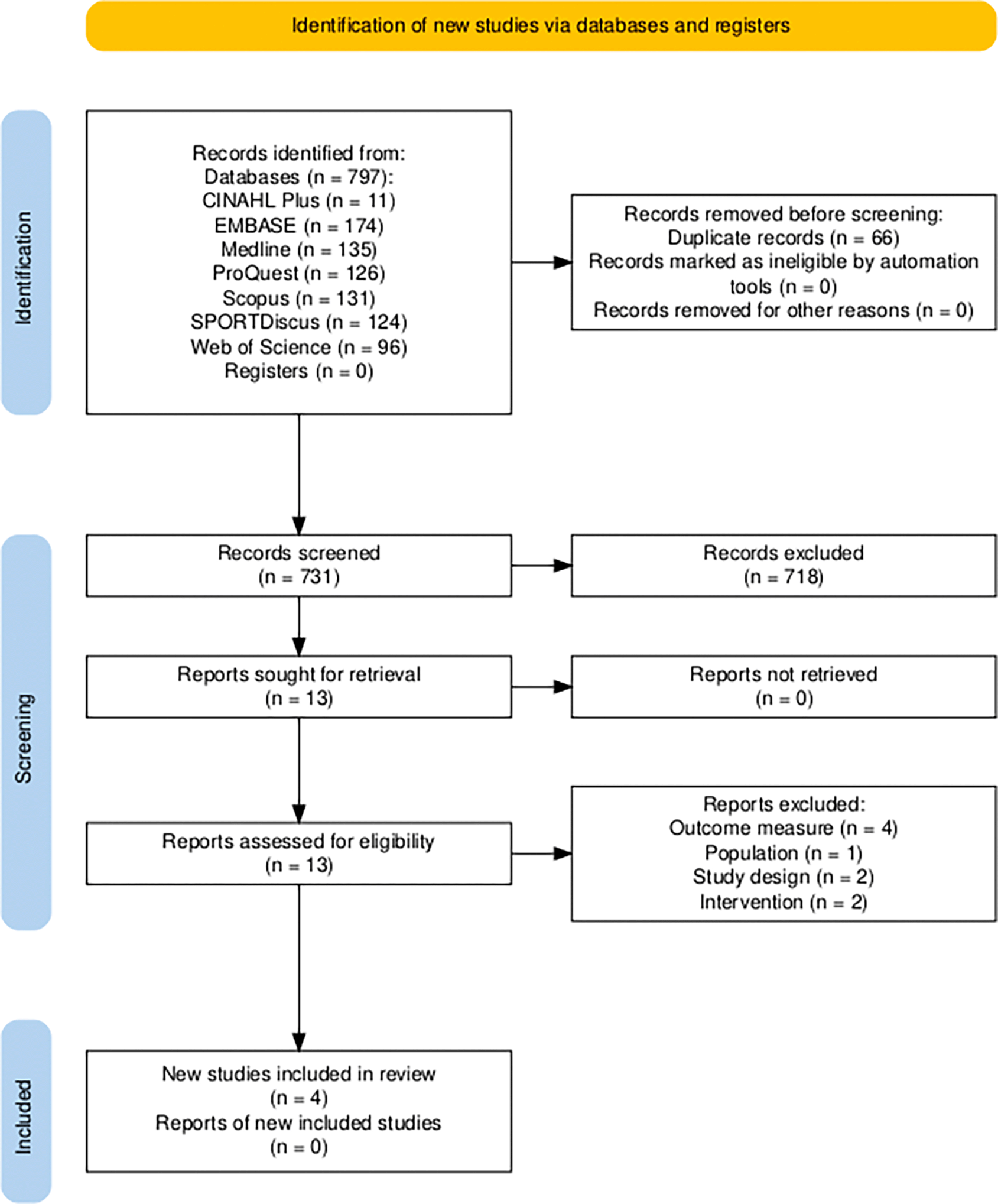
The study characteristics and demographic information are presented in Table 1. All the four included studies were RCTs. The study by Pandey et al.69 was two-armed (i.e. MICT as control group) whereas the studies by Winding et al.,70 Findikoglu et al.71 and Niyazi et al.72 were 3-armed. Data from 162 participants (ranging from 26 to 60 in individual studies) were included in total. The outcome measures in these studies were HbA1c, HOMA-IR, FI, FBS, BMI and visceral fat.
The exercise protocols differed between HIIT and MICT, with variations in exercise modality, intensity, session duration, frequency and overall intervention length, as summarized in Table 1. The interventions included either walking or cycling, with similar overall durations ranging from 11 to 12 weeks. Including the warm-up and cool-down periods, the total intervention time for HIIT ranged from 825 to 2160 minutes while the total intervention time for the MICT ranged from 1485 to 2400 minutes. The study by Findikoglu et al.71 involved a gradual increase (i.e. increased by 12 minutes every 4 weeks) in session time from 24 to 48 minutes in 12 weeks, while the other three studies maintained a consistent session length throughout. The types of HIIT also varied. Pandey et al.69 implemented accumulated HIIT (i.e. three times daily) while the other studies employed traditional HIIT (i.e. single daily session).
The main outcomes are the changes in HbA1c, HOMA-IR, FI, FBS, BMI and visceral fat from baseline to post-intervention (after 11 or 12 weeks). Data of five of these outcomes (HbA1c, HOMA-IR, FI, FBS and BMI) were available for meta-analysis.
The outcome measures reported across the HIIT, MICT, and control (CON) groups in the individual studies were summarized below.
All included studies reported outcomes for HbA1c. Significant reductions were observed only after HIIT in the studies by Pandey et al.69 (p < 0.001) and Winding et al.70 (p < 0.05). In contrast, Findikoglu et al.71 (p < 0.05) and Niyazi et al.72 (p < 0.001) reported significant reductions in both the HIIT and MICT groups, with no significant differences between them.
The Homeostatic Model Assessment for Insulin Resistance (HOMA-IR).
Three studies reported HOMA-IR outcomes. Winding et al.70 reported a significant reduction after HIIT (p < 0.05). Findikoglu et al.71 reported no significant within-group changes (p = 0.381), whereas Niyazi et al.72 reported significant improvements in both the HIIT and MICT groups (p < 0.001). None of the studies found significant differences between the HIIT, MICT and CON groups.
Three studies reported outcomes for FI and FBS. Niyazi et al.72 found significant within-group improvements in both HIIT and MICT groups (p < 0.001), while no significant changes were reported by Winding et al.70 or Findikoglu et al.71 None of the studies found significant differences in FI or FBS between the HIIT, MICT, and CON groups.
All included studies reported outcomes related to BMI. Significant within-group reductions following HIIT were observed in the studies by Pandey et al.69 (p < 0.001) and Winding et al.70 (p < 0.05), while Findikoglu et al.71 reported significant changes only after MICT (p < 0.05). Niyazi et al.72 found significant reductions in both intervention groups. None of the studies reported significant differences in BMI amongst the HIIT, MICT, and CON groups.
Two of the included studies reported outcomes related to visceral fat. Findikoglu et al.71 found no significant within-group changes in any of the intervention arms. In contrast, Winding et al.70 observed a significant reduction in visceral fat following HIIT (p < 0.05), but not after MICT (p = 0.06). Neither study reported significant between-group differences among the HIIT, MICT, and CON groups. Meta-analysis was not feasible for visceral fat due to insufficient detail in one study, which did not clearly specify the units of measurement.71
The meta-analyses were performed separately for the HIIT versus the MICT group, the HIIT group versus the CON group, and the MICT group versus the CON group. The number of participants in the CON group of multiarmed studies was split into half for comparison to HIIT and MICT respectively according to the method proposed by Axon et al.73
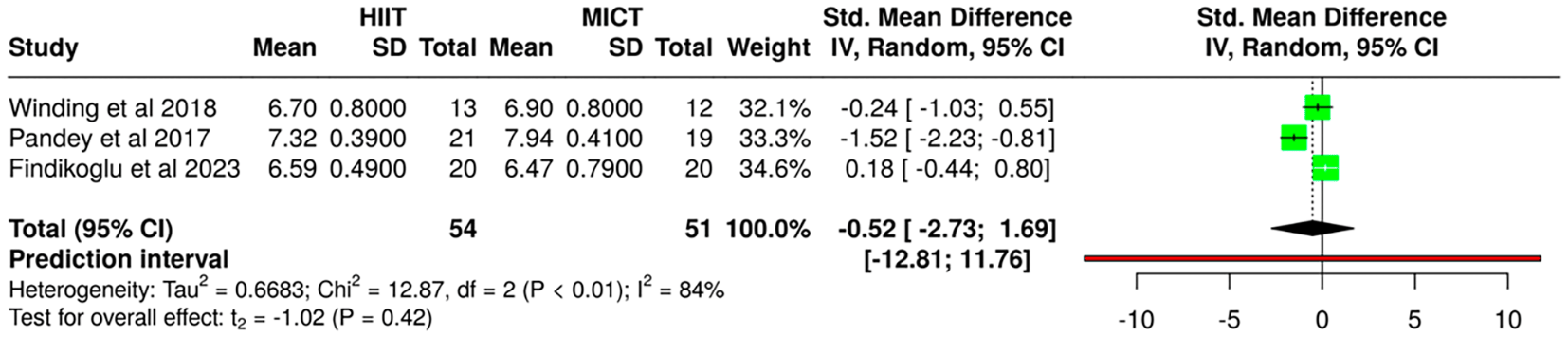
Three studies were analyzed for HbA1c.69–71
HIIT versus MICT
54 participants were in the HIIT group and 51 in the MICT group. Heterogeneity [I2] was 84%. The mean difference was −0.52 (95% CI -2.73 to 1.69, p = 0.42). The prediction interval ranged from −12.81 to 11.76. ( Figure 2).
HIIT versus CON
33 participants were in the HIIT group and 13 in the CON group. Heterogeneity [I2] was 0%. The mean difference was −0.28 (95% CI -0.93 to 0.37, p = 0.40). ( Figure 3).

MICT versus CON
There were 32 participants in the MICT group and 13 in the CON group. Heterogeneity [I2] was 0%. The mean difference was −0.28 (95% CI -2.46 to −1.89, p = 0.35). ( Figure 4).

The Homeostatic Model Assessment for Insulin Resistance (HOMA-IR).
Two studies were analyzed for HOMA-IR.70,71
HIIT versus MICT
33 participants were in the HIIT group and 32 in the MICT group. Heterogeneity [I2] was 1%. The mean difference was −0.14 (95% CI -3.32 to 3.04, p = 0.67). ( Figure 5).

HIIT versus CON
There were 33 participants in the HIIT group and 13 in the CON group. Heterogeneity [I2] was 0%. The mean difference was −0.49 (95% CI -2.16 to 1.19, p = 0.17). ( Figure 6).

MICT versus CON
There were 32 participants in the MICT group and 13 in the CON group. Heterogeneity [I2] was 0%. The mean difference was −0.25 (95% CI -3.93 to 3.43, p = 0.55). ( Figure 7).

Two studies were analyzed for FI.70,71
HIIT versus MICT
33 participants were in the HIIT group and 32 in the MICT group. Heterogeneity [I2] was 42%. The mean difference was −0.05 (95% CI -4.30 to 4.21, p = 0.91). ( Figure 8).

HIIT versus CON
33 participants were in the HIIT group and 13 in the CON group. Heterogeneity [I2] was 0%. The mean difference was −0.38 (95% CI -3.29 to 2.53, p = 0.34). ( Figure 9).

MICT versus CON
32 participants were in the MICT group and 13 in the CON group. Heterogeneity [I2] was 0%. The mean difference was −0.27 (95% CI -3.35 to 2.81, p = 0.46). ( Figure 10).

Two studies were analyzed for FBS.70,71
HIIT versus MICT
33 participants were in the HIIT group and 32 in the MICT group. Heterogeneity [I2] was 0%. The mean difference was −0.29 (95% CI -1.32 to 0.75, p = 0.18). ( Figure 11).

HIIT versus CON
33 participants were in the HIIT group and 13 in the CON group. Heterogeneity [I2] was 0%. The mean difference was −0.65 (95% CI -2.37 to 1.07, p = 0.13). ( Figure 12).

MICT versus CON
32 participants were in the MICT group and 13 in the CON group. Heterogeneity [I2] was 0%. The mean difference was −0.19 (95% CI -1.76 to 1.38, p = 0.37). ( Figure 13).

Four studies were analyzed for BMI.69–72
HIIT versus MICT
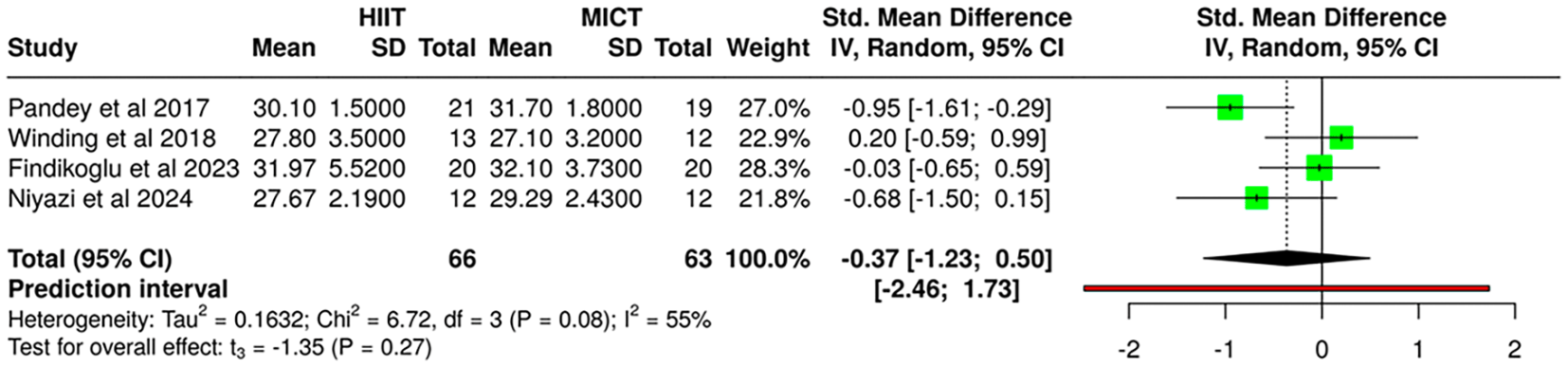
66 participants were in the HIIT group and 63 in the MICT group. Heterogeneity [I2] was 55%. The mean difference was −0.37 (95% CI -1.23 to 0.50, p = 0.27). The prediction interval ranged from −2.46 to 1.73. ( Figure 14).
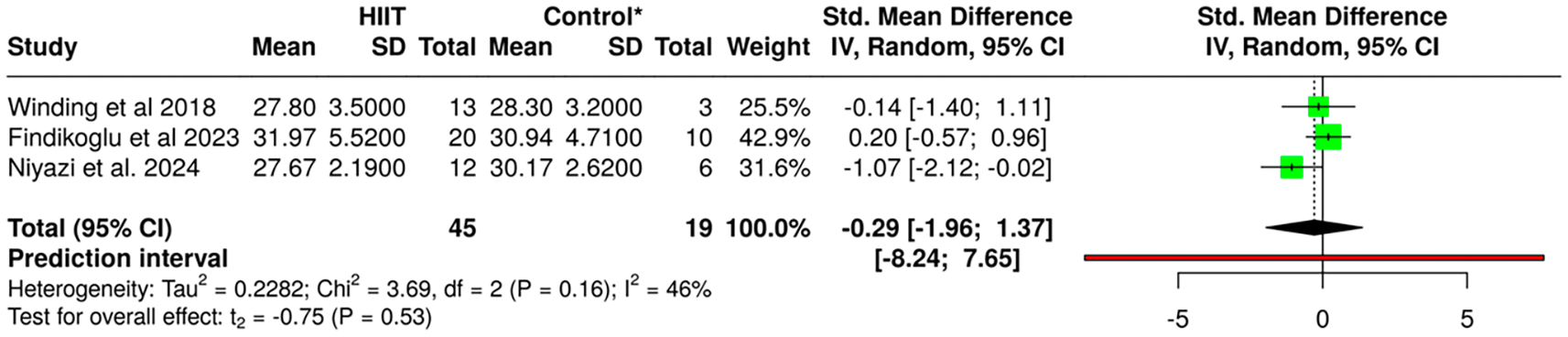
HIIT versus CON
45 participants were in the HIIT group and 19 in the CON group. Heterogeneity [I2] was 46%. The mean difference was −0.29 (95% CI -1.96 to 1.37, p = 0.53). The prediction interval ranged from −8.24 to 7.65. ( Figure 15).
MICT versus CON
44 participants were in the MICT group and 19 in the CON group. Heterogeneity [I2] was 0%. The mean difference was 0.29 (95% CI -0.59 to 1.17, p = 0.29). The prediction interval ranged from −3.26 to 3.84. ( Figure 16).
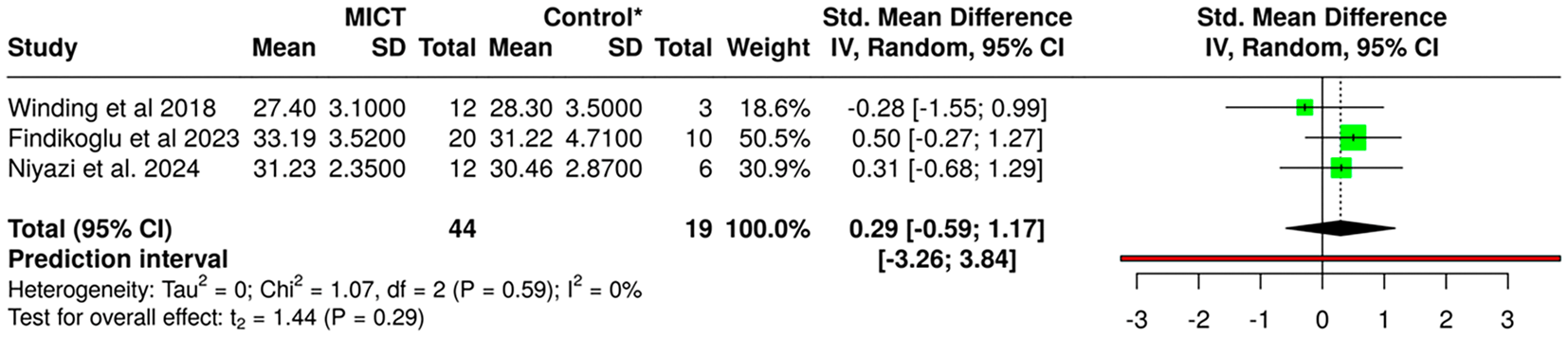
This meta-analysis demonstrated no significant difference between the HIIT, MICT and CON groups across all outcome measures. The result showed a slight trend favoring HIIT over MICT and CON, and MICT over CON. This pattern was observed across most outcomes, except for BMI in the MICT versus CON comparison. Although most analyses showed low heterogeneity, indicating consistency across studies, moderate to high heterogeneity (I2 = 42–84%) was observed in the comparisons of HbA1c, FI, and BMI between the HIIT and the MICT groups. Additionally, the comparison of BMI between the HIIT and the CON groups showed moderate heterogeneity (I2 = 46%).
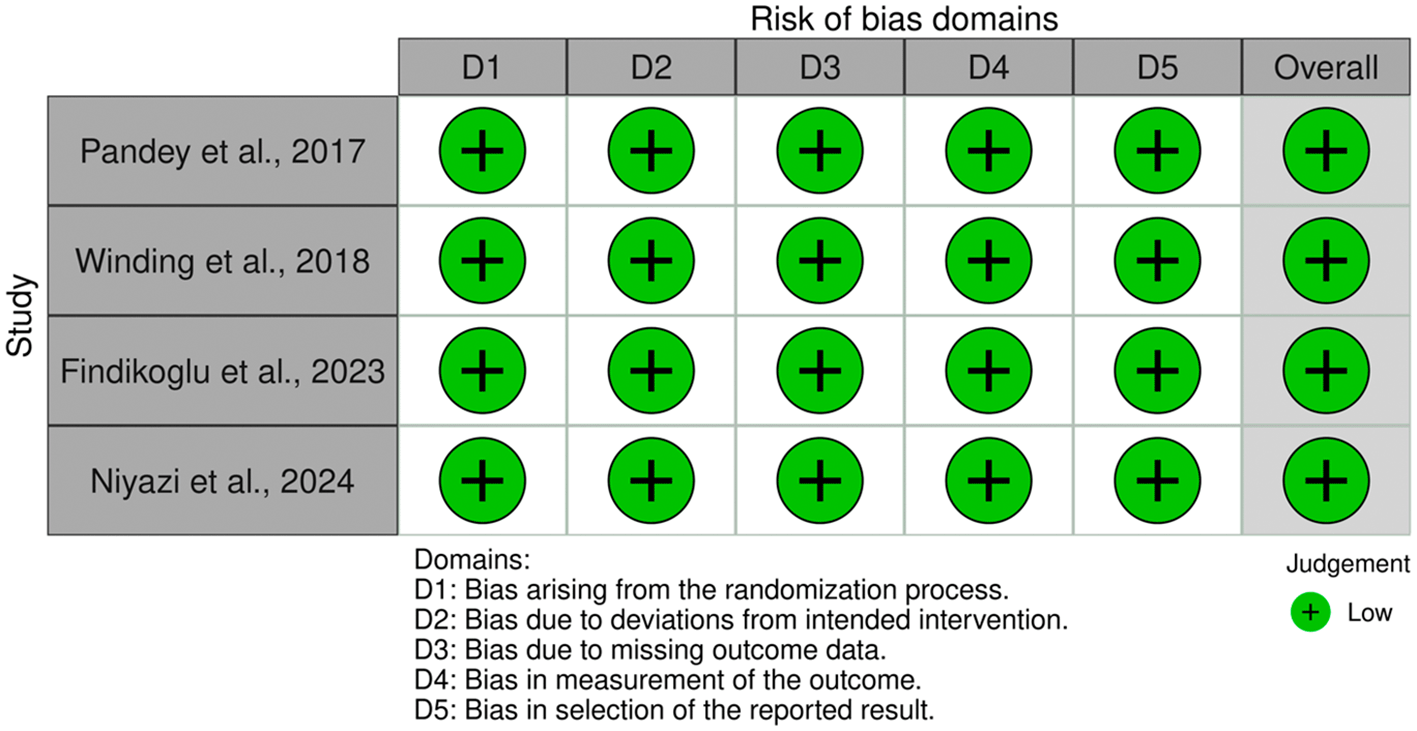
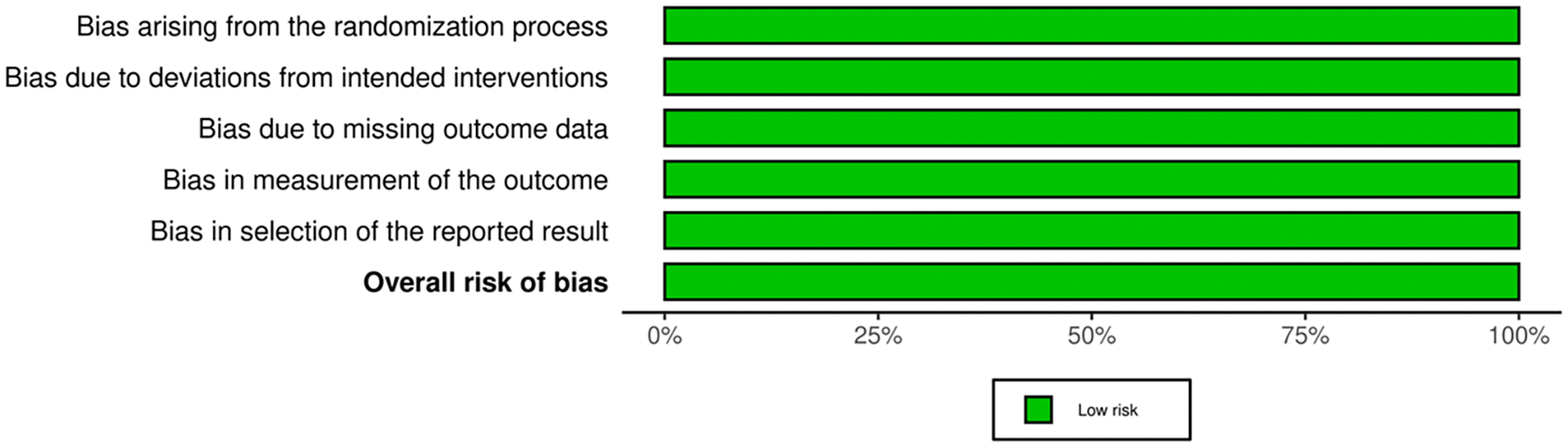
Risk of bias was assessed using the RoB 2.66 Overall low risk of bias was found across all included studies ( Figure 17 and 18). In addition, the overall methodological quality assessed using the Downs & Black checklist was good-to-excellent. ( Table 2).
This meta-analysis found no statistically significant differences between the HIIT and the MICT groups across all measured outcomes indicating that neither HIIT nor MICT was clearly superior in enhancing metabolic parameters. However, it is noteworthy that there appears to be a slight trend favoring HIIT in its effect on FBS over MICT. Furthermore, in the individual study by Pandey et al.,69 the HIIT group demonstrated more substantial improvements in both HbA1c and BMI compared to the MICT group.
The findings of this review are consistent with previous research on metabolic diseases comparing the effects of HIIT and MICT. In individuals with diabetes or prediabetes, both HIIT and MICT yielded equivalent improvements in glycaemic parameters and insulin sensitivity, with HIIT exhibiting superiority only when compared to the CON group.58,74 Similarly, amongst overweight and obese adults, both exercise modalities produced comparable metabolic benefits, with neither demonstrating clear superiority.32–34
In contrast, some earlier studies have reported findings that diverge from those of this review. Liu et al.75 observed greater improvements in certain outcomes (e.g. HbA1c and VO2max) in participants undergoing HIIT compared to those performing MICT. Notably, approximately one-third of the studies included in their analysis employed a longer intervention duration (i.e. 16 weeks) of HIIT, which might have contributed to more pronounced effects and the observed statistical significance. Moreover, the methodological quality of some included studies was compromised by unclear randomization procedures, introducing a potential high risk of bias. Another study by Jelleyman et al.,76 reported a significant overall advantage of HIIT over MICT in enhancing insulin sensitivity. However, that study employed broad inclusion criteria encompassing healthy individuals, those with metabolic syndrome, T2DM, and other chronic conditions. Therefore, the generalizability of the results might be limited.
The lack of statistically significant differences observed in this review might be attributable to methodological limitations (e.g. small sample sizes and heterogeneity in certain outcome measures), and limited control of confounding variables, particularly medication use and dietary intake. The heterogeneity in certain outcome measures was likely influenced by both internal (e.g. individual differences) and external factors (e.g. differences in intervention duration, exercise scheduling and intensity).77–79
One important factor is the duration of the interventions. Wen et al.80 found that longer HIIT interventions (i.e. more than 12 weeks) yielded moderate effects, whereas shorter interventions (i.e. 4 to 12 weeks) produced no significant benefit, notwithstanding their focus was on cardiorespiratory fitness. Nevertheless, their findings suggested that duration might be a crucial determinant of efficacy. In this review, all interventions included were of relatively short duration (i.e. ≤ 12 weeks) which might partly account for the lacks significant findings.
Exercise scheduling might also play a role. For example, the study by Pandey et al.,69 which reported greater improvements in HbA1c and BMI, utilized an accumulated HIIT protocol (i.e. multiple shorter bouts spread throughout the day), in contrast to the single daily session protocols employed in the other studies.70–72 Emerging evidence from both animal and human studies suggests that accumulated HIIT might offer additional metabolic or psychological benefits than the traditional HIIT protocols.81–83 Whilst intriguing, this mode of delivery remains underexplored in clinical populations such as individuals with T2DM, and further trials are warranted to evaluate its therapeutic potential.
Beyond the differences in exercise protocols, other factors might also have contributed to the absence of significant between-group differences.84–86 The pooled sample size (n = 162) across the included studies was relatively small, which might have weakened the statistical power to detect meaningful effects.87 Pharmacological factors might also be relevant. In the study by Pandey et al.,69 no participants were on glucose- or lipid-lowering drugs, while in other included studies,70–72 participants continued with existing hypoglycaemic medications. The presence of medication use in the other trials might have stabilized glycaemic levels, thereby masking the effects of exercise.88,89 For instance, both Metformin and physical activity are known to activate AMP-activated protein kinase (AMPK), promoting similar outcomes such as improved insulin sensitivity and enhanced glucose uptake.90 Dietary control is another potential confounder. Although all four studies instructed participants to maintain their usual diet, actual adherence to the guidance was not reported. Only Pandey et al.69 and Niyazi et al.72 included dietary counselling, which might have increased awareness of healthier eating habits and thus contributed to the observed outcomes. However, unclear adherence to dietary advice makes it difficult to assess the role of nutrition in influencing the results. Previous evidence suggests that dietary counselling can significantly improve diet quality, which is positively associated with insulin sensitivity.91 These might partially explain the comparable outcomes observed between the intervention and control groups.
Beyond methodological factors, the absence of significant differences may also reflect the complex nature of glucose regulation in individuals with T2DM. Understanding the underlying physiological mechanisms offers important context for interpreting these findings. In healthy individuals, insulin facilitates glucose uptake by binding to insulin receptors, stimulating the translocation of GLUT-4 to the muscle cell membrane, and promoting vasodilation.92 In individuals with T2DM, glucose uptake mechanisms are impaired, primarily due to obesity resulting from chronic nutrient excess and a sedentary lifestyle.93 Persistent hyperglycaemia damages endothelial cells and reduces capillary density. Moreover, lipid accumulation within skeletal muscle promotes inflammation, oxidative stress, fibrosis, and mitochondrial dysfunction.94 These pathological changes alter the structure and function of skeletal muscle (e.g. reduced insulin receptor expression and vascular changes), eventually impairing glucose delivery, uptake, and metabolism, thereby contributing to insulin resistance.95
Exercise training is widely regarded as a cornerstone in the management of T2DM, owing to its role in inducing metabolic adaptations that enhance insulin sensitivity in skeletal muscle.17–22 In the short term, exercise promotes vasodilation and increases GLUT-4 translocation to the cell membrane, facilitating glucose uptake to meet immediate energy demands.95 Over the long term, regular exercise upregulates GLUT-4 expression, increases hexokinase activity (i.e. a key enzyme for glucose phosphorylation), and enhances capillarization, which may vary according to exercise intensity.96–98
The absence of a statistically significant difference in insulin sensitivity between HIIT (with shorter time but higher intensity) and MICT (with longer time but lower intensity) might be attributed to their engagement of distinct, yet similarly effective, molecular and cellular pathways. While their energy expenditures differ, both modalities ultimately support improved insulin action through complementary mechanisms.99
HIIT has been shown to initiate rapid and potent molecular responses. For instance, Hoffman et al.100 demonstrated that even short HIIT sessions induce over 1000 phosphorylation events in skeletal muscle, activating key signaling pathways involved in glucose uptake. HIIT also increases the PGC-1α expression, a main regulator of mitochondrial biogenesis and has been associated with greater increases in GLUT-4 content and mitochondrial function compared to MICT.101–105 Furthermore, HIIT results in elevated lactate production, which has been linked to appetite suppression, potentially aiding glucose regulation through reduced energy intake.106 Meanwhile, MICT primarily enhances insulin sensitivity through sustained improvements in mitochondrial respiratory capacity (~50% increase) and calcium-dependent signaling, facilitating mitochondrial biogenesis.28,107–110 MICT also promotes structural adaptations such as increased capillary density and a higher proportion of oxidative type I muscle fibers, features associated with enhanced metabolic efficiency and lower insulin resistance.111,112
While some evidence suggests HIIT might be superior due to its greater activation of AMPK (i.e. 27-fold increase after HIIT and 12-fold increase after MICT), this argument might lack robustness. AMPK, though important, constitutes only one component of a complex regulatory network.113 Animal studies have shown that glucose uptake might still occur even when AMPK activity is inhibited, implying the presence of compensatory mechanisms such as calcium-dependent pathways, which MICT more effectively stimulates.109,110,114 Therefore, relying solely on AMPK activation as evidence of HIIT’s superiority oversimplifies the physiological complexity involved.
Despite their mechanistic differences, both HIIT and MICT appear to converge in promoting glucose uptake and insulin sensitivity. This mechanistic complementarity might help explain the lack of clear superiority observed in the current review.
While most outcome measures in this review displayed low heterogeneity, suggesting a degree of consistency across studies, moderate to high heterogeneity (I2 = 42–84%) was observed in comparisons of HbA1c and BMI between the HIIT and MICT groups. One possible explanation is the small sample sizes of the included studies, which might have resulted in insufficient statistical power to detect intervention effects. Underpowered studies are likely to contribute to increased heterogeneity in meta-analyses and reduce the reliability of estimated effect.85 While the potential for publication bias due to this heterogeneity should be acknowledged, the use of funnel plots was not feasible in this review, as a minimum of 10 studies is generally recommended to produce reliable results.115
This review was comprehensive, reproducible, and specifically focused on adults with T2DM. The use of well-validated appraisal tools (the RoB 2 and the Downs and Black checklist) enabled a robust assessment of study quality and risk of bias.66,67 Most included studies demonstrated good-to-excellent methodological quality and a generally low risk of bias, strengthening the reliability of the findings. The consistent application of a random-effects model with inverse variance weighting accounted for between-study variability, enhancing the robustness of the meta-analysis.116 SMD presented in the forest plots enabled meaningful comparisons across studies. The findings also reinforced existing evidence supporting the comparable effects of HIIT and MICT in T2DM and other populations, while identifying potential directions for future research. For example, the need for more standardized exercise protocols, larger sample sizes, better control of confounding variables like diet, and comparisons between different HIIT protocols. Compared to earlier reviews, this study applied stricter inclusion criteria, allowing for a more focused evaluation of this specific clinical population. However, the generalizability of the findings is limited by the small, pooled sample size and considerable variability in intervention protocols. Significant heterogeneity observed in some outcomes further underscores the need for more high-quality, standardized research in this area.
This review found no significant differences in insulin sensitivity improvement between the HIIT and MICT groups. Considering these findings, clinicians might have flexibility in prescribing exercise programmes with different exercise intensities. Specifically, exercise interventions can be tailored to preferences, lifestyle constraints, and physical capabilities of individual patients with T2DM. This patient-centered approach may improve adherence and long-term patient engagement, which are critical for sustaining metabolic health benefits in individuals with T2DM.117 Whilst definitive conclusions about the optimal modality remain elusive, the broader evidence supports the fundamental role of regular physical activity in cardiometabolic, cardiovascular, and psychological outcomes.18,20,22,118,119 Daily participation in moderate- to high-intensity exercise remains one of the most effective non-pharmacological strategies for improving insulin sensitivity in hepatic and skeletal muscle tissues.120–122 Therefore, while neither HIIT nor MICT has emerged as unequivocally superior, this review offers important insights for personalized and evidence-informed T2DM management.
Future studies should aim to address the limitations identified in this review by implementing more rigorously designed RCTs.
Future RCTs should incorporate more stringent control of potential confounding factors, such as dietary intake and pharmacological management. Variability in medication use and inconsistent dietary behaviors may significantly affect metabolic outcomes, thereby obscuring the true effects of exercise interventions. Standardizing or at least monitoring these variables would enhance the interpretability and comparability of results.
Considering the moderate-to-high heterogeneity observed in certain outcomes, it is also essential that future research adopts more standardized exercise protocols (e.g. consistent definitions of intensity, duration and frequency). Larger sample sizes are equally important, as the wide confidence intervals observed in this review reflect considerable uncertainty, likely stemming from the relatively small, pooled sample size (n = 162).
One promising area of investigation is the comparison between accumulated HIIT and traditional single-session HIIT protocols in individuals with T2DM. The present findings suggest that accumulated HIIT might confer additional metabolic benefits. However, clear evidence in clinical populations remains sparse. Direct head-to-head comparisons are therefore warranted to determine whether this format offers superior or more sustainable improvements in glycaemic control.
In summary, future research should aim to refine and optimize exercise prescriptions to maximize clinical benefits for individuals with T2DM, while reinforcing the central message that regular exercise remains a cornerstone of effective T2DM management.
| Views | Downloads | |
|---|---|---|
| F1000Research | - | - |
|
PubMed Central
Data from PMC are received and updated monthly.
|
- | - |
Provide sufficient details of any financial or non-financial competing interests to enable users to assess whether your comments might lead a reasonable person to question your impartiality. Consider the following examples, but note that this is not an exhaustive list:
Sign up for content alerts and receive a weekly or monthly email with all newly published articles
Already registered? Sign in
The email address should be the one you originally registered with F1000.
You registered with F1000 via Google, so we cannot reset your password.
To sign in, please click here.
If you still need help with your Google account password, please click here.
You registered with F1000 via Facebook, so we cannot reset your password.
To sign in, please click here.
If you still need help with your Facebook account password, please click here.
If your email address is registered with us, we will email you instructions to reset your password.
If you think you should have received this email but it has not arrived, please check your spam filters and/or contact for further assistance.

Comments on this article Comments (0)