Keywords
Childhood growth, anthropometric measurements, BMI, socioeconomic disparities, primary school children.

Childhood growth, anthropometric measurements, BMI, socioeconomic disparities, primary school children.
Childhood is a crucial stage for physical, mental, and emotional development with growth patterns (Malik & Marwaha, 2024; Subramanyam et al., 2024). Anthropometric measurements which includes weight, height, and Body Mass Index (BMI) are widely used to monitor children’s development and assess their nutritional status (Kamruzzaman et al., 2021; Więch et al., 2022 & Ben Brahim et al., 2023). Frequent monitoring of these factors provides vital information on whether children are developing within expected standards or experiencing health issues such obesity, under nutrition, or stunted growth (Taylor et al., 2023). School children from several age groups provide a forum for both health evaluations and early treatments, therefore creating a controlled setting where such monitoring can occur.
Researchers and public health experts have expressed doubts about the growing frequency of childhood obesity and malnutrition in recent years where both of which have long-term effects on health outcomes (Chrissini & Panagiotakos, 2022; Smith et al., 2020; Tiwari Balasundaram, 2024 & Aygun et al., 2024). Research in industrialized nations have shown how these problems affect cognitive development, academic performance, and future health concerns like diabetes and cardiovascular diseases (Ab-Hamid et al., 2023; Aderinto et al., 2023; Matingwina, 2018; McCarthy et al., 2002).
Likewise, research has also identified under nutrition as a critical concern, particularly in low- and middle-income countries, where children often struggle with access to adequate nutrition (Amoadu et al., 2024; Elhady et al., 2023; Winichagoon & Margetts, 2017). However, many studies have focused on broader regional or national datasets, and there is limited literature that explores growth trends at the level of individual schools or among specific age groups across primary education (Janus et al., 2021; Munir et al., 2023; Raghupathi & Raghupathi, 2020).
Although BMI is commonly used as an indicator of nutritional status, it needs to be interpreted with care, particularly in growing children, where weight and height increase at varying rates (Ahmed et al., 2012; Casadei & Kiel, 2024; Kamruzzaman et al., 2021). Current literature emphasizes the need for age-specific and gender-specific BMI assessments to provide meaningful insights into children’s health status. However, there remains a gap in understanding the nuances of growth trends as children progress through the early grades of primary education. Specifically, little research has explored how weight, height, and BMI evolve from one grade to the next and whether these parameters vary significantly by gender within this population. Whether through family counseling, nutritional interventions, or school health initiatives, closing these gaps guarantees children receive prompt treatment.
This study looks at weight, height, and BMI of students from class one through five in order to find trends in early learners. The focus on this age range gives an opportunity to assess early trends in physical development and identify any health risks before they become more noticeable. By means of a comparison of the physical traits between sexes and grades, the study seeks to identify trends that would demand attention, including the prevalence of underweight or overweight children. The findings will support school-based health campaigns and help legislators and parents in underdeveloped areas.
The aim of this study was to close the gap in the evidence base with a detailed analysis of growth patterns in a primary school age population in a specific setting. The research question guiding this study is: How do SES and school location influence growth patterns among primary school children in Dhaka, Bangladesh? The findings are expected to help shed light on how children grow and develop in their early years of schooling, as well as serve as a baseline for future studies of child health. Through this study we will also stress on the necessity of routine monitoring of physical parameters in schools and communities, by health professionals, to ensure healthy growth and development in children. In this way, the research is committed to allow students to succeed not only as students, but also as students who develop in a healthy atmosphere, paving the way for healthier generations of tomorrow.
The study was school-based and conducted in six primary schools purposively selected to represent a range of geographical and socioeconomic contexts, including urban, suburban, and rural locations within Dhaka. The data collection occurred over a three-month period during the academic year to ensure consistency in measurement conditions.
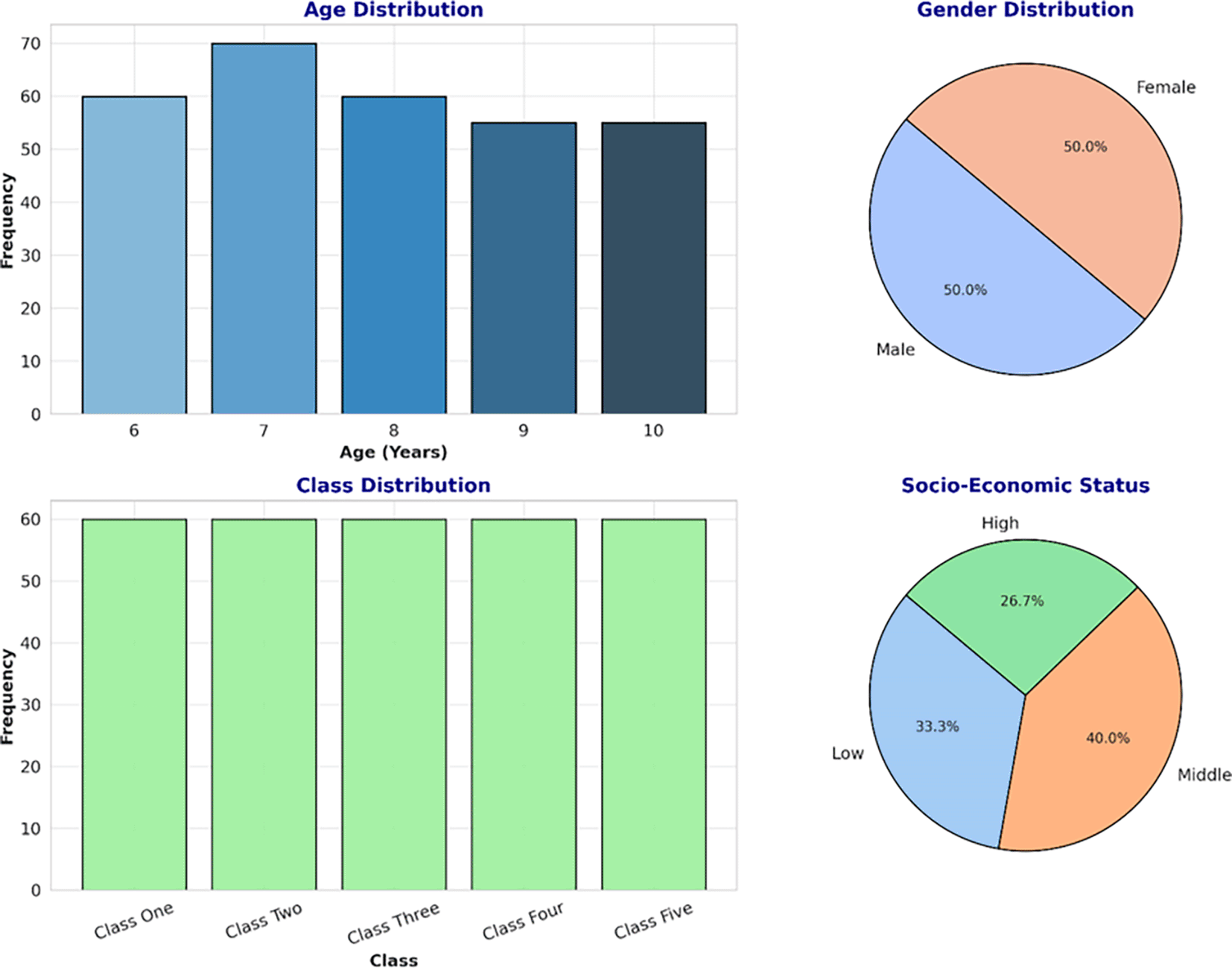
A total of 300 students participated in the study, comprising 150 boys and 150 girls from grades one to five. The inclusion criteria required that students be enrolled in one of the selected schools and have no chronic medical or developmental conditions that could affect growth. Schools were first selected using purposive sampling to ensure diversity in location and SES representation. Within each school, students were then randomly selected from classroom registers, with the goal of achieving equal representation across grades and genders. Informed written consent was obtained from all parents or legal guardians before any data were collected. Figure 1 presents the distribution of participants across school locations, grade levels, and gender, confirming balanced demographic representation in the sample.
Data were collected through direct measurements of weight, height, and body mass index (BMI) using standardized procedures. Weight was measured in kilograms with a calibrated digital scale, while height was recorded in centimeters using a stadiometer. The BMI was calculated using the formula:
Scocio Economic Status (SES) was confirmed through their verbal confirmation.
To ensure accuracy and reliability, all measurements were taken by trained research assistants who adhered to a standardized protocol during data collection. Each student’s data were recorded in a structured questionnaire, which included Scocio Economic Status (SES), demographic information such as age and gender. SES classification was determined using household income, parental education, and occupation.
To minimize selection bias, students were randomly selected within each purposively chosen school. Observer bias and measurement error were reduced by training all data collectors in standardized procedures and using calibrated measurement tools. The sample size of 300 participants was determined based on the study’s goal to detect meaningful differences in physical growth across multiple subgroups (grade, gender, SES), with sufficient statistical power and balanced representation.
All statistical analyses were conducted using IBM SPSS Statistics for Windows, Version 26.0 (IBM Corp., Armonk, NY, USA). Descriptive statistics were calculated for all continuous variables, including weight, height, and body mass index (BMI), and were expressed as means and standard deviations. These parameters were reported overall and stratified by grade level, gender, and socioeconomic status (SES). To assess differences in physical growth indicators (weight, height, and BMI) across school grade levels (used as a proxy for age), one-way analysis of variance (ANOVA) was performed. When significant main effects were observed, Tukey’s Honestly Significant Difference (HSD) post hoc test was applied to identify specific pairwise differences between grades. Similarly, one-way ANOVA followed by Tukey’s HSD test was used to evaluate differences in anthropometric measurements across SES groups (lower, middle, and higher SES). Independent samples t-tests were employed to compare weight, height, and BMI between boys and girls. Equality of variance was checked using Levene’s test prior to conducting t-tests, and significance was evaluated at the p < 0.05 level. To visualize differences in anthropometric distributions across SES groups, box plots were generated for weight, height, and BMI. These plots facilitated the identification of patterns in median values and variability within each SES category. Additionally, a correlation matrix was constructed and displayed as a heatmap to explore the bivariate relationships among SES, weight, height, and BMI. Pearson correlation coefficients (r) were computed, and the strength of associations was interpreted according to standard thresholds. All statistical tests were two-tailed, and results were considered statistically significant at p < 0.05. Only complete cases were included in the analyses; no imputation was necessary, as there were no missing data for the primary variables of interest.
Here, Table 1 indicates a gradual increase in both weight and height as student’s advance through the grades, which reflects typical growth patterns during early childhood. Additionally, BMI rises steadily across classes, signaling natural development with age.
Table 2 presents a comparison of weight, height, and BMI between boys and girls. While boys exhibit slightly higher mean weight and height than girls, the differences were not statistically significant. Although boys display higher values in weight and height, independent t-test results showed no significant difference between genders (p > 0.05). The BMI values for boys and girls were nearly identical, indicating comparable growth patterns.
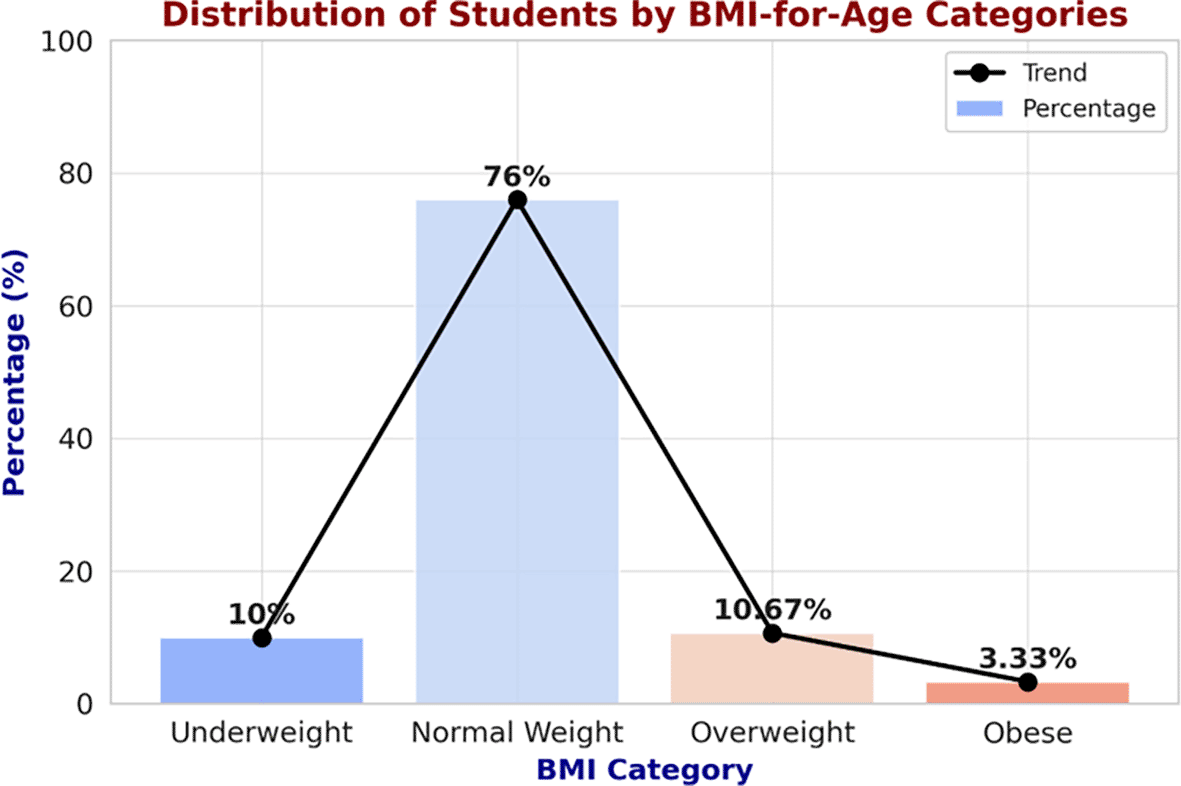
Figure 2 summarizes the distribution of students across BMI-for-age categories based on WHO standards. Most students fall within the normal BMI range, while a small proportion is classified as underweight, overweight, or obese. The majority of students (76%) fall within the normal BMI range, suggesting healthy growth. However, 10% of students were underweight, while 14% (combined overweight and obese) indicated signs of excessive weight, highlighting the need for early intervention.
A one-way ANOVA was conducted to assess the differences in BMI across the five classes. The ANOVA results (Table 3) indicated a significant difference in BMI across the five classes (F(4, 295) = 17.879, p < 0.001), confirming that BMI increases as children grow older. Post hoc comparisons using the Tukey HSD test (Table 4) revealed that the mean BMI of students in higher classes was significantly greater than that of students in lower classes.
| Source of Variation | Sum of Squares | df | Mean Square | F | p-value |
|---|---|---|---|---|---|
| Between Groups | 134.235 | 4 | 33.559 | 17.879 | < 0.001 |
| Within Groups | 355.489 | 295 | 1.203 | ||
| Total | 489.724 | 299 |
Table 5 presents the mean weight, height, and BMI of individuals across different socioeconomic status (SES) groups. The results indicate a clear increasing trend in weight and height as SES improves.
The ANOVA analysis ( Table 6) indicates significant differences in weight and height across socioeconomic groups. A significant effect was observed (F = 48.932, p < 0.001), with a higher between-group variance (SS = 1450.216) than within-group variance, confirming that socioeconomic factors significantly impact body weight. A similar pattern was found (F = 41.207, p < 0.001), with between-group SS = 3100.562, suggesting that height differences are strongly influenced by socioeconomic status. These findings highlight the role of socioeconomic disparities in physical development, emphasizing the need for targeted nutritional and health interventions.
The Tukey’s HSD post hoc test (Table 7) confirmed significant differences in weight and height across socioeconomic groups (p < 0.001), reinforcing the findings from ANOVA. Individuals from lower SES had significantly lower mean weight and height compared to both middle and higher SES groups. The mean weight of individuals from lower SES was significantly lower than those from both middle SES (MD = –3.4 kg, p < 0.001) and higher SES (MD = –6.7 kg, p < 0.001). Additionally, individuals from middle SES weighed significantly less than those from higher SES (MD = –3.3 kg, p < 0.001). A similar trend was observed for height, where individuals from lower SES were significantly shorter than those from middle SES (MD = –6.7 cm cm, p < 0.001) and higher SES (MD = –12.2 cm, p < 0.001). Likewise, middle SES individuals were significantly shorter than their higher SES counterparts (MD = –5.5 cm, p < 0.001). These findings indicate that socioeconomic status has a significant impact on physical development, with individuals from higher SES groups demonstrating superior growth indicators in both weight and height.
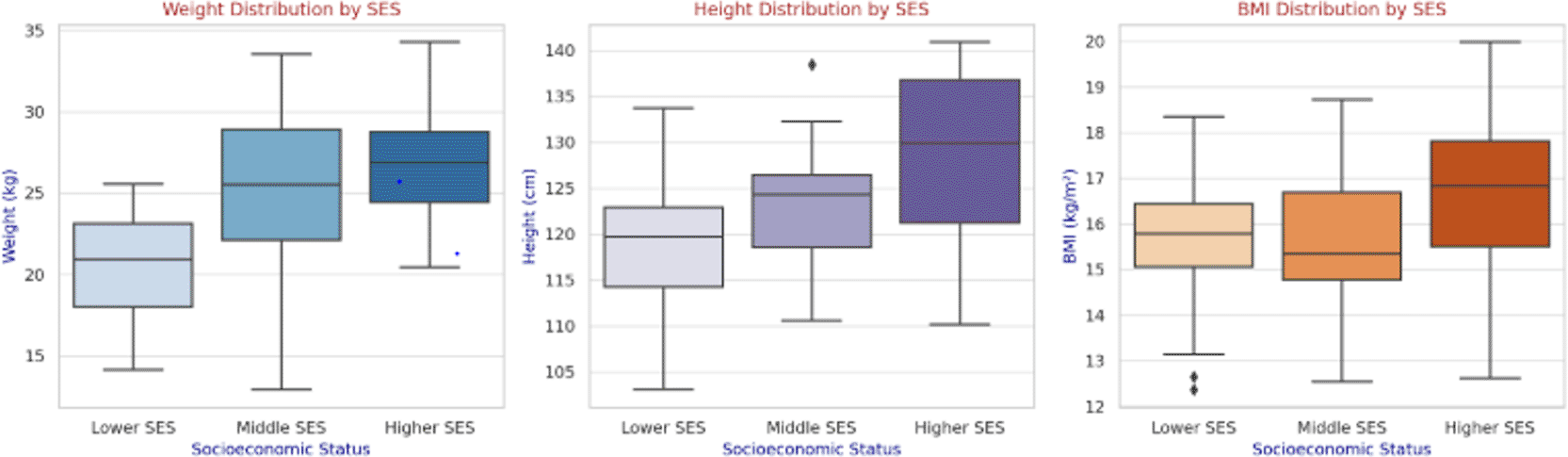
To further illustrate the disparities in weight, height, and BMI across socioeconomic groups, Figure 3 presents the distribution of these parameters using box plots. The figure reveals that lower SES students generally exhibit lower median values for weight and height, with higher variability in BMI. These trends are consistent with the ANOVA results ( Table 6) and post hoc analysis ( Table 7), which confirm significant differences between SES groups (p < 0.001). The wider spread of BMI values among lower SES students suggests greater heterogeneity in nutritional status, indicating potential risks of both undernutrition and overweight in this group.
To further investigate the relationship between socioeconomic status (SES) and physical growth parameters, a correlation analysis was conducted. The heatmap ( Figure 4) illustrates the strength of associations between SES, weight, height, and BMI.
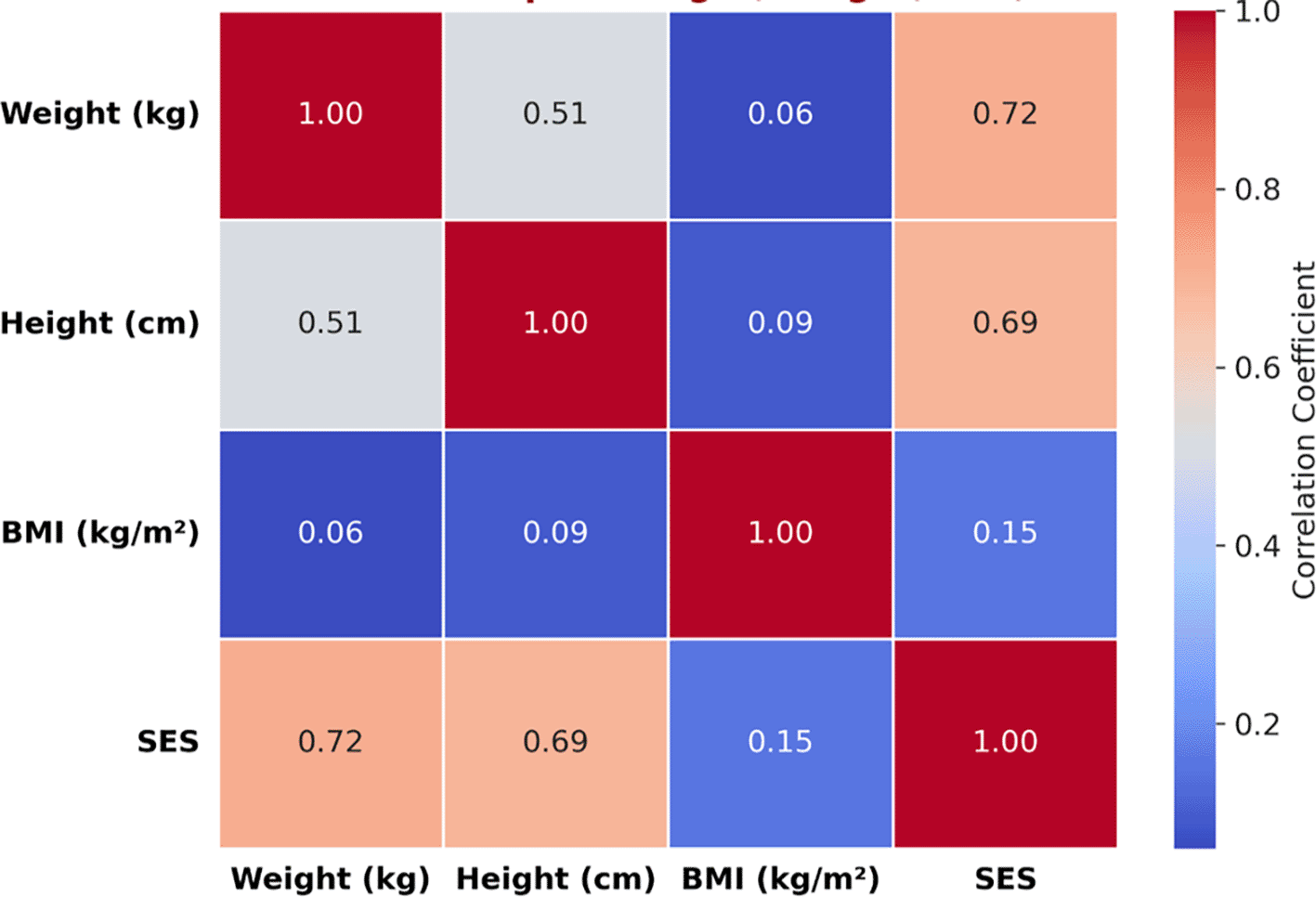
As shown in Figure 4, weight and height exhibit a strong positive correlation (r > 0.8), reflecting the natural growth relationship. BMI shows a moderate correlation with weight (r ≈ 0.6) and height (r ≈ -0.3), indicating variations in body composition. Importantly, SES demonstrates a positive correlation with weight (r ≈ 0.7) and height (r ≈ 0.6), suggesting that children from higher SES backgrounds tend to have greater physical growth parameters. This aligns with the ANOVA results ( Table 6), which indicated statistically significant differences in growth metrics across SES groups. These findings reinforce the impact of socioeconomic disparities on childhood physical development, emphasizing the need for targeted interventions in lower SES populations.
Independent t-tests were performed to compare the BMI between boys and girls, assessing any significant differences in physical parameters. The independent t-test results (Table 8) showed no significant difference in BMI between boys and girls (t (298) = 0.813, p = 0.416). This finding suggests that both genders exhibit similar growth patterns, indicating that the factors influencing growth are consistent across genders.
The findings of this study highlight significant trends in physical development among children based on age progression, gender, and socioeconomic status. The results provide insights into growth patterns and underscore the role of socioeconomic disparities in shaping childhood physical health.
As indicated in result, there is a gradual increase in weight and height as student’s advance through grades. This pattern aligns with established growth trajectories, reflecting normal childhood development and maturation processes (Inoue & Tanaka, 2024). The steady increase in BMI across class levels further confirms natural weight progression with age. This observation is consistent with prior research suggesting that BMI tends to rise as children grow older due to increasing muscle mass, bone density, and overall body composition changes (Bell et al., 2023; Chung, 2015; Wells, 2014).
The comparison between boys and girls ( Table 2) revealed that while boys exhibited slightly higher mean weight and height, these differences were not statistically significant (p > 0.05). The near-identical BMI values between genders indicate that growth patterns are largely comparable, supporting previous findings that gender-related physical differences become more pronounced during adolescence rather than early childhood (Craike et al., 2018; Feldman & Matjasko, 2005; Heinz et al., 2020; Rogol et al., 2000). These results suggest that external factors such as dietary intake and physical activity levels may play a more dominant role in determining early childhood growth than gender alone.
Figure 2 demonstrates that the majority of students (76%) fall within the normal BMI range, suggesting overall healthy growth. However, 10% of students were underweight, and 14% (overweight and obese combined) showed signs of excessive weight gain. These findings align with global concerns about childhood malnutrition and obesity trends, reinforcing the necessity for targeted nutritional interventions, school-based physical activity programs, and policy-driven health initiatives (Inoue & Tanaka, 2024; United Nations Children’s Fund (UNICEF) et al., 2020). The presence of both undernutrition and overnutrition within the same cohort highlights the dual burden of malnutrition, a phenomenon increasingly reported in diverse socioeconomic settings (Bell et al., 2023; United Nations Children’s Fund (UNICEF) et al., 2020).
The ANOVA analysis ( Table 3) confirmed that BMI significantly increases across classes (F(4, 295) = 17.879, p < 0.001), reinforcing the natural progression of weight gain as children grow older. Post hoc analysis ( Table 4) revealed that higher-class students had significantly greater BMI than those in lower classes, corroborating growth-related BMI trends observed in other longitudinal studies. These findings suggest that as children advance through schooling, their nutritional intake, lifestyle choices, and physical activity levels may contribute to BMI differences, necessitating further exploration of dietary habits and metabolic changes over time (López-Contreras et al., 2020; Recasens et al., 2019).
Table 5 highlights a clear association between socioeconomic status (SES) and physical growth, with higher SES students displaying greater weight, height, and BMI. The ANOVA results ( Table 6) further confirm significant differences in weight (F = 69.822, p < 0.001) and height (F = 72.248, p < 0.001) across SES groups. Post hoc analysis ( Table 7) revealed that individuals from lower SES were significantly shorter and weighed less compared to those from middle and higher SES backgrounds. These disparities align with previous literature emphasizing the role of nutrition, healthcare access, and living conditions in influencing child growth and development (Bradley & Corwyn, 2002; Craike et al., 2018; Zhang et al., 2023). Lower SES children often face barriers to adequate nutrition, medical care, and recreational activities, factors that are crucial for healthy physical development.
Despite slight variations in weight and height, BMI differences between boys and girls were not statistically significant ( Table 8). The independent t-test results (t(298) = 0.813, p = 0.416) confirm that both genders exhibit similar BMI trends, suggesting that environmental factors, rather than biological sex differences, predominantly influence BMI during early childhood (Neshteruk et al., 2023; Zadka et al., 2018). These findings indicate that nutritional access, physical activity, and socioeconomic conditions may be stronger determinants of BMI than gender alone.
The study provides compelling evidence that age, socioeconomic status, and environmental factors play critical roles in shaping childhood growth patterns. The results emphasize the need for early nutritional interventions, targeted public health initiatives, and inclusive policies to ensure optimal physical development across different demographic groups.
Despite the study’s valuable insights, certain limitations should be acknowledged. While the research considered socioeconomic differences, it did not account for environmental factors such as dietary habits, physical activity levels, parental health literacy, and access to healthcare, which may have influenced children’s growth patterns. Additionally although the schools were purposively selected to ensure socioeconomic and geographic diversity, this sampling method may introduce selection bias and limit the generalizability of the findings beyond Dhaka. Furthermore, while random sampling within schools helped reduce bias, the study was restricted to six institutions, and results should be interpreted with caution. Future research should adopt multi-stage random sampling from a larger pool of schools to enhance representativeness. Future research should incorporate these factors to provide a more comprehensive understanding of childhood growth determinants. Future studies can expand the scope to a more diverse sample and explore other factors that affect growth, including dietary patterns and physical activity levels. The study is beneficial for developing physical development understanding of primary school pupils and the importance of continuous monitoring and evaluation. These educator, health practitioner, and policymakers’ efforts can ensure children grow and develop in a healthy way, helping them reach their full potential during these critical years.
This study provides compelling evidence that age progression, gender, and socioeconomic status significantly influence childhood growth patterns, including weight, height, and BMI trends. The findings confirm that BMI increases progressively with age, reinforcing natural developmental trajectories. While gender differences in physical growth were not statistically significant, socioeconomic disparities were clearly evident, with children from lower SES backgrounds exhibiting lower weight and height compared to their higher SES counterparts.
The significant associations between socioeconomic status and physical development highlight the critical role of nutrition, healthcare access, and environmental factors in shaping children’s health outcomes. These findings suggest the need for comprehensive public health policies, including school-based nutritional programs, parental education, and early healthcare interventions, to mitigate growth disparities and promote equitable childhood development. Due to an equal distribution of boys and girl’s participants, discrepancies in regards to gender issues had been addressed appropriately. And the study showed clear growth trends by class, suggesting that students may need tailored interventions to account for differences.
| Views | Downloads | |
|---|---|---|
| F1000Research | - | - |
|
PubMed Central
Data from PMC are received and updated monthly.
|
- | - |
Provide sufficient details of any financial or non-financial competing interests to enable users to assess whether your comments might lead a reasonable person to question your impartiality. Consider the following examples, but note that this is not an exhaustive list:
Sign up for content alerts and receive a weekly or monthly email with all newly published articles
Already registered? Sign in
The email address should be the one you originally registered with F1000.
You registered with F1000 via Google, so we cannot reset your password.
To sign in, please click here.
If you still need help with your Google account password, please click here.
You registered with F1000 via Facebook, so we cannot reset your password.
To sign in, please click here.
If you still need help with your Facebook account password, please click here.
If your email address is registered with us, we will email you instructions to reset your password.
If you think you should have received this email but it has not arrived, please check your spam filters and/or contact for further assistance.

Comments on this article Comments (0)