Keywords
Bibliometric Analysis; Environmental Sustainability; Landscape-Seascape; Natural Resource Management; Systematic Review; Transglobal Leadership.

This article is included in the Climate gateway.
This article is included in the Ecology and Global Change gateway.
Bibliometric Analysis; Environmental Sustainability; Landscape-Seascape; Natural Resource Management; Systematic Review; Transglobal Leadership.
The world is currently facing increasingly complex and urgent environmental challenges. Climate change, biodiversity loss, pollution, and land degradation have become critical threats to environmental sustainability. Rising global temperatures, sea-level rise, and the increasing frequency of extreme weather events such as floods, droughts, and storms have significantly disrupted ecological systems and human livelihoods, particularly for communities that depend heavily on natural resources.1 In addition, biodiversity decline has reached an alarming level, driven by deforestation, urbanization, pollution, and overexploitation of natural resources.2 This degradation threatens the stability of ecosystems and the provision of essential ecosystem services, including water purification, pollination, and climate regulation.
These challenges highlight the need for governance systems that are capable of operating across geographic, institutional, and cultural boundaries. In this context, leadership plays a central role in shaping environmental outcomes. Global leadership, encompassing transformational, sustainability, and transglobal leadership, has been widely recognized as a key driver of sustainable practices and improved environmental performance.3,4 Transformational leadership has been shown to influence pro-environmental behavior, innovation, and organizational sustainability outcomes.5,6 Sustainability leadership further extends this perspective by integrating environmental, social, and economic dimensions into leadership practices.7,8 Meanwhile, transglobal leadership provides a broader conceptual framework characterized by cross-boundary influence, cultural intelligence, and a global vision, enabling coordination among diverse stakeholders.9 However, scholars have debated whether trans-formational and transglobal leadership frameworks are sufficiently distinct in practice, with some arguing that their conceptual boundaries remain unclear and that empirical evidence linking these constructs to environmental outcomes is still fragmented.
The relevance of global leadership becomes particularly evident in the domain of natural resource management.10,11 Natural resources such as forests, water, and marine ecosystems are increasingly exposed to transboundary pressures, necessitating integrated and collaborative governance approaches.12 The landscape and seascape perspectives offer a holistic framework for managing these resources by considering the interactions between ecological systems and human activities. Landscape approaches focus on terrestrial ecosystems, including forests and agricultural areas, while seascape approaches address marine and coastal systems such as coral reefs and mangroves.13 Both approaches emphasize the importance of balancing ecological sustainability with social and economic needs. Despite growing interest in these frameworks, their integration with global leadership theory remains underexplored in the literature.
Many prior studies have focused on specific leadership constructs or limited organizational settings, without providing a comprehensive understanding of how global leadership interacts with natural resource management systems at a broader level.14 To address this gap, a systematic and structured synthesis of the literature is required. Bibliometric analysis combined with a systematic literature review provides a rigorous approach to mapping the intellectual structure of a research field.15 This approach enables the identification of publication trends, dominant themes, and conceptual relationships among key variables, thereby offering a clearer understanding of the development of knowledge in this domain.16
Therefore, this study aims to: (1) map the bibliometric landscape of global leadership and environmental sustainability research within the context of natural resource management; (2) identify dominant research themes, topic trends, and conceptual relationships among key variables; and (3) synthesize the main determinants influencing sustainability outcomes. The principal findings of this review indicate that leadership style, green innovation, and environmental performance are the most central and recurrent themes in the literature, and that transglobal leadership represents an emerging yet underutilized framework in the governance of landscape and seascape systems. By doing so, this study contributes to a more integrated understanding of how global leadership frameworks can support effective and sustainable natural resource management.
This study employed a Systematic Literature Review (SLR) guided by the PRISMA (Preferred Reporting Items for Systematic Reviews and Meta-Analyses) framework,14 supplemented with a bibliometric analysis conducted in Python (version 3.11). The search was conducted on the Scopus database in April 2026 using the following structured query:
(“global leadership” OR “transformational leadership” OR “sustainability leadership”) AND (TITLE-ABS-KEY(“environmental sustainability” OR “natural resource management”) AND PUBYEAR >2016 AND PUBYEAR <2026 AND (LIMIT-TO (DOCTYPE, “ar”)) AND (LIMIT-TO (LANGUAGE, “English”)) AND (LIMIT-TO (SRCTYPE, “j”))
This query retrieved 519 peer-reviewed journal articles in English published between 2017 and 2025. Data were exported in BibTeX format and processed using Python for bibliometric visualization, including co-authorship networks, keyword co-occurrence analysis, and trend topic mapping. The complete dataset and analysis scripts are available from the corresponding author upon reasonable request.
The inclusion criteria (IC) applied were as follows.
IC1: Original, peer-reviewed journal articles written in English.
IC2: Research focused on global, transformational, or sustainability leadership in relation to environmental sustainability or natural resource management.
IC3: Studies using quantitative, qualitative, or mixed methods with measurable sustainability-related outcomes.
Exclusion criteria covered articles primarily focused on organizational sustainability without explicit environmental dimensions, purely normative or theoretical essays without empirical grounding, and articles in which leadership was only a peripheral variable. Studies focused exclusively on sectors such as healthcare or education with no natural resource or environmental sustainability component were also excluded during full-text screening.
The screening process was conducted in three stages following the PRISMA guidelines. In the first stage, 519 records were identified through database searching. After removal of duplicates and title-abstract-keyword screening based on IC1 and IC2, 237 articles were included. In the second stage, full-text screening based on IC2 and IC3 reduced the selection to 30 articles. These 30 articles formed the basis of the qualitative synthesis. Figure 1 presents the complete PRISMA flow diagram.
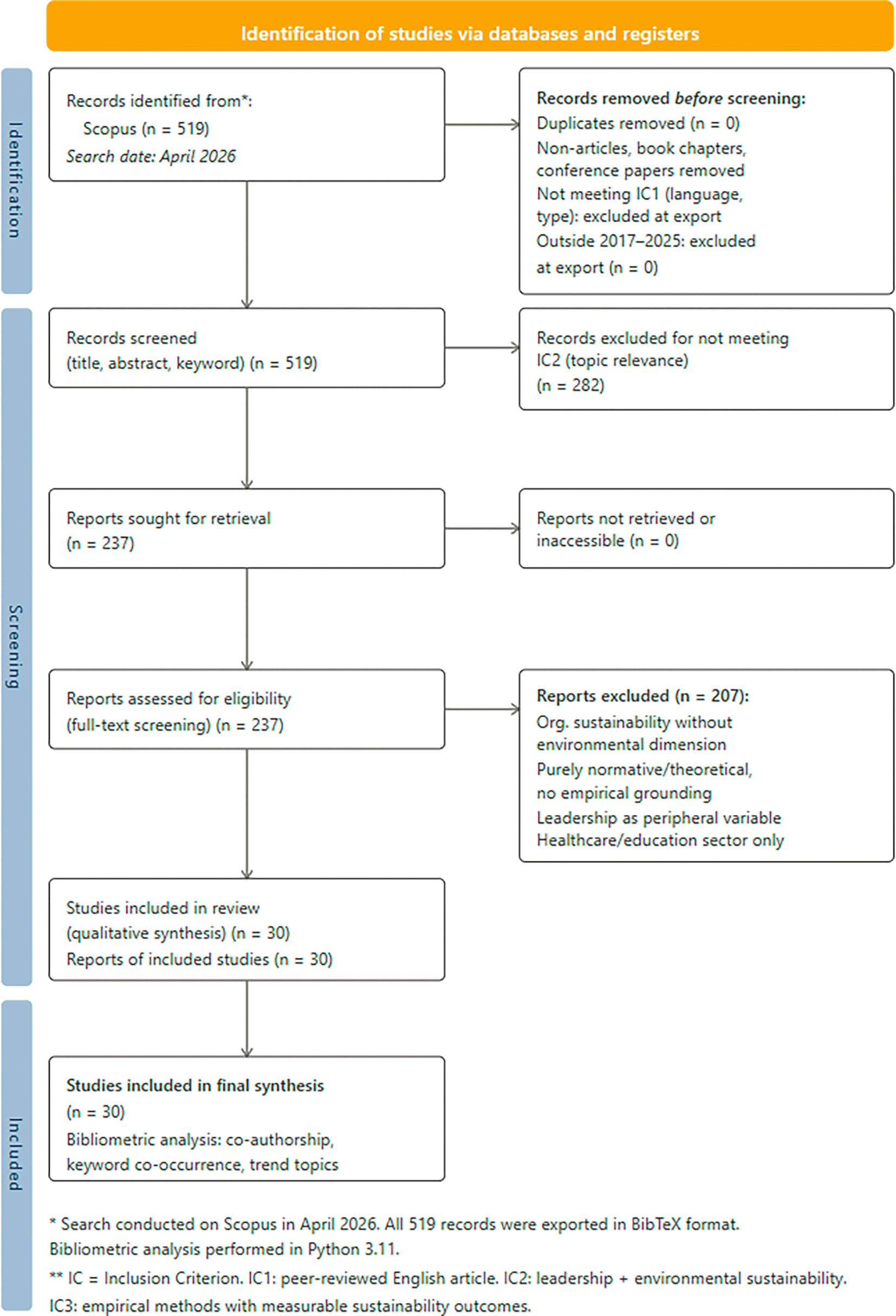
The search in the Scopus database using the structured query retrieved 519 peer-reviewed journal articles published between 2017 and 2025. Following the three-stage PRISMA screening process, 519 records entered Stage 1, where title and abstract screening based on IC1 and IC2 retained 237 articles. In Stage 2, keyword and topic relevance screening further refined the selection. In Stage 3, full-text screening applying IC2 and IC3 yielded a final set of 30 articles selected for qualitative synthesis. The bibliometric analysis was subsequently conducted on all 519 articles to map the broader intellectual landscape of the field.
The annual distribution of publications shows a consistent upward trend, from 12 articles in 2017 to 188 articles in 2025, reflecting accelerating scholarly interest in the intersection of global leadership and environmental sustainability. The years 2024 (110 articles) and 2025 (188 articles) represent the most productive period, indicating that research attention to this domain has intensified substantially in recent years, consistent with increased global policy attention to climate change and the Sustainable Development Goals (SDGs).
Figure 2 illustrates the temporal evolution of key research topics in the literature on leadership, sustainability, and environmental performance. The results indicate that leadership, sustainability, and sustainability leadership represent the earliest and most consistently discussed themes, having appeared since approximately 2017 and remaining relevant throughout the observation period. This pattern suggests that these three concepts form the foundational basis of the research domain.
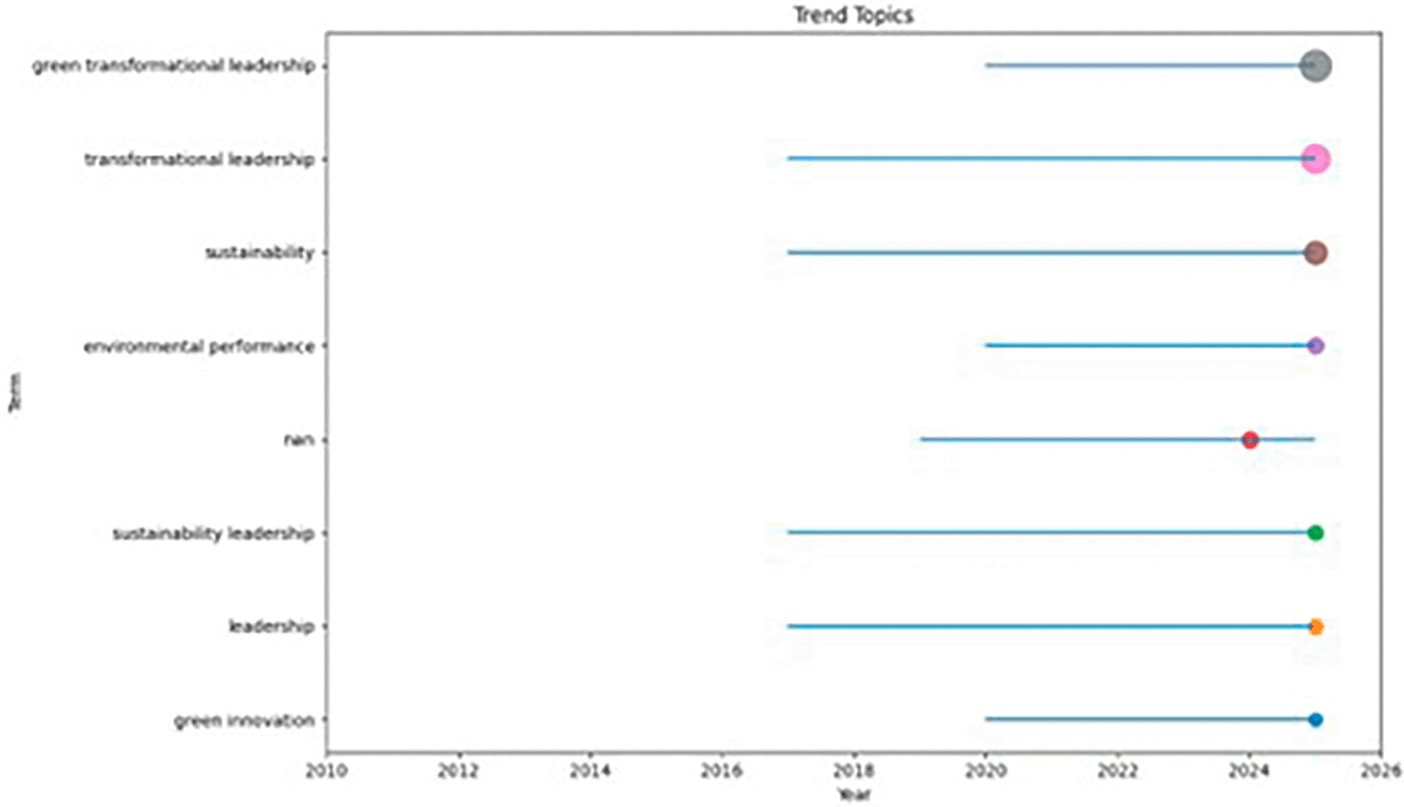
As the field evolves, more specific themes such as transformational leadership and green transformational leadership emerge and gain prominence from around 2020 onward. The bubble sizes indicate that green transformational leadership has the largest volume of recent publications, reflecting a growing recognition that leadership styles play a crucial role in driving sustainability-oriented outcomes. Environmental performance and green innovation appear as relatively new topics that gained prominence from 2020 to 2025, indicating a shift toward outcome-based and innovation-driven research, with measurable environmental impact as the primary focus. The presence of a data quality artifact (“nan”) in the trend chart reflects a minor preprocessing issue in the dataset and does not affect the substantive interpretation of results.
Figure 3 presents a word cloud illustrating the dominant keywords in the full corpus of 519 articles. The most prominent terms are transformational leadership, leadership, sustainability, and green transformational leadership, which collectively form the core structure of the research domain. The high frequency of these terms confirms that the literature is strongly oriented toward understanding how specific leadership styles contribute to sustainability objectives.
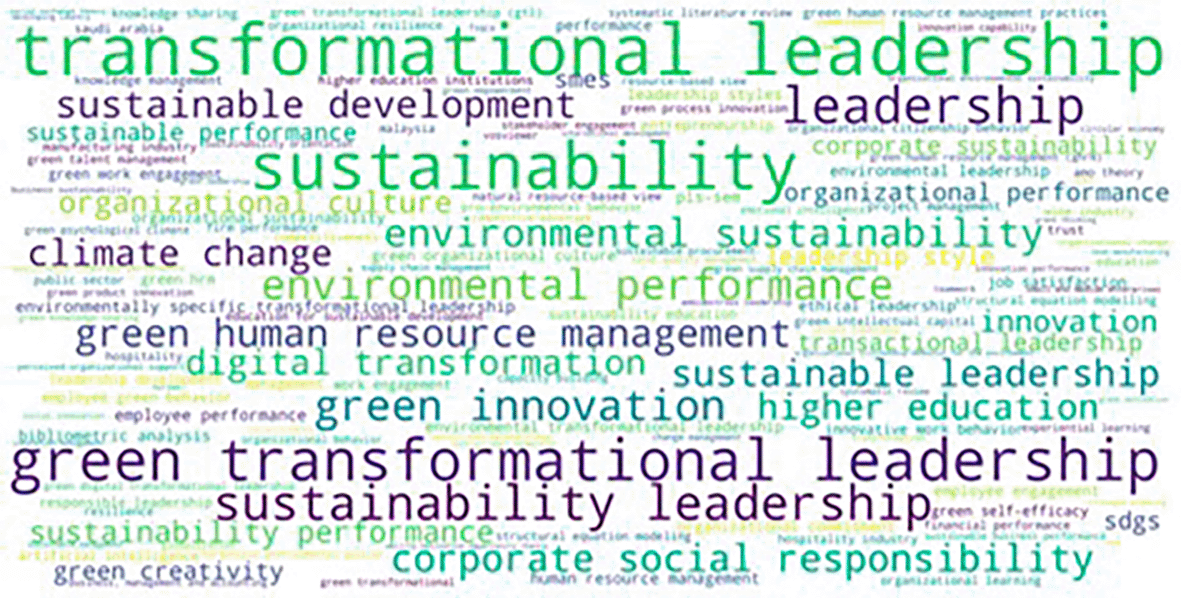
Related terms such as sustainability leadership, environmental performance, green innovation, and sustainability performance appear prominently, reinforcing the centrality of outcome-based evaluation in the field. Keywords including green human resource management, organizational culture, corporate social responsibility, and corporate sustainability indicate that sustainability is increasingly conceptualized as an internal organizational process involving human capital, institutional values, and strategic alignment. The presence of digital transformation, artificial intelligence, and bibliometric analysis reflects an emerging methodological and technological dimension within the research domain. Terms such as climate change, environmental sustainability, and sustainable development goals further highlight the continued relevance of global environmental policy agendas in shaping research priorities. The diversity of visible keywords confirms the highly interdisciplinary nature of this research field, spanning organizational behavior, environmental management, innovation studies, and governance.
Figure 4 presents a tree map visualization illustrating the relative frequency and prominence of key topics across the 519 articles. The results show that sustainability (86 occurrences) and transformational leadership (132 occurrences) are the two most dominant topics, confirming their role as the primary pillars of this research field. Green transformational leadership (78 occurrences) ranks third, reflecting a strong and growing emphasis on environmentally specific leadership frameworks.
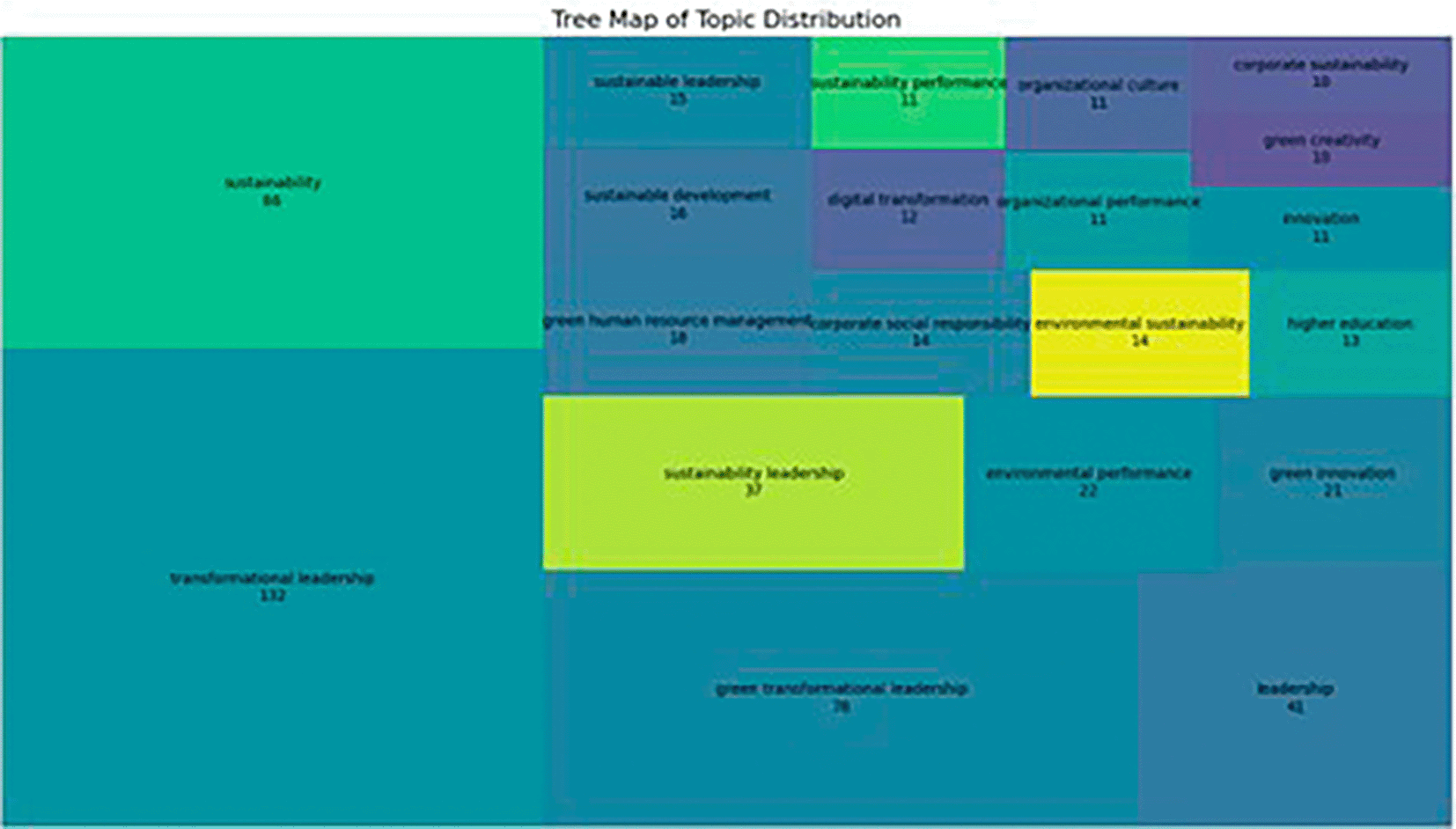
Sustainability leadership (37 occurrences) and leadership (41 occurrences) also demonstrate high prominence, followed by environmental performance (22 occurrences) and green innovation (21 occurrences), both of which represent outcome-oriented themes. At a moderate frequency level, green human resource management (18 occurrences), corporate social responsibility (14 occurrences), environmental sustainability (14 occurrences), and higher education (13 occurrences) indicate the multisectoral scope of the literature. Additional topics, including digital transformation (12 occurrences), organizational culture (11 occurrences), organizational performance (11 occurrences), sustainability performance (11 occurrences), and innovation (11 occurrences), reflect the breadth of constructs studied in relation to leadership and sustainability. Topics such as corporate sustainability (10 occurrences) and green creativity (10 occurrences) represent emerging themes at the frontier of the field. Overall, the hierarchical structure revealed by the tree map confirms that the literature has evolved toward an integrated framework in which leadership capability drives direction, green innovation enables implementation, and sustainability represents the primary performance objective.
Figure 5 presents the keyword co-occurrence network derived from the 519 articles, revealing three distinct thematic clusters. The green cluster, positioned at the center-right of the network, represents the core thematic axis of the field and includes leadership, sustainability, innovation, sustainable development, climate change, sustainable development goal, stakeholder, learning, performance assessment, and employment. The strong co-occurrence among these terms confirms that leadership and sustainability are deeply intertwined with innovation and governance outcomes in the literature.
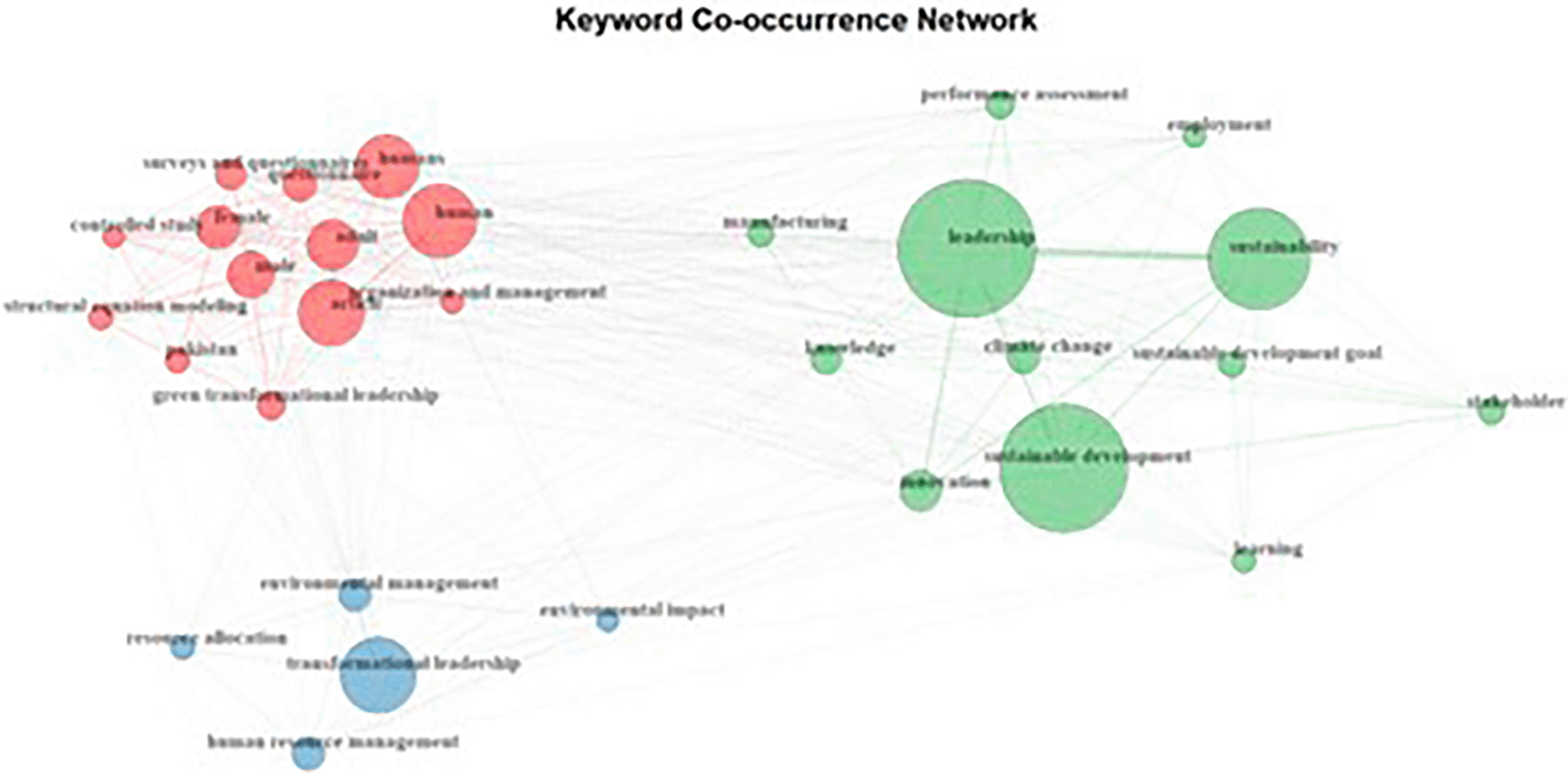
The red cluster, positioned at the upper-left, groups methodological and contextual keywords including structural equation modeling, surveys and questionnaires, Pakistan, human, female, male, adult, organization and management, and green transformational leadership. This cluster reflects the dominant research methodology (quantitative, survey-based, SEM) and geographic concentration of empirical studies, particularly in manufacturing and service sectors in developing countries.
The blue cluster, located at the lower-left, encompasses human resource management, transformational leadership, environmental management, environmental impact, and resource allocation. This cluster highlights the operational dimension of the research domain, where leadership intersects with HRM practices and environmental management systems in natural resource and organizational contexts.
The co-occurrence structure confirms that transglobal leadership, green transformational leadership, and sustainability leadership are not isolated constructs but are embedded within a broader network of governance, innovation, and organizational factors. This finding reinforces the argument that achieving sustainable natural resource management requires coordinated leadership action across multiple organizational and institutional dimensions.
Following the three-stage PRISMA screening process, 30 articles were selected for qualitative synthesis ( Table 1). These articles were selected based on their direct relevance to global leadership, environmental sustainability outcomes, and/or natural resource management. The articles were predominantly published in high-impact journals, including Sustainability (Switzerland), Journal of Cleaner Production, Business Strategy and the Environment, and Corporate Social Responsibility and Environmental Management.
From the 30 selected articles, determinants of sustainability and environmental performance outcomes were systematized. Following additional criteria analogous to prior SLR studies, requiring a determinant to appear in at least three studies, to be used as an independent or moderating variable, and to have a clear sustainability or environmental performance outcome variable, nine determinant categories were identified. Table 2 presents these determinants, their indicators, reported results, and overall conclusions.
| Determinant Variable | Key Indicator(s) | Result | Conclusion | Representative References |
|---|---|---|---|---|
| Leadership Style | Green TFL; TFL; Sustainability Leadership; Transglobal Leadership | Positive (majority); Inconsistent for specific dimensions | Strong positive trend; green TFL most consistent | Singh et al. (2020),6 Piwowar-Sulej & Iqbal (2023),8 Wijayanto et al. (2021),9 Robertson & Barling (2017)15 |
| Green Innovation | Green product innovation; eco-process innovation; R&D investment | Positive/positive-mediated | Mediates TFL → environmental performance | Singh et al. (2020),6 Zhao et al. (2022),17 Sánchez-García et al. (2023),16 Özgül & Doğan (2023)18 |
| Environmental Performance | GHG emissions; energy efficiency; waste reduction; eco-index | Positive | Central outcome variable; improved by leadership | Singh et al. (2020),6 Riva et al. (2021),19 Younis & Hussain (2023),20 Wiredu et al. (2023)21 |
| Organizational Culture/Green Psychological Climate | Green shared vision; green organisational culture; psychological green climate | Positive/mediating role | Mediates leadership→sustainability outcomes | Çop et al. (2021),22 Rizvi et al. (2021),23 Elshaer et al. (2024)24 |
| Human Resource Management | Green HRM practices; talent management; ability-motivation-opportunity | Positive; mediated by leadership | Green HRM + leadership jointly drive sustainability | Zhao et al. (2022),17 Ali Ababneh (2021),25 Younis & Hussain (2023),20 Zihan et al. (2024)26 |
| Corporate Social Responsibility | CSR disclosure; CSR performance; stakeholder engagement | Positive/not significant | Positive trend; leadership moderates CSR-performance | Nureen et al. (2023),27 Sobaih et al. (2022),28 Khaddage-Soboh et al. (2024)29 |
| Stakeholder Engagement/Community Empowerment | Participation; inclusivity; community forest governance; OCB | Positive | Critical for NRM sustainability outcomes | Khan et al. (2021),30 Ahmed et al. (2021),31 Robèrt et al. (2017)32 |
| Governance Structure | Good governance; institutional quality; regulatory environment | Positive | Governance quality mediates leadership→NRM productivity | Wijayanto et al. (2021),9 Bisognin Garlet et al. (2024),33 Hanif et al. (2023)34 |
| Knowledge Management | Green knowledge; organizational learning; knowledge sharing | Positive; mediated | Leadership-knowledge synergy drives sustainability | Riva et al. (2021),19 Cahyadi et al. (2023),35 Surya et al. (2024)36 |
3.4.1. Leadership Style
Leadership style emerged as the most consistently studied determinant across the selected literature, appearing in all 30 reviewed studies. Green transformational leadership (green TFL) is the most prominent subconstruct, positively predicting environmental performance, green innovation, and employees’ pro-environmental behavior in the large majority of studies.6,8,9,15 Singh et al. identified green TFL as the most cited concept in the corpus (1,625 citations), underscoring its centrality.6 Transglobal leadership, though less studied, showed positive effects on organizational sustainability in the Indonesian public sector.
3.4.2. Green innovation
Green innovation consistently emerged as a mediating variable between leadership and environmental performance. Sánchez-García et al. demonstrated this in the agricultural and wine industry context, reflecting direct relevance to natural resource management.16 Özgül and Doğan further showed that green TFL enables competitive advantage through green innovation, suggesting that leadership-driven innovation can support both environmental and economic sustainability in NRM sectors.18
3.4.3. Environmental performance
Environmental performance functions as the central outcome variable within the leadership–sustainability relationship. It reflects measurable indicators such as emission reduction, energy efficiency, and waste management. Empirical studies demonstrate that environmental performance is significantly influenced by leadership through both direct and indirect pathways.19,25,35 In particular, leadership enhances environmental performance by strengthening employee engagement, knowledge utilization, and organizational practices. These findings suggest that environmental performance is not only an outcome but also a reflection of integrated organizational systems shaped by leadership and innovation processes.
3.4.4. Organizational culture and green psychological climate
Organizational culture and green psychological climate serve as critical mediating variables that translate leadership influence into sustainability outcomes. A strong green organizational culture, characterized by shared environmental values and collective commitment, significantly enhances sustainability performance. Empirical evidence shows that green transformational leadership fosters a green psychological climate through shared vision and organizational alignment.22 Furthermore, organizational culture mediates the relationship between leadership and employee sustainability behavior, particularly through mechanisms such as motivation, value internalization, and behavioral transformation.23,24 This highlights the importance of internal organizational dynamics in achieving sustainability objectives.
3.4.5. Human resource management
Human resource management, particularly green HRM, plays a crucial role in supporting sustainability outcomes by aligning employee capabilities, motivation, and opportunities with environmental goals. Empirical findings indicate that green HRM practices significantly improve employee engagement and environmental performance.25,26 The interaction between green HRM and leadership produces synergistic effects, where leadership enhances the effectiveness of HRM practices in driving sustainability outcomes.26,20 This suggests that HRM functions as an operational mechanism through which leadership translates sustainability strategies into organizational performance.
3.4.6. Corporate social responsibility
Corporate social responsibility (CSR) represents an important determinant linking organizational activities with environmental and social sustainability objectives. Empirical evidence indicates that CSR contributes positively to sustainability performance, although its effects may vary depending on contextual factors. Sustainability leadership has been shown to strengthen the relationship between CSR and environmental performance.27 In addition, CSR functions as a mediating mechanism when integrated with green innovation, reinforcing the importance of combining social responsibility with innovation strategies.28 These findings suggest that CSR enhances sustainability outcomes when supported by effective leadership.
3.4.7. Stakeholder engagement and community empowerment
Stakeholder engagement and community empowerment are essential determinants in sustainability, particularly in natural resource management contexts involving multiple actors. Empirical studies show that leadership significantly influences stakeholder participation, inclusivity, and environmental citizenship behavior.30 These findings highlight that sustainability outcomes depend on collaborative processes and shared responsibility among stakeholders. Leadership plays a key role in fostering trust, coordination, and active participation in sustainability initiatives.
3.4.8. Governance structure
Governance structure is a critical determinant in achieving sustainability outcomes, particularly in natural resource management contexts characterized by cross-boundary challenges. Empirical evidence shows that leadership significantly influences governance quality, which in turn affects sustainability performance.9,31 Studies also highlight the importance of institutional quality, stakeholder participation, and community-based governance in achieving sustainable outcomes.10,11 Furthermore, sustainability leadership plays a key role in facilitating transitions toward renewable energy systems and adaptive governance frameworks.33 These findings suggest that governance structure functions as a mediating mechanism linking leadership with natural resource management outcomes.
3.4.9. Knowledge management
Knowledge management emerges as a strategic determinant that supports sustainability through learning, knowledge sharing, and innovation. Empirical evidence indicates that green knowledge and organizational learning significantly influence employee behavior and environmental performance.19,35 In addition, knowledge management enhances sustainability outcomes by integrating with innovation and HRM systems, particularly in developing-country contexts.36 This highlights that knowledge is a critical resource that enables organizations to adapt and sustain environmental performance.
The findings of this study highlight that transglobal leadership plays a central role in shaping environmental sustainability outcomes, particularly by facilitating cross-boundary collaboration. This is consistent with previous work demonstrating that leadership operating at global and transnational levels significantly enhances coordination among diverse stakeholders in environmental governance contexts.3,4 Natural resource management inherently involves complex interactions among governments, local communities, private sector actors, and non-governmental organizations. In this context, transglobal leadership enables the integration of diverse interests into a coherent governance framework, thereby enhancing coordination, inclusiveness, and decision-making effectiveness, as observed empirically in the Indonesian public sector.9
The synthesis of the selected literature further demonstrates that global leadership styles, especially green transformational leadership and sustainability leadership, consistently contribute to improved environmental outcomes.37,38 These findings align with the first and second aims of this study, which sought to map dominant themes and identify conceptual relationships among key variables. The results confirm that leadership does not operate in isolation but functions through a set of interrelated mechanisms. Green innovation, organizational culture, and governance structure emerge as key mediating variables that translate leadership influence into measurable environmental performance and sustainable resource management outcomes.6,8,22 This is consistent with Singh et al., who identified green transformational leadership as the most influential construct in this domain, mediating the path from leadership to both green innovation and environmental performance.6 The finding confirms that leadership acts as an upstream driver whose impact is transmitted through institutional and behavioral pathways rather than directly producing effects.
Despite these consistent patterns, several important inconsistencies are identified across the reviewed literature. The strength and direction of the relationship between leadership and sustainability outcomes vary across studies, particularly in cross-national and cross-sectoral contexts. This is partly explained by the moderating role of contextual factors such as governance quality, institutional environment, and sector-specific characteristics.34,39 This finding partially addresses the controversial debate raised in the Introduction regarding whether transformational and transglobal leadership frameworks are sufficiently distinct in practice. The evidence suggests that while green transformational leadership is well-operationalized and empirically validated, transglobal leadership remains underrepresented in quantitative studies, with most empirical evidence concentrated in qualitative and case-study designs.9,32 Furthermore, the existing literature is heavily concentrated in organizational settings in Asian countries, particularly Pakistan, China, and Indonesia, while studies focusing on public sector governance, forestry, and marine resource management remain limited.31,33 This geographic and sectoral imbalance indicates that the application of leadership frameworks in broader natural resource management contexts remains underdeveloped and warrants further investigation.
From a conceptual perspective, transglobal leadership is highly relevant for addressing environmental challenges that transcend administrative and political boundaries. Climate change, biodiversity loss, and ecosystem degradation require adaptive and responsive leadership capable of navigating dynamic environmental and socio-political conditions.1,2 International collaboration frameworks, including the Paris Agreement and the Sustainable Development Goals, further reinforce the importance of leadership capable of operating across multiple governance levels.7 The integration of landscape and seascape approaches provides an important extension of this discussion. These approaches emphasize the interconnectedness between terrestrial and marine ecosystems and highlight the need for holistic management strategies that balance ecological, social, and economic objectives.10,11 Ecosystem-based management strengthens this perspective by incorporating interactions among ecosystem components and promoting governance systems that extend beyond traditional jurisdictional boundaries.31 In this regard, transglobal leadership serves as a critical enabler of integrated and adaptive resource management, particularly in megadiverse regions where terrestrial and marine systems are tightly coupled.
Ethical considerations also emerge as a fundamental dimension of leadership in environmental governance. Leaders are required to prioritize long-term sustainability and ecological integrity over short-term economic gains. This orientation is reflected in the literature through the consistent positive relationship between sustainability leadership and environmental performance outcomes.8,24,27 The ethical dimension of transglobal leadership extends beyond organizational boundaries to encompass responsibilities toward ecosystems, communities, and future generations, reinforcing the argument that effective environmental governance requires leaders who integrate moral considerations into strategic decision-making.32
The findings of this study carry several practical implications. For policymakers, the results suggest the importance of institutionalizing leadership development programs that explicitly incorporate sustainability and cross-boundary governance competencies. For organizational practitioners in the natural resource management sector, the evidence points to the value of cultivating green transformational leadership and supporting green HRM practices as operational mechanisms to improve environmental performance.19,26,36 At the international level, the transglobal leadership framework provides a conceptual basis for designing multi-stakeholder governance structures that manage shared natural resources across jurisdictions.
Several directions for future research emerge from this review. First, empirical studies that apply transglobal leadership frameworks in landscape and seascape governance contexts are largely absent, representing a significant research gap. Second, longitudinal studies are needed to capture the dynamic relationship between leadership development and long-term environmental outcomes. Third, comparative studies across geographic regions, particularly in Africa, Latin America, and Small Island Developing States, would help address the current geographic concentration of the literature. Fourth, future research should explore the intersection of transglobal leadership with digital governance tools and Big Data analytics as emerging enablers of real-time natural resource monitoring and adaptive management.
Overall, transglobal leadership represents a strategic and integrative approach that enables adaptive, inclusive, and sustainable natural resource management. As global environmental challenges intensify, positioning transglobal leadership within inte-grated ecosystem governance frameworks offers a viable pathway for achieving long-term sustainability at both national and international scales.
| Views | Downloads | |
|---|---|---|
| F1000Research | - | - |
|
PubMed Central
Data from PMC are received and updated monthly.
|
- | - |
Provide sufficient details of any financial or non-financial competing interests to enable users to assess whether your comments might lead a reasonable person to question your impartiality. Consider the following examples, but note that this is not an exhaustive list:
Sign up for content alerts and receive a weekly or monthly email with all newly published articles
Already registered? Sign in
The email address should be the one you originally registered with F1000.
You registered with F1000 via Google, so we cannot reset your password.
To sign in, please click here.
If you still need help with your Google account password, please click here.
You registered with F1000 via Facebook, so we cannot reset your password.
To sign in, please click here.
If you still need help with your Facebook account password, please click here.
If your email address is registered with us, we will email you instructions to reset your password.
If you think you should have received this email but it has not arrived, please check your spam filters and/or contact for further assistance.

Comments on this article Comments (0)