Keywords
COVID-19; booster vaccines; vaccine acceptance; university students; young individuals, Malaysia.

This article is included in the Sociology of Health gateway.
This article is included in the Coronavirus (COVID-19) collection.
This article is included in the Sociology of Vaccines collection.
COVID-19; booster vaccines; vaccine acceptance; university students; young individuals, Malaysia.
The COVID-19 pandemic, first reported in December 2019 in Wuhan, China, was officially declared a Public Health Emergency of International Concern (PHEIC) by the World Health Organisation (WHO) on 30 January 2020 (Guo et al., 2020; WHO, 2022a). It rapidly spread to more than 200 countries, resulting in significant mortality (Hashim et al., 2021; WHO, 2022b). As of May 29, 2022, confirmed cases had exceeded 525 million globally, with over six million deaths (WHO, 2022c). In Malaysia, a wave of infections emerged in September 2020, with daily cases surpassing 4,000 by January 2021 (MOH, 2022a). By May 2022, Malaysia had recorded 35,660 COVID-19 deaths, equating to a 0.8% fatality rate out of 4,502,579 confirmed cases (MOH, 2022a). Recent Ministry of Health reports indicate a 50.4% decline in confirmed COVID-19 cases in 2024 compared to 2023, from 202,962 to 100,666 cases, alongside a marked drop in fatalities from 441 to 57 (Bernama, 2025). While Bernama highlights booster vaccination as a major contributor to this trend, these data should be interpreted in conjunction with peer-reviewed evidence linking booster uptake to reduced transmission and mortality (Abrescia et al., 2024; Wan et al., 2023).
Recent analyses have highlighted that, despite declining infection rates, booster vaccine uptake among individuals aged 18–30 remains disproportionately low in Malaysia and across Southeast Asia (Choi et al., 2025; Khoo et al., 2024; Marzo et al., 2022; Wong et al., 2022). University students, in particular, report concerns over vaccine safety, perceived necessity, and mistrust of information sources, which significantly reduce willingness to receive boosters (Min Htike et al., 2025; Jongmekwamsuk et al., 2024; Rangelova et al., 2024). These findings emphasise the importance of understanding behavioural and psychosocial determinants of booster acceptance within this group, as their mobility and dense social interactions place them at elevated risk of both acquiring and transmitting infections (Yu et al., 2024; Liu et al., 2024).
To curb the resurgence, various preventive measures were promoted, including the use of masks, physical distancing, and hand hygiene (Abrescia et al., 2024; Barattucci et al., 2022; WHO, 2022d). Concurrently, global vaccine development efforts accelerated (WHO, 2022e; CDC, 2022). Although vaccines substantially reduce severe disease and death (Lundstrom, 2024; Mor et al., 2021; Haas et al., 2021), studies confirm that immunity wanes over time (Walsh et al., 2024; Levine-Tiefenbrun et al., 2021; Falsey et al., 2021) and that vaccines may be less effective against highly transmissible variants (Chenchula et al., 2024; Plans-Rubio, 2023; Hayawi et al., 2021; Abu-Raddad et al., 2021; Lopez Bernal et al., 2021), necessitating regular booster doses (Milne et al., 2021). Malaysia responded to the Omicron wave by authorising booster administration (Bernama, 2022), aiming to reduce hospital burdens and avoid stricter restrictions. The WHO further recommends annual boosters for high-risk groups and biennial doses for the general population (Guarascio, 2022). In Malaysia, vaccines from Pfizer, AstraZeneca, and Sinovac received conditional approval for use as boosters once 80% of adults had completed the primary series (Latiff, 2022). At the same time, 85.6% of Malaysians received at least one dose, and 82.8% completed two doses; however, only 49.3% obtained boosters (MOH, 2022a; 2022b).
Numerous studies highlight that vaccine acceptance stems from a complex decision-making process influenced by perceived benefits and risks, trust, religiosity, and information exposure (Tavolacci et al., 2021; Machida et al., 2021; Rzymski et al., 2021). Public acceptance varies globally, with fear of infection, trust in leaders, and perceived efficacy as key factors (Detoc et al., 2020; Dror et al., 2020; Kreps et al., 2020; Al-Mohaithef & Padhi, 2020). Booster-specific studies report acceptance rates ranging from 55.3% in Saudi Arabia (Alhasan et al., 2021) to over 80% in China and among U.S. healthcare workers (Lin et al., 2020; Pal et al., 2021). Despite such international data, Malaysian studies remain sparse, focusing mainly on general vaccine hesitancy (Khoo et al., 2024; Barello et al., 2020) and adult populations (Rajakumar et al., 2023) rather than university students, who represent a socially dynamic group with higher transmission potential (Han et al., 2020; Lu et al., 2021).
Research on student populations is mainly limited to medical and dental cohorts (Arthur et al., 2023; Jaber et al., 2023; Lucia et al., 2021; Saied et al., 2021) or healthcare workers (Pal et al., 2021; Klugar et al., 2021). Broader young adult cohorts remain understudied, despite evidence suggesting that university students may act as potential superspreaders (Han et al., 2020; Zheng et al., 2020; Figliozzi et al., 2020; Guilamo-Ramos et al., 2021). Recent reviews (Wan et al., 2023; Kaighobadi et al., 2023) highlight the importance of examining diverse non-health disciplines to inform tailored outreach strategies.
Accordingly, this study aims to assess university students’ acceptance of the COVID-19 booster vaccine through positive attitudes and identify the significant psychosocial and behavioural predictors influencing their positive attitudes towards COVID-19 booster vaccination, including perceived benefits, perceived risks, religiosity, information-seeking behaviour, trust in key stakeholders, and government support. Using Universiti Kebangsaan Malaysia’s data as a case study, the findings will contribute to understanding vaccine-related behaviours among young adults and provide evidence-based recommendations for policymakers, healthcare providers, and higher education institutions to improve booster uptake.
The COVID-19 pandemic has underscored the vital importance of vaccination in managing the spread of infectious diseases. Although the initial rollout of vaccines was met with considerable public enthusiasm, subsequent booster doses have been met with growing reluctance, particularly among young adults (Troiano & Nardi, 2021). As part of this demographic, university students exhibit high mobility, social engagement, and influence within their peer networks, making their attitudes toward vaccination a crucial focus for institutional and public health planning (Bish & Michie, 2010). Despite comprehensive government-led vaccination campaigns, research shows that acceptance of booster doses among young adults remains inconsistent, with perceived low risk, misinformation, and distrust in governmental initiatives identified as significant barriers (Wan et al., 2023; Qiao et al., 2021).
While research has addressed the acceptability of booster vaccines in Malaysia, most studies focus on the general adult population, leaving a gap in understanding the unique factors that influence university students. A study by Khoo et al. (2024) revealed that Malaysian adults display diverse attitudes towards booster doses, emphasising the need to examine whether students who face distinct exposure risks and campus-driven social dynamics exhibit similar hesitancy trends. In this context, Universiti Kebangsaan Malaysia located in Selangor, provides a relevant case study due to its large and socioeconomically diverse student body, as well as the state’s position as Malaysia’s most populous and urbanised region, where COVID-19 transmission risks have historically been elevated (MOH, 2022a).
On a global scale, research identifies young adults as potential superspreaders due to their active lifestyles, high mobility, and densely populated living conditions (Lu et al., 2021). University students, in particular, often share accommodations and engage heavily in campus-based social activities, thereby amplifying their risk of both acquiring and transmitting infections. Understanding their perceptions regarding booster vaccines is therefore critical for designing targeted interventions that can prevent outbreaks within institutional settings, as emphasised by Kaighobadi et al. (2023).
Comparative research from countries such as the United Kingdom and Turkey shows that young adults’ willingness to receive COVID-19 vaccines is influenced by their beliefs about the virus’s origin, sociopolitical attitudes, and trust in authorities (Salali & Uysal, 2020). However, evidence specific to Southeast Asia, particularly Malaysia, remains limited. Given that Malaysia’s vaccination strategy combines governmental mandates with voluntary uptake, studying the drivers of booster acceptance among students can enrich understanding of vaccine behaviour in emerging economies and help shape culturally appropriate outreach strategies.
Accordingly, this study focuses on Universiti Kebangsaan Malaysia students in Selangor to examine their positive attitude towards the COVID-19 booster dose, specifically analysing psychosocial and behavioural predictors such as perceived benefits, perceived risks, religiosity, trust in key stakeholders, and information-seeking behaviour. While the findings reflect the context of one institution and state, they can inform future multi-institutional research across Malaysia and guide public health authorities, university administrators, and policymakers in refining vaccination strategies and communication campaigns tailored for student populations.
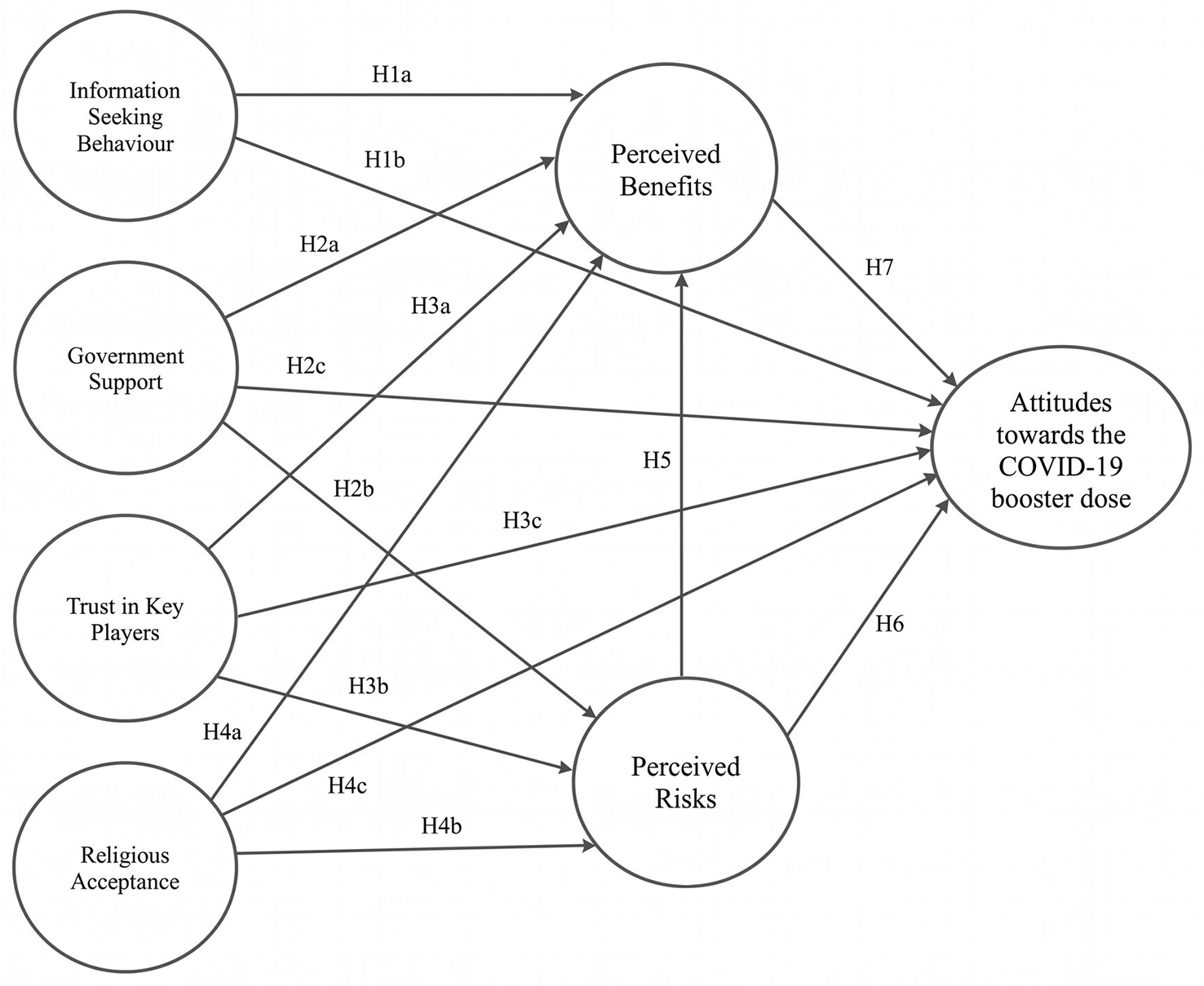
This study builds upon the work of Arham et al. (2022a), who employed regression analyses to examine the level of acceptability and predictors influencing Malaysian adolescents' intentions regarding vaccination involving three COVID-19 vaccines: the inactivated virus vaccine from Sinovac, the viral vector vaccine from AstraZeneca, and the mRNA vaccine from Pfizer (Arham et al., 2022a). It also draws upon Arham et al. (2020), which investigated public attitudes towards Wolbachia-infected Aedes mosquitoes, and Hanif Sri (2021), who examined the factors influencing COVID-19 booster vaccine intentions in Malaysia. While Hanif Sri (2021) focused primarily on cognitive aspects of vaccine perception, it did not fully address the social, psychological, and behavioural dimensions that are crucial to vaccine acceptance. To strengthen the understanding of booster vaccine acceptance among university students, this study draws on the Theory of Reasoned Action (TRA) (Fishbein & Ajzen, 1975) as the core framework, supplemented by constructs supported in prior studies (Arham et al., 2020; Hanif Sri, 2021) (see Figure 1). The framework proposed herein is congruent with the foundational principles of TRA in the context of COVID-19 booster vaccine uptake (see Figure 1). Specifically, the perceived benefits of enhanced immunity and protection against severe illness stand in contrast to the perceived risks, which may include concerns about potential side effects and worries about vaccine safety. These varied perceptions directly influence students' attitudes towards booster vaccination.
TRA posits that behavioural intentions are shaped by two core components: attitudes toward the behaviour and subjective norms (social expectations). Individuals make rational evaluations of the perceived benefits and risks of a behaviour, forming intentions based on personal beliefs and external influences. In this study, attitude is defined explicitly as students’ overall evaluation of receiving a COVID-19 booster dose, which includes positive perspectives such as confidence in its safety and effectiveness.
Moreover, trust in key stakeholders, governmental support, and religious acceptance within this study resonate with TRA’s concept of subjective norms and attitudes toward behaviour. This conceptualisation elucidates how external social pressures can significantly influence individual decision-making processes. The extent to which students trust health authorities, governmental vaccination initiatives, and endorsements from religious leaders critically impacts their intention to receive the booster dose. For instance, robust endorsements from religious figures or healthcare professionals can enhance vaccine confidence. At the same time, proactive governmental initiatives and policies may act as external motivators, bolstering favourable perceptions of booster vaccinations.
By employing TRA as the foundational theoretical framework, this study elucidates the interplay of cognitive, social, and institutional factors that collectively influence young adults’ decisions regarding booster vaccination. The framework affirms TRA’s proposition that vaccine acceptance is not merely an individual choice but is significantly shaped by personal evaluations and external influences.
This study also situates key constructs, such as perceived risk, trust in key stakeholders, and religiosity, within broader health behaviour theories, including the Theory of Planned Behaviour (TPB) and the Health Belief Model (HBM). These theories highlight perceived benefits, perceived risks, and normative beliefs as drivers of vaccine acceptance. These brief theoretical linkages ensure that while TRA remains the primary framework, the study acknowledges the established relevance of these psychosocial constructs in explaining vaccine-related behaviours.
Trust in government authorities, health agencies, and influential figures regarding vaccine decisions suggests that these external factors may significantly influence intentions to receive booster vaccines (Yadete et al., 2021), reflecting TRA's elucidation of how attitudes contribute to behaviour formation. Similarly, religious acceptance in this study aligns with TRA’s constructs of normative beliefs and the motivation to comply, which shape subjective norms. Research indicates that religious beliefs often play a crucial role in shaping individuals’ health behaviours by influencing risk perception and health motivation (Woolford & Horner, 2024). In the context of COVID-19 booster vaccines, individuals with strong religious convictions may perceive vaccination as a moral obligation to safeguard themselves and their communities, reinforcing that faith-based values can serve as cues to action (McMahon et al., 2024). Furthermore, lower perceived risks among religious individuals may indicate that religious teachings provide reassurance regarding vaccine safety and efficacy (Kisa & Kisa, 2024), thereby aligning with TRA’s principle that subjective norms profoundly influence individuals’ health-related decision-making processes.
While the Theory of Reasoned Action (TRA) framework provides the essential foundation for analysing perceived benefits and risks, this study also recognises that external factors, such as government support, trust in key stakeholders, and religious acceptance, play a significant role in shaping broader behavioural and psychological dynamics. Each predictor in this study (perceived benefits, perceived risks, religiosity, trust, information-seeking, and government support) is grounded in TRA, supported by previous studies (Arham et al., 2020; Hanif Sri, 2021), and conceptually aligned with TPB and HBM to demonstrate their broader theoretical validity (see Figure 1). Consequently, the research model proposed in this study comprises general factors, specific factors, attitude, and intention, all of which are embedded within the principles of TRA.
General factors are predictive factors consisting of information-seeking behaviour, government support, trust in key players, and religiosity. These general factors have been observed to play a crucial role in directly and indirectly determining a person’s attitude to vaccination acceptance (Suresh et al., 2011). Information-seeking behaviour can be defined as the behaviour that aims to satisfy an information need, such as information searching (Maslinda & Juhana, 2013), utilising information to meet various needs (Assefa & Stansbury, 2018), and fulfilling both conscious and unconscious needs (Owusu & Philip, 2019). Government support is also crucial for encouraging product innovation (Kang & Park, 2012), and it can have a significant impact on consumer attitudes toward vaccine introduction (Wynen et al., 2022). Trust in the leading player is essential because it involves a person’s willingness to use a particular party as a primary source for sharing necessary information (Mustapa et al., 2019) and to believe in something without imposing any conditions (Robbins, 2016). Religiosity is an influential factor that is important to evaluate, given that it illustrates people's beliefs, rituals, and involvement in God-related religions that symbolise the community's identity and determine its behaviour (Agarwala et al., 2019) and is an aspect that can shape people's opinions about their lives (Allum et al., 2014).
Specific factors, such as perceived benefit and risk, are considered predictive. These two factors have been shown to influence attitudes in previous studies (Arham et al., 2021a, 2021b). These factors play a crucial role because they are essential aspects directly associated with forming attitudes and intentions, as identified in previous studies. It is well known that these factors are inversely related to attitude (Amin et al., 2018; 2017; 2014; Rowe, 2004; Hansen et al., 2003; Bredahl, 1999; Fischhoff et al., 1978). Attitude is a belief that describes actions based on a positive or negative view about accepting something (McLeod, 2018; Maichum et al., 2016, 2017).
The hypotheses considered in this study were developed based on the Pearson correlation method (Cheung & Chan, 2005). Therefore, based on the study's scope, 14 hypotheses were formulated to investigate the factors influencing the uptake of COVID-19 booster vaccination among Malaysian university students (see Figure 1).
These hypotheses are as follows:
| H1a | When university students engage in more information-seeking behaviour, they will perceive greater benefits of the COVID-19 booster vaccine. Rationale: Individuals actively seeking credible health information are more likely to recognise vaccine benefits, consistent with findings by Maslinda & Juhana (2013) and Owusu & Philip (2019). |
| H1b | When university students engage in more information-seeking behaviour, their attitude toward the COVID-19 booster vaccine will be more positive. Rationale: Informed individuals tend to form favourable attitudes, as supported by Hanif Sri (2021), which indicates that their knowledge about the COVID-19 vaccine is moderate, reflecting their information-seeking behaviour. |
| H2a | When university students perceive greater government support, they will perceive more benefits of the COVID-19 booster vaccine. Rationale: Policy endorsement and facilitation can enhance confidence in vaccine effectiveness, consistent with Wynen et al. (2022) and findings on institutional trust from Arham et al. (2020). |
| H2b | When university students perceive greater government support, they will perceive fewer risks of the COVID-19 booster vaccine. Rationale: Visible safety monitoring and official endorsements alleviate concerns, aligning with prior studies on public health trust (Rzymski et al., 2021). |
| H2c | When university students perceive greater government support, their attitude toward the COVID-19 booster vaccine will be more positive. Rationale: Proactive campaigns and subsidies increase acceptance, as suggested by Tavolacci et al. (2021) and Rajakumar et al. (2023). |
| H3a | When university students have greater trust in key stakeholders, they will perceive more benefits of the COVID-19 booster vaccine. Rationale: Trust in health authorities correlates with higher perceived efficacy, as supported by Yadete et al. (2021) and Arham et al. (2020). |
| H3b | When university students have greater trust in key stakeholders, they will perceive fewer risks of the COVID-19 booster vaccine. Rationale: Credible messaging lowers perceived dangers, consistent with Dror et al. (2020) and Arham et al. (2022a). |
| H3c | When university students have greater trust in key stakeholders, their attitude toward the COVID-19 booster vaccine will be more positive. Rationale: Higher trust fosters positive attitudes, in line with Arham et al. (2022a) and Pal et al. (2021). |
| H4a | When university students have a greater acceptance of religion, they will perceive more benefits from the COVID-19 booster vaccine. Rationale: Faith-based endorsements increase perceived moral and communal value, as highlighted by McMahon et al. (2024) and Kisa & Kisa (2024). |
| H4b | When university students have a greater acceptance of religion, they will perceive fewer risks associated with the COVID-19 booster vaccine. Rationale: Religious reassurance mitigates fear of harm, supported by Woolford & Horner (2024) and Arham et al. (2022a). |
| H4c | When university students have a greater acceptance of religion, their attitude toward the COVID-19 booster vaccine is more likely to be positive. Rationale: Perceiving vaccination as a moral duty promotes favourable attitudes, consistent with Kaighobadi et al. (2023). |
| H5 | When university students perceive higher risks of the COVID-19 booster vaccine, they will perceive fewer benefits of the vaccine. Rationale: Individuals who perceive high risks (safety concerns or side effects) tend to undervalue vaccination benefits, as fear and uncertainty reduce perceived utility. Prior studies confirm this inverse relationship in vaccine decision-making (Rowe, 2004; Hansen et al., 2003; Amin et al., 2017). |
| H6 | When university students perceive higher risks of the COVID-19 booster vaccine, their attitude toward the vaccine will be more negative. Rationale: Safety concerns correlate with hesitancy, consistent with Hansen et al. (2003) and Fischhoff et al. (1978). |
| H7 | When university students perceive more benefits of the COVID-19 booster vaccine, their attitude toward the vaccine will be more positive. Rationale: Recognising benefits leads to stronger acceptance, in line with Amin et al. (2018) and Arham et al. (2021a). |
The data for this study was obtained through a questionnaire distributed online from January 1, 2022, to January 31, 2022, involving university students in Malaysia (see Table 1). Respondents were approached through a convenience sampling strategy, with the questionnaire distributed through the UKM Folio application and online platforms via email and WhatsApp. This approach enabled lecturers to connect with students online, focusing on those enrolled in the compulsory Philosophy and Contemporary Issues (Falsafah dan Isu-isu Semasa) course for Semester 1, 2021/2022, which involved 2,408 students across all faculties at Universiti Kebangsaan Malaysia. A total of 627 valid responses were collected, yielding a 26.04% response rate. Online surveys are widely recognised as an efficient and cost-effective method for collecting large-scale data, mainly when targeting university students who are highly engaged with digital platforms (Evans & Mathur, 2018). Given that Malaysian university students predominantly utilise digital communication channels, such as institutional e-learning portals and online platforms (Kassim et al., 2022; Al-Rahmi et al., 2018), deploying the questionnaire through UKM Folio ensured both accessibility and maximised the response rate. This strategy aligns with recent studies that indicate that self-administered digital surveys can yield high response accuracy among digitally literate populations (Dodemaide et al., 2020; Rada, 2019; Rada & Domínguez-Álvarez, 2014). Ethical approval was not required for this study based on the Guidelines for Ethical Review of Clinical Research or Research Involving Human Subjects (MOH, 2006). Respondent participation was entirely voluntary, and non-participation was an option. The protection of respondents' profile data was maintained. The datasets generated and analysed during the current study are available in the Mendeley Data repository, https://doi.org/10.17632/7g5dkwz9ys.2 (Arham, 2026).
Study design and location
This study undertakes a comprehensive examination of the attitudes of Malaysian university students towards COVID-19 booster vaccinations, employing a rigorously designed quantitative cross-sectional survey methodology. A self-administered online questionnaire was used to gauge the perspectives of students effectively. This instrument was disseminated via UKM Folio, the official digital learning platform of Universiti Kebangsaan Malaysia, and through an online platform, with the link provided to the selected respondents via email and WhatsApp. By leveraging this institutional e-learning system and online channels, the study ensured structured and reliable access for participants, adhering to the best practices in health behaviour research (Wilkerson et al., 2014; Evans & Mathur, 2018).
Universiti Kebangsaan Malaysia's location in Selangor, Malaysia's most populous and economically dynamic state, provided an ideal context for this research endeavour. The choice of Selangor was not merely a convenience but a strategic decision. The state experienced a disproportionate impact from the pandemic, consistently recording the nation's highest COVID-19 cases and hospitalisations (MOH, 2022c). Consequently, extensive vaccination campaigns were implemented, including initiatives promoting booster doses, rendering it a pertinent locale for investigating vaccine-related attitudes. This state's enhanced public health engagement created a rich backdrop for examining how young adults responded to vaccination efforts.
Selangor is distinguished as Malaysia's most urbanised and developed state, attracting students from diverse backgrounds who seek to further their education at its numerous universities. Among these institutions is Universiti Kebangsaan Malaysia, a prestigious national research university that reflects Malaysia's rich mosaic of ethnicities, socio-economic statuses, and geographical diversity. Although this study focuses exclusively on Universiti Kebangsaan Malaysia students, the findings are interpreted as specific to this cohort rather than being generalizable to all Malaysian youth. However, the data provides insights relevant to similar urban, multi-ethnic university populations.
The focus on Universiti Kebangsaan Malaysia was both practical and strategic. As Malaysia's leading research university, Universiti Kebangsaan Malaysia is a hub for students from varied faculties and regions. Its compulsory Philosophy and Contemporary Issues course ensured participation from students with diverse academic and social backgrounds, enriching the study’s representativeness within the institution. Concentrating on a single institution also enhanced internal validity, as contextual factors such as university vaccination policies, healthcare access, and institutional communication channels could be more consistently examined.
Existing research suggests that institutional culture and engagement can significantly affect students' vaccine acceptance and health behaviours (Kecojevic et al., 2021). Universiti Kebangsaan Malaysia’s active role in pandemic response, including booster awareness campaigns, provides a robust setting to explore how institutional dynamics shape student attitudes toward vaccination.
Participant engagement
The emphasis on young adults, particularly those enrolled in university, is significant. This demographic plays a critical role in addressing the challenges posed by the pandemic. Young adults are frequently characterised by high mobility, social engagement, and influence within their peer networks (Bish & Michie, 2010). Although they face a lower risk of severe outcomes related to COVID-19, vaccine hesitancy within this group presents a significant challenge (Ganem et al., 2023). Contributing factors to their reluctance include a perceived lower risk, misinformation, and peer influence (Qiao et al., 2021). Therefore, it is imperative to explore their perspectives to develop effective health communication strategies that align with their specific concerns and motivations (Wan et al., 2023).
Understanding vaccine attitudes among young adults is increasingly essential in the contemporary landscape, particularly given their impact on public health initiatives. Consequently, this study selected UKM Folio as the primary platform for administering the survey. This decision allowed a dynamic and invested student population to engage, thereby minimising non-response bias and leveraging an official academic channel. This approach adheres to best practices observed in university-based health behaviour research, wherein digital platforms are instrumental in reaching respondents (Evans & Mathur, 2018).
The study employed a convenience sampling approach rather than random sampling due to logistical constraints and the need to focus on a specific, high-relevance population of undergraduate and postgraduate students at Universiti Kebangsaan Malaysia, who constitute the majority of young adults in an urban context. While this limits the generalisability of findings beyond this cohort, focusing on this group is justified as they are socially active, frequently engaged in group activities, and therefore play a pivotal role in vaccine-related public health interventions (Lu et al., 2021).
An online, self-administered questionnaire was employed as it is cost-effective, efficient for large-scale student populations, and supports anonymity, which encourages honest responses (Creswell, 2021; Ball, 2019; Couper, 2001). This method is widely recognised as suitable for post-pandemic health behaviour research, particularly when targeting digitally literate respondents. As the scope is deliberately limited to one institution, findings are interpreted strictly within the Universiti Kebangsaan Malaysia student population, while still offering functional implications for similar urban, multi-ethnic university cohorts across Malaysia.
This focus was driven by the recognised need to understand young adults' perceptions regarding vaccines, a demographic identified as pivotal in public health interventions due to their mobility and exposure to risk (Lazarus et al., 2021). Although generalizability is often most effectively achieved through simple random sampling, targeted sampling is widely accepted in behavioural and social science research, especially when examining specific subpopulations (Hurlburt, 1979; Imai, 1998). Additionally, previous studies have identified university students as potential superspreaders, attributable to their sociable lifestyles and densely populated living conditions (Lu et al., 2021). Thus, concentrating our investigation on this demographic enhances the relevance and applicability of our study.
Sample size
This study determined a sample size of 627 respondents, adhering to structural equation modelling (SEM) principles, which recommend a minimum of 10 to 15 participants per estimated parameter to ensure robust path analysis (Hair et al., 2019a; 2019b). The structural equation modelling (SEM) principles of Partial Least Squares Structural Equation Modeling (PLS-SEM) further validate our sample size, as this method is exceptionally proficient in managing complex models involving latent constructs, even with moderate sample sizes (Sarstedt et al., 2021). PLS-SEM has become increasingly popular in health behaviour research, especially in examining vaccine attitudes and decision-making processes (Qiao et al., 2021).
While online surveys can present challenges, such as potentially excluding individuals with limited internet access, we implemented various outreach strategies to mitigate this issue. By making the questionnaire available through institutional e-learning portals, we enhanced the likelihood of obtaining a more representative sample. Research shows that distributing surveys across multiple platforms effectively minimises biases associated with the digital divide (Lehdonvirta et al., 2021).
However, as this study employed a convenience sample drawn exclusively from Universiti Kebangsaan Malaysia students, a group predominantly comprising young adults in Selangor, the external validity remains limited. Participation was restricted to students with stable internet access and a willingness to engage with health-related topics, which may have skewed responses toward those who are more health-conscious or informed. Consequently, the findings should be interpreted as reflective of patterns among similar urban, multi-ethnic university populations rather than generalisable to all Malaysian youth.
Nevertheless, online, self-administered questionnaires remain widely endorsed in contemporary health behaviour research due to their cost-effectiveness, efficiency, and ability to facilitate anonymous responses, which can encourage more honest reporting (Creswell, 2021; Ball, 2019; Couper, 2001). Weaving these methodological considerations into this study not only upholds validity and reliability in examining vaccine booster attitudes among Universiti Kebangsaan Malaysia students but also proactively addresses the typical limitations of online survey methods through strategic design and robust statistical analysis.
The present study engaged 627 university students, yielding a diverse sample characterised by various demographic dimensions, including gender, ethnicity, geographic origin, and history of prior COVID-19 infection. Table 1 illustrates a comprehensive demographic breakdown of the participants.
The gender composition of the sample revealed a predominance of female respondents, accounting for 70.2%, while male participants constituted 29.8%. This skewed distribution is consistent with patterns observed in health-related survey research, as noted by Babbie (2020) and Calixte et al. (2020). Regarding ethnic representation, the sample comprised 78.0% Malay, 11.6% Chinese, 6.2% Indian, and 4.2% from other ethnic groups. This ethnic distribution broadly corresponds to the demographic composition of the Malaysian population; however, it exhibits a slight overrepresentation of the Malay demographic, which may be attributable to the specific institutional context of Universiti Kebangsaan Malaysia, where a significant majority of the student body consists of ethnic Malays.
Geographically, the study population encompassed all Malaysian states, with respondents for the Philosophy and Contemporary Issues course at Universiti Kebangsaan Malaysia coming from diverse regions across the country. The highest proportions of students participating in the online survey via UKM Folio were from Selangor (30.8%), Johor (11.0%), and Perak (10.2%), indicating a geographically diverse cohort. Furthermore, 68.4% of respondents were residents of urban locales, in contrast to 31.6% from rural settings, offering a unique opportunity to investigate potential disparities in vaccine perceptions based on urban-rural distinctions.
Concerning prior COVID-19 exposure, 81.3% of participants reported having completed their primary vaccination series (received two doses of the COVID-19 vaccine). In comparison, 17.1% had finished their booster vaccination, and 1.1% were awaiting primary vaccination doses or were not registered for the COVID-19 vaccine. Notably, 26.3% indicated a history of COVID-19 infection, whereas 73.7% reported no prior infection, a factor that may significantly influence their risk perception and decisions regarding vaccine uptake.
Recognising that vaccine acceptance can be shaped by levels of awareness, the survey also evaluated students' knowledge regarding various booster vaccine types. The awareness level for mRNA-based booster vaccines, such as Pfizer, was 61.4%. In contrast, only 53.7% of individuals were knowledgeable about viral vector-based boosters, such as AstraZeneca, and only 47.0% had awareness of viral vector-based boosters, including Sinovac. Alarmingly, 27.1% of students expressed uncertainty regarding mRNA-based booster vaccines, with 32.7% and 36.7% unsure about their awareness of AstraZeneca and Sinovac booster vaccines, respectively. This indicates a significant gap in vaccine knowledge that could adversely affect their decision-making processes.
These demographic insights establish a fundamental understanding of the study population and lay the groundwork for subsequent analyses exploring the factors that influence booster vaccine acceptance, which will be elaborated upon in later sections of this study.
A self-administered questionnaire based on a validated study was distributed. The questionnaire included six independent variables (perceived benefits, perceived risks, trust in key players, knowledge, information seeking behaviour, and religiosity) to determine the respondents' attitudes toward COVID-19 booster vaccines. The questionnaire was prepared in the Malay language. The questionnaire was divided into two sections: Section A contained demographic questions, and Section B contained questions about predictive factors influencing the respondent’s intention to receive a COVID-19 booster vaccination, as listed in Appendix A. All questions were scored on a seven-point Likert scale ranging from one (strongly disagree) to seven (strongly agree).
The hypothesised relationships were evaluated using structural equation modelling based on the parameter estimation of partial least squares (PLS-SEM) with the aid of SmartPLS software (Sarstedt and Cheah, 2019). This method is advantageous when explaining complex behaviour by reasoning about the interaction of multiple factors (Ringle et al., 2015). First, the validity and reliability of the measurement model were evaluated. The structural model was then tested to ensure the hypotheses were correct, including the model fit test (Henseler et al., 2016; Hair et al., 2017a; 2017b). In addition, the relevance of the path coefficient and load was determined using a bootstrapping approach with 5,000 replicate samples. A normality test was also performed to ensure the data met the normality criterion (Ali et al., 2016, 2018; Hair et al., 2017a; 2017b; Ramayah et al., 2017; Henseler et al., 2016; Ringle et al., 2015).
IBM SPSS version 24 was used to clean the data, assess the respondent’s profile, and test for common method bias (CMB). The Smart-PLS software was then used to confirm the hypothesis's relationships (Sarstedt and Cheah, 2019).
The results presented in Table 2 indicate that Malaysian university students engaged in relatively moderate information-seeking behaviour about the booster vaccine (mean score of 4.87). Interestingly, they perceived a high level of support from the government for the booster vaccine (mean score of 5.52) and have high trust in key players (mean score of 5.79) as well as religious acceptance associated with the booster vaccine (mean score of 5.90). They also indicated a moderate risk related to the booster vaccine (mean score of 3.57). Finally, they acknowledged that the booster vaccine offered extensive benefits and revealed highly positive attitudes towards the booster vaccine (mean score = 5.57).
Harman's one-factor test examined the data set for potential common method biases (Podsakoff et al., 2003). The first (and most significant) factor accounted for 43.26%, and none of the general factors accounted for more than 50% of the variance, indicating that common method bias was not a serious problem in the data set (Babin et al., 2016; Harman, 1976). Second, the full collinearity (FC) test showed that the variance inflation factor (VIF) values were between 1.21 and 3.06 (below 3.33; see Table 2) (Kock and Lynn, 2012). This suggests that CMB is unlikely to be a serious issue in this study ( Table 3).
This study used a confirmatory composite analysis (CCA) procedure, as suggested by Hair et al. (2020). To evaluate the measurement model. First, the reflective measurements were assessed regarding their reliability and convergent validity. As presented in Table 3, all metrics for internal consistency reliability (CA, rho_A, and CR) were above the critical value of 0.7. Thus, the reliability of the measurements was acceptable (Hair et al., 2019a; 2019b). Furthermore, all the constructs had average variance extracted (AVE) values above 0.5 (Hair et al., 2019a; 2019b), establishing the convergent validity of all the measurements. Finally, the discriminant validity was assessed using the heterotrait-monotrait ratio of correlations (HTMT). As exhibited in Table 4, all the HTMT values were lower than the conservative threshold value of 0.85 (Henseler et al., 2015). This established discriminant validity among all the constructs used in this study.
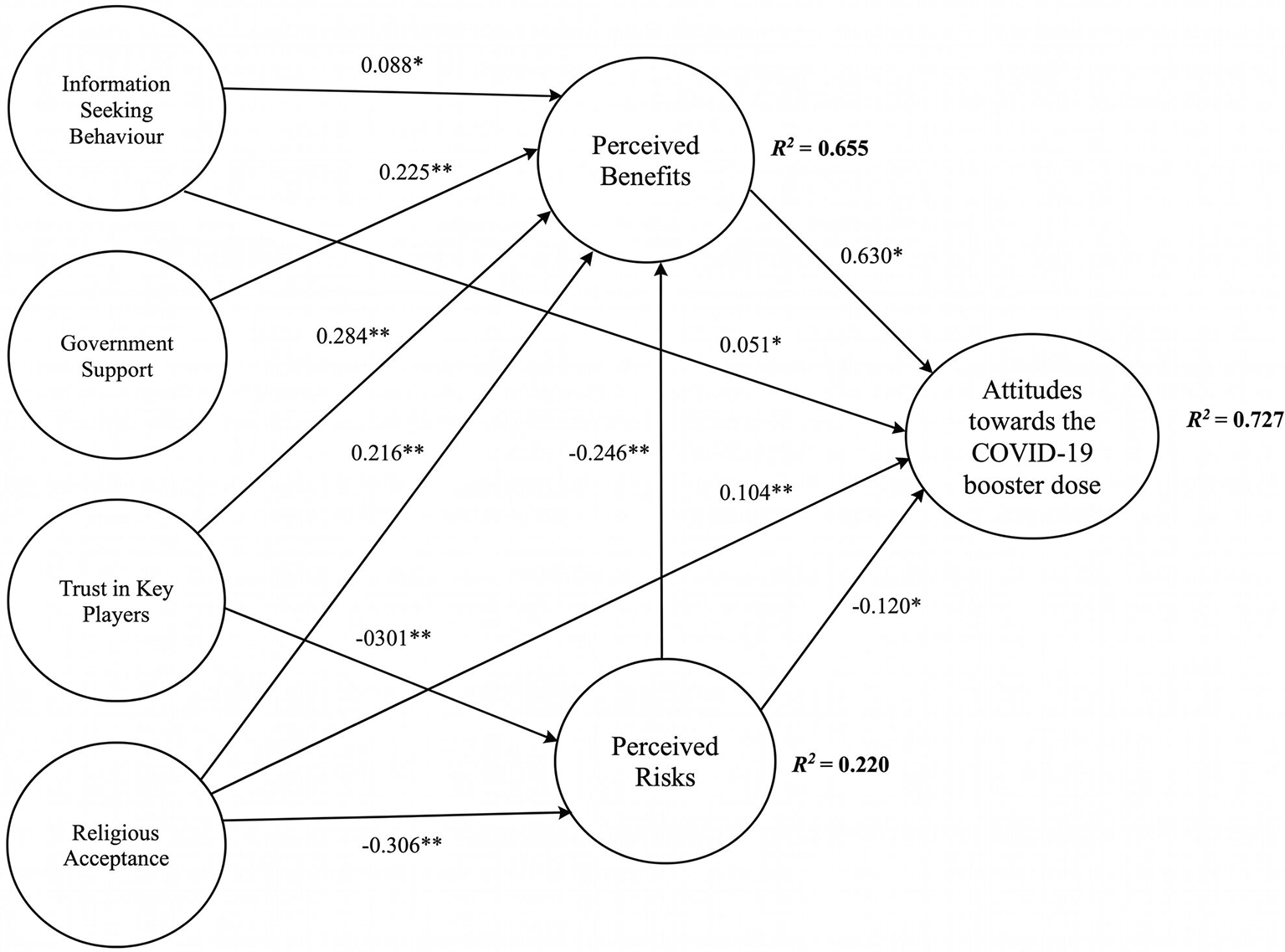
Table 5 shows that all the VIF values were well below the threshold of 3.33 – 1.189 to 2.90; thus, it can be concluded that this model did not pose a multicollinearity issue (Hair et al., 2019a). Next, Table 5 also shows the hypotheses for each path tested via a bootstrapping technique with 5,000 sub-samples (Streukens and Leroi-Werelds, 2016). The output for the entire dataset shows that most of the suggested hypotheses were statistically significant, except for government support on perceived risks (H2b: β = 0.087; t-value = 1.644) on attitude (H2c: β = 0.037; t-value = 0.881) and trust in key players on attitude (H3c: β = 0.047; t-value 1.061) (See Figure 2). The result also shows the coefficient determinations (R2) of 0.655 for perceived benefits, 0.220 for religious acceptance, and 0.727 for attitude. Finally, a blinding procedure assessed the model's predictive relevance (Q2). The Q2 values for the endogenous variable were more significant than zero and ranged from 0.177 to 0.625, indicating that the model possessed acceptance of predictive quality (Hair et al., 2019a).
| Hypothesis and relationship | Std Beta | t-value | Decision | VIF | f2 |
|---|---|---|---|---|---|
| H1a: Information seeking behaviour ➔ Perceived benefits | 0.088 | 2.965* | Supported | 1.186 | 0.019 |
| H1b: Information seeking behaviour ➔ Attitude | 0.051 | 2.096* | Supported | 1.209 | 0.008 |
| H2a: Government support ➔ Perceived benefits | 0.225 | 4.427** | Supported | 2.769 | 0.086 |
| H2b: Government support ➔ Perceived risks | 0.087 | 1.644 | Rejected | 2.693 | 0.053 |
| H2c: Government support ➔ Attitude | 0.037 | 0.881 | Rejected | 2.853 | 0.002 |
| H3a: Trust in key players ➔ Perceived benefits | 0.284 | 5.277** | Supported | 2.899 | 0.082 |
| H3b: Trust in key players ➔ Perceived risks | -0.301 | 5.735** | Supported | 2.723 | 0.045 |
| H3c: Trust in key players ➔ Attitude | 0.047 | 1.061 | Rejected | 3.088 | 0.003 |
| H4a: Religious acceptance ➔ Perceived benefits | 0.216 | 5.152** | Supported | 1.765 | 0.077 |
| H4b: Religious acceptance ➔ Perceived risks | -0.306 | 6.918** | Supported | 1.622 | 0.008 |
| H4c: Religious acceptance ➔ Attitude | 0.104 | 3.218** | Supported | 1.901 | 0.021 |
| H5: Perceived risks ➔ Perceived benefits | -0.246 | 7.821** | Supported | 1.189 | 0.137 |
| H6: Perceived risks ➔ Attitude | -0.120 | 5.125* | Supported | 1.459 | 0.036 |
| H7: Perceived benefits ➔ Attitude | 0.630 | 15.762** | Supported | 2.900 | 0.502 |
The standardised root mean square residual (SRMR) and normed fit index (NFI) are the fit measures used in this study to demonstrate model fit in PLS-SEM (Hair et al., 2017a, 2017b; 2019a, 2019b). Table 6 shows an SRMR value of 0.052, which is less than the threshold value of 0.08 and hence can be regarded as a good fit and suitable for PLS path models (Hu and Bentler, 1999). The NFI value is 0.883, considered a good match because it is close to 1 (Bentler and Bonett, 1980).
This is the first study in Malaysia to examine the development of an attitudinal model for determining university students' acceptance of the COVID-19 booster vaccine. It is advisable to be prepared for similar cases in the future. Therefore, this PLS-SEM modelling was created in response to the recommendations made in the study by Arham et al. (2022a). Multiple linear regression analysis was used in previous studies. However, the results were limited because the analysis could only examine one layer of the relationship between the independent and dependent variables at a time. As a result, the same population was used in this study to conduct PLS-SEM modelling to analyse and determine the relationship between predictive factors simultaneously using SMART-PLS software. This study successfully identified the significant predictors, confirming that various factors influenced Malaysian university students' attitudes towards the COVID-19 booster dose. This finding can serve as a meaningful benchmark for social acceptance when considering booster doses for all vaccinations in Malaysia. Vaccination technology has enormous potential in Malaysia to improve public health and enhance herd immunity.
The findings reveal that Malaysian university students acknowledge that they engage in moderate behaviour when it comes to seeking information about booster vaccines. They ranked their trust in key players as high, considering them highly acceptable based on religion, and the benefits offered are high. However, respondents have moderate concerns about perceived risks. Overall, the findings can be summarised by stating that the Malaysian students included in this study have a highly positive attitude about uptake in terms of booster vaccines. In addition, the findings show that perceived benefits, religious acceptance, information-seeking behaviour, and perceived risks were important factors associated with the acceptance of booster vaccines.
The study reported that perceived benefits were the most important factor affecting positive attitudes toward COVID-19 booster vaccine acceptance. This indicates that when students recognise the potential benefits of booster vaccines, it strongly influences their attitudes towards vaccine acceptance. This is not surprising, as previous studies found that benefit perceptions associated with boosters have been reported as a significant predictor of vaccine acceptance and uptake. A recent study conducted by Rajakumar et al. (2023) suggests that increasing the emphasis on and availability of clinical studies addressing the necessity of COVID-19 booster doses may encourage greater public acceptance of these vaccines in Malaysia. The findings highlight the potential benefits of providing updated and accessible information regarding vaccination initiatives to foster understanding and trust within the community.
This result is consistent with previous studies that have indicated that recognising the benefits of vaccines significantly encourages acceptance among various populations. For example, one study in China reported that recognising the high benefits of booster vaccinations is associated with increased acceptance and reduced perceived barriers to it (Lai et al., 2021). Likewise, a similar observation was noted in another study in China, which indicated that children's acceptance of a booster dose of the COVID-19 vaccine resulted in high perceived benefits (Qin et al., 2022; Hu et al., 2022). Research on childhood vaccinations in China indicates that a strong perception of benefits is associated with parents' higher acceptance of booster doses. These findings underscore the need for a comprehensive and dynamic assessment, as well as enhanced health education planning, to address and reduce parental hesitancy regarding the vaccination of their children (Huang et al., 2022). Islam et al. (2021) reported that most participants in Bangladesh supported vaccination due to its effectiveness in preventing COVID-19 infection. This reinforces the notion that individuals are more likely to receive a vaccine when they are confident in its ability to protect them from illness. These findings suggest that public health campaigns should emphasise the protective benefits of booster vaccines to increase university students' uptake.
The importance of perceived benefits in shaping students’ positive attitudes towards COVID-19 booster vaccine acceptance also reflects a broader pattern in public health acceptance studies in Malaysia and Asia. Beyond vaccination, studies on dengue prevention and household-level health practices have shown that knowledge, perceived benefits, perceived risks, attitudes, and trust play important roles in determining whether communities accept and practise preventive health behaviours (Arham et al., 2025; Rusly et al., 2025). Similarly, public perceptions of safety and efficacy have been shown to influence the way Malaysians evaluate health-related products and interventions during the COVID-19 period (Mustafa Din et al., 2024). From an ethical perspective, this also supports the need for health technologies and vaccination initiatives to be communicated in ways that emphasise public benefit, minimise perceived harm, and strengthen trust in decision-making (Hasim et al., 2025). Therefore, the findings of the present study are not isolated, but are consistent with wider evidence showing that acceptance of health interventions depends not only on scientific availability, but also on perceived usefulness, safety, ethical confidence, and public trust.
Interestingly, the findings of this study also showed a negative association between risk perception and attitudes towards COVID-19 booster doses. Despite receiving high benefits, they remained cautious about or doubted the perceived risks. This finding is consistent with a Korean study, which identified concerns about the efficacy and safety of COVID-19 vaccines as significant barriers to increasing vaccine uptake. Consistent with other studies on vaccine acceptance, the current study confirmed that perceived risks negatively influence attitudes towards the benefits of booster vaccines. This suggests that when students view booster vaccines as high risk, they express fewer benefits and display negative attitudes towards the vaccine. These negative perceptions, such as about side effects and potential long-term harm, could contribute to vaccine hesitancy (Sallam, 2021). This finding is consistent with a study conducted by Qiao et al. (2021). In North Carolina, high-risk perception is linked to low vaccine acceptance among college students. In addition, a study of US residents also highlighted that risk perceptions associated with the booster vaccine negatively predict intentions (Hagger & Hamilton, 2022).
Key factors influencing booster hesitancy included vaccine type, vaccination at a younger age, low education level and adverse events experienced after the first COVID-19 vaccination (Noh et al., 2022). This also coincides with a study by Paul & Fancourt (2022), which found that 4% of young adults were unsure and another 4% were reluctant to receive a COVID-19 booster. Notably, those who were hesitant about the initial vaccine were over five times more likely to decline a booster. They also highlighted that booster uptake could widen social inequalities, as low-income individuals and those less likely to follow health guidelines were the most hesitant, requiring targeted public health messaging. However, the perceived benefit relationship in this study was higher than the perceived risk. Therefore, the authorities must provide more health messages and increase their confidence through effective information methods.
The present study demonstrates that religious acceptance influences students' attitudes toward the COVID-19 booster vaccine. This suggests that students who perceive the booster vaccine as endorsed by their religious beliefs tend to have a positive attitude towards it. This finding aligns with previous research indicating that vaccine hesitancy is a complex issue influenced by many individual and societal factors, with religious beliefs often identified as a significant contributor to higher levels of hesitancy within specific populations (Tiwana & Smith, 2024). Various studies have documented the impact of religious factors on vaccine attitudes, beliefs, and decisions (Kuru et al., 2022; Rutjens et al., 2021). Research from England suggests that engaging with religious communities and leaders may be an effective strategy for addressing vaccine hesitancy and enhancing public health (Hansen & Pickering, 2024). Kisa and Kisa (2024) have indicated that individuals who view vaccination as religiously permissible and aligned with their faith’s teachings are more likely to receive vaccinations. In Ethiopia, research has demonstrated that faith leaders play a crucial role in promoting vaccine use; however, their persuasive power is often hindered by widespread rumours and misinformation. Therefore, it is essential to equip faith leaders with the latest vaccine information in the future (Yibeltal et al., 2024). However, a study conducted in Africa and the Asia Pacific reveals complex, context-dependent relationships between vaccine attitudes and religion, highlighting the diverse effects of time and education across different religious groups. Understanding the underlying factors that drive these temporal variations will help inform tailored approaches to address vaccine hesitancy, promote vaccine uptake, and enhance the well-being of each religious group (Jin et al., 2024).
In Indonesia, endorsements from religious leaders notably increased vaccine acceptance. However, concerns about serious complications, potential side effects, the halal status of the COVID-19 booster vaccine, and the belief that getting vaccinated would require too much time and effort contributed to reduced acceptance (Harapan et al., 2022). Malaysia is a diverse mosaic of cultures and religions, with the majority of its population identifying as Muslim. Numerous studies highlight Malaysians' strong connection to their faith, which significantly influences their perspectives on health initiatives, including vaccination. In Islam, the acceptance of any product must be considered from a religious standpoint, making religious endorsement crucial for achieving widespread vaccine acceptance. To enhance booster vaccine uptake, it is vital to establish strong collaborations with religious leaders and faith-based organisations. Framing vaccination as a moral and ethical obligation to promote the community's well-being encourages religious individuals to prioritise their health and those around them. Engaging the community through these shared values can transform vaccine advocacy into a collective endeavour, fostering a culture of care and responsibility among all Malaysians.
Another interesting finding is that information-seeking behaviour significantly influences the respondents' attitudes toward booster vaccines. This shows that when the participants actively sought information on booster vaccines, they were more likely to be supportive. For university students growing up in a digital world and exposed to multimedia, the sources of COVID-19 vaccine information may significantly impact whether or not they agree to get the vaccine. Few studies have linked information-seeking behaviour with their willingness to accept a booster dose of a vaccine. Losecaat Vermeer et al. (2022) suggest that curiosity and information-seeking about pandemics may predict human well-being. Previous research has examined the impact of information-seeking on an individual’s behavioural decisions. For example, some scholars have suggested that people are likely to purchase a product or technology after being fully informed (Zhu et al., 2018; Frewer et al., 2003).
Government support influenced the perceived benefits associated with booster vaccines, but did not influence attitude. One study by Mohamed et al. shows that increased government support for the booster vaccine would result in higher perceived benefits, leading to more favourable attitudes (Mohamed et al., 2021). Shi et al. (2021) reported that most respondents agreed that the government should provide free vaccination, but this did not influence their acceptance. It concluded that trust in the government did not affect protective behaviour but reduced fear and anxiety regarding COVID-19 vaccination, which led to a positive response. Accordingly, most positive attitudes toward vaccinating were based on how well people trust the authority (Arham et al., 2022b). Although government support was positively associated with perceived benefits, it did not significantly affect attitudes towards booster vaccination. This finding contradicts previous studies that indicated government support is critical in shaping public confidence in vaccines (Mohamed et al., 2023). One possible explanation for this discrepancy is public scepticism regarding government-led health campaigns, particularly among younger populations.
Research in Malaysia has shown that young adults are more inclined to trust independent experts, scientists, and international health agencies over government sources (Khoo et al., 2024). This trend is not unique to Malaysia; studies conducted in the United States, United Kingdom, and Australia reveal that government-led vaccine campaigns often encounter resistance from specific citizen demographics due to political scepticism and concerns about transparency (Trent et al., 2022). Additionally, a study by Ali et al. (2021) found that while government funding for vaccines can improve perceptions of accessibility and affordability, it does not necessarily foster trust or positive attitudes towards vaccination. These findings suggest that enhancing vaccine uptake among university students necessitates a multi-stakeholder approach. Instead of relying solely on government messaging, vaccination campaigns should include endorsements from trusted figures such as healthcare professionals, university health services, and community organisations.
Trust in key players was positively related to perceived benefits and negatively associated with perceived risks. This shows that when students trust key vaccine research and production players, they perceive more benefits and lower risks associated with booster vaccines. This result aligns with that of Bester (2015), who found that trust is crucial in addressing parents' perceptions of the risks and benefits of COVID-19 vaccination. This scenario can encourage parents to immunise their children and help end the pandemic (Yadete et al., 2021). Similarly, Pal et al. (2021) also highlighted that many healthcare workers in the US are grappling with vaccine hesitancy, and at the heart of this issue lies a troubling lack of trust. A significant factor contributing to this scepticism is the widespread misinformation and doubts about vaccines circulating on social media. This flood of conflicting information can seriously undermine public confidence in vaccine institutions. Addressing these fears and rebuilding trust is crucial for promoting vaccine acceptance and protecting public health.
However, the findings contradict those of Qiao et al. (2022), who reported that trust in key stakeholders involved in vaccine development was significantly linked to higher vaccine acceptance among college students in South Carolina. Likewise, a study conducted in South Korea indicated that prioritising policies to enhance social capital and trust in the government could increase the COVID-19 vaccination rate (Kim et al., 2023). This finding emphasises the importance of enhancing science communication and public engagement strategies. To build trust, policymakers should focus on transparent communication regarding vaccine development, safety data, and real-world efficacy. Additionally, universities can contribute to combating misinformation by offering students access to reliable health resources and facilitating expert-led discussions on vaccination.
Given the study’s reliance on a convenience sample of Universiti Kebangsaan Malaysia students, the interpretation of results must remain specific to this cohort and not generalised to all Malaysian youth. The findings reflect the attitudes of students in an urban, multi-ethnic university environment, which, while informative, may differ from those of students in rural or private institutions. These contextual limitations underscore the need for future research across multiple universities and states to validate and extend these results.
The non-significance of government support (H2b, H2c) and trust-related (H3c) hypotheses warrants further consideration. One explanation is that Malaysian young adults, particularly university students, have shown growing scepticism toward government-led health campaigns, preferring to rely on independent experts, scientists, and international organisations for vaccine-related guidance (Khoo et al., 2024). This scepticism aligns with global trends, where studies in the United States, United Kingdom, and Australia have found that younger demographics often question the transparency and credibility of government-driven initiatives (Trent et al., 2022). Cultural and political factors, including perceived partisanship in public health messaging, may have further dampened the influence of government support on students’ attitudes.
To address these issues, practical strategies are needed to complement government efforts, such as leveraging universities’ health centres, involving healthcare professionals in outreach, and engaging student associations as peer influencers. Policymakers could also strengthen partnerships with faith leaders and independent scientific voices to bridge trust gaps and frame booster vaccination as both a collective health responsibility and an accessible choice for students. These approaches would reflect a multi-stakeholder communication model, better aligned with the preferences and trust dynamics of university students in Malaysia.
Study limitations and future research directions
This study acknowledges several limitations critical to enhancing the robustness of future research endeavours. Firstly, it employed an online questionnaire survey disseminated through UKM Folio, email, and WhatsApp platforms. This approach may have introduced selection bias by predominantly capturing responses from digitally literate and academically engaged students. Consequently, perspectives from those less connected to online platforms or from marginalised backgrounds may not be adequately represented. Moreover, as the sample was restricted to students from a single public university in Selangor, which is a highly urbanised and economically developed state with greater vaccine access and awareness compared to rural or less developed regions, the findings cannot be generalised to all Malaysian youth. Instead, the results should be interpreted as reflective of patterns among urban, multi-ethnic university populations, rather than as representative of students in other states or those with limited digital access. Future studies should address these gaps by incorporating hybrid data collection methods, such as in-person surveys and focus groups, to capture a broader and more diverse student demographic.
Secondly, the research was confined to participants in Selangor, a state characterised by urbanisation and development within Malaysia. This limitation raises concerns regarding the generalizability of the findings to vaccine attitudes among students from rural or less developed regions. Existing literature suggests that geographical disparities can significantly influence vaccine perceptions, with urban students typically exhibiting higher acceptance levels due to improved healthcare access and exposure to information (Kaighobadi et al., 2023). Therefore, subsequent studies should aim to expand data collection to encompass multiple universities across various Malaysian states, particularly those characterised by lower vaccination rates, to yield a more comprehensive national perspective.
Additionally, this study exclusively targeted university students, thereby limiting the applicability of the findings to other significant populations, such as healthcare professionals, educators, and the general public. Prior research indicates that vaccine attitudes may differ based on professional background, age, and exposure to health-related risks (Callow & Callow, 2021; Tunc & Cevirme, 2023). Accordingly, future research endeavours should facilitate comparisons of vaccine perceptions across diverse occupational groups, focusing on frontline workers involved in public health initiatives. Future research should not only include these diverse groups but also compare students across states and employ longitudinal designs to capture how attitudes shift in response to new variants, emerging policies, and changing risk perceptions.
Lastly, while this study investigated factors influencing vaccine attitudes, it did not delve into longitudinal behavioural trends, failing to capture the potential evolution of attitudes toward booster vaccinations. Given that vaccine hesitancy may fluctuate in response to new variants, emerging scientific data, and changes in public policy, future studies should employ a longitudinal research design to track these behavioural shifts over extended periods. By addressing these identified limitations, future research endeavours can enhance the applicability of findings, improve data accuracy, and provide more actionable insights to inform national vaccination strategies.
The findings of this study present significant implications for designing and implementing targeted interventions to enhance booster vaccine uptake among university students. The results indicate that perceived benefits are the most substantial predictor of vaccine acceptance. Consequently, public health campaigns should prioritise the effective communication of the protective advantages associated with booster vaccines in ways that resonate with young adult populations. Given that a substantial number of university students perceive themselves as being at low risk of experiencing severe COVID-19 outcomes, it becomes essential to emphasise the community-level benefits of vaccination, which include fostering herd immunity, preventing the emergence of new variants, and mitigating the risk of long-term health complications. By framing booster doses as an expression of social responsibility, policymakers may foster a heightened collective commitment to vaccination endeavours.
Additionally, the influence of religious beliefs on students’ attitudes toward the COVID-19 booster vaccine warrants particular attention. Collaborations with religious leaders and faith-based organisations can enhance vaccine confidence among this demographic (Kisa & Kisa, 2024). In Malaysia, where religious convictions significantly shape public sentiment, positioning vaccination as a moral obligation to protect oneself and the community can be an effective strategy (Arham et al., 2022a). Other countries, such as Indonesia and Saudi Arabia, have successfully integrated religious endorsements into their vaccination campaigns, illustrating the potential efficacy of faith-based messaging. Engaging religious scholars to provide clear guidance on vaccine permissibility and incorporating religious narratives into public health communication strategies can enhance vaccine acceptance among university students.
The role of healthcare providers is equally critical in fostering trust and addressing vaccine hesitancy (Pal et al., 2021; Lee et al., 2022a). The study’s findings reveal a notable credibility gap between students and health authorities, suggesting that trust in reputable figures did not substantially influence student attitudes. To bridge this gap, healthcare providers should consider implementing direct engagement strategies, including peer-led discussions, expert Q&A sessions, and social media campaigns that present evidence-based narratives to counter misinformation. Research indicates that students are more inclined to trust vaccine information from medical professionals when it is conveyed in an interactive and personalised format rather than through generic governmental messaging. Furthermore, universities should facilitate one-on-one counselling sessions that allow students to voice their concerns regarding vaccine safety, effectiveness, and potential side effects in a supportive and confidential environment.
In light of the escalating influence of digital platforms on vaccine-related decision-making, universities and health institutions must collaborate in developing interactive, fact-checked digital platforms. These platforms should provide students access to verified information, expert opinions, and updates related to vaccination (Lee et al., 2022b). Moreover, engaging student influencers, campus ambassadors, and health professionals through social media can cultivate positive attitudes toward booster vaccination. Incorporating vaccine education modules into university curricula, particularly within health-related disciplines, can enhance students' scientific literacy, enabling them to evaluate vaccine information critically.
Ultimately, the accessibility of booster vaccines remains a crucial factor in determining uptake. To promote higher participation rates, universities should incorporate vaccine administration into campus life by establishing on-site vaccination booths, mobile vaccination units, and convenient appointment scheduling options. Ensuring booster doses are available at multiple campus locations and during high-attendance events such as orientation weeks or university fairs can bolster uptake. Additionally, institutions might consider offering incentives, such as academic credits, campus privileges, or discounts on student fees, to encourage participation.
By implementing these strategies, policymakers, healthcare providers, and universities can work together to enhance booster vaccine acceptance and improve public health outcomes among university students. Integrating clear communication strategies, religious and community engagement, evidence-based education, and increased accessibility can foster a pro-vaccine environment and facilitate a robust public health response to COVID-19 and future pandemics.
This study provides information and enhances our understanding of Malaysian university students’ attitudes and the factors that predict booster vaccine uptake. The COVID-19 booster vaccine received high acceptance among the Malaysian university students who participated in this study. The results indicate that Malaysian students have a positive attitude towards booster vaccinations, and four factors play a significant role in predicting these attitudes. According to the findings, information-seeking behaviour positively influences attitudes toward vaccination; therefore, universities should provide more education programmes and activities to help students actively engage and obtain accurate information about the vaccine. In addition, the relevant authorities should prioritise campaigns aimed at reducing misinformation and the spread of conspiracy theories around the COVID-19 vaccine. In addition, government and religious organisations must ensure that the vaccine is accepted from a religious perspective to increase acceptance.
This study involved an anonymous online survey with no collection of identifiable personal data and posed minimal risk to participants. In accordance with the Ministry of Health Malaysia Guidelines for Ethical Review of Clinical Research or Research Involving Human Subjects (MOH, 2006), studies involving non-sensitive, anonymous survey data may be exempted from formal ethical approval. The study was conducted in accordance with the principles of the Declaration of Helsinki.
| Views | Downloads | |
|---|---|---|
| F1000Research | - | - |
|
PubMed Central
Data from PMC are received and updated monthly.
|
- | - |
Provide sufficient details of any financial or non-financial competing interests to enable users to assess whether your comments might lead a reasonable person to question your impartiality. Consider the following examples, but note that this is not an exhaustive list:
Sign up for content alerts and receive a weekly or monthly email with all newly published articles
Already registered? Sign in
The email address should be the one you originally registered with F1000.
You registered with F1000 via Google, so we cannot reset your password.
To sign in, please click here.
If you still need help with your Google account password, please click here.
You registered with F1000 via Facebook, so we cannot reset your password.
To sign in, please click here.
If you still need help with your Facebook account password, please click here.
If your email address is registered with us, we will email you instructions to reset your password.
If you think you should have received this email but it has not arrived, please check your spam filters and/or contact for further assistance.

Comments on this article Comments (0)