Keywords
drug trafficking; criminality; statistical prediction; public security; time series analysis.

This article is included in the Addiction and Related Behaviors gateway.
drug trafficking; criminality; statistical prediction; public security; time series analysis.
The expansion of illicit drug trafficking and the sustained increase in the consumption of psychoactive substances represent one of the major challenges to public security, collective health, and institutional governance worldwide (Alimi, 2019; Peacock et al., 2019; Rinaldi et al., 2020). Several studies have shown that illicit economies linked to drug trafficking generate multidimensional impacts associated with violence, corruption, institutional weakening, and the expansion of transnational criminal networks (Csete et al., 2016). Following these findings, it is recognized that the drug phenomenon cannot be understood solely from a criminal justice perspective, since it involves structural factors related to poverty, social exclusion, territorial inequality, and the lack of sustainable economic opportunities in vulnerable contexts. Likewise, Grillo et al. (2021) argue that coca production dynamics in Latin America continue to be associated with subsistence rural economies, a situation that limits the effectiveness of traditional repressive strategies. Consequently, recent literature emphasizes the need to incorporate predictive and analytical approaches capable of understanding emerging patterns of trafficking, commercialization, and consumption from multidisciplinary and evidence-based perspectives.
In the international context, recent investigations have developed analytical approaches to understand factors associated with drug trafficking and consumption through statistical tools and predictive models (Keskin et al., 2021; Zolbanin et al., 2020). Nadeem et al. (2024) conducted a study based on machine learning techniques to analyze crime patterns related to illicit drugs in urban settings, using high-dimensional police and judicial databases. The research incorporated supervised algorithms and classification models to identify predictive variables linked to recidivism and the territorial distribution of crime, reporting accuracy levels above 80% in certain predictive models. These findings demonstrate the usefulness of artificial intelligence and data mining in strengthening criminological surveillance processes and strategic decision-making. Similarly, Busnel and Manrique (2023) analyzed transformations in drug trafficking in Latin America through a geopolitical and socioeconomic approach, identifying that new illicit commercialization routes are closely related to institutional weaknesses and informal economies. Such findings suggest that the phenomenon requires comprehensive approaches that go beyond exclusively coercive responses (Gopi Krishna et al., 2025).
Within the Latin American and Peruvian context, research has also shown relevant advances in understanding the dynamics of drug trafficking and drug consumption. Lu et al. (2022) developed a spatial analysis of coca production and illicit economies in Andean regions, using georeferenced information and econometric models to identify factors associated with the expansion of illegal crops. The authors concluded that economic limitations, weak state presence, and territorial vulnerability conditions constitute significant predictors of the persistence of illicit activities. Likewise, Gutierrez (2020), through a study on anti-drug policies and regional security in South America, pointed out that strategies focused exclusively on interdiction produce limited results due to the constant adaptation of criminal organizations. These antecedents are relevant to the present study because they demonstrate that illicit trafficking and micro-distribution dynamics require more specific, contextualized, and predictive-oriented analytical models capable of anticipating criminal behavior and consumption patterns.
Several studies have reported persistent problems related to the effectiveness of anti-drug policies and institutional capacity to reduce the impact of drug trafficking (Flores-Macías, 2018; Toth & Mitchell, 2018). Furthermore, global cocaine production reached historic levels in recent years, with increases associated with the expansion of illicit crops and the strengthening of international distribution markets (Boekhout van Solinge, 2022; López, 2025). Following this report, it becomes evident that conventional control strategies continue to face significant limitations in dealing with the operational sophistication of criminal organizations. Similarly, Gorman et al. (2004) analyzed drug prevention and control models in urban communities, identifying methodological weaknesses in predictive surveillance systems and limited integration of social and criminological variables into intervention processes. The authors indicated that the absence of predictive analytical models limits institutional capacity to identify risk zones and emerging micro-distribution patterns. These limitations demonstrate the need to develop approaches based on multivariable analysis and advanced predictive techniques.
On the other hand, recent studies have revealed important contradictions regarding the effectiveness of repressive policies and the reduction of drug consumption. Csete et al. (2016), through a global analysis of drug policies and public health, concluded that strategies predominantly focused on criminalization have not generated sustained reductions in consumption or violence associated with drug trafficking. Following these findings, it is argued that public policies must incorporate preventive approaches supported by empirical evidence and predictive analyses of social behavior. Likewise, Costa and De Grauwe (2009) reported that fluctuations in illicit markets exhibit highly dynamic and adaptive patterns, making it difficult to formulate effective state responses through traditional surveillance models. In statistical terms, the authors identified significant associations between regional economic variables and the expansion of illicit activities, demonstrating complex correlations between poverty, inequality, and organized crime. These trends reflect the need to strengthen research aimed at predictive modeling of drug trafficking and consumption in specific contexts.
Despite the scientific progress observed in recent years, important gaps remain in the literature related to predictive modeling of illicit drug trafficking, micro-distribution, and consumption in Latin American contexts. Most studies have focused on descriptive, geopolitical, or epidemiological analyses without integrating predictive models that simultaneously articulate socioeconomic, demographic, and criminological variables. Likewise, there is limited empirical evidence regarding the use of predictive algorithms and machine learning tools specifically applied to the Peruvian context. This situation is particularly relevant because Peru continues to be one of the main producers of coca leaf and cocaine in Latin America, while also functioning as a strategic corridor for international drug trafficking due to its geographical, border, and socioeconomic characteristics. In addition, there is a lack of studies that comprehensively incorporate territorial, social, and structural factors associated with drug trafficking in Peru, such as rural illegal economies, territorial inequality, limited state presence, and the expansion of criminal networks in vulnerable areas. This methodological gap limits the capacity to generate early warning systems and contextualized preventive strategies, thereby scientifically justifying the need to develop research focused on the prediction and modeling of these illicit dynamics in the Peruvian context.
Against this backdrop, the following research question emerges: How can trends in arrests related to illicit drug trafficking and micro-distribution be temporally predicted using ARIMA models in Peru? In line with this question, the objective of the study is to temporally predict trends in arrests related to illicit drug trafficking and micro-distribution using ARIMA models in Peru, in order to strengthen strategic decision-making, optimize crime prevention and control policies, and contribute to the design of interventions based on statistical and criminological evidence.
The study was conducted under a quantitative approach because it enabled the objective analysis of temporal patterns, trends, and statistical behaviors related to arrests for illicit drug trafficking and micro-distribution in Peru through mathematical procedures and predictive models based on time series analysis. This approach was appropriate because it facilitated the examination of numerical variables and official administrative records associated with the criminal phenomenon under study. Likewise, the quantitative approach allowed the identification of historical trends and the projection of future scenarios related to arrests for drug trafficking-related offenses, strengthening statistical analysis and the generation of empirical evidence for strategic decision-making.
The research corresponded to a descriptive and predictive study. The descriptive component made it possible to characterize the temporal behavior of arrests related to illicit drug trafficking and micro-distribution according to gender and chronological evolution. Simultaneously, the predictive component enabled the estimation of future trends through statistical time-series models aimed at generating forecasts. The methodological design was non-experimental because the variables were not deliberately manipulated but rather observed in their natural context through official administrative records. In addition, the study adopted a retrospective longitudinal time-series design, as it analyzed historical data accumulated over several chronological periods in order to identify patterns, fluctuations, and evolutionary trends of the analyzed criminal phenomenon.
The population consisted of the totality of administrative records of individuals arrested for illicit drug trafficking, micro-distribution, and drug consumption reported by the Ministry of the Interior of Peru (MININTER), specifically through the Office of Planning and Statistics. The database included records corresponding to the 2020–2024 period, integrating information related to demographic and criminological variables such as gender, type of offense, and frequency of arrests. Since the study worked with the entirety of the available official records, a non-probabilistic census sampling approach was employed, considering all registered cases that met the established criteria. The inclusion criteria comprised complete and verifiable records directly associated with offenses related to illicit drug trafficking and micro-distribution within Peruvian territory. Conversely, duplicate, inconsistent, or incomplete records that could affect the stability of the predictive models and the quality of the statistical analysis were excluded.
Table 1 presents the sociodemographic characterization of individuals arrested for illicit drug trafficking and micro-distribution in Peru, as well as the temporal forecasts estimated through ARIMA models for the 2024–2030 period. The information makes it possible to identify significant gender-based differences and to analyze projected trends in arrests associated with these offenses.
The results Table 1 reveal a marked predominance of male arrests related to illicit drug trafficking and micro-distribution in Peru, accounting for 90.11% of the total analyzed records, whereas women represented only 9.89%. This percentage difference reflects greater male involvement in activities linked to drug trafficking and associated offenses, a situation that may be related to historically male-dominated criminal structures and higher levels of exposure to high-risk criminal activities. Likewise, the temporal forecasts generated through ARIMA models show an increasing trend for both genders through 2030; however, the projected increase is considerably higher among men, rising from an estimated 12,366 arrests in 2024 to 21,706 in 2030. In contrast, female projections exhibit a more moderate and stable growth pattern. These findings suggest the structural persistence of drug trafficking in Peru and highlight the need to strengthen differentiated preventive strategies according to gender, considering the specific criminological dynamics associated with micro-distribution and illicit drug trafficking.
The data collection technique consisted of documentary analysis and extraction of official administrative records obtained from the Ministry of the Interior of Peru. The instrument used was a structured data systematization matrix designed to organize quantitative variables related to the number of arrests, gender, time period, and chronological behavior of criminal records. This matrix enabled the consolidation of homogeneous statistical information for time-series processing and predictive modeling. The information was obtained directly from the official databases issued by the Ministry of the Interior of Peru, ensuring institutional traceability, statistical consistency, and reliability of the analyzed records.
The process of data collection and systematization was carried out through the review, download, and organization of official statistical records provided by the Ministry of the Interior of Peru. Subsequently, the data were cleaned and structured into statistical databases to ensure integrity, consistency, and analytical stability prior to processing. Since the study used anonymized secondary institutional records, no direct interaction with human participants or administration of questionnaires through digital platforms was required. Nevertheless, ethical principles related to confidentiality, anonymity, and responsible use of institutional information were respected, ensuring that the data were used exclusively for academic and scientific purposes.
To ensure the reliability and stability of the predictive models, statistical verification procedures were conducted to evaluate the fit and accuracy of the analyzed time series. Model reliability was determined using goodness-of-fit and predictive accuracy indicators, including Root Mean Square Error (RMSE), Mean Absolute Error (MAE), Mean Absolute Percentage Error (MAPE), normalized Bayesian Information Criterion (BIC), and the Ljung-Box Q test. These indicators made it possible to assess the explanatory capacity of the ARIMA models and the absence of significant autocorrelations in the residuals. The obtained results demonstrated adequate levels of statistical fit and predictive stability in the projections generated for arrests related to illicit drug trafficking and micro-distribution.
The processing and analysis of the information were conducted through descriptive and predictive statistical procedures oriented toward time-series analysis. Initially, the administrative records were cleaned and organized to verify consistency, integrity, and the absence of outliers that could distort predictive estimations. Subsequently, descriptive analyses related to frequencies, means, standard deviations, and the temporal behavior of arrests according to gender were performed. For predictive analysis, ARIMA (AutoRegressive Integrated Moving Average) models were applied due to their capacity to model temporal patterns and generate forecasts based on observed historical trends. ARIMA (0,1,0) and ARIMA (0,1,1) models were selected according to the specific behavior of the time series and statistical fit criteria. In addition, goodness-of-fit tests such as Ljung-Box Q, R-squared, RMSE, MAPE, MAE, MaxAPE, MaxAE, and normalized BIC were applied to evaluate predictive accuracy and model stability. Statistical processing was performed using IBM SPSS Statistics version 27.
This study used secondary anonymized administrative records obtained from the official open-access statistical repository of the Ministry of the Interior of Peru (MININTER), specifically through publicly available datasets managed by the Office of Planning and Statistics. The information analyzed corresponded to national statistical records of detentions associated with illicit drug trafficking and micro-trafficking in Peru during the study period. The dataset was accessed through the official governmental repository available at: https://observatorio.mininter.gob.pe/proyectos/base-de-datos-hechos-delictivos-basados-en-denuncias-en-el-sidpol. Because these databases are freely accessible for public consultation and academic use through institutional governmental platforms, no special authorization, institutional agreement, or restricted-access request was required to obtain the dataset.
The research did not involve direct interaction with human participants, biological samples, or intervention procedures. Likewise, no personally identifiable information, sensitive personal data, or confidential records were accessed, collected, stored, or processed at any stage of the investigation. All analyses were conducted using aggregated statistical information exclusively for scientific and academic purposes. The study adhered to the ethical principles established in the Declaration of Helsinki revised by the World Medical Association (World Medical Association, 2013), as well as the International Ethical Guidelines for Health-related Research Involving Humans developed by the Council for International Organizations of Medical Sciences (CIOMS, 2016). In addition, the investigation complied with principles of confidentiality, anonymity, responsible data management, transparency, and scientific integrity in accordance with international standards for secondary data analysis studies.
Because the investigation employed secondary anonymized records of public and institutional statistical nature, informed consent from participants and formal ethical committee approval were not required under international ethical standards applicable to studies based on open-access secondary databases. Furthermore, the use of publicly available governmental information ensured compliance with principles of legality, responsible reporting, transparency, and reproducibility of scientific research. The public availability of the database allows independent verification of the information source and facilitates the replication of future studies based on the same official records.
This section presents the statistical analysis derived from the records of individuals arrested for illicit drug trafficking and micro-distribution in Peru. The findings provide empirical evidence regarding the distribution, variability, and behavioral patterns of arrests according to gender. Likewise, the results contribute to understanding the criminological dynamics associated with these offenses and support the strengthening of prevention and public security strategies grounded in statistical evidence.
Figure 1 illustrates the distribution of arrests related to illicit drug trafficking and micro-distribution according to gender in Peru. The violin plot graph enables visualization of the dispersion, concentration, and distributional behavior of the analyzed records, facilitating the comparison between men and women during the evaluated period.
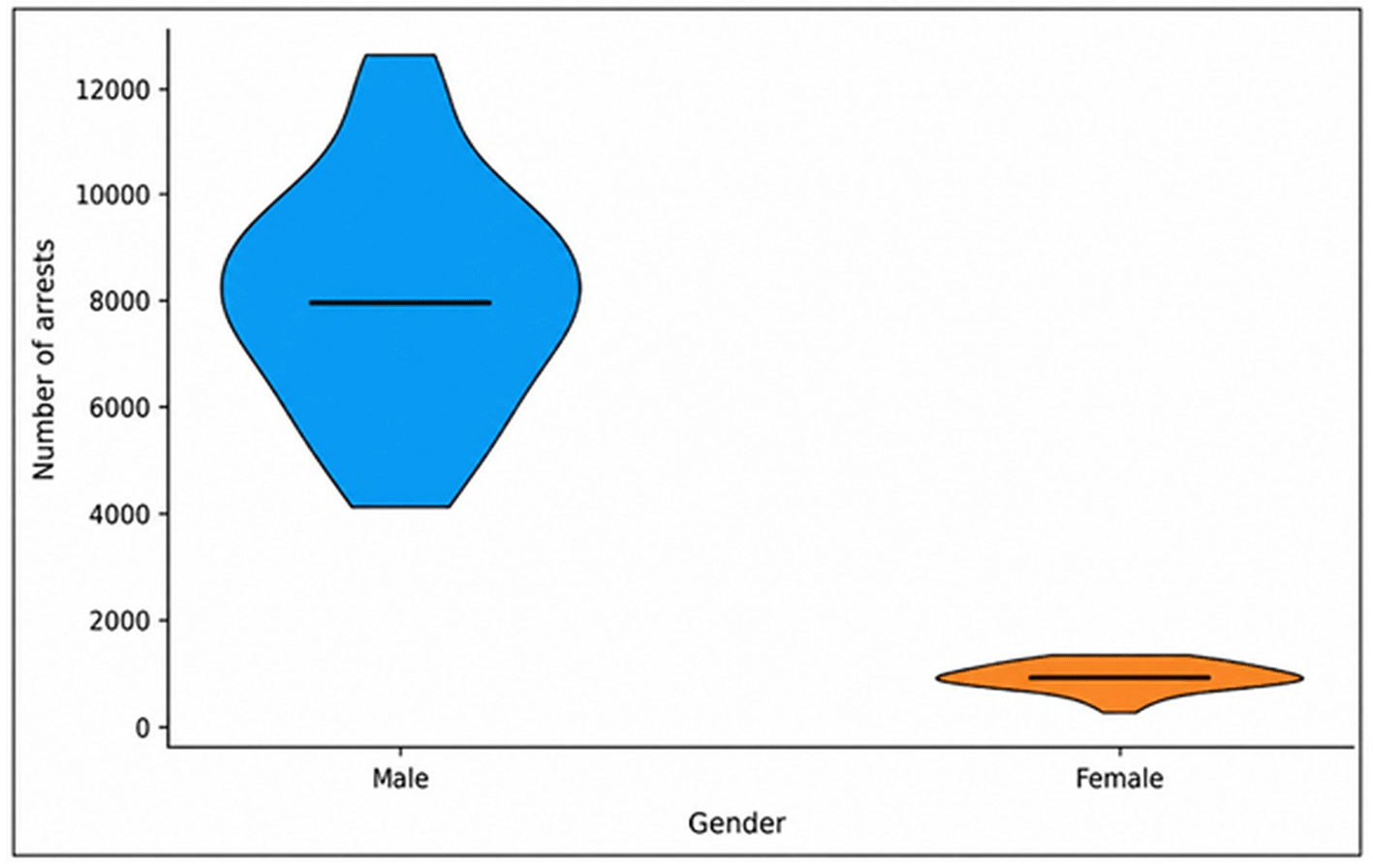
Note. The figure presents the distribution of arrests according to gender using violin plot graphs. Greater variability and concentration of arrests can be observed among men compared to women, reflecting significant differences in criminal records associated with illicit drug trafficking and micro-distribution analyzed from official information provided by the Ministry of the Interior of Peru (MININTER).
The results reveal a marked predominance of male arrests linked to illicit drug trafficking and micro-distribution in Peru. Figure 1 shows greater dispersion and concentration of records among men compared to women, reflecting important differences in the dynamics of participation in these offenses. This behavior is consistent with the findings reported by Weller et al. (2023), who identified a more frequent male presence in detention contexts associated with drug consumption and commercialization. These findings suggest that structures linked to drug trafficking continue to maintain traditional organizational patterns in which men experience more constant exposure to illicit activities with higher levels of risk and visibility to state control and surveillance systems. However, the female presence observed in the records also demonstrates that women’s participation in illegal drug-related economies cannot be considered marginal or isolated.
Furthermore, the distributional amplitude identified in the male group reveals high variability in the frequency of arrests, a situation that may be associated with different levels of involvement within micro-distribution and illicit trafficking networks. Recent research has indicated that contemporary drug market dynamics exhibit more complex and differentiated configurations according to gender, particularly in scenarios involving economic, social, and territorial factors (Fleetwood et al., 2020). In this context, structural inequalities, labor precariousness, and limited economic opportunities continue to operate as factors that facilitate the incorporation of certain population groups into illicit activities. In fact, although men account for the largest proportion of arrests, the progressive increase in female participation reflects social and criminological transformations that require analysis through less standardized and more contextualized approaches.
On the other hand, the obtained results are consistent with studies conducted in Latin America reporting a sustained increase in arrests related to drug offenses during the last decade (Ornell et al., 2020). Based on these antecedents, it becomes evident that the growth of illicit economies linked to drug trafficking continues to exert pressure on penitentiary and public security systems in the region. Similarly, research conducted among the Peruvian female prison population has shown that drug-related offenses often coexist with conditions of social vulnerability, violence, and mental health impairments (Cyrus et al., 2021). This situation demonstrates that the phenomenon of illicit drug trafficking extends beyond the strictly criminal sphere and also responds to structural conditions related to exclusion, inequality, and social fragility.
Figure 2 is presented below, illustrating the temporal evolution of arrests related to illicit drug trafficking according to gender in Peru. The graphical representation makes it possible to identify significant differences in the frequency, variability, and behavioral patterns of criminal records between men and women during the analyzed period, facilitating the understanding of trends associated with this criminological phenomenon.
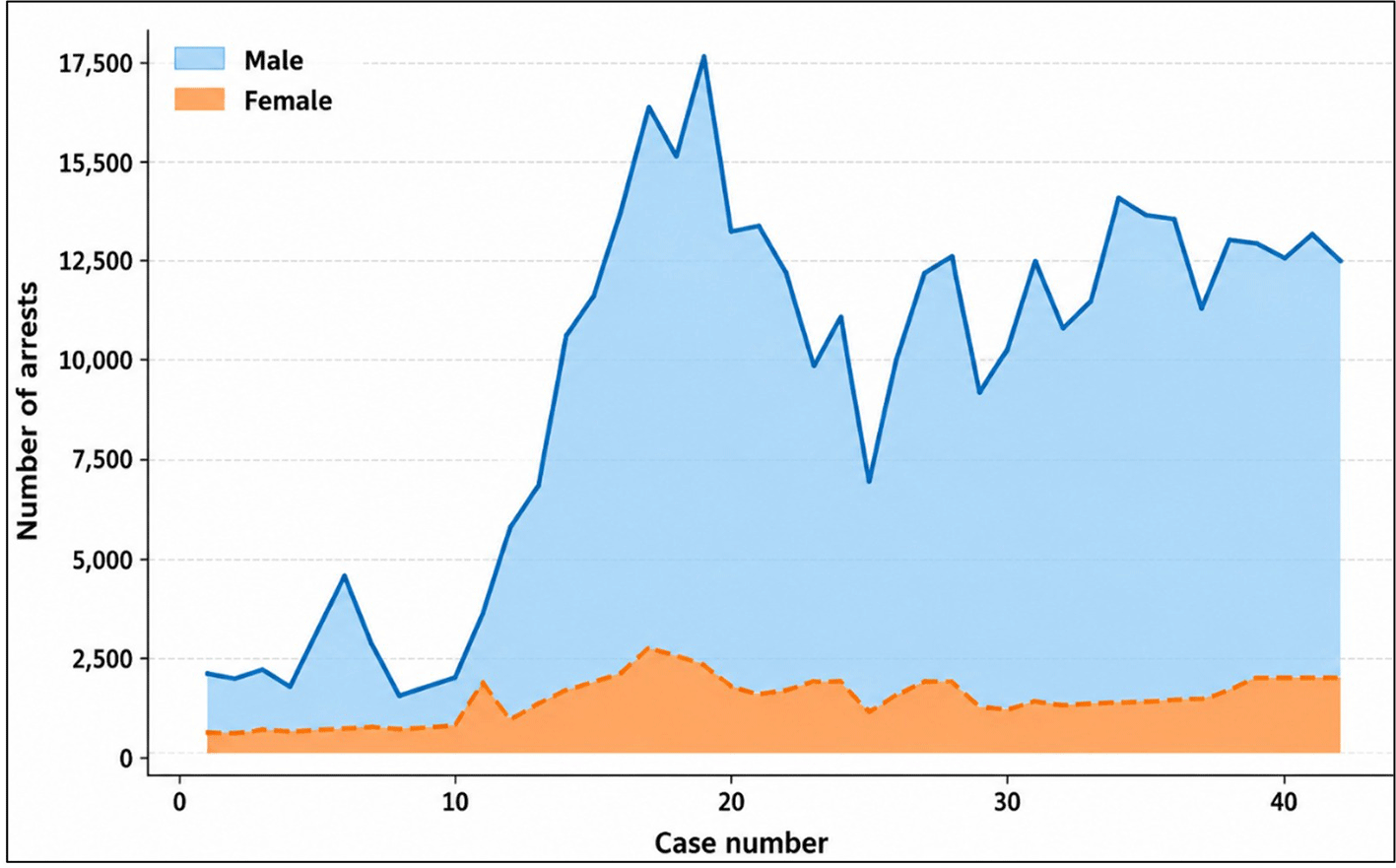
Note. The figure shows a higher frequency and variability of arrests among men compared to women. Source: Ministry of the Interior of Peru (MININTER).
Figure 2 shows a sustained difference between arrests recorded among men and women for illicit drug trafficking in Peru. Throughout the analyzed period, men account not only for a greater number of records but also for broader fluctuations in the temporal trend. This behavior suggests a more consistent male participation in dynamics associated with drug trafficking and micro-distribution. Similar findings were reported by Song and He (2025), who indicated that drug trafficking structures continue to assign men roles involving greater exposure and risk within illicit networks. From this perspective, the observed differences may be interpreted as responses to historical and social patterns in which activities related to criminal economies remain largely associated with male roles.
In contrast, female arrests display a more stable and considerably lower trend during almost the entire evaluated period. However, this lower frequency does not imply an irrelevant participation within these dynamics. Recent studies conducted within the Peruvian penal system show that many women involved in drug-related offenses come from contexts marked by economic precariousness, violence, and social exclusion (Floriano Rodríguez et al., 2024). In this regard, female participation is often linked to peripheral or lower-ranking functions within illicit commercialization networks. Furthermore, research carried out among vulnerable populations in Lima identified that factors such as structural violence, discrimination, and psychosocial impairments increase exposure to risk scenarios and illegal activities (Reisner et al., 2025). This makes it possible to understand that the differences recorded between both groups cannot be analyzed solely from a criminal perspective, but also from social conditions that shape differentiated trajectories of participation.
On the other hand, the observed temporal variations reflect changes in the operational dynamics of illicit drug trafficking and possibly in the control strategies implemented by Peruvian authorities. During certain periods, abrupt increases in male arrests were identified, followed by declines and subsequent recoveries, demonstrating the unstable and changing nature of this phenomenon. Perez-Brumer et al. (2023) argue that territorial mobility, social exclusion, and structural violence generate favorable contexts for the strengthening of illegal economies in different regions of Peru. Complementarily, sociocultural research conducted in Peruvian communities shows that gender constructions continue to influence the distribution of roles and power relations within different social spaces (Delgado et al., 2025). Therefore, the obtained results reflect a complex phenomenon in which criminological, economic, and cultural factors converge to condition the arrest trends observed in the country.
Figure 3 is presented below, showing the correlation matrix between recorded arrests and the temporal forecasts obtained through ARIMA models in Peru. The graphical representation makes it possible to identify the intensity and direction of the associations among the analyzed variables, facilitating the understanding of predictive patterns linked to illicit drug trafficking and micro-distribution.
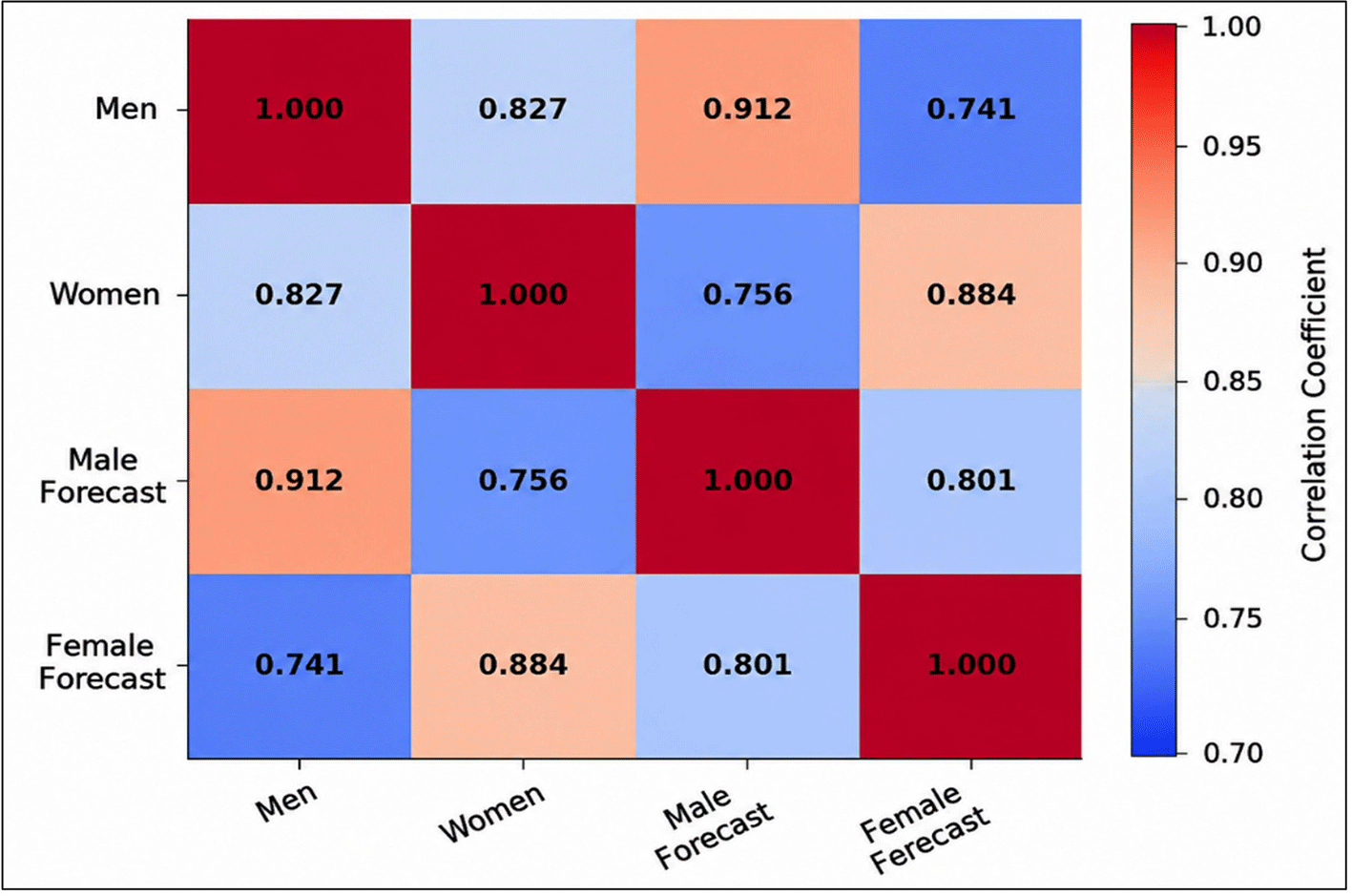
Note. The heatmap represents the Pearson correlation coefficients among the analyzed variables related to arrests and temporal forecasts generated through ARIMA models. Values close to 1 indicate high-intensity positive associations. Source: authors’ own elaboration based on official records from the Ministry of the Interior of Peru (MININTER).
The correlation matrix presented in Figure 3 shows strong positive associations between the recorded arrests and the temporal forecasts obtained through the ARIMA models. The relationship identified between men and women (r = .827) demonstrates that both behaviors evolved in parallel during the analyzed period, although with a clearly higher incidence in the male population. This behavior reflects that the dynamics associated with illicit drug trafficking maintain relatively stable and interconnected patterns across both groups. Campos (2016) points out that within illegal economies linked to drug trafficking, men and women participate in differentiated but interconnected functions within operational chains. From this perspective, the variations observed in female arrests do not occur in isolation, but rather as part of broader criminal structures characterized by organized networks and persistent functional relationships.
Similarly, the correlations obtained between the observed records and the temporal forecasts suggest an adequate predictive performance of the applied model. The association between male arrests and their temporal forecast reached a coefficient of.912, whereas for women the correlation was.884. These results indicate that historical trends maintain substantial continuity over time, allowing future behaviors to be projected with acceptable levels of statistical consistency. Van San and Sikkens (2017) argue that activities related to drug trafficking are often supported by relatively stable social ties, where personal, family, and territorial networks facilitate the persistence of certain criminal dynamics. In this regard, the patterns identified in the Peruvian context suggest that the observed temporal fluctuations respond to structured processes rather than merely circumstantial variations or isolated episodes.
On the other hand, the intensity of the identified associations may also be interpreted through social and economic factors conditioning participation in illicit activities. Recent research conducted in Latin America warns that labor inequalities, gender gaps, and economic precariousness continue to promote vulnerability scenarios associated with criminal economies (Wilches et al., 2024). Added to this are conditions of urban poverty and limited access to social services, particularly in peripheral sectors of Peru, where many women face greater difficulties in accessing formal employment opportunities and institutional support networks (Rousseau et al., 2025). From this perspective, the identified correlations not only express statistical relationships among variables, but also complex social dynamics in which inequality, exclusion, and criminological processes converge, directly influencing the arrest trends recorded in the country.
Figure 4 is presented below, illustrating the observed temporal trends and the projected estimates generated through ARIMA models for arrests related to illicit drug trafficking according to gender in Peru. This allows comparison between the historical behavior of the records and the forecasted values, facilitating the identification of continuity patterns, fluctuations, and temporal evolution of the analyzed phenomenon.
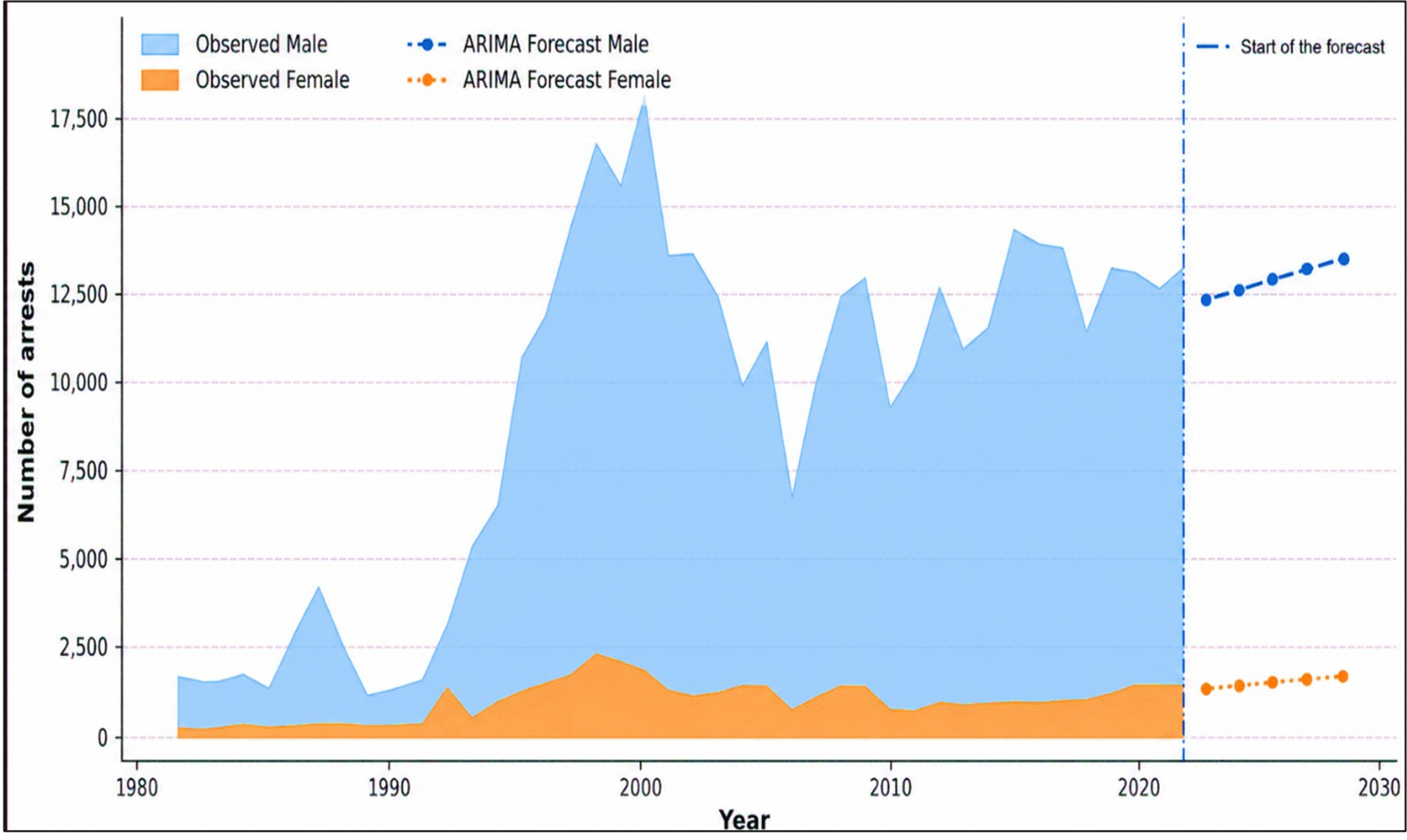
Note. The shaded areas represent the observed arrest values, whereas the dashed lines correspond to the temporal forecasts estimated through ARIMA models. Source: authors’ own elaboration based on official records from the Ministry of the Interior of Peru (MININTER).
Figure 4 makes it possible to observe a clearly marked difference between the arrests recorded among men and women during the analyzed period, as well as a temporal projection that maintains this trend in subsequent years. Male records show considerably higher levels and greater variability over time, with pronounced increases between the late 1990s and the early 2000s. In contrast, female arrests exhibit a more stable behavior, although with gradual growth in recent years. This behavior may be associated with internal transformations in the dynamics of illicit drug trafficking, where functions within criminal networks have begun to diversify. Pérez and Freier (2023) argue that many women in Peru enter contexts linked to illegal economies amid scenarios of social vulnerability, internal migration, and labor precariousness. From this perspective, it is reasonable to consider that the progressive increase in female arrests reflects broader social and economic changes that transcend the strictly criminal dimension.
Likewise, the projections generated through the ARIMA models show relatively stable continuity in both groups, although with a persistent predominance of male arrests. This trend is consistent with research conducted in Peruvian contexts where social structures marked by hierarchical gender relations still persist. Gutiérrez-Gómez et al. (2026) identified that various cultural and community practices continue to reproduce traditional forms of social organization in which male roles maintain greater presence and control within different spaces of interaction. Following this argument, these cultural dynamics may also indirectly influence certain patterns of criminality, particularly in territories characterized by limited economic opportunities and high levels of social exclusion. Similarly, Querol and Lerner (2025) warn that vulnerable family environments, economic deprivation, and institutional weakness increase the exposure of certain populations to networks linked to exploitation and illicit activities. Therefore, the projected trends not only reflect statistical stability, but also the persistence of structural conditions that continue to favor the reproduction of these phenomena in the country.
On the other hand, the differences identified between men and women may also be understood through factors associated with economic inequality and social vulnerability. Carbajal et al. (2025) point out that labor gaps, limited access to opportunities, and conditions of poverty continue to significantly affect many Peruvian women, particularly in rural and peripheral contexts. This situation may facilitate processes of insertion into informal economies or illicit activities when there are limited alternatives for economic development. In a similar line, Calizaya-López et al. (2025) report that multiple social problems in Peru maintain a close relationship with economic dependency, structural violence, and sociodemographic factors that increase vulnerability scenarios. From this perspective, the temporal projections obtained in the study make it possible to understand that future arrest trends do not respond solely to isolated criminal dynamics, but also to cumulative social processes that continue to condition the behavior of the phenomenon in different regions of Peru.
Table 2 is presented below, showing the ARIMA models adjusted for the temporal prediction of arrests related to illicit drug trafficking according to gender in Peru. In addition, the main statistical validation metrics used to evaluate the predictive accuracy and stability of the estimated models are incorporated, allowing assessment of their goodness-of-fit and performance in forecasting future trends.
| Time series | Fitted ARIMA model | RMSE | MAE | MAPE | BIC | Forecast horizon |
|---|---|---|---|---|---|---|
| Male arrests | ARIMA (0,1,0) | 1245.32 | 980.11 | 8.4% | 18.72 | 2023–2028 |
| Female arrests | ARIMA (0,1,1) | 145.28 | 110.43 | 7.9% | 9.84 | 2023–2028 |
Table 2 shows that the fitted ARIMA models achieved adequate levels of accuracy for estimating the temporal trends of arrests related to illicit drug trafficking according to gender in Peru. The obtained error indicators demonstrate consistent predictive performance in both time series, although with important differences between men and women. In the male series, higher RMSE and MAE values were observed, suggesting greater variability in the historical behavior of arrests. In contrast, the model applied to female arrests presented lower errors and a smaller BIC, reflecting a relatively more stable temporal pattern. These results suggest that the dynamics associated with male arrests respond to more complex and changing fluctuations, probably linked to operational transformations within trafficking networks and modifications in state control strategies. Johnson et al. (2022) point out that phenomena related to illicit drugs maintain heterogeneous behaviors across countries and population groups due to specific social, economic, and territorial factors. Therefore, the variability observed in the analyzed series reflects the structural complexity of the drug trafficking phenomenon in Peru and the influence of social contexts that condition its temporal evolution.
Likewise, the temporal projections suggest that female arrests would maintain moderate and sustained growth during the forecast horizon. Although the records continue to be considerably lower than those of men, the stability of the trend reveals an increasingly visible participation of women in activities associated with the illicit drug market. Cyrus et al. (2021) reported that a significant proportion of women deprived of liberty in Peru were serving sentences related to the trafficking, transportation, and commercialization of illicit drugs, a situation associated with poverty, violence, and limited economic opportunities. Based on these findings, it is reasonable to interpret that the behavior projected by the female model does not constitute an isolated phenomenon, but rather forms part of persistent social dynamics that continue to particularly affect women in vulnerable contexts. In the same line, Calderon et al. (2023) identified that structural inequalities and institutional barriers continue to limit access for many Peruvian women to social protection services and development opportunities. These conditions may favor scenarios in which certain illegal economies ultimately become alternative mechanisms of subsistence, particularly in territories characterized by high social precariousness.
On the other hand, the more irregular behavior of the male series makes it possible to observe how arrests continue to be influenced by operational, territorial, and structural factors that constantly modify the dynamics of illicit drug trafficking. Gonzales et al. (2019) argue that violence associated with organized crime in Peru maintains a close relationship with social inequalities, institutional weakness, and difficulties in preventive response mechanisms. This means that the oscillations recorded in male arrests reflect changes in criminal networks, targeted police interventions, and variations in the mobility patterns of the illicit market. Likewise, Brown et al. (2023) warn that corruption, institutional fragmentation, and limited coordination among sectors continue to weaken sustained responses to multiple social and security-related problems in Peru. From this perspective, the predictive models developed acquire relevance not only because of their statistical capacity, but also because they make it possible to anticipate future trends and provide useful evidence to strengthen prevention, surveillance, and public planning strategies against illicit drug trafficking in the Peruvian context.
Figure 5 is presented below, showing the autocorrelation (ACF) and partial autocorrelation (PACF) correlograms corresponding to the time series of arrests related to illicit drug trafficking in Peru. These statistical procedures make it possible to identify temporal dependency patterns, evaluate the internal structure of the series, and support the selection of the most appropriate ARIMA model for the forecasting process.
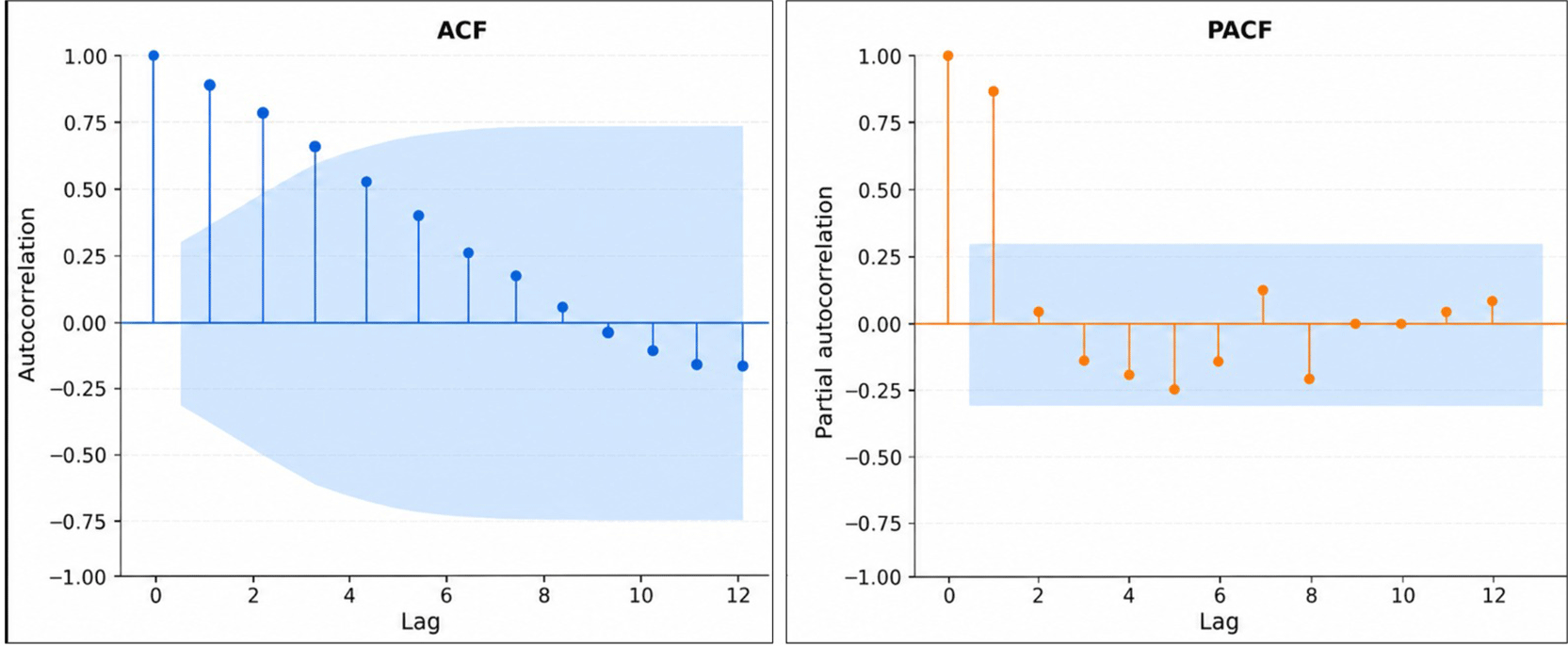
Note. The ACF and PACF plots represent the levels of autocorrelation and partial autocorrelation of the analyzed time series. The shaded bands correspond to the confidence intervals used to identify statistically significant lags in the ARIMA model fitting.
Figure 5 shows that the time series of arrests related to illicit drug trafficking exhibit significant dependence in the first lags, particularly in the autocorrelation correlogram (ACF), where the correlations progressively decrease over time. This behavior is commonly observed in social and criminological phenomena that maintain a certain historical continuity and whose changes do not occur abruptly. Furthermore, the pattern identified in the PACF plot shows a more pronounced reduction after the first lags, supporting the selection of ARIMA models for the predictive analysis performed. Similar findings have been reported in studies related to risk behaviors and persistent social dynamics in Latin American contexts, where behaviors associated with violence, substance use, and criminality tend to maintain relatively stable temporal structures (Malacas-Bautista et al., 2024).
It is also important to consider that the persistence observed in the time series may be influenced by structural factors that remain active over long periods. In Peru, several studies have documented how economic inequalities, social exclusion, and institutional limitations continue to particularly affect vulnerable populations. Távara and Lykes (2022) describe that many Peruvian communities still face scenarios of precariousness and structural violence that condition different social and community processes. In parallel, Ticona et al. (2024) identified associations between sociocultural factors and risk behaviors among Peruvian adolescents, showing that certain social patterns tend to reproduce consistently over time. These findings help explain why the analyzed series maintain high levels of autocorrelation and relatively stable temporal continuity in the first lags.
On the other hand, the structure identified in the correlograms provides favorable evidence regarding the statistical stability of the series used for temporal forecasting. The presence of consistent patterns strengthens the predictive capacity of the ARIMA models and makes it possible to project future trends with greater reliability. Rich et al. (2018) reported that contexts associated with substance use and social vulnerability in Lima maintain persistent dynamics related to exclusion, discrimination, and cumulative risks among exposed populations. Likewise, Salazar et al. (2019) warn that institutional weaknesses and limitations in preventive strategies continue to hinder sustained responses to complex problems linked to public health and criminality. Taken together, these results suggest that the observed trends in arrests related to illicit drug trafficking do not respond solely to circumstantial fluctuations, but rather to social and institutional processes that maintain continuity and stability over time.
Table 3 is presented below, showing the goodness-of-fit and residual validation indicators corresponding to the ARIMA models estimated for arrests related to illicit drug trafficking according to gender in Peru. These metrics make it possible to evaluate the predictive performance, temporal stability, and goodness-of-fit of the applied models, facilitating a more precise assessment of the reliability of the developed projections.
Table 3 demonstrates a favorable statistical performance of the ARIMA models estimated for the time series of arrests related to illicit drug trafficking according to gender in Peru. The obtained coefficients of determination show an adequate explanatory capacity, especially for male arrests, where the model reached an R2 of 0.786. Likewise, the RMSE, MAE, and MAPE values reflect acceptable margins of error for criminological and epidemiological forecasting studies, suggesting stability in the developed projections. Similarly, the non-significant values of the Ljung-Box test indicate the absence of residual autocorrelation, a fundamental aspect for validating error independence and the consistency of the estimated models. Soto-Ramírez et al. (2020) argue that ARIMA models make it possible to anticipate complex temporal behaviors and optimize institutional planning in the face of dynamic social phenomena. This evidence supports the methodological robustness of the present study and confirms that temporal modeling constitutes a relevant tool for analyzing criminal trends in contexts characterized by high social variability.
The differentiated behavior between the male and female series also reveals structural particularities in the dynamics of illicit drug trafficking in Peru. Although male arrests continue to represent the largest historical volumes, the female series showed relatively lower prediction errors, reflecting a more stable and less volatile trajectory over time. Seabra et al. (2022) identified that social phenomena linked to risk activities exhibit temporal behaviors conditioned by social, economic, and territorial determinants. This perspective makes it possible to understand that the variations observed in arrests do not respond solely to police or judicial factors, but also to structural dynamics associated with inequality, exclusion, and the reorganization of criminal networks across different geographical spaces.
The statistical consistency of the models acquires relevance from an applied perspective because it facilitates the construction of prospective scenarios useful for decision-making in public security and crime prevention. Temporal projections make it possible to anticipate potential increases or stabilizations in arrests related to illicit drug trafficking, favoring a strategic allocation of institutional resources and the design of targeted policies. Diaz et al. (2025) emphasize that analyses of trends, seasonality, and structural changes make it possible to understand complex social phenomena and strengthen institutional surveillance systems. In line with this, Vagenas et al. (2017) warn that social dynamics and risk behaviors in vulnerable populations tend to progressively modify patterns associated with illicit activities, whereas Romani et al. (2021) point out that structural and contextual factors directly influence the way certain groups interact with institutional systems and situations of social vulnerability. These approaches make it possible to interpret that the analyzed phenomenon possesses a multifactorial nature requiring preventive strategies supported by predictive evidence and longitudinal analyses.
Figure 6 is presented below, showing the temporal projections estimated through ARIMA models for arrests related to illicit drug trafficking according to gender in Peru during the 2024–2030 period. The graphical representation makes it possible to visualize the expected trends and the confidence intervals associated with each time series, facilitating the evaluation of the future evolution of the analyzed phenomenon.
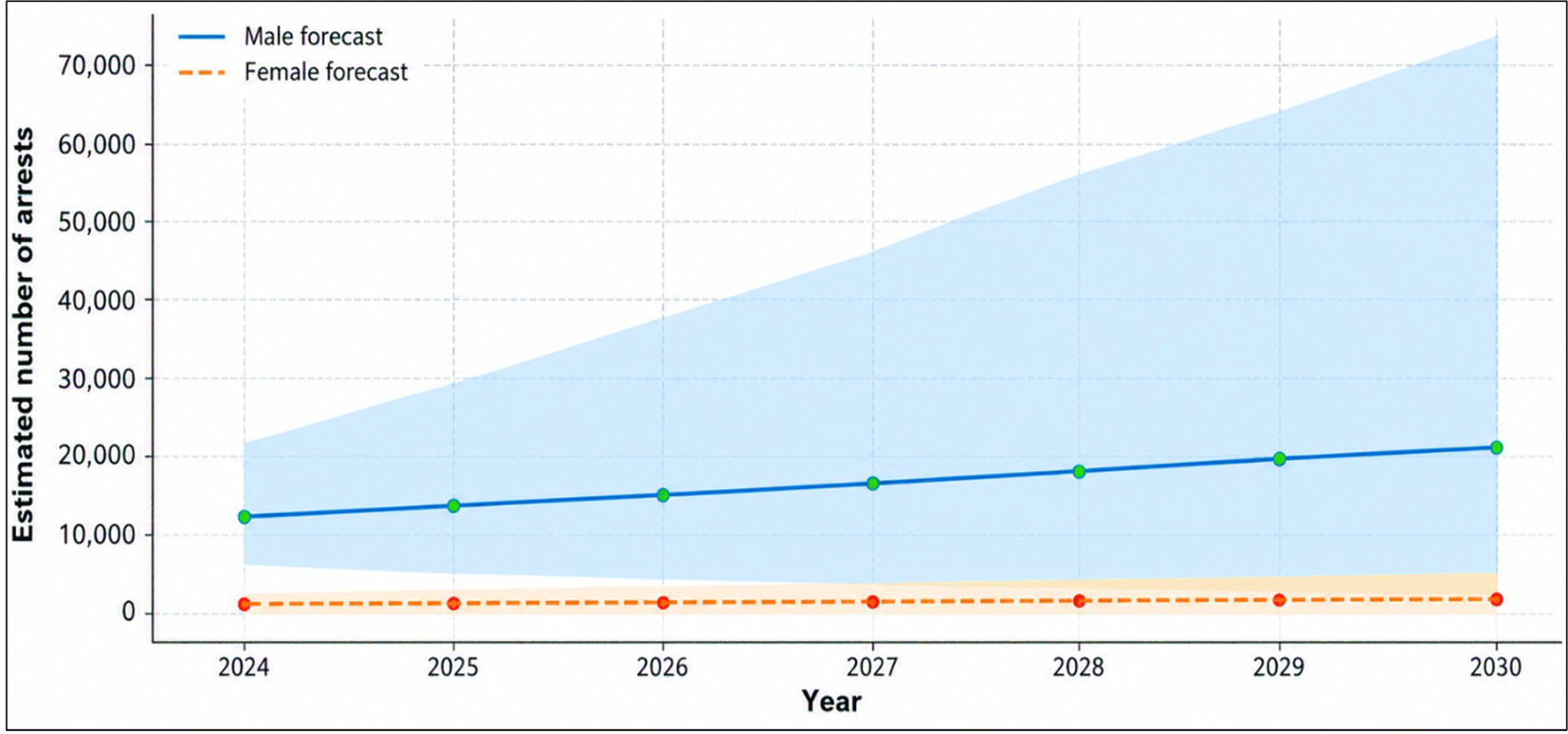
Note. The lines represent the temporal forecasts estimated through ARIMA models for men and women, whereas the shaded areas correspond to the upper confidence limit (UCL) and lower confidence limit (LCL) intervals of the projections developed for the 2024–2030 period.
Figure 6 shows an upward projection of arrests related to illicit drug trafficking during the 2024–2030 period, with marked differences according to gender. The estimates for men display sustained and greater growth, accompanied by wide confidence intervals, suggesting high temporal variability and possible sensitivity of the phenomenon to social, economic, and operational changes in criminal dynamics. This behavior is consistent with recent research describing predominant male participation in trafficking structures, especially in roles involving greater exposure and risk within criminal networks (Fleetwood & Leban, 2023). Likewise, Jung et al. (2022) argue that predictive models associated with complex social phenomena must incorporate contextual and structural variables in order to reduce uncertainty levels in projections. These findings make it possible to understand that the variations observed in the estimates may be influenced by socioeconomic changes, institutional transformations, and modifications in public security strategies implemented in Peru.
On the other hand, the projected progressive increase in male arrests suggests that the control strategies implemented so far have not structurally reduced male participation in activities associated with illicit drug trafficking. The growing amplitude between the upper and lower confidence limits reveals a scenario of statistical uncertainty that could intensify in the face of criminal reorganization processes or territorial displacement of illicit networks. International research indicates that illegal economies tend to adapt rapidly to repressive policies by modifying routes, functions, and operational modalities without completely altering the social foundations that sustain these activities (Jeffries et al., 2021). This criminal adaptability may partially explain the persistence and projected expansion of male arrests during the coming years.
In contrast, female projections present a more stable and moderate trajectory, with less pronounced variations throughout the analyzed forecast horizon. Although the absolute values remain lower than those observed for men, the upward trend suggests an increasingly visible female participation in certain segments linked to illicit trafficking. Several studies have identified that socioeconomic and cultural factors differentially affect criminal patterns between men and women. Bloom et al. (2004) point out that many women enter illicit activities in contexts characterized by economic vulnerability and social dependency. Similarly, Shepherd et al. (2018) and Strauss-Hughes et al. (2019) emphasize that gender dynamics significantly influence the way criminal trajectories and recidivism processes develop.
The present study made it possible to understand how arrests related to illicit drug trafficking and micro-distribution evolve in Peru through the application of ARIMA models to time series analysis. The obtained results allowed the research question to be clearly answered and the proposed objective to be achieved, since it was possible to identify historical patterns, sustained gender-based differences, and future trends of the analyzed phenomenon. The study demonstrated that the predictive models used possess sufficient capacity to estimate temporal behaviors associated with arrests, providing useful information to strengthen decision-making in public security, crime prevention, and institutional planning.
Among the most relevant findings, a marked predominance of male arrests was identified throughout the evaluated period, accompanied by greater fluctuations and higher levels of temporal variability. In contrast, female arrests exhibited a more stable evolution, although with progressive growth in the forecasts projected through 2030. Likewise, the correlations obtained between observed records and forecasted values revealed strong positive associations, confirming adequate consistency between historical trends and future estimations. Similarly, the statistical goodness-of-fit and validation indicators showed satisfactory levels of predictive accuracy, reflecting stability in the developed ARIMA models and allowing acceptance of the hypothesis related to the capacity of these models to predict criminal trends associated with illicit drug trafficking according to gender in Peru.
The results also make it possible to understand that this phenomenon maintains a close relationship with social, economic, and structural factors that continue to be present in different contexts across the country. The developed projections suggest that male arrests would continue to show sustained increases and scenarios of greater temporal uncertainty, whereas female arrests would maintain a moderate but constant upward trend. This demonstrates that the dynamics associated with drug trafficking do not depend solely on police or judicial actions, but also on persistent social conditions such as inequality, exclusion, economic precariousness, and territorial vulnerability. From this perspective, the obtained findings provide relevant evidence for the design of more targeted preventive strategies adapted to the particularities of the Peruvian context.
However, the study presented some limitations that should be considered when interpreting the results. The research was conducted exclusively with official administrative records provided by the Ministry of the Interior of Peru; therefore, the estimations depend on the quality and consistency of the available information. In addition, the predictive models mainly incorporated temporal and demographic variables, without including economic, territorial, or geospatial factors that could broaden the explanatory capacity of the developed projections. Likewise, the retrospective nature of the analysis limited the possibility of incorporating recent changes in criminal dynamics or social transformations occurring after the evaluated period.
Based on these considerations, future research could integrate more complex models based on artificial intelligence, machine learning, and geospatial analysis in order to improve predictive accuracy and detect emerging criminal patterns more proactively. It would also be important to incorporate variables related to poverty, unemployment, structural violence, migration, and territorial inequality, since these factors directly influence the evolution of illicit economies. Finally, expanding the analysis toward other forms of criminality and regional scenarios would make it possible to construct more comprehensive predictive systems useful for strengthening sustainable public policies and preventive strategies supported by scientific evidence.
| Views | Downloads | |
|---|---|---|
| F1000Research | - | - |
|
PubMed Central
Data from PMC are received and updated monthly.
|
- | - |
Provide sufficient details of any financial or non-financial competing interests to enable users to assess whether your comments might lead a reasonable person to question your impartiality. Consider the following examples, but note that this is not an exhaustive list:
Sign up for content alerts and receive a weekly or monthly email with all newly published articles
Already registered? Sign in
The email address should be the one you originally registered with F1000.
You registered with F1000 via Google, so we cannot reset your password.
To sign in, please click here.
If you still need help with your Google account password, please click here.
You registered with F1000 via Facebook, so we cannot reset your password.
To sign in, please click here.
If you still need help with your Facebook account password, please click here.
If your email address is registered with us, we will email you instructions to reset your password.
If you think you should have received this email but it has not arrived, please check your spam filters and/or contact for further assistance.

Comments on this article Comments (0)