Keywords
Vaal River, ICP-MS, Radionuclides, Heavy metals, Water.

This article is included in the Public Health and Environmental Health collection.
Vaal River, ICP-MS, Radionuclides, Heavy metals, Water.
The issue of river water pollution due to various anthropogenic activities in South Africa is of major concern (Claassens et al., 2016; Zhou et al., 2020). Water pollution refers to the contamination of water bodies, such as rivers or lakes, by human activity, which has a negative impact on water users (Ajibade et al., 2021). Toxins from sewage discharge, industrial operations, mining, agriculture, and urban or storm-water runoff interact with water bodies to cause contamination (Zhou et al., 2020; Khan et al., 2022). When humans use contaminated water for various activities such as drinking or irrigation, it can cause ecosystem destruction and spread water-borne diseases (Zhou et al., 2020; Moloi et al., 2020; Mokarram et al., 2020; Mararakanye et al., 2022). The more polluted the water bodies, the worse the water quality becomes (du Plessis, 2021). According to numerous studies, the main causes of poor water quality in South Africa are mining, urbanization, and other anthropogenic causes (Durand, 2012; Manyatshe et al., 2017; van Rensburg et al., 2016; Winde et al., 2017).
South Africa has many aspects of water challenges that can affect its economic growth, especially when the levels of water scarcity, droughts, and increasing and deteriorating water resources are not well addressed (Plessl et al., 2019; van Rensburg et al., 2016; Wepener et al., 2011). Potable water is essential for life. Therefore, it is important to ensure that its quality is maintained through careful monitoring activities (du Plessis, 2021).
South Africa is known for its mining industry, which plays an important economic role (Winde et al., 2017; Worlanyo and Jiangfeng, 2021). South Africa is also considered to be the largest gold producer (Winde and de Villiers, 2002). The Gauteng province within the Witwatersrand Basin of South Africa has more uranium than gold, which was mined as a byproduct. The mining of uranium within the Gauteng province is mainly on the outskirts of Johannesburg near Randfontein and west of Witwatersrand (Winde and de Villiers, 2002). Uranium waste recovered from gold mining operations was deposited in Witwatersrand mud dams. Over the years, waste piles have grown and have intensified radionuclides in the environment (Winde et al., 2017; Worlanyo and Jiangfeng, 2021).
According to Du Plessis (2021), the sustainability of South Africa’s freshwater resources is critical. South African water bodies require attention and status to ensure that the quality of water is at the desired state for users (Makubalo and Diamond, 2020). Within Gauteng and North - West Province of South Africa, the deterioration of rivers due to mining activities is noticeable (Durand, 2012). Mines are allegedly the major environmental sources of radionuclides and heavy metals (Durand, 2012; Manyatshe et al., 2017; van Rensburg et al., 2016, Winde et al., 2017).
The radionuclides and heavy metals are normally released during surface mining operations (Manyatshe et al., 2017; van Rensburg et al., 2016; Winde et al., 2017). They are found everywhere in the environment and can accumulate easily in soil and water (Manyatshe et al., 2017; van Rensburg et al., 2016; Winde et al., 2017). The activity concentrations of radioactive materials and heavy metals produced during mining processes can pose serious risks to people and the environment when exposed to persistent levels (Groffen et al., 2018; Marara and Palamuleni, 2019; Moloi et al., 2020).
Furthermore, mines are considered liable for a series of environmental issues and human health problems (Plessl et al., 2019; van Rensburg et al., 2016; Wepener et al., 2011) and can potentially cause severe risks to the environment and people (Plessl et al., 2019; van Rensburg et al., 2016). Some of these risks may cause damage to water bodies, biodiversity loss, and lifestyle changes as well as affect food security and potentially cause pollution (Plessl et al., 2019; van Rensburg et al., 2016). These risks can be due to the decay series of long-lived natural uranium (U) and thorium (Th) (Madzunya et al., 2020). The radionuclides can enter into the environment and cause various health effects when ingested or inhaled in high concentrations resulting in sicknesses such as cancer and eye problems (Davies and Mundalamo, 2010).
According to Durand (2012), the Gauteng and North - West mine effluents contain thorium, uranium, radium, and polonium, which are considered radioactive. These pollutants accumulate in river sediments and soil, posing a severe threat to the water, environment, and people (Durand, 2012). The presence of toxic pollutants tends to affect people through ingestion, inhalation, and absorption (Davies and Mundalamo, 2010). Exposure to these pollutants may cause damage to the kidneys, blindness, paralysis, cancer, tissue diseases, and changes in the immune system (Durand, 2012; Jibiri and Okeyode, 2012; Moloi et al., 2020).
The permissible limit of uranium in drinking water is 30 mg/l as to the recommendations of the World Health Organization (WHO) (Burritt and Christ, 2018). The level is based on epidemiological studies of consumption of 2 litres of drinking water by a 70 kg adult per day, with 80% tolerable daily intake (Ma et al., 2020).
The Vaal River provides potable water to various industries in the Gauteng, North - West, Northern Cape, Free State, and Mpumalanga provinces of South Africa (Davies and Mundalamo, 2010; Durand, 2012; Manyatshe et al., 2017). However, these industries tend to discharge polluted water back into the river system and affect the state of the river economically, environmentally, and ecologically (Atangana and Oberholster, 2021; Marara and Palamuleni, 2019; Moloi et al., 2020).
The river flows through gold mines and is potentially contaminated with substantial amounts of radionuclides, heavy metals, and other toxic chemicals (Manyatshe et al., 2017). Furthermore, the Vaal River is argued to be a dumping site for radiotoxic and heavy metals from various industries, including mining. The state of the river showed no signs of improvement (Chokwe and Okonkwo, 2019; Wepener et al., 2011). At this rate, the continued pollution of the river will potentially have serious impacts on human health, food production, and the environment (Chokwe and Okonkwo, 2019; Plessl et al., 2019; van Rensburg et al., 2016.
Numerous studies have been conducted on the Vaal River water system and its pressing problems (Ajibade et al., 2021; Chokwe and Okonkwo, 2019; Claassens et al., 2016; Davies and Mundalamo, 2010). There are reports and guidelines regarding pollution of the Vaal River; however, progress has not been made in addressing issues related to river pollution of the river (du Plessis, 2021 and van Rensburg et al., 2016). Furthermore, few studies on radionuclides and heavy metals in the Vaal River have been conducted. Recent studies conducted around the Vaal River have focused on the radioactivity levels and dosages of mine dam tailings and the exposure of people to (Moshupya et al., 2022; Zupunski et al., 2023). The Vaal River challenges were not addressed in terms of satisfaction. The state of the river showed no signs of improvement (Chokwe and Okonkwo, 2019; Wepener et al., 2011). At this rate, the continued pollution of the river will potentially have serious impacts on human health, food production, and the environment (Chokwe and Okonkwo, 2019; Plessl et al., 2019; van Rensburg et al., 2016.
The study area was selected based on several pollution concerns from various studies on the Vaal River (Chokwe et al., 2017; Moloi et al., 2020). This study is based on rivers as a possible pathway for heavy metals and radionuclides. The intention of this study is to assess the water quality of rivers for future reference. This study considers possible angles that may contribute to river water pollution, which affects the water quality of the river, and proposes a conceptual management model for the Vaal River.
Furthermore, it is important to note that many South African gold mines extracting ore contain not only gold but also a substantial amount of uranium (U), which is inadvertently transported to the surface inadvertently (Winde and de Villiers, 2002). The main problem with uranium mining is its widespread effects on the environment, such as increased levels of radiation, radioactive dust, and water-borne toxins (Madzunya et al., 2020).
The intention of this assessment was to investigate the concentration levels of radionuclides and heavy metals in the water quality of the Vaal River.
This study was carried out within the Vaal River borders of the North - West, Gauteng, Free State, and Mpumalanga provinces of South Africa. The Vaal River is the longest river within South Africa borders (Wepener et al., 2011). The river provides potable water to Gauteng and its neighboring provinces for various consumers and industries (Manyatshe et al., 2017). Apart from Gauteng, the river provides water to North - West, Northern Cape, Free State, and Mpumalanga provinces. The focus of this study was primarily on accessible parts of the river, located in Gauteng, North - West, and some parts of the Free State. It is worth noting that the Vaal River is the primary water source for various anthropogenic activities such as mining, agriculture, and recreation in Gauteng and the North - West Province (Manyatshe et al., 2017). The river flows through Gauteng and North - West provinces, including but not limited to Vanderbijlpark, Orkney, Potchefstroom, and Klerksdorp (van Rensburg et al., 2016).
The Vaal River flows through the Northern Cape, Mpumalanga, Free State, Gauteng, and the North - West province, as shown in Figure 1 (Weideman et al., 2020; Wepener et al., 2011). Water drawn from the upstream of the Vaal River was used to meet the industrial needs of Gauteng and the surrounding provinces (Wepener et al., 2011). Other uses of the river for consumers and industries include coal mining, electricity generation, and urban use (Davies and Mundalamo, 2010; du Plessis, 2021; Durand, 2012). Figure 1 shows the study area and its boundaries.
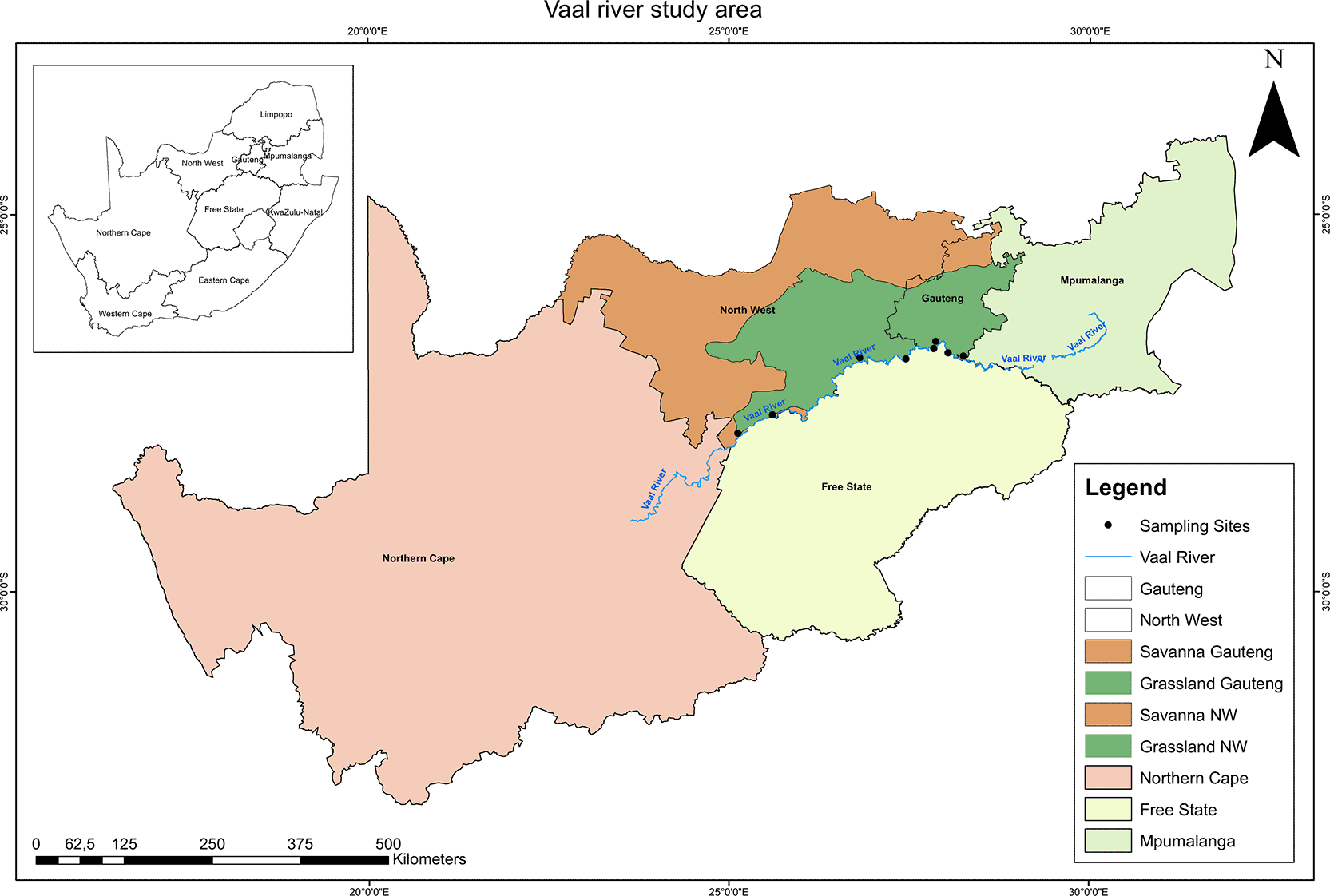
Water samples were collected from various sampling points along the Vaal River. Samples were collected along riverbanks based on safety and accessibility. Sampling points were chosen based on their proximity to the river. The samples were collected in and around the Gauteng and North - West Provinces, with some samples collected within the borders of the Free State Province. Gauteng Province represents the upstream of the river, while North - West Province represents the lower stream. The collected samples were geolocated using a global-positioning system (GPS).
Water samples were stored in 2-liter polyethene bottles. The bottles were filled into the brim with no gaps to prevent carbon dioxide from being trapped and dissolved in water, which could affect the chemistry. Water samples were preserved by adding 11 M HCI to the containers at a rate of 10 ml per liter. The samples were filtered using a filter paper and a Buchner funnel to remove all unnecessary particles. Water samples were filled into 5 ml plastic bottles and labelled for identification purposes.
The water samples were analyzed using inductively coupled plasma – mass spectrometry (ICP –MS) (Elmer NexION 2000). This method was used to measure the concentrations of heavy metals such as Li, B, Pb, Cu, Co, Ni, Zn, Mn, Fe, and P, as well as U, Th, and K in water. This method is highly effective for detecting different elements in environmental samples and computing the total number of elements of interest.
This study adopted several equations to calculate the potential harm of toxic and harmful substances to humans over a given period. The USEPA (1989) and UNSCEAR (2000) guidelines were used to calculate human health risks.
The concentrations of heavy metals, U, Th, and K in Bq/l were obtained using ICP-MS operated under the total quant method. A 10 ml multi activity calibration standard (Perkin Elmer) with elements was used to validate the accuracy of the method. The analysis was performed in triplicate. Blanks and standards were employed to test the precision, accuracy, and reagent purity of the analytical procedures.
The activity concentration of all radioelements was converted into Bq/l using the following conversion factors (1–2) from the IAEA technical report No1363:
Because radiological hazards are determined, the total activity concentration does not provide an exact indication of radiation hazards associated with materials. Raeq, D, AEDE, Hex, and Hin indices were calculated against the recommended limits by UNSCEAR 2000 of 370 Bq/l, 55 nGy/h and 1 mSvy-1 respectively.
Because of the inconsistent distribution of natural radionuclides in the soil samples, the actual activity concentration levels of K, U, and Th were evaluated using a common radiological index known as the radium equivalent activity (Raeq). It is the most used index for assessing radiation risk (Gruber et al., 2009). Equation (4) shows the radium equivalent activity (Raeq).
The concentrations of U, Th, and K in Bq/l are represented by Au, ATh, and Ak, respectively. The maximum acceptable radium equivalent activity for the public is 370 Bq/l, which corresponds to an effective dose of 1 mSv/y. The activity concentration limit recommended by UNSCEAR is 370 Bq/l (UNSCEAR, 2000).
Radiation exposure due to radionuclides found in water is one of many parameters during the assessment of any radiological hazard. Connection between radioactivity concentrations of natural radionuclides and their exposure is the absorbed dose rate 1 m above the ground surface. The absorbed dose (D) was then measured of the amount of energy imparted per unit mass of irradiated material. Where Au, ATh, and Ak are the concentrations for U, Th, and K, respectively. The UNSCEAR recommends a dose limit of 55 nGy/h, as shown in the equation: (5) (UNSCEAR, 2000). This equation was used to compute the absorbed dose rate using the average concentrations of U, Th, and K (Bq/l) in water samples.
To quantify the radiological risk directly, the annual effective dose equivalent (AEDE) is determined from the D rate by using the conversion factor of 0.7 nGy/hr (the measurement for dose rate were converted from nSv/hr to nGy/hr), an outdoor occupancy factor of 0.2, and an exposure duration per year (8760/hr) as represented in equation (5) and (6). The total tissue-weighted equivalent dose administered to the body’s designated organs and tissues is known as the effective dosage. It is mostly used for regulatory purposes to show compliance with exposure dose limitations (Moshupya et al., 2022). The dose limit recommended by UNSCEAR is 1 mSv/year (UNSCEAR, 2000).
The absorbed dose was quantified by using the annual effective dose equivalent. This dose is derived from outdoor terrestrial gamma radiation sources and is calculated using two factors: the outdoor occupancy factor and conversion coefficient from the dose in air to the effective dose. The annual effective dose equivalent was estimated using equation 7–8 in conjunction with UNSCEAR’s recommended limit of 1 mSv/year.
Equation 3–10 and 3–11 were used to calculate the external hazard indices (Hex) of exposure to natural radioactive elements and decay products. This was done to maintain the radiation exposure attributable to natural radionuclides in the samples at a maximum of 1 mSv/yr (Almayahi et al., 2012).
In this study, carcinogenic or non-carcinogenic health hazards due to the ingestion of river water were determined using the general exposure pathway equations adopted from (US EPA 1999), for the adult and child age groups (Phalen, 1998). The levels of human exposure to heavy metals were calculated using Equation 9, chronic daily intake (CDI) (mg/kg-day) as follows:
The exposure duration – 70 years lifetime (US EPA 1999); BW (kg) is the body weight of the exposed adult person (70 kg) used in this study as average, age-specific values (US EPA 1999), and AT (days/year) is the average time, a non-carcinogenic effect period of exposure that is pathway-specific, derived as ED × 365 days/year, that is, 25550 days/year used in this study (USEPA, 1999).
The computed CDI of the heavy metals was used to calculate the hazard quotient (HQ), a non-carcinogenic health indicator risks quantity, from Equation 10:
This study analyzed water samples from the Vaal River for radionuclides and heavy metals. The aim was to assess potential health risks to people. The risks were measured using the (Raeq), absorbed dose (D), annual effective dose equivalent (AEDE), external hazard (Hex) and internal hazard (Hin) indexes (UNSCEAR, 2000). The heavy metal concentrations of Li, B, P, Ni, Se, Fe, Mn, Pb, Zn, and Co were also examined. Following the 2011 USEPA guidelines, the CDI, HQ, and HI of the Vaal River were measured using calculations adopted from US EPA guidelines. The risk values were estimated using an adult of 70 years at 70 kg body weight and a child of 15 years at 15 kg body weight. The results were compared with the world average permitted values. This was done to confirm that the concentrations adhered to global guidelines. Studies conducted in the Vaal area have also been used to investigate the evolution of pollution problems in the Vaal River.
The K, Th, and U in Bq/l from the ICP-MS technique were converted into activity concentrations, and the Raeq, D, AEDE, Hex, and Hin hazard parameters were used to determine human health risks. Correlation factors for ICP-MS were used to measure the radionuclides.
This study focused on radionuclides and heavy metals in the Vaal River, South Africa. The main point of interest was driven by curiosity about the pollution level of the river, water quality, and potential impacts on humans. The pollution levels and health hazards posed by radionuclides and heavy metals were assessed using various methods.
Water samples collected along the Vaal River were analyzed for K, Th, and U using ICP-MS. The average, maximum, minimum, and standard deviations of the samples were calculated, as shown in Table 1. From the calculated concentrations of each sample, hazard parameters such as Raeg, D, AEDE, Hex, and Hin were calculated, as indicated in Table 1. The average radiation hazards of Raeg, D, AEDE, Hex, and Hin were 33,803 Bq/l, 18,158 nGy/h, 0, 0222 nGy/hr, 0,091 and 0,096 respectively. These hazard parameters pose no radiological risks to people owing to the ingestion of water. This is because of the lower concentrations when compared to the UNSCEAR limit of 370 Bg/l for Raeq, 55 nGy/h for D. 1 mSv/yr, and 1 ratio for Hex and Hin.
The average radiation hazards of Raeq, D, AEDE, Hex, and Hin were 33,803 ± 2,500 Bq/l, 18,158 ± 1.800 nGy/hr, 0,222 ± 0.002 nGy/hr, 0,091 ± 0.001 and 0,096 ± 0.010, respectively. These hazard parameters pose no radiological risks to people due to the ingestion of water. This is because of the lower concentrations when compared to the UNSCEAR limit of 370 Bg/l, 55 nGy/h, 1 mSv/yr, and ratio of 1 for Raeq, D, AEDE, Hex, and Hin, respectively, as shown in Table 2.
| River Water | ||||||||
|---|---|---|---|---|---|---|---|---|
| K (Bq/l) | Th (Bq/l) | U (Bq/l) | Raeq (Bq/l) | D (nGy/yr) | AEDE (mSv/yr) | Hex | Hin | |
| Average | 414.928 | 0.036 | 1.802 | 33.803 | 18.158 | 0.222 | 0.091 | 0.096 |
| Max | 467.259 | 0.737 | 22.796 | 42.62 | 21.525 | 0.026 | 0.0115 | 0.177 |
| Min | 243.774 | 0.002 | 0.209 | 28.319 | 15.285 | 0.019 | 0.076 | 0.078 |
| Std | 45.391 | 0.146 | 4.617 | 3.336 | 1.565 | 0.002 | 0.009 | 0.02 |
| Recommended limits ( UNSCEAR, 2000) | 370 | 55 | 1 | 1 | 1 | |||
Table 2 presents the average, maximum, minimum, and standard deviation of each K, Th, and U in Bq/l for the selected radionuclide analyzed using ICP-MS. According to the tabulated concentrations, all hazard parameters were below the limits recommended by the UNSCEAR 2000 guidelines. This proves that the sites where samples were collected pose no radiological risk to people as of 2023.
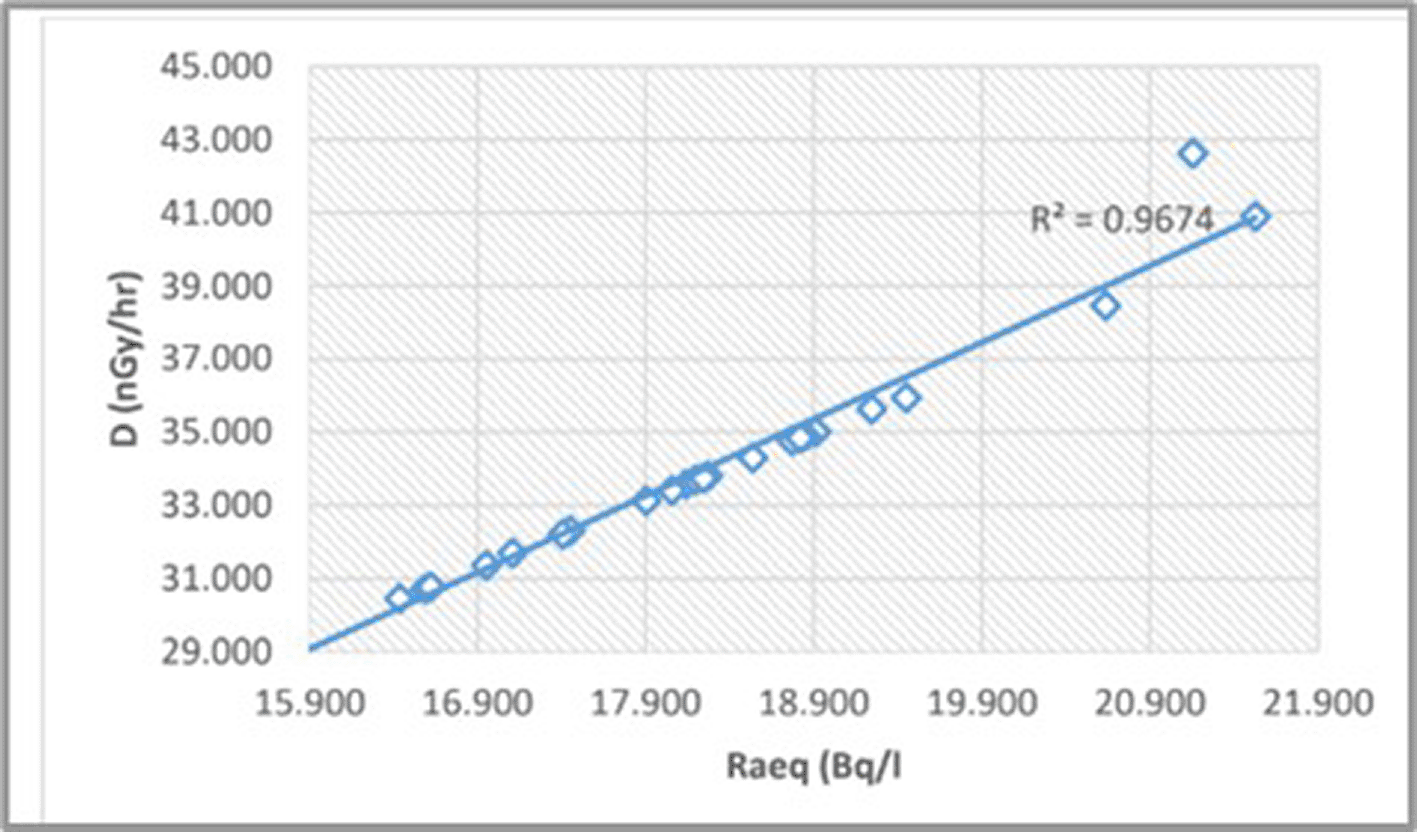
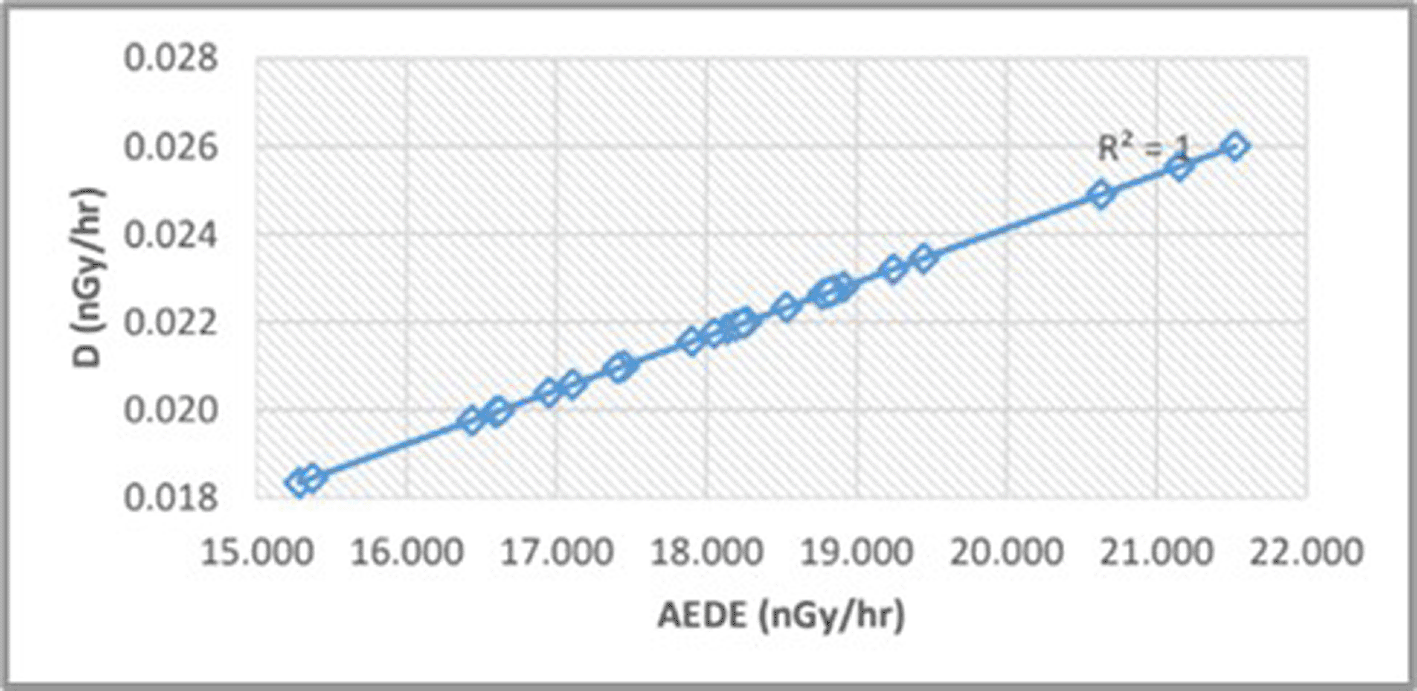
Correlation factors were used for the dose rate (D) against the annual effective dose (AEDE) and the radium equivalent (Raeq), as shown in Figure 2 and Figure 3, shows the correlation between D and AEDE. The results showed that the annual absorbed dose (D) was strongly correlated with both Raeq and AEDE.
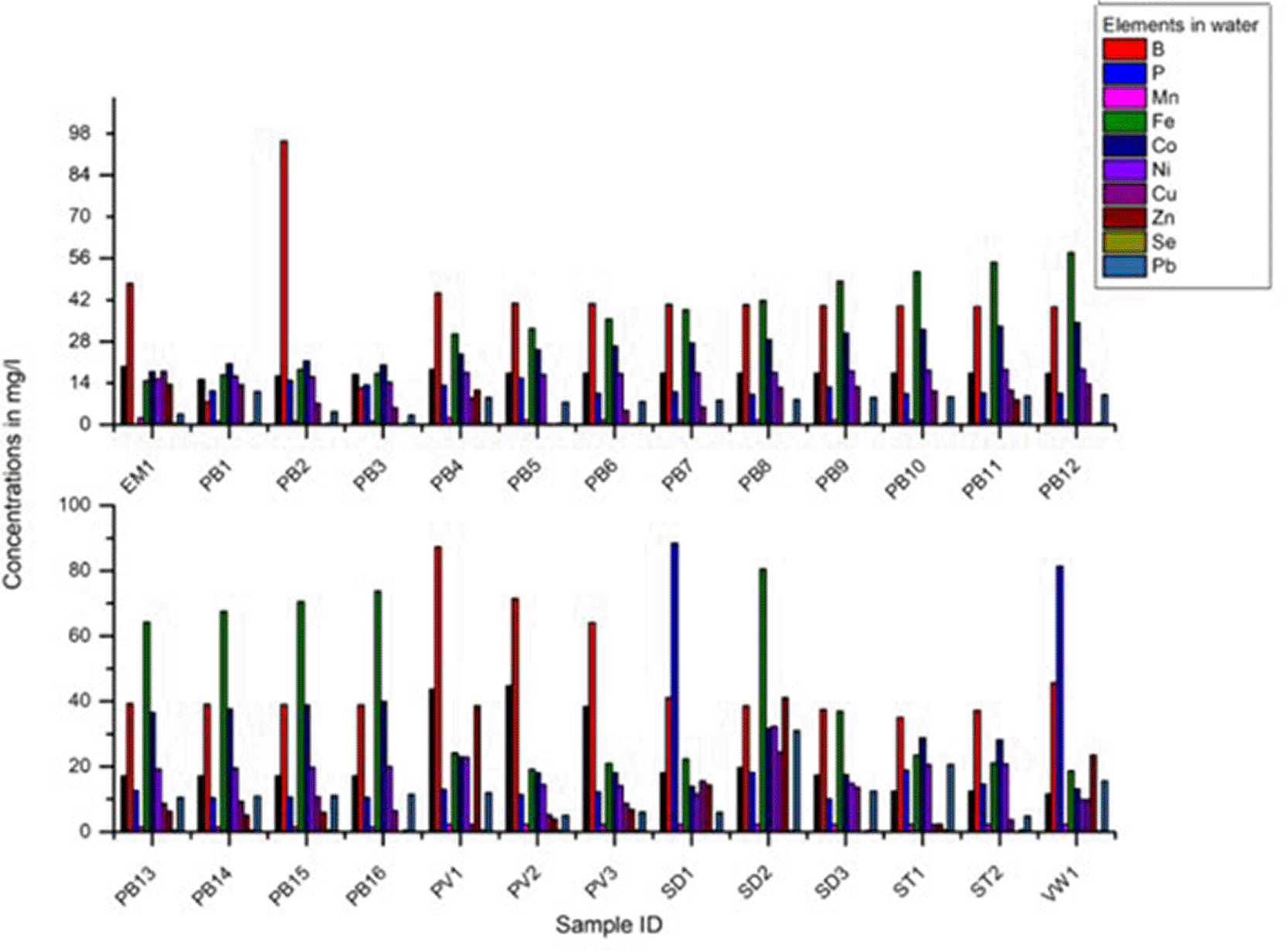
The sample sites in which the Vaal River upstream and downstream waters were collected and analyzed increased the concentrations of the elements in the river course. The concentration of the elements increased as the river flowed downstream, as shown in Figure 4.
The sampling sites in this study were chosen based on accessibility and safety. The Vaal River is underrepresented because the results were based on the location where the samples were collected. The samples were also collected once during winter; therefore, other seasons were not represented. It is noteworthy that most of the samples were collected from the public bridge of the Vaal River, which is heavily utilized by the public; hence, the study’s findings are relevant. The benefit of collecting samples in public places is that they provide the necessary cautions for use. Moreover, samples were taken upstream of the Vaal River in a resort where people visit for entertainment and relaxation; therefore, the site’s potential dangers must be assessed for public safety. The downstream of the Vaal River, where samples were collected, is also of public use for accommodation; therefore, it is important for users to know of the potential dangers where possible.
The study intended to investigate the concentration levels of the radioactive and heavy metals of the Vaal River, to evaluate the human health risks due to ingestion of water. The ICP-MS technique was used due to its lower interference, and quick multi-element analysis benefits for environmental samples.
The average radiation hazard of Raeq, D, AEDE, Hex and Hin comply with the safety limit of UNSCEAR. As a result, pose no radiological risks to humans. This is justified by using an adult of 70 years and a child of 15 years for a period of a year. This also implies that the sites where samples were collected have lower concentrations of radioactive materials.
In relation to the heavy metal concentration levels of the study, Mn and Fe presented higher concentration. These elements are known to be common and highly dissolved in water; however, higher concentrations could be due to the human activities of industrial and agricultural effluent. The HI of the study presented a ratio greater than 1, which implies a carcinogenic risk toward humans. The elevated concentrations are possibly due to the nearby mine effluent, especially taking into consideration that the river is situated near the mine. There is also the possibility of discharges from the local municipalities and agricultural run-off since the space is extensively used for various uses such as industrial and municipal activities.
Based on the findings of prior studies and this study, the site is not safe for public use until more investigation is carried out. As a result, additional monitoring and regulatory control measures are required to safeguard the safety of all residents in these areas.
More research is required to better understand the origins of contamination along the Vaal River. Surface, subterranean, erosion, run-off evaluation, and the development of pilot treatment methods such as covering mining waste with vegetation and introducing natural plants that might assist in limiting water pollution could all be examples of pollution interventions.
Sites along the Vaal River that were not included in this analysis can be investigated further for heavy metal and radioactive contamination. Membrane technology applications can be investigated, and the results can be used to address the difficulties of pollution in the Vaal River.
| Views | Downloads | |
|---|---|---|
| F1000Research | - | - |
|
PubMed Central
Data from PMC are received and updated monthly.
|
- | - |
Provide sufficient details of any financial or non-financial competing interests to enable users to assess whether your comments might lead a reasonable person to question your impartiality. Consider the following examples, but note that this is not an exhaustive list:
Sign up for content alerts and receive a weekly or monthly email with all newly published articles
Already registered? Sign in
The email address should be the one you originally registered with F1000.
You registered with F1000 via Google, so we cannot reset your password.
To sign in, please click here.
If you still need help with your Google account password, please click here.
You registered with F1000 via Facebook, so we cannot reset your password.
To sign in, please click here.
If you still need help with your Facebook account password, please click here.
If your email address is registered with us, we will email you instructions to reset your password.
If you think you should have received this email but it has not arrived, please check your spam filters and/or contact for further assistance.

Comments on this article Comments (0)