Keywords
Dextran sulfate sodium, ulcerative colitis, xylopia aethiopica, gut acetylcholinesterase activity

Dextran sulfate sodium, ulcerative colitis, xylopia aethiopica, gut acetylcholinesterase activity
Ulcerative Colitis (UC) is a chronic inflammatory bowel disease (IBD) characterized by inflammation and ulcers in the lining of the colon and rectum. It is a complex and multifactorial disorder with a significant impact on the quality of life of affected individuals.1 Ulcerative Colitis (UC) can manifest with any of the following signs and symptoms: abdominal pain, diarrhea, rectal bleeding, severe internal cramps/muscle spasms in the region of the pelvis and weight loss.2 UC affects physical health and has significant economic and psychosocial impacts. Patients may experience anxiety, depression, social isolation, and reduced quality of life due to disease-related symptoms, treatment side effects, and functional limitations.3,4
UC is globally distributed, with higher prevalence rates in developed regions such as North America and Europe compared to developing areas. The incidence and prevalence of UC have been rising, especially in newly industrialized regions, suggesting the role of changing environmental factors.5 Recent studies highlight these trends, emphasizing the importance of environmental influences in disease development.6
Although UC was once considered rare in developing countries, including African nations, there has been a steady increase in confirmed cases. This rise is attributed to factors such as poor healthcare infrastructure, insufficient health facilities, untrained healthcare workers, and the migration of key health staff, which are essential in combating this global disease.5,7 Recent hypotheses suggest that the increasing adoption of Western diets, along with genetic and other environmental factors like diet, smoking, antibiotic use, and geographical location, significantly contribute to this trend.8
Diets high in processed foods and low in fiber increase UC risk, whereas diets rich in fruits, vegetables, and omega-3 fatty acids may offer protective benefits.9 These environmental triggers interact with genetic predispositions, highlighting the importance of gene-environment interactions in UC pathogenesis.10
UC is characterized by an aberrant immune response against intestinal microbial antigens in genetically susceptible individuals. Dysregulation of T helper cell subsets, particularly Th1 and Th17 cells, and impaired regulatory T cell function contribute to chronic inflammation in the colonic mucosa.11 Understanding these immunological pathways provides insights into potential therapeutic targets. The gut microbiota also plays a vital role in maintaining intestinal homeostasis.12 Dysbiosis, or microbial imbalance, is observed in UC patients, characterized by reduced microbial diversity, increased 2 pathogenic bacteria, and decreased beneficial bacteria. Hence, microbial dysbiosis contributes to mucosal inflammation and immune dysregulation in UC.12
As at today, inflammatory bowel diseases, including ulcerative colitis, remain complex conditions with no available treatment medicines that effectively modulate both inflammatory immune response and oxidative stress simultaneously in most patients.13 The management of UC aims to induce and maintain remission, alleviate symptoms, prevent complications, and improve quality of life. However, the available drugs, such as 5-amino salicylic acid derivatives, monoclonal antibiotics, steroids and immunosuppressive agents have exhibited some level of beneficial effects in the treatment of inflammatory bowel disease but do not offer total curative properties as they have side effects.14–16
Ongoing research focuses on identifying novel therapeutic targets, biomarkers for disease activity and prognosis, personalized treatment algorithms based on genetic and microbial profiles, and innovative interventions such as fecal microbiota transplantation (FMT), mucosal healing strategies, and stem cell therapies.17,18 Beyond the conventional therapeutic approaches, herbal medicine has been a potent alternative to management of UC, especially in the sub-saharan African regions.19,20 Different plants have been studied scientifically to provide evident based mechanistic effects on different disease models in animal studies, one of which is UC. Since there is no complete medication to ultimately terminate the prevalence of UC, there is a need for an experiment focused at using local ingredients including herbal substances like plants to develop a medication ahead of the time of the great spread in this clime; hence the need for this research.
Xylopia aethiopica (XA) is a family of Annonaceae is a tall, slim, aromatic, evergreen tree that grows to 15–30 m high and 60–70 cm in diameter. It is known to naturally grow in the Savanna region of Africa, particularly in Ghana, Nigeria, Cameroon, Ethiopia, and Senegal to name a few.21 It is esteemed for both its culinary and medicinal uses, with various parts of the plant traditionally utilized for their therapeutic properties. The active constituents found in XA encompass alkaloids, flavonoids, terpenoids, and phenolic compounds, which contribute to its pharmacological effects. Folkloric reports show that the seeds specifically are crushed and topically applied on the forehead to treat neuralgia and headache. The seeds when taken as a decoction or chewed treat epilepsy, numbness, and anemia as shown in Figure 1. The seeds are also known to be used traditionally to enhance postpartum placental expulsion.22
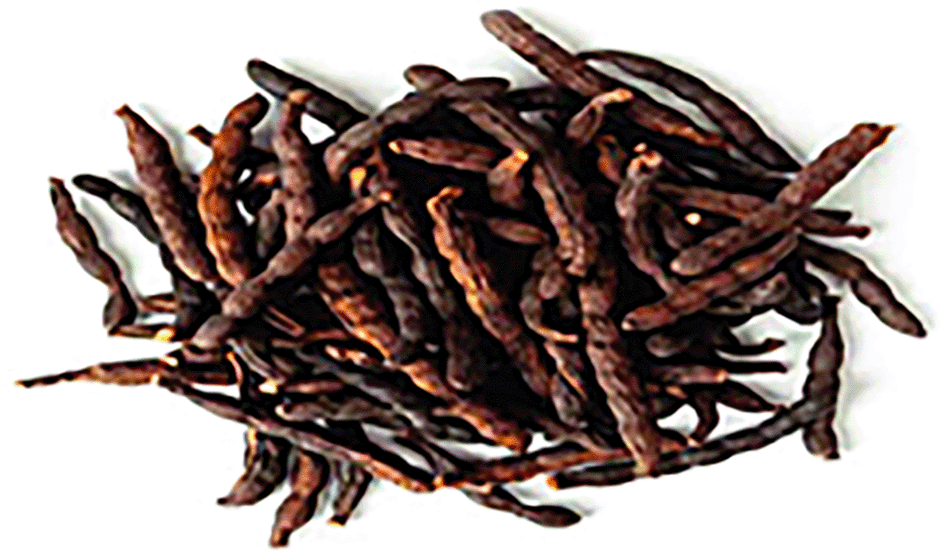
Following scientific scrutiny, a number of the purported traditional uses were proven. These include antiplasmodial, analgesic, anti-inflammatory, antidiabetic among others.23,24 Aside from the aforementioned health benefits, the fruit of X. aethiopica is a well-known spice, used due to its rich nutritional value. Macedo et al.25 reported the anti-inflammatory and antioxidant attributes of XA. These properties are associated with its bioactive components, particularly flavonoids and phenolic compounds, which have the potential to alleviate inflammation and oxidative stress within the body. Also, Obiri and Osafo26 explored the analgesic and anti-inflammatory effects of XA extracts, validating its traditional use in pain relief and inflammatory conditions. Similarly, its gastroprotective and anti-ulcer properties highlighted its potential in managing gastrointestinal disorders.27,28
In the context of ulcerative colitis, XA demonstrates promising potential as a natural adjunct therapy for alleviating UC symptoms and enhancing overall gut health. Integrating traditional herbal remedies like XA with conventional treatments could offer a comprehensive approach to managing inflammatory bowel diseases such as UC. This study was conducted to clearly elucidate the mechanistic effects of XA in dextran sulfate sodium (DSS)-induced ulcerative colitis in mice animal model.
Dextran sulphate sodium was obtained from BIOSYNTH (Carbosynth Ltd, UK). Sulfasalazine (Pfizer Ltd, UK), trichloroacetic acid (TCA), thiobarbituric acid (TBA), 5,5′-dithio-bis-(2-nitrobenzoic acid) (DTNB), and hexadecyltrimethylammonium bromide (HTAB) were purchased from Sigma (Germany). ELISA kits for tumor necrosis factor-alpha (TNF-α) and interleukin-6 (IL-6) were sourced from BioLegend (USA). The primary antibody was from Elabscience (USA), the blocking reagent from Santa Cruz (USA). All other reagents used were of analytical grade and handled according to standard laboratory protocols.
Twenty-five (25) male Swiss albino mice weighing 22–25 g were obtained from the animal house of the University of Medical Sciences, Ondo State, Nigeria. The mice were allowed to acclimatize for two weeks in the same facility under standard laboratory conditions: temperature 20–24 °C, 12 h light/12 h dark cycle, with free access to standard mouse pellets and clean water. Ethical approval for this study was obtained from the University Research and Ethics Committee on Animal Use and Care (UAREC). Animals were treated in accordance with the regulations, guidelines, and policies governing the use of animals in research as described in the Public Health Service Policy on Laboratory Animals and approved by the Institute of Laboratory Animal Resources, National Research Council (2011).
Extraction of plant material
Dried fruits of Xylopia aethopica fruit were bought from Sabo Market, Ondo City, Ondo State, Nigeria and was taken to the botanical Department of the University of Medical Sciences, Ondo for identification where it was assigned with herbarium no: (P.B.T.H 0178). The seeds were separated from the pods and the pods were used for the extraction process. The extraction process was carried out at the Department of Chemistry, Obafemi Awolowo University, Ile-Ife Osun state. The pod of the plant air-dried, pulverized and extracted in methanol. The filtrate was distilled, after which the extract was homogenized. The extract was eventually freeze dried at TRIGAS Lab, University of Benin, Edo state (ref ). The dry extract was stored and refrigerated at an appropriate temperature till it was needed.
Twenty-Five (25) Mice were randomly divided into 5 groups (n = 5/group). Group 1 serves as the Control and received distilled water (2 mL/kg). Group 2,3 4 and 5 were treated orally with 3% DSS for seven days. Thereafter, Group 3 and 4 received 200 mg/kg and 400 mg/kg of xylopia aethiopica for another seven days via oral gavage. While Group 5 was treated orally with 200 mg/kg of Sulfasalazine. Group 2 was not treated for these seven days.29
After the end of 14 days treatment of the animals in all groups, Colon tissue samples were collected after mild anesthesia (ketamine 0.5 ml/kg) was administered intraperitoneally. Colons were carefully dissected out, macroscopically examined. Colons were thereafter, washed with ice-cold phosphate-buffered saline, sectioned and processed for biochemical, rinsed with freshly prepared phosphate-buffered saline (PBS, pH 7.4) to remove blood. Following this, colon tissues were homogenized in fresh PBS. The homogenates were then centrifuged at 4 °C for 5 minutes at 10,000 rpm. Supernatants were collected immediately for subsequent biochemical assays and stored at −20 °C or below.
The Disease Activity Index (DAI) is a key measure for assessing ulcerative colitis severity in research. In this work, the DAI was calculated using three crucial parameters: weight difference, stool consistency, and rectal bleeding. These variables were obtained by two independent assessors. Each parameter was scored, reflecting the severity of symptoms. DAI was calculated using the formula: DAI = (body weight drop + stool consistency + rectal hemorrhage) /3.30 The humane endpoint was defined as DAI = 3, while a diagnosis of ulcerative colitis (UC) was established when DAI was ≥1.5.
Determination of nitrite levels
Nitrite was measured as an indicator of nitric oxide (NO) production according the modified Griess method as described by Jeddi et al.31 Griess reagent was freshly prepared by mixing equal volumes of 0.1% N-(1-napththyl) ethylene diamine dihydrochloride and 1% sulphanilamide (in 5% phosphoric acid). 50 μL of 2X diluted supernatant was added into microtitre plate and diluted with 50 μL of distilled water before incubation with 100 μL of Griess reagent for 10 min at room temperature in the dark. Sodium nitrite (0–100 uM) was prepared as standard to obtain the standard.
curve. The absorbance was measured at 540 nm in a microplate reader (LT4500, UK). The concentration of nitrite was determined from sodium nitrite standard curve and expressed as μmoles/mg protein.
Enzyme linked immunosorbent assay (ELISA) for determination of IL-6 and TNF-α
Tissue levels of TNF- α and IL-6 were determined using the Biolegend ELISA kit, specific to the cytokines of interest, with sensitivity limit of 4 pg/mL. All the measurements were done at room temperature in accordance to Biolegend instructions using microplate reader with 450 nm filter. The concentration of TNF- α, IL-6 a from the samples were extrapolated from the standard curves of TNF- α, IL-6 standards included in the assay kits and expressed as pg/mg protein. The assay was carried out according to the protocol ELISA kit manufacturer, Biolegend ®, U.S.A.
Determination of superoxide dismutase (SOD) in the tissues
The enzyme Superoxide dismutase has the ability to inhibit the autoxidation of pyrogallol. The autoxidation of pyrogallol in the presence of EDTA in the pH 8.2 is 50%. The principle of this method is based on the competition between the pyrogallol autoxidation by O2¯ and the dismutation of this radical by superoxide dismutase.32
Determination of catalase in the tissues
This assay method is based on the measurement of the hydrogen peroxide substrate remaining after the action of catalase. As described by Goth et al.33 First, the catalase converts hydrogen peroxide to water and oxygen (catalytic pathway) and then this enzymatic reaction is stopped with sodium azide. An aliquot of the reaction mix is then assayed for the amount of hydrogen peroxide remaining by a colorimetric method.10 The colorimetric method uses a substituted phenol (3, 5-dichloro-2-hydroxybenzenesulfonic acid), which couples oxidatively to 4-aminoantipyrine in the presence of hydrogen peroxide and horseradish peroxidase (HRP) to give a red quinoneimine dye (N-(4-antipyryl)-3-chloro-5sulfonatep-benzoquinone-monoimine) that absorbs at 520 nm.
Determination of reduced glutathione level in the tissues
The principle of the reduced glutathione (GSH) assay is based on the reaction between GSH and 5,5’-Dithiobis(2-nitrobenzoic acid) (DTNB), also known as Ellman’s reagent. First when GSH reacts with DTNB, a thiol-disulfide exchange occurs. This reaction converts DTNB into TNB, a yellow-colored product, and GSH into its oxidized form, GSSG (glutathione disulfide).
Determination of glutathione-S-transferase
The principle of the Glutathione S-transferase (GST) activity assay is based on the enzymatic conjugation of the reduced glutathione (GSH) to the substrate 1-chloro-2,4-dinitrobenzene (CDNB) as described by Habig et al.34 This conjugation reaction results in a product that has a distinct absorbance maximum at 405 nm. The increase in absorbance at 405 nm is directly proportional to the GST activity in the sample. The reaction mixture typically includes a buffer (potassium phosphate), GSH, and CDNB. The mixture ensures the optimal pH and necessary substrates for the enzymatic reaction.
Determination of myeloperoxidase (MPO) activity in colon tissue homogenate
Tissues were suspended in extraction buffer (0.5% hexadecyltrimethylammonium bromide) and 50 mM potassium phosphate buffer (pH 6.0) and frozen at 20 °C. The process of freeze-thaw and sonication for a 10-second cycle was repeated three times. The suspension was finally centrifuged at 15,000 rpm at 4 °C for 15 min. MPO activity was assayed by adding 20 μL of supernatant to a 96-microtiter plate, then 180 μL of reaction buffer (containing 0.167 mg/mL O-dianisidine in 50 mM potassium phosphate buffer and 0.15 mM H2O2) was added. The change in absorbance at 450 nm was monitored over 5 minutes in a microplate reader (LT4500, UK). One unit of MPO was defined as that giving a change in absorbance of 0.001 per min, and the specific activity was expressed as a unit of MPO per milligram of protein.
Determination of MDA in colon tissue homogenate
The level of MDA in the colon was determined using a previously established method by Nagababu et al.35 This method relies on the observation that lipid peroxidation generates unstable lipid peroxides, which decompose into various compounds, including reactive carbonyl compounds. Specifcally, polyunsaturated fatty acid peroxides produce MDA upon decomposition. MDA forms a 1:2 adduct with thiobarbituric acid (TBA), resulting in a pink-colored product when heated under acidic conditions, with maximum absorbance at 532 nm.
Determination of acetylcholinesterase level
To measure acetylcholinesterase activity in the context of ulcerative colitis, the samples were collected and prepared for the procedure. The tissue was immediately placed in PBS. This will separate the cellular debris from the supernatant containing the soluble proteins, including AChE. The supernatant was carefully collected and kept on ice for further analysis. The reaction mixture was further prepared for the AChE assay. In a spectrophotometer cuvette, the following components were mixed: 2.6 mL of 0.1 M phosphate buffer (pH 8.0), 100 μL of 10 mM 5,5′-dithiobis (2-nitrobenzoic acid) (DTNB), and 100 μL of the tissue supernatant. DTNB acts as a chromogenic agent that reacts with thiocholine, produced by the hydrolysis of acetylthiocholine by AChE, to form a yellow color measurable at 412 nm. About 20 μL of 75 mM acetylthiocholine iodide was added to initiate the reaction. The contents were mixed quickly and the cuvette was placed in the spectrophotometer. The change in absorbance at 412 nm was measured every minute for 5 minutes. The rate of increase in absorbance corresponded to the enzyme activity. The AChE activity was further calculated.
Statistical analysis
The study employed GraphPad Prism version 9.4.1 (GraphPad Software, San Diego, USA) for the analysis of the collected data. Data was shown as Mean ± Standard Error of Mean (SEM) for each group. One-way analysis of variance (ANOVA) was used to analyze the mean differences, and a Tukey post hoc test was used for multiple comparisons. A significance level of p < 0.05 was used to determine statistical significance.
Reporting statement
All experimental procedures involving animals in this study were conducted in accordance with the ethical standards of the Institutional Animal Care and reported in compliance with the ARRIVE (Animal Research: Reporting of in vivo Experiments) guidelines (https://arriveguidelines.org).
There was a significant difference (p < 0.05) in the DAI of DSS only by day 7 when compared to the control. By the end of the treatment (day 14), there was marked significant difference (p < 0.05) in the DAI between DSS only and the treatment groups (200 mg/kg, 400 mg/kg of XA and sulfazalasine) as shown in Table 1.
The mice in the control group did not show any signs of ulcerative colitis while thst of DSS only exhibited a severe colonic inflammation. However, those treated with 200 mg/kg and 400 mg/kg of xylopia aethiopica extract showed mild colonic inflammation. Similarly, colon sample in DSS+ sulfasalazine (200 mg/kg) demonstrated equal levels of colonic inflammation as shown in Figure 2.
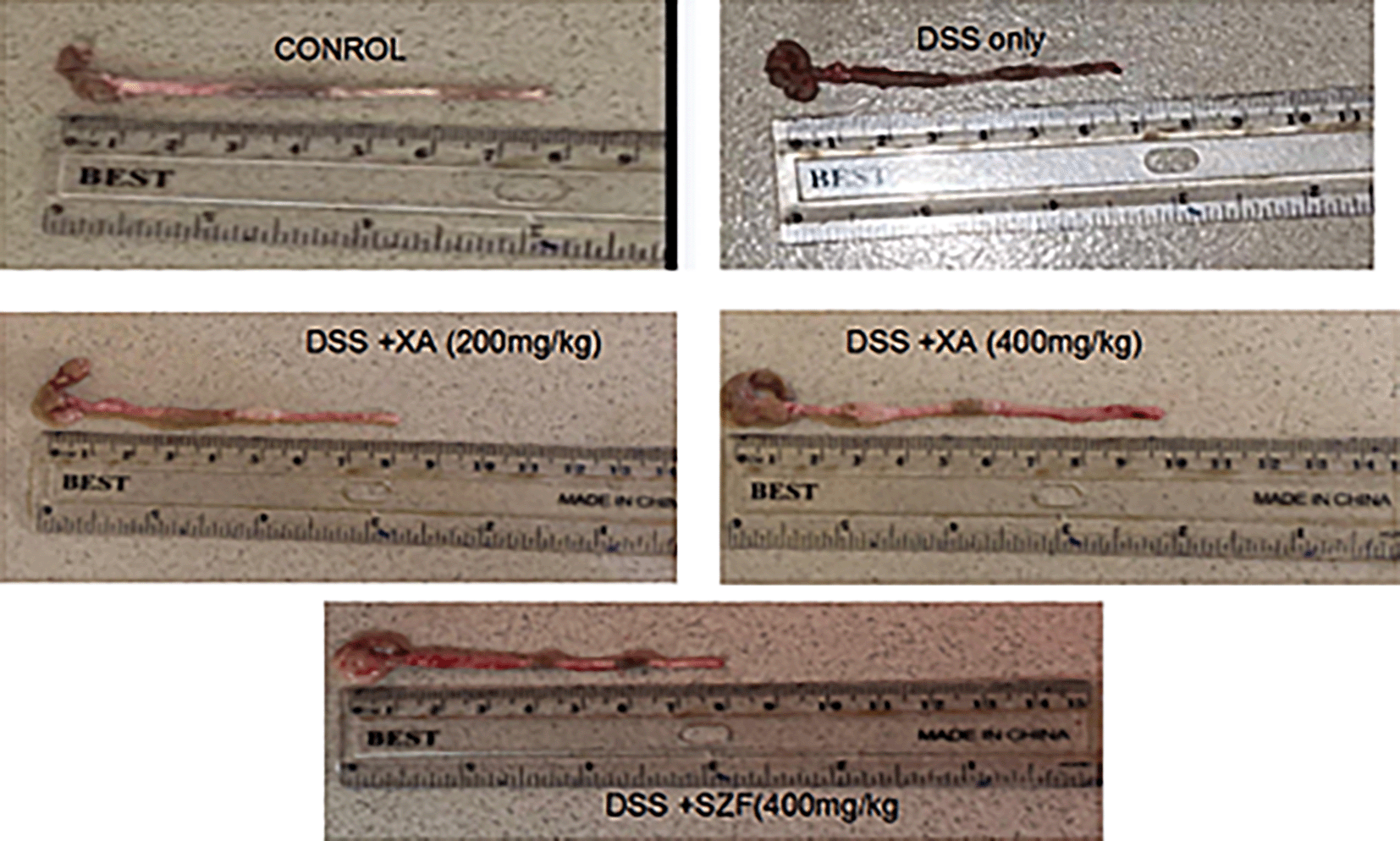
As shown below, the MDA level for DSS only significantly increased (p < 0.05) Figure 2. Images of the macroscopic the colons of Dextran Sulphate Sodium-induced colitis in adult male mice.
when compared to the control. Treatment with each of 200 mg/kg and 400 mg/kg of Xylopia Aethiopica, sulphazalasine showed significant reduction (p < 0.05) when compared with DSS only as shown in Figure 3.
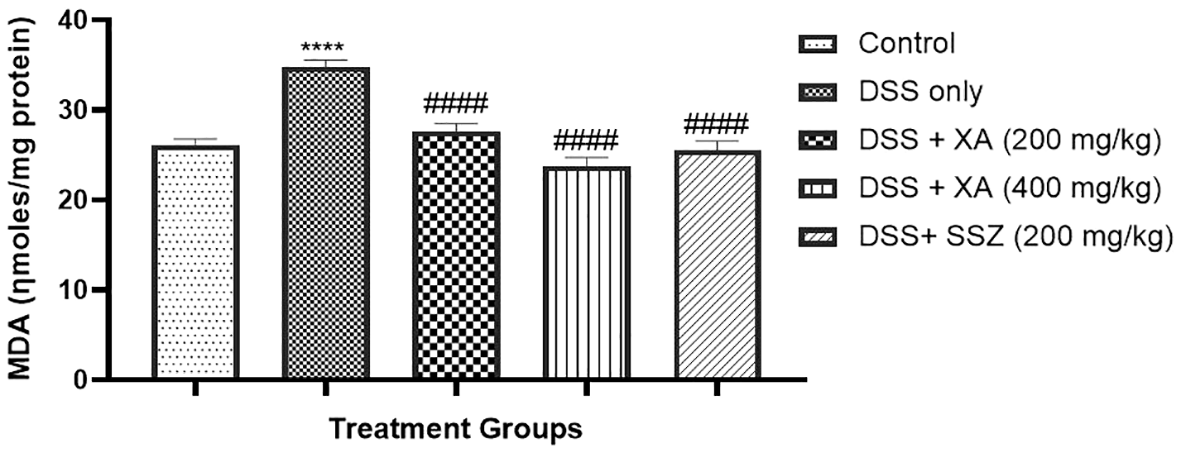
Bars represent Mean ± Standard Error of Mean (SEM), (n = 5) (one-way ANOVA followed by Tukey post hoc test). **p < 0.01, ***p < 0.001, ****p < 0.0001 in comparison with control; ##p < 0.01, ####p < 0.0001 vs. DSS.
As shown in figure a to d below, the GSH level for DSS only significantly decreased (p < 0.05) when compared to the control. Treatment with each of 200 mg/kg and 400 mg/kg of Xylopia Aethiopica showed significant increase (p < 0.05) when compared with DSS only while treatment with Sulfasalazine showed significant reduction of GSH when compared to DSS only.
The colonic catalase level for DSS only significantly decreased (p < 0.05) when compared to the control. Treatment with 400 mg/kg of Xylopia Aethiopica and sulfasalazine showed significant increase (p < 0.05) when compared with DSS only. Similarly, the colonic SOD level for DSS only significantly decreased (p < 0.05) when compared to the control. Treatment with 400 mg/kg of Xylopia Aethiopica and sulfasalazine showed significant increase (p < 0.05) when compared with DSS only. =.
The colonic GST level for DSS only significantly decreased (p < 0.05) when compared to the control. Treatment with 200 mg/kg and 400 mg/kg of Xylopia Aethiopica showed significant increase (p < 0.05) when compared with DSS only. While treatment with Sulfasalazine showed significant reduction of GST when compared to DSS only as showed in Figure 4a,b,c and d.
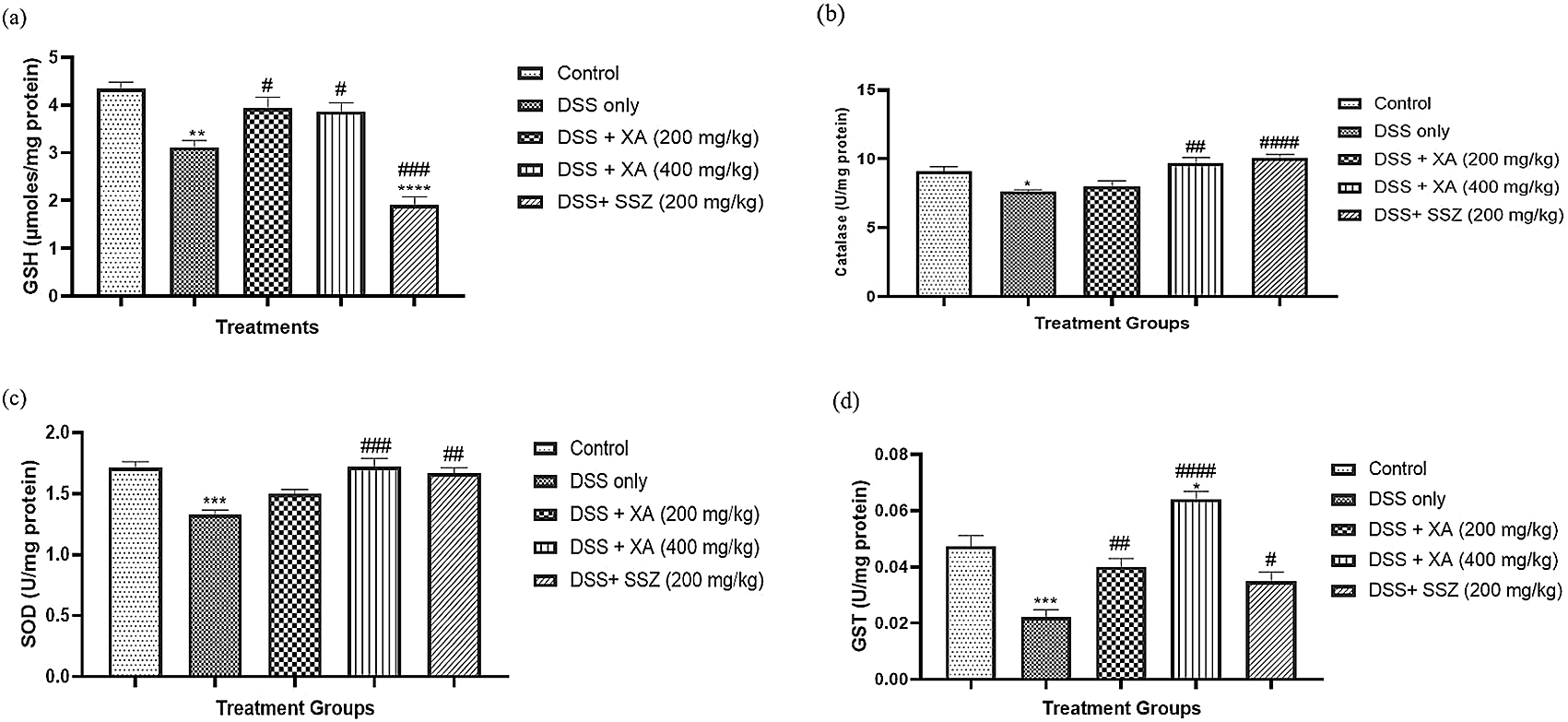
Bars represent Mean ± Standard Error of Mean (SEM), (n = 5) (one-way ANOVA followed by Tukey post hoc test). **p < 0.01, ***p < 0.001, ****p < 0.0001 in comparison with control; ##p < 0.01, ####p < 0.0001 vs. DSS.
As shown below from Figure 5a,b,c,d and e, the nitrite level of the colon for DSS only significantly increased (p < 0.05) when compared to the control. Treatment with 200 mg/kg, 400 mg/kg of Xylopia Aethiopica and Sulfasalazine showed significant decrease (p < 0.05) when compared with DSS only.
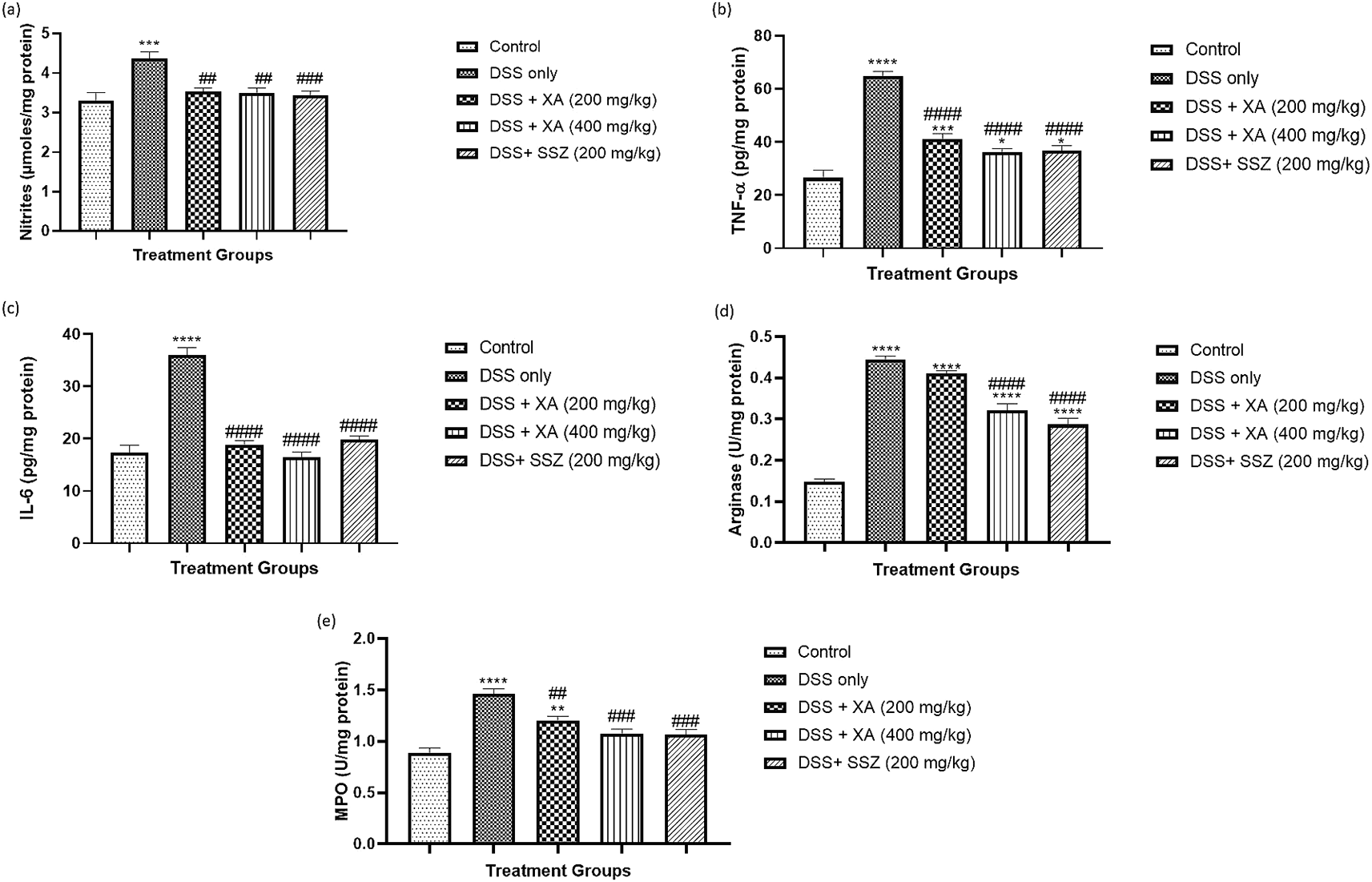
Bars represent Mean ± Standard Error of Mean (SEM), (n = 5) (one-way ANOVA followed by Tukey post hoc test). **p < 0.01, ***p < 0.001, ****p < 0.0001 in comparison with control; ##p < 0.01, ####p < 0.0001 vs. DSS.
The TNF-α level of the colon for DSS only significantly increased (p < 0.05) when compared to the control. Treatment with 200 mg/kg, 400 mg/kg of Xylopia Aethiopica and Sulfasalazine showed significant decrease (p < 0.05) when compared with DSS only. Similarly, the interleukin-6 level of the colon for DSS only significantly increased (p < 0.05) when compared to the control. Treatment with 200 mg/kg, 400 mg/kg of Xylopia Aethiopica and Sulfasalazine showed significant decrease (p < 0.05) when compared with DSS only.
The arginase level of the colon for DSS only and other groups significantly increased (p < 0.05) when compared to the control. However, treatment with the 400 mg/kg of Xylopia Aethiopica and Sulfasalazine showed significant decrease (p < 0.05) when compared with DSS only. Also, the MPO level of the colon for DSS only group significantly increased (p < 0.05) when compared to the control. However, treatment with the 200 mg/kg, 400 mg/kg of Xylopia Aethiopica and Sulfasalazine showed significant decrease (p < 0.05) when compared with DSS only.
The figure below shows that the acetylcholinesterase level of the colon for DSS only group significantly decreased (p < 0.05) when compared to the control. However, treatment with the 200 mg/kg, 400 mg/kg of Xylopia Aethiopica and Sulfasalazine showed significant increase (p < 0.05) when compared with DSS only as shown in Figure 6.
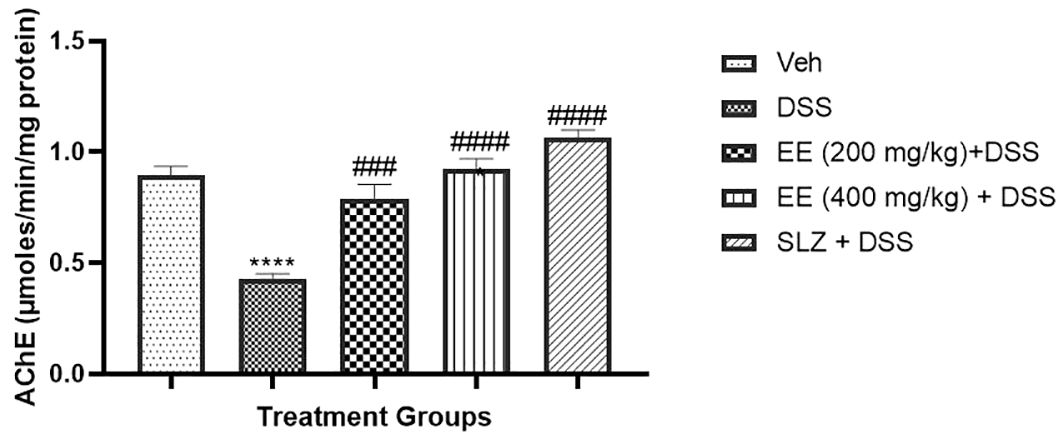
Bars represent Mean ± Standard Error of Mean (SEM), (n = 5) (one-way ANOVA followed by Tukey post hoc test). **p < 0.01, ***p < 0.001, ****p < 0.0001 in comparison with control; ##p < 0.01, ####p < 0.0001 vs. DSS.
The incidence of ulcerative colitis (UC), a chronic inflammatory bowel disease (IBD) affecting the colon and rectum, is rising quickly in developing nations.36 In this present study, we explored the mechanistic actions of Xylopia aethopica in DSS-induced UC in mice model. Mice are commonly chosen as animal models in studying how ulcerative colitis (UC) can be treated in humans due to several advantages that make them suitable for experimental research. Mice share genetic similarities with humans, particularly in immune system pathways relevant to inflammatory bowel diseases (IBD) like UC. Also, mice can be genetically modified or bred to develop specific disease phenotypes, including colitis models induced by chemicals like dextran sulfate sodium (DSS).37 DSS treatment was used to induce colitis, DSS has been proven to be efficient in inducing colitis in most animal models including mice this model has been extensively validated in previous studies.38 DSS disrupts the epithelial barrier in the colon, leading to inflammation that mimics human ulcerative colitis.39
We obtained the Disease Activity Index (DAI), a composite score that evaluates the severity of colitis based on weight loss, stool consistency, and rectal bleeding. As shown in Table 1, DSS administration induced colitis in mice, evidenced by a progressive increase in DAI scores. Our results show that DAI was at its peak in all the groups at the last day of colitis induction. However, during treatment with XA, the DAI scores reverse in groups treated with both 200 mg/kg and 400 mg/kg while that of DSS only subsist. The macroscopic views of the colon architectures across groups further gave insights into level of inflammation of the colon. As observed in Figure 1, the sample of colon of a mouse in the control group did not show any signs of ulcerative colitis. In contrast, the colon sample of a mouse in with DSS only exhibited a severe colonic inflammation while those treated with 200 mg/kg and 400 mg/kg of xylopia aethiopica extract showed mild colonic inflammation. Similarly, sample of colon in the mouse treated with 200 mg/kg of sulfasalazine demonstrated equal levels of mild colonic inflammation.
The pathogenic mechanisms of inflammatory bowel diseases are multifaceted and associated with oxidative stress, an unbalanced gut microbiota, and an aberrant immune response.36,40 Our findings as shown in Figure 2, revealed notable increases in marker of lipid peroxidation (MDA) in the colon of induced by DSS. Additionally, we observed a notable decrease in major enzymatic antioxidants measured including superoxide dismutase (SOD), catalase, glutathione (GSH), and glutathione S-transferase (GST), in the DSS treated group compared with the control group. However, the treatment with XA helped to reverse the trend by markedly causing decrease in the level of MDA and increase in the levels of these antioxidants. This shows the anti oxidative properties of XA. Previous studies have shown the potentials of plant extracts and other natural agents in mitigating oxidative stress and improving the expression of the body’s antioxidants.41–43
The immune response in form of inflammatory response in UC in centre to the pathogenesis of this disease. Most conventional drugs being used in treating UC do target the inflammatory pathways. TNF-α and IL-6 are pivotal cytokines in the inflammatory cascade of UC, promoting the recruitment of immune cells and the production of other pro-inflammatory mediators.44,45 While nitrite, myoperoxidase and arginase activity are notable markers to monitor the progression of inflammation in the colon, they are also therapeutic targets in UC. Results of our study indicates marked increase in the colonic levels of TNF-α, IL-6, nitrite, myoperoxidase and arginase of DSS-induced UC in mice when compared to the control. However, the trend was significantly reversed by X. aethiopica treatment, most especially, the higher dose treatment. This further corroborated the antiinflammatory potentials of X. aethiopica in UC model of diesase. Studies have shown that X. aethiopica can inhibit TNF-α production, thereby reducing inflammation.25,46
In this study, we also examined the level of acetylcholinesterase activity in the gut. Gut acetylcholinestrase activity gives insight into cholinergic signaling by acetylcholine. Gut acetylcholine (ACh) is a crucial neurotransmitter in the enteric nervous system that regulates normal gastrointestinal functions including motility and secretion, epithelial barrier maintenance and immune modulation.47 The results obtained in this study shows that acetylcholinesterase activity level was significantly decreased in DSS only group. This suggests a disturbance of typical cholinergic signaling and enteric neural function during ulcerative colitis which is known to encompass modifications in autonomic nervous system and enteric neural integrity that can mar gut homeostatis and enzyme activity. Strikingly, treatment with sulfasalazine and xylopia aethopica significantly restored AChE activity in the colon towards normal levels This restoration may suggest the recovery of enteric neuronal integrity and normalization of cholinergic balance in the colon by XA. Hence, beyond its observed antioxidant and anti-nflammatory properties of XA in UC mice model, it could also improve tissue integrity and restores gut homeostasis through stabilization of AChE activity, an effect which can be considered as part of the mucosal healing process in DSS-induced colitis.
In conclusion, the results of our study demonstrate that XA holds potential as an alternative therapeutic agent for UC, offering antioxidant, anti-inflammatory effects and acetylcholinesterase activity modulation.
Based on the findings of this study, XA demonstrates promising antioxidant and anti-inflammatory properties, as well as modulatory effects on acetylcholinesterase activity, suggesting its potential as an alternative therapeutic agent for ulcerative colitis (UC). It is recommended that further studies be conducted to elucidate the precise molecular mechanisms underlying its pharmacological actions.
Long-term toxicity and safety evaluations should also be carried out to establish its therapeutic window and ensure its suitability for clinical use. Additionally, well-designed clinical trials in human subjects are necessary to validate its efficacy and safety in the management of UC.
Future research should also explore optimal dosing regimens, bioavailability, and potential interactions with existing conventional therapies. Finally, standardization of XA extracts is recommended to ensure consistency, quality, and reproducibility in both experimental and clinical applications.
| Views | Downloads | |
|---|---|---|
| F1000Research | - | - |
|
PubMed Central
Data from PMC are received and updated monthly.
|
- | - |
Provide sufficient details of any financial or non-financial competing interests to enable users to assess whether your comments might lead a reasonable person to question your impartiality. Consider the following examples, but note that this is not an exhaustive list:
Sign up for content alerts and receive a weekly or monthly email with all newly published articles
Already registered? Sign in
The email address should be the one you originally registered with F1000.
You registered with F1000 via Google, so we cannot reset your password.
To sign in, please click here.
If you still need help with your Google account password, please click here.
You registered with F1000 via Facebook, so we cannot reset your password.
To sign in, please click here.
If you still need help with your Facebook account password, please click here.
If your email address is registered with us, we will email you instructions to reset your password.
If you think you should have received this email but it has not arrived, please check your spam filters and/or contact for further assistance.

Comments on this article Comments (0)