Keywords
Objective anthropometry, Body image, Body dissatisfaction, Body-shape typologies, Sociocultural internalization, Cross-cultural body image, Latent mixture modeling, Effect size, Nigerian women, Anthropometric indices.

Objective anthropometry, Body image, Body dissatisfaction, Body-shape typologies, Sociocultural internalization, Cross-cultural body image, Latent mixture modeling, Effect size, Nigerian women, Anthropometric indices.
• Objective anthropometric measures explained only ~3% of variance in body image.
• Categorical body-shape typologies demonstrated trivial effect sizes.
• Latent mixture modeling did not support discrete morphometric classes.
• Continuous anthropometry did not independently predict body image outcomes.
• Findings underscore the primacy of sociocultural meaning over morphology in shaping body image.
Notably, body image does not refer to objective body size or adiposity. Instead, it demonstrates the way people perceive, judge and feel about their physical selves. In this context, body dissatisfaction (negative judgment of appearance), body appreciation (positive acceptance and respect of the body), and shape/weight concern (obsession with size and fatness) represent related but distinct dimensions.1,2 Contemporary theoretical perspectives emphasize that body image is fundamentally shaped by the meanings individuals attach to their bodies, rather than by morphology alone.2,3
From a cognitive-behavioral standpoint, body image is understood as a product of interpretive schemas linked to attractiveness and self-worth, rather than a direct reflection of physical characteristics.1,4 Complementing this view, sociocultural models highlight the role of internalized appearance ideals, often reinforced by media, peers, and broader cultural norms, in shaping body-related self-perception.2,5,6 Meta-analytic evidence demonstrates that internalization of beauty ideals is moderately to strongly associated with body dissatisfaction (r ≈ .43–.45), often independent of body mass index (BMI).6 These findings underscore a central premise: body image is a psychologically constructed aspect of the self, and its determinants are not limited to objective bodily shape.
In spite of these theoretical developments, the most basic typologies of body-shape, including “pear,” “apple,” “hourglass,” and “rectangle,” are still deeply rooted in popular and, to a degree, scholarly discourse. These typologies are historically based on visual anthropology and clothing sciences and are loosely related to regional adiposity patterns and indices like waist-hip ratio (WHR).7 They are, however, becoming more popular in deducing psychological traits, such as confidence, attractiveness, and femininity, thus implicitly implying that morphology is predictive of self-perception and identity.
Such assumptions are not empirically supported. Even though these labels can reflect graded differences in anthropometric distribution, they tend to show less incremental predictive value compared to conventional measures like BMI, especially when sociocultural variables are considered.7,8 Besides, there is experimental evidence that categorical labels may impose artificial constraints on continuous variation, creating perception based on linguistic framing as opposed to discrete biological facts.9 This leads to a significant conceptual issue, namely, whether the body-shape typologies are significant psychological differences or heuristic constructions forced upon continuous morphological variability.
Objective anthropometric indices such as BMI, WHR and waist-height ratio (WHtR) have been widely studied as predictors of body dissatisfaction. Across diverse populations, BMI is consistently associated with dissatisfaction; however,10,11 its predictive ability is not always significant, particularly among women.8,12,13 Empirical research evidence suggests that anthropometric measures alone account for relatively small proportions of variance in body image outcomes. For example, in Brazilian adults, anthropometry and dual-energy X-ray absortiometry (DXA) did not explain more than 5% of variance in perceptual distortion in women and about 30% of the variance in dissatisfaction in men.8 On the same note, among adolescents and young adults, BMI seems to account between 5% and 31% of dissatisfaction variation by situation8,12,13 and measure.12,14
Other indices like WHR and WHtR potentially provide additional predictive information above the value of BMI, but the increments are typically low.8,13,15 Importantly, internalization of appearance ideals and perceived social pressures often explain as much or more variance as anthropometric variables when sociocultural variables are included in multivariate or structural equation models.2,16,17 As an example, BMI in combination with internalization and media pressure accounted for a large percentage of dissatisfaction variance in Croatian women, whereas sociocultural factors had significant incremental impacts.18 Likewise, BMI in Chinese women explained about 5% of variation, but sociocultural variables explained about an extra 23%.18 The overall results of these studies indicate that anthropometry is related to body image but only partially and in a context-specific manner.
One of the major weaknesses of the current literature is that it was highly Western-oriented. The majority of evidence base is based on North America and Western Europe where thin-ideal internalization has become widespread and higher BMI is strongly associated with dissatisfaction.19 Nevertheless, cross-cultural studies have shown that there is a significant difference in body ideals and their psychological consequences. In some African and Pacific settings, larger body sizes have historically been associated with health, fertility, and social status, although these norms are increasingly shaped by globalization and urbanization.20–23 Research on the sub-Saharan African communities and migrants also supports the existence of gaps between objective weight conditions and perceptions of body size, alongside the culturally specific interpretation of thinness and body composition.24 Furthermore, acculturation studies indicate that the more people are exposed to Western ideals, the more they exhibit changes towards thinness and increased body dissatisfaction.21
These findings reaffirms the significance of cultural context in the moderation of the anthropometry-body image relationship. Nevertheless, there is a paucity of empirical studies utilizing objective anthropometric measurements and powerful statistical modeling of Nigerian university populations. As a result it is still unclear whether observations that occur in the West can be extrapolated to the sub-Saharan African context especially where sociocultural interpretations of body size may vary widely.
In conceptual terms, this literature represents a wider conflict between morphology-based and sociocultural-psychological explanations of body image. Morphology-based approaches presuppose that objective body features have a direct impact on self-perception, though sociocultural models focus on how internalized meanings, cultural norms, and situational factors can affect body-related identity.2,25 Notably, the assumption of the existence of discrete body-shape categories is seldom put to test with sophisticated statistical models, like latent class or mixture modeling.26 When body morphology does not follow discrete categories, but continuous dimensions, then typological classifications can tend to conceal variation and exaggerate psychological difference.
Several methodological constraints further limit the literature. Most of the studies are based on self-reported anthropometric measures, which can be subject to measurement error. Body image is often measured by BMI categories, although there are evident conceptual differences. Furthermore, little research combines several continuous anthropometric indices into strong multivariate constructs that focus on effect sizes and confidence intervals. It is important to note that latent mixture modeling techniques, where it is possible to test empirically the occurrence of discrete morphometric classes, are not commonly used. In addition, African populations in universities with objectively determined anthropometry are underrepresented.
To bridge these gaps, the current study uses a piece of methodologically sound study that combines objective anthropometry measurements with the multivariate regression, effect-size modeling, adjusted marginal means, and latent mixture modeling. This research critically examines how objective morphology accounts for variation in body image in a population of Nigerian undergraduate females, and tests the validity of body-shape typologies as psychologically meaningful constructs.
Specifically, the main aim is to determine whether continuous anthropometric measures explain variance in global and domain-specific body image. While the secondary objectives are to assess the predictive power of categorical typologies of body-shape, to measure the size of effects beyond statistical significance, to determine whether discrete latent morphometric classes appear, and to determine whether BMI classification substantially discriminates body image perception.
The hypotheses are that the continuous anthropometric indices will be used to explain low variances in body image, categorical body-shape typologies will be shown to have insignificant effect sizes in their outcomes, the latent mixture modeling will not reveal discrete morphometric classes, and sociocultural meaning will have much greater influence on the development of the body-related self-perception formation. Through the combination of psychological theory, cross-cultural context, and complex statistical modeling, this paper attempts to answer the question of whether objective anthropometry has a significant predictive value of body image in a Nigerian setting, or whether its predictive role is, in the real world, restricted.
This study was conducted in accordance with the Strengthening the Reporting of Observational Studies in Epidemiology (STROBE) guidelines for cross-sectional research. A descriptive analytic cross-sectional design was employed to examine the extent to which objective anthropometric characteristics predict global and domain-specific body image among Nigerian undergraduate women.
Participants were recruited from two public universities in Enugu State, Nigeria: Enugu State University of Science and Technology (ESUT) and the University of Nigeria, Enugu Campus (UNEC). These institutions serve socioeconomically and culturally diverse student populations and are broadly representative of the southeastern Nigerian university context. Data collection was conducted over a three-month period.
Eligible participants were female undergraduate students aged between 16 and 25 years who were nulliparous. Stratified random sampling was used to ensure proportional representation across faculties. Inclusion criteria required participants to be currently enrolled undergraduate students within the specified age range, not pregnant or lactating, and willing to provide written informed consent.
A total of 184 students were approached for participation and screened for eligibility. Following exclusion of individuals who did not meet inclusion criteria or declined participation, 162 eligible participants were enrolled. After exclusion of incomplete questionnaire responses and missing anthropometric measurements, 150 participants were included in the final analysis ( Figure 1). This final sample size provided adequate statistical power (≥.80) to detect small-to-moderate standardized regression effects (β ≈ .20) within multivariable models incorporating multiple anthropometric predictors.
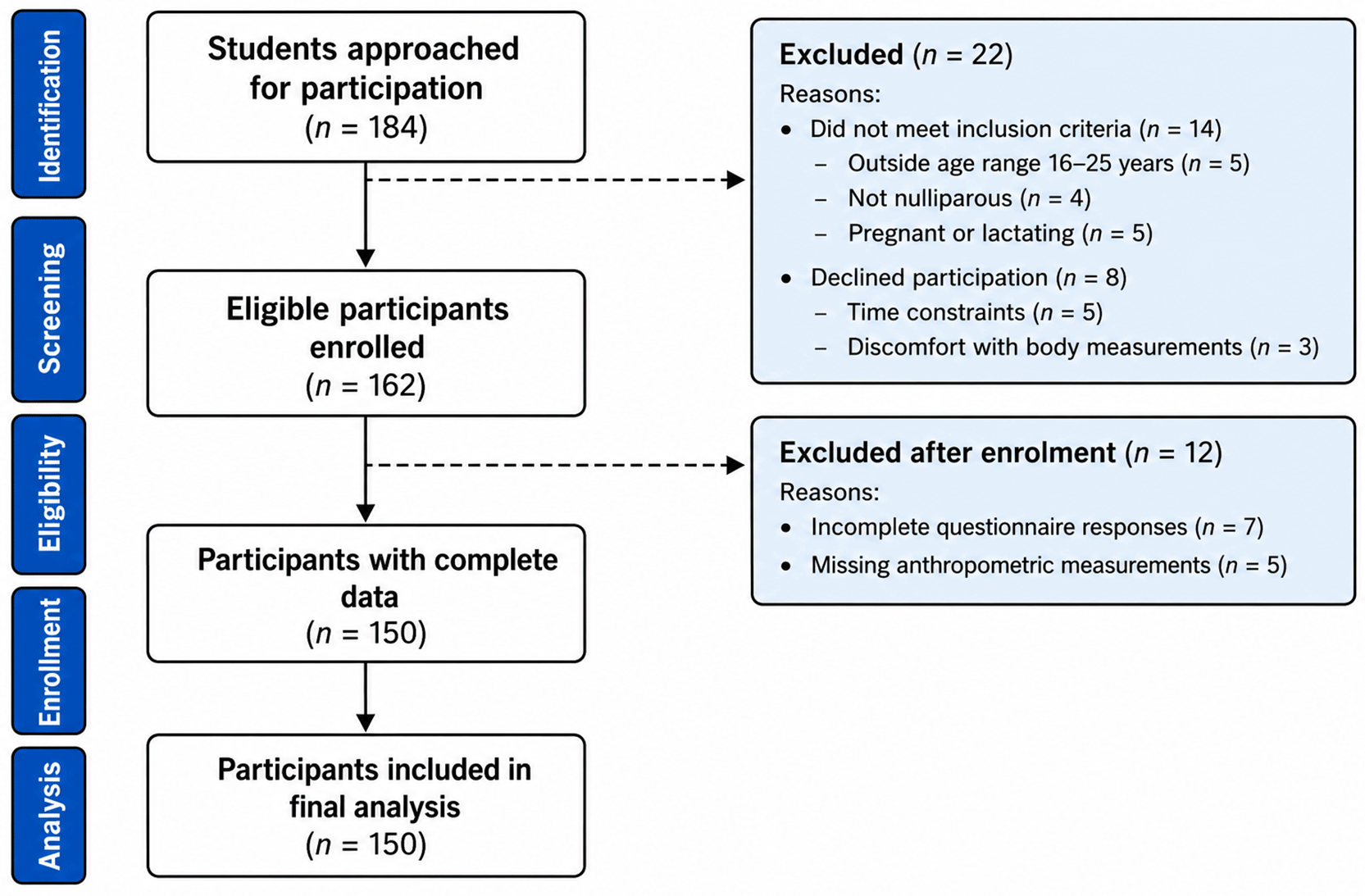
Flow diagram showing participant recruitment, eligibility assessment, exclusions, enrolment, data completeness, and final inclusion of 150 Nigerian undergraduate women in the study. Reasons for exclusion at each stage are indicated.
Ethical approval for this study was obtained from the College of Medicine Research Ethics Committee (COMREC), University of Nigeria, Enugu Campus, Nigeria (Approval No. COMREC/2024/03/017). The study was conducted in accordance with the ethical principles outlined in the Declaration of Helsinki and institutional guidelines for research involving human participants. Written informed consent was obtained from all participants aged 18 years and above prior to enrolment. For participants younger than 18 years, written informed consent was obtained from a parent or legal guardian, and written assent was obtained from the participant before participation. All participants were informeILd about the study objectives, procedures, potential risks and benefits, confidentiality safeguards, and their right to withdraw from the study at any time without penalty.
Anthropometric measurements were obtained by trained personnel using standardized protocols and calibrated instruments to ensure accuracy and reproducibility. Height was measured using a stadiometer, while weight was recorded using calibrated digital scales. Circumferential measurements included waist (measured at the narrowest point of the torso), hip (measured at the point of maximal gluteal protrusion), bust (measured at nipple level), underbust (measured immediately inferior to the breasts), and thigh circumference (measured at mid-thigh). Body mass index (BMI) was calculated as weight in kilograms divided by height in meters squared (kg/m2).
In addition to raw measurements, continuous morphometric indices were derived, including waist–hip ratio (WHR), waist–height ratio (WHtR), bust–waist ratio, and hip–waist difference. These indices were modeled as continuous predictors in subsequent analyses to avoid over-reliance on categorical classifications and to better capture the continuous nature of body morphology.
To evaluate the empirical validity of typological approaches, participants also self-identified their body and breast shapes using standardized visual guides adapted from existing morphological classification frameworks. Body shape categories included pear, apple, rectangle, inverted triangle, and hourglass, while breast shape categories included side set, bell, teardrop, round, slender, and east–west. Breast size was categorized as small, medium, large, or very large based on standardized bust–underbust differentials and circumferential thresholds. These categorical variables were analyzed independently of continuous anthropometric measures to assess whether typological classifications provide meaningful explanatory value.
Body image was assessed using the Body and Breast Shape Questionnaire (BSQ), a 34-item instrument designed to capture multidimensional aspects of body image across three domains: body satisfaction, breast image, and social confidence. Items were rated on a six-point Likert scale, and both subscale and total scores were computed according to established scoring procedures. Higher scores reflected greater dissatisfaction or poorer body image, depending on the directionality of the scale. Internal consistency reliability was evaluated within the present sample prior to inferential analyses and found to be acceptable.
All statistical analyses were conducted using Python (Pandas, NumPy, Statsmodels, and SciPy). Preliminary analyses included data cleaning, screening for missing values, and assessment of distributional assumptions. Descriptive statistics were computed for all anthropometric and psychological variables, and multicollinearity among predictors was evaluated using variance inflation factors (VIF). Missing data were minimal (<5%) and were handled using listwise deletion.
The primary analytic objective was to determine the proportion of variance in body image explained by objective anthropometry. To address this, heteroscedasticity-robust ordinary least squares (OLS) regression models were fitted with body image outcomes as dependent variables, including total BSQ score and its constituent domains (body satisfaction, breast image, and social confidence). Predictor variables included continuous anthropometric measures (BMI, WHR, WHtR, bust–waist ratio, hip–waist difference, and thigh circumference), as well as categorical indicators of body shape, breast shape, and breast size. Robust (HC3) standard errors were employed to account for potential heteroscedasticity. Model fit was evaluated using R2 and adjusted R2 values, alongside 95% confidence intervals and standardized regression coefficients. Consistent with contemporary statistical recommendations, interpretation emphasized effect sizes rather than statistical significance alone.
To further quantify the magnitude of group differences associated with categorical morphological variables, eta squared (η2) was calculated from one-way analysis of variance (ANOVA) models for body shape, breast shape, breast size, and BMI categories. Effect sizes were interpreted using conventional benchmarks, with values of approximately.01, .06, and.14 corresponding to small, medium, and large effects, respectively.
Adjusted group differences were examined using analysis of covariance (ANCOVA) models to determine whether morphological categories independently predicted body image after accounting for overall body size. Specifically, models were estimated with BSQ total score as the outcome and shape category as the primary predictor, adjusting for BMI and height. Estimated marginal means with 95% confidence intervals were computed to facilitate interpretation of adjusted group differences.
To examine whether discrete body-shape classes emerge empirically from continuous anthropometric data, Gaussian mixture modeling was conducted using standardized anthropometric variables (BMI, waist, hip, bust, thigh, and height). Model selection was guided by the Bayesian Information Criterion (BIC), with competing models specifying between one and four latent clusters. This analysis provided a formal test of whether commonly used typological classifications correspond to empirically identifiable morphometric groupings.
Finally, visualization techniques were used to generate publication-quality figures illustrating regression relationships, adjusted marginal means, distributions of body image scores, standardized effect sizes, and partial regression patterns. Statistical significance was set at α = .05 (two-tailed); however, consistent with best practices, interpretation prioritized effect sizes and confidence intervals over reliance on p-values alone.
A total of 150 nulliparous undergraduate women aged 16–25 years were included in the analysis. All participants completed both anthropometric assessment and the 34-item Body and Breast Shape Questionnaire (BSQ). Missing data were minimal (<5%) and were handled using listwise deletion.
The distribution of self-identified body and breast shape categories is presented in Table 1. Rectangular body shape (30.0%) and side-set breast shape (35.9%) were the most frequently reported categories. However, visual inspection of the data indicated substantial overlap across categories, suggesting that these classifications may reflect graded variation rather than discrete morphological types.
To examine whether objective anthropometry independently predicts body image, heteroscedasticity-robust ordinary least squares (OLS) regression models were fitted with BSQ total score and its subscales as dependent variables. Predictors included continuous anthropometric indices (BMI, WHR, waist–height ratio, bust–waist ratio, hip–waist difference, and thigh circumference), alongside categorical indicators of body shape, breast shape, and breast size.
The relationship between bust–waist ratio and global body image was first examined using a scatter plot with a fitted regression line ( Figure 2). Visual inspection revealed a largely diffuse distribution of data points with no clear linear pattern. The regression line exhibited a shallow slope, and the accompanying 95% confidence interval was broad, indicating substantial variability and uncertainty in the estimated relationship. These findings suggest that bust–waist ratio is only weakly associated with BSQ total score and does not meaningfully explain variation in body image at the bivariate level. Supplementary Figure S1 demonstrates that BMI, waist–hip ratio, and bust–waist ratio each exhibit similarly weak bivariate associations with BSQ total score, consistent with the multivariable findings indicating minimal explanatory contribution of objective anthropometry.
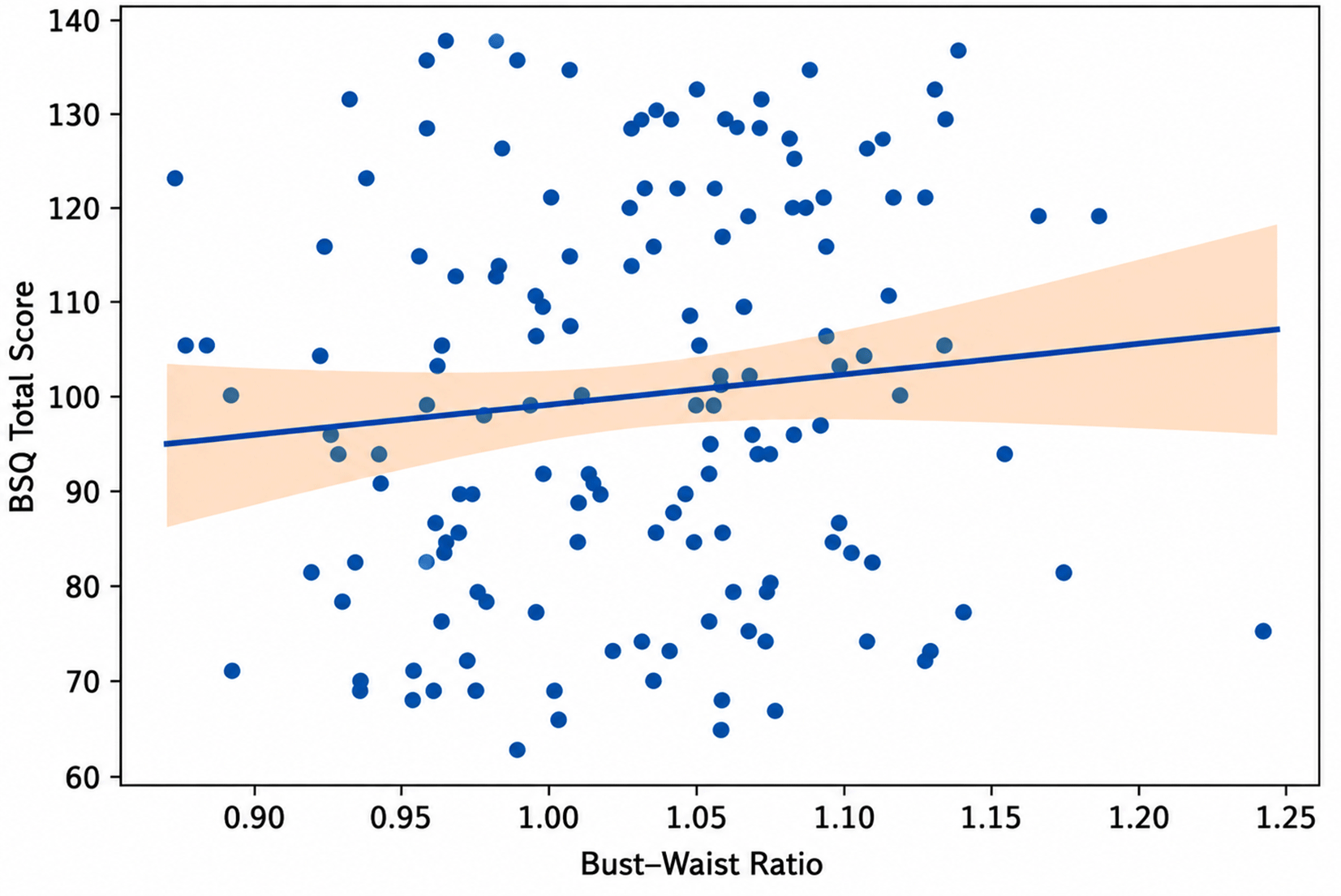
Scatter plot showing individual participant values for bust–waist ratio and BSQ total score. The solid line represents the fitted linear regression, and the shaded region denotes the 95% confidence interval. The relatively flat slope and wide confidence band indicate a weak and non-significant association between bust–waist ratio and global body image.
For global body image (BSQ total score), the full model explained minimal variance (R2 = 0.029; adjusted R2 = −0.087). None of the continuous anthropometric variables significantly predicted body image (all p > .46), and all 95% confidence intervals crossed zero. Similarly, categorical variables, including body shape, breast shape, and breast size, were not independently associated with global body image.
Parallel models examining domain-specific outcomes (body satisfaction, breast image, and social confidence) yielded consistent findings. Across all subscales, explained variance remained low (R2 range: 0.02–0.05), no anthropometric predictors reached statistical significance, and confidence intervals for all coefficients included zero. Collectively, these results indicate that objective morphology accounts for negligible variance across both global and domain-specific dimensions of body image. The pattern of standardized regression coefficients for the global model is illustrated in Figure 2, which demonstrates that all estimated effects were small and statistically indistinguishable from zero.
To further examine the independent contribution of anthropometric variables to body image, standardized regression coefficients were visualized using a forest plot ( Figure 3). Across all predictors, effect estimates were small in magnitude, and their corresponding 95% confidence intervals consistently spanned zero. This pattern indicates the absence of statistically or practically meaningful associations between objective anthropometry and BSQ total score. Notably, although the bust–waist ratio demonstrated a slightly larger point estimate relative to BMI and height, the wide confidence interval and overlap with the null line confirm that this association lacks robustness. Overall, the forest plot reinforces the minimal explanatory contribution of anthropometric factors to global body image.
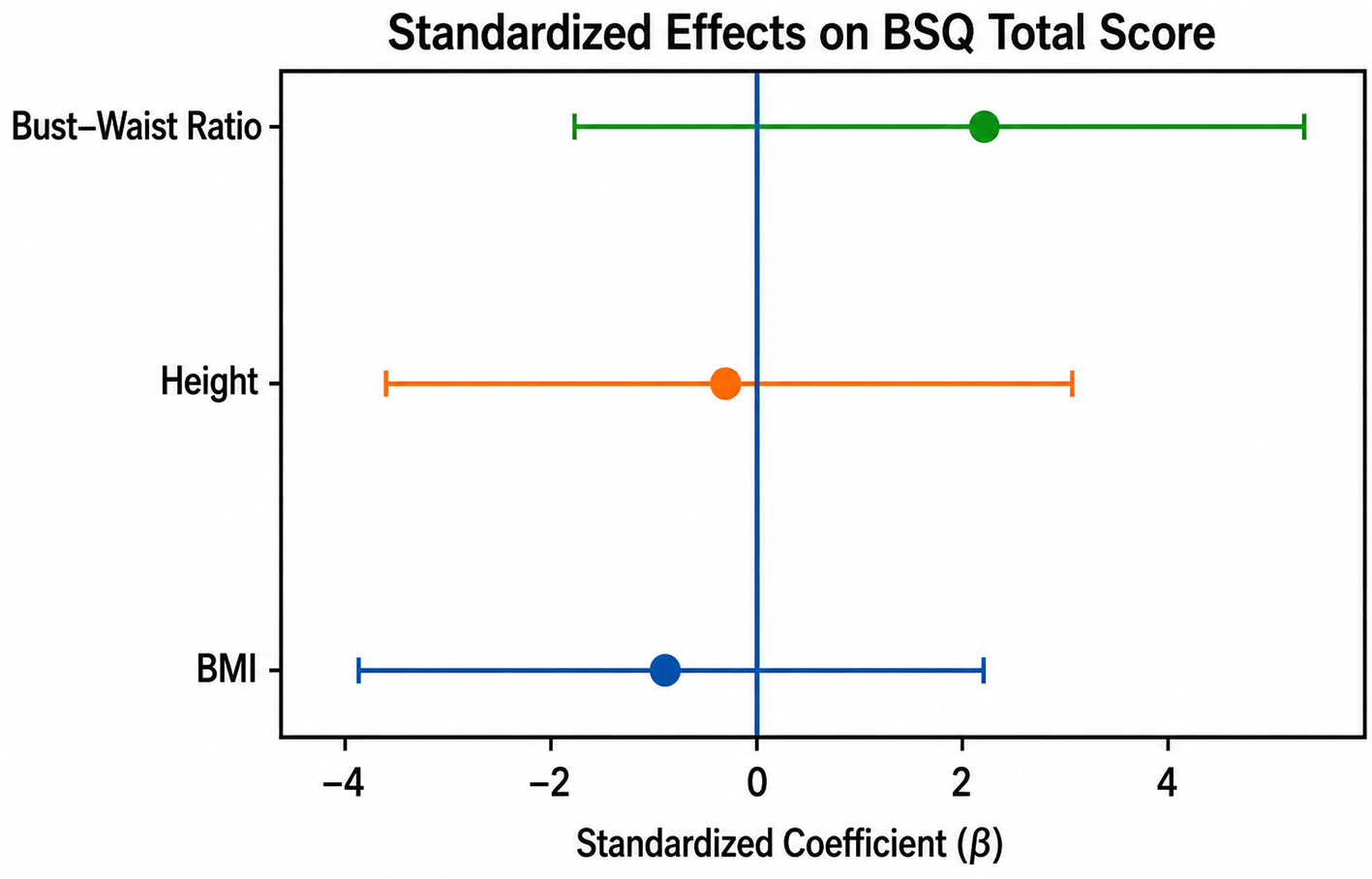
This forest plot presents standardized effect estimates derived from multivariable heteroscedasticity-robust linear regression models. Predictors include body mass index (BMI), height, and bust–waist ratio. Points represent standardized coefficients (β), and horizontal lines denote 95% confidence intervals. The vertical reference line at zero indicates no effect. All confidence intervals cross zero, indicating that none of the anthropometric variables independently predict global body image.
To evaluate the practical magnitude of categorical morphological differences, effect sizes (η2) were calculated using one-way analysis of variance (ANOVA). As shown in Table 2, all effect sizes were trivial (η2 ≤ .02) demonstrating negligible explanatory value. Even where minor descriptive differences were observed, their magnitude was insufficient to indicate meaningful practical effects.
To further assess whether morphological categories predict body image independent of overall body size, analysis of covariance (ANCOVA) models were estimated controlling for BMI and height. Adjusted group differences were minimal. Estimated marginal means for BSQ total scores across breast shape categories are presented in Table 3, with no statistically significant contrasts observed.
Adjusted group differences in body image across breast shape categories were examined using ANCOVA controlling for BMI and height ( Figure 4). Estimated marginal means of BSQ total scores were closely clustered across all breast shape groups, with substantial overlap in 95% confidence intervals. No statistically or practically meaningful differences were observed between categories. These findings indicate that breast shape classification does not meaningfully differentiate global body image when body size is accounted for, further supporting the negligible explanatory contribution of categorical morphology.
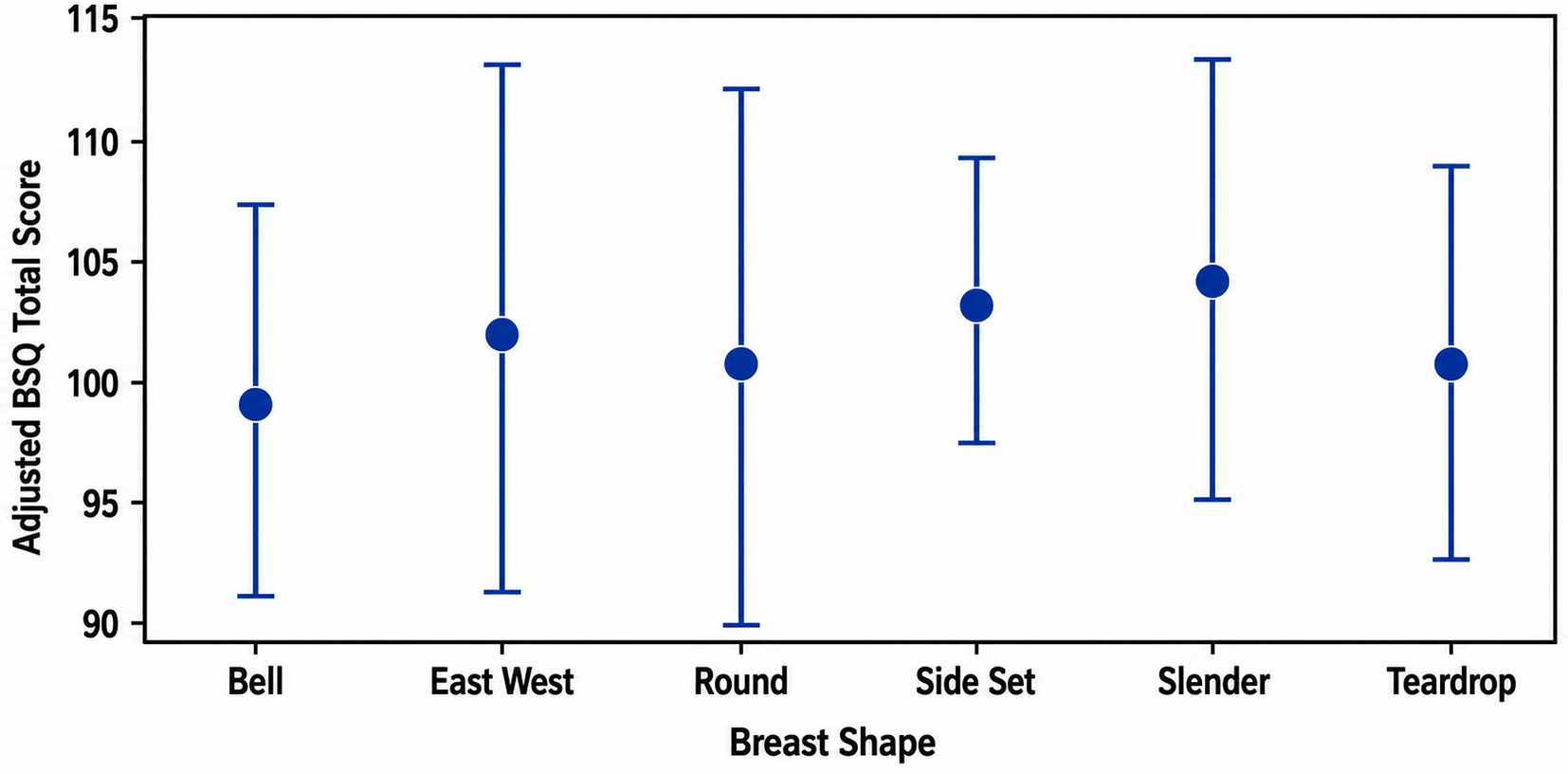
Points represent estimated marginal means of BSQ total score across breast shape categories derived from an ANCOVA model controlling for BMI and height. Error bars indicate 95% confidence intervals. The close clustering of adjusted means and substantial overlap of confidence intervals indicate minimal differences in body image across breast shape categories.
The distribution of BSQ total scores was examined to assess variability and underlying structure ( Figure 5). The histogram with overlaid kernel density estimate demonstrated an approximately symmetric and unimodal distribution with moderate dispersion. No evidence of skewness or multimodality was observed, indicating that body image scores are continuously distributed within the sample. This supports the assumptions of parametric regression models and aligns with latent mixture modeling results, which did not identify discrete morphometric classes.
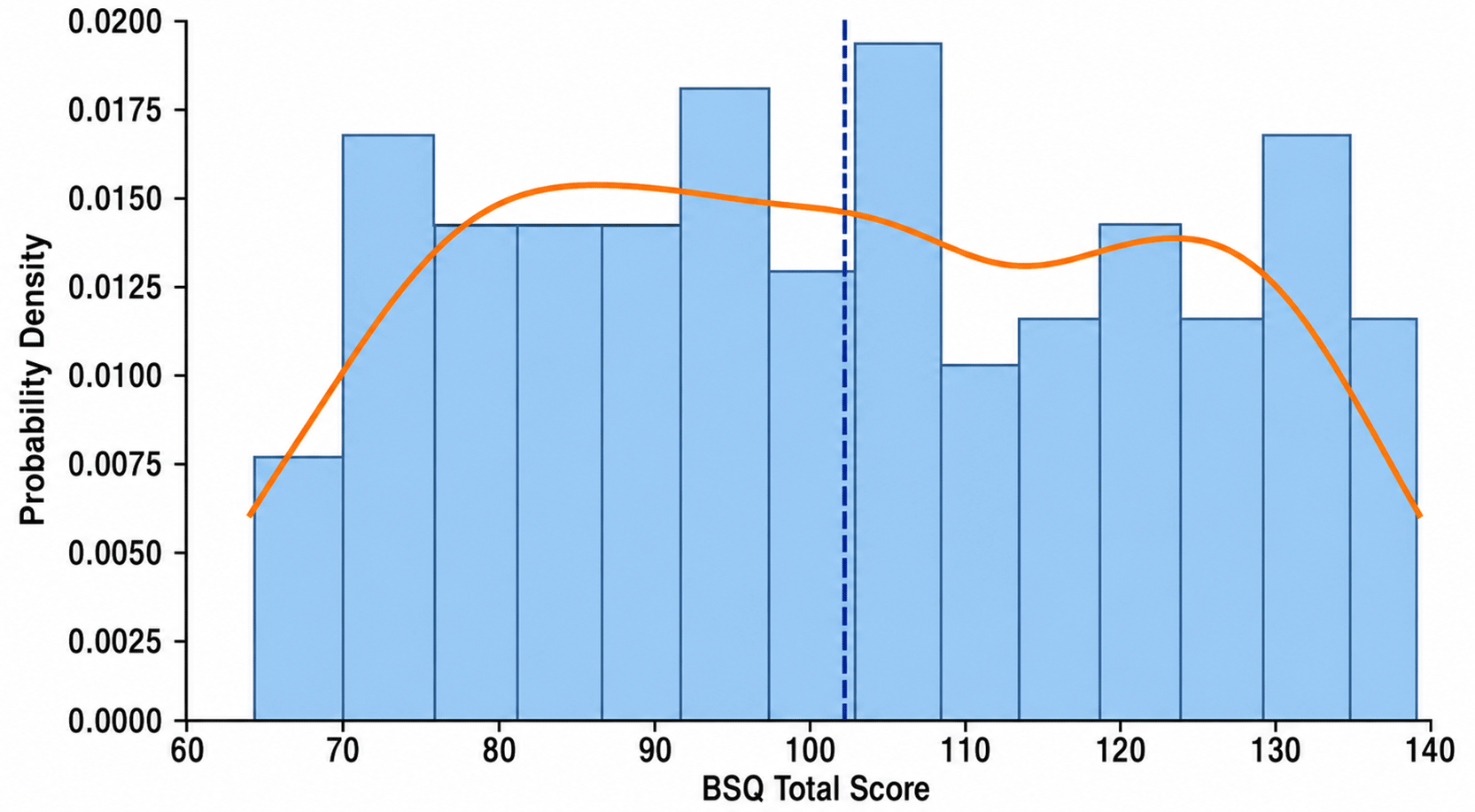
Histogram illustrating the distribution of BSQ total scores among participants, with an overlaid kernel density estimate (KDE) representing the smoothed distribution. The dashed vertical line indicates the mean score. The approximately symmetric and unimodal distribution suggests moderate dispersion without pronounced skewness or multimodality, supporting the use of parametric modeling and consistent with the absence of discrete latent classes.
Taken together, findings across descriptive, multivariable, effect size, adjusted, and latent modeling analyses converge on a consistent pattern. Objective anthropometric measures explained approximately 3% of variance in body image, while categorical morphological classifications demonstrated trivial effect sizes and negligible adjusted differences. Furthermore, no evidence was found for discrete morphometric classes within the sample. These results collectively indicate that objective anthropometry accounts for minimal variance in body image among Nigerian undergraduate women.
The present article has shown convergent evidence that objective anthropometric features can be used to explain low variance in both the global and domain specific body image among undergraduate women in Nigeria. In various continuous measures, such as body mass index (BMI), waist-hip ratio, waist-height ratio, bust-waist ratio, and thigh circumference, multivariate models explained about 3% variation in the outcome of body image. Effect sizes associated with categorical morphology, including body shape, breast shape, and breast size, were uniformly trivial (η2 ≤ .016), and confidence intervals for regression coefficients consistently crossed zero. Moreover, the results of latent mixture modeling were consistent with a single- cluster solution, which suggests that the morphometric variance of this sample may be better viewed not as categorical but as continuous.
Notably, these results are indicative of substantive but not statistical null effects. The analytic models were adequately powered, incorporated heteroscedasticity-robust estimation, as well as examined both continuous and categorical predictors. The consistently low explained variance and insignificant effect sizes thus imply that objective morphology holds little explanatory importance in creating body image, within this context. These findings build upon previous studies that show that despite the fact that in some instances, anthropometric measures have statistically significant relationships with dissatisfaction, they generally provide small percentage changes in variance among women.8,12,13,27 Anthropometric indicators in a number of European and Latin American samples describe a significantly less amount of dissatisfaction variance than is commonly supposed, especially when sociocultural variables are factored into the equation.28–30 Current results indicate that in this Nigerian cohort, morphology may have even a smaller explanatory value.
Theoretically, these results are more consistent with the sociocultural and cognitive-behavioral approaches to body image than with morphology-based frameworks. Cognitive-behavioral explanations conceptualize body dissatisfaction as based on evaluative schema,31 investment in appearance,32 and self-referent beliefs,33 and not basing on objective bodily traits.34 Likewise, sociocultural theories, such as the Tripartite Influence Model, also focus on the influence of peer, media, and family pressure that works through internalization of appearance ideals.5,19 Meta-analytic results suggest that internalization of attractiveness ideals has strong correlations with body dissatisfaction (r ≈ .43–.45), frequently independent of BMI.6 Structural equation models also indicate that the sociocultural pressures explain significant variation in dissatisfaction despite the variation in the size of the body (Chen et al., 2007; Frederick et al., 2022; Moreno-Dominguez et al., 2019).
In this theoretical context, the current results support a hierarchical exegesis where morphology is involved at the periphery, but the meaning, which is created by sociocultural activities, is mainly involved in developing body-related self-perception. Without the direct quantification of internalization variables, anthropometry alone gives very weak explanatory traction, highlighting the fact that body image is inherently a psychologically constructed phenomenon of identity and not necessarily the direct reflection of physical garb.35,36
One of the main contributions of this work is that it empirically challenges popular body-shape typologies, including “pear,” “apple,” and “hourglass body shape typologies.” Despite the fact that these classifications are vaguely related to fat distribution patterns and other indices, including waist-hip ratio,7,37 they showed insignificant predictability of body image outcomes in the current data. Unadjusted analyses showed that there were no significant differences between categories and the magnitude of all effects was negligible. More importantly, discrete morphmetric classes were not found in latent mixture modeling. The Bayesian Information Criterion suggested one solution, which contained a single cluster, and this suggested the continuous nature of anthropometric variation, instead of a discrete division.
These results align with methodological work that suggests reification of categorical constructs is dangerous when underlying traits differ across continuous dimensions.26,38 Psychological studies also suggest that linguistic labels have the potential of creating artificial boundary and shaping perception even in the case of continuous stimuli.9 In this respect, body-shape typologies can be viewed as enforced culturally, not necessarily as empirically based biological categories. The current outcomes indicate that they do not have independent psychological explanatory value and have a potential to exaggerate differences that are not reflected in the underlying morphometric structure.
The anthropometricity-sparsity in the explanations that have been witnessed in this research must also be viewed in its anthropometric context. Much of the body image literature available is based on western cultures in which there is widespread internalization of thin ideals,2,19 and higher BMI can be more satisfyingly related. Nonetheless, cross-cultural data show that there is a great deal of variance in the body ideals and their psychological connotations.39 Fuller body sizes have been, and continue to be, interpreted in the context of health, fertility and social status in a number of African and Pacific contexts, but are increasingly influenced by globalization and urbanization.20,40
Research in African communities and migrant groups demonstrates that there are intricate patterns of dissatisfaction with the body size in addition to underestimation of weight and culturally specific perceptions of body size.21,24 In other contexts, thinness can have adverse implications with regard to a disease, which makes it even more challenging to translate objective body size to psychological distress.41 It has always been shown that body dissatisfaction depends on cultural norms and internalized ideals in relation to BMI,31,42,43 which reinforces and weakens, respectively, in thin-ideal and thick-ideal social environments.19,20 Such cultural moderation in the current results (low anthropometric predictive power) is consistent and such morphological difference may have a different symbolism in the context of this Nigerian culture.
A major methodological contribution of the research is that the study focuses on the effect sizes instead of statistical significance alone. All η2 values were well below conventional thresholds for small effects, indicating negligible practical significance. Even in cases where descriptive differences were noted, they were insignificant. This is contrary to certain previous studies that have reported statistically significant anthropometric relationships,44–47 which usually disappear when sociocultural factors are added to multivariable models.2,17,19 These results hence give a lower end estimate of the impact of morphology that is independent, therefore the need to differentiate between statistical and substantive significance. Robust modeling, sufficient power, and tight confidence intervals lead to null results which are, in a theoretical sense, informative in that they define the limits of morphology effects and guard against morphology-based over interpretations.
This study possesses several strengths, including the use of objective and standardized anthropometric measurements, continuous modeling of morphometric variables, robust regression techniques with heteroscedasticity correction, explicit quantification of effect sizes, adjusted marginal mean comparisons, and latent mixture modeling of morphometric structure. Additionally, the focus on a sub-Saharan African university sample addresses a notable gap in the literature, which has been disproportionately dominated by Western populations.
However, some limitations are worth consideration. The cross-sectional design also does not allow causal inference and the variables of sociocultural internalization were not directly measured, which does not allow testing mediation pathways. Morphological classifications were also self-identified partially and could have been biased in perception. Moreover, the sample of university students can restrict the possibilities of the generalization to the general Nigerian or non-student groups. Validated measures of internalization (e.g., SATAQ), longitudinal designs, structural equation modeling, and multi-site African samples should be considered in future studies to gain a better understanding of causal effects and cultural moderation effects.
Finally, the current data suggest that objective anthropometry describes negligible body image variance among the Nigerian undergraduate women. Categorical body-shape typologies are not empirically supported as psychologically significant constructs and morphometric variability seems continuous and not discrete in nature. These results reinforce theoretical models that position body image as a construct shaped primarily by sociocultural meaning rather than physical measurement and underscore the importance of culturally contextualized approaches to understanding body-related self-perception.
Godson Emeka Anyanwu: Conceptualization; Study design; Methodology; Formal analysis; Data interpretation; Supervision; Writing – original draft; Writing – review & editing.
Sarah Chinaza Ogbunyibe: Data collection; Participant recruitment; Data curation; Investigation; Writing – original draft.
Vivian Onyinye Ojiakor: Data validation; Statistical support; Visualization; Writing – review & editing.
All authors read and approved the final manuscript.
Ethical approval for this study was obtained from the College of Medicine Research Ethics Committee (COMREC), University of Nigeria, Enugu Campus, Nigeria (Approval No. COMREC/2024/03/017). All study procedures were conducted in accordance with the ethical standards of the institutional research committee and the principles of the Declaration of Helsinki for research involving human participants.
| Views | Downloads | |
|---|---|---|
| F1000Research | - | - |
|
PubMed Central
Data from PMC are received and updated monthly.
|
- | - |
Provide sufficient details of any financial or non-financial competing interests to enable users to assess whether your comments might lead a reasonable person to question your impartiality. Consider the following examples, but note that this is not an exhaustive list:
Sign up for content alerts and receive a weekly or monthly email with all newly published articles
Already registered? Sign in
The email address should be the one you originally registered with F1000.
You registered with F1000 via Google, so we cannot reset your password.
To sign in, please click here.
If you still need help with your Google account password, please click here.
You registered with F1000 via Facebook, so we cannot reset your password.
To sign in, please click here.
If you still need help with your Facebook account password, please click here.
If your email address is registered with us, we will email you instructions to reset your password.
If you think you should have received this email but it has not arrived, please check your spam filters and/or contact for further assistance.

Comments on this article Comments (0)