Keywords
Coastal, Climate Change, Multisystem Resilience, Southeast Asia, Systematic Review

This article is included in the Ecology and Global Change gateway.
Coastal, Climate Change, Multisystem Resilience, Southeast Asia, Systematic Review
Climate change has triggered a rise in global average temperatures, which significantly correlates with the accelerating pace of sea-level rise (Elneel et al., 2024; Vermeer & Rahmstorf, 2009). Many sectors are affected due to this phenomenon including the abiotic, biotic, and social aspects, from ecological damage to habitat extinction and community health (Olson & Metz, 2020; Yap, 2019). This condition has threatened coastal zones, making them among the most vulnerable regions (Guild et al., 2024; Hadwen, 2012). With sea-level rise reaching 3.7 mm per year between 2006 and 2018, associated hazards—including coastal flooding, coastal erosion, land submergence, ecosystem disruption, and saltwater intrusion—are intensifying and are difficult to predict (Calvin et al., 2023; IPCC, 2022; Leung et al., 2024).
Southeast Asia is particularly exposed to these risks, as it supports a population of over 600 million people and contains some of the world’s longest, most heavily inhabited coastal zones. Between 1990 and 2015, artificial coastlines expanded by over 5,000 km, while natural coastlines declined by more than 4,200 km, alongside widespread coral reef degradation (Ahmad Kamil et al., 2017; Zhang et al., 2021; Zhang & Hou, 2020). Several countries in this region have experienced coastal erosion, while some major coastal cities like Jakarta, Ho Chi Minh City, and Manila already deal with recurrent flooding and climate-driven socio-economic pressures (Dong et al., 2024; Gellu et al., 2025).
Adaptation is therefore essential for reducing coastal disaster risks and maintaining ecosystem services (World Bank, 2019). Coastal protection has long been a cornerstone of climate adaptation and disaster risk reduction, particularly through engineering and nature-based measures. However, coastal adaptation cannot be understood solely as a technical issue. Its effectiveness depends on the interaction between physical infrastructure, ecological systems, governance arrangements, community participation, livelihoods, and psychosocial well-being. Resilience is therefore increasingly used to evaluate adaptation, referring to social and economic capacity, infrastructural, and governance systems to absorb shocks, adapt, and transform (Almheiri et al., 2024; Schaefer et al., 2020). This implies that both adaptation and resilience outcomes should be examined across multiple, interacting domains.
A multisystem resilience perspective provides a useful framework for understanding these interactions. Timmerman (1981) introduced the conceptualization of disaster resilience as an adaptive mechanism to social vulnerability, which then evolved toward a proactive risk reduction approach (Graveline & Germain, 2022). This perspective was further informed by Bronfenbrenner’s ecological systems theory, which explains how microsystems, mesosystems, exosystems, macrosystems, and chronosystems interact in shaping adaptation (Boon et al., 2012). In this view, resilience is not confined to individual capacity but is formed through the interaction between intrinsic and extrinsic systems (Liu et al., 2020). Sanson and Masten (2024) similarly emphasize multisystem resilience as a dynamic process across individuals, families, communities, and wider social systems, while Ungar (2021) argues that resilience emerges when resources are sustainably available across interconnected biological, psychological, social, and ecological systems.
In coastal disaster contexts, this perspective suggests that adaptation in the form of interventions should not be assessed in isolation. Hard Engineering Solutions (HES) and Nature-based Solutions (NbS) may protect physical infrastructure and reduce exposure, while Psychosocial and Community-Based (PS&CB) interventions strengthen local capacity through participation, social support, education, empowerment, and recovery processes (Hechanova & Waelde, 2017; Palupi, 2022). These intervention types may reinforce one another, but they may also produce uneven or unintended outcomes when implemented without attention to local vulnerability, community agency, and governance capacity. The operational definitions and examples used to classify intervention types in this study are shown in Table 1.
| Type of intervention | Definition | Example | Reference |
|---|---|---|---|
| Hard Engineering Solutions (HES) | Structural or grey infrastructure interventions are designed to provide physical protection for coastlines against flooding, erosion, storm surges, and sea-level rise. | Seawalls, dikes, embankments, breakwaters, groins, ripraps, revetments, floodgates, stilt houses. | (El-Masry, 2022; Ritphring et al., 2021; Schoonees et al., 2019) |
| Nature-based Solutions (NbS) | Ecosystem-oriented interventions that use, restore, or enhance natural systems to reduce coastal risks while supporting ecological and social benefits. | Mangrove restoration, bamboo breakwaters, beach nourishment, vegetation-based protection, ecosystem-based adaptation. | (Dorst et al., 2019; Kabisch et al., 2016; Pontee & Bassetti, 2024; Seddon et al., 2020) |
| Psychosocial and Community Based Interventions (PS&CB) | Social, educational, participatory, and livelihood-oriented interventions that strengthen preparedness, adaptive capacity, empowerment, and community resilience. | Preparedness training, coastal education, mitigation training, community participation, local knowledge mobilization, livelihood adaptation, co-management. | (Hechanova & Waelde, 2017; Langkulsen et al., 2022; Palupi, 2022; Triyanti et al., 2017) |
However, these reviews are predominantly concentrated on narrow dimensions of resilience or specific types of interventions. For instance, environmental resilience has been discussed in relation to mangrove forests (Lahjie et al., 2019) and other ecosystems, including urban, agroecosystem, and mountainous (Anandhi, 2025). Social vulnerability and community resilience have been synthesized by Lima & Bonetti (2020) and Tonmoy et al. (2020), while transportation infrastructural resilience has been reviewed by Moretti & Loprencipe (2018). Other reviews explore specific topics such as NbS (Anderson & Renaud, 2021), while others discuss planning interventions (Dai, 2021; Debnath et al., 2022). Although these reviews provide important insights, they do not sufficiently explain how HES, NbS, and PS&CB interventions interact to generate multisystem resilience outcomes, particularly in the setting of Southeast Asian coastal areas. This fragmentation limits the ability of decision-makers to identify which combinations of interventions work, for whom, and within what specific contextual settings.
To fill this gap, this systematic review examines coastal resilience interventions in Southeast Asia through a multisystem resilience lens. This review integrates HES, NbS, and PS&CB interventions as interconnected strategies for addressing coastal climate-related hazards following a multisystem framework. Consequently, the main objectives of this study are to systematically identify and classify the types of coastal resilience interventions implemented in Southeast Asian coastal area, examine the resilience outcomes reported across multisystem domains, and identify remaining evidence gaps. By doing so, this study contributes to a regionally grounded synthesis of how coastal resilience is operationalized across physical, ecological, livelihood, governance, and psychosocial domains.
The scope of this systematic review is represented by the following research questions:
This study employed a systematic review method to map and compile evidence from the body of literature regarding resilience interventions within the context of climate hazard and disasters in Southeast Asian coastal areas. This approach enables transparent identification, selection, and synthesis of empirical studies across diverse disciplines, particularly in fields characterised by heterogeneous evidence such as disaster resilience and climate adaptation (Mengist et al., 2020). The review procedure followed the Preferred Reporting Items for Systematic Review and Meta-Analysis (PRISMA) 2020 edition to strengthen methodological transparency, reproducibility, and clarity of reporting the review (Page et al., 2021).
To prevent the selection of irrelevant studies, inclusion and exclusion criteria were defined, as presented in Table 2. These criteria served as guidelines for determining the eligibility of the literature during the screening process, thereby reducing potential bias and strengthening the validity of the review (Carrera-Rivera et al., 2022).
The systematic search for literature was performed on September 26, 2025, across two primary sources, namely Scopus and SpringerLink, by the first, second, and third authors. To reduce the potential for overlooking relevant studies, an additional search for literature from supplementary sources was considered necessary (Gusenbauer & Haddaway, 2020). Therefore, supplementary searches were conducted on Google Scholar, where the search results from the first 10 pages were manually screened by the fourth author to retrieve relevant literature following the eligibility criteria. The Boolean operator ‘AND’ was used to ensure the inclusion of all key concepts, while ‘OR’ broadened the results by capturing related synonyms. The wildcard symbol (*) was also applied to account for spelling variations. This method aims to balance search precision and sensitivity, thereby minimizing the risk of missing relevant studies and unnecessary workload (Gusenbauer & Gauster, 2025). Therefore, the finalized search strings used in the searches for Scopus and SpringerLink are: (“climate change” OR crisis OR disaster OR calamity OR hazard OR risk OR flood* OR storm* OR erosion OR “sea level rise” OR “salt water intrusion” OR inundation OR landslide) AND (intervention OR treatment OR program OR train* OR improv* OR develop* OR practice OR procedure OR approach OR method OR teach* OR education) AND (coastal OR shore*) AND (adapt* OR resilien* OR “protective factor”).
To ensure a rigorous screening process and avoid duplication, all retrieved articles were imported into the Rayyan systematic review platform. The platform’s automated deduplication tool (Ouzzani et al., 2016) was utilized to identify potential duplicates, which were subsequently reviewed manually by the authors to confirm exact matches before exclusion. The screening of titles and abstracts was conducted independently by the third, fourth, and fifth authors using Rayyan. Each article was then labeled as ‘Included’, ‘Excluded’ or ‘Maybe’. Any conflicted articles were reviewed by the sixth and seventh authors whose perspectives served as the basis for resolving conflicts. The retained articles then underwent independent full-text screening by all authors prior to inclusion in the analysis, with any discrepancies resolved through discussion and mutual agreement. All selected articles were then evaluated and approved by the first author for inclusion in the quality assessment.
Quality assessment (QA) is an essential component of a systematic review, as the validity of the study findings depends on the quality of the included literature. Therefore, a comprehensive assessment of the methodologies, research quality, and overall validity of the evidence is required at this stage. (Shaheen et al., 2023). Following the screening process, which was based on the eligibility criteria, further incorporation of specific QA measures ensures a more rigorous and reliable selection of the included literature (Yang et al., 2021). QA is typically performed by evaluating the articles against a checklist of various evaluation factors to ensure the inclusion of only high-quality studies, thereby supporting the validity of the findings (Carrera-Rivera et al., 2022; Kitchenham & Charters, 2007).
QA of the selected articles was conducted to evaluate the quality of the included studies. This study adopted the QA checklist from Yang et al. (2021), focusing on four key characteristics namely rationality, rigor, credibility, and contribution, each of which was evaluated accordingly.
To further evaluate the risk of bias, the Mixed Methods Appraisal Tool (MMAT) version 2018 was utilized to assess the methodological rigor and potential biases of the qualitative, quantitative, and mixed-methods studies included in this review (Hong et al., 2018). Following MMAT guidelines, all articles were initially evaluated using two screening questions to verify the clarity of their research questions and the sufficiency of supporting data. The subsequent assessment process was conducted according to the relevant MMAT criteria for each study design category.
All assessment procedures were conducted independently by the second to fifth authors under the supervision of the first author, with any conflicting opinions resolved through discussion to reach a mutual consensus.
The data extraction process was performed by the first to fifth authors using a structured charting table. To ensure accuracy and completeness, the extracted data were consolidated into a single dataset and cross-checked by the sixth and seventh authors, as presented in Supplementary Material 2 (Dewi et al., 2026). The extracted information included bibliographic details, study locations, type of disasters, intervention approaches, and key findings related to the research questions. The collected data were then analyzed using descriptive and thematic synthesis. Descriptive analysis was used to identify the geographical and thematic characteristics of the included studies. Thematic synthesis was applied to examine how interventions addressed multisystem resilience across qualitative, quantitative, and mixed-methods evidence, enabling narrative results to be coded, grouped, and interpreted in relation to the research questions (Flemming & Noyes, 2021; Mengist et al., 2020). The coding and categorization process was supported by ATLAS.ti version 8. Codes were iteratively compared across studies and grouped into higher-order themes linking intervention types, resilience mechanisms, outcomes, and evidence gaps.
According to Figure 1, the initial database search identified 14,066 records, consisting of 13,503 records from Scopus and 563 records from SpringerLink. Before screening, 12,975 entries were removed due to their failure to satisfy the preliminary inclusion requirements: non-article documents (n = 4,097), studies not located in Southeast Asia (n = 8,876), and non-English publications (n = 2), leaving 1,091 records. In addition, 11 records were identified through manual screening of Google Scholar, resulting in a total of 1,102 records.
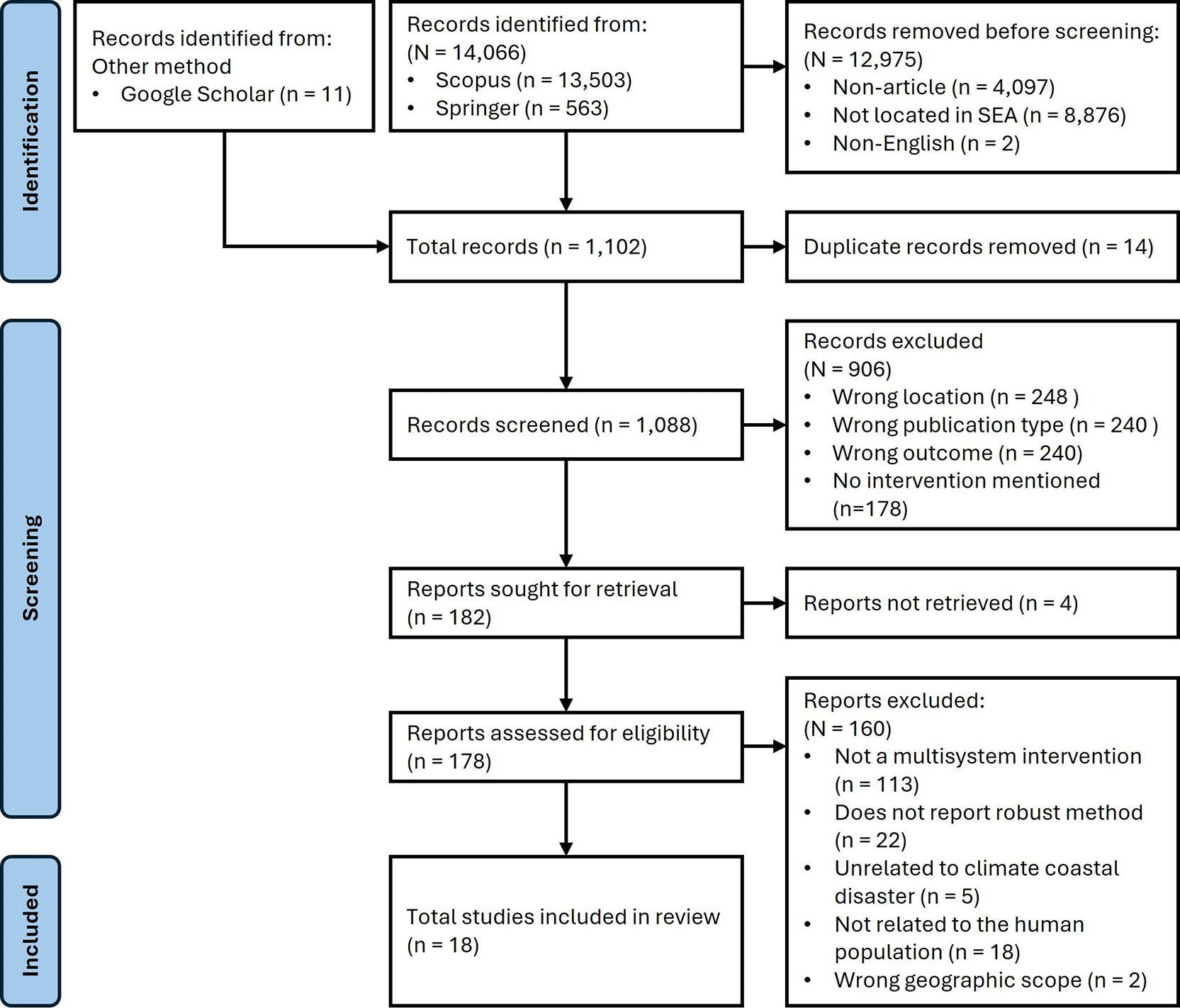
The diagram illustrates the literature search and selection process conducted in this study, starting with the identification of records from databases (Scopus and SpringerLink) and other methods (Google Scholar), followed by the screening, eligibility assessment, and final inclusion of 18 eligible articles for the final synthesis. Detailed reasons for record exclusion at each stage are provided. Adapted from the PRISMA 2020 statement and guidelines (Page et al., 2021). The complete PRISMA checklist and flow diagram are available via Figshare Repository (Dewi et al., 2026).
After removing 14 duplicates using the Rayyan platform, 1,088 records underwent title and abstract screening. At this stage, 906 records were excluded for the following reasons: ineligible location (n = 248), ineligible publication type (n = 240), ineligible outcome (n = 240), and no intervention mentioned (n = 178). Consequently, a total of 182 articles were sought for retrieval, with four articles unable to be retrieved.
The remaining 178 full-text reports were assessed for eligibility. Of these, 160 reports were excluded because they did not focus on multisystem interventions (n = 113), did not report robust methods (n = 22), were unrelated to coastal climate-related disasters (n = 5), were not related to human populations (n = 18), or had the ineligible geographical scope (n = 2). Finally, 18 studies were selected for inclusion in the review and proceeded to the QA and data synthesis stages.
The complete QA and risk of bias assessment results are presented in Supplementary Material 1 (Dewi et al., 2026). The QA scores ranged from 60 to 90%, with a median score of 80%, as presented in Figure 2. Concurrently, the risk of bias assessment demonstrated that all 18 articles also exhibited a low overall risk of bias. Therefore, all studies were confirmed to have met the predefined quality thresholds and were retained for final synthesis.
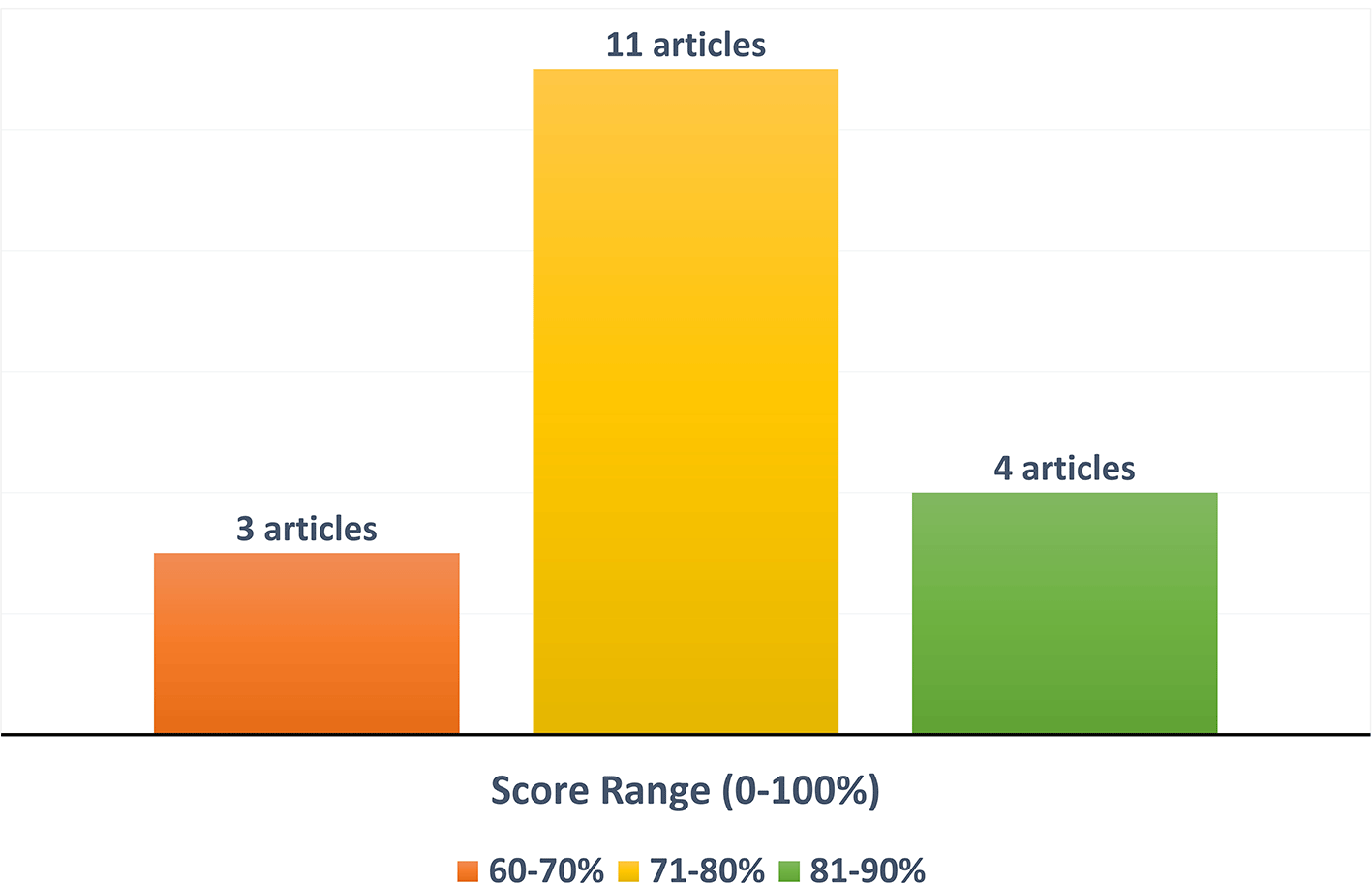
The bar chart illustrates the QA score distribution for the 18 empirical articles assessed in this review. Scores ranged from 60% to 90%, with the majority (n = 11) falling within the 71–80% range. The evaluation utilized a 20-item checklist adapted from Yang et al. (2021), assessing study rationality, rigor, credibility, and contribution. Interventions. The detailed scoring tabulation is available via the Figshare Repository (Dewi et al., 2026).
Among the 18 included studies, publication years ranged from 2013 to 2025, with the majority appearing after 2020, reflecting a growing scholarly attention to coastal resilience in the region.
In terms of research design, most studies employed qualitative approaches (n = 9), while the remaining studies used mixed-methods (n = 8) or quantitative approaches (n = 1). The studies collected data through interviews, field observations, surveys, and document analysis, reflecting the predominantly social and community-oriented nature of the interventions examined.
The final synthesis consisted of 18 studies, as presented in the PRISMA flow diagram ( Figure 1). The included studies examined diverse coastal disasters and climate-related hazards in Southeast Asia, including tidal flooding (Anwar & Syamsul, 2023; Saputra et al., 2025), sea-level rise (Jamero et al., 2017; Kurniawan et al., 2024; Nguyen et al., 2017; Renaud et al., 2014; Ritphring et al., 2021), coastal erosion (Anwar & Syamsul, 2023; Kurniawan et al., 2024; Langkulsen et al., 2022; Nguyen et al., 2017; Ritphring et al., 2021; Schmitt et al., 2013; Yasmeen et al., 2024), saltwater or salinity intrusion (Almaden et al., 2020; Kurniawan et al., 2024; Renaud et al., 2014), land subsidence (Saputra et al., 2025), typhoons and storms (Macusi et al., 2024; Schmitt et al., 2013; Williams et al., 2020), and coastal flooding or inundation (Karmilah & Sastrosasmita, 2024; Langkulsen et al., 2022; Prana et al., 2024; Purnomo et al., 2024; Triyanti et al., 2017; Williams et al., 2020). Given this diversity, the results are organized descriptively and thematically to show patterns across locations, hazards, intervention types, and reported resilience outcomes.
As depicted in Figure 3, four Southeast Asian countries were represented in the included studies. Indonesia was the most frequently represented country, with eight studies conducted in Pekalongan, the Thousand Islands, North Jakarta, Demak, Jakarta, Muaragembong Bekasi, and Bandar Bakau Dumai (Anwar & Syamsul, 2023; Karmilah & Sastrosasmita, 2024; Kurniawan et al., 2024; Mulyadi et al., 2021; Prana et al., 2024; Purnomo et al., 2024; Saputra et al., 2025; Triyanti et al., 2017). Four studies were conducted in Vietnam, with the majority concentrated in the Mekong Delta region, particularly in Ben Tre, Tra Vinh, Kien Giang, Soc Trang, and Thanh Phu district (Almaden et al., 2020; Nguyen et al., 2017; Renaud et al., 2014; Schmitt et al., 2013). Thailand was represented by three studies conducted in Bang Khun Thian District, Krabi, and Nakhon Si Thammarat, and Pattaya and Chalatat Beach (Langkulsen et al., 2022; Ritphring et al., 2021; Yasmeen et al., 2024). The Philippines was also represented by three studies, focusing on Surigao del Sur, Hagonoy and Malabon, and Tubigon in Bohol (Jamero et al., 2017; Macusi et al., 2024; Williams et al., 2020). The detailed geographical distribution of the selected articles is shown in Figure 4.
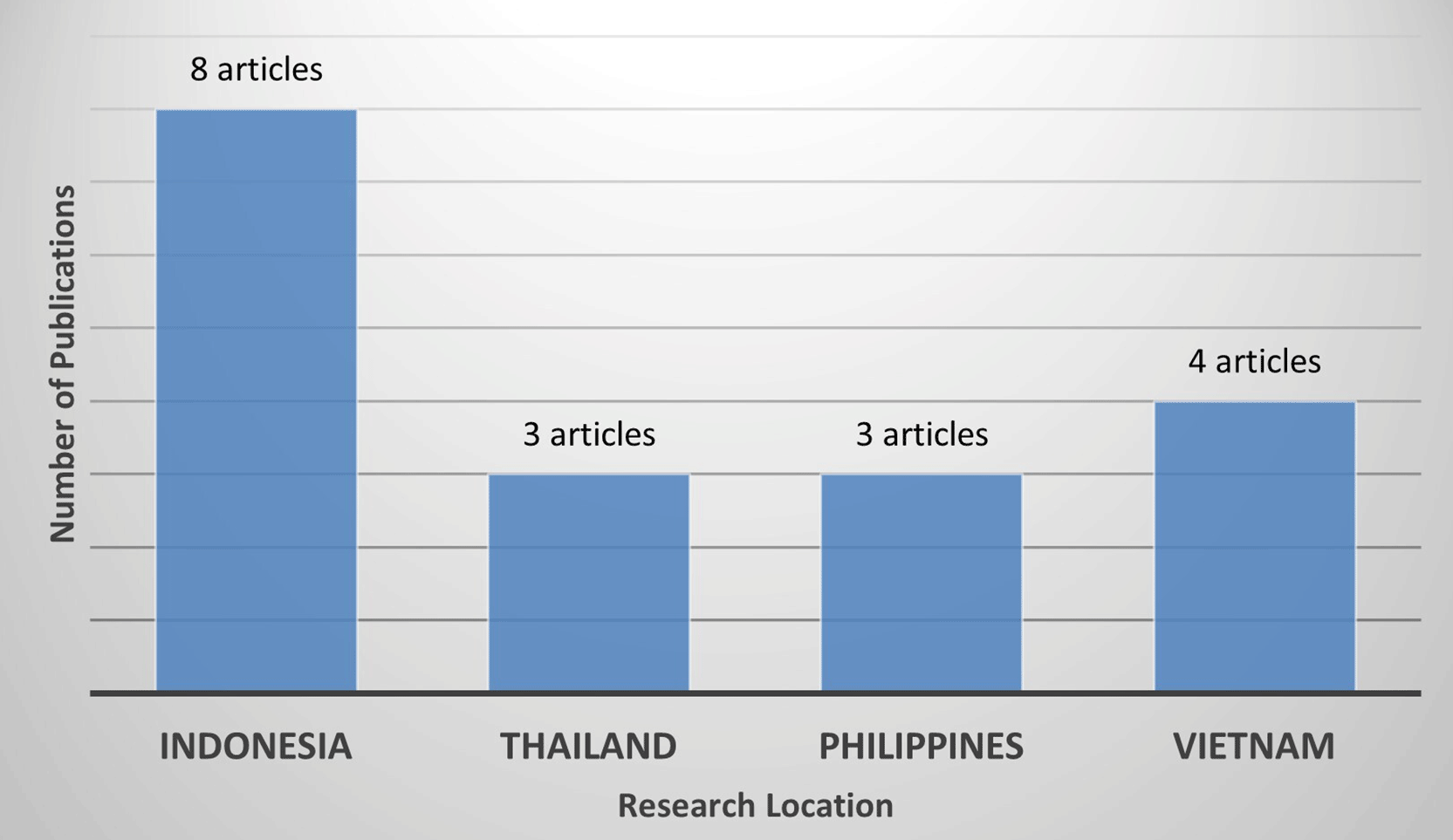
The bar chart illustrates the distribution of the 18 empirical studies across four Southeast Asian countries. Indonesia represents the most frequently studied location with eight articles, followed by Vietnam with four articles, while Thailand and the Philippines accounted for three articles each.
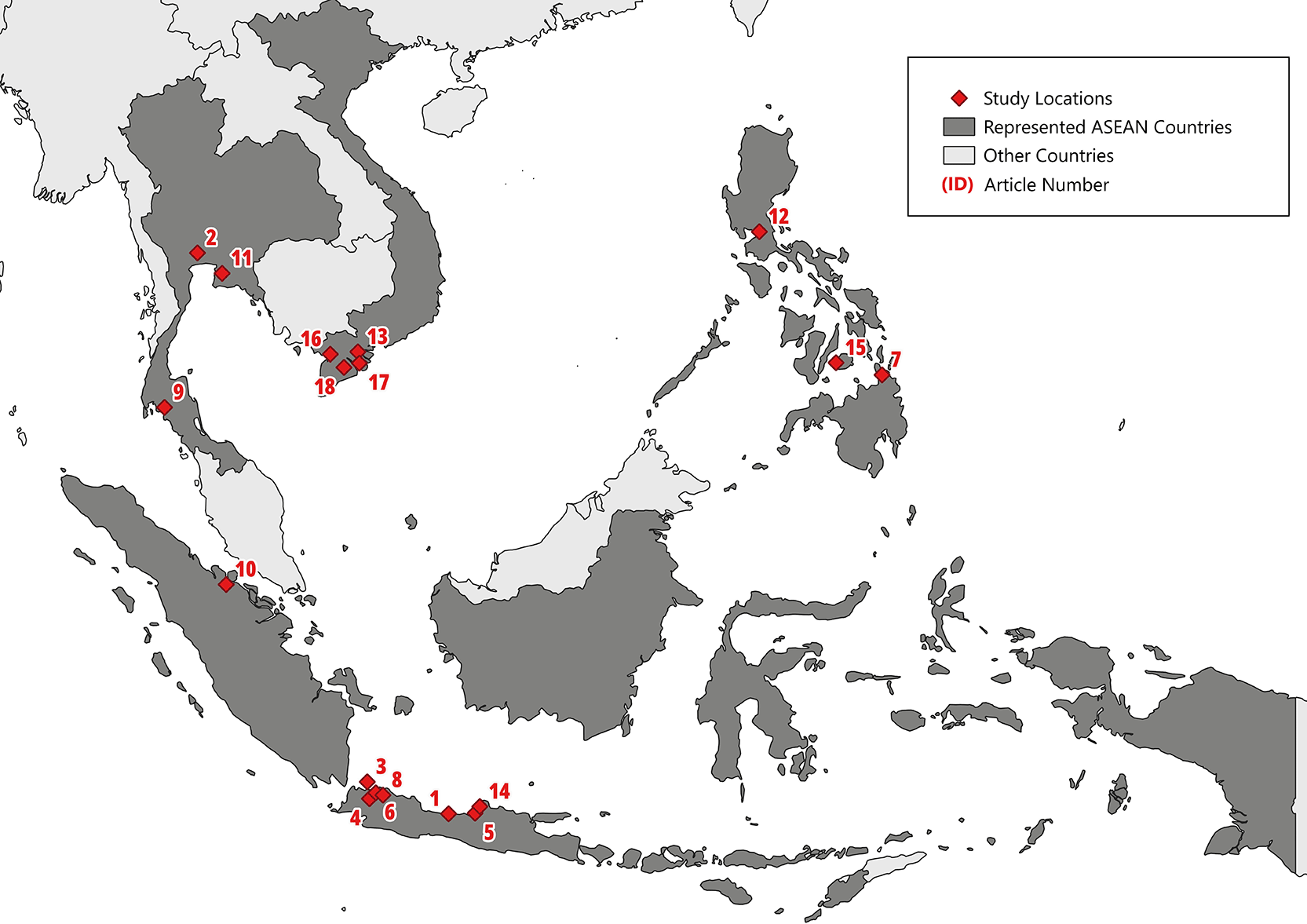
The map illustrates the specific coastal research sites of the 18 included studies. Dark grey areas represent the four countries identified in the review: Indonesia, Thailand, the Philippines, and Vietnam. Red diamonds indicate the exact study sites, which are predominantly concentrated in vulnerable coastal zones. The numbers adjacent to the red diamonds correspond to the specific article numbers detailed in this review.
The review identified three multisystem intervention models across the 18 included studies: 1) HES + NbS + PS&CB; 2) HES + PS&CB, and 3) NbS + PS&CB. The most dominant model was the integration of HES + NbS + PS&CB, reported in 13 studies: Almaden et al. (2020), Karmilah & Sastrosasmita (2024), Kurniawan et al. (2024), Langkulsen et al. (2022), Jamero et al. (2017), Mulyadi et al. (2021), Prana et al. (2024), Purnomo et al. (2024), Renaud et al. (2014), Ritphring et al. (2021), Schmitt et al. (2013), Williams et al. (2020), and Yasmeen et al. (2024). These studies combined structural measures, ecosystem-based protection, and community-oriented adaptation, such as seawalls, dykes, pumping stations, mangrove restoration, beach nourishment, livelihood diversification, early warning systems, and participatory governance.
The second model, HES + PS&CB, was found in two studies: Macusi et al. (2024) and Saputra et al. (2025). These studies examined physical protection through seawalls, levees, pumping stations, road elevation, and fishing infrastructure, while also including community-based coping, disaster preparedness, livelihood diversification, and social protection schemes.
The NbS + PS&CB model appeared in three studies: Anwar and Syamsul (2023), Nguyen et al. (2017), and Triyanti et al. (2017). These studies emphasized mangrove restoration, vegetation-based mitigation, mangrove allocation, afforestation, and ecosystem-based coastal protection, supported by community participation, livelihood support, local governance, and participatory coastal management. The overall distribution across these three models is depicted in Figure 5.
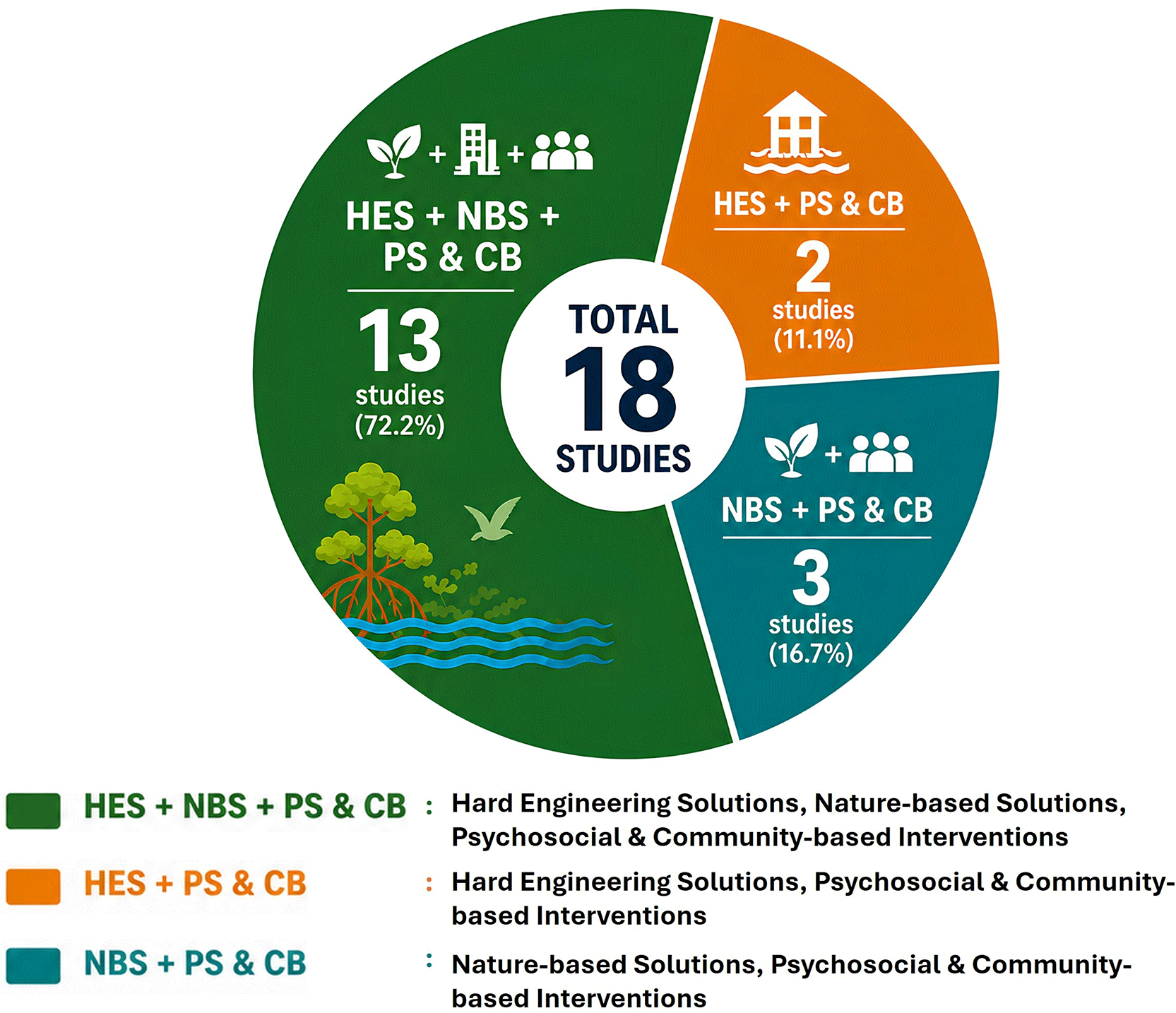
The chart illustrates the proportion of three distinct combinations identified within the reviewed literature. The most dominant approach is the integration of all three domains (HES + NbS + PS&CB), accounting for 13 studies (72.2%). The remaining studies utilized combinations of NbS + PS&CB (3 studies, 16.7%) and HES + PS&CB (2 studies, 11.1%). Abbreviations: HES (Hard Engineering Solutions); NbS (Nature-based Solutions); PS&CB (Psychosocial and Community-Based Interventions).
Overall, the findings indicate that coastal resilience interventions in Southeast Asia are predominantly multisystemic. Most of the studies did not rely on a single intervention domain but rather integrated physical, ecological, livelihood, governance, and community-based components to address complex coastal hazards.
Across the included studies, the reported resilience outcomes were concentrated in five domains: physical protection, ecological restoration, livelihood adaptation, governance capacity, and community preparedness.
▪ Physical outcomes were mainly reported in studies involving HES, such as seawalls, dykes, floodgates, drainage systems, pumping stations, elevated roads, stilt houses, and house elevation. These interventions were associated with reduced exposure to tidal flooding, coastal erosion, and saltwater intrusion, as reported in several studies (Almaden et al., 2020; Jamero et al., 2017; Langkulsen et al., 2022; Purnomo et al., 2024; Renaud et al., 2014; Ritphring et al., 2021; Saputra et al., 2025; Schmitt et al., 2013; Williams et al., 2020).
▪ Ecological outcomes were commonly reported in studies using NbS, particularly restoration and rehabilitation of mangrove forests, coral reef protection, seagrass conservation, bamboo barriers, beach nourishment, and ecosystem-based coastal protection. These outcomes included shoreline stabilisation, sediment trapping, wave attenuation, ecosystem recovery, and improved coastal buffering capacity. This pattern was evident in Anwar and Syamsul (2023), Karmilah and Sastrosasmita (2024), Kurniawan et al. (2024), Mulyadi et al. (2021), Nguyen et al. (2017), Renaud et al. (2014), Schmitt et al. (2013), Triyanti et al. (2017), and Yasmeen et al. (2024).
▪ Livelihood-related outcomes were also prominent, especially in studies addressing fishing, aquaculture, rice farming, and coastal household economies. Reported outcomes included livelihood diversification, rice–shrimp farming, mangrove-based aquaculture, local business development, seafood processing, ecotourism, and alternative income strategies. These were particularly visible in Almaden et al. (2020), Anwar and Syamsul (2023), Karmilah and Sastrosasmita (2024), Macusi et al. (2024), Nguyen et al. (2017), Purnomo et al. (2024), and Renaud et al. (2014).
▪ Governance and community capacity outcomes were reported through community participation, disaster preparedness training, early warning systems, evacuation planning, mangrove groups, co-management, local leadership, stakeholder collaboration, and participatory coastal governance. These outcomes appeared in studies by Langkulsen et al. (2022), Mulyadi et al. (2021), Nguyen et al. (2017), Schmitt et al. (2013), Triyanti et al. (2017), and Williams et al. (2020).
However, several evidence gaps were identified. First, psychosocial and well-being outcomes were less systematically measured compared with physical and ecological outcomes. Although several studies referred to preparedness, coping, social connectedness, collective resilience, local knowledge, and community participation, few explicitly assessed mental health, perceived safety, emotional recovery, social support, or subjective well-being as formal resilience outcomes. Second, long-term effectiveness remains unclear, especially for hybrid and NbS interventions, where outcomes such as mangrove survival, ecosystem health, and the maintenance of protection functions require sustained monitoring. Schmitt et al. (2013) noted that monitoring should focus not only on seedling survival but also on broader mangrove forest health.
The systematic review synthesized evidence on resilience interventions addressing climate-related coastal hazards in Southeast Asia. It fills a gap in the existing literature, as previous climate change and resilience syntheses often draw on broader or Global North contexts, with fewer reviews focusing on culturally and geographically specific coastal settings in Southeast Asia. This regional focus is important because resilience is not context-free, but emerges through interactions among individuals, communities, institutions, cultural systems, and ecological environments (Sanson & Masten, 2024; Ungar, 2021). It also aligns with the broader shift in conservation and adaptation thinking from nature-focused approaches toward people-and-nature perspectives (Lawler et al., 2015). The included studies show that Southeast Asian coastal communities face multiple and interacting climate-related hazards, such as sea-level rise, erosion, coastal flooding, saltwater intrusion, typhoons, and land subsidence, consistent with wider evidence on increasing coastal vulnerability under climate change (Calvin et al., 2023; IPCC, 2022; Leung et al., 2024).
The findings show that coastal resilience interventions in Southeast Asia are commonly organized around three broad intervention types: HES, NbS, and PS&CB. HES, such as dikes, seawalls, groynes, riprap, embankments, and breakwaters, were used to reduce physical exposure to flooding, erosion, and wave impacts. These interventions are important for short-term protection, particularly in densely populated coastal areas. However, several studies also suggest that they may produce unintended consequences, including erosion displacement, maladaptation, or the marginalization of local adaptive practices when implemented through highly technocratic approaches.
NbS were also prominent, especially mangroves restoration, bamboo breakwaters, beach nourishment, vegetation-based protection, and ecosystem-based adaptation. These interventions align with the view that coastal adaptation should maintain ecosystem services while reducing disaster risks (World Bank, 2019). Unlike HES, NbS can support multiple outcomes, including shoreline stabilization, biodiversity conservation, sediment retention, and livelihood support. This result aligns with previous review studies that highlight the role of mangroves and ecosystem-based approaches in strengthening coastal and environmental resilience (Alongi, 2008; Anderson & Renaud, 2021; Singhvi et al., 2022; Smith et al., 2021).
PS&CB interventions emerged as cross-cutting components across all identified multisystem models, indicating that they function as an essential complement to both HES and NbS approaches. These interventions included preparedness training, coastal education, community participation, livelihood adaptation, empowerment, local knowledge mobilization, and participatory governance. Their consistent presence suggests that coastal resilience cannot be reduced to infrastructure or ecosystem restoration alone but also depends on how communities understand risk, organize collective responses, sustain livelihoods, and maintain psychosocial well-being. This finding supports the multisystem resilience perspective, which views adaptation as emerging from interactions among personal, relational, organizational, cultural, and ecological systems (Sanson & Masten, 2024; Ungar, 2021).
This review provides further insight into the resilience literature by applying a multisystem resilience framework to coastal disaster interventions in Southeast Asia. Previous reviews have often examined resilience through narrower domains, such as ecological resilience, social vulnerability, community resilience, infrastructure resilience, engineering solutions, or planning interventions (Alongi, 2008; Dai, 2021; Debnath et al., 2022; Lima & Bonetti, 2020; Moretti & Loprencipe, 2018; Tonmoy et al., 2020). In contrast, this review shows that coastal resilience interventions in Southeast Asia operate across interconnected infrastructural, ecological, livelihood, governance, and psychosocial domains, rather than through single-domain responses.
Based on the selected literature, resilience studies have increasingly moved toward multisystem approaches that integrate ecological, infrastructural, and psychosocial or community-based interventions. While Anderson & Renaud (2021) highlighted the role of NbS in reducing risk of disaster, findings from Purnomo et al. (2024) show that coastal protection in Jakarta also depends on livelihood strategies, community participation, and local social capital. Similarly, while Schoonees et al. (2019) primarily focused on HES approaches incorporating greener design principles, Kurniawan et al. (2024) illustrate how physical coastal protection is strengthened when combined with biodiversity conservation and community awareness in a specific Southeast Asian coastal setting.
The findings extend earlier conceptualizations of resilience in disaster contexts. Timmerman (1981) introduced resilience as an adaptive response to social vulnerability, while later disaster scholarship positioned resilience as a proactive risk-reduction process (Graveline & Germain, 2022). The present review supports this development by showing that coastal resilience interventions are not only protective but also adaptive and relational. In line with Bronfenbrenner’s ecological perspective, resilience in coastal disaster contexts is shaped by interactions between households, communities, institutions, policy systems, and cultural environments (Boon et al., 2012).
The review also strengthens the argument that resilience should be understood in context. Southeast Asian coastal resilience is shaped by dense coastal populations, livelihood dependence on fisheries and agriculture, informal settlements, local knowledge, community participation, and uneven governance capacity. Therefore, this review contributes to a culturally and regionally situated synthesis that complements resilience scholarship dominated by broader or Western-oriented evidence bases (Sanson & Masten, 2024; Ungar, 2021).
The findings of this study have several implications for coastal resilience and climate adaptation. First, policy and practice should move beyond single-domain interventions and adopt multisystem strategies that combine HES, NbS, and PS&CB components. Although HES can reduce immediate exposure, it may not sufficiently address ecological degradation, livelihood disruption, governance limitations, or community vulnerability when implemented in isolation.
Second, NbS should be integrated with livelihood strategies, local governance, and community participation. This integration is important to ensure that ecosystem restoration not only supports coastal protection but also strengthens social and economic resilience in coastal communities.
Third, PS&CB components should be treated as core elements of coastal resilience programs, not as supplementary activities. Training, preparedness education, social support, risk communication, empowerment, and local knowledge are central mechanisms through which communities understand risk, organize collective responses, sustain livelihoods, and recover from recurring coastal hazards (Hechanova & Waelde, 2017; Palupi, 2022).
Future research should therefore examine how interventions strengthen resilience across interconnected infrastructure, ecological, livelihood, governance, and psychosocial systems.
This review shows that coastal resilience interventions in Southeast Asia are predominantly multisystemic, combining HES, NbS, and PS&CB approaches. The most common pattern was the integration of all three domains, indicating that coastal resilience is increasingly operationalized through the interaction of physical protection, ecosystem restoration, livelihood adaptation, governance, and community capacity.
The evidence also shows that reported outcomes remain uneven. Infrastructural and ecological outcomes were more frequently documented, while livelihood, governance, psychosocial, and well-being outcomes were less consistently assessed. This suggests that although community-based and psychosocial components are central to intervention models, their contributions are not yet adequately captured in existing evaluation frameworks.
Overall, the findings support the relevance of a multisystem resilience perspective for understanding coastal adaptation in Southeast Asia. Future studies should move beyond single-domain indicators and develop integrated assessment frameworks that examine long-term effectiveness, system interactions, livelihood security, participatory governance, and psychosocial well-being.
The preparation of this manuscript involved the use of ChatGPT and Gemini to assist with language translation and grammatical correction. All data synthesis and analysis were performed entirely independently by the authors. To ensure accuracy and integrity, all authors thoroughly cross-checked and validated the final manuscript, thereby taking full accountability for its content.
| Views | Downloads | |
|---|---|---|
| F1000Research | - | - |
|
PubMed Central
Data from PMC are received and updated monthly.
|
- | - |
Provide sufficient details of any financial or non-financial competing interests to enable users to assess whether your comments might lead a reasonable person to question your impartiality. Consider the following examples, but note that this is not an exhaustive list:
Sign up for content alerts and receive a weekly or monthly email with all newly published articles
Already registered? Sign in
The email address should be the one you originally registered with F1000.
You registered with F1000 via Google, so we cannot reset your password.
To sign in, please click here.
If you still need help with your Google account password, please click here.
You registered with F1000 via Facebook, so we cannot reset your password.
To sign in, please click here.
If you still need help with your Facebook account password, please click here.
If your email address is registered with us, we will email you instructions to reset your password.
If you think you should have received this email but it has not arrived, please check your spam filters and/or contact for further assistance.

Comments on this article Comments (0)