Keywords
Transformation, Religion, Islamization, Public Space, Surakarta, Indonesia

Transformation, Religion, Islamization, Public Space, Surakarta, Indonesia
The process of Islamization of public spaces in the city of Surakarta is driven by the majority of the population who rely heavily on the informal sector, making it difficult to meet daily needs.1 As a result, the income earned is often insufficient to support a decent standard of living. This is due to Indonesia’s economic structure, which prioritizes the development of the agrarian sector, so the local economy cannot grow because it is not an agricultural area.2 Due to these underdeveloped economic conditions, since the 1940s, the central area of Surakarta has become a fertile ground for prostitution, thuggery, and gambling activities.3 Commercial sex workers were spread across several points in the city center of Surakarta until 1960. Under the leadership of Mayor Oetama Ramelan, commercial sex workers were regulated by concentrating prostitution activities in one area called Silir3 (See Figure 1). The Silir area is located on the southern edge of Surakarta, which later became one of the largest prostitution centers in Central Java Province.
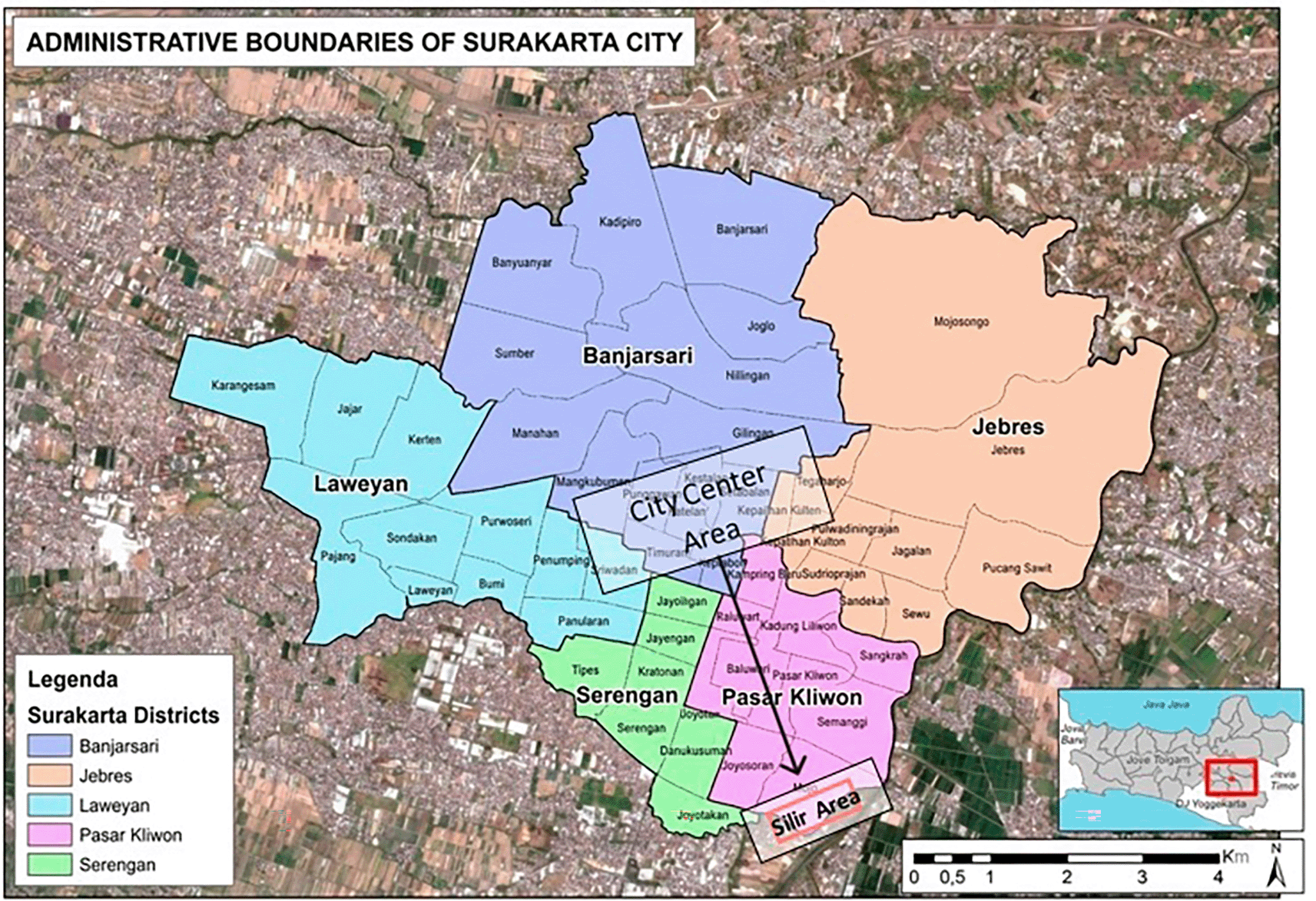
Source: Results of data matching with ITB Library and the central statistics agency of Surakarta city.
After the Silir area was designated as a prostitution center and had been operating for more than 40 years, it was finally closed in 1998 under the leadership of Mayor Imam Soetopo. This continued during the tenure of Mayor Joko Widodo in 2005. Under his leadership, Joko Widodo can be said to have perfected the cleanup of the Silir area from all remaining forms of prostitution activities in the area. Although policies related to prostitution activities are under the administrative authority of the mayor of Surakarta, behind these policies is the influence of evolving religious moral values in the city of Surakarta.
During the leadership of Mayor Oetomo Ramelan, for example, the policy of moving prostitution activities from the city center to the outskirts of Surakarta was carried out based on pressure from religious leaders.3 In addition, the reason behind the policy of concentrating prostitution activities in the Silir area was so that these activities could be monitored and not freely move around urban areas of Surakarta.4,5 This reflects that the policy was intended to limit the movement of prostitution activities and control them so that they would not spread in public spaces considered sinful by the residents of Surakarta, especially Muslims. Continuing into the leadership period of Mayor Imam Soetopo from 1995–2000, during Mayor Imam Soetopo’s tenure, the Silir area was closed. The policy of closing this area was influenced by pressure from the wider community and Islamic movements, who considered the area inconsistent with Islamic norms and values, leading the Regional People’s Representative Council (DPRD) to urge the mayor to take steps to close the Silir area, until the area was eventually closed.6 Furthermore, the leadership period of Mayor Joko Widodo from 2005–2012 showed a clear use of religious legitimacy to permanently close the area.7,8 The area, which was considered a place of vice, has since been transformed into an Islamic proselytizing center with the establishment of the Indonesian Ulema Council office in the Surakarta area and a center for the development of Islam in Surakarta City.
The transformation of public spaces in the city of Surakarta, if studied further, cannot be separated from the important role of religious movements, which marked the beginning of the history of change in the city.9 In general, the people of Surakarta in the past adhered to the “abangan” belief. The abangan belief is a trichotomy explained by Clifford Geertz in his book The Religion of Java.10 According to Geertz, the abangan belief refers to people who are Muslim by identity but still uphold Javanese syncretic values and do not practice Islamic law in their daily lives.11 However, entering the pre-independence period of Indonesia in the 1920s, significant changes began to occur driven by the puritan Islamic movement, which gradually changed religious behavior, particularly Islam, among the people of Surakarta.12–14 The development of a radical puritanical understanding of Islam shaped the categorization of worship rituals, largely eliminating practices that do not conform to sharia, and emphasized that Muslims must adopt an Islamic lifestyle, as well as eradicate all forms of immorality as a fulfillment of Islamic commands, namely, Amar Ma’ruf Nahi Munkar (enjoining what is good and forbidding what is evil).10,15 The development of puritanical Islamic groups began with scholars who gradually spread Islamic da’wah, starting from the family environment, neighbors, and community units, eventually encompassing the entire city of Surakarta. This growth continued to expand, forming various groups referred to as jihad militias.10 The narrative of morality and Sharia promoted by this group caused the city government to gain stronger legitimacy to close places considered slum areas by stating that these places were not in accordance with Islamic norms.16 As a result, many residents were evicted, and if they remained in these areas, workers in sectors deemed sinful by this Islamic group had to seek alternative employment.
Based on what happened in the city of Surakarta, this study presents a process of transformation of a public space that is still rarely discussed, namely, how religion plays a role in this process of change. Previous studies related to the transformation of public spaces have focused more on economic factors as part of the logic of global development, which has resulted in the displacement of residents from urban public spaces.17–22 Meanwhile, studies on the role of religion in the transformation of public spaces that have been conducted have at least highlighted two things. First, religion and spirituality become instruments of urban transformation by using religious symbols to redefine public spaces. Second, religious actions have shifted to performative acts in open spaces that reinforce identity and become commodification that increases economic value.23–26 Researchers generally agree with the two aspects discussed in the studies that have been conducted, however, in the study that the researchers will conduct, this article will fill a gap in the literature by analyzing more deeply how religion becomes a single determinant in changing the social composition of a public space, especially in Surakarta City, and highlighting the role of government policies that institutionalize religious values in public spatial planning.
In the city of Surakarta, Indonesia, there has been a process of public space transformation driven not only by the market and capital but also by the ideology of religious morality and esthetics, which can be referred to as a form of Islamization. This process is evident in systematic efforts to regulate public spaces deemed inconsistent with Islamic norms, including the demolition of night stalls, bans on nighttime entertainment, regulation of street vendors, and the arrangement of heritage areas to align with certain religious and cultural narratives.27 To see how the transformation of public spaces driven by religious values occurs, this research was conducted in the city of Surakarta by depicting the role of religion and local leader actors, so that the changes in Surakarta, which were previously dominated by abangan and closely associated with stereotypes as a multicultural city, now Surakarta has become an area where certain religious norms become the standard for community life. In this article, the author expands on the socio-religious context while enriching the patterns of urban transformation occurring in the Global South. After explaining the methodology used in this study, the authors present the research findings by identifying the role of religion through religious group movements and local government policies through regulation and symbolic production. The discussion and conclusion sections of this article reflect the field findings with relevant concepts and arguments from previous literature. Thus, contrary to the common view, the researchers see that although religion has a more subtle character in influencing social space, religious values can nevertheless be a major factor that can drive the process of transforming public space, which can happen.
Java is one of the most densely populated islands in the world, inhabited by around 156 million people by 2020,28 thus becoming the center of economics, politics, and culture in Indonesia. Central Java Province is one of the administrative regions on Java Island, which has a dominant cultural and political influence that significantly influences the social dynamics of Indonesian society. Many large-scale social movements have emerged and are centered in Central Java Province, and the Surakarta Residency has historically become an inseparable part of the social movements in the journey of the Indonesian nation, both in the pre-independence, post-independence, and reform eras. The Surakarta Residency is an administrative region established during the Dutch colonial period. The area is a combination of Boyolali, Sragen, Karanganyar, Wonogiri, Sukoharjo, and Klaten Regency. The city of Surakarta is the administrative center (See Figure 2).
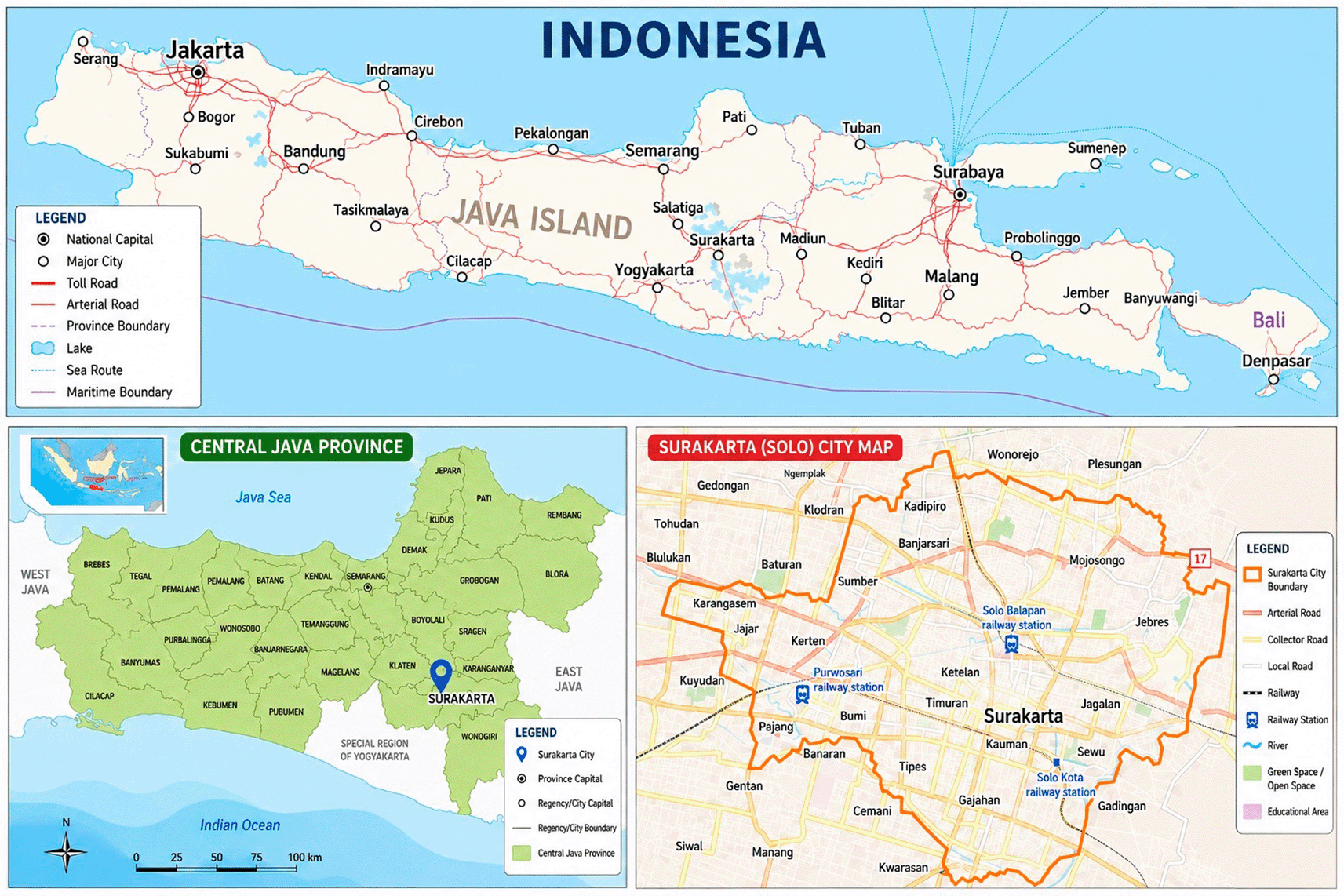
Source: Open street map, 2025.
After independence in 1945, the Indonesian government no longer officially used the division of regions based on residency, yet some matters still relied on the residency administrative system, primarily maintaining the City of Surakarta as the economic, political, and cultural center for the surrounding regency areas. The position of Surakarta can be considered strategic because it is crossed by national roads and highways that connect two regions at once, namely, East Java and West Java, resulting in very busy vehicle traffic and human mobility. Consequently, intense interaction influences each other, and as the City of Surakarta developed, this area became the site of a new type of urbanization, where the transformation of the City of Surakarta was driven not only by economic logic but also by the influence of religion, which played a significant role in shaping the public space in the City of Surakarta.
In this study, credible secondary data were used to observe regional development. The data were obtained from official local and national institutions, such as the Central Statistics Agency of Surakarta City, the Central Statistics Agency of Central Java Province, and the Central Statistics Agency of the Republic of Indonesia. Demographic data based on identity are required to determine the proportion of the population that characterizes the social composition. Therefore, the researcher will present population composition data based on religious affiliation over the last 10–20 years in Surakarta City. Next, the most important part of this research is that gentrification is closely related to space. Therefore, data must be used to interpret changes in the value of space. Therefore, the researchers will provide spatial and property data, such as land use data, to see records of land use functions, and regional zoning map data to see how religious spaces expand to dominate public spaces. In addition, specific supporting data regarding the development of the Silir area were obtained by reviewing the City of Surakarta’s archives and city government policy regulations that favor certain religions. Supporting data related to religion, particularly Islam, were obtained from the Surakarta City Ulema Council, as well as from religious institutions or organizations in the Solo Raya area.
In this study, an interpretative qualitative analysis will be conducted on the data obtained to trace the historical journey of the gentrification process in Surakarta City. The interpretative procedures in this study will be carried out in three stages: first, historical contextualization to see the origins of the transformation; second, demographic spatial reading to observe the shift in public spaces; and third, critical analysis of government policies that reinforce and perpetuate gentrification in Surakarta. These steps can provide context for the transformation and development of this area over time. Interpretatively analyzed data present the process of transforming an area and serve as a strong basis for characterizing the relationship between religion and gentrification. In addition, using an interpretative qualitative analysis approach in analyzing secondary data will help observe changes that affect the social life of residents, understand patterns of public space configuration, and analyze how religious and local political values play a role in the dynamics of gentrification in the area. This approach allows the research to capture the complexity of the changes that occur and the factors that drive gentrification in Surakarta.
The city of Surakarta is a region rich in social and cultural history, including a complex religious dynamic. Since the colonial era, this area has been known as a multicultural space inhabited by various ethnic and religious groups, including Muslim, Christian, and Chinese communities.29 However, since the late 1990s, significant changes in the social composition of this area have begun to be observed.30 This phenomenon is closely related to the increasing population of the majority group, which gradually changes the social and spatial landscape of Surakarta. The following is data on the growth of the number of adherents of religion in the city of Surakarta from 1999 to 2006 (See Table 1).50
From the data above, religious adherents from 1999 to 2006 showed that the Muslim population in Surakarta increased from 395,728 to 403,412. In contrast, the Catholic and Protestant communities remained relatively stagnant, while followers of Buddhism and Hinduism experienced a significant decline. For example, the number of Hindu adherents dropped drastically from 4,982 in 2001 to only 1,993 in 2005. The following shows the increase in the number of Muslims, which continues to rise consistently (See Figure 3).
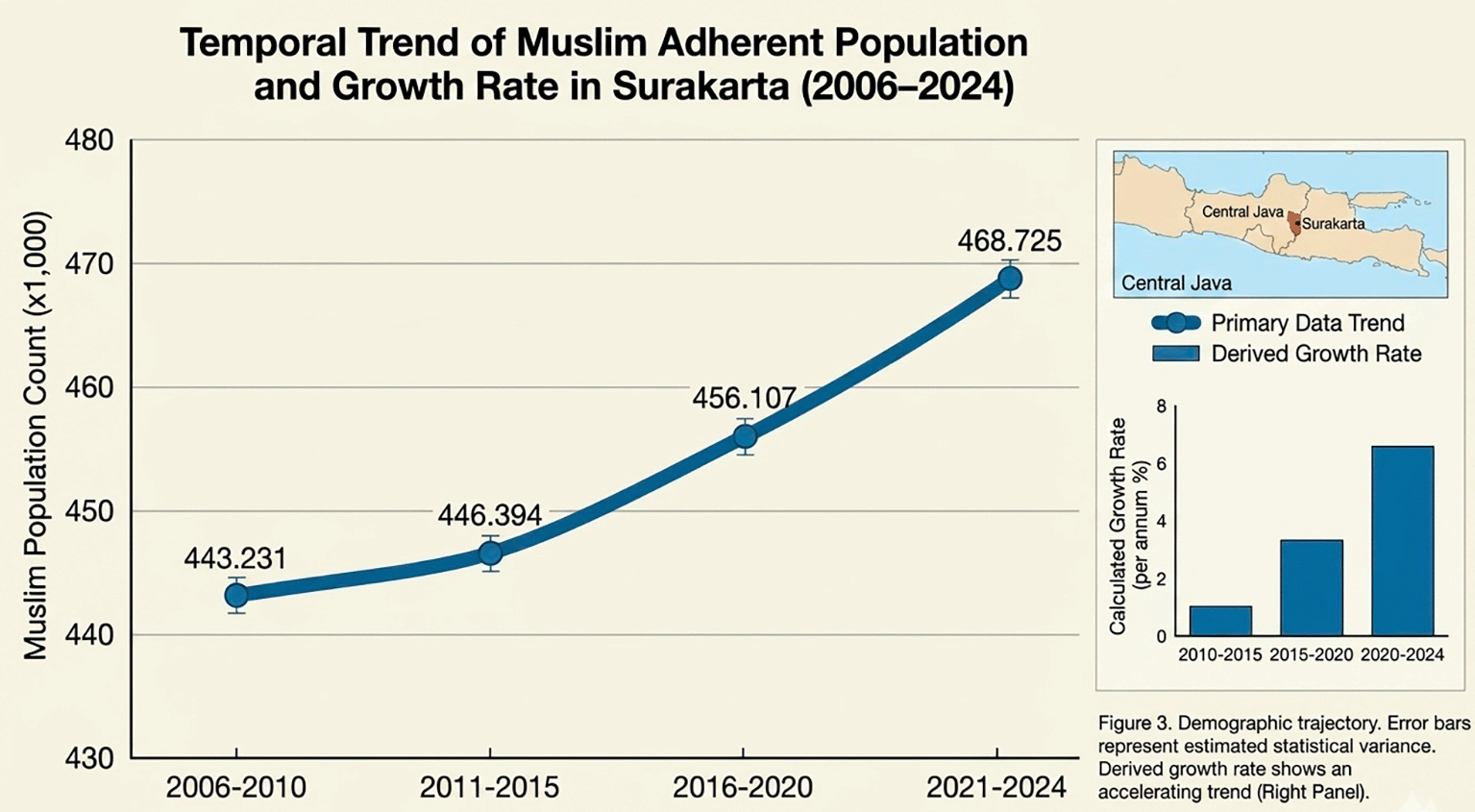
Source: Report document of the central statistics agency of Surakarta City, 2000–2020.
When the population of a certain religious group continues to dominate urban spaces, the values of that religion become benchmarks for behavior, spatial organization, or cultural expression in a region, positioning opposing groups as different or nonconforming.31 This process is not merely quantitative domination but represents a hegemony of values that can subtly and structurally erase diversity. In the context of Surakarta City, Muslims are divided into two groups abangan Islam and radical puritan Islam. Abangan Islam is characterized as a non-observant community, whereas radical puritan Islam is interpreted as a community that correctly follows Islamic teachings.11 The puritan Islamic group in Surakarta became increasingly dominant when acting in an organized manner by establishing many religious organizations, such as Jama’ah Anshorut Tauhid, Front Pemuda Islam Surakarta, Laskar Jundullah, Laskar Umat Islam Surakarta, Hawarriyun, and Hisbah Surakarta.32 Conflicts between the two groups, namely between the abangan group and the radical puritan Islamic group, could not be avoided. The most phenomenal conflict that ever occurred was when a group of people considered to be from the abangan faction were reprimanded by the mosque congregation for drinking alcohol in an open area on the roadside in Kusumodilagan, Pasar Kliwon District, Surakarta City. The abangan group did not accept reprimands, which led to conflict. The incident was later considered a declaration of war by jihadist militias throughout the city of Surakarta. As a result, jihadist groups launched attacks that caused the abangan group to die.10 This incident further strengthened the position and dominance of jihadist militia organizations in the city of Surakarta, and many of the abangan groups whose existence was dimmering even disappeared from the Surakarta area.
From here, the symptoms of religion-based socio-spatial transformation begin to emerge. How the values of the majority religion (Islam) with radical puritanism gradually become the normative standard in spatial arrangements, public expression, and even social order.33 The increasing dominance of puritan Islam not only reflects quantitative growth but also expands a network of symbols and cultural norms that then attach to public spaces. This affects how local policies, social practices, and even public perceptions regarding the appropriateness of public spaces are shaped by dominant religious values. For instance, the rejection or closure of practices that conflict with Sharia is often framed not merely because of formal law but by social pressure based on local cultural conformity that has been strongly identified with a certain religion. In the case in Surakarta, the puritan Islamic group offered three options for people considered to be opposed to Islamic law.10 First, groups considered deviant from Islamic law were required to repent, stop engaging in sinful activities, and join the jihad militia. Second, repent from all forms of sinful activities and become ordinary people without having to join the jihad militia. Third, if they refused to repent and did not stop their sinful activities, they would be pushed to leave the city of Surakarta (See Table 2).50
The proposals from the puritanical Islamic group reflect spatial hegemony through the mechanism of reward and punishment, which tends to lead to spatial exclusion. These choices create a dichotomy between compliance with Islamic sharia values and the right to reside, which ultimately threatens inclusivity and diversity in the city of Surakarta. This is because communities that oppose Islamic sharia will face forced expulsion from the area.
In addition to the increasing Muslim population and the dominant Puritan Islamic groups, there are also expanded places of worship, established da’wah activity centers, and religious activities increasingly dominating public spaces. The following data show that between 2000 and 2020, the number of mosques in Surakarta City sharply increased from 671 to 893 units (See Figure 4).
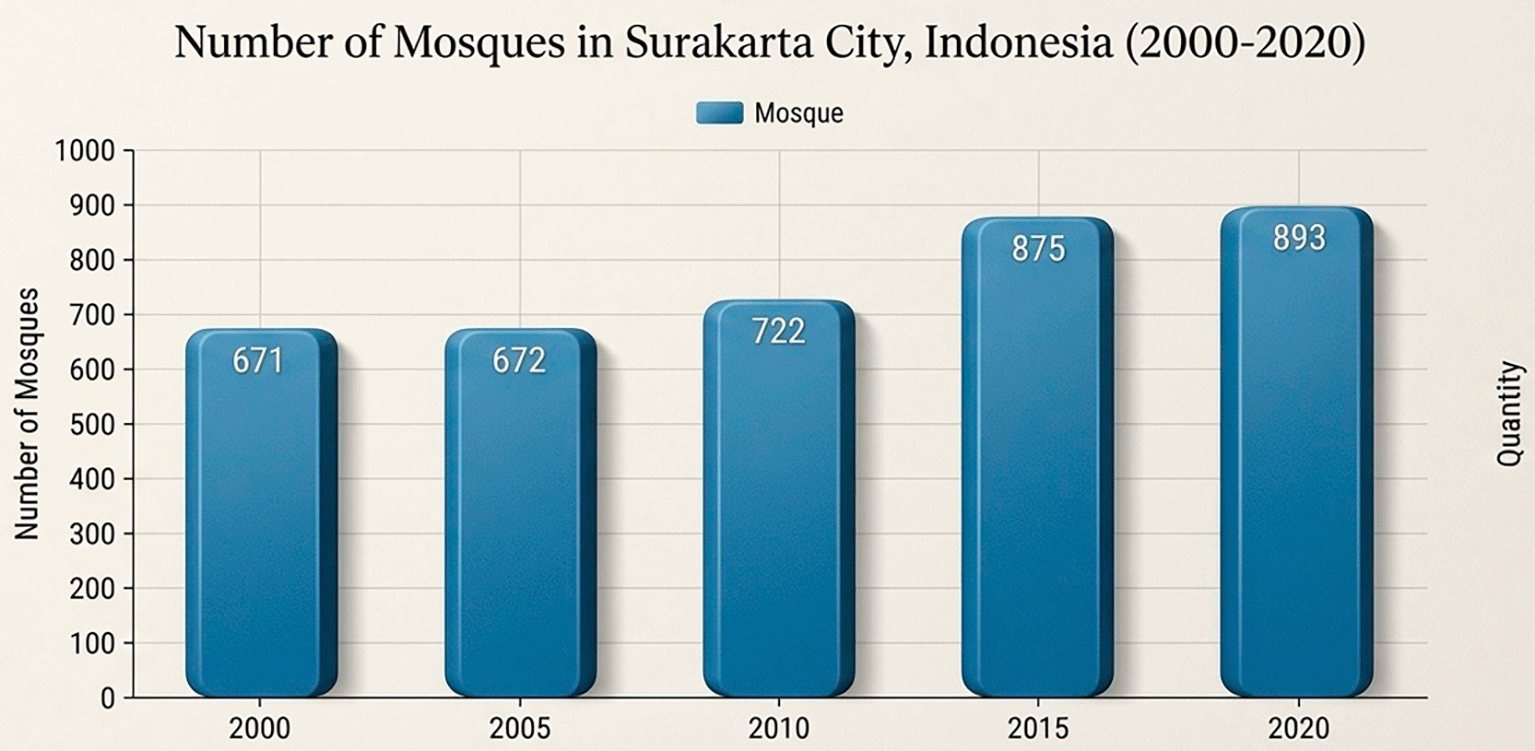
Source: Report document of the central statistics agency of Surakarta City, 2000–2020.
The data above shows that over a period of 20 years, the city of Surakarta has experienced significant growth in the number of mosques, indicating both a symbolic and physical expansion of the Muslim community within public space structures. This imbalance can be interpreted as the domination of space by a particular religion, which not only reflects numerical strength but also access to resources, policies, and public space. In the context of urban planning, the massive construction of mosques not only reinforces Islamic identity in the urban landscape but can also influence the homogenization of space and the symbolic marginalization of communities or individuals who do not align with Islamic principles. The following is the distribution of mosques in the city of Surakarta (See Figure 5).
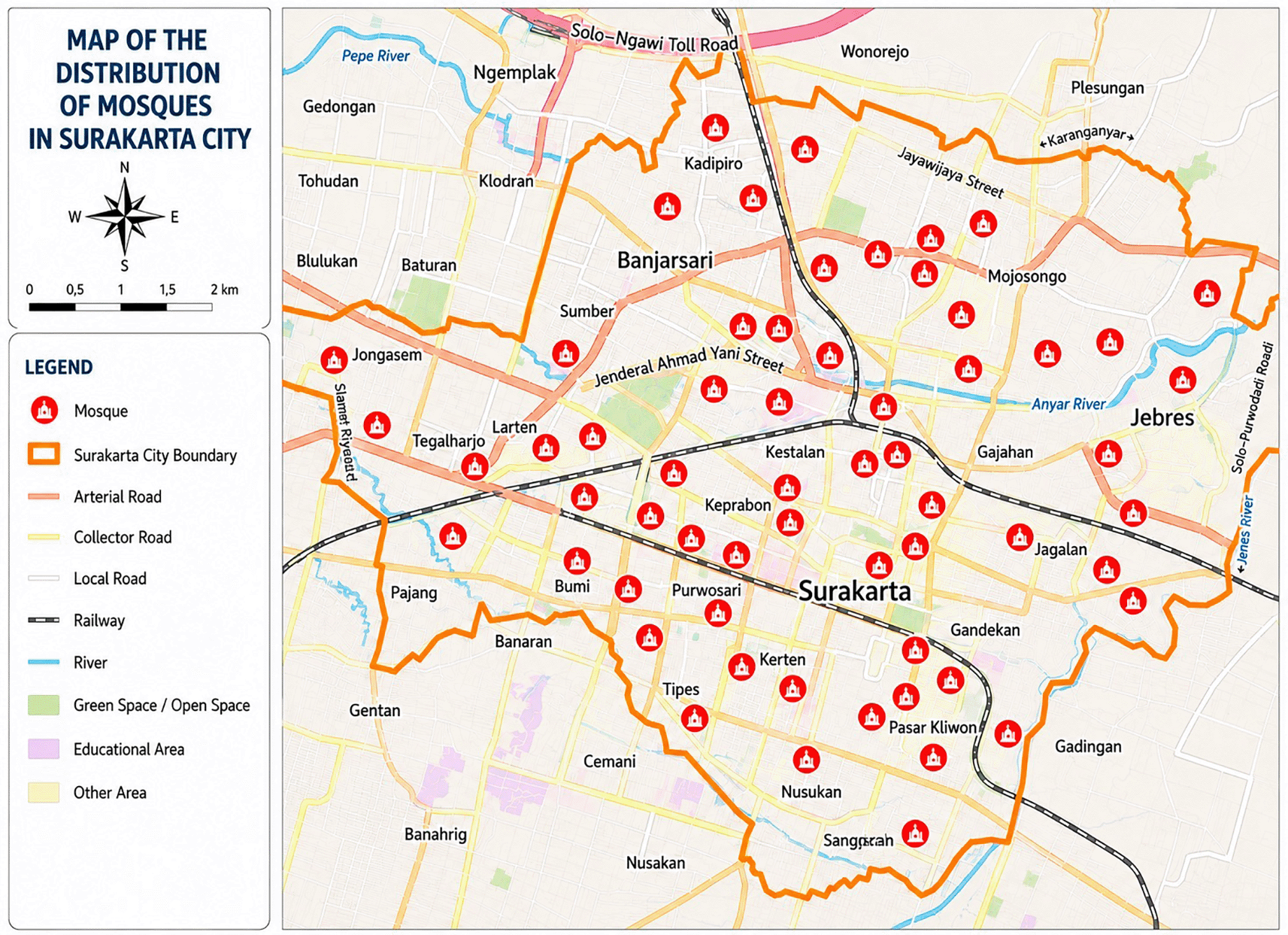
Source: The data matching results were obtained from the Surakarta city central statistics agency report document, 2000–2020.
The dominance of places of worship is arguably closely related to how symbols of social space identity are reconstructed by the dominant group. In the case of Surakarta, a city once known for its religious and cultural diversity, it now shows signs of homogenization of religious identity. The massive construction of places of worship and shifts in religious demographics indicate that symbols of certain religions are more accommodated in urban spatial arrangements than others. This process is similar to socio-spatial economic transformation, where the middle class replaces lower-income groups through market mechanisms and policies.34 In a religious context, this process occurs through the expansion of the symbolic dominance of the majority religion and the formal and informal restriction of the presence of symbols and practices of minority groups.
The city of Surakarta itself has experienced rapid urbanization, especially on the outskirts of the city.8,35 The Silir area is a peripheral region in the southern part of Surakarta and has become one of the ideal choices for new arrivals with limited capital to buy property and settle around the Silir area, Surakarta. The line chart below shows the trend of migration in and out of Surakarta City. The blue line represents the number of people entering, while the orange line represents the number of people leaving (See Figure 6).
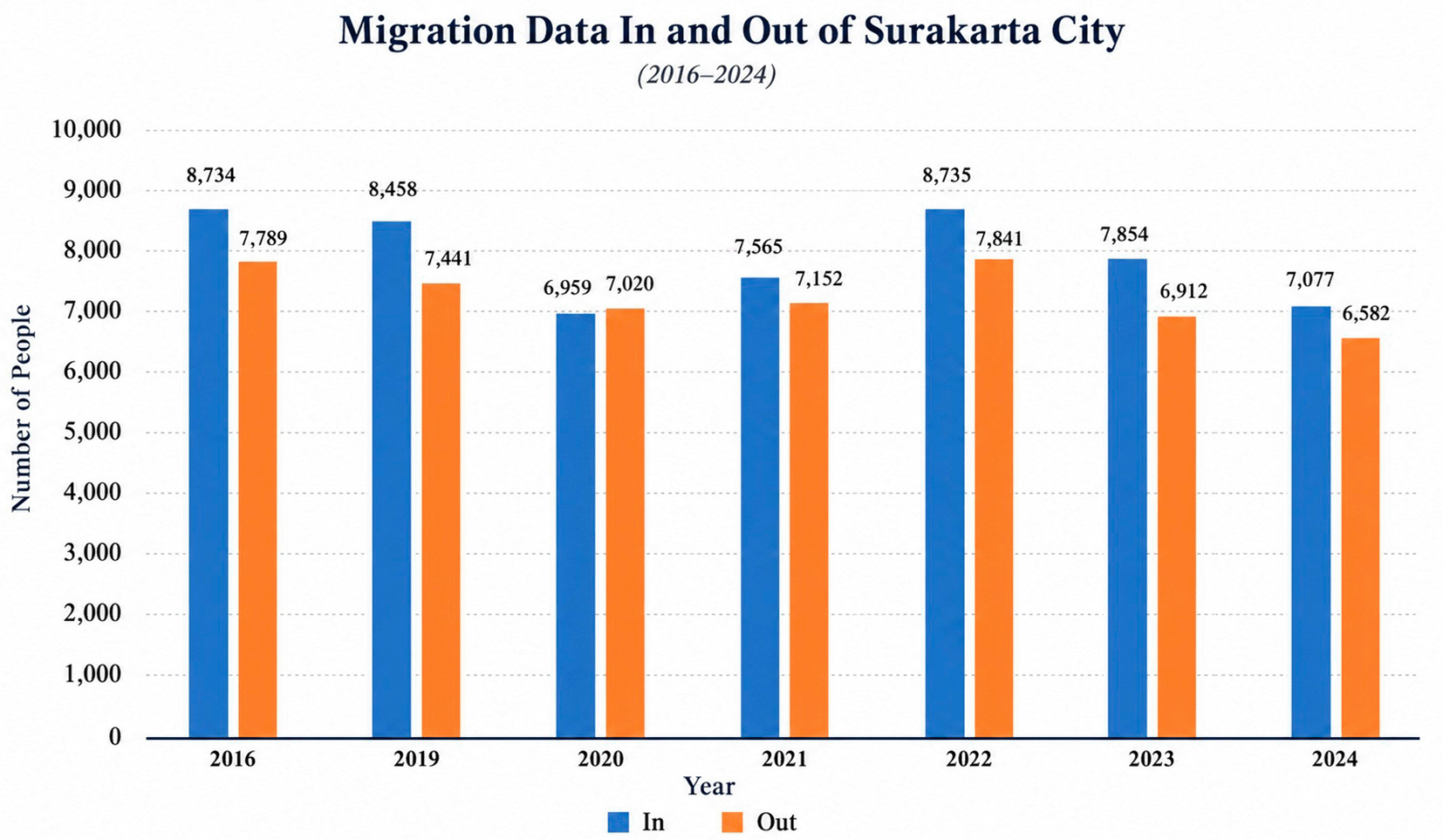
Source: Data from the Surakarta city population profile book, population and civil registration service, Surakarta city government.
From the graph and table above, it can be seen that the number of incoming migrations is generally higher than outgoing migrations. Many of these newcomers are also, naturally, already affiliated with Islam, which over time has led to changes in land use, population growth, and economic transformation.36 The transformation of this area is also influenced by the involvement of external actors who bring certain interests and agendas. One of the main groups involved in this change is faith-based philanthropic institutions. These institutions leverage their economic power and social networks to buy land and property in the area. The purpose of this acquisition is not only for investment but also as part of a strategy to shape a social environment that aligns with the religious values they uphold (See Figure 7).
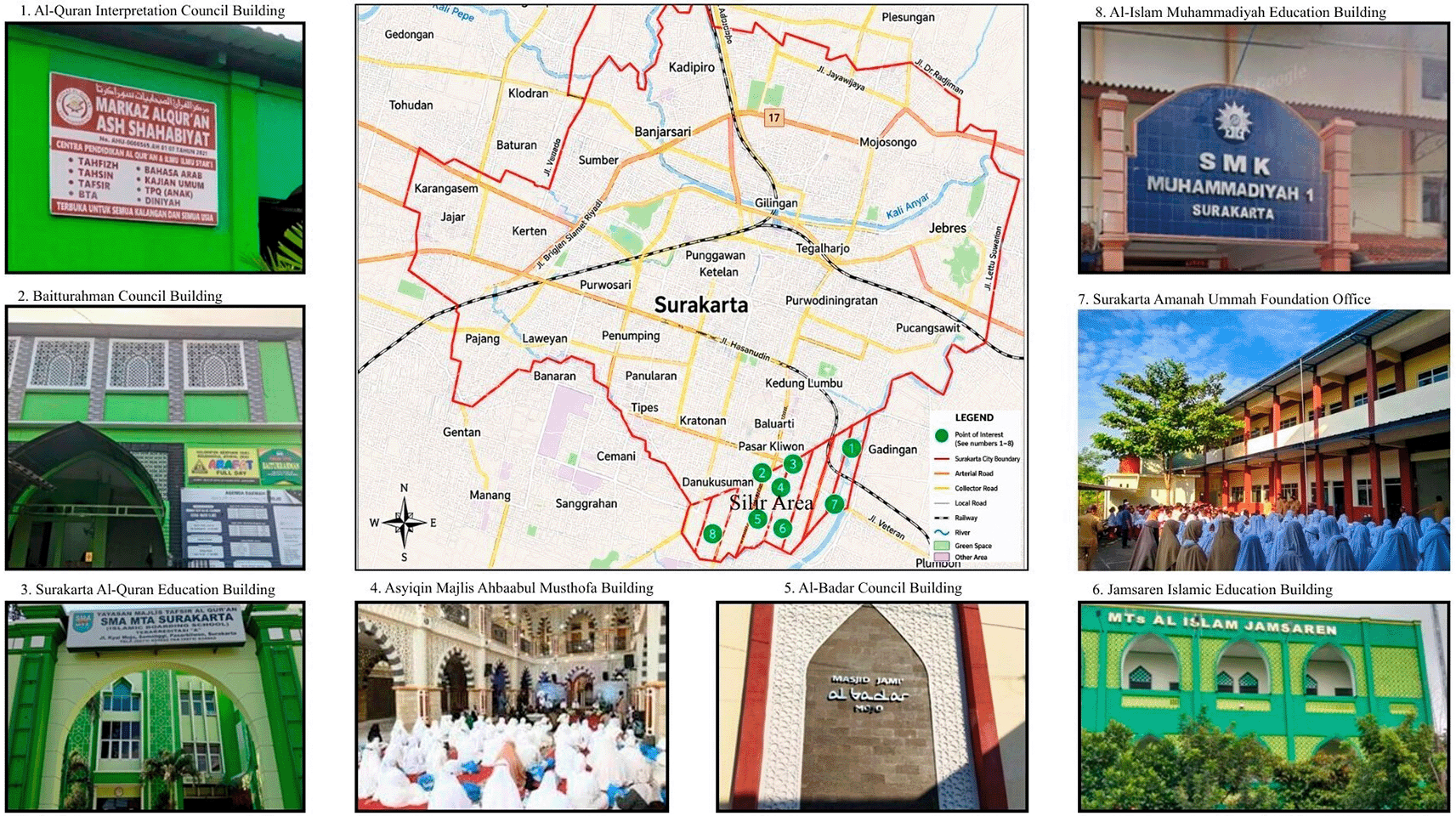
Source: Open street map, google maps and the data matching results were obtained from the Surakarta city central statistics agency report document, 2000–2020.
They are intensively involved in property purchases, often with support from donors with similar ideological missions. Their presence not only changes the structure of land and building ownership but also impacts social life in the area. Through various religious and social activities, this group seeks to strengthen the religious identity of the community, which ultimately affects the dynamics of pluralism and social diversity in the region. As a result, there is a shift in the population of long-time residents, especially those from minority groups and those who do not align with Sharia principles, who begin to be pushed out due to social and economic pressures, such as rising rent prices and reduced inclusive living space. This process marks the occurrence of the Islamization of space in the Silir Area, that is, when the transformation of this area is driven not only by economic or esthetic interests but also by ideological motivations to shape the environment according to a specific religious identity.37
Observing the development of urban spaces in Surakarta, which are dominated by Islamic values, various city government policies related to urban space revitalization that focus on managing informality and strengthening the local economy are beginning to narrate development based on the spirit of Islam. One area that has undergone significant transformation is Silir, which was previously known as a densely populated and informal residential area, a place of prostitution, and diverse in terms of ethnicity and religion. Now, gradually, this area is transforming into an economic and environmental zone based on Islamic values, marked by the construction of the Indonesian Ulema Council building, the Jam’i Mosque of Surakarta, and Islamic education centers (See Figure 8).
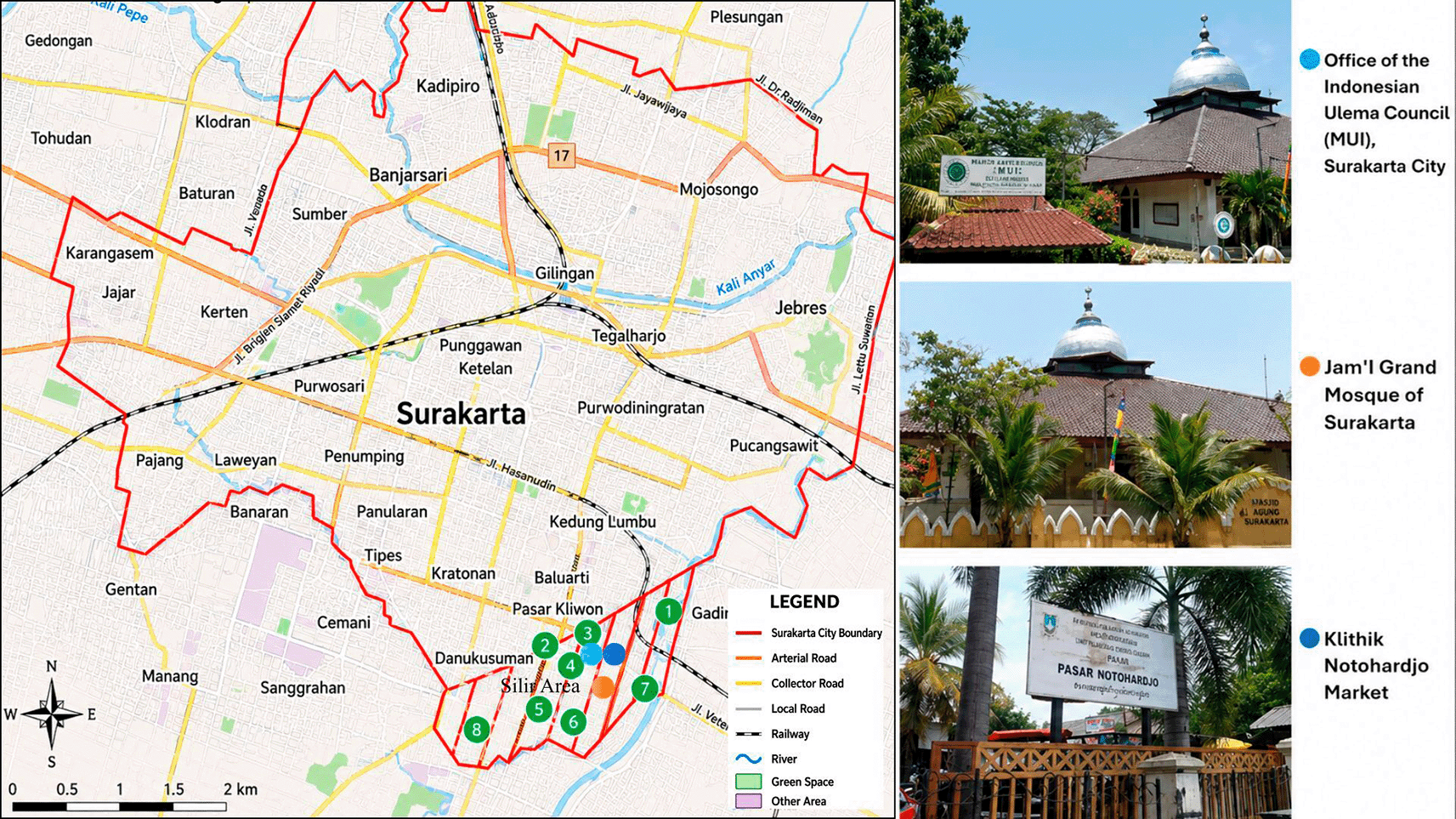
Source: Open street map, google maps and the data matching results were obtained from the Surakarta city central statistics agency report document, 2000–2020.
Thus, the transformation of the Silir area in the City of Surakarta not only demonstrates the success of urban policies in strengthening the local economy but also reflects how religious dynamics play a role in shaping the city’s political and economic landscape. Broadly speaking, the success of spatial planning in the Silir area is seen as a technocratic policy but also as a political element influenced by religious legitimacy. When the values of the religious majority become the normative standard for social space, government policies follow the dominant values, thereby affecting urban spaces that gradually lose their inclusive character and become a means to produce a singular identity, a process that subtly yet strongly reveals another side of socio-spatial transformation in public spaces.
A similar pattern and narrative also occurred in Indonesia’s capital, Jakarta, especially with the policy to close the Kramat Tunggak prostitution area. After the closure of this area, efforts for decontamination and space morality became a priority. It was not only about eliminating illegal activities but also about replacing the negative image with a more religious and moral image. The construction of religious facilities, such as mosques and Islamic outreach centers (Jakarta Islamic Center), as well as social programs based on religious values, were part of this process (See Figure 9). The goal was to create an environment considered spiritually and socially clean. The change in the area’s function and image indirectly encouraged demographic shifts.38
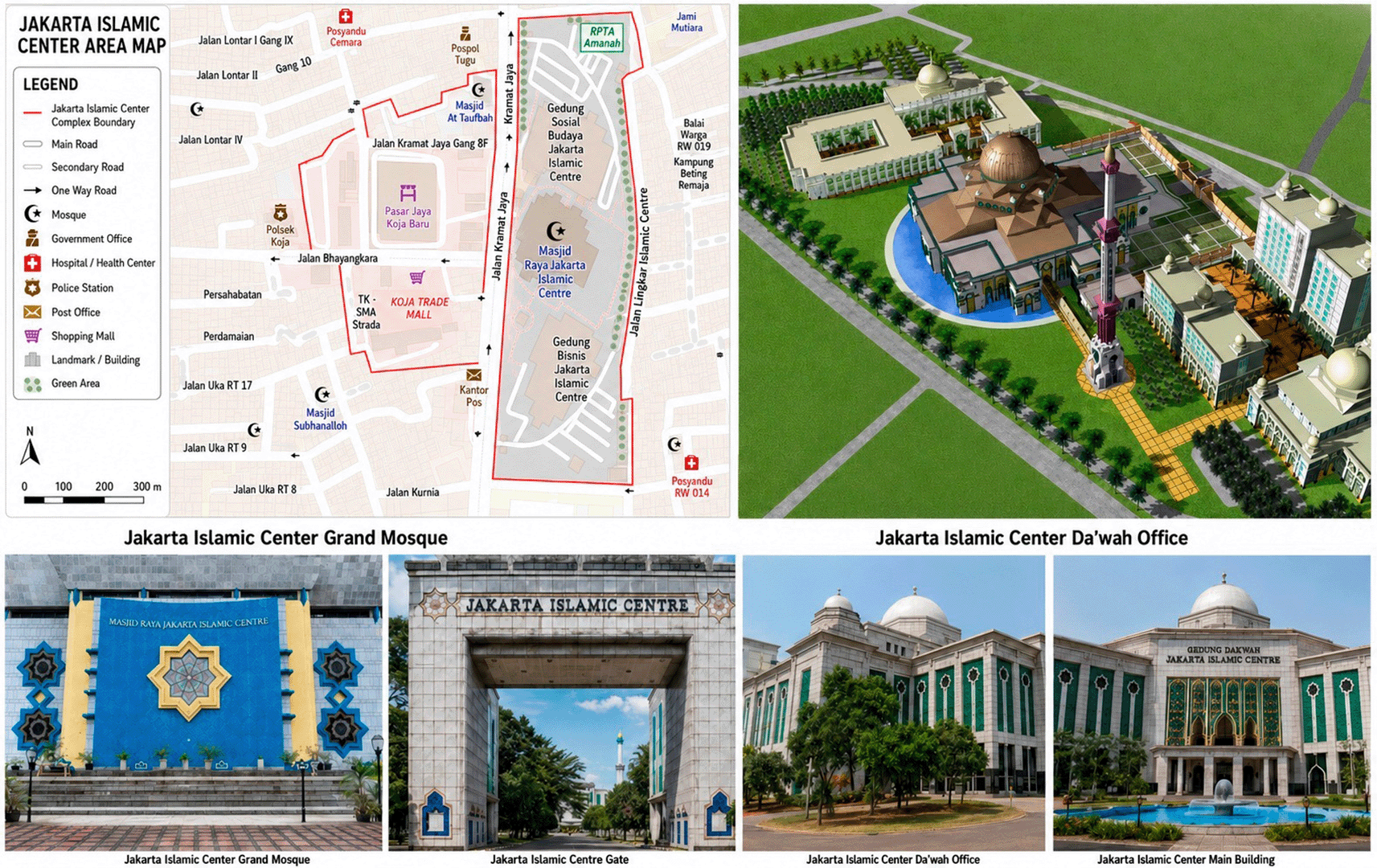
Source: Open street map, google maps and Jakarta islamic centre office.
Long-time residents associated with prostitution activities were pushed out of the area, while new residents who have strong religious orientations or are seeking a morally better environment began to arrive.37 Along with the demographic shift, the development of infrastructure and businesses supporting religious life also emerged. These include religious bookstores, Muslim clothing, halal food, and religious educational institutions. The presence of these facilities gradually changes the physical and social character of the area, making it more aligned with the religious identity of most new residents.39
The transformation of Kramat Tunggak in Jakarta and the Silir area in Surakarta from prostitution centers to more religious areas is also accompanied by the development of new narratives and identities. These narratives often emphasize the cleansing of past sins and the revival of the area as a center of moral and spiritual values. This new identity, reinforced by religious symbols and practices, becomes an attraction for certain segments of society and solidifies the process of Islamization of public space. The religious-based socio-spatial transformation occurring in Indonesia, essentially similar to other forms of spatial transformation, has both positive and negative impacts. On the one hand, there is an improvement in environmental quality, security, and public facilities. On the other hand, there is the potential for hidden displacement, the loss of social diversity, and the marginalization of groups that do not conform to the dominant religious norms.40 This phenomenon shows how religion can become a significant driving force in the change of public space, not only shaping the physical landscape but also shaping the social composition and identity of a place.
The enhancement of a neighborhood’s image is often associated with the process of urban regeneration, where spaces previously considered negative or underdeveloped are transformed into areas that are more civilized, organized, and moral based on the values held by the majority of local residents.41,42 In certain contexts, changes in a socio-spatial structure also occur through symbols and religious values related to social order and public ethics.43,44 When an area is associated with religious values, especially those adhered to by the majority religion, the area begins to acquire a moral status considered higher.
This religious spatial imagination becomes part of the new image of a city that is more livable and valuable. When an area is considered clean, orderly, and religious, investment interest tends to increase, whether from the housing, trade, or service sectors.45–47 In the short term, this can be seen as progress, but in the long term, this process causes changes in the socioeconomic structure of the area, where only groups with religious criteria will dominate. Meanwhile, long-time residents, especially groups that oppose religious values, begin to be pushed out by the increasing religious activities, where religious values that are starting to be implemented replace the old norms, down to primary and secondary needs adjusted to the standards of the new area.
In the case of Surakarta City, Indonesia, religion became the main catalyst. Religious values were used by the government to legitimize eviction policies, the clearing of certain areas, and the expulsion of marginalized groups (people categorized as poor and individuals with social problems) under the pretext that they did not conform to the norms prevailing in society. As a result, social segregation occurred, residents who did not conform to the norms and poor residents were pushed out of the area, and they tended to no longer be able to survive economically and socially in an environment that had become elite and highly normative. The following is the process flow of the Islamization of public space in Surakarta (See Figure 10).
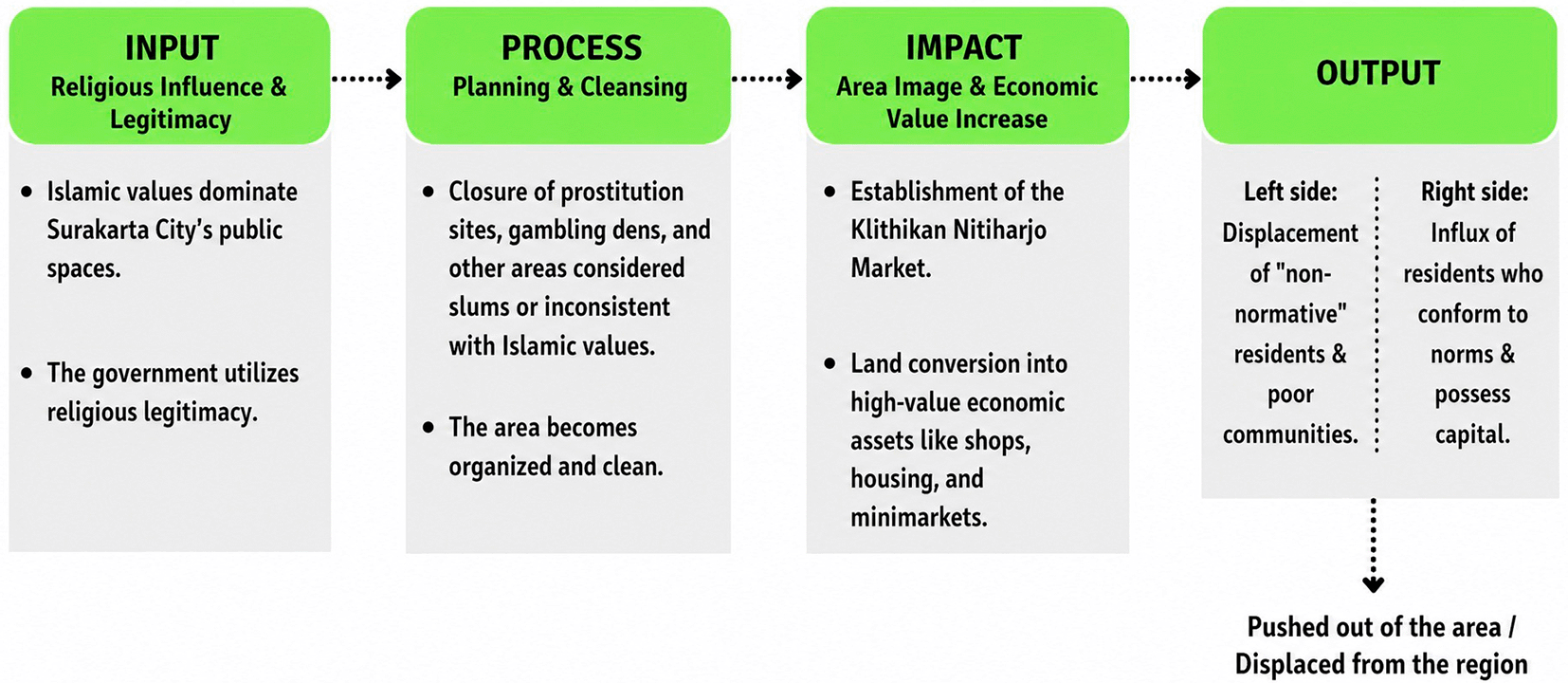
The framework above shows that urban development and growth often have two opposing sides. One side creates order and economic value, but the other creates social exclusion for vulnerable groups in public spaces. Besides the aspects that have been discussed, another equally important thing to examine is related to the symbolism produced by the government and its consequences, which further reinforce the Islamization of space. One example is slogans. Slogans themselves are a verbal form of symbolic meaning, and these symbols have influenced not only economic aspects but also the social and cultural identity of the region (See Table 3).50
When the values of a particular religion become dominant symbols, social norms and daily practices follow a uniform direction. Activities considered inconsistent with these values begin to be marginalized, either through social pressure, negative labeling, or symbolic exclusion.48 In the context of public spaces in Surakarta, such as sex workers who are indeed highly contrary to Islamic law, residents who do not follow the majority behavior, or cultural expressions that are not based on dominant values, will gradually lose their place.45 As a result, there is a subtle push for them to conform or leave the space. In this case, religion-based socio-spatial transformation does not occur through forced eviction as in spatial transformations driven by economic motives but through processes that appear subtle and unintentional, yet the effect is still real, namely, social cleansing.40
Thus, changes in the composition of the population are not only caused by economic inability but also by feelings of social and symbolic alienation. Those who are not aligned with the dominant religious identity feel that they no longer have a place, culturally, socially, or spiritually. This process creates areas that are homogeneous in terms of religion and social class, which are then further reinforced by public policies and norms. In the case of Surakarta City, one example of a policy making Surakarta a destination for Islamic religious tourism has become evidence that religion can serve as a legitimacy for creating exclusive public spaces (See Figure 11).
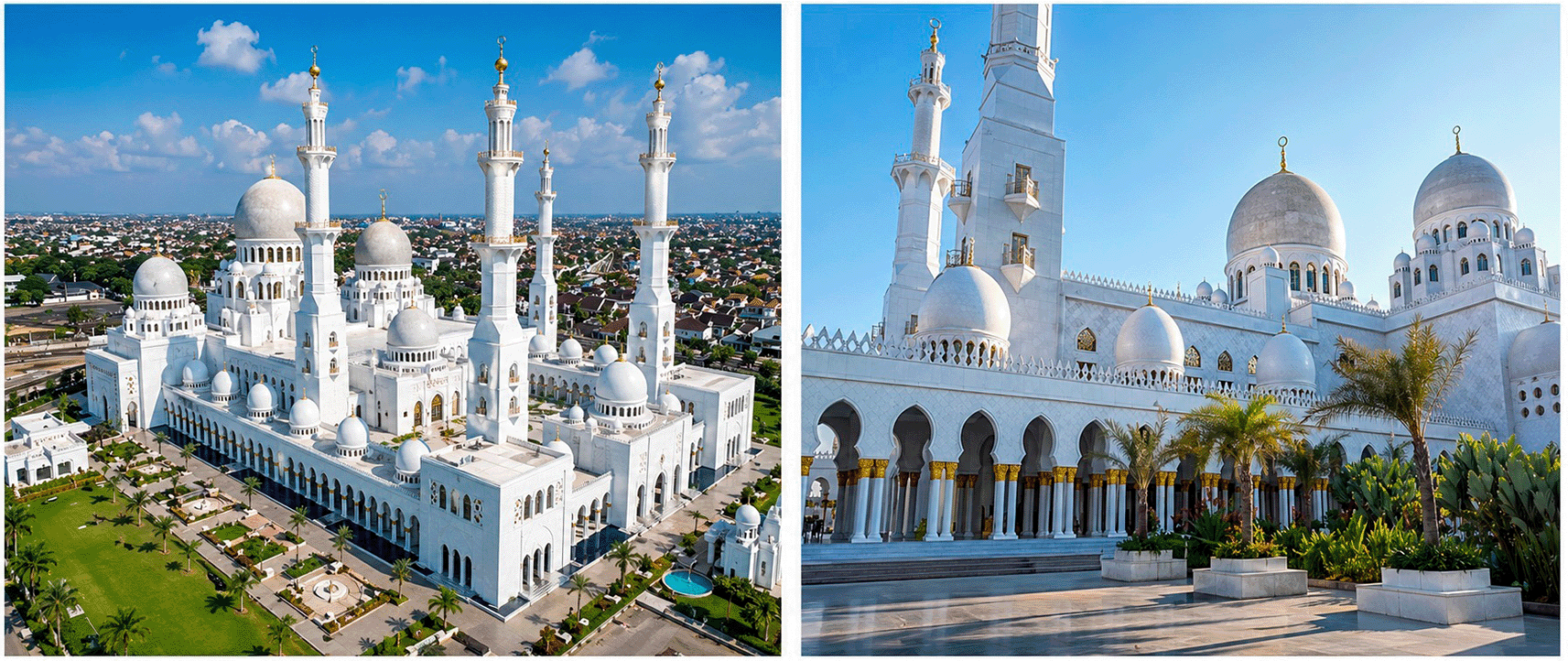
Source: Policy document of the regional secretariat of the Surakarta city government and Indonesian ministry of religion.
This shows that religion, like the economy, can become a tool for the production and exclusion of space. When religiosity becomes a symbol of progress and moral legitimacy in urban development, certain religious values can influence who has the right to reside, who is considered worthy, and who is implicitly excluded.49 This demonstrates how the hegemonization of dominant religious values can operate not only at an ideological level but also in spatial and structural forms. Public space also becomes a reflection of the power relations between social identities. Thus, although it does not always appear repressive, this process still produces an exclusive transformation of the social landscape.46 While the Islamization of public spaces makes areas cleaner and more orderly, on the other hand, it has displaced groups that oppose the values of the religious majority and eroded the diversity that previously.40 Therefore, policymakers must look at success in terms of esthetics or economics and consider social and identity impacts. Without an inclusive approach, public spaces will become increasingly unfriendly to differences, and the diversity that characterizes them will gradually fade.
This study reveals that the socio-spatial transformation process in Surakarta City is not only triggered by economic factors or government policies alone, but is also significantly influenced by religious values, especially Islam. Religion-based socio-spatial transformation involves changes in urban space through the infiltration of religious values into spatial planning policies, social life, and public symbols. Through qualitative approach analysis, it was found that the presence of religious groups such as Laskar Jihad and Islamic philanthropic institutions played a role in reconstructing the identity of public space to be more religiously homogeneous. This process causes demographic and economic changes while displacing groups of people who do not conform to the dominant religious norms. The type of eviction that occurs is more symbolic and structural than physical, subtly pushing minority groups or long-term residents out through social pressure and rising living costs. Within the framework of social change, the case in Surakarta City has a distinctive ideological dimension, where religion is not only the main driving force of urban transformation. Although this process results in a physically cleaner and more orderly spatial arrangement, it also tends to be socially and identity-wise exclusive. This study emphasizes the importance of a critical and inclusive urban planning perspective to maintain diversity. Without an approach that is sensitive to social and religious dynamics, the development process can create a city that subtly sidelines different groups through the dominance of symbolic values and majority norms.
| Views | Downloads | |
|---|---|---|
| F1000Research | - | - |
|
PubMed Central
Data from PMC are received and updated monthly.
|
- | - |
Provide sufficient details of any financial or non-financial competing interests to enable users to assess whether your comments might lead a reasonable person to question your impartiality. Consider the following examples, but note that this is not an exhaustive list:
Sign up for content alerts and receive a weekly or monthly email with all newly published articles
Already registered? Sign in
The email address should be the one you originally registered with F1000.
You registered with F1000 via Google, so we cannot reset your password.
To sign in, please click here.
If you still need help with your Google account password, please click here.
You registered with F1000 via Facebook, so we cannot reset your password.
To sign in, please click here.
If you still need help with your Facebook account password, please click here.
If your email address is registered with us, we will email you instructions to reset your password.
If you think you should have received this email but it has not arrived, please check your spam filters and/or contact for further assistance.

Comments on this article Comments (0)