Keywords
artificial intelligence, education, developed countries, and developing countries, systematic literature review.

artificial intelligence, education, developed countries, and developing countries, systematic literature review.
The development of Artificial Intelligence (AI) in education reflects the transformation of global education in the 21st century. Artificial Intelligence (AI) has become a hegemony that can reform global education patterns (Gidiotis & Hrastinski, 2024). The application of AI in the global education landscape has had a positive impact on the learning experiences of people from various countries around the world (Liu & Yushchik, 2024). Educational institutions at various levels, such as elementary schools, junior high schools, high schools, and universities, are competing to adopt AI into their learning systems quickly. Normatively, this is only natural because in the era of Industry 4.0, technology plays an important role in life, especially in education.
The integration of AI in education is rapidly changing the landscape of teaching and learning, making its adoption inevitable. AI-based learning systems provide a personalized learning experience by dynamically adjusting content to suit each student’s needs, preferences, and learning pace (Babu et al., 2025). AI also supports the personalization of clinical tasks by adjusting the difficulty and focus of learning based on individual students’ abilities and needs (Hu et al., 2025). Learning support systems tailored to students’ needs include technologies such as Intelligent Tutoring Systems (ITS), Learning Management Systems (LMS), virtual and augmented reality, chatbots, assistive technologies for students with disabilities, and robot-based tutors (Yu & Lu, 2021).
In teaching, AI helps teachers prepare for classroom learning. According to a study by Seo et al., (2025) There are four main areas of AI use by teachers: curriculum development, teaching and facilitation, guidance, and classroom and school management. Teaching support systems are designed to support educators’ needs in implementing learning, including the use of artificial intelligence-based tutors, learning analytics systems, automated assessment programs, and Large Language Models (LLMs) such as ChatGPT (Churi et al., 2022; Dimeli & Kostas, 2025). It can be concluded that AI plays a strategic role in supporting teachers’ professional tasks by improving the effectiveness of planning, implementation, and learning management.
On the other hand, the use of AI in education, despite its potential to improve educational quality, poses serious practical challenges. The application of AI does not take place under completely equal conditions. The use of AI is influenced by the educational ecosystem in which the technology is applied, including institutional readiness, policy support, and available resource capacity (Lu & Lin, 2025; Nazri et al., 2023; Zhang et al., 2021). This situation is relevant to what is happening in various countries in the use of AI. For example, differences in AI adaptation between developing and developed countries are driven by differences in infrastructure, resources, education, and policy frameworks (Shafik, 2025).
Based on a UNESCO global survey of higher education institutions in 90 countries, regional variations were found in the adoption of AI usage guidelines. Approximately 70% of universities in Europe and North America already have or are developing AI policies, while only about 45% in Latin America and the Caribbean are doing the same (UNESCO, 2025). In line with the UNESCO survey, a study from Al-Zahrani & Alasmari, (2025), Comprehensively analyzing AI adoption in terms of strategy implementation and challenges at 29 universities spread across 19 countries in the Middle East and North Africa (MENA) region. The results of the study show that the main challenges in implementing AI in education, especially in low-income countries, are related to funding constraints, infrastructure readiness, and the lack of a clear policy framework. These findings indicate that there are disparities in policy readiness between regions of the world, with various applications and significant impacts.
Empirical research on Artificial Intelligence (AI) in education has grown rapidly in recent years, especially after the Covid-19 pandemic, with a primary focus on utilizing AI to support personalized learning, improve teaching effectiveness, and optimize education system management (Ben Otman et al., 2025; Khuong An & Thuy An Ngo, 2025; Leal Filho et al., 2025). In addition, several studies highlight the challenges of AI in its application in the learning process, including the optimization of digital learning, resources, and virtual classrooms, as well as ethical issues surrounding its use (Marín et al., 2025; Woolf et al., 2025). However, most of these studies focus on specific institutional contexts and position AI as a technological solution, without conducting a comparative analysis across broader educational contexts.
In line with this, several systematic literature reviews have been conducted to map the trends, approaches, and common challenges of AI utilization in education (Dou et al., 2025; Farhood et al., 2025; Garzón et al., 2025; Wanyonyi & Murithi, 2025). Several systematic literature reviews have compared the implementation of AI in various countries or regions, emphasizing pedagogical, ethical, and policy aspects (Buragohain & Chaudhary, 2025; Pasipamire et al., 2025; Tian & Zhang, 2025). However, previous studies have been limited in scope to specific regions and have not grouped countries by their level of development as a systematic analytical indicator.
This study offers novelty by expanding its scope through a global systematic literature review that not only includes cross-country comparisons but also explicitly categorizes countries as developed or developing, serving as the main analytical framework. With this approach, this study aims to identify patterns and trends in the application of AI in education, while examining the specific barriers to AI implementation across developed and developing countries and the implications for the sustainability of its implementation. To address the limitations of previous studies and the research objectives presented, this study is formulated into the following research questions:
• RQ1: What are the patterns and levels of AI implementation in learning processes reported in global literature in the context of developed and developing countries?
• RQ2: What structural and contextual barriers are most frequently reported in the implementation of AI in education systems in developed and developing countries?
• RQ3: What are the recommendations for the implementation of artificial intelligence (AI) in education reported in the literature in the context of developed and developing countries?
This study presents a systematic literature review that maps the global application of artificial intelligence in education, using developed and developing countries as the primary analytical lens. This study is urgent to address the limitations of the literature, which remains fragmented in explaining variations in implementation patterns, utilization orientations, and the challenges and implications of AI in education systems. The next section presents the research methodology, followed by the results, a discussion of the findings, and the conclusions.
This study uses a systematic literature review to identify, evaluate, and synthesize research findings on Artificial Intelligence in education across developed and developing countries. The Preferred Reporting Items for Systematic Reviews and Meta-Analyses (PRISMA) guidelines were used to ensure transparency and replication of the research process. (Page et al., 2021). The stages of this research began with a database search, followed by establishing inclusion and exclusion criteria, selecting data, extracting data, coding, and analyzing the data.
The literature search was conducted systematically in three reputable international databases, namely Scopus, ERIC, and ScienceDirect, to identify publications discussing the application of Artificial Intelligence in education. The literature search in each database was limited to the period 2015-2025 to capture the latest developments in the application of AI in education. This period limitation was based on the view that significant advances in AI technology began to show more systematic adoption in education after 2015. This time frame allows for a representative analysis of the evolution of approaches, implementation trends, and challenges of AI in education in various country contexts.
The search strategy used a search string combining keywords, systematically arranged with Boolean operators (AND and OR), to ensure the sensitivity and specificity of the results. The literature search process was conducted in each database on January 16, 2026. All search strategies, including the search strings used in each database, summarized in detail in Table 1.
The search results in each database found 1508 articles from the Scopus database (N= 1104), ERIC (N= 104), and ScienceDirect (N= 300). The successfully identified articles were then entered into Zotero.org for further processing and selection according to the established inclusion and exclusion criteria.
This study applied inclusion and exclusion criteria to ensure the relevance and quality of the articles analyzed. The study’s inclusion and exclusion criteria covered publication type, publication year, research topic, educational context, geography, language, access, and research results. For more details, see Table 2.
The data selection process was carried out in stages, following PRISMA guidelines, by reviewing titles, abstracts, and full texts to ensure that articles met the inclusion criteria and aligned with the research focus. This stage aimed to identify studies that explicitly discussed the application of artificial intelligence in education and provided relevant information for further analysis.
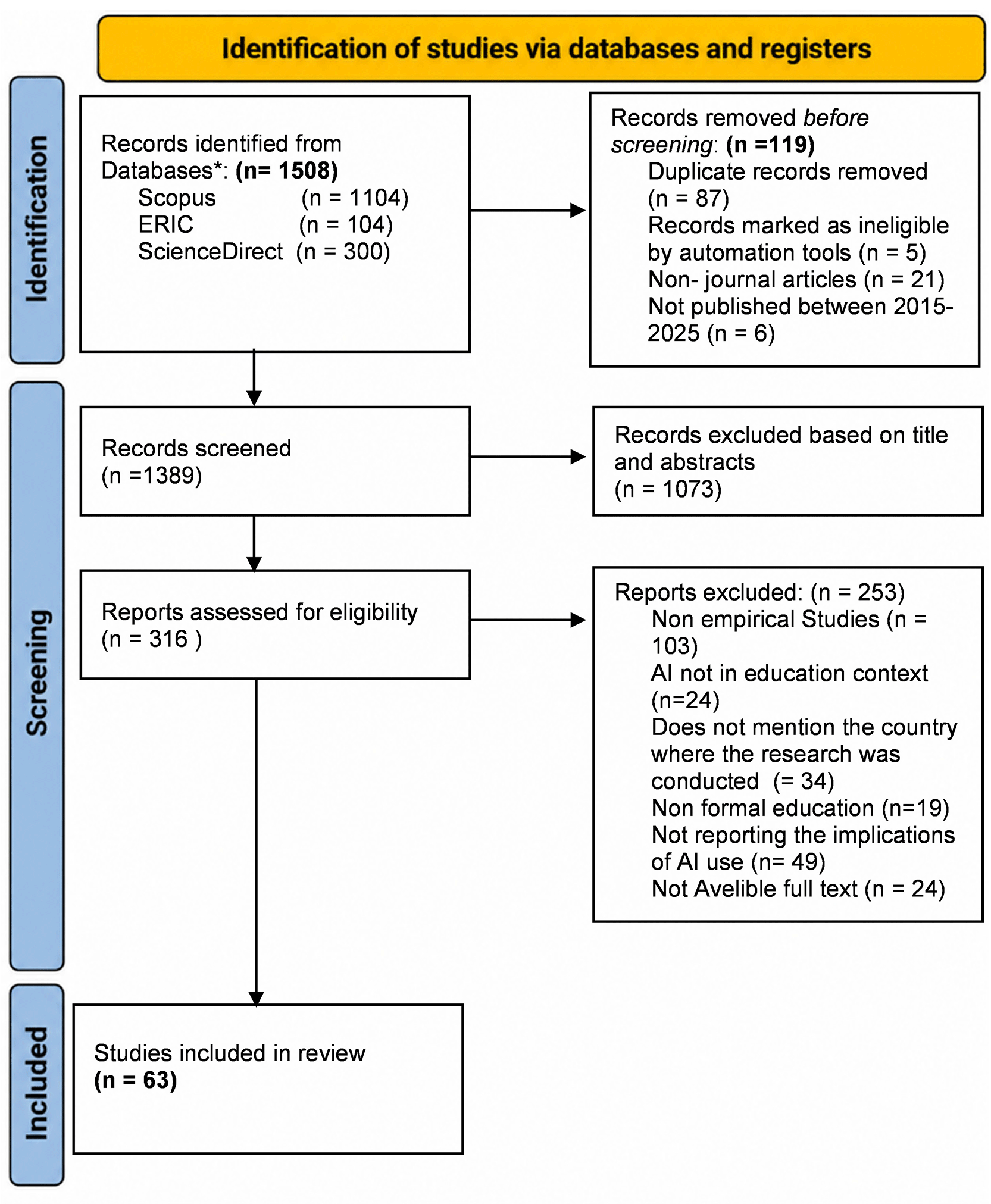
A total of 1108 articles were identified through searches of three reputable international databases: Scopus (N= 1104), ERIC (N= 104), and ScienceDirect (N= 300). The results of the initial review before entering the screening stage showed that 119 articles were excluded: 87 were duplicates, 5 were not detected in Zotero.org, 25 were non-journal articles, and 6 were not published during the 2015-2025 period. The final results of the initial review identified 1,389 articles for title and abstract screening.
At the screening stage, of the 1,389 articles reviewed, 1,073 were excluded because their titles and abstracts did not match the research topic, leaving 316 articles that passed to the full-text review stage. During the full-text review stage, 253 articles were excluded. Articles were excluded because they did not meet the inclusion criteria: 103 were non-empirical, 24 did not discuss AI in the context of education, and 34 did not mention the country where the research was conducted. In addition, 19 articles were excluded because they discussed the application of AI outside the context of formal education, 49 articles did not report the implications of using AI in education, and 24 articles were not available in full text and were also excluded.
The data selection process yielded 63 articles that met the established criteria for further analysis in the results and discussion sections. The data selection process is shown in Figure 1.
The data extraction process was carried out on 63 selected articles using a Microsoft Excel worksheet that was systematically designed to ensure data consistency and comparability. The extraction sheet contained several key variables, including study identity, author, title, year of publication, journal, country where the research was conducted, level of education of the institution, discipline, method, data collection instruments, participant subjects, number of participants involved, AI tool objects and their functions, obstacles, key findings related to implementation, obstacles, and implications, and recommendations for strategies for using AI in education. The extraction process was carried out carefully by examining the full text of each article, ensuring that the data collected were accurate and relevant as a basis for thematic analysis and the synthesis of results in the next stage.
The data coding process was carried out systematically by grouping articles by the country where the research was conducted. Country information was then classified as developed or developing for comparative analysis. This grouping enabled the identification of patterns in AI implementation, differences in the focus of utilization, and trends in challenges and implications arising in each country category.
Data analysis in this study used a descriptive and thematic synthesis approach to describe the characteristics and patterns of findings from the reviewed articles. Descriptive analysis was used to map the distribution of articles by year of publication between 2015 and 2025, identify the number of countries covered in the study, and group these countries into developed and developing categories. This analysis was also used to identify the most prominent journals publishing research on the application of AI in education.
Thematic synthesis was used to analyze the functions of artificial intelligence in education, including its roles in learning, teaching, and education systems. This analysis also identified barriers to AI implementation and reported implications at the pedagogical, institutional, and educational policy levels. This approach enabled the mapping of AI utilization patterns and gaps in findings between country categories.
The entire analysis process was conducted independently by two researchers to improve the reliability of the results. The two researchers coded and analyzed the data separately, then compared the results to identify differences in interpretation. The level of agreement between researchers was assessed using Cohen’s Kappa coefficient (κ) to quantify inter-coder reliability beyond chance. The κ value was interpreted according to general criteria: a value above 0.60 indicates substantial agreement, and a value above 0.80 indicates very strong agreement. Discrepancies in the coding results were discussed until a consensus was reached. This procedure was applied to minimize subjectivity and increase the validity and credibility of the research findings.
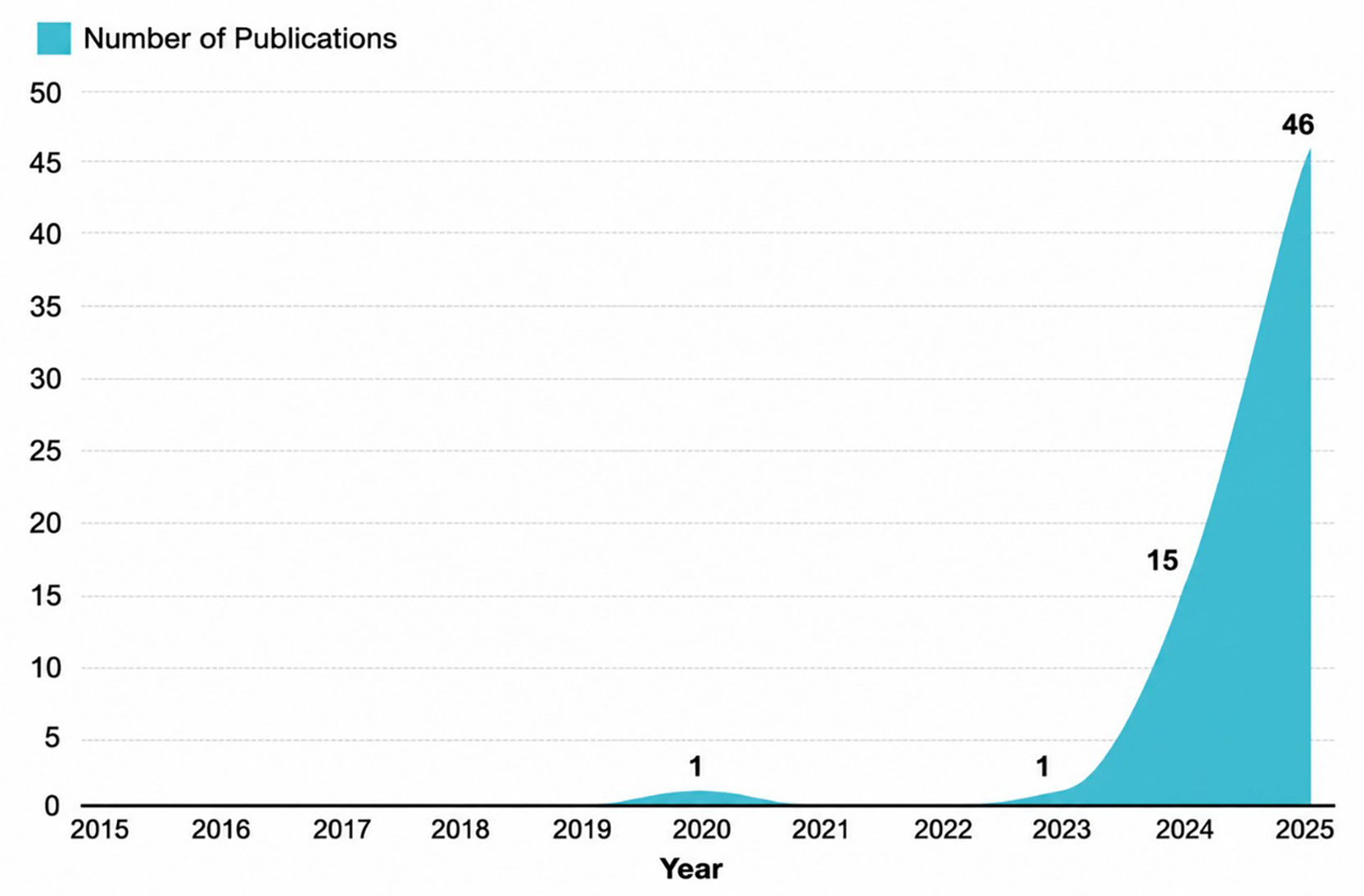
Based on the data selection process of 1508 articles from three databases, Scopus, ERIC, and ScienceDirect, using the PRISMA guidelines, 63 articles were selected for comprehensive analysis in this section. Of the 63 selected articles, which were classified by publication year (2015-2025), the highest number was in 2025 (46), followed by 15 in 2024 and 1 each in 2020 and 2023. No publications were found in 2015, 2016, 2017, 2018, 2019, 2021, and 2022 from the 63 articles reviewed, as visualized in Figure 2. The absence of publications during the 2015–2019 and 2021–2022 periods, among a total of 63 articles reviewed, indicates that this research topic is relatively new and has begun to receive significant academic attention in recent years, especially since 2024.
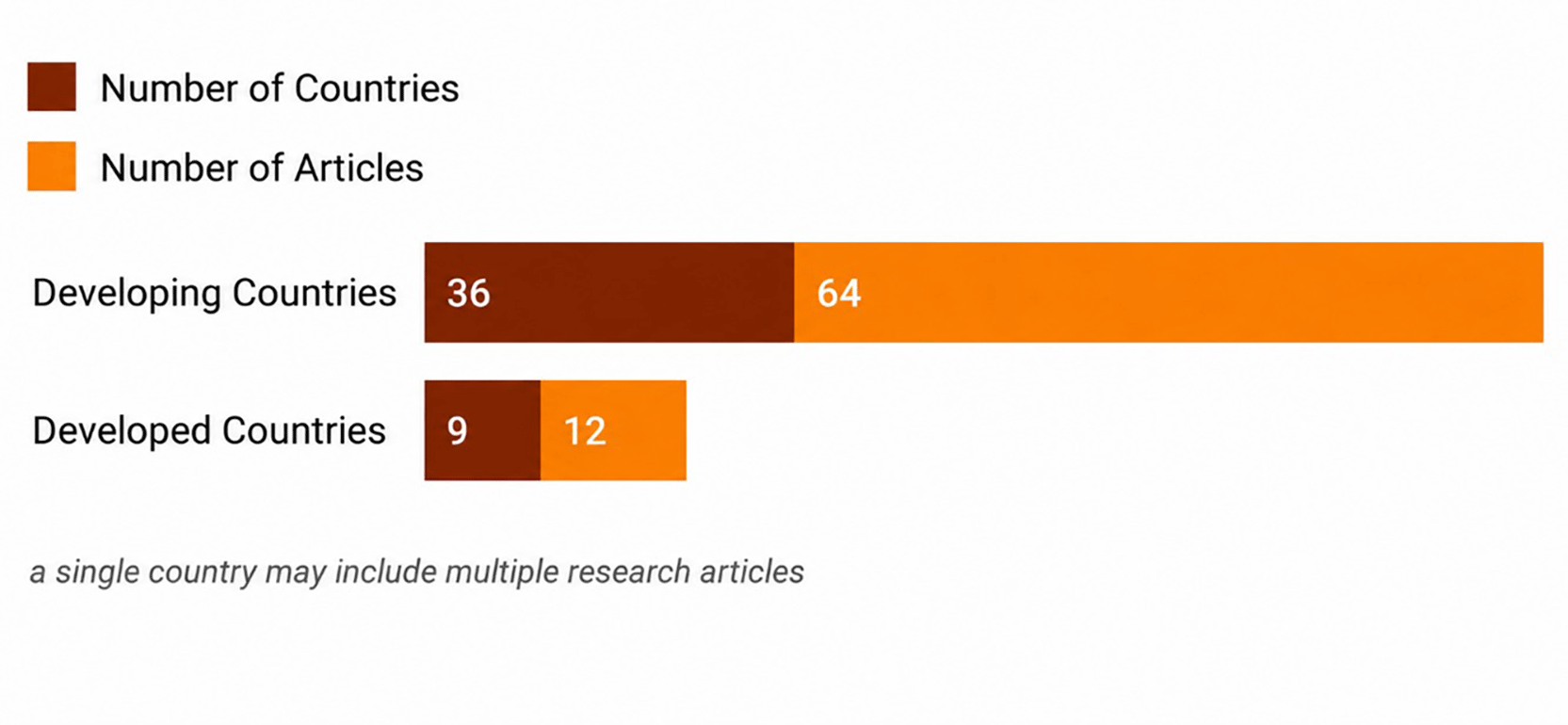
On the other hand, when viewed by the number of articles published in the country where the research was conducted, developing countries have more publications than developed countries. The visualization in Figure 3 shows that there are 64 articles from developing countries, compared with 12 from developed countries. In addition, 36 countries are in the developing category, and 9 are in the developed category. For the record, each country where the research was conducted has more than one article.
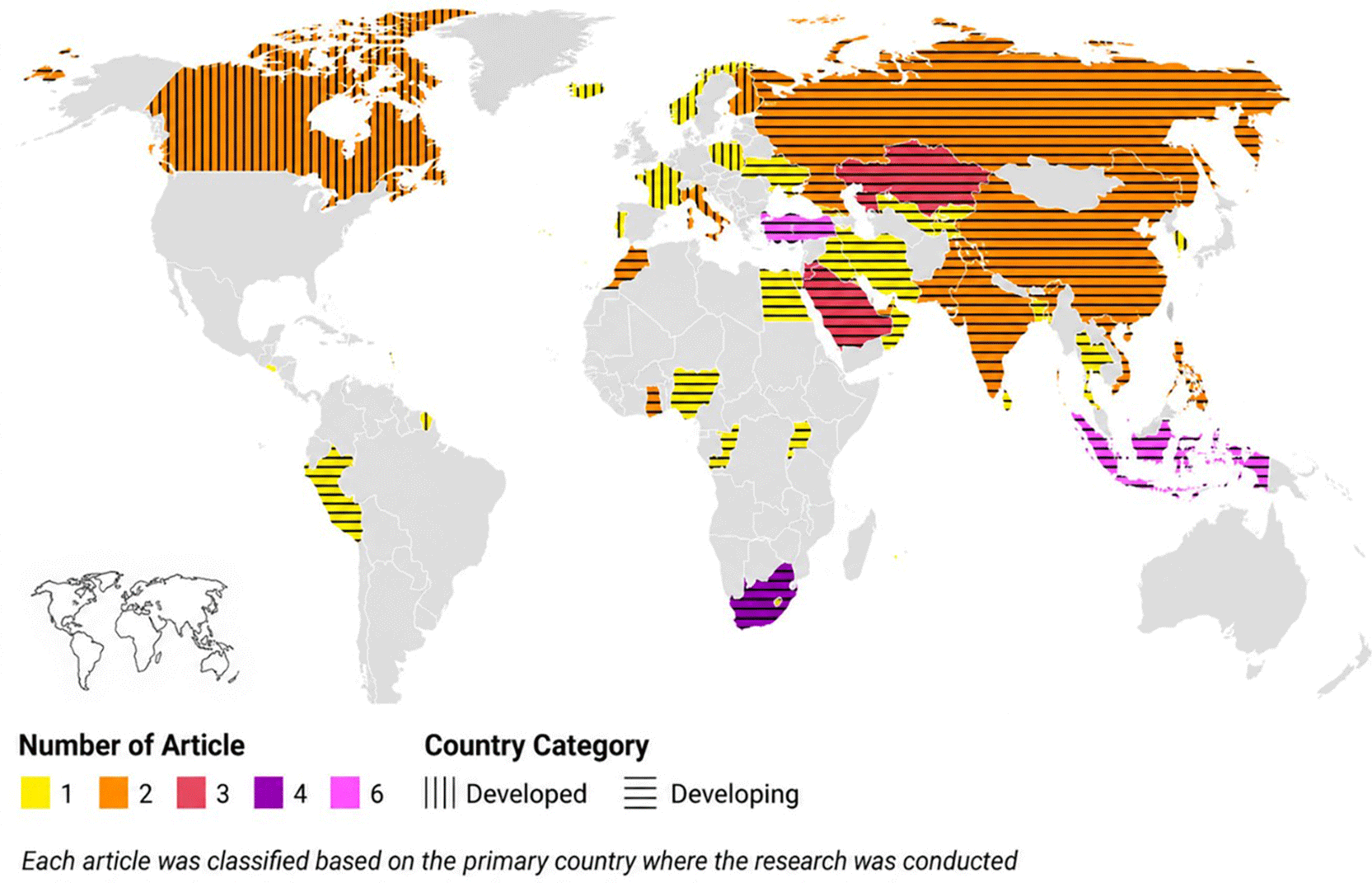
Based on the distribution of countries where the research was conducted, 45 countries were identified as research locations from the 63 articles reviewed. The highest number of research locations was in Asia, with 22 countries, including South Korea, China, Indonesia, Thailand, Vietnam, the Philippines, Bangladesh, India, Sri Lanka, Pakistan, Kyrgyzstan, Kazakhstan, Uzbekistan, Tajikistan, Iraq, Iran, Jordan, Saudi Arabia, Kuwait, Oman, Bahrain, and the United Arab Emirates.
In Europe, there were 11 countries: Portugal, Poland, France, Italy, Iceland, Finland, Norway, Russia, Ukraine, Georgia, and Turkey. Next, in Africa, there are nine countries, including Egypt, Morocco, Congo, Ghana, Lesotho, Nigeria, Rwanda, Uganda, and South Africa. Meanwhile, in the Americas, there are only three countries, namely Canada, Peru, and El Salvador.
The countries with the most research locations were Turkey and Indonesia, each with six articles. In second place was South Africa, with four articles. The next countries with three articles are Saudi Arabia and Kazakhstan. Meanwhile, countries such as China, India, Pakistan, the United Arab Emirates, the Philippines, Vietnam, Russia, Finland, Italy, Canada, Morocco, and Ghana have two articles. The countries with the lowest number of research locations, namely one article, are spread across various countries in Asia, Africa, Europe, and America, as visualized in Figure 4.
Based on an analysis of the 63 articles reviewed, the research locations show a wide geographical distribution with a predominance of studies originating from developing countries. Countries such as Indonesia, Turkey, South Africa, Saudi Arabia, Ghana, Vietnam, Pakistan, and India appear repeatedly as research contexts, reflecting the high level of attention to the application of AI in education in the Global South. In contrast, the number of studies originating from developed countries is relatively limited and scattered across several European and North American countries, such as France, Italy, Finland, Norway, Canada, Portugal, Poland, and Iceland. Overall, the analysis of study characteristics forms the basis for analyzing patterns and levels of AI application in global literature and answering the research questions posed.
Application Patterns
The synthesis of 63 articles shows that the application of artificial intelligence (AI) in the learning process reveals varying patterns and levels of AI integration in the learning process. Based on its function, the pattern of AI application is categorized into three categories, namely AI as a teaching aid, AI as a learning analysis tool, and AI as an adaptive system. The pattern of AI application is dominated by 27 studies reporting the use of AI as a learning analysis tool for analyzing learning behavior, assessment, evaluation, perception, AI literacy, and data-based decision making. Meanwhile, in terms of the learning process, AI as a teaching aid, such as Chaatbot, supports the teaching, learning, assignment, classroom interaction, and student skill development processes. AI as an adaptive system is used to adjust learning, personalization, recommendations, or intelligent decision-making.
Based on Table 3, the pattern shows that AI is used directly in the teaching and learning process. AI supports teachers and students in instructional activities, such as delivering material, practicing questions, engaging in learning interactions, and developing academic and language skills. Various studies report the use of chatbots, generative AI, machine translation, and AI-based learning platforms to encourage active learning, improve concept understanding, facilitate independent learning, and innovate new and collaborative teaching models (Cevher & Yildirim, 2025; Hao et al., 2025; Mabuan, 2024; Noniashvili et al., 2020).
In addition, the application of AI as a teaching aid can also be seen in the context of primary to higher education, both in face-to-face learning, blended learning, and distance learning (Al-Taai et al., 2025; Espartinez, 2024; Loock & Holt, 2024). These findings confirm that AI serves as a learning companion that complements educators’ roles but does not yet fully replace teachers’ pedagogical functions. The main focus in this category is improving learning effectiveness, student engagement, and the overall learning experience.
The second pattern shows the use of AI to analyze learning processes and outcomes. In this category, AI is used to evaluate student learning behavior, measure perceptions and attitudes toward AI, assess AI literacy, and support academic assessment and data-driven decision making. Several studies have developed AI-based instruments, such as attitude scales, technology adoption models, and e-assessment systems that enable more objective and systematic analysis of learning (Domínguez et al., 2025; Es-Sarghini & Boumahdi, 2025; Guo et al., 2025).
AI, as an adaptive system, represents the application of AI at a higher level: an adaptive, intelligent system capable of adjusting its learning to user needs. In this category, AI is used to provide personalized learning, recommend materials, and support automated learning decision-making (Babu et al., 2025; Ingason et al., 2025). Adaptive chatbot systems, smart learning environments, and AI-based learning platforms are prime examples of this application. Research in this category often highlights aspects of technology adoption, sustainability of AI use, and integration of AI into the broader education ecosystem, including teacher training and institutional development (Agatova & Latipova, 2025; Akbar et al., 2025; Ouzif et al., 2025). AI, as an adaptive system, is not only viewed as a technical tool but also as part of the ongoing transformation of digital education.
AI Deployment Level
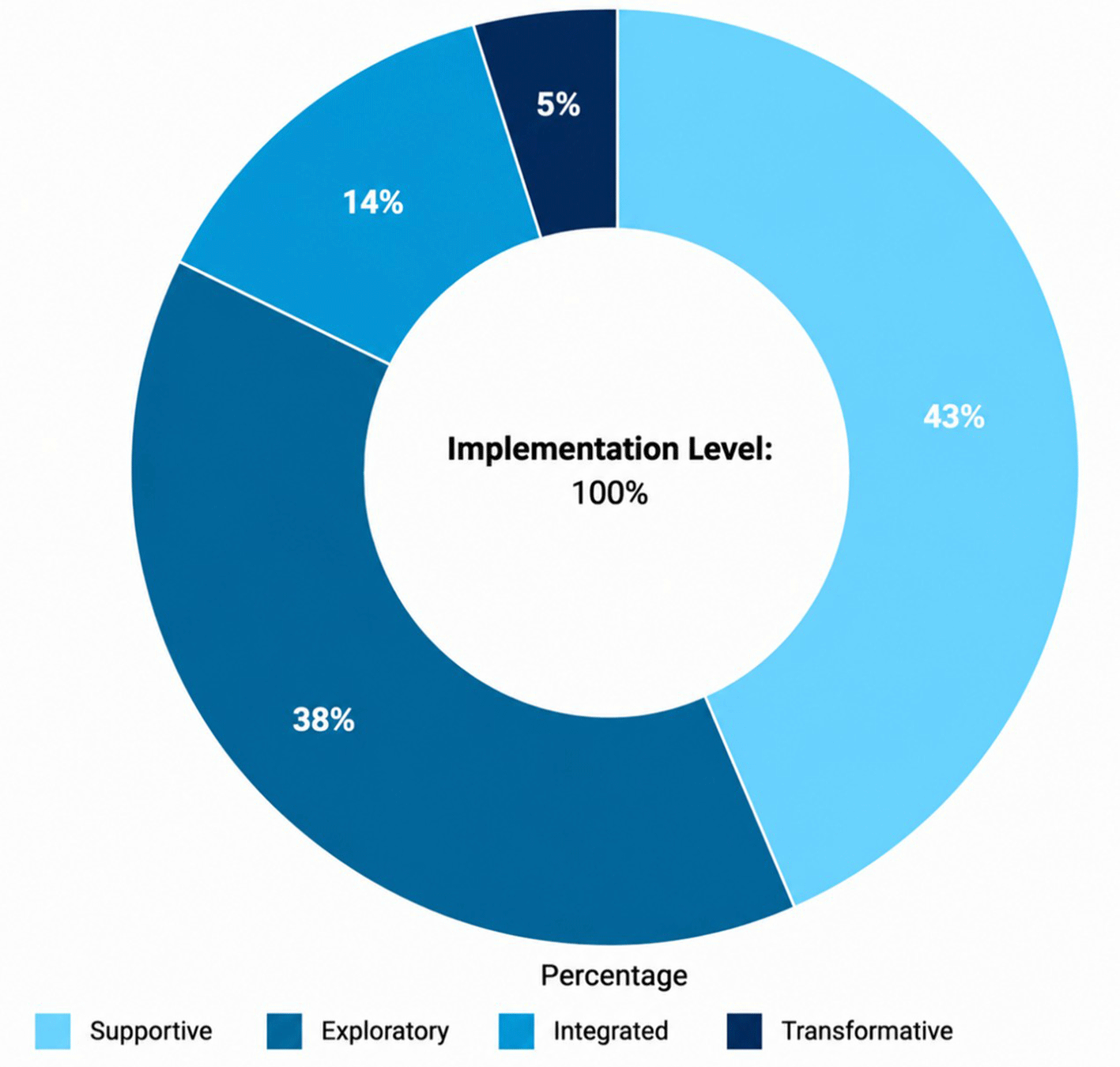
Based on the classification of AI application patterns in education, namely AI as a teaching aid, learning analysis tool, and adaptive system, it appears that these three patterns are not applied at the same level in educational practice. To gain a more comprehensive understanding of the extent to which AI is implemented in education, the analysis further classifies the reviewed studies into four levels of AI implementation: exploratory, supportive, integrated, and transformative.
At the exploratory level, AI is primarily used as an initial object of study to understand its potential, perception, readiness, and challenges in the context of education. Studies at this level generally focus on the attitudes of educators and students, AI literacy, and ethical and institutional issues, without directly involving AI integration in learning design (Al Ghazo et al., 2025; Baidoo-Anu et al., 2024; Makhmudova et al., 2025; Olayinka et al., 2024). At this stage, AI is a concept or technology that is still being tested and understood, so its impact on pedagogical practices remains indirect.
The use of AI at the support level in the learning and teaching process. At this level, AI is used to support academic activities such as writing, feedback, simple assessments, learning interactions through chatbots, and material enrichment (Al-Taai et al., 2025; Namatovu & Kyambade, 2025; Noniashvili et al., 2020). Although AI has been used in learning activities, its role remains supplementary and has not changed the existing curriculum structure, the role of educators, or the learning process.
At the integrated level, AI has been systematically embedded in learning design, curriculum, or evaluation systems. Studies at this level show that AI is used as part of a planned learning model, educational platform, or institutional framework (Lee et al., 2024; Steinmann et al., 2025; Suryanto et al., 2025; Thanh et al., 2025). This integration allows AI to contribute consistently to the learning process, but its application is still within the framework of conventional pedagogy. Thus, even though AI has become an important component in the education system, a paradigm shift in learning has not yet fully occurred.
At the highest level, AI is not only integrated but also fundamentally changes learning practices and structures. At this level, AI enables personalized learning paths, adaptive learning, and a redefinition of the role of educators from content deliverers to facilitators and co-creators of learning (Agatova & Latipova, 2025; Ingason et al., 2025; MacDowell et al., 2024). AI is a key driver of pedagogical and organizational change in learning, creating more flexible, learner-centered, and data-driven models.
Overall, the distribution of studies across these four levels shows that most research still focuses on the exploratory and supporting levels. In contrast, the application of AI at the integrated and especially transformative levels remains relatively limited, as visualized in Figure 5. These findings indicate a gap between AI’s potential to transform education and the dominant implementation practices in the literature.
Conditions in Developed and Developing Countries
In developed countries, the application of AI tends to move beyond exploratory and supportive uses toward integrated and, in some cases, transformative levels. Studies from research settings often report the use of AI in structured learning design, personalization systems, and adaptive learning environments tailored to learners’ individual needs. In addition, AI in developed countries is used to support data-driven decision-making and redefine educators’ roles, indicating relatively more mature institutional readiness and infrastructure.
Conversely, in developing countries, the use of AI in education is still dominated by exploratory and supportive approaches. AI is generally used as a learning aid, such as chatbots, AI-based academic writing, and simple evaluation support, without strong integration into the curriculum or learning system as a whole. Research in this context is largely focused on perceptions, user readiness, AI literacy, and ethical and structural challenges, reflecting the early stages of adoption and resource limitations.
Table 4 indicates a transition in several developing countries, where a number of studies are beginning to point toward a more integrated application of AI, particularly in the context of higher education and online learning. However, the transformative application of AI remains very limited and is more frequently reported in the context of developed countries, thereby highlighting the implementation gap between the two groups of countries. Consequently, the following section will address the research question regarding structural and conceptual barriers to implementation in both developed and developing countries.
| Analysis Aspect | Developed Countries | Developing Countries | References |
|---|---|---|---|
| Research Focus | Learning optimization, personalization, adaptive systems, and pedagogical transformation | Early adoption of AI, user perception, AI literacy, and implementation challenges | (Funda & Cilliers, 2025; Ingason et al., 2025) |
| The Dominant Role of AI in Learning | AI as an adaptive system and learning analysis tool | AI as a teaching aid and learning support tool | (Hyttinen & Isomöttönen, 2025; Zou et al., 2025) |
| Deployment Level | Integrated and partly transformative | Exploratory and supportive | (Das et al., 2023; Lee et al., 2024) |
Education systems in various countries are currently undergoing a transition phase in line with the increasing adoption of Artificial Intelligence in the learning process in recent years. Every country is competing to reform its education system in response to the emergence of artificial intelligence to improve the quality of education. However, the presence of Artificial Intelligence in education systems around the world does not automatically mean that it can be implemented to its full potential.
A review of 63 articles shows that there are obstacles to implementing AI in education systems, as reported in studies from countries in the Global South and other developing countries. Several developing countries in Southeast Asia, such as the Philippines, and in Africa, such as Ghana, Rwanda, Lesotho, and South Africa, have gaps in the implementation of AI between urban and rural areas, as well as poor AI training systems for teachers (Espartinez, 2025; Mohaammed Alhassan, 2025; Olayinka et al., 2024). Not only that, another obstacle identified in developing countries comes from Latin America, namely, a study conducted by Valdivieso & González, (2025) Studies in El Salvador found that barriers to AI implementation stem from financial disparities among students from different economic backgrounds. The gap is evident: students from low-income backgrounds mainly use smartphones and free AI tools, while high-income students report greater access to laptops and premium features.
The effective use of AI in education systems undoubtedly requires adequate infrastructure support. Infrastructure plays a crucial role in supporting the successful implementation of AI. However, in developing countries, this factor poses a serious challenge to the process of implementing AI. Several countries have reported that their AI support infrastructure is still not optimal, such as in Iraq, Indonesia, Congo, and several other developing countries (Al-Taai et al., 2025; Hao et al., 2025; Kazadi Tshikolu et al., 2025; Pratita et al., 2025). Limitations in infrastructure, such as internet access and electronic devices, are key obstacles to implementing AI.
One of the most frequently reported institutional barriers is the lack of a clear policy and regulatory framework regarding the use of AI in educational settings. Many institutions do not yet have formal guidelines on the ethics of AI use, student data protection, and the limitations of AI’s role in learning and assessment. This situation creates uncertainty at the institutional and individual educator levels, which ultimately hinders the systematic adoption of AI (Funda & Cilliers, 2025; Ouzif et al., 2025; Suryanto et al., 2025).
In addition, the low level of leadership readiness and institutional governance is a significant obstacle. Several studies note that AI implementation is often sporadic, driven by individual initiatives or short-term projects, without an integrated institutional strategy. The lack of leadership vision in digital transformation means that AI has not been positioned as part of long-term academic planning (Al Ghazo et al., 2025; Kanont et al., 2024; Mabuan, 2024).
Institutional barriers are also evident in the limited capacity of human resources, particularly in terms of AI literacy among lecturers, teachers, and education administrators. Many institutions have not yet provided systematic professional development programs to equip educators with a pedagogical and technical understanding of AI. As a result, the use of AI tends to be limited to surface functions and has not been deeply integrated into learning design (Gulyamova & Rasulmuhamedova, 2025; Makhmudova et al., 2025; Mohammadi, 2024).
Table 5 outlines the obstacles to implementing AI in education systems. As in developing countries, obstacles to AI implementation also exist in developed countries, though they are less pronounced. The elements supporting the use of AI in developed countries are largely in place, but several areas still require further implementation. Ethical issues are still a frequent topic of discussion in developed countries.
| Obstacle Dimensions | Developing Countries | Developed Countries |
|---|---|---|
| Institutional Policies & Regulations | The AI policy framework in education remains limited and not yet standardized; ethics, data privacy, and academic integrity guidelines are often unclear or inconsistent across institutions (Thanh et al., 2025). | Policies and regulations are relatively more established, but they often face challenges in translating policies into institutional and classroom practices (Oliveira et al., 2025). |
| Technology Infrastructure | Limited access to the internet, hardware, and stable AI platforms; Digital Divide Between Regions and Institutions Is Still High (Mohaammed Alhassan, 2025). | Infrastructure is generally adequate, but integrating AI systems with Learning Management Systems (LMS) and legacy systems remains a challenge (MacDowell et al., 2024). |
| Human Resource Capacity & AI Literacy | Educators’ and institutional managers’ AI literacy is relatively low; AI training is sporadic and unsustainable (Cetin & Celen, 2025). | AI literacy has improved, but there remains a gap in pedagogical competence for using AI effectively and ethically (Loock & Holt, 2024). |
| Program Funding & Sustainability | Budget constraints hinder AI adoption and scalability; Many initiatives stop at the pilot project stage (Hao et al., 2025). | Funding is relatively available, but the cost of developing, licensing, and maintaining long-term AI is a concern for institutions (Lee et al., 2024). |
| Leadership & Institutional Governance | Lack of strategic vision and digital leadership leads to the implementation of AI being partial and individual (Al Ghazo et al., 2025). | Institutional leadership is better prepared, but cross-unit coordination and organizational change management remain challenges (Ingason et al., 2025). |
| Ethical Issues & Data Privacy | Awareness of ethics and data protection remains limited; the mechanism for monitoring AI use is not yet systematic (Sustaningrum & Haldaka, 2025). | Primary focus on data protection, algorithmic bias, transparency, and accountability of AI systems (Steinmann et al., 2025). |
Europe itself already has regulations regarding the ethical use of AI. The European Union (EU) has been at the forefront of regulating artificial intelligence (AI) to ensure its ethical, transparent, and safe use. The main legislative framework governing AI in the EU is the Artificial Intelligence Act (AI Act), which was first proposed in April 2021 and officially adopted in March 2024 (Shuster, 2024). However, in some countries, there is still debate about the application of AI, particularly regarding data protection, algorithmic bias, transparency, and the accountability of AI systems. Thus, the next research question will address the recommendations offered from the literature review regarding barriers to AI implementation.
The increasing adoption of Artificial Intelligence (AI) in education has driven innovations in learning across contexts and countries. A review of 63 articles shows that successful AI implementation depends not only on the availability of technology but also on a clear implementation strategy that accounts for pedagogical readiness, policy, and institutional context. Several studies not only report patterns of AI use but also propose implementation recommendations to maximize AI’s benefits while minimizing ethical risks and educational disparities. Based on a synthesis of the 63 articles analyzed, this research question summarizes the recommendations for AI implementation in education, as reported in the literature across developed and developing countries.
Pedagogical Aspects
A literature review of 63 articles recommended using AI to improve learning quality, particularly by integrating AI into the curriculum, personalizing learning, enabling adaptive learning, and supporting self-paced learning. Studies conducted by Estaiteyeh & McQuirter, (2024), recommends integrating AI into curriculum design. AI is used as an educational technology course offered to all prospective teachers so that they become familiar with the opportunities and challenges of tools for producing multimodal digital content, such as text creation, image creation, and audiovisual production. A similar sentiment was expressed by Funda & Cilliers, (2025), highlights that educators must incorporate digital literacy and AI training into the curriculum and use AI tools for academic writing.
The use of chatbots such as Chat GPT has been reported to increase student engagement and accessibility through personalized learning (Sevnarayan, 2024). To that end, learning tools that support personalized learning need to be developed (El-Shara’ et al., 2025). Meanwhile, AI-based adaptive learning strategies are tailored to the contextual conditions at the location where AI is implemented (Opesemowo et al., 2025). In terms of self-directed learning support, Al-Smadi et al., (2025) in their research propose the importance of integrating AI tools with pedagogical approaches that encourage independent learning and critical engagement.
Overall, research recommendations in developed countries emphasize the integration of AI into curriculum design, adaptive assessment, and data-driven pedagogical decision-making. Meanwhile, in developing countries, pedagogical recommendations tend to focus on the use of AI as a learning tool to increase student engagement and support the learning process amid limited resources.
AI Capacity Development and Literacy
Most of the studies analyzed emphasize the importance of strengthening AI literacy for educators and students. Low AI literacy can hinder students' ability to adapt to current AI technology, so training efforts are needed for teachers to improve their AI literacy capacity and pass it on to students (Sari et al., 2025). In line with these recommendations, other literature recommends basic training that focuses on understanding AI functions, responsible use, and improving the psychological and pedagogical readiness of educators in adopting AI technology (Azmir & Atikuzzaman, 2025).
The next recommendation is to introduce an AI-Integrated Practical Learning Framework in Engineering (AIPLE) (Kazadi Tshikolu et al., 2025). This effort is important for reducing the technology gap, boosting educators’ confidence, and ensuring the responsible and contextual use of AI in accordance with the needs of the education system. With a good understanding of AI literacy, teachers can position AI tools as supporting technologies in the learning process rather than replacing the role of teachers in improving educational outcomes (Nogaibayeva & Yersultanova, 2025).
Policy and Governance
The success of AI in education systems is closely correlated with appropriate policies and governance. AI can become a technology that undermines the potential of students or teachers if policies and governance regarding its use are not implemented appropriately. Recommendations from a review of 63 articles highlight the efforts policymakers need to make to use AI in the learning process. A study by Valdivieso & González, (2025) It recommends the importance of educational institutions promoting fair access to educational technology and providing an ethical framework for its use. Higher education institutions in the Global South can translate national AI policies into actionable institutional governance while addressing contextual challenges such as resource constraints, the digital divide, and multicultural considerations (Thaldar et al., 2025).
Policy makers and educational institutions in effectively integrating AI tools such as ChatGPT into education systems, ensuring that their value is maximized while addressing potential drawbacks (Al Ghazo et al., 2025). This is relevant to what Baidoo-Anu et al., (2024) said about the policies and practices discussed in terms of how well-informed policy guidelines and strategies on the use of Gen AI tools, such as ChatGPT, can support teaching and improve student learning.
Infrastructure and Equitable Access
Supporting infrastructure for AI implementation and equitable access is mentioned in almost every research article. Particularly in developing countries, infrastructure and access gaps are often identified as needing improvement in this sector. Several studies recommend that educational institutions should invest in ICT infrastructure and equitable access to AI technology in all universities (Alsohaimi et al., 2025; Funda & Cilliers, 2025; Suryanto et al., 2025). Until now, infrastructure constraints, such as the availability of internet access in remote areas of developing countries, have not received sufficient attention and require government policy action, not just from educational institutions. This has led to uneven AI usage across a country.
The gap in access to AI has been reported in several studies, which indicate that the gap between urban and rural areas, or between public and private schools, is a factor in the uneven distribution of AI use and human resources (Espartinez, 2025; Hao et al., 2025; Makhmudova et al., 2025; Valdivieso & González, 2025). The recommendations reported focus on government policies that must be issued to not only improve infrastructure quality but also ensure equitable access across all regions.
After describing the main findings from the three research questions, it is necessary to discuss them to understand how the application of artificial intelligence (AI) in education is evolving across different national contexts. By linking patterns and levels of AI implementation (RQ1), structural and contextual barriers (RQ2), and implementation recommendations reported in the literature (RQ3), this discussion highlights that AI implementation is a gradual process shaped by the education system’s readiness. A comparison between developed and developing countries shows that differences in infrastructure, institutional capacity, and policy frameworks not only shape how AI is adopted but also determine whether AI functions as a learning support tool or as an agent of educational transformation.
Bridging
AI has dual potential in addressing educational inequality: it can both bridge gaps and risk widening disparities. Although most literature highlights the potential of artificial intelligence (AI) to improve the quality and equity of education, this review finds that AI can serve as a mechanism to bridge or widen educational gaps, depending on the context of its implementation.
AI has significant potential to bridge the gap in education by overcoming various challenges and enhancing the learning experience (Srivastava, 2025). AI can serve as an equalizer through personalized learning, access to quality learning resources, and adaptive support for learners from diverse backgrounds. In developing countries, AI adoption focuses on using it as a tool to aid the learning process. The use of chatbot tools such as ChatGPT is effective in improving teaching and learning practices (Alneyadi & Wardat, 2023). The adaptive learning function of AI can predict student performance and identify at-risk students, enabling early intervention to reduce dropout rates and improve learning outcomes (Mohammadi, 2024). Meanwhile, in developed countries, the use of AI has reached an advanced stage, not only in learning aids, but has also developed into organized systems within educational institutions (Lee et al., 2024).
AI-based learning systems enable students and teachers to teach and learn efficiently. Students can find the information sources they need or use them as a tool to assist with academic writing. The same is true for teachers, who use AI as a teaching assistant to design lessons or check students’ work, enabling them to work more efficiently. The findings of RQ 1 show that the use of smart tutors, automatic feedback systems, and learning analytics contributes to increased learning efficiency and inclusivity, especially in developing countries (Al-Smadi et al., 2025; Cetin & Celen, 2025; Jayasinghe, 2024).
Developing countries reported in the literature review, such as Ghana, South Africa, Pakistan, El Salvador, the Philippines, and Indonesia, have sought to improve the quality of education in their countries through the adoption of AI at various levels of educational institutions, from elementary schools to universities (Espartinez, 2025; Mohaammed Alhassan, 2025; Mustari et al., 2025). Although limited in its application, this demonstrates the potential of AI as a factor that could revolutionize education systems in the global south, which are still dominated by traditional learning practices (Olayinka et al., 2024).
Widening
The implementation of AI has the potential to widen the education gap if it is not balanced with structural readiness and inclusive policies. Education policy plays a strategic role by providing a framework for direction, regulation, and resource allocation in the implementation of education (Tang, 2024). However, the findings of RQ 2 show that inadequate policies influence the implementation of AI. Inequalities in access to ICT infrastructure, limited digital literacy among educators and students, and the dominance of AI development in developed countries mean that institutions with high resources mostly benefit from AI. In addition, language, cultural, and local context biases in AI systems can reinforce academic exclusion in developing countries.
Based on literature findings, the gap in AI implementation in developing countries such as the Philippines, Indonesia, and Ghana, as well as unequal access between rural and urban areas, has resulted in AI-supported learning platforms not being used effectively, and traditional cooperative learning being implemented (Baidoo-Anu et al., 2024; Espartinez, 2025; Pratita et al., 2025). This regional gap is also largely influenced by unequal access to technology and information infrastructure. Limited access to the internet, hardware, and stable AI platforms is a fundamental problem in AI use (Mohaammed Alhassan, 2025). This is exacerbated by the significant financial gap in developing countries, which means that students from low-income backgrounds use smartphones and free AI tools. In contrast, students from high-income backgrounds have greater access to laptops and premium features (Valdivieso & González, 2025).
The most striking gap between developed and developing countries lies in their regulatory systems for AI use. Developed countries are reported to have AI systems integrated into their curricula and educational institutions. Studies in developed countries reviewed in this study, such as Finland, Norway, and France, generally already have regulations that facilitate the application of AI in educational environments (Hyttinen & Isomöttönen, 2025; Loock & Holt, 2024; Steinmann et al., 2025). In addition to regulations, teacher training in developed countries has been delivered through a high-quality system, resulting in educators who can apply AI effectively and responsibly.
Meanwhile, in developing countries, the integration of AI into the curriculum is still in the development stage or has not yet begun (Elkot et al., 2025). The Teacher Training Program on the use of AI in the classroom learning process is still not running optimally (Azmir & Atikuzzaman, 2025). This situation widens the AI gap in developing countries, especially given the low level of AI literacy among teachers and students. AI literacy is important for teachers because it helps them integrate AI technology into teaching, which is essential for continuous professional development (Zhao et al., 2022). Meanwhile, for students, AI literacy helps them develop critical thinking, problem-solving, and innovative decision-making skills (Liu et al., 2024).
Ethical issues are also a focus of the research reports reviewed. Concerns about AI replacing the role of teachers, concerns about the inaccuracy of AI answers, and the misuse of AI in the context of education are the focus of discussions on AI in various countries (Lee et al., 2024; Namatovu & Kyambade, 2025; Sevnarayan, 2024). The issue of AI ethics in developing and developed countries remains a challenge that requires concrete solutions. Although Europe already has a framework for AI use, there are still obstacles to its implementation in the classroom. Therefore, policymakers in educational institutions that implement AI in learning systems must be firm in the policies they issue.
Overall, AI is not neutral in its impact on educational inequality; it can both bridge and widen the gap. AI has the potential to be a bridging tool when implemented within an inclusive policy framework, supported by adequate infrastructure, and accompanied by improvements in the digital literacy of educators and students, thereby expanding access and personalizing learning fairly. Conversely, without regulation and an equal readiness across the education system, the adoption of AI tends to reinforce the widening effect, with the benefits of technology enjoyed more by institutions and countries with high resources. At the same time, marginalized groups are left further behind.
The findings of RQ3 show that recommendations for implementing AI in education consistently affirm that the success of AI adoption is determined not by technological sophistication alone, but by pedagogical readiness, human resource capacity, and contextual policy and governance frameworks. The literature emphatically shifts the narrative from technology-driven adoption to policy and pedagogy-driven implementation. In developed countries, recommendations tend to position AI as a strategic component of curriculum design, adaptive assessment, and data-driven pedagogical decision-making, so that it serves as an instrument to improve the quality and efficiency of the education system. In contrast, in developing countries, AI is more commonly recommended as a learning support tool to address structural limitations, such as shortages of educators and learning resources, thereby positioning AI as a pragmatic solution rather than a fully integrated systemic transformation.
From a pedagogical perspective, the literature emphasizes the integration of AI into the curriculum, personalization of learning, and adaptive learning as the main prerequisites for AI to improve learning quality (Estaiteyeh & McQuirter, 2024). However, these recommendations are normative in developed countries and more compensatory in developing countries. In developed countries, AI is geared toward enriching pedagogical practices through data-driven learning design and intelligent assessment. In contrast, in developing countries, AI is promoted to increase student engagement and support independent learning amid resource constraints. This difference indicates that AI does not automatically eliminate educational gaps; rather, it reflects the conditions of the education system in which the technology is implemented.
Furthermore, almost all studies affirm that AI capacity building and literacy are fundamental prerequisites to prevent AI from being misused or misapplied. AI literacy is positioned not only as a technical skill but as a pedagogical and ethical competency that allows educators to use AI critically and responsibly. Without this capacity building, AI risks strengthening technology dependency and degrading the quality of pedagogical interactions. Therefore, various studies recommend structured, contextual training frameworks to ensure that AI functions as an assistive technology rather than a substitute for teachers’ roles.
At the policy and governance level, the study’s recommendations confirm that AI can weaken education systems if adopted without clear regulations, ethical frameworks, and guarantees of fair access. Developing countries in particular face challenges in translating national AI policies into institutional practices due to infrastructure limitations, digital divides, and socio-cultural complexities. This is reinforced by the findings that infrastructure problems and access inequality, especially between urban and rural areas and between public and private institutions, are still the main obstacles to the equitable distribution of AI benefits. Thus, this study argues that effective AI implementation requires policy interventions that focus not only on improving infrastructure quality but also on equitable access to and distribution of technological benefits.
The study has several limitations that should be considered when interpreting the findings. Although this systematic review included 63 articles from reputable databases, limitations in three databases (Scopus, ERIC, and ScienceDirect) and the exclusion of many articles that did not specify the research location, even when they otherwise met the inclusion criteria, limited the review’s scope. In addition, language factors influence the decision to include an article in the review, as many articles are not in English and could cause synthesis errors if included.
Another limitation of this study is its reliance on open-access articles. While this approach improves research transparency and replication, the restriction could potentially exclude relevant studies published in paid journals or databases with limited access. As a result, the scope of the literature analyzed may not yet fully reflect the empirical findings and theoretical perspectives that are emerging in AI studies and education.
The study also faced limitations related to the existence of several articles reporting the results of cross-border research. These articles often present findings in a comparative or aggregated framework, so the context of each country’s specific educational policies, infrastructure, and practices is not always described in detail. This condition could complicate the process of attributing findings to specific country-context categories and obscure variations in AI implementation influenced by local factors.
To minimize limitations related to article selection, particularly those associated with open-access publications, this study strictly adhered to the PRISMA (Preferred Reporting Items for Systematic Reviews and Meta-Analyses) guidelines at all stages of the review. The process of identifying, filtering, and including articles is carried out transparently and systematically, with clearly defined criteria from the outset to reduce the risk of selection bias.
Given these limitations, further research is recommend to broaden the scope of literature sources, including non-open-access publications and contextual empirical studies, to obtain a more comprehensive picture of the implementation of AI in education. Future studies also need to explore the long-term impact of AI use on learning quality and educational equity through longitudinal research designs and more in-depth cross-contextual approaches. In addition, research that incorporates key stakeholder perspectives and country-specific analysis is expected to enrich understanding of how AI can be implemented effectively, ethically, and equitably across diverse education systems.
Based on a systematic review of 63 articles selected from the Scopus, ERIC, and ScienceDirect databases in the 2015-2025 period using the PRISMA guidelines, this study provides a comprehensive overview of the patterns of implementation, barriers, and recommendations for the implementation of artificial intelligence (AI) in education in the context of developed and developing countries. Based on the number of countries where the research was conducted, there were 45 countries: 36 developing and 9 developed. The findings show that AI is used in the learning process as a teaching tool, an analytical tool for learning, and an adaptive system. The level of AI application in developing countries is primarily in exploratory and supporting areas. Meanwhile, the level of AI application in developed countries is already at an integrated, transformative stage.
The study also finds that obstacles to AI implementation are not only technological but also stem mainly from structural and contextual factors, such as infrastructure inequalities, limited AI literacy, educators’ pedagogical readiness, and weak policy and governance frameworks. These barriers vary across countries, confirming that AI adoption cannot be separated from the conditions of the education system and the social environment in which the technology is applied.
Furthermore, the synthesis of implementation recommendations in the literature confirms that AI has the potential to help bridge and widen the education gap. AI can bridge inequality when implemented through contextual pedagogical strategies, strengthening human resource capacity, inclusive policies, and equitable access to infrastructure. Conversely, without a clear and equitable implementation framework, AI risks reinforcing existing inequalities, especially between developed and developing countries and between regions within a single country.
Overall, the study confirms that the sustainability and effectiveness of AI implementation in education are determined not by the technology itself, but by strategic decisions in pedagogical design, education policy, and context-responsive governance. By positioning AI within an education ecosystem oriented toward quality and justice, this study is expected to serve as a reference for researchers, educators, and policymakers in designing more effective, ethical, and sustainable AI implementations across various global education contexts.
No ethical approval or participant consent was required because the study used publicly available secondary data sources and published scholarly literature.
| Views | Downloads | |
|---|---|---|
| F1000Research | - | - |
|
PubMed Central
Data from PMC are received and updated monthly.
|
- | - |
Provide sufficient details of any financial or non-financial competing interests to enable users to assess whether your comments might lead a reasonable person to question your impartiality. Consider the following examples, but note that this is not an exhaustive list:
Sign up for content alerts and receive a weekly or monthly email with all newly published articles
Already registered? Sign in
The email address should be the one you originally registered with F1000.
You registered with F1000 via Google, so we cannot reset your password.
To sign in, please click here.
If you still need help with your Google account password, please click here.
You registered with F1000 via Facebook, so we cannot reset your password.
To sign in, please click here.
If you still need help with your Facebook account password, please click here.
If your email address is registered with us, we will email you instructions to reset your password.
If you think you should have received this email but it has not arrived, please check your spam filters and/or contact for further assistance.

Comments on this article Comments (0)