Keywords
Virtual reality, brand loyalty, immersion, tourism, customers

This article is included in the Advances in Metaverse, Gaming and Virtual Reality collection.
Virtual reality, brand loyalty, immersion, tourism, customers
Substantial modifications were introduced in this version to reinforce the scientific rigor, methodological clarity, and technical consistency of the study. The introduction was expanded to provide a clearer theoretical basis and a more solid contextualization of the problem within the Lunahuaná tourism sector, emphasizing the need to generate empirical evidence on virtual reality as an advertising and loyalty tool, rather than presenting it solely as a conceptual innovation. The methodology section was significantly improved by detailing the agile development approach, specifying the system architecture (MVC), describing the technologies used, and clarifying the minimum technical requirements, thus improving transparency and reproducibility. The research design was also refined by providing a clearer explanation of the pre-experimental pretest/posttest model, the operationalization of indicators, and the data processing procedures used to transform interaction records into measurable key performance indicators.
To read any peer review reports and author responses for this article, follow the "read" links in the Open Peer Review table.
The adoption of emerging technologies in tourism not only positions companies at the forefront of digital transformation but also accelerates progress toward resilient and environmentally sustainable infrastructures (Castilla et al., 2023). Among these innovations, virtual reality (VR) has emerged as a transformative tool capable of reshaping how the tourism industry communicates with and engages travelers (Pestek & Sarvan, 2021). By enabling immersive experiences, VR enriches the traveler’s journey while providing destinations and businesses with new marketing instruments that redefine the overall consumer experience (Calisto & Sarkar, 2024).
However, much of these claims are mainly supported by conceptual and exploratory approaches, revealing a gap between the theoretical potential attributed to virtual reality and the availability of empirical evidence supporting its actual effectiveness in specific tourism contexts.
Despite these advances, the global business landscape continues to show widespread reluctance to adopt new technologies, largely due to persistent fears of innovation rooted in economic inequality, especially in developing countries (Ore et al., 2021; Bernad, 2020). This challenge is evident in the South Lima region of Peru, where tourism companies struggle to differentiate themselves in a competitive environment characterized by limited technological adoption. This highlights a structural tension between the strategic need for innovation to enhance competitiveness and the actual capacity of companies to implement emerging technologies, constrained by economic, organizational, and contextual factors.
Empirical studies show that Peruvian manufacturing companies that integrate innovation and research and development activities achieve superior performance, highlighting the role of innovation not only in expanding market share through products, services, and marketing, but also in improving productivity through organizational and process transformations (Seclen-Luna et al., 2023). However, these results cannot be directly extrapolated to the tourism sector due to its service- and experience-intensive nature, reinforcing the need for sector-specific studies.
In this context, the tourism sector in the district of Lunahuaná, located in the province of Cañete, receives local and foreign visitors each year, constituting a relevant setting for analyzing the adoption of innovative technologies. The district is oriented toward adventure, cultural, and gastronomic tourism and is characterized by the predominance of small and medium-sized enterprises with limited technological resources. The selection of this context responds to the need to generate situated empirical evidence to understand how virtual reality can be feasibly integrated into advertising strategies in emerging tourism destinations.
However, despite the clear need for innovation, there is a noticeable lack of robust and updated empirical evidence on the effective implementation of VR technologies in advertising and brand loyalty, especially within the tourism industry (Zeng et al., 2023). This gap limits understanding of the real impacts of VR on consumer behavior and hinders evidence-based strategic decision-making, especially in contexts with technological and organizational constraints.
This situation is especially critical in a sector facing structural challenges such as atypical employment conditions, low wages, high staff turnover, and other barriers that hinder continuous service quality improvement and the adoption of advanced technologies (Castillo-Reina & Cruz, 2021).
Furthermore, technical constraints, including bandwidth limitations, lack of compatible devices, and accessibility issues, still affect the quality of VR experiences, questioning the feasibility of large-scale implementation in tourism. Concerns regarding whether virtual reality could replace the authentic travel experience further complicate the debate, raising discussions about potential negative impacts on the industry. These discussions do not invalidate the use of VR but rather reinforce the need to evaluate it empirically as a complement to, rather than a substitute for, the tourism experience.
The adoption of virtual reality, along with other emerging technologies such as robotics and artificial intelligence, remains in an early stage, limited by perceptions of high costs and operational complexity, reflecting a persistent innovation gap in the tourism sector (Alonso, 2019; Moscoso & Torre, 2020; Gössling et al., 2021).
In this context, this research presents a practical and contextualized VR-based advertising tool developed and evaluated in a local tourism company in Lunahuaná. The company offers activities such as rafting, ziplining, ATV riding, rappelling, mountain biking, Tibetan bridge crossing, and guided tours. The local tourism sector faces significant limitations in the use of advanced digital tools, such as lack of metrics associated with customer loyalty, technological accessibility barriers, and scalability difficulties in solutions based on specialized hardware or high-cost native applications.
Unlike previous studies focusing mainly on users’ general perceptions of VR experiences, this study emphasizes the design, development, and evaluation of a functional software solution implemented in a real tourism environment, directly addressing technological and operational constraints in low-resource contexts.
A cross-platform Progressive Web Application (PWA) is proposed, enabling collaborative VR experiences, reducing dependence on specialized infrastructure, and prioritizing accessibility, usability, and compatibility with common mobile devices.
The main contribution of this study is technical and contextual, demonstrating the feasibility of a VR solution based on a Progressive Web Application applied to a local tourism company, and methodological, by integrating usability and user experience evaluation in a real operational environment.
Research development used an agile approach to ensure collaboration, simplicity, and system flexibility (Suryantara & Andry, 2018). The development was divided into three phases: planning, implementation and operation, which emphasized close collaboration with stakeholders to adapt to changing requirements (Akhtar et al., 2022); implementation, which focused on a simple design with emphasis on creating a scalable and secure backend architecture (Fojtik, 2011); finally, in the operation phase, two iterations were carried out. The first focused on creating an immersive virtual environment with intuitive interfaces and basic interactive elements. The second iteration enhanced these basic features, incorporating advanced functions, such as greater interactivity with virtual objects for a more realistic experience (Shrivastava et al., 2021).
Applied research focused on the development and evaluation of a VR application implemented as a Progressive Web Application (PWA).
To evaluate the impact of the virtual reality application, a pre-experimental pre-test/post-test design with repeated cross-sectional comparison was used, without a control group. The evaluation was based on a comparative analysis of aggregated records of interaction and use of the system, corresponding to two different time periods within the same organizational context.
The comparison between the two periods allowed us to analyze the variations observed in brand loyalty, customer retention, and user satisfaction indicators in order to estimate the impact of introducing the immersive experience in a real-world setting.
The effectiveness of the proposed software tool was evaluated using three key indicators, selected for their relevance in analyzing the impact of immersive technologies on the tourism sector:
• Customer retention, understood as a company’s ability to maintain ongoing relationships with its customers over time, influenced by positive experiences, perceived value, and accumulated satisfaction, especially in digital service and experience environments (Kandampully et al., 2015).
• Brand loyalty, defined as a deep and sustained commitment by the consumer to a brand, which manifests itself both in repeated purchasing behavior and in positive attitudes, even in the face of competitive alternatives, and which can be reinforced by immersive and emotional experiences (Iglesias et al., 2019).
• Customer satisfaction, corresponding to a cognitive and affective evaluation after the consumption experience, resulting from the comparison between prior expectations and the perceived performance of the service or product, especially relevant in experiences mediated by digital technologies (Rather & Sharma 2019).
Operational definitions, units of analysis, metrics, and measurement types were maintained conceptually equivalent in translation.
Table 1 presents the conceptual and operational definitions, units of analysis, and metrics used for each of the study indicators.
Source: Own elaboration.
The study population consisted of local and foreign customers and tourists who visited the area during the evaluation period. Participants were selected using non-probability convenience sampling, considering the availability and willingness of users to interact with the virtual reality application. For the brand loyalty and customer retention indicators, the sample consisted of n = 140 participants. In the case of the user satisfaction indicator, n = 847 interaction and opinion records generated during the period of use of the application were analyzed.
The research was conducted in the operating environment of a tourism company that receives local and foreign tourists. The virtual reality application was used to showcase tourism experiences, services, and environments in the first person, allowing users to virtually explore the destination before interacting directly with the tourism offering.
Participants were informed about the objectives of the study, the voluntary nature of their participation, and the confidential use of the information collected. All participants gave their informed consent before beginning their participation.
The unit of analysis varied depending on the indicator evaluated. For customer retention and customer satisfaction indicators, the unit of analysis was the user (customer or tourist), considering one main interaction per participant. In the case of the brand loyalty indicator, the analysis was performed at an aggregate level, considering the number of users who interacted with the company during the registration periods defined in the pretest and posttest phases.
Functional Architecture: The application follows the Model–View–Controller (MVC) pattern.
• Model: Data management and persistence
• View: Web interfaces and VR scenes rendered in browser
• Controller: Handles requests and logic coordination
Development Technologies: A selection of advanced technologies has been used, the server uses an open-source PHP 8.0 framework, known for its robustness (Tenzin, 2022). As for the user interface, it uses an open source ES6 JavaScript framework, ensuring a smooth and customizable user experience (Shukla, 2023).
Strategic integration of add-ons: To extend the capabilities of the application, key add-ons and libraries have been integrated, including:
• FrameVR.io: used as the main environment for creating and managing the collaborative virtual world, allowing multiple users to interact simultaneously in the same virtual space.
• A-Frame: used for viewing 360° content (images and videos), facilitating immersive exploration of tourist destinations and services.
• Google Charts: used for the graphical representation of aggregated data, allowing the visualization of metrics related to the use of the application and user interaction.
These libraries allow users to immerse themselves in the web application without having to download any external software.
The application has distinctive features that differentiate it from existing solutions:
• Virtual Reality (VR) Exploration: Allows users to explore destinations in a fully immersive way using mobile devices or dedicated devices such as Oculus Quest.
• Collaborative Virtual Reality Experiences: Allows groups of people to connect to the virtual world in real time from different locations. This allows friends and family to enjoy shared travel experiences even when they are not physically together.
• Cross-Platform Compatibility: This progressive web application (PWA) works across multiple platforms and browsers, reducing the need to develop separate applications for different operating systems (Garad & Pramod, 2021).
In addition to its main features, the system incorporates a carefully designed user interface and an intuitive interaction model, with the aim of ensuring usability, accessibility, and intuitive navigation.
The onboarding process of the application is structured through a centralized welcome interface ( Figure 1), which integrates branding elements, destination imagery, and a clearly defined call-to-action button. This interface functions as the primary gateway to the immersive experience, reducing cognitive load and guiding users toward immediate exploration of tourism services.

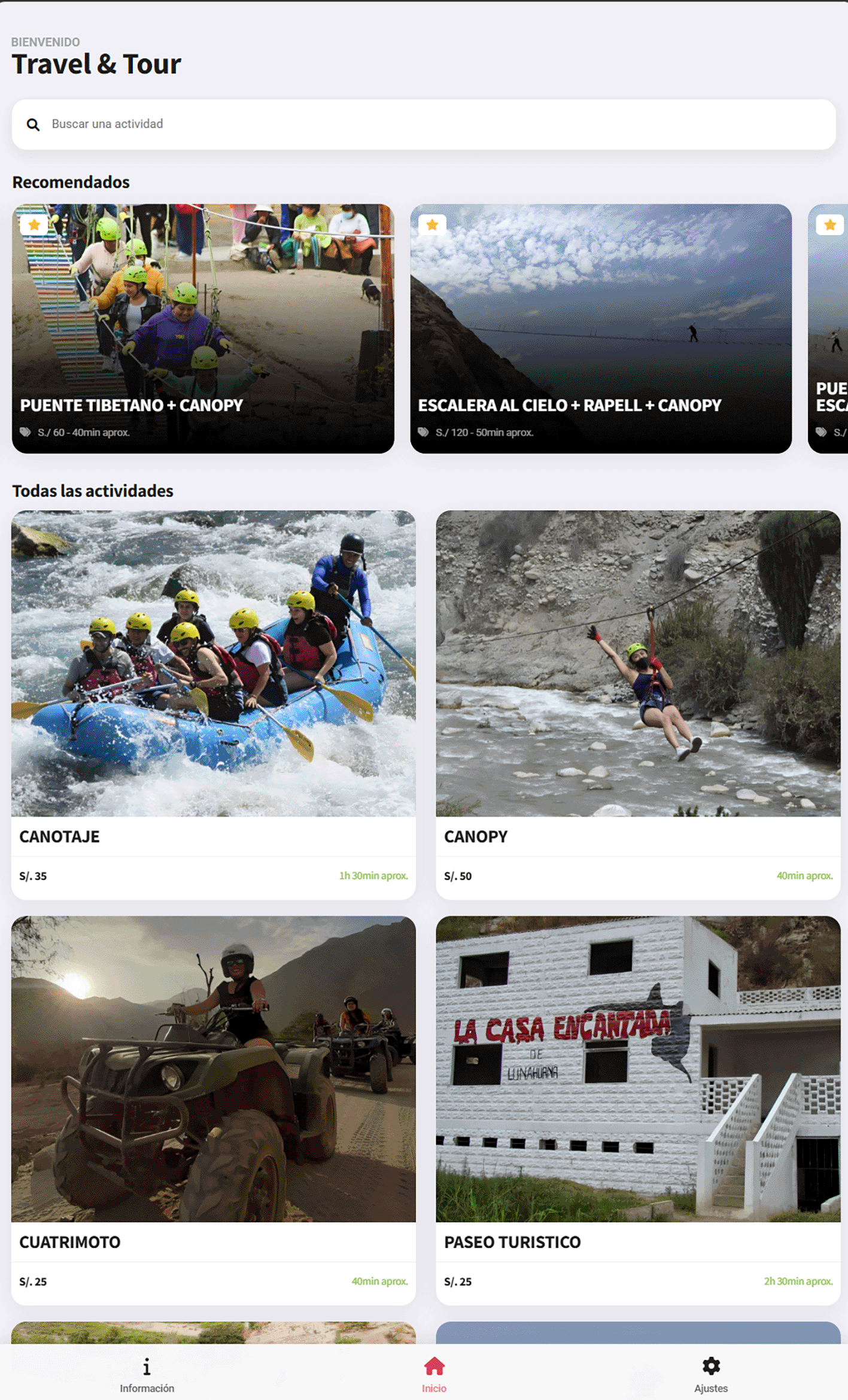
Each activity is presented using modular information cards that display structured metadata, including visual previews, estimated duration, and descriptive content. This layout enhances usability by organizing services hierarchically and enabling intuitive decision-making across both mobile and desktop devices.
The structural organization of tourism services through interactive cards is illustrated in Figure 2, highlighting the modular interface design and the integration of preview elements that support informed user selection prior to immersive navigation.
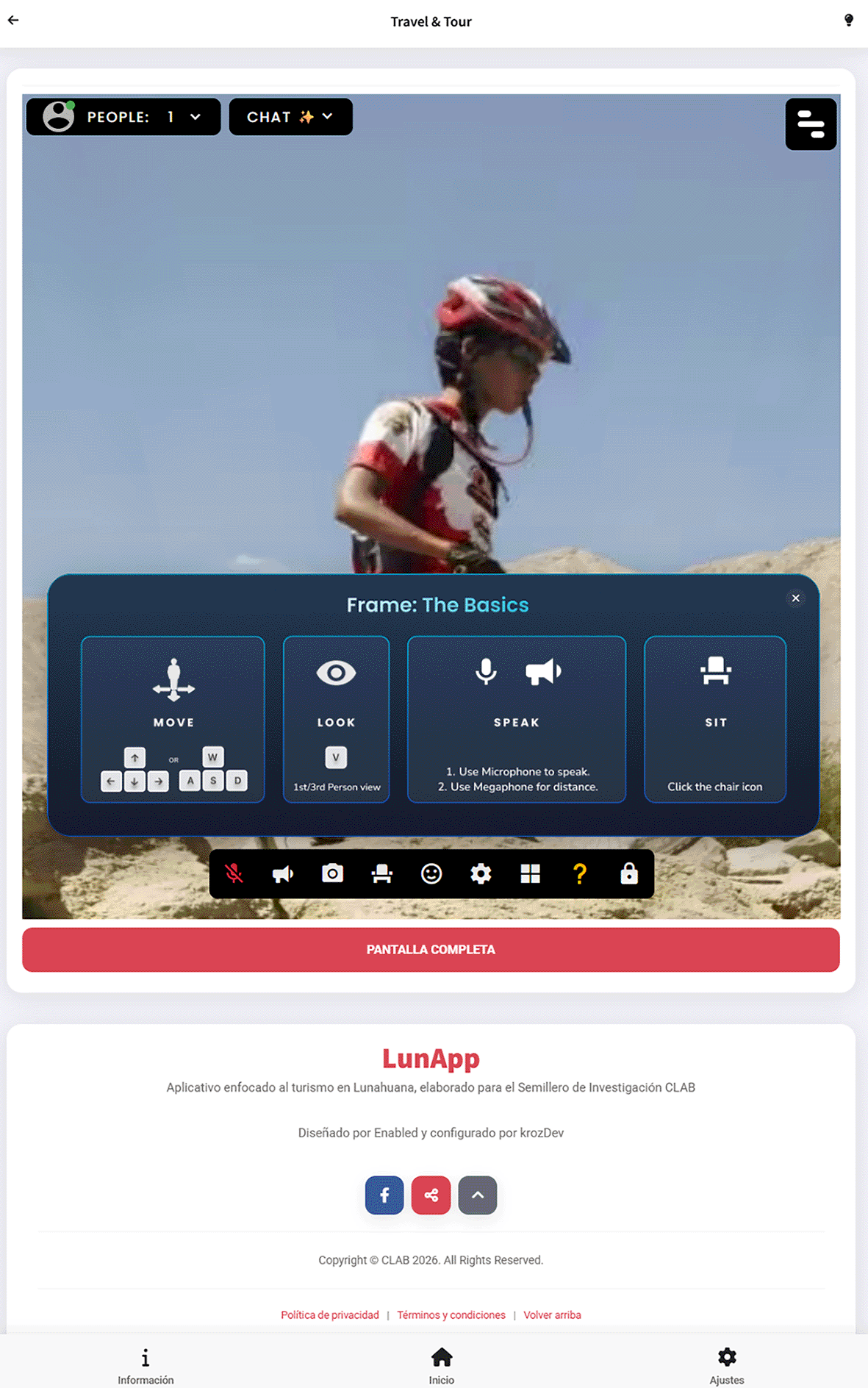
User autonomy within the immersive environment is operationalized through integrated navigation and interaction controls ( Figure 3), which allow camera orientation, movement within 360° space, and activation of contextual elements. These controls simulate real-world exploration dynamics, reinforcing engagement and perceived immersion.
The app’s virtual environments recreate iconic landscapes and spaces in the Lunahuaná district, seamlessly integrating visual, auditory, and narrative elements that reinforce the user’s emotional connection with the tourist destination and the identity of the promoting company.
The immersive scenarios developed for the application are illustrated in Figures 4– 6 and include:
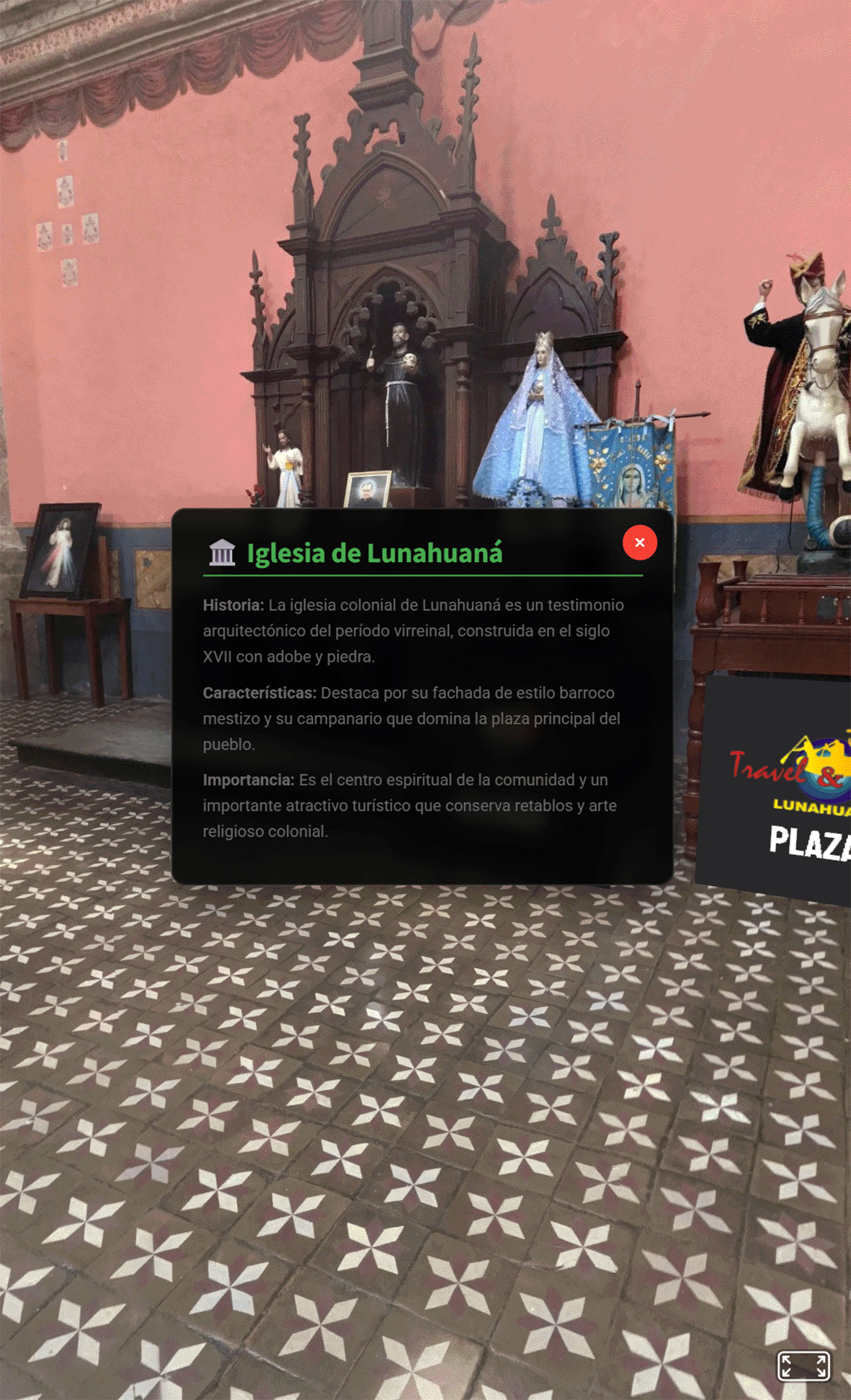
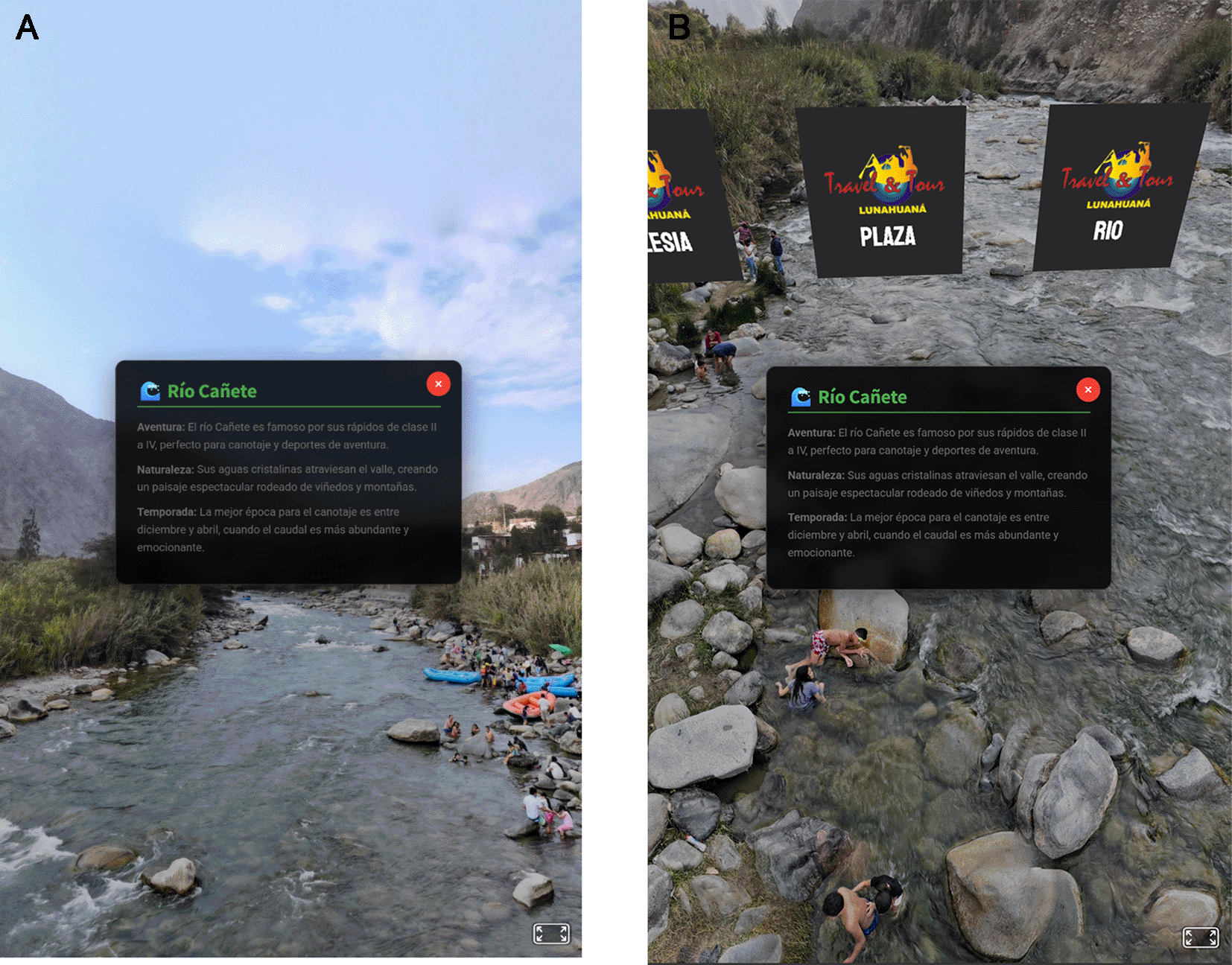

Each environment was designed using an information architecture geared towards guided exploration, in which the user receives progressive stimuli as they navigate the virtual space. The textual content presented in the experience consists of brief, informative messages, written in clear, promotional language, describing the characteristics of the tourist service, its duration, level of difficulty, and experiential value.
The 360° experience is complemented by contextualized ambient sounds (e.g., river sounds, natural surroundings, and urban ambient audio), subtle animations, and visual cues on screen that guide navigation and highlight points of interest. Call-to-action elements are also incorporated, such as prompts to request additional information or explore other activities, reinforcing active user interaction with the tourist offering.
This multimodal content design allows the application to function not only as a virtual reality scene viewer, but also as an experiential communication channel, capable of influencing user perception, encouraging continued exploration, strengthening loyalty to the tourism brand, and increasing overall satisfaction with the digital experience.
Before conducting the user study, basic software testing procedures were carried out to ensure the proper functioning, usability, and stability of the virtual reality application. Since the solution was designed to run on mobile and desktop devices without requiring the use of dedicated virtual reality headsets, testing focused on functionality, user interaction, and overall system performance under normal conditions of use.
Black box functional tests were carried out to verify the correct operation of the application’s main features, such as loading virtual scenes, navigating between environments, interacting with virtual elements, and accessing multimedia content associated with the brand. These tests confirmed that user actions generated the expected responses from the system, without analyzing the internal structure of the code.
A heuristic usability evaluation was also carried out, based on user-centered design principles, in order to review the clarity of the interface, visual consistency, layout of interactive elements, and consistency of the navigation flow. This evaluation made it possible to identify and correct issues related to readability, information organization, and ease of interaction, contributing to a more intuitive experience.
Finally, basic performance tests were carried out to verify that the application maintained stable execution during typical usage sessions, ensuring acceptable loading times and smooth interaction on both mobile devices and desktop computers.
The application automatically records raw data generated by user interaction during their experience in virtual environments. This data includes temporal information (dates and times of access), session duration, interaction frequency, navigation events, and responses to surveys integrated into the system.
The raw data collected was then aggregated and processed to obtain the key performance indicators defined in the study. In particular, the brand loyalty indicator was derived from the recurrence of access and the cumulative time of interaction with the virtual environments associated with the brand; customer retention was calculated based on patterns of repeated access over different time periods; while customer satisfaction was obtained through opinion surveys administered at the end of the virtual reality experience.
This transformation process made it possible to convert low-level interaction data into understandable and relevant indicators, which were used for the analysis and interpretation of the study results.
Minimal system requirements: The virtual reality application, accessible online, is designed to run efficiently with basic system requirements. These are:
Ensuring that these requirements are met ensures that the application remains accessible and usable, even in travel agencies with limited technological resources.
Ethical approval was obtained from the Institutional Review Committee of the Research Unit of the Faculty of Engineering of the Universidad Nacional de Cañete on June 5, 2023, with the assigned number CE-UIFI-N°001-2023. Written informed consent was obtained from all participants after their agreement to participate in the study. The confidentiality of personal information and responses was guaranteed, and the data was used exclusively for research purposes.
The results of the study were evaluated using a pre-test and post-test scheme applied to three key performance indicators (KPIs): brand loyalty, customer retention, and customer satisfaction. The pre-test values were collected between August and December 2022, prior to the implementation of the virtual reality application, while the post-test values correspond to the period June–October 2023, following the adoption of the system.
The comparison was made using aggregate data by period, without individual tracking of the same participants, allowing for an assessment of the overall effect of the application’s implementation on user behavior and perception. The reported increases correspond to relative percentage changes between the pre-test and post-test values.
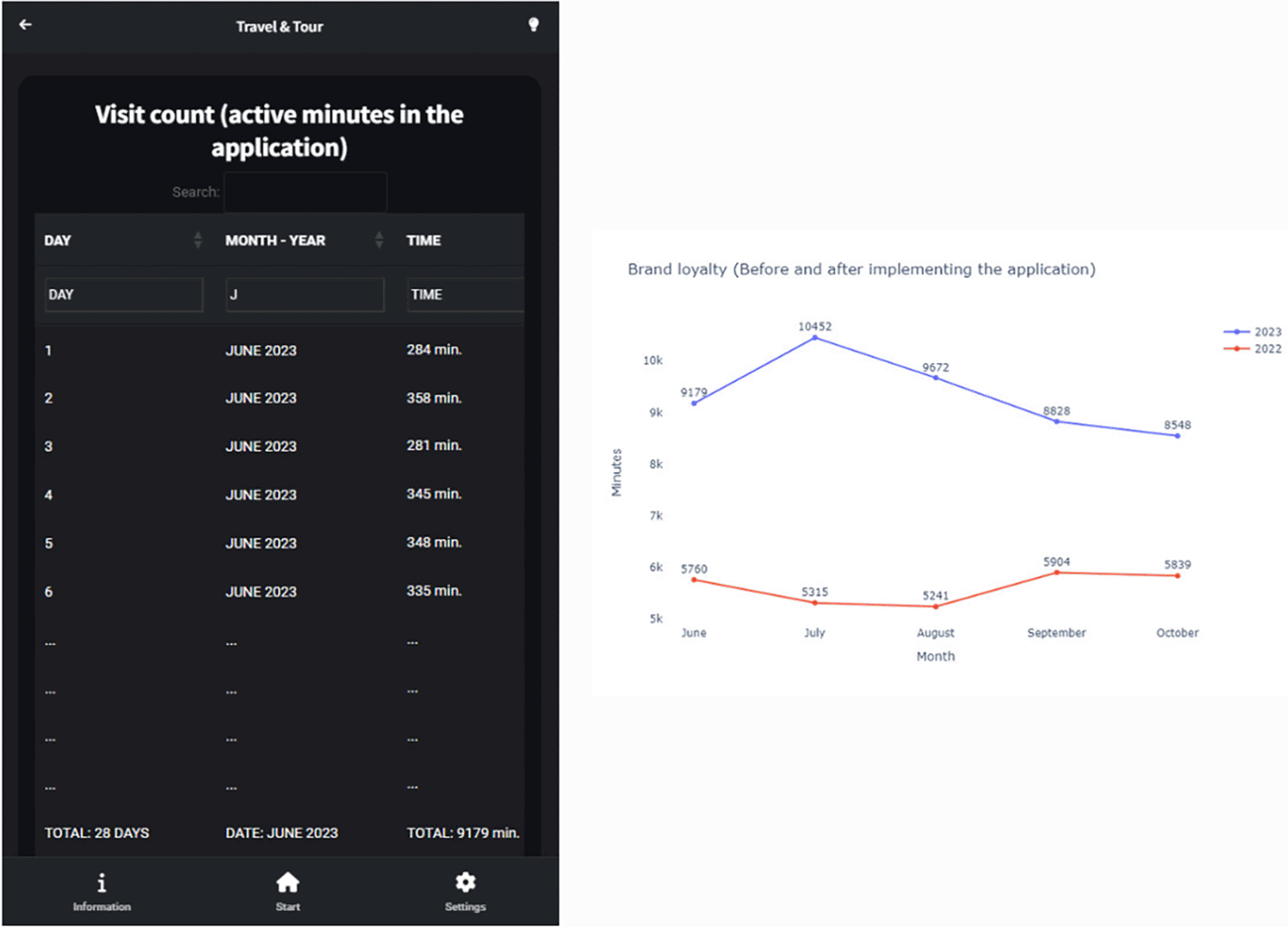
In the case of brand loyalty, a relative increase of 66.36% was observed in the period following the implementation of the application (Figure 7). This indicator was calculated based on the increase in minutes of active interaction with the tourism company recorded on the platform, which shows greater user engagement after the immersive experience.
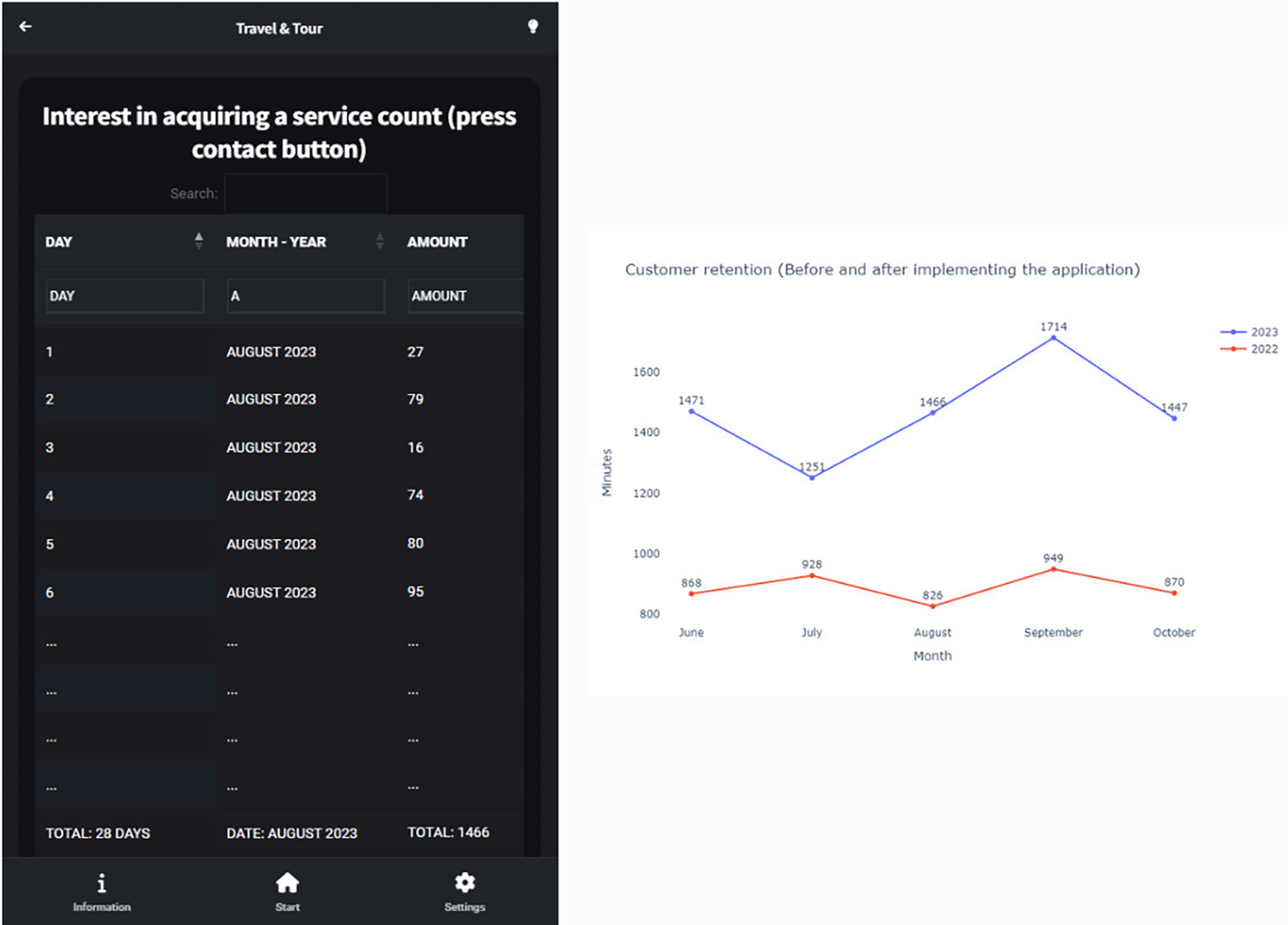
With regard to customer retention, the results show a 65.48% increase in the post-test (Figure 8), measured by the number of users who interacted repeatedly with the company to request information or purchase services. This result suggests that the virtual reality experience not only captured initial attention, but also encouraged the continuation of the relationship between users and the company.
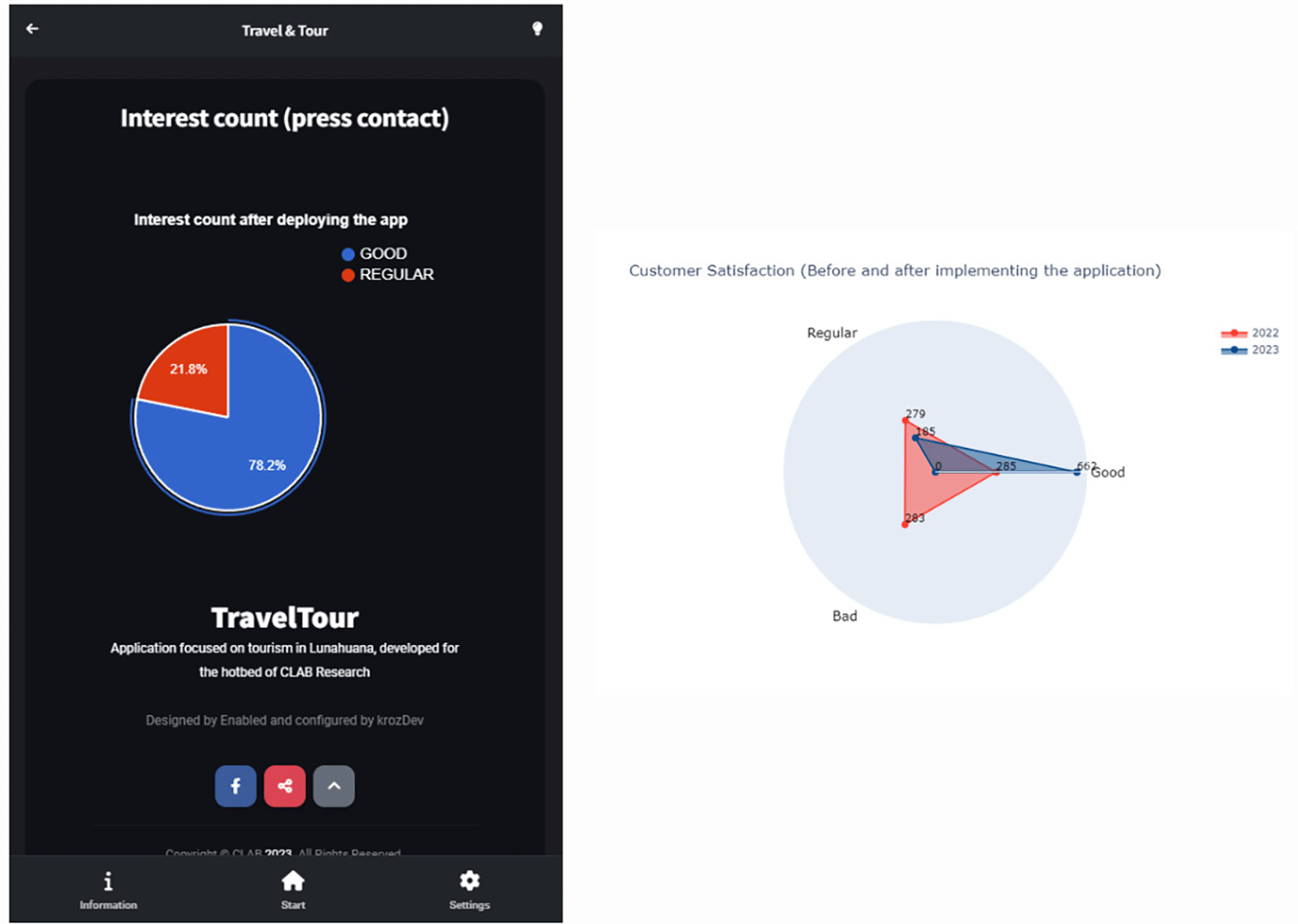
In terms of customer satisfaction, assessed using a three-level ordinal scale, 78.15% of users rated the implementation as “good” (Figure 9). This result reflects a positive perception of the interface, immersive content, and ease of use of the application.
The first indicator showed a 66.36% increase in brand loyalty, confirming that immersive experiences can strengthen both the emotional and cognitive connection consumers develop with a brand. This result supports the findings of (Meißner et al., 2020), who demonstrated that virtual environments foster deeper engagement and more memorable brand associations. Similarly, Zeng et al. (2023) emphasize that interactive technologies, such as VR, can enhance consumers’ perception of brand authenticity and credibility, which in turn promotes loyalty. In the context of this study, the observed improvement indicates that the application’s immersive storytelling and realistic representation of Lunahuaná’s tourist attractions helped reinforce the emotional bond between users and the brand. This relationship demonstrates that brand loyalty is closely tied to the quality of service and digital experience provided to customers through online channels (Merdiaty & Aldrin, 2022).
The second indicator, reflecting a 65.48% improvement in customer retention, suggests that the VR application not only captured initial attention but also sustained long-term engagement. This sustained interaction is associated with personalized content delivery and activity previews within the system, which fostered continued interest in the brand’s offerings. Lee (2022) notes that consumers’ willingness to share positive experiences represents a critical component of customer retention, a behavior also observed among participants who revisited the virtual platform multiple times. Previous research aligns with these findings, highlighting VR’s capacity to generate economic and marketing benefits, including improved destination image and increased tourist attraction (Ouerghemmi et al., 2023). Abarca et al. (2022) further indicate that such immersive engagement contributes directly to the consolidation of customer loyalty and the enhancement of brand reputation.
Regarding customer satisfaction, the observed rate of 78.15% demonstrates a tangible enhancement of the user experience. This outcome can be attributed to the optimization of the application’s interface—providing intuitive navigation through activity cards—and to the integration of rapid feedback mechanisms that allowed users to interact efficiently with the system. These results are consistent with Orús et al. (2021) who argue that immersive systems that ensure user comfort and control result in higher satisfaction levels. Likewise, Alcañiz et al. (2019) emphasize that positive VR experiences have long-lasting effects on customers’ emotional connection with companies, while Branca et al. (2023) underscore how VR is redefining tourism market standards through enriched and memorable experiences.
In this research, the sample of participants was drawn from tourism companies and visitors in the Lunahuaná district (Lima Sur, Peru)—a region characterized by emerging digital adoption and growing interest in technological innovation. The contextual specificity of this study offers valuable insights into how VR tools can be effectively implemented in resource-limited tourism environments, expanding understanding beyond cases typically reported in developed regions.
From a theoretical perspective, the findings contribute to the growing body of literature on immersive marketing by illustrating how VR-based advertising influences key performance indicators such as loyalty, retention, and satisfaction. This reinforces the notion that virtual experiences serve not only as promotional tools but also as strategic instruments for shaping consumer attitudes and behavioral intentions. From a practical standpoint, the results demonstrate that implementing an accessible VR system—such as the developed PWA—can help tourism agencies differentiate themselves, optimize engagement, and strengthen sustainable brand loyalty through immersive communication strategies.
Nonetheless, the study acknowledges certain limitations. The reliance on quantitative indicators may not fully capture the complexity of individual emotional responses. Moreover, results may have been influenced by cultural or demographic characteristics unique to the sample. Future research should therefore include longitudinal approaches to examine the persistence of VR’s effects over time and integrate qualitative methods, such as interviews or ethnographic observations, to gain deeper insight into how users interpret and internalize immersive tourism experiences.
The results of the study show that the implementation of the virtual reality application generated significant improvements in brand loyalty, customer retention, and user satisfaction indicators during the evaluation period. These results confirm that an immersive virtual reality experience, accessible through a progressive web application, can positively influence users’ perception and immediate engagement with a tourism company.
In particular, the observed increase in loyalty and retention levels suggests that the immersive experience facilitated a more engaging and meaningful interaction with the tourism offering, encouraging users to remain interested and willing to continue interacting with the brand. Complementarily, the reported satisfaction levels reflect a positive acceptance of the interface, the content presented, and the proposed interaction model.
From an applied perspective, the findings indicate that virtual reality can be an effective tool to support tourism promotion and communication strategies in real contexts, especially when implemented through accessible, multi-platform technological solutions. However, the results should be interpreted within the scope of the study design, which evaluates short-term effects derived from interaction with the application.
In this regard, future research could extend the temporal scope of the evaluation, incorporate comparison groups with traditional promotional strategies, and explore mixed methods that allow for a deeper understanding of users’ emotional and behavioral responses. These lines of work would contribute to a more comprehensive understanding of the impact of virtual reality on the tourism sector.
| Views | Downloads | |
|---|---|---|
| F1000Research | - | - |
|
PubMed Central
Data from PMC are received and updated monthly.
|
- | - |
Provide sufficient details of any financial or non-financial competing interests to enable users to assess whether your comments might lead a reasonable person to question your impartiality. Consider the following examples, but note that this is not an exhaustive list:
Sign up for content alerts and receive a weekly or monthly email with all newly published articles
Already registered? Sign in
The email address should be the one you originally registered with F1000.
You registered with F1000 via Google, so we cannot reset your password.
To sign in, please click here.
If you still need help with your Google account password, please click here.
You registered with F1000 via Facebook, so we cannot reset your password.
To sign in, please click here.
If you still need help with your Facebook account password, please click here.
If your email address is registered with us, we will email you instructions to reset your password.
If you think you should have received this email but it has not arrived, please check your spam filters and/or contact for further assistance.

Comments on this article Comments (0)