Keywords
Vision, visual perception, visual acuity, low vision, visual motor skills

This article is included in the Eye Health gateway.
Vision, visual perception, visual acuity, low vision, visual motor skills
Globally, the prevalence of low vision (LV) affects a staggering 124 million individuals, with 65 million facing irreversible LV challenges (Van Nispen et al., 2020). The impact of LV extends beyond the impairment itself, influencing an individual’s ability to navigate their environment, recognize details, and consequently, affecting productivity and daily tasks (Oduntan, 2005; Van Nispen et al., 2020; Ekemiri et al., 2024). Age-related macular degeneration, cataracts, diabetic retinopathy, and glaucoma are common culprits underlying LV conditions (Asimadu et al., 2023).
Visual perception, a process involving the selection, organization, and interpretation of visual stimuli, is fundamental to our understanding of the surrounding environment (Bloomer, 1976). Disturbances in visual inputs can lead to alterations in visual perception (Hyvärinen, 1999). Moreover, the connection between visual information and motor activities, referred to as visual motor skills, is often compromised in individuals with LV due to impaired visual perception (Du Plessis et al., 2015). This aligns with established developmental principles emphasizing the interdependence of sensory input and motor coordination across the lifespan (Payne & Isaacs, 2020). The repercussions of such deficits are far-reaching, impacting academic, vocational, and everyday life tasks (Leonard, 2016). In Caribbean settings, adults with LV have been shown to experience markedly poorer health-related and vision-related quality of life, including greater activity limitation, dependence in daily routines, and sleep and mental health problems compared with peers with normal vision (Ekemiri et al., 2023).
Recognizing the significance of evaluating visual motor skills in patients LV patients, the Test of Visual Motor Skills Edition Three (TVMS-3) emerged as a valuable tool. By identifying strengths and weaknesses in visual motor skills, the TVMS-3 aids in developing targeted intervention strategies, ultimately promoting functional independence and enhancing the quality of life for individuals with LV (Brown & Unsworth, 2009).
In Trinidad and Tobago, an estimated 14% of the population grapples with various forms of visual impairment (VI) (Joshi et al., 2021). With a growing awareness of LV and rehabilitation services, practitioners can better address the visual needs of an aging population (DeSylvia, 1990). Projections from the United States indicate a significant increase in new LV and blindness cases over the next three decades (Chan et al., 2018). Comparable trends are observed in Canada, where the prevalence of LV and blindness underscores the need for continued attention to visual health (Maberley et al., 2006).Beyond prevalence estimates, a recent Trinidadian study reported significantly lower vision-related and health-related quality of life among adults with low vision compared with matched controls, particularly among those with diabetic retinopathy, underscoring the broader psychosocial burden of LV in this population (Ekemiri et al., 2023).
A UK study sheds light on the prevalence of vision impairment among stroke patients, emphasizing the need for comprehensive vision care (Lai & Leung, 2012). In the Caribbean, approximately 6.2 million people face vision loss, with an alarming 260,000 individuals projected to go blind by 2020 (Caribbean Public Health Agency, 2021). Non-operated cataracts, glaucoma, diabetic retinopathy, and uncorrected refractive defects have been identified as the primary causes of blindness in the region (Pan American Health Organization, 2020).
Local studies further identified genetic and acquired disorders, such as macular degeneration and refractive errors, as contributors to LV (Congdon et al., 2004). Recognizing the impact of impaired vision on the comprehension of visual information, especially in activities requiring fine motor skills, underscores the need for targeted interventions (Houwen et al., 2008; O’Connor et al., 2010). Studies conducted in South Africa highlight correlations between visual-motor integration, visual perception, motor coordination, and object control skills in children (Doney et al., 2016).
Although recent work has begun to quantify fall risk among individuals with LV globally and to document reduced quality of life among Trinidadians with LV (Ekemiri et al., 2023, 2024), empirical data on visual-motor integration and specific visual-perceptual errors in Caribbean adults with LV remain limited. Therefore, our study, plays a pivotal role in comprehending the intricate interplay between LV and its impact on visual perception, motor skills, and overall quality of life. By identifying risk factors, causes, and potential treatments, our research informs policy and healthcare delivery, contributing to enhanced visual functioning and well-being for affected individuals.
This investigation used a case-control study design conducted at the university-affiliated optometry clinic in the Caribbean between January 2023 and March 2023. Operational since 2009, the clinic comprises dedicated sections for low vision (LV) services, binocular vision assessment, and general medical practices. This comprehensive facility served as the primary backdrop for our research, providing an ideal environment for the exploration of visual-motor skills and perception in adults with low vision.
Situated strategically in the heart of the country, the optometry clinic played a crucial role in the study’s setting. Nestled in a town and centrally positioned on the island, the facility is well-equipped to cater to diverse patient needs. This location not only ensures accessibility for participants but also enhances the generalization of the findings across the broader population.
The town where the LV clinic was, surrounded by a dynamic town to the north, renowned for its vibrant markets and cultural richness, provided a multifaceted backdrop for our study. To the south, the bustling city in the country, a key commercial and industrial center in the country, further contributed to the diverse socio-economic context shaping the experiences of individuals with low vision in the region.
This carefully chosen study setting facilitates a nuanced exploration of visual motor skills and perception in adults with low vision within a rich socio-cultural tapestry. The combination of the specialized LV clinic and the strategically located CMFT ensures a comprehensive and representative study environment for our research endeavors.
The study population comprised adults with low vision attending a university-affiliated optometry LV clinic in the Caribbean. Participants were drawn from the diverse demographic served by the clinic, ensuring a comprehensive representation of individuals experiencing low vision.
The sample size was determined using the EPITOOLS sample size calculator, accessible at https://epitools.ausvet.com.au/casecontrolss. This tool, accounting for specified levels of confidence and power, assumes equal-sized case and control groups to calculate the necessary sample size.
Key inputs, including the estimated proportion exposed (0.1) in the control group, the assumed odds ratio (Joshi et al., 2021), the desired confidence level (0.95), and the power for detecting a significant difference between the groups (0.8), were informed by prior studies. The initial calculation indicated a required sample size of 75 participants, equivalent to 150 eyeballs.
However, due to practical constraints, only 55 participants actively participated in the study. Despite this, the collected data offer valuable insights into the visual motor skills and perception of adults with low vision. The sampling procedure employed a systematic sampling technique, acknowledging the pragmatic approach adopted to facilitate participant involvement in the study.
LV participants were obtained specifically from the clinic’s low vision records and diabetes association. Health control participants were anyone present at the clinic and who fit the inclusion criteria.
Demographic data, encompassing name, age, occupation, and location, were gathered through a structured questionnaire. This questionnaire incorporated closed-ended, dichotomous questions designed to elicit information on recognition, orientation, depth perception, movement perception, and simultaneous perception. The participants responded to a set of standardized questions, and their answers were systematically recorded.
The participant’s VA was taken for both the right eye and left eye, respectively. VA was taken for distance using the LogMar Chart and near VA was taken using the MN near read acuity chart. The participant would be seated and given a sanitised occluder to place over their respective eyes and asked to read the letters on the chart.
The participants were given a test booklet, TVMS-3, comprising a sequence of 39 geometric drawings of increasing complexity and were instructed to recreate each design as nearly as possible; however, the designs may not be sketched or traced, and no more than one copy of each design may be attempted. The examination was timed for 20 minutes. The TVMS could assess visual-motor skills among the LV and healthy control groups.
To ensure ethical standards, all participants were required to complete a written consent form, explicitly granting permission to participate in the study. To accommodate visually impaired individuals, especially those struggling with fine print, the consent form was read aloud to ensure full comprehension before any tests were conducted. This meticulous approach aimed to uphold participant autonomy and ensure informed consent throughout the study.
Data derived from this study underwent comprehensive analysis using the IBM Statistical Package for Social Sciences (SPSS). Descriptive statistics, including means and standard errors, were computed to offer a concise summary of the questionnaire responses. Statistical significance was established at p-values below 0.05, and 95% confidence intervals were employed to present key findings whenever applicable. The tabulated results present these metrics for the entire sample and distinctively for the control and low vision groups, facilitating meaningful comparisons.
Furthermore, responses to the Test of Visual Motor Skills Edition Three (TVMS-3) were systematically categorized, and frequencies were analyzed to discern patterns in the occurrence of the nine types of errors identified by the test. This meticulous approach provided a comprehensive understanding of both the questionnaire responses and the visual motor skills assessment, offering valuable insights into the nuances of visual perception and motor capabilities among the study participants.
This study was conducted in accordance with the principles of the Declaration of Helsinki. Ethical approval was obtained from The University of the West Indies Campus Research Ethics Committee, St. Augustine (Reference No: CREC-SA 1805/10/2022). All participants provided written informed consent before participation.
Before data collection, the participants offered informed written consent, emphasizing voluntary participation. The consent process, inclusive of visually impaired individuals, involved a clear explanation of the study’s purpose, procedures, risks, and benefits, with information read aloud for comprehension. To ensure privacy, stringent confidentiality measures were implemented, anonymize data and hande identity-revealing information discreetly. This ethical commitment aimed at preserving the dignity, autonomy, and well-being of all involved individuals in the research process.
The study participants exhibited a balanced gender distribution, with 50.9% males and 49.1% females. Regarding age, 40.0% were over 60, while 21.8% fell within the 18-26 age range, reflecting diverse representation across different life stages. Ethnically, the sample showcased diversity, with 65.5% identifying with East Indian heritage and 34.5% having African descent. Geographically, 54.5% resided in rural areas, highlighting inclusion from diverse living environments, while 45.5% lived in urban areas, enhancing the study’s regional representation. This comprehensive demographic profile ensures a well-rounded exploration of visual motor skills and perception in the studied population. The most common LV diagnoses were diabetic retinopathy, cataract, and glaucoma, with prevalence rates of 14.5%, 10.9%, and 10.9% respectively ( Table 1).
Within the low vision group, there was a slightly higher representation of females at 52.0% compared to males at 48.0%. The majority of participants in the low vision group were aged over 60, constituting 64.0% of the cohort. In the health control group, the gender distribution was evenly split, with 50.0% males and 50.0% females. Urban communities exhibited a higher representation in both the low vision (56.0%) and health control (63.3%) groups ( Table 2).
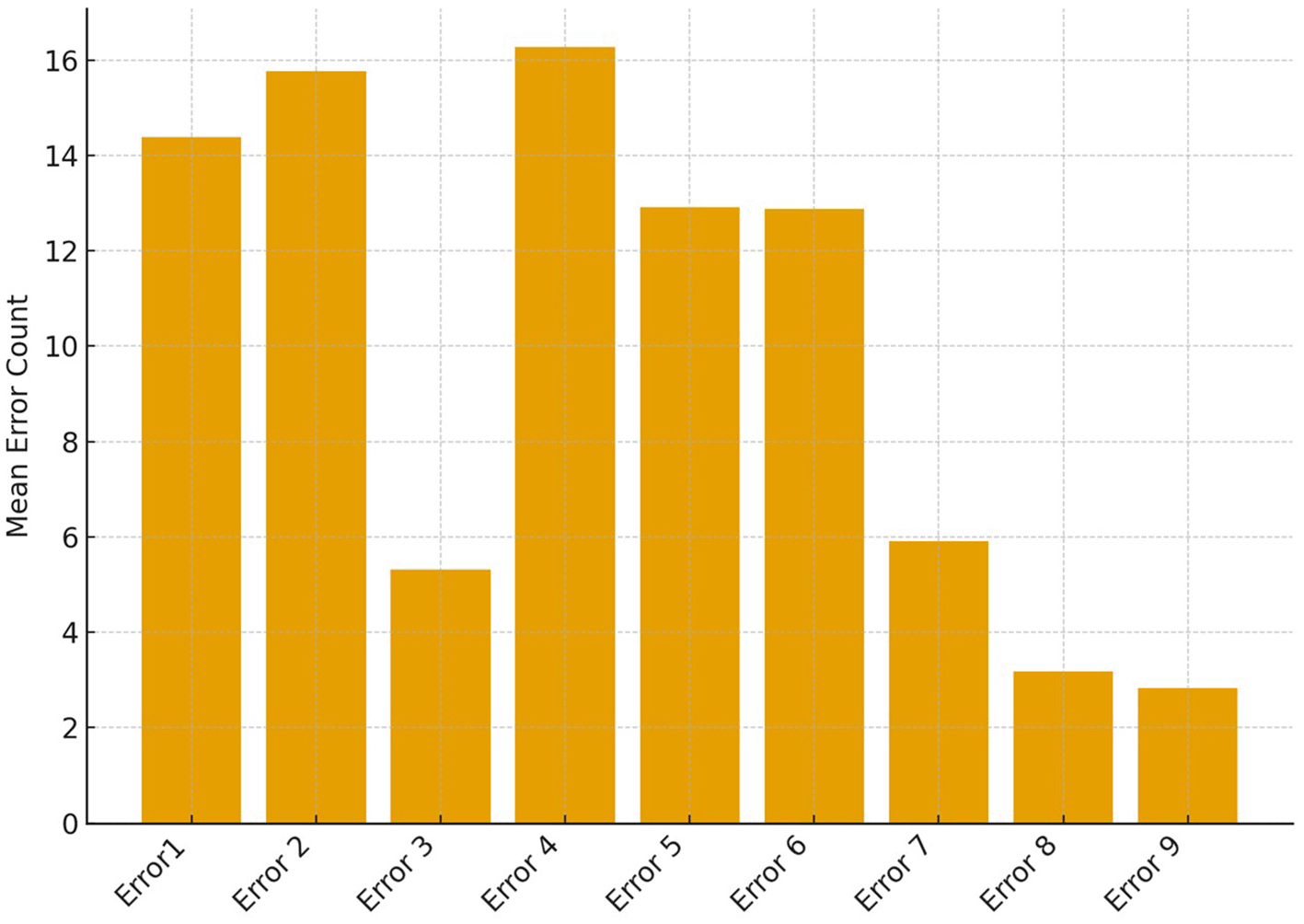
Within the entire study participants, the most prevalent errors observed were Error 5 (Line Connect Incorrectly) and Error 6 (Size or Part Changed), both exhibiting a substantial occurrence of 40%. In contrast, Error 3 (Line Quality) and Error 9 (Shape Overlap) displayed the lowest prevalence, each accounting for 20% and 22% respectively. These findings shed light on specific patterns of visual-motor challenges, emphasizing the significance of errors related to line connection and size or part alteration among the study participants (Figure 1).
On the other hand, the primary errors observed among the LV study participants were error 5 (Line Connect Incorrectly) and error 6 (Size or Part Changed), ranking as the most prevalent, followed by error 1 (Incorrect Closure). Conversely, the least prevalent errors in the LV group were error 3 (Line Quality) and error 9 (Shape Overlap). In contrast, errors identified among the health control group included error 8 (rotated or reversed) and error 9 (shape overlap). These distinct patterns in error prevalence shed light on specific challenges in visual-motor skills within each group, emphasizing the nuances of error types encountered by participants with low vision compared to the health control group (Figure 2).
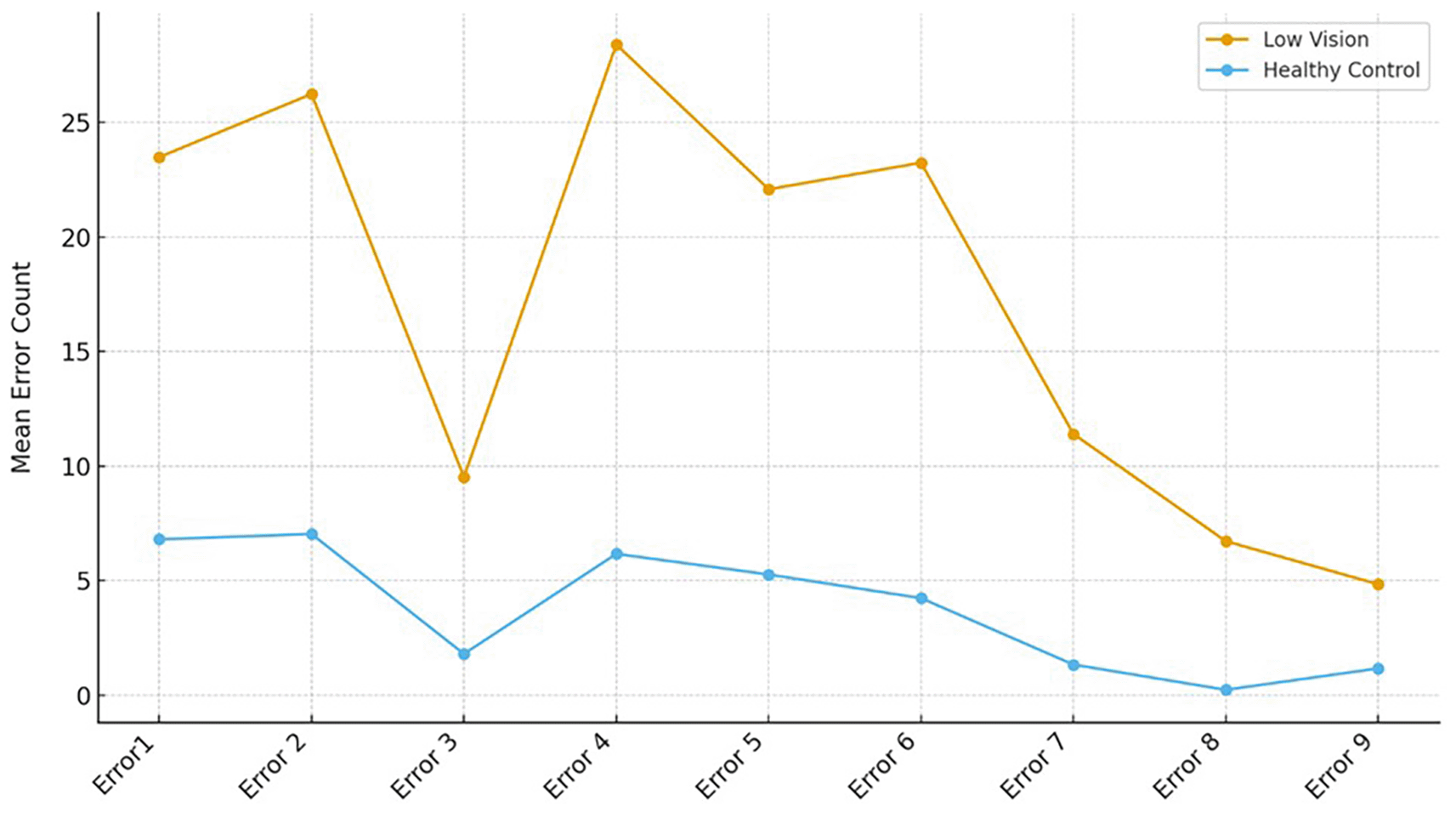
Furthermore, errors 1, 2, 4, 5, 6, and 7 primarily correspond to concerns related to low vision, indicating specific challenges within this group. Notably, referrals were most frequent for errors 3 and 9. In contrast, errors 8 and 9 exhibited higher referral rates among healthy controls, underscoring distinctive patterns in visual-motor challenges between the two groups. These findings illuminate the specific error types that trigger referrals and highlight the nuanced differences in visual-motor performance between individuals with low vision and healthy controls ( Table 3).
Among participants with low vision (LV), various challenges were identified, including difficulties in recognizing faces in public (72.0%), identifying television characters by their faces (72.0%), and interpreting facial expressions (64.0%). Additionally, orientation-related issues, such as getting lost (80.0%) and, difficulties with depth perception (68.0%) and movement perception (76.0%), were commonly reported within the LV group. Notably, struggles with double vision were comparatively infrequent, reported by only 8.0% of the low vision participants. These findings underscore the multifaceted nature of the visual challenges experienced by individuals with low vision (Supplementary Table).
Participants in the health control group seldom encountered challenges, with a substantial percentage reporting never or rarely facing difficulties in recognizing faces in public (83.3%), identifying television characters by voice (86.7%), interpreting facial expressions (76.7%), and understanding people’s reactions (90.0%). Likewise, a significant portion reported never or rarely getting lost or disoriented (83.3%), and the majority had no issues determining the distance of objects (90.0%). Additionally, a considerable proportion did not face difficulties in perceiving details on moving targets (76.7%) or finding specific items among similar objects (80.0%). These results highlight the robust visual capabilities and minimal challenges experienced by participants in the health control group (Supplementary Table).
The analysis revealed a significant positive correlation (r = .670, p < .001) between accuracy and VA categorization (near) in individuals with LV. This indicates that as VA (near) improves, accuracy in visual-motor tasks tends to improve as well. Conversely, as the VA (near) decreases, the accuracy tends to decrease ( Table 4).
| Correlations | |||
|---|---|---|---|
| Accuracy | Visual Acuity Categorization (Near) | ||
| Accuracy | Pearson Correlation | 1 | .670** |
| Sig. (2-tailed) | <.001 | ||
| N | 55 | 55 | |
| Visual Acuity Categorization (Near) | Pearson Correlation | .670** | 1 |
| Sig. (2-tailed) | <.001 | ||
| N | 55 | 55 | |
The study analyzed the accuracy of the drawings on the TVMS-3 test. The mean scores and standard deviations were calculated for both groups, and a statistical analysis determined the significance of the observed differences. The results showed that the mean raw score for the LV group on the TVMS was 35.48 ± 7.36, while the mean raw score for the control group was 67.47 ± 8.21. This suggests that individuals with LV showed a lower level of accuracy in completing the visual motor tasks compared with the healthy group. The independent samples t-test gave a p-value < 0.001. This implies a highly significant difference in the accuracy of the drawings between the two groups ( Table 5).
| TVMS scores | ||
|---|---|---|
| Low vision | Mean ± SD | p-value |
| No | 67.47 ± 8.21 | <0.001* |
| Yes | 35.48 ± 7.36 | |
In this study, the most common LV diagnoses were cataract, diabetic retinopathy, and glaucoma, with prevalence rates of 10.9%, 14.5%, and 10.9%, respectively. These data relates to the two most common causes of LV in Trinidad and Tobago, glaucoma and diabetic retinopathy (Joshi et al., 2021). However, this data may be skewed due to collaboration with the study country’s diabetes association, which gives a higher probability for diabetic retinopathy. Understanding the landscape of vision impairment in study country sheds light on the specific challenges posed by cataract, diabetic retinopathy, and glaucoma. Addressing these challenges requires a comprehensive approach, including improved healthcare access, early detection programs, and community awareness initiatives. Collaborative efforts between healthcare professionals, government agencies, and community organizations are essential to reduce the burden of vision impairment and enhance the overall eye health of the population.
To investigate visual perception issues among individuals with low vision (LV), a detailed analysis of the questionnaire findings revealed a notable prevalence of challenges across various aspects, including recognition, orientation, depth perception, movement perception, and simultaneous perception. In the realm of recognition, a substantial proportion of participants expressed difficulties in recognizing faces, both in public settings (72.0%) and on television (72.0%). The significance of nonverbal cues, particularly facial expressions, in communication cannot be understated. Unfortunately, the visually impaired often face hindrances in perceiving these cues (Mukhiddinov et al., 2023). Moreover, a considerable number struggled with interpreting facial expressions (64.0%) and observing reactions to their statements (84.0%), underscoring potential obstacles in communication and social comprehension. These challenges have far-reaching implications, impacting social interactions and media engagement. The role of facial recognition in enhancing communication is crucial, especially when it comes to accurately identifying emotions (Mukhiddinov et al., 2023), necessitating an increased reliance on alternative cues.
In terms of orientation, a substantial percentage of participants reported frequent experiences of getting lost or disoriented in specific spaces (80.0%) and struggled with determining distances to objects (68.0%). These findings shed light on the profound impact on navigation and spatial awareness, emphasizing that individuals with visual impairments often rely on contextual features in their environment to establish their current position, requiring more than just information about their location (Fernandes et al., 2019).
The data also indicated challenges in depth perception for individuals with low vision, including difficulties in perceiving details on moving targets (76.0%). Furthermore, they encountered issues in perceiving fast-moving images on television (76.0%) and animals (80.0%). While simultaneous perception challenges were less prevalent, some participants reported trouble focusing on an object as it appears twice (8.0%). These findings collectively highlight the multifaceted nature of visual perception issues faced by individuals with low vision, underscoring the need for tailored support and strategies to enhance their daily experiences.
Concerning the challenges related to visual-motor skills, it is imperative to consider the implicit involvement of eye-hand coordination, which is inherently tied to visuo-motor integration. Visuo-motor integration, in turn, relies on the proper execution of visuo-constructional processes, action planning, and motor coordination (Kaiser et al., 2009), as indicated by the requirements of the TVMS-3 Test. The analysis of errors in this study yielded valuable insights into the nature of participants’ challenges.
Within the framework of the TVMS-3 test, the identification of nine types of errors provided nuanced insight into the specific visual-motor challenges experienced by adults with low vision. Notably, Error 5 (lines connected incorrectly) emerged as the most prevalent, accounting for 88.0% of cases, followed closely by Error 6 (size or part changed) at the same prevalence rate. These findings are consistent with evidence demonstrating that visual-perceptual deficits are strongly associated with impaired motor execution and reduced visuo-constructive accuracy (van Waelvelde et al., 2004). Conversely, Error 3 (line quality) and Error 9 (shape overlap) exhibited the lowest prevalence, each at 44%.
In parallel, a study on motor-skill learning in older adults illuminated performance differences, particularly in visuo-motor adaptation tasks. Older adults faced challenges in executing visuo-motor mirror-reverse tasks, revealing a correlation with the Low Vision (LV) population, which primarily comprises an older demographic. This correlation suggests that individuals within the LV population may encounter heightened difficulty in performing visual-motor drawings on the TVMS-3 (Voelcker-Rehage, 2008).
Aging further complicates the scenario, as evidenced by studies indicating that the aging brain undergoes structural changes, including shrinkage in critical areas responsible for learning and engaging in complex mental tasks, such as the fine details required in drawing on the TVMS-3 test (National Institute on Aging, 2020). These findings underscore the multifaceted nature of visual-motor challenges in the context of both low vision and aging populations, emphasizing the need for targeted interventions and accommodations in assessment tools. To provide a comprehensive understanding, further research should explore the intersectionality of aging, visual impairment, and visual-motor skills, incorporating a broader range of assessments and cognitive measures.
The correlation analysis undertaken in this study showed a positive association between near visual acuity (VA) and motor skills in the low vision (LV) individuals. Our findings illuminate a consistent pattern where enhanced near VA corresponds to heightened accuracy in visual-motor tasks, while a decline in near VA indicates decreased accuracy. Specifically, individuals exhibiting superior near VA levels are predisposed to showcasing heightened precision in tasks requiring visual-motor skills.
This observed correlation aligns seamlessly with our datasets, wherein the elderly LV population constitutes a substantial proportion, encompassing 64% of the total LV participants, with 10.9% exhibiting cataracts. The literature substantiates our findings by elucidating the link between diminished VA, illustrated by conditions such as posterior subcapsular cataracts or visual field defects, and an augmented susceptibility to falls and hip fractures, thereby underscoring the profound association between visual impairment (VI) and an elevated risk of such incidents (Servat et al., 2023). Notably, diabetes presents an additional compounding factor within our sample, as it is known to decrease cognitive function, visual perception, and visual-motor integration in older adults (Yun et al., 2013).
Considering these results, the imperative for interventions directed at enhancing VA in individuals with LV becomes evident, aiming to bolster their accuracy in executing visual-motor tasks. Nevertheless, it is crucial to exercise caution in ascribing causation solely based on correlation, recognizing that additional variables, such as time constraints imposed on participants, may exert an influence on accuracy.
In sum, our study augments the existing understanding of the intricate relationship between VA and accuracy, underscoring the pivotal role of VA in shaping the visual-motor performance of individuals grappling with LV. These insights serve as a foundation for future interventions and underscore the multifaceted nature of factors influencing visual-motor capabilities in the LV population.
Furthermore, individuals with LV showed a lower level of accuracy in completing the visual motor tasks compared with the health group. The obtained p-value, which was found to be less than 0.001 for both group comparisons, shows a highly significant difference in the accuracy of drawings between the two groups. Thus, the observed differences are unlikely to have occurred by chance and are instead attributable to the presence of LV. These findings have important implications for understanding the impact of LV on visual motor skills. The lower accuracy scores in the LV group highlight the challenges faced by individuals with VI in accurately reproducing visual stimuli and performing fine motor tasks. A study conducted on LV and handwriting indicated that handwriting is particularly problematic for persons with low vision and blindness due to the lack of visual input, thus making it difficult to interpret and draw the shapes of letters (Zihan Wu et al., 2021). Handwriting in this study is similar to the skill of performing the drawings, and this coincides with the LV participant group having a higher prevalence of errors on the TVMS-3. In conclusion, these findings highlight the impact of LV on visual motor skills and emphasis the importance of targeted interventions to improve functional outcomes for individuals with VI. Professionals can use the TVMS-3 to develop intervention strategies to improve functional independence and quality of life in individuals with LV (Brown & Unsworth, 2009). Further research is needed to explore additional factors influencing visual motor performance and to evaluate the effectiveness of interventions aimed at enhancing visual motor skills in individuals with LV.
Moreover, individuals with low vision (LV) exhibited a diminished level of accuracy in completing visual-motor tasks compared with the healthy control group. The obtained p-value, registering as less than 0.001 in both group comparisons, underscores a significant difference in the accuracy of the drawings between the two groups. This statistical significance substantiates that the observed disparities are not incidental but are distinctly associated with the presence of LV.
These findings held critical implications for comprehending the impact of LV on visual-motor skills. The reduced accuracy scores within the LV group illuminate the formidable challenges faced by individuals with visual impairment (VI) in faithfully reproducing visual stimuli and executing fine motor tasks. A parallel study focused on LV and the handwriting emphasized the intrinsic difficulty for individuals with low vision and blindness in producing legible handwriting due to the absence of clear visual input, a challenge mirrored in the present study’s visual-motor tasks (Zihan Wu et al., 2021). The analogous nature of handwriting and the drawing tasks in our study is underscored by the LV participant group exhibiting a higher prevalence of errors on the TVMS-3.
Generally, these findings underscore the substantial impact of LV on visual-motor skills and the critical need for targeted interventions to enhance functional outcomes for individuals with VI. The Test of Visual-Motor Skills-3 (TVMS-3) emerges as a valuable tool for professionals to formulate intervention strategies geared toward improving functional independence and overall quality of life for individuals grappling with LV (Brown & Unsworth, 2009). However, further research is warranted to explore additional factors influencing visual-motor performance and to assess the efficacy of interventions aimed at enhancing these skills in the LV population. This study has limitations, including a small, single-site sample and potential selection bias, particularly in the distribution of visual diagnoses. The cross-sectional case–control design limits causal inference, and unmeasured factors such as cognition or comorbidities may have influenced performance. Reliance on the TVMS-3 and self-reported perceptual difficulties also narrows the scope of measurement, and findings may not generalize beyond the Caribbean context. Future work should use larger, multi-centre, longitudinal designs and incorporate real-world functional assessments to clarify how visual-motor deficits affect daily activities and fall risk. Evaluating targeted rehabilitation strategies and considering psychosocial outcomes would further strengthen the evidence base. Overall, the study offers concise insight into visual acuity, perception, and visual-motor integration in Caribbean adults with low vision, highlighting the need for comprehensive assessment and targeted intervention.
This study shows the profound influence of LV on both visual perception and visual-motor skills among individuals. Notably, participants with low vision exhibited significantly lower scores on the Test of Visual Motor Skills Edition Three (TVMS-3) when compared with their counterparts in the healthy control group. This notable performance gap indicates that those with low vision encounter challenges in tasks requiring visual-motor coordination. Additionally, the low-vision group reported a heightened prevalence of visual perception issues compared with the healthy control group.
In essence, this study contributes valuable insights into the repercussions of low vision on both visual perception and motor visual skills. The discerned disparities in performance have meaningful implications for the approach and care provided to individuals with LV by eye care professionals. Moreover this research establishes a foundation for future inquiries, fostering a deeper exploration of the factors influencing low vision and the formulation of evidence-based practices. As a result, the findings of this study carry the potential to shape the landscape of patient management for those with low vision and propel further advancements in the understanding and treatment of this condition.
| Views | Downloads | |
|---|---|---|
| F1000Research | - | - |
|
PubMed Central
Data from PMC are received and updated monthly.
|
- | - |
Provide sufficient details of any financial or non-financial competing interests to enable users to assess whether your comments might lead a reasonable person to question your impartiality. Consider the following examples, but note that this is not an exhaustive list:
Sign up for content alerts and receive a weekly or monthly email with all newly published articles
Already registered? Sign in
The email address should be the one you originally registered with F1000.
You registered with F1000 via Google, so we cannot reset your password.
To sign in, please click here.
If you still need help with your Google account password, please click here.
You registered with F1000 via Facebook, so we cannot reset your password.
To sign in, please click here.
If you still need help with your Facebook account password, please click here.
If your email address is registered with us, we will email you instructions to reset your password.
If you think you should have received this email but it has not arrived, please check your spam filters and/or contact for further assistance.

Comments on this article Comments (0)