Keywords
gamification, metacognition, cognitive skills, systematic review

gamification, metacognition, cognitive skills, systematic review
This revised version introduces substantial improvements to the conceptual clarity, methodological transparency, and interpretative rigor of the manuscript in response to reviewers’ comments.
First, the introduction has been restructured to clarify the research gap and strengthen the theoretical positioning of the study. The research questions were refined to ensure alignment with the objectives and scope of the review. In addition, key constructs such as metacognition and higher-order thinking skills (HOTS) were more precisely defined to improve conceptual consistency.
Second, the methods section has been revised to enhance transparency. This includes clearer justification of inclusion criteria, improved description of the search strategy, and more explicit explanation of the analytical process. These changes address prior concerns regarding methodological clarity and replicability.
Third, the discussion has been substantially strengthened by moderating causal claims and emphasizing that the relationship between gamification and metacognitive processes is conditional upon instructional design features such as feedback, cognitive challenges, and opportunities for reflection. This revision improves the theoretical coherence of the findings.
Finally, the manuscript now provides a more explicit integration of theoretical frameworks, including self-regulated learning. These revisions collectively enhance the analytical depth and academic rigor of the study.
See the authors' detailed response to the review by Erry Hidayanto
See the authors' detailed response to the review by Daniel Fernández Galeote
In recent decades, educational models have evolved toward approaches focused on students, promoting active methodologies aimed at meaningful learning (Edo Agustín, 2023). Gamification has emerged as an innovative pedagogical strategy with the potential to positively impact the development of metacognitive processes by fostering students’ awareness of their own learning processes and promoting autonomy, self-reflection, and self-regulation.
Over the last five years, academic production has shown significant interest in understanding how gamified dynamics influence the development of higher-order thinking skills, such as metacognition (Beça et al., 2022; Dong et al., 2024; Pirta-Dreimane et al. 2024). Studies by Rosli et al. (2019) and Cáceres Reche et al. (2022) highlighted that gamification favors individual learning, fosters cooperation and social awareness, and facilitates collaborative learning environments.
However, the reported outcomes are not uniform across studies. While many interventions emphasize positive effects on engagement and reflective learning, other studies suggest that these effects depend on instructional design quality, contextual alignment, and the explicit inclusion of metacognitive scaffolding. In several cases, metacognitive development is discussed indirectly through related constructs, rather than being directly operationalized and measured.
This study presents a Systematic Literature Review (SLR) aimed at analyzing the relationship between gamification and metacognitive processes in educational contexts. This study focuses on gamification-based on cognitive theories that encourage critical and conscious reflection. Gamification is understood as the application of the characteristic elements of games, such as rewards, challenges, immediate feedback, and autonomy, in non-playful contexts to promote intrinsic motivation for learning (Hwang et al., 2024; Leitão et al., 2022). Metacognition is the ability to reflect on one’s own cognitive process. This implies an advanced level of awareness and voluntary control over learning, which allows for the planning, monitoring, and evaluation of mental activities (Antonaci et al., 2019; García-López et al., 2023). Thus, the development of these metacognitive processes is essential for problem-solving and the effective transfer of knowledge to new contexts.
Likewise, the relationship between gamification and metacognition has been highlighted by authors, such as Peuters et al. (2024), who argued that rewards and the mechanisms of self-regulation embedded in gamification can activate metacognitive processes such as planning and monitoring. Self-regulation is a learner’s ability to plan, monitor, and adjust learning strategies autonomously in response to challenges and feedback and is essential for achieving meaningful learning (Zhao et al., 2024). Similarly, Yáñez De Aldecoa and Gómez-Trigueros (2022) argued that gamification enables students to analyze, reflect on, and adjust their learning strategies.
According to Yáñez De Aldecoa and Gómez-Trigueros (2022), gamification allows students to analyze, reflect, and adjust their learning strategies. Thus, the relationship between gamification and metacognition can be understood through constructivist and self-regulated learning theories. Gamified environments promote active engagement and self-monitoring, which are the essential components of metacognitive processes. For instance, when learners face gamified challenges that provide immediate feedback, they are encouraged to reflect on their strategies, thereby reinforcing their metacognitive processes (planning, monitoring, and evaluation).
Although gamification has been widely implemented and studied in educational contexts, there is still no systematic synthesis clarifying how specific game elements are linked to metacognitive processes. Despite the growth of research on gamification in education, gaps remain. First, the link between gamification and metacognitive processes is conceptually fragmented. Second, many studies report positive results but fail to specify the instructional mechanisms or metacognitive scaffolding that might explain how game elements support metacognitive processes. Third, information on instructional design features such as alignment of learning objectives, feedback, and goal-setting task, which limits replicability and the precision of claims about metacognitive development. Therefore, this review synthesizes recent evidence and explicitly examines how gamification-based strategies are described, theorized, and linked to metacognitive processes and higher-order thinking skills in educational context.
Its psychological and pedagogical foundations specifically relate to the development of metacognitive processes. In particular, the mechanisms linking game elements to planning, monitoring, and evaluation are inconsistently described and often addressed indirectly through overlapping constructs such as self-regulated learning.
This study followed a systematic literature review design and was conducted in accordance with the PRISMA 2020 model guidelines (Page et al., 2021). The review focused on empirical studies examining the relationship between gamification and metacognitive processes in educational contexts, published between January 2019 and November 2024. The educational scope was defined a priori to ensure conceptual coherence between the research questions and search strategy, as the objective of the review is to synthesize evidence on gamification and metacognition specifically in education.
In this review, Higher-order Thinking Skills (HOTS) refer to advanced cognitive processes frequently associated with complex learning, including analysis, evaluation, problem-solving, decision making, and creation. HOTS were included because several reviewed studies analyzed metacognition alongside these broader cognitive outcomes, and because metacognitive regulation (planning, monitoring and evaluation) was often discussed as a mechanism supporting such higher-order performance.
The review aimed to address the following research questions:
RQ1. What is the relationship between the use of gamification in educational contexts and metacognitive processes?
RQ2. What theoretical frameworks support the use of gamification in fostering the development of metacognitive processes in educational contexts?
RQ3. How is gamification related to the development of higher-order thinking skills in educational contexts?
A systematic search was conducted in two databases: Scopus and Web of Science (WoS) on November 2nd, 2024. These databases were selected due to their broad coverage of peer-reviewed educational research. The full-search equations are presented in Table 1.
| Search equation | WoS | Scopus | Total |
|---|---|---|---|
| (Gamification) AND (Education) AND (“Cognitive Ability” OR Metacognition or Awareness) | 203 | 165 | 368 |
The search yielded a total of 368 records (WoS = 203; Scopus = 165), as presented in Table 1.
The keyword “cognitive ability” and “awareness” were included to identify studies that address metacognitive processes under closely related and partially overlapping terms. The term “self-regulated learning” was not included in the search string to avoid and overly broad retrieval and conceptual drift beyond metacognition-focus studies. Although constructs such as self-regulated learning are central to metacognition, they were examined during the screening and data extraction phases only when explicitly reported. Consequently, some relevant literature may not have been retrieved, which is acknowledged as a limitation of this review.
Inclusion and exclusion criteria were established, as detailed in Table 2, considering aspects such as the year of publication, type of document, access to full text, thematic relevance in relation to the research questions, lack of metacognitive focus, lack of gamification in an educational context, and absence of full text access. The temporal range was defined to capture recent empirical evidence reflecting the increased integration of digital technologies and gamified instructional designs in education during the last five years, while keeping the scope manageable and aligned with current implementation trends reported in the included studies.
The study selection process was performed by two independent reviewers and structured into three phases in accordance with PRISMA 2020.
The selection process was structured in three phases, according to the PRISMA model:
Identification: A total of 368 documents were retrieved from the two databases (WoS =203; Scopus = 165) using the search equation, of which 115 duplicate records were removed, leaving 253 documents for the next phase.
Screening: A preliminary review of titles, abstracts, and keywords was conducted by applying thematic relevance criteria aligned with the research questions. During this phase, 181 records were excluded because they did not align with the focus of the review. As a result, 72 full-text articles were retained for eligibility assessment.
Eligibility - Deep reading (Full text eligibility): Full text analysis resulted in the exclusion of one article due to confirmed plagiarism. In this stage, aspects such as the theoretical framework, applied methodology, results, main findings, and relevance to the research questions were analyzed. After this exclusion, 71 studies were included in the thematic analysis.
Figure 1 presents the PRISMA 2020 flow diagram summarizing the study selection process.
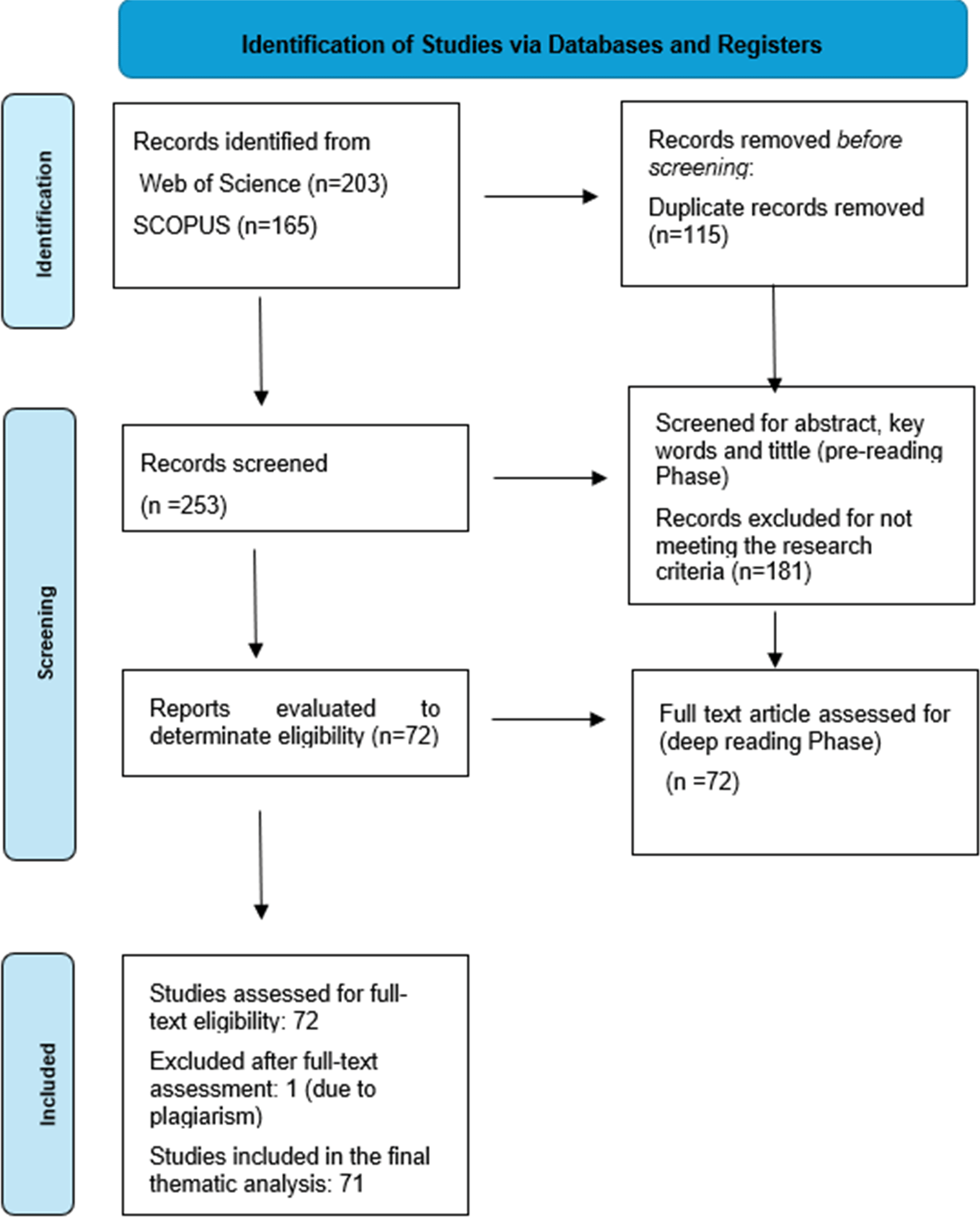
This figure illustrates the identification, screening, eligibility assessment, and inclusion of studies following the PRISMA 2020 guidelines, showing the number of records identified, excluded, and retained for the final analysis.
Data extraction was performed by two independent reviewers using a predefined data extraction matrix developed in Excel. The following data were extracted from each study: general bibliographic information, study-level metadata, methodological characteristics, gamification-related variables, metacognition-related variables, theoretical frameworks, higher-order cognitive skills, relevance to each research question, and main conclusions extracted from each study. An additional variable was extracted when information was available regarding the delivery mode of the intervention (digital, non-digital, mixed, or not reported), to explore whether reported associations depended on the use of digital technology.
A thematic synthesis approach was used to analyzed and integrate findings across studies. Analytical categories were developed primarily through inductive coding based on recurring patterns identified in the included studies (e.g., reported game elements, metacognitive components, theoretical foundations, and higher-order cognitive processes). A preliminary coding framework was iteratively refined during extraction, and categories were consolidated through reviewer discussion until consensus was reached. Quality appraisal was conducted without a formal risk-of-bias tool due to methodological heterogeneity. Instead, studies were appraised for reporting transparency (design and procedure), theoretical grounding, clarity of metacognition operationalization, alignment between elements and reported outcomes. This appraisal was used to contextualize the strength of the evidence during synthesis and is acknowledgement as a limitation due to the lack of a standardized tool.
As a limitation, database results may vary depending on the exact search date, indexing updates, and filtering options applied within each database. Given the growth of publications in this topic area, the retrieved set should be interpreted as a systematic snapshot of the selected time frame rather than an exhaustive representation of all publications available during 2019–2024.
The results are presented based on the answers and findings obtained in relation to the research questions.
In general, the findings show a reported relationship between the gamification and the development of metacognitive processes such a monitoring and self-regulation of learning. However, the strength and clarity of this relationship varied considerably across studies, depending on how gamification was designed and how metacognition was operationalized and measured. Antonaci et al. (2019), Goddiksen et al. (2024), and Mei and Yang (2019) agree that elements of gamification such as immediate feedback, rewards, challenges, and autonomy foster critical reflection on learning and enhance students’ awareness of their cognitive performance.
According to Edo Agustín (2023), gamification generates favorable conditions for the construction of meaningful learning by promoting increased engagement with instructional content. This interaction is not merely superficial; by integrating strategies such as feedback, students can analyze their decisions and consciously correct errors, thereby enhancing critical reflection and logical thinking (Hwang et al., 2024). Nevertheless, not all studies clearly distinguished whether metacognitive gains resulted from gamified mechanics themselves or from embedded instructional strategies such as guided reflection and structured feedback. In several studies, reflective activities appeared to be the proximal mechanism, with gamification functioning as a motivational wrapper rather than direct driver of metacognitive regulation. Some studies emphasized the role of specific technologies in supporting reflective learning processes. An example of this is provided by Zhao et al. (2024), who emphasized that the use of augmented reality in gamified environments fosters reflection on one’s own learning, which in turn increases confidence in the use of technology. From this perspective, it can be stated that gamification activates internal self-regulation mechanisms, as it enables students to assess their progress, identify errors, set goals, and adjust cognitive strategies.
However, not all of the review studies relied on digital technologies, and many did not explicitly report whether gamification was implemented through digital, non-digital, or hybrid formats. This inconsistency in reporting limits the ability to determine whether metacognitive outcomes were associated with technological affordances or with gamified pedagogical design principles more broadly.
Similarly, Beça et al. (2022) emphasized that the appropriate integration of game-based content enables students to achieve meaningful learning outcomes, such as winning, losing, and receiving feedback, which increases their awareness of the learning process. However, the notion of “appropriate” or “well-design” gamification was rarely operationalized in detail in reviewed studies, making it difficult to identify which specific design features were responsible for reported metacognitive gains. In most cases, effectiveness was described narratively rather than supported by explicitly alignment between game elements, psychological mechanisms, and measured metacognitive outcomes.
Other studies, such as that of Cáceres Reche et al. (2022), have demonstrated how games with reward systems promote processes such as planning and monitoring. Similarly, Reche et al. (2022) highlight the academic, emotional, and social benefits of gamification. Emotionally, it enhances students’ motivation and interest in task completion while socially emphasizing its contribution to collaborative work by fostering environments that stimulate self-regulated learning.
In the reviewed literature, emotional and motivational factors, such as autonomy, self-efficacy, and perceived competence, were frequently associated with gamified learning environments (Manshoven & Gillabel, 2021; Qiao, 2024). These factors appear to mediate the relationship between gamification and metacognitive processes, especially when gamified activities are intentionally designed to stimulate planning, problems solving, and reflective thinking (Dong et al., 2024).
At the same time, the review showed that many studies described positive outcomes without clearly specifying the instructional mechanisms or metacognitive scaffolding involved, which represents a significant limitation for attributing metacognitive effects directly to gamification.
In general, review studies such as those by Goddiksen et al. (2024) and Rosli et al. (2019) agree that gamification enhances cognitive structures and fosters the development of factual knowledge, including memory and the acquisition of critical application skills in real-world scenarios. This reinforces the role of gamification as a pedagogical process that facilitates activation and enhancement of metacognitive processes when supported by intentional instructional design.
Across the reviewed studies, gamification was implemented through heterogenous configurations of elements, including feedback systems, reward structures, progressive challenges, competitive dynamics, narrative components, and collaborative mechanics. These configurations varied significantly in intensity and pedagogical integration. Therefore, treating gamification as a single, homogeneous intervention obscures important differences in design and instructional intent.
The findings suggest that metacognitive outcomes were more frequently reported when gamification included specific goal-setting tasks, structured feedback, and opportunities for self-assessment. In contrast, studies focused primarily on reward accumulation or competition without reflective scaffolding tended to describe engagement improvements rather than clearly define metacognitive development.
The literature review identified three fundamental theoretical categories that supported the frameworks used to explain the relationship between gamification and metacognitive processes. These categories are linked to learning methods, psychological theories, and underlying cognitive processes involved in teaching and learning. Together, these dimensions offer a comprehensive approach to understanding how gamification influences the development of metacognition in educational contexts by integrating a theoretical-practical perspective.
Table 3 summarizes the findings associated with each category, as reported in the analyzed studies. This quantitative perspective helps to identify the most commonly used foundations to justify the incorporation of gamification as a facilitator for developing the metacognitive process.
Regarding the methodologies used to implement gamification processes that foster metacognitive development, the literature points to Game-Based Learning (GBL) as the predominant approach. GBL was present in 60.6% of the articles analyzed, while the remaining percentage did not mention a specific methodology. Game-Based Learning is based on the incorporation of game dynamics within educational contexts with clearly defined learning objectives. According to Leal Uhlig et al. (2023), technology plays a key role in GBL environments as it facilitates immersive experiences that promote student engagement and generate positive impacts on the development of critical thinking. Likewise, Davis (2022) and Hwang et al. (2024) emphasized that the game-based approach increases intrinsic motivation and strengthens metacognitive processes, such as planning, monitoring, and self-reflection, by integrating disciplinary content with dynamic structures that stimulate conscious decision-making and the continuous evaluation of learning. However, 39,4 of the studies did not specify any learning methodology, indicating a substantial lack of methodological transparency in the literature.
Davis (2022) explained that serious game-based learning is supported by Piaget’s cognitive theory, which integrates playful elements into instructional content, thereby improving motivation and learning. Game-based learning contributes to the development of cognitive processes such as reading comprehension, attention, and memory by combining cognitive theory, instructional content, and game elements that leverage the motivational and immersive nature of games to improve learning outcomes. In terms of metacognition, serious games promote planning, which is understood as the learner’s ability to anticipate actions and set goals before starting a task, and monitoring, which involves constantly reviewing and evaluating one’s own performance and understanding during the activity. These dynamics require reflection on the decisions made to allow for the adjustment of strategies based on the feedback received, thereby strengthening self-regulation of learning.
Game-based learning, supported by learning theories such as constructivism, favors the development of metacognitive processes by creating interactive environments that foster self-reflection and learning regulation. According to Hwang et al. (2024), GBL facilitates problem-solving through active experimentation, allowing students to analyze decisions and receive immediate feedback. This process of analysis and decision making strengthens self-regulation and metacognitive awareness, as it requires constant evaluation of their strategies and adjustment according to the results obtained.
Dong et al. (2024) highlighted its application to students with cognitive disabilities, emphasizing that gamification improves skills such as memory, attention, reasoning, and planning. These findings show that game-based learning promotes the development of metacognitive strategies, such as organization, adaptation to new situations, and reflective decision-making, all of which are essential for autonomy in inclusive educational environments.
The literature review makes it possible to identify that, from a psychological perspective, three fundamental theories support the learning process: the theory of self-regulated learning, self-determination theory, and Piaget’s theory of cognitive development. The first was the theory of self-regulated learning, which was presented in 8.5% of the reviewed articles. This theory is presented as a psychological foundation, as it analyzes how students plan, monitor, and evaluate their learning process. In gamified contexts, these processes are enhanced by dynamics such as immediate feedback, personalized challenges, and progress monitoring (Kim et al. 2021, as cited in Choi et al., 2022). According to Marks et al. (2024), gamification fosters a self-regulated mind-set by facilitating the identification of knowledge gaps and strategic adjustments through constructive feedback.
Figure 2 illustrates the distribution of the articles according to the identified theoretical frameworks.
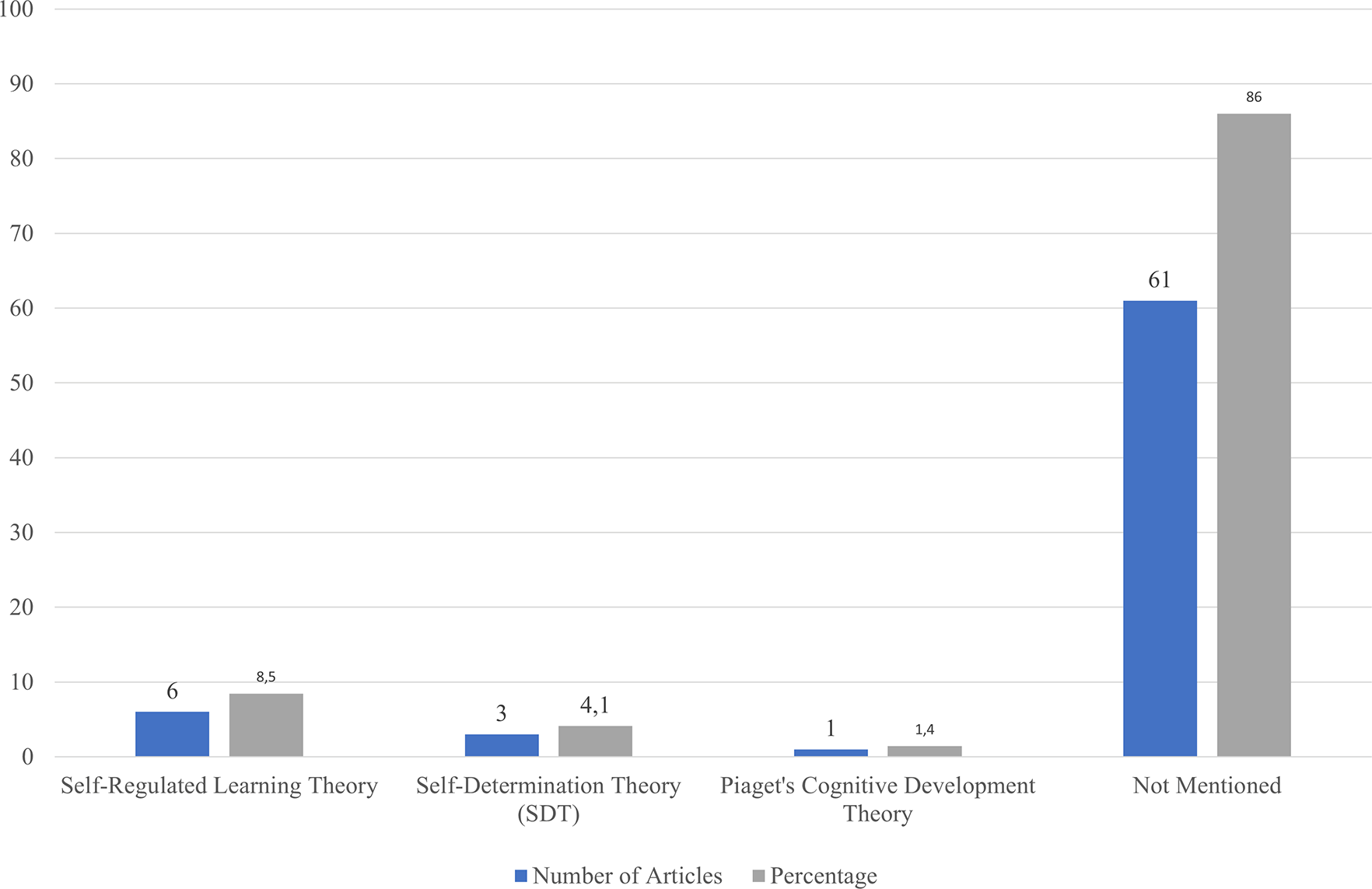
This figure presents the number and percentage of studies in the systematic review classified by their underlying theoretical foundation, highlighting the predominance of studies that did not explicitly mention a guiding theory.
The second theory identified is Self-Determination Theory (SDT), which was presented in 4.2% of the articles analyzed. This theory, proposed by (Deci & Ryan, 2000), emphasizes the importance of intrinsic motivation, which arises from interest in and enjoyment of the activity itself and is essential for promoting meaningful learning. SDT states that this form of motivation is activated when three basic psychological needs are satisfied: autonomy, understood as the student’s ability to make decisions and act with a sense of regulation; competence, referring to the feeling of effectiveness when facing challenges; and social relatedness, which implies a feeling of connection with others and establishment of meaningful relationships (Qiao et al., 2022).
In gamified environments, these needs are activated through specific mechanics, such as avatar customization (autonomy), progressive difficulty levels and achievements (competence), and collaborative interactions (relatedness). Satisfying these needs enhances students’ engagement and willingness to reflect on their learning, thereby promoting metacognitive processes (Guerrero Calderón et al., 2024; Wan et al., 2021; Siala et al., 2019).
The third theory is Piaget’s Theory of Cognitive Development, which was cited in 1.4% of the reviewed articles. This provides a fundamental framework for understanding how gamification can favor both cognitive development and metacognitive processes in educational settings. Piaget postulated that children learn through evolutionary stages related to functional, constructive, symbolic, and rule-based play, which plays a decisive role in the development of emerging cognitive abilities (Dong et al., 2024). Studies, such as those by Dong et al. (2024), have designed gamified experiences for children with cognitive impairment, showing that adapting playful mechanics to their level of development through positive feedback activities and progressive challenges improves functions such as memory and reasoning.
Likewise, Piaget’s Theory of Cognitive Development posits that knowledge is built through active interaction between the subject and environment. Gamification, by structuring playful dynamics with learning objectives, allows students to progressively construct and reconstruct their knowledge. These findings extend to the development of metacognitive skills, since gamification, by integrating reflective strategies, such as self-assessment journals and evaluation spaces, promotes awareness of one’s own learning processes. For example, students in gamified environments report their ability to monitor progress, adjust strategies, and reflect on their understanding (Trigueros et al., 2024).
In contrast, within the psychological theories underlying the analysis of gamified processes in relation to metacognition, three main approaches were identified: self-regulated learning, metacognition, and the meta-reasoning model. Figure 3 shows the articles based on a single cognitive process.
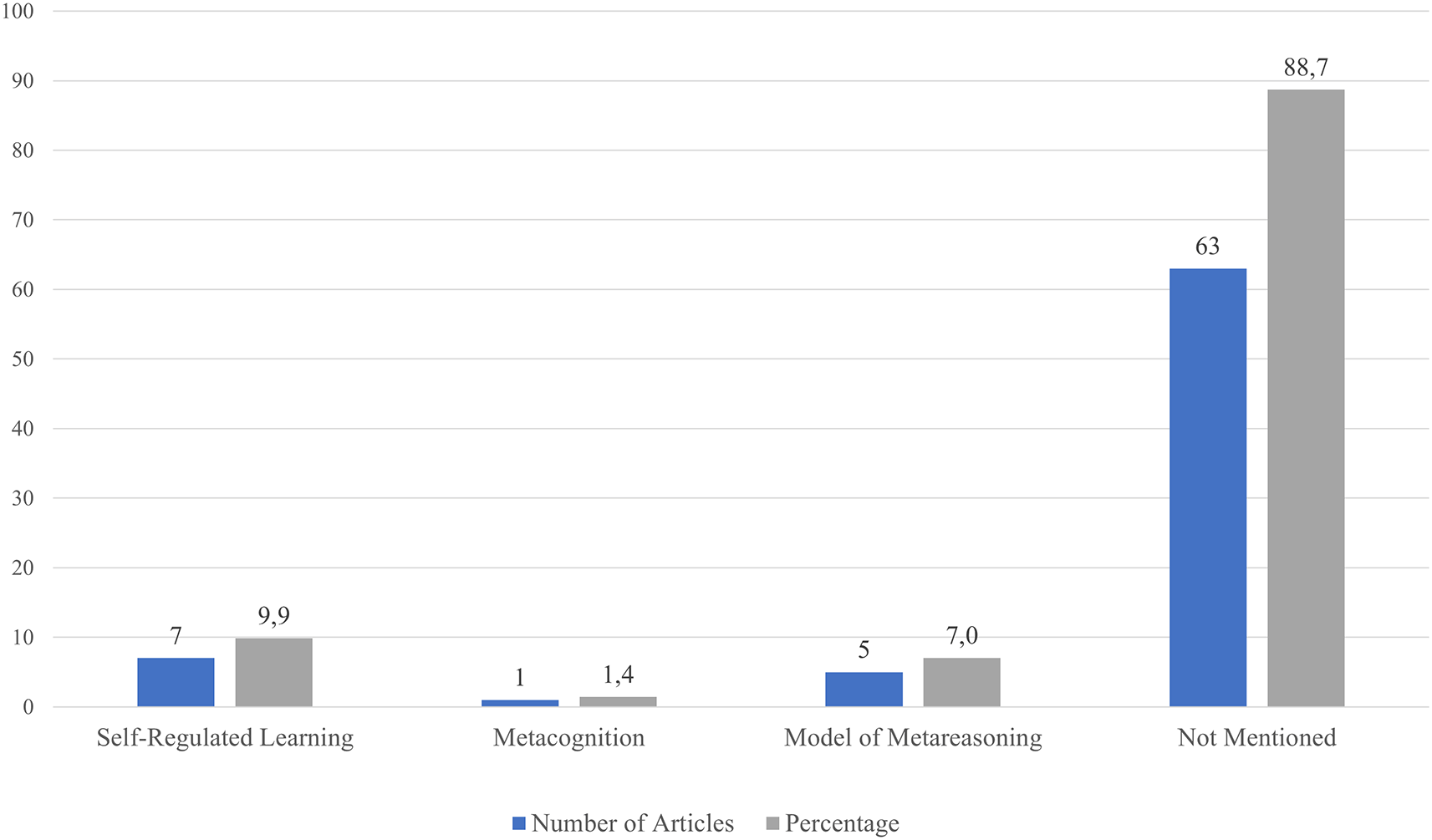
This figure shows the number and percentage of studies categorized according to the cognitive or metacognitive processes addressed, emphasizing the limited explicit focus on metacognitive frameworks.
Self-regulated learning is recognized as an effective strategy for mastering knowledge and improving attitudes toward learning (Zhao et al., 2024). This perspective emphasizes students’ management of their thoughts, emotions, and behaviors to achieve their goals, thus promoting an active role through planning, monitoring, and adjusting personal strategies. Self-regulated learning appears in 9.9% of the studies, reaffirming its role as a bridge between gamification and the development of metacognitive processes.
Similarly, self-regulated learning enables learners to develop self-determination and reach a state of active awareness in their activities, characterized by important levels of concentration and motivation. Studies such as those by Manshoven and Gillabel (2021); Trigueros et al. (2024) confirm that gamification, by designing environments that meet these fundamental needs, fosters self-determination and active engagement with learning tasks. This framework explains how elements such as immediate feedback systems, level progression, and collaborative dynamics motivate and create ideal conditions for the development of metacognitive processes, by turning students into conscious agents of their learning processes.
Another cognitive process identified was the meta-reasoning model, which was cited in 7% of the articles. This model focuses on monitoring mental processes during decision making, in contrast to metacognition, which supervises the entire learning process. According to Kleitman and Narciss (2019), meta-reasoning examines how individuals assess the difficulty of a task, and how these evaluations determine the amount of time, effort, and cognitive resources they are willing to invest in. Gamified contexts are applied through games that require problem-solving, error analysis, and strategic reflection. These dynamics enable students to make decisions and evaluate tasks, thereby contributing to the development of self-regulation and effort control (Juan-Lázaro & Area-Moreira, 2021). On the other hand, metacognition as an explicit construct was mentioned in only 1.4% of the articles, suggesting that, although it is often the ultimate goal of gamified interventions, it is frequently addressed in an indirect or implicit manner. This finding indicates a conceptual gap between the stated objectives of gamifies interventions and the explicitly theoretical of metacognitive constructs.
In summary, the analyzed theoretical frameworks support the use of gamification as a mediator for developing metacognition in educational contexts. This perspective emphasizes the internal processes of learning, such as motivation, self-regulation, and reasoning, in line with Juan-Lázaro and Area-Moreira (2021). In a pedagogical framework, the focus is on designing meaningful student-centered experiences. Both perspectives agree that beyond motivating, gamification promotes conscious reflection on learning, which is essential for fostering autonomous and meaningful learning (Voreopoulou et al., 2024).
The reviewed studies establish a significant relationship between gamification and the development of Higher-Order Thinking Skills (HOTS) in educational settings (Laksana et al., 2024). These skills encompass processes such as analyzing, evaluating, creating, problem-solving, and decision-making. This review highlights problem-solving, critical thinking, and decision-making as the most prominent (Qiao, 2024).
According to Edo Agustín (2023), the relationship between the use of gamification and the development of metacognitive processes in learning is enhanced when gamification incorporates explicit mechanisms that promote conscious reflection on the learning process as it offers immediate feedback and invites students to face real situations that demand complex cognitive processes. Likewise, gamification promotes the development of higher-order skills by going beyond the repetition of knowledge; it favors analysis, synthesis, critical, reflective, logical thinking, problem-solving, and the ability to create (Hsbollah & Rosli, 2022). Antonaci et al. (2019) indicated that gamified environments promote higher-order thinking skills by requiring demanding cognitive abilities such as problem-solving, decision-making, and critical analysis, in challenging contexts that stimulate deep reflection.
However, the development of higher-order thinking skills is consciously and effectively presented when gamification is implemented through digital technologies, accompanied by intentional instructional design. Nerveless, due to inconsistent reporting of delivery mode across studies, it cannot be conclusively determined whether digital technology itself or the structured gamified design was the determining factor in these outcomes.
Thus, elements such as immediate feedback, cognitive challenges, and the possibility of trial and error can activate advanced cognitive processes (Hwang et al., 2024). According to Voreopoulou et al. (2024), the role of emerging technologies such as augmented reality shows that gamified activities involve exploration, analysis, and evaluation, which makes higher-order thinking skills (HOTS) more explicit in the learning process. Similarly, Guerrero Calderón et al. (2024) affirmed that solving challenges requires the application of thinking and logical skills (cognitive challenges), and often overcoming challenges that depend on solving previous situations, which implies a progression in the complexity of thinking.
Based on these findings, Oliva-Maza et al. (2021) pointed out that strategic decision making is a constant demand in gamified environments, in which students must define paths to achieve objectives. When gamification and metacognition are articulated, students make decisions, think about strategies, evaluate different options, and learn from their responses. Similarly, they self-assess their processes, which promotes critical thinking and planning skills.
In general, the relationship between gamification and metacognition is directly associated with the development of higher-order skills (Pirta-Dreimane et al., 2024), since both approaches promote problem-solving, critical thinking, self-regulation, planning, and monitoring, especially through challenging scenarios that stimulate high-level thinking.
This systematic review explored the existing literature in relation to the influence of gamification on the development of metacognitive processes in higher-order thinking skills (HOTS) in educational settings. The analysis of the included studies indicates a consistent association between the use of gamification and the strengthening of metacognitive skills, especially those associated with self-regulation, planning, monitoring, and evaluation of one’s own learning (García-López et al., 2023; Peuters et al., 2024). However, this association was not uniformly supported across all studies, and in many cases, metacognitive development was inferred from related constructs rather than directly measured.
According to the reviewed studies, gamification increases students’ commitment to learning by creating their own routes to reaching goals through metacognitive processes, and it is emphasized that gamification promotes the application of knowledge and the ability to face complex cognitive processes (Pirta-Dreimane et al., 2024). Elements, such as feedback, progressive challenges, immediate rewards, and structured reflection were frequently identified across the included studies as recurring components associated with reported metacognitive outcomes (Blain et al., 2022; Zhao et al., 2024).
Similarly, the incorporation of gamified processes into educational settings has proven to be an effective pathway for fostering motivation, engagement, critical thinking, and the awareness of cognitive processes. Leitão et al. (2022) and Antonaci et al. (2019) showed that the integration of pedagogical content through the application of gamification principles, such as avatars, rewards, and immediate feedback, strengthens intrinsic motivation and fosters curiosity, which are the key aspects of meaningful and self-regulated learning. Critical perspectives on the use of gamification were also identified. As noted by Juan-Lázaro and Area-Moreira (2021) poorly structured gamified strategies, or those excessively focused on point accumulation, may promote a trial-and-error dynamic without deep reflection, thereby limiting the development of metacognitive processes by prioritizing immediate outcomes over conscious analysis and regulation of learning.
Likewise, the discussion is framed within explicit theoretical foundations. Overall, the evidence suggests that gamification, when grounded in constructivist approaches, Self-Determination Theory, and Self-Regulated Learning Theory, facilitates the activation of metacognitive strategies by fostering autonomy, intrinsic motivation, and reflection (Qiao et al., 2022). This integration demonstrates that psychological and pedagogical perspectives are essential for explaining why gamification strengthens planning, monitoring, and evaluation in the learning process.
However, studies indicate that instructional design processes find a suitable gamification scenario to evaluate the relationship between goal setting, the use of badges, scoreboards, missions, and cognitive challenges, and factors related to metacognition, such as awareness, self-assessment, goal setting, and decision-making, as scholars do not support the idea that gamification inherently generates metacognitive processes (Juan-Lázaro & Area-Moreira, 2021; McGowan et al., 2023; Qiao et al., 2022). Rather, the reviewed evidence suggests that metacognitive development depends on the intentional integration of reflective scaffolding, goal-setting mechanisms, and feedback loops within gamified designs.
The findings also highlight the conceptual heterogeneity of gamification. Across the reviewed studies, gamification encompassed diverse configurations of mechanics, dynamics, and pedagogical intentions. Some interventions emphasized competitive rewards systems, while others integrated narrative structures, collaborative tasks, or reflective journals. This variability suggests that metacognitive outcomes cannot be attributed to gamification as a unified construct, but rather to specific design combinations and their alignment with psychological and instructional principles (Edo Agustín, 2023).
In addition, the reviewed literature suggests that gamification fosters the development of higher-order thinking skills (HOTS) through progressive challenges, problem-solving dynamics, and immediate feedback, as students engage in processes of analysis, evaluation, and creation, which are characteristic of HOTS (Qiao, 2024). A positive relationship between gamification and metacognition can be inferred if metacognitive awareness is related to the use of HOTS.
Gamification can thus become a key element in the development of pedagogical strategies with high potential for promoting metacognitive processes, which is why its implementation should be supported by explanatory and theoretical frameworks aligned with clear educational purposes. The pedagogical value of gamification lies in its ability to generate reflective learning experiences as students are required to consciously and autonomously engage in planning, monitoring, and evaluating their cognitive processes. Through the activation of self-regulation mechanisms, the stimulation of critical reflection, and the strengthening of higher-order thinking skills, students can incorporate dynamics of autonomous and meaningful learning (Cáceres Reche et al., 2022; Hidayat et al., 2024; Zhao et al., 2024).
One limitation of this study was that the analysis was restricted to only two databases, which may have excluded relevant studies from other bibliographic sources. Furthermore, only open-access articles were reviewed, indicating a potential publication bias. Therefore, future systematic reviews are recommended to broaden the scope of the search by including other recognized databases as well as non-open-access articles.
Additionally, conceptual and methodological variability across studies limited the comparability of findings. Differences in how metacognition was defined, measured, or inferred, as well as inconsistencies in reporting gamification delivery modes (digital, non-digital, or hybrid) restricted the possibility of drawing causal conclusions. The absence of standardized quality appraisal tools further suggests that findings should be interpreted with analytical caution.
Finally, the synthesis of the review studies suggests that gamification can be conceptually organized around three complementary axes that emerged from the analysis: first, the learning methodologies guiding implementation (e.g., Game Based Learning). Second, the psychological foundations explaining motivational and self-regulatory mechanisms, and third, the metacognitive process explicitly or implicitly addressed (planning, monitoring and evaluation). These axes were not always simultaneously articulated in the review studies, rather, many interventions emphasized one or two while leaving others theoretically underdeveloped.
The findings of this study suggest that gamification, when implemented in a structured manner and supported by learning theories can contribute to the development of metacognitive skills (García-López et al., 2023; Pirta-Dreimane et al., 2024). The reviewed studies showed that the incorporation of elements such as feedback, rewards, progressive challenges, and autonomy promotes skills such as planning, self-regulation, monitoring, and the evaluation of learning (Edo Agustín, 2023). However, the evidence does not support the assumption that gamification inherently produces metacognitive development; rather, outcomes appear to depend on instructional design quality and the explicit integration of reflective mechanisms.
Furthermore, across the 71 included studies, the evidence most consistently reported an association between gamification and metacognitive outcomes when instructional design explicitly incorporated: first, goal setting and progress monitoring task. Second, structured feedback loops. Third, guided reflection opportunities like self-assessment or learning journals. In contrast, studies emphasizing rewards accumulation or competition without reflective scaffolding more frequently reported engagement-related outcomes that clearly operationalized metacognitive development. Overall, the findings suggest that metacognitive processes are more likely to be reported when game elements are pedagogically aligned with metacognitive scaffolding.
Importantly, an important finding of this review is that metacognition was rarely addressed as an explicitly theoretical framework within gamified interventions. Although many studies reported improvements related to self-regulations or higher-order thinking skills, only a small proportion explicitly grounded their interventions in metacognitive theory. This conceptual gap suggests a need for greater theoretical coherence between gamification design and metacognitive constructs.
This study also contributes to the educational field by synthesizing recent evidence and proposing an integrated perspective that links gamification design, psychological foundations, and metacognitive processes. Rather than positioning gamification as a universally effective strategy, this review clarifies the conditions under which metacognitive outcomes are more likely to emerge, emphasizing the importance of theoretical grounding and intentional instructional design.
Similarly, this study highlights the need to understand its application in education from perspectives that integrate both the conceptual and procedural aspects. At the conceptual level, this study indicates that gamification should be understood based on a set of psychological theories and learning theories that explain how motivation, autonomy, and cognitive regulation operate. At the procedural level, it emphasizes the importance of didactic alignment between game elements, learning objectives, and metacognitive scaffolding. The effectiveness of gamification appears to depend not on the presence of game elements alone, but on their pedagogical coherence and their explicit integration with planning, monitoring, and evaluation processes.
In addition, several studies referred to technology or game-based learning without specifying whether the intervention relied on digital tools, such as: mobile, applications, virtual or augmented reality or non-digital formats such as: board games, role plays, etc. As a result, delivery mode could not be systematically classified for all studies, limiting conclusions about whether reported effects depend on digital technology.
Finally, although gamification has been extensively studied in education, its explicit theoretical articulation with metacognitive constructs remains limited and inconsistently operationalized across empirical studies. It also underscores the need for a broader evaluation of the existing literature, given that the study was conducted solely with open-access articles from Scopus and Web of Science, which may have restricted the inclusion of other relevant studies.
Moreover, variability in conceptual definitions, methodological designs, and reporting transparency across the included studies limited direct comparability. Inconsistent specification of gamification delivery models (digital, non-digital, hybrid) and the absence of standardized quality appraisal tools further restrict the strength of causal inferences. Therefore, findings should be interpreted as an analytical synthesis of reported associations rather than definitive causal conclusions. Future research should prioritize clearer theoretical articulation of metacognitive constructs, explicit operationalization of game elements and reporting of instructional design features to strengthen the empirical foundation of this research field.
All datasets supporting the findings of this systematic review are openly available in the Zenodo repository at https://doi.org/10.5281/zenodo.18795478 (Varela Quiroga & Buitrago Ropero, 2025). The repository contains the PRISMA 2020 Checklist and the PRISMA 2020 Flow Diagram. All materials are provided under a Creative Commons CC0 1.0 Universal license. These files ensure full reproducibility of the review methodology and comply with the F1000Research open data policy.
| Views | Downloads | |
|---|---|---|
| F1000Research | - | - |
|
PubMed Central
Data from PMC are received and updated monthly.
|
- | - |
Provide sufficient details of any financial or non-financial competing interests to enable users to assess whether your comments might lead a reasonable person to question your impartiality. Consider the following examples, but note that this is not an exhaustive list:
Sign up for content alerts and receive a weekly or monthly email with all newly published articles
Already registered? Sign in
The email address should be the one you originally registered with F1000.
You registered with F1000 via Google, so we cannot reset your password.
To sign in, please click here.
If you still need help with your Google account password, please click here.
You registered with F1000 via Facebook, so we cannot reset your password.
To sign in, please click here.
If you still need help with your Facebook account password, please click here.
If your email address is registered with us, we will email you instructions to reset your password.
If you think you should have received this email but it has not arrived, please check your spam filters and/or contact for further assistance.

Comments on this article Comments (0)