ALL Metrics
-
Views
-
Downloads
Get PDF
Get XML
Cite
Export
Track
Research Article

Gamification in digital healthcare: from evidence review to a novel framework for enhancing patient engagement in chronic disease management

[version 1; peer review: awaiting peer review]
PUBLISHED 13 Dec 2025
Author details Author details
OPEN PEER REVIEW
REVIEWER STATUS AWAITING PEER REVIEW

This article is included in the Health Services gateway.

Abstract

Background

Chronic diseases impose a substantial global health burden, with outcomes frequently compromised by suboptimal long-term patient engagement and adherence to treatment regimens. Gamification, the application of game-design principles in non-game contexts, has emerged as a promising strategy to enhance patient motivation and self-management.

Methods

This paper introduces a comprehensive, theory-driven gamification framework designed for integration within a Virtual Health Coach (VHC) system for chronic disease management. Based on Self-Determination Theory, Behavioural Economics, and the Health Belief Model, the framework synthesises five core components: adaptive challenges tailored to individual progress, interactive educational modules, structured reward incentives, social support features, and seamless integration with wearable devices for real-time feedback.

Results

Recognising that implementation is impeded by challenges such as the digital divide, data privacy concerns, and the risk of user fatigue, this work also proposes a robust analytics framework to guide evaluation and continuous refinement. This evaluation model employs a mixed-methods approach, combining metrics for user engagement, clinical health outcomes, and patient-reported satisfaction with A/B testing and machine learning for predictive analytics.

Conclusions

The proposed gamified VHC architecture offers a blueprint for developing adaptive, personalised, and sustainable digital health interventions that can enhance patient adherence and improve outcomes, thereby advancing the paradigm of patient-centred chronic care.

Keywords

Gamification, Digital Health, Behaviour Change., Patient Engagement, Chronic Disease Management, Human-Computer Interaction Theory - e.g., User Models, Cognitive Systems, Information Systems - Clinical Support, Innovative Interaction Techniques, Learning, Design and Evaluation of Innovative Interactive Systems

1. Introduction

Chronic diseases, often referred to as non-communicable diseases (NCDs), represent a profound and growing challenge to global health. Defined by the World Health Organization (WHO) as conditions that cannot be transmitted from one person to another, NCDs are characterised by their long duration and gradual progression.1 These diseases primarily include vascular diseases2 (e.g., heart attacks and stroke), cancer, respiratory diseases3 (e.g., chronic obstructive pulmonary disease and asthma), neurological diseases (e.g. dementia or other neurodegenerative conditions) and metabolic disorders such as diabetes.4 Such conditions typically last for more than three months, often resulting from complex and interconnected factors, including genetics, lifestyle choices, environmental exposures, and socioeconomic conditions. A critical feature of chronic diseases is their insidious onset; symptoms often remain mild or unnoticed in the early stages, delaying timely diagnosis and intervention. As these conditions advance, they impose significant health complications, functional impairments, and disabilities, creating a heavy burden145 for individuals, families, and healthcare systems.

The scale of the problem underscores the urgency for innovative solutions. Chronic diseases account for approximately 74% of global deaths,1 with cardiovascular diseases alone responsible for 18.6 million fatalities annually. The prevalence of diabetes, which affected 537 million adults in 2021, is projected to rise to 643 million by 2030. Similarly, chronic obstructive pulmonary disease (COPD) was the fourth leading cause of death worldwide in 2021, causing 3.5 million deaths, which is approximately 5% of all global deaths.7 The economic repercussions are equally staggering, with chronic diseases estimated to cost the global economy $47 trillion by 2030 due to healthcare expenses and lost productivity.8 These figures highlight the pressing need for strategies that can effectively reduce the health and economic burden of NCDs.146

Managing chronic diseases is therefore not merely a medical challenge but also a systemic one, requiring a coordinated and sustained response. Chronic Care Management (CCM)5 has emerged as a structured approach to addressing this challenge. CCM provides comprehensive support to individuals with chronic conditions through interventions aimed at symptom control, prevention of complications, and improved quality of life. Core elements of CCM include coordination across healthcare providers, patient education, self-management support, medication management, and regular monitoring of patient progress.6 Such monitoring should encompass not only clinical indicators but also patient-reported outcomes, including validated quality of life instruments such as the SF-36,147 which can empower patients to track their symptoms and provide clinicians with valuable insights for tailoring care. This team-based approach integrates various healthcare professionals to ensure continuity and quality of care. However, the effectiveness of CCM is often limited by the inherent complexity of chronic diseases and the long-term commitment required from patients to adhere to care plans.

Despite advancements in medical technology and healthcare delivery, critical gaps persist in chronic disease management. Many patients struggle to sustain long-term adherence to treatment plans, while the lack of personalised care often diminishes the effectiveness of interventions.9 Generic treatment strategies frequently fail to address the unique needs and preferences of individual patients, resulting in poor adherence to medication and lifestyle modifications. This points to an urgent need for innovative approaches that not only engage patients but also provide tailored support to enhance their commitment to care.

One promising avenue to address these challenges is gamification10—the application of game design principles such as points, challenges, rewards, and feedback in non-game contexts. Gamification offers a novel way to motivate patients, encourage behavioural changes, and improve health outcomes by transforming routine care activities into engaging and interactive experiences. For instance, gamified platforms can incentivise patients to monitor their health, adhere to treatment schedules, and adopt healthier lifestyles. This approach aligns with the broader movement toward patient-centred care and the integration of digital health technologies to support individuals in managing their conditions.11

Given its potential, this paper will explore the role of gamification in addressing the challenges of chronic disease management. Section 2 will examine the theoretical foundations of gamification in healthcare, focusing on Self-Determination Theory, Behavioural Economics, and the Health Belief Model. Section 3 will provide a review of current applications of gamification across various chronic conditions, highlighting both successes and limitations. Section 4 will discuss the key challenges in implementing gamification in healthcare, including patient-specific barriers and systemic issues. Building on this, Section 5 will introduce a comprehensive gamification framework for a Virtual Health Coach (VHC) system, detailing its core components and design. Section 6 will propose a robust analytics framework for evaluating the effectiveness of such interventions. Finally, Section 7 will discuss the implications for future research and development, including strategies for scaling up gamification and deploying AI for personalisation, before offering concluding remarks in Section 8.

2. Theoretical foundations of gamification in healthcare

In the health informatics literature, gamification is commonly conceptualised as the systematic incorporation of game design elements—such as points and badges, structured challenges, contingent reward schedules, and responsive feedback loops—into digital health interventions to enhance motivation and support behaviour change. Gamified interventions help patients find enjoyment in monotonous or unrewarding treatments by transforming routine health tasks into engaging activities,12 while also promoting purposeful, active self-management through structured goals, timely feedback, and ongoing self-monitoring.

Recent evidence reviews have reinforced this potential. A systematic review of eHealth interventions for young people with chronic diseases found that gamified approaches were widely used to promote self-management behaviours such as medication adherence and physical activity, though the majority lacked strong theoretical foundations and long-term evaluation.148 Similarly, a broader 2016 systematic review of health and wellbeing applications confirmed the popularity of game elements like points, levels, and leaderboards, but revealed common methodological weaknesses and a frequent failure to connect design choices to specific behaviour change theories.149 A meta-analysis demonstrated that digital health applications incorporating gamification were significantly more effective than non-gamified counterparts in increasing physical activity and improving cardiometabolic risk factors.150 Together, these reviews suggest that while gamification has become an increasingly common design strategy, its effectiveness depends heavily on theoretical grounding and careful integration into health management systems.

Key game elements include point systems, achievement badges, progress charts or leaderboards, and self-monitoring challenges, all designed to provide immediate feedback and a sense of accomplishment.13 In addition, modern mobile health apps and wearable devices facilitate these feedback loops: psychophysiological sensors (e.g. heart rate monitors or galvanic skin response sensors) and behavioural tracking (e.g. medication adherence logs, app usage frequency, step counts) feed data into the gamified environment.14 This data is then used to give users real-time responses – for instance, awarding points for meeting a daily step goal or triggering an alert when a measurement falls outside the desired range. Such instant feedback is central to gamification, as it reinforces positive actions and alerts users to issues promptly.15 In fact, the rise of wearable health technology has greatly enhanced gamified healthcare by providing continuous biometric monitoring and personalised feedback. Wearables (like smartwatches) can deliver real-time gamified feedback, turning vital signs and activity data into game-like progress metrics. Research indicates that wearable-integrated gamification encourages positive behaviour changes by delivering immediate, tailored feedback and interactive experiences for the user.16 This integration forms a responsive feedback loop, connecting patients’ daily behaviours directly with their long-term health objectives through continuous encouragement and guidance.

To better understand these interactions, theoretical frameworks provide essential insights into why gamified healthcare interventions effectively engage and motivate users.165 provide a review of these gamification frameworks. Three key psychological and behavioural theories—Self-Determination Theory (SDT),17 Behavioural Economics (BE),18 and the Health Belief Model (HBM)19 —provide insights into these mechanisms. SDT emphasises intrinsic motivation, suggesting continuous engagement is achieved when individuals feel autonomy, competence, and relatedness.20 Gamified health applications often support these intrinsic motivators by allowing personalised goal-setting (enhancing autonomy), providing progress indicators or skill mastery feedback (building competence), and including interactive social elements like team challenges or social sharing (fostering relatedness). A recent review21 highlights how SDT-driven gamification strategies, such as user-defined goals and skill-based progression, significantly enhance a user’s intrinsic motivation and sense of efficacy. Fulfilling core psychological needs. such as autonomy, competence, and relatedness, that are essential for human motivation, well-being, and optimal functioning, enables gamified systems keep patients engaged by encouraging internal motivation instead of relying on external pressure. This internal drive is especially important for sustaining long-term management of chronic conditions.

BE provides a complementary perspective, focusing on how external incentives and decision biases can be leveraged to sustain engagement. Gamification in healthcare frequently employs nudges and reward structures derived from behavioural economics – for instance, giving small prizes or unlocking virtual rewards when targets are met, or using reminders and goal-framing to guide choices.22 One powerful principle is loss aversion: people tend to work harder to avoid losses than to achieve equivalent gains. Gamified health programs have harnessed this by framing goals in terms of avoiding a loss. For example, patients might start a week with a certain number of points (or a status level in the app’s “game”) and lose points if they miss a daily task. Studies show that this loss-framed approach drives higher adherence – participants were significantly more likely to hit daily step targets when failing to do so meant losing a previously earned reward or level.23

This kind of incentive, rooted in prospect theory,166 taps into our natural aversion to losing progress, thereby sustaining motivation over time. According to Prospect theory, decision making under risk can be viewed as a choice between prospects or gambles and a prospect is a contract that yields an outcome with probability. Certainty effect in prospect theory contributes to risk aversion in choices as it states that people underweight outcomes that are merely probable in comparison with outcomes that are obtained with certainty Alongside loss aversion, gamified interventions can use positive incentives (“gain framing”), social competition, or streaks and milestones (for example, maintaining a medication-taking streak) to nudge patients toward consistent healthy behaviour. Integrating these behavioural economic tactics allows gamification to tackle the challenge of maintaining patient engagement in care routines, even when immediate benefits are not evident.

HBM insights also inform gamification design, especially in addressing knowledge gaps and confidence barriers. HBM is a classic health psychology model that explains health behaviours through several perceptions: perceived severity of and susceptibility to a health issue, perceived benefits of action, perceived barriers to action, and cues to trigger action, along with self-efficacy (confidence in one’s ability to act).24,25 In the context of gamified healthcare, designers use HBM principles by emphasising the benefits of healthy behaviours and minimising barriers via the game’s design.26 Educational feedback loops embedded in a game can increase a patient’s understanding of how their actions directly benefit their health.

For instance, showing improvements in blood glucose readings alongside points earned for dietary compliance highlights the benefit of adherence. At the same time, gamification can reduce perceived barriers by making tasks more enjoyable and manageable – turning what might be seen as boring for example, daily exercises or symptom logging into a set of achievable quests or challenges. Importantly, gamified systems provide continuous cues to action. These cues might be daily reminders, notifications to check-in and complete a task, or visual prompts on a progress dashboard – all of which push the patient to stay on track. The HBM’s focus on self-efficacy is supported through gradual challenges and positive feedback: as patients progress through levels or earn awards, they build confidence in managing their condition.

In practice, interventions have explicitly used HBM as a guide by offering educational resources and regular goal reminders to enhance users’ self-efficacy and prompt routine task completion. Therefore, HBM contributes a framework for ensuring that a gamified program not only engages users, but also addresses their beliefs and attitudes: increasing the perceived value of healthy actions, lowering psychological difficulties, and providing triggers to act at the right moments.

Although this paper specifically reports SDT, BE, and HBM, these are not the only theoretical frameworks relevant to gamification in healthcare contexts. In fact, over a hundred distinct theories have been employed in gamification research, highlighting that our selection is not exhaustive.27 The rationale for selecting these theories is that together they cover a wide spectrum of behavioural motivations and decision-making processes crucial to long-term patient engagement and health outcomes. SDT effectively captures intrinsic motivational elements, BE examines practical decision-making processes shaped by incentives and cognitive biases, and HBM focuses explicitly on individuals’ perceptions relating to health behaviours. While acknowledging other influential theories, such as Social Cognitive Theory28 or the Theory of Planned Behaviour,29 these three frameworks were prioritised here due to their direct alignment with commonly implemented gamification strategies and their substantial empirical support in recent health gamification literature.

Table 1 provides a structured overview linking game mechanics with the motivational principles of the three discussed psychological theories. This mapping supports clarifying the theoretical purpose behind each gamification element and offering concrete examples from health-related applications. For instance, adaptive difficulty is linked to SDT by enhancing users’ sense of competence, as shown in a randomised controlled trial where older adults with knee or hip osteoarthritis participated in an intervention combining active video games and physiotherapy. The game-based tasks dynamically adjusted in complexity, leading to significantly improved self-perceived functionality and physical performance.33 Similarly, points and badges relate to BE by delivering immediate incentives, as demonstrated by the Perx app, which used point-based rewards to increase medication adherence. These examples provide a better understanding on how specific game features influence behaviour and how to select appropriate strategies when designing gamified health interventions.

Table 1. Mapping game design elements to psychological theories in gamified health interventions.

Game Desing ElementsSelf-Determination Theory (SDT)Behavioural Economics (BE)Health Belief Model (HBM)Example
PointsProvide immediate feedback on performance, reinforcing competence/skill. When perceived as extrinsic reward, points can also undermine autonomy.Serve as instant, tangible rewards (virtual currency) that exploit present bias and encourage continued engagement.Act as cues or incentives that concretise the perceived benefits of the health behaviour (lowering barriers).A retrospective analysis of the Perx app, which uses a point- and reward-based system, demonstrated sustained high levels of medication adherence over a 6-month period among real-world users with chronic conditions.30
BadgesSymbolise achievement of goals, enhancing feelings of competence and mastery.Function as status incentives and social tokens of success, motivating users through recognition.Earning badges provides a cue reinforcing the benefits of action and boosts self-efficacy (reducing perceived barriers).Fitness/health apps award badges for milestone achievements (e.g. step or exercise targets reached).31
LeaderboardsCreate a social context: they can satisfy relatedness through friendly competition and reinforce competence for top performers, though excessive competition may threaten autonomy.Leverage social comparison and peer competition as motivators. In practice, app leaderboards have led to measurable behaviour change (e.g. step count increases).Visible peer progress acts as a social cue (norm) and highlights the benefits of participation, influencing perceived susceptibility/benefit.Fitbit “challenge” leaderboards drove activity: sedentary users walked ~15% more steps daily when competing with peers.32
Adaptive DifficultyDynamically adjusts challenge to match user ability, maintaining optimal challenge and enhancing competence (flow).By progressively setting achievable goals, it maintains motivation (avoiding discouragement) and addresses loss aversion.Tailoring task difficulty lowers perceived barriers and raises self-efficacy, making the activity feel attainable.A 2024 RCT involving older adults with osteoarthritis showed that combining conventional therapy with adaptive active video game tasks significantly improved perceived functional capacity and engagement.33
Quests (Narrative)Embedding tasks in a narrative (“quests”) provides context and autonomy, increasing intrinsic interest. Story immersion can also satisfy relatedness (connection to the story world).Quest framing acts as a commitment device and maintains engagement through periodic rewards, helping to overcome present bias.Story-driven tasks heighten perceived benefits and serve as memorable cues to action (e.g. illustrating severity/benefit via narrative).Zombies, Run! wraps exercise in an immersive running adventure; users report longer, more enjoyable workouts.34

3. Gamification in chronic disease management: Current applications

The theoretical principles of SDT, BE, and HBM, as discussed in the preceding section, provide a robust foundation for designing motivational health interventions. The translation of these theories into practice has led to an expanding field of gamified digital tools aimed at improving self-management and adherence among patients with chronic diseases.

However, the application of gamification is not a panacea; its effectiveness is dependent on the specific design, target population, and clinical context. A critical review of the empirical evidence is therefore essential to delineate successful applications, understand the sources of heterogeneous outcomes, and identify persistent gaps in the literature. This section provides a comprehensive analysis of current gamified interventions across a spectrum of chronic conditions, drawing upon recent randomised controlled trials (RCTs) and feasibility studies to build an evidence-based perspective on the state of the field.

The evidence for gamification’s impact on chronic disease management is both promising and varied, with outcomes differing significantly across conditions such as diabetes, cardiovascular disease, and chronic pain. In the domain of diabetes, particularly paediatric type 1 diabetes (T1D), gamification has demonstrated notable success.35 A recent open-label RCT by Ahmadi et al.36 evaluated eddii, a gamified continuous glucose monitoring (CGM) interface for children. The intervention, which featured points, redeemable mini-games, and a virtual avatar, resulted in statistically significant improvements in glycaemic control over an 8-week period. Particularly, the gamified app led to a 5.38% increase in Time-in-Range (TIR) and a corresponding 5.80% decrease in Time-above-Range (TAR) compared to standard CGM use alone, with high adherence and usability reported. These findings suggest that for paediatric populations, embedding self-management tasks within an engaging, rewarding gamified structure can translate directly into improved clinical outcomes. This is especially pertinent to adolescent transition services, where the move from paediatric to adult care heightens risks to adherence and continuity. Our team has in-house clinical expertise through joint clinics with paediatricians at Birmingham Children’s Hospital (bone genetics; multiple sclerosis), which can be leveraged to co-design age-appropriate, gameful self-management modules and ensure continuity of oversight. In evaluation terms, transition-specific indicators—such as readiness for transfer, appointment attendance, medication adherence, and relapse/exacerbation events—can be incorporated alongside standard clinical and patient-reported outcome measure (PROM) outcomes.

In contrast, the evidence in cardiovascular care is more equivocal. Gallagher et al.37 conducted a large, 6-month single-blind RCT of MyHeartMate, a game-based app for secondary prevention in adults with coronary heart disease (CHD). While the app, featuring a “heart-avatar,” points, and challenges, achieved very high acceptability and initial engagement, it failed to produce a significant improvement in the primary outcome of physical activity or most secondary cardiovascular risk factors, except for a modest reduction in triglycerides. This difference—high engagement without corresponding clinical benefit—highlights a critical challenge in gamification design: the mechanisms that capture user attention do not automatically translate into the magnitude of behaviour change required to change major health outcomes. This finding underscores that while gamification can be a powerful tool for engagement, its design must be precisely calibrated to drive clinically meaningful actions.

Gamified interventions focused on education and skill acquisition have shown more consistent success, particularly in respiratory conditions. An RCT by Huang et al.38 tested Inhaling-Health, a web-based platform designed to improve inhaler technique and adherence in patients with COPD.

The intervention, grounded in the Fogg Behaviour Model,167 used quiz games, points, and badges to enhance knowledge. The results were significant: the gamified group showed improved inhaler adherence, technique accuracy, COPD knowledge, and even clinical outcomes such as reduced dyspnoea scores compared to the control group, with benefits sustained at a 6-month follow-up. This suggests that gamification is particularly effective when applied to discrete, skill-based health behaviours where feedback is direct, and control is achievable.

The application of gamification in managing complex, variable symptoms, such as those in multiple sclerosis (MS) and chronic pain, reveals further notes. For MS-related fatigue, a feasibility study of the More Stamina app by Giunti et al.39 demonstrated positive user-reported outcomes. The app, which used “Stamina Credits” to help patients budget their energy, was found to increase self-awareness of fatigue patterns and improve activity planning. Although not an RCT, this study indicates the potential of gamification to support the management of subjective and variable symptoms. Similarly, in the context of rehabilitation for knee osteoarthritis, a gamified virtual reality (VR) program led to significant improvements in pain, disability, and function compared to usual care.40 The immersive and interactive nature of VR exergames appears to be a potent medium for gamified interventions. However, the utility of gamification for chronic pain is not universally supported. A double-blind RCT by Vermeir et al.41 on a gamified web-based attentional bias modification training (ABMT) for adults with chronic musculoskeletal pain found that the addition of game elements (points, feedback emoticons, progress bars) did not significantly enhance engagement or reduce pain intensity compared to a non-gamified control. This null finding is critical, as it suggests that for certain conditions or therapeutic modalities, superficial gamification layers may be insufficient to influence deeply ingrained psychological or physiological processes.

Across other chronic conditions, the evidence base is emerging but less robust. For instance, in chronic kidney disease, a 12-month RCT of the Perx app demonstrated that a reward-based regimen significantly improved medication adherence among kidney transplant recipients.42 This finding aligns with behavioural economic principles, where tangible incentives effectively reinforce routine behaviours. However, as noted in a broader assessment of the literature, many disease areas—including cardiovascular disease, respiratory conditions, cancer, and musculoskeletal disorders—remain “under-researched” compared to the relatively “well-explored” domain of diabetes. This pronounced focus on diabetes is likely due to a confluence of factors that make it particularly suited to gamification. The condition’s high prevalence and the integral role of daily self-management create numerous opportunities for digital engagement. A key advantage is the ability to track a clear, real-time biomarker (blood glucose), which provides immediate, quantifiable data ideal for game mechanics like points and feedback loops. Furthermore, with Type 1 diabetes often diagnosed in young people, gamification presents an intuitive strategy to engage a demographic that may find traditional self-management challenging. The serious and measurable consequences of poor adherence provide a strong clinical impetus for developing interventions that can sustain long-term motivation.

This disparity in the research focus indicates a significant evidence gap and a need for more high-quality, long-term trials across a wider range of chronic illnesses to establish the generalisability of gamification’s effects.

To provide a more details about these reported studies, Table 2 presents a matrix that synthesises key study characteristics, including the disease area, population, study design, theoretical framework (where reported), specific gamification features, and primary outcomes. This matrix illustrates the heterogeneity in intervention design and clinical results, providing a foundation for a more nuanced understanding of the field. As demonstrated in Table 2, gamification is not always successful in health-related applications. Following this,

Table 2. Matrix of gamified interventions for chronic disease management.

Study Intervention/App name Disease area Population & Sample size Study design Theoretical framework Gamification features Delivery format Duration Outcomes measured Key findings (effectiveness, adherence, usability)
Ahmadi et al.36eddii (gamified CGM interface)Type 1 diabetes (paediatric)Children with T1D (N = 92, ages 5–12)Open-label RCT (8 weeks)Not specifiedPoints (“hearts”); redeemable mini-games; virtual avatar; daily rewardsMobile app (smartphone)8 weeks (daily use)Glycaemic control (Time-in-range, Time-above-range); self-management behavioursGamified CGM app significantly improved glycaemic control: TIR ↑5.38% and TAR ↓5.80% vs CGM alone (p<.02). The app enhanced children’s engagement and self-management routines, yielding better glucose outcomes. Adherence and usability were high (no adverse events).
Gallagher et al.37MyHeartMate (game-based app)Coronary heart disease (secondary prevention)Adults with CHD (N = 390; mean age 61; 82.5% male)Single-blind RCT (6 months)Not specifiedHeart-avatar avatar; points/tokens; self-tracking; challenges; quizzesMobile app (smartphone)6 monthsPhysical activity (MET-min/week); cardiovascular risk factors (lipids, BP, BMI, smoking); app engagementVery high acceptability (94.8% engaged, 27% ≥30 days use) but no significant improvement in primary outcomes. Physical activity increased non-significantly (p=.064); only triglycerides were significantly lower in intervention (mean difference −0.30 mmoL/L, p=.004).
Huang et al.38Inhaling-Health (web platform)Chronic obstructive pulmonary diseasePatients with COPD (N = 102)RCT, 2-arm (1 mo intervention + 6-mo follow-up)Fogg Behaviour ModelQuiz games (e.g. “Healthy Skyscraper”); knowledge modules; points and progress tracking; badges/rewardsWeb-based (online)1 month (≥1 use/week), 6 mo follow-up Inhaler adherence (TAI); inhalation technique accuracy; COPD knowledge; dyspnoea (mMRC), quality-of-life (CAT), lung functionGamified education significantly improved outcomes vs control: inhaler adherence increased by month 2 (p=.04), technique accuracy and COPD knowledge improved (p=.01), and dyspnoea scores reduced (mMRC p=.02). Also saw gains in health literacy and lung function over follow-up.
Giunti et al.39More Stamina Multiple sclerosis (fatigue management)Adults with MS (N = 20; mostly RRMS; median disease ~6.6 yr)Feasibility/usability (60 days use)Not specified“Stamina Credits” energy-budgeting; daily tasks logging; adaptive feedback (warnings, tips)Mobile app (smartphone)60 days (daily use)Self-reported fatigue; activity planning; app usage metrics; usability (post-study interviews)Users reported greater awareness of fatigue patterns and improved activity planning. Higher engagement correlated with increased self-awareness, especially in severe fatigue. Usability improved over time. The app aided communication with caregivers and helped patients self-manage fatigue.
Vermeir et al.41Gamified web ABMT taskChronic musculoskeletal painAdults with chronic pain (N = 129)Double-blind RCT, 3 arms (3 weeks)Self-Determination TheoryClear goals (points); immediate feedback (correct/incorrect emoticons); progress bar; points rewards; audio/visual rewards (badges, fireworks)Web platform6 sessions over 3 weeksEngagement (self-report & behavioural); pain intensity; pain interference; affect (anxiety, depression); cognitive biasGamification did NOT significantly enhance engagement or outcomes. All conditions showed small declines in pain and depression over time, but no differences between gamified ABMT and control (p>.05). In summary, added game elements did not yield measurable benefit.
Li et al.42Perx Chronic kidney disease (transplant recipients)Adults with CKD (kidney transplant, N ≈ 60)RCT (12 months)Not specifiedReward incentives (points/badges for adherence); medication reminders; educational contentMobile app12 monthsMedication adherence (pill counts)Reward-based regimen led to significantly higher adherence. Patients using Perx had greater medication adherence at 6 and 12 months compared to control (95% CI 0.02–0.24, p=.02 at 6 mo; 0.01–0.20, p=.028 at 12 mo).
Özlü et al.40VR-based gamified rehab programOsteoarthritis (knee)Patients with knee OA (N = 73)RCT (15 sessions + usual care)Not specifiedDisease-specific VR exergames; interactive movement tasks in VR environmentVirtual reality (VR headset)3 weeks (15 sessions)Pain (VAS); disability (WOMAC); function (Lysholm score, 6MWT); balance (BBS)Gamified VR rehab significantly improved outcomes versus control. The VR group had lower pain (VAS) and WOMAC scores and higher functional and balance scores at post-intervention (weeks 3 and 7) (all p<.01). VR gamification safely enhanced pain relief, function and stability.

Table 3 provides a selection of commercially available digital health tools including mobile applications, web platforms, and that incorporate gamification strategies for chronic disease management. Each entry is described by its core gamified features, type of platform, and any available evidence of effectiveness, including links to the tool where possible. Unlike Table 2, which focuses on controlled studies and academic prototypes, Table 3 highlights tools currently accessible to patients in real-world settings.

Table 3. Selection of commercially available gamified digital health tools for chronic disease management.

App/Platform Condition(s) TypeCore gamification featuresEvidence of effectiveness
mySugr Diabetes (T1/T2)Mobile appStreaks, avatar, badgesRCT showed improved engagement and glycaemic control43
Omada Health Diabetes, Hypertension, ObesityMobile app + webPoints, peer challenges, coachStudies report sustained weight/BP reduction44
BlueStar (Welldoc) Type 2 DiabetesMobile appReal-time feedback, graphsFDA-approved; HbA1c reduced by 1.2% in trials45
Kaia Health Chronic Low Back PainMobile appExercise levels, coach avatar, challengesRCT found non-inferior outcomes to physiotherapy46
Glooko DiabetesMobile app + webData visualisation, streaksPilot observed improved glycaemic outcomes47
MoreStamina Multiple Sclerosis (fatigue)Mobile appEnergy coins, levelsPilot indicated improved fatigue self-management48
ArmAble Stroke rehabilitation (upper limb)Device + web appFunctional gamified tasks, progress visualisation, adaptive difficultyMulticentre RCT with 120 participants demonstrated significant improvements in Fugl–Meyer Upper49
Kaiku Health Cancer Symptom ManagementMobile app + webBadges, check-in streaks, quizzesPilot reported higher PRO reporting and satisfaction50
Pain Squad Paediatric Oncology PainMobile appPolice badge theme, ranks, rewardsHigh adherence (~90%) and validated pain reporting51,52
Propeller Health Asthma, COPDMobile app + webInhaler tracking, badgesImproved adherence, fewer exacerbations in studies53,54
Re-Mission 2 Young Adults with CancerSerious gameShooter-style missions inside the bodyRCT showed improved chemotherapy adherence and self-efficacy55,56
MedBike Paediatric Cardiac RehabilitationSerious game2D exercise challenges over 3 intensity levelsDeveloped for rehab; preliminary design published57

4. Challenges in implementing gamification in healthcare

Despite the theoretical promise and encouraging pilot results detailed in previous sections, the journey of gamified health interventions from controlled studies to widespread clinical practice is far from straightforward. The path is obstructed by a complex array of barriers that temper optimism with a necessary dose of realism. These obstacles are heterogeneous and context-dependent; they arise from the individual patient’s world, the architectural realities of the healthcare system, and the significant gaps in the current body of research.58,59 A critical examination of these challenges is essential, for it is only by understanding these impairments that we can design the robust and effective interventions required.

This section deconstructs these barriers, separating them into patient-centric hurdles and systemic challenges, thereby establishing the clear need for a comprehensive framework designed to anticipate and mitigate them.

4.1 Patient-specific barriers

The success of any gamified health tool rests on the sustained engagement of its end-user. However, a spectrum of patient-specific factors—from digital proficiency and privacy concerns to the psychological toll of game mechanics—can significantly hinder both initial adoption and long-term commitment.

4.1.1 The digital divide

A primary obstacle is the varying level of digital literacy among patients, particularly older adults, who represent a significant portion of the chronic disease population. In the United Kingdom (UK), it is estimated that 10 million adults lack foundational digital skills, and 43% of working-age adults struggle to understand health information presented in text form, a figure that rises to 61% when numeracy is involved.60 While smartphone ownership is increasingly common across all age groups, this does not equate to the digital health literacy required to effectively use mHealth apps.61

Many older adults report a lack of familiarity with the technology, leading to resistance to change and a preference for traditional, in-person interactions.62 Specific barriers include difficulties with the initial setup of applications and wearable devices, a lack of understanding of technical jargon such as “sync with Bluetooth,” and challenges in navigating complex app interfaces or customising features to meet their personal needs.61 These issues can be compounded by age-related physical or cognitive impairments, making tasks like data entry feel cognitively demanding.48

The COVID-19 pandemic acted as a catalyst for mHealth adoption but also cast these inequities into sharp relief, exposing systemic design flaws that hindered independent use among older adults and deepened their reliance on family members.64,67 This points to a more profound issue: “data absenteeism,” where the needs and capabilities of older adults are systematically underrepresented in the research and development of health technologies.65 This absence creates a self-perpetuating cycle of exclusion. When technology is not designed with older adults in mind, it suffers from poor usability and low adoption in this group. The resulting lack of engagement data reinforces their invisibility to developers, who continue to prioritise features for more tech-savvy users. The digital divide is therefore not merely a gap in skill but a systemic design bias that perpetuates health inequity, demanding a fundamental shift toward inclusive design principles.63,66,68 In this context, patient involvement, inclusivity, and equity must be placed at the centre of any digital health initiative to avoid reproducing structural inequalities in chronic disease management. This imperative has gained increasing recognition among funders and healthcare stakeholders, with organisations such as the National Institute for Health and Care Research (NIHR) embedding equity, diversity, and inclusion (EDI) requirements within funding frameworks, including the NIHR EDI Toolkit.151 Policy analyses and guidance further highlight digital inclusion as a cornerstone of future healthcare delivery, with reports from The King’s Fund,152 NHS Digital,153 and recent scholarly work on the systemic risks of exclusion in digital healthcare154 all emphasising that without intentional design for marginalised and under-represented groups, digital health interventions risk amplifying rather than alleviating disparities. Embedding EDI considerations at every stage of gamified intervention design—from co-production with patients through to evaluation—offers a pathway to mitigate these inequities and ensure that technological innovation contributes to health equity.

4.1.2 Privacy and security concerns

The core function of gamified health apps—collecting and analysing personal health information—is simultaneously the source of one of the greatest barriers to their adoption: a profound and justified trust deficit among patients. Concerns over the confidentiality, privacy, and security of sensitive health data are a consistent deterrent. Patients express deep uncertainty about what data is being collected, how it will be used, and who will see it. These anxieties are especially acute for conditions associated with social stigma, where disclosure could lead to discrimination.69 The systematic review reported in69 confirms these concerns are not uniform; older patients, those with a prior history of a data breach, and individuals in higher-income brackets tend to express greater apprehension. Equally, concerns are less pronounced among users who are highly satisfied with an app’s functionality or who perceive the data being collected as less sensitive.

Many users are uncertain about what data is being collected, how it is being used, and who has access to it. Unfortunately, these fears are well-founded. Large-scale analyses of commercially available apps reveal widespread and inconsistent privacy practices. One study of over 20,000 mHealth apps found that a staggering 88% contained code that could collect user data, mostly handled by third-party advertising and analytics services.70 The same study found that 28.1% of these apps offered no privacy policy at all. Even when policies were present, their promises were often broken; only 47% of observed data transmissions complied with the app’s stated policy, and an alarming 23% occurred over unencrypted channels, leaving sensitive information vulnerable.70 The 2018 data breach at MyFitnessPal, which compromised the information of 150 million users, serves as a stark real-world example of these risks.71

This situation reveals a fundamental conflict between the prevailing business model of many mHealth apps and the ethical requirements of healthcare. Many free apps operate on a model where user data is the product to be monetized.70

This paradigm is diametrically opposed to the principles of medical ethics, which demand that patient trust and confidentiality be paramount. The “trust deficit” is therefore not simply a matter of patient perception but a structural problem. For gamification to be ethically integrated into clinical care, it must be decoupled from this model, requiring a shift toward systems where data privacy is an inviolable design principle, not a commodity.72

As a mitigation procedure in the UK, the Information Commissioner’s Office (ICO) has acknowledged these concerns and has urged app developers to be more transparent about data use and to obtain valid consent.73

4.1.3 User fatigue and gamification exhaustion

While gamification is designed to enhance motivation, its mechanisms can paradoxically become a source of stress and burnout, leading to disengagement. The very elements intended to make health management appealing—constant notifications, social competition, and the pressure to maintain streaks—can become burdensome. This phenomenon, termed “gamification exhaustion,” represents a significant threat to the long-term viability of interventions for chronic disease.74,75

Gamification exhaustion is a form of psychological strain resulting from gamified stressors. Research shows that competitive elements like leaderboards can induce “reputation maintenance concern” and a “fear of missing out” (FOMO), transforming a supportive health tool into a source of social anxiety.75 When the novelty of game elements fades or logging tasks become a chore, motivation can quickly turn to frustration, leading users to abandon the app. Further studies report that around 27% of mHealth apps are uninstalled within just 30 days.76 Even in controlled trials, attrition for digital health interventions can exceed 30%, highlighting the baseline challenge of maintaining long-term engagement.77

The design and duration of the strategy appear critical. Some evidence suggests that gamified interventions yield their strongest effects over shorter periods (less than two months), with efficacy diminishing over time. This raises serious questions about the suitability of current models for chronic disease management, which requires adherence for years, not weeks.78,79

However, the effectiveness of gamification in healthcare depends significantly on the design mechanics selected. The More Stamina application,39 developed for fatigue management in individuals with multiple sclerosis, provides a nuanced counterexample. While some users reported that the cognitive effort required for daily data entry contributed to increased fatigue, the app’s core feature, “Stamina Credits”, which allows users to plan and budget their energy, was viewed as beneficial. Participants noted improved self-awareness and better communication with both family members and healthcare professionals.48 This highlights an important distinction in gamification strategy. Many interventions rely on competitive, extrinsic game mechanics such as leaderboards, points, and tangible rewards hat often produce sharp “boom-and-bust” engagement patterns, with user interest peaking early and rapidly declining as novelty fades.80,81 Such dynamics are misaligned with the sustained behavioural change required for effective chronic-care management. In contrast, gamification models that foster intrinsic motivation through personalised challenges, autonomy support, and a sense of competence—have shown greater potential to promote habit formation and long-term self-efficacy.82,83 Therefore, selecting gamification mechanics that align with the ongoing demands of chronic conditions is essential for achieving durable engagement and meaningful clinical impact.

4.2 Systemic challenges

Beyond patient-facing issues, the integration of gamified tools into the broader healthcare ecosystem is hindered by formidable systemic barriers related to technical infrastructure, clinical workflows, and the scientific maturity of the field itself. These barriers also extend to sociocultural and educational factors. Stigma (including diagnostic overshadowing), gaps in digital-health literacy among clinicians and the public, and the risk of bias or microaggressions in peer spaces can limit access, weaken the perceived legitimacy of gamified interventions, and impede consistent use—particularly for marginalised groups.168170

Mitigation requires targeted professional training and public education, culturally sensitive co-design, and explicit safeguarding and escalation protocols. Against this backdrop, we consider two system-level constraints in turn: (4.2.1) integration with clinical workflows and Electronic Health Records, and (4.2.2) the absence of standardised development and evaluation frameworks—together with related regulatory, procurement, and trust considerations.

4.2.1 Integration with clinical workflows and EHRs

For gamified interventions to be truly effective, the data they generate must be accessible to clinicians and integrated into the patient’s official health record. However, integrating third-party mHealth applications with existing Electronic Health Record (EHR) systems is a major technical and logistical challenge.84 Healthcare providers report significant barriers, including a lack of interoperability between systems, which often use non-standard data formats.85 This can lead to data silos, where patient-generated health data remains disconnected from the clinical record, diminishing its value. Specific technical hurdles include unreliable Application Programming Interfaces (APIs) that suffer from downtime or frequent changes, and difficulties with real-time data synchronization, which can result in inconsistencies, duplicate records, or data loss, ultimately compromising patient safety and continuity of care.86 These integration issues can disrupt established clinical workflows, forcing practitioners to rely on inefficient workarounds and undermining the potential efficiencies of digital health tools.85

4.2.2 Lack of standardised frameworks for development and evaluation

The field of gamified healthcare currently resembles a “wild west” of development—vibrant with innovation but conspicuously lacking the standardised, evidence-based frameworks needed to guide design and evaluation.87,88 This absence of accepted best practices results in a marketplace flooded with apps of inconsistent quality, a research landscape of incomparable studies, and profound uncertainty for clinicians and patients trying to select effective tools. A review of 97 studies89 shows that a majority (65%) of researchers develop their own ad-hoc evaluation criteria, highlighting the lack of a “gold standard” in the field. Studies often employ a wide variety of bundled game mechanics, theoretical underpinnings, and outcome measures, making it difficult to compare results across studies or to determine which specific design elements are most effective for which populations and conditions.90 This heterogeneity creates uncertainty for developers and healthcare providers and delays the synthesis of evidence into clear and actionable guidelines. To advance the field, researchers have called for the development of standardised reporting guidelines and taxonomies of gamification techniques to improve methodological transparency and enable more robust meta-analyses.90

In the UK context, the NHS Digital Technology Assessment Criteria (DTAC) functions as a procurement baseline for digital health and is under formal review in 2025 to streamline evaluation and clarify expectations for renewal and re-assessment.91 In parallel, the UK regulatory environment is evolving: the Medicines and Healthcare products Regulatory Agency (MHRA) introduced strengthened post-market surveillance requirements on 16 June 2025,162 and pre-market routes are being reformed, including continued acceptance of European Conformity (CE) marking under transitional arrangements and expanded international-recognition pathways.163,164 These jurisdiction-specific developments illustrate wider variability in oversight, reinforcing the need for a widely applicable, gamification-specific evaluation framework.

A further consideration is whether gamified health applications should be regulated as software as a medical device (SaMD) and thereby subject to established regulatory requirements. UK guidance issued by the MHRA confirms that digital health software fulfilling a medical purpose—such as diagnosis, monitoring, or treatment—must comply with medical device regulations and obtain appropriate certification (e.g., UKCA or CE marking).155 Recent analyses suggest that many gamified mHealth apps remain non-compliant with these standards: one 2024 evaluation of 69 gamified mHealth apps found that only around 10 % were already cleared or approved by regulatory authorities, while nearly half were considered non-medical devices and the rest were likely or potentially non-compliant.156

Equally important are questions of trust and acceptability—both for patients and clinicians. A 2025 systematic review highlighted that trust in digital healthcare influences adoption, acceptance, and perceived usefulness, and is shaped by factors such as privacy, data accuracy, and the level of human interaction.157 Trust is also fostered when interventions are endorsed by healthcare professionals or integrated into existing clinical relationships.158,159 Without regulatory clarity, robust evidence of efficacy, and mechanisms to build trust, gamified interventions are unlikely to achieve sustained adoption, regardless of their technical sophistication.

4.3 Unaddressed research needs

Compounding the patient-centric and systemic challenges is a critical deficiency in the evidence base itself. The most significant and frequently cited research gap is the scarcity of longitudinal studies designed to assess the long-term effectiveness, engagement, and sustainability of gamified health interventions.92 Most of the existing research focuses on short-term outcomes, typically measured over weeks or a few months. While often positive, these findings are of limited relevance to the management of chronic diseases, which by their very nature require sustained behavioural change over a lifetime.93 This gap has been consistently highlighted in systematic reviews across various studies.9498 Whether examining health literacy in youth or medication adherence in adults, reviewers conclude that while gamification shows immediate promise, its ability to maintain effects over the long term remains largely unknown. This is a crucial omission, as the novelty of game elements is known to diminish. Without innovative designs that mitigate monotony and address gamification fatigue, initial benefits may not be enduring. Furthermore, it is not feasible to support the cost-effectiveness of these instruments or establish their clinical usefulness for chronic care in the absence of strong longitudinal evidence.

The persistence of this evidence gap points to a fundamental misalignment between the incentive structures of academic research and the clinical realities of chronic disease. Longitudinal studies are expensive, complex, and time-consuming, making them less attractive than shorter studies that yield faster publications. This structural bias results in a body of evidence ill-suited to the problem it seeks to address. Evaluating a long-term health intervention with short-term methods is inherently inadequate; it is analogous to testing a marathon runner’s endurance by timing a 100-meter sprint. A major systemic challenge, therefore, is the need to create funding mechanisms and academic reward structures that explicitly support the long-term research necessary to truly validate gamified interventions for their intended purpose. The different challenges that limit the adoption of gamification in healthcare are outlined in Table 4.

Table 4. Taxonomy of implementation challenges in gamified healthcare.

Challenge category Specific barrierKey manifestations & Supporting evidencePrimary impact on gamification efficacy
Patient-Centric Barriers Digital Divide & AccessibilityLimited Digital Skills: Lower adoption among older adults and other groups due to insufficient technical skills, physical or cognitive limitations, and attitudes like technophobia.99,100,101
Exclusion by Design: The needs of underrepresented groups are often overlooked in app development, leading to poor usability and lower adoption.102
Economic Barriers: Lack of access to smartphones and affordable internet creates significant barriers.103,104
Widens health inequalities by failing to reach high-need populations, reinforcing the digital health divide.
Data Privacy, Security & TrustLow Trust in Data Handling: Patients are often concerned about how their health data is collected, used, and shared, particularly for sensitive conditions.69,105
Inadequate Security: Many health apps lack clear privacy policies or use unencrypted data transmission, creating security risks.106
Conflicting Business Models: The practice of selling user data for profit conflicts with the ethical duty of patient confidentiality.107
Erodes the trust necessary for patient adoption and long-term use. Creates major ethical and legal risks that prevent endorsement by clinicians.108
Psychological & Behavioural HurdlesUser Fatigue and Dropout: High attrition rates occur as the initial novelty disappears and tasks become repetitive. Health apps can lose over a quarter of their users within 30 days.109
Negative Psychological Impact: Game elements like competition can cause stress, while over-reliance on rewards can diminish a person's own motivation for health.74,110,111
Cognitive Overload: Complex game mechanics or data-entry requirements can be mentally tiring rather than motivating.112
Results in short-term engagement that is not suitable for the long-term management of chronic disease. Risks changing a helpful tool into a source of stress.
Systemic & Implementation Obstacles Technical & Workflow IntegrationLack of Interoperability: The absence of common data standards (like HL7 or FHIR) and unreliable APIs prevent apps from sharing data with hospital EHRs.113
Disruption to Clinical Practice: Poorly integrated tools add to clinicians' administrative workload and disrupt patient care routines.58
Outdated Hospital Systems: Many existing EHRs are not built to connect with modern health apps, creating a technical roadblock.114
Prevents patient-generated data from being used in real-time clinical care, reducing the app's overall value. Creates frustration for doctors and nurses, leading to low professional adoption.
Design, Development & EvaluationAtheoretical Design: Many apps are built without a strong foundation in behavioural science, simply adding points and badges without a clear purpose.115
No Standardized Evaluation: The lack of a "gold standard" for assessing gamified apps leads to inconsistent quality and makes it difficult to compare studies.88,90
High Development Costs: Creating high-quality, evidence-based gamified interventions is expensive and requires a team of experts.116,117
Slows down scientific progress and makes it hard to build on previous work. The market becomes saturated with low-quality apps, which damages confidence among both patients and clinicians.
Ethical & Regulatory OversightManipulation vs. Motivation: An ethical line must be drawn between encouraging healthy choices and manipulating users in ways that reduce their autonomy.118,119
Trivializing Illness: Game-like designs can risk making serious health conditions seem trivial or encouraging unsafe behaviours.120
Lack of Clear Rules: The absence of specific regulations for gamified health apps creates uncertainty about safety, effectiveness, and accountability.121
Introduces the risk of psychological or physical harm to patients. If not designed with equity in mind, it can worsen health disparities. A lack of clear rules undermines trust and slows adoption by health systems.
Research Gaps Lack of Long-Term EvidenceShort-Term Focus of Studies: Most research examines effects over weeks or months, which is not long enough to assess impact on chronic diseases requiring lifelong management.92,93 Unknowns of Sustained Engagement: The novelty of gamification often wears off, and there is little research on how to maintain engagement over several years.122Makes it difficult to prove the long-term clinical or economic value of these interventions, hindering their inclusion in standard care and insurance coverage.
Understanding Causal Mechanisms"Black Box" Problem: Interventions often use many game mechanics at once, making it impossible to know which specific elements are effective.115
Weak Theoretical Links: App design is often disconnected from established theories of behaviour, making it hard to explain why an intervention succeeds or fails.123
Delays the creation of clear, evidence-based design principles. Makes it difficult to reliably replicate successful interventions or learn from failures.
Health Equity & GeneralizabilityLimited Diversity in Research: Most studies focus on younger, tech-literate individuals in wealthy countries, neglecting older adults and marginalized groups.94,124
Potential to Increase Disparities: Without inclusive design, gamification may only benefit those who already have access to technology and digital skills.124,125
Limits the applicability of findings to different cultures and socioeconomic groups. Risks creating solutions that are only effective for a privileged segment of the population.

5. Designing a gamification framework for a Virtual Health Coach (VHC)

The effective management of chronic diseases necessitates innovative approaches that go above traditional healthcare models, supporting sustained patient engagement and adherence. Gamification, as discussed in previous sections, provides an effective approach for achieving these goals by incorporating motivational design concepts into health interventions. This section presents a comprehensive VHC Gamification Framework, an interactive design conceptualised to prepare for system implementation, though not yet functional. This framework specifically designed for integration within a Virtual Health Coach (VHC) system. The proposed framework builds upon the theoretical foundations discussed in Section 2, particularly SDT, BE, and HBM, to create a robust and adaptable system capable of addressing the multifaceted challenges inherent in chronic disease management.

The design prioritises patient-centred care, aiming to transform routine health tasks into engaging and rewarding experiences, thereby enhancing intrinsic motivation and facilitating positive behavioural change.

The VHC framework is designed to provide a structured yet adaptable blueprint for VHC systems, ensuring that gamified elements are not merely superficial additions but are deeply integrated to drive significant health outcomes. An overview of the VHC framework’s interactive user interface design is depicted in Figure 1.

187acbae-b6f2-4258-9ab3-b184057c0aeb_figure1.gif

Figure 1. The Virtual Health Coach (VHC) Gamification Framework - Our developed comprehensive health gamification Framework integrating adaptive challenges, rewards, education, social features, and wearable integration.

5.1 Core elements of the VHC gamification framework

The proposed VHC gamification framework comprises several interconnected core elements, each designed to utilise psychological principles to enhance patient engagement and adherence. These elements do not operate independently; instead, they constitute a cohesive system that collectively supports a dynamic and adaptive user experience. The framework adopts a modular structure, enabling it to be tailored and adjusted to accommodate different chronic conditions and the specific needs of individual patients. These core elements were derived through a synthesis of the motivational theories discussed in section 2 and the evidence reviewed in section 3 and are presented as provisional design constructs. Their refinement will be guided by co-design activities with clinicians and patients—such as workshops, surveys, and focus groups—to ensure condition-specific relevance and contextual validity, as elaborated in section 5.2 and revisited in the evaluation plan in section 6.

5.1.1 Adaptive challenges

Adaptive challenges form a cornerstone of the VHC gamification framework, ensuring that goals and tasks remain optimally challenging and motivating for each patient. This element directly addresses the SDT principle of competence, where individuals are more engaged when tasks are neither too easy nor too difficult. The system dynamically adjusts goal-setting based on real-time patient data, including biometric readings, activity levels, and adherence metrics. For instance, a patient consistently meeting their daily step count might receive a slightly increased target, while a patient struggling with medication adherence could be presented with smaller, more achievable interim goals. This continuous recalibration prevents disengagement due to either boredom or frustration, maintaining a reasonable state of ‘flow’ where patients are immersed, engaged and motivated with the app.

The framework’s ability to personalise challenges ensures that each patient’s journey is tailored to their evolving capabilities and health status, fostering a sustained sense of accomplishment and progress. This adaptive mechanism also aligns with the Health Belief Model by reducing perceived barriers to action, as tasks are always within the patient’s achievable range, thereby boosting self-efficacy.

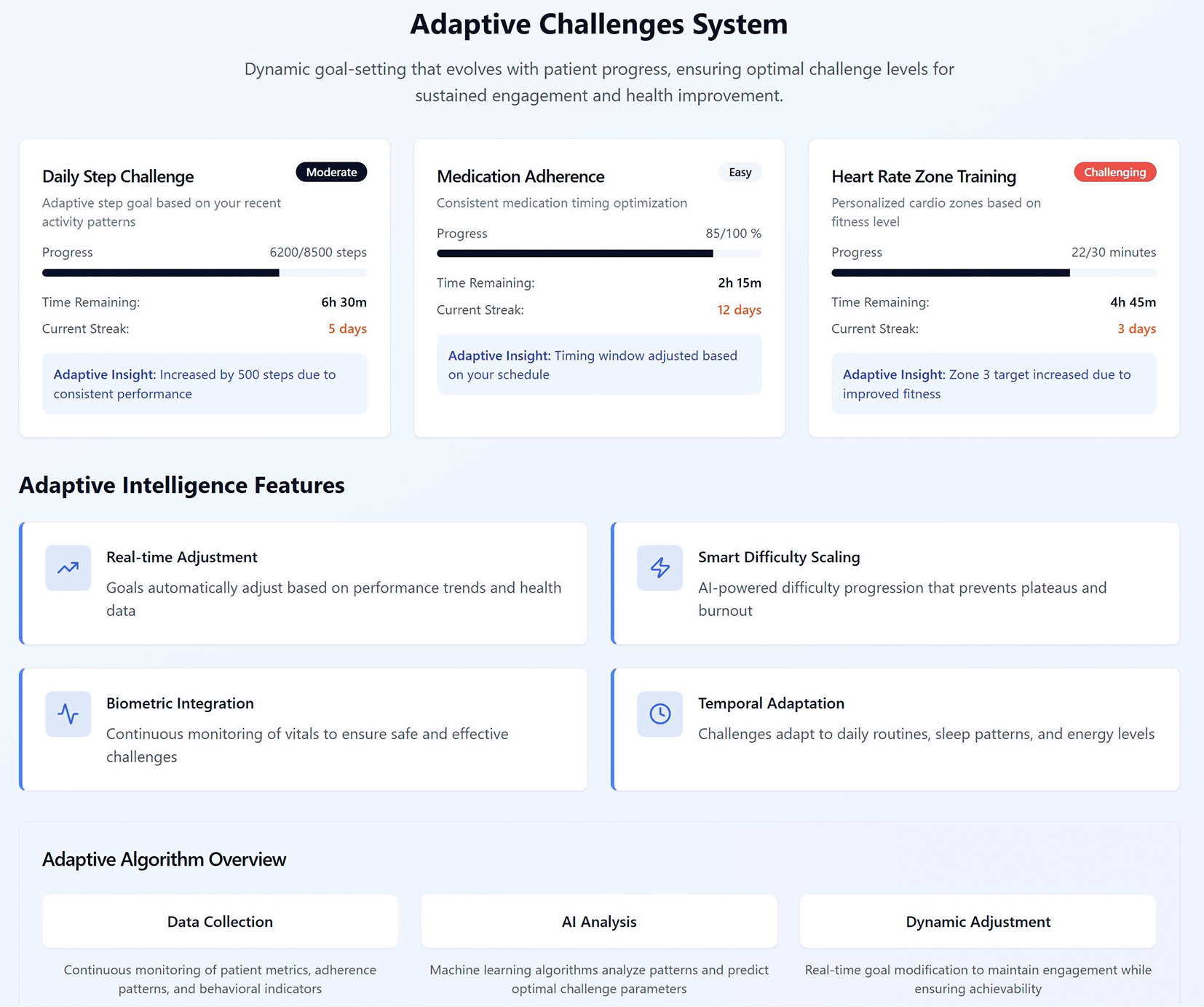
Figure 2 illustrates an example of the adaptive challenge interface designed for the VHC framework. The interface presents three concurrent challenges (daily steps, medication adherence, and heart-rate–zone training), each showing the current difficulty band, progress, time remaining, streak, and an Adaptive Insight that explains any automatic adjustment. Beneath, the Adaptive Intelligence layer summarises how goals are tuned: real-time adjustment from behavioural telemetry; smart difficulty scaling to avoid plateaus or burnout; biometric integration that ingests psychophysiological readings—heart rate and heart-rate variability, resting heart rate, sleep duration/quality, and activity load—to enforce safety and calibrate effort; and temporal adaptation to align tasks with individual routines and energy profiles. Finally, the Data Collection → AI Analysis → Dynamic Adjustment pipeline indicates how continuous data streams inform personalised targets (e.g., step goals rise when recovery markers such as HRV and sleep are favourable, and ease when elevated resting HR or poor sleep signals fatigue; cardio zones are updated from recent heart-rate profiles; medication prompts respect circadian and adherence patterns).
187acbae-b6f2-4258-9ab3-b184057c0aeb_figure2.gif

Figure 2. Adaptive challenge interface design within the VHC framework.

5.1.2 Rewards and incentives

Rewards and incentives are integral to the framework, primarily drawing upon principles from BE to reinforce positive health behaviours. The system incorporates a diverse range of incentives, including points, badges, and milestones, awarded for actions such as consistent medication adherence, achievement of exercise routines, or successful completion of educational modules. Points can serve as a virtual currency, redeemable for in-app benefits or recognition, while badges provide symbolic representations of achievement, fostering a sense of mastery and progress.

Milestones, marking significant achievements or sustained behavioural changes, offer larger, more impactful rewards, reinforcing long-term engagement. The design of these incentives considers the BE concept of present bias, where immediate rewards are often more motivating than delayed, larger benefits. By providing instant feedback and tangible (albeit virtual) rewards, the framework leverages this bias to encourage consistent engagement. Furthermore, the strategic implementation of loss aversion, as discussed in Section 2, can be employed by framing certain rewards as potentially lost if adherence falters, thereby increasing motivation to maintain positive behaviours.

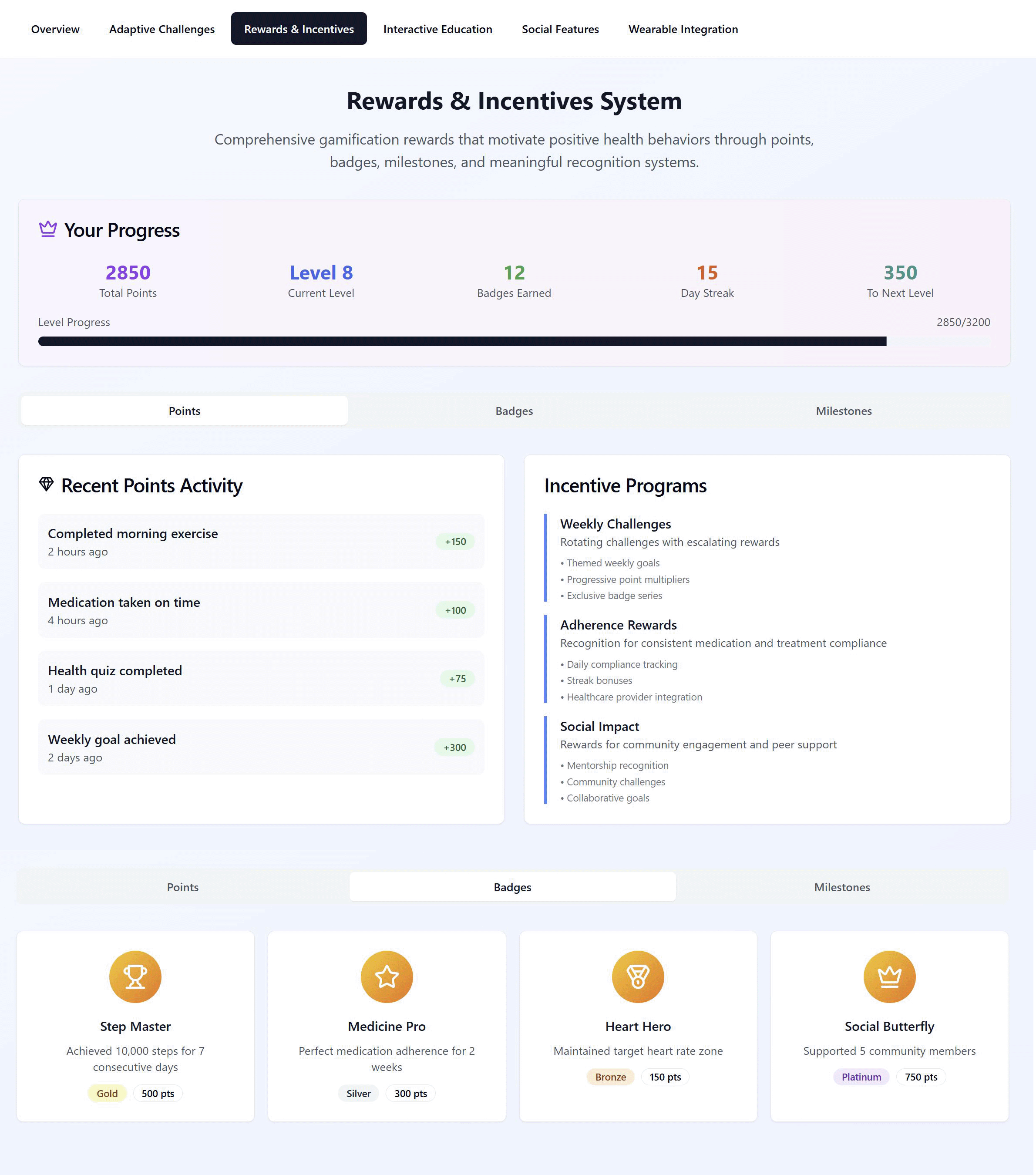
Figure 3 illustrates how the VHC operationalises rewards and recognition to reinforce adherence and activity while personalising incentives to patient profiles. The header band summarises a user’s progression—total points, current level, badges earned, day streak, and progress to next level—with tabs to switch between Points, Badges, and Milestones. The Points view shows a timestamped Recent Points Activity ledger (e.g., exercise completed, medication taken, quiz finished), while Incentive Programmes outline configurable schemes such as Weekly Challenges, Adherence Rewards, and Social Impact. The lower panel displays the Badges gallery, with condition-relevant titles, brief criteria, tiering (Bronze/Silver/Gold/Platinum), and associated point values. Badge rules and point weightings are personalised from patient personas and profiles captured at onboarding (e.g., adherence-focused, activity-builder, community-oriented) and linked to the clinical profile (condition, regimen, goals), so the system emphasises badges most salient to each user (e.g., “Medicine Pro” for adherence, “Heart Hero” for cardio targets, “Social Butterfly” for community support). Awarded badges are written to the user profile (with privacy controls) and can surface across social spaces and clinician dashboards, enabling recognition, role eligibility (e.g., mentor/champion), and condition-specific progression without over-reliance on generic rewards.
187acbae-b6f2-4258-9ab3-b184057c0aeb_figure3.gif

Figure 3. VHC framework’s rewards system design.

5.1.3 Interactive education

Interactive education within the VHC gamification framework transforms passive information consumption into an engaging learning experience. This element directly supports the HBM by enhancing perceived benefits of action and reducing perceived barriers through increased health literacy. Instead of static text or generic videos, the framework employs engaging tools such as quizzes, interactive simulations, and scenario-based learning modules to explain treatment options, disease progression, and lifestyle modifications. For example, a patient with diabetes might navigate a virtual environment to understand the impact of different food choices on blood glucose levels, receiving immediate feedback on dietary choices. Comparable modules can be tailored to other clinical contexts. For neurological conditions such as multiple sclerosis, a fatigue-pacing exercise can ask users to plan a day’s activities under fluctuating energy and heat sensitivity, providing immediate feedback on symptom-flare risk and the effectiveness of pacing strategies. For endocrine disorders, a medication-timing simulation (e.g., for levothyroxine) can demonstrate how dosing in relation to meals or supplements affects hormone control and symptoms, prompting users to establish and rehearse practical routines approved by clinicians. This active learning approach not only improves knowledge retention but also fosters a deeper understanding of their condition and the rationale behind recommended behaviours. By making complex health information accessible and enjoyable, interactive education enables patients to make informed decisions and actively participate in their self-management, thereby boosting their self-efficacy and confidence in managing their chronic condition.

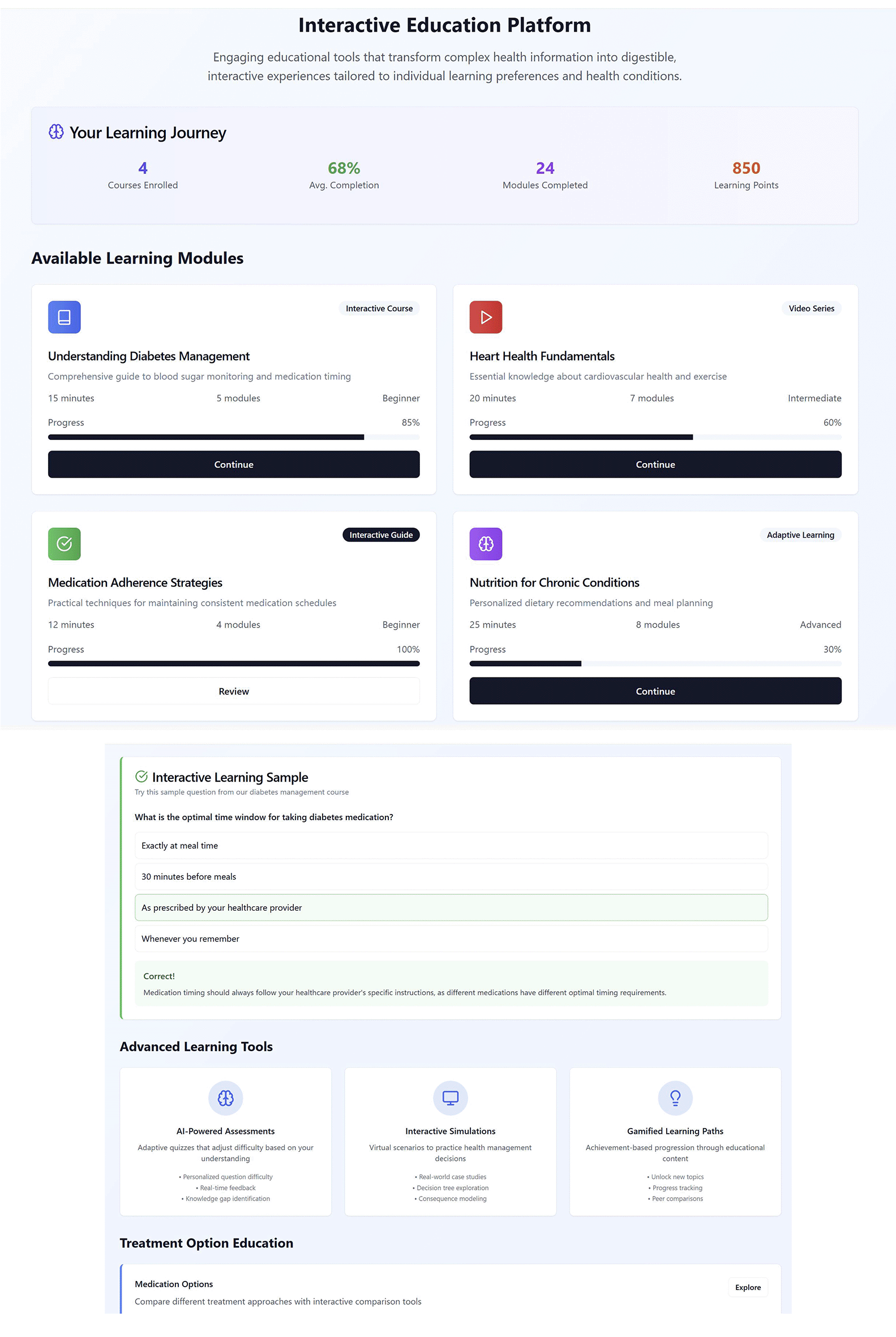
Figure 4 provides a view of an interactive educational module designed for the VHC framework. The module presents a personalised Learning Journey summary (courses enrolled, average completion, modules completed, learning points), followed by a catalogue of Available Learning Modules with type labels (interactive course, video series, interactive guide, adaptive learning), duration, number of modules, difficulty level, and current progress. A live interactive question panel demonstrates immediate correctness feedback with a short rationale, while the Advanced Learning Tools section highlights three engines: AI-powered assessments that adapt item difficulty and sequencing, provide real-time scoring, and identify knowledge gaps; interactive simulations for practising management decisions; and gamified learning paths that unlock content and track progress. Outputs from the AI assessments update the learner model and user profile, which in turn personalise subsequent modules, set appropriate difficulty, recommend next topics, and allocate learning points—ensuring that educational content is tuned to the individual’s needs and can inform tailoring elsewhere in the VHC.
187acbae-b6f2-4258-9ab3-b184057c0aeb_figure4.gif

Figure 4. View of the interactive educational module designed for the VHC framework.

5.1.4 Social features

Social features are integrated into the VHC gamification framework to employ peer-based motivation and support, aligning with the SDT principle of relatedness and aspects of Behavioural Economics. The framework facilitates social interaction through shared challenges, leaderboards, and community forums, allowing patients to connect with peers facing similar health challenges. Shared challenges encourage collaborative goal attainment, fostering a sense of camaraderie and mutual support. Leaderboards, while potentially competitive, can also serve as a source of inspiration and recognition, motivating individuals to improve their performance. Community forums—including closed or private patient groups on external platforms—provide a safe space for patients to share experiences, offer advice, and celebrate successes, creating a supportive ecosystem that reinforces positive behaviours. The social comparison inherent in these features can also leverage BE principles, such as social norms and peer influence, to encourage adherence. However, careful design is necessary to mitigate potential negative effects of competition, ensuring that the focus remains on collective well-being and individual progress rather than solely on comparative performance. These considerations are particularly salient for younger, digitally literate cohorts whose disease stability is pharmacologically maintained yet symptoms persist. Many already draw on closed online peer groups for practical advice and emotional support. Within the VHC, such communities are treated as optional, patient-controlled extensions: users may link participation from approved closed groups (e.g., sharing milestones or receiving prompts) while protecting identifiable data. Moderation, signposting to evidence-based resources, and lightweight misinformation safeguards (e.g., clinician-curated FAQs and content flags) are incorporated to preserve psychological safety.

Figure 5 illustrates the VHC Social Features & Community module. The module opens with a Community Overview that gives a pulse of activity—active members, support groups, active challenges, and weekly interactions—and a tab bar to switch between Community, Challenges, and Leaderboard views. The main pane lists Community Members with role labels (e.g., Mentor, Champion), condition tags, level, last activity, cumulative points, streaks, and helpful-vote counts, making peer expertise and engagement visible at a glance. To the right, three feature cards summarise the social tools: Peer Support Groups (condition-specific, moderated discussions with optional expert Q&As), Collaborative Challenges (team goal-setting, shared progress tracking, and team rewards), and a Mentorship Programme (mentor matching, experience sharing, recognition). A Community Feed at the bottom surfaces achievements and tips with timestamps and simple reactions, supporting lightweight participation and recognition alongside deeper group or challenge activity.
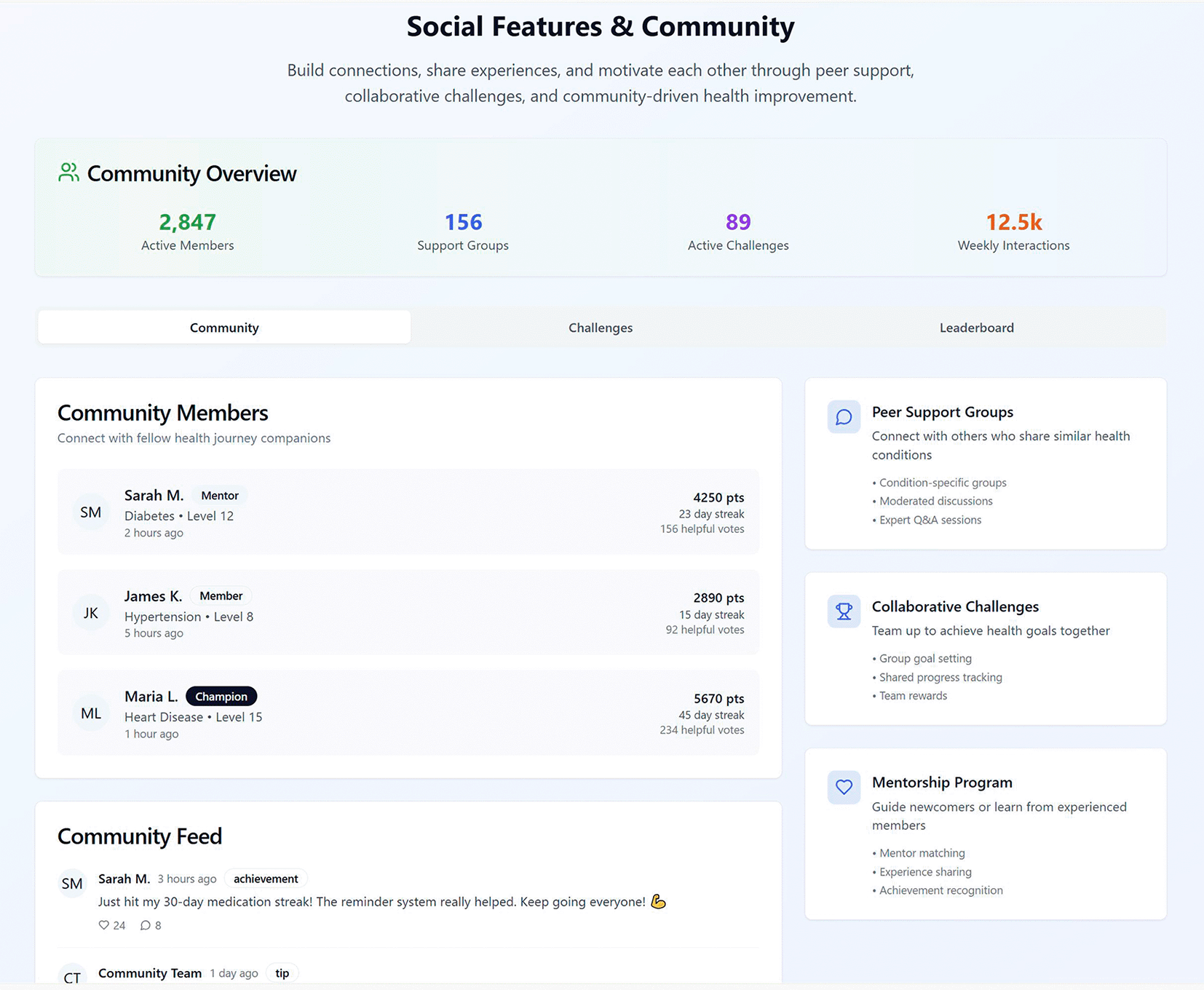
187acbae-b6f2-4258-9ab3-b184057c0aeb_figure5.gif

Figure 5. Social feature designed for the VHC framework.

5.1.5 Wearable integration

Wearable integration is a critical component of the VHC gamification framework, enabling the collection of real-time patient data to provide context-aware feedback and personalise the gamified experience. This element underpins the adaptive nature of the challenges and the relevance of rewards, drawing on the immediate feedback mechanisms highlighted in Section 2. By seamlessly integrating with wearable devices (e.g., smartwatches, fitness trackers), the VHC system can automatically track metrics such as heart rate, sleep patterns, activity levels, and even medication adherence (where applicable).

This continuous data stream allows the system to provide immediate, personalised feedback, such as congratulating a patient on reaching their daily step goal or prompting them to take their medication. The real-time data also informs the dynamic adjustment of challenges, ensuring that the gamified experience remains relevant and responsive to the patient’s current health status and progress. This integration not only automates data collection, reducing patient burden, but also enhances the perceived accuracy and relevance of the gamified interventions, thereby strengthening patient trust and engagement.

Figure 6 illustrates how wearable data is presented in the VHC framework design. The Wearable Integration System shows that the VHC can connect to multiple possible sources, not that a patient would wear two watches at once. The Connected Devices panel lists whichever integrations a user could link—e.g., a Fitbit Sense 2, an Apple Watch, or the iPhone Health app—so patients can use what they already own and switch devices over time. In practice, the VHC designates one primary source per signal and de-duplicates overlaps (e.g., heart-rate/ECG from Apple Watch, steps from Fitbit, medications from the Health app), while displaying connection status, last sync and battery.
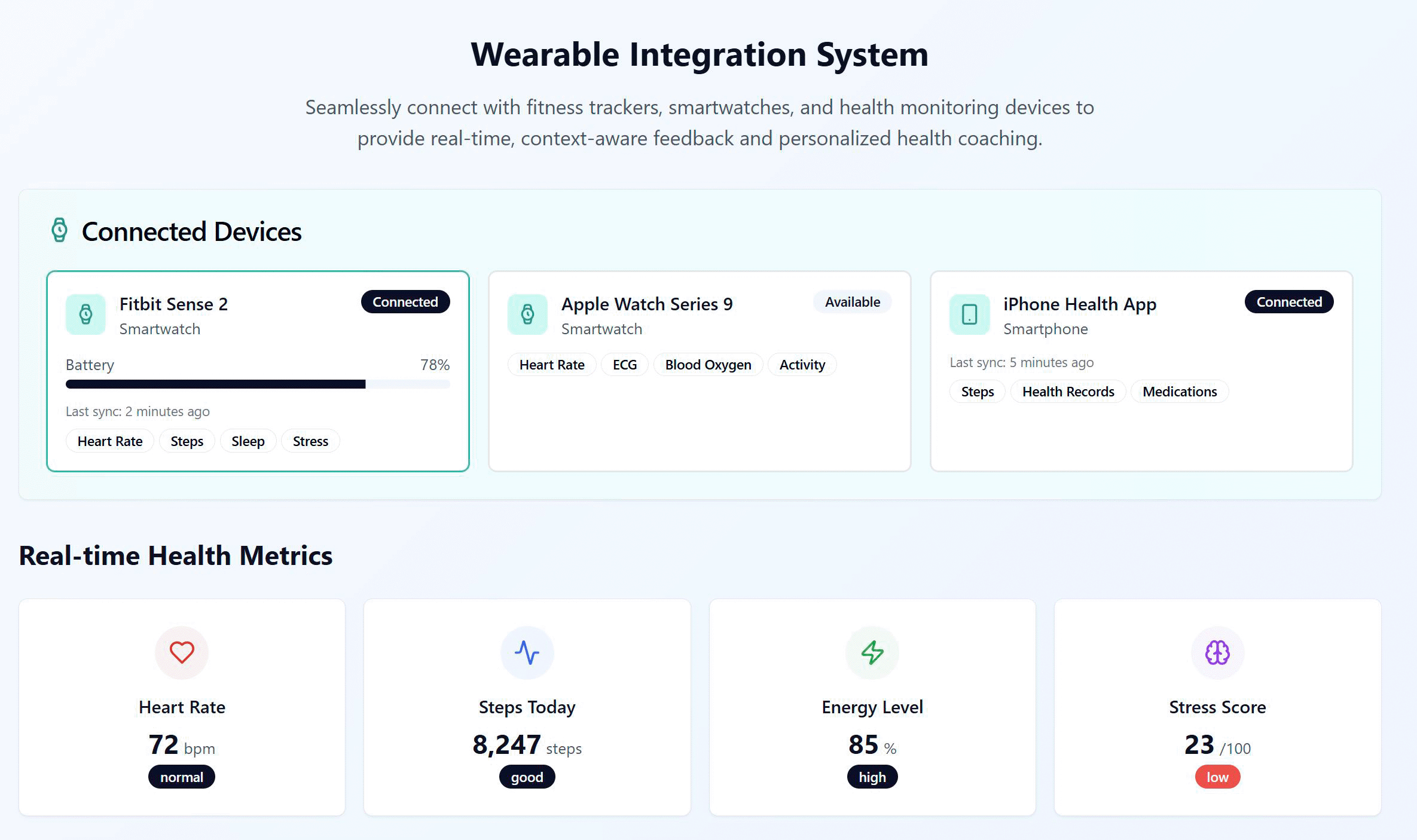
187acbae-b6f2-4258-9ab3-b184057c0aeb_figure6.gif

Figure 6. Wearable data presentation in the VHC framework design.

Beneath, Real-time Health Metrics tiles translate incoming data into interpretable summaries: Heart Rate with a status band, Steps Today, an Energy Level estimate (informed by sleep quality, HRV and resting HR), and a Stress Score (largely HRV-derived). Together these views make interoperability explicit and convert psychophysiological streams into actionable, safety-aware feedback for adaptive coaching.

The aforementioned core elements collectively form a cohesive VHC Gamification Framework, designed to provide a holistic and engaging experience for patients managing chronic conditions. This framework is not simply a collection of different features but an integrated system where each component reinforces the others, creating a powerful motivational loop. For instance, data from wearable devices would update adaptive challenges; successful completion would lead to rewards; and progress could be contextualised through interactive education and, if desired, shared via social features. Our approach addresses multiple psychological needs and behavioural drivers simultaneously in preparation for system implementation. Table 5 maps these VHC framework features to the core theoretical constructs that informed our design.

Table 5. Mapping VHC framework features (Trackwise-Designed) to core gamification theories.

VHC Framework Feature (Trackwise-Designed)Primary Theoretical Alignment (SDT, BE, HBM)Specific Theoretical Construct(s) AddressedIntended Impact on User Motivation/BehaviourExample User-Facing Manifestation in VHC Framework Design
Adaptive ChallengesSDT, HBM, BECompetence, Autonomy, Optimal Challenge (Flow), Reduced Perceived Barriers, Self-Efficacy, Sustained MotivationBuilds confidence through mastery; ensures tasks are engaging; makes goals feel achievable; maintains interest by avoiding stagnation or frustration.User receives an adjusted daily step goal based on the previous week’s performance; the difficulty of a dietary quiz escalates as the user demonstrates enhanced knowledge.
Rewards and IncentivesBE, SDT, HBMImmediate Reinforcement, Present Bias, Competence Feedback, Status Incentives, Cues to Action, Perceived BenefitsProvides immediate positive feedback; makes progress tangible; reinforces desired behaviours; signals mastery of tasks.User earns points for logging medication punctually; unlocks a badge for a 7-day activity streak; achieves a milestone for consistent blood glucose monitoring.
Interactive EducationHBM, SDTPerceived Severity, Perceived Benefits, Perceived Barriers, Cues to Action, Self-Efficacy, Knowledge, AutonomyIncreases understanding of condition and treatment; clarifies benefits of adherence; reduces fear/misconceptions; empowers informed choices.User completes a short, animated module explaining medication mechanisms; engages in a quiz about managing symptoms; accesses tailored tips for healthy eating.
Social FeaturesSDT, BE, HBMRelatedness, Social Comparison, Peer Competition/Collaboration, Social Norms, Social CuesFosters a sense of community and support; motivates through friendly competition or shared goals; normalises healthy behaviours.User participates in an optional team-based step challenge; (anonymously) observes how their activity compares to similar users; shares an achievement badge with a designated support group.
Wearable IntegrationEnabling feature for all theoriesData for Personalisation, Real-Time Feedback, Objective Progress Tracking, Context-Aware CuesProvides objective data for adapting challenges; enables timely and relevant feedback; makes progress visible; triggers context-specific reminders.VHC framework utilises smartwatch data to suggest a brief walk during a prolonged sedentary period; displays a graph illustrating improved sleep quality following adherence to a bedtime routine.

The synergistic interplay ensures that the VHC system can continuously adapt to individual patient needs, preferences, and progress, thereby maximising its efficacy in supporting long-term adherence and improved health outcomes. The framework’s iterative nature, based on continuous data feedback and adaptive adjustments, positions it as a dynamic tool for chronic disease management, moving beyond static interventions to personalised care. This integrated approach aligns with the comprehensive nature of CCM, as introduced in Section 1, by providing a structured yet flexible system for patient support and engagement.

5.2 Specific use cases

The VHC Gamification Framework exhibits a modular design capable of addressing a wide spectrum of chronic conditions by aligning gamified components with the behavioural and self-management demands specific to each disease profile. Although the structural features of the platform – adaptive challenges, interactive education, social features, and sensor integration – remain constant, their implementation is flexibly reconfigured to suit the distinctive therapeutic goals and patient experiences associated with particular pathologies.

The VHC framework is intended for adaptability across various chronic conditions. While the current work focuses on the interactive design stage, future implementation could see specific instantiations for conditions such as diabetes or cardiovascular disease, which are a focus of ongoing TrackWise research. For individuals with diabetes, adaptive challenges within the VHC framework might focus on consistency in blood glucose monitoring and dietary logging, with rewards linked to achieving glycaemic targets. Interactive education could explain the impact of lifestyle choices on HbA1c levels. For patients undergoing cardiac rehabilitation, the VHC framework could set progressive physical activity goals based on wearable data, with social features enabling participation in group walking challenges. The flexibility of the VHC framework’s design allows for tailoring content and challenges to the specific self-management behaviours pertinent to different chronic illnesses. This approach aims to address a limitation of some generic interventions noted in Section 1 and contrasts with certain existing applications reviewed in Section 3 ( Table 2), which may target a single condition with a narrower set of gamified features.

5.3 System architecture for TrackWise

The successful deployment of the VHC Gamification Framework within a real-world clinical setting necessitates a robust and scalable system architecture. For TrackWise, the architecture is envisioned as a multi-layered system, ensuring secure data handling, seamless integration with existing healthcare infrastructure, and a responsive user experience. At the foundational layer, secure data acquisition from wearable devices and patient input forms the basis for all subsequent operations. This data is then processed and analysed by an intelligent backend, which incorporates algorithms for adaptive challenge generation, reward allocation, and educational content delivery. This backend also facilitates the social features, managing peer interactions and community functionalities. A critical component of the architecture is its interoperability with Electronic Health Records (EHRs) and other clinical systems, enabling the seamless exchange of patient data and ensuring that the VHC system complements, rather than complicates, existing clinical workflows. The user-facing application, accessible via mobile devices or web browsers, provides an intuitive and engaging interface for patients to interact with the gamified elements. Security and privacy protocols are paramount, adhering to stringent healthcare data regulations to protect sensitive patient information. The modular design of the architecture allows for future expansion and integration of new technologies, ensuring the long-term viability and effectiveness of the VHC Gamification Framework within the Trackwise ecosystem. This architectural design directly supports the practical implementation of the theoretical principles outlined in Section 2, translating abstract concepts into a functional and impactful digital health solution.

To support the dynamic and personalised nature of the VHC framework’s interactive design, we planned a robust and scalable system architecture within the Trackwise project, in preparation for implementation. A conceptual overview of this planned architecture is presented in Figure 7.
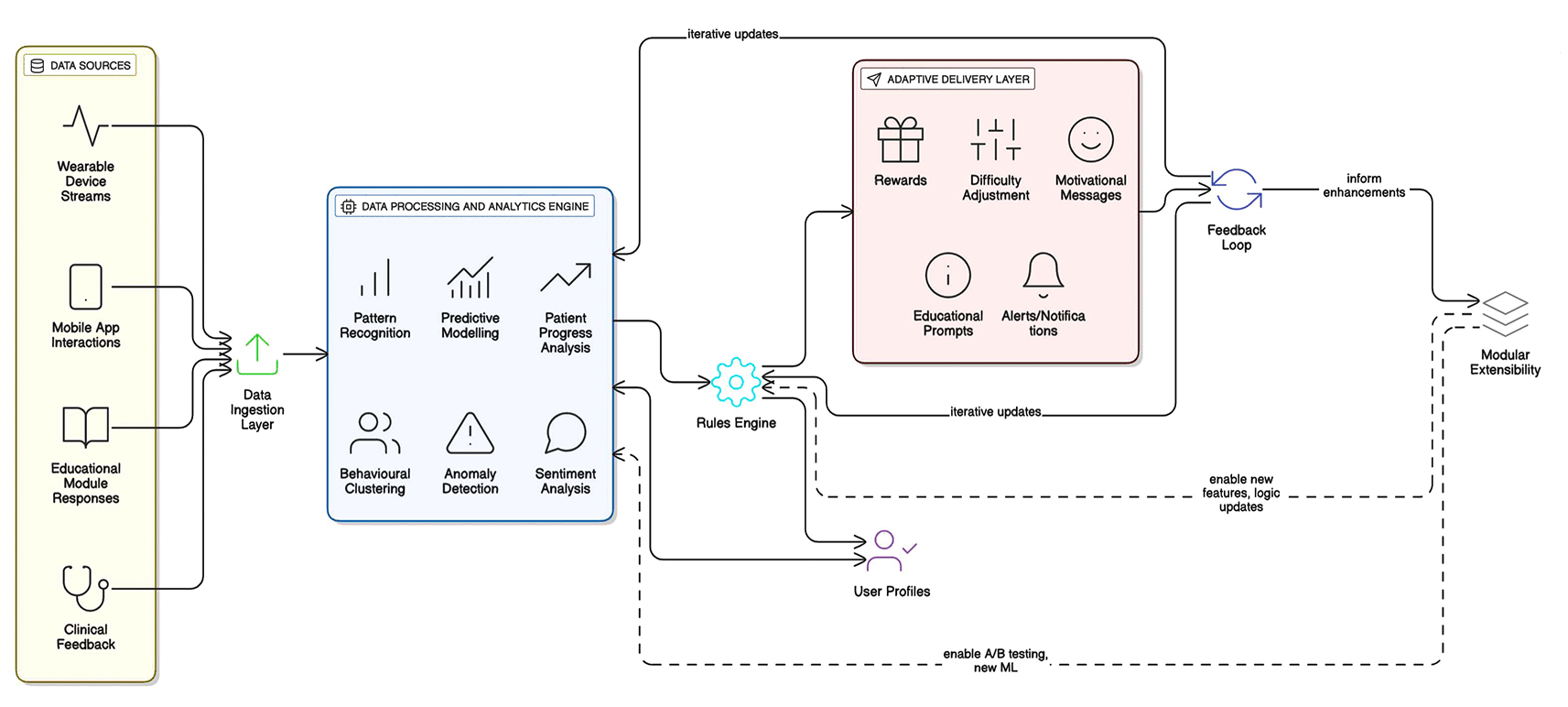
187acbae-b6f2-4258-9ab3-b184057c0aeb_figure7.gif

Figure 7. Conceptual Architecture of the VHC framework.

The proposed architecture comprises several key components. A data ingestion layer would be responsible for collecting real-time information from multiple sources, including user interactions with the eventual mobile application, responses to educational modules, and continuous data streams from integrated wearable devices. This raw data would feed into a data processing and analytics engine. Here, algorithms would analyse patient progress, identify patterns, and trigger adaptations to challenges and educational content. This engine is crucial for implementing the ‘Adaptive Challenges’ feature effectively and for personalising the user experience.

A core component of the planned system is the rules engine, which would embody the logic derived from SDT, BE, and HBM. This engine would determine how and when to deliver rewards, adjust difficulty levels, and provide specific educational prompts or motivational messages based on the user’s profile, progress, and engagement patterns. User profiles would be maintained, storing not only health data and progress but also inferred preferences and motivational states, allowing for increasingly refined personalisation over time. The system is designed to support rapid feedback loops, ensuring that rewards, alerts, and educational content are delivered in a timely manner to maximise their impact, a principle highlighted in Section 2. The architecture is conceived as modular, facilitating future updates, A/B testing of new features, and the integration of more advanced machine learning capabilities for predictive analytics and enhanced personalisation. This iterative design approach, incorporating potential feedback from clinicians, is considered vital for the long-term efficacy and relevance of the VHC once implemented.

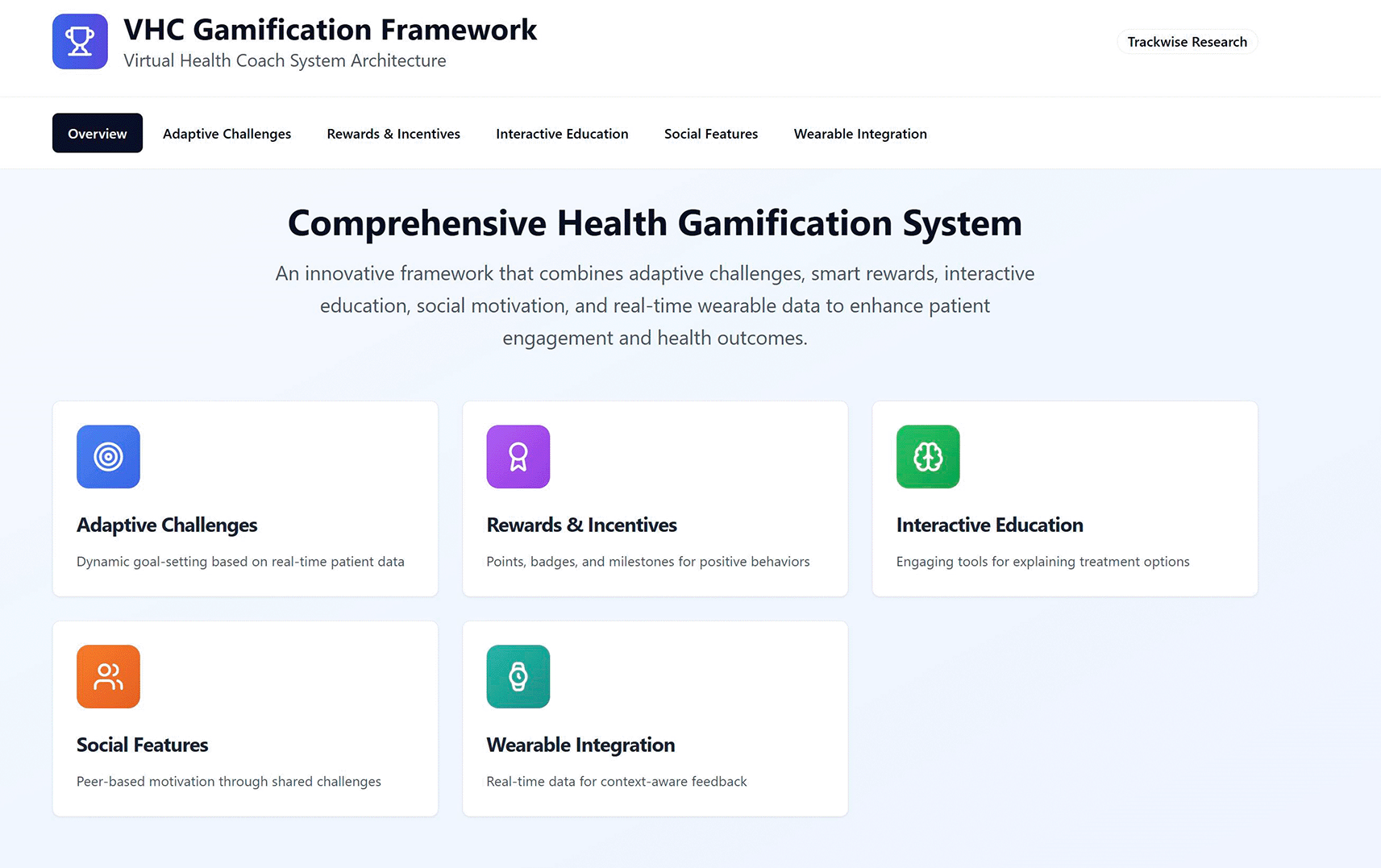
6. Evaluating gamification: Proposed analytics framework

To rigorously assess the VHC system’s gamified approach, a robust analytics framework is essential. This framework presents clear metrics for success, implements comprehensive data collection methods, establishes a continuous feedback loop for refinement, and incorporates validated evaluation models. Together, these components enable an evidence-driven evaluation of both the efficacy and usability of gamified health interventions in the VHC context. The following sections describe each element of the framework in detail.

6.1 Metrics for success

A multi-dimensional set of metrics is used to gauge the success of the gamified VHC. These metrics fall into three broad categories: engagement, health outcomes, and user feedback. Each category captures a critical aspect of the system’s performance, from how frequently and deeply patients interact with the VHC, to the tangible improvements in their health, to their subjective satisfaction and experience.

For each target context, success criteria and thresholds will be co-produced with clinicians and patients and specified a priori in the protocol. This includes the designation of primary endpoints with assessment time-points, the interpretation of secondary and exploratory measures, acceptable burden limits (e.g., notification cadence), and the use of minimum clinically important differences (MCIDs)160 where available. This ensures that evaluation is anchored to outcomes that matter in practice rather than generic engagement alone.

  • Engagement Metrics: These reflect how actively and consistently users utilise the VHC. Key indicators include frequency of use (e.g. log-ins or sessions per week), duration of use (time spent per session or per day), task completion rates (percentage of assigned gamified tasks or challenges completed), and retention over time.

    High engagement suggests that the gamified elements are succeeding in motivating users. For example, in a recent study a gamified digital intervention led to a significantly greater number of logins, mood entries, and follow-up completions compared to a non-gamified version,126 highlighting the impact of game elements on sustained use. Additionally, adherence-related metrics such as medication logging or appointment attendance can be tracked to see if gamification improves commitment to health routines. Consistently high engagement metrics signal that users find the VHC rewarding and are integrating it into their regular self-care activities.

    In consultation with participants and clinical leads, we will agree a priori thresholds for “sufficient engagement” (e.g., minimum weekly sessions, typical session-length range, and a maximum notification cadence to minimise burden). We will also track indicators of burden—attrition patterns, feature opt-outs, and help-request rates—so that engagement is not pursued at the expense of acceptability or safety. These stakeholder-defined thresholds will guide judgements of whether engagement is adequate to support intended clinical and behavioural changes

  • Health Outcome Metrics: Beyond engagement, the goal is to improve patient health. Thus, clinical and behavioural outcome measures are crucial. These include disease-specific clinical indicators (for instance, blood glucose levels for diabetes or blood pressure for hypertension), functional health metrics (such as exercise capacity or symptom severity scores), and general wellness outcomes like quality-of-life indices. Improvements in these metrics reflect the efficacy of the intervention. Many gamified health programs have demonstrated positive outcomes; for example, a majority of studies on gamified rehabilitation report significant improvements in at least one clinical measurement or health indicator.127

    In one meta-analysis of gamified mobile health interventions, participants even achieved an average increase of about 700 steps per day in physical activity compared to controls,128 illustrating how game-inspired motivation can translate into measurable health benefits. The VHC analytics framework therefore monitors relevant health outcomes (e.g. weight, lab results, symptom scales), comparing baseline and follow-up values to evaluate clinical efficacy. Adherence rates (such as medication adherence or program completion rate) are also tracked here as critical outcome proxies, since better adherence often correlates with improved clinical results.

    For each context, primary outcomes and assessment time-points will be agreed with clinicians and patient partners, with interpretation guided by clinically important change where available. Appropriate patient-reported outcome measures (PROMs)161 will capture daily functioning and treatment burden. Safety-relevant outcomes (e.g., adverse events linked to activity or diet prompts) will be monitored throughout and incorporated into evaluation.

  • User Feedback Metrics: The subjective experience of patients is captured through structured feedback and qualitative input. This includes satisfaction ratings, usability scores, and open-ended feedback on the VHC’s content and features. Collecting user feedback via surveys (for example, after a period of use or completion of a module) provides insight into perceived ease of use, enjoyment, and any barriers faced. High satisfaction and positive feedback indicate good acceptability of the gamified approach. Negative feedback or reported frustrations can pinpoint areas for improvement. The framework employs standard user experience questionnaires and custom surveys to quantify this domain.

    For instance, users might rate their agreement with statements about the VHC’s ease of navigation, motivational appeal, and relevance to their health goals. Qualitative feedback (through interviews or free-text survey responses) is also invaluable, often revealing nuanced insights—such as which game elements are most or least engaging—that quantitative metrics might miss. By categorising and analysing user comments, the VHC developers can understand common pain points or popular features from the patient perspective. In sum, user feedback metrics ensure that the gamified intervention remains patient-centred and enjoyable, complementing the objective engagement and outcome data with experiential context. In parallel, we will assess acceptability and trust among patients and clinicians using brief validated instruments and semi-structured interviews. Success thresholds for these domains (e.g., the proportion rating the intervention acceptable/very acceptable, minimum usability scores) will be agreed in advance with stakeholders and used in iteration decisions.

For transparency, success will be judged against stakeholder-defined, context-specific thresholds recorded in the protocol; where available, MCIDs will guide interpretation of change. Table 6 defines the key metrics in each category and notes how the data are obtained. Table 7 maps the core gamification features of the VHC system to the metrics that would evidence their success. This mapping helps in attributing improvements (or shortcomings) to specific design elements – for example, linking the introduction of a new rewards badge to subsequent changes in task completion rates.

Table 6. Key evaluation metrics, their definitions, and data sources in the VHC analytics framework.

MetricDefinitionData source
App usage frequencyHow often the user engages with the VHC (e.g. logins per week).Automated app usage logs
Session durationAverage time spent per session or per day on the app.Automated app timers/activity logs
Task completion ratePercentage of assigned challenges or tasks completed.VHC task tracking database
Retention rateProportion of users continuing use over a given period (e.g. 3 months).User account activity records
Clinical outcomeImprovement in condition-specific measures (e.g. symptom scores, vital signs).Clinical assessments; wearable sensor data; patient-reported outcomes
Adherence rateConsistency in following prescribed health activities (e.g. medication adherence %).Self-reports; device trackers; pharmacy refill data
Quality of life scoreChange in validated QoL survey results (e.g. SF-36 score).Patient-reported outcome surveys
User satisfaction ratingPatient’s overall satisfaction with the VHC (numerical rating).Post-use feedback survey
Usability scoreScore from usability questionnaire (e.g. scale of 0–100).Standardised usability survey (in-app)
Qualitative feedbackUser comments on likes, dislikes, and suggestions.Open-ended survey responses; interviews

Table 7. Gamified VHC features mapped to their corresponding evaluation metrics.

Gamification featureAssociated evaluation metrics
Adaptive ChallengesTask completion rate; engagement frequency; clinical goal attainment (if challenges tied to health targets).
Rewards & IncentivesApp usage frequency; task completion rate; user satisfaction (reward enjoyment); retention rate.
Interactive EducationEngagement duration (time spent in educational modules); knowledge gain (pre/post quiz scores); user feedback on content clarity.
Social/Community FeaturesNumber of social interactions (e.g. challenge invitations, forum posts); retention rate (peer support effect); user satisfaction (sense of support).
Wearable IntegrationData capture rate (days device worn or data synced); real-time feedback provided; improvements in physical activity or other tracked metrics (via wearables).
Progress Tracking & FeedbackFrequency of progress checks by user; goal achievement rate; usability feedback on dashboard usefulness.

6.2 Data collection and analysis methods

To gather and analyse the above metrics, the VHC employs rigorous data collection strategies and analytic techniques.

  • (a) A/B testing: The platform supports controlled experiments by deploying multiple versions of gamified elements to different user groups. This allows the team to isolate the impact of specific features – for example, comparing a points-based reward system versus a badge-based system on otherwise similar user cohorts. By monitoring differences in engagement and outcomes between variant A and variant B, the efficacy of each design choice can be quantitatively evaluated. A/B testing provides high-quality evidence on what works best, ensuring that enhancements to the VHC are data-driven. For instance, if one group’s task completion rate significantly exceeds the other’s when given a certain type of challenge or reward, that feature can be identified as more effective.126

  • (b) Machine Learning for predictive analytics: Advanced machine learning (ML) models are applied to the rich dataset of user interactions and health outcomes to uncover patterns and make predictions. By training on historical usage data, ML algorithms can identify which behaviours or user attributes predict dropout, poor adherence, or successful goal attainment. This enables the VHC to anticipate user needs and intervene proactively. For example, an ML model might learn that a drop in weekly engagement often precedes missed medication doses, and thus flag at-risk users. In one evaluation, researchers were able to predict users’ engagement in specific app activities with over 90% accuracy using gradient-boosted models.129 In the VHC, similar models analyse metrics like recent login frequency, response times, or challenge outcomes to classify users into “engagement phenotypes” (e.g. highly engaged, sporadic, or disengaged) and to forecast future adherence. These predictions inform personalised support: the system can automatically adjust difficulty, send motivational messages, or alert clinicians when a user is likely to lapse. Over time, machine learning continuously improves its accuracy as more data are collected, making the VHC increasingly responsive to individual behaviour patterns.

  • (c) Dashboard visualisation: All collected data – both at the individual patient level and in aggregate – are presented through interactive dashboards. These dashboards serve two main purposes. First, for individual users, a personal dashboard provides real-time feedback on their progress (e.g. showing points earned this week, streaks of goal achievement, or trends in their health metrics). This transparent feedback loop is itself gamifying, reinforcing engagement by celebrating successes and highlighting areas for improvement. Second, for clinicians and administrators, an aggregate dashboard displays key performance indicators across the user population, such as average adherence rates, distribution of engagement levels, and outcome improvements over time. The dashboards are designed with intuitive charts and alerts so that stakeholders can quickly interpret the data. Research in health informatics has shown that well-designed visualisation dashboards reduce the effort and time needed to gather and interpret patient data, decrease cognitive load on clinicians, and improve compliance with best practices.130 In the VHC’s case, the clinician-facing dashboard might highlight, for example, that 80% of patients met their weekly activity goals (up from 60% last month) or that a minority of users show declining engagement, prompting targeted outreach. On both the individual and system levels, these dashboards transform raw data into actionable insights at a glance. They support data-driven decision making: clinicians can tailor their advice during consultations based on dashboard insights, and the VHC development team can spot trends (such as a dip in engagement with a particular game feature) that inform subsequent design tweaks.

All data collection in the VHC framework adheres to privacy and security standards. User consent and data encryption are in place to protect personal health information. Moreover, data is collected passively whenever possible (e.g. automatic logging of actions, wearable syncing) to minimise user burden. By combining experimental A/B tests, sophisticated analytics, and clear visualization, the VHC system not only measures its performance but also creates a continuous evidence base to justify and guide its evolution.

6.3 Feedback loop for continuous refinement

A defining aspect of the VHC analytics framework is the closed-loop system of continuous monitoring and iterative refinement. Data-driven feedback is used to constantly improve both the user experience and the health impact of the VHC. This process is analogous to an ongoing cycle of planning, testing, observing, and updating – ensuring that the intervention adapts over time to optimally meet user needs and clinical objectives. At the core of this loop is real-time monitoring of the metrics described above. The VHC continuously collects engagement data, health readings, and feedback inputs as users interact with the platform in their daily lives. This real-world performance data is invaluable: regulators and experts note that high-quality real-world data enables feedback-led optimisation of digital health tools.131 In practice, the VHC system aggregates this incoming data and evaluates it against predefined thresholds and goals. For example, if a user’s engagement drops below a certain frequency (say, no logins in two weeks) or if their health metrics stagnate, the system flags this for attention.

The next step is analysis and interpretation, which occurs both automatically and through human oversight. The VHC’s analytics engine (including the ML models) interprets the data to generate recommendations – for instance, suggesting that a user who finds current challenges too easy (completing them very quickly) should be given higher difficulty goals to maintain interest, or that another user would benefit from a social support nudge after repeatedly ignoring educational modules. Simultaneously, healthcare professionals linked with the VHC program can review the clinician dashboard and provide their expert input. Clinician feedback plays a vital role in this loop: doctors, nurses, or health coaches review patient progress and can suggest adjustments or identify external factors affecting engagement (such as illness or life events) that the system may not detect. The integration of clinician insight ensures that any changes remain clinically sound and personalised beyond what algorithms alone might achieve.

Based on the combined automated and clinician feedback, the VHC design is refined iteratively. The system might modify the gamification tactics for an individual (for example, switching a user who is unresponsive to points and levels to instead receive more narrative-based rewards or social game elements). At the population level, if certain patterns emerge – e.g. users generally skipping a particular game or reporting confusion with an interface element – the development team will update that feature in the next app version. This agile refinement process happens on a continuous cycle rather than waiting for infrequent major overhauls. Improvements are deployed through app updates or server-side changes, and their effects are then evaluated by the framework in the next cycle of data collection. In essence, the VHC learns from its own performance data: it “listens” to what the metrics and users are indicating, implements changes, and then checks if those changes led to better engagement, better outcomes, or higher satisfaction. Crucially, as shown in Figure 8, this feedback loop also ensures personalisation. Over time, as more data accumulates for a given user, the VHC tailors itself more finely. For instance, continuous monitoring might reveal that a user engages most with socially driven challenges; the system can then prioritise those (and conversely de-emphasise features the user ignores). Personalisation extends to timing (delivering interventions at moments the user is most receptive, learned from past behaviour) and content (adapting to the user’s progress and preferences). This dynamic adjustment process is guided by both machine intelligence and human oversight, embodying a learning health system.

187acbae-b6f2-4258-9ab3-b184057c0aeb_figure8.gif

Figure 8. The iterative analytics cycle in the VHC framework.

User engagement and health data are continuously collected and fed into an analysis engine (including A/B testing results and ML predictions). Insights are visualised on dashboards for stakeholders and combined with clinician feedback to inform design and content refinements. These refinements are deployed in the VHC, influencing user behaviour and outcomes in an ongoing loop.

By adopting continuous improvement, the VHC avoids inactivity and remains responsive to change. This is particularly important in healthcare, where patient populations are diverse, and needs evolve over time. The feedback loop allows the gamified intervention to maintain its effectiveness and user appeal in the long term. Any decline in a key metric triggers investigation and action, while successful new ideas identified through data can be scaled up. The result is a virtuous cycle of enhancement: data begets insight, insight begets design optimisations, and improved design begets better data. The framework thus operationalises a “safe moving target” approach to digital health, wherein the VHC is never static but continuously refined under real-world conditions.131

6.4 Validated evaluation models

In addition to the custom metrics and analytics above, the framework incorporates validated evaluation instruments from the literature. These standardised tools provide an objective benchmark to gauge usability and patient-reported outcomes, enabling comparison with other interventions and ensuring the VHC meets established quality thresholds. Three tools are utilised: the System Usability Scale (SUS), the Patient Activation Measure (PAM), and the mHealth App Usability Questionnaire (MAUQ).

  • System Usability Scale (SUS): The SUS is a widely used ten-item questionnaire that yields a quantifiable usability score for a system. After a period of using the VHC, participants are asked to rate their agreement with statements about the system’s ease of use, complexity, needed support, and confidence in use, among others. The SUS has proven to be a reliable, valid measure of perceived usability across a range of technologies.132 It produces a score on a 0–100 scale; in general, scores above ~68 are considered above average in usability. By administering the SUS, the VHC team can ensure that the gamified application is user-friendly and identify any usability issues that might hinder engagement. For example, if the SUS scores come back sub-par, it would indicate problems like a confusing interface or excessive complexity, prompting a deeper user Interface/Experience (UI/UX) review. In contrast, high SUS scores would validate that the gamification elements and interface design are well-integrated and not causing frustration. Including the SUS also allows comparison to other digital health apps: a recent meta-analysis established normative SUS values for health apps, finding a mean around 76 for mHealth applications.132 The goal for VHC would be to meet or exceed such benchmarks.

  • Patient Activation Measure (PAM): Patient activation refers to a person’s knowledge, skill, and confidence in managing their own health. The PAM is a validated survey tool that assesses these dimensions, typically with 13 agreement statements that sum to an activation score. It is based on the insight that higher patient activation is linked to better health behaviours and outcomes. Using the PAM within the VHC evaluation provides a measure of how the gamified approach may be empowering patients. An improvement in PAM score over the course of the intervention would suggest that the VHC is not only getting patients to play a “game” but also genuinely increasing their self-efficacy in health management. This is an important success criterion: a truly effective health gamification should translate to patients feeling more in control of their condition. Hibbard and colleagues, who developed the PAM, define patient engagement (activation) as a combination of the knowledge, skills, ability, and willingness to manage one’s health.133 By measuring PAM, the VHC can quantify changes in these attributes. For instance, baseline PAM results can be compared to post-intervention results to see if more users move into higher activation levels. The analytics framework might also cross-link PAM scores with usage data (e.g. do highly activated patients use the VHC differently?) to glean insights. If the VHC achieves significant gains in PAM scores, it strengthens evidence that the gamified features are fostering meaningful patient education and motivation, beyond superficial engagement.

  • mHealth App Usability Questionnaire (MAUQ): While SUS provides a general usability score, the MAUQ is a more specialised instrument designed specifically for mobile health apps. It covers domains like ease of use, interface satisfaction, usefulness, and overall user experience with a focus on health context. The MAUQ was developed and validated to address aspects unique to mHealth apps (for example, how well the app supports health self-management tasks).134 Incorporating the MAUQ in the evaluation gives a nuanced appraisal of the VHC’s usability. It can highlight, for example, whether users find the app’s reminders and health data visualisations useful for managing their condition, or whether any technical issues impeded their experience.

    The MAUQ results can be broken down into subscale scores (e.g. “ease of use and satisfaction” and “usefulness” subscales) to identify specific strengths and weaknesses of the VHC design. Because the MAUQ has been tested for reliability and validity in assessing mHealth apps,134 it provides confidence that our usability findings are sound. If both SUS and MAUQ indicate high usability, we have strong multi-faceted evidence that the gamified VHC is user-friendly. Conversely, any low-scoring item on the MAUQ can direct targeted improvements (for instance, if users indicate low agreement that “the app helped me manage my health effectively,” the team knows to investigate that aspect).

Using these validated models complements the custom metrics by providing standard benchmarks and ensuring that the evaluation meets scholarly and clinical expectations. The SUS and MAUQ focus on the usability and user experience – crucial for adoption – while the PAM focuses on the user’s readiness and capacity to self-manage – crucial for long-term outcomes. Results from these instruments will be reported alongside the objective analytics. For example, in reporting the study findings, one might say “The VHC achieved a mean SUS score of 85 (SD = 10), indicating excellent usability, and users’ activation levels improved by an average of 5 PAM points, which is a clinically meaningful gain in self-management capacity.” In this way, the framework not only tracks raw usage and outcome numbers but also situates the VHC’s performance in the context of validated health technology evaluation criteria.

The proposed analytics framework ensures a comprehensive evaluation of the gamified VHC system. By defining clear success metrics for engagement, outcomes, and user feedback, employing rigorous data collection and analysis (from A/B tests to machine learning and dashboards), iterating through continuous feedback loops, and benchmarking against established evaluation models, the framework provides a 360-degree view of efficacy and usability. This approach will enable researchers and practitioners to determine with confidence how well the VHC’s gamification is working, why it is working or not, and how it can be refined to better serve patients’ health. Such a data-driven, iterative approach to evaluation is essential for translating gamified health interventions into real-world clinical gains and sustainable patient engagement.

7. Implications for future research and development

The maturation of gamified healthcare from a promising concept into an integrated clinical reality hinges on a concerted research and development agenda. This agenda must push beyond the limitations of current pilot projects to address three interdependent frontiers. The first is scaling, which involves adapting proven mechanics for a wider spectrum of chronic conditions and ensuring accessibility for diverse demographics, from the elderly to those with low digital literacy. The second frontier is personalisation, where adaptive artificial intelligence can move beyond static rules to create interventions that dynamically respond to a user’s unique motivational phenotype and evolving health status. The final frontier is methodological rigour, requiring interdisciplinary collaboration and patient co-design to close critical evidence gaps, particularly concerning long-term efficacy and the causal impact of specific game elements. The following sections explore each of these crucial directions.

7.1 Scaling gamification in healthcare

Gamified interventions must be scaled beyond pilot projects to benefit diverse chronic conditions and patient demographics. To date, most gamification efforts have focused on a few diseases,10 yet the underlying design principles are broadly applicable. Future research should adapt and evaluate gamification frameworks across less-studied illnesses – —spanning chronic respiratory disorders (e.g., COPD), neurological conditions (e.g., stroke, multiple sclerosis, Parkinson’s disease), and endocrine/metabolic diseases (e.g., bone and calcium disorders, adrenal and pituitary disease)—to determine how game elements should be tuned to each context. Given our expertise as a team in these neurological and endocrine domains, these areas represent pragmatic early targets for translation and evaluation. Early evidence is encouraging and show that gamification is being useful for improving symptom management, medication compliance, physical activity and psychosocial well-being in diseases ranging from cancer to diabetes.10

Likewise, even in traditionally underserved groups like older adults, well-designed gamified apps can enhance technology use and engagement, suggesting these approaches are not limited to “digital natives”.135

Broadening the scope of gamified healthcare will require flexible design templates that separate core game mechanics (points, challenges, rewards) from condition-specific content so that interventions can be efficiently tailored to new populations.

Beyond individual studies, scaling up gamification also entails integrating these tools into mainstream healthcare delivery and reaching larger patient populations. This raises practical considerations for future development. One strategy is to leverage validated gamification models and design archetypes that have proven effective in digital health contexts. By drawing on such frameworks (e.g. established reward systems or motivational mechanics), developers can replicate successful elements across multiple chronic disease programs, accelerating implementation with confidence in their efficacy. Another key consideration is inclusivity: gamified interventions should accommodate varying levels of health literacy, physical ability, and cultural expectations.

For example, interfaces and narratives may need adjustment for elderly users or those with low digital literacy, as highlighted by Minge and Cymek’s findings135 that simplicity and usability are paramount for engaging seniors. Ensuring accessibility (through intuitive design, language localization, assistive features, etc.) will be essential so that gamification can benefit broad patient cohorts rather than a tech-savvy few.136 Ultimately, scaling gamification in chronic care demands not only technical replication of successful prototypes but also close attention to the needs of different patient groups and healthcare settings, from urban clinics to remote telehealth programs.

7.2 Personalisation opportunities through AI

A one-size-fits-all approach to gamified healthcare is likely to be suboptimal, as individuals vary widely in what motivates them.26 This variance creates a rich opportunity for personalisation using AI and adaptive algorithms, which can transform the VHC into a responsive, ‘living’ intervention that progresses with the patient.137 By moving beyond static, pre-programmed rules, AI can directly address the challenge of “gamification exhaustion”,74 a key barrier to the long-term adherence required for chronic disease management.92

To achieve this, the VHC framework can incorporate a multi-layered Adaptive Personalisation Engine (APE). This engine will be designed to operationalise the core behavioural theories discussed in Section 2, ensuring that gamified elements are not just engaging but are also psychologically resonant and clinically effective.

The first layer of the APE is a Patient Phenotyping Module. This module will deploy unsupervised machine learning algorithms (e.g., K-Means clustering) to analyse a patient’s baseline and ongoing data, including wearable device streams, app interactions, and clinical feedback. Its purpose is to identify a patient’s motivational model (e.g., achievement-oriented, social player, or explorer).26 This classification will allow the VHC to adapt the experience to a user’s intrinsic drivers, directly supporting the principles of SDT. For instance, a user identified as high in the need for ‘relatedness’ could be automatically directed toward the VHC’s collaborative team challenges, while a user driven by ‘autonomy’ would be offered more personalised goal-setting features.20

The second layer will be the Risk and Receptivity Forecasting Module. Using supervised learning models like Random Forest or Gradient Boosting, this module analyses longitudinal engagement data to predict the probability of patient dropout or disengagement.129 By identifying at-risk users before they lapse—for example, by detecting a subtle decline in task completion rates or interaction frequency—the system can provide a timely “cue to action,” a core construct of the HBM. The module can also predict moments of high receptivity, enabling the VHC to send motivational prompts or educational content at the optimal time of day for each user.

The third and most dynamic layer is the Intervention Policy Optimisation Module. This decision-making core uses Reinforcement Learning (RL) to learn the most effective gamification policy for each patient over time. The RL agent takes the patient’s current state—including their phenotype from Module 1 and their risk score from Module 2—and selects the optimal gamified action from the VHC’s toolkit (e.g., an adaptive challenge, a specific reward, or a social nudge). This directly enhances the VHC’s core components outlined in section 5.

For the ‘Adaptive Challenges’ feature, the RL agent can implement Dynamic Difficulty Adjustment to maintain a state of ‘flow’, thereby fostering the user’s sense of ‘competence’ as defined by SDT.138 For the ‘Rewards and Incentives’ feature, the RL agent can learn which reward type—points, badges, or loss-framed incentives—is most effective for a given user, applying principles from BE to maximise motivation.23

This AI engine is proposed to operate within a human-in-the-loop model. The outputs and predictions from all three modules are synthesised and presented to clinicians on an intuitive dashboard, which uses Explainable AI (XAI) techniques to make the AI’s reasoning transparent.130 This ensures clinicians can understand why the AI recommends a certain strategy, allowing them to override or refine the AI’s suggestions based on their own expertise and relationship with the patient. This model builds trust and ensures the VHC remains a tool to augment, not replace, clinical judgment.

Future research should focus also on validating these adaptive algorithms in long-term clinical trials. A key frontier is the application of Causal Machine Learning, which moves beyond correlational patterns to determine the actual causal effect of a specific gamified intervention on a patient’s health outcomes, directly addressing the “black box” problem where the causal mechanisms of bundled interventions are unknown.116 Furthermore, to address the privacy concerns detailed in Section 4,66 these AI models should be built using privacy-preserving techniques like Federated Learning, where the model is trained on user data without the raw data ever leaving the user’s device. By combining adaptive AI with robust ethical and clinical oversight, the VHC can deliver truly personalised, effective, and sustainable support for chronic disease management.

7.3 Addressing gaps through interdisciplinary collaboration

While gamification shows promise, there remain important gaps and challenges that future work must address. One of the most significant research gaps is the scarcity of longitudinal studies designed to assess the long-term effectiveness of gamified health interventions as previously discussed in the previous sections. Most existing research focuses on short-term outcomes, which is of limited relevance to chronic diseases that require sustained behavioural change over a lifetime. The novelty of game elements is known to diminish over time, and without designs that mitigate monotony, initial benefits may not be enduring.

Another research gap lies in understanding which specific game mechanics (e.g., points, narratives, social competition) are most effective for which patient populations. To date, gamification studies often bundle multiple elements together, making it difficult to isolate their individual impact and understand the causal mechanisms problem. Future research should employ dismantling studies and adaptive trial designs to determine optimal combinations of game elements for different outcomes. Establishing best practices for health gamification will require more granular evidence base that links specific design features to mechanisms of behaviour change.

Closing these gaps will require interdisciplinary collaboration which make Gamification for health sits at the intersection of medicine, psychology, data science, and design; hence, input from all these domains is needed.139

  • Behavioural scientists140 can ensure that interventions are grounded in sound motivational theory, such as SDT or HBM.

  • Clinicians and medical researchers must be involved to guarantee that gamified tasks align with clinical goals and do not inadvertently overwhelm patients or disrupt established clinical workflows.141 This should explicitly include speciality-specific experts for the target condition to ensure appropriateness, feasibility, and patient safety.

  • Technologists and game designers are needed to build engaging, user-friendly platforms that effectively implement these ideas.142

  • Co-design with patients and caregivers is imperative. Involving end-users in the design process helps ensure the gamified experience is relevant and empowering.143 Jessen et al.,144 for example, demonstrated that a participatory co-design approach yielded insights that improved the usability and satisfaction of a resulting mHealth tool. In practice, this means engaging patients as co-producers from problem definition through prototyping, evaluation, and post-deployment monitoring.

Within this collaborative model, patients are central to all processes, and speciality-specific clinical expertise (e.g., neurology, endocrinology/metabolism, respiratory medicine, rehabilitation) is required to ensure condition-appropriate goals, safeguards, and alignment with care pathways. This collaborative spirit must extend further to anticipate sociotechnical challenges, such as data privacy, integration with electronic health records, and accessibility for people with disabilities and other vulnerable populations. By breaking down silos between fields, future research and development can create more robust gamification frameworks that fit seamlessly into healthcare ecosystems, supported by policymakers and administrators through integration into standard care pathways and reimbursement models. In summary, the next generation of gamified chronic disease interventions will only flourish through rigorous long-term research and a concerted, interdisciplinary effort to merge technological innovation with clinical wisdom and human-centred design.

8. Conclusion

This paper has reviewed the evidence supporting the use of gamification as a strategic tool for enhancing chronic disease management, critically analysing current interventions across conditions such as diabetes, cardiovascular diseases, multiple sclerosis, and chronic pain. Findings suggest that while gamification demonstrates considerable potential in promoting patient engagement and adherence, its clinical effectiveness varies substantially depending on the specific design, target condition, and patient population. The review underscores a crucial gap in long-term evidence, highlighting the need for rigorous, longitudinal studies capable of confirming the sustained efficacy of gamified interventions.

To address the identified shortcomings, this paper proposes the TrackWise VHC gamification framework, integrating key theoretical concepts from Self-Determination Theory, Behavioural Economics, and the Health Belief Model. This comprehensive framework, featuring adaptive challenges, tailored rewards, interactive educational modules, robust social support structures, and seamless wearable integration, represents a strategic advancement over existing approaches. By dynamically responding to patient needs and behaviour, the VHC framework aims to foster sustained engagement, intrinsic motivation, and improved clinical outcomes.

Nevertheless, significant implementation challenges remain, including integration complexities with healthcare infrastructures, patient-specific barriers such as digital literacy and privacy concerns, and the need to balance motivational strategies against user fatigue. These challenges highlight the critical importance of careful, iterative evaluation through a structured analytics framework that measures engagement, health outcomes, and user experience.

Future research should prioritise longitudinal evaluations, refine standardised methods for gamification assessment, and further leverage AI-driven personalisation to enhance adaptive capacities of digital health interventions. Addressing these areas will not only strengthen the evidence base but also ensure gamified health systems effectively meet the complex and evolving demands of chronic disease management, ultimately reducing the global health burden.

Ethics

Ethical approval was not required for this study as it involved no human participants, no human subject data, and no biological samples.

Comments on this article Comments (0)

Version 1
VERSION 1 PUBLISHED 13 Dec 2025
Comment
Author details Author details
Competing interests
Grant information
Copyright
Download
 
Export To
metrics
Views Downloads
F1000Research - -
PubMed Central
Data from PMC are received and updated monthly.
- -
Citations
CITE
how to cite this article
Nasri SAEM, Kavakli-Throne M, Hassan-Smith Z et al. Gamification in digital healthcare: from evidence review to a novel framework for enhancing patient engagement in chronic disease management [version 1; peer review: awaiting peer review]. F1000Research 2025, 14:1396 (https://doi.org/10.12688/f1000research.172599.1)
NOTE: If applicable, it is important to ensure the information in square brackets after the title is included in all citations of this article.
track
receive updates on this article
Track an article to receive email alerts on any updates to this article.

Open Peer Review

Current Reviewer Status:
AWAITING PEER REVIEW
?
Key to Reviewer Statuses VIEW
ApprovedThe paper is scientifically sound in its current form and only minor, if any, improvements are suggested
Approved with reservations A number of small changes, sometimes more significant revisions are required to address specific details and improve the papers academic merit.
Not approvedFundamental flaws in the paper seriously undermine the findings and conclusions

Comments on this article Comments (0)

Version 1
VERSION 1 PUBLISHED 13 Dec 2025
Comment
Alongside their report, reviewers assign a status to the article:
Approved - the paper is scientifically sound in its current form and only minor, if any, improvements are suggested
Approved with reservations - A number of small changes, sometimes more significant revisions are required to address specific details and improve the papers academic merit.
Not approved - fundamental flaws in the paper seriously undermine the findings and conclusions
Sign In
If you've forgotten your password, please enter your email address below and we'll send you instructions on how to reset your password.

The email address should be the one you originally registered with F1000.

Email address not valid, please try again

You registered with F1000 via Google, so we cannot reset your password.

To sign in, please click here.

If you still need help with your Google account password, please click here.

You registered with F1000 via Facebook, so we cannot reset your password.

To sign in, please click here.

If you still need help with your Facebook account password, please click here.

Code not correct, please try again
Email us for further assistance.
Server error, please try again.