Keywords
Psychosocial Predictors, Drug Use Disorders, Secondary School Adolescents, Emotional Neglect, Family Dysfunction, and Parental Substance Abuse

This article is included in the Addiction and Related Behaviors gateway.
Psychosocial Predictors, Drug Use Disorders, Secondary School Adolescents, Emotional Neglect, Family Dysfunction, and Parental Substance Abuse
Substance use disorder among adolescents has always been a public health concern in any epoch or setting and, though greatly differential regarding their prevalence, patterns of use, and progression to disorder by cultural, socioeconomic, and policy contexts (Tabish, Syed, Syed, & Shah, 2015; Volkow & Blanco, 2023). A multi-level country income comparison corroborates findings that emotional neglect within the broader context of ACEs and family dysfunction, coupled with parental substance use, raises the vulnerability of youth to substance use and subsequent SUD during adolescence. Initiation of substance use is generally early in a pathway that contains peer pathways, mental health comorbidity, and academic as well as family stress, moving from experimentation to problematic use, and sometimes even clinical disorder (Belfiore et al., 2024; Kelly, Weier, & Hall, 2018). The Global synthesis reiterates the salience of the family and home environment as a foundation in the basic etiology of adolescent risk behavior. Drawing on theoretical models from family systems theory and ecological approaches, dysfunction in the family-inadequate communication, and conflict, as well as less parental control-provides greater access to substances and weaker protective responses during the stage of adolescence have been articulated. Empirical work has once again validated these theoretical constructs wherein parental behaviors, family structure, and quality of caregiving emerge as strong predictors of youth substance-related outcomes across different cultures (Menon, 2024; Mnyamana, 2023).
Much of the world’s literature has documented how emotional neglect and broader ACEs later impact substance use (Grummitt, Barrett, Kelly, & Newton, 2022; Kiburi, Molebatsi, Obondo, & Kuria, 2018). Meta-analytic syntheses and large cohort studies clearly affirm that what happens when neurodevelopment and the regulation of stress are interfered with by exposure to childhood adversity increases the motivation for coping through substance use, making pathways to dependence more readily available. Meanwhile, parental substance use transmits across several channels, including standard setting of behavior, genetic vulnerability, diminished supervision, and family dynamics in flux, increasing the probability not only that youth will experiment with substances but also move toward problem use. Cultural and regional proof also fills this global picture. In high-income areas, many years of study shape school- and family-based prevention plans with universal lessons and parent-focused help showing clear gains in lowering risky acts (Riley, Nauer, & Godwin, 2025). In low- and middle-income countries and Sub-Saharan Africa, growing data sets point to the mix of fast urban growth, changing social rules, and current economic strain as context boosters of risk (Dodman, Leck, Rusca, & Colenbrander, 2017; Leck et al., 2018). In these places, family setting and caregiver health stay key, but tracking problems last, stressing the need for culture-checked tools and locally-led reads of risk and strength.
Psychosocial predictors of drug use disorders among secondary school adolescents in Africa is an increasing concern that calls the attention of researchers and policymakers (Jumbe et al., 2025; Sanni & Aransi, 2020). It is the social environment through through the influence of peers, adolescents develop attitudes toward drugs. Secondary school youths are pressured by several forces to take up an experimental attitude towards drug consumption. Familial factors include parental supervision and communication about drug use in determining whether an adolescent will decide on substance usage (Nawi et al., 2021; Rusby, Light, Crowley, & Westling, 2018). In some African communities, the absence of conversations on the dangers of drugs leads to teenagers experimenting with drugs. Mental health problems also precipitate, and the categories include adolescents, and the two most common conditions are anxiety and depression (Olofsdotter, Vadlin, Sonnby, Furmark, & Nilsson, 2016). This gives a predisposition toward developing a drug use disorder. Cultural beliefs and societal norms about drug use also compound the situation since in some communities, certain substances are considered acceptable or used traditionally (Peters, 2019; Usoro, Ononokpono, Ette, & James, 2018). Another major factor is exposure to the drug itself, where children in urban areas have more access than their counterparts from rural setups.
The educational institution is an important determinant since schools with comprehensive education on drugs will be able to reduce the risk of students falling victim to substance abuse (Ponsford, Melendez-Torres, Miners, Falconer, & Bonell, 2024). Also, the shame of having a problem with goes can stop teens from getting the help they need, making the drug use issue go on. Help from both sides of the mind and drug access at the community level are key to building safe places for youths. Culturally fitting tactics that take local context into account when dealing with youth drug use in Africa are pushed by worldwide scholars (Banda, Banda, Banda, Mwaene, & Msiska, 2024; Ugor & Mawuko-Yevugah, 2016). The knowledge of psychosocial predictors is very crucial in the prevention and intervention programs that will eventually work out for reducing drug use disorder among secondary school adolescents across the continent. This has to start with raising support at home, schools, and community-based activities for building environments that encourage youths to make better choices on health matters.
Psychosocial predictors of drug use disorders among secondary school adolescents in West Africa have increasingly attracted the attention of researchers and policymakers (Jumbe et al., 2025; Kugbey, 2023). Social influences, mental health, and environmental factors intricately interact in determining adolescent behavior in this region. For example, as a psychosocial factor, peer pressure largely compels adolescents to try drugs so that they can be accepted by their peers. Easy availability of substances within local communities increases the risk factor for drug use. It is easier in urban areas where access is made available. Family dynamics are also significant predictors, also families with conflict and insufficient support, adolescents in such families are more likely to participate in substance use (Quinde Reyes et al., 2025). Conditions of mental health, particularly depression and anxiety, can predispose adolescents toward drug use. They may use substances as a means of coping. Besides, cultural orientation concerning the usage of substances varies across different societies within some West African countries. In certain communities, the usage of particular drugs might be normal or even viewed as glamorous.
Education has a major role in lowering these risks. Schools are sites for the implementation of drug education programs, which will make students aware of the dangers involved with substance use. The community must work because, through their local leaders and organizations, they help in building an environment that discourages drug use and encourages healthy lifestyles. Socioeconomic factors also influence adolescents’ vulnerability to drug use disorders. For instance, they stay in poverty and at the same time lack access to resources. Therefore, scientists from around the world underscore an imperative demand for comprehensive approaches that would embrace such a variety of psychological predictors. Approaches that could be comprehensive in the multifaceted nature of the problem of drug use disorders would be useful in reducing their prevalence among adolescents in West Africa. In general, such collaboration will work between family, school, and community to build up resilience and healthy choices of secondary school students.
Much attention has been attracted by psychosocial predictors of drug use disorders among secondary school adolescents in global research (Sanni & Aransi, 2020). Such predictors involve different social, psychological, and environmental factors that may influence the propensity of an adolescent toward substance use. Historical evidence indicates the fact that relationship dynamics between Peer, Family, and School Environment of adolescents largely govern their behavior orientation toward drug-related activities (Miller-Day, Alberts, Hecht, Trost, & Krizek, 2014). Studies have proven that peer pressure is the strongest psychosocial predictor; in most cases, adolescents yield to it because their immediate peers compel them to do the same for acceptance, thus leading them to initiate drug use. Other familial factors that include as parental control and communication, greatly weigh in on the decision of an adolescent. Results of studies indicated that families who provide more avenues for support to adolescents are less likely to make adolescents develop a problem with a drug usage disorder (Whitesell, Bachand, Peel, & Brown, 2013).
Depression and anxiety are also important psychosocial predictors, and adolescents experiencing these disorders may try to self-medicate with drugs, thus placing them at risk for developing substance use disorders (Holborn, Schifano, Smith, & Deluca, 2025; Turner, Mota, Bolton, & Sareen, 2018). The socioeconomic status of a family is also related to drug use behavior. More stressors in low socioeconomic families precipitate the use of substances as a means of coping. The psychosocial predictor has underscored the role of school climate, and any institution where there are favorable conditions and support from resources for mental health, it will mitigate the risks of students taking drugs substantially. The view toward substance usage varies from one culture to another, thus affecting adolescents’ perceptions and behavior on drugs (El Kazdouh, El-Ammari, Bouftini, El Fakir, & El Achhab, 2018; El Khoury, Noufi, Ahmad, Akl, & El Hayek, 2019). Rising availability of drugs in different areas has also been connected to increasing rates of usage among adolescents. Comprehending these psychosocial predictors is essential for creating successful prevention and intervention strategies. By tackling the root social and psychological factors, communities can strive to lower drug use disorders among secondary school adolescents, thereby promoting healthier outcomes (Onyenwe, Onwumere, & Odilibe, 2024; Petersen et al., 2016).
Emotional neglect has very deep effects on mental health and well-being, most victims find it difficult to forge positive relationships later in life if they had undergone emotional neglect during childhood (Algahtani, 2020; Wilk, Starowicz, Szczecińska, & Budziszewska, 2024). Its symptoms are very soft and subtle; parents and caregivers easily miss or overlook them. Victims of emotional neglect feel love and attention starved, also it can be as harmful as physical neglect. Therapy is also a very effective treatment for people trying to recover from the effects of emotional neglect. Once the genesis of emotional neglect is known, a person avoids repeating the same mistakes by fostering better relationships; meanwhile, emotional neglect breeds feelings of loneliness even when many people surround you (Wojtyna & Gierczyk, 2024). Take steps to recognize its impact on your life. Support groups will make it easier for people to talk about their experiences with emotional neglect since children grow up to be adults who find it difficult to express their feelings. There should be mass education on the symptoms and effects of emotional neglect. Some of the apparent symptoms include inadequate support and validation. Recovery from such a form of abuse requires, most of the time, patience and a lot of self-inflicted love dwellings (Engel, 2023). Raising this type of issue about emotional neglect will create an understanding community that is more involved; getting to address or recognize any form of emotional neglect would also be very instrumental in building up emotions.
Poor communication and unaddressed conflict are the surest symptoms of dysfunction; also, many families have boundary issues, thereby setting feelings of resentment and frustration (Bokharey, Fahim, & Tahir, 2021; Nangia, 2023). Children become victims of emotional neglect in such families, which later manifests in their self-esteem and social development. Such a family also tends to practice unhealthy coping mechanisms; however, when brought to conscious awareness, it can be rectified through intervention therapy and learning how to relate positively. These are nuclear family dynamics that play out with long-term effects that weigh heavily on an individual later in adult life. Parents may show inappropriate behavior not purposely, but regularly enough to ensure the running of dysfunctional patterns from one generation to another (Ozturk, 2022). The recovery process and breaking such cycles can only be achieved through candid conversations. A support group would go a long way in providing resources for an individual amidst family dysfunction. Common experiences lay the foundation for comprehension and healing, and restoration of trust needs time and investment from all the members of a dysfunctional family. New traditions go a long way in making a home feel like home, but this very issue must be addressed because it brings better health to the whole family by creating better, supportive relationships within the family, with effort with diligence, families thrive.
Much has been noted regarding the emotional and psychological impacts of parental substance abuse on children. In fact, most children of parents who are substance users develop behavioral problems (Smith et al., 2016). It is, therefore, imperative to have support systems for families where one or both parents indulge in substance abuse; such a system would ensure the flow of support needed for recovery. Schools have a critical role to play, as they are potentially the best institution equipped to identify children whose lives may be impaired by their parents’ use of substances (Smith et al., 2016). Evidence from studies proves that early interventions yield better results when such circumstances prevail in households. Such community programs have some positive effects toward reducing harm from parental substance abuse by supporting families through open discussion that will reduce stigma and encourage seeking help (Wolfson, Schmidt, Stinson, & Poole, 2021). While treating the parents’ addiction, mental health professionals underscore that attention should also be given to matters relating to children’s interests and understanding cycles of addiction so that intervention can break family chains. Many organizations raise awareness about the impacts of children by parental substance abuse, and these prevention programs can sensitize parents about the dangers of using substances and the effects that it has on their families. Through therapy and counseling, families will be assisted in beating the challenges of addiction in a family setting (Patterson, Williams, Edwards, Chamow, & Grauf-Grounds, 2018). Policy changes will advocate for the support systems that assist such families dealing with the problem of substance abuse on a wider scale. The pain remains; if not treated, it has time to settle deep inside emotionally. Researchers have studied studying on about long-term impacts when one spends childhood years in an environment of addiction over decades. In return, the community gives love; families thrive and heal after parental substance abuse.
This increasing prevalence of drug use disorder among secondary school adolescents in Abuja has raised a great concern that calls for urgent public health intervention. In many cases, emotional neglect within the family setup fails to instill sound psychosocial development in youths and renders them vulnerable to substance abuse (Rahimi & Shooli, 2024). This dysfunction in the family structure through syndromes of poor communication and support gives room for isolation and desolation in homes; therefore, it increases more chances of taking drugs. Parental substance abuse is another big predictor since children most probably imitate the habits of their caregivers; thus, to them, drug use seems normal. All these psychosocial factors appear dynamically related in a causality web that guides adolescent decision-making relating to drugs (Icenogle & Cauffman, 2021). Hence, understanding these predictors would be extremely useful in designing culturally relevant preventive interventions specific to Abuja through an investigation into the complexities within family dynamics and emotional well-being by researchers. Improving family relationship interventions and emotional support may reduce the risk of drug use disorders. A call for comprehensive research on these issues will better inform stakeholders on how to inculcate better resistance among adolescents toward substance abuse. In the long run, it is what will ensure better futures for young Nigerians and their counterparts elsewhere.
The psychosocial predictors of drug use disorders among secondary school adolescents in Abuja, Nigeria, are very important in discussing appropriate intervention strategies. Emotional neglect largely contributes to the mental health outcomes of adolescents; therefore, they may be inclined toward substance abuse as a coping mechanism (Sun, Liu, & Yu, 2019). The family shares some level of dysfunction because there is inadequate communication and support within the family setup. This sits well with literature that narrates how children internalize the same behaviors that their parents perpetuate when under the influence. This study will prompt parents, teachers, and policymakers to understand the value of promoting supportive family environments. The community can help in the mitigation of factors by which pathways lead to drug use disorders through emotional neglect (Grummitt et al., 2022). A good understanding of the dynamics of family dysfunction inspires school administrators to implement family therapy programs in schools. Prevention is discovered when awareness about the effects of substance abuse on parents is raised; thus, school campaigns against at-risk families will be promoted. It develops local knowledge and at the same time further widens global discourse about adolescent mental health and their level of substance use. Stakeholders will be able to prioritize specific mental health initiatives according to the challenges Nigerian adolescents are facing through the examination of these psychosocial factors. The study can also inspire future research by providing a basis for comparison between different cultural contexts; however, improving the well-being of adolescents in Nigeria is highly significant, as drug abuse among this demographic group needs to be minimized.
1. To assess the prevalence of drug use disorder among secondary school adolescents.
2. To evaluate the relationship between emotional neglect and drug use disorder among secondary school adolescents.
3. To examine the relationship between dysfunctional family relationships and drug use disorder among secondary school adolescents.
4. To explore the relationship between parental substance abuse and drug use disorder among secondary school adolescents.
1. What is the prevalence of drug use disorder among secondary school adolescents?
2. What is the relationship between emotional neglect and drug use disorder among secondary school adolescents?
3. What is the relationship between dysfunctional family relationships and drug use disorder among secondary school adolescents?
4. What is the relationship between parental substance abuse and drug use disorder among secondary school adolescents?
The Descriptive Cross-Sectional research design was used for this study. This is because it appropriately fits into the plan of an investigation of psychosocial predictors of drug use disorders among secondary school adolescents in Abuja, Nigeria. The snapshot perspectives allowed information at a single time to be collected regarding emotional neglect, family dysfunction, and parental substance abuse. A great deal of information was provided quickly in cross-sectional studies on the involved variables, which thus allowed comprehensive analysis (Maier, Thatcher, Grover, & Dwivedi, 2023). The study design is also very effective for association and pattern-seeking; hence, facts about effects can be drawn rather easily.
The study on psychosocial predictors of drug use disorders among secondary school adolescents in Abuja, Nigeria, adopted a quantitative approach. Measurable data on emotional neglect, family dysfunction, and parental substance abuse were obtained. An analysis of how prevalent and correlated these factors are can be structured to provide statistical evidence for any possible intervention suggested. In addition, such an approach permits comparison between different demographic groups, making findings generalizable. The strength of a large sample size lies in its ability to apply statistical analysis, therefore increasing the reliability of the results obtained. Quantitative research allows the investigator to discern tendencies and trends that may otherwise never surface in qualitative approaches (Dehalwar & Sharma, 2024).
The total population of this study is 965 secondary school students in public and private secondary schools within Abuja, the Federal Capital Territory of Nigeria, representing diverse socio-economic backgrounds. The adolescents aged between 13 and 19 years are attending selected secondary schools in Abuja.
The sample size of 275 was obtained utilizing the Cochran formula of sample size determination.
A multistage sampling technique was adopted and used as a very potent method through which researchers can draw samples that are adequately diversified and representative. The first stage involved a listing of all public and private secondary schools in Abuja with the help of the Ministry of Education. Researchers stratified schools by district and type (public/private), randomly selected proportionate to their representation in each stratum so as to ensure representativeness. Within each school, stratification by class level (Junior Secondary School 1-3, Senior Secondary School 1-3) was undertaken for Class selection; random selection of classes from every level was done. Students in selected classes were selected through systematic random sampling.
The instrument of data collection was a self-developed, adapted questionnaire, and they are the Childhood Trauma Questionnaire (CTQ) for Emotional Neglect Subscale, the Family Assessment Device (FAD), and the Parental Substance Abuse Checklist (adapted). The Childhood Trauma Questionnaire (CTQ) Emotional Neglect Subscale was very pertinent to any study that wishes to assess how emotional neglect has its effects on adolescents in their psychosocial development. Therefore, the Family Assessment Device (FAD) was also instrumental. It is through an adequate understanding of the interplay between emotional neglect and family dysfunction with parental substance abuse that these tools assist in comprehending how this finally weighs in on the behavioral outcome of adolescents.
The instrument for data collection was validated by 5 experts, 3 Medical doctors, and 2 secondary school teachers. They validated the instrument for clarity, applicability, and format, and they made changes where necessary. The final version of the instruments reflected their suggestions.
A pilot study was conducted outside the study population, and the Childhood Trauma Questionnaire (CTQ) for Emotional Neglect Subscale yielded 0.760, utilizing Cronbach’s alpha. The Family Assessment Device (FAD) and the Parental Substance Abuse Checklist (adapted) (Amente & Tefera, 2021).
This data was analyzed using descriptive statistics, which are very important in knowing the prevalence of the outcomes studied and the demographics of the participants. Through this basic data, insight was gained into what general characteristics made up that population. Such an intensive level of data analysis has become possible thanks to tools suitable for that level of evaluation, available in SPSS version 25. These analytical methods further enhanced the understanding of the research questions.
Figure 1 shows the questionnaire response rate. A total of 275 questionnaires were sent to both male and female secondary school students; a 100% response rate was achieved as all questionnaires were filled and returned on the same date.
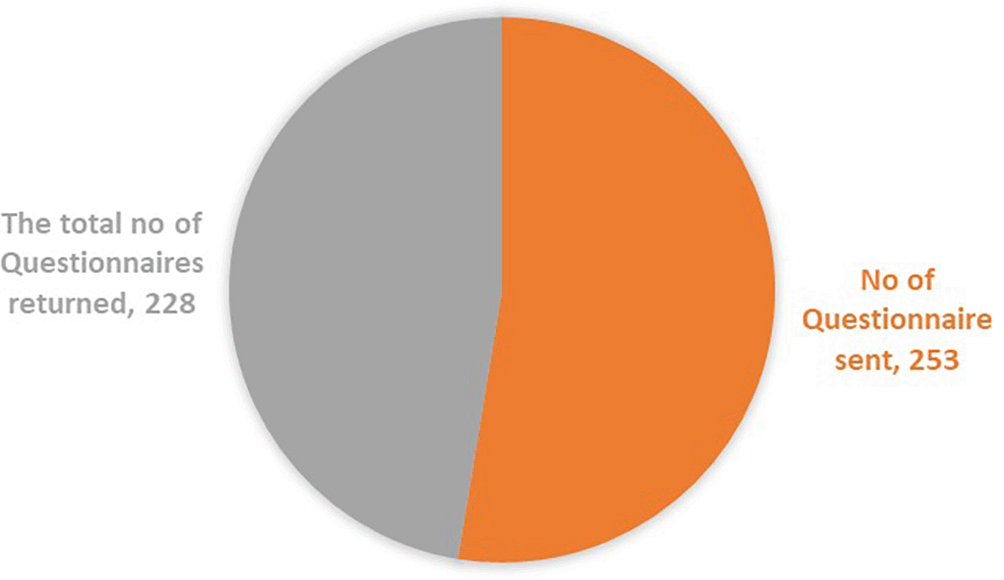
Figure 2 shows the total number of participants who participated in the study. A total of 135 males and 93 females given a total of 228 participated in the study.

Table 1 showed that the mean age of the respondents was 15.23 years, with a standard deviation of 0.994, where most of them (69.8%) were between the ages of 13 and 15 years. Just above eighteen, only 0.4% were above this age; more females responded, making up 53.8% compared to males at 46.2%. About a quarter of respondents, or more precisely-25.8%, have two siblings, and another quarter, 24.4%, have three siblings. A striking majority reported their father being alive-accounting for about 93.8%-and only a minority who reported that their father is deceased, just as less as 6.2%, and also most fathers fall in the tertiary level in education because relatively likely higher education has been completed by roughly about four-fifths or specifically eighty point four percent among men, Maternal living status has been found positive in a supportive family environment since ninety-seven point five percent report their mother alive. The highest educational level of mothers also tilted toward tertiary education. 83.3% had attained this level of education. These demographic characteristics are very instrumental in gaining insight into the social background of the participants, which can variably influence different aspects of their lives.
Research Question One. What is the prevalence of drug use disorder among secondary school adolescents?
The prevalence of drug use disorder among secondary school adolescents
Table 2 reveals that there has not been a day in the past year when they drank more than a few sips of alcohol; 84% responded. 16% said there were days when they drank more than just a few sips. 98.5% have not used marijuana or synthetic marijuana in the past twelve months; only 1.5% ever used such substances. An equal number, 1.5%, tried illegal drugs or medications in the past year; otherwise, all answered no when asked about other substances to get high with. 91.3% do not vape or smoke traditional tobacco products, which is a massive avoidance of nicotine. Also, 8.7% use vaping devices or tobacco on some days. This would, therefore, mean that there is a low trend of consumption of both alcohol and drugs by most of the adolescents who have chosen to stay away from usage. This suggests a greater awareness of the health implications now, and that is information which scientists can use in further deep analysis of what factors are influencing such choices in relation to public health.
Research Question Two. What is the relationship between emotional neglect and drug use disorder among secondary school students?
The relationship between emotional neglect and drug use disorder among secondary school students
Table 3 shows that the relationship between emotional neglect and drug use disorder among secondary school students is terrifying. A huge number of students said that they feel loved only sometimes or often in their childhood, with 58.2% saying they felt loved very often. In addition to this, the data reveals that a shocking 48.4% were helped by someone to feel important very often. The dynamics of the family also matter, with 61.1% of students saying their families watch out for them very often. This shows how much emotional development depends on such support, but the strength of the feeling is not consistent with how close families are, 62.2% who feel that their family was close to each other very often. Strength and support from families, very often were also noted by 68.4% of the respondents, which might lessen the risk factors for getting into drug use disorders. This data just speaks volumes about how much low emotional neglect, 66.9% of students fall under, which gives an impression of supportive family environments. But since 32.7% of the students were at moderate levels of emotional neglect, a great population is still at risk. Therefore, it inspires researchers around the globe to study more about the relationship between emotional neglect and vulnerability to adolescent substance abuse. The dynamics that will be discovered can serve as a preventive measure and support system.
Research Question Three. What is the relationship between dysfunctional family relationships and drug use disorder among secondary school students?
The relationship between dysfunctional family relationships and drug use disorder among secondary school students
Table 4 shows that the overall family dysfunction score provides very significant insights about the familial relationships observed in this population. Only 5.1% reflects high family dysfunction, meaning it is not a pervasive problem. On the other hand, moderate family dysfunction has a significantly higher percentage of 79.6%; hence, more common problems exist in most families that account for challenges of such a level. Low dysfunction is reported by 15.3% of families, indicating healthier dynamics; hence, extreme dysfunction is not typical but rather found with challenges at moderate levels, whereby intervention could be beneficial. The information can be used by scholars from all over the globe in creating programs for improving family dynamics by providing specific support targeting this category, and thus functionally improving the general well-being of the family through an understanding of these dynamics for the mental health worker to assist families. Teach and promote healthy communication and conflict resolution strategies for the reduction of dysfunction rates. In the end, healthy interventions of family dysfunction at varying degrees can produce a healthier, stronger, and more resilient family unit across cultures and communities.
Research Question Four. What is the relationship between parental substance abuse and drug use disorder among secondary school students?
The relationship between parental substance abuse and drug use disorder among secondary school students
Table 5 shows that in the last three months, 61.1% of parents had not used any substances, and only 18.9% said they had used them once or twice. This shows a large majority of parents who do not seem to be suffering from major problems related to substances or symptoms of dependence, which means low parental substance abuse in this sample. There has been an established trend of some parental involvement with substances because several indicators portray their use as frequent, accompanied by craving, and also hurting the family system. Much has been the youth’s report of some degree of parental substance use, with many indicating that it happens on a monthly or more frequent basis. In numerous cases, parents demonstrated continuing urges or cravings that caused concern within the family. The results of this parental use were widely reported and included such diverse issues as health problems, social problems, legal problems, and financial problems. Also, parents frequently failed to meet the standard to which they were supposed to perform, notwithstanding their substance use. There was also great external, friends’, and relatives’ concern about parental substance use, which shows the level of burden families are put through. In total, though the majority of parents might not want to accept the involvement with substances, from different patterns of use, the effects cannot go unnoticed.
The result shows that there has not been a day in the past year when 84% of secondary school adolescents drank more than a few sips of alcohol, which already speaks for a significant trend toward abstaining from alcohol consumption. 16% answered that there were days in which their intake exceeded just a few sips; therefore, while most are confirmed to be abstainers, a minority exhibit drinking behaviors. It supports the claim with an impressive number: 98.5% of adolescents have not used marijuana or synthetic marijuana within the last twelve months to continue extending such remarkable avoidance of these substances. Only 1.5% admitted to having used marijuana; this is proof enough that adolescent drug use has been decreasing in recent study periods. The same 1.5% said they tried illegal drugs or medicines during the past year, and this raises questions about how easy it is to get these things and what teens think about them (Thompson, 2020). A huge 91.3% of people do not vape or smoke normal tobacco products, which is a big avoidance of nicotine and backs up the idea that teens are more and more aware of the health risks from smoking (Boyd, 2024). Still, some use shows that while total use is low, there may be small groups of occasional users who need to be looked at more closely (Castelpietra et al., 2022). This data could signal a cultural wave toward healthier lifestyles by showing that most adolescents do not take up the consumption of either alcohol or drugs; thus, they might be part of a larger picture (Fernández-León, Lima-Serrano, Fagundo-Rivera, & Martínez-Montilla, 2025). Contrasting findings in other studies reveal that peer pressure and social environment significantly influence adolescent drug usage;; thus, not all youth are immaculately sanitized from such pressures (Masresha, 2021). This finding tallies to assess the prevalence of drug use disorder among secondary school adolescents, since it is true that vast majorities worth noting are choosing to abstain from substances (Menbere, 2024). The issue is still hot in a discussion between factors that influence adolescent substance use by global researchers, and education or awareness on preventive measures against drug use.
Feelings of love are reported by a large number of students during their childhood, and 58.2% said they were very often loved. This supports the research study, which found that emotional support in the formative years reduces the risk of any disorder developing later in life associated with drug usage (Forrest, Gibson, Halligan, & St Clair, 2018). Results also indicated that help was received by 48.4% of students, often helping them to feel important, thus further validating the notion of how important emotional validation from family or mentors is to adolescent development (Yu et al., 2019). Apparently, the dynamics within families have a great influence on emotional well-being since 61.1% of students noted that families look out for them very often-an indicator of a protective factor as regards to emotional neglect. The emotional strength of familial bonds does not always run on the same line as the strength of support, such as the 62.2% who said their families are close to one another very often. This inconsistency goes a long way in expressing how complex family dynamics can play on one’s emotional health since 68.4% of students have reported strong support from families, which may lower risks related to drug use disorders. The data is indeed informative because it reflects that there is low emotional neglect by families toward students with a figure standing at 66.9 percent and, therefore, indicating positively about strong support from families (Ban et al., 2025). However, this figure sits at moderate levels of emotional neglect for 32.7% of students and raises an alarm regarding the availability of different degrees of support for adolescents. This disparity strongly calls for specific interventions in cases related to emotional neglect that raise higher substance abuse rates among youth (Schaeffer, Swenson, & Powell, 2021).
The results show that the overall family dysfunction score provides very significant insights about the familial relationships observed among secondary school adolescents. High levels of dysfunction were noted in only 5.1% of families, signaling that extreme dysfunction cannot be considered a prevalent issue among this population. The disparity between these numbers and the high moderate family dysfunction, 79.6% speaks volumes about problems within the country’s families that may eventually build up minor teenage habits related to drug use. Low dysfunction was reported by 15.3% of families, indicating better conditions that could protect their teenagers from falling into substance abuse. All these reflect what has been established in earlier works: there is a very direct relationship between family setup and behaviors of teenagers, especially in matters relating to drug abuse (Saladino et al., 2021). This contradicts an argument advanced by a study that says the effects of family dysfunction on drug use have been overrated, and it is peers who exert the most influence (Leonard et al., 2015). The evidence goes a long way in supporting the notion that moderate dysfunction may create such an environment for vulnerability in adolescents toward drug use, since they may use substances as solace to cover up matters of their family, therefore what intervention strategies would reduce this risk, when incorporated with healthy communication and conflict resolution between families.
The result reveals that, during the past three months, a large 61.1% shares indicates no use of any substance by parents, hence an inference of low recent parental substance abuse in this sample. The results are consistent with other samples where majorities were found maintaining abstinence from any form of substance and this could contribute positively to adolescent well-being (Eddie, Bergman, Hoffman, & Kelly, 2022). However, it should be noted that 18.9% of parents who have used substances one or two times fall within the risk category as most usage starts happening more frequently from occasional usage. Also, though most parents seem to be controlling their use, there is an established trend of involvement with substances that can damage the family system. These results confirm previous studies that indicated the consumption of substances by the parents of adolescents as a source of health, social, legal, and financial problems-considering raising concern for adolescents (Kovachka, 2019). Other studies, however, found that in all cases, the use of substances by parents does not necessarily yield negative outcomes for adolescents. However valid this may be, the internalized pain that families go through when friends and relatives have so many extraneous concerns to express about their substance use by parents speaks volumes. Though the results obtained indicate low major parental substance abuse, complexities remain, especially regarding the effects that minimal usage can have on adolescents.
The study shows a low trend of substance use, meaning to say that many young people have inculcated the dangers of taking alcohol or drugs to their health. This increasing consciousness can be attributed to the influence of educational programs and community activities toward making the right choices. The results further emphasize the value of emotional support in families since the lack thereof seems to be a major factor that drives adolescents toward vulnerability to developing substance use disorders. The family dynamic relationship with adolescent behavior indicates a strong requirement for intervention targeting both emotional and psychological matters within a family unit. Also, scholars globally can use this information to study how parental substance abuse makes their children more likely to use drugs in the future, and healthy parental roles are emphasized. Knowing these psychosocial predictors will allow researchers to design comprehensive programs that will enhance family functioning as an effort that eventually leads to less risk of adolescent substance use. More importantly, addressing family dysfunction with a community support system improves the general well-being of adolescents. In return, it helps prevent substance abuse while creating healthier familial relationships for better mental health in the future. This study found and established the influence that parental substance use has on adolescents in Abuja, Nigeria. Major dimensions were emotional neglect and family dysfunction. The findings also confirm earlier revelations of the dire effects of this parental usage on families through health, social, legal, and financial problems. Most parents do not fulfill the ideal requirements, even though they try to fight against substance use. This impedes children’s normal emotional development. The concern that friends and relatives express over a parent’s substance usage indicates the burden that families carry, which precipitates stress and family dysfunction. Also, even though most parents might want to deny their relationship with the substance, different patterns of use do strain the children. This study, therefore, advocates that in the quest to reduce psychosocial factors related to drug use disorder among adolescents, family training on how to avoid emotional neglect should be emphasized.
The results show a low trend of alcohol and drug consumption among those adolescents who have opted to abstain from these substances. This means that young people are getting increasingly aware of the health risks that substance use carries. Education initiatives and public health campaigns might be responsible for creating this awareness if they were effectively communicated. The motivation factors that drive adolescents’ decisions can help in the development of targeted prevention strategies. A support system that incorporates emotional support may reduce or preclude substance abuse significantly. The study could also initiate a partnership treatment plan between mental health practitioners, teachers, and policymakers to share insightful information concerning emotional well-being that would help establish more supportive conditions for adolescents. This study is also meant to be an impetus to propel the rest of the global research population into placing this issue at the very top of their agenda - resilience building and healthy developmental outcomes among young people worldwide. Also, the results of this study can be used by scholars in different parts of the world to design family dynamics improvement programs. Mental health professionals should use specific support to meet individual family needs to enhance the total well-being of a family. Healthy communication and conflict resolution strategies that will reduce the rate of dysfunction should be promoted. Practitioners need sensitivity factors in assisting healthy family dynamics. Family interventions at different levels of dysfunction yield positive results across cultures and communities. Therefore, there should be a call for international cooperation in conducting such studies and sharing best practice insights by incorporating cultural sensitivity into family support programs that will continuously assess and modify these programs to fit changing family needs. Promoting families’ mental health contributes to resilient communities all over the world. Finally, the results of this parental use were, of course, extensively recorded, revealing a host of very serious health problems, social problems, legal and financial problems. Even though they were using substances, most parents failed to fulfill the expectations of their roles. There is also an enormous discrepancy between responsibility and actual behavior. This highlighted concern among friends and relatives underscores the immense burden that families have to carry in such situations. While many parents would love to deny or actually do deny involvement with substances, the effects are real and substantial. Therefore, scientists must analyze how parental substance use impacts family dynamics and child development from multifaceted perspectives. Consciousness will help in matters concerning intervention and support systems for these issues.
Major limitations of this study of psychosocial predictors of drug use disorders among secondary school adolescents in Abuja, Nigeria is that this study relied upon self-reported data, with all the imprecision and inaccuracies in response by adolescents regarding their actual levels of drug use and dynamics within their families that this entails. This, too, was a cross-sectional study; hence, it cannot prove that neglect or dysfunction within a family or parental substance abuse causes drug use disorders to develop. Also, the sample size may not typify all adolescents in Nigeria since it was drawn from a particular geographic area within Nigeria, and generalizability of results to other areas remains an open empirical question. Cultural factors that were not fully addressed in the analysis may also constitute limitations as they relate to interpreting psychosocial variables under such a situation. This study does not have longitudinal data through which changes over time in the behavior and experiences of the adolescents under consideration could be observed. Also, the tools for assessment may not cover all of the pertinent psychosocial factors. Thus, an incomplete picture of the problem is revealed. While revealing, focus on specific predictors may leave out other important factors that are responsible for drug use disorder in the youth. There might have been underreporting because of the strong possible stigma regarding drug use and family dysfunction; however, results can never be termed accurate when there has been underreporting. Lastly, even as the study informs well, it calls for further studies on such predictors in varied settings and populations so that an equally robust conclusion can be drawn.
The psychosocial predictors of drug use disorders among secondary school adolescents in Abuja, Nigeria, presented a dynamic relationship between emotional neglect, family dysfunction, and parental substance abuse. The studies may consider to research on the effects of emotional neglect on the esteem of such adolescents and their decision-making processes about drug usage. Thus, an investigation into how family dysfunction affects peer relationships will provide more information on the social influences that youths have on substance usage. On this point, studies on parental substance abuse could also reveal intergenerational addiction patterns and coping strategies. Therefore, future research should look for longitudinal designs that can trace changes in these variables over time to determine their relationship with drug use behavior. Only such diversity among participants from different socioeconomic classes can generalize the findings. Indigenous community-based collaborative research initiatives are encouraged to design culturally sensitive interventions. Very useful would be the application of qualitative methodologies, for example, through interviews and focus groups, to better understand the subtle experiences of adolescents going through such challenges.
This research, titled “Psychosocial Predictors of Drug Use Disorders among Secondary School Adolescents in Abuja, Nigeria: The Role of Emotional Neglect, Family Dysfunction, and Parental Substance Abuse,” was approved on 16/06/2025 with the approval number: FHREC/2025/01/178/16-06-25 by the Federal Capital Territory Health Research Ethics Committee (FCT HREC).
After being briefed about the research by the researchers, a written informed consent form was issued to the students, of who they are between the ages of 13 and 19 years. Those above 18years signed a written informed consent form, while those below 18 years had their parents/guardians sign the written informed consent form to enable them to participate in the study.
| Views | Downloads | |
|---|---|---|
| F1000Research | - | - |
|
PubMed Central
Data from PMC are received and updated monthly.
|
- | - |
Provide sufficient details of any financial or non-financial competing interests to enable users to assess whether your comments might lead a reasonable person to question your impartiality. Consider the following examples, but note that this is not an exhaustive list:
Sign up for content alerts and receive a weekly or monthly email with all newly published articles
Already registered? Sign in
The email address should be the one you originally registered with F1000.
You registered with F1000 via Google, so we cannot reset your password.
To sign in, please click here.
If you still need help with your Google account password, please click here.
You registered with F1000 via Facebook, so we cannot reset your password.
To sign in, please click here.
If you still need help with your Facebook account password, please click here.
If your email address is registered with us, we will email you instructions to reset your password.
If you think you should have received this email but it has not arrived, please check your spam filters and/or contact for further assistance.

Comments on this article Comments (0)