Keywords
Cauda equina syndrome, Back pain, Emergency medicine, Trauma and Orthopedics, Neurology, Medicine

Cauda equina syndrome, Back pain, Emergency medicine, Trauma and Orthopedics, Neurology, Medicine
Cauda Equina Syndrome (CES) presents a complex clinical picture, characterized by compression and disruption of the sacral and/or lumbar nerve roots, resulting in a spectrum of debilitating symptoms.1 Recent advancements in our understanding of CES pathophysiology have shed light on the multifactorial nature of this condition. It is now recognized that CES can arise from various etiological factors, including intervertebral disc herniation, spinal stenosis, tumors, infections, and trauma. This broader understanding underscores the need for a nuanced approach to diagnosis and management.1–3
CES manifests with a diverse array of symptoms, ranging from lower back pain and sciatica to saddle or genital sensory disturbances, bladder and bowel dysfunction, motor weakness, and loss of sensation in the lower extremities. These symptoms serve as red flags for healthcare providers, signaling the urgent need for timely intervention to prevent irreversible neurological damage.1,4,5
The gold standard diagnostic tool for CES is magnetic resonance imaging (MRI), which enables visualization of the compression and structural abnormalities affecting the cauda equina nerve roots.6 However, despite the availability of advanced imaging modalities, diagnosing CES remains challenging, often resulting in delays in treatment initiation. Studies have shown that the average time to diagnose CES can exceed several days, emphasizing the need for improved clinical awareness and diagnostic algorithms.7
The management of CES encompasses a multidisciplinary approach, involving neurosurgery, orthopedics, urology, and rehabilitation specialists. Early surgical decompression is necessary to alleviate neural compression and restore neurological function. However, the optimal timing and surgical approach remain topics of debate, with conflicting evidence regarding the efficacy of emergent versus delayed interventions.8
Existing literature on CES management highlights the importance of a holistic treatment strategy that addresses not only the neurological deficits but also the psychosocial impact on patients’ quality of life. Rehabilitation interventions, including physical therapy and bladder management programmes, play a crucial role in optimizing long-term outcomes and minimizing disability.6
Despite the progress in diagnostic techniques and therapeutic interventions, challenges persist in the timely recognition and management of CES, particularly in the context of District General Hospitals (DGHs). This study aims to identify the shortcomings and barriers encountered in CES management at a London DGH, with the goal of implementing quality improvement initiatives aligned with current guidelines and best practices. By addressing these challenges head-on, we strive to enhance the quality of care and outcomes for patients with CES in our healthcare system.
This cross-sectional study was conducted in the Trauma & Orthopaedics department in a London DGH. It was developed following new Getting it Right First Time (GIRFT) recommendations. GIRFT is a national program aiming to streamline clinical practices to improve patient outcomes. The pathway includes a protocol which allows for standardization across trusts in achieving timely diagnosis and management of CES. It includes clear guidance from presentation in primary care and triaging symptoms, to prompt and focused investigations in secondary care, including urgent MRI imaging and referral to specialist spinal services. The study aimed to assess the time-frames in which patients in a DGH were assessed and investigated for CES through their journey in hospital, and whether thorough work-up was carried out. This study was conducted over a period of six months from January to June 2023.
The sample population included the patients admitted to the DGH Accident and Emergency department with suspected CES during the described time period. Patients were included in the study if they were documented to have “query Cauda Equina Syndrome” on A&E assessment, underwent examination and relevant investigations and were discussed with neurosurgical department at a tertiary hospital via Patient Care System (PCS) portal.
Patients for whom CES was not a differential diagnosis, for example who were admitted with back pain only and who did not have any of the above work-up for potential CES were excluded from the study.
Once relevant patients were identified for the study following the above inclusion criteria, electronic patient records (EPR) were evaluated (iCare documentation is used in our DGH). Data regarding the following variables were systematically collected - number of patients who underwent neurological thorough examination in A&E (also including perianal sensation examination specifically), whether post-void bladder scans were conducted, time of request and time of completion for MRI and the duration of hospital stay. Response time from specialists following referral to spinal services was also assessed. Following collection, data was analysed using Microsoft Excel and converted into graphical data. Data will be made available on request. If you would like the research data for this paper, please do not hesitate to contact the corresponding author.
Overall Data was processed to assess whether thorough and timely assessments for possible CES were carried out.
The initial cohort was made up of a total of 37 patients with 8 (21.6%) being male and 29 (78.4%) being female. The results were presented at Lewisham & Greenwich Trauma and Orthopaedics mortality and morbidity meeting (M&M).
A thorough neurovascular examination is a key part of the investigation process. This includes assessment of power, tone, reflexes and sensation of lower limbs (Figure 1).9–11
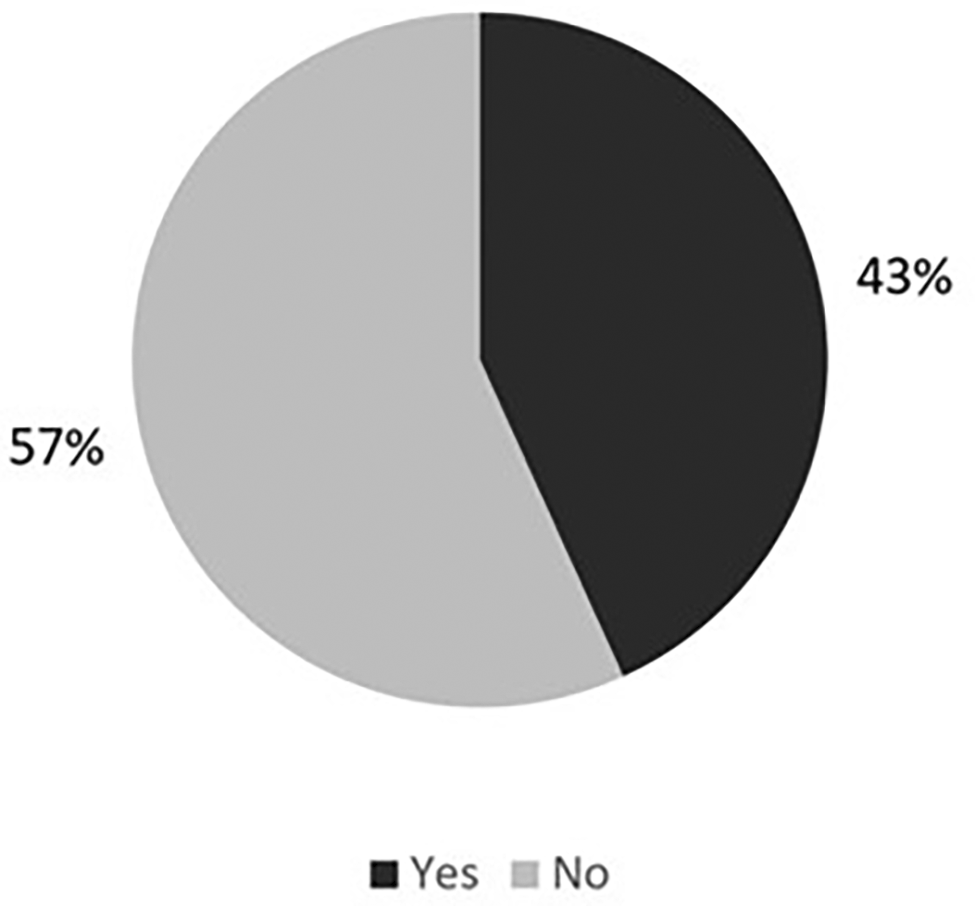
This figure represents the percentage of patients who received a comprehensive neurovascular examination upon admission. Over half (57%) of patients did not undergo a full neurovascular exam, highlighting an area for improvement in CES diagnosis.
In CES bowel and bladder dysfunction means there is a loss of muscle function and sensory innervation of perianal skin. As such a crucial element of the assessment includes a digital rectal exam and assessment of perianal sensation.1,4,5
To fully assess possible bladder dysfunction, bladder scans assessing any residual urine in the bladder pre and post void, are also key in identifying the diagnosis of any potential nerve damage.
Despite MRI of the lumbar spine being the gold standard for diagnosis, multiple studies highlight the importance of assessing post-void residual urine volume and perianal sensation for diagnosing CES.12–14 On the other hand, minimal residual volume on a post-void residual (PVR) scans does not rule out CES.
As per Todd et al’s study, they reviewed 50 cases of MRI-confirmed cauda equina syndrome (CES) to assess the effectiveness of PVR scans in ruling out CES and delaying emergency MRI scans. It was found that 26 of the cases had PVR scans, and 14 of these (54%) had a PVR of ≤ 200 ml. Despite this, 13 out of 26 (50%) had a clear CES diagnosis confirmed by MRI and required emergency decompression, indicating that a PVR of ≤ 200 ml does not rule out CES (Figure 3).
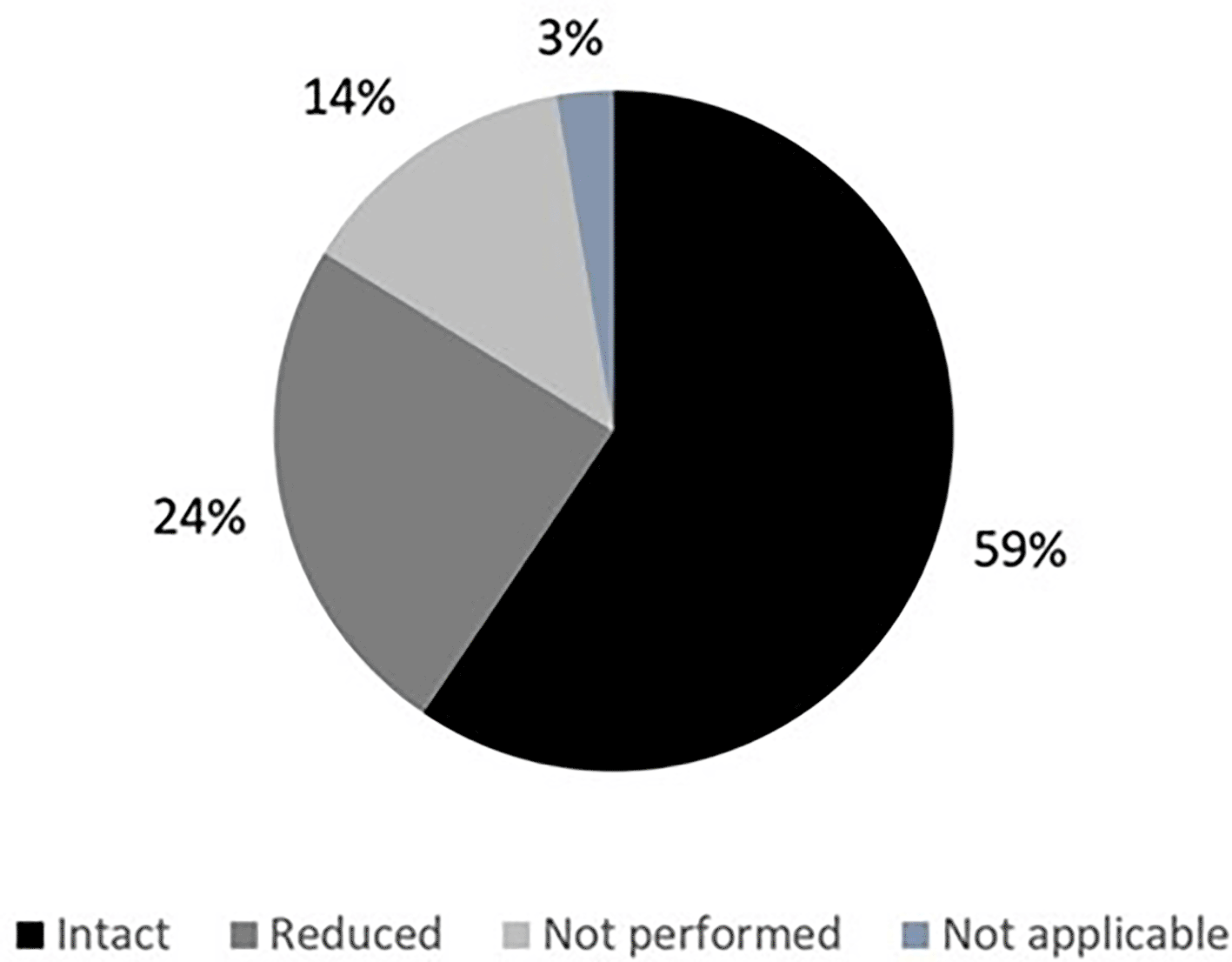
This figure shows that 77% of patients had a digital rectal examination (DRE) or perianal sensation assessment performed, while 16% of patients had no documentation or evidence of this examination.
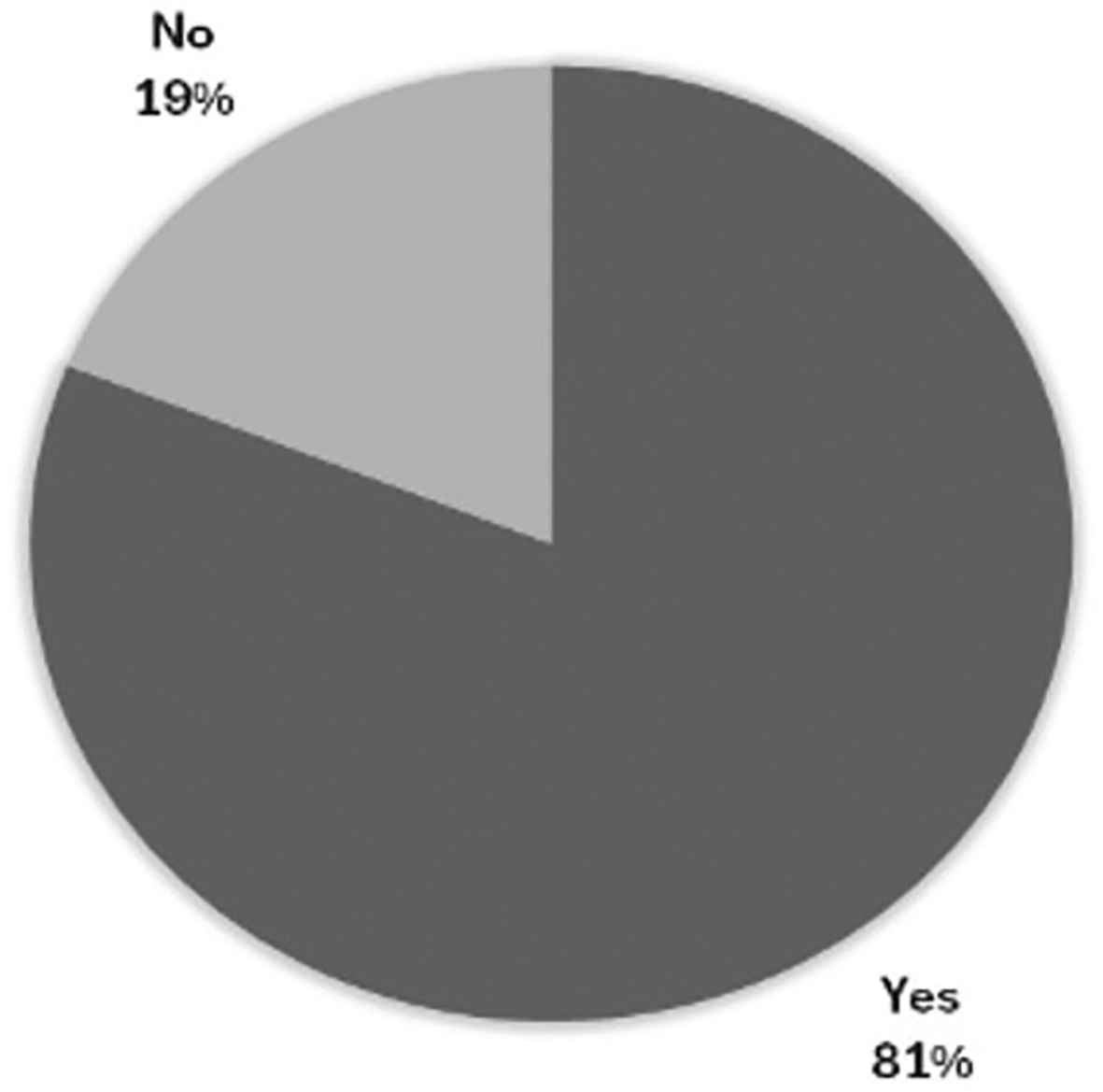
This figure illustrates that 81% of patients had a documented post-void residual urine scan, while 19% did not undergo the procedure. The importance of post-void scans in diagnosing CES is emphasized despite variability in residual urine volumes not ruling out CES.
The study concludes that there are significant CES patients with PVR ≤ 200 ml who still need emergency decompressionand delaying MRI in these patients can lead to worse outcomes. PVR should be used as an assessment tool, but an MRI scan should always follow clinical suspicion of CES. Further investigation into the use of PVR as a prognostic tool is recommended.12
Another factor analysed was time taken to conduct an MRI scan. Over half of scans were completed within 24 hours of admission ( Figure 4).

This figure depicts the time frame for MRI completion following order. 64.86% of MRIs were completed within 24 hours of the request, while 35.13% took longer than 24 hours. The data underscore the need for timely MRI access, especially in emergency CES cases.
We note that some hospitals (including most DGHs) do not operate out of hours MRI scanning. We strongly advocate for the availability of out-of-hours MRI at all district general hospitals receiving emergency admissions. Transferring patients to a regional neurosurgical unit for emergency MRI is often unnecessary and can be distressing for patients and inconvenient for their families.
Like CT, MRI should be available for spinal emergencies, with decisions made in consultation with the regional neurosurgical unit. This would ensure rapid diagnosis and streamlined management, aligning with joint spinal society guidance. A survey revealed only 14% of UK NHS trusts offer out-of-hours MRI, but expanding on-call services with trained radiographers could provide a 24-hour MRI service at minimal cost.15 Our data support that timely local MRI, even out of hours, leads to appropriate and swift management.
This study also investigated duration of patient stays in hospital for their work-up and investigations. The majority of patients (62.16%) had a stay of between 1 and 3 days. Longer stays were often associated with chronic back pain disorders which can be challenging to manage in secondary care (Figure 6).
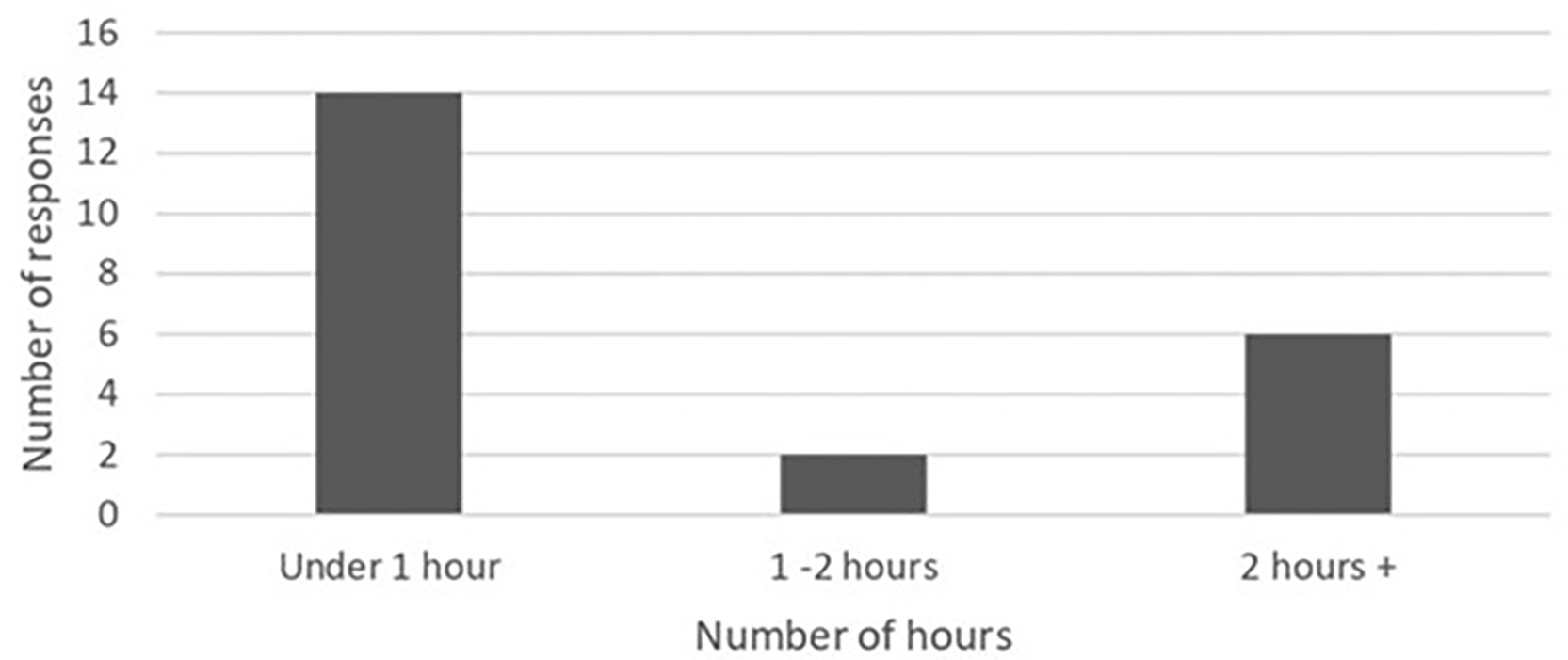
This figure shows the response time from the Neurosurgery team at a London Tertiary Hospital. The majority of responses (90%) were received within one hour, with a small number of responses falling within the 1-2 hour range and six responses exceeding 2 hours.
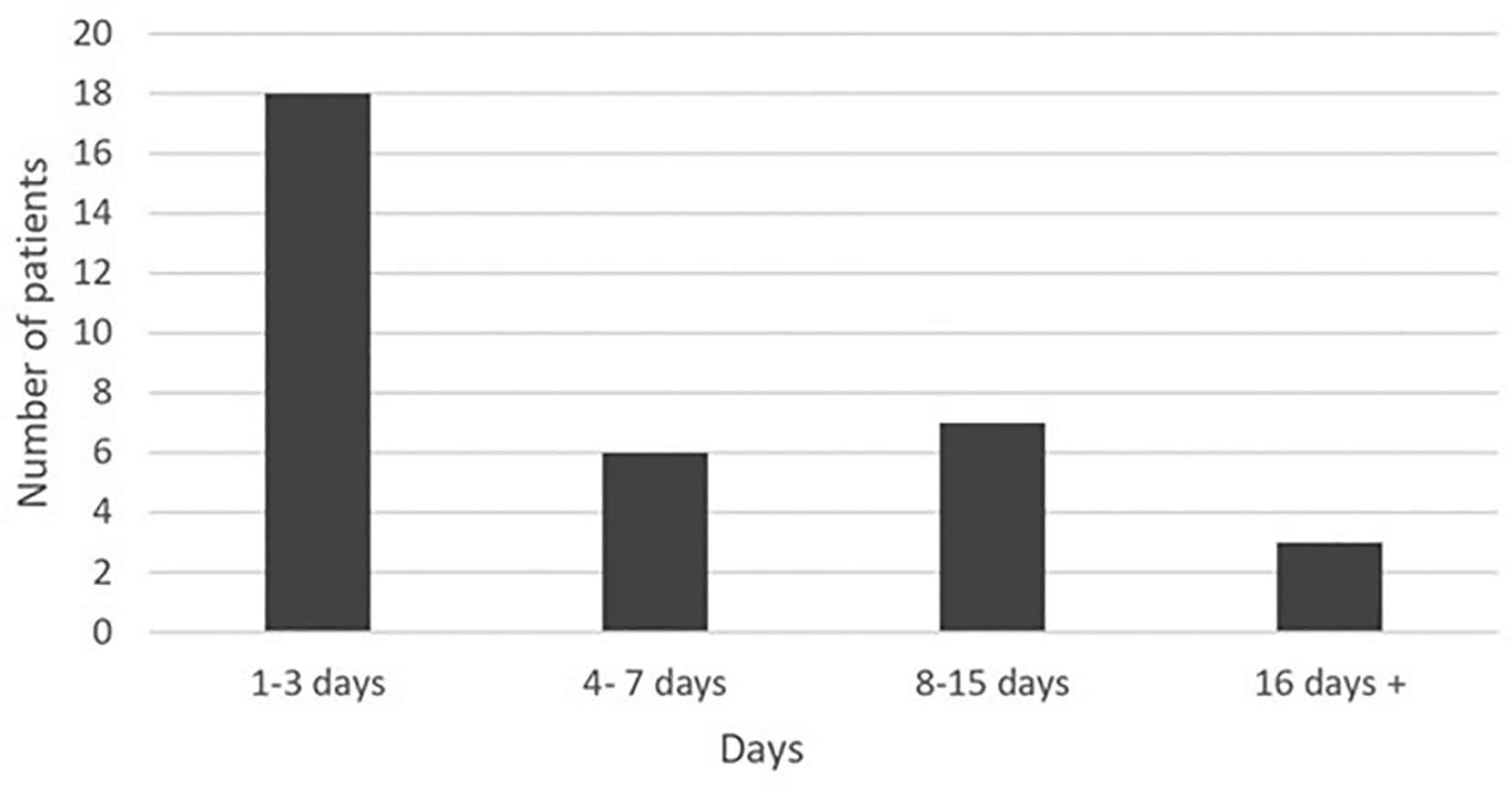
This figure presents the distribution of patient lengths of stay in hospital. The majority (62.12%) of patients stayed between 1 and 3 days, with 24.43% staying 4-7 days, and 13.41% staying longer than 10 days due to social factors or chronic pain management needs.
Overall back pain does pose a significant burden on secondary care services in the NHS and worldwide. A systematic review conducted by Melman et al aimed to determine the proportion of low back pain cases admitted to hospitals from emergency departments (EDs), the proportion of hospital admissions due to primary low back pain, and the average length of hospital stay (LOS) globally (Figure 6). It reviewed multiple databases up to July 2022 and included studies on adults diagnosed with musculoskeletal low back pain or lumbosacral radicular pain.16
Key findings include that the median admission rate for low back pain from the ED was 9.6%. The median percentage of all hospital admissions due to low back pain was 0.9%; the median hospital LOS was 6.2 days for ‘dorsalgia’ and 5.4 days for ‘intervertebral disc disorders’. The median low back pain admissions per 100,000 population was 159.1.
The study noted high variability in admission rates and a lack of data from rural, regional, and low-income areas. The overall quality of the evidence was moderate. This is the first systematic review with a meta-analysis on the global prevalence of hospital admissions and LOS for low back pain.
The aim of this study was to assess CES admissions compliance with GIRFT guidelines. Between 2015 and 2020, NHS Resolution Indemnity Scheme records indicate that settlements for CES cases amounted to £13,277,513.17,18 An identified concern in our findings was the MRI waiting time, with 10.81% of scans exceeding 24 hours from request.
Similar to CT, MRI should be accessible for spinal emergencies, with decisions made in coordination with the regional neurosurgical unit. This approach would enable prompt diagnosis and efficient management, in line with the joint spinal society’s recommendations. A survey found that only 14% of UK NHS trusts currently provide out-of-hours MRI, but expanding on-call services with trained radiographers could offer 24-hour MRI coverage at minimal cost.15 Our findings indicate that timely access to local MRI, even during off-hours, results in appropriate and expedited care.
While most hospitals offer 24-hour MRI services, our DGH operated from 9 am to 5 pm on weekdays, posing challenges for diagnosing CES. The negotiations with the radiology department regarding extending availability hours have yielded success. We have established a dedicated pathway for suspected Cauda equina syndrome cases, leading to the initiation of MRI Lumbar spine scans scheduled from 8am to 6pm, every day of the week, Monday through Sunday (Figure 7).
The Suspected Cauda Equina Syndrome Pathway-Extended Hours Imaging Pilot outlines procedures for managing patients with suspected Cauda Equina Syndrome (CES). Key symptoms triggering CES suspicion include sudden bilateral radicular pain, recent bowel or bladder dysfunction, and perineal sensory loss. For MRI requests within operational hours (8 am to 5 pm), contact the duty radiologist and complete an urgent MRI form. For requests outside these hours (8 am to 9 am and 5 pm to 9 pm), contact the on-call radiologist via switchboard. Emergency referrals approved after 1730 hours will be scanned and reported by 2000 hours, and any cases unable to wait will be discussed with King’s College Hospital. Non-contrast MRI imaging is provided with limited coverage, emphasizing the importance of clinical assessment in diagnosing CES (Figure 7).
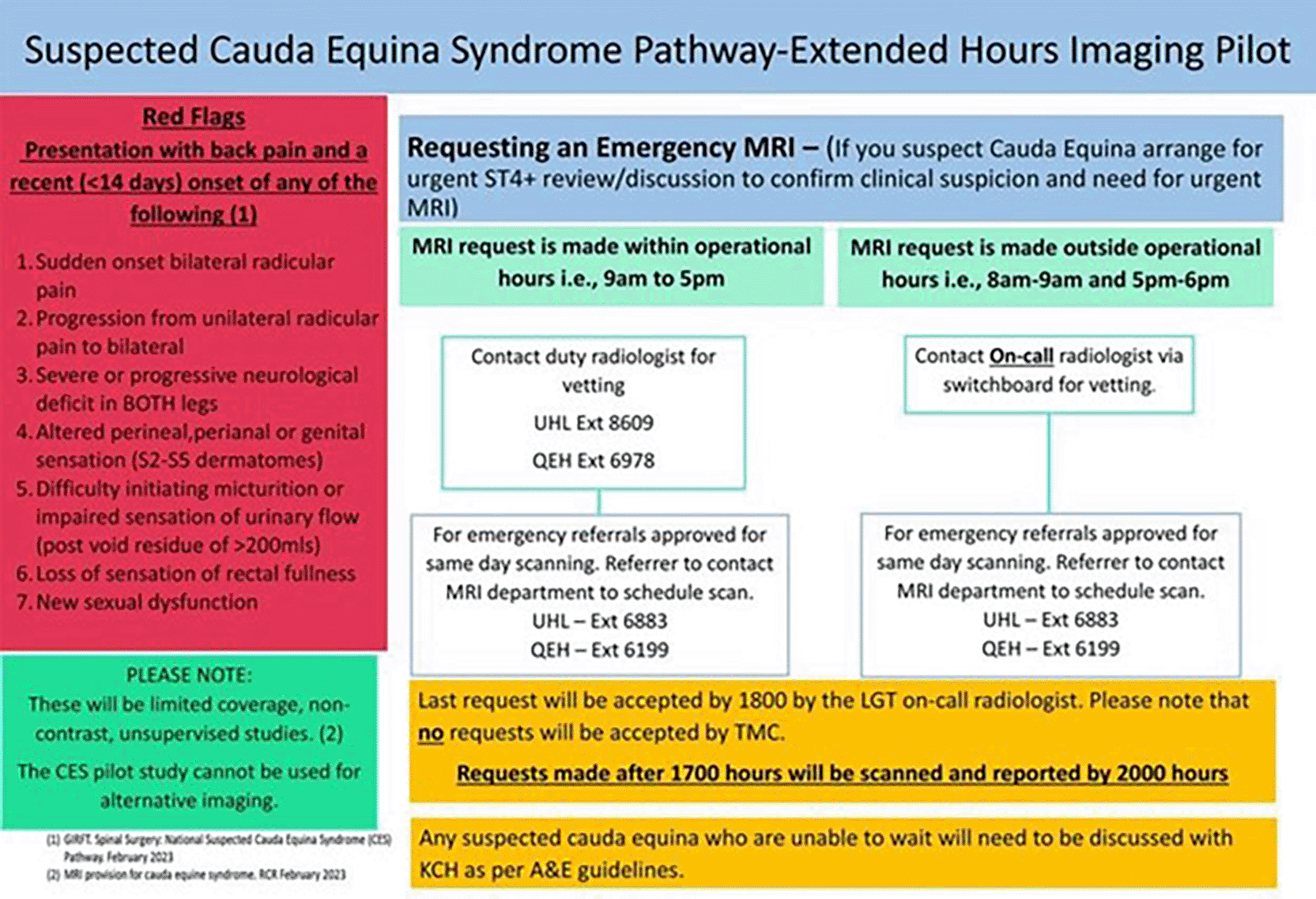
This figure details the protocol for suspected CES cases in the District General Hospital. The pathway outlines procedures for managing MRI requests during both operational and out-of-hours periods to ensure timely diagnosis and care. This extended hours imaging pilot aims to improve access to MRI for CES cases.
Timely diagnosis of CES is critical, as prolonged symptoms can result in irreversible complications such as paralysis, incontinence, and impaired mobility.19,20 Only 43% of patients underwent comprehensive neurological examinations, highlighting deficiencies in admission documentation. These examinations, encompassing power, tone, reflexes, sensation, and function, are integral to CES diagnosis.9–11 81% of post-void scans and 91% of digital rectal examinations (DRE) and peri-anal sensation assessments were conducted (Figures 2-4). Despite MRI lumbar spine being the diagnostic gold standard, the importance of post-void residual urine volume and peri-anal sensation examination in diagnosing CES is emphasized by multiple studies (Figure 3).12–14
Following presentation of audit findings at the Mortality and Morbidity meeting, it was resolved to implement a proforma ensuring timely and comprehensive evaluation CES. A teaching session facilitated proforma adoption, aligning with GIRFT guidelines advocating for peri-anal sensation examination over digital rectal testing. The proforma integrates GIRFT assessment and ASIA charts.6
The implementation of a standardized proforma for diagnosing Cauda Equina Syndrome (CES) has significantly enhanced our doctors’ diagnostic accuracy and ensured comprehensive patient assessments prior to referrals to tertiary hospitals. However, the absence of spinal services within our hospital has the potential to trigger anxiety in the doctor-patient relationship, particularly concerning the management of spinal conditions.
Limitations of the study included the broad nature of the CES differential diagnosis- many patients are admitted and investigated for low back pain however few go on to be fully investigated for CES. This led to a labour-intensive data collection process and small sample size.
The recommendation following referral from specialist spinal service at King’s hospital often included follow-up from their service. We were also unable to collect data on the specific nature of follow-up for these patients due to lack of access to their systems. Having this data would have enhanced our understanding of the rationale behind followup for query CES patients.
To address this challenge, the communication pathway through the Patient Care System (PCS) portal with doctors at tertiary hospitals is outstanding, the neurosurgery team typically responds within an impressive 15-minutes window following our initial message transmission. This rapid feedback mechanism not only expedites patient referrals but also fosters confidence in the collaborative approach between our hospital and tertiary care facilities (Figure 5).
By prioritizing effective communication and leveraging the expertise of tertiary care providers, we aim to alleviate any concerns regarding the absence of in-house spinal services, ensuring optimal patient care outcomes and improve doctor-patient relationships.
This project highlighted challenges in diagnosing Cauda Equina Syndrome, particularly regarding neurosurgical assessment, where delays or lack of thorough examination can lead to irreversible harm, emphasizing the critical importance of early diagnosis.
Through meticulous examination protocols, the study demonstrated the definitive treatment plans for CES patients within a 24-hour timeframe could be achieved. A major achievement of this study is that collaborative efforts between the radiology department and Trauma & Orthopaedics (T&O) have led to an extended MRI service at our hospital which is improving patient prioritization and timely assessment for suspected CES cases. The positive impact of this may be examined in future.
While the majority of patients did not ultimately present with CES, our study shows that those requiring urgent surgical intervention were promptly referred to tertiary care centres.
In summary, the project emphasizes the necessity for Emergency Departments to expedite radiological imaging upon assessment, minimizing delays and discussing it urgently with T&O specialists. This proactive approach not only reduces inpatient hospital stays but also accelerates the formulation of definitive treatment plans, ultimately improving patient outcomes.
This study was conducted as a clinical audit (Lewisham and Greenwich NHS Trust Audit ID: 7546, “Investigating the assessment and outcome in patients that present with suspected CES”). Formal approval for the audit was granted by the Lewisham and Greenwich NHS Trust Quality and Governance department. In accordance with UK policy, ethical committee approval was not required as this project constituted a retrospective clinical audit of routinely collected, fully anonymised patient data.
| Views | Downloads | |
|---|---|---|
| F1000Research | - | - |
|
PubMed Central
Data from PMC are received and updated monthly.
|
- | - |
Provide sufficient details of any financial or non-financial competing interests to enable users to assess whether your comments might lead a reasonable person to question your impartiality. Consider the following examples, but note that this is not an exhaustive list:
Sign up for content alerts and receive a weekly or monthly email with all newly published articles
Already registered? Sign in
The email address should be the one you originally registered with F1000.
You registered with F1000 via Google, so we cannot reset your password.
To sign in, please click here.
If you still need help with your Google account password, please click here.
You registered with F1000 via Facebook, so we cannot reset your password.
To sign in, please click here.
If you still need help with your Facebook account password, please click here.
If your email address is registered with us, we will email you instructions to reset your password.
If you think you should have received this email but it has not arrived, please check your spam filters and/or contact for further assistance.

Comments on this article Comments (0)