Keywords
Dilated cardiomyopathy, lipid profile, Troponin, Interleukin-12, and Coxsackievirus (IgG and IgM)

This article is included in the Fallujah Multidisciplinary Science and Innovation gateway.
Dilated cardiomyopathy, lipid profile, Troponin, Interleukin-12, and Coxsackievirus (IgG and IgM)
Cardiomyopathy (CM) are a heterogeneous group of pathologies characterized by structural and functional alterations of the heart. It is one of the most severe, potentially fatal electrical or muscle cardiac conditions. It may be heart-specific or a part of a more severe systemic disease, and it often resulting in cardiovascular death or progressive heart failure-related disability.1 Myocarditis is an inflammation of the myocardium that can occur from infections (e.g., viral, bacterial, fungal, parasitic) or non-infections (e.g., toxins, pharmacological sensitivities, immunological diseases) causes and may present as either acute or chronic. Myocarditis can impair cardiac function, potentially resulting in dilated cardiomyopathy (DCM) and heart failure.2 Dilated cardiomyopathy (DCM) is a clinical disorder distinguished by the enlargement of the left ventricle or both ventricles, as well as compromised contraction, which cannot be caused by abnormal loading circumstances such as hypertension, valvular heart disease, or coronary artery disease. Various genetic mutations have been identified as potential causes of dilated cardiomyopathy (DCM).3 In spite of the significant body of work demonstrating the association of coxsackievirus with DCM the specific interaction between coxsackievirus and IL-12 remains underexplored. This study aims to explore the potential link between IL-12 and Coxsackievirus in the context of dilated cardiomyopathy (DCM). Specifically, it seeks to assess how these factors, along with lipid levels, troponin levels, interleukin-12 levels and coxsackievirus antibodies, may interact and contribute to the pathogenesis of DCM. The study will compare these markers between patients with DCM and a control group to identify potential correlations. T-helper 17 (Th17) cells are essential in causing cardiomyopathy Cytokines such as TNF, interferon alpha, interferon gamma, IL-6, and IL-1 alpha promote the production of IL-12 which activates T-helper 1 (Th1) cells.4 IL-12, produced by single cells, promotes T lymphocytes and natural killer cells to generate interferon γ IFN-γ.IL-12 is considered to be pro-inflammatory factors that amplify down stream inflammatory signals.5 Therefore these immunological and biochemical markers are important in early diagnosis.6 By linking IL-12 and Coxsackieviruses, this study could present a novel in understanding the pathogenesis of DCM. Coxsackieviruses (CV) are prevalent single-stranded RNA viruses classified within the family Picornaviridae and the Enterovirus genus, which also encompasses poliovirus (PV), the most recognized of the enteroviruses (EV). They are mostly transmitted via the fecal–oral route and constitute a significant source of viral infections annually worldwide, particularly among children.7 Coxsackieviruses are frequently linked to the etiology of chronic myocarditis, dilated cardiomyopathy, and autoimmune disorders, including type 1 diabetes (T1D). This study explores the contribution of viral persistence or chronic immune responses, particularly those initiated by viral infections, to DCM. Certain indications, including DCM, may arise as a delayed consequence of acute or chronic viral myocarditis, attributable to viral persistence or a chronic immune response predominantly instigated by a viral infection.8
60 patients (men, women, and children) with dilated cardiomyopathy after being diagnosed by the physician and 30 healthy subjects with a similar age group were involved in the study during their attendance at the Ibn Al Bitar Specialized for Cardiac Surgery, from the period between March 2025 and September 2025. No patients were excluded based on age, gender, or other criteria, as all participants were diagnosed with DCM, including both adults and minors. size was determined based on the standard 96-well ELISA plate format, as well the guidelines from similar studies and theses in the literature. This study was approved by the Ethics Committee under reference number CSEC/0825/0098, dated August 28, 2025. All participants or their guardians in the case of minors, provided written informed consent prior to participation in the study. A 5 ml disposable syringe was used to collect venous blood by vein puncture from all the subjects, and it was transferred to a gel tube and allowed to coagulate. Serum was separated after centrifugation for 10 minutes at 4000 rpm and divided into two plain tubes; one of them is to measure the level of biochemical parameters like lipid profile (triglyceride), cholesterol, HDL, LDL, VLDL, and troponin T It is important to note that more than half of the patients were on cardiac treatment, including statins, which could potentially affect lipid results, and this factor was considered during the analysis. The second one was to measure the level of CV (IgM, IgG) and IL-12. The serum was stored at -20°C until used.
Lipid profile assessment
The concentrations of components Triglycerides (TRI), Cholesterol (CHO), High-Density Lipoprotein (HDL), Low-Density Lipoprotein (LDL) and Very Low Density Lipoprotein (VLDL) were measured using the BioSystems kit. The technique was executed manually in accordance with the manufacturer’s guidelines. Serum was obtained utilizing conventional protocols.
Troponin analysis
Troponin levels were measured using a fully automated analyzer c111 (Germany) specifically designed for a wide array of applications.
Interleukins-12 evaluation
Enzyme-linked immunosorbent assay (ELISA) kits were utilized to measure serum concentrations of IL-12 Catalogue Number: E3301Hu. We sourced the product from the Bioassay Technology laboratory in China and strictly followed the manufacturing instructions.
Assay principle of Interleukins 12
In this study, IL-12 levels were measured using an ELISA kit. The plate was pre-coated with antibodies specific to human IL-12. After adding the serum sample, IL-12 in the sample bound to the immobilized antibodies. A biotinylated anti-IL-12 antibody was then added, binding to the IL-12 in the sample. Streptavidin-HRP was introduced to bind to the biotinylated antibody. Following incubation and washing to remove any unbound components, the substrate solution was added, causing a color change that is directly proportional to the amount of IL-12 present. The reaction was stopped with an acidic solution, and absorbance was measured at 450 nm.
Preparation of standards
Preparation of standards According to the instructions of the manufacturer, the following standard solutions were prepared: IL-12: 80, 40, 20, 10, 5, 2.5, and 0 ng/L.
Standard curve
Concentrations of standards were plotted on the X-axis and OD values were plotted on Y-axis. The preferable smooth curve through these points was drawn to construct a standard curve. According to the OD value of the sample, its corresponding concentration, (which is the concentration of the sample) was measured or the linear regression equation of the standard curve.
Calculation of the sample results
As show in Figure 1.
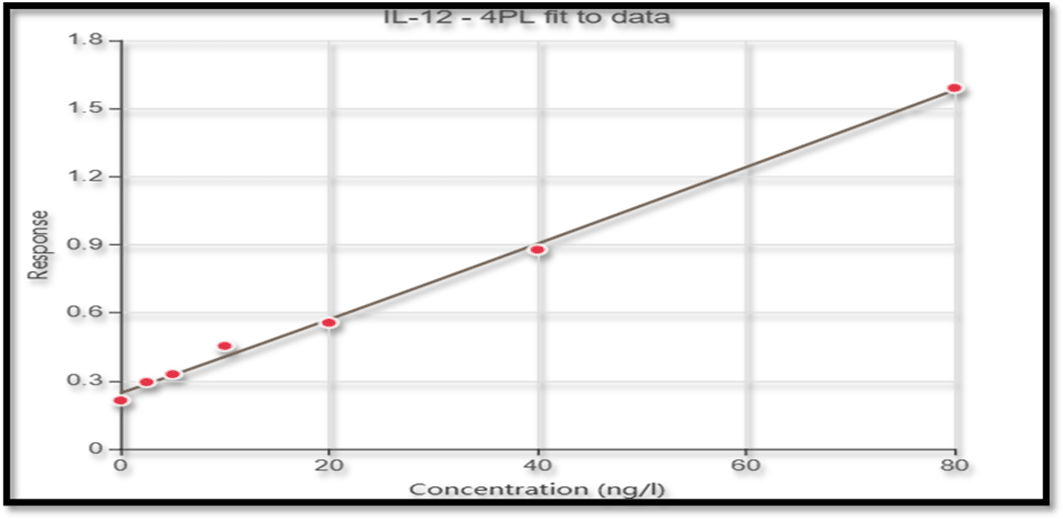
The curve shows the relationship between IL-12 concentration (ng/l) and the response in serum from DCM patients using ELISA. Red dots represent measured data points at different IL-12 concentrations, illustrating the assay’s linearity and sensitivity.
Detection of Coxsackievirus IgG and IgM antibodies in serum of DCM patients by ELISA
The ELISA kits used for detecting Coxsackievirus IgG and IgM antibodies were as follows: IgM (Catalog No: ED0663Hu) and IgG (Catalog No: ED0600Hu), both from BT Lab. The test was conducted using the indirect ELISA method. The pre-coated microtiter plate with Coxsackievirus antigen was used and serum samples were added to the wells are allowing IgG and IgM to bind to the antigen. After washing HRP conjugate was added to form an antigen-antibody-HRP complex. A substrate solution was introduced, initiating the color change reaction, which was measured using a microplate reader to determine the presence of IgG and IgM antibodies.
The data ware analyzed using the SPSS statistical software (SPSS V27). The means were statistically compared using the t-test for two independent groups and the chi-square test was used to demonstrate statistically significant differences in categorical data distribution between groups. the Mann-Whitney U test was applied to abnormally distributed data the ROC curve analysis was evaluated for diagnostic performance, regression analysis examined the relationships between variables, and the correlation test between persistent variables. Statistical significance was considered at (p ≤ 0.05 and p ≤ 0.001).
A chi-square test was performed to analyze the distribution of DCM patients and controls based on gender. The results showed no significant differences between males and females in terms of the presence of dilated cardiomyopathy (P = 0.276). The prevalence of DCM was higher in males (N = 41, 68.3%) than in females (N = 19, 31.7%), but this difference was not statistically significant (P > 0.05). In addition, the Mann-Whitney U test showed no significant difference in age between DCM patients and the controls (P = 0.394). Although a higher mean rank for age in the DCM group (47.16) compared to the control group (42.18), the difference was not statistically significant. Among the 60 patients, 49 (81.7%) were non-smokers, while 11 (18.3%) were smokers. Chi-square analysis showed no significant difference in smoking status between DCM patients and the control group (p = 0.304). Although the proportion of smokers was higher in the DCM group (18.3%) compared to the control group (10%), this difference was not statistically significant. the Pearson Chi-Square test reveal7ed a significant difference in blood pressure between male and female DCM patients (p=0.006). Among male patients, 87.8% (N = 36) did not develop hypertension, while 12.2% (N = 5) had hypertension. In contrast, 63.2% (N = 12) did not have hypertension, while 36.8% (n = 7) had hypertension. All the controls had normal blood pressure. The difference was statistically significant (p ≤ 0.001) based on the likelihood ratio test, which further confirms the significant difference in the prevalence of hypertension between male and female DCM.
The lipid profile results revealed highly significant differences between patients with DCM and the control group. The table below ( Table 1) summarizes the mean ± SE values for each lipid component, along with their corresponding p-values. As shown in the table, Total Cholesterol (CHO), Triglycerides (TRI), Low-Density Lipoprotein (LDL), and Very Low-Density Lipoprotein (VLDL) exhibited highly significant differences between the two groups (p ≤ 0.001), while HDL showed no significant variation (p = 0.054). The chart ( Figure 2) visually illustrates the comparative lipid profile data between the two groups. Additionally, regression analysis indicated that HDL (B = -0.051, p = 0.022) and LDL (B = -0.045, p = 0.038) had a significant negative effect on DCM, while cholesterol (B = 0.047, p = 0.029) showed a significant positive effect on DCM. However, VLDL (B = -0.008, p = 0.846) and triglycerides (B = -0.005, p = 0.584) showed no significant effect.
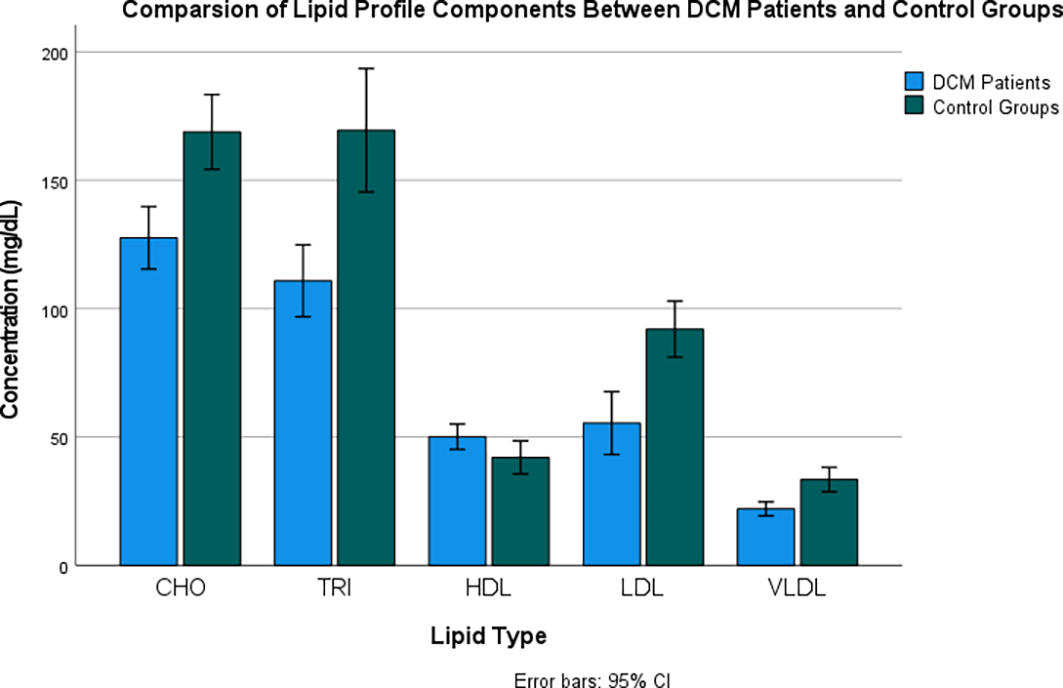
The graph shows significant differences for CHO, TRI, LDL, and VLDL (p ≤ 0.001), while HDL shows no significant difference (p = 0.054). Error bars represent 95% confidence intervals.
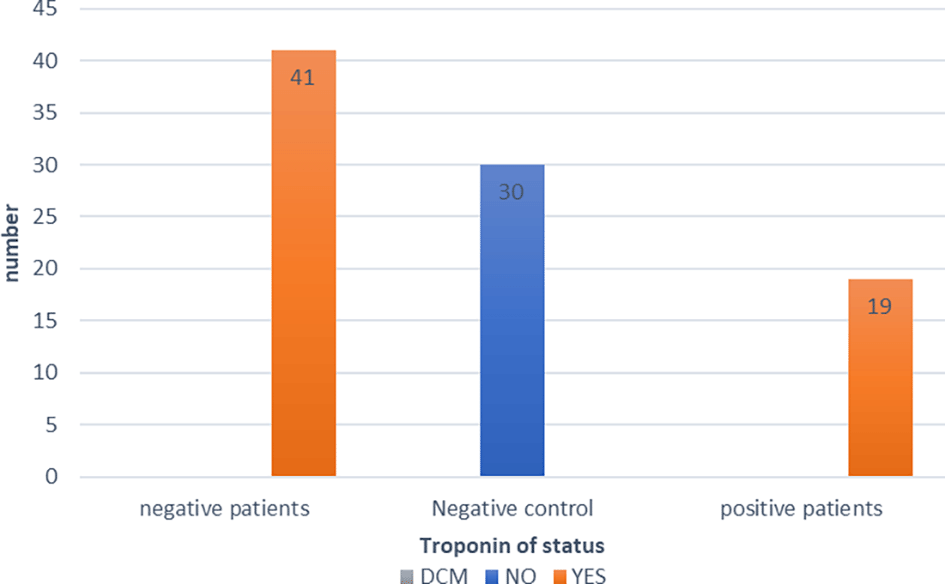
Level of troponin showed significant (p < 0.001) differences in the patients with DCM as compared with control as shown in Figure 3.
When analyzing the relationship between troponin and lipid profile levels in DCM patients, the results showed that there was no significant difference between troponin, cholesterol (p = 0.252, triglycerides (p = 0.129), HDL (p = 0.532), LDL (p = 0.320), and VLDL (p = 0.161). Troponin levels did not significantly correlate with lipid parameters, suggesting independent pathophysiology with changes in lipid profile. The scatter plot further supports this finding as shows no clear trend or clustering between troponin and lipid parameters, as show in Figure 4.
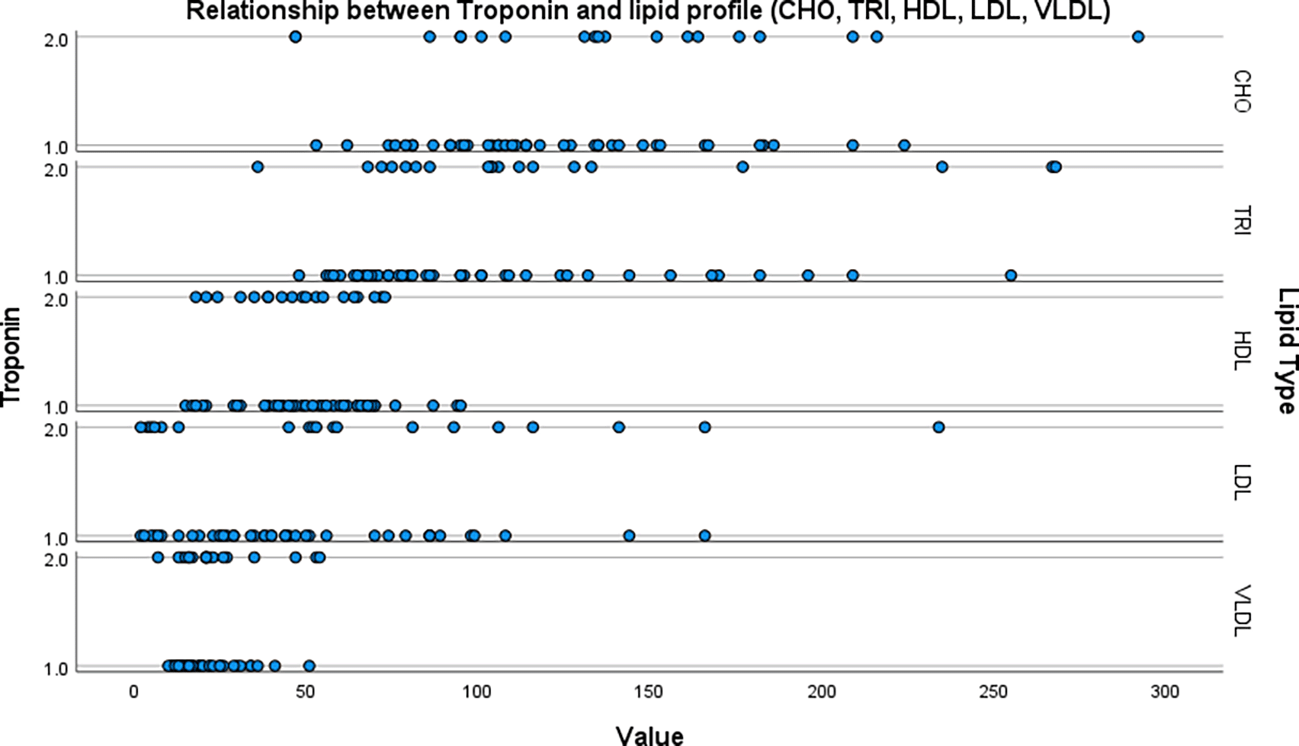
No significant correlation was observed between troponin levels and lipid parameters (p = 0.532). The analysis included a sample size of 60 DCM patients and 30 controls.
The results of the Mann-Whitney U test for the IL-12 variable indicate a clear and statistically significant difference between the DCM patient and the control group. With a p value ≤ 0.001, the analysis strongly suggests that IL-12 levels vary significantly between the two groups. This finding highlights IL-12 as a potential differentiating factor in DCM. The Mann-Whitney U statistic is 469.500 and median value of IL-12 in DCM patients was 11.99 Pg/mL compared to control group was 9.39 Pg/mL both of which further support the existence of a substantial difference. When comparing the mean ranks, the DCM group had a mean rank of 51.68, while the mean rank of the control group was lower at 31.19. This indicates that IL-12 concentrations are significantly higher in the DCM patients. In support of this, the ROC curve analysis also demonstrates the potential of IL-12 in differentiating between DCM patients and health controls ( Figure 5). ROC curve indicates a good ability of IL-12 levels to correctly classify DCM patients versus healthy individuals With an AUC (area under the curve) of 0.730 and a cut-off value of 8.80, sensitivity was found to be 0.8, and specificity was 0.482. The curve performance highlights the discriminating power of IL-12, suggesting that it can serve as diagnostic biomarker for differentiating between the two groups, further supporting the Mann-Whitney U test findings.
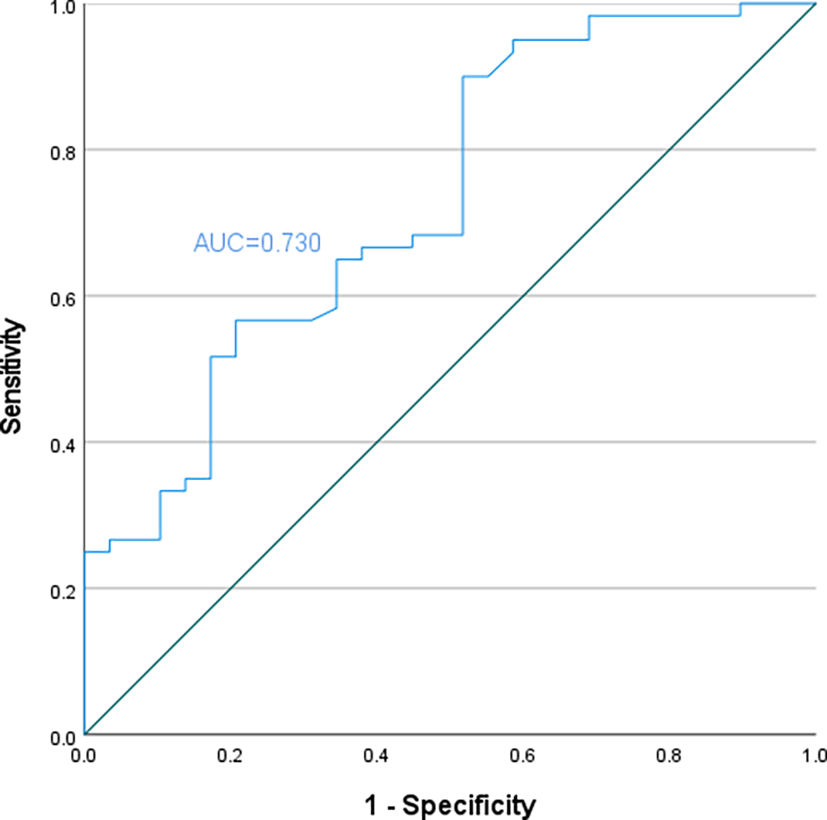
The area under the curve (AUC) is 0.730. The analysis included 60 DCM patients and 30 healthy controls. Statistical significance was observed with a p-value ≤ 0.001.
The Chi-Square test was used to examine the relationship between IgG and IgM levels related with Coxsackieviruses and the participants (DCM patients vs healthy controls). For IgG, the test showed Chi-square value of 9.730, with a p value of 0.002 suggesting a statistically significant difference in IgG levels between DCM patients and healthy controls. Specifically, 26.7% of DCM patients tested positive for IgG, while none of the health controls were positive. This result suggests that IgG levels associated with Coxsackieviruses are higher in DCM patients compared to healthy individuals, as shown in Figure 1. Similarly For IgM, the Chi-Square value was 11.250, with a p value of <0.001, which also indicates that there is a significant difference between the two groups. The test showed that 30% of DCM patients tested positive for IgM, while there were no positive cases in the healthy control group as demonstrated in Figure 6.
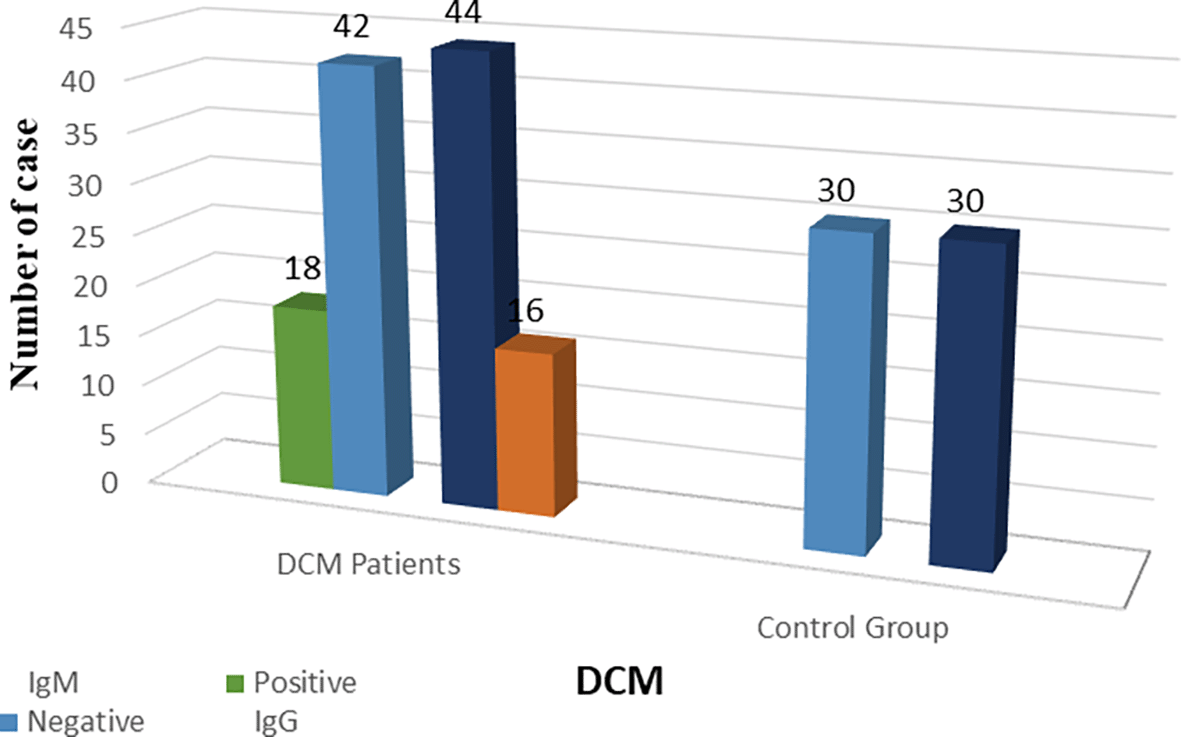
Statistical significance (p < 0.05) was observed between the two groups.
The Spearman’s rho correlation analysis was employed to examine the relationships between IL-12, and (IgM, IgG). The results showed a small positive correlation between IL-12 and IgM (correlation coefficient = 0.189, p = 0.075) but this was not statistically significant. The correlation coefficient between IL-12 and IgG was very low (0.099, p = 0.356), which means that there was no statistically significant relationship between the two. We used the bootstrap method to find confidence intervals which made the correlation estimates more accurate. The correlation between IL-12 and IgM had a confidence interval of -0.015 to 0.386, which means that there might be a small link. The correlation between IL-12 and IgG had a confidence interval of -0.083 to 0.278 which means that the link was no statistically significant. The 3D scatterplot (Figure 7) confirmed these findings by illustrating the distribution of the points across the three variables. IgM and IgG exhibited diminished associations with IL-12.
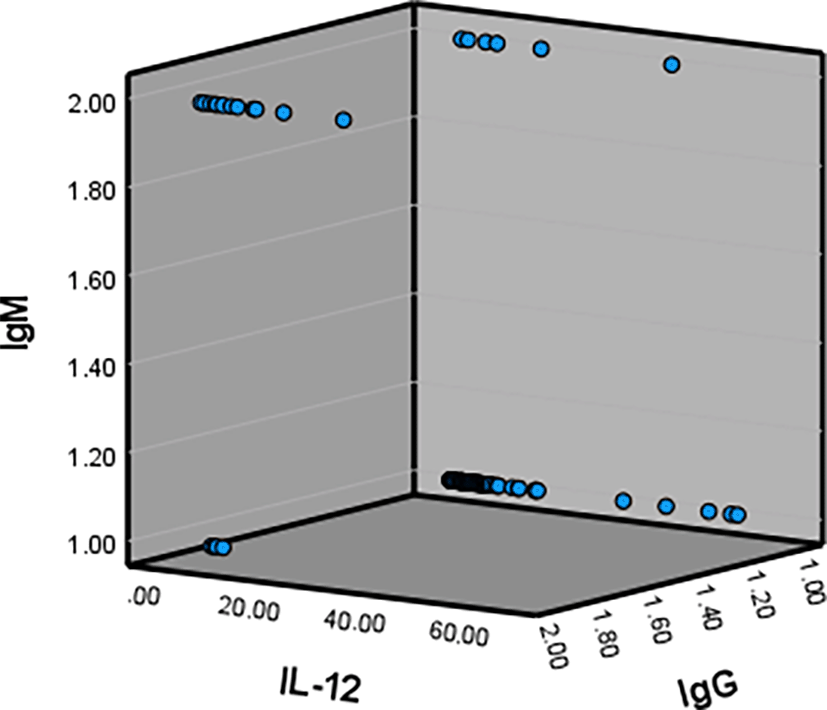
The analysis included 60 DCM patients and 30 healthy controls. No Statistical significance differences (p > 0.05)
The control group showed significantly higher levels of cholesterol, triglycerides, LDL, and VLDL compared to DCM patients (p ≤ 0.001), indicating a healthy lipid profile. In contrast DCM patients showed lower lipid levels, suggesting potential lipid metabolism disorders associated. Although HDL levels were higher in DCM patients compared to controls, the difference was not statistically significant (p = 0.054). Regression analysis revealed that low HDL and LDL were negatively associated with DCM, while high cholesterol had a positive association. VLDL and triglycerides had no significant effect on DCM These findings highlight lipid metabolism disorders in DCM patients having lower levels of cholesterol, triglycerides, LDL cholesterol and VLDL. Myocardial dysfunction in DCM is known to impair lipid processing, contributing to these changes. Additionally, the use of statins in DCM patients which are prescribed to manage cardiovascular risk, can lower lipid levels and increase HDL levels. Statins are known to lower LDL and total cholesterol while promoting the synthesis of HDL thereby improving lipid profiles.9,10 However, a critical analysis of potential confounding factors is necessary. Factors such as medication use, viral persistence, immune variations, and inflammatory cytokines like IL-12 could influence lipid metabolism and cardiovascular outcomes in DCM patients. These uncontrolled variables, along with the presence of comorbidities like diabetes and hypertension, may contribute to the observed differences in lipid profiles and myocardial injury markers. Future studies should account for these factors for more accurate conclusions. Troponin levels were higher in patients with DCM than in controls p ≤ 0.001), which suggests that some patients may have had mild myocardial injury This shows that not all of the patients had serious damage to their heart muscle, even though troponin levels were positive in a small number of them. The difference in troponin levels shows that some people with DCM are still experiencing stress or injury to their heart muscle, which could be related to the condition getting worse or inflammation. Our results are consistent with those of Ref. 11. who reported that elevated troponin is a potential biomarker of poor prognosis in DCM patients. However, other studies such as have reported no differences between DCM patients and healthy people, suggesting that the role of troponin as a biomarker in DCM remains controversial.12 Troponin has a high specificity and sensitivity for detecting myocardial necrosis, making it a potent prognostic indicator. Regarding the lipid profile, our results did not show any significant association between troponin and cholesterol, triglycerides, HDL, LDL, and VLDL. the scatter panel analysis confirmed the absence of any clear clustering or trend, suggesting that the elevated troponin level in DCM reflect myocardial injury or stress independently of lipid metabolism. These results are consistent with a recent Ref. 13 study in dilated cardiomyopathy, which also did not mention any significant differences in lipid profile or troponin levels, supporting that high troponin in dilated cardiomyopathy reflects myocardial injury and not lipid dysregulation. However, some studies in patients with acute myocardial infarction have demonstrated significant association between troponin levels and lipid profile, suggesting may contribute to disease-specific mechanisms.14 These results suggest that IL-12 plays an important role in differentiating DCM from healthy individuals, as its levels are significantly higher in DCM patients The Mann-Whitney U test (p < 0.001) confirmed a statistically significant difference between the two groups, supporting IL-12 as a potential biomarker for DCM differentiation. The substantial variation in IL-12 concentrations observed underscores its potential as a reliable marker for the identification of DCM patients. Upregulation of IL-12 may be associated with Th1 immune activation or the IFN-γ pathway, both of which are commonly involved in viral induced cardiac injury with Coxsackievirus being a known cause of Dilated Cardiomyopathy (DCM). The favorable Area Under the Curve (AUC) value in the ROC analysis suggests that IL-12 is linked to DCM especially in viral cases like those caused by Coxsackievirus. The ROC curve analysis yielded an AUC of 0.730 with a cut-off value of 8.80, Sensitivity was 0.8, and specificity was 0.482 demonstrating the biomarker’s ability to differentiate between DCM patients and healthy controls. While the AUC value is promising it is affected by the overlap in IL-12 concentrations between the two groups slightly reducing its discriminative power. Nonetheless, both the Mann-Whitney U test and the ROC analysis suggest that IL-12 may be a useful biomarker for DCM, aligning with previous studies on its role in viral-induced DCM These results are consistent with the concept proposed by Ref. 15 which highlights the use of multiple cytokines to differentiate DCM from healthy individuals. This approach supports improved diagnostic accuracy and patient management through the use of cytokine profiling to more accurately segment risk in cardiovascular diseases including dilated cardiomyopathy. The results showed a significant association between coxsackievirus infection and elevated IgG and IgM levels in DCM patients compared to health controls The Chi-Square test revealed a significant difference in IgG levels with 26.7% of DCM patients testing positive while none of the controls tested positive. This supports previous research suggesting that coxsackievirus infection may contribute to the development of DCM through immune responses. In addition 30% of DCM patients tested positive for IgM, an early marker of acute infection, supporting the hypothesis that viral infections may contribute to the pathogenesis of DCM. Presence of IgM in DCM patients without detection in controls highlights role of viral infections in exacerbation of heart disease. These findings align with the studies by Refs. 16, 17. which supports the role of Coxsackieviruses, in DCM disease. The association of IgG and IgM with Coxsackievirus infections could be instrumental in identifying high-risk patients and improving diagnostic strategies for DCM. However, There are no contradictory studies in the literature regarding the relationship between coxsackie virus infection and DCM. suggesting that the virus may contribute to its evolution. Further studies are needed to clarify the mechanisms involved. The Spearman’s rho correlation analysis revealed non-significant correlations between IL-12 and both IgM (r = 0.189, p = 0.075) and IgG (r = 0.099, p = 0.356). These results indicate that IL-12 does not have a meaningful relationship with either IgM or IgG in this dataset. The bootstrap confidence intervals for IL-12 and IgM were -0.015 to 0.386 and for IL-12 and IgG they were -0.083 to 0.278, which confirmed the mild associations. These findings may be attributed to various factors, such as the involvement of other immune factors, the possibility that IL-12 does not directly regulate IgM or IgG, and biological variability in immune responses. Overall, the results indicate that IL-12 does not have a substantial effect on IgM or IgG. Further studies with larger sample sizes or additional immunological markers may provide more insights. Additionally, IL-12 and its associated antibodies could be useful for screening, prognosis, and disease monitoring, offering valuable information on the progression of DCM and the impact of viral infections on heart function.
Despite these interesting findings, there are several limitations to the study. The cross-sectional design limits the ability to establish causal relationships between coxsackie virus infection and DCM. In addition, sample size may not fully represent a diverse population of DCM patients, and the lack of viral genotyping means that specific strains of the virus cannot be identified, which may limit the accuracy of these results. Future studies with larger and more diverse genetic populations and analyses will provide deeper insights into these associations.
Future research should focus on longitudinal studies to better understand the temporal relationship between coxsackie virus infection and DCM. In addition, exploring biomarkers and other immune pathways can provide a more comprehensive view of the pathogenesis of the disease. Genetic studies, including viral genotyping, may provide more specific evidence for the role of coxsackie virus in the development of DCM and help identify patients at risk of developing the disease.
The study shows that there are significant correlations between immunological markers and DCM. The Mann-Whitney U test use to demonstrated the IL-12 levels were markedly increased in DCM patients compared to control group generates p ≤ 0.001. This confirms IL-12 as a possible biomarker to tell the difference between patients with DCM and control group. as a potential biomarker for differentiating DCM sufferers from healthy group. The ROC AUC curve analysis revealed a moderate value of 0.730, indicating that IL-12 is effective in distinguishing between the two groups. Coxsackievirus antibodies (IgG and IgM) demonstrated statistically significant differences between DCM patients and healthy controls, with p-values of 0.002 for IgG and <0.001 for IgM. Specifically, 26.7% of DCM patients exhibited positive IgG results, while 30% demonstrated positive IgM results, indicating that coxsackie virus infection may be a contributing factor to DCM. In conclusion IL-12 and Coxsackievirus antibodies (IgG and IgM) serve as possible biomarkers for the diagnosis and risk stratification in DCM. Further research is required to validate these findings and explore the mechanisms behind their contribution to the development of DCM.
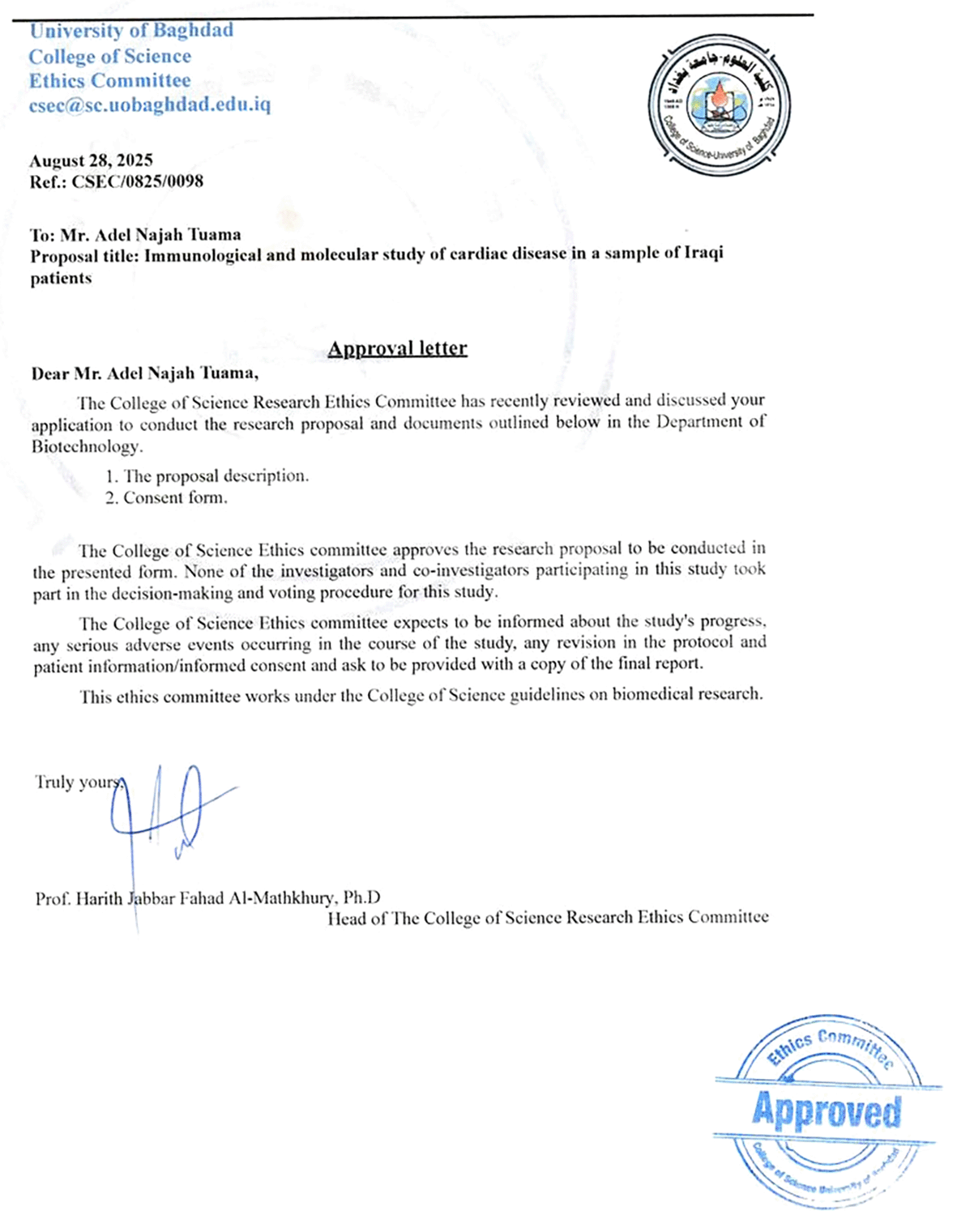
This study was approved by the Ethics Committee of the College of Science, University of Baghdad, Department of Biotechnology, with approval reference number CSEC/0825/0098. Written informed consent was obtained from all participants (or their legal guardians for minors). The Ethics Approval letter is shown in Figure 8.
| Views | Downloads | |
|---|---|---|
| F1000Research | - | - |
|
PubMed Central
Data from PMC are received and updated monthly.
|
- | - |
Provide sufficient details of any financial or non-financial competing interests to enable users to assess whether your comments might lead a reasonable person to question your impartiality. Consider the following examples, but note that this is not an exhaustive list:
Sign up for content alerts and receive a weekly or monthly email with all newly published articles
Already registered? Sign in
The email address should be the one you originally registered with F1000.
You registered with F1000 via Google, so we cannot reset your password.
To sign in, please click here.
If you still need help with your Google account password, please click here.
You registered with F1000 via Facebook, so we cannot reset your password.
To sign in, please click here.
If you still need help with your Facebook account password, please click here.
If your email address is registered with us, we will email you instructions to reset your password.
If you think you should have received this email but it has not arrived, please check your spam filters and/or contact for further assistance.

Comments on this article Comments (0)