Keywords
: Bibliometrics, Scopus, Public health, Occupational health, Environmental health, COVID-19, Scimago quartiles, research trends, Scopus

This article is included in the Research on Research, Policy & Culture gateway.
This article is included in the Global Public Health gateway.
: Bibliometrics, Scopus, Public health, Occupational health, Environmental health, COVID-19, Scimago quartiles, research trends, Scopus
Public, occupational, and environmental health are the driving forces behind this vision, providing the tools to understand health challenges, predict future threats, and design innovative solutions to improve lives.1 The concept of “health” brings together two essential ideas: “Health” representing overall well-being, and “Hygiene” emphasizing prevention and care. At its core, public health is a collective effort to protect and promote the health of populations. From maintaining hygiene in schools and workplaces to ensuring food safety, it addresses a broad spectrum of issues that affect individual and societal well-being.2 Research in this field spans topics such as disease epidemiology, vaccination strategies, health policy-making, and the impact of social factors on health. Advanced techniques like data analysis and epidemiological modeling further empower scientists to tackle global health challenges effectively.3
Occupational health plays a crucial role in ensuring a safer and healthier working environment by predicting, identifying, and managing the risks workers face. It serves as the backbone of the second vital component of the healthcare system. The ultimate goal is to promote both physical and mental well-being for individuals across various professions.4 Within this field, the focus is on critical issues such as assessing and controlling workplace hazards, preventing occupational diseases, and supporting mental health in work settings.5 In high-risk industries such as chemicals, mining, and construction, occupational health is essential for identifying and mitigating these dangers. Furthermore, ergonomics, which emphasizes the design of workspaces to prevent physical injuries and musculoskeletal disorders, is a key aspect that cannot be overlooked in creating healthier work environments.6
Environmental health extensively examines critical factors such as air pollution, water contamination, climate change, and waste management. Managing air pollution presents a significant challenge, as it is directly linked to severe health issues, including respiratory and cardiovascular diseases, as well as cancer. Ensuring access to clean drinking water and effectively treating wastewater are equally vital for preventing infectious diseases and promoting public well-being.7,8 Furthermore, reducing noise pollution and addressing the health risks associated with urban traffic and environmental noise are essential, particularly in densely populated areas. These risks are known to cause sleep disturbances, increased stress levels, and cardiovascular problems.9 Broadly speaking, research in environmental health lays the groundwork for developing effective public health policies and preventive measures aimed at mitigating the harmful effects of environmental hazards on human well-being.
The importance and complexity of these topics have made reputable journals in Public Health, The significance and intricacy of these topics have established reputable journals in Public Health, Environmental Health, and Occupational Health (PHEOH) essential sources for groundbreaking research. These journals are widely recognized for publishing innovative studies that address critical health issues across various disciplines. PHEOH journals concentrate on high-impact research aimed at improving health outcomes for individuals, workplaces, and communities. Their objective is to connect science with practice, offering solutions to real-world challenges while enhancing our understanding of health and sustainability.10 By emphasizing the interdisciplinary nature of health sciences, these journals promote collaboration among researchers, policymakers, and professionals. They provide a trusted platform for sharing evidence-based insights, helping to shape policies, guide practical applications, and elevate health standards across diverse areas.11
In the dynamic field of research, the ability to track and analyze academic trends plays a crucial role in advancing scientific knowledge. The concept of “bibliometrics,” derived from the Greek terms “Biblio” (book) and “metric” (measurement), provides a framework for quantitatively studying scholarly work.12 As a well-established and valuable research tool, bibliometrics enables the objective evaluation of the growth, distribution, and influence of research across various academic domains. Through the use of advanced statistical and mathematical methods, bibliometrics examines a range of scholarly outputs from journals to articles by identifying emerging patterns, tracking the distribution of research, and mapping the development of specific fields of study.13 Additionally, bibliometric tools allow researchers to gather data from key academic databases such as Scopus, Web of Science, Google Scholar, and PubMed. This data is then organized for analysis, providing clear visual representations that help researchers gain insights into research trends and future directions.14,15
The position of a journal in quartiles, Q1 to Q4, reflects variability in visibility, citation potential, and editorial standards, among other metrics. It is possible to compare the publication pattern across quartiles to determine whether priorities of research, geographical contributions, and thematic hotspots vary systematically across high-impact and lower-impact journals. Such stratification is of particular relevance in PHEOH, as funding availability, regional health priorities, and global crises can all shape research agendas. Up to now, no study has comprehensively compared the entire Scopus-indexed PHEOH journal landscape across all four quartiles using bibliometric analysis. This gap in prior research limits our understanding of how journal tier might influence topic selection, productivity disparities, and knowledge dissemination in these critical fields. Consequently, the present study had four separate aims:
1. Describe the distribution of publications across Scimago quartiles for PHEOH journals from 2016 – 2024.
2. Identify the most productive countries, institutions, and authors within each quartile.
3. Map research hotspots and thematic clusters via keyword co-occurrence analysis.
4. Compare temporal trends and citation impact for dominant topics across journal tiers.
The overall objective of this work is to provide researchers, editors, and policymakers with data-based insight concerning the changing research landscape of public, environmental, and occupational health based on the two previous objectives.
This study targeted all active journals classified under the Scopus subject category “Public Health, Environmental and Occupational Health” within the broader area “Medicine”. According to the Scimago Journal & Country Rank database (accessed May 2024), 654 journals met these criteria. To ensure balanced representation across impact levels, journals were stratified by their 2023 Scimago Journal Rank (SJR) quartiles (Q1–Q4). From each quartile, 25 journals were randomly selected using a computer-generated random number sequence, resulting in a final sample of 100 journals.
Although analysing the entire population of 654 journals would have been ideal, resource and time constraints (particularly the manual verification required for a substantial proportion of lower-quartile journals) made full coverage impractical. The stratified random sampling of 25 journals per quartile was chosen to (a) maintain proportional representation across impact tiers, (b) ensure sufficient statistical power for quartile-level comparisons, and (c) remain consistent with similar large-scale bibliometric studies that typically analyse 80–150 journals when examining stratified journal populations.16–18
Scopus was queried between 1–15 June 2024 using the SOURCE-ID of the 100 selected journals. The publication period was restricted to 2016–2024 to avoid incomplete 2025 data. All document types (articles, reviews, editorials, letters, etc.) were included to reflect the complete scholarly output of the journals. A total of 70,580 documents were exported in BibTeX and CSV formats, including title, authors, affiliations, author keywords, indexed keywords, publication year, and citation counts.
Descriptive statistics were performed using Microsoft Excel. Bibliometric mapping was conducted with VOSviewer version 1.6.20. Separate co-occurrence networks were created for author keywords and indexed keywords for each quartile. The minimum occurrence threshold was adjusted (range: 30–50) to yield approximately 100 nodes per network, ensuring comparability across quartiles. The following visualisations were generated:
Between 2016 and 2024, the 100 selected journals published a total of 70,580 documents indexed in Scopus. The distribution across quartiles was markedly uneven: Q1 journals accounted for 26,583 documents (37.7%), Q2 for 17,869 (25.3%), Q4 for 15,619 (22.1%), and Q3 for 10,509 (14.9%). Thus, the top quartile (Q1) contributed more than one-third of all publications, while Q3 journals had the lowest share.
In the Q1 to Q3 categories, the United States was the most productive country, while in the Q4 category, Pakistan was the most productive country.
Analysis of organizations revealed that the European Center for Disease Prevention and Control (ECDC) in Stockholm, Sweden, Harvard Medical School in Boston, United States, Federal Scientific Center for Medical and Preventive Health Risk Management, and the Pak Emirates military hospital National University were the most productive institutes in the Q1 to Q4 journal categories, respectively.
Galea S, with 116 documents, Agarwal A., with 54 documents, Zaitseva N.V., with 51 documents, and Panknin Hardy-TH, with 85 documents, were the most productive authors in the Q1 to Q4 journal categories, respectively.
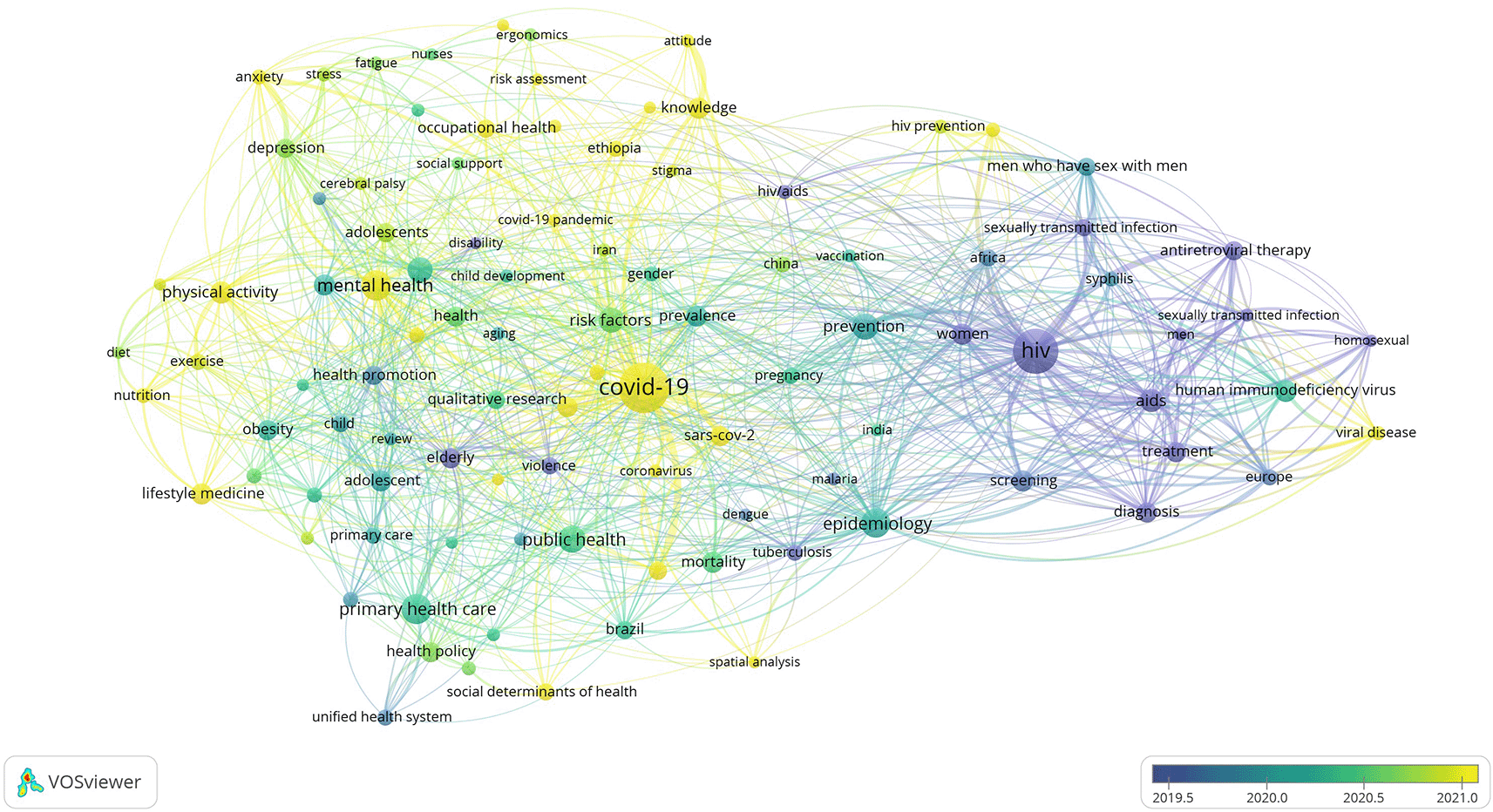
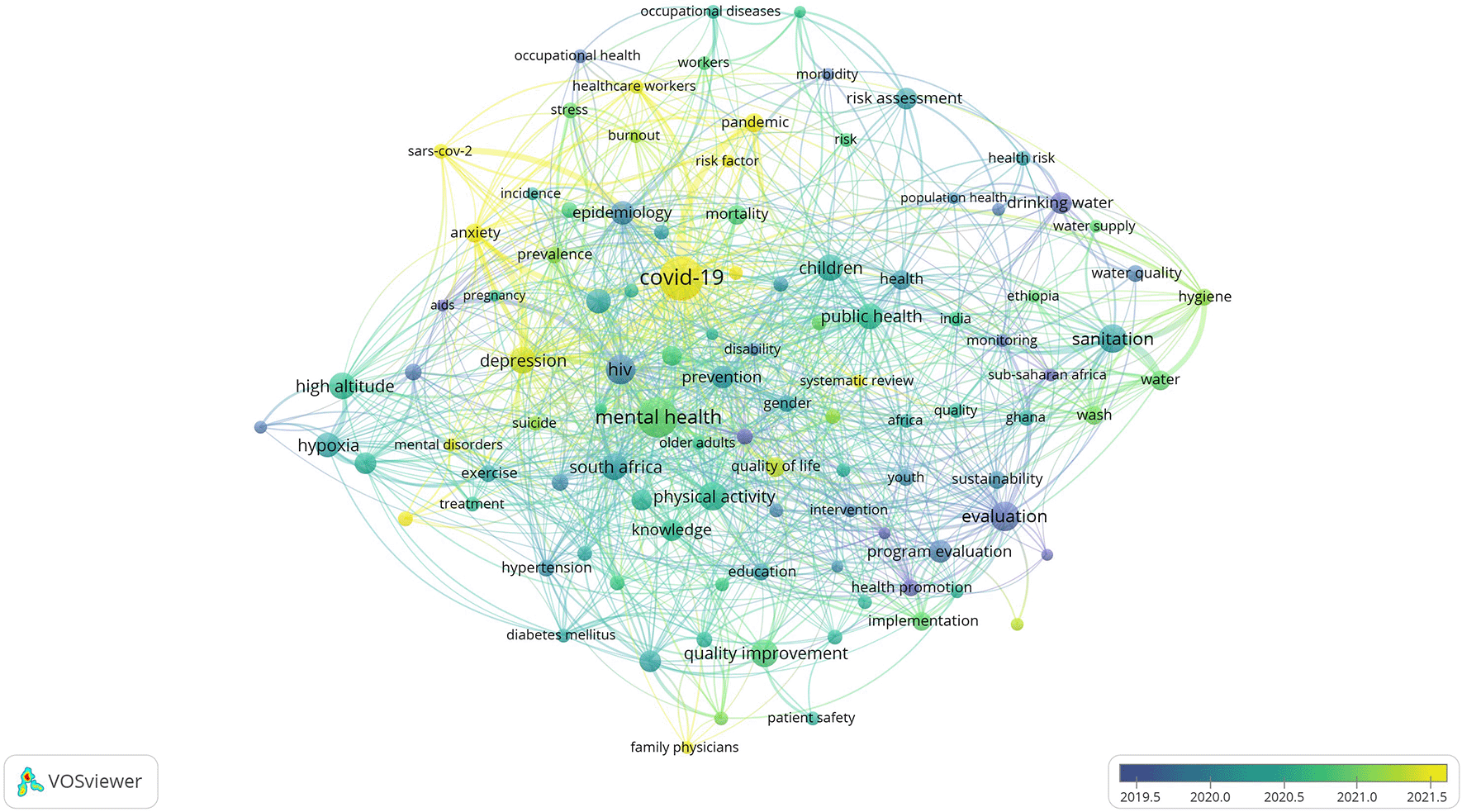
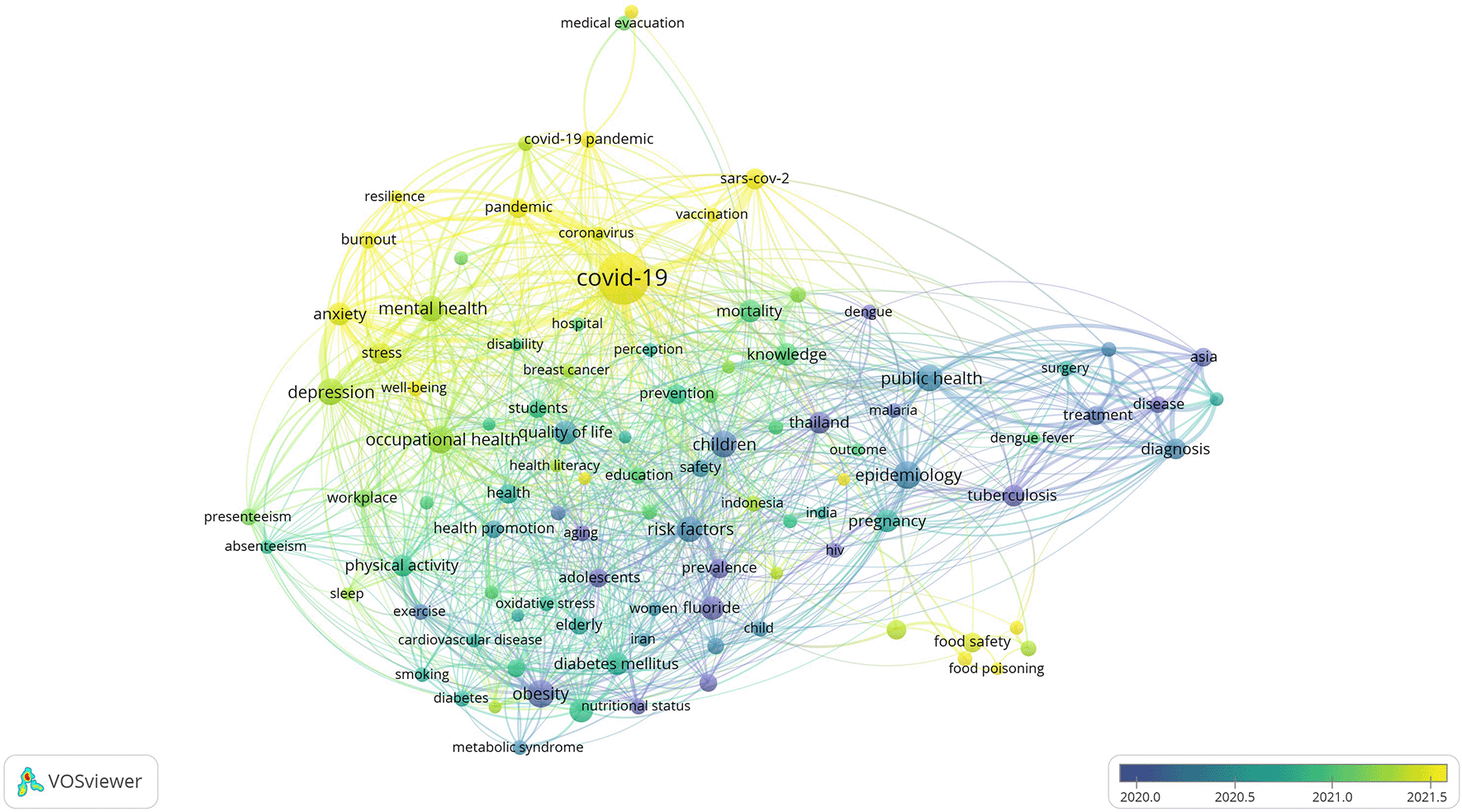
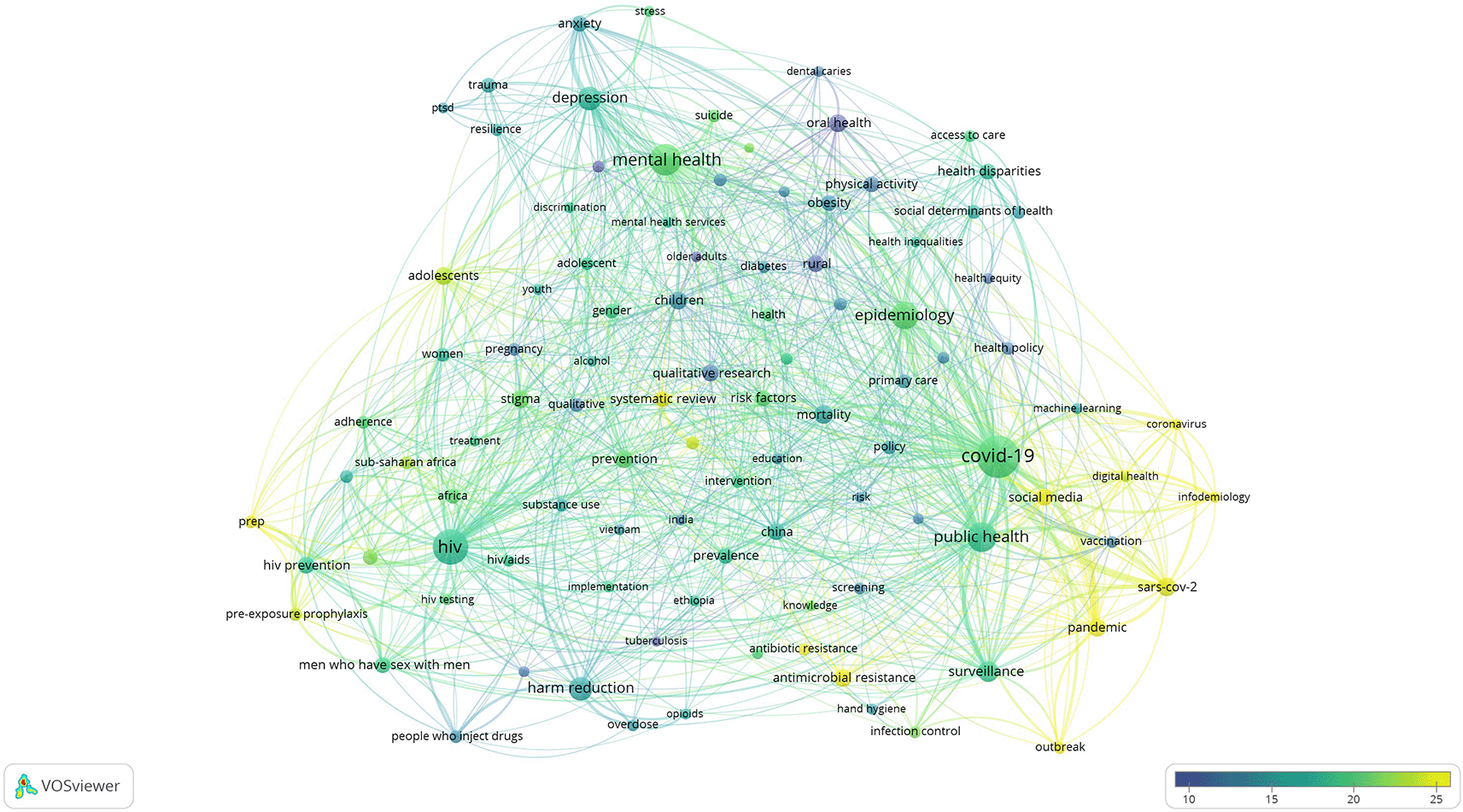
Co-occurrence analysis was conducted to identify high-frequency keywords that show hot topics in each PHEOH journal category. We performed two separate co-occurrence analyses for each category with respect to the author keywords and index keywords. In all four categories, most author keywords represented the main topics of the documents, while most index keywords indicated the study settings. Based on the analysis of author keywords, we identified 6 (100), 4 (101), 7 (105), and 3 (100) clusters (nodes) for Q1 to Q4 categories, respectively. Co-occurrence analysis using index keywords showed 5 (100), 4 (100), 4 (101), and 6 (101) clusters (nodes) for the Q1 to Q4 categories, respectively.
It is worth noting that for each co-occurrence analysis, various thresholds were set for the minimum number of times a keyword had to appear to achieve approximately 100 nodes on a thematic map. The most common author keyword across all quartile categories (Q1 to Q4) was “COVID-19”. Furthermore, the keyword with the highest Total Link Strength (TLS) represented the primary focus of research within each quartile. In terms of indexed keywords, “humans” had the highest frequency of occurrence across all categories ( Table 1). The top 10 authors and indexed keywords for each quartile, ranked based on frequency, are summarized in Table 1.
To view the analysis based on other keywords, see Figures 1 to 12, and to view the analysis based on the index keyword, see Supplementary File Figures 13 to 24.
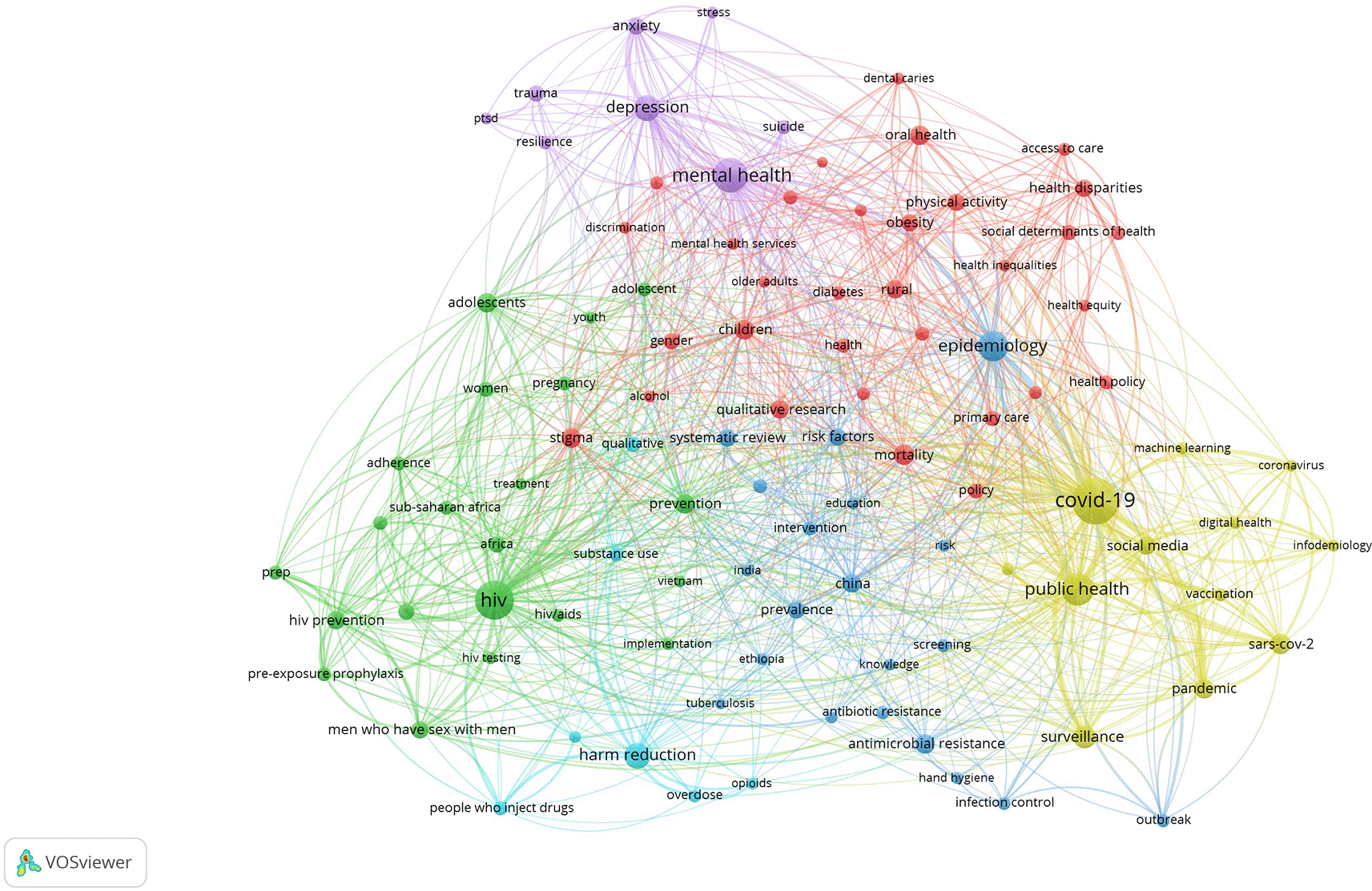

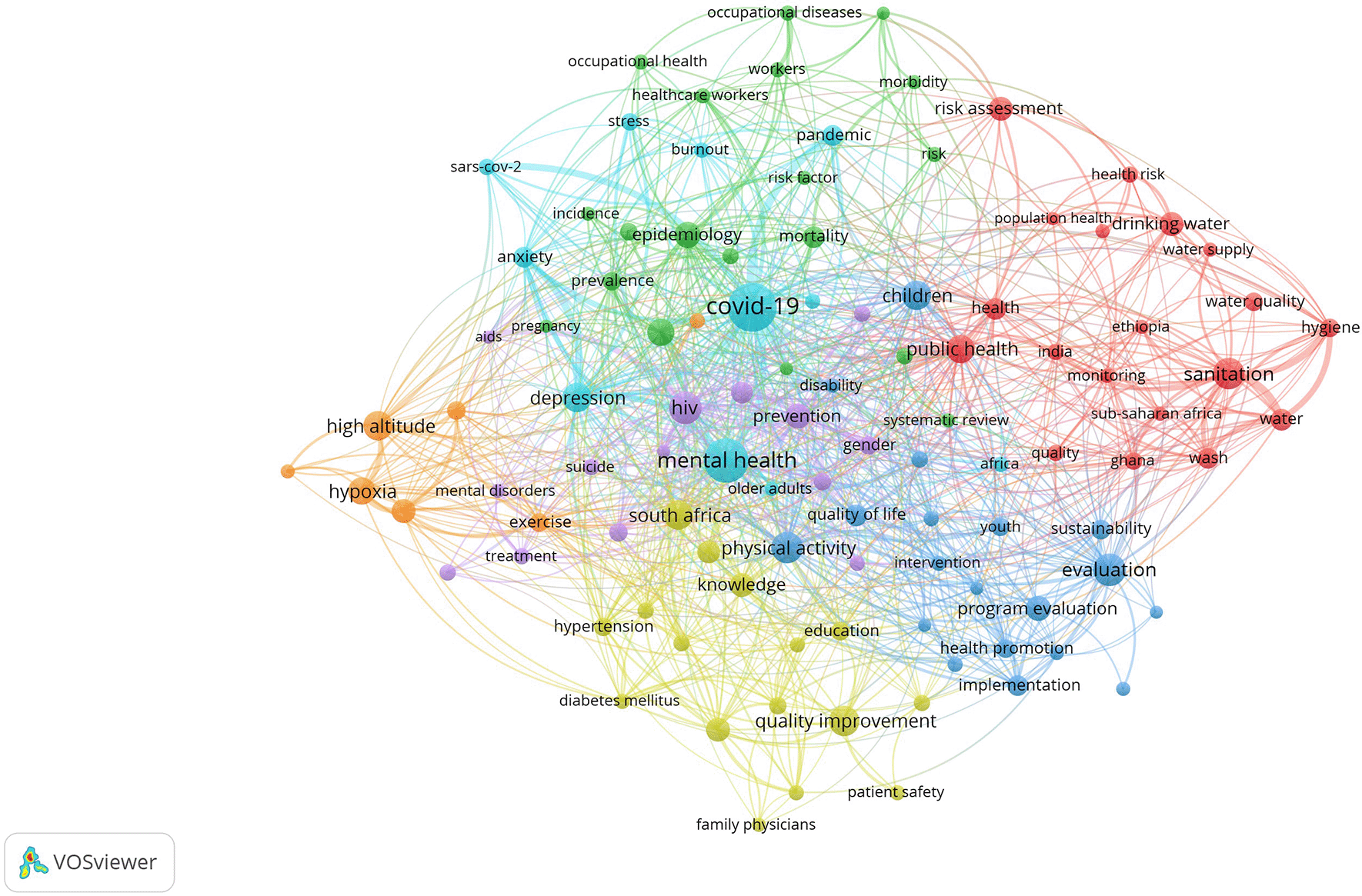
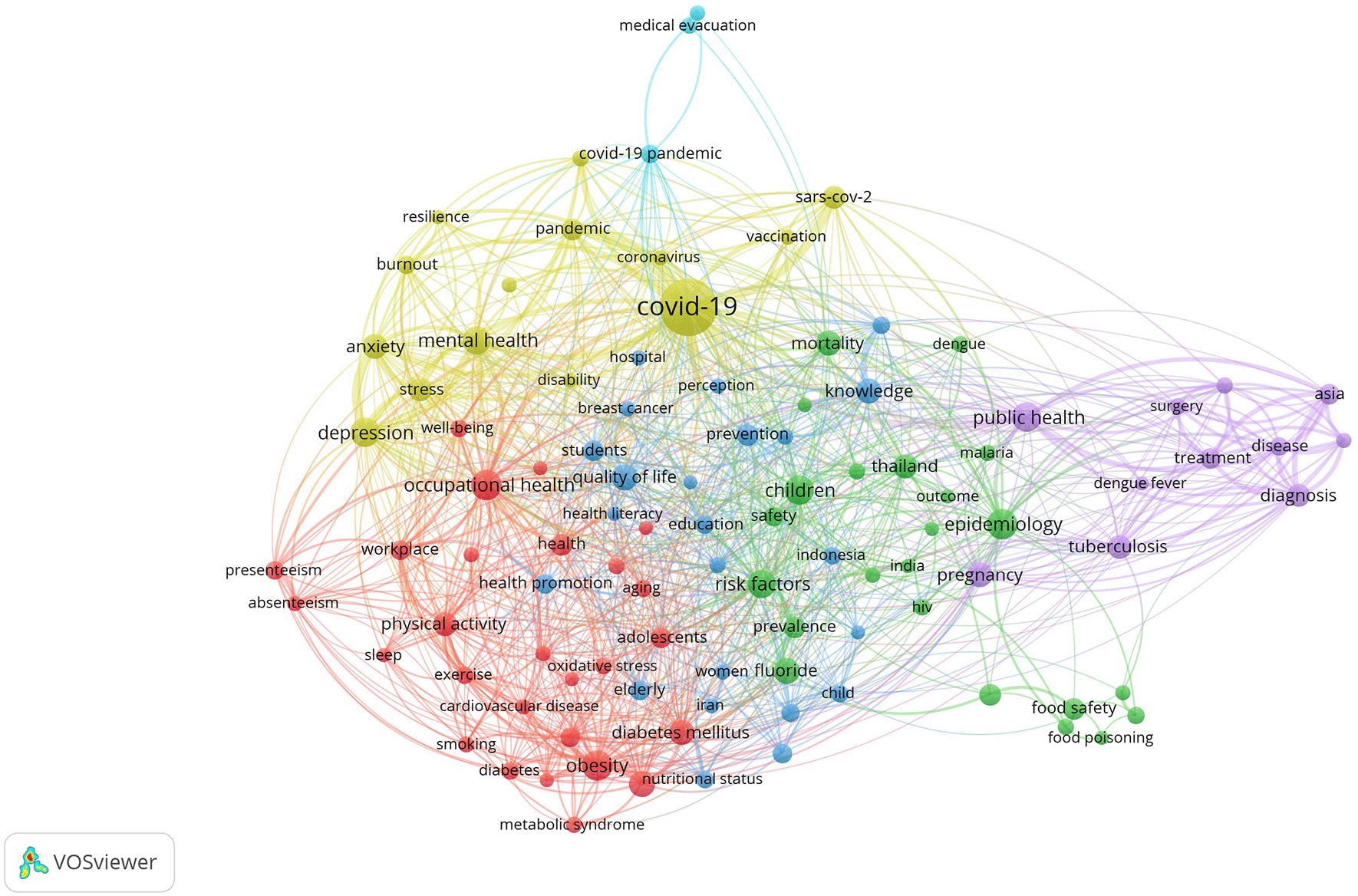
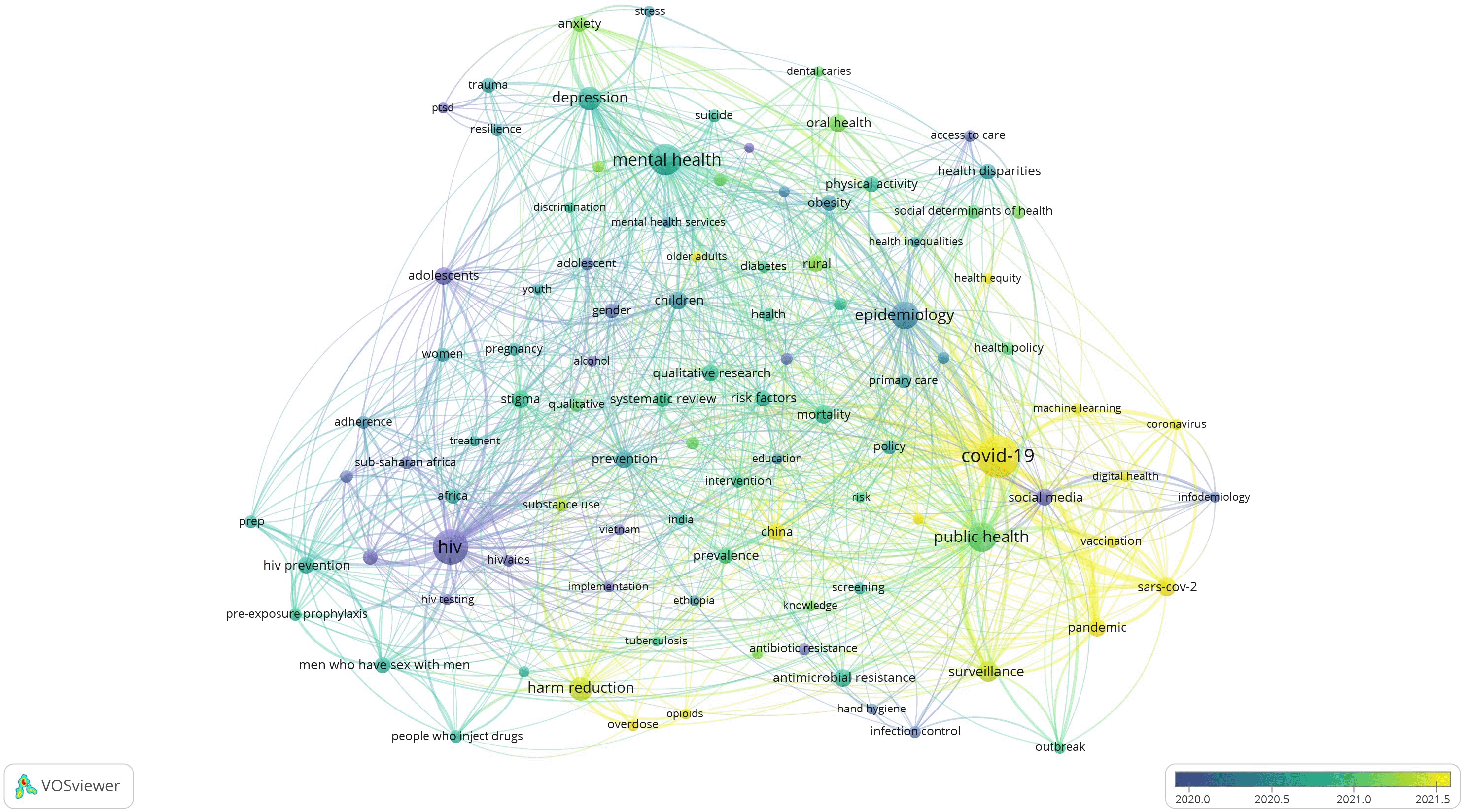
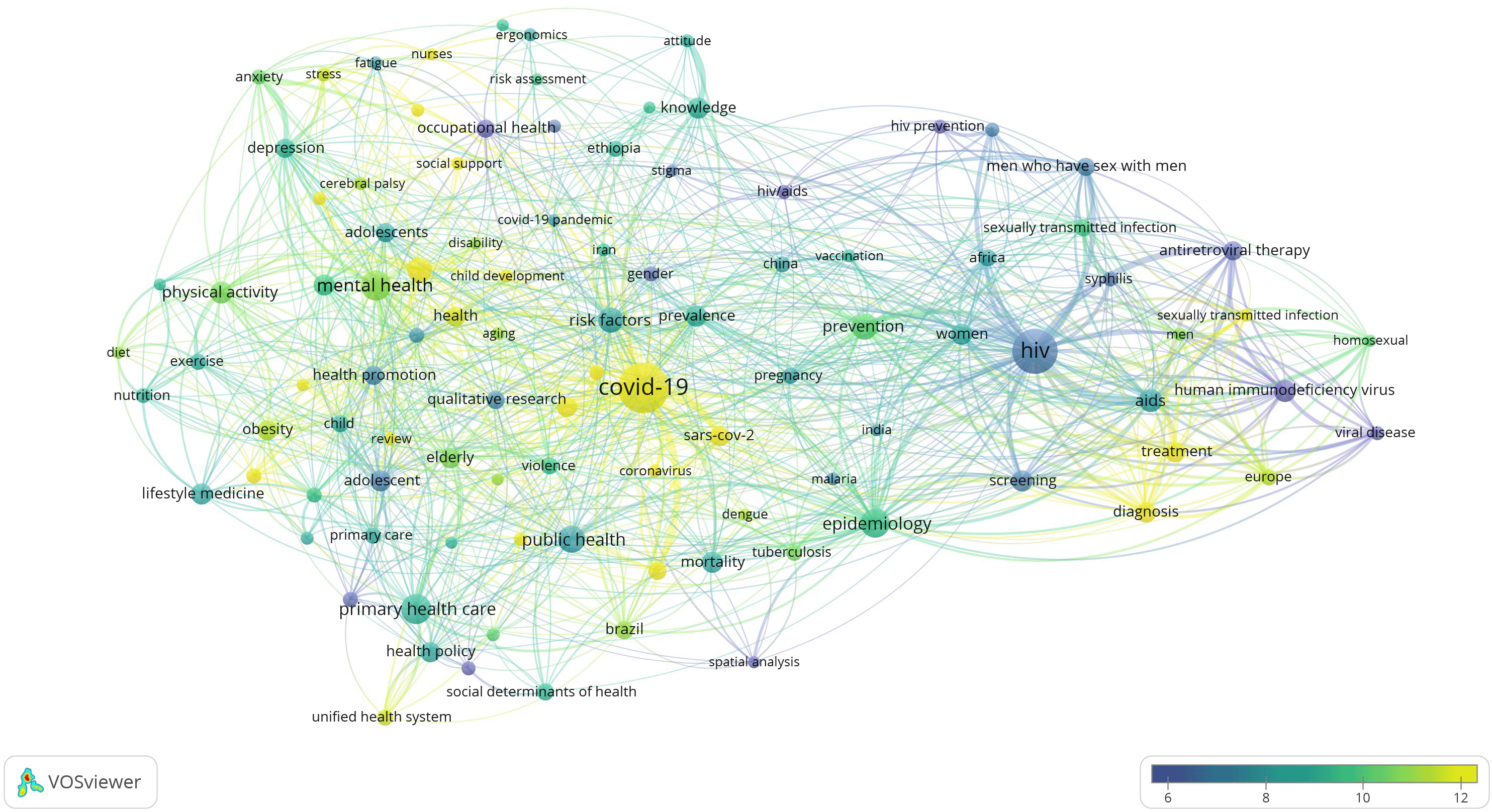
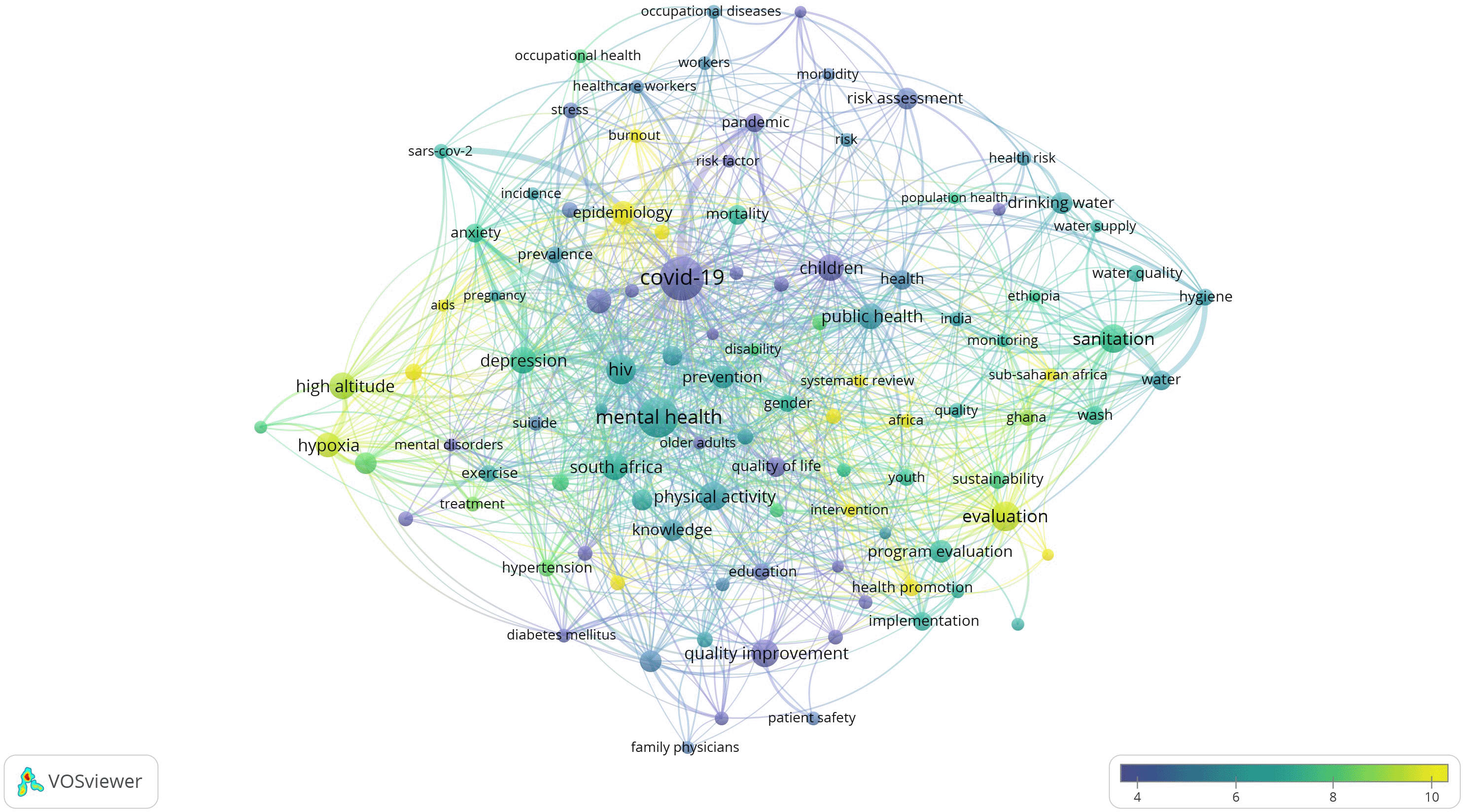
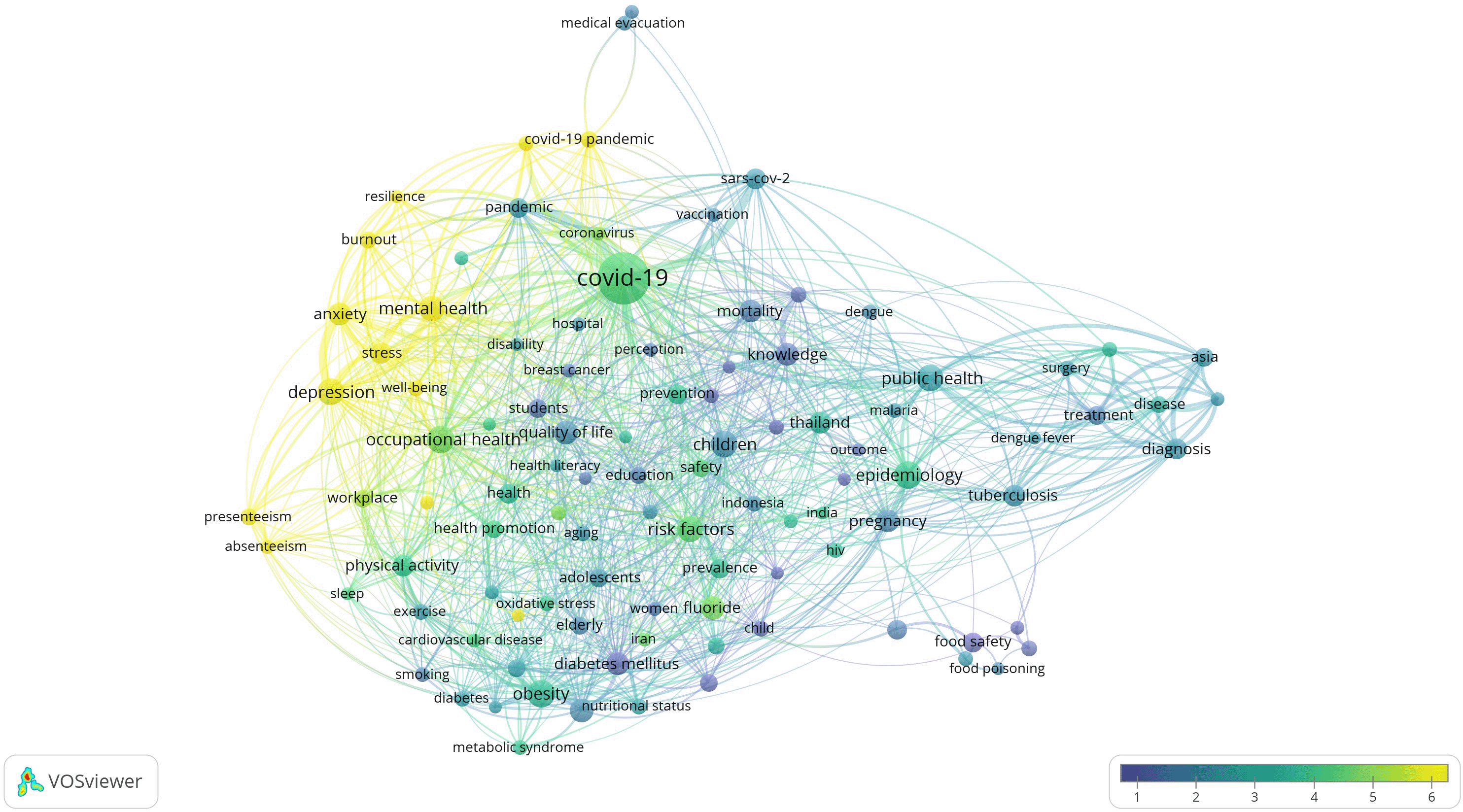
Among the top 10 author keywords in categories Q1 to Q4, “sars-covid-2”, “children”, “evaluation”, and “mental health” were the most cited with an average of 24.03, 12, 9.42, and 7.64citations, respectively ( Table 1 and Figures 9-12).
In addition, “COVID-19” was the most up-to-date topic among the top 10 author keywords in categories Q1, Q2, Q3, and Q4 with an average publication year of 2022.01, 2021.81, 2022.14, and 2021.94, respectively ( Table 1 and Figures 5-8).
This bibliometric study was conducted to explore the bibliometric characteristics of PHEOH journals across different Scimago categories. Our analysis revealed that the most common author keyword in all quartile categories (Q1 to Q4) was “COVID-19”. Additionally, the keyword with the highest Total Link Strength (TLS) represented the central research focus within each category. Notably, “COVID-19” was also identified as the most current topic among the top 10 author keywords in the Q1, Q2, Q3, and Q4 categories. Based on indexed keywords, “humans” had the highest frequency of occurrence across all quartiles. Furthermore, among the top 10 author keywords in Q1 to Q4, terms such as “SARS-CoV-2,” “children,” “assessment,” and “mental health” received the highest citations.
The findings of our study uphold the findings of prior studies: COVID-19 became a focal point in scientific research published from 2016 to 2025.19 Keywords such as “COVID-19,” “SARS-CoV-2,” and “mental health” consistently stood out, which is not surprising given the radical increase in pandemic-related studies during this time. This has also been noted in other bibliometric research works. The preeminence of COVID-19 publications in well-known scholarly works is confirmed by others’ findings,19,20 who made the same observations about pandemic-related issues in top-tier journals. The common recurrence of “mental health” in Q1 and Q2 journals is probably consistent with widespread concerns about the psychological effects of the pandemic, highlighted.21
Interestingly, our analysis indicated that research productivity was not equal; the USA in Q1 to Q3 and Pakistan in Q4 emerged as the leading contributors. Regional disparities may be associated with differences in funding conditions for research, the quality of research infrastructure, and the respective country’s access to quality journals.
According to the analyses conducted, the comparison between quartiles, and the review of the number of articles and citations, it can be concluded that after COVID-19, articles that revolve around HIV, mental health, and occupational health have a greater chance of being accepted and published in PHEOH journals. This indicates that these journals focus more on this aspect of health, and perhaps the greater attention society pays to HIV and mental health problems has caused authors to gravitate towards this direction and make such topics the main topic of the PHEOH journals.
Because our study specifically compares the bibliometric characteristics of Q1 to Q4 PHEOH journals, it stands out as unique. As a result, a direct and comprehensive comparison of our findings with those from previous studies isn’t feasible.
Like any study, this one has its own set of limitations. To begin with, we relied on Scopus Classification Criteria (SjR) for gathering our data. This means we only included documents from journals specifically categorized under public health, environment, and occupation. As a result, any articles published in journals outside these categories or in journals not indexed in Scopus weren’t part of our analysis.
Additionally, because of the sheer number of documents and journals in these categories, combined with a lack of software tools to streamline the process, we had to narrow our analysis.
A total of 654 journals were randomly chosen from a collection of 100 journals covering the period from 2016 to 2025 for our analysis.
Additionally, the study’s methodology restricted our ability to distinguish among the domains of public health, environment, and occupation, which may be regarded as an additional limitation.
In summary, this bibliometric analysis highlights how research priorities in PHEOH journals differ across Scimago quartiles. The dominant topic within this category is “COVID-19,” with key themes like SARS-CoV-2, “children,” “assessment,” and “mental health” garnering the most citations.
These findings shed light on the current trends and focus areas driving the scientific agendas of PHEOH researchers and journals across various tiers.
| Views | Downloads | |
|---|---|---|
| F1000Research | - | - |
|
PubMed Central
Data from PMC are received and updated monthly.
|
- | - |
Provide sufficient details of any financial or non-financial competing interests to enable users to assess whether your comments might lead a reasonable person to question your impartiality. Consider the following examples, but note that this is not an exhaustive list:
Sign up for content alerts and receive a weekly or monthly email with all newly published articles
Already registered? Sign in
The email address should be the one you originally registered with F1000.
You registered with F1000 via Google, so we cannot reset your password.
To sign in, please click here.
If you still need help with your Google account password, please click here.
You registered with F1000 via Facebook, so we cannot reset your password.
To sign in, please click here.
If you still need help with your Facebook account password, please click here.
If your email address is registered with us, we will email you instructions to reset your password.
If you think you should have received this email but it has not arrived, please check your spam filters and/or contact for further assistance.

Comments on this article Comments (0)