Keywords
Anaerobic digestion, Biogas production, Inoculum, Rumen fluid

This article is included in the Energy gateway.
Anaerobic digestion, Biogas production, Inoculum, Rumen fluid
The manuscript has been extensively revised based on the feedback provided by the reviewers. The abstract section of the manuscript has been revised to remove redundant methodology. The introduction of the manuscript has been revised to highlight the urgency and significance of the research hypothesis needs to be justified in terms of the economy and environment. The introduction section of the manuscript has been revised by merging the sentences to enhance the readability of the manuscript. The redundant data presented in the introduction part has been removed to avoid repetition. The materials and methods section of the manuscript has been extensively revised to update the knowledge by revising the experimental method based on the recent literature. The results and discussion section of the manuscript has been revised. Figure 1, Figure 2, and Figure 3 have been included in the manuscript text. The conclusions section of the manuscript has been revised to briefly mention the results of the research and the recommendations. The manuscript has been extensively edited for language usage.
See the authors' detailed response to the review by Dominic Yellezuome
See the authors' detailed response to the review by Jovine Kamuhabwa Emmanuel
See the authors' detailed response to the review by Josef Marousek
The search for sustainable energy alternatives is increasing owing to growing concerns about the effects of fossil fuel consumption on the environment and the rapid depletion of the world’s petroleum reserves (Akinbami et al., 2001; Imri and Valeria, 2007). To address these challenges, long-term strategies for sustainable development place greater emphasis on switching to renewable energy sources that can lessen reliance on finite fossil fuels and mitigate environmental degradation (Farid, 2022). Among the available options, renewable energy technologies, especially biogas have become practical, economical, and environmentally sustainable for energy generation (Alemayehu, 2014; Arthur and Brew-Hammond, 2010). Anaerobic digestion of biomass or organic waste produces biogas, which is used for various household and commercial purposes, such as cooking, heating, lighting, electricity production, and vehicle fuel (Harris, 2008; Corral et al., 2008; Nasir et al., 2012).
Biogas production depends on the activity of various bacteria and microorganisms that break down organic matter in anaerobic digestion (Membere et al., 2012). An innovative solution to increase anaerobic waste digestion yields is co-digestion, which is an inexpensive and simple technology that enhances the anaerobic digestion rate by creating a better nutrient balance from the materials mixed to feed the digester, provides positive synergism for bacterial growth, and increases biogas production (Huang et al., 2016; Abbas et al., 2021).
Hydrolysis, acidogenesis, acetogenesis, and methanogenesis are the four interdependent microbial stages of anaerobic digestion, which are carried out by fermentative, acidogenic, and methanogenic microbial communities (Jia et al., 2020). Rumen fluid is a waste product from slaughterhouses that is regularly dumped into drainage systems (Zhang et al., 2016). Rumen is an anaerobic microbial habitat found in ruminant animals and harbors a diverse population of microbes, which includes fungi, bacteria, protozoa, and archaea (Sylvester et al., 2004; Yue and Yu, 2009). The rumen could be helpful as an activator in the anaerobic fermentation process that produces biogas. This fermentation process resembles the biogas digester process (Achmad et al., 2011). Saccharomyces cerevisiae is an anaerobic microorganism that can increase fiber degradation, stimulate cellulolytic bacterial and fungal growth, and increase the pH in digesters through organic acid production (Lynd et al., 2002; Achmad et al., 2011).
Debre Markos University is one of Ethiopia’s federal universities, and currently, there are more than 20,000 resident students on the main campus during the regular academic year and summer. For this reason, these students have their meals at the university. We have an enormous amount of organic waste and leftover food, which can be utilized as inputs for the generation of anaerobic biogas. The primary ingredients of the meals provided to students at Debre Markos University include bread, injera, spaghetti, rice, meat, and various stews and sauces. Rumen liquid is a slaughterhouse waste that is frequently disposed in drainage systems. This waste disposal system can create environmental problems and potential health hazards because rumen liquid contains millions of microorganisms. Similarly, most cafeteria leftover food was disposed around the back side of the male student dormitory, which creates a bad smell and a suitable environment for the growth of pathogenic bacteria. Different juice house wastes are also among the municipal wastes that are becoming a problem for management. Usually, this type of waste is disposed in dumping sites along with other types of domestic waste, which greatly pollutes the environment in Debre Markos town. Likewise, the dumping site has limited capacity owing to the scarcity of land. Therefore, there is a need to find other solutions to manage organic waste.
The major inputs required for biogas production in this study, such as rumen fluid, organic waste, and cattle manure, are locally available at minimal cost. Saccharomyces cerevisiae cultures can be propagated using inexpensive substrates. Therefore, the improved biogas production from organic waste mixed with cattle manure using rumen fluid and Saccharomyces cerevisiae isolate MUTJ0F can reduce household energy expenses, making the process economically feasible. Although there is information on biogas production from organic waste using rumen fluid inoculum (Aragaw et al., 2013; Tamirat et al., 2013; Tamrat, 2012; Yue and Yu, 2009; Zhang et al., 2016), but there is limited report on methods for increasing biogas generation, particularly those that use rumen fluid and S. cerevisiae (Achmad et al., 2011). This study aimed to determine the effect of rumen fluid and S. cerevisiae isolate MUTJ0F as digestion activators on the amount of biogas generated from co-digestion of food wastes mixed with cattle manure under anaerobic conditions, and to optimize the volume of rumen fluid and S. cerevisiae isolate MUTJ0F for biogas production. Therefore, the results may help universities, municipalities, and small businesses implement effective waste-to-energy management, encourage renewable energy, and reduce environmental pollution.
The research was carried out in the microbiology laboratory of the Department of Biology, Debre Markos University, East Gojjam, Ethiopia. The university is located in Debre Markos. Debre Markos is located at latitude and longitude of 10°20’N 37°43′E/10.330°N 37.717°E, elevation of 2,446 meters above sea level. It is 300 km away from Addis Ababa, the capital city of Ethiopia, and 265 km from Bahir Dar, the capital city of the Amhara region. In Debre Markos, there are 133,810 residents, comprising 67, 606 men and 66, 204 women (ESA, 2021). The average annual rainfall is 380 mm, while the lowest and maximum temperatures are 15°C and 22°C, respectively.
The strain Saccharomyces cerevisiae isolate MUTJ0F (OR209280.1) with accession number was used in this study. The Saccharomyces cerevisiae strain MUTJ0F (OR209280.1) was acquired from stock cultures from a previous isolated traditional fermented alcoholic beverage (Tej) in Ethiopia. The methods used for their isolation and identification have been described in our previous studies. Sequenced data was deposited in GenBank in the NCBI database, and accession numbers were obtained (Fentahun and Andualem, 2024).
This study aimed to evaluate the effects of ruminant fluids and S. cerevisiae isolate MUTJ0F (OR209280.1) on biogas generation from various mixed organic wastes co-digested with cattle manure. Various wastes of fruits and vegetables were gathered from the town fruit houses, cafeteria leftover food from the Debre Markos University student cafeteria, fresh cattle manure (CM) from Monkorer Agroindustry Enterprise, and rumen fluids (RL) from a nearby slaughterhouse.
Unwanted, non-digestible materials were carefully separated from the substrate. Food scraps from leftovers were gathered daily for a week from the cafeteria of students found in the Main Campus of Debre Markos University. Indigestible waste, such as bones was carefully removed from the substrate of the gathered meal. A mixture of substrates, including peels of papaya, mango, banana, avocado, as well as bread, injera, and spaghetti was used in this study. To improve and maintain the anaerobic digestion process, the organic wastes were manually chopped to a size of 1–4 mm (Leta et al., 2015). The CM was spread to dry for two days in direct sunlight on a plastic tray, then it was shredded to an average particle size of 2 mm and kept in a refrigerator at 4°C (Tamirat et al., 2013). After measuring the total solids (TS) of the samples, the de-sized cattle manure and food waste were mixed separately with distilled water in a 1:5 ratio (w/v) to maintain the total solid in the digester between 8 and 15%, which is the optimum value for wet anaerobic digestion (Ituen et al., 2007).
Rumen fluid was filtered through a double-layer sterile cheesecloth to remove coarse feed particles and fibrous impurities. After filtering the rumen fluid, the filtrate was stored in a refrigerator until use. Then, different amounts of the filtrate were added to each digester to initiate the reaction. The S. cerevisiae isolate MUTJ0F inoculum was prepared in Yeast Extract Peptone Dextrose Broth (YEPD) (Sigma-Aldrich (Oxoid Limited, USA) medium containing (g/l): yeast extract 10, peptone 20, and dextrose 20. The medium was sterilized at 121°C for 15 min in an autoclave. A loop full of a chosen 48 h old culture was inoculated into a 250 ml flask with 100 ml of the medium, and it was then shaken at room temperature at 25°C on a rotary shaker (SHKA4450-1 CE) (121 rpm) for 72 h. Each digester received a specific inoculum.
Total solids (TS), volatile solids (VS), fixed solids (FS), moisture content, organic carbon, and pH were measured in each sample of cattle manure, cafeteria leftover food, and fruit and vegetable waste using standard methods.
2.5.1 Total solids (TS)
According to APHA (1999), the oven-drying method was used to determine the total solids (TS) content of each sample. An evaporating dish (crucible) was first carefully cleaned, dried for an hour at 105°C in an oven, cooled in a desiccator, and precisely weighed. Using a standard analytical balance (LX200ABL), five grams of each sample of cattle manure, fruit, and vegetable waste was weighed independently and added to a crucible that had already been weighed. Subsequently, the crucibles containing the samples were placed in an oven (Contherm 260 M) set to 105°C for 24 h to dry. The crucibles were dried, cooled to room temperature in a desiccator, and weighed again.
Using the formula stated in APHA (1999), the percentage of the TS was determined as follows.
Where,
% TS = percentage of total solid
mDS = mass of dry sample
mFS = mass of fresh sample.
2.5.2 Volatile solids (VS)
The previously dried total solids were ignited in a muffle furnace (BiBBY, Stuart) at 550°C for 3 h to determine the volatile solids (VS) and fixed solids (FS). The crucibles were removed after ignition, allowed to cool in a desiccator, and then precisely weighed. The volatile solids were represented by the weight loss during combustion, and the fixed solids were represented by the remaining residue. Then volatile solid content in the sample was determined using the formula: APHA (1999).
Where, mDS = mass of dry samples whereas m(ash) = mass of ash
2.5.3 Organic carbon (C)
According to Jigar (2015), the organic carbon content of the sample was calculated from volatile solids data using an empirical equation stated below:
2.5.4 Moisture content determination
The moisture content of each sample was calculated using the oven-drying method, which measures the percentage of water lost relative to the initial wet weight of the sample. After carefully weighing 10 grams of each sample, it was placed in oven (Contherm 260 M) at 105°C for 24 h set to 105°C for an entire day. The samples were weighed again after drying and cooling in a desiccator. Moisture content was then calculated using the formula (Elias et al., 2010):
2.5.5 pH determination
The pH of each sample was determined using a digital pH meter (Hanna ECI pH meter, Hanna Scientific, USA) in accordance with standard procedures. The pH meter was calibrated using standard buffer solutions of pH 4.0 and 7.0 before measurement to ensure accuracy throughout the relevant pH range. After calibration, the electrode was rinsed with distilled water, inserted into the substrate samples, and the pH values were recorded.
This study consisted of the anaerobic digestion of substrates in 12 treatments. The 12 treatment types used for anaerobic co-digestion were cattle manure, fruit and vegetable waste, and cafeteria leftover food in mixtures of 1:1 ratio. The first experimental variables was the dosage of rumen liquid i.e. (0 ml/100 g, 25 ml/100 g, 50 ml/100 g, 75 ml/100 g, 100 ml/100 g, and 150 ml/100 g), while the second variables was the dosage of S. cerevisiae isolate MUTJ0F i.e. (5 ml/100 g, and 10 ml/100 g) of the mixed organic waste. Three replicates were used for each treatment. All digesters were kept at 38°C in an oven set to mesophilic conditions. The water content of each digester was calculated according to the suggestion of (Ituen et al., 2007). Feed stock was mixed with distilled water to obtain approximately 8% of TS suspension. The following formula was then used to determine the amount of water to be added:
Anaerobic digesters (plastic bottles) were constructed for bench-scale experiments, in which biogas was produced from the degradation of substrates in a 0.6 L digester with a working volume of 450 mL. The three plastic bottles were set up such that the substrate was in the first bottle, the acidified brine solution was in the center, and the last bottle collected the brine solution expelled from the second container. All three containers were interconnected with a plastic tube with a diameter of 1 cm. The lids of all digesters were tightly sealed using superglue to control the entry of oxygen and loss of biogas.
An acidified brine solution was prepared by adding NaCl to water until a saturated solution was obtained. The brine solution was then acidified by adding two to three drops of sulfuric acid, and the solution was placed in the second chamber according to the method of (Elijah et al., 2009). The biogas was moved to the second chamber while it was being produced in the digester chamber. A pressure buildup served as the catalyst for the solution displacement because the biogas is insoluble in it. The amount of gas collected was equal to the amount of water that was pushed from the digester. By looking at the cylinder’s graduation, the displacement of water was measured. According to Budiyono et al. (2010), the “liquid displacement method” was used to measure the amount of biogas produced. Biogas volume was measured daily throughout the experimental period using the water displacement method.
A burning test was performed to qualitatively determine whether the biogas contained methane. After the biogas was collected, a measurement cylinder containing the gas was carefully placed. A lit matchstick was brought close to the mouth of the cylinder while observations were made. If the gas started a fire and created a flame, it was a sign that the biogas contained flammable methane. However, if there was no flame, the gas was considered non-combustible, indicating that there was very little or no methane in the sample.
Version 23.0 of SPSS (IBM SPSSInc., Chicago, IL, SPSS (RRID:SCR_002865), https://www.ibm.com/support/pages/downloading-ibm-spss-statistics-23) was used to analyze the data. The mean and standard deviations of the triplicates analysis were calculated using analysis of variance (ANOVA).
The physicochemical properties of the different substrates, such as their moisture content, pH, organic carbon, total solids, fixed solids and volatile solids are shown in Table 1. The pre-digestion of three substrates, including cattle manure, cafeteria leftover food, and vegetable and fruit waste, varied owing to the differences in the composition of the substrates. The pH of the different substrates ranged from 6.8 to 7.6, which is within the ideal range for anaerobic digestion. This near-neutral pH is useful to start microbial activity, which thrive in stable pH environments (Budiyono et al., 2010). The high moisture content of the mixed wastes ranged from 62.5 to 77.6%, which increases microbial accessibility and substrate solubilization for anaerobic digestion (Fernández et al., 2008). The physicochemical characteristics of the different substrates showed a low percentage of volatile solids relative to the total solids. The VS of cafeteria leftover food waste was greater (30.8%) than that of cattle manure and fruit and vegetable wastes, suggesting a comparatively higher energy content that is advantageous for biogas production.
The VS/TS ratios of the cafeteria leftovers food, vegetable and fruit wastes, and cattle manure were 78.3%, 80.2%, and 91.2%, respectively. These values indicate sufficient biodegradable volatile solids for effective anaerobic digestion, and the biodegradable organic matter was within the recommended 70–95% range for efficient biogas production (Kawai et al., 2014; Wu et al., 2021).
Among the substrates, cafeteria leftover food had the highest organic carbon content (41.6%), which is indicative of its rich protein, fat, and carbohydrate content. This makes it a high-energy feedstock with significant potential for biogas production (Panahi et al., 2022; Zeng et al., 2022). All of the substrates were considered acceptable for anaerobic digestion because all the different substrate wastes had the highest ratio of VS to TS in Table 1. Cattle dung is used to accelerate biogas production by promoting bacterial growth in the digester (Adeoye, 2024).
The amount of biogas generated from digester using rumen fluids and S. cerevisiae isolate MUTJ0F as a fermentation activator is presented in (Table 2; Figure 1). The 12 methane production treatments varied significantly due to variations in inoculum dosage of rumen fluid and S. cerevisiae isolate MUTJ0F. The combination of mixed waste with rumen fluid and S. cerevisiae isolate MUTJ0F significantly improved anaerobic digestion at mesophilic temperature (38°C) compared to the control (without inoculum). This implies that the high anaerobic bacterial concentration in rumen fluid with S. cerevisiae isolate MUTJ0F efficiently breaks down organic substrates from mixed waste. These findings are consistent with those of other researchers (Achmad et al., 2011; Sakar et al., 2008; Yitayal, 2011; Forster-Carneiro et al., 2008; Abdullahi et al., 2011).
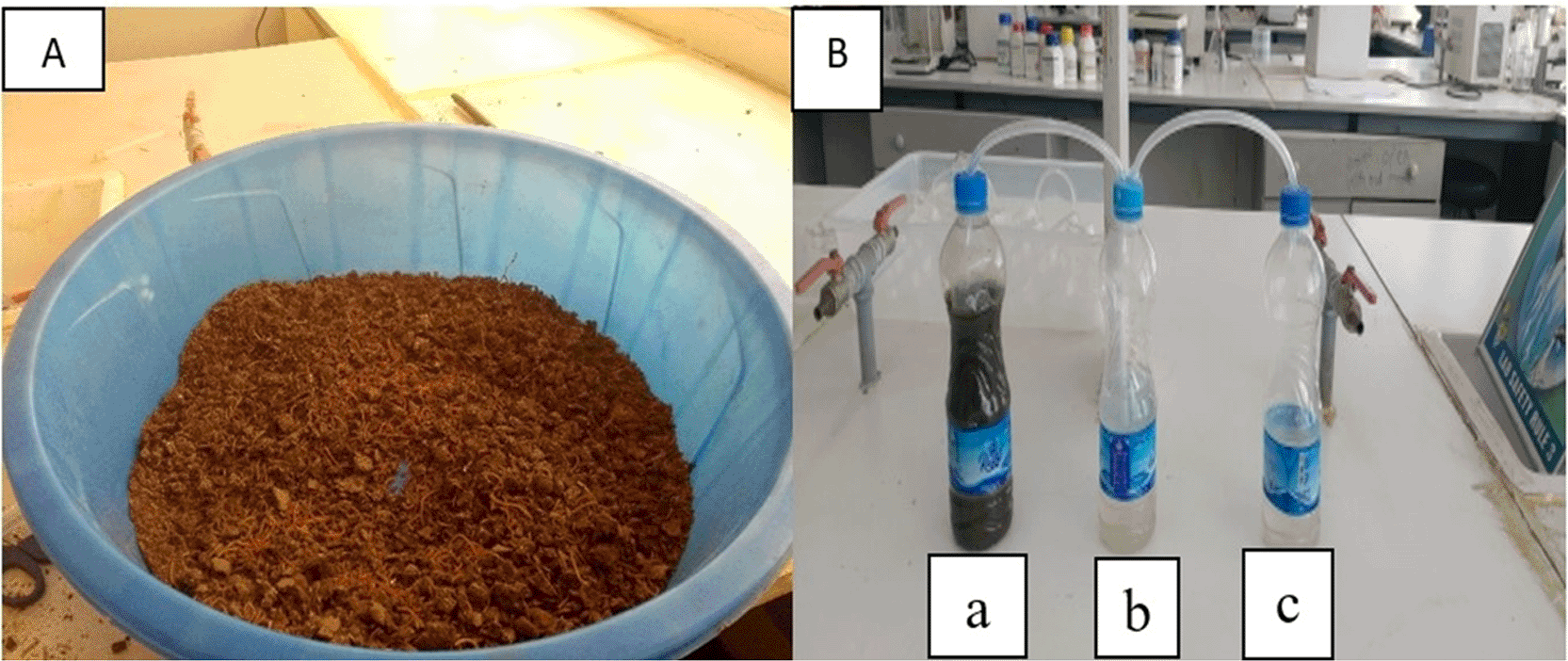
A. Mix of wastes which was subjected to digesters; B. Experimental setup (a. Digester; b. Gas collector; c. Water collector).
According to the results, the maximum amount of biogas (6900.3 ml) was produced by combining 100 ml of rumen fluids with 10 ml of S. cerevisiae isolate MUTJ0F/100 g mixed waste, followed by 100 ml of rumen fluids and 5 ml of S. cerevisiae isolate MUTJ0F/100 g mixed waste. These results demonstrate that co-inoculation with S. cerevisiae isolate MUTJ0F and rumen fluid significantly increases biogas productivity by enriching the microbial community involved in hydrolysis, acidogenesis, and methanogenesis. The digester with the lowest methane volume (1500.2 ml) was the control digester (without inoculum), which contained only mixed waste without yeast or rumen fluid. This demonstrates that external microbial stimulants significantly increase the efficiency of anaerobic digestion.
As the digester rumen content varies, the results also showed that the amount of biogas generated increases when the dose of S. cerevisiae isolate MUTJ0F is increased from 5 ml to 10 ml. The addition of the S. cerevisiae isolate MUTJ0F culture to the digester enhanced the number of ruminal bacteria and their activity while also improving the digestibility of dry matter, crude protein, and hemicelluloses (Wilson, 2011; Wandera et al., 2018).
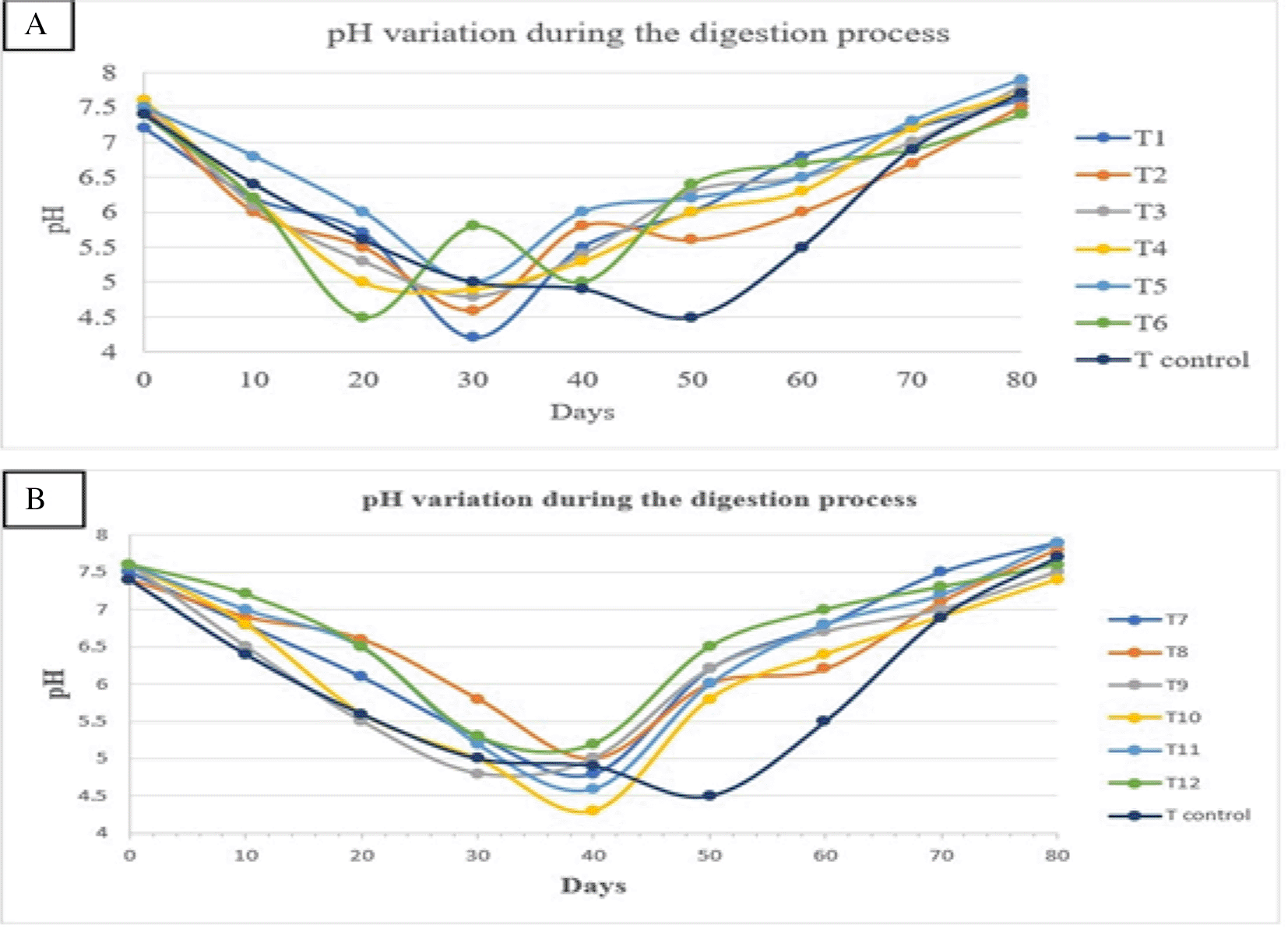
The pH value was checked every 10 days to examine the effect of change during digestion on bacterial activity (Figure 2). The result showed that the variation of pH values during 80 days of the digestion process in all treatments (T1–T12) and the control. At the beginning of the experiment (day 0), the pH values in all treatments ranged from about 7.2 to 7.6, indicating a neutral environment, which is suitable for the start of anaerobic digestion. The pH values gradually dropped throughout the first phase (days 0–30), with most treatments reaching their lowest levels between pH 4.2 and 5.8. This drop may be likely caused by the formation of organic acids and volatile fatty acids during the hydrolysis and acidogenesis stages of anaerobic digestion (Joyce et al., 2018; Li et al., 2018). On the other hand, after day 30, the values of pH gradually increased in all treatments. This increase may be due to ammonification processes in which the breakdown of proteins releases ammonia, which buffers the system and increases alkalinity (Zhang et al., 2014; Yaichurrozi et al., 2016). All treatments showed pH values ranged from 7.4 to 7.9 at the end of the experiment (day 80). This indicates that the digestion process was stable after the active biogas production period. Methanogenic bacteria the optimum pH values between 6.8 and 7.2 (Anunputtikul and Rodtong, 2004; Budiyono et al., 2010).
A lit matchstick was brought near the digester gas outlet to evaluate the biogas combustibility after the 60th day of the digestion period in a 0.6 L digester. Flammable gas was observed at the digester gas outlet, confirming the presence of biogas in the digester (Figure 3).
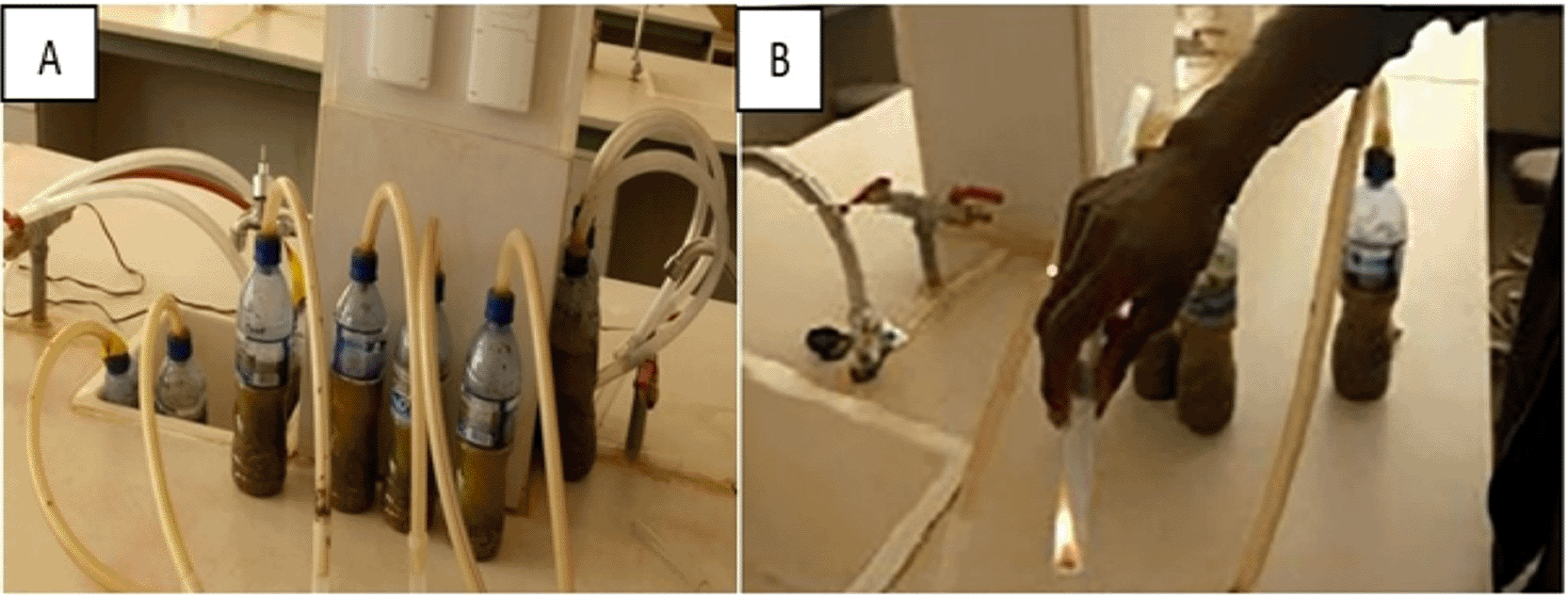
A. 0.6 L plastic bottle digesters; B. Combustibility of biogas test.
This study showed that the co-digestion of mixed organic waste with S. cerevisiae isolate MUTJ0F and rumen fluid is a feasible method for significantly improving biogas production in anaerobic environments. Among all treatments, a mixture of 100 ml rumen fluid and 10 ml S. cerevisiae isolate MUTJ0F/100 g of mixed waste produced the highest volume of biogas (6900.3 ml). pH variations in the digesters showed a typical anaerobic digestion pattern, with an initial decline due to active acidogenesis, followed by a gradual return to methanogenesis conditions. Using rumen fluid and S. cerevisiae as bioactivators provides a valuable, affordable, and effective way to increase the production of biogas from readily accessible organic wastes, such as fruit and vegetable waste, cattle manure, and cafeteria leftover food. The sludge (digestate) produced from biogas production can be used as organic fertilizer to enhance the fertility of the soil. Future research should focus on scaling up the experiment to a pilot scale to determine its commercial feasibility. Institutions such as universities, agro-industries, and municipalities that produce large amounts of leftover food and fruit-vegetable waste should implement co-digestion systems using these inoculants for better waste management, improvement of public health, reduction of environmental pollution, and production of renewable energy.
Conceptualization, M.F. and B.K; Methodology, B.K.; Data analysis, M.F.; Investigation, M.F. and B.K.; Resources, M.F. and B.K.; Writing – original draft, M.F.; Writing – review and editing, M.F. and B.K.; Visualization, M.F.; Funding acquisition, M.F. All authors have read and agreed to the published the manuscript.
| Views | Downloads | |
|---|---|---|
| F1000Research | - | - |
|
PubMed Central
Data from PMC are received and updated monthly.
|
- | - |
Provide sufficient details of any financial or non-financial competing interests to enable users to assess whether your comments might lead a reasonable person to question your impartiality. Consider the following examples, but note that this is not an exhaustive list:
Sign up for content alerts and receive a weekly or monthly email with all newly published articles
Already registered? Sign in
The email address should be the one you originally registered with F1000.
You registered with F1000 via Google, so we cannot reset your password.
To sign in, please click here.
If you still need help with your Google account password, please click here.
You registered with F1000 via Facebook, so we cannot reset your password.
To sign in, please click here.
If you still need help with your Facebook account password, please click here.
If your email address is registered with us, we will email you instructions to reset your password.
If you think you should have received this email but it has not arrived, please check your spam filters and/or contact for further assistance.

Comments on this article Comments (0)