Keywords
Therapeutic, Cannabis, Legislation, Medical use, Peruvians

Therapeutic, Cannabis, Legislation, Medical use, Peruvians
In this updated version, inferential statistical analyses were incorporated to strengthen the interpretation of the findings. Specifically, contingency table analysis with exact Monte Carlo tests, Spearman’s correlation, simple linear regression, and a two-step cluster analysis were added. These complementary analyses allowed a more robust assessment of the association between knowledge and acceptance of therapeutic cannabis use, the predictive role of knowledge, and the identification of distinct acceptance profiles within the population. No changes were made to the study design, sampling strategy, data collection procedures, or descriptive results. The conclusions were refined to reflect the additional inferential evidence
Since time immemorial, humankind has relied on the therapeutic use of medicinal plants based on knowledge acquired through experience and belief systems. These practices persist to the present day, and cannabis, a plant long used by our ancestors, is a case in point. The recent resurgence of interest in cannabis, driven in part by its legalization in several countries, has attracted a great deal of attention.1 Widely known as marijuana, cannabis is the most widely consumed illicit drug worldwide. In recent years, there has been a marked increase in the number of countries that have legalized the use of cannabis for medicinal purposes. Examples include the Netherlands (2003), Italy (2007), Colombia (2015), Australia (2016), and Puerto Rico (2017), as well as 29 states in the United States.2,3 The primary motivation behind legalization has been to facilitate the substance’s therapeutic and recreational use.2,4
In the Netherlands, the utilization of cannabis has been confined to circumstances where conventional treatment has not yielded the anticipated response, a measure implemented to mitigate adverse effects.3 In certain American countries, the legalization of marijuana for alternative medical purposes has been the subject of substantial controversy, as evidenced by the cases of Mexico, Colombia, and Argentina, where two generic drugs approved by the U.S. Food and Drug Administration are employed.1,5,6
In Peru, the use of cannabis as a therapeutic alternative is a controversial issue. In 2017, the Peruvian government officially sanctioned the use of medical cannabis; however, the corresponding regulation was not approved until two years later. Acceptance of the use of medical cannabis as a treatment has been very variable, especially in the last 10 years.2 In 2019, Law N° 30681 was approved, which regulates the medicinal and therapeutic use of cannabis and its derivatives, and establishes the General Directorate of Medicines, Inputs and Drugs (DIGEMID) as the competent authority to authorize the production, importation, commercialization and taxation of cannabis-related products.7 The legalization of cannabis has raised concerns from a public health perspective, as its highly potent psychostimulant components are susceptible to abuse, leading to a number of problematic outcomes.8,9 As a result, the public perception of cannabis remains controversial, especially among more conservative demographics who associate the plant with recreational use and the potential for adverse effects.
A lack of accurate information about the use and benefits of medical cannabis has been noted among medical and non-medical personnel in Peru, and people often obtain information from non-scientific sources.9–11 The lack of clear regulations on the medical use of cannabis raises doubts about its safety and efficacy. The proposal to legalize domestic cultivation of cannabis in the country has raised doubts about the ability to control THC and CBD levels in plants. Although THC and CBD have therapeutic benefits, particularly in alleviating the side effects of chemotherapy and chronic pain, the medical use of cannabis remains controversial. The lack of scientific evidence supporting its efficacy for certain diseases and the associated risks, such as addiction and potential mental disorders, contribute to the controversy. Without proper regulation, the safety and efficacy of cannabis-derived medicines may be called into question. It is crucial to establish clear guidelines to ensure that medical professionals and alternative medicine seekers have access to reliable information when using cannabis for treatment.2
Research has demonstrated the potential benefits of THC and CBD on health.12 However, the WHO does not currently recommend the medical use of CBD as an ingredient in pharmaceutical products due to insufficient studies demonstrating its safety.12 The WHO states that CBD provides benefits in its natural state. Consequently, evaluating perceptions concerning cannabis utilization is instrumental in identifying salient concerns and knowledge gaps. This comprehensive assessment will facilitate the development of more efficacious public health policies and educational initiatives, thereby enhancing the informed and responsible utilization of medical cannabis, and ensuring its enhanced accessibility and safety.13
The majority of studies concentrate on the medical knowledge of cannabis as a therapeutic alternative.11,14–18 In the Peruvian context, this is also the case, as it is medical personnel who should possess sufficient knowledge to prescribe it. However, only a limited number of studies have focused on the perceptions of non-medical individuals, such as adolescents and young adults. However, insights from these individuals regarding their perceptions, knowledge, and experiences with cannabis use are crucial for comprehending behavioral patterns, acceptance levels, and emerging trends in cannabis consumption.19,20
In this context, the following research question was posed: What is the perception of the use of cannabis as a therapeutic alternative among the inhabitants of the Peruvian city of Trujillo? The study was justified by the controversy of opinions generated by its legalization in Peru. Notwithstanding the prevailing stigma associated with its addictive potential and the prevailing cultural barriers that limit its medical application, the study seeks to underscore the significance of cannabis in the health field as a therapeutic option.21 The objective of the study was to evaluate the knowledge and perception of cannabis as a therapeutic alternative in the population of Trujillo. This analysis is congruent with Sustainable Development Goal 3 (Health and Well-being), as it facilitates a more profound comprehension of how the population perceives cannabis use. The findings of this study can serve as a foundation for the development of more effective public health policies and programs, with the aim of promoting the physical and mental well-being of the Trujillo community.
This is a basic research study using a quantitative approach and a non-experimental, cross-sectional, descriptive correlation design. This methodological framework enables a more precise evaluation of perceptions, safeguarding the integrity of the findings by precluding the manipulation of variables. Consequently, this design ensures a more accurate depiction of prevailing knowledge.
This will facilitate a comprehensive assessment of the perceptions and acceptance of the therapeutic use of cannabis by the population of Trujillo,22 which will provide valuable information for the development of more effective health policies.
The study population is constituted by the inhabitants of the city of Trujillo. The inclusion criteria include participants from diverse socioeconomic levels and cultural backgrounds, as well as individuals between the ages of 18 and 60, irrespective of gender, who are capable of responding to the study instruments. This criterion is intended to ensure the representativeness of the sample. Individuals under the age of 18, those with a documented history of serious mental disorders that may compromise their ability to participate, and those with a history of substance abuse that may interfere with the interpretation of the data will be excluded from the study.
The sample size was calculated to be 324 participants, adjusted to a margin of error (e) of 5.45%, with a confidence interval (CI) of 95%, a z value of 1.96, and an estimated proportion of the population (p) of 0.5. The formula employed to estimate the sample proportion is as follows23:
The data were collected using structured surveys to ascertain the public perception of cannabis use in the city of Trujillo. The primary instrument employed in this study comprised closed-ended questions, designed to elicit personal data on the perception of cannabis use within the study sample. The surveys were then subjected to a process of validation by means of expert judgment.
The data collection instrument was based on the survey proposed by Aliaga24 with some modifications to adapt it to the objectives of the study. A new reliability was calculated using the KR-20 formula, yielding a value of 0.825, which is regarded as adequate according to Sampieri’s interpretation table.25 The structured questionnaire comprised primarily closed questions with dichotomous response options, enabling the assessment of individuals’ perceptions regarding the therapeutic utilization of cannabis. The questionnaire will be divided into thematic blocks covering both knowledge and acceptance of medical cannabis, and will include questions to collect sociodemographic information on the participants (age, sex, educational level, and marital status), which will allow segmented analyses according to the different characteristics of the sample.
In accordance with ethical research principles, the confidentiality of participants was guaranteed during the data collection process by providing them with prior information about the anonymous nature of the study and its purpose. The survey was created using Google Forms and shared on social network offering advantages in terms of accessibility, time, geographical reach, and cost. Written informed consent was obtained via a digital checkbox at the beginning of survey, in accordance with the principles of transparency, confidentiality, and voluntariness. The survey results were subsequently stored in a Microsoft Excel spreadsheet for analysis.
Data analysis was performed using SPSS Statistical Software version 27. Descriptive statistics were used to summarize the study variables, and the results were presented as frequencies and percentages to characterize the distribution of knowledge and acceptance of the therapeutic use of cannabis in the study population. Prior to inferential analysis, the distribution of the data was evaluated using the Kolmogorov-Smirnov test, which indicated a non-normal distribution of the variables. Consequently, non-parametric statistical methods were applied. Associations between categorical variables were examined using contingency tables, and statistical significance was assessed using exact tests with Monte Carlo simulation when expected cell counts were low (n < 5). The strength and direction of the relationship between knowledge and acceptance were assessed using Spearman’s rank correlation coefficient (ρ). To further examine the predictive role of knowledge, a simple linear regression analysis was performed, with acceptance as the dependent variable and knowledge as the independent variable. Model fit was assessed using the coefficient of determination (R2) and the overall significance of the model. In addition, a two-step cluster analysis was performed to identify acceptance profiles within the population. The variables of knowledge and acceptance were included as inputs, and the quality of the clusters was evaluated using the silhouette measure of cohesion and separation. The relative importance of the predictors in cluster formation was also examined.
The sociodemographic characteristics of the surveyed population indicate that most of the subjects are young (59.6%), with a high level of education, usually university level. In terms of sex, the population is predominantly female (56.2%), and in terms of marital status, most of the subjects are single (81.2%).
As shown in Table 2, the survey results indicate a lack of general knowledge about the use of cannabis as a therapeutic alternative. While some respondents expressed being aware of its benefits and therapeutic applications, the majority showed a lack of knowledge about its presentations, recommended doses and harmful effects. Regarding the perception of Peruvian and foreign legislation, a minority of those surveyed said they were unaware of the subject. Approximately, a little more than half of the respondents expressed the belief that cannabis consumption can generate addiction and have psychoactive effects. Finally, a minority of respondents believed that medical cannabis could be therapeutically useful for children, while the majority did not consider it appropriate for this group.
As demonstrated in Table 3, the majority of respondents expressed the opinion that only specialized physicians should prescribe medical cannabis and that it is safe if used responsibly. However, opinions were divided on its overall safety and potential health risks. The majority of respondents expressed their belief that pharmacists should possess a comprehensive understanding of medical cannabis, acknowledging the potential for abuse. There was a general consensus on the need to better inform the public and support for legalization with scientific backing. However, opinions were divided on whether the use of medical cannabis can lead to the use of other drugs and whether it is a viable therapeutic alternative.
As shown in Table 4, acceptance of therapeutic cannabis varied according to th knowledge among the participants. Individuals with a low knowledge exhibited exclusively low acceptance (100%), with no cases of medium or high acceptance observed. Similarly, participants with a medium knowledge predominantly reported low acceptance (87.9%), while a small proportion showed medium acceptance (12.1%). In contrast, participants with a high knowledge demonstrated a more heterogeneous distribution of acceptance levels. Although low acceptance remained the most frequent (72.0%), higher proportions of medium (20.1%) and high acceptance (8.0%) were observed in this group. The association between knowledge level and acceptance was statistically significant (two-sided Monte Carlo exact test, p = 0.0017), indicating that higher knowledge about the therapeutic use of cannabis is associated with greater acceptance.
A correlation analysis was conducted to assess the association between knowledge and acceptance of therapeutic cannabis use. Given the non-normal distribution of the variables. Spearman’s rank correlation coefficient was applied. As shown in Table 5, a statistically significant positive correlation was observed between knowledge and acceptance (Spearman’s ρ = 0.325; 95% CI: 0.0223 – 0.420; p < 0.001), indicating that higher levels of knowledge were associated with greater acceptance of therapeutic cannabis use.
In the Table 6 shown a simple linear regression analysis was performed to examine whether knowledge predicted acceptance of therapeutic cannabis use. The model was statistically significant (F(1,335) = 50.41, p < 0.001) and explained 13.1% of the variance in acceptance (R2 = 0.131). Knowledge showed a positive and significant association with acceptance (B = 0.209; 95% CI: 0.151 – 0.267; p < 0.001), indicating that knowledge was associated with increased levels of acceptance.
The Two-step cluster analysis identified distinct clusters based on acceptance of therapeutic cannabis use (Figure 1). The model incorporated two input variables and generated two clusters of comparable size, representing 52.2% (n = 176) and 47.8% (n = 161) of the study population, respectively. The overall cluster quality was supported by a silhouette measure of cohesion and separation of 0.60, indicating good cluster structure. The predictor importance analysis showed that knowledge contributed most strongly to cluster differentiation, whereas acceptance had a lower relative contribution. Differences between clusters were observed in the mean values of both knowledge and acceptance.
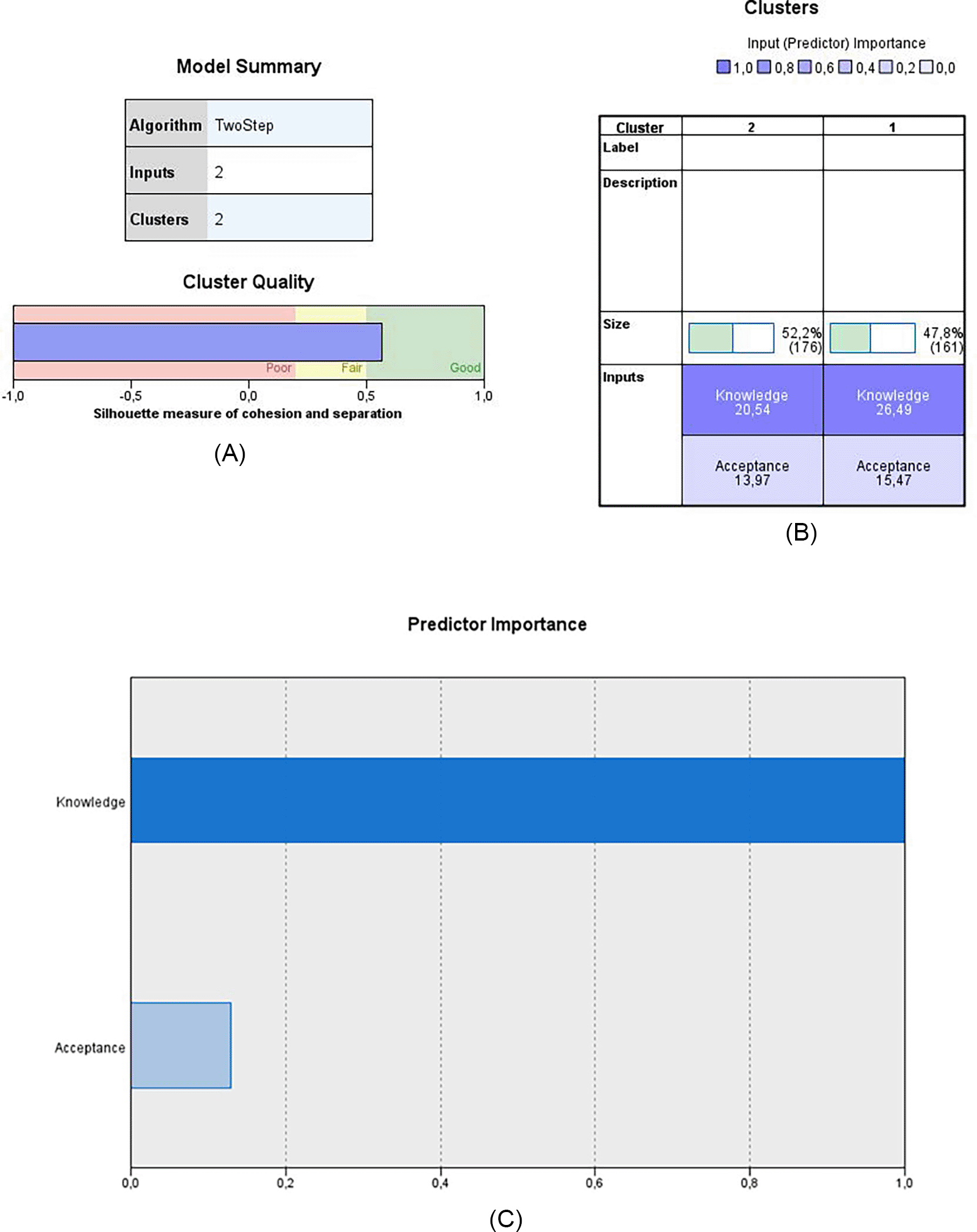
(A) Cluster formation obtained from the two-step cluster analysis, showing the distribution of participants across clusters. (B) Predictor importance plot, indicating the relative contribution of variables to cluster differentiation. (C) Input variables included in the two-step cluster model.
The research results indicate that sociodemographic characteristics have the potential to influence perceptions and acceptance of cannabis for medical use (see Table 1). The majority of participants were young and, consistent with other research, younger generations are more open to discussing and adopting alternative treatments such as medical cannabis. They are more open to new ideas and trends, which may lead to greater acceptance of the therapeutic use of cannabis, which was previously surrounded by taboos and misconceptions in previous generations.11,26 This inclination toward novel approaches may be attributed to the greater accessibility of knowledge through social networks, characteristic of both young people and adults. In terms of educational level, most participants had attained a university level, suggesting that they may possess a broader understanding of the subject, which could lead to a greater openness to accepting controversial issues, such as the use of medical cannabis.20 The majority of the participants possessed a university education, indicating a more extensive understanding of the subject matter and a higher propensity for acceptance of medical cannabis. However, it should be noted that this is not a definitive factor.18,27 Similarly, a lack of accurate information influences the perception of cannabis use. In this sense, the absence of educational campaigns focused on the therapeutic use of cannabis contributes to this misinformation, reflecting the urgent need to address this knowledge gap among both the general population and healthcare professionals.17 The accessibility of the media and social networks, which often present contradictory or non-scientifically based information, which can generate confusion among the population and unequal perceptions about the therapeutic use of cannabis. Added to this is the fact that part of the population accepts it while others question it due to the lack of scientifically validated information.28
With regard to the utilization of medical cannabis (see Table 2), it was noted that 50.3% of respondents indicated a deficiency in knowledge concerning the benefits of medical cannabis, while 69.7% indicated a lack of knowledge about the risks associated with its use in terms of harmful effects. This observation suggests a general lack of knowledge about the benefits of medical cannabis among respondents, which may be related to the limited scientific evidence supporting its use.29 As Black et al. note, the paucity of scientific evidence supporting the efficacy of medical cannabis for depressive disorders reinforces the notion that the benefits of medical cannabis are not widely understood and have not been demonstrated in all cases.30 This suggests that, due to the lack of conclusive evidence, both the general population and healthcare professionals may have difficulty understanding or communicating the potential benefits of cannabis in the medical setting.
The research reveals a considerable gap in knowledge about cannabis legalization, with less than a quarter of respondents informed about it, suggesting a lack of access to information or a lack of interest in the topic. In contrast, studies in countries such as the United States show that the social and legal environment influences attitudes towards cannabis use, with greater acceptance in contexts of legalization, according to Yu et al.31 Regarding the perception that cannabis can cause addiction, the results are divided: 51.2% of respondents expressed the opinion that cannabis use can cause addiction, a perception supported by Hoch et al. who indicate that a large proportion of the world’s population suffers from cannabis use disorders.32 Furthermore, Compton et al. suggest that around 30% of users are likely to become dependent.33 However, this represents only a fraction of the world’s population, suggesting that not all users develop dependence or related disorders.
As demonstrated in Table 3, there is a clear division of opinion regarding the therapeutic use of cannabis. According to Sznitman,34 many of these concerns stem from the lack of solid scientific evidence, which significantly influences public acceptance of cannabis as a therapeutic option. The results of this study reflect this division, with 46.4% of participants in favor of its use for therapeutic purposes, compared to 53.6% who disagree. This division corresponds with the need for evidence-based legalization, with 90.6% of participants stressing the importance of scientific support. However, Montero et al.35 have pointed out that current support for medicinal cannabinoids remains limited and is based on preliminary or inconclusive data. Furthermore, the preponderance of respondents expressed strong support for the establishment of regulated frameworks, with an overwhelming majority agreeing that cannabis prescribing should be reserved exclusively for specialized physicians (86.7%) and that pharmacists should be required to provide comprehensive information on its use (90.3%).36 These results underscore the prevailing societal inclination toward safety and professional standards, a sentiment that persists even among those who are receptive to its legalization.
The study findings indicate a progressive relationship between the knowledge and acceptance of the therapeutic use of cannabis in the population of Trujillo, suggesting that knowledge acts as a facilitating factor for more favorable attitudes (Table 4). This finding is consistent with international evidence showing that greater exposure to information on medical cannabis is associated with increased acceptance, although important barriers remain, including limited formal training, concerns about safety and dependence, and unclear regulatory frameworks.37,38 Other international studies further suggest that acceptance of medical cannabis is shaped by educational and sociocultural factors beyond technical knowledge alone.39 In the Peruvian context, these findings are consistent with reports among physicians in hospitals in Chiclayo, who, despite the existing regulatory framework, demonstrated predominantly neutral attitudes and low confidence in prescribing medicinal cannabis.11 Overall, the evidence suggests that increasing knowledge is necessary but not sufficient, and that strengthening medical education and regulatory clarity is essential to promote informed and responsible acceptance of medicinal cannabis.
Distribution of acceptance levels according to knowledge of therapeutic cannabis in the population of Trujillo (n = 337)
The significant positive Spearman correlation between knowledge and acceptance (Table 5) indicates that higer levels of knowledge are associated with greater acceptance of medicinal cannabis, supporting the notion that educational exposure may influence clinicians’ attitudes and confidence toward its use. This observation aligns with international research showing that healthcare professional’ knowledge and confidence regarding cannabis-based products are positively linked, yet often insufficient, with many clinicians expressing interest in but limited understanding of clinical evidence, regulatory issues, and therapeutic indications, which may constrain their readiness to counsel or prescribe these products despite growing acceptance in clinical practice.40 Similarly, correlational studies among nurses and midwives have documented that gaps in knowledge about medical cannabis are associated with varied attitudes and beliefs, and that formal training is frequently advocated to improve acceptance and clinical confidence.41 Altogether, these findings reinforce that while knowledge alone does not fully determine clinical behavior, it plays a measurable role in shaping attitudes toward medicinal cannabis, underscoring the need for structured education and professional development to facilitate evidence-based acceptance and utilization.
Spearman correlation between knowledge and acceptance of therapeutic cannabis use.
| Variables | Spearman’s ρ | 95% CI | p-value |
|---|---|---|---|
| Knowledge ̶ Acceptance | 0.325 | 0.223–0.420 | <0.001 |
The simple linear regression model indicates that knowledge level is a significant and positive predictor of acceptance of therapeutic cannabis use (Table 6). The observed effect is of moderate magnitude. However, the coefficient of determination shows that knowledge explains inly a limited proportion of the variability in acceptance, suggesting the influence of other relevant factors, such as risk perceptions, prior clinical experience, and regulatory barriers, as reported in international studies among physicians.42 These findings are consistent with previous research showing a positive association between knowledge, attitudes, and clinical confidence regarding medicinal cannabis, alongside persistent gaps in training and in the understanding of regulatory frameworks.40 Similarly, insufficient levels of knowledge have been associated with neutral or ambivalent attitudes toward medical cannabis.41 Overall, these results reinforce that knowledge is a necessary, but not sufficient, factor to promote broad acceptance of therapeutic cannabis. This highlights the importance of comprehensive and context-specific educational interventions.
Simple linear regression model predicting acceptance of therapeutic cannabis use.
| Predictor | B | SE | β | t | p | 95% CI |
|---|---|---|---|---|---|---|
| Constant | 9.787 | 0.698 | — | 14.03 | <0.001 | 8.42–11.16 |
| Knowledge | 0.209 | 0.029 | 0.362 | 7.1 | <0.001 | 0.151–0.267 |
Cluster analysis suggests that acceptance of the therapeutic use of cannabis is not evenly distributed across the studied population, but rather organized into distinct profiles. The silhouette value indicates adequate internal cohesion and acceptable separation between clusters, which supports the stability of the obtained results. Knowledge was identified as the most influential factor in forming clusters, emphasizing its importance in differentiating acceptance profiles. This finding consistent with evidence showing that higher knowledge of medical cannabis is associated with more favorable attitudes, although knowledge gaps continue to limit uniform acceptance.43 At the same time, the partial overlap between clusters and acceptance’s contribution as an input variable suggest acceptance does not depend exclusively on knowledge. Previous research has shown that concerns related to clinical uncertainty, perceived risks, and regulatory context influence attitudes toward medical cannabis, contributing to heterogeneous patterns of acceptance that align conceptually with the differentiated profiles identified in this study.43 This cluster analysis provides an exploratory perspective that complements inferential findings and reinforces the interpretation that, while knowledge is important, it is not the only determinant of acceptance of therapeutic cannabis.
The study’s findings are important because they contribute to updating knowledge about cannabis use among the population of Trujillo. It also supports progress toward the SDGs. In this context, the combined evidence from contingency analysis, correlation, and regression models indicates a consistent association between knowledge and acceptance of the therapeutic use of cannabis. Additionally, cluster analysis provides an integrative perspective by revealing distinct acceptance profiles within the population, highlighting underlying disparity that is not fully captured by traditional statistical approaches. This comprehensive understanding of behaviors and knowledge related to cannabis use is critical to informing health policies that promote its safe and responsible use, while addressing stigma and misconceptions that may hinder equitable access and informed decision-making. However, this study has several limitations. First, the use of non-probability sampling limits the generalizability of the results to the entire population of Trujillo. Second, although perceptions of medical cannabis were assessed, other contextual factors, such as cultural or socioeconomic influences, which may further influence patterns of acceptance, were not examined. Finally, relying on self-reported survey data may introduce bias in responses or affect the accuracy of the results.
It is concluded that the population of Trujillo has vague or basic information about the benefits and possible therapeutic uses of cannabis, especially in chronic diseases and cancer. Likewise, 86.7% of the respondents accept its medical use in a regulated manner, under medical supervision and with scientific support. On the other hand, there are still discrepancies and uncertainties regarding its use. In addition, a general lack of knowledge about medical cannabis, its benefits and legal regulation highlights the need to promote greater dissemination of information and education on this topic in the community. However, the results show a mostly positive attitude towards the regulation and responsible use of medical cannabis, highlighting the importance of education and medical support for its implementation; however, concerns about safety and the risk of abuse persist, underscoring the need for greater dissemination of scientific information on its benefits and risks. One of the limitations of the study was the non-probability sample, which makes it impossible to generalize the results to the general population of Trujillo. For this reason, it is recommended that future studies use a sampling method that allows the sample to be representative.
This study was conducted in accordance with the Code of Ethics guidelines established by César Vallejo University and the provisions of Rector’s Resolution No. 760-2007/UCV.44 The research was also approved by the Research Directorate’s Ethics Committee with an unnumbered ruling dated February 18, 2025.
The study adhered to the principles outlined in the Declaration of Helsinki, ensuring respect for the autonomy, integrity, and dignity of the participants. Surveys were administered using Google Forms to allow for efficient, accessible data collection. To ensure compliance with the ethical principles of transparency and voluntariness, written informed consent was requested from participants via a checkbox before the survey began. This mechanism ensured that participants understood the purpose and scope of the study before providing their responses.
Valeria Gómez-Amaya: Conceptualization, formal analysis, investigation, visualization, writing – original draft preparation.
Amy Casanova-Coral: Conceptualization, data collection, investigation and methodology.
Josué Campaña-Silva: Conceptualization, data collection, investigation and methodology.
Jossuny Cubas-Namó: Conceptualization, data collection and investigation.
Jesús Namay-Rebaza: Conceptualization, data collection and investigation.
Genesis Camacho-Narvayes: Conceptualization, data collection and investigation.
Walter Rojas-Villacorta: Writing – review & editing, Supervision, Validation, Writing and funding acquisition.
| Views | Downloads | |
|---|---|---|
| F1000Research | - | - |
|
PubMed Central
Data from PMC are received and updated monthly.
|
- | - |
Provide sufficient details of any financial or non-financial competing interests to enable users to assess whether your comments might lead a reasonable person to question your impartiality. Consider the following examples, but note that this is not an exhaustive list:
Sign up for content alerts and receive a weekly or monthly email with all newly published articles
Already registered? Sign in
The email address should be the one you originally registered with F1000.
You registered with F1000 via Google, so we cannot reset your password.
To sign in, please click here.
If you still need help with your Google account password, please click here.
You registered with F1000 via Facebook, so we cannot reset your password.
To sign in, please click here.
If you still need help with your Facebook account password, please click here.
If your email address is registered with us, we will email you instructions to reset your password.
If you think you should have received this email but it has not arrived, please check your spam filters and/or contact for further assistance.

Comments on this article Comments (0)