Keywords
Agriculture, Artificial Intelligence; Bibliometric Analysis; Farmers’ Decision-Making; Science Mapping.

Agriculture, Artificial Intelligence; Bibliometric Analysis; Farmers’ Decision-Making; Science Mapping.
The ability of farmers to make informed decisions has become increasingly important in addressing the challenges of modern agriculture, which are characterised by climate change, resource constraints, and increasingly volatile market dynamics (Swami and Parthasarathy, 2020; Giraldo et al., 2023). At the same time, the global population is projected to reach 9–10 billion by 2050, requiring a 50% increase in food production to meet future demand (FAO, 2025). These conditions compel farmers to make appropriate decisions regarding crop selection, input utilisation, farm management practices, and marketing strategies in order to maintain productivity and income. Consequently, effective decision-making is becoming increasingly dependent on the availability of accurate, relevant, and timely information to support responses to emerging risks and opportunities.
The development of Artificial Intelligence (AI) has created new opportunities to enhance decision-making quality in the agricultural sector through advanced data analysis, adaptive learning, predictive capabilities, and automated recommendations (Redouane et al., 2025). Previous studies have demonstrated that the application of AI-based precision irrigation systems can increase crop growth by up to 25% while reducing water consumption by 22% (Ugwu et al., 2025). Various AI-driven approaches, including machine learning, deep learning, computer vision, predictive analytics, and generative AI, have been employed to support yield prediction, plant disease detection, land-condition monitoring, irrigation management, climate-risk assessment, resource-use optimisation, and market forecasting (Sekar, Rajesh and Sekar, 2024; Kuan, Goh and Lim, 2025). The integration of these technologies enables more efficient, accurate, and adaptive farm management, thereby facilitating the transition towards increasingly precise and data-driven agricultural systems.
Despite the rapid advancement of AI technologies, the effectiveness of their implementation is not determined solely by algorithmic accuracy or technological sophistication (Mapfumo, Mtambanengwe and Chikowo, 2016; Winarto, Walker and Ariefiansyah, 2019; Farhan et al., 2022). Agricultural decision-making remains fundamentally a human process shaped by experience, local knowledge, risk perceptions, individual preferences, and the institutional context within which farmers operate (Heryanto, Supyandi and Sukayat, 2018; Timilsina et al., 2025; Shang, Huang and Zhang, 2026). The success of AI in supporting decision-making therefore depends largely on farmers’ ability to understand, trust, and integrate technological recommendations into their everyday decision-making practices. This perspective has encouraged a shift in academic attention from technology-oriented approaches towards more human-centred AI frameworks, in which AI is viewed as a collaborative partner that enhances human cognitive capacity rather than replacing it.
This paradigm shift has broadened the focus of AI development in agriculture, moving beyond improvements in algorithmic accuracy, sensing technologies, and automation systems towards a more comprehensive understanding of interactions between technology and its users (Holzinger et al., 2022; Siddiqui, Elahi and Khan, 2023). As AI adoption becomes increasingly widespread, scholarly and practical attention has also expanded to issues such as technology adoption, user trust, digital literacy, algorithmic transparency, explainable AI, data governance, and responsible AI development (Holzinger et al., 2024; Agrawal and Arafat, 2024; Ahmad et al., 2025). These developments have contributed to the emergence of a multidisciplinary research field that integrates agricultural sciences, artificial intelligence, information systems, behavioural science, innovation studies, and sustainability research. Consequently, AI-driven farmers’ decision-making is increasingly understood as a socio-technical phenomenon shaped by interactions among humans, technologies, and institutional environments, rather than merely a technical issue.
Although scholarly interest in AI-driven farmers’ decision-making has grown substantially, a comprehensive understanding of the intellectual structure, developmental dynamics, and future directions of this field remains limited, as existing studies have tended to focus primarily on technical aspects. This gap has become increasingly significant given the growing attention to trust in AI, human–AI collaboration, algorithmic transparency, and the long-term sustainability of technological implementation within agricultural systems. Bibliometric analysis and science mapping provide systematic approaches for identifying publication growth patterns, the contributions of key scientific actors, geographical distributions, thematic structures, and the evolution of research priorities (Mondal, 2026). These approaches offer a comprehensive overview of existing knowledge while also revealing emerging research opportunities and future directions for the field (Stefanis et al., 2025).
In response to these gaps, this study aims to map the development and evolution of research on AI-driven farmers’ decision-making through a bibliometric and science-mapping approach. Specifically, the study seeks to address the following research questions.
RQ1: How have scientific production and citation impacts in AI-driven farmers’ decision-making research evolved during the period 2000–2025?
RQ2: Which authors, institutions, and countries have made the most significant contributions to the development of this research field?
RQ3: What research domains and major themes constitute the intellectual landscape of this field?
RQ4: How have thematic evolution and shifts in research focus occurred as the field has developed over time?
RQ5: What future research directions emerge from evolving themes, recent research trends, and knowledge gaps identified within the literature?
This study makes three principal contributions. First, it provides a comprehensive mapping of publication trends, scientific impact, and the distribution of research contributions within the field of AI-driven farmers’ decision-making. Second, it reveals the thematic structure and evolution of the field, highlighting a shift in scholarly attention from technology-centred perspectives towards more human-centred and sustainability-oriented concerns. Third, it identifies emerging themes and proposes a future research agenda to support the development of AI-enabled agricultural decision-making systems that are more adaptive, trustworthy, inclusive, and sustainable.
This study employs a bibliometric approach integrated with science mapping to analyse the development, thematic structure, and evolution of research on AI-driven farmers’ decision-making. This approach was selected because it provides a systematic and data-driven understanding of the development of a research field through the examination of scientific productivity, citation impact, the distribution of academic contributions, and the dynamics of thematic changes over time (Kumar, 2025). Compared with conventional literature reviews, which typically focus on narrative synthesis, bibliometric analysis enables a more objective exploration of knowledge-development patterns based on large-scale publication and citation data (Donthu et al., 2021). To ensure transparency, consistency, and reproducibility, the document collection and selection process followed the Preferred Reporting Items for Systematic Reviews and Meta-Analyses (PRISMA) guidelines (Page et al., 2021; Galvão et al., 2022). The detailed document-selection procedure is presented in Figure 1.
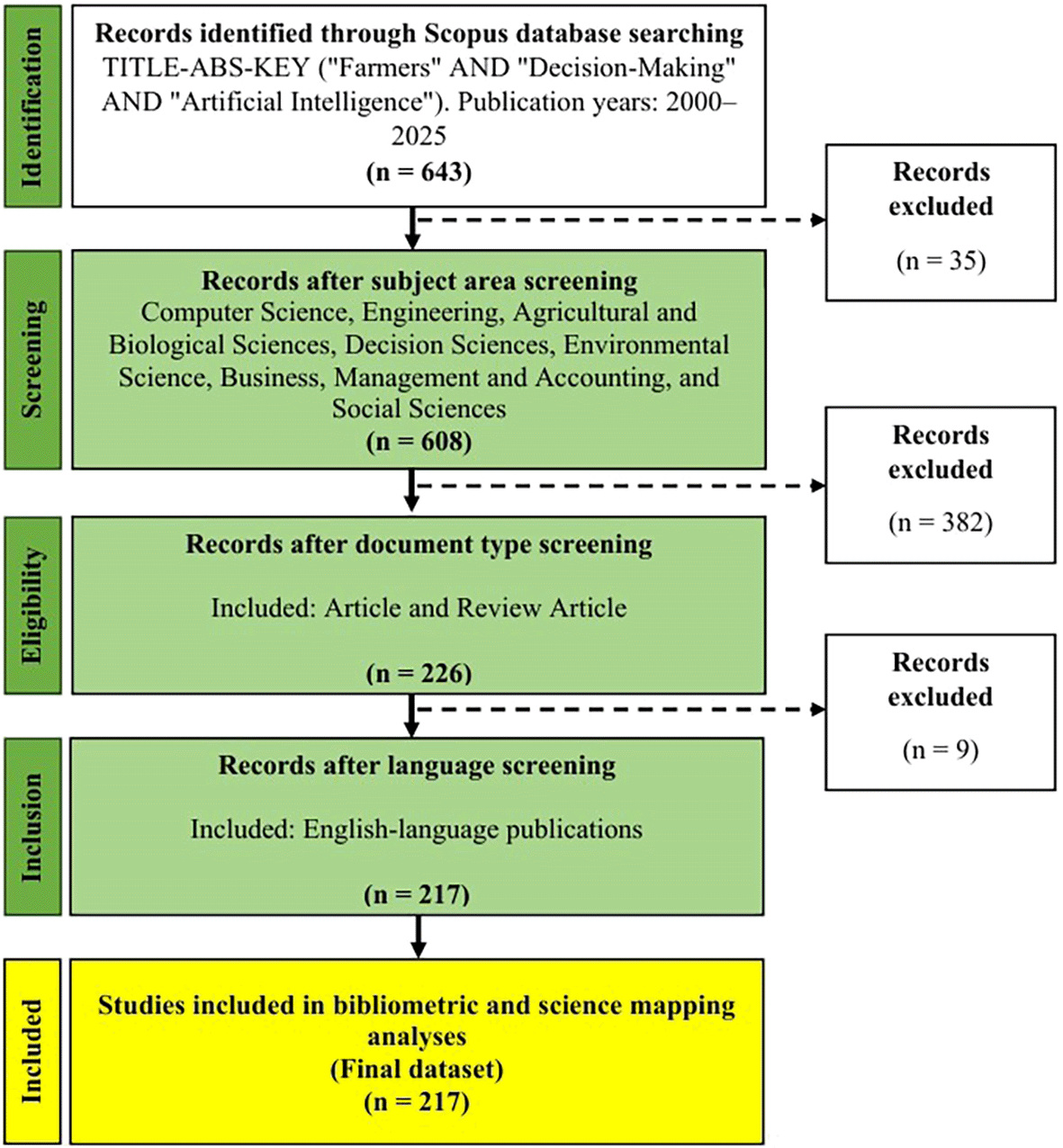
This figure presents the study identification, screening, eligibility assessment, and inclusion process used to construct the final bibliometric dataset from the Scopus database following PRISMA guidelines.
Bibliographic data were obtained exclusively from the Scopus database, which was selected because of its broad multidisciplinary coverage, high indexing quality (Cañedo, Rodríguez and Montejo, 2010; Kähler, 2010), and comprehensive bibliographic metadata suitable for bibliometric analysis (Velasco-López et al., 2023). Data collection was conducted in January 2026 using a search query applied to the title, abstract, and keyword fields: “Farmers” AND “Decision-Making” AND “Artificial Intelligence”. The publication period was limited to 2000–2025 in order to capture both the historical development and contemporary trends of the research field. To enhance dataset relevance, the search was restricted to the subject areas of Computer Science, Engineering, Agricultural and Biological Sciences, Decision Sciences, Environmental Science, Business, Management and Accounting, and Social Sciences. Furthermore, only research articles and review articles published in English were retained for analysis.
The selection process identified 643 documents during the initial identification stage. Following screening based on the predefined subject areas, the number of documents was reduced to 608 publications. Restricting the dataset to research articles and review articles resulted in 226 publications, while language filtering produced a final dataset of 217 publications used in all subsequent analyses. This final dataset represents a relevant corpus of literature for examining the development of AI-driven farmers’ decision-making research over the past two decades.
The analysis was conducted through the integration of performance analysis and thematic science mapping. Performance analysis was employed to evaluate the development of the research field by examining publication trends, citation impact, author productivity, institutional affiliations, and national contributions to scientific knowledge production (Yu et al., 2021; Oluwadele, Singh and Adeliyi, 2023; Plakias, 2025). Subsequently, thematic science mapping was applied to reveal the intellectual structure, research domains, thematic evolution, and emerging research trends within the field (Hosseini, Alipour-Tehrani and Salemi, 2025; Leong et al., 2025). This approach facilitates the identification of shifts in research focus, the emergence of new themes, and changing academic priorities that shape the developmental trajectory of AI-driven farmers’ decision-making research (Islam and Guangwei, 2025). Based on a synthesis of these findings, the study develops a future research agenda aimed at identifying opportunities for knowledge advancement and strategic research directions to support the development of more adaptive, trustworthy, and sustainable AI-enabled agricultural decision-making system.
The descriptive characteristics of the bibliometric dataset underpinning research on AI-driven farmers’ decision-making are presented in Table 1. The dataset comprises 217 publications published between 2000 and 2025 and distributed across 149 publication sources. The wide dispersion of publication outlets reflects the multidisciplinary nature of this field, which has evolved at the intersection of agricultural sciences, artificial intelligence, environmental sciences, and decision sciences. An annual publication growth rate of 19.37% indicates a strong acceleration in knowledge production, highlighting the increasing academic interest in the application of AI to support agricultural decision-making processes. This growth is consistent with the expanding adoption of digital technologies, including machine learning, remote sensing, the Internet of Things (IoT), and predictive analytics within modern agricultural systems.
| Indicator | Value |
|---|---|
| Timespan | 2000:2025 |
| Sources (Journals, Books, etc) | 149 |
| Documents | 217 |
| Annual Growth Rate % | 19.37 |
| Document Average Age | 4.83 |
| Average citations per doc | 49.87 |
The average age of the documents is 4.83 years, indicating that the analysed publication corpus is relatively recent and largely dominated by studies published in the last few years. This pattern reflects a rapidly evolving field characterised by the emergence of new themes and an increasingly diverse range of research interests. At the same time, an average of 49.87 citations per document suggests a substantial level of scientific influence. The combination of rapid publication growth, a relatively young body of literature, and a high citation rate indicates that the field is transitioning from a growth phase towards a stage of consolidation. These findings reinforce the position of AI-driven farmers’ decision-making as a strategic area within the digital transformation of agriculture, driven by the expanding use of AI to support precision agriculture, predictive analytics, and automated decision-making systems that contribute to resource optimisation, productivity enhancement, and the sustainability of agricultural systems (Chowdhury et al., 2025). Furthermore, these conditions highlight significant opportunities for future research aimed at advancing understanding of the field’s thematic structure, intellectual evolution, and emerging research agenda in addressing global food security challenges.
The analysis of annual scientific production and citation impact reveals the development trajectory of AI-driven farmers’ decision-making research during the period 2000–2025 ( Figure 2). During the early phase (2000–2016), publication output remained low and sporadic, reflecting the exploratory stage of applying artificial intelligence to agricultural decision-making. Scientific activity began to increase during the period 2017–2023 and subsequently experienced a marked acceleration in 2024–2025, with the number of publications rising from 40 in 2024 to 70 in 2025. This trend demonstrates growing academic interest in the role of AI in the digital transformation of the agricultural sector.
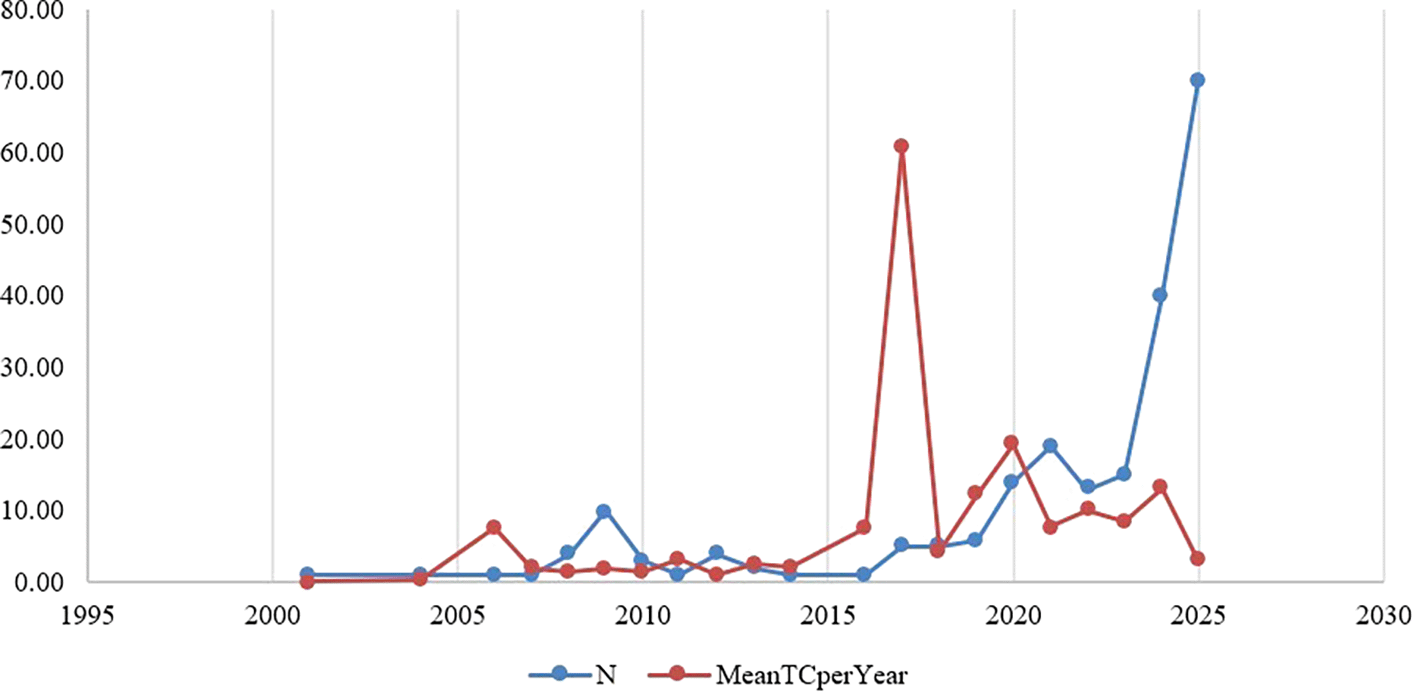
This figure presents annual publication output and citation impact, illustrating the growth and scholarly influence of research on AI-driven farmers’ decision-making between 2000 and 2025.
Citation dynamics exhibit a different pattern from publication growth. The highest average citation rate was recorded in 2017, reaching 60.72 citations per year, highlighting the importance of publications from this period in establishing the conceptual and methodological foundations of the field. In contrast, the lower citation rates observed for more recent publications do not necessarily indicate a weaker scientific influence; rather, they are largely attributable to the limited time available for citations to accumulate (Gelzer et al., 2022). This finding is consistent with the study by Yu, Guo and Li (2006) which demonstrated that citation distributions tend to exhibit a temporal lag owing to the delay between publication and scholarly recognition. The sustained growth in publication output, combined with the contribution of highly cited studies, suggests that AI-driven farmers’ decision-making research is entering a phase of consolidation characterised by an increasingly robust intellectual foundation and growing relevance to the advancement of AI-enabled digital agriculture.
The analysis of leading authors provides insights into the authorship structure of the AI-driven farmers’ decision-making literature. Table 2 shows that Sharma S from the Indian Institute of Science Education and Research Pune (India) is the most productive contributor, with five publications (3.4%), followed by Chavula P from Haramaya University (Ethiopia) and Kayusi F from Pwani University (Kenya), each with three publications (2.0%). The remaining leading authors are affiliated with institutions in Greece, Hungary, Italy, the United States, and Australia, with relatively balanced levels of contribution.
The absence of substantial disparities in publication output among the leading authors suggests that the development of this field is not dominated by a single individual or academic group. Rather, knowledge production is distributed across networks of researchers from different countries and institutions. This pattern reflects a field that remains dynamic and evolving, characterised by diverse conceptual approaches, methodological perspectives, and application contexts that have yet to converge on a dominant paradigm. From the perspective of scientific development, such characteristics typically indicate a field that is still in the process of establishing its intellectual foundations while simultaneously expanding its scope of inquiry (Citron and Way, 2018; Kedrick, Levitskaya and Funk, 2024).
The distribution of author affiliations further demonstrates that the application of AI in agricultural decision-making has become a topic of global interest. The involvement of researchers from diverse geographical and institutional backgrounds reflects the relevance of this topic in addressing challenges related to food security, resource-use efficiency, and the digital transformation of agriculture (Sohal, Pathania and Sharma, 2023). Differences in agroecological conditions, production systems, levels of technological adoption, and institutional capacities contribute to a broader range of perspectives for understanding and developing AI-based solutions (Sood, Sharma and Bhardwaj, 2022). This pattern indicates the emergence of an increasingly inclusive and multidisciplinary scientific community, in which scientific progress is driven by cross-regional collaboration and the integration of diverse empirical experiences.
The analysis of institutional affiliations reveals the organisational structure underpinning the intellectual development of the AI-driven farmers’ decision-making field. As shown in Table 3, the University of Bonn (Germany) is the most productive institution, with 16 publications (10.7%), followed by the University of Guelph (Canada) with 15 publications (10.1%) and the Leibniz Centre for Agricultural Landscape Research (ZALF) (Germany) with 13 publications (8.7%). Other leading institutions include the University of Naples Federico II (Italy), Tamil Nadu Agricultural University (India), and the University of Florida (United States), each of which has produced more than ten publications.
The relatively distributed pattern of institutional contributions suggests that the development of this field is not concentrated within a single centre of scientific excellence. Rather, it is shaped by a range of institutions possessing complementary research capabilities. This finding reflects the multidisciplinary nature of AI-driven farmers’ decision-making, which requires the integration of expertise in artificial intelligence, data science, agricultural systems, environmental science, and decision-making studies. The absence of strong institutional dominance further indicates that the intellectual foundations of the field are evolving through the co-evolution of diverse scientific perspectives, thereby expanding opportunities for innovation and the diversification of research agendas.
The prominence of universities and research organisations with recognised strengths in agriculture, sustainability, and digital technologies suggests that the advancement of AI-driven farmers’ decision-making is being driven by the convergence of technological innovation and the need to transform the agricultural sector. The geographical distribution of these institutions across multiple countries reflects the global nature of the field while enriching knowledge development through diverse agroecological contexts, technological capacities, and production systems (Mekuria et al., 2022). This configuration has the potential to create interconnected knowledge hubs that facilitate the production, integration, and dissemination of knowledge, thereby accelerating innovation and fostering cross-disciplinary and international collaboration (Saetnan and Kipling, 2016; Lianu et al., 2023). Such conditions constitute an important driver of the rapid development of AI-driven farmers’ decision-making as a strategic domain within data-driven and AI-enabled agriculture.
The country-level analysis reveals the distribution of scientific capacity and intellectual influence shaping the AI-driven farmers’ decision-making literature. As shown in Table 4, India is the largest contributor, with 169 publications, followed by the United States (73), Brazil (64), and both China and Germany, each with 54 publications. The prominence of these countries suggests that investment in research infrastructure, digital transformation, and agricultural modernisation plays a critical role in advancing this field of study. The substantial contributions from India and Brazil further indicate that the need to improve the efficiency and sustainability of large-scale agricultural systems has become a major driver of AI adoption and development in agricultural decision-making.
However, the distribution of scientific influence exhibits a different pattern. Spain records the highest average citation impact, with 107.0 citations per article, followed by Germany with 71.1 citations per article, while India has accumulated the largest total number of citations (1,301 citations). These differences suggest that publication volume does not necessarily correspond to scientific impact. Countries with lower publication output may generate more influential contributions when they provide conceptual frameworks, methodological approaches, or innovative applications that are widely adopted by subsequent studies. This finding indicates a differentiation of roles among countries, whereby some act primarily as engines of knowledge production, while others contribute more substantially to shaping the intellectual direction of the field.
The geographical distribution of contributions demonstrates that AI-driven farmers’ decision-making has evolved into a global research agenda. Diversity in agroecological conditions, technological capabilities, and agricultural development challenges creates a fertile environment for the emergence of a wide range of approaches and innovations (Sheng and Liu, 2024; Chavula et al., 2024). This pattern reflects an increasingly integrated knowledge ecosystem in which progress is driven by complementary contributions from different countries. Such conditions facilitate the diffusion of innovation while reinforcing the role of AI-driven farmers’ decision-making in promoting a smarter and more sustainable agricultural transformation.
Co-occurrence network analysis was employed to uncover the conceptual structure underpinning the AI-driven farmers’ decision-making literature. As illustrated in Figure 3, artificial intelligence occupies the most central position within the network and exhibits strong connections with a wide range of related themes. This centrality highlights the role of AI as a key link between digital innovation, resource management, productivity enhancement, and agricultural sustainability. The high level of connectivity among keywords indicates that the field has evolved into an increasingly integrated and multidisciplinary area of research.
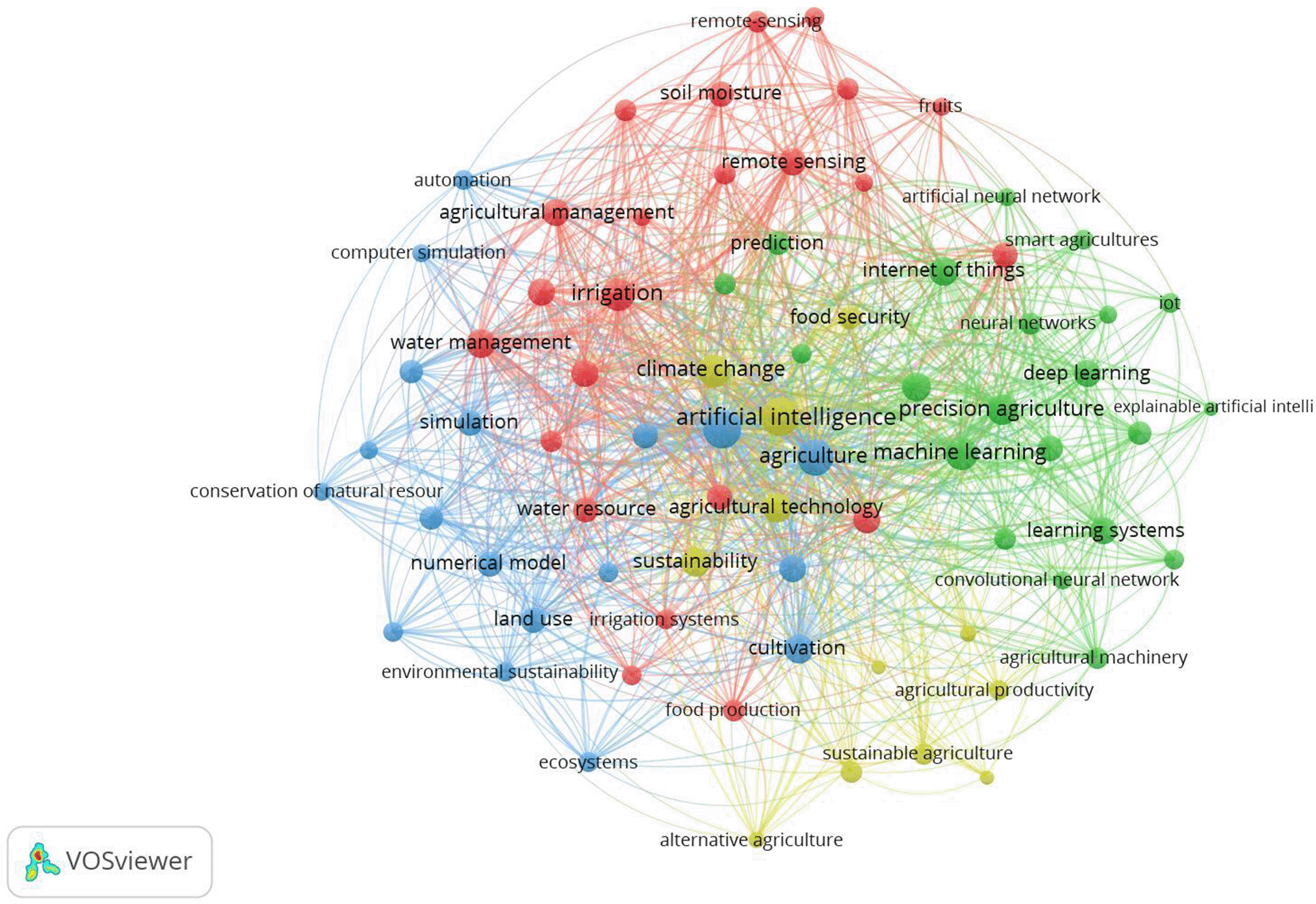
This figure visualizes keyword relationships and the principal research domains that characterize the field of AI-driven farmers’ decision-making research.
The network visualisation identifies four principal thematic clusters. The first cluster (red) is centred on the development of intelligent systems for precision agriculture and data-driven decision support, characterised by keywords such as machine learning, precision agriculture, smart agriculture, Internet of Things (IoT), forecasting, and crop yield prediction. The second cluster (green) emphasises resource monitoring and management through the integration of remote sensing, water management, irrigation systems, sensors, and agricultural management. The third cluster (blue) represents the environmental and sustainable decision-making dimension of the field, reflected in keywords such as environmental management, decision theory, risk assessment, land use, and environmental sustainability. The fourth cluster (yellow) functions as a bridge between the other thematic areas through keywords including artificial intelligence, agriculture, sustainability, farming system, and sustainable agriculture, reflecting a broader orientation towards agricultural transformation.
The overall network configuration suggests that the development of this field is supported by three major domains: artificial intelligence and predictive analytics, data-driven resource management, and environmental sustainability. The strong interconnections among the clusters indicate a shift in focus from merely improving operational efficiency towards leveraging AI to enhance the resilience, adaptability, and sustainability of agricultural systems as a whole (Chavula et al., 2024). These findings suggest that AI-driven farmers’ decision-making is increasingly being positioned as a strategic instrument for reconciling agricultural productivity objectives with long-term sustainability goals. Keywords exhibiting thematic proximity and similar patterns of interconnection were subsequently grouped into four principal research domains, as presented in Table 5.
Overlay visualisation analysis provides a temporal perspective on the intellectual evolution of AI-driven farmers’ decision-making by mapping keywords according to their average year of occurrence within the literature. As illustrated in Figure 4, the temporal distribution of keywords reveals a gradual shift from themes centred on environmental management and agricultural system modelling towards the application of artificial intelligence, data analytics, and digital connectivity. This pattern suggests that the field has evolved through a process of conceptual transformation that parallels the increasing capacity of digital technologies to support more complex, precise, and data-driven decision-making processes.
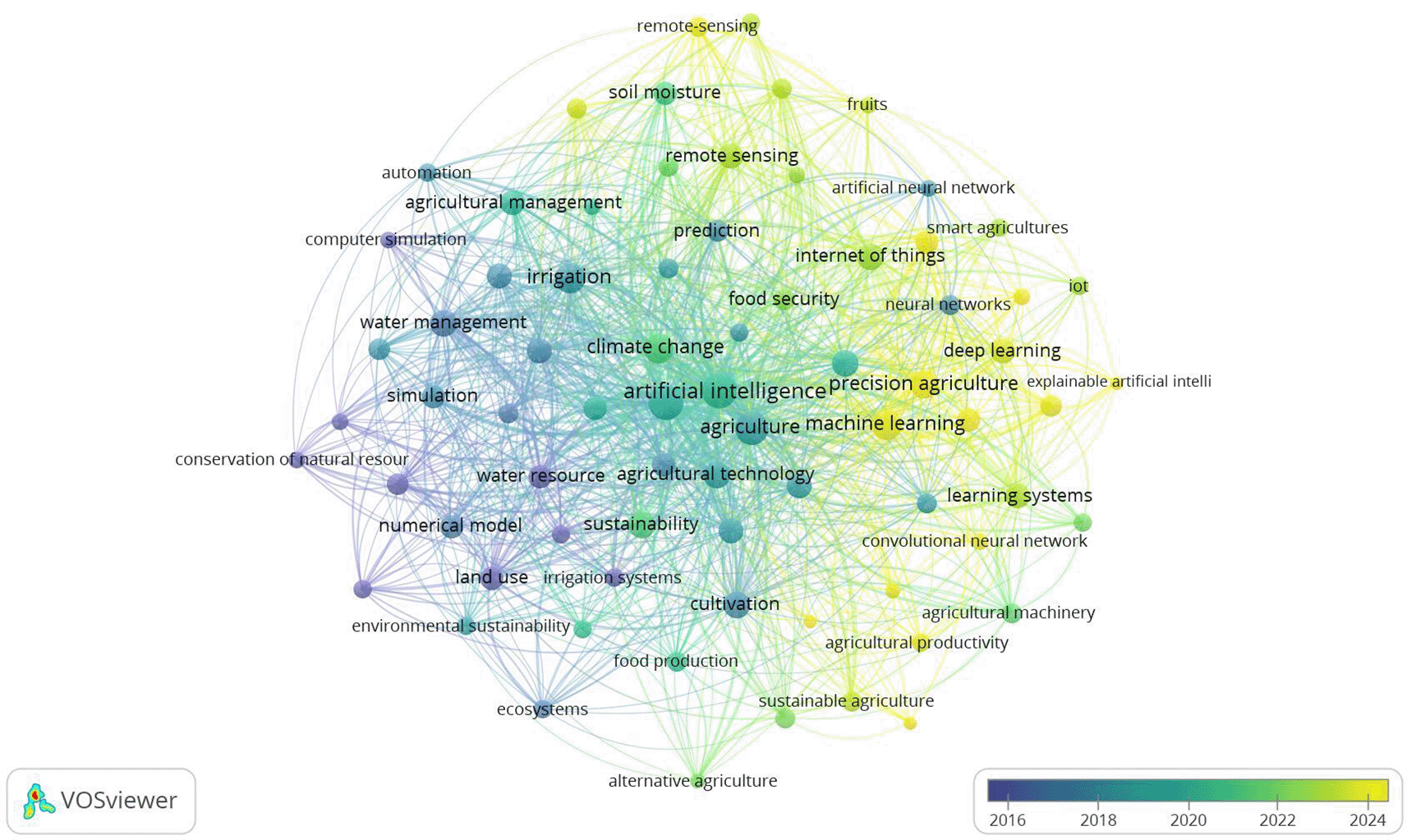
This figure illustrates the evolution of major research themes in AI-driven farmers’ decision-making research over time.
This developmental trajectory can be grouped into three principal phases, as summarised in Table 6. The first phase, Environmental and Decision Modelling, is characterised by keywords such as decision theory, environmental management, land use, risk assessment, computer simulation, and environmental sustainability. During this stage, research primarily focused on understanding the dynamics of agricultural systems and developing analytical frameworks to support resource management and risk mitigation. The second phase, AI Adoption in Agricultural Management, is marked by the increasing prominence of keywords such as artificial intelligence, water management, irrigation, remote sensing, agricultural management, and sustainability. This phase reflects a transition from model-based approaches towards the application of digital technologies to support managerial and operational processes. The third phase, Intelligent and Data-Driven Farming Systems, represents the most recent stage of development, characterised by the emergence of machine learning, precision agriculture, Internet of Things (IoT), crop yield prediction, forecasting, smart agriculture, and explainable artificial intelligence. This constellation of themes signals the emergence of a new paradigm in which data, connectivity, and computational intelligence serve as the primary foundations of agricultural decision-making.
This thematic evolution indicates a fundamental transformation in the role of AI within the agricultural sector. Whereas, in the early stages, AI primarily functioned as a tool for analysis and evaluation, recent developments demonstrate its growing role as a core infrastructure enabling the integration of data, predictive capabilities, and real-time recommendations. The increasing prominence of explainable artificial intelligence further suggests that predictive accuracy is no longer the sole priority; it is now complemented by growing demands for transparency, interpretability, and user trust in AI systems. These findings indicate that the contemporary research agenda is moving towards the development of decision-support systems that are not only intelligent and predictive but also responsible, user-centred, and aligned with sustainability objectives. The identified evolutionary trajectory reflects the maturation of AI-driven farmers’ decision-making from a technology-oriented approach to a broader decision ecosystem that integrates digital innovation, human factors, and the sustainability of agricultural systems.
The identified evolutionary trajectory demonstrates that research on AI-driven farmers’ decision-making has undergone a substantial transformation over the past two decades. During the early phase, scholarly attention focused primarily on environmental modelling, risk assessment, and resource management as means of understanding the complexity of agricultural systems and supporting decision-making under conditions of uncertainty. As digital infrastructure, computational capacity, and data availability advanced, research attention gradually shifted towards the application of artificial intelligence to enhance data-driven agricultural management. This transition is reflected in the growing prominence of themes such as machine learning, precision agriculture, Internet of Things (IoT), forecasting, and crop yield prediction, which collectively signify a move towards increasingly predictive, adaptive, and interconnected decision-making systems.
This transformation reflects a fundamental change in the role of AI within the agricultural sector. Whereas, in its early stages, technology primarily served as a tool for analysis and monitoring, recent developments position AI as a core component that integrates data, predictions, and recommendations into real-time decision-making processes. From a decision science perspective, this shift represents a transition from traditional decision support systems to decision augmentation, whereby AI not only provides information but also enhances human capacity to evaluate alternatives, anticipate risks, and respond effectively to increasingly complex environmental dynamics (Rupnik et al., 2019; Htun et al., 2022).
The strong interconnections among machine learning, Internet of Things (IoT), remote sensing, and forecasting suggest that progress in this field is becoming increasingly dependent on the ability to integrate diverse technologies and data sources within interconnected decision ecosystems. This finding points to the emergence of a data-driven agriculture paradigm, in which the quality of decisions is no longer determined solely by the availability of data, but by the capacity to transform data into relevant information, actionable knowledge, and meaningful recommendations that support effective decision-making (Vanitha et al., 2021; Lawrence, Nuthammachot and Som-Ard, 2024). In this context, the strategic value of AI lies in its ability to generate insights that enable more accurate, responsive, and context-sensitive decisions. This argument is consistent with Okafor and Murphy (2025), who emphasise that AI creates value through its capacity to identify complex patterns within data and translate them into actionable insights in dynamic environments.
An equally important development is the emergence of explainable artificial intelligence as an increasingly prominent theme within the contemporary literature. This trend suggests that the research agenda is shifting from a primary focus on improving model accuracy towards the development of systems that are transparent, interpretable, and trustworthy. Such a shift reflects growing recognition that the successful implementation of AI depends not only on algorithmic performance but also on users’ ability to understand the underlying rationale behind AI-generated recommendations and to reduce uncertainty in the decision-making process (Regona et al., 2025). In this regard, Coiera (2019) argues that even highly accurate systems may fail to achieve widespread adoption if they are unable to establish user trust. Within the agricultural context, this issue is particularly significant because farming decisions often carry substantial economic, environmental, and operational consequences.
More broadly, the identified pattern of evolution indicates that the field of AI-driven farmers’ decision-making is moving towards a paradigm of human–AI collaboration. Within this paradigm, AI is positioned not as a replacement for human decision-makers but as a cognitive partner that complements farmers’ experience, local knowledge, and intuition in navigating the complexities of modern agricultural systems (Nuthall and Old, 2018; Chamara et al., 2026). This perspective highlights that system effectiveness is determined not only by technological sophistication but also by the extent to which technology aligns with users’ needs, capabilities, and contextual realities. Consequently, future developments in the field are likely to focus increasingly on the design of systems that are not only intelligent and predictive but also transparent, adaptive, user-centred, and capable of balancing productivity, resource efficiency, and sustainability objectives simultaneously. The most influential scientific contributions in the future are therefore unlikely to arise solely from improvements in algorithmic accuracy; rather, they will emerge from the ability to develop decision-making ecosystems that integrate computational intelligence, human knowledge, and sustainability principles within a coherent and holistic framework.
The intellectual structure revealed through the bibliometric and science-mapping analyses demonstrates that AI-driven farmers’ decision-making has evolved into a strategic domain within the digital transformation of agriculture. The strong interconnections among artificial intelligence, precision agriculture, resource management, and environmental sustainability indicate the emergence of an increasingly integrated knowledge base. This configuration suggests that the application of AI in farmers’ decision-making is no longer viewed as a standalone technological innovation but rather as an integral component of a broader and interconnected agricultural system.
The identified thematic evolution reveals a clear shift from an initial focus on environmental modelling and decision support towards the development of intelligent farming systems based on machine learning, the Internet of Things (IoT), forecasting, crop yield prediction, and explainable artificial intelligence. This transition reflects a transformation in the role of AI from an analytical tool to a strategic infrastructure capable of integrating data, predictions, and recommendations into real-time decision-making processes. The growing prominence of explainable artificial intelligence further indicates that transparency, interpretability, and user trust have become issues of equal importance to algorithmic accuracy.
The observed pattern of development points to a shift towards a socio-technical paradigm, in which system effectiveness is determined not only by technological sophistication but also by the interaction between computational intelligence, user needs, and decision-making contexts. Within this framework, AI functions as a cognitive partner that enhances human capacity to manage complexity, reduce uncertainty, and evaluate alternative courses of action. This perspective highlights that the principal value of AI lies in its ability to generate insights that support more adaptive, responsive, and context-sensitive decision-making.
One limitation of this study is its reliance on publications indexed exclusively in the Scopus database and on bibliometric indicators as the primary basis for analysis. While this approach provides a systematic overview of the field, it does not fully capture the conceptual depth, methodological diversity, or empirical contexts underlying individual studies. Expanding the range of data sources and integrating bibliometric methods with systematic literature reviews or meta-synthesis approaches could provide a more comprehensive understanding of the mechanisms and implications of AI adoption in agricultural decision-making.
Future research should focus on the development of trustworthy and explainable AI, the integration of multi-source data, and the strengthening of human–AI collaboration within digital agricultural systems. The need to balance productivity, resource-use efficiency, resilience, and environmental sustainability also calls for the development of more holistic decision-making frameworks. Consequently, future progress in this field is likely to depend less on achieving marginal improvements in algorithmic accuracy and more on the ability to develop systems that are transparent, trustworthy, and user-centred while effectively integrating technological innovation with human expertise and sustainability objectives.
| Views | Downloads | |
|---|---|---|
| F1000Research | - | - |
|
PubMed Central
Data from PMC are received and updated monthly.
|
- | - |
Provide sufficient details of any financial or non-financial competing interests to enable users to assess whether your comments might lead a reasonable person to question your impartiality. Consider the following examples, but note that this is not an exhaustive list:
Sign up for content alerts and receive a weekly or monthly email with all newly published articles
Already registered? Sign in
The email address should be the one you originally registered with F1000.
You registered with F1000 via Google, so we cannot reset your password.
To sign in, please click here.
If you still need help with your Google account password, please click here.
You registered with F1000 via Facebook, so we cannot reset your password.
To sign in, please click here.
If you still need help with your Facebook account password, please click here.
If your email address is registered with us, we will email you instructions to reset your password.
If you think you should have received this email but it has not arrived, please check your spam filters and/or contact for further assistance.

Comments on this article Comments (0)