Keywords
Antibiotics use - public health risks - poultry farming - Oubritenga Province - Burkina Faso

This article is included in the Global Public Health gateway.
Antibiotics use - public health risks - poultry farming - Oubritenga Province - Burkina Faso
Poultry farming is a vital component of agricultural development worldwide, contributing significantly to food security, nutrition, and economic growth. As one of the fastest-expanding animal production sectors, it provides affordable animal protein to populations while supporting farmers’ livelihoods.1,2 However, poultry production remains highly vulnerable to viral, bacterial, fungal, and parasitic infections, which can cause devastating losses.3,4
To sustain flock health and productivity, antibiotics are widely employed in poultry production. Their use helps prevent and treat disease, improves animal welfare, and enhances production efficiency.5 Yet inappropriate or unregulated antibiotic use carries serious risks. Indiscriminate practices contribute to the emergence and dissemination of antimicrobial resistance (AMR), a global health crisis that undermines the effectiveness of treatments in both animals and humans, compromises food safety, and threatens environmental integrity.6
The One Health perspective highlights the interconnectedness of human, animal, and environmental health, underscoring the importance of examining antibiotic use within livestock systems. Global initiatives such as the World Health Organization’s Global Antimicrobial Resistance Surveillance System (GLASS), developed in collaboration with the Food and Agriculture Organization (FAO) and the World Organisation for Animal Health (OIE), emphasize the need for integrated surveillance and responsible antibiotic stewardship.7 Current One Health approaches to AMR focus primarily on reducing antibiotic use in food animals. Within this discourse, documenting antibiotic use practices in poultry farming provides critical evidence from the animal health sector that can inform broader One Health strategies.
In Burkina Faso, poultry farming plays a central role in household nutrition and income generation, representing a significant share of agricultural value added. The country produced more than 140,000 tonnes of meat and 6,000 tonnes of eggs annually, valued at 0.08 billion USD in 2009 and over 0.14 billion USD in 2011.8 Despite this importance, evidence on antibiotic use practices and their public health implications remains limited. To our knowledge, few quantitative studies have documented antibiotic use in poultry farming in Burkina Faso, underscoring the originality and relevance of the present investigation. Chicken is the primary animal-source food consumed in Ouagadougou’s street restaurants, where daily consumption exceeds that of households.9 Due to its proximity to the capital, the province of Oubritenga (particularly Ziniaré) has experienced a marked expansion of modern poultry farming. Numerous farm promoters have established poultry enterprises, progressively shifting away from traditional livestock practices. Poultry farming now plays a strategic role in the local economy by contributing to food security, generating employment, promoting avicultural culture, and supplying Ouagadougou with poultry meat and horticultural products.
The present study aims to analyze farmers’ practices regarding antibiotic use, assess their potential impacts on public health, and highlight the implications for AMR. By situating these findings within a One Health perspective, the study provides evidence from the animal sector to inform integrated approaches for AMR prevention and control in Burkina Faso and across the wider West African region.
A cross-sectional survey of poultry farmers was conducted between June 1 and August 31 in Oubritenga Province, located in the Central Plateau region of Burkina Faso. The province covers an area of 20,841 km2 and is bordered by Sanmatenga to the northeast, Kadiogo to the south, Ganzourgou to the east, and Passoré to the north ( Figure 1). Ziniaré, the provincial capital, is surrounded by the communes of Korsimoro, Dapélogo, Loumbila, Nagréongo, Saaba, and Absouya. Geographically, the province lies at 12°35′ N latitude and 1°11′ W longitude ( Figure 1).
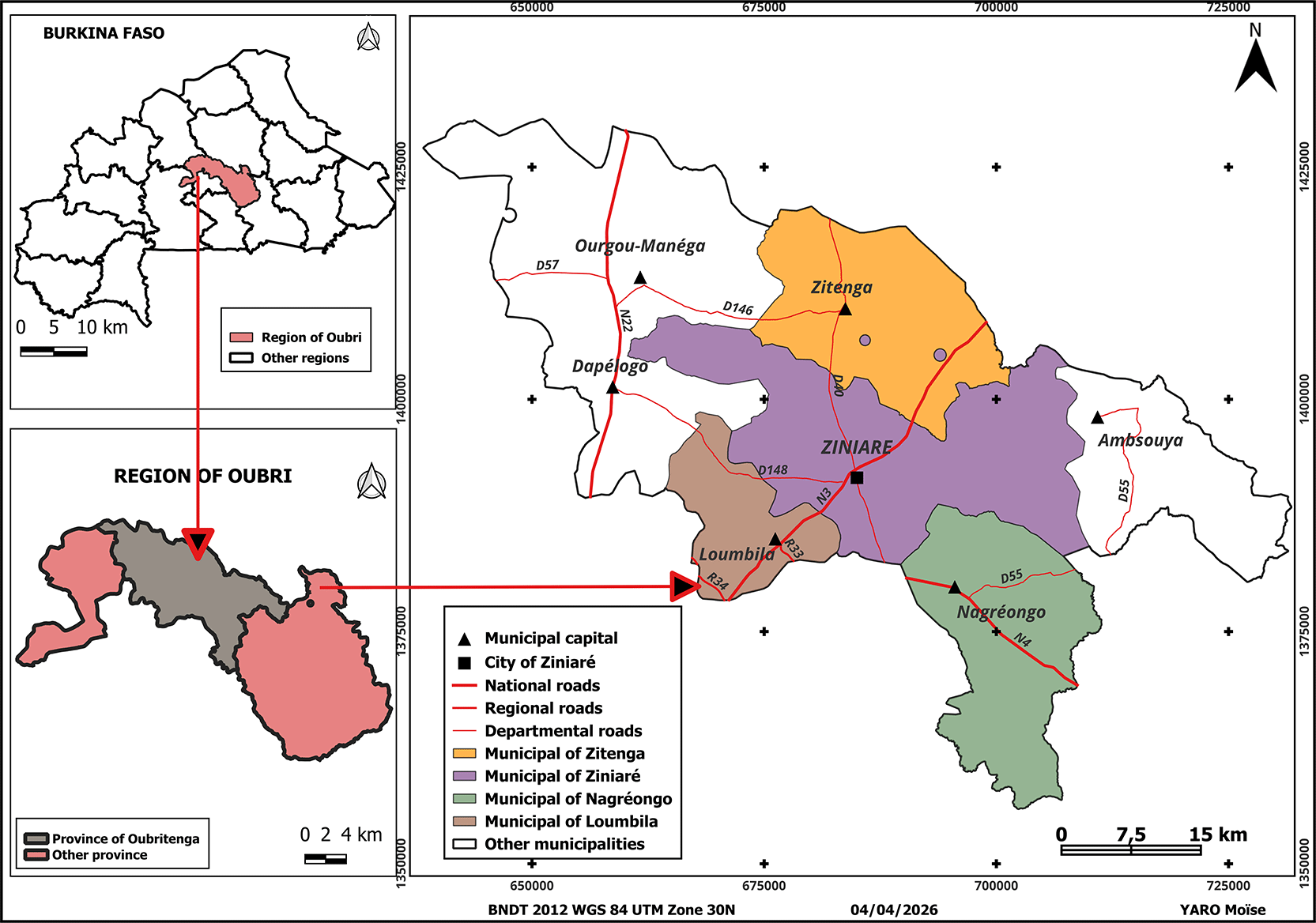
The survey targeted poultry farmers in four communes (Ziniaré, Zitenga, Loumbila, and Nagréongo) selected to provide a representative overview of poultry farming practices within the province. These areas encompass both urban and rural settings, each characterized by active poultry production, thereby offering a balanced perspective on farming practices across diverse socio-economic and geographic contexts.
Prior to implementation, a documentary review was undertaken to examine existing reports and publications on antibiotic use in poultry farming and antimicrobial resistance. This preparatory step ensured that the survey design was informed by current evidence and contextualized within ongoing research efforts in Burkina Faso and the wider region. The objectives of the study were explained to all participating farmers, either in French or in the local language (Mooré). Verbal informed consent was obtained individually from each participant prior to data collection. The choice of verbal consent was based on local practices and literacy considerations. No minors were included in the study.
Data were collected using a structured questionnaire administered during interviews with farm managers and staff responsible for treatments. The instrument was designed and managed with Kobo Toolbox software, while fieldwork was facilitated by motorcycles for transportation and digital cameras for photographic documentation. Sampling followed a snowball technique: initial participants were identified through technical support zones in the communes and subsequently referred other farmers until the desired sample size was reached.
The questionnaire (https://doi.org/10.6084/m9.figshare.32261421) was distributed to respondents for completion, and those unable to read or write were assisted through interviews conducted in the local language to ensure accuracy. It captured sociodemographic characteristics (sex, education level, occupation, municipality of residence, and years of experience in poultry farming), farm characteristics (flock size and poultry type), and antibiotic use practices, including prevalence, types of antibiotics administered, purposes and frequency of use, compliance with recommended dosages and withdrawal periods, and sources of guidance and supply (10.6084/m9.figshare.32261367). Additional questions explored farmers’ knowledge and perceptions of antimicrobial resistance, awareness of public health impacts, participation in training or sensitization activities, record-keeping practices, disposal of dead birds during treatment, and reliance on veterinary monitoring. This comprehensive design enabled the systematic collection of both quantitative and qualitative data, minimized recall bias, and ensured inclusivity of farmers with limited literacy, thereby strengthening the reliability and representativeness of the findings.
Data collected were entered into KoBo Toolbox and exported to Microsoft Excel 2016 for descriptive analysis. Frequencies and percentages were calculated to summarize sociodemographic and farming characteristics, with results presented in tables and figures. Maps were generated using QGIS 3.30 software to illustrate geographic distributions.
Bivariate analyses were performed in SPSS version 25 using binary logistic regression to estimate crude odds ratios (OR), 95% confidence intervals (CI), and p-values, thereby exploring associations between antibiotic use and independent variables. Multivariate analyses were subsequently conducted using multiple logistic regression to adjust for potential confounders and identify independent predictors of antibiotic use. Adjusted odds ratios (AOR), 95% CI, and p-values were reported, with results presented in harmonized tables to ensure consistency and comparability.
Analysis of sociodemographic and farm characteristics showed that sex, education level, occupation, and type of farming were not significantly associated with antibiotic use (p > 0.05) ( Table 1). With respect to municipality of residence, all non-users were located in Ziniaré, but this association was not statistically significant (p = 0.31). Experience in poultry farming was significantly associated with antibiotic use: farmers with longer experience (median of four years) were more likely to use antibiotics compared to those with only one year of practice (p = 0.014). Flock size also tended to influence antibiotic use, as farmers with larger flocks (median of 600 birds) reported more frequent use compared to those with smaller flocks (median of 43 birds), with borderline significance (p = 0.062). No significant differences were observed across poultry types, although raising other species showed a borderline association (p = 0.083).
Antibiotic use was reported by nearly all poultry farmers surveyed, with 97% indicating antimicrobial administration in their production systems. The distribution of antibiotic classes showed a clear predominance of tetracyclines, which accounted for approximately 70% of all reported uses. Sulfonamides represented 9.1%, diaminopyrimidines 7.7%, beta-lactams 6.3%, aminoglycosides 5.6%, and quinolones 0.7%, while macrolides were rarely mentioned.
Preventive administration was the main purpose of antibiotic use, reported by 76% of farmers. Therapeutic use was declared by 18%, while 6% reported combined preventive and therapeutic use. Frequency of administration varied: 40% reported rare use within a month, 30% used antibiotics once or twice per month, 24% reported use three to five times per month, and 5% declared more than six administrations per month.
Compliance with recommended dosages was inconsistent. Forty-four percent of farmers followed instructions provided in product leaflets, 49% respected dosages occasionally, often based on veterinary advice, and 7% did not comply with dosage recommendations ( Table 1). Awareness of withdrawal periods was reported by 67% of farmers, but only 55% respected them before marketing their products.
Veterinarians were the most frequently consulted source of advice on antibiotic use (46%). Personal experience was the second most common source (23%), followed by informal sources (10%) and mixed approaches (4%). Antibiotics were purchased almost exclusively from veterinary pharmacies (97%), with markets and street vendors mentioned only marginally (1% each). Despite this reliance, 62% of farmers reported difficulties in obtaining antibiotics, citing cost, distance, or irregular availability. For administration practices, veterinarians were again the main source of information (40%), followed by product leaflets (17%), with other combinations or reliance on personal habits reported less frequently ( Table 1).
Most farmers (63%) did not keep veterinary monitoring records, while 37% reported maintaining such documentation. During treatment, 96% eliminated dead birds, whereas 2% consumed them and 1% sold them. Knowledge of antimicrobial resistance was limited: only 36% of farmers were familiar with the concept, while 64% were not. Nevertheless, 84% acknowledged that misuse of antibiotics could negatively affect human health. Awareness activities had reached 55% of farmers, while 35% had never received any training. Almost all respondents (97%) expressed a desire for further training on antibiotic use ( Table 1).
The bivariate analysis examined the associations between sociodemographic and farm characteristics and antibiotic use among poultry farmers ( Table 2). Sex was not significantly associated with antibiotic use, although male farmers appeared less likely to report use compared to females (OR = 0.30, 95% CI: 0.00–121, p = 0.5). Education level also showed no significant associations: farmers with primary (OR = 7.16, 95% CI: 0.12–4,233, p = 0.3), secondary (OR = 1.99, 95% CI: 0.01–167, p = 0.7), or higher education (OR = 1.59, 95% CI: 0.00–369, p = 0.8) did not differ from those without formal schooling.
Municipality of residence was not predictive of antibiotic use. Farmers from Nagréongo (OR = 0.04, 95% CI: 0.00–13.0, p = 0.2), Ziniaré (OR = 0.20, 95% CI: 0.00–1.84, p = 0.2), and Zitenga (OR = 0.20, 95% CI: 0.00–44.2, p = 0.5) had lower odds compared to Loumbila, but none of these associations reached statistical significance. Similarly, occupation categories showed no independent effect: livestock (OR = 4.95, 95% CI: 0.01–78,469, p = 0.6), trade (OR = 0.68, 95% CI: 0.01–124, p = 0.8), agriculture (OR = 3.24, 95% CI: 0.26–4,084, p = 0.4), and other professions (OR = 0.31, 95% CI: 0.00–89.3, p = 0.6).
Experience in poultry farming was significantly associated with antibiotic use (OR = 2.64, 95% CI: 1.21–5.01, p = 0.019), indicating that farmers with longer experience were more likely to use antibiotics compared to those with fewer years of practice. Type of farming showed no significant differences: modern systems (OR = 3.96, 95% CI: 0.03–6,401, p = 0.6) and traditional systems (OR = 0.11, 95% C I: 0.00–7.49, p = 0.3) compared to mixed systems. Flock size was not associated with antibiotic use (OR = 1.00, 95% CI: 1.00–1.00, p = 0.8).
Regarding species raised, none of the categories were significantly associated with antibiotic use. Local chickens (OR = 7.41, 95% CI: 0.27–11,063, p = 0.2), layers (OR = 0.24, 95% CI: 0.00–10,689, p = 0.6), guinea fowl (OR = 4.96, 95% CI: 0.00–3,018, p = 0.7), and broilers (OR = 0.41, 95% CI: 0.01–8.89, p = 0.5) all showed wide confidence intervals and non-significant results. Farmers raising other species had lower odds of antibiotic use (OR = 0.10, 95% CI: 0.00–1.70, p = 0.12), which was borderline significant.
The multivariable logistic regression explored adjusted associations between farmer characteristics and antibiotic use ( Table 3). In the initial model, none of the sociodemographic or farm variables were significantly associated with antibiotic use. Male farmers had lower odds compared to females (OR = 0.30, 95% CI: 0.00–121, p = 0.5), but this was not significant. Similarly, education level, municipality of residence, occupation, years of experience, flock size, and type of farming all showed wide confidence intervals and non-significant results.
In the final model, several variables approached statistical significance. Modern farming systems were associated with higher odds of antibiotic use (OR = 31.5, 95% CI: 0.67–325,399, p = 0.078), while traditional systems showed lower odds (OR = 0.04, 95% CI: 0.00–1.25, p = 0.067), both borderline associations compared to mixed systems. Among species raised, local chickens (OR = 20.1, 95% CI: 0.53–6,495, p = 0.11) and guinea fowl (OR = 21.3, 95% CI: 0.17–336,884, p = 0.3) were not significant, but farmers raising “other species” had significantly lower odds of antibiotic use (OR = 0.03, 95% CI: 0.00–0.57, p = 0.018).
Overall, the final model indicates that antibiotic use among poultry farmers is widespread and largely independent of most sociodemographic characteristics. However, farming system type (modern vs. traditional) showed borderline associations, and raising “other species” emerged as a significant protective factor, suggesting that structural and species-specific differences may influence antibiotic practices.
This study provides an in-depth assessment of antimicrobial use practices and awareness of AMR among poultry farmers in Oubritenga Province, Burkina Faso. The results reveal near-universal reliance on antibiotics, dominated by preventive use and tetracycline administration, alongside limited compliance with withdrawal periods and weak knowledge of AMR. Although bivariate analysis suggested that farming experience increased the likelihood of antibiotic use, this association did not persist in the multivariate model, indicating that misuse is systemic across the sector rather than driven by individual characteristics. The discussion highlights these key findings, situates them within the broader regional literature, and considers their implications for AMR containment under a One Health framework.
Our findings reveal a strong male predominance among poultry farmers (86.3%), exceeding the proportion reported by Goungounga in the Central region of Burkina Faso (71.2%).10 This suggests that socio-economic dynamics in our study area favor male involvement in poultry farming. Sawadogo et al.,11 similarly reported a male majority in peri-urban Ouagadougou, reinforcing the consistency of this trend across regions. Hackman et al.,12 in a cross-sectional survey of poultry farmers in five communities across Greater Accra, Ghana, also found that 62.0% of farmers were male.
Educational levels were heterogeneous, with 41.2% having reached secondary school and 26.5% lacking formal education. This diversity likely influences the understanding and application of sanitary protocols, particularly regarding antibiotic use. Sawadogo et al. confirmed that limited education was associated with poor awareness of AMR and withdrawal periods.11 In Ghana, Hackman et al. reported that 38.0% of farmers had no formal education.12 Comparable results were observed in cattle farming in central Burkina Faso, where low education levels were linked to poor compliance with antibiotic withdrawal requirements.11
The relative youth of poultry farms, with 63% established within the past five years, illustrates a sector in expansion. However, this rapid growth may be accompanied by gaps in disease management and veterinary treatment compliance. Modern farming systems dominated (60.8%), often associated with high animal density. Such configurations facilitate pathogen spread and encourage systematic antibiotic use, primarily for preventive purposes.
Antibiotic use was nearly universal (97%), surpassing rates reported by Goungounga10 (93.5%). Soro et al.13 also documented widespread antibiotic use in peri-urban farms, often without veterinary supervision, confirming that rapid sectoral growth is accompanied by risky practices. Seven antibiotic families were identified, with tetracyclines (69.9%) and sulfonamides (9.1%) being the most common. This pattern aligns with Soro et al.,13 who also reported tetracyclines as the dominant class. Our findings are consistent with research from Ghana12,14 and Nigeria,15 which reported extensive tetracycline and sulfonamide use in poultry farms. In contrast, Muloi et al.16 in Kenya found tylosin (24.6%), doxycycline (19.6%), oxytetracycline (18.7%), and trimethoprim (16.2%) to be the most frequently used.
Tetracyclines, such as oxytetracycline, are broad-spectrum agents frequently self-administered by farmers to treat suspected bacterial infections like respiratory or enteric illnesses. These drugs are often detected as residues in poultry products across Africa.17 However, bacteria such as E. coli and Salmonella isolated from poultry have shown high resistance to tetracyclines.17
In our study, preventive use dominated (76%), far exceeding curative (18%) or combined (6%) purposes. Seasonal disease pressures during the rainy season reinforce this misuse. Karama et al.18 demonstrated the biological consequences of such practices, reporting high resistance rates in Salmonella isolates from humans and poultry, including resistance to cephalosporins and the presence of resistance genes (fosA7, qnrB19). These findings highlight the direct link between preventive overuse and the emergence of resistant pathogens.
Veterinarians were the main source of advice (46%), which is encouraging for rational use. However, reliance on informal sources (10%), personal experience (23%), or mixed approaches (4%) reveals persistent gaps in capacity building. Sawadogo et al.11 also noted frequent self-medication and direct purchase of antibiotics without prescription, confirming that informal practices remain widespread and require targeted interventions.
Dosage compliance remained partial: 44% followed leaflet instructions, 49% respected veterinary advice occasionally, and 7% did not comply. Withdrawal periods were known by 67% but respected by only 55%, exposing consumers to residues. Compared to Khouas et al.,19 this lower compliance may reflect differences in education levels and awareness. Sawadogo et al.,11 similarly reported weak observance of withdrawal periods, while Karama et al.18 confirmed the presence of antimicrobial residues and resistant strains in rural communities, underscoring the public health implications of poor compliance.
Knowledge of AMR was limited, with 64% unfamiliar with the term, though 84% acknowledged the impact of misuse on human health. This gap suggests that sensitization campaigns influence behavior without necessarily transmitting technical vocabulary. Sawadogo et al.11 reported similar findings, while Karama et al.18 provided direct evidence of resistant Salmonella circulating in both humans and poultry, underscoring the public health threat posed by limited farmer knowledge.
Our findings in Oubritenga Province resonate strongly with those reported in Accra, Ghana, where Hackman et al.12 documented widespread antibiotic misuse and limited awareness of AMR among poultry farmers. In Ghana, 70% of farmers practiced antimicrobial self-medication and only 35% were familiar with the concept of AMR, paralleling our observation of near-universal antibiotic use and weak technical knowledge in Burkina Faso. Taken together, these complementary findings emphasize that antibiotic misuse is systemic across West Africa, though the underlying determinants may vary by context. This reinforces the need for harmonized One Health interventions that combine farmer education, regulatory enforcement, and improved veterinary services, while tailoring strategies to local structural and demographic realities.
Most farmers (96%) responsibly eliminated dead birds during treatment, though a minority (3%) consumed or sold them, posing health risks. The strong demand for training (97%) represents a strategic opportunity to improve practices, reduce AMR, and strengthen food safety. Soro et al.13 emphasized the same need for farmer education and regulatory reinforcement, highlighting the urgency of coordinated interventions.
The bivariate analysis revealed that experience in poultry farming was significantly associated with antibiotic use (OR = 2.64, 95% CI: 1.21–5.01, p = 0.019). This suggests that farmers with longer experience are more likely to use antibiotics. These findings align with those from Ghana, where Hackman et al.12 reported that older farmers were significantly more likely to self-medicate their poultry with antimicrobials than younger farmers (75.3% vs. 40%). The likely explanation is that older farmers rely on established routines and personal experience, having historically used antibiotics preventively and being less inclined to change those practices.
Other variables such as sex, education level, municipality, occupation, type of farming, flock size, and species raised were not significantly associated, although raising other species showed a borderline association (p = 0.065). Male farmers misused antimicrobials at a higher rate than female farmers, reflecting gender roles in farming. Men often control farm management decisions and finances, including purchasing and administering drugs, whereas women’s roles may center on day-to-day animal care (feeding, cleaning) rather than medicine administration.20
In the multivariate model ( Table 3), the effect of farming experience was no longer significant after adjustment, indicating that its apparent influence was confounded by other factors. Instead, structural variables such as farming system type approached significance: modern farms were associated with higher odds (OR = 31.5, p = 0.078), while traditional farms showed lower odds (OR = 0.04, p = 0.067) compared to mixed systems. Importantly, raising “other species” became a statistically significant protective factor in the final model (OR = 0.03, 95% CI: 0.00–0.57, p = 0.018). Our findings may be influenced by the sample size, which was not calculated using a formal formula such as Cochran’s method for cross-sectional studies. For comparison, Hackman et al.12 included 400 poultry farmers in Ghana and found that, after multivariate analysis, being male (OR ~ 4.9), age > 30 years (OR ~ 4.6), and farming in rural areas (OR ~ 2.7) were independent predictors of self-medication.
On the other hand, our results suggest that antibiotic use among poultry farmers is widespread and not explained by most sociodemographic characteristics. Instead, structural aspects of farming systems and species composition appear to play a more influential role, with the raising of “other species” emerging as a significant determinant of reduced antibiotic use.
Taken together, these findings highlight systemic challenges across livestock sectors in Burkina Faso. Preventive antibiotic use is widespread, tetracyclines remain the dominant class, awareness of antimicrobial resistance is limited, and biosecurity practices are often inadequate. These observations echo results from cattle farming studies, as well as poultry-focused research conducted by Sawadogo et al.,11 Soro et al.,13 Goungounga, and Karama et al.10,18 Comparative evidence from Ghana12 further reinforces that antibiotic misuse is a regional problem across West Africa, though the specific determinants vary by context.
Addressing these challenges requires a comprehensive One Health approach that integrates farmer education, stricter regulation of antibiotic distribution and use, and improved access to veterinary services. Interventions must be tailored to local realities, recognizing that structural and production-related factors may drive misuse in Burkina Faso, while demographic characteristics may be more influential elsewhere. By combining education, regulation, and veterinary oversight, it is possible to safeguard public health, mitigate antimicrobial resistance, and promote sustainable livestock production across the region. Importantly, while several studies have examined antibiotic use in livestock across West Africa, quantitative data specific to poultry farming in Burkina Faso remain scarce. Our findings therefore provide novel baseline evidence for the country, complementing regional literature and reinforcing the need for harmonized One Health interventions.
This study has several limitations that should be acknowledged. First, the sample size was relatively modest and derived through a snowball sampling technique, which may limit the representativeness of the findings and introduce selection bias. Second, data collection relied on self-reported practices, which are subject to recall bias and potential social desirability bias, particularly regarding compliance with withdrawal periods and veterinary guidance. Third, the cross-sectional design captures practices at a single point in time and does not allow for assessment of seasonal variations or causal relationships between farmer characteristics and antibiotic use. Finally, the absence of microbiological testing to confirm resistance patterns restricts the ability to directly link reported practices with observed antimicrobial resistance outcomes. Despite these limitations, the study provides valuable insights into antibiotic use among poultry farmers in Oubritenga Province and highlights critical areas for intervention within a One Health framework.
This study highlights the widespread and largely preventive use of antibiotics in poultry farming, with tetracyclines being the dominant class. The descriptive analysis revealed a strong male predominance among farmers, heterogeneous education levels, and a predominance of modern farming systems, all within a sector experiencing rapid expansion. Preventive practices were common, often guided by veterinarians but also influenced by informal sources and personal experience. Compliance with dosage and withdrawal periods remained partial, and knowledge of antimicrobial resistance was limited, despite broad recognition of its impact on human health.
The bivariate analysis showed that experience in poultry farming was significantly associated with antibiotic use, suggesting that longer involvement in the sector increases the likelihood of antibiotic reliance. However, the multivariate analysis did not confirm independent associations, indicating that antibiotic use is widespread across socio-demographic categories and farming systems, reflecting systemic practices rather than individual characteristics.
Taken together, these findings underscore the urgent need for targeted interventions to improve farmer training, strengthen veterinary supervision, and enforce compliance with withdrawal periods. The high demand for training expressed by farmers represents a strategic opportunity to address gaps in knowledge and practice. By reinforcing education and regulation, the sector can reduce misuse, limit the spread of antimicrobial resistance, and safeguard both public health and sustainable poultry production.
By filling a critical gap in the literature, this study offers the first quantitative insights into antibiotic use practices among poultry farmers in Oubritenga Province, Burkina Faso, thereby contributing to national and regional strategies for AMR containment.
The study was conducted in accordance with the principles of the Declaration of Helsinki. An official request to carry out the study was submitted to the Regional Directorate of Agriculture and Livestock of the Plateau Central region. Given the research context on antibiotic use in pig farming and the absence of sensitive personal data, formal institutional ethics approval was not required at the time of data collection under local regulations.
All participants (pig farmers) were adults (≥18 years) and provided verbal informed consent, expressed either in the local language Mooré or in French. Consent was obtained individually prior to each interview. Written consent was not feasible, as several participants were unfamiliar with or uncomfortable signing formal research documents, which could have created unnecessary barriers to participation.
To ensure ethical compliance, verbal consent was audio-recorded at the beginning of each session. Participants were informed about the study objectives, the voluntary nature of their participation, their right to withdraw at any time without consequences, and the confidentiality measures implemented to safeguard their data.
Artificial intelligence tools (Microsoft Copilot) were used during the preparation of this manuscript. Their role was limited to editorial support, including harmonization of references, improvement of language clarity, and guidance on formatting according to journal requirements. The AI was not used to generate, analyze, or interpret data, nor to influence scientific results or conclusions. The authors remain fully responsible for the content of the manuscript.
| Views | Downloads | |
|---|---|---|
| F1000Research | - | - |
|
PubMed Central
Data from PMC are received and updated monthly.
|
- | - |
Provide sufficient details of any financial or non-financial competing interests to enable users to assess whether your comments might lead a reasonable person to question your impartiality. Consider the following examples, but note that this is not an exhaustive list:
Sign up for content alerts and receive a weekly or monthly email with all newly published articles
Already registered? Sign in
The email address should be the one you originally registered with F1000.
You registered with F1000 via Google, so we cannot reset your password.
To sign in, please click here.
If you still need help with your Google account password, please click here.
You registered with F1000 via Facebook, so we cannot reset your password.
To sign in, please click here.
If you still need help with your Facebook account password, please click here.
If your email address is registered with us, we will email you instructions to reset your password.
If you think you should have received this email but it has not arrived, please check your spam filters and/or contact for further assistance.

Comments on this article Comments (0)