Keywords
Electronic Health Records; Health Worker Competence; EHR Training; Quality Service Delivery; Super-User Model; Simulation-Based Learning; Microlearning; Log-File Analytics; Patient Safety; Digital Health Governance

Electronic Health Records; Health Worker Competence; EHR Training; Quality Service Delivery; Super-User Model; Simulation-Based Learning; Microlearning; Log-File Analytics; Patient Safety; Digital Health Governance
The digitization of healthcare systems has fundamentally transformed clinical documentation, interprofessional communication, health information exchange, and evidence-based decision-making. Electronic Health Records (EHRs) now serve as the backbone of digital health ecosystems across high-income and low- and middle-income countries (LMICs). Following large-scale digital health reforms, EHR systems have become central to clinical workflows, quality monitoring, and data-driven policy planning. Leading informatics bodies and international health agencies have consistently emphasized the role of EHRs in strengthening patient safety, continuity of care, and accountability mechanisms within health systems (Gordon et al., 2022; Nguyen et al., 2024).
Policymakers and hospital administrators anticipated that EHR implementation would reduce preventable medical errors, improve adherence to clinical guidelines through embedded decision-support systems, enhance medication reconciliation accuracy, and facilitate coordinated multidisciplinary care (Miller et al., 2021; Tosto et al., 2020). Moreover, structured data capture was expected to support population health surveillance, performance benchmarking, and real-time quality improvement initiatives (Nestor et al., 2021). In LMIC settings, digital record systems have additionally been viewed as tools to strengthen transparency, reduce data loss, and improve reporting reliability.
However, despite these expectations and substantial financial investments, empirical evidence from 2020–2025 reveals a persistent gap between technological capability and actual clinical utilization. Multiple log-file analyses and observational studies demonstrate that clinicians often engage primarily with basic documentation and order-entry functions while underutilizing advanced EHR features such as clinical decision-support tools, interoperability modules, structured templates, population health dashboards, and analytics reporting systems (Melnick et al., 2021; Nestor et al., 2021). This limited engagement suggests that technological availability does not automatically translate into effective clinical integration.
The competence gap, defined as the discrepancy between system potential and user proficiency, has important implications for quality service delivery. Research indicates significant variability in EHR navigation efficiency, alert management behavior, and documentation accuracy across professional groups and experience levels (Melnick et al., 2021; Nguyen et al., 2024). Inadequate training and low digital self-efficacy are consistently associated with inefficient workflows, increased cognitive burden, and higher rates of alert overrides, which may compromise patient safety (Gordon et al., 2022; Kang & Sarkar, 2024).
Workarounds further illustrate the consequences of insufficient EHR competence. Practices such as shadow charting (documenting on paper before later system entry), delayed data entry, copy-paste documentation, and frequent override of clinical decision alerts have been linked to transcription errors, incomplete patient records, and reduced reliability of clinical decision-support systems (Cho et al., 2024; Jung et al., 2021). While some workarounds may emerge as adaptive responses to workflow misalignment, they often introduce latent safety risks and undermine data integrity.
Importantly, inadequate EHR competence is not only a technical problem but also a human factors and organizational issue. Studies have shown associations between poor system usability, limited training support, and clinician burnout, particularly when documentation demands increase without corresponding skill development (Melnick et al., 2021; Rajamani et al., 2023). In this context, EHR competence becomes central to both patient safety and workforce sustainability.
Given these concerns, improving EHR competence has emerged as a strategic priority within digital health governance. Contemporary interventions increasingly move beyond one-time onboarding sessions toward multifaceted, role-specific, and simulation-based training approaches, often supported by peer-led super-user programs and embedded microlearning tools (Nguyen et al., 2024; Rajamani et al., 2023). However, evidence regarding which interventions produce sustainable improvements in measurable quality outcomes remains fragmented.
Therefore, this review aims to synthesize contemporary empirical evidence (2020–2025) on interventions designed to enhance health workers’ competence in EHR utilization and to evaluate their impact on measurable quality service delivery outcomes, including patient safety indicators, documentation accuracy, workflow efficiency, and clinician experience. By consolidating current evidence, this review seeks to inform policymakers, hospital administrators, and digital health leaders on evidence-based strategies to strengthen EHR competence as a cornerstone of high-quality healthcare delivery.
Understanding health workers’ competence in EHR utilization requires a strong theoretical grounding that explains both behavioral adoption and sustained skill development. Two complementary frameworks, Social Cognitive Theory (SCT) and Adult Learning Theory (Andragogy), provide a robust conceptual basis for designing and evaluating interventions aimed at improving EHR proficiency.
In digital health contexts, self-efficacy plays a critical role in determining whether clinicians adopt, explore, and sustain effective EHR use. Empirical evidence shows that clinicians with higher digital self-efficacy are more likely to engage with advanced EHR functionalities, including clinical decision-support systems (CDSS), structured documentation templates, analytics dashboards, and interoperability modules (Gordon et al., 2022; Nguyen et al., 2024). Conversely, low self-efficacy is associated with avoidance behaviors, superficial system use, reliance on workarounds, and resistance to digital workflow changes (Jung et al., 2021).
Log-file analyses further demonstrate that variability in EHR feature utilization often reflects differences in confidence and perceived competence rather than access limitations (Nestor et al., 2021). Clinicians who perceive themselves as competent exhibit greater persistence in navigating complex interfaces, reduced alert override rates, and improved documentation accuracy (Melnick et al., 2021). Moreover, interventions that provide mastery experiences, such as simulation-based training and personalized efficiency coaching, have been shown to significantly improve both self-efficacy and measurable performance outcomes (Miller et al., 2021; Rajamani et al., 2023).
SCT also emphasizes observational learning and social modeling. In clinical environments, peer-led “super-user” models enable clinicians to observe and emulate effective digital practices within their immediate work context. Such peer reinforcement mechanisms have been associated with increased adoption of advanced EHR features and improved engagement (Nguyen et al., 2024). Therefore, improving EHR competence requires not only technical training but also structured opportunities for feedback, mastery, and social learning.
Adult Learning Theory, commonly associated with Malcolm Knowles, provides a complementary framework for understanding how healthcare professionals acquire and retain digital competencies. This theory posits that adult learners are self-directed, bring prior experience to learning contexts, are motivated by immediate relevance, and prefer problem-centered rather than content-centered instruction.
Traditional lecture-based EHR onboarding programs, typically delivered as one-time training sessions, often fail to produce sustained competence gains because they do not align with adult learning principles (Ting et al., 2021). Passive learning approaches offer limited opportunities for experiential engagement and contextual application, resulting in rapid knowledge decay and minimal behavioral change.
In contrast, contemporary training approaches such as simulation-based learning, case-based modules, and workflow-integrated instruction are more consistent with adult learning theory. High-fidelity simulation environments (“sandbox systems”) allow clinicians to practice complex tasks such as medication ordering, discharge documentation, and interaction with clinical decision-support tools without risking patient safety. These experiential learning approaches have been shown to improve retention, accuracy, and confidence (Gordon et al., 2022; Miller et al., 2021).
Similarly, microlearning strategies, short, targeted instructional interventions embedded within EHR systems, align with adult learners’ preference for just-in-time learning. These approaches enable clinicians to address knowledge gaps during real-time clinical tasks, reinforcing competence through immediate application (Nguyen et al., 2024). Evidence also suggests that microlearning reduces cognitive burden and improves retention of rarely used advanced features (Kang & Sarkar, 2024).
Furthermore, adult learning theory highlights the importance of intrinsic motivation. Linking EHR training to tangible outcomes such as improved patient safety, enhanced workflow efficiency, and reduced documentation burden increases engagement and uptake (Rajamani et al., 2023). When clinicians perceive direct value in training, learning becomes internally driven rather than compliance-based.
The integration of Social Cognitive Theory and Adult Learning Theory provides a comprehensive framework for understanding and improving EHR competence. SCT explains the behavioral and psychological determinants of technology use, including confidence, motivation, and social influence, while adult learning theory explains the mechanisms through which skills are effectively acquired and retained.
Together, these frameworks suggest that effective EHR competence interventions should incorporate mastery-based learning, peer modeling, experiential training environments, and context-specific instruction. Additionally, continuous reinforcement mechanisms, such as embedded microlearning and performance feedback, are essential for sustaining competence over time.
This integrative perspective positions EHR competence as a dynamic capability shaped by cognitive, social, and experiential factors. It underscores the need for multifaceted, theory-informed interventions that go beyond technical training to address behavioral and organizational dimensions of digital health adoption.
Theoretical alignment in Figure 1, is critical because interventions lacking psychological and pedagogical grounding often yield short-term knowledge gains without sustained behavioral change. By contrast, theory-informed programs demonstrate stronger impacts on measurable outcomes such as documentation accuracy, clinical decision-support utilization, workflow efficiency, and reduced burnout (Melnick et al., 2021; Nguyen et al., 2024).
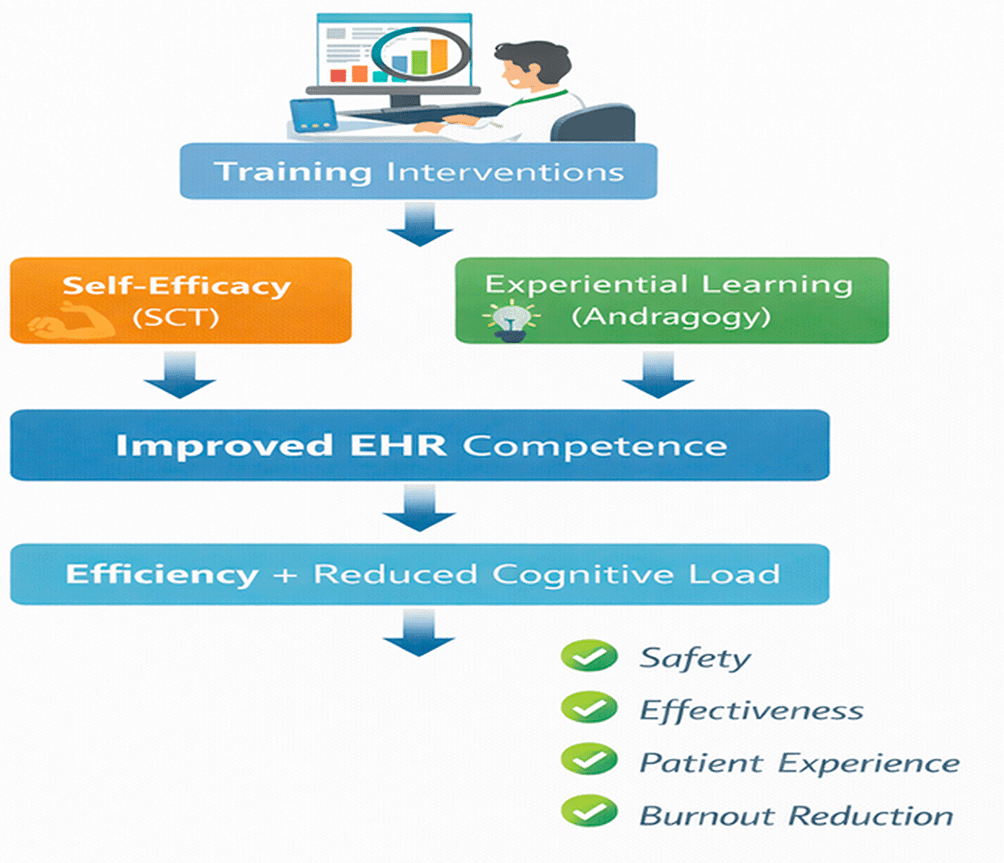
This figure illustrates the integration of Social Cognitive Theory and Adult Learning Theory in explaining the pathways through which training interventions improve EHR competence and quality service delivery outcomes.
In the context of digital health transformation, EHR competence must therefore be conceptualized not merely as technical literacy but as a dynamic capability shaped by cognitive, motivational, social, and experiential learning processes. A theory-driven approach enhances the likelihood that training interventions will translate into durable improvements in quality service delivery.
This study was conducted as a systematic literature review in accordance with the Preferred Reporting Items for Systematic Reviews and Meta-Analyses (PRISMA). The purpose of the review was to systematically identify, critically appraise, and synthesize empirical evidence on interventions designed to improve health workers’ competence in EHR utilization, and to evaluate the extent to which such interventions influence quality service delivery outcomes. The review followed a structured and transparent methodology to ensure reproducibility, methodological rigor, and alignment with contemporary standards for systematic reviews.
Studies were selected based on predefined inclusion and exclusion criteria structured using the Population–Intervention–Outcome–Study design (PIOS) framework. Eligible studies included those focusing on healthcare professionals, such as physicians, nurses, and allied health workers, who were exposed to structured interventions aimed at improving EHR competence. These interventions included, but were not limited to, formal training programs, simulation-based learning, microlearning approaches, and peer-supported super-user models. Studies were required to report measurable outcomes related to competence, such as efficiency, accuracy, or self-efficacy, and/or indicators of quality service delivery, including patient safety, documentation quality, or workflow efficiency.
Only empirical studies were included, encompassing randomized controlled trials, quasi-experimental studies, observational designs, and mixed-methods research. To ensure relevance to current digital health practices, the review was limited to studies published between 2020 and 2025 and written in English. Studies were excluded if they were opinion-based, editorial in nature, or lacked empirical data. Additionally, studies that did not explicitly address EHR-related competence or failed to report measurable outcomes related to competence or service delivery were excluded.
A comprehensive and systematic search of the literature was conducted across multiple electronic databases to ensure broad coverage of health informatics and digital health research. The databases searched included PubMed, Scopus-indexed journals, Journal of the American Medical Informatics Association (JAMIA), Journal of Medical Internet Research (JMIR), BMC Health Services Research, BMJ Open, and Applied Clinical Informatics. These sources were selected due to their relevance to clinical informatics, digital health interventions, and healthcare quality research. The search was finalized in January 2026, and all databases were queried for studies published between January 2020 and December 2025. This timeframe was chosen to capture the most recent developments in EHR implementation, training strategies, and digital competence interventions.
A structured search strategy was developed using a combination of Boolean operators, keywords, and controlled vocabulary (such as Medical Subject Headings where applicable). The search strategy was tailored to each database to maximize sensitivity and specificity. Core search concepts included EHR systems, competence or training, healthcare professionals, and quality of care outcomes.
An example of the search strategy used in PubMed is presented below:
(“electronic health record” OR “EHR” OR “EMR”) AND (“competence” OR “training” OR “skill” OR “proficiency”) AND (“health workers” OR clinicians OR nurses OR physicians) AND (“quality of care” OR “patient safety” OR “workflow efficiency”) AND (2020:2025[pdat])
In addition to the primary search terms, supplementary keywords such as “simulation-based training,” “super-user model,” “microlearning,” and “log-file analysis” were incorporated to capture emerging intervention approaches. To enhance completeness, the reference lists of all included studies were manually screened to identify additional relevant publications that may not have been captured through database searches.
All retrieved records were exported into a reference management system, where duplicates were identified and removed prior to screening. The study selection process was conducted in two sequential stages: an initial screening of titles and abstracts, followed by a full-text review of potentially eligible studies. Each stage of the screening process was carried out independently by two reviewers to minimize selection bias and enhance reliability. Discrepancies between reviewers were resolved through discussion and consensus. In cases where agreement could not be reached, a third reviewer was consulted to provide an independent judgment. The overall selection process, including the number of records identified, screened, excluded, and included, is summarized using a PRISMA flow diagram.
Data extraction was performed using a standardized data extraction form specifically designed for this review. The form was developed to ensure consistent capture of relevant study characteristics and outcomes across all included studies. Two reviewers independently extracted data from each study to enhance accuracy and reduce the likelihood of extraction errors. Following extraction, the data were cross-checked for consistency, and any discrepancies were resolved through discussion and agreement. This dual-review process ensured methodological rigor and reliability in the collected dataset.
The data extracted from each included study encompassed key characteristics necessary for synthesis and analysis. These included the author(s) and year of publication, country of study, study design, and detailed descriptions of the intervention. Information on population characteristics and outcome measures was also collected, along with key findings related to EHR competence and reported impacts on quality service delivery. Where relevant information was missing or unclear, attempts were made to contact the corresponding authors for clarification. This approach ensured completeness of the dataset and strengthened the validity of the synthesis.
The methodological quality of the included studies was assessed using the Joanna Briggs Institute Critical Appraisal Checklist, with the specific checklist selected according to the design of each study. This approach enabled a structured and design-sensitive evaluation of methodological rigor across diverse study types.
Each study was appraised across key domains, including selection bias, measurement validity, confounding factors, and outcome reliability. These domains were chosen to reflect common sources of bias in interventional, observational, and mixed-methods research. Based on the appraisal outcomes, studies were categorized as having low, moderate, or high risk of bias.
To enhance reliability and minimize subjective judgment, the risk of bias assessment was conducted independently by two reviewers. Any discrepancies in scoring were resolved through discussion and consensus, ensuring consistency in the final classification of study quality.
Given the heterogeneity in study designs, interventions, and outcome measures, effect measures were synthesized descriptively rather than quantitatively. The included studies reported a range of outcome indicators reflecting both competence and quality service delivery.
Where quantitative data were available, commonly reported effect measures included mean differences in efficiency metrics, changes in documentation or clinical error rates, self-efficacy scores, and reductions in time-on-task. These measures were interpreted within the context of each study’s design and evaluation framework. Due to substantial variability across studies in terms of intervention types, outcome definitions, and measurement approaches, statistical pooling and meta-analysis were not considered appropriate.
A thematic synthesis approach was employed to analyze and integrate findings across the included studies. This method was selected due to the heterogeneity of study designs and the predominance of mixed qualitative and quantitative outcomes.
The synthesis process involved several iterative stages. First, the extracted data were reviewed in detail to achieve familiarity with the content. This was followed by open coding of key findings, allowing relevant concepts and patterns to emerge inductively. The resulting codes were then grouped into broader categories, which were further refined into overarching themes through constant comparison across studies.
This systematic process resulted in the identification of five major themes: tiered role-specific training, simulation-based training, super-user mentorship, microlearning and embedded support, and post-implementation optimization. These themes represent the dominant intervention strategies reported in the literature. A meta-analysis was not conducted due to heterogeneity in interventions, study designs, and outcome measures, which limited the feasibility of statistical aggregation.
Potential reporting bias was assessed qualitatively by examining the alignment between study objectives and reported outcomes, as well as the consistency of findings across included studies. Particular attention was given to identifying selective outcome reporting and discrepancies between stated aims and reported results.
In addition, publication bias was considered by evaluating the diversity of study settings, designs, and reported findings. While a formal statistical assessment of publication bias was not feasible, the inclusion of studies from varied contexts and methodologies helped to mitigate the potential impact of reporting bias on the overall synthesis.
The study selection process is illustrated in the PRISMA flow diagram as shown in Figure 2. A total of 540 records were identified through database searching and manual reference screening. Following the removal of duplicates, 480 records remained and were subjected to title and abstract screening. Of these, 390 records were excluded based on irrelevance to the study objectives.
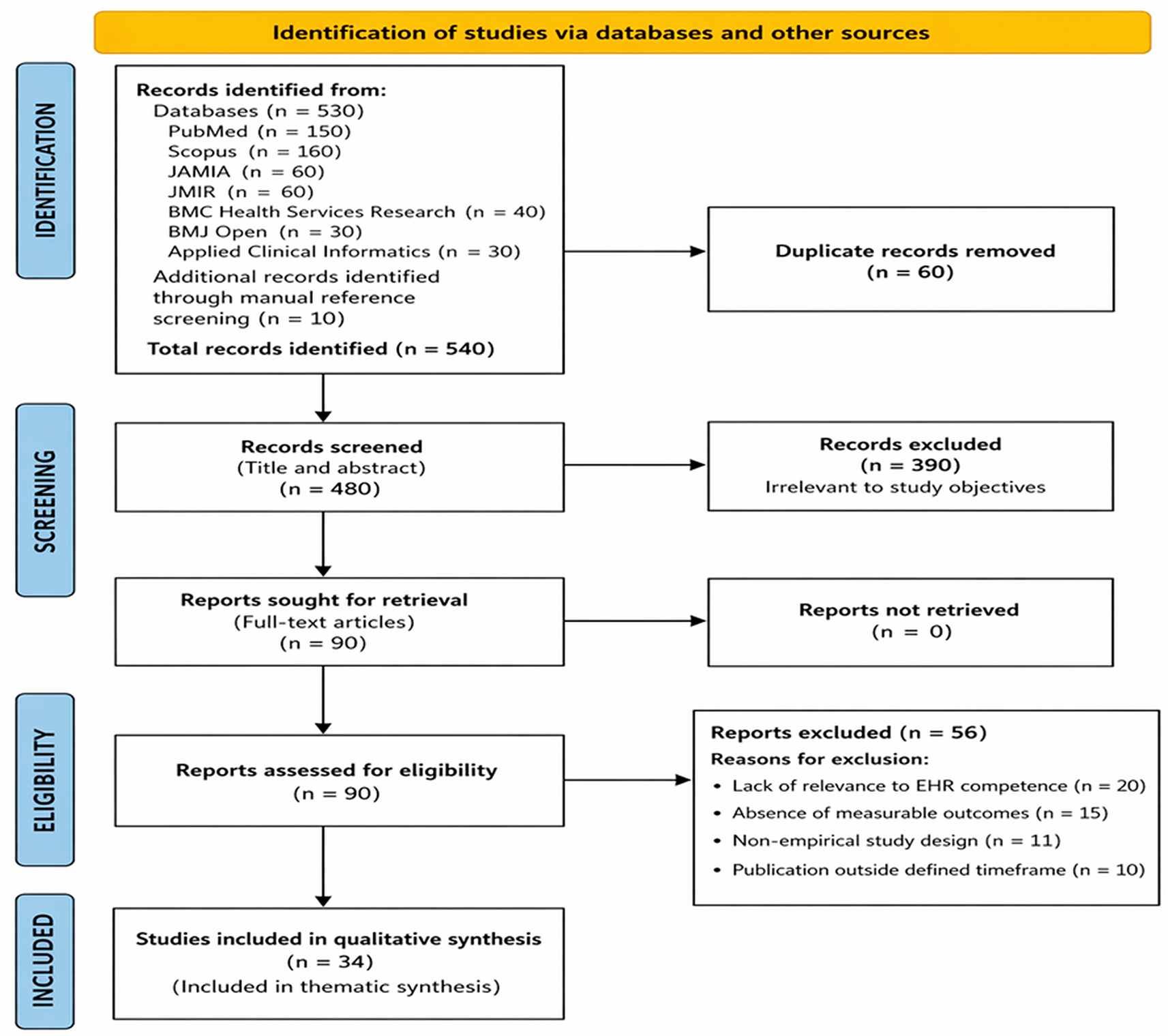
This figure presents the study identification, screening, eligibility assessment, and inclusion process used in the systematic review. A total of 540 records were identified through database searching and manual reference screening. Following duplicate removal and eligibility assessment, 34 studies met the inclusion criteria and were included in the qualitative thematic synthesis.
Subsequently, 90 full-text articles were assessed for eligibility. Among these, 56 studies were excluded for specific reasons, including lack of relevance to EHR competence (n = 20), absence of measurable outcomes (n = 15), non-empirical study design (n = 11), and publication outside the defined timeframe (n = 10). Ultimately, 34 studies met the inclusion criteria and were included in the qualitative synthesis.
The 34 included studies represented a diverse range of geographic settings, including North America, Europe, and selected low- and middle-income countries, reflecting the global relevance of EHR competence interventions. The studies employed a variety of methodological designs, including interventional approaches such as pre–post and quasi-experimental studies, observational studies, mixed-methods research, as well as systematic and scoping reviews.
Across the included studies, a wide range of interventions aimed at improving EHR competence were evaluated. These included simulation-based training, tiered role-specific training programs, microlearning strategies, super-user mentorship models, and post-implementation optimization initiatives. Outcome measures varied across studies but commonly focused on indicators of competence and quality service delivery. These included EHR efficiency metrics such as time-on-task and click counts, documentation accuracy, self-efficacy scores, and clinical quality indicators such as medication safety and adherence to clinical guidelines.
The methodological quality of the included studies was assessed using the Joanna Briggs Institute Critical Appraisal Checklist. Overall, the majority of studies were assessed as having moderate methodological quality, with several interventional studies demonstrating low risk of bias.
Common sources of bias included the lack of randomization in quasi-experimental studies, the presence of potential confounding variables in observational designs, and the reliance on self-reported outcome measures in some studies. Despite these limitations, several studies incorporated objective measures such as log-file analytics and performance metrics, which enhanced the reliability and validity of the reported findings.
Findings from individual studies consistently demonstrated that structured interventions were associated with improvements in EHR competence across multiple domains. Simulation-based training interventions were shown to improve navigation efficiency and reduce documentation errors, while post-implementation optimization programs contributed to reductions in after-hours documentation and clinician burnout.
Microlearning interventions were found to enhance knowledge retention and increase utilization of advanced EHR features, whereas super-user mentorship models facilitated the adoption of advanced system functionalities and improved team-level competence. Collectively, these findings indicate that targeted and structured interventions can produce measurable improvements in both technical proficiency and workflow efficiency. Detailed characteristics and outcomes of individual studies are presented in Table 1.
| Author (Year) | Country | Study Design | Intervention | Primary Outcomes |
|---|---|---|---|---|
| Nestor, J.G. et al. (2021) | USA | Log-file analysis | EHR log analysis of genetic result engagement | Feature engagement, click metrics |
| Miller, M.E. et al. (2021) | USA | Interventional (Pre–Post) | High-fidelity EHR simulation (intern training) | Navigation efficiency, satisfaction |
| Mohan, V. et al. (2021) | USA | Program description | EHR simulation training model | Burnout mitigation, training framework |
| Gordon, J.E. et al. (2022) | USA | Quasi-experimental | Post-implementation “ReBoot” training | User confidence, sustained performance |
| Lourie, E.M. et al. (2021) | USA | Program evaluation | Personalized efficiency training | Reduced EHR-related burnout |
| Nguyen, O.T. et al. (2024) | Various | Scoping review | EHR training programs for nurses | Implementation factors, barriers |
| Richardson, M.X. et al. (2023) | Sweden | Mixed methods | Digital microlearning intervention | Knowledge retention, performance |
| Musa, S. et al. (2023) | Not specified | Pre–Post study | Tailored hands-on training | Knowledge, competence, satisfaction |
| Janssen, A. et al. (2025) | Netherlands | Pilot study | Adaptive online learning using EHR data | Feasibility, acceptability |
| Cho, H. et al. (2024) | USA | Observational | EHR documentation efficiency analysis | Documentation accuracy |
| Kang, C. et al. (2024) | Various | Systematic review | Burnout reduction interventions | Synthesized intervention effects |
| English, E.F. et al. (2022) | USA | Quasi-experimental | Virtual sprint EHR training | Burnout reduction, optimization |
| Ting, J. et al. (2021) | Various | Integrative review | Nursing EHR education programs | Training approaches synthesis |
| Di Tosto, G. et al. (2020) | USA | Log metrics analysis | Outpatient portal usage metrics | Utilization indicators |
| Abbasi, N. et al. (2024) | Iran | Interventional | Web-based training program | Documentation improvement |
| Chen, J. et al. (2024) | USA | Quasi-experimental | Post-go-live sprint training | Provider efficiency |
| Richardson, C. et al. (2024) | UK/USA | Implementation study | Crowdsourced EHR improvements | User engagement, solutions |
| Longhurst, C.A. et al. (2019) | USA | Observational | Training investment (Arch Collaborative) | User satisfaction |
| Shenk, E.C. et al. (2020) | USA | Implementation study | EMR decision support (AKI) | Clinical decision outcomes |
| Jung, S.Y. et al. (2021) | South Korea | Qualitative | EHR barriers and facilitators | User perspectives |
| Brown, A. et al. (2022) | USA | Evaluation study | Remote EHR onboarding | Feasibility |
| Chen, L. et al. (2020) | USA | RCT/Quasi-experimental | CDS for medication reconciliation | Medication safety |
| Ju, J.K. et al. (2025) | USA | Quasi-experimental | Practice-oriented EMR training | Competency improvement |
| Nguyen, L. et al. (2021) | USA | Mixed methods | Simulation-based EHR training | Accuracy, confidence |
| Peršolja, M. (2024) | Croatia | Observational | EHR workload intensity study | Workload indicators |
| Vanderhout, S. et al. (2025) | Canada | Observational | Post-EHR implementation evaluation | Quality of care impact |
| Kumar, A. et al. (2013) | USA | Implementation study | In-house EHR training | Staff proficiency |
| Melnick, E.R. et al. (2021) | USA | Observational | EHR usability and burnout study | Burnout association |
| Imdieke, B.H. & Martel, M.L. (2023) | USA | Program evaluation | Scribe integration | Provider efficiency |
| Laukkanen, M. (2023) | Finland | Review | Post-implementation training | Program insights |
Thematic synthesis of the included studies resulted in the identification of five major categories of interventions aimed at improving EHR competence.
4.5.1 Tiered Role-Specific Training
A recurring finding across studies was that one-size-fits-all EHR training is insufficient for achieving durable competence gains. Tiered role-specific training models were developed to align instructional content with professional responsibilities (e.g., physicians, nurses, pharmacists, laboratory personnel).
Several empirical studies reported that tailoring training to workflow-specific tasks reduced cognitive overload and increased perceived relevance, particularly among clinicians who previously reported frustration with generic onboarding programs (Nguyen et al., 2024; Ting et al., 2021). For example, structured curricula that separated foundational navigation skills from advanced clinical decision-support use enabled progressive skill acquisition without overwhelming participants. Quantitative pre–post designs demonstrated measurable improvements in:
• Task completion accuracy
• Reduction in time-on-task
• Decreased click burden
• Improved documentation completeness
• Increased self-efficacy scores
In some studies, role-specific modules focusing on medication reconciliation for nurses or order-entry optimization for physicians resulted in statistically significant improvements in efficiency metrics derived from EHR log-file analytics (Gordon et al., 2022). Furthermore, participants reported greater satisfaction when training was contextualized to specialty-specific workflows.
Thematic analysis suggests that tiered training enhances competence by aligning content with professional identity, immediate job demands, and task complexity, thereby operationalizing adult learning principles and strengthening self-efficacy.
4.5.2 Simulation-Based Training
Simulation-based EHR training emerged as one of the most consistently supported intervention strategies. High-fidelity “sandbox” environments allow clinicians to practice complex tasks (e.g., discharge summaries, medication ordering, clinical decision-support interaction) without risking real patient data. Intervention studies conducted in academic medical centers reported improvements in:
• Navigation efficiency
• Reduction in documentation errors
• Increased appropriate use of decision-support alerts
• Improved user confidence sustained at follow-up assessments (Gordon et al., 2022; Miller et al., 2021)
Importantly, simulation environments provide mastery experiences, an essential determinant of self-efficacy under Social Cognitive Theory. Participants demonstrated greater willingness to explore advanced EHR features after structured simulation practice. Qualitative findings further revealed that clinicians valued simulation-based learning because it allowed for experiential problem-solving, immediate feedback, and reflection. In contrast to lecture-based training, simulation enabled participants to rehearse realistic clinical scenarios, reinforcing memory retention and reducing anxiety associated with live-system errors. Across studies, simulation-based training was particularly effective when integrated with workflow debrief sessions and personalized coaching.
4.5.3 Super-User Peer Mentorship
The super-user model represents a peer-led support strategy in which technologically proficient clinicians are designated as departmental champions. These super-users provide on-site troubleshooting, informal coaching, and contextual workflow optimization. Studies examining peer-led mentorship models reported:
• Faster resolution of EHR-related issues
• Increased adoption of advanced features
• Reduced reliance on centralized IT departments
• Improved team-level confidence in system use (Nguyen et al., 2024)
From a thematic perspective, super-user programs function as social modeling mechanisms that reinforce competence norms within clinical teams. Observational learning, central to Social Cognitive Theory, appears to facilitate diffusion of best practices.
Qualitative studies indicated that clinicians were more comfortable seeking assistance from peers than from technical IT staff, particularly when workflow nuances were involved. Additionally, super-users often acted as intermediaries between frontline clinicians and system administrators, contributing to continuous system optimization.
However, sustainability of super-user programs depended heavily on leadership support, protected time allocation, and formal recognition structures.
4.5.4 Microlearning and Embedded Support
Microlearning interventions, short instructional videos, contextual tooltips, interactive prompts, and just-in-time digital guidance, emerged as scalable approaches to reinforcing EHR competence. Unlike traditional workshops, microlearning modules are delivered within or alongside the EHR interface, allowing immediate application during clinical tasks. Empirical evidence suggests that microlearning:
• Improves short-term knowledge retention
• Reduces skill decay over time
• Enhances confidence in rarely used advanced features
• Decreases alert override behaviors (Kang & Sarkar, 2024; Nguyen et al., 2024)
Embedded tooltips and interactive walkthroughs were particularly effective for reinforcing structured documentation templates and new feature updates after system upgrades.
Thematic synthesis indicates that microlearning addresses one of the major barriers identified in the literature, time constraints. By integrating training into daily workflows, clinicians are not required to leave clinical duties to attend extended training sessions. Moreover, microlearning aligns closely with adult learning principles by being problem-centered, concise, and immediately relevant.
4.5.5 Post-Implementation Optimization (ReBoot Camps and Sprints)
Several studies described structured retraining programs implemented months or years after initial EHR go-live. These initiatives, often referred to as “ReBoot Camps” or “optimization sprints”, focused on refining advanced feature use, improving efficiency, and addressing burnout associated with documentation burden. Pre–post evaluations of optimization programs reported:
• Significant reductions in time spent per patient chart
• Decreased after-hours documentation (“pajama time”)
• Improved provider satisfaction scores
• Reduced EHR-related burnout indicators (Kang & Sarkar, 2024)
Optimization programs typically combined group workshops, individualized coaching sessions, and workflow redesign consultations. Notably, participants reported discovering underutilized features that significantly streamlined documentation tasks.
From a thematic perspective, these interventions in Table 2 demonstrate that EHR competence is dynamic rather than static. Initial onboarding training alone is insufficient to maintain proficiency as systems evolve and workflows change.
4.5.6 Cross-Cutting Findings Across Intervention Categories
Thematic comparison across intervention types revealed several overarching patterns as shown in Figure 3:
1. Multifaceted interventions combining tiered training, simulation, and peer mentorship produced the most durable improvements.
2. Objective EHR log-file analytics were increasingly used to measure efficiency outcomes and validate self-reported gains.
3. Leadership support and protected training time were critical facilitators of successful implementation.
4. Interventions that explicitly addressed clinician burnout alongside competence demonstrated stronger engagement.
5. Continuous reinforcement mechanisms were necessary to prevent skill decay.
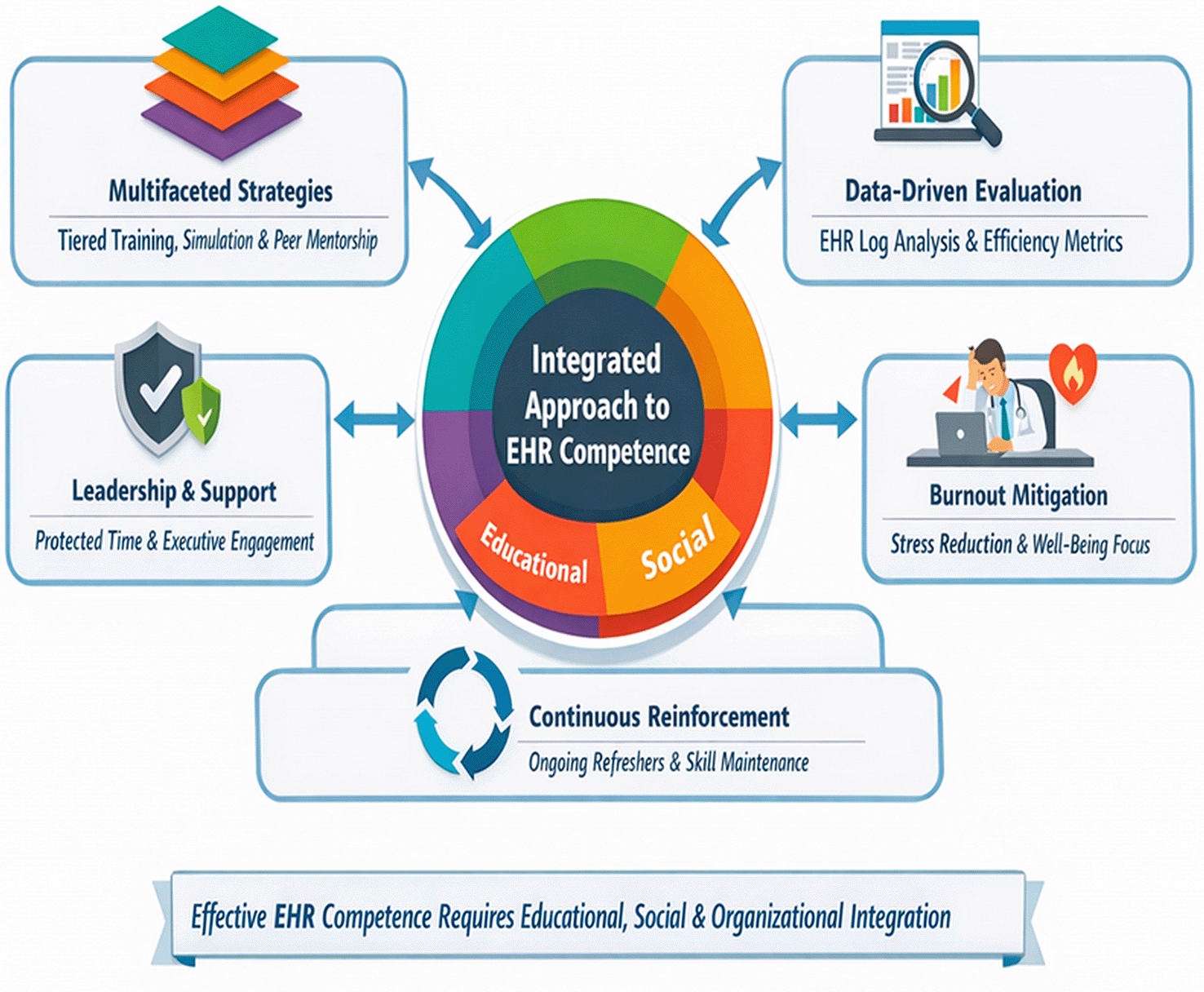
This figure illustrates the integrated components required to improve Electronic Health Record (EHR) competence among healthcare professionals. The framework highlights the complementary roles of multifaceted training strategies, leadership support, data-driven evaluation, burnout mitigation, and continuous reinforcement mechanisms in promoting sustainable EHR competence.
Collectively, the findings indicate that improving EHR competence requires integrated educational, social, and organizational strategies rather than isolated technical instruction.
4.5.7 Integrated Impact Across Quality Domains
The thematic evidence suggests that EHR competence functions as a foundational enabler of quality service delivery. Improvements in digital proficiency cascade into measurable gains across safety, effectiveness, patient-centeredness, and workforce sustainability.
The relationship can be conceptualized as follows:
➢ Enhanced EHR Competence
➢ Improved Task Accuracy & Efficiency
➢ Reduced Cognitive Load
➢ Better Guideline Adherence & Data Integrity
➢ Improved Safety, Effectiveness, Patient Experience, and Reduced Burnout
The competency dimensions identified from the reviewed studies are presented in Figure 4.
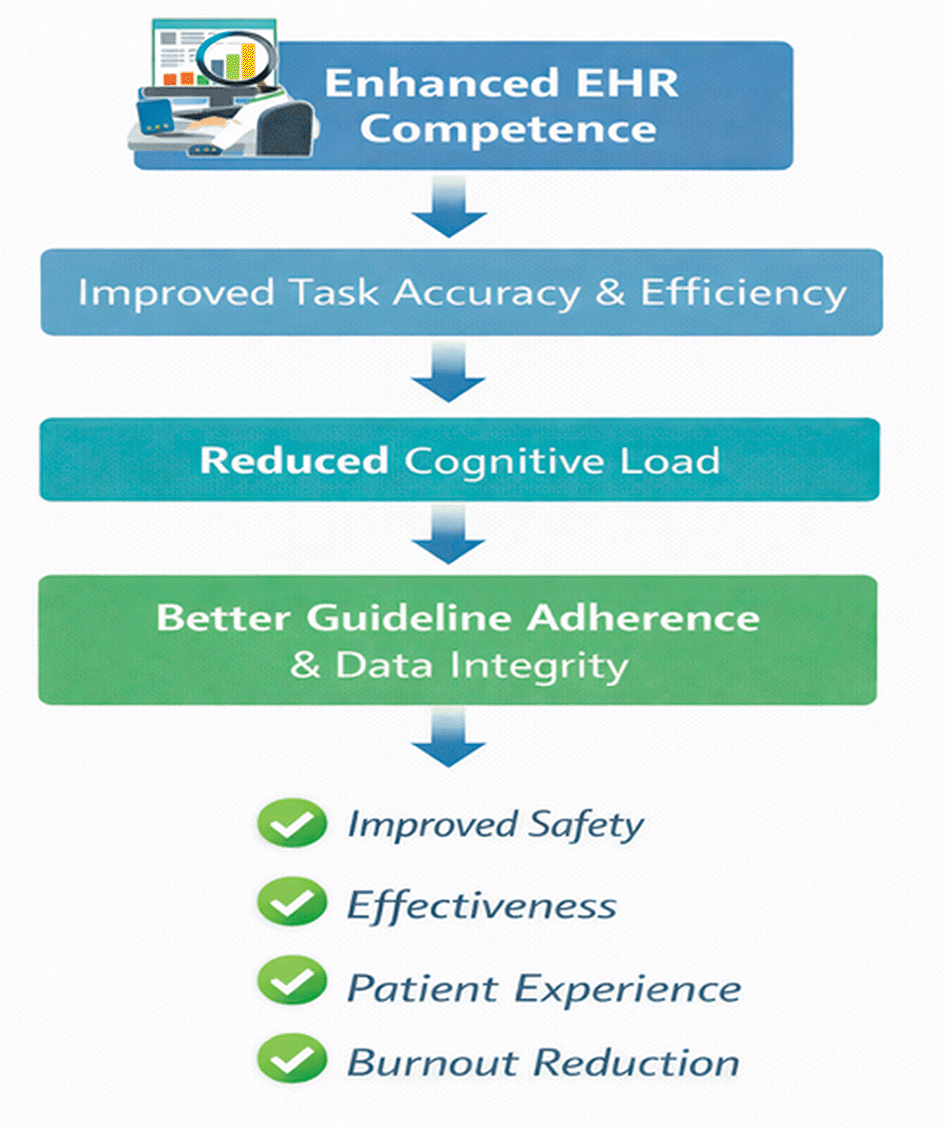
This figure illustrates the conceptual pathway through which enhanced EHR competence contributes to quality service delivery. Improved EHR competence enhances task accuracy and workflow efficiency, leading to reduced cognitive load and improved adherence to clinical guidelines and data integrity standards. These intermediate outcomes ultimately contribute to improved patient safety, clinical effectiveness, patient experience, and reduced clinician burnout.
This integrated pathway underscores that investments in EHR competence development yield multidimensional quality benefits. Consequently, EHR training should be framed not merely as an operational requirement but as a strategic quality improvement intervention.
No substantial evidence of selective reporting was identified among the included studies. However, the possibility of publication bias cannot be entirely excluded, as studies reporting positive outcomes were more frequently represented in the literature. The diversity of study designs and settings included in the review partially mitigates this limitation.
The overall certainty of evidence was assessed using the GRADE approach. Evidence supporting simulation-based training and post-implementation optimization interventions was rated as moderate to high certainty due to consistent findings and the use of objective outcome measures. Evidence for microlearning strategies and peer mentorship models was assessed as moderate certainty, reflecting some variability in study design and outcome measurement.
In contrast, evidence derived from observational studies was generally rated as low to moderate certainty due to potential confounding and methodological limitations. Overall, the strength of the evidence supports the effectiveness of multifaceted interventions in improving EHR competence and enhancing quality service delivery outcomes.
This review demonstrates that improving health workers’ competence in EHR utilization extends beyond technical skill acquisition and is strongly associated with measurable improvements in multiple domains of quality service delivery. The findings indicate that EHR competence functions as a foundational capability that influences safety, effectiveness, patient-centeredness, and workforce sustainability. Importantly, the relationship between EHR competence and service quality operates through both direct mechanisms, such as improved task accuracy, and indirect pathways, including reduced cognitive burden and enhanced workflow integration (Gordon et al., 2022; Nguyen et al., 2024).
5.2.1 Patient Safety
Patient safety emerged as one of the most consistently improved outcomes following structured EHR competence interventions. Evidence across studies shows that interventions such as tiered training, simulation-based learning, and post-implementation optimization significantly reduce documentation errors and medication discrepancies (Gordon et al., 2022).
Enhanced competence in structured medication entry and reconciliation improves accuracy and reduces inconsistencies between prescribed and recorded medications. Simulation-based training, particularly in high-risk prescribing scenarios, contributes to safer clinical decision-making and adherence to safety protocols (Miller et al., 2021). Additionally, improved familiarity with structured documentation templates reduces omissions and enhances data integrity (Melnick et al., 2021).
Alert management is another critical safety dimension. Targeted training interventions reduce inappropriate override of clinical decision-support alerts, promoting more informed and cautious clinical decisions (Kang & Sarkar, 2024). Collectively, these improvements reinforce the role of EHR competence in strengthening patient safety systems.
5.2.2 Clinical Effectiveness
EHR competence plays a significant role in improving clinical effectiveness by enabling clinicians to utilize decision-support tools and structured data systems more effectively. The findings indicate that trained clinicians demonstrate increased adherence to evidence-based guidelines embedded within EHR systems, particularly in preventive care and chronic disease management (Nguyen et al., 2024).
Structured documentation practices enhance the completeness and reliability of patient records, supporting better continuity of care and accurate risk stratification (Gordon et al., 2022). Furthermore, workflow optimization interventions reduce time spent on documentation, allowing clinicians to dedicate more time to clinical reasoning and patient care (Rajamani et al., 2023). Overall, improved competence ensures that the technological capabilities of EHR systems translate into meaningful clinical outcomes.
5.2.3 Patient Experience
The findings suggest that improved EHR competence contributes indirectly to enhanced patient experience. Efficient navigation and reduced documentation burden allow clinicians to spend more time engaging with patients rather than interacting with digital interfaces (Melnick et al., 2021).
Improved use of data visualization tools and patient education modules supports transparency and shared decision-making during consultations. Patients benefit from clearer communication, better understanding of their health conditions, and increased involvement in care decisions. Additionally, improved workflow efficiency reduces appointment delays and enhances overall service delivery, contributing to higher patient satisfaction (Rajamani et al., 2023).
5.2.4 Burnout Reduction and Workforce Sustainability
EHR-related workload and documentation burden are well-established contributors to clinician burnout. This review highlights that competence-enhancing interventions significantly reduce these pressures (Melnick et al., 2021).
Optimization programs and efficiency training reduce after-hours documentation (“pajama time”), improving work–life balance (Rajamani et al., 2023). Increased proficiency in system navigation lowers cognitive load and reduces frustration associated with inefficient workflows. As a result, clinicians report higher professional satisfaction and reduced emotional exhaustion (Melnick et al., 2021).
Importantly, reduced burnout also has downstream effects on patient safety, as lower cognitive fatigue is associated with fewer clinical errors. These findings position EHR competence as a critical factor in workforce sustainability.
The findings of this review suggest a cascading pathway through which EHR competence influences quality service delivery. Improvements in digital proficiency enhance task accuracy and workflow efficiency, which in turn reduce cognitive load and improve adherence to clinical guidelines. These intermediate outcomes ultimately translate into broader improvements in patient safety, clinical effectiveness, patient experience, and reduced clinician burnout (Nguyen et al., 2024).
This pathway highlights that EHR competence is not an isolated skill but a central mechanism linking digital systems to healthcare quality outcomes. Consequently, investments in competence development yield multidimensional benefits across the healthcare system.
The review identified five major categories of interventions, each contributing uniquely to competence development and quality outcomes. Tiered role-specific training improves task alignment and reduces cognitive overload, while simulation-based training provides experiential learning that enhances confidence and error reduction (Miller et al., 2021).
Super-user mentorship models facilitate peer-based learning and contextual problem-solving, strengthening team-level competence (Nguyen et al., 2024). Microlearning approaches provide scalable, just-in-time support that reinforces knowledge and prevents skill decay (Kang & Sarkar, 2024). Post-implementation optimization programs demonstrate strong effectiveness in improving efficiency and reducing burnout (Rajamani et al., 2023).
Notably, multifaceted interventions that combine these approaches consistently produce more sustainable and impactful outcomes than single-method training strategies.
This review advances existing literature by reconceptualizing EHR competence as a dynamic, multidimensional organizational capability rather than a static technical skill. By integrating Social Cognitive Theory and Adult Learning Theory, the findings highlight the importance of self-efficacy, experiential learning, and social reinforcement in sustaining digital competence (Nguyen et al., 2024).
The results suggest that competence development operates through a behavioral pathway in which mastery-based training and peer learning enhance confidence, leading to increased system utilization and improved workflow performance. This shifts the focus from technology adoption to capability development within healthcare systems.
Furthermore, the findings position EHR competence as a foundational component of learning health systems, where continuous feedback and performance monitoring enable ongoing improvement (Nestor et al., 2021).
The findings underscore the need to reframe EHR competence as a strategic priority within healthcare systems. Rather than being treated as a one-time training requirement, competence development should be embedded within organizational governance structures and continuous quality improvement frameworks.
Healthcare institutions should implement structured, role-specific training programs, supported by simulation environments, peer mentorship, and embedded learning tools. Additionally, integrating digital competence into professional development and certification systems can strengthen accountability and standardization.
At the policy level, incorporating EHR competence into regulatory and accreditation frameworks can enhance alignment between digital health strategies and clinical practice. This is particularly important in low-resource settings, where scalable approaches such as microlearning and peer mentorship offer practical solutions.
This review has several strengths, including a comprehensive synthesis of recent empirical evidence and the integration of theoretical frameworks to interpret findings. The inclusion of diverse study designs enhances the breadth of insights into EHR competence interventions.
However, several limitations should be acknowledged. The heterogeneity of study designs and outcome measures limited the ability to conduct a meta-analysis. The reliance on English-language studies may introduce language bias, and the possibility of publication bias cannot be excluded. Additionally, variability in methodological quality across studies may affect the generalizability of findings.
Overall, this review demonstrates that EHR competence is a critical determinant of healthcare quality and workforce sustainability. By framing competence as a dynamic organizational capability, the findings provide a conceptual bridge between digital transformation and quality improvement. Sustained investment in structured, theory-informed training interventions is essential for translating digital health technologies into meaningful improvements in service delivery.
| Views | Downloads | |
|---|---|---|
| F1000Research | - | - |
|
PubMed Central
Data from PMC are received and updated monthly.
|
- | - |
Provide sufficient details of any financial or non-financial competing interests to enable users to assess whether your comments might lead a reasonable person to question your impartiality. Consider the following examples, but note that this is not an exhaustive list:
Sign up for content alerts and receive a weekly or monthly email with all newly published articles
Already registered? Sign in
The email address should be the one you originally registered with F1000.
You registered with F1000 via Google, so we cannot reset your password.
To sign in, please click here.
If you still need help with your Google account password, please click here.
You registered with F1000 via Facebook, so we cannot reset your password.
To sign in, please click here.
If you still need help with your Facebook account password, please click here.
If your email address is registered with us, we will email you instructions to reset your password.
If you think you should have received this email but it has not arrived, please check your spam filters and/or contact for further assistance.

Comments on this article Comments (0)