Keywords
Digital Employee Experience; Organizational Culture; Employee Engagement; Employee Performance; Digital Transformation; Job Demands–Resources Model.

Digital Employee Experience; Organizational Culture; Employee Engagement; Employee Performance; Digital Transformation; Job Demands–Resources Model.
Employee performance has become one of the most critical determinants of organizational success in an era defined by digital disruption, heightened competition, and rapidly evolving workplace expectations. Organizations across sectors are undergoing extensive transformation driven by technological advancement, globalization, demographic shifts, and the emergence of new work models (Deloitte, 2024; World Economic Forum, 2023). These transitions demand not only structural and strategic adjustments but also deep internal shifts in how employees experience their work and interact with their organizational environment. Consequently, scholars and practitioners have increasingly emphasized the importance of strengthening employee engagement and optimizing organizational conditions that support sustained high performance (Kahn, 1990; Harter et al., 2002; Saks, 2019). Within this context, Digital Employee Experience (DEX) and Organizational Culture have emerged as central pillars shaping how employees think, feel, and behave at work, thereby influencing their engagement and performance outcomes.
Digital transformation has accelerated dramatically over the past decade, reshaping work design, communication patterns, and service delivery mechanisms across industries (MIT Sloan, 2022; McKinsey, 2023). The modern workplace is no longer defined solely by physical infrastructure but increasingly by the quality of digital tools, platforms, and interactions that employees rely on every day. This evolution has given rise to the concept of Digital Employee Experience (DEX), which reflects employees’ perceptions of the effectiveness, usability, reliability, integration, and support of the digital systems that facilitate their work (Morgan, 2017; Gartner, 2021). DEX encompasses not only the technical functionality of digital systems but also their psychological and experiential impact on employees’ sense of empowerment, comfort, and productivity. When digital tools are seamless and intuitive, employees experience greater competence, reduced friction, and higher work satisfaction, all of which contribute positively to engagement (Bondarouk & Brewster, 2016). Conversely, fragmented systems, poor digital interfaces, and inadequate technological support can lead to frustration, stress, and disengagement (Aroles et al., 2019; Tarafdar et al., 2015).
Beyond digital infrastructure, organizational culture remains a foundational determinant of employee attitudes and performance. Culture encompasses the shared values, norms, beliefs, and behavioral expectations that guide how employees interact with one another and make sense of their work environment (Schein, 2010; Alvesson, 2016). A strong, supportive, and adaptive culture fosters trust, clarity, cohesion, and alignment with organizational goals, creating an environment in which employees feel psychologically safe and intrinsically motivated (Edmondson, 2019; Denison, 1990). Culture becomes especially critical during periods of organizational transformation, restructuring, or operational challenges. In such contexts, a cohesive culture supports resilience, helps employees navigate uncertainty, stabilizes morale, and sustains engagement (Kotter, 2012; Cameron & Quinn, 2011).
Despite the substantial relevance of digital experience and organizational culture, their combined influence on employee performance remains under-examined, particularly in emerging economies undergoing rapid digitalization and structural transition (ILO, 2022; OECD, 2023). Most prior research emphasizes traditional predictors of performance such as leadership ( Avolio et al., 2004), compensation (Gerhart & Rynes, 2003), or job design (Hackman & Oldham, 1976) while the influence of digital working conditions and cultural dynamics has not yet been explored comprehensively in the modern digital era. Moreover, the pathways through which DEX and culture translate into measurable performance outcomes are often indirect. A growing body of research suggests that employee engagement serves as a key psychological mechanism linking organizational conditions to performance (Bakker & Demerouti, 2007; Rich et al., 2010).
Employee engagement is defined as a positive, fulfilling, work-related psychological state characterized by vigor, dedication, and absorption (Schaufeli & Bakker, 2004). Engaged employees exhibit greater energy, deeper concentration, stronger emotional attachment to their work, and higher willingness to contribute beyond formal job requirements. Research consistently demonstrates that engaged employees achieve superior productivity, service quality, innovation, and customer satisfaction (Harter et al., 2002; Bakker & Albrecht, 2018). Yet global data show that engagement levels remain low. According to Gallup (2025), only 21% of employees worldwide report being highly engaged. In Indonesia, employee engagement stands at approximately 27%, which is higher than the global average but still indicates that most employees feel disconnected from their work (Gallup, 2025; Zhafira et al., 2025).
The Indonesian context adds important cultural and structural complexities. Aspects such as high power distance, collectivism, and hierarchical norms shape workplace behavior and influence how employees express concerns, demonstrate initiative, and engage with their roles (Hofstede et al., 2010; Budhwar & Varma, 2011). Regulatory developments such as the Omnibus Law have also introduced uncertainty around job security, affecting organizational commitment. Meanwhile, digitalization trends accelerated by the COVID-19 pandemic have intensified the digital skills gap, with only 19% of Indonesian workers deemed digitally competent (Kemenaker, 2024). Employees with limited digital literacy may feel overwhelmed by new technologies, increasing the risk of disengagement. These dynamics underscore the importance of understanding how digital experience and organizational culture jointly influence employee engagement within Indonesia’s socio-cultural landscape.
These challenges are particularly pronounced in volatile, service-driven industries such as aviation. National airlines face complex operational demands, financial pressures, competition from international carriers, and workforce reductions following the pandemic (Widya Puspa, 2022; Chua, 2023). Employees in this sector experience heightened workloads, altered job expectations, and growing reliance on digital tools such as HRIS platforms, automated workflow systems, and digital performance management technologies. In such environments, digital experience and cultural stability become crucial to maintaining engagement and ensuring high performance.
Theoretical frameworks reinforce the idea that DEX and organizational culture function as job resources within the Job Demands–Resources (JD-R) model, enabling employees to meet job demands, achieve work goals, and foster personal growth (Demerouti et al., 2001; Bakker & Demerouti, 2017). Supportive digital tools reduce strain, enhance efficiency, and create meaningful work experiences, while a strong culture reinforces psychological safety and shared purpose. Similarly, Social Cognitive Theory (SCT) highlights how environmental conditions such as digital systems and cultural norms interact with individual factors like self-efficacy and motivation to shape behavior and performance (Bandura, 1986).
Despite the theoretical foundations supporting these relationships, empirical evidence remains mixed. Some studies have found strong positive effects of digital systems and culture on engagement and performance (Albrecht, 2010; Shuck & Reio, 2014), while others highlight variability depending on contextual factors such as digital maturity, organizational structure, and cultural alignment (Çankır & Şahin, 2018; Aroles et al., 2019). Furthermore, much of the available research has been conducted in Western or technologically advanced environments, limiting the applicability of findings to emerging economies like Indonesia.
Given these limitations, there is a clear need for context-specific research examining how Digital Employee Experience and Organizational Culture influence Employee Performance through the mediating role of Employee Engagement. Understanding these dynamics is essential for organizations undergoing digital transformation or restructuring especially those in high-risk, service-oriented sectors such as aviation. Additionally, exploring how digital and cultural environments shape psychological engagement provides important insights for strengthening organizational resilience, improving service quality, and sustaining competitiveness in an increasingly digital world.
Digital Employee Experience (DEX) refers to employees’ perceptions of the usability, integration, reliability, and overall quality of digital tools and systems that support their daily work activities. A positive digital experience enhances employees’ feelings of competence, autonomy, and efficiency, while a negative experience increases frustration and cognitive overload (Morgan, 2017; Gartner, 2021). Within the modern digital workplace, DEX is viewed as an essential job resource that facilitates smooth task execution and provides psychological support.
From the perspective of the Job Demands–Resources (JD-R) model, digital systems that are intuitive, responsive, and well-integrated help employees manage task demands more effectively, thereby fostering higher levels of energy and motivation key components of employee engagement (Bakker & Demerouti, 2017). Research confirms that digital enablement enhances employees’ emotional and cognitive connection to their work. Bondarouk and Brewster (2016) found that high-quality digital systems increase psychological empowerment, which in turn enhances engagement. Aroles et al. (2019) demonstrated that digital workflows significantly improve employees’ sense of control and meaning, resulting in higher engagement levels.
Conversely, poor digital experiences such as slow systems, fragmented platforms, or inadequate digital support are associated with digital strain, stress, and disengagement (Tarafdar et al., 2015). These digital stressors diminish vigor and reduce employees’ willingness to invest emotionally in their work.
Given this theoretical and empirical foundation, the relationship between DEX and engagement is expected to be positive:
Digital Employee Experience positively influences Employee Engagement.
Beyond its influence on engagement, Digital Employee Experience (DEX) directly contributes to employee performance by enabling smoother task execution, minimizing errors, and supporting higher-quality decision-making processes. High-quality digital systems provide both structural and cognitive resources that allow employees to operate efficiently without being hindered by technical constraints or fragmented digital workflows. When digital tools function seamlessly, employees are better able to concentrate on their core responsibilities, maintain accuracy under pressure, and complete tasks in a timely and effective manner (MIT Sloan, 2022; McKinsey, 2023). In this sense, DEX acts as a performance enabler, supporting both routine operational tasks and more complex problem-solving activities.
Theoretically, DEX aligns with the Job Demands–Resources (JD-R) model by serving as a job resource that enhances both process efficiency and individual capability. User-friendly, automated, and well-integrated systems reduce cognitive load, eliminate repetitive work, and streamline communication channels. These conditions increase employee capacity to meet performance objectives and reduce the likelihood of task disruption. Digital systems that provide real-time data, intuitive interfaces, and cross-platform integration also strengthen collaboration and knowledge sharing, improving overall service delivery and operational coherence.
Empirical research reinforces this link between DEX and performance. Tariku and Singh (2024) report that digital work environments substantially increase individual productivity and improve task accuracy. Bondarouk and Brewster (2016) similarly found that digital HR platforms enhance workflow transparency, reduce administrative errors, and support more consistent service outcomes. Industries that rely extensively on digital infrastructure including aviation, banking, and transportation show particularly strong performance effects due to their dependence on process accuracy and system reliability. However, some variability exists across sectors depending on organizational digital maturity and workforce digital readiness, suggesting that performance benefits are maximized when digital improvements are accompanied by adequate skills development and change management initiatives (Aroles et al., 2019).
Still, the majority of evidence supports a direct positive link:
Digital Employee Experience positively influences Employee Performance.
Organizational culture plays a central role in shaping how employees interpret their work environment, interact with colleagues, and sustain motivation to remain engaged. Culture encompasses the shared values, norms, and behavioral expectations that create a psychological and social framework guiding how employees think, feel, and act within the organization (Schein, 2010; Alvesson, 2016). A supportive and coherent culture enhances employees’ sense of belonging and stability, fostering psychological safety, trust, collaboration, and clarity factors that serve as strong antecedents of emotional and cognitive engagement (Edmondson, 2019). When employees feel safe to express ideas, trust their colleagues, and understand organizational expectations, they are more likely to invest their energy, attention, and enthusiasm in their work.
From the lens of Social Cognitive Theory (SCT), cultural cues operate as environmental signals that reinforce self-efficacy, intrinsic motivation, and behavioral alignment (Bandura, 1986). Elements such as teamwork, recognition, fairness, leadership support, and open communication strengthen employees’ confidence in their abilities and enhance their willingness to participate actively in organizational processes. Cultures characterized by involvement, adaptability, and mission clarity encourage employees to immerse themselves more deeply in their roles, resulting in greater dedication, resilience, and willingness to go beyond basic job requirements.
Empirical evidence consistently supports these theoretical claims. Shuck and Reio (2014) found that culturally supportive environments significantly increase employees’ sense of meaningfulness, a core driver of engagement. Denison’s (1990) and Cameron and Quinn’s (2011) work further demonstrates that strong cultural alignment is associated with higher enthusiasm, commitment, and work immersion. In collectivist societies such as Indonesia, cultural congruence plays an even more substantial role, as employees place high value on harmony, group belonging, and respect for organizational norms (Hofstede et al., 2010; Budhwar & Varma, 2011). Thus, organizational culture becomes a critical mechanism that shapes not only behavioral expectations but also the psychological conditions necessary for sustained employee engagement. Still, the majority of evidence supports a direct positive link:
Organizational Culture positively influences Employee Engagement.
Organizational culture also directly influences employee performance by creating an environment that supports high-quality work behaviors and consistent operational standards. When an organization establishes shared norms that value excellence, adaptability, teamwork, and accountability, employees operate within a system that motivates them to deliver superior results. Such cultures provide both motivational conditions through encouragement, recognition, and cohesive values and structural conditions, such as clear expectations and stable work routines, that collectively enhance individual performance (Denison, 1990). Employees embedded in strong, well-defined cultures are more likely to behave in ways that align with organizational goals, demonstrate initiative, and maintain discipline in execution.
From a theoretical standpoint, organizational culture functions as a behavioral control mechanism that shapes how employees make decisions, allocate effort, and respond to workplace challenges. A performance-oriented culture reinforces norms and expectations that prioritize accuracy, quality, and continuous improvement. These cultural cues guide employees in maintaining consistency, adhering to operational procedures, and proactively solving problems. The reliability and clarity provided by a strong culture reduce ambiguity and cognitive burden, enabling employees to focus on productive work behaviors.
Empirical studies strongly support these assertions. Cameron and Quinn (2011) demonstrated that cultures emphasizing collaboration, innovation, and flexibility significantly enhance performance outcomes across industries. Burawat (2019) found that cultural alignment when employees’ values match organizational expectations directly enhances service performance, customer responsiveness, and task accuracy. In high-risk industries such as aviation, healthcare, and transportation, culture plays a pivotal role in shaping safety behavior, regulatory compliance, and operational reliability. A strong safety and service culture ensures that employees maintain vigilance, adhere to protocols, and deliver consistent service quality even under pressure.
Although some studies note that the strength of the culture–performance relationship may fluctuate during periods of organizational turbulence or leadership change, the prevailing empirical evidence consistently indicates a positive and robust effect. Overall, a strong organizational culture acts as a foundational driver of employee performance by shaping behaviors, enhancing motivation, and creating an environment where high standards are continuously upheld.
Organizational Culture positively influences Employee Performance.
Employee engagement is widely recognized as one of the most powerful predictors of employee performance, functioning as a central psychological mechanism that drives both the intensity and quality of work behaviors. Engagement reflects employees’ physical, emotional, and cognitive involvement in their job roles, representing a deep state of vigor, dedication, and absorption that shapes how employees think, feel, and act at work (Schaufeli & Bakker, 2004). Engaged employees typically display higher enthusiasm, greater persistence in the face of challenges, stronger innovation capability, and more consistent service quality attributes that are critical for sustaining high performance in dynamic organizational environments.
The Job Demands–Resources (JD-R) model positions engagement as the primary motivational pathway through which job resources translate into enhanced performance outcomes (Bakker & Demerouti, 2017). When employees receive sufficient resources such as supportive culture, seamless digital tools, autonomy, and social support they experience increased psychological energy, focus, and personal initiative. This heightened motivational state encourages employees to invest discretionary effort, take ownership of tasks, and exceed baseline performance expectations. Engagement therefore generates improvements in both in-role performance (accuracy, productivity, task completion) and extra-role performance (helping behaviors, proactivity, creativity).
Extensive empirical evidence validates this relationship. Harter et al. (2002), in a large meta-analysis, found that engaged employees contribute significantly to productivity, customer satisfaction, quality improvement, and profitability. Rich et al. (2010) further demonstrated that engagement directly enhances task performance through its impact on attentional and emotional regulation. Bakker and Albrecht (2018) confirm that engaged employees show greater resilience, adaptability, and proactive behavior traits strongly associated with superior performance, especially in high-pressure and high-reliability industries. Collectively, these findings underscore that engagement is not merely an attitudinal construct but a critical driver of behavioral outcomes, making it one of the most important levers for improving employee performance in contemporary organizations.
Employee Engagement positively influences Employee Performance.
Employee engagement serves as a crucial psychological mechanism through which Digital Employee Experience (DEX) enhances employee performance. While high-quality digital systems can directly improve task efficiency and accuracy, their most powerful impact often occurs indirectly by elevating employees’ motivational states. Within the JD-R framework, digital tools function as key job resources that reduce work obstacles, streamline information flow, and enable employees to work more effectively. When employees interact with intuitive, integrated, and reliable digital systems, they experience reduced cognitive strain, heightened work comfort, and stronger feelings of competence. These positive psychological experiences foster higher levels of vigor, dedication, and absorption core dimensions of engagement which then translate into improved work performance.
From a theoretical perspective, engagement acts as the “conversion mechanism” that transforms structural digital support into behavioral outcomes. High-quality digital environments energize employees and create a sense of readiness and capability, but it is the motivational boost associated with engagement that ultimately drives enhanced productivity, accuracy, and service behavior. Engagement channels employees’ energy and attention toward task accomplishment, prompting them to exert discretionary effort and maintain high performance even in demanding or unpredictable work settings.
Empirical evidence supports this mediating role. Aroles et al. (2019) found that digital autonomy, digital support, and innovative digital practices improve employee performance primarily through increased engagement. Similarly, Tariku and Singh (2024) demonstrated that digital work design characterized by user-friendly interfaces and supportive technologies significantly enhances productivity through the mediating effect of engagement. These findings suggest that digital investments yield the greatest performance benefits when employees feel psychologically connected, motivated, and fully immersed in their roles.
Overall, engagement acts as the psychological bridge linking digital experience to performance outcomes, highlighting that digital transformation must be accompanied by strategies that strengthen employee motivation and involvement.
Employee Engagement mediates the relationship between Digital Employee Experience and Employee Performance.
Employee engagement serves as a key mediating mechanism through which organizational culture exerts its influence on employee performance. While organizational culture directly shapes work behaviors, a substantial portion of its impact operates indirectly by fostering the psychological conditions necessary for strong engagement. Supportive cultural environments characterized by shared values, collaboration, fairness, open communication, and clarity of expectations enhance employees’ internal motivation, psychological safety, and sense of belonging. According to Schein (2010), these cultural elements shape how employees construct meaning in their work, how they connect with colleagues, and how they identify with organizational goals. These meaning-making processes form the cognitive and emotional foundation of engagement.
Within the framework of the Job Demands–Resources (JD-R) model, culture functions as a powerful job resource that fulfills employees’ psychological needs for competence, relatedness, and autonomy (Bakker & Demerouti, 2017). When employees feel supported by their organizational culture, they experience increased vigor, dedication, and absorption core dimensions of engagement. Engagement then transforms these positive psychological states into tangible performance behaviors such as persistence, accuracy, collaboration, proactive problem-solving, and adherence to quality standards.
Empirical research consistently supports the mediating role of engagement. Shuck and Reio (2014) demonstrated that engagement explains how cultural support enhances task performance, organizational citizenship behavior, and service quality. Similarly, Albrecht (2010) found that engagement serves as the mechanism through which cultural conditions translate into improved individual outcomes and sustained high performance. These findings are particularly relevant in collectivist and high-power-distance contexts, such as Indonesia, where cultural alignment and shared values strongly influence employees’ emotional and behavioral responses.
In sum, engagement acts as the psychological conduit linking organizational culture to employee performance. A strong culture elevates employees’ emotional connection to their work, and this heightened engagement becomes the driving force behind superior performance outcomes.
Employee Engagement mediates the relationship between Organizational Culture and Employee Performance.
Based on the literature review and hypothesis development that has been explained previously, the research hypothesis framework can be seen in Figure 1.
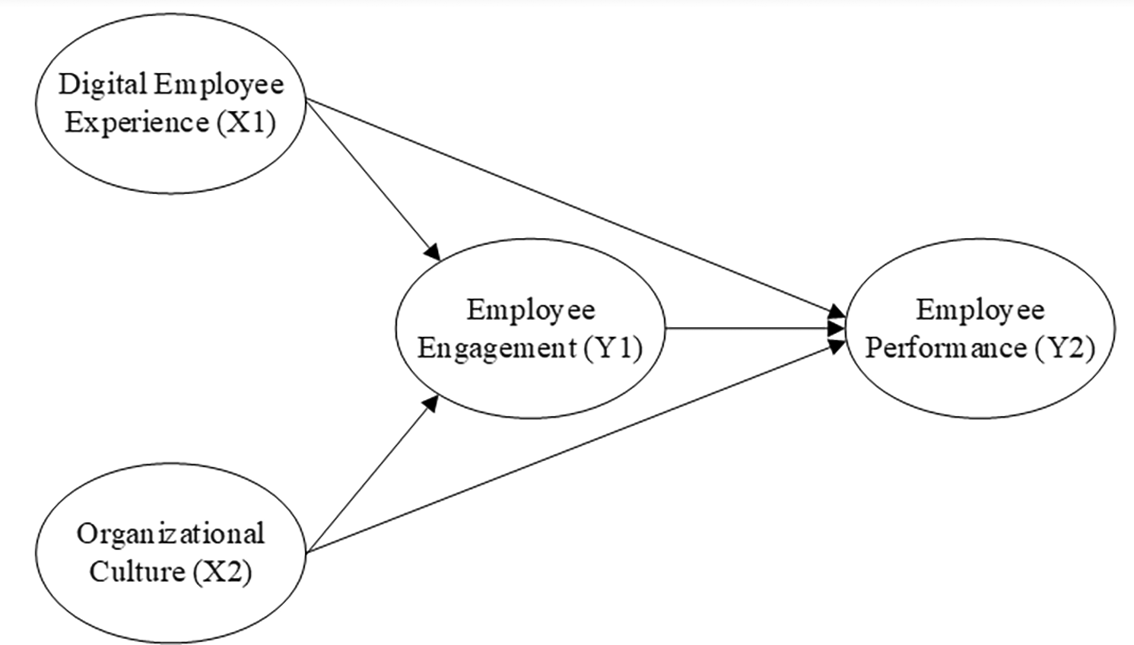
This study employed a quantitative research approach with an explanatory design, aiming to examine causal relationships between Digital Employee Experience (DEX), Organizational Culture, Employee Engagement, and Employee Performance. The explanatory design is appropriate because the research seeks to identify the direct and indirect effects among variables and to test mediation mechanisms within a structural framework.
A cross-sectional survey method was used, collecting data from respondents at a single point in time. Structural Equation Modeling (SEM) with the Partial Least Squares (PLS-SEM) approach was selected due to its suitability for complex models, predictive capability, and its ability to handle latent constructs with multiple indicators. PLS-SEM is particularly appropriate for behavioral and organizational studies where theory development and prediction are emphasized.
The population of this study consisted of all employees of PT Garuda Indonesia (Persero) Tbk, encompassing five major directorates that represent the core operational and strategic functions of the organization:
• CEO Office
• Operation Directorate
• Commercial and Commerce Directorate
• Engineering Directorate
• Corporate Services and Support Functions
Given the diverse nature of roles, responsibilities, and digital exposure across these directorates, it was essential to obtain a sample that accurately reflected the organizational structure. Therefore, stratified random sampling was employed based on directorate classification. This technique ensured proportional representation across units with different operational characteristics, minimizing sampling bias and enhancing the generalizability of findings.
The minimum required sample size was calculated using the Slovin formula with a 5% margin of error. With an estimated population of approximately 2,000 employees, the formula generated a minimum target sample of about 340 respondents. This sample size meets the methodological standards for behavioral research and provides sufficient statistical power for Structural Equation Modeling (SEM).
This study employed four latent constructs: Digital Employee Experience (DEX), Organizational Culture, Employee Engagement, and Employee Performance. All constructs were measured reflectively using multi-item indicators adapted from validated scales in prior literature. A five-point Likert scale (1 = strongly disagree, 5 = strongly agree) was used to capture respondents’ perceptions. The use of established measurement instruments enhances construct validity and ensures consistency with existing empirical studies in organizational behavior and digital workplace research.
1. Digital Employee Experience (DEX) (X1)
DEX captures employees’ perceptions of the quality, usability, integration, and support provided by digital tools and systems used in their daily work. Indicators were adapted from digital workplace and HRIS literature (Morgan, 2017; Gartner, 2021). The construct comprises:
• Availability of Digital Training (X11)
• Technology Accessibility (X12)
• Ease of Use of Digital Tools (X13)
DEX is conceptualized as a job resource, an enabling factor that reduces task complexity and enhances the employee’s digital capability and confidence.
2. Organizational Culture (X2)
Organizational Culture reflects shared values, norms, beliefs, and behavioral expectations within the company. Measurement items were drawn from established cultural frameworks such as Denison (1990), Schein (2010), and Cameron & Quinn (2011). The construct encompasses:
• Organizational Values (X21)
• Inclusivity and Diversity (X22)
• Leadership Practices (X23)
• Social Support Among Employees (X24)
• Cultural Alignment with Organizational Strategy (X25)
Culture in this study is treated as an environmental resource that provides psychological safety, role clarity, and a sense of collective purpose.
3. Employee Engagement (Y1)
Employee Engagement is measured based on the framework of Schaufeli and Bakker (2004), reflecting the positive, fulfilling, work-related psychological state of employees. Indicators represent the three core dimensions of engagement:
• Vigor (energy, resilience, and willingness to invest effort) (Y11)
• Dedication (sense of significance, enthusiasm, pride) (Y12)
• Absorption (full concentration and immersion in work) (Y13)
This construct serves as a mediating mechanism, translating organizational resources (DEX and culture) into enhanced work outcomes.
4. Employee Performance (Y2)
Employee Performance assesses individual-level work outcomes aligned with organizational expectations. Measurement items were adapted from validated performance scales used in HRM and organizational behavior research (Rich et al., 2010; Bakker & Albrecht, 2018). The indicators include:
Performance is treated as the primary outcome variable, reflecting both behavioral and quantitative aspects of employees’ work contributions.
Data collection was carried out using a self-administered questionnaire distributed both physically and electronically to ARs across tax service offices within the Jakarta Regional Office. The instrument comprised three main sections: (1) demographic information, (2) measurement indicators for all study constructs, and (3) an open-ended section designed to gather additional qualitative insights regarding users’ experiences with Approweb. Prior to the full deployment, the questionnaire underwent a pilot test with 30 ARs to evaluate item clarity, content validity, and reliability. All data files including the full questionnaire, coding protocols, and descriptive summaries have been made openly accessible on Figshare (Awaldi et al., 2025) at https://doi.org/10.6084/m9.figshare.31014868.
Data were analyzed using Partial Least Squares Structural Equation Modeling (PLS-SEM) with SmartPLS 4. This technique was selected because it is suitable for complex models, mediation testing, and data that may not meet normality assumptions. The analysis followed two key stages: (1) measurement model assessment and (2) structural model evaluation (Hair et al., 2021; Ubaidillah et al., 2022).
3.5.1 Measurement model assessment
The measurement model examined the reliability and validity of all reflective constructs:
• Indicator Reliability: Outer loadings > 0.70 were considered adequate.
• Internal Consistency: Cronbach’s Alpha and Composite Reliability (CR) > 0.70 indicated strong reliability.
• Convergent Validity: Average Variance Extracted (AVE) > 0.50 confirmed that indicators sufficiently explained their constructs.
• Discriminant Validity: The HTMT ratio < 0.85 ensured distinctiveness among constructs.
• All constructs met the recommended thresholds, confirming that the measurement model was valid and reliable.
3.5.2 Structural model assessment
After confirming measurement validity, the structural model was analyzed to test all hypotheses.
Key steps included:
• Collinearity Check: VIF < 3.0 indicated no multicollinearity issues.
• Path Coefficient Testing: Hypotheses were evaluated using bootstrapping with 5,000 subsamples; significance was determined by p < 0.05.
• Coefficient of Determination (R2): Values indicated moderate to strong explanatory power for Engagement and Performance.
• Effect Size (f2): Assessed the contribution of each predictor to endogenous variables.
• Predictive Relevance (Q2): Q2 > 0 demonstrated satisfactory predictive capability.
• Model Fit: SRMR < 0.08 indicated an acceptable level of fit.
Table 1 presents the demographic characteristics of the 340 respondents who participated in the study. The distribution reflects a diverse representation across gender, age groups, educational levels, employment status, and job positions within the organization.
A total of 340 employees participated in this study, representing a diverse cross-section of the workforce across multiple divisions and hierarchical levels within PT Garuda Indonesia (Persero) Tbk. The demographic distribution reflects a balanced and representative profile of the organization, ensuring that the findings accurately capture employee perceptions regarding digital experience, organizational culture, engagement, and performance.
In terms of gender, the sample consisted of 54.1% male respondents (n = 184) and 45.9% female respondents (n = 156). This relatively even distribution indicates that insights drawn from the analysis reflect perspectives from both genders, reducing the likelihood of gender-based bias in the interpretation of organizational conditions or employee attitudes.
The age distribution highlights a workforce dominated by employees in their early and mid-career stages. More than half of the respondents 52.9% (n = 180) belonged to the 31–40-year age group, followed by 25.9% (n = 88) in the 20–30-year range. The older age categories comprised a smaller proportion, with 14.1% (n = 48) aged 41–50 years and only 7.1% (n = 24) aged 51–60 years. These figures suggest a relatively young and dynamic workforce that may be highly adaptable to organizational changes, including digital transformation initiatives. Employees in this age bracket often play a pivotal role in implementing new systems, driving innovation, and sustaining performance improvements.
With regard to educational background, the respondents were predominantly well-educated. The vast majority held a Bachelor’s degree (70.9%; n = 241) or a Master’s degree (24.1%; n = 82). Only a very small proportion had completed Diploma-level education (4.1%; n = 14) or High School (0.9%; n = 3). This high educational attainment aligns with the complexity of the aviation industry, which requires employees to possess strong analytical skills, technical knowledge, and the capacity to adapt to advanced digital systems. Highly educated employees generally exhibit higher expectations for organizational culture, workplace support, and technology-enabled work processes, making their feedback essential for understanding organizational effectiveness.
The employment status composition shows that the workforce is largely stable and dominated by long-term employees. A substantial 85.0% (n = 289) were permanent employees, while only 15.0% (n = 51) were contract-based employees. Permanent employees typically have stronger psychological ties to the organization, longer tenure, and deeper exposure to organizational culture, which may influence their engagement levels and their perceptions of organizational support.
In terms of job positions, nearly half of the respondents 47.1% (n = 160) were in staff-level roles, representing the operational core of the organization. Leadership and managerial roles were also well represented, including Department Heads (25.9%; n = 88), Division Heads (24.1%; n = 82), and Group Heads (2.9%; n = 10). This distribution ensures that the analysis captures viewpoints from both operational employees and managerial decision-makers. Leaders are critical in shaping organizational culture, cascading strategic directives, and fostering employee engagement, while staff-level employees provide insights into day-to-day operational challenges and the practical realities of digital system use.
Collectively, the demographic profile illustrates a balanced, well-educated, and predominantly mid-career workforce, with strong representation from both managerial and operational levels. This balance strengthens the external validity of the findings, as the sample reflects a realistic cross-section of employees who interact daily with digital tools, organizational structures, and performance management systems. The diversity across demographic segments also enhances the robustness of the study, enabling a more nuanced understanding of how Digital Employee Experience and Organizational Culture influence Employee Engagement and Employee Performance within a highly regulated and operationally complex industry such as aviation.
To make sure that all constructs were assessed in a valid and reliable manner, the measurement model had to be evaluated first. Convergent validity and reliability were the two primary factors evaluated. The Average Variance Extracted (AVE) for each construct and the outer loadings of each indicator were examined in order to test convergent validity. Indicators that have outer loadings more than 0.7 and AVE values greater than 0.5 are said to accurately reflect their latent concept. Cronbach’s Alpha and Composite Reliability (CR) were used to evaluate reliability; values greater than 0.7 are regarded as satisfactory. Table 2 provides a summary of the validity and reliability metrics for every construct.
Table 2 indicates that all constructs have convergent validity values that are sufficient. The Heterotrait-Monotrait ratio (HTMT) was then used to assess discriminant validity.
Discriminant validity was assessed using the HTMT to confirm that each construct is unique from others, with values below 0.9 signifying sufficient discriminant validity. The HTMT findings are presented in Table 3.
All constructs in the measurement model demonstrate adequate discriminant validity based on the HTMT values presented in Table 3. The measurement model can be considered solid, as every construct satisfies the required reliability and validity standards. This is supported by the strong convergent validity, reliability indicators (CA and CR), and discriminant validity (HTMT). Therefore, we can confidently proceed to the next stage of the analysis, which involves evaluating the structural model to verify the hypothesized path coefficients and explore the relationships among the constructs.
To examine the hypothesized relationships, the structural model was evaluated after the measurement model was confirmed. In order to ascertain the intensity and orientation of the connections between variables, this assessment included looking at the path coefficients (β). After that, we used bootstrapping with 5,000 resamples to see if these paths were statistically significant; this gave us p-values to test our hypothesis. The results are summarized in Table 4 below.
The results of the hypothesis testing indicate that all proposed relationships in the structural model were statistically significant, supporting the theoretical expectations of the study. Table 4 demonstrates that each hypothesized path produced positive coefficients with t-values well above the critical threshold and p-values lower than 0.001, confirming strong empirical support across the model.
H1 examined the effect of Digital Employee Experience on Employee Engagement, and the findings show a significant positive relationship (β = 0.421, t = 6.485, p < 0.001). This indicates that employees who perceive digital tools and systems as reliable, user-friendly, and well-integrated tend to exhibit higher levels of engagement. The result aligns with the Job Demands–Resources (JD-R) perspective, which posits that supportive technological resources can enhance psychological energy and work motivation.
H2 assessed whether Digital Employee Experience directly influences Employee Performance, and the analysis confirms a positive and significant effect (β = 0.326, t = 5.495, p < 0.001). This suggests that high-quality digital environments enable employees to perform tasks more efficiently and accurately, contributing directly to improved performance outcomes. The effect reinforces the argument that digital infrastructure plays a crucial role in organizational productivity, particularly in highly regulated and operationally complex industries such as aviation.
For H3, Organizational Culture was found to significantly enhance Employee Engagement (β = 0.359, t = 6.559, p < 0.001). A supportive, collaborative, and value-driven culture appears to strengthen employees’ emotional and cognitive connection to their work. This result is consistent with the sociocultural foundations of engagement, which emphasize the importance of shared norms, psychological safety, and collective identity.
H4 tested the direct influence of Organizational Culture on Employee Performance, yielding a significant positive coefficient (β = 0.324, t = 5.077, p < 0.001). This demonstrates that employees working within a strong and coherent cultural environment are more likely to meet performance expectations. The finding underscores the role of cultural alignment in shaping work behaviors, adherence to standards, and collective performance quality.
H5 explored the relationship between Employee Engagement and Employee Performance, revealing the strongest direct effect in the model (β = 0.406, t = 8.150, p < 0.001). This confirms that engaged employees characterized by vigor, dedication, and absorption tend to deliver higher-quality work, maintain focus under pressure, and contribute constructively to organizational goals. The magnitude of this path highlights engagement as a central mechanism driving high performance.
The mediation hypotheses also received full support.
H6 examined the indirect effect of Digital Employee Experience on Employee Performance via Employee Engagement, and the pathway was significant (β = 0.343, t = 8.276, p < 0.001). This indicates that part of the influence of digital experience on performance operates through its ability to enhance engagement. In other words, digital systems do not only facilitate task execution mechanically; they also foster psychological states that improve performance.
Similarly, H7 tested the mediating role of Employee Engagement in the relationship between Organizational Culture and Employee Performance, producing a significant indirect effect (β = 0.369, t = 8.906, p < 0.001). This result suggests that organizational culture shapes performance largely by cultivating engagement. Employees who feel aligned with organizational values, supported by leadership, and integrated into a cohesive culture are more likely to exhibit high engagement, which in turn leads to better performance.
Across all hypotheses, the results demonstrate a coherent and theoretically consistent pattern: Digital Employee Experience and Organizational Culture function as critical job resources, and Employee Engagement serves as a key motivational mechanism that translates these resources into enhanced performance. The significant mediation effects further reinforce the centrality of engagement in connecting organizational conditions with behavioral outcomes.
The aim of this study was to examine how Digital Employee Experience (DEX) and Organizational Culture influence Employee Performance, both directly and indirectly through Employee Engagement. The results reveal a consistent and theoretically coherent pattern: organizational resources particularly digital infrastructure and cultural strength substantially shape employees’ psychological states, which in turn enhance performance outcomes. This section discusses the findings in detail and integrates them with relevant theoretical frameworks and previous empirical evidence.
All seven hypotheses were supported, indicating that Digital Employee Experience and Organizational Culture significantly influence both Employee Engagement and Employee Performance. Furthermore, Employee Engagement demonstrated the strongest direct effect on performance and served as a powerful mediator linking organizational resources to behavioral outcomes. These findings reinforce the central proposition of the Job Demands–Resources (JD-R) model, which posits that job resources foster engagement, and engagement subsequently drives performance.
5.2.1 Digital employee experience
The study found that Digital Employee Experience (DEX) significantly enhances both employee engagement and employee performance, underscoring the central role of digital ecosystems in shaping modern work behavior. This indicates that digital tools such as integrated HR systems, automated workflow platforms, responsive mobile applications, and intuitive operational interfaces are not merely supportive technologies but foundational elements of the employee experience. When digital systems streamline tasks, reduce unnecessary complexity, and accelerate information flow, employees are better able to focus their energy on meaningful work rather than navigating digital barriers. As a result, they experience greater psychological readiness, efficiency, and emotional connection to their roles.
These findings reinforce emerging scholarship arguing that digital enablement goes beyond technical functionality and serves as a psychological resource that fosters motivation, confidence, and job satisfaction. High-quality digital environments reduce cognitive load, minimize frustration, and create smoother work processes all of which contribute to heightened engagement. This, in turn, encourages employees to invest more discretionary effort, collaborate more effectively, and remain committed during periods of operational pressure.
The significant direct effect of DEX on performance further demonstrates that digital infrastructure plays a crucial role in supporting accuracy, reducing error rates, and improving decision-making quality. In industries characterized by high complexity and stringent operational standards such as aviation, banking, and healthcare effective digital systems directly influence safety, reliability, and service consistency. Thus, the evidence suggests that investing in robust digital tools is not only a technological priority but also a strategic initiative for improving workforce productivity and sustaining organizational excellence.
5.2.2 Organizational culture
Organizational Culture also demonstrated significant positive effects on both employee engagement and performance, highlighting its foundational role in shaping how employees interpret their work environment and respond behaviorally. A strong, coherent, and supportive culture cultivates enthusiasm, confidence, and a genuine willingness to contribute. When organizational norms emphasize collaboration, trust, adaptability, and shared values, employees experience a deeper sense of belonging and emotional attachment to the organization. This psychological connection increases their motivation to invest effort, participate actively in teamwork, and align their actions with collective goals. Such cultural environments create clarity, stability, and shared purpose conditions that naturally reinforce higher levels of engagement.
The direct influence of culture on performance reflects how cultural expectations guide behavior, structure communication patterns, and ensure adherence to professional and operational standards. Employees operating within a well-defined cultural framework often display greater discipline, consistency, and commitment to excellence. They are more likely to uphold service quality norms, follow established procedures, and collaborate effectively with colleagues. In this manner, culture acts not only as a social system but also as an internal performance management mechanism that shapes day-to-day work practices.
This dynamic is particularly relevant for aviation organizations, where organizational culture directly influences safety compliance, operational reliability, and customer service quality. A culture that promotes vigilance, responsibility, and continuous improvement strengthens frontline performance and mitigates risks in high-pressure environments. Thus, the findings reaffirm that culture is not an abstract concept but a practical driver of workforce performance, especially in industries where precision, discipline, and coordination are paramount.
5.2.3 Employee engagement
Among all direct relationships tested in the model, Employee Engagement demonstrated the strongest effect on employee performance, reaffirming its position as a central driver of work effectiveness. Engaged employees those who experience vigor, dedication, and absorption tend to invest higher levels of physical, emotional, and cognitive energy into their work. These employees maintain consistent concentration, display resilience in the face of obstacles, and show genuine emotional investment in task completion. Engagement not only enhances the ability to sustain attention during challenging situations but also encourages employees to go beyond formal job requirements, contributing additional effort, creativity, and problem-solving initiative.
The findings strongly validate the well-established engagement–performance connection widely documented in organizational behavior research. Extensive theoretical work argues that engaged employees possess heightened intrinsic motivation, which fuels persistence, commitment, and accuracy. From the perspective of the Job Demands–Resources (JD-R) model, engagement represents the psychological state through which job resources such as digital support and a strong organizational culture are translated into improved work outcomes. When employees feel energized and inspired, they are better equipped to meet performance expectations, deliver high-quality service, and maintain reliability even in dynamic or high-pressure conditions.
Empirical studies echo this pattern. Prior research by Harter et al. (2002) and Rich et al. (2010) consistently found that engagement is a strong predictor of productivity, service quality, and overall job performance. Our study reinforces these findings within the aviation context, where engaged employees exhibit heightened attentiveness, operational discipline, and customer-oriented behavior all essential to safety-focused and service-driven environments. Ultimately, the results confirm that fostering engagement is one of the most powerful strategies for enhancing employee performance across organizational settings.
The mediation analysis revealed that Employee Engagement plays a pivotal role in explaining how Digital Employee Experience (DEX) and Organizational Culture influence employee performance. Both mediation pathways were statistically significant, indicating that engagement accounts for a substantial proportion of the overall effect of these organizational resources. This highlights that digital systems and cultural environments do not enhance performance solely through direct mechanisms, but by shaping employees’ psychological energy, emotional connection, and motivational intensity.
For DEX, the mediation effect suggests that digital tools improve performance primarily by strengthening employees’ psychological readiness, motivation, and sense of capability. When digital platforms are reliable, user-friendly, and supportive of daily tasks, employees feel more confident, less cognitively burdened, and more energized. This heightened psychological state translates into improved task efficiency, accuracy, and service behavior. Thus, rather than simply increasing operational speed, effective digital ecosystems cultivate the motivational conditions necessary for sustained high performance.
For Organizational Culture, the mediation effect was even stronger, demonstrating that cultural values and norms shape performance largely through their influence on emotional and cognitive engagement. A positive culture provides meaning, structure, and shared purpose, guiding employees in how they interpret their roles, respond to challenges, and commit to organizational goals. When employees feel aligned with cultural expectations and supported by their organizational environment, they become more invested in their work, which drives higher-quality performance outcomes.
Taken together, these findings reinforce the core mechanism of the Job Demands–Resources (JD-R) model: job resources whether digital or cultural stimulate engagement, and engagement becomes the motivational engine that transforms organizational conditions into tangible performance improvements. This underscores the importance of fostering engagement as the key linkage between organizational resources and employee effectiveness.
This study offers several theoretical contributions:
It extends engagement theory by demonstrating that digital workplace infrastructure is a meaningful job resource influencing engagement and performance.
While many studies examine culture in traditional settings, this study highlights its importance within digital transformation contexts, especially where work processes rely on both human and digital capabilities.
The significant mediating effects of engagement reaffirm its role as a psychological pathway linking organizational conditions to behavioral outcomes.
By analyzing data from a major Indonesian aviation company, the study contributes context-specific insights to engagement and performance research in emerging economies.
The findings offer several managerial implications:
Organizations should prioritize investing in seamless, intuitive, and integrated digital tools. Poor digital systems can undermine engagement by increasing frustration and cognitive effort.
Leaders must reinforce cultural values through communication, role modeling, and supportive workplace practices. A strong culture enhances both engagement and performance.
Engagement-building initiatives such as recognition programs, leadership coaching, feedback mechanisms, and psychological safety practices should be viewed as strategic investments.
A holistic approach that aligns digital transformation with cultural development will yield stronger performance outcomes than focusing on either dimension alone.
The aviation industry is characterized by strict operational standards, high safety requirements, and constant exposure to external pressures such as regulations, competition, and market volatility. In this context:
• Digital systems directly support flight operations, crew management, engineering workflows, customer service, and compliance.
• Cultural alignment is essential for safety communication, teamwork, adherence to procedures, and service consistency.
• Engagement becomes critical for maintaining attention, emotional resilience, and service-oriented behavior.
Thus, the strong effects of DEX, culture, and engagement observed in this study reflect the unique demands of aviation work, where both technical systems and human factors jointly determine performance.
The findings are consistent with existing literature demonstrating that engagement mediates the link between job resources and performance. They also align with studies showing the growing influence of digital experience on work outcomes in technology-intensive sectors. This research strengthens prior evidence by integrating digital and cultural factors within a single model and confirming their combined influence in a real-world organizational setting.
This study provides valuable insights into the significant relationships between system quality, service quality, and user performance, while also highlighting the crucial moderating role of POS. The findings confirm that both system quality and service quality are essential drivers of user satisfaction, which in turn enhances user performance. Specifically, a reliable, efficient, and easy-to-use system, combined with high-quality service support, plays a pivotal role in enabling users to perform their tasks effectively. Furthermore, POS strengthens the positive impact of both system and service quality on user performance, suggesting that organizational support is not merely supplementary but a critical factor in optimizing the benefits of information systems.
The research underscores the importance of a balanced approach, where technical system features and social support mechanisms work in tandem to improve user outcomes. Organizations, particularly in the public sector like the DGT, should focus on enhancing system quality through continuous upgrades and improvements in efficiency, security, and user interface design, while also investing in robust service quality through responsive support, training, and communication. Additionally, fostering a strong Perceived Organizational Support (POS) culture can significantly amplify the impact of these technological and service improvements, ensuring that users not only feel confident in their use of the system but also motivated to perform at their best.
Ultimately, this study contributes to a deeper understanding of the interrelated factors that drive user performance in technology-driven environments. By addressing both technical and social aspects, organizations can create an environment where technology adoption is not only seamless but also leads to meaningful performance improvements, benefiting both individuals and the organization as a whole. Future research could further explore how specific elements of POS interact with other organizational factors to influence user performance in different sectors and contexts.
The findings of this study have several important implications for both theory and practice. From a theoretical perspective, the study reinforces the DeLone and McLean IS Success Model, particularly the role of system quality and service quality in enhancing user performance through user satisfaction. Additionally, it extends the model by highlighting the moderating role of POS, which amplifies the positive effects of both system and service quality on performance. Managers and organizations can use these insights to inform their strategies for designing and implementing information systems, ensuring that both technical and social factors are addressed to maximize user productivity and system success. In practice, organizations like the DGT should focus not only on the technical improvements of systems such as Approweb, but also on strengthening their support infrastructure. Providing responsive service, effective training, and fostering a supportive organizational culture can significantly enhance the performance of users and, ultimately, the organization.
This study has several limitations that provide avenues for future research. Firstly, the research was conducted within the Directorate General of Taxes (DGT), limiting the generalizability of the findings to other sectors or organizations with different user contexts. Future studies could explore whether the relationships between system quality, service quality, and user performance hold across diverse industries, such as healthcare or education, or among different job roles. Additionally, the study relied on self-reported data, which could introduce biases like social desirability or subjective interpretations, and future research could incorporate objective performance measures or triangulate data sources to validate the findings. Furthermore, while this study focused on the direct and moderating effects of Perceived Organizational Support (POS), future research could investigate the mediating role of other factors such as employee engagement, motivation, or job satisfaction in the relationship between system quality and performance. Longitudinal studies examining the sustained effects of POS over time, as well as cross-cultural studies, could offer deeper insights into how organizational support influences system usage and user performance in different cultural and organizational contexts.
This study involved adult human participants and employed a non-interventional survey research design. According to the ethical guidelines of the Faculty of Administrative Sciences, Universitas Brawijaya, formal ethical approval is not required for anonymous questionnaire-based studies that do not involve sensitive personal data, medical procedures, or vulnerable populations.
Nevertheless, the study was conducted in full compliance with national and international ethical standards for social science research. Participation was entirely voluntary, respondents were informed about the purpose of the study, and anonymity and confidentiality were strictly ensured. No personally identifiable information was collected, and all data were analyzed in aggregate form solely for academic purposes.
Informed consent was obtained from all participants prior to their involvement in the study. Before accessing the questionnaire, respondents were provided with an information sheet explaining the study objectives, voluntary nature of participation, confidentiality of responses, and their right to withdraw at any time. Consent was obtained electronically, and only respondents who agreed to participate were able to proceed with the survey.
| Views | Downloads | |
|---|---|---|
| F1000Research | - | - |
|
PubMed Central
Data from PMC are received and updated monthly.
|
- | - |
Provide sufficient details of any financial or non-financial competing interests to enable users to assess whether your comments might lead a reasonable person to question your impartiality. Consider the following examples, but note that this is not an exhaustive list:
Sign up for content alerts and receive a weekly or monthly email with all newly published articles
Already registered? Sign in
The email address should be the one you originally registered with F1000.
You registered with F1000 via Google, so we cannot reset your password.
To sign in, please click here.
If you still need help with your Google account password, please click here.
You registered with F1000 via Facebook, so we cannot reset your password.
To sign in, please click here.
If you still need help with your Facebook account password, please click here.
If your email address is registered with us, we will email you instructions to reset your password.
If you think you should have received this email but it has not arrived, please check your spam filters and/or contact for further assistance.

Comments on this article Comments (0)