Keywords
Under-Reamed Piles, Bulb Geometry, Ultimate bearing capacity, Compressive load, clayey soil, saturation, partially saturated, matric suction.

This article is included in the Fallujah Multidisciplinary Science and Innovation gateway.
Under-Reamed Piles, Bulb Geometry, Ultimate bearing capacity, Compressive load, clayey soil, saturation, partially saturated, matric suction.
Foundation engineering is important in providing stability to the structure especially under deep foundations when performance and bearing capacity are the determinants. In the evaluation of deep foundation behavior the development has gone beyond the empirical and theoretical methodologies to the high-technological numerical and field-testing methods (Das, 2011). The type of foundation used will largely be determined by the applied loads, the conditions in the soil, the method of construction, and the cost factor (Bowles, 1996; Tomlinson and Woodward, 2015). Deep foundations are necessary in situations where shallow foundations do not suffice, i.e. in a high rise and infrastructure projects because their performance is sensitive to soil-pile interaction performance, integrity of the piles and their loading profile (Coduto et al., 2010). The construction technique, too, has an influence on capacity; bored piles can lose their frictional resistance as a result of the formation of filter-cakes, whereas driven piles tend to densify the soil around them and enhance both skin friction and end bearing. Under-reamed piles have been shown to work in problematic soils because it contains one or more enlargement of the shaft as bulbs. These under-reams increase the carrying capacity and uplift resistance because they increase the contact area and improve the load transfer mechanisms (Murthy, 2003; IS 2911, 2010). This depends on the mobilization of resistance at the tip or along the shaft, and consequently the anchor-type under-reamed piles are specifically designed to be used in the uplift mode. According to recent studies, there is enhanced axial and tensile working performance in multiple-bulb set up, particularly in expansive, collapsible, or loose soils (Ziyara and Albusoda, 2020;Al-Busoda and Al-Anbarry, 2014; Mahdi,2023).
Under-reamed piles are commonly used in the infrastructure buildings like airport terminals, halls, and industrial floors, where the amount of differential settlement needs to be reduced to a minimum. They are also well adapted to expansive soils condition as their ground support is anchored in firmer strata and they resist heave. A good construction should be based on a strict quality control, particularly the bulb geometry, depth, spacing, and soil moisture control to achieve high performance (Vali et al., 2018; George and Hari, 2019).
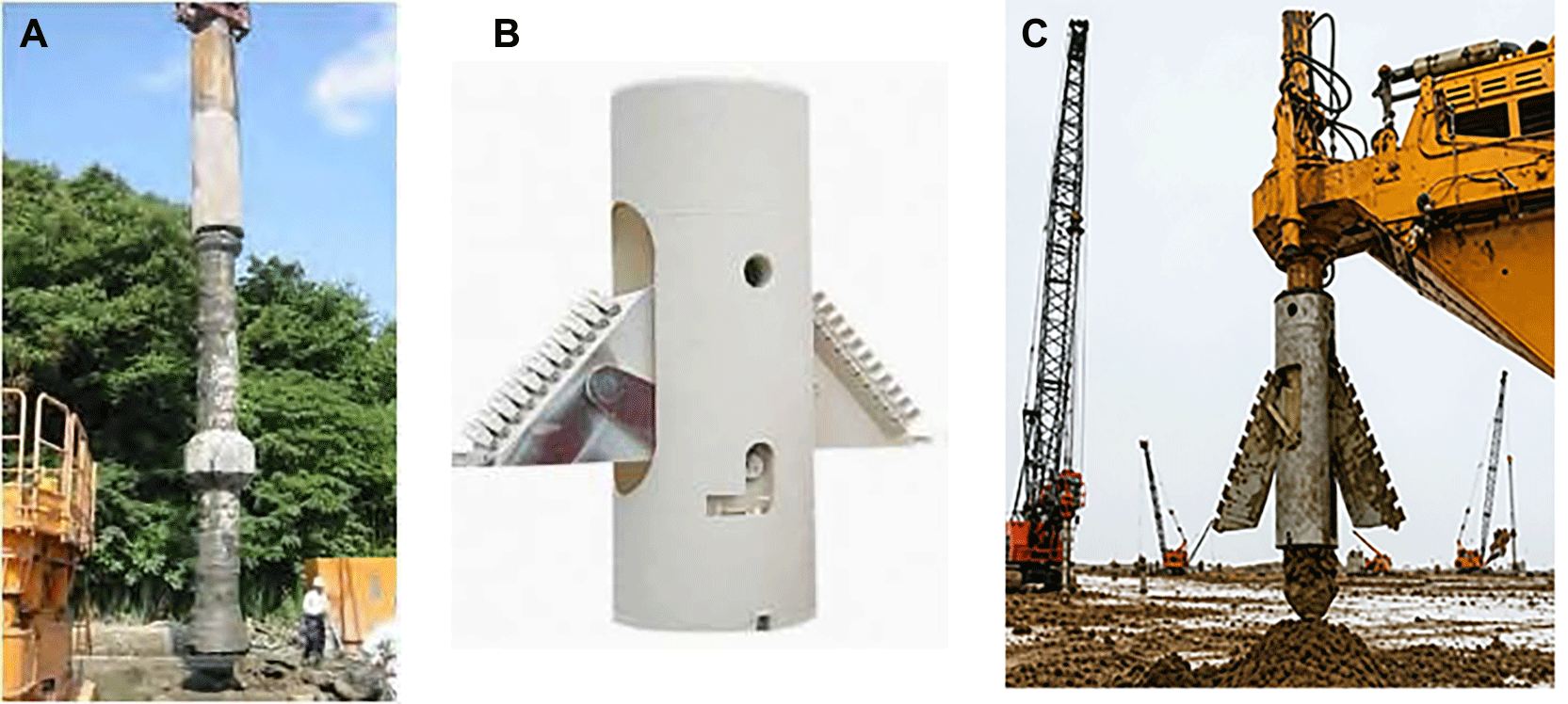
Under-reamed piles are used in different structures such as machine foundations, electrical transmission tower foundations, bridges, and water-storage tanks. Under-reamed piles with single or multiple bulbs, as per Indian Standard IS 2911 (Part III) (Bureau of Indian Standards, 2013), are described and detailed in the literature, while other codes do not include them. The bulb-shaped projections of under-reamed piles provide additional resistance to vertical compression and tension, reducing negative skin friction and improving tip resistance and pile shaft friction. Figure 1 displays a full-bulb Under-reamed pile.
Under-reamed piles offer significant improvements in compression and uplift capacity due to their increased bearing area compared to uniform diameter piles. This design improves anchorage at greater depths, and its efficiency can be increased by enlarging the bulb diameter, adding additional bulbs, or adjusting their spacing. In compression, resistance is developed through both end bearing and shaft friction, while in uplift conditions, the primary resistance comes from shaft friction, especially in clay soils. Single under-reamed piles gain capacity from the enlarged base area, whereas double under-reamed piles benefit from additional shear resistance between the bulbs, enhancing their performance in both compression and uplift.
The under-reamed piles with multiple bulbs have the potential of offering significant economic benefits in foundation design as they have a higher load-bearing capacity, which may lead to fewer piles required or piles of shorter length, and subsequently lead to lower material and construction costs. This advantage is especially applicable in those projects in which the conventional straight-shaft piles are not effective in the adverse soil conditions. But there are a few practical challenges presented by the installing of multi-bulb piles. The process of making several bulbs needs special drilling and reaming tools, and has to control both bulb geometry and verticality, particularly in non-uniform or partially saturated soils. Also, the number of bulbs and bulb spacing could be determined to maximize the complexity of the design, and it can result in the increase of labor and equipment expenses. Thus, although multi-bulb under-reamed piles offer a viable economic opportunity, their practicality is highly dependent on conditions on site, equipment, and skills of construction team.
Ground occurs naturally in three states: dried, wet, and saturated. The majority of soil mechanics hypotheses have been developed for dry or saturated soils, with little consideration provided for unsaturated soils. Nevertheless, substantial advancements have been made in the simulation of unsaturated soil behavior in the past two decades. The resistance of piles in partially saturated soil is approximately (Tomlinson & Woodward, 2015; Coduto et al., 2010; Murthy, 2003) times that of the same soil in saturated conditions (Fattah et al., 2014). The relationship between sediment and water has been the subject of numerous studies. Unsaturated soil behaves differently from arid or saturated soil, with liquid separation from soil particles or continuous stages. The degree of saturation (Sr) characterizes unsaturated soil. Unsaturated soils are considered very dry, dry of optimum, at optimum, wet of optimum, and very wet (Sr > 95%) based on moisture content (Fredlund and Rahardjo, 1993; Gallipoli et al., 2003; Smith, 2014). The vacuum system consists of the matrix and the osmotic. Suction in the soil–water system represents the water potential (Richards, 1974) and is influenced by soil characteristics such as preparation, mineralogy, texture, plasticity, moisture content, and soil structure (Brady and Weil, 2008; Vanapalli et al., 1999). Experimental work has shown that ultimate skin resistance increases nonlinearly with higher initial matric suction and lower initial saturation, reaching gains of up to 49% as saturation decreases (Al-Omari et al., 2017). Other findings indicate that the ratio between maximum shaft capacity and ultimate pile capacity in expansive soils decreases with increasing saturation (Fattah et al., 2018). Despite these insights, experimental investigations specifically addressing under-reamed piles remain limited, leaving important aspects of soil–pile interaction and failure mechanisms insufficiently understood.
Extensive experimental and numerical research has shown that incorporating bulbs along the pile shaft significantly improves both compressive and uplift performance, particularly in weak or problematic soils. One study demonstrated substantial increases in uplift capacity, reaching 119% for a single under-ream and up to 204% when the bulb diameter was increased relative to the shaft diameter (George and Hari, 2016). Finite element investigations further indicated that adding one or two bulbs greatly enhances load–deformation behavior, with reported improvements in pullout capacity ranging from 396% to 547% under varying cohesion profiles (Khatri et al., 2022). Additional findings highlighted the influence of geometric and soil parameters, where increases in pile length yielded up to 10% higher bearing capacity, cohesion contributed gains of about 63%, and adding half or one full bulb improved capacity by approximately 115% (Vali et al., 2019). Numerical simulations have consistently shown that the uplift resistance of single and double under-reamed piles exceeds that of conventional straight piles across different length–to-diameter ratios (Alhassani, 2021). Other analyses revealed that half-bulb configurations can outperform full bulbs and uniform piles, providing around 27% greater pullout resistance compared to full bulbs and about 75% more than straight piles, with further improvements achieved by increasing the L/d ratio (Farokhi et al., 2014). In sandy soils, studies confirmed that increasing relative density and embedment depth result in notable gains in load-carrying capacity (Rahil et al., 2016; Al-Tememy et al., 2022). Under stiffer clay conditions, two-bulb configurations were shown to perform effectively, with emphasis placed on the importance of optimizing bulb spacing for maximum efficiency (Martin and DeStephen, 1983). Experimental work on concrete under-reamed piles also demonstrated higher tensile strength relative to straight piles (Peter et al., 2006). Investigations under inclined loading recorded capacity increases between 76% and 148% for straight piles, with additional improvements of around 15% for piles with two or three bulbs due to enhanced end-bearing effects (Ziyara and Albusoda, 2021). Tests conducted in expansive soils showed that under-reamed piles reduce upward heave by 20–30% and decrease uplift pressure by 10–30%, with deeper piles providing better resistance overall [Al-Busoda and Al-Anbary, 2016]. In collapsible gypseous soils, it was found that double and triple bulbs offer superior bearing capacity and stability compared to ordinary piles when soil saturation and bulb arrangement were varied (Hayder et al., 2021). Further comparisons in soft clay confirmed that a single bulb can increase compressive capacity by approximately 73.75%, whereas adding a second bulb provides an additional 5.25% improvement (Abbas, 2021).
The purpose and objectives of the proposed research: This research will compare the compressive behavior and load-transfer behavior of the various types of piles such as straight shafts and single, double, and triple under-reamed piles that were installed in cohesive soils with varying level of saturation. The study is aimed at knowing the impact of the bulb geometry, number, and position on the bearing capacity, settlement and stress distribution around the piles. To measure the impact of moisture content on the performance of piles, experimental tests on small-scale aluminum pile models were done in saturated (100 per cent) and partially saturated (60 per cent) reconstituted clay. The research also looks at the change in soil pressure under the tip of the piles, and the effect of the bulb spacing and location on the final load capacity. Further, the effect of the initial levels of saturation on the soil water characteristic curve (SWCC) was also evaluated by the measurements of the filter paper method and the TEROS 21 sensor in order to compare them in terms of accuracy and response trends. Generally, the study aims at developing any practical correlations among saturation condition, bulb geometry, improvement of load bearing, to be used in determining the best design of under-reamed piles in soils with cohesive nature.
The test materials’ specifications are categorized into several sections:
A brown clayey soil was brought up from the Al-Ekhwa residential complex project, which is located north of Baghdad city. Utilizing a mechanical shovel, a trial pit was excavated to a depth of 2–3 meters below N.G.L., and disturbed samples were collected. Air-tight plastic bags were placed in the pit and transported to a soil laboratory for standard experiments to determine the soil’s physical properties. Table 1 provides details. In this particular experiment, the soil classification used is clay (CL). After remolding the samples at varying saturation levels (100%, 90%, 80%, and 60%), the undrained shear strength (Cu) of each soil was determined through an unconfined compression test. The results indicate that the undrained shear strength (Cu) increases as the degree of saturation (S) decreases, which in turn increases the unconfined compressive strength (qu). Table 2 displays the results of the unconfined compression strength (qu) measurement. Two states of clay soil are used in this parametric study, which are saturated and unsaturated clay soil.
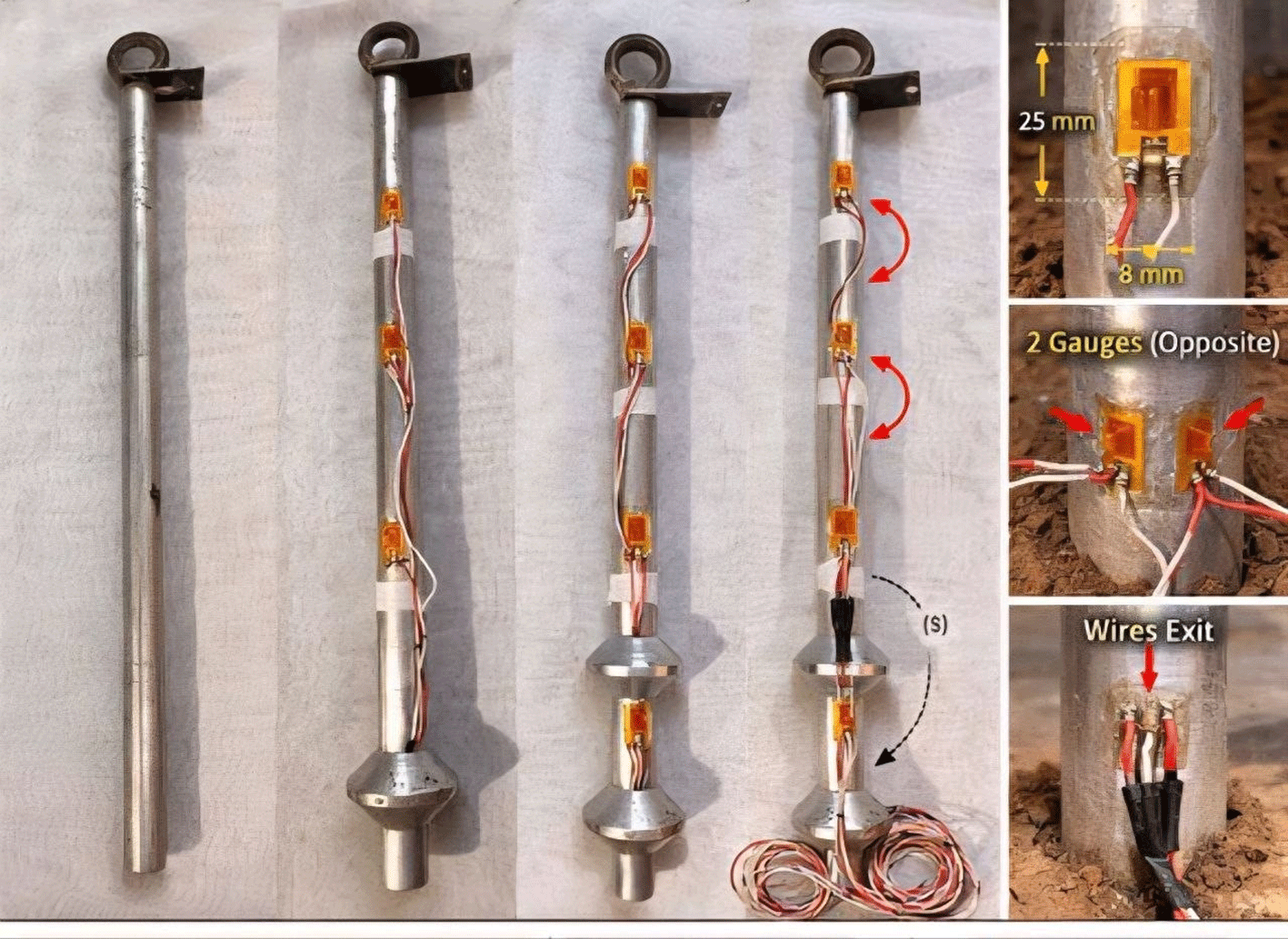
This study utilized three small-scale aluminum pile models, each measuring 450 mm in length, with a bulb diameter of 50 mm and an overall pile diameter of 20 mm. The ratio of pile length to diameter (L/D) is 22.5. This study employed three pile configurations: straight piles and multi-under-reamed piles (single bulb and double bulb) with varying vertical distance between the bulbs. The design of the under-reamed pile and under-reams was carefully selected in accordance with the Indian Code (IS 2911) specifications. Table 3 illustrates the characteristics of the pile model utilized in the study, while Figure 2 represents its configuration.
2.3.1 Limitations of Small-Scale Physical Modeling in Geotechnical Engineering
Small-scale physical modeling offers a practical means for investigating pile behavior under controlled laboratory conditions; however, inherent scale effects limit the direct transferability of such results to field applications. Boundary conditions within the soil container can significantly distort stress paths and displacement fields due to confinement and wall friction, thereby altering the true soil–pile interaction. Additionally, pile installation induces a disturbed zone around the shaft that typically extends between 3D and 8D, which may not reflect the stress redistribution observed in full-scale foundations (Meyerhof,1959; Kishida, 1963). Beneath the pile tip, the stress influence zone is generally restricted to 3D–5D vertically, leading to further discrepancies when compared to prototype stress propagation (Vesic, 1964). To mitigate these distortions, it is recommended that the pile-to-boundary distance exceed 20D and that sufficient soil depth be provided below the pile tip (Giretti, 2009). Despite adhering to such guidelines, mismatches in stress levels and grain-size scaling remain unavoidable, underscoring the need for cautious interpretation of laboratory results when extrapolating to real field conditions.
2.3.2 Laboratory Model Box Steel Container
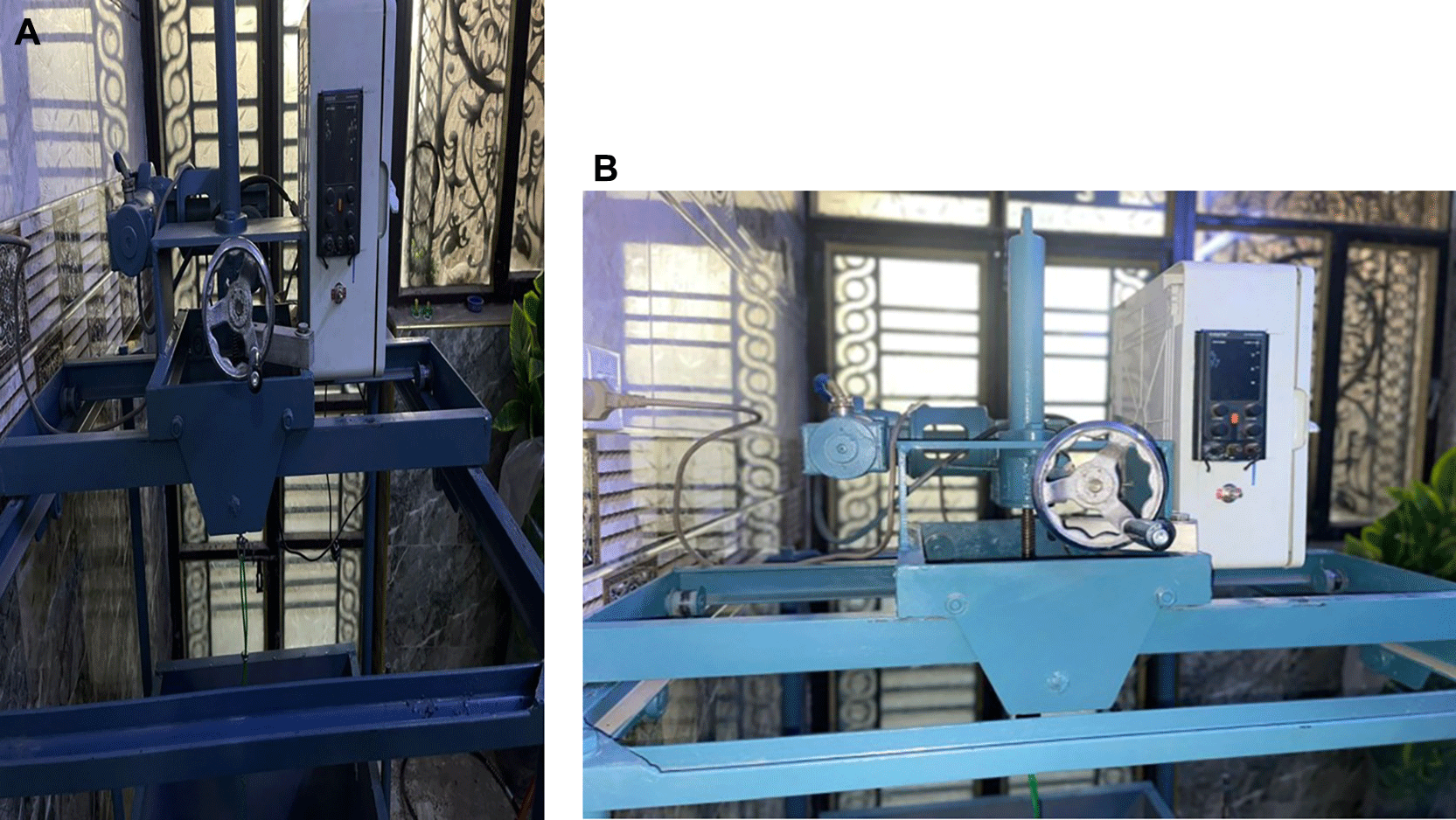
Based on previous studies, a steel container model was made with dimensions of 600 mm x 600 mm x 600 mm and a thickness of 6 mm. The container consists of five single pieces: four for the sides and the fifth for the base. Bolts of 10 mm diameter connect these pieces along the edges of one piece, and with a distance of 10 cm between one bolt and another. One of the container faces contains a glass with dimensions 60*40 mm to monitor the process of saturation in the soil, as shown in Figure 3. To prevent the sides and bottom of the box from falling outside the influence zone of the stress bulb caused by the loading of the piles during the tests, the box is designed to be sufficiently large. As shown in Figure 4, a hydraulic jack piston with a maximum capacity of two tons is attached to the frame. The container is based on a steel structure. The container is surrounded by a steel structure that rests on a base and rises 1500 mm from the sides. At its upper end, two steel rests support the download system inside.
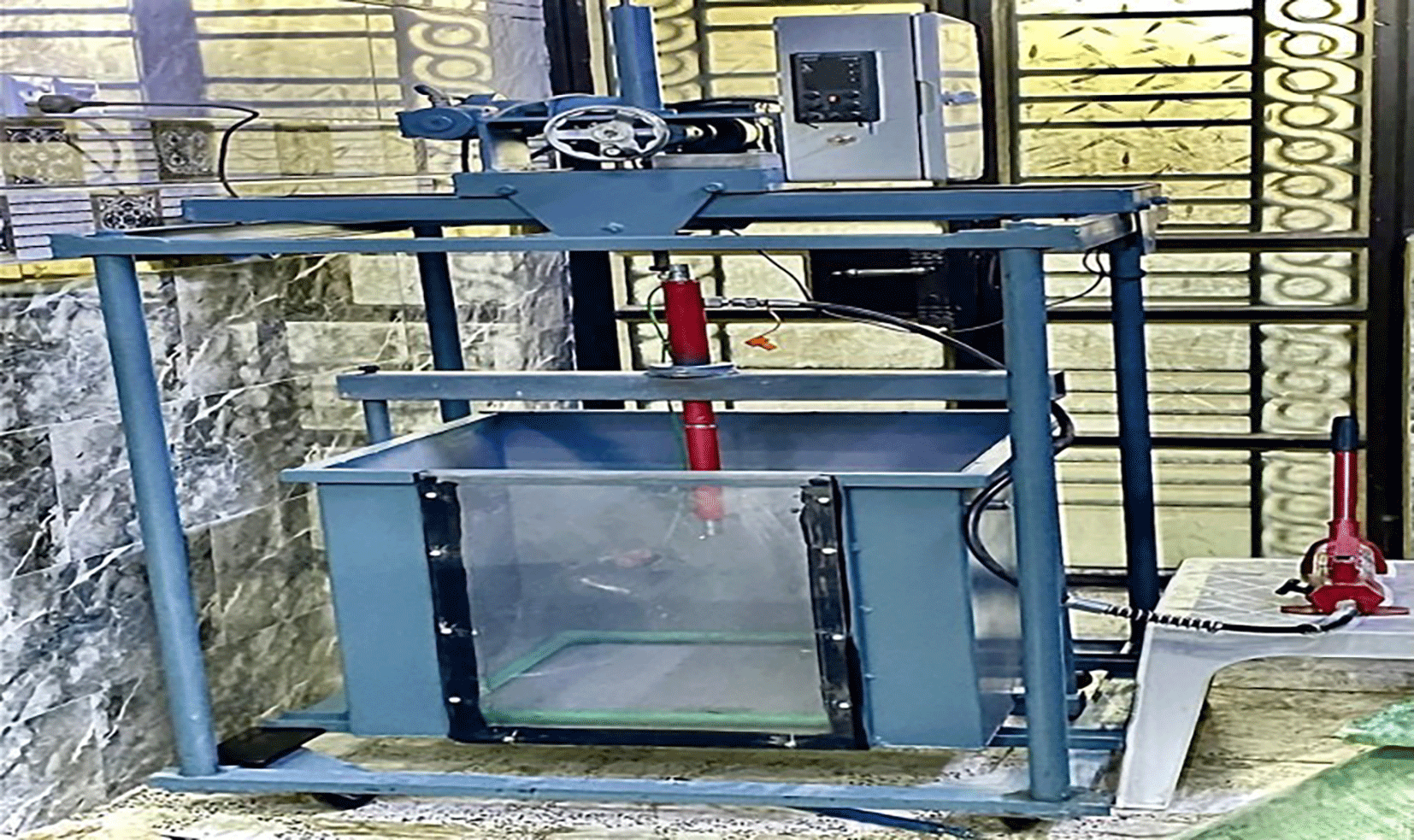
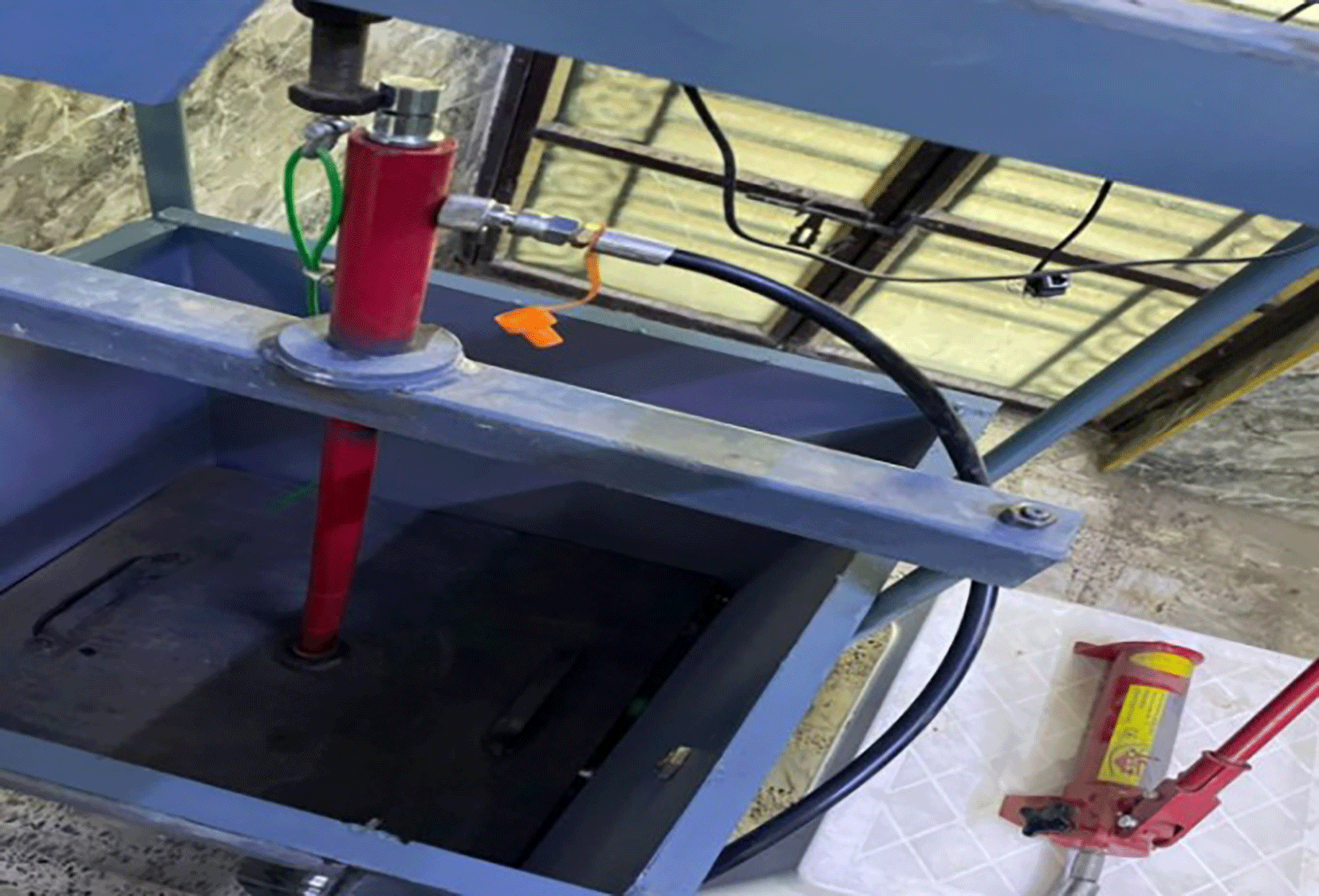
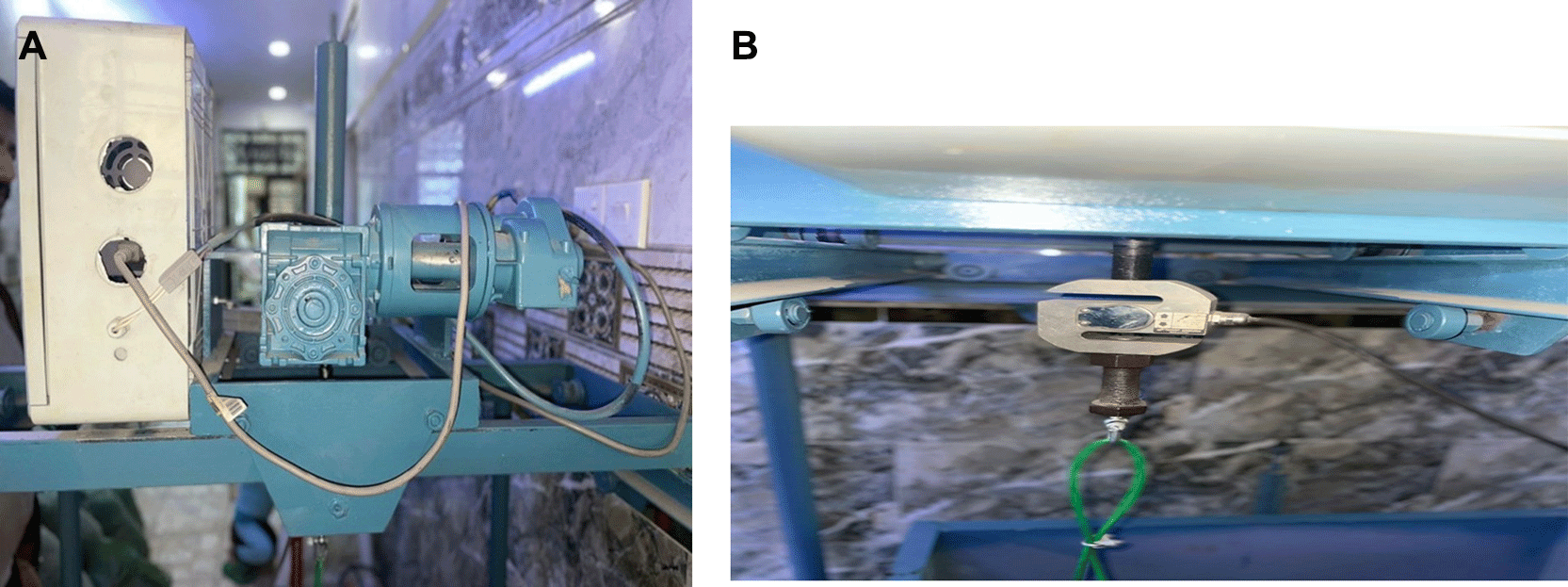
This system sits on the upper iron frame of the model. The piston has freedom of movement in two directions, as shown in Figure 5. Attached to the bottom of the piston is an S-shaped load cell with a capacity of 2 tons, also connected to an iron cylinder with a length of 300 mm and a diameter of 38 mm, which is used to place the load on the pile, as shown in Figure 6. Digital disk programmer for displacement measurement. An electric motor was employed to apply a controlled and constant displacement rate of 1 mm/min.
❖ The pile cap for a single pile is constructed from rigid steel plates, measuring (100 × 100 × 20) mm to ensure structural rigidity, as shown in Figure 7a.
❖ Attached with a pressure sensor that measures the pressure of the soil below the pile tip, as shown in Figure 7b.
❖ Force sensors are placed on the reamed position and end bearing pile with the total settlement of under reamed pile.
❖ Linear Variable Differential Transducer (LVDT) used for measuring vertical displacements for static movement, as shown in Figure 7c.
❖ UPS (universal power system) has been used for providing electrical energy constantly and constant electric current.
❖ A strain gage was placed in a different position of the pile shaft.
❖ A data logger that was compatible with Italian was used to record force and displacement equipment data. The LABVIEW 2019 software was used to illustrate load variation through a settlement-over-time graph. This was done in accordance with the manufacturer’s recommendations, as shown in Figure 7d.
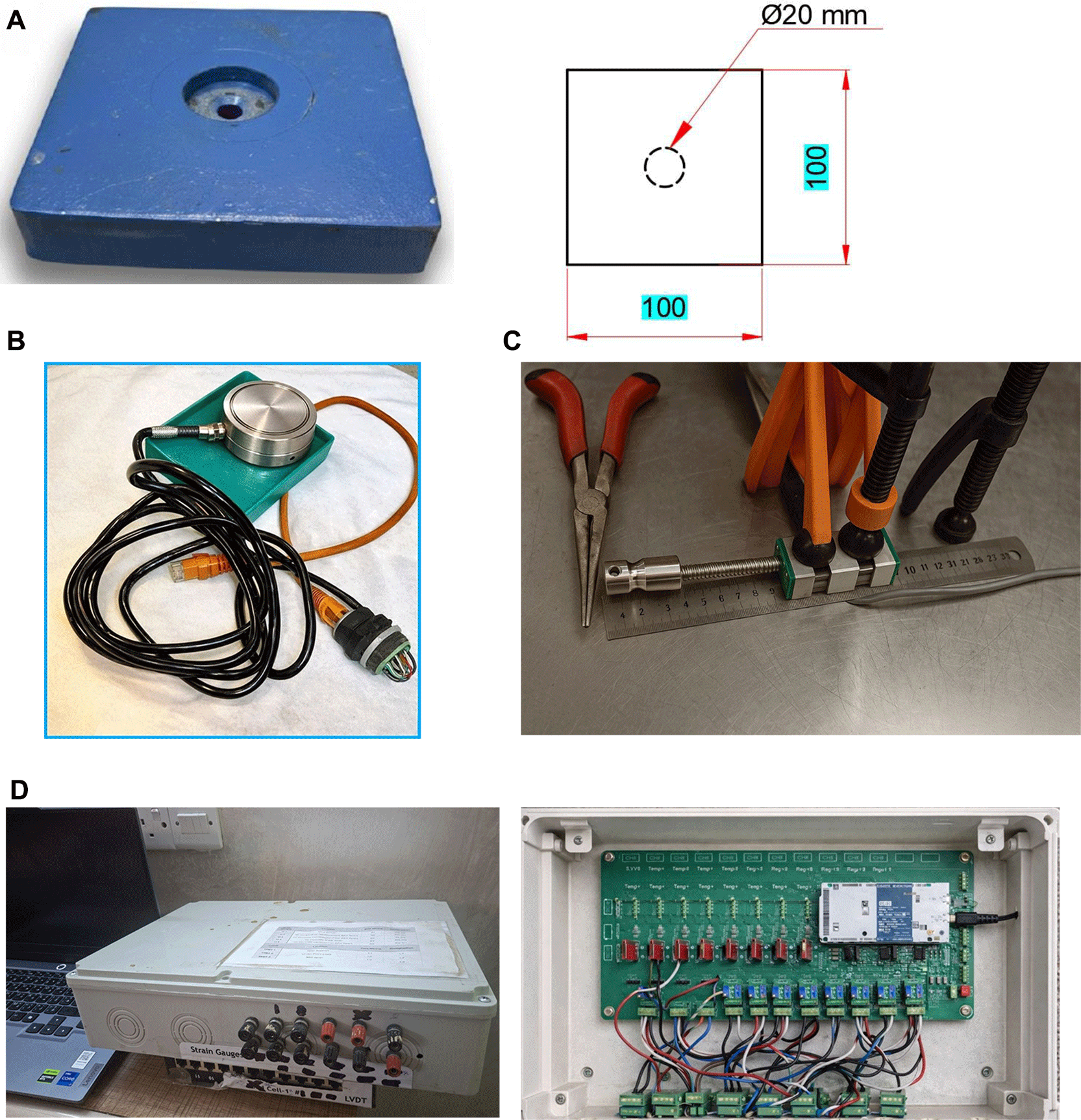
a: dimensions of the pile cap for a single pile used. b. pressure sensor measuring soil pressure under the pile tip. c. LVDT calibration process. LVDT: Linear Variable Differential Transformer. d. Ten channels’ Data logger used.
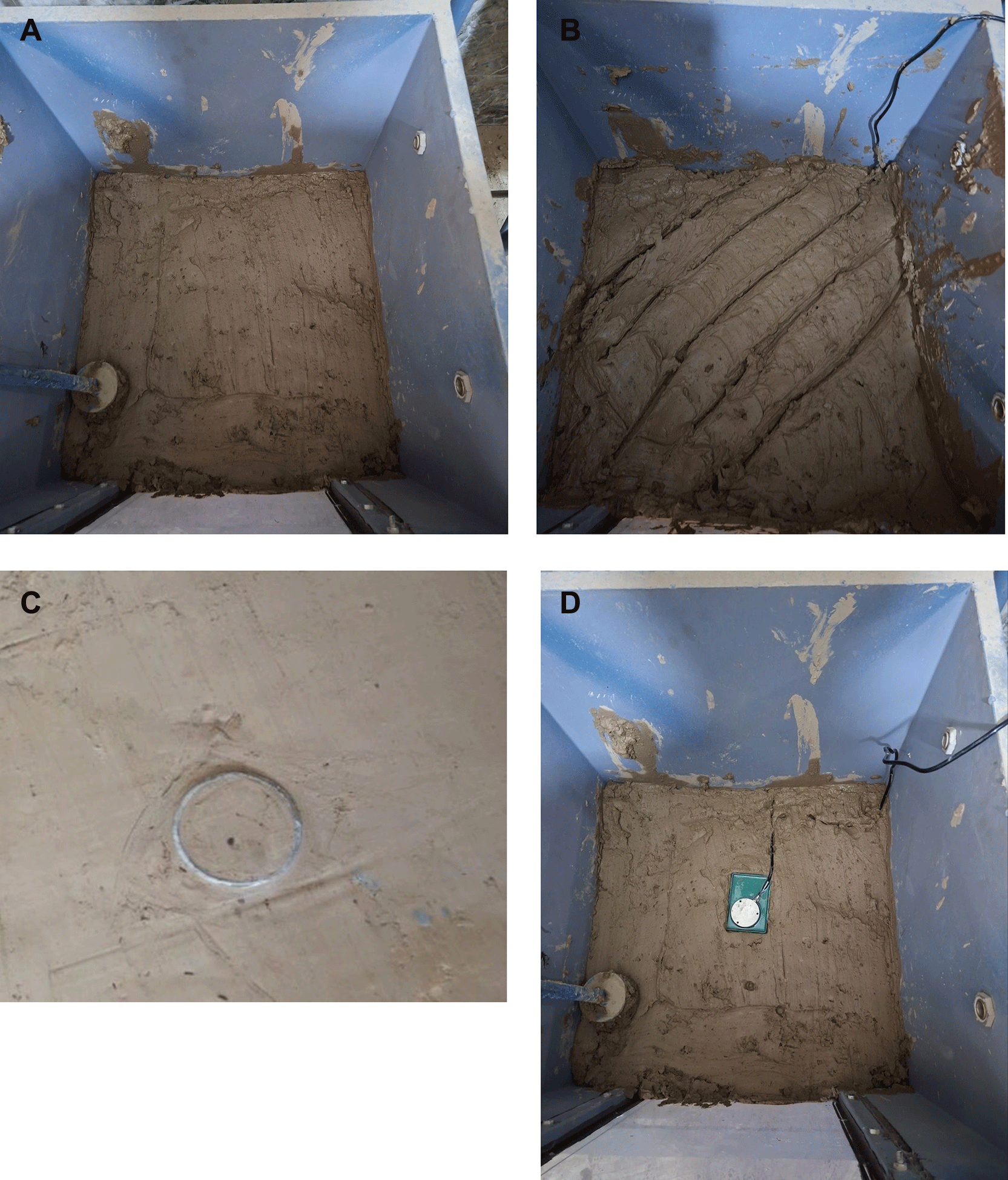
The effectiveness of the method for preparing the soil bed was evaluated by a series of trial tests, focusing on the main points of homogeneous soil preparation, shear strength, dry unit weight, and initial water contents before the preparation stage. The process involves drying soil to 105 °C, pulverizing it to a fine consistency, and measuring the initial water content. Experiments were conducted with a dry unit weight of 16.25 kN/m3 and a range of initial degrees of saturation to investigate the load-settling behavior of a pile. To achieve the required consistency and saturation level, the soil was mixed with additional water. Utilizing the specific gravity of the soil, the dry unit weight, and the void ratio, the water content was calculated. This process was repeated until the model container was filled with an adequate amount of soil. To ensure consistent moisture content and uniform water distribution, the soil was stored in sealed polythene sacks for at least 72 hours after mixing. Samples were obtained from each container to determine the water content. The pre-calculated quantity of soil was then distributed to achieve a soil depth of 100 mm in the model box, resulting in a dry unit weight of 16.25 kN/m3. Figure 8 shows the preparation of soil samples for laboratory testing, including the placement and leveling of the soil within the model container to ensure uniform conditions prior to testing. The soil was subsequently compacted to the required dry unit weight using a specialized compaction device to achieve consistent density throughout the soil bed.
The term “soil suction,” which describes the relative humidity that is found close to the surface of a body of water, is categorized as “total suction.” The matric and osmotic suction are the two primary components of this system. In addition, there is a component of soil suction that is associated with the forces of adsorptive interaction between water and a solid surface. Total suction ψ consists of osmotic suction (π) and matric suction (ua − uw). “The mathematical expression of the two components of soil suction is as follows:”
The equation represents the total suction, where π represents the osmotic suction, and ua and uw represent pore air and water pressure, respectively.
Matric suction is a capillary action that occurs as a result of water surface tension. This phenomenon causes water to rise in capillary tubes. The conditions of the environment cause it to vary over time, which has an effect on the status of the soil mass balance and can have an effect on either one or both of the parts of soil suction, which ultimately results in changes in the total soil suction.
The influence of suction on pile performance is primarily related to its effect on the effective stress and shear strength of unsaturated soils. When matric suction increases, the soil gains additional strength and stiffness because suction contributes to an increase in the soil’s effective stress. This improved stress state enhances the mobilization of shaft friction along the pile surface and strengthens the soil surrounding the under-reamed bulbs. As a result, more load can be transferred before failure occurs. In contrast, under fully saturated conditions, suction is lost, the effective stress decreases, and the soil becomes weaker and more compressible, leading to reduced load-bearing capacity. Therefore, partially saturated soils provide a more favorable environment for under-reamed piles, resulting in noticeably improved performance.
2.6.1. Soil suction measurement techniques
Soil suction can be measured using two methods: indirect and direct.
1. mаtrіс potential measured using the TEROS 21 sensor:
The negative pore water pressure was measured using matrix potential sensors (the TEROS 21 sensor and the Em50 Data recorder) in this research. An indirect method was employed. This enables the measurement of the mechanical suction of soil. In unsaturated cases, four sensors were set up at varying depths below the soil surface to quantify the suction in the unsaturated clay. Using a porous ceramic disc, the sensor determines the amount of moisture present in the soil and then translates that information into soil matric suction values. It has a high degree of accuracy and can function in temperatures ranging from −40 to 60 degrees Celsius. In addition, it is equipped with a thermistor integrated within the device, capable of measuring the soil’s temperature with a precision of ±1 degree Celsius. The data acquisition system (Em50), manufactured by METER, USA, was used in this study. As shown in Figure 9, the TEROS 21 sensor was employed to measure the matric suction of the soil samples. Immediately after insertion, the suction values were monitored continuously until a stable reading was obtained.
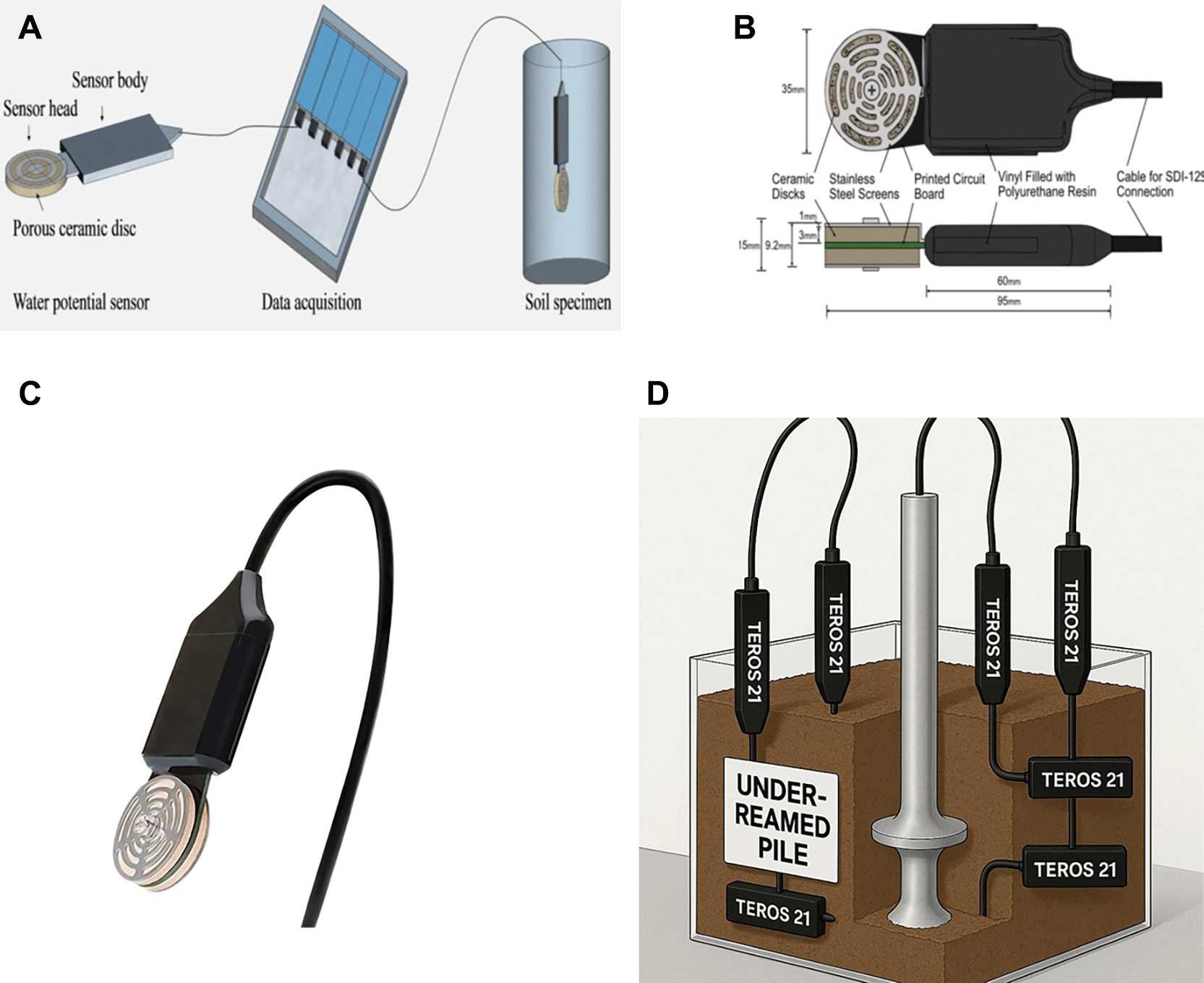
TEROS 21: Soil Water Potential Sensor.
2. Matrix potential measured using the Filter paper method:
All of the specimens have the same dry density, which is 16.25 kN/m3, and they are prepared with a degree of saturation that ranges from 90 to 20%. In order to prepare the samples, the soil was mixed with a predetermined amount of water, and the mixture was then mixed according to the desired degree of saturation. To achieve the desired water balance in the prepared soil, the mixed soil was placed in tightly sealed plastic bags for 48 hours. In accordance with the recommendations made by ASTM D5298–10 and shown in Figure 1, three stacked filter papers of the Whatman No. 42 type are placed into contact with the soil specimens in order to prevent contamination. For the purpose of reducing the amount of time required for equilibrium, as suggested by (Bulut et al., 2001), the soil samples and filter papers are placed inside a glass cylinder container. Matrix suction measurement involves transferring fluid from the filter paper that is in contact with the soil to a central filter paper designated for testing purposes. This process results in similar suction values for both the filter papers and the soil specimens. The wet filter papers are meticulously weighed on a scale with a precision of 0.0001 grams and subsequently placed in tins. These tins containing the filter papers are then subjected to drying in an oven at a temperature of 105 °C for a duration of six hours. After this drying process, the filter papers are weighed again to facilitate the calculation of water content. Additionally, various suction calibration curves are utilized to interpret and apply the results obtained from the filter paper measurements, ensuring accurate evaluation of the soil’s moisture characteristics. The results require different suction calibration curves as recommended by (Chao, 2007) and (Fattah et al., 2012).
The installation procedure adopted in this study followed a controlled no-displacement method, in which the under-reamed piles were first positioned and stabilized before the surrounding soil was placed. The model pile was installed vertically at the center of the test box, with its alignment verified using precision leveling instruments to avoid any inclination that could influence load transfer or alter the stress field around the bulbs. After securing the pile, clayey soil was added gradually in layers not exceeding 10 cm, allowing proper compaction, consistent density, and uniform saturation. This staged placement minimized disturbance around the bulbs and maintained the confining pressure necessary for reliable evaluation of pile behavior. Careful attention was given to the geometry of the bulbs during installation, as excessive disturbance or void formation around them can reduce side resistance and lead to an underestimation of load-bearing capacity. By adding soil after the pile was fixed in place, the study ensured uniform pressure distribution along the shaft and improved soil–pile contact. Verticality was monitored continuously throughout the process to prevent misalignment, which is particularly critical for under-reamed piles due to their reliance on symmetric bulb–soil interaction. Overall, the controlled installation approach helped preserve the intended mechanical response of the pile, reduced experimental variability, and provided a more realistic representation of field conditions within the laboratory setup.
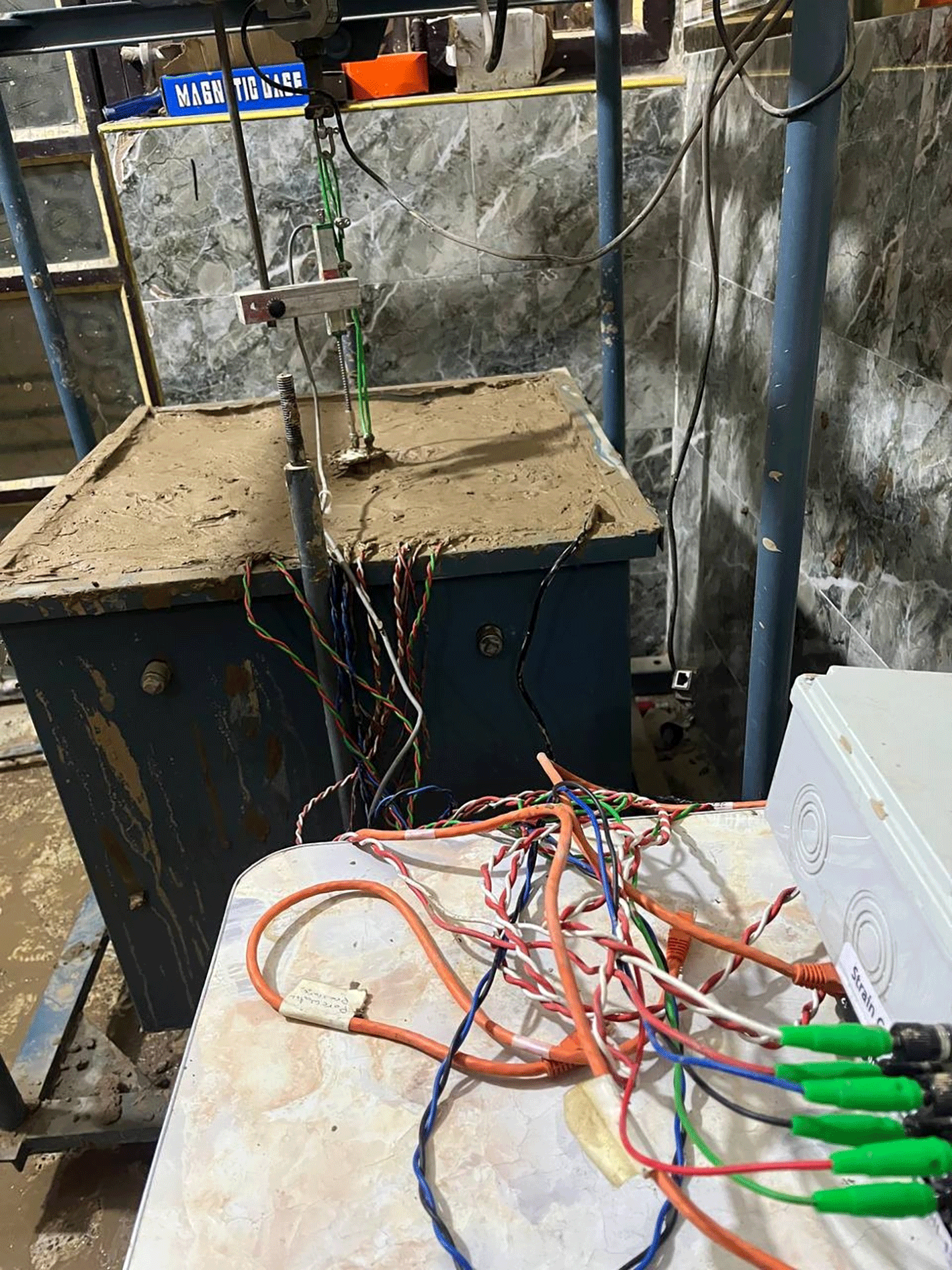
After four days of installation, the piles were left to allow the soil to regain its thixotropic properties. The vertical (compression) test was conducted by applying a load to the pile using an S-shaped load cell. The insertion rate was maintained at 1 mm/min throughout the test. Figure 10 shows the experimental setup used for the loading test. The failure criterion used in this study, identified by the distinct breakpoint on the load–settlement curve, is a commonly adopted method in small-scale pile testing. The breakpoint represents the transition from linear to nonlinear behavior and is considered a practical indicator of ultimate resistance, especially in cohesive soils where a clear plunging failure is not always observed. This approach is commonly used in experimental practice and has proven to be effective in identifying the ultimate load of both conventional and under-reamed model piles.
The Experimental model investigates the relationship between pile load and settlement for piles with or without bulbs, taking into consideration geometric characteristics such as the number of bulbs, bulb diameter, and spacing. The experiments were conducted on the ordinary and under-reamed piles in two conditions. In the first case, the soil was unsaturated with a saturation degree of 60%, while in the second case, the soil was completely saturated with water.
The Under-reamed Pile Length 450 mm (L/D = 22.5) was investigated in soil conditions with a degree of saturation (sr) of 60% and under undrained conditions with a strain rate of 1 mm/min.
According to the results presented in Figure 11, it is observed that the ultimate bearing capacity of the ordinary pile is significantly lower than that of the under-reamed piles. The presence of a single bulb in the pile increased the ultimate bearing capacity by 36% (598 N). Two bulbs 83% increase (1374 N) 598 N corresponds to first bulb. 776 N corresponded to Friction between two bulbs. For Three bulbs 162% (2670 N) First & last Bulb corresponds to End bearing and Two middle bulbs correspond to Friction between them. From above discussion, it is clear that increase due to bearing ability of Bulbs plus Friction between bulbs and Friction force is increasing with number of bulbs.
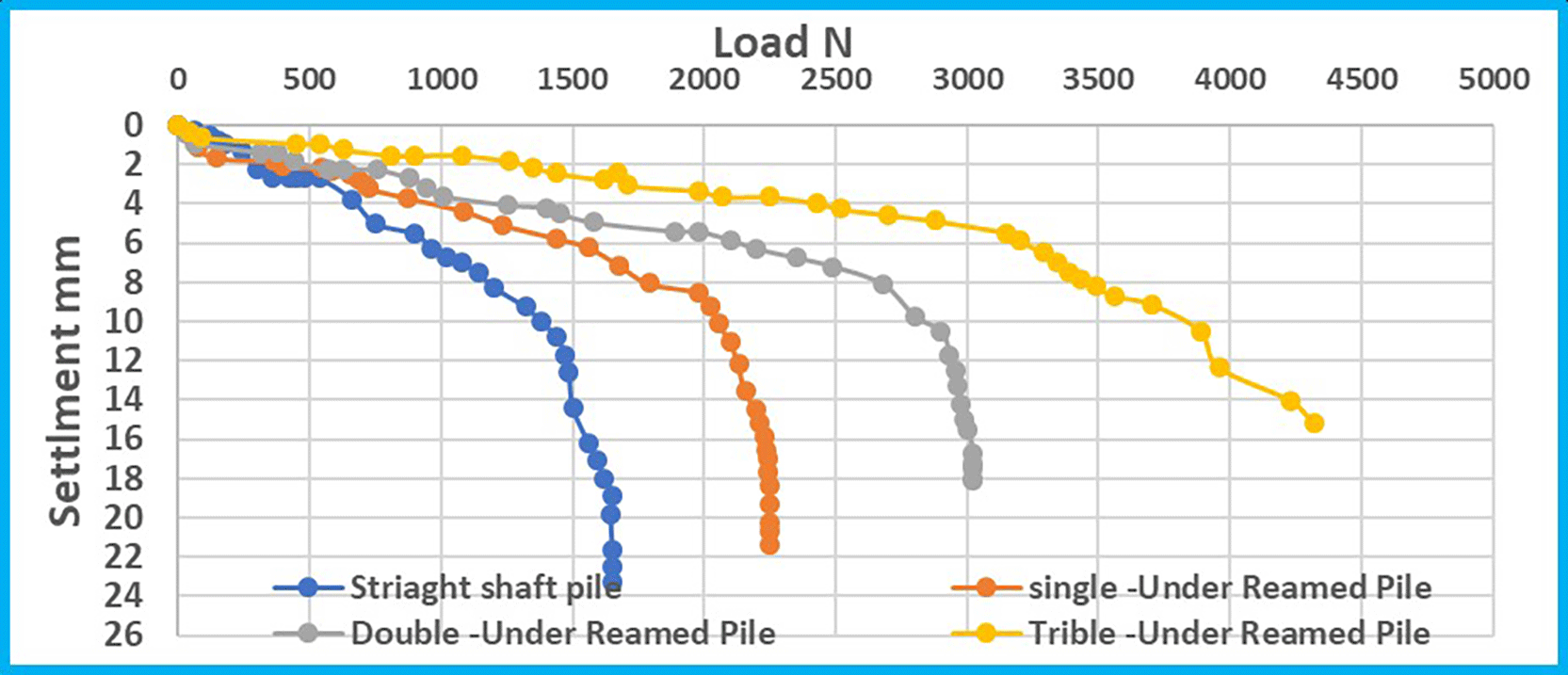
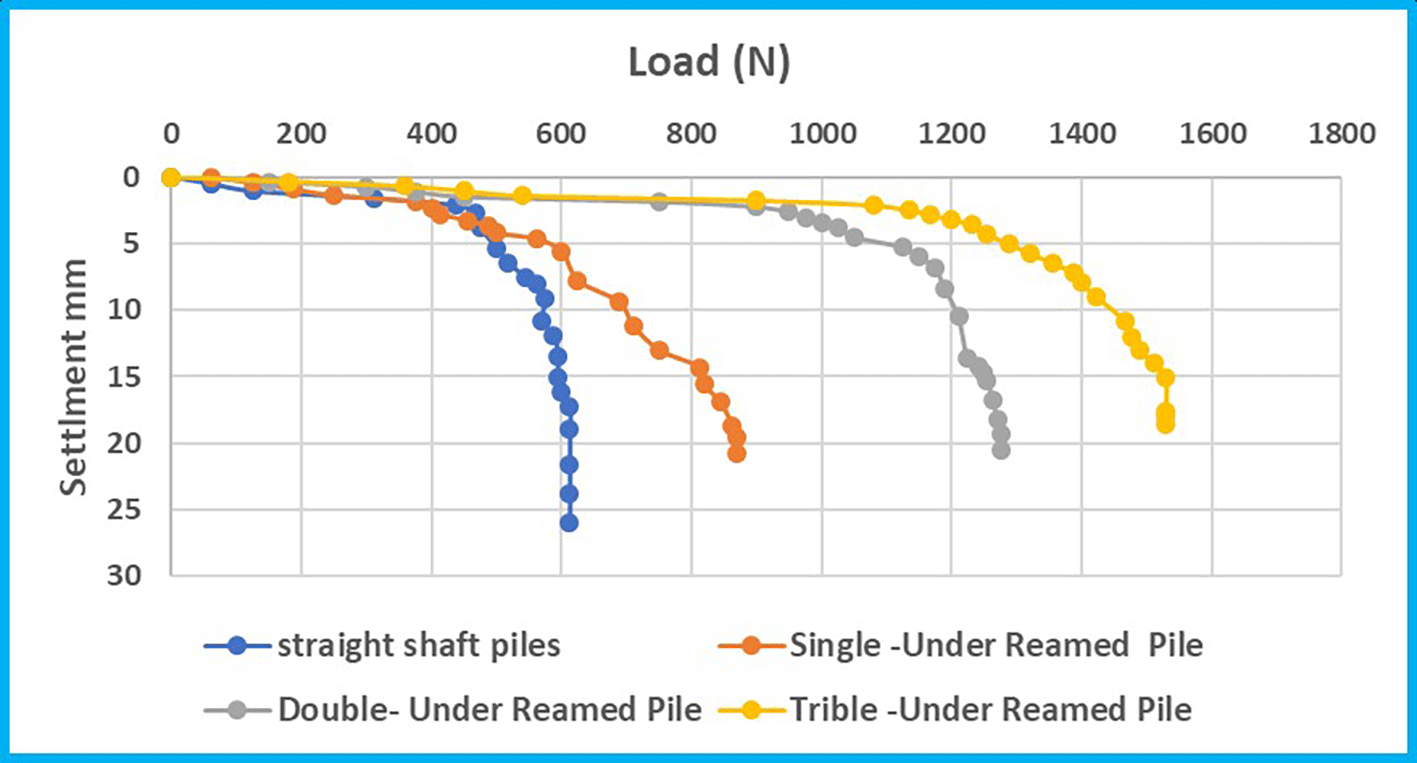
Figure 12 shows the ultimate bearing capacity of under-reamed piles under saturated conditions. It can be observed that the ultimate bearing capacity of under-reamed piles is higher than that of ordinary piles by 41.84%, and increases by 108% and 149% when a second and third bulb are added, respectively. Figure 13 illustrates the variation of the ultimate bearing capacity with an increasing number of bulbs at different degrees of saturation (100% and 60%). From the above discussion it can be seen that, by introducing bulbs, there is an improvement in transferring load from pile to the soil. Also, with the addition of bulbs, the frictional resistance to transfer the load increases; as a result, the load transfer along the length of the pile also gets improved. It could be seen from the increase in bearing capacities obtained when one and two more bulbs were used.
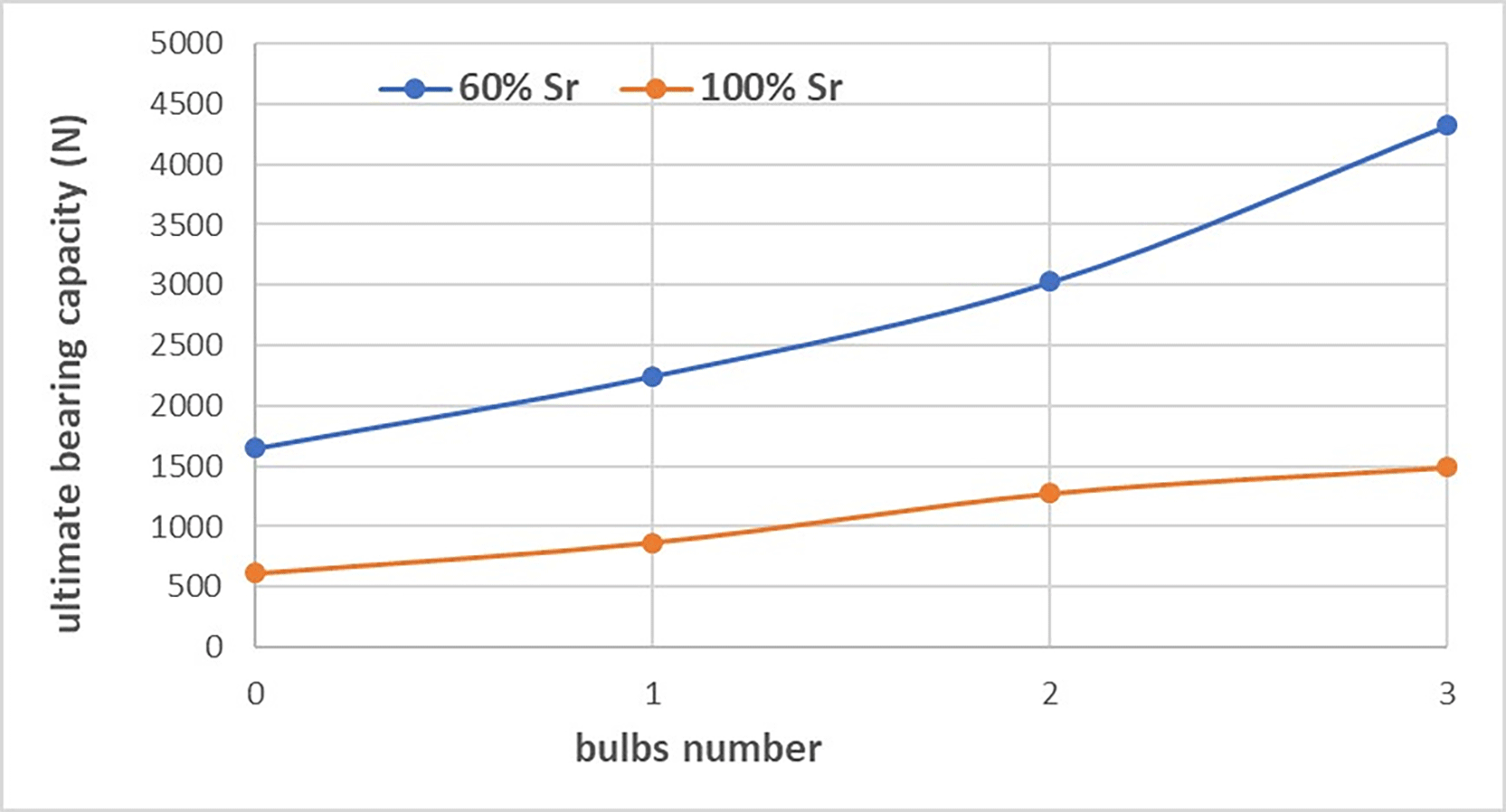
Further, the influence of the geometry of the bulb on the pile’s load-carrying capacity is discussed. Each bulb adds some amount of interface area with the soil, and so, each one improves resistance to the vertical loads. The first bulb works more like an end-bearing situation, while more bulbs improve the side friction. These results are very much comparable to the published papers on under-reamed piles in clays, where the same order increase in load-carrying ability was obtained with one or more bulbs in single and multi-bulb under-reamed piles under compression. The trend obtained in this work is similar to the increased load-carrying capacity observed in earlier published work with varying number, geometry and saturation (Al-Omari et al., 2017; George and Hari, 2016;Khatri et al., 2022, Abbas, 2021).
For the testing program, a single under-reamed pile (S.U.P), also referred to as a single-bulb pile, was compared with a uniform pile. Figure 14 shows the different positions of the bulb along the pile length. A total of 10 tests were conducted to study the effect of bulb position on the behavior of the under-reamed pile. The first case (Murthy, 2003) test was unsaturated (S = 60%), and in the second case (Murthy, 2003) test, the soil was completely saturated with water(S = 100%). The position of reaming from the pile tip used was 0, L/4, L/2, and 3 L/4.
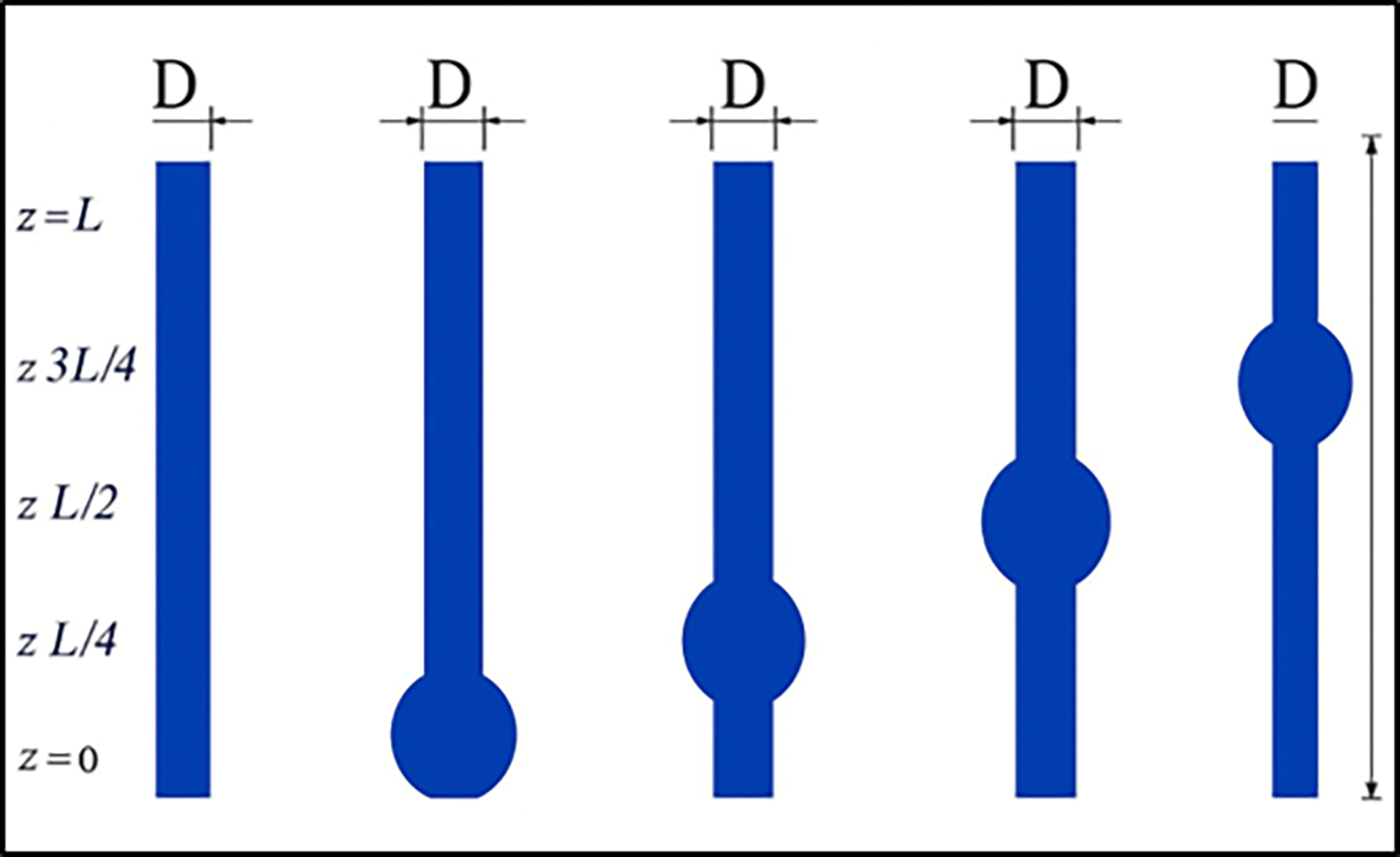
(Pile Length = 450 mm (L/D = 22.5)). SURP: single under reamed pile.
Figure 15 shows the load–settlement curves of the single under-reamed pile (S.U.P) under saturated conditions (S = 100%) for different bulb positions in clay soil. The results indicate that the addition of one bulb increases the ultimate load capacity compared with the uniform pile by more than 41.84% at position L = 0, 27% at position L/4, 20% at position L/2, and 13% at position 3 L/4.
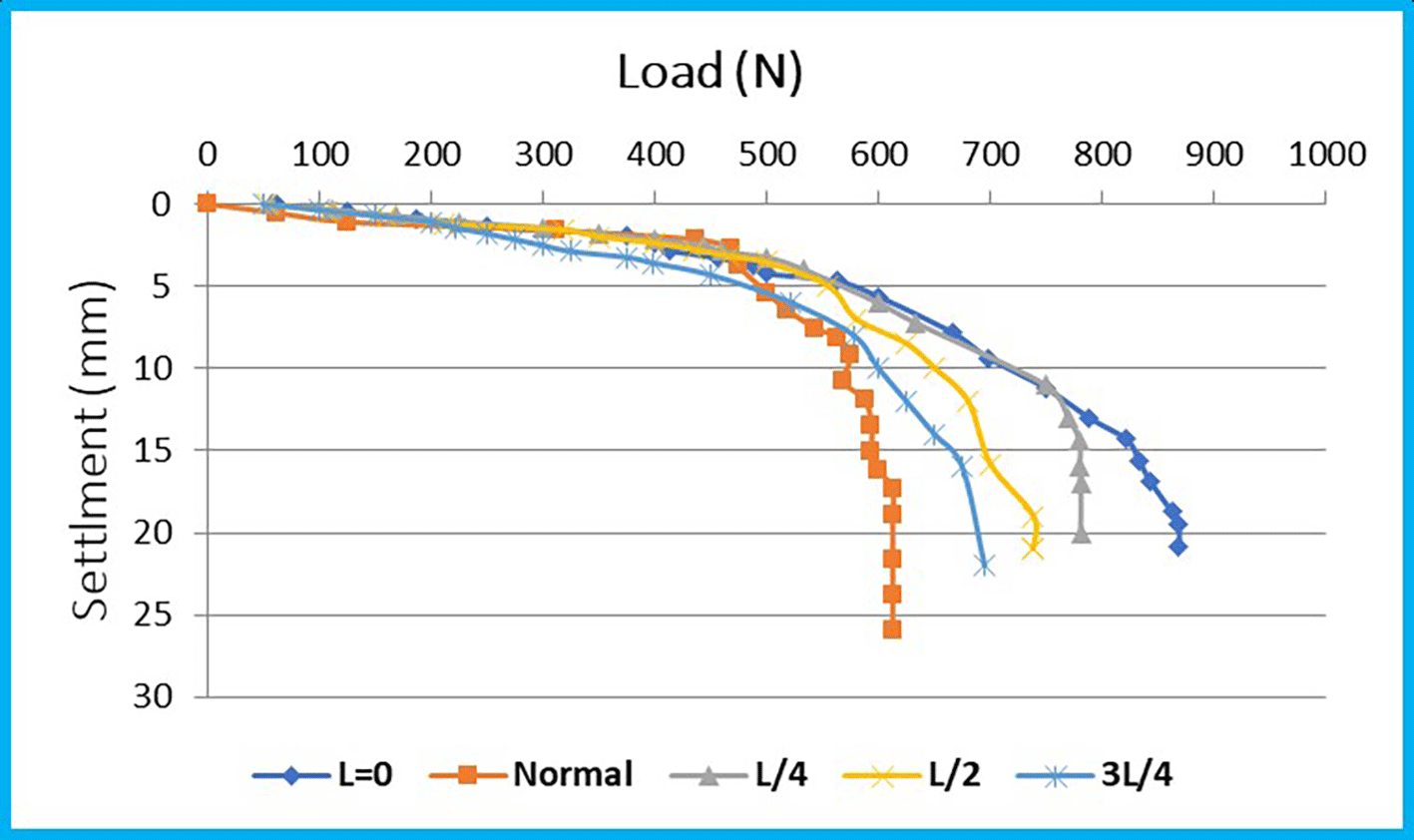
SURP: single under reamed pile.
Figure 16 displays the responses of the Load-Settlement relation of the under-reamed pile with different bulb positions in Unsaturated conditions (S = 60%). The addition of one bulb increases the capacity of the uniform pile by more than 36% in position 0, 26% in position L/4, 21% in position L/2, and 11% in position 3 L/4.
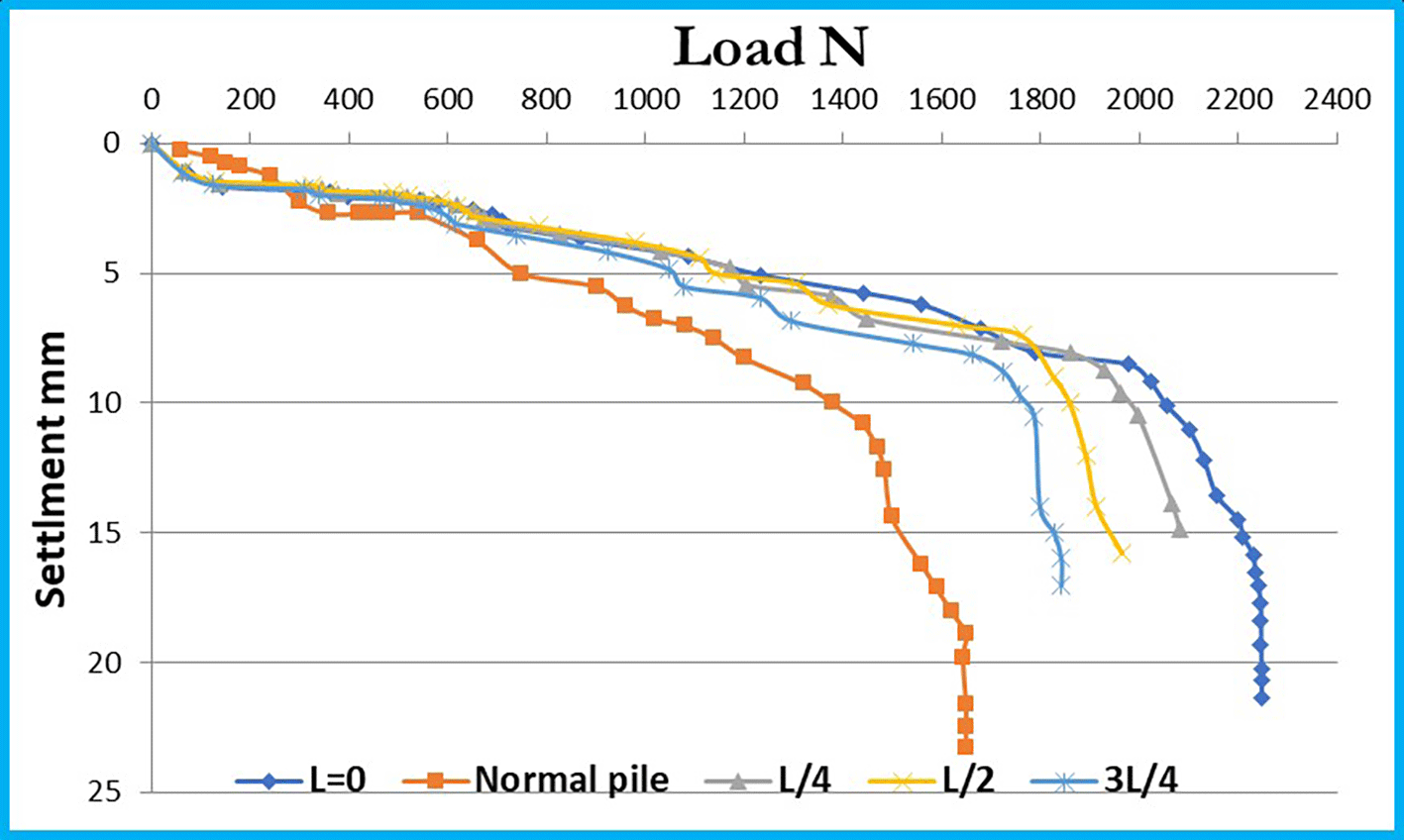
SURP: single under reamed pile.
The position of the under-reamed bulb influences the load-bearing capacity due to the variation in the mobilized shear resistance and stress distribution along the pile-soil interface. When the bulb is located in a zone where the confining stress is higher, a larger shear zone is developed around the enlargement, resulting in greater mobilization of skin friction and end resistance. Additionally, the enlarged base modifies the failure mechanism by expanding the shear surface and increasing the confinement of the surrounding soil. Therefore, different bulb positions interact with soil layers of varying stiffness and stress levels, leading to noticeable differences in the ultimate bearing capacity.
For testing program in this case, double under-reamed pile (D.U.P) or (double bulbs) was used and compared with uniform pile uniform pile as shown in Figure 17, where (Vali et al., 2018) tests to study the effect of (double bulbs) spacing on under reamed pile, (Murthy, 2003) tests on full saturated (S = 100%)and (Murthy, 2003) tests in unsaturated (S = 60%), the spacing between bulbs was L/4, L/2, and 3 L/4.
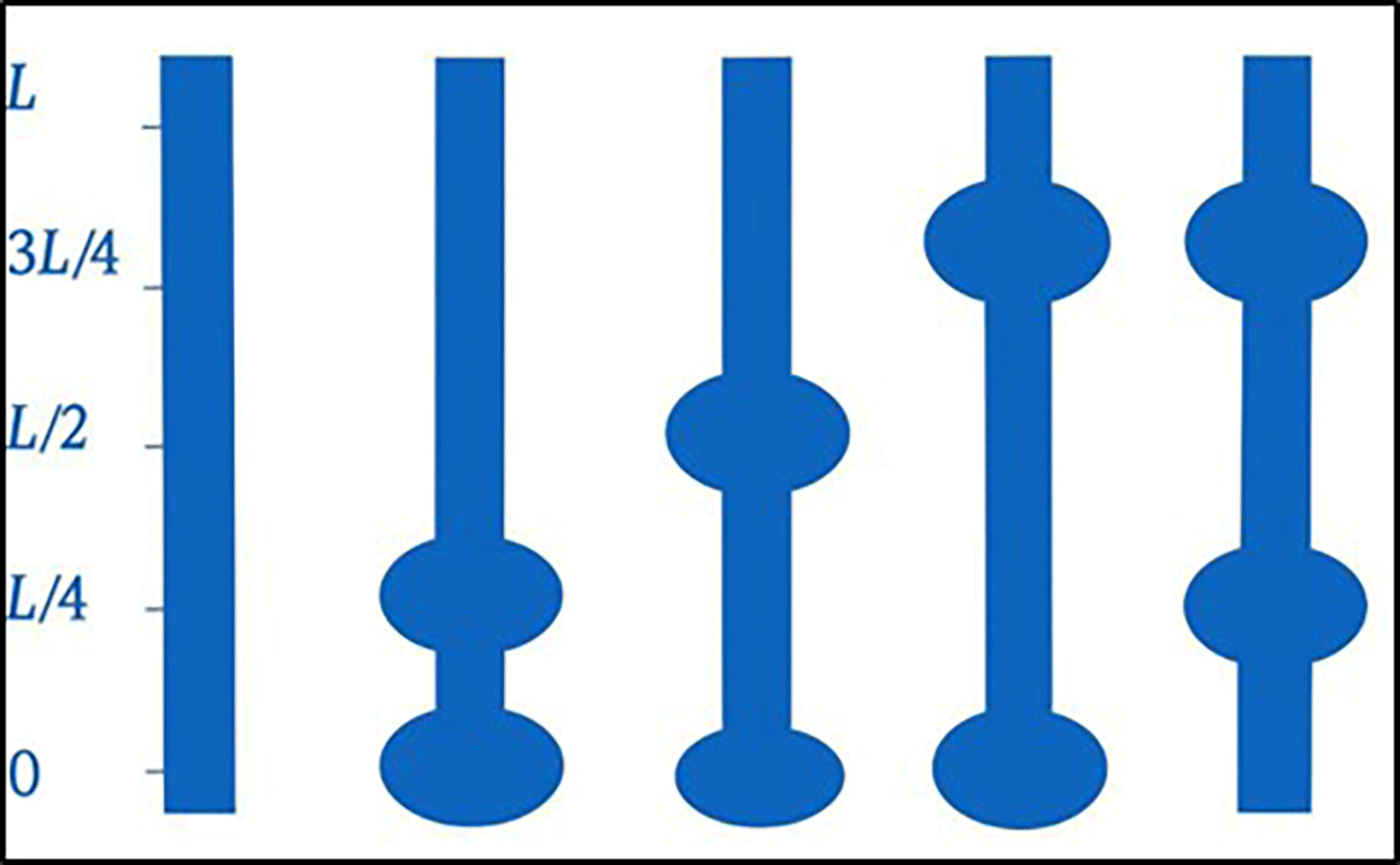
DURP; double under reamed pile.
The different bulb spacing configurations adopted in this study were selected to experimentally evaluate how the vertical positioning of bulbs along the pile influences load transfer and overall bearing performance. By varying the spacing, the aim was not to assume an optimal arrangement beforehand, but to identify through testing which configuration provides the most effective mobilization of end-bearing and shaft-friction resistance in clayey soils. According to Figure 18, the addition of double bulbs increases the capacity of the uniform pile by more than 108% in A(S), 83% in B(S), 62% in C(S), and 45% in D(S).
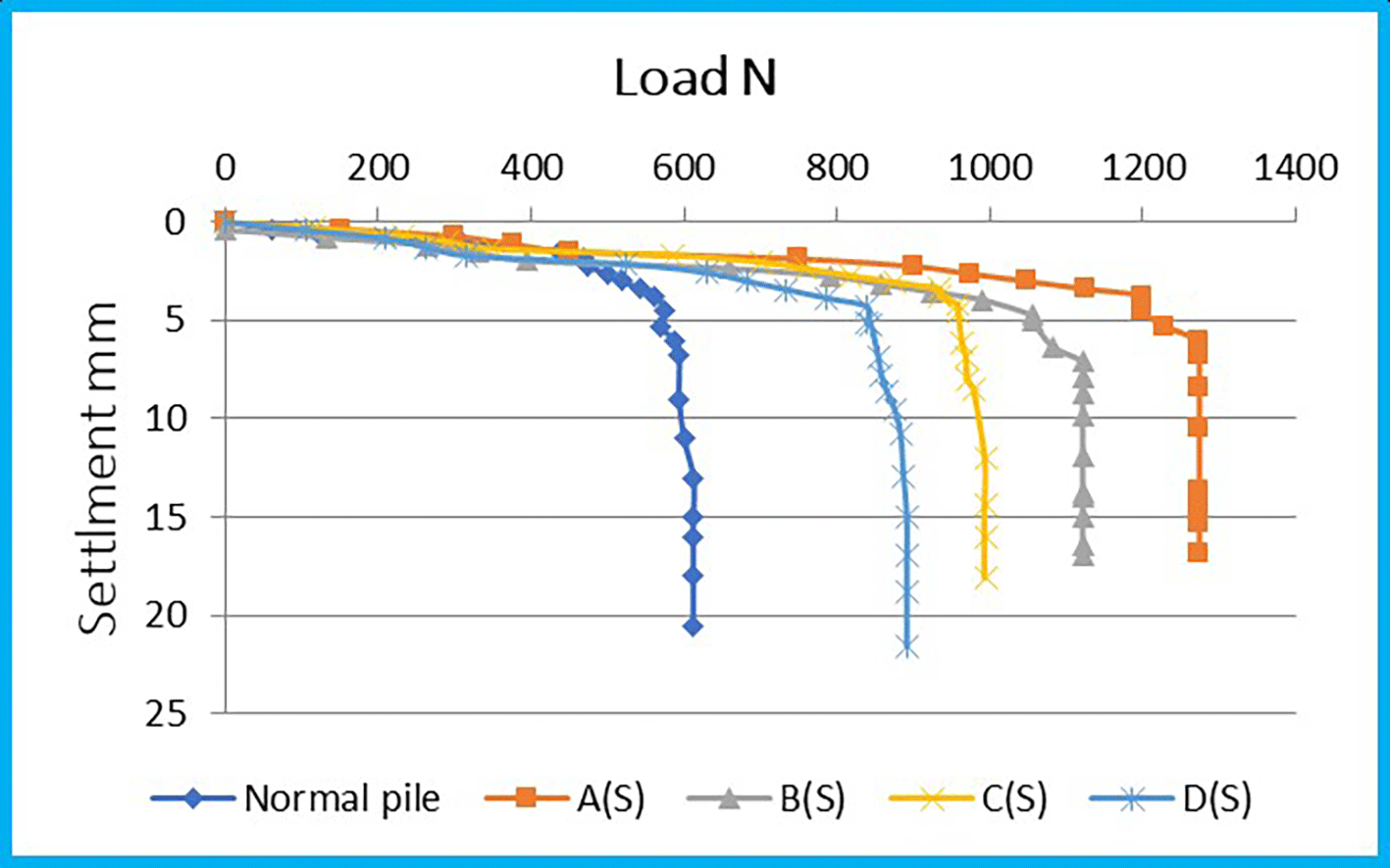
DURP; double under reamed pile.
Figure 19 displays the responses of the Load-Settlement relation of the under-reamed pile with different double bulb spacings in Unsaturated conditions (S = 60%). According to Figure 19, the addition of a double bulb increases the capacity of the uniform pile by more than 74% in A(S), 83% in B(S), 53% in C(S), and 46% in D(S).
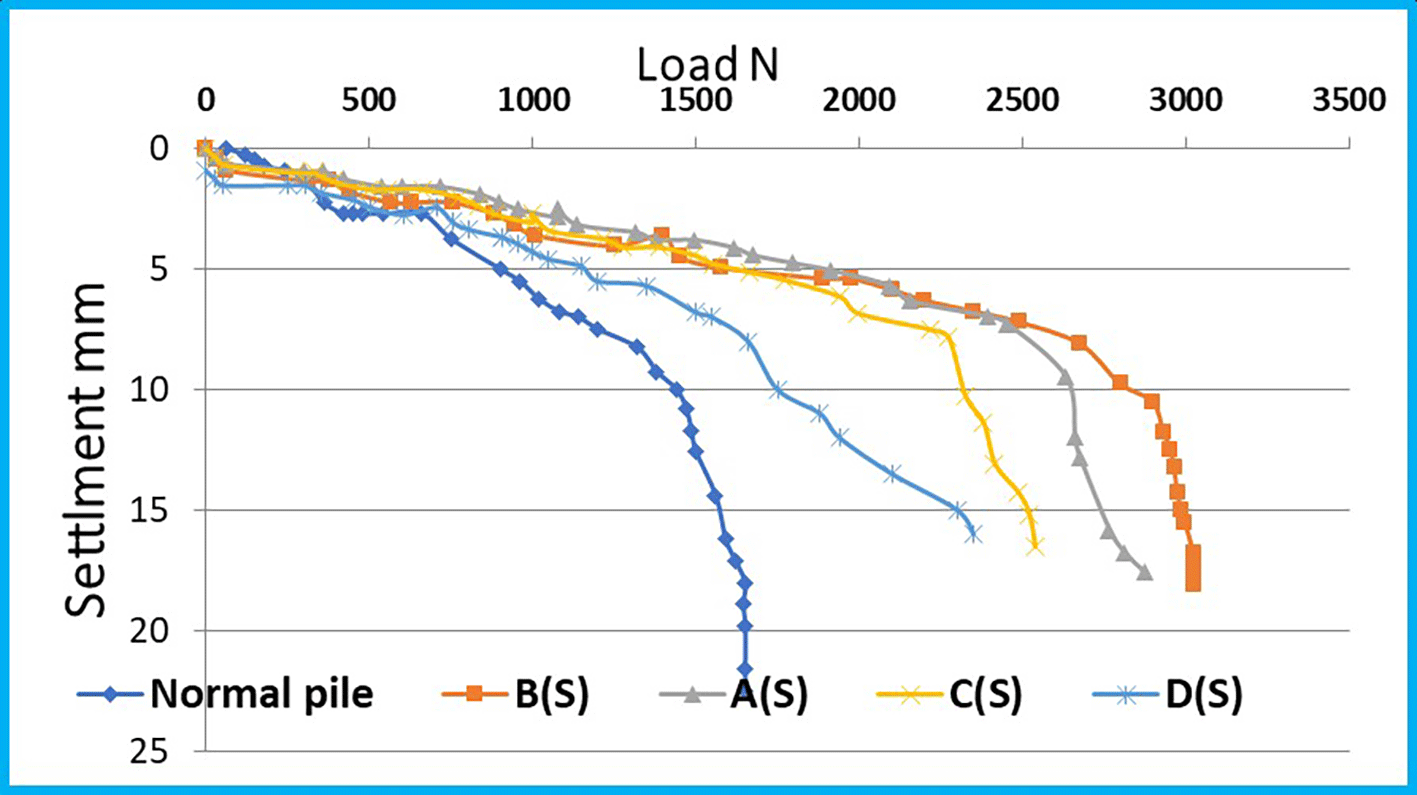
DURP; double under reamed pile.
The interpretation that bulb configuration and spacing affect the pile’s capacity is based on extending their theories to under-reamed piles, Where the increased surface area and the frictional interaction between the soil and the bulbs contribute significantly to improving pile performance. In cohesive clay soils, this effect becomes more pronounced, particularly at greater depths, resulting in a noticeable increase in load-bearing capacity. This improvement can be attributed to the enhanced interaction between the pile and the surrounding soil mass, as the presence of bulbs increases both contact area and resistance mobilization along the shaft. The positions of the bulbs on the pile play a crucial role in distributing the applied load. Specifically, the bottom bulb acts as the end-bearing element, transferring a significant portion of the load to the soil. The upper bulbs primarily contribute to side friction along the shaft of the pile. The distance between the bulbs also plays an important role in optimizing the pile’s performance. A wider spacing between bulbs may reduce the effective interaction between the soil and the pile, leading to a less efficient load transfer. Conversely, a smaller spacing allows for more uniform load distribution but may cause interference between the frictional forces at the interface of adjacent bulbs.
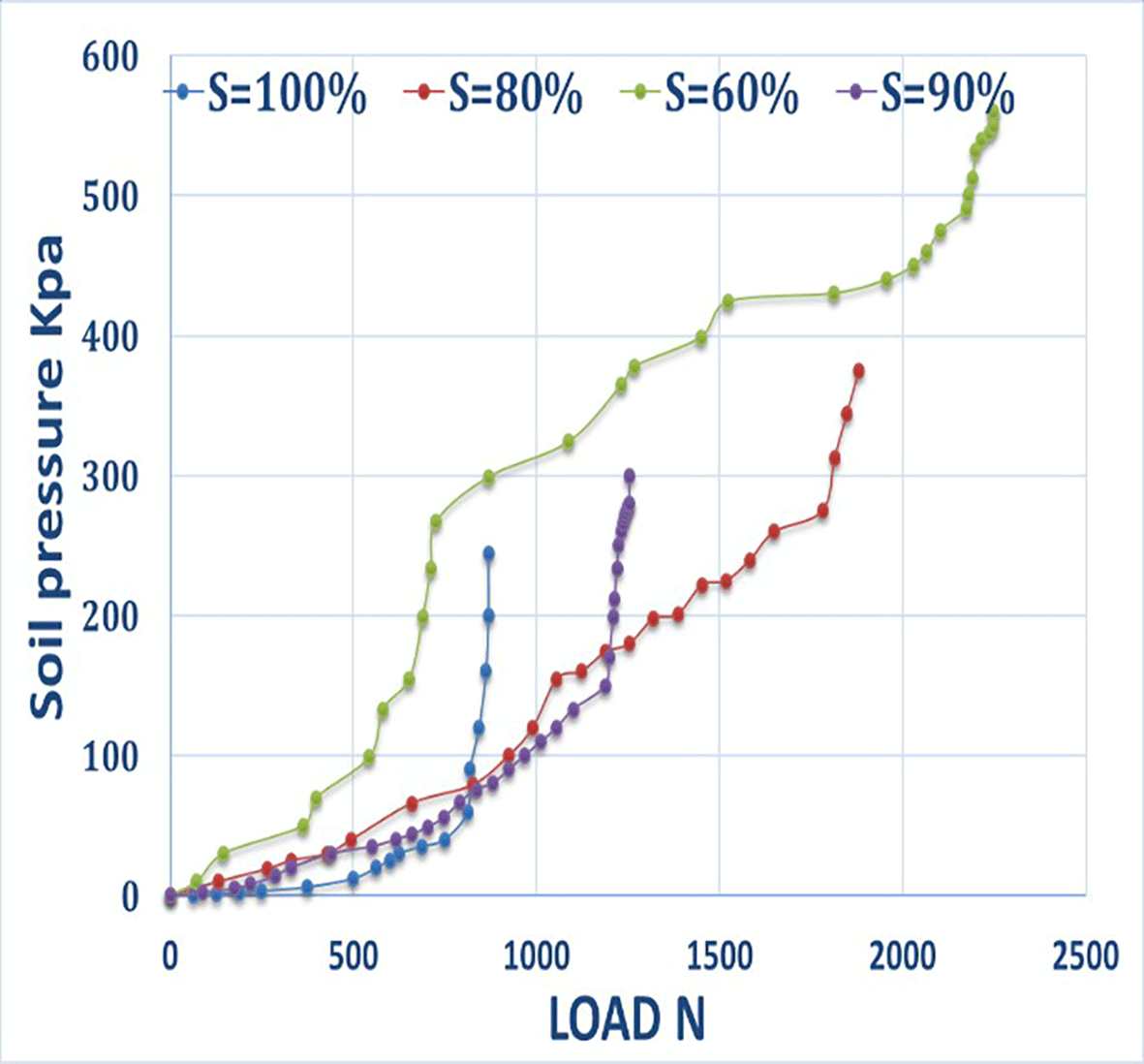
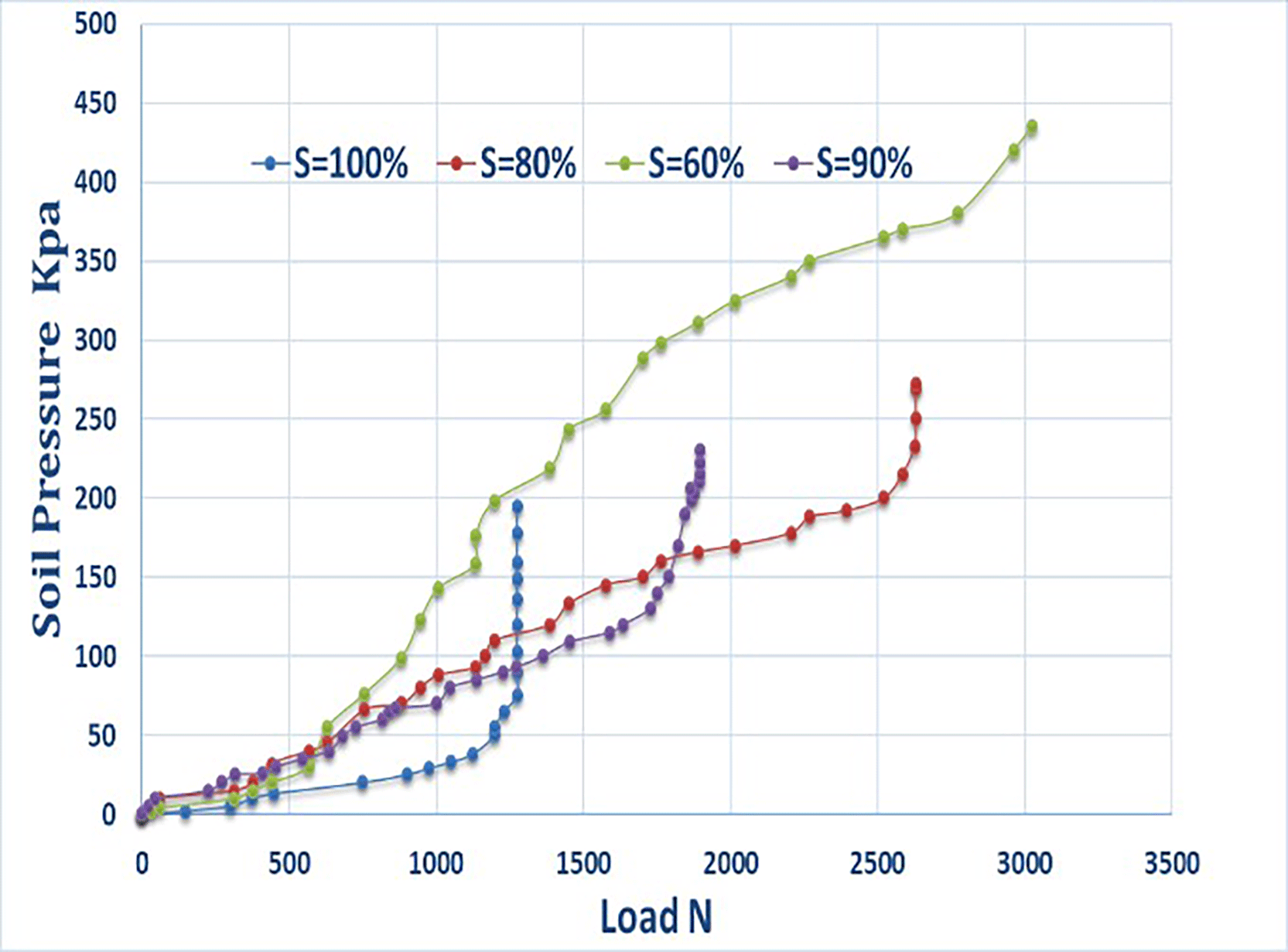
These results represent the pressure–soil response of clay for a normal pile (NP), a single under-reamed pile (SURP), and a double under-reamed pile (DURP) at varying degrees of saturation. The values demonstrate the clear influence of pile geometry and soil moisture conditions on the load-carrying performance. Soil pressure was measured under the pile tip during a compression load test on normal piles (NP), single under-reamed piles (SURP), and double under-reamed piles (DURP) using a soil pressure gauge. The results indicate that soil pressure beneath the pile tip increases with decreasing degree of saturation across all pile types, due to increased undrained cohesion and matric suction, which in turn leads to higher pile tip capacity. Figures 20, 21, and 22 show the variation of soil pressure beneath the pile tip for NP, SURP, and DURP at different initial degrees of saturation. The normal pile consistently exhibited the highest pressures, while the single under-reamed pile recorded reductions of about 20–25% relative to the NP. The double under-reamed pile showed the largest reduction, averaging nearly 40% lower than the normal pile across all saturation levels.
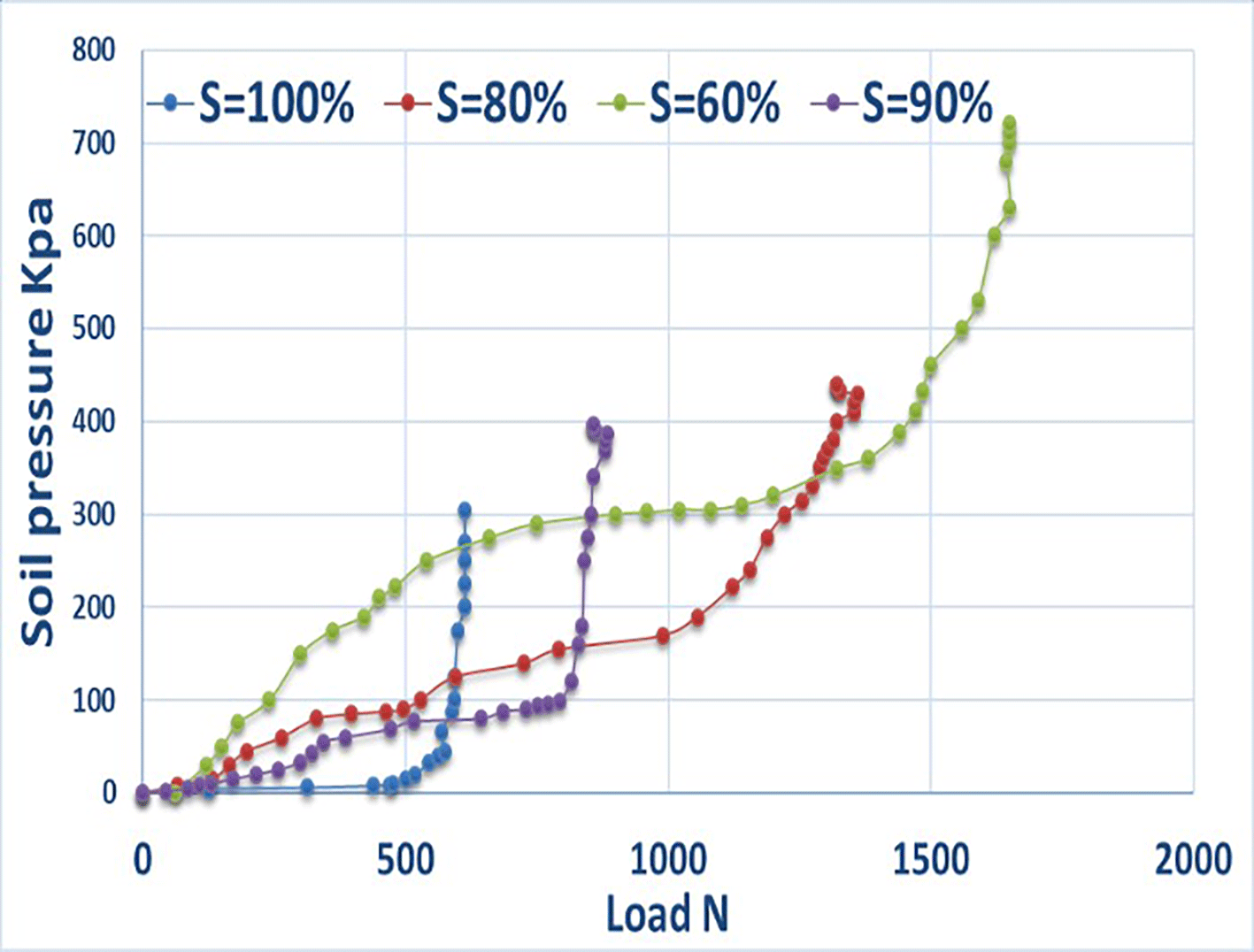
In this work, laboratory specimens that were utilized to evaluate the soil moisture content curve (SWCC) are presented and analyzed according to a variety of soil saturation and sample preparation techniques. For the purpose of the research, the saturation technique was determined to be the compaction of soil with a predetermined amount of water. Both the TEROS 21 sensor and the filter paper approach were used in order to get SWCC. Figures 23 and 24 show the relationship between the degree of saturation and matric suction obtained using the TEROS 21 sensor and the filter paper method, respectively. The results indicate a consistent trend in both methods, where the degree of saturation decreases with increasing matric suction. A comparison between the two methods demonstrates good agreement in the overall shape of the soil-water characteristic curve (SWCC), confirming the reliability of the measurements obtained.
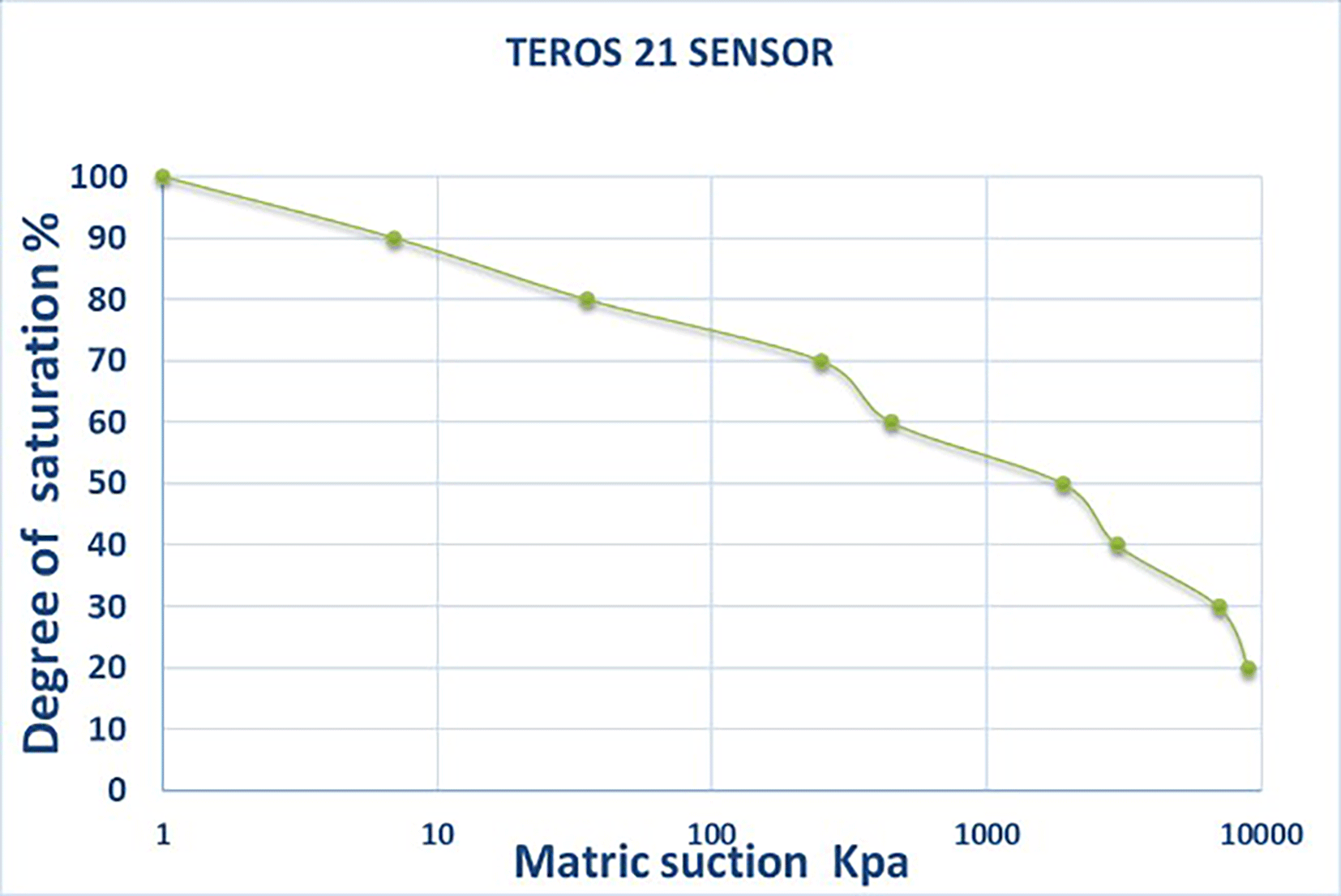
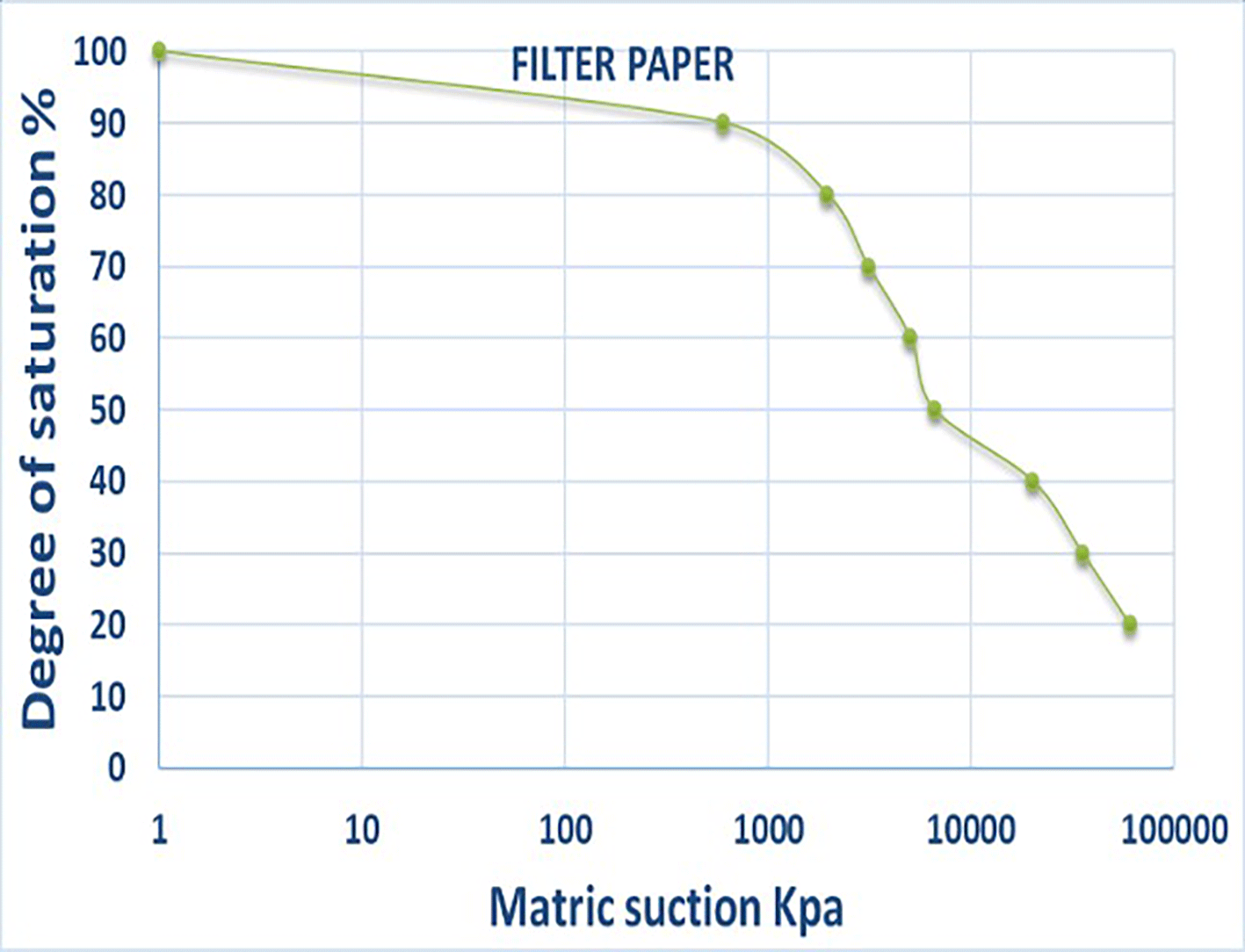
Figure 25 shows that the soil water characteristic curve (SWCC) obtained using the Filter Paper (FP) method yields higher suction values than those measured by the TEROS 21 sensor. This difference can be partly attributed to variations in soil structure, as particle arrangement—affected by density, moisture content, and preparation—leads to changes in void volume and meniscus shape, ultimately influencing suction (Ng and Menzies, 2007). Beyond these physical factors, methodological differences further explain the discrepancy: the FP method measures matric suction indirectly and relies on calibration curves that are sensitive to temperature, paper type, and soil characteristics (Bulut et al., 2000), whereas TEROS 21 provides direct capacitance-based suction readings with less dependence on external conditions. Moreover, FP measurements require moisture equilibration, often resulting in delayed and higher recorded suction values, while TEROS 21 captures instantaneous responses reflecting transient moisture states (Vanapalli and Fredlund, 1996). Sensor calibration robustness also contributes, as TEROS 21 adapts better to environmental variability compared to FP, which is more susceptible to calibration and ambient condition errors (Lu and Likos, 2004). Collectively, these physical and methodological differences account for the consistently higher suction values obtained through the FP method.
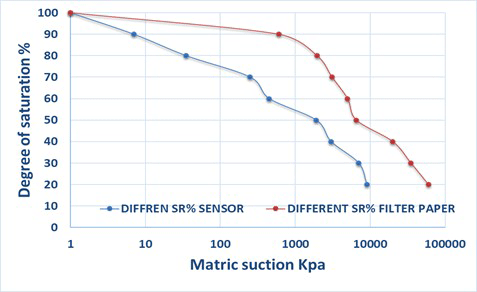
SWCC: soil water characteristic curve.
The experimental results clearly demonstrate the significant improvement in load-bearing performance achieved by under-reamed piles in cohesive soils. Under unsaturated conditions (S = 60%), the ordinary pile carried 1650 N, while one, two, and three bulbs increased capacity to 2248 N (36%), 3024 N (83%), and 4320 N (162%), respectively. Under saturated conditions (S = 100%), where shear resistance is reduced, capacity increased from 612.5 N to 868.75 N (42%), 1275 N (108%), and 1530 N (149%), highlighting the strong influence of bulb geometry. Bulb position also played a key role: placing a single bulb at 0, L/4, L/2, and 3 L/4 resulted in saturated increases of 41.84%, 27%, 20%, and 13%, and unsaturated increases of 36%, 26%, 21%, and 11%, confirming that bulbs near the tip mobilize the highest resistance. Overall, two bulbs provided the most efficient improvement, as gains beyond this point became marginal, particularly in unsaturated soils. For double under-reamed piles, spacing significantly influenced performance, with capacity increases of 74–83% in unsaturated soils and 45–108% in saturated soils, depending on spacing arrangement. Soil pressure measurements 2D beneath the pile tip showed reductions of 20–25% for single-bulb piles and nearly 40% for double-bulb piles compared to the normal pile, indicating effective stress redistribution. Suction measurements further revealed that filter paper SWCC values were consistently higher than those obtained using the TEROS 21 sensor. Overall, optimizing bulb number, position, and spacing provides substantial improvements in pile performance and offers a practical, efficient solution for foundations in cohesive soils.
Although the experimental results clearly demonstrate that the load-bearing capacity of under-reamed piles increases in partially saturated clay due to matric suction, several limitations should be acknowledged. The tests were conducted under controlled laboratory conditions, which may not fully capture the complexity of in-situ environments, such as soil stratification and fluctuations in groundwater levels. Moreover, the study was limited to a specific type of clay and artificially controlled degrees of saturation, which restricts the generalization of the findings to other soil types or natural field conditions. Dynamic and seismic effects were also not considered, which may influence the actual performance of piles in practical applications.
The outcomes of this study provide valuable insights into the behavior of under-reamed piles in varying moisture conditions. The observed increase in load-bearing capacity under partially saturated conditions highlights the important role of matric suction in enhancing soil–pile interaction. These findings emphasize that soil moisture content should be considered as a key design parameter rather than assuming fully saturated conditions in all cases. By accounting for partial saturation effects, engineers can develop more reliable and cost-effective pile foundation designs. Additionally, the study contributes to a better understanding of unsaturated soil mechanics and encourages the development of improved design guidelines that reflect the actual field conditions more accurately.
• Conduct field-scale experiments to validate the laboratory findings under natural conditions.
• Investigate different types of clay soils and a wider range of saturation levels to broaden the applicability of the results.
• Study the long-term behavior of under-reamed piles under varying moisture conditions.
• Develop and validate numerical models (e.g., finite element simulations) to predict the load-bearing capacity of piles in unsaturated soils under different loading scenarios.
• Investigate the effects of dynamic loads (e.g., from seismic or vibrational forces) on under-reamed piles.
• Study the impact of various installation techniques (e.g., impact driving vs. augering) on the overall performance and stability of under-reamed piles.
| Views | Downloads | |
|---|---|---|
| F1000Research | - | - |
|
PubMed Central
Data from PMC are received and updated monthly.
|
- | - |
Provide sufficient details of any financial or non-financial competing interests to enable users to assess whether your comments might lead a reasonable person to question your impartiality. Consider the following examples, but note that this is not an exhaustive list:
Sign up for content alerts and receive a weekly or monthly email with all newly published articles
Already registered? Sign in
The email address should be the one you originally registered with F1000.
You registered with F1000 via Google, so we cannot reset your password.
To sign in, please click here.
If you still need help with your Google account password, please click here.
You registered with F1000 via Facebook, so we cannot reset your password.
To sign in, please click here.
If you still need help with your Facebook account password, please click here.
If your email address is registered with us, we will email you instructions to reset your password.
If you think you should have received this email but it has not arrived, please check your spam filters and/or contact for further assistance.

Comments on this article Comments (0)