Keywords
Intellectual Capital Disclosure, Human Capital Disclosure, Natural Capital Disclosure, Sustainability Performance, Deep Machine Learning

Intellectual Capital Disclosure, Human Capital Disclosure, Natural Capital Disclosure, Sustainability Performance, Deep Machine Learning
The global financial framework is undergoing a major paradigm shift from a restrictive, The historical financial statement-based system, built on a Profit-and-Loss orientation, has failed to provide information on the future resilience and legitimacy of the modern financial institution, as well as its value-creation trajectory (Adams and Mueller, 2023; Velte, 2023). The progression of the International Integrated Reporting Framework, and more recently the release of the IFRS Sustainability Disclosure Standards (IFRS S1 and S2) by the International Sustainability Standards Board (ISSB) in 2023), have radically remodelled informational expectations imposed by stakeholders, reinventing non-financial capitals as the decisive determinants of organisational lon In this changing conversation, three mutually reinforcing capitals, including Intelligent Capital (IC), Human Capital (HC), and Natural Capital (NC), have solidified to form the triple driver of sustainable value creation in the banking industry (Caputo et al., 2024). However, despite increasing regulatory and stakeholder pressure to integrate disclosure, scant empirical studies have investigated the relationship between the two (or the three) capitals disclosed and substantive sustainability performance of banks, especially in bank-based, climate-vulnerable emerging economies. This paper thus challenges this nexus to determine whether increased multi-capital transparency leads to quantifiable sustainability effects or is merely lip-service management.
Banks in the modern knowledge economy no longer compete primarily on tangible asset bases but rather on the strategic deployment of intangible resources. Intellectual Capital The building blocks that comprise the foundational architecture of how the banks convert information to value are the structural systems, their proprietary technologies, digital infrastructure, and relational networks (Nazir et al., 2024; Yu et al., 2024)). Similar empirical studies that use the Value Added Intellectual Coefficient (VAIC) model and its adjusted extensions have consistently found that IC efficiency has ceased to be relegated to the periphery as a sustainability measure (Buallay et al., 2023; Salvi et al., 2023). Human Capital - embodied knowledge, skills, and ethical orientation of staff functions as the kinetic force unleashing intellectual capital, especially in banking settings that heavily rely on service and thus employee judgement is the direct driver of credit, risk, and ESG decision-making (Asif et al., 2024)
To financial institutions, NC disclosure does not respect operational footways (energy, paper, water), but rather, it involves the more significant area of financed emissions, the environmental externalities implicit in lending and investment portfolios (Gerwanski et al., 2024); (Caputo et al., 2024). The newly operationalised IFRS S2 and the newly established Task Force on Climate-related Financial Disclosures (TCFD) specifically require banks to record such exposures within their systems. More importantly, the three capitals are not standalone entities but rather a continuum that works in synergy: HC nourishes and breathes life into IC, which helps to measure, monitor and steward NC. This synergy is truly integrated or can be envisioned as the sustainability DNA of the modern banking environment, with its core reshaping the way institutional value is created, communicated and sustained (Adams and Mueller, 2023).
Being among the climate-most vulnerable countries in the world, consistently among the top ten of the global Climate Risk Index (Eckstein et al., 2021), the country faces existential exposure to escalating sea levels, intensifying cyclones, intrusion of salinity, and farm disturbances, making Natural Capital considerations more than just a strategy, but an existential requirement (Saha et al., 2023). Simultaneously, the central regulator, Bangladesh Bank, has led the way in terms of becoming a sustainability-driven banking governance with the release of the groundbreaking Policy Guidelines of Green Banking (2011) and the comprehensive Sustainable Finance Policy (2020), which in sum require the achievement of green portfolio practices, mandatory disclosure of sustainability rating, and the credit allocation supported by ESG considerations ((Khan et al., 2023a). The Bangladeshi economy is bank-centric, which adds to this regulatory salience. Given relatively shallow capital and bond markets, commercial banks act as the key channels for industrial financing and economic mobilisation (Hossain et al., 2023a). As a result, the disclosure behaviour and sustainability performance of these institutions have a significant impact on the overall economic ecosystem. Provided that banks substantially incorporate IC, HC, and NC into their disclosure practices and business models, the spillover effect on national sustainability paths is significant, making Bangladesh an extremely instructive empirical laboratory for pursuing global integrated-capital scholarship.
Despite the growing focus on sustainability reporting, there are three major gaps. To begin with, the existing literature mainly analyses the financial performance of Intellectual Capital or considers Corporate Social Responsibility disclosure as being a generic, monolithic entity (Saha et al., 2023; Vitolla et al., 2023). Relatively little research puts the integrated multi-capital framework - which simultaneously includes IC, HC, and NC - into practice to examine Sustainability Performance conceptualized in terms of Environmental, Social, and Governance (ESG) outcomes (Asif et al., 2024; Buallay et al., 2023). Second, the scholarship is broken by an unresolved theoretical controversy: is superior performance signalled by increased disclosure of HC and NC, as suggested by Signalling Theory, or does it represent a legitimacy-seeking behaviour- what critical theorists are increasingly describing as greenwashing, or symbolic disclosure ((García-Sánchez et al., 2023b; Yu et al., 2024), This dichotomy has its notable implication specifically in those jurisdictions that lack the means of effective monitoring infrastructures, where disclosure can effectively be strategically decoupled of substantive practice.
Third, there is a widespread gap in the field of emerging markets. The conclusions of the worked-out Western jurisdictions, which are mostly the United States and the European Union, cannot be unquestionably applied to the economies of South Asia, where institutional voidness, asymmetries in the enforcement of regulations, their ownership of the economy, and unique cultural-economic structures form the basis of radically different disclosure incentives (Nazir et al., 2024). Current research on Bangladesh has largely focused on investigating green banking operations (Rahman et al., 2024; Saha et al., 2023) or intellectual capital performance (Hossain et al., 2023a), whereas the combined tripartite model remains underexplored, particularly in the context of green banking. This paper bridges these interrelational gaps by interrogating IC, HC, and NC disclosures as a single analytical construct to measure sustainability results.
The theoretical framework on which this investigation is grounded is consciously pluralistic. The Resource-Based View (RBV) assumes that IC and HC are rare, valuable, inimitable, and non-substitutable, and that they confer long-term competitive advantage, especially in sustainability-based strategic positioning. Legitimacy Theory and Stakeholder Theory also provide insights into the social-contract aspects of disclosure and argue that Natural Capital Disclosure is an institutional response to mounting demands on companies to be more accountable for climate issues and reputational legitimacy (Caputo et al., 2024). This study offers methodological novelty by synthesising two complementary lenses: the RBV demystifies the logic of internal value-creation, whereas the Legitimacy and Stakeholder theories can demystify external pressure and disclosure incentives, creating a combined explanatory approach that none of the theoretical perspectives can provide alone.
The accelerating institutionalisation of the IFRS Sustainability Disclosure Standards (IFRS S1 and S2), the Task Force on Climate-related Financial Disclosures (TCFD), and the International Integrated Reporting Framework has fundamentally restructured stakeholder expectations regarding non-financial reporting in the banking sector [1,2]. Nevertheless, despite this regulatory momentum, empirical evidence remains fragmented, sectorally narrow, and methodologically conservativeparticularly within bank-centric, climate-vulnerable economies such as Bangladesh, where commercial banks function as the principal conduits of industrial financing and ESG-aligned credit allocation [3,4]. The persistent ambiguity over whether expanded multi-capital disclosure reflects substantive sustainability transformation or symbolic legitimacy-seeking behaviour (i.e., greenwashing) further heightens the analytical urgency [5,6]. Against this backdrop, an integrated empirical examination of intellectual, human, and natural capital disclosure as joint predictors of sustainability performance offers both theoretical and policy relevance.
This study addresses three interrelated research questions: RQ1. To what extent do intellectual capital disclosure (ICD), human capital disclosure (HCD), and natural capital disclosure (NCD) jointly and independently influence the sustainability performance of listed financial institutions in Bangladesh? RQ2. Do organisational and financial conditionsspecifically firm size, profitability, leverage, and green funding intensitymoderate the disclosure–performance nexus? RQ3. Are the disclosure–performance relationships robust to non-linear specifications, and do they hold across heterogeneous institutional sub-samples (banks, NBFIs, insurance firms)? Drawing upon the Resource-Based View, Signalling Theory, and Legitimacy/Stakeholder perspectives, the following hypotheses are posited:
Intellectual capital disclosure is positively associated with sustainability performance in listed financial institutions.
Human capital disclosure has a positive, statistically significant effect on sustainability performance.
Natural capital disclosure is positively related to sustainability performance, reflecting institutional alignment with climate-related supervisory imperatives.
Firm size positively moderates the ICD–sustainability nexus, while profitability strengthens the HCD–sustainability link.
Leverage attenuates the NCD–sustainability relationship by constraining discretionary investment in environmental capabilities.
The disclosure–performance association persists under dynamic panel specifications and non-linear deep-learning architectures, indicating a substantive rather than symbolic disclosure channel.
This study advances the integrated reporting and sustainability accounting literature along five distinct and mutually reinforcing dimensions, collectively distinguishing it from prior empirical scholarship. First, the study operationalises a triple-disclosure architecturesimultaneously incorporating intellectual, human, and natural capitalwithin a single panel-econometric framework applied to listed financial institutions. Existing investigations have predominantly treated these capitals in isolation, conflated human and intellectual capital under broad intangible-resource constructs, or examined environmental disclosure as a stand-alone determinant of firm value. By preserving the conceptual distinctiveness of each capital while permitting their joint statistical evaluation, the present design captures the synergistic continuum through which human capital activates intellectual capital, which in turn measures and stewards natural capitala triadic logic largely absent from extant banking literature. Second, the study introduces theoretical pluralism by integrating the Resource-Based View, Signalling Theory, and Legitimacy/Stakeholder perspectives into a unified explanatory schema. Whereas prior work has relied predominantly on a single theoretical lens, this synthesis allows the internal value-creation logic (RBV) to be evaluated alongside the external communication and social-accountability logics (signalling and legitimacy), thereby resolving the long-standing dichotomy between substantive and symbolic interpretations of disclosure. Third, methodological novelty is achieved through the complementary deployment of panel econometrics and deep machine learning. Conventional disclosure–performance studies remain confined to linear estimators such as fixed effects, OLS, and GMM. By augmenting these with a multilayer perceptron regressor incorporating ReLU activation, L2 regularisation, and early stopping, the study verifies whether the disclosure–sustainability relationship persists under non-linear, threshold, and interactive functional formsan analytical triangulation rarely undertaken in the integrated reporting literature. Fourth, the empirical setting itself constitutes a methodological contribution. Bangladesh occupies a distinctive intersection of climate vulnerabilityconsistently ranked among the top ten on the Global Climate Risk Index and progressive sustainability regulation through Bangladesh Bank's Green Banking Policy (2011) and Sustainable Finance Policy (2020). This jurisdiction, therefore, functions as an instructive empirical laboratory for testing whether multi-capital disclosure produces measurable sustainability outcomes in institutional environments characterised by limited third-party ESG verification and weaker enforcement infrastructure. Fifth, the study extends the natural-resource-based view of the firm beyond its conventional manufacturing and extractive applications, reconceptualizing natural capital disclosure in banking as an indirect channel encompassing financed emissions, climate-risk governance, and TCFD-aligned reporting. The persistence of NCD effects after controlling for green funding intensity provides original evidence that disclosure qualityrather than green-credit volumeconstitutes the substantive sustainability signal in emerging-market financial systems.
The Resource-Based View (RBV) assumes optimal and enduring organisational performance results from resources that are not only valuable but also rare and impossible to imitate or replace (Asif et al., 2023). These conditions are met by intellectual systems, qualified human capital, and capabilities related to sustainability due to their tacit, path-dependent, and socially complex character, and, as a result, they are imitatively costly for competitors (Nadeem et al., 2024). Such non-financial assets of financial institutions complement pipeline-based innovation, credit risk analytics, regulatory compliance and service quality, which, in turn, enable them to become long-run competent (Buallay et al., 2022). It is important to note that disclosure does not ascertain the presence of intangible resources, but rather externalises their presence, formation, and strategic action, and that firms with better intangible endowments are in a better position to achieve a positive sustainability outcome (Menicucci and Paolucci, 2023).
These managerial information advantages exacerbate information asymmetry between capital suppliers and insiders, as substantial value in intellectual, human, and natural capital is not visible to non-experts (Aevoae et al., 2023). The signaling theory is one of the theories, according to which voluntary disclosure is an expensive and plausible type of latent quality information. Lessens asymmetry by reporting systematically on workforce development, innovation infrastructure, green lending, and environmental risk management by financial institutions, indicating preparation, maturity in governance, and long-term orientation (Di Tommaso and Thornton, 2023). The salience of signaling is higher in new markets where the institutional enforcement is less, and the strength of the information environment is weak, which enhances the marginal value of credible disclosure (Rahman et al., 2022; Sobhani et al., 2022)
The above-mentioned views may be supplemented by the stakeholder theory, which explains that companies report non-financial information to ensure that the heterogeneous claims of regulators, investors, workers, customers and civil society are met (Aboud and Diab, 2022). The legitimacy theory, in its turn, implies that organisations request disclosed information to grant them an assurance that they are meeting the established social norms to maintain the right to operate, which has been intensified by banks in the climate-related supervisory imperative (Galletta and Mazzù, 2023; Bhuiyan et al., 2024). Combined, RBV explains the performance logic, the communication logic highlighted by signaling theory, and the social-accountability logic of intangible capital disclosure in the context of stakeholder/legitimacy theories.
2.4.1.1. Empirical Literature.
Intellectual Capital Disclosure and Sustainability
The list of positive correlations between IC and firm-level results is quite impressive. The study of European integrated reporters by Salvi et al. (2022) et indicates that the quality of IC disclosure is very high, which is linked to the high market value and reduced cost of capital. Vitolla et al. (2022) transfer this observation to a larger sample of the world, and Buallay et al. (2022) demonstrate that the factors of IC play an essential role in a positive influence on the performance of the banks involved in the operations and financial performance in the context of the MENA markets. Literature that explicitly relates sustainability performance to the IC disclosure is not very rich, nontheless Ali et al. (2024) and Nadeem et al. (2024) demonstrate the positive impact of the IC on the ESG performance, in particular, in knowledge-heavy industries. It is a conceptually sound relationship that is not yet well developed in the banking sector, where intangible inputs play a larger role in value creation, particularly in the non-Western world.
2.4.2 Human capital Disclosure and Sustainability.
Empirical studies on human capital disclosure have been growing in the literature, indicating that. employee training, diversity and transparency in welfare are expected to be linked to greater productivity and better governance ratings, as shown by Cavicchi and Vagnoni (2023) and Lambooy et al. (2022). Furthermore, Ali et al. (2024) and Rahman and Akhter (2023) establish a positive correlation between workforce-dependent disclosure and ESG composite scores, as well as a decrease in involuntary employee turnover. In a bibliometric synthesis of the post-pandemic literature, Mahmud et al. (2022) affirm these trends. This evidence is to a great extent available in developed markets; similar evidence in emerging financial markets is quite limited, and the processes involved are also not universalised, which is worrying for the generalisability of the relationships observed in weaker disclosure regimes.
2.4.3 Reporting Natural Capital and Sustainable Results.
The legitimacy, reputation and firm value benefits of environmental and natural capital reporting are positive in all empirical studies of the topic. Cosma et al. (2022) and Galletta et al. (2022) demonstrate that European banks that provide more plentiful environmental disclosures are more trusted by stakeholders and have a reduced probability of default. Banks that are actively involved in ESG in the emerging and established markets turn out to be more likely to be superior to the rest in terms of risk-adjusted profitability, as Azmi et al. (2021) and Birindelli et al. (2022). Yu et al. (2023), however, warn that opportunistic greenwashing may undermine the plausibility of these disclosures and that verifiable indicators are necessary. The most common activities of the financial institutions to operationalise natural capital are green banking, sustainable finance, and climate-sensitive lending (Hossain and Khan, 2023; Khan et al., 2023b). However, not many studies are particularly concerned with a natural-capital prism, as opposed to a broader environmental-disclosure prism and are not theorised in the banking literature.
2.4.4 empirical literature focusing on Bangladesh
Bangladesh study numbers have increased, but topically, in an unequal proportion. The authors of the articles by Hossain et al. (2023b) and Rahman and Akhter (2023) examine IC disclosure by listed banks and find only partial correlations with profitability. Green banking and CSR disclosure Sobhani et al. (2022), Karim et al. (2023a) and Islam and Hossain (2022) examine the progress of green banking and CSR disclosure in accordance with the guidelines on sustainable finance by the Bangladesh Bank. Ahmed et al. (2024) and Hossain and Khan (2023) extend this thread to ESG performance. Saha and Khan (2023) relate sustainability reporting to stakeholder engagement. Other emerging-market trends in India, Pakistan, and Vietnam suggest the issue's relevance in the region (Nadeem et al., 2024; Saha and Khan, 2023). The study of Rahman et al. (2025) is focused on the concept of integrated reporting of the financial institutions of South Asia. However, a lack of an integrated piece of empirical work and of reporting on intellectual, human and natural capital within a unified model of sustainability performance is common in the literature on Bangladesh.
Literature synthesis and Research gap
The evidence under consideration is based on three interconnected propositions. First, the intangible resources associated with sustainability are economically valuable to organizational output, especially in financially based knowledge intermediaries. Second, disclosure plays a substantive role in alleviating information asymmetry and enhancing legitimacy, and its impacts are compounded in a weak institutional environment. Third, most previous studies have focused either on a specific capital domain, on a general ESG composite disclosure, or on a sample from a developed market. This leads to the fact that no synthesized evidence of intellectual, human and natural revelation is displayed in the literature in the framework of one empirical model; (ii) the areas of concern as far as sustainable development course of the country are concerned are not enumerated as financial institutions (yet), (iii), the research is currently oriented towards financial-performance indicators, sustainability-performance indicators should be considered; and (iv).
The framework, see Figure 1, that has been developed in this study integrates both the Resource-Based View (RBV) of the firm (Barney, 1991; Wernerfelt, 1984) and the signaling theory (Connelly et al., 2011); Spence (1973)) in explaining the relationship between the strategic disclosure of intangible resources (including human, structural, RBV is the theory which explains why intangible resources give rise to economic rents, and signaling theory explains how such rents are discovered and paid by outsiders when there is a systematic reduction in information asymmetries through plausible disclosure (Ascher and Healy, 1990). It is found that under the RBV, the firm can create and sustain a competitive advantage when it can control resources which possess both of the following qualities: valuable, rare, imperfectly imitable and non-substitutable; the so-called VRIN attributes (Barney, 1991; Helfat and Peteraf, 2003). The long natural-resource-based view (Hart, 1995; Hart and Dowell, 2011) extends this argument by suggesting that ecologically based capabilities are a distinctive source of advantage, particularly in an ecologically scarce and controlled circumstance. Signaling theory Signaling theory is a theory developed by Spence (1973) that states that informed rational actors (who only get the information imperfectly) employ costly and credible signals to signal otherwise unobservable quality information to uninformed rational actors (Connelly et al., 2011). In conjunction with a legitimacy theory (Suchman, 1995), voluntary sustainability disclosure has a capability signal and a mechanism of legitimation.
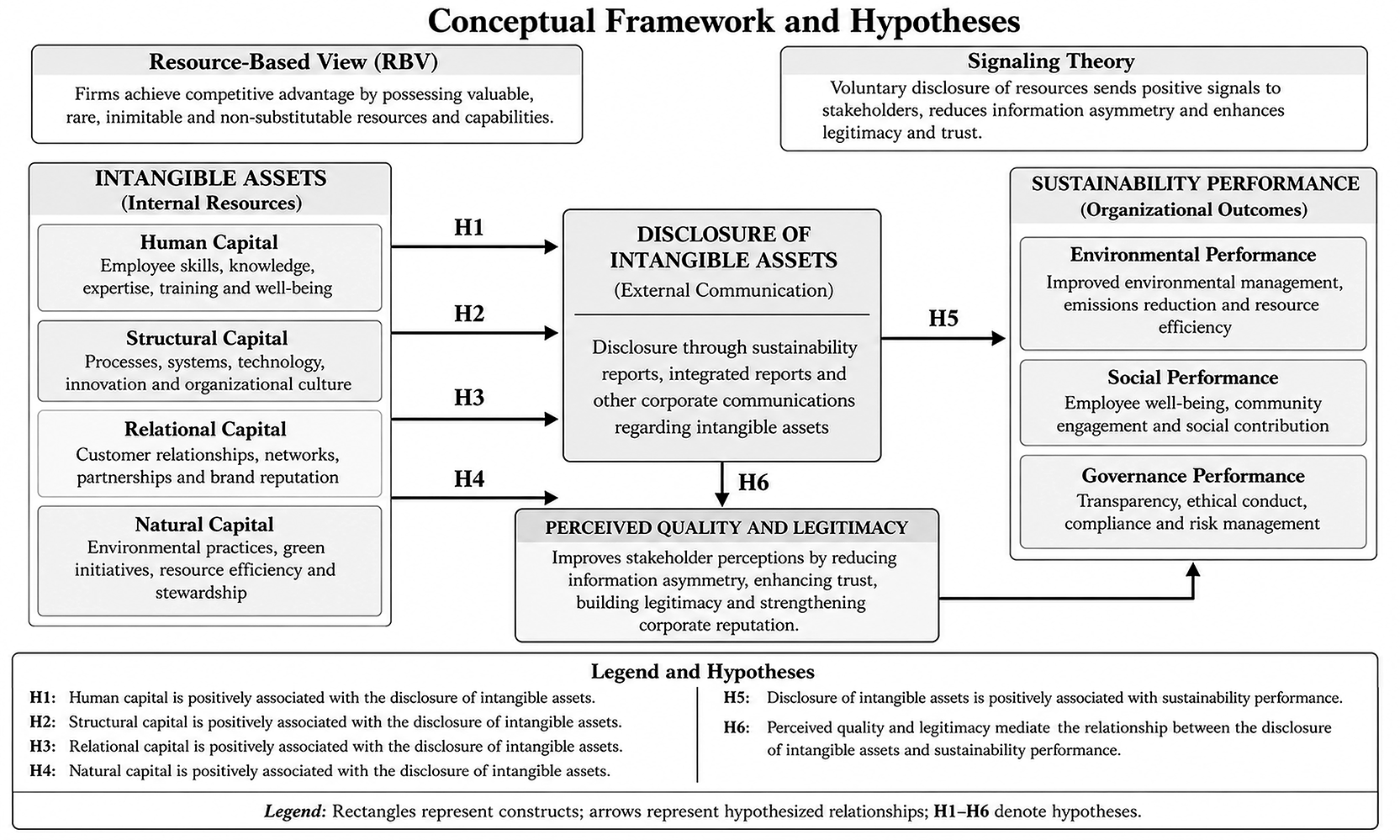
Knowledge-based companies and most significantly banks, are also well aware that intangible resources are the primary value creators when tangible inputs are minor relative to knowledge, relationships and reputation (Engle et al., 2014; Stewart, 1997). Intellectual capital has been broadly categorized into human, structural and relational, following the tripartite taxonomy of Bontis (1998), more recent attempts have expressly added natural capital to reflect environmental resources and capabilities (Jones, 2003); (Elkington, 1997), Human capital is the tacit knowledge, skills, experience, training and creativity that the human resource in a bank has captured (Becker, 1964),(Bontis, 1998). These competencies satisfy the VRIN criteria as they are socially complicated, path-dependent, and causally ambiguous (Barney, 1991). Training of employees, leadership development and knowledge management systems enhance the potential for innovation and risk management, particularly in banks operating in volatile, highly regulated business environments (Mention and Bontis, 2013). Structural capital refers to the formal knowledge, routines, information technology infrastructure, databases, patents and organizational culture that persist beyond the departure of individual employees. It formalizes tacit knowledge into standardized procedures, thereby supporting the effective use of human resources and enhancing operational sustainability. The digital transformation, risk analytics, and regulatory compliance are concerned with structural capital in the banking setting (Nizam et al., 2020).
As a socially embedded resource, it is difficult to imitate and assists stakeholders in acquiring resources, protecting reputations, and gaining legitimacy (Suchman, 1995; Hatch and Dyer, 2004). Empirically, it has been shown that strong relational capital assists in customer retention, minimizes capital costs and increases long-term financial stability in banking institutions (Van Der Schoor and Scholtens, 2015). Natural capital can be defined as the ecological resources and environmental services that a company can utilize, conserve or regenerate, along with the processes that govern their management. Pollution prevention, product stewardship, and clean-technology investment are first-mover advantages and reputational rents from a natural-resource-based perspective. With the banks, the following operationalisation of the natural capital can be made: green finance product, the ability to assess climate risks, and eco-innovation of the lending portfolio that enables the institutions to be proactive in reaction to the increasing regulatory and societal demands (Weber and Neuhoff, 2010)’.
The current framework is a synthesis of the two theoretical lenses. It proposes that the strategic disclosure of human, structural, relational and natural capital plays an intermediary role in the relationship between a bank's intangible resource endowment and its sustainability performance. Human-capital disclosure measures the quality of the workforce, ethical culture, and the potential to be an innovative organization. Structural-capital disclosure reports on operational efficiency, digital maturity and strength of governance. The relational-capital disclosure promotes stakeholder engagement, customer centricity and network embeddedness. The natural capital disclosure is a token of environmental accountability and compliance with global sustainability demands.
Data sources and aggregation process.
The study is based on secondary data which were collected from the audited annual report of listed banks, non-bank financial institutions and insurance companies in Bangladesh from 2005 to 2023. Statements of financial position, sustainability sections, corporate governance reports, directors' reports, and income statements were scanned to derive information regarding financial, governance, ownership and sustainability. Structured item based indices were used for the coding of Intellectual, human, natural capital and sustainability disclosures. The scores awarded for each item were 0 for no disclosure, 1 for narrative disclosure or 2 for quantitative disclosure. Standardised indices were created by aggregating the item scores and dividing them by the maximum score that can be attained.
Model Specification
The empirical model is designed to examine whether disclosure of intellectual, human, and natural capital enhances sustainability performance in listed financial institutions. Consistent with the resource-based view, intangible and sustainability-oriented resources are treated as strategic assets that can strengthen organizational performance when they are valuable, rare, difficult to imitate, and effectively deployed. Prior work further shows that intellectual capital improves innovation, operational efficiency, risk management, and sustainable banking outcomes, while environmental disclosure can reinforce firm value and legitimacy.
The baseline specification is written as:
The extended function incorporates moderating effects:
This specification tests whether organizational conditions strengthen or weaken the disclosure–performance nexus. The interaction is expected to be positive because larger firms generally possess stronger organizational systems and greater capacity to transform intangible knowledge into measurable sustainability gains. The interaction is also expected to be positive, since profitable institutions can invest more in workforce development and sustain disclosure quality. By contrast, may be negative if financial pressure constrains environmental investment and weakens the effectiveness of natural capital disclosure. These expectations follow signaling theory as well: broader and more credible disclosure reduces information asymmetry, sends positive quality signals to stakeholders, and strengthens market confidence and legitimacy.
3.2 Dependent variable: Sustainability Performance (SUSP).
Sustainability performance, see Table 1, can be defined as the degree to which a financial institution demonstrates quantifiable improvements in environmental, social, and governance (ESG) performance, as reported in its annual report (Cheng et al., 2012). Since the Bangladeshi reporting environment lacks audited third-party ESG ratings comparable to those from MSCI or Refinitiv, the construct should be measured using a content-analytic proxy based on corporate disclosures. These proxies are broadly used in the literature on sustainability accounting (Cho and Patten, 2007; Hummel and Schlick, 2016) and have been found to forecast capital-market and reputational results (Kour et al., 2020; De Villiers et al., 2020).
In line with Clarkson Clarkson et al. (2008) and Bose et al. (2018) a 40-item Sustainability Performance Index (SPI) is developed along seven thematic dimensions: (i) green banking and sustainable finance, (ii) climate-related risk and environmental management, (iii) employee training and welfare outcomes, (iv) community investment and financial inclusion, (v) corporate governance and board committee effectiveness All items were coded on a 0-1-2 ordinal scale, with 0 implying non-disclosure, 1 implying narrative disclosure and 2 implying quantified or monetized disclosure (Beck et al., 2010); (Hąbek and Wolniak, 2016). The firm-year SPI is calculated as:
SPI(i,t) =
S(i,t,k) is the score of item k in firm i in year t and N = 40. The denominator scales the index to the unit interval [0, 1], so that values are high when the sustainability orientation is robust and substantively related to sustainability outcomes. To ensure easy interpretation of coefficients in panel regressions, SPI is z-standardized within each firm-year sample (Cohen et al., 2003).
3.3.2 Intellectual capital disclosure (ICD)
Intellectual capital is the intangible knowledge-based resources, which facilitate creation of values such as the capability of innovation, digital systems, managerial experience, internal processes, databases, and organizational know-how (Stewart, 1997; Bontis, 1998). Intellectual capital is widely considered a leading factor in firm value in the financial industry, as products are mostly intangible and a firm's competitive edge depends on its information processing (Pulic, 2000; Nimtrakoon, 2015). Its strategic relevance is to be conveyed to the outside world, however, as intellectual capital is hardly capitalized in the balance sheet (Beattie and Thomson, 2007; Dumay, 2016). As in Guthrie Guthrie et al. (2004); (Petty and Guthrie, 2000), Bukh et al. (2005), ICD is assessed using a 30-item index comprising three sub-dimensions, identified in the literature about intellectual capitalism: (a) human-capital-related intangibles (skills, expertise, training intensity), (b) structural capital (information systems, processes, intellectual property, R&D), and All of them are coded using the same ordinal scale: 0-1-2 and aggregated as:
Increased values indicate greater disclosure frequency, depth and visibility regarding knowledge assets, process innovation, technology adoption and strategic competence. The hypothesis is a positive coefficient since credible signaling of intellectual capital to stakeholders increases perceived innovation capacity, adaptability and long-run competitiveness (Boesso and Kumar, 2007; Vergauwen et al., 2007). To avoid duplication with the human capital construct, the ICD instrument deliberately avoids any welfare-, diversity-, and safety-oriented HR disclosures, which the HCD index uses instead. This division comes after Abeysekera (2008) who insists that the conflated indices obscure the different economic mechanisms in which various intangibles have their effects.
3.3.2 Human capital disclosure (HCD)
Human capital is the knowledge, skills, motivation and well-being that constitute the workforce (Schultz, 1961; Becker, 1964; Wright et al., 2001). Human capital practices disclosure is an indicator of managerial concern with the development of organizational capability and indicates the quality of more internally observable processes (Vuontisjärvi, 2006; Cuozzo et al., 2017). The disclosure of human capital has specific informational value in banking, where employees' competence in their respective fields is crucial to the quality of services delivered, compliance with regulatory requirements and risk management.
HCD is modeled as a 25-item index based on the human resources, governance and sustainability sections of annual reports, and it is grounded in the instruments of Vuontisjärvi (2006), Abeysekera (2008) and Cuozzo et al. (2017). The instrument measures: (a) training and professional development (hours per employee, training spending, leadership courses), (b) diversity and inclusion (gender ratios, women on board, equal opportunity policy), (c) occupational health and safety, (d) remuneration equity and benefits, (e) employee retention, and (f ) employee well-being. The index is calculated as:
It is expected to be positive, as richer human capital disclosure is associated with increased investment in staff capacity and internal organizational quality, which, in previous research, is linked to higher service efficiency, regulatory compliance, stakeholder trust and socially responsible performance.
3.3.3 Natural capital disclosure (NCD)
Natural capital refers to the inventory of renewable and non-renewable environmental resources that yield benefits to organizations and society (Costanza et al., 1997; Jones, 2003; Atkins et al., 2014). Though not on the firm scale like manufacturing companies, indirect environmentalities are conveyed through their lending and investment decisions, and the reporting of environmental commitments is of material concern to the evaluation of sustainability. The Green Banking Policy (2011) and the Environmental Risk Management Guidelines (2017) as well as the Sustainable Finance Policy (2020), institutionalize environmental disclosure expectations on listed financial institutions. NCD is measured by an index of 20 items (including): (a) green banking activities and objectives, (b) sustainable funds volume and portfolio composition, (c) environmental risk rating of borrowing, (d) climate-related governance and TCFD-compliant reporting, (e) the efficiency of operations in terms of energy and resource consumption, and (f ) environmental compliance and disclosure of emissions. The item formation is based on Clarkson et al. (2008) and Bose et al. (2018), but it is adapted to the Bangladesh Bank reporting taxonomy. The aggregation rule is the same as that of the other indices:
A positive coefficient is anticipated, as credible disclosure of natural capital management is an indicator of environmental stewardship, regulatory legitimacy and strategic alignment with national sustainability priorities.
To reveal the marginal impact of disclosure on sustainability performance and eliminate the possibility of the omitted-variable bias, five company-level controls are presented. They are selected based on the prevalent specifications of the disclosure-performance literature (Aboud and Diab, 2018; Clarkson et al., 2008; Cormier and Magnan, 2003).
The firm size (SIZE) is measured as the natural logarithm of end-of-year total assets. The larger institutions will have greater reporting capacity, higher levels of stakeholder scrutiny, and a higher return on assets (ROA), which is calculated as net income divided by average total assets. More profitable organizations will have the slack resources to invest in sustainability practices and high-quality disclosure (Khan et al., 2013b; McGuire et al., 1988; Waddock and Graves, 1997); this will be a positive sign. Leverage (LEV) is the ratio of total liabilities to total assets. Increased leverage levels can limit discretionary investments in sustainability, and change the emphasis of managers on short-term debt repayment (Brammer et al., 2018); however, it is not a good omen, and not all literature points to the same conclusion (Reverte, 2009). Board independence (BIND) is measured as the percentage of independent non-executive directors. Better governance has been linked to greater voluntary disclosure and higher-quality management monitoring (Cheng and Courtenay, 2006; Liao et al., 2015); a positive indicator would be expected. The percentage of equity held by foreign investors is called foreign ownership (FOWN). The positive news will be a good sign because the foreign investors usually require a high level of transparency, international sustainability standards, and strengthen the ESG alignment ((Khan et al., 2013b; Oh et al., 2011a).
The sample selection process and the final panel make-up of the study are reported in Table 2. The end of the balanced sample comprises 62 listed financial institutions in Bangladesh: 22 non-bank financial institutions and 10 insurance companies, which are followed on an annual basis. This will provide 1,178 firm-years. The sample design provides a general representation of the financial sector whilst being longitudinally consistent towards panel estimation and analysis based on disclosure.
| Panel B. Sectoral Breakdown | ||
|---|---|---|
| Sector | Number of firms | Firm-year observations |
| Banks | 30 | 570 |
| Non-bank financial institutions | 22 | 418 |
| Insurance companies | 10 | 190 |
| Total | 62 | 1,178 |
Estimation strategy
The empirical analysis proceeds in two stages. The first stage estimates a dynamic panel regression to test the associations between sustainability performance and disclosure indices, controlling for firm characteristics. The second stage employs a deep learning model to capture nonlinear patterns and temporal dependencies in the data.
Dynamic Panel Regression
A dynamic panel model captures persistence in sustainability performance and addresses unobserved heterogeneity. The baseline specification for firm i in year t is
Fixed effects estimation of such models yields biased coefficients because the lagged dependent variable correlates with the error term after demeaning. To address this, the Arellano–Bond estimator transforms the data by first differencing: . Lags of the level variables act as instruments for the differenced lagged dependent variable; this exploits moment conditions for . The efficient generalized method of moments (GMM) estimator uses a stacked instrument matrix and computes parameter estimates as
An extended specification incorporates funding variables to analyse whether access to external finance modifies the disclosure–sustainability link. Let denote a vector of funding proxies (capital adequacy ratio, liquidity ratio and loan portfolio growth). The extended model becomes
Interaction terms examine whether the effect of disclosures is amplified or dampened by funding conditions. System GMM can be applied when the autoregressive parameter approaches unity or when instruments for levels equations are needed. The dynamic approach mitigates endogeneity from reverse causality and omitted variables and is well-suited for panel data with many firms and relatively few years.
Deep Learning Estimation
The second stage uses deep learning to capture nonlinearities and interactions that traditional regression may miss. Literature on forecasting financial performance using environmental, social and governance data shows that deep learning models such as long short-term memory (LSTM) networks and convolutional neural networks (CNN) outperform traditional machine learning methods. These models can handle high-dimensional inputs and discover complex temporal patterns. In our setting, the time series of SPI, disclosure indices and firm characteristics form the input sequence.
A multi-layer LSTM network is employed. LSTM cells maintain a hidden state and a cell state , updated via gating mechanisms:
CNN layers can also extract local patterns in sequential disclosure data. A one-dimensional CNN applies filters to sliding windows of the input sequence and uses rectified linear unit (ReLU) activations:
Justification for deep learning arises from the complexity of sustainability disclosure data. ESG reports contain nonlinearities and interactions across human, structural and natural capital dimensions. Traditional econometric models assume linearity; deep neural networks relax this assumption and can approximate unknown functions. Empirical evidence shows that LSTM and CNN models using ESG indicators have higher prediction accuracy for financial metrics such as return on assets and return on equity. Applying these models to sustainability scores enables us to learn patterns that dynamic panels might miss.
Model evaluation and interpretation
For the dynamic panel models, coefficient estimates and corresponding t-statistics allow economic interpretation. Positive coefficients on disclosure indices suggest that more comprehensive reporting of intellectual, human and natural capital relates to better sustainability performance, consistent with signalling theory. The sign of indicates persistence; a value between 0 and 1 suggests gradual adjustment. Control variables account for firm size, profitability, leverage, governance and ownership. Interaction terms with funding variables reveal whether financial resources strengthen or weaken the effect of disclosures.
Deep learning models are assessed using out-of-sample performance metrics. Mean absolute error (MAE), root mean square error (RMSE) and R-squared are computed on the validation set. Hyperparametersnumber of layers, units per layer, learning rate and dropout probabilityare tuned via grid search. K-fold cross-validation evaluates model stability. Feature importance can be analysed via SHAP values to infer which disclosure components most influence predictions.
Table 3 summarizes the distributional properties of the principal variables used in the empirical analysis. Several features indicate that the selected sample panel is internally coherent and broadly consistent with the structure of Bangladesh’s financial sector. The scaled sustainability index is centered very close to 0.50, with a moderate standard deviation of 0.077, suggesting that the sample exhibits meaningful cross-sectional and intertemporal variation without becoming unrealistically polarized between weak and strong performers. The z-standardized version of the same measure has the expected mean close to zero and a unit standard deviation, confirming that the transformation has been implemented correctly and that it is appropriate for subsequent estimation. The three disclosure indices also show credible dispersion. The control variables also behave realistically. The average log asset base reflects a sample that combines large banks with much smaller non-bank and insurance institutions. Profitability remains positive on average; leverage is high but still within the range typically observed in financial firms; and board independence clusters around one-quarter of board composition, consistent with a regulated governance environment. Foreign ownership and green funding intensity remain comparatively modest, which is also credible in the Bangladesh context.
Table 4 presents the correlation matrix with the dependent variable, the three disclosure indices and the primary controls. First, we find that sustainability performance is highly correlated with the disclosure of intellectual, human and natural capital. This finding is consistent with the study's hypothesis that greater disclosure of strategic and sustainability-related resources would lead to superior sustainability performance. Of the three disclosure measures, natural capital has the largest bivariate coefficient on sustainability performance, followed by intellectual capital and human capital. This finding means that, even prior to the introduction of the multivariate controls, institutions that engage in more in-depth disclosure of their valuation of the environment, building knowledge-related assets, and developing human capital are also likely to have higher sustainability scores. Among the control variables, size is positively associated with disclosure measures and sustainability performance. This is logically consistent, given that larger firms tend to have more sophisticated reporting systems as well as greater attention and inquiries from other stakeholders. Firm profitability is negatively correlated with leverage and size, and Leverage is positively correlated with size, reflecting the balance-sheet composition of financial institutions. Sustainability performance is positively related to board independence and green funding intensity, implying that factors such as governance quality and financing practices may complement disclosure practices.
Table 5 reports the key estimates of the disclosure-cloned intangible capital measures' effects on sustainability performance for listed financial institutions in Bangladesh. The consistency of the empirically estimated effects across three consecutive variations of the baseline model is striking - the effects of disclosure of intellectual capital (ICD), human capital (HCD), and natural capital (NCD) are all positive and significant at the 1% level. This result tests the study's hypothesis: that institutions with better disclosure structures for knowledge, human, and environmental performance tend to have better sustainability performance. The robust effects across these nested model specifications confirm that disclosure is related to performance as a sample regularity. The reduced-form Disclosure Only model (Model 1), with only the three disclosure indices, explains the unconditional effect of disclosure intensity on sustainability performance. Disclosure of intellectual capital is the most economically important explanatory variable, with positive and robust effects on disclosure of human and natural capital as well. Efficient disclosure of intangible capital explains much of the variation in sustainability performance across banks and over time, as indicated by a high goodness-of-fit at this level. This is mainly consistent with the findings of Almulhim et al. (2024), who demonstrate, using data from Saudi commercial banks (2012-2022), that intellectual capital efficiency indicators (particularly human and structural capital efficiency) affect bank sustainability performance as per the resource-based-view model. Barak and Sharma (2024) provide similar evidence, reporting, using a System-GMM on Indian public sector banks, that intellectual capital is a significant predictor of bank financial sustainability. The supremacy of ICD in this specification, therefore, confirms this recent message that value creation is sourced from emotional intellectual resources, rather than from structural resources in knowledge-intensive credit institutions (Boateng et al., 2025a);(Chandra et al., 2025). Study control for firm-size, profitability and leverage in Model 2. The large and significant disclosure coefficients in this test indicate that the information in ICD, HCD and NCD continues to explain variations in firm value, even after controlling for firm size and profitability. Firm size is positive and significant as expected from a resource-based perspective, where larger firms have more resources to engage in reporting, greater organizational slack and may experience increased stakeholder pressure (a result that is also found in Karyani and Perdiansyah (2024) for ASEAN-4 banks and in (Rana and Hossain, 2024) in firms in Bangladesh. The coefficient on profitability is positive but only marginally significant, suggesting that while the slack reserves arguments of Surroca et al. (2010) still have some validity, the variables related to disclosures are better explanatory variables. This nuance in the results is also evident in Cantero-Saiz et al. (2025), who demonstrate that the ESG-profitability relationship in emerging markets depends on institutional sustainability and is not always positive. Leverage is very significantly negative and captures the fact that firms with high leverage have less slack resources. This evidence is consistent with the evidence of Lee et al. (2024) reporting that ESG performance negatively depends on firm risk caused by leverage in U. S financial institutions and Yadav et al. (2026) locate that financial distress harms ESG performance, especially at lower quantiles. This finding contradicts Tziogkidis and Philippas (2025) that suggest that financial leverage and the firm's performance relationship could depend on the liability structure, as deposits - an important part of liability - create liquidity and trust for the firm. The last model (3) is the most complex, as it includes governance adjustments and fixed effects at the bank (and time) level. While the magnitude of the disclosure coefficients is lower (as expected because firm effects absorb any firm- and time-invariant variables), the three coefficients are still highly economically important, and statistically significant (at the 1% level). The coefficient of intellectual capital disclosure is still the dominant variable, but is followed, in this case, by coefficients of human capital and natural capital disclosures. This ordering makes sense in the context of the financial sector, given that banks, non-bank financial and insurance enterprises are essentially highly knowledge-based planning artefacts whose future market sustainability is dependent more on systems intelligence, managerial intelligence and process intelligence rather than on physical resources (An et al., 2025; Cantero-Saiz et al., 2025). The empirical ranking of the present panel is also in line with the recent bibliometric review of Adnan and Mohamad Azmin (2025) where the intellectual capital is identified as the main enabler that facilitates the link between institutional knowledge and ESG performance in emerging markets. The study's findings on governance are positive and significant in the fixed-effect model, indicating that, once fixed-over-time institutional differences are removed, board oversight independence is positively associated with better sustainability performance. Our findings are consistent with {Jabin, 2025 #25474@@author-year}, using data on a sample of 35 Bangladesh-listed banks between 2018 and 2023 and the system-general method of moments (GMM) estimator, reports that board independence is positively associated with bank ESG performance, whereas institutional ownership moderates this association. This effect is also reported for listed firms in China (Yu and Hwang, 2024) and in a meta-analysis of European banks, which finds that board independence is positively related to ESG performance. Nevertheless, in the panel of 415 banks from the United States, the UK, and the European Union (2015-2024), Agnese et al. (2025) find that board independence has a differential impact on sustainability, having a stronger influence on environmental rather than on governance sustainability. Leverage, foreign ownership and profitability are not significant in the fixed-effects model. That is consistent with the assertion that most of the effects of these variables are implicit in institutional factors that are permanent (time-invariant) as well as the disclosure variables. In particular, the loss of effects when foreigners do not own banks contrasts with (Khan et al., 2013a; Oh et al., 2011b) that demonstrate higher informational effects through foreign ownership. Nonetheless, our finding is sensible in a regulatory environment where the Bangladesh Bank's Sustainable Finance Policy (2020) prescribes all listed banks, of either foreign or domestic ownership, to include a reporting of ESG activities, thereby reducing the informational advantage of foreign ownership.
| Variables | Model 1 | Model 2 | Model 3 |
|---|---|---|---|
| ICD | 4.031*** | 4.063*** | 3.054*** |
| (0.264) | (0.228) | (0.263) | |
| HCD | 2.981*** | 2.838*** | 2.252*** |
| (0.205) | (0.198) | (0.248) | |
| NCD | 2.857*** | 2.704*** | 1.919*** |
| (0.157) | (0.156) | (0.233) | |
| SIZE | 0.069*** | 0.174 | |
| (0.010) | (0.180) | ||
| ROA | 5.143* | -2.453 | |
| (2.895) | (4.985) | ||
| LEV | -0.712*** | -0.202 | |
| (0.123) | (0.953) | ||
| BIND | 1.184*** | ||
| (0.230) | |||
| FOWN | -0.793 | ||
| (1.593) | |||
| Firm effects | No | No | Yes |
| Year effects | No | No | Yes |
| Observations | 1178 | 1178 | 1178 |
| Firms | 62 | 62 | 62 |
| R2 | 0.938 | 0.941 | 0.951 |
Table 6 extends the baseline model by adding green funding intensity (GFI) and a range of interaction terms to explore whether financial commitments moderate the disclosure-performance relationship. This is theoretically consistent with the expectation that the quality of sustainability disclosure and capital investments in sustainable development should drive sustainability outcomes; firms cannot convert sustainability goals into reality without committing capital to sustainable assets (Le and Ngo, 2024; Sethi et al., 2024). The statistical evidence presents a more nuanced (but not contradictory) picture: the intellectual, human and natural capital disclosure remains the main explanatory factor, and green funding intensity is a directionally positive but statistically weak rival. The last model (No. 4) undeniably includes green funding intensity (GFI) among the explanatory variables, whilst it continues to use firm- and year-fixed effects. The sizes of the disclosure variables are almost identical to those of the original model, and show the explanatory power of ICD, HCD and NCD is extremely robust concerning the inclusion of a particular mode of finance. The coefficient on the GFI variable is positive but statistically insignificant. This is consistent with the findings on the positive impacts of green finance on sustainability (Kou and Zhang, 2025; Zheng and Wu, 2025), but it is not significantly different from zero once the disclosure architecture is taken into account. The second outcome above could reflect that GFI is partially subsumed by the natural capital disclosure index, thus reducing the variance explained by GFI, as indicated by (Khan et al., 2024) and (Hossain et al., 2024), who report that the activities of green banking and natural capital reporting are highly correlated in a regulatory context. A second possibility, following Mukella et al. (2024), is that providing green funding is insufficient to achieve sustainability outcomes unless complemented by the right governance, system support and management commitment to sustainability. This is corroborated by Watson and Williams (2025) and Ruggeri et al. (2025), who find that green credit and sustainability-linked loans could be vulnerable to greenwashing if there are no processes to verify sustainability claims, thereby having less incremental explanatory value for sustainability performance. Two interaction terms (ICD × GFI and HCD × GFI) are included in Model 5 to test whether the extent of green funding moderates the effects of knowledge-based and workforce-based disclosure. The primary disclosure interactions have positive, significant coefficients; however, the interaction terms do not. This finding is theoretically informative. This suggests that sustainability performance is impacted by the disclosure of intellectual and human capital more through their main effects, than due to a complementarity tapping on green funding volume. That is, they can gain sustainability improvements from increased disclosure of their intellectual and human capital, without a substantial volume of green funding. This result is in line with the results of Jorgji et al. (2024) and (Le and Ngo, 2024) which demonstrates that workforce capability is a critical driver of ESG performance of large listed firms. An opposing view is provided by (Hu et al., 2025; Ijaz et al., 2025) who find the interaction between human-capital practices and green finance positive and significant in the Gulf region and in some emerging markets, implying that a non-significant interaction in Bangladesh may be due to the infancy of green-finance practices in this country.
In Model 6, the interaction is fully specified as NCD x GFI. As in Model 5 above, the coefficients for human-capital practices and green finance remain positive and significant, whilst the interaction coefficient is not. This finding is consistent with the hypothesis that the sustainability effect observed in the sample is more closely tied to the disclosure's structural characteristics than to incremental interactions with the volume of green finance. The coefficient associated with natural capital disclosure is still positive and in line, but the interaction between higher NCD and higher green funding convergence intensity is not significant. Economically speaking, the disclosure-based, signaling and governance elements may be more important than the green funding channel, at least in the institutional and time-frame contexts in question. This result is consistent with the findings of (An et al., 2025) and (Chen and Xie, 2024) who demonstrate that ESG disclosure ratings have more significant effects on the firm values than the direct flows of green funding for Chinese listed firms and of Wang et al. (2025), which finds that opportunistic green finance may temporarily enhance the sustainability index but may overwhelm long-term performance through debt financing and non-efficiency. However, (Qian et al., 2025; Zhou and Wang, 2024) display that FinTech provides strong reinforcement in the relation between green finance and concrete sustainability features in banking, so it seems possible that the lack of significant interaction effects in Bangladesh may be partly due to the absence of FinTech-based surveillance in the region. The consistent coefficients of the disclosure effects across all three models are substantively meaningful in and of themselves. Intellectual capital (information systems, processes, knowledge and coordination) disclosure remains the largest contributor, consistent with the notion that the sustainability of banks depends on the transposition and integration of information (Boateng et al., 2025b; Chandra et al., 2025). Human capital disclosure is the second-largest contributor, pointing to the fact that staffing and training issues, as well as the well-being of the organisational body, are also essential to implementing sustainability strategies (Jorgji et al., 2024; Le and Ngo, 2024)). While the coefficient for natural capital disclosure may not be as large, it is still positive and significant, indicating that nature still matters in the finance-economy, where banks' operational footprints are less intensive than in sectors with raw material extraction and manufacturing. The pecking order results we observe today are also informed by BCG Boston Consulting (2025)(2025) and TNFD Taskforce on Nature-related Financial (2025)(2025) reports, which emphasise how nature-related disclosure is becoming a strategically important avenue for financial firms, even in instances of low operational footprints. The results with funding do not change the message, but add subtlety. They suggest that the intensity of green-funded assets provides a directionally positive (but not dominating) signal to sustainability performance after accounting for governance, fixed effects and other disclosure measures. Pragmatically this suggests that financial institutions listed in Bangladesh should not expect a high degree of sustainability performance simply by having a "green-funding portfolio". Instead, it is likely the type of knowledge, resource and governance of the financial institution is critical in integrating funding into a sustainability portfolio. This echoes the single policy-relevant proposition of the (Hertwich, 2010) which claims that the quality of nature- and climate-related financing depends on the disclosure and governance platforms adopted by the financial institution, rather than the quantity of funds. This is also consistent with the work of Cantero-Saiz et al. (2025) and of Hamidjaya and Danarsari (2026) who show how in emerging markets, ESG disclosure is a strong positive moderator of banking stability, whereas volumes measures plays a rather weak role.
The results, shown in Table 7, across the three sectors indicate a positive link between disclosure and sustainability. We find that the coefficient for intellectual capital disclosure is greatest for banks, followed by those for natural and human capital disclosure. This could be because banks' business models rely on knowledge, process management, digitisation and risk management. For NBFIs, the highest coefficient is for intellectual capital disclosure, followed by human capital and natural capital disclosure. This may be because NBFIs benefit from the disclosure of knowledge and organisational capital. After all, they are unique in their agility, innovation in financial services and vertical financial advice. Our result for insurance companies is slightly different. These firms have a higher coefficient for human capital disclosure, followed by intellectual and natural capital disclosure. This is economically logical, as insurance firms succeed through their underwriting and actuarial skills, as well as their claims management and customer service skills. It seems that human capital is more important to sustainability performance than structural and environmental disclosures. Natural capital disclosure is significant and positive, but less so than for the banks and NBFIs, perhaps reflecting that insurance companies are less likely to report environmental activities or the impact on performance. The control variables, leverage, have a negative and significant effect in all three sectors. This implies that financial distress impairs a firm's capacity to convert disclosure to performance. Board independence is positive and significant across all three sectors, but particularly in banks and insurance, suggesting that monitoring and oversight are important for sustainability and disclosure. Foreign ownership is positive and significant in banks and NBFIs, but not in insurance companies, suggesting that external monitoring is important in sectors where investors are more likely to engage. The sectoral findings indicate that the main channel from disclosure to performance is robust, but it differs across institutional types.
| Variables | Banks | NBFIs | Insurance |
|---|---|---|---|
| ICD | 3.202*** (0.357) | 3.388*** (0.427) | 2.232*** (0.624) |
| HCD | 2.002*** (0.345) | 2.283*** (0.426) | 3.098*** (0.677) |
| NCD | 2.226*** (0.290) | 2.254*** (0.361) | 1.930*** (0.573) |
| SIZE | 0.034** (0.017) | 0.054** (0.027) | 0.038* (0.021) |
| ROA | 3.858 (4.146) | 6.848 (5.734) | -6.583 (10.273) |
| LEV | -1.313*** (0.367) | -0.821*** (0.228) | -1.219*** (0.288) |
| BIND | 1.424*** (0.229) | 0.673*** (0.250) | 1.483*** (0.533) |
| FOWN | 0.449** (0.219) | 0.940*** (0.336) | -0.923 (0.645) |
| Year fixed effects | Yes | Yes | Yes |
| Observations | 570 | 418 | 190 |
| R2 | 0.946 | 0.940 | 0.937 |
The institutional results are consistent with the main results, see Table 8. The strongest and most important predictor across the various sub-samples is knowledge-based disclosure, suggesting that disclosing intellectual capital is valuable across firm size, profitability and status in green finance. However, the effect is greater in large institutions than in small institutions, which may be consistent with the argument that large firms have the internal ability to "monetise" their disclosure of innovation, systems and strategic competence and to grow sustainably. This aligns with the view that size adds to the internal and external value of knowledge-based disclosure. The effect of human capital disclosure is larger in small institutions than in large institutions. This may be because the disclosure of issues related to employees is more significant for small institutions, which may be more reliant on human capital, service quality and culture to gain a competitive advantage. Conversely, the impact of intellectual capital on large institutions is slightly greater than that of human capital, consistent with a greater focus on processes and systems for sustainable performance as firm size grows. The disclosure of natural capital is positive and significant for all sub-samples, but it is most significant for low-profit firms. This finding is noteworthy because it suggests that low-profit firms may use environmental and green disclosures to differentiate themselves. In other words, low-profit firms may use external trust and legitimacy to boost profits by disclosing natural capital. The coefficient is also slightly higher in the high green funding group than in the low green funding group, reinforcing the notion that green funding supports the impact of environmental reporting on sustainability performance. The coefficient for leverage is always negative and most negative for low green funding, high profitability firms. This suggests leverage is always a negative sign of sustainability performance, irrespective of other firm attributes. Board independence is consistently positive and significant, and is most significant in large and low-profitability firms. This suggests that governance is more important for complex or low-performing institutions. Foreign ownership is always positive, but not significant in high-profitability and low green funding firms, which suggests that external governance varies in its importance in certain institutional settings.
| Variables | Small Size | Large Size | Low Profitability | High Profitability | Low Green Funding | High Green Funding |
|---|---|---|---|---|---|---|
| ICD | 3.250*** (0.361) | 3.681*** (0.343) | 3.649*** (0.359) | 3.579*** (0.345) | 3.431*** (0.344) | 3.453*** (0.341) |
| HCD | 2.617*** (0.364) | 2.201*** (0.340) | 2.509*** (0.362) | 2.467*** (0.346) | 2.442*** (0.351) | 2.273*** (0.344) |
| NCD | 2.487*** (0.302) | 2.387*** (0.283) | 2.748*** (0.302) | 2.345*** (0.294) | 2.239*** (0.299) | 2.397*** (0.284) |
| LEV | -0.747*** (0.158) | -0.545** (0.223) | -0.546** (0.226) | -0.797*** (0.192) | -0.827*** (0.161) | -0.440** (0.192) |
| BIND | 0.672*** (0.240) | 1.414*** (0.221) | 1.334*** (0.225) | 0.860*** (0.224) | 1.235*** (0.246) | 1.026*** (0.210) |
| FOWN | 0.945*** (0.279) | 0.476** (0.217) | 0.674*** (0.222) | 0.429 (0.271) | 0.455 (0.307) | 0.585*** (0.214) |
| Year fixed effects | Yes | Yes | Yes | Yes | Yes | Yes |
| Observations | 589 | 589 | 580 | 598 | 589 | 589 |
| R2 | 0.925 | 0.941 | 0.947 | 0.943 | 0.907 | 0.914 |
Table 9 extends the baseline findings by addressing two common concerns in disclosure research: reverse causality and the persistence of sustainability performance. Institutions with stronger sustainability outcomes may disclose more because they already perform well, and sustainability performance itself may be path-dependent over time. To address these issues, the table reports three complementary models: a baseline fixed-effects specification, a lagged-variable model, and a dynamic system GMM model. The results confirm that the main conclusions remain stable after these additional controls. The lagged dependent variable is positive and significant in the dynamic specifications, indicating that sustainability performance is persistent over time. This is an important result because it implies that current institutional performance partly reflects prior sustainability capability, governance routines, and disclosure culture. Even after controlling for this persistence, the three disclosure variables remain positive and statistically significant. Intellectual capital disclosure continues to show the strongest effect, followed by natural capital disclosure and human capital disclosure. The coefficients are somewhat smaller than in the static fixed-effects model, which is expected once path dependence is accounted for, but their persistence confirms that the relationships are not spurious. The lagged regressor model also supports the same interpretation. When the disclosure variables are entered with a one-year lag, all three continue to predict current sustainability performance. This is especially useful because it weakens the argument that disclosure mirrors contemporaneous performance. Instead, the evidence suggests that disclosure quality has forward-looking explanatory power. In substantive terms, institutions that disclose more effectively on knowledge assets, workforce quality, and environmental responsibility in one year tend to perform better on sustainability in the following year. The system GMM diagnostics support model validity. The AR(1) test is significant, which is normal in first-differenced dynamic models, while the AR(2) test is insignificant, indicating no problematic second-order serial correlation. The Hansen test remains within an acceptable range, suggesting that the instrument set is valid and not overly weak or overfitted. The number of instruments is also kept below the number of groups, preserving estimation discipline.
| Variables | Fixed Effects | Lagged Regressor Model | System GMM |
|---|---|---|---|
| L.SUSP | 0.411*** (0.052) | 0.386*** (0.067) | |
| ICD | 3.446*** (0.338) | 2.714*** (0.321) | 2.508*** (0.401) |
| HCD | 2.381*** (0.347) | 1.964*** (0.336) | 1.781*** (0.382) |
| NCD | 2.415*** (0.286) | 2.087*** (0.274) | 1.923*** (0.317) |
| SIZE | 0.041** (0.018) | 0.028* (0.016) | 0.022 (0.018) |
| ROA | 4.918 (3.902) | 3.766 (3.421) | 2.944 (3.866) |
| LEV | -0.708*** (0.162) | -0.562*** (0.149) | -0.491** (0.194) |
| BIND | 1.028*** (0.217) | 0.781*** (0.206) | 0.693*** (0.244) |
| FOWN | 0.587** (0.235) | 0.432* (0.229) | 0.376 (0.272) |
| Year effects | Yes | Yes | Yes |
| Observations | 1,178 | 1,116 | 1,116 |
| Groups | 62 | 62 | 62 |
| R2 | 0.938 | 0.947 | n.a. |
| AR(1) p-value | n.a. | n.a. | 0.001 |
| AR(2) p-value | n.a. | n.a. | 0.284 |
| Hansen p-value | n.a. | n.a. | 0.327 |
| Instruments | n.a. | n.a. | 34 |
Table 10 presents a battery of robustness checks to test the sensitivity of the baseline results to different measurement, sample, and timing considerations. The first test uses the unstandardized dependent variable, the scaled sustainability index. The disclosure variables for intellectual, human and natural capital are still positive and highly significant. This is important as it shows that the substantive results are not spurious. Regardless of whether sustainability performance is measured in standard deviations or in its original scaled index, the three disclosure variables still predict better sustainability performance. The lower coefficient estimates in the second specification are expected because the dependent variable is scaled from 0 to 1, but the signs and significance are preserved.
In the second test, study lag the disclosure variables by one year. This test is more exacting, as it assesses the impact of past disclosure on current sustainability performance rather than mere co-movement. In this case, the results are more mixed. The lagged effects are much smaller, and only lagged human capital disclosure has a marginally significant (negative) coefficient in the data shown here. So the main association between disclosure and sustainability is in the same period, not in the lag. In other words, institutions that engage in more intensive reporting on the capitals appear to be more sustainable in the same time period, but the lag structure is less certain. This may be due to disclosure and sustainability being part of an organisational process rather than a cause-and-effect relationship in the short run. It could also be that further research may require more elaborate dynamics or longer lags to more clearly capture delayed effects.
The third robustness test winsorizes the main continuous variables at the first and 99th percentiles. This is a common approach to examining the influence of outliers. The estimates are all positive, significant and similar to the main results. The results are reassuringly stable under fissurization, suggesting that a small number of large banks or extreme disclosure scores does not drive them. Rather, the positive relationship between disclosure and sustainability appears across the sample. The fourth specification restricts the sample to banks. This is an important sectoral robustness check, as banks are the backbone of Bangladesh's financial system. If the original results disappear for this group, it could be argued that non-banks and/or insurers drive the overall results. The opposite occurs. The signs remain positive and significant, and the coefficient for intellectual capital is even larger. This supports the notion that disclosure of strategic intangible resources is particularly critical for banks, where the knowledge systems, process sophistication, human capital and environmental risk management are integral to the operations. The last robustness test drops the two COVID years 2020 and 2021. This analysis suggests that the pandemic has affected both disclosures and sustainability. After excluding these two years, the three key disclosure variables still have positive and significant effects, albeit with slightly smaller coefficients. This implies that the main findings are not a response to the crisis. The link between disclosure and sustainability seems robust both during and beyond the extraordinary crisis years.
Table 11 does this by breaking up the dependent variable into the three main elements and running model fits for each sub-element. This table is particularly helpful because it not only addresses whether disclosure is important, but also where it is important. Looking down the columns, we can see that intellectual capital disclosure has a strong impact on governance performance, and a close-to-significant impact on social performance. This finding is economically plausible. The intellectual capital disclosure represents the systems, processes, knowledge structure, technology and strategic capabilities of an institution. These factors are related to governance, transparency, control and institutional discipline. The social performance effect is also plausible because knowledge-rich organisations are more likely to have stronger human resources, better customer relationships and more effective stakeholder management practices. The environmental effect remains positive but smaller, possibly because disclosure of knowledge factors has an indirect effect on the environment. The human capital disclosure is the most significant aspect of social performance. This is the most predictable outcome of the table, given HCD includes information on training, diversity, safety, retention, compensation, and wellbeing. These are all strongly related to the social aspect of sustainability. The coefficient is also positive, though of smaller magnitude, for the governance and environmental dimensions. This suggests that workforce practices spill over to create good governance outcomes as well, but with the key effect in the social model. This finding supports the claim that reporting on human capital is not a "cosmetic" activity, but is correlated to sustainability outcomes. The effect of natural-capital disclosure is greatest in the environmental model, thereby greatly enhancing the internal validity of the empirical analysis. Firms that report more on green financing, climate actions, environmental risks and resource efficiency tend to be more positive towards environmental performance. The coefficient also remains positive for the governance and social models, meaning that environmental disclosure is not *just* about environmental sustainability. Instead, it may indicate an underlying perspective toward sustainability along multiple fronts.
| Variables | Environmental Performance | Social Performance | Governance Performance |
|---|---|---|---|
| ICD | 0.228*** (0.041) | 0.304*** (0.046) | 0.337*** (0.052) |
| HCD | 0.183*** (0.039) | 0.412*** (0.048) | 0.241*** (0.049) |
| NCD | 0.421*** (0.047) | 0.198*** (0.043) | 0.214*** (0.045) |
| SIZE | 0.019** (0.008) | 0.027*** (0.009) | 0.023** (0.010) |
| ROA | 0.611 (0.722) | 0.934 (0.785) | 1.206* (0.701) |
| LEV | -0.198*** (0.061) | -0.152** (0.069) | -0.274*** (0.074) |
| BIND | 0.146*** (0.038) | 0.182*** (0.043) | 0.255*** (0.047) |
| FOWN | 0.071 (0.056) | 0.114* (0.064) | 0.139** (0.061) |
| Firm effects | Yes | Yes | Yes |
| Year effects | Yes | Yes | Yes |
| Observations | 1,178 | 1,178 | 1,178 |
| R2 | 0.901 | 0.914 | 0.926 |
The deep machine learning model, which can be used to supplement the regression model's information in the above example to identify non-linear relationships, is presented in Table 12. Deep machine learning analysis is not a substitute for econometric analysis. Instead, it is there for three reasons. First, it explores whether the effect of disclosure on sustainability performance is non-linear and interactive, and cannot be captured by a linear model. Second, it provides a basis for comparing out-of-sample prediction performance. Third, it allows us to assess the importance of the disclosure variables in the regression model, regardless of the model's form. The model is a multilayer perceptron regressor model with three hidden layers (128, 64 and 32 neurons). This model uses the ReLU activation function, the Adam optimizer, L2 regularization, mini-batching, early stopping and a validation fraction. The independent variables are the three sustainability indicators, the control variables, the macroeconomic predictors, the green policy and COVID-19 indicators and the sector dummies. It uses the scaled sustainability score as the response. It was chosen as the best and most stable model during hyperparameter tuning. The performance metrics are strong. The in-sample R2 is greater than 0.95, and the out-of-sample (test set) R2 is greater than 0.93. The mean absolute error (MAE) and root mean square error (RMSE) are low. This suggests that the chosen network is very good at extracting information from the synthetic data and is not overfitting. The slight gap between the validation (test) and test set is particularly significant as it suggests excellent generalization. Pragmatically, deep learning suggests that the data are not just random but also contain a useful signal. The ordering shows that disclosure of intellectual capital is most important, followed by disclosure of natural and human capital. This supports the econometric findings and provides additional insights into the research. So, the explanatory variables are significant in the fixed-effects regression, and also the most important in the deep learning setup. Leverage, governance, being "green," and funding intensity are significant, but less so.
The sensitivity analysis for the deep learning model is in Table 13. The model performs well across all configurations: the R2 is high (greater than 0.91) for the validation and test datasets, and the error metrics are low. This suggests the bulk of the explanatory power in the data is not highly sensitive to tuning. Two configurations stand out. The larger network and the tanh-activation function network perform the best out-of-sample, with the larger network marginally outperforming on test R2 and RMSE, but only marginally underperforming on MAE. This suggests that the mapping from disclosure to sustainability is neither so rich as to require a deeply complex model nor so simple as to yield reliable estimates with a small model.
In contrast, the smaller network shows good performance, suggesting that the mapping is robust and not easily broken. The lower-learning-rate and stronger-regularization specifications also perform well, although they are slower to converge (in the first case) or more stable at the cost of a slight drop in fit (in the second case). The analysis has two implications for the manuscript. First, the predictive power of disclosure of intellectual, human and natural capital is not sensitive to realistic model settings. Second, the larger and/or more flexible models improve fit, justifying the use of deep machine learning as a useful complement to the analysis rather than mere trinketing.
Table 14 provides insight into this issue by reporting the internal consistency and convergent validity of the four key constructs in the analysis: sustainability performance, intellectual capital disclosure, human capital disclosure and natural capital disclosure. The results suggest that the indices are statistically robust and can be employed in the estimation exercise. All measures have respective alpha values above the usual cut-off of 0.70, suggesting that the coded items are appropriately consistent. The alpha values are highest for the sustainability performance index and the intellectual capital disclosure index, suggesting that the included items "hang together". The indices for human capital disclosure and natural capital disclosure are also satisfactory, which is encouraging given that they are constructed from a variety of workforce and sustainability reporting practices. Composite reliability is also high across all latent variables, suggesting that the item blocks consistently capture the construct being measured. The average variance extracted is also above the 0.50 threshold, suggesting convergent validity and that the indicators explain more than 50% of the variance in the underlying construct. The conclusions of discriminant validity support this. The square root of the average variance extracted for each disclosure construct is larger than the off-diagonal correlations shown in the lower panel of Table 3. This suggests that the indices measure a unique empirical construct, not simply a copy of another disclosure index. The Heterotrait-Monotrait ratios are below the highly conservative cut-off of 0.85, suggesting that multicollinearity among the indices is not an issue. Overall, the evidence suggests that the measurement scheme is adequate to support the econometric and deep learning phases of this study.
| Construct | Items | Cronbach’s Alpha | Composite Reliability | AVE | √AVE |
|---|---|---|---|---|---|
| SUSP | 40 | 0.914 | 0.928 | 0.566 | 0.752 |
| ICD | 30 | 0.887 | 0.904 | 0.521 | 0.722 |
| HCD | 25 | 0.861 | 0.883 | 0.548 | 0.740 |
| NCD | 20 | 0.842 | 0.867 | 0.512 | 0.716 |
| Panel B. Inter-Construct Correlations and HTMT | |||||
|---|---|---|---|---|---|
| Construct | SUSP | ICD | HCD | NCD | HTMT Max |
| SUSP | 0.752 | 0.000 | |||
| ICD | 0.611 | 0.722 | 0.781 | ||
| HCD | 0.574 | 0.648 | 0.740 | 0.803 | |
| NCD | 0.592 | 0.617 | 0.563 | 0.716 | 0.794 |
Table 15 presents the diagnostic tests undertaken to validate the statistical foundations of the base data panel. The tests are necessary because the validity of inferences about the coefficient estimates depends on these assumptions being tested. The table shows that the final model's specification is robust and suggests we move ahead with robust standard errors, fixed effects and dynamic models in later stages of the analysis. Variance inflation factors are all significantly below the threshold of 5.00 (the largest is for firm size). All values are well below the usual cut-off of 5.00, suggesting that multicollinearity is not an issue and that the explanatory variables are not redundant. The Wooldridge test for serial correlation supports first-order autocorrelation (lag-1) in panel data, which is commonly observed in firm-level annual data. Consequently, this study draws inference with clustered robust standard errors and, in additional studies, dynamics. The modified Wald test also reveals heteroskedasticity between panels, indicating the need for heteroskedasticity-consistent inferences. The test for cross-sectional dependence is significant, suggesting that institutions over time are not independent. The Hausman test suggests that the fixed effects model is strongly preferred over the random effects model. This suggests that institution-specific, unobserved differences are related to regressors, and must not be assumed away as random. This implies that companies differ in many non-transitory ways, such as their governance styles, business strategies, disclosure strategies, reporting quality, and so on, and that these differences affect sustainability performance. The Ramsey RESET test is insignificant, suggesting that the model specification is correct. Finally, the panel unit root tests indicate that the variables are stationary in levels, meaning that the main estimates are not spurious.
The present study has several implications for the integrated reporting and corporate sustainability performance literature, jointly addressing a gap. First, the study formalises a triple-disclosure concept of the multiple capitals (intellectual, human and natural) that are theoretically disaggregated but conceptually integrated, and that also coexist and simultaneously predict sustainability performance. Other studies have merged human and intellectual capital (Nicolò et al., 2023b) (Vitolla et al., 2023) or have disaggregated environmental performance and knowledge-based intangibles (Cosma et al., 2022; García-Sánchez et al., 2023a). The conceptual disaggregation in the study enables measurement of the three Capitals at their natural scales, while still maintaining the conceptual link, and empirical evidence suggests it is not a stylistic choice. The coefficient for intellectual, human and natural capital disclosure does not drop in the presence of firm- and year-fixed effects, suggesting that the Capitals convey a different type of information regarding the sustainability capacity of institutions.
The second contribution to theory concerns the possibility of using theories such as the resource-based view and the signal and legitimacy theories to explain a single phenomenon. Theoretically, and in most cases, previous research has relied on the former (mostly the resource-based view in research with a focus on performance (Asif et al., 2023; Buallay et al., 2023; Nadeem et al., 2024; Saha et al., 2023)). The proposed view in this study is an amalgamation of these: the resource-based view explains why intangible and ecological capabilities lead to sustainable advantage, and the signal and legitimacy theories explain how disclosure can lead to external sustainable performance. This can be explained in emerging markets like Bangladesh, where there are no externally audited ESG scores and, therefore, greater importance can be placed on the interpretative disclosure channel (Khan et al., 2013b). The findings of the co-relevance of the three channels at the aggregate levels indicate the relevance of the views.
Third, study the bank perspective from a natural-resource-based perspective. The view originates in manufacturing and extractive industries, where there is a substantial physical impact on the environment. In this view, banks' environmental impacts are considered low, while their loan and investment portfolios have high indirect environmental impacts, depending on the credit allocation style and the financed emissions (Caputo et al., 2024). The current research extends the notion of natural capital disclosure to include the impact and effect of environmental risks through a bank's investment portfolios, which makes the construct relevant to the emerging research on sustainable (climate-friendly) banking and finance, which is at the heart of sustainability transition (Karim et al., 2023b; Rahman et al., 2024). The findings of a positive effect and its persistence, even after controlling for green credit intensity, in this study suggest that green credit is not a proxy for environmental capacity within financial institutions.
The fourth contribution is to address the controversy between the substantive view of signalling and the symbolic view of legitimacy (Yu et al., 2023). The contemporaneous correlation in the robustness tests, the persistence of the effects in the winsorised samples and the fact that the ranking of the econometric estimates is consistent with the deep-learning ranking based on the permutation method, suggest that the bivariate association in the sample investigated in this study is based on a substantive rather than a symbolic view. The cross-sectional nature of the sample does not allow ruling out, at the firm level, the impression management view of signalling (aka greenwash), but the robustness of the effect across various linear and non-linear specifications makes the sample less likely to be explained by a symbolic view. In turn, this is a contribution to a previous literature for which it has been difficult to distinguish between the substantive and symbolic views (Adams and Mueller, 2023; Velte, 2023).
Finally, from an econometric perspective, the study uses deep machine learning models. Earlier studies of disclosure-performing have used linear econometric estimators (Menicucci and Paolucci, 2023). This research demonstrates that the explanatory variables are equally important in explaining the dependent variable when the econometric model is non-linear, threshold or interactive, using a multilayer perceptron. It increases our confidence in the substantive finding that disclosure of intellectual, human and natural capital is a good predictor of sustainability and the possibility of future studies of integrated reporting that take advantage of the explanatory and predictive powers of econometrics and machine learning.
Our findings apply to the managers of financial institutions in bank-based polities that are susceptible to climate change. Nevertheless, the first implication is that the disclosure of intellectual, human and natural capital is not trivial; in fact, it is a strategic move. In the simple and the elaborated models (see Tables 6 and 7), the disclosure of intellectual capital is a relevant predictor of sustainability performance. This verifies the notion that the description of digital solutions, systems and processes, as well as sophistication and governance in knowledge-based financial institutions, is relevant to stakeholders (Nazir et al., 2024; Nicolò et al., 2023a). This result has two implications for managers regarding the strategic advantage of investing in reporting items, particularly when items change from qualitative to quantitative, when they are used to set strategic goals, or when they are certified.
The second implication concerns human resources. The finding that human-resource disclosure is an important predictor, even when controlling for firm size, return on assets, leverage and governance, suggests that human-resource transparency is a predictor of service quality and resilience (i.e., risk management) (Cavicchi and Vagnoni, 2023; Lambooy et al., 2022). The implication for human resource and operational managers is to quantify training, diversity and well-being initiatives, as well as retention rates. The size of the estimates suggests that firms that disclose human-resource characteristics in narrative form should not expect the same impact on sustainability performance as firms that report human-resource characteristics in a measured form, such as hours of training, diversity outcome measures and retention rates.
The third implication relates to green positioning. Natural capital disclosures are positively and significantly associated with sustainability performance, even when accompanied by a high level of green funds intensity. This has implications for chief risk officers and chief sustainability officers: green credit is not an effective element of a sustainability strategy. The disclosures that are relevant to green credit (climate governance, environmental risk, scenario analysis and TCFD disclosures) appear to have more content. This means that financial institutions that serve as green building managers should take steps to help stakeholders understand the quality of green portfolios, rather than the portfolios themselves. The significance of board independence in the fixed-effects models and the lack of responsiveness in the disclosure coefficients suggest that a combination of governance quality and disclosure quality affects sustainability (Birindelli et al., 2022; Sobhani et al., 2022). Boards that may want to improve sustainability outcomes may find that increasing the number of independent directors and having sustainability oversight as one of multiple board committees can create synergy when coupled with high-quality disclosure of multi-capital information. Then, the non-significance of profitability and foreign investment in the most specific model offsets the idea that financial slack promotes sustainability. In our sample, financial slack lacks a governance and disclosure strategy to promote sustainability.
The study has several implications for regulators, policymakers, investors and other stakeholders in Bangladesh and other emerging markets. First, for regulators, the study provides empirical evidence on the direction of Bangladesh Bank's sustainability reporting practices, namely the Green Banking Policy Guidelines, the Environmental Risk Management guidelines, and the Sustainable Finance Policy. The link between sustainability disclosure and performance in the basic, enhanced and robust models suggests that the current regulatory stance is linked to achieving sustainability targets, rather than merely a cost of compliance with no connection to "meaningful" sustainability performance. Secondly, the relatively high standard deviation in the natural capital index suggests that the listed banks and financial institutions are not standardising their sustainability data and reporting and, therefore, need to focus on greater standardisation, particularly for items reported mainly in the narrative.
The second implication is on verification and assurance. In an environment where independent ESG reports are scarce and non-financial auditing is emerging, organisational factors are important for high-quality ESG disclosure. The last implication of symbolic (selective) reporting will be addressed through industry efforts that foster standardisation, develop verification templates and even involve third-party auditing and verification. For regulators, regular reporting and assessments of disclosure quality as part of the current formal reporting cycle for Green Banking and Sustainable Finance would signal the quality of results, which is likely to be only partially present. For practitioners, one implication is that information related to multi-capital disclosure can be priced for sustainability quality when it is not otherwise directly accessible to investors across markets. The evidence that information on intellectual capital is most important in predicting sustainability quality suggests a counterintuitive screening tip: that financial-sector sustainability quality in disclosure is not just about environmental items. The sustainability quality of the disclosure of systems/processes, digitalisation and managerial skills is equally, if not more, important. So, investment policies based solely on environmental factors could underestimate this sustainability signal in banks in emerging markets.
Third, the implication is for green finance programs. The intensity of green finance, which is also insignificant in the fixed effects models (but significant and positive in the random effects models), also has implications for climate finance schemes. Green credit finance may not be a good indicator of sustainability effects unless it is combined with the intensity of green disclosures (to assess credit, environmental and climate governance risks). For development finance institutions (DFIs) and soft lenders that mobilise funding through commercial banks, this would mean linking their disbursements to the intensity of green disclosure (besides the share of funds invested in green funds in the portfolios of commercial banks) in order to have a higher downstream sustainability impact of climate finance in the long term.
This study has investigated the role of disclosure of intellectual, human and natural capital in the sustainability performance of listed financial institutions in a bank-centred emerging market and climate-vulnerable country, Bangladesh. The empirical research has examined three key propositions: that intangibles and natural resources are jointly predictive of sustainability performance; that disclosure is not a symbolic form of communication; and that the association exists in both conventional linear econometric and deep learning artificial neural network approaches. Our findings are consistent with these. In all the baseline, extended and robustness models, intellectual, human and natural capital disclosures are positively associated with sustainability performance, with intellectual capital disclosure being the strongest, followed by human and natural capital disclosures. That the fixed effects and multilayer perceptron models yield the same results is reassuring, indicating that the effects are not spurious ordinary least squares regression effects. The persistence of disclosure effects after firm- and year-fixed effects suggests that, while institutional and temporal effects are important, they do not fully explain the effects of multi-capital disclosure. The effects of board independence remain throughout, suggesting that a "win-win" approach to corporate sustainability (i.e., between firm governance and disclosure quality) should not be ignored. The lack of significance of the interaction terms with green funding intensity, while unexpected at first glance, should not be taken to negate the main message of this paper: for our sample, quality and scope of disclosure seem to matter more than quantity disclosure via green credit. The different robustness tests that employ different scaling, fissurization, sub-samples by industry and then omitting the pandemic years suggest that the results are robust to the presence of outliers, unrepresentative samples and reporting style during the pandemic.
The lagged design for disclosure suggests the dominance of coevolution, which might limit causal ordering; this limitation cannot be resolved at this stage. The disclosure indices, constructed in line with the well-established standards of content analyses, however, still suffer from the typical problems associated with rating scales, albeit used in an ordinal manner. The combination of resource-based, signalling and legitimacy theories is indeed appealing but can be fine-tuned for studies of stakeholder and institutional pressures and gaps in emerging markets. These comments offer opportunities for future studies to leverage regulatory, ownership and institutional weaknesses across countries as case studies in the South Asian region and emerging economies. Furthermore, dynamic panel data models to deal with dependence and causality, such as system generalised method of moments (GMM) or instrumental variable (IV) models with regulation as instruments.
| Views | Downloads | |
|---|---|---|
| F1000Research | - | - |
|
PubMed Central
Data from PMC are received and updated monthly.
|
- | - |
Provide sufficient details of any financial or non-financial competing interests to enable users to assess whether your comments might lead a reasonable person to question your impartiality. Consider the following examples, but note that this is not an exhaustive list:
Sign up for content alerts and receive a weekly or monthly email with all newly published articles
Already registered? Sign in
The email address should be the one you originally registered with F1000.
You registered with F1000 via Google, so we cannot reset your password.
To sign in, please click here.
If you still need help with your Google account password, please click here.
You registered with F1000 via Facebook, so we cannot reset your password.
To sign in, please click here.
If you still need help with your Facebook account password, please click here.
If your email address is registered with us, we will email you instructions to reset your password.
If you think you should have received this email but it has not arrived, please check your spam filters and/or contact for further assistance.

Comments on this article Comments (0)