Keywords
Magnetic resonance imaging; Diffusion kurtosis imaging; Mean kurtosis; Spinal cord imaging; Cervical spondylotic myelopathy

Magnetic resonance imaging; Diffusion kurtosis imaging; Mean kurtosis; Spinal cord imaging; Cervical spondylotic myelopathy
Cervical spondylotic myelopathy (CSM) is a common and progressive degenerative condition of the cervical spine and a leading cause of spinal cord dysfunction in adults.1 It results from chronic compression of the spinal cord due to age-related degenerative changes, often leading to neck pain, sensorimotor deficits, and functional impairment. Prolonged compression can cause irreversible pathological changes, including spinal cord ischemia, demyelination, axonal loss, and neuronal degeneration, which ultimately result in permanent neurological deficits such as gait disturbance, hand dysfunction, and loss of fine motor control.2–4 Early detection is therefore critical, as timely intervention, particularly before significant microstructural damage occurs, may slow down the disease progression and improve functional recovery. This highlights the need for sensitive diagnostic techniques capable of identifying early spinal cord alterations prior to the onset of overt clinical deficits.5
Magnetic resonance imaging (MRI) is the reference standard modality for evaluating and diagnosing cervical spinal cord pathology.6 While conventional MRI effectively demonstrates structural abnormalities such as disc degeneration and spinal cord compression, it remains limited in detecting early microstructural alterations, particularly in patients with subtle or early-stage disease. This limitation highlights the need for advanced imaging techniques capable of capturing tissue-level changes beyond visible anatomical abnormalities.7,8
Diffusion kurtosis imaging (DKI) is an advanced diffusion MRI technique that characterizes the non-Gaussian diffusion behaviour of water molecules, thereby providing enhanced sensitivity to tissue microstructural complexity.9–12 Among the parameters derived from DKI, mean kurtosis (MK) reflects microstructural heterogeneity and has shown potential for detecting subtle pathological changes in the spinal cord.10,12,13 Unlike conventional diffusion metrics, MK is sensitive to both gray matter (GM) and white matter (WM) alterations, making it a promising marker for evaluating spinal cord integrity in CSM.14,15
Several individual studies have reported alterations in MK values in patients with CSM and have suggested associations with disease severity.16–18 However, findings remain inconsistent, likely due to variations in imaging protocols, region-of-interest selection, and study populations. To date, there has been no focused synthesis of the available evidence specifically evaluating MK as a quantitative imaging biomarker in CSM.
Therefore, the aim of this study is to systematically evaluate mean kurtosis derived from magnetic resonance diffusion kurtosis imaging (MR-DKI) as an imaging biomarker of microstructural changes in patients with cervical spondylotic myelopathy, and to synthesize the available evidence through a meta-analysis.
This systematic review was conducted in accordance with the PRISMA 202019 guidelines and registered in PROSPERO (CRD420251022084).
A comprehensive literature search was performed in PubMed, Scopus, Web of Science, Embase, and CINAHL for studies published between 2005 and 2025. The search strategy included combinations of keywords and Medical Subject Headings (MeSH) terms such as “Magnetic Resonance Imaging,” “MRI,” “Diffusion Kurtosis Imaging,” “DKI,” “Mean Kurtosis,” “Cervical Spondylotic Myelopathy,” and “Degenerative Cervical Myelopathy.” Reference lists of included studies were also screened to identify additional relevant articles.
Studies were included if they: (1) involved patients with cervical spondylotic myelopathy, (2) utilized diffusion kurtosis imaging, (3) reported MK values, (4) were conducted in human participants, and (5) were published in peer-reviewed journals in English. Studies using 1.5 T or 3 T MRI scanners were considered.
Exclusion criteria included: (1) studies not reporting MK values, (2) studies focused on non-cervical spine conditions or other neurological diseases, (3) imaging modalities other than MRI, and (4) case reports, reviews, or conference abstracts. Study selection was performed in two stages: initial screening of titles and abstracts, followed by full-text review based on the eligibility criteria.
Data were extracted from six eligible studies to summarize study characteristics and imaging parameters. Extracted variables included author, year, country, study design, sample size, mean age, MRI scanner specifications, and diffusion kurtosis imaging (DKI) acquisition parameters such as b-values and number of diffusion encoding directions. All included studies were prospective in design and utilized either 1.5 T or 3 T MRI scanners. Sample sizes ranged from 13 to 112 participants, with mean ages generally between 40 and 60 years. Considerable variability was observed in DKI acquisition protocols across studies. The number of b-values ranged from 3 to 4, typically between 0 and 2000 s/mm2, although one study extended the range to 2400 s/mm2 with 64 diffusion directions, reflecting a more advanced diffusion scheme. The number of diffusion encoding directions ranged from 6 to 64 across studies.
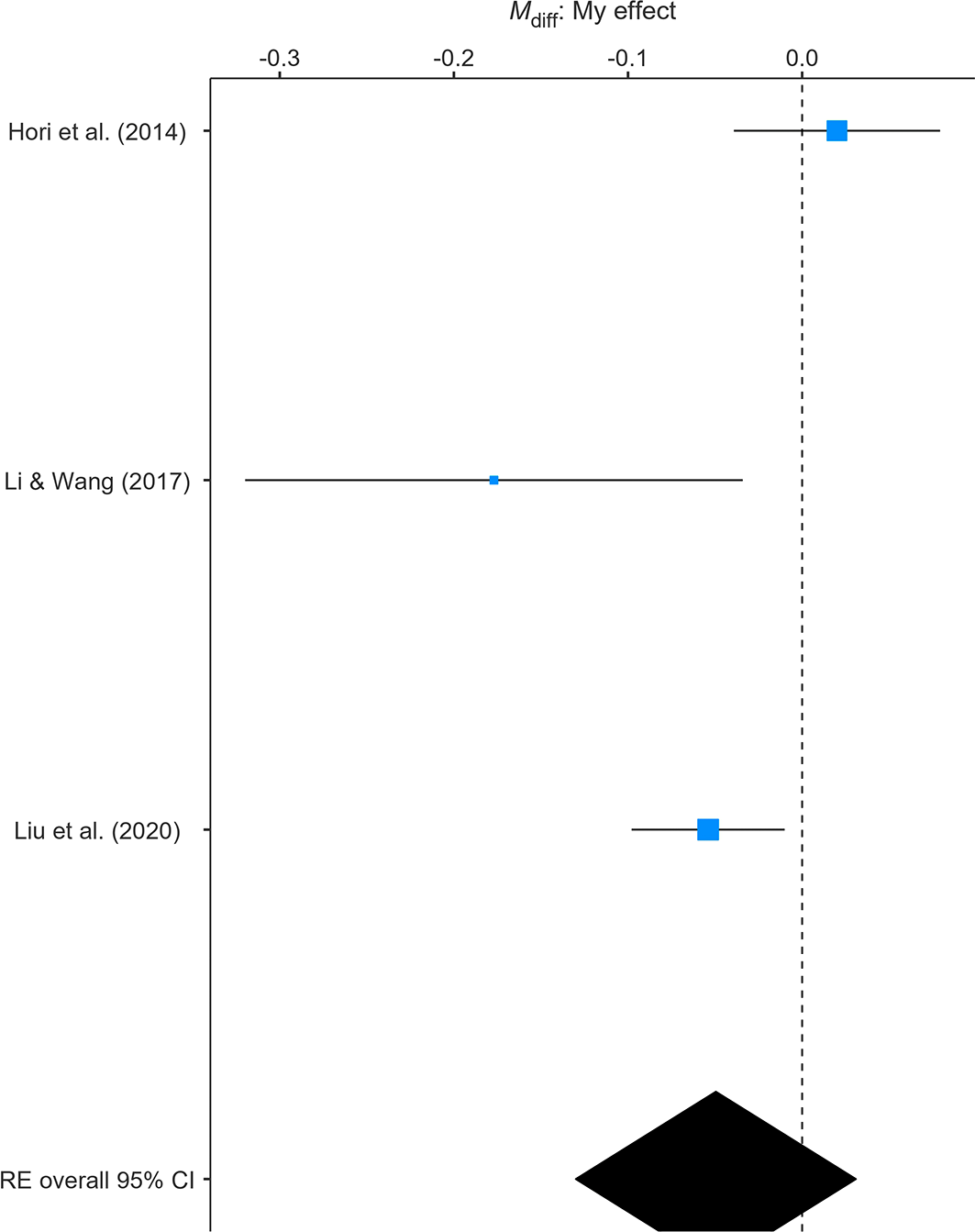
For the quantitative synthesis, MK values (mean ± standard deviation) were extracted from both GM and WM. Three studies provided extractable MK values for both case and control groups and were included in the meta-analysis. For each study, MK values were extracted separately for case and control groups in GM and WM. In studies reporting GM or WM values across multiple cervical spinal levels, a single representative mean and standard deviation were derived by averaging values across segments to obtain an overall estimate for case and control groups. This approach was adopted to ensure comparability across studies and to generate a single effect size per study. Studies that did not report sufficient quantitative data were excluded from the meta-analysis but were retained for qualitative synthesis. The extracted data were used to calculate standardized mean differences (SMD; Hedges’ g) for inclusion in the meta-analysis. In one of the three studies, comparisons were performed between affected and adjacent unaffected spinal cord regions within the same participants rather than between independent case and control groups. For the purposes of meta-analysis, these measurements were treated as independent groups to enable calculation of standardized mean differences, consistent with approaches used in previous imaging meta-analyses.
The methodological quality of the included studies was assessed using the Quality Assessment of Diagnostic Accuracy Studies (QUADAS-2) tool.20,21 This framework evaluates the risk of bias across four domains: patient selection, index test, reference standard, and flow and timing. Additionally, the first three domains were assessed for concerns regarding applicability. Each domain was categorized as having low, high, or unclear risk of bias based on predefined signalling questions. Two reviewers independently performed the quality assessment, and any disagreements were resolved through consensus.
Statistical analysis was performed using Jamovi software (Version 2.6; www.jamovi.org). A meta-analysis was conducted using standardized mean differences (SMD; Hedges’ g) to compare MK values between patients with CSM and control groups. A random-effects model was applied to account for expected clinical and methodological heterogeneity across studies. Subgroup analysis was performed based on tissue type (GM vs WM). Statistical heterogeneity was assessed using the inconsistency index (I2), Cochran’s Q statistic, and tau-squared (τ2). Given the limited number of included studies (k = 3 per subgroup), formal assessment of publication bias was not performed. The results of the meta-analysis were visually summarized using forest plots.
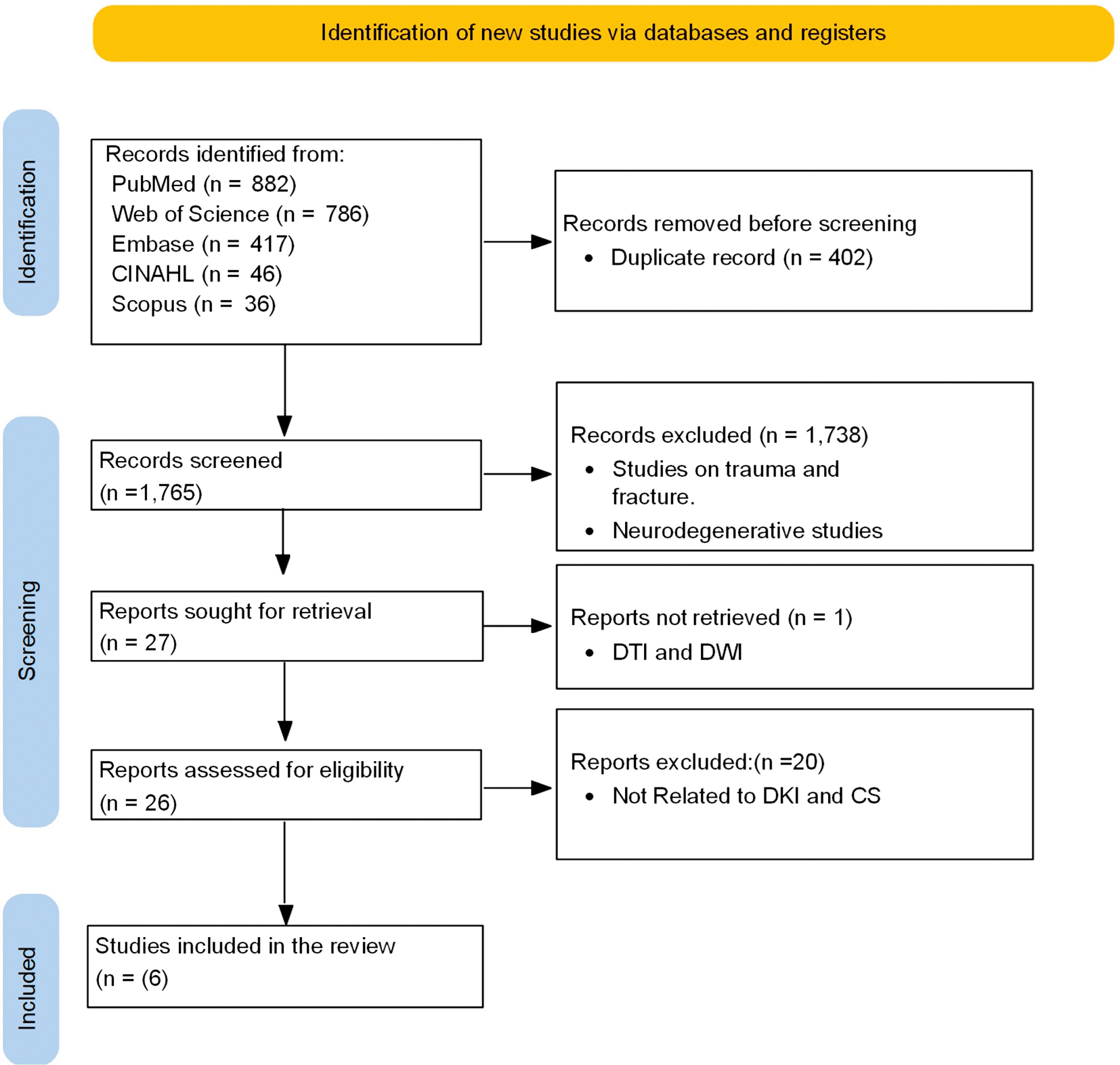
A total of 2,167 articles were identified through the initial systematic search, of which six studies met the inclusion criteria and were included in the final analysis ( Figure 1). The included studies were published between 2005 and 2024. Across these studies, 389 patients underwent Diffusion Kurtosis Magnetic Resonance Imaging of the cervical spine, enabling assessment of MK values in the spinal cord of case and control groups, typically at levels C2–C7. All included studies were prospective in design or demonstrated prospective characteristics based on their methodology. Five studies utilized 3 Tesla (T) MRI scanners, while one study employed a 1.5 T scanner. Among the included studies, only three reported MK values separately for GM and WM, allowing them to be included in the meta-analysis. The remaining studies contributed to the qualitative synthesis but did not provide sufficient data for subgroup analysis. Detailed study characteristics and extracted MK values are presented in Tables 1 and 2.
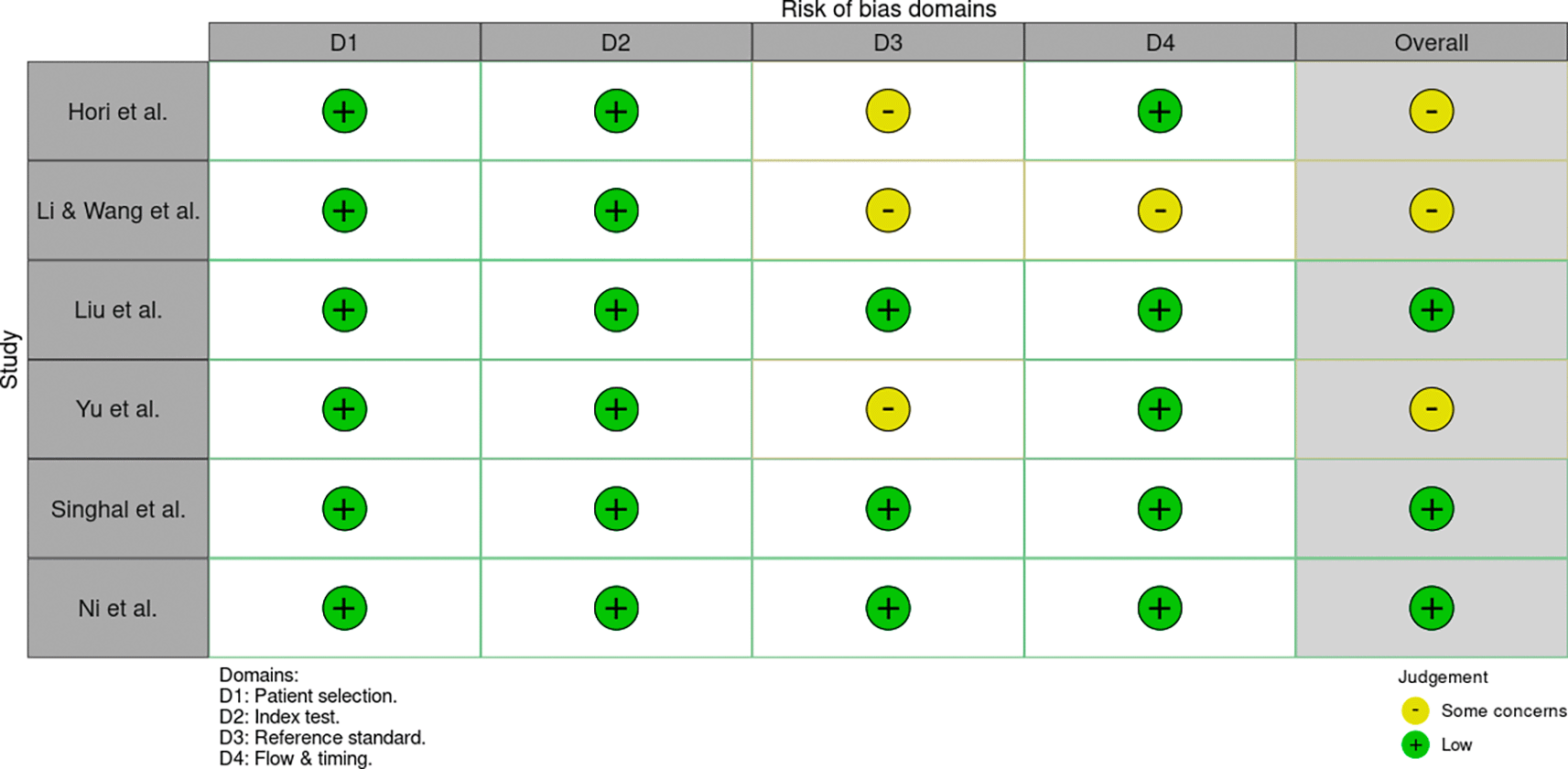
The methodological quality of the included studies was assessed using the QUADAS-2 tool ( Figure 2), which evaluates risk of bias and applicability concerns across four domains: patient selection, index test, reference standard, and flow and timing. Overall, the included studies demonstrated low to moderate risk of bias. Studies by Liu et al., Singhal et al., and Ni et al. showed low risk of bias across all domains, indicating high methodological quality. In contrast, some studies demonstrated unclear risk in specific domains. Li et al. and Yu et al. exhibited unclear risk in the reference standard and flow and timing domains, primarily due to insufficient reporting of diagnostic criteria and timing of assessments. Similarly, Hori et al. showed unclear risk in the reference standard domain. No study was identified as having a high risk of bias in any domain. Applicability concerns were generally low across studies, although Li et al. and Yu et al. demonstrated unclear applicability in the reference standard domain. Overall, the included studies were of moderate to high methodological quality, supporting the reliability of the findings.
Overall Pooled Effect
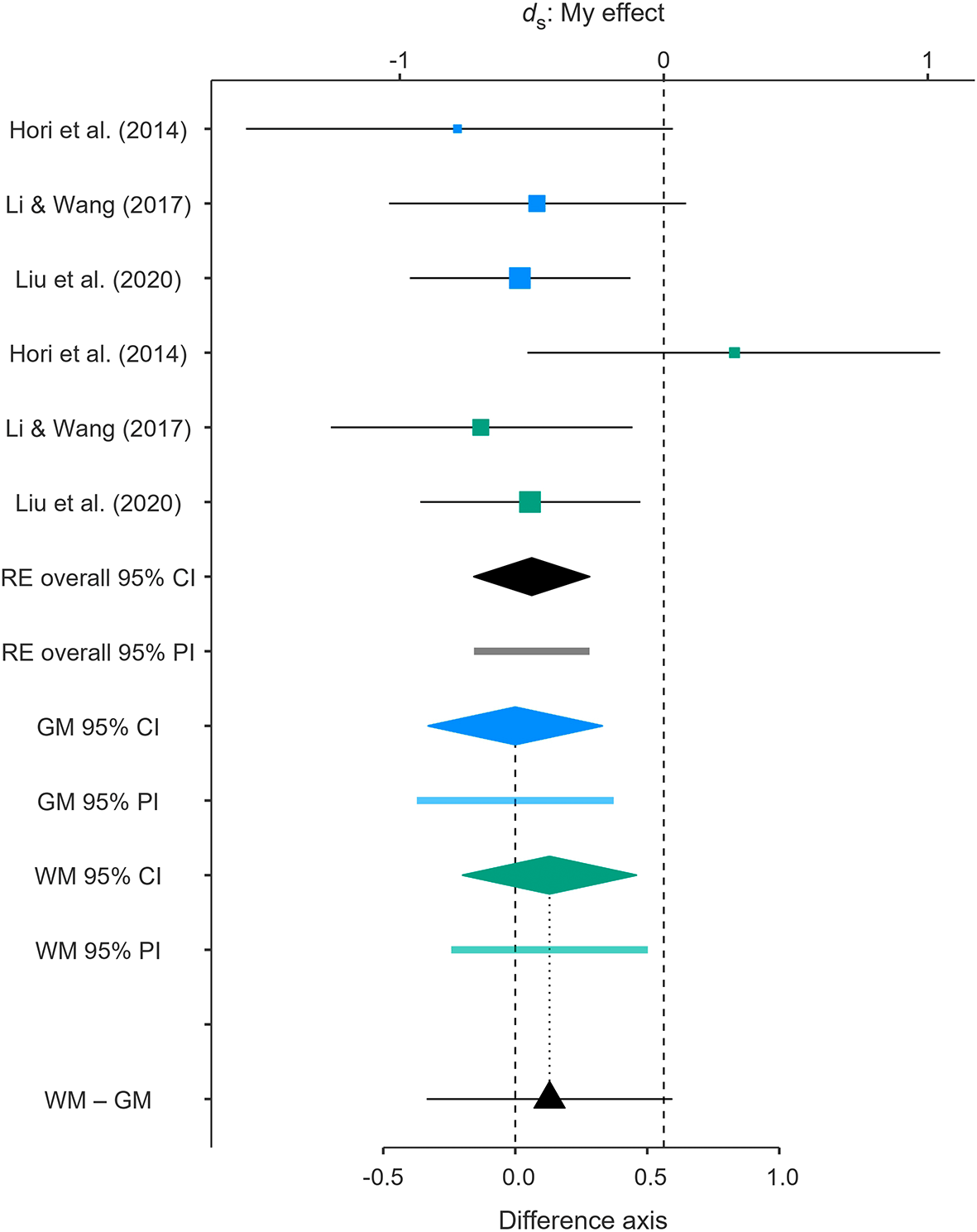
A random-effects meta-analysis using standardized mean differences (SMD; Hedges’ g) demonstrated a statistically significant reduction in MK values in patients compared to controls (SMD = −0.50, 95% CI: −0.72 to −0.28; k = 6). Negative effect sizes indicate lower MK values in patients. Heterogeneity across studies was negligible (I2 = 0%), indicating high consistency in the overall findings ( Table 3).
| Analysis | SMD | 95% CI | I2 | k |
|---|---|---|---|---|
| Overall | −0.50 | −0.72 to −0.28 | 0% | 6 |
| GM | −0.56 | −0.89 to −0.23 | 0% | 3 |
| WM | −0.43 | −0.76 to −0.10 | 50% | 3 |
Moderator Analysis
Moderator analysis showed that the reduction in MK was slightly greater in GM than in white WM (ΔSMD = 0.13, 95% CI: −0.34 to 0.60). However, this difference was not statistically significant, suggesting no differential effect between tissue types. Heterogeneity differed between subgroups: GM showed low heterogeneity (I2 = 0%), and WM showed moderate heterogeneity (I2 = 50%) ( Figure 3).
Subgroup Analysis of GM and WM
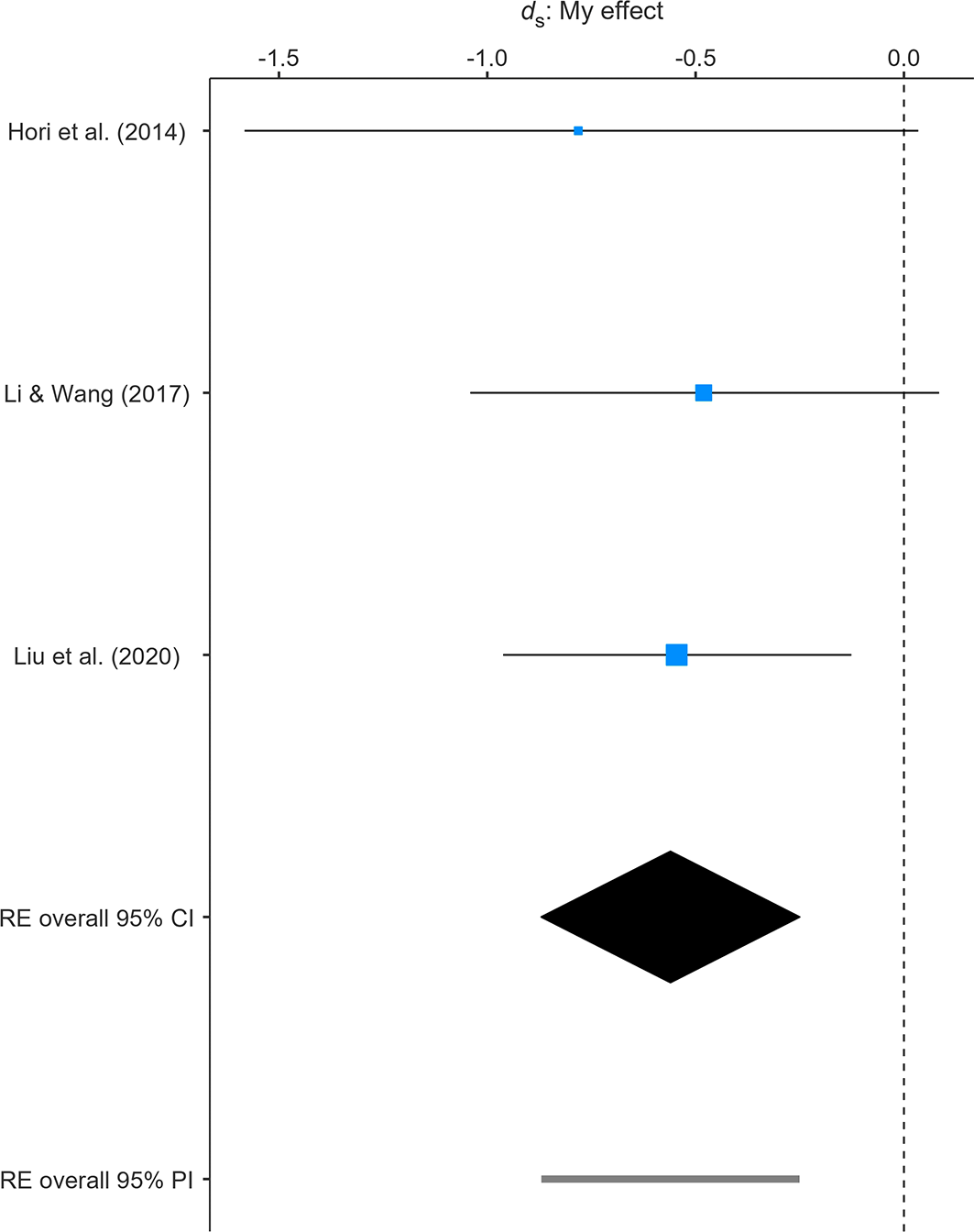
When analyzed separately, both tissue types demonstrated significant reductions in MK values. In GM, the pooled effect size was SMD = −0.56 (95% CI: −0.89 to −0.23; k = 3), with low heterogeneity (I2 = 0%) ( Figure 4). In WM, the pooled effect size was SMD = −0.43 (95% CI: −0.76 to −0.10; k = 3), with moderate heterogeneity (I2 = 50%) ( Figure 5). The magnitude of reduction was slightly greater in GM than in WM, while heterogeneity was lower in GM and higher in WM.
Narrative Synthesis of Studies Excluded from Meta-Analysis
Three studies were excluded from the quantitative meta-analysis due to insufficient reporting of extractable MK values, but were included in the qualitative synthesis. Yu et al. (2020) reported significantly lower MK values in affected cervical spinal cord regions compared to normal cervical spinal cord, as well as in adjacent normal-appearing regions. These findings suggest that microstructural alterations may extend beyond visibly affected areas and can be detected using diffusion kurtosis imaging. Singhal et al. (2023) demonstrated significantly lower MK values in stenotic segments of the cervical spinal cord compared to non-stenotic segments. Additionally, MK values showed a positive correlation with clinical severity scores, suggesting a potential association between MK reduction and disease severity. Ni et al. (2024) evaluated diffusion MRI parameters in early CSM and reported significant differences in multiple diffusion metrics between patients and controls. Although MK-specific values were not reported in a form suitable for quantitative synthesis, the study supported the role of advanced diffusion imaging in detecting early microstructural changes in the cervical spinal cord. Overall, these studies support the presence of altered diffusion characteristics in CSM and reinforce the utility of diffusion-based imaging in detecting microstructural changes in the spinal cord.
This systematic review and meta-analysis evaluated the role of MK in assessing microstructural changes in cervical CSM. Six studies were included in the qualitative synthesis, of which three provided sufficient data for quantitative meta-analysis. Overall, the findings support the potential of MK as a sensitive imaging biomarker for detecting microstructural changes in the cervical spinal cord.
The quantitative analysis demonstrated a significant reduction in MK values in patients with CSM compared to controls, with a moderate pooled effect size and negligible heterogeneity. This reduction in MK likely reflects disruption of spinal cord microstructure, including axonal degeneration, demyelination, and neuronal loss, thereby reducing tissue complexity and limiting water diffusion heterogeneity. These findings are consistent with the majority of included studies, which also reported decreased MK values in affected spinal cord regions. Similarly, studies excluded from meta-analysis, including Yu et al. (2020) and Singhal et al. (2023), demonstrated reduced MK values in affected and stenotic regions, further supporting the robustness of this observation.10,12,15,16
Subgroup analysis revealed that MK reduction was present in both GM and white WM, with a slightly greater effect observed in GM, although the difference between tissue types was not statistically significant. The more consistent findings in GM may be attributed to its higher cellular density and greater susceptibility to early pathological changes compared to WM. This pattern is supported by previous studies reporting more pronounced microstructural changes in the GM and stronger correlations with clinical severity measures.16,22,23 These findings suggest that MK alterations occur across both tissue compartments but may be more reliably detected in GM.
Despite the overall trend of reduced MK, some variability was observed across studies. Notably, Li and Wang (2017) reported increased MK values in early-stage CSM.24 This discrepancy may reflect early reactive changes such as gliosis or inflammation, which can transiently increase tissue complexity before structural degeneration becomes predominant. Such findings suggest that MK may exhibit stage-dependent behaviour, with potential increases in early disease followed by reductions in more advanced stages. This interpretation is further supported by Ni et al. (2024),17 who demonstrated significant alterations in diffusion parameters in early CSM, indicating that microstructural changes occur even in the absence of overt structural abnormalities.
In addition, several studies reported significant correlations between MK values and clinical severity scores, suggesting that MK reflects disease burden and functional impairment.18,25 These findings reinforce the potential role of MK not only in detecting microstructural changes but also in assessing disease severity and progression.
From a clinical perspective, MK may provide additional information beyond conventional MRI, particularly when structural imaging is inconclusive. By capturing subtle microstructural alterations, MK may facilitate early detection of spinal cord involvement and support clinical decision-making. However, its routine clinical application remains limited by variability in acquisition protocols and a lack of standardization.
The included studies exhibited several methodological limitations. Most were single-centre studies with relatively small sample sizes, which may limit generalizability. There was considerable variability in MRI acquisition protocols, including differences in b-values, diffusion directions, and field strength, which may influence MK measurements. Additionally, GM and WM segmentation was not consistently performed across studies. Some studies focused only on the most stenotic levels, potentially overlooking more diffuse or adjacent microstructural changes. A notable limitation of this systematic review and meta-analysis is that the included studies reported only the mean and standard deviation of mean kurtosis values in cases and controls, without providing sensitivity, specificity, or receiver operating characteristic (ROC)-based metrics. Consequently, the pooled estimates describe group-level differences in microstructural integrity but cannot be interpreted in terms of diagnostic accuracy, prognostic performance, or clinical decision-making thresholds. Although these findings provide preliminary evidence supporting MR-DKI-derived mean kurtosis as a quantitative neuroimaging biomarker in cervical spondylotic myelopathy, the reliance on summary statistics limits its clinical applicability for early detection, severity stratification, and outcome prediction.
This review included only three of the six studies for the quantitative analysis, which may affect the robustness of the pooled estimates. Although heterogeneity was low, the small number of studies limits statistical power. Sensitivity analysis and meta-regression were not performed, and publication bias could not be reliably assessed. Additionally, in one included study (Hori et al., 2014), comparisons were performed between affected and adjacent unaffected spinal cord regions within the same participants rather than between independent case and control groups. For the purposes of meta-analysis, these data were treated as independent groups, which may introduce bias because the groups are not truly independent. Variability in reporting DKI acquisition parameters and differences in study design further limited the ability to perform more detailed subgroup analyses.
Mean kurtosis shows promise as a quantitative biomarker for detecting microstructural changes in the spinal cord in CSM. It may be particularly useful for identifying early disease and assessing severity. Future research should focus on standardizing DKI acquisition protocols, conducting large multicentre studies, and incorporating longitudinal designs to better establish the diagnostic and prognostic utility of MK. Integration with other quantitative MRI techniques and automated analysis methods may further enhance its clinical applicability.
This systematic review and meta-analysis suggest that MK is significantly reduced in patients with CSM compared to controls, reflecting underlying microstructural changes. The findings were consistent across studies, with low heterogeneity, and also showed that MK reduction occurs in both GM and WM, with a trend toward greater and more stable changes in GM. These results support the potential of MK as a quantitative imaging biomarker for detecting microstructural changes in CSM. However, given the limited number of included studies and methodological variability, further large-scale, multicentre studies with standardized imaging protocols are required to confirm its diagnostic and clinical utility.
| Views | Downloads | |
|---|---|---|
| F1000Research | - | - |
|
PubMed Central
Data from PMC are received and updated monthly.
|
- | - |
Provide sufficient details of any financial or non-financial competing interests to enable users to assess whether your comments might lead a reasonable person to question your impartiality. Consider the following examples, but note that this is not an exhaustive list:
Sign up for content alerts and receive a weekly or monthly email with all newly published articles
Already registered? Sign in
The email address should be the one you originally registered with F1000.
You registered with F1000 via Google, so we cannot reset your password.
To sign in, please click here.
If you still need help with your Google account password, please click here.
You registered with F1000 via Facebook, so we cannot reset your password.
To sign in, please click here.
If you still need help with your Facebook account password, please click here.
If your email address is registered with us, we will email you instructions to reset your password.
If you think you should have received this email but it has not arrived, please check your spam filters and/or contact for further assistance.

Comments on this article Comments (0)