Keywords
Energy Transition, Renewable Energy, Sustainable Development, Indonesia, Systematic Review

This article is included in the Energy gateway.
Energy Transition, Renewable Energy, Sustainable Development, Indonesia, Systematic Review
Climate change has emerged as one of the most significant challenges facing humanity in the twenty-first century. The increasing concentration of greenhouse gases in the atmosphere resulting from fossil fuel combustion has led to rising global temperatures, polar ice melting, sea-level rise, and more frequent and intense extreme weather events (IPCC, 2022). These impacts threaten environmental sustainability, economic stability, food security, public health, and the resilience of global energy systems. In response to these threats, the international community established the Paris Agreement in 2015, which aims to limit global temperature increase to well below 2 degrees Celsius above pre-industrial levels, while pursuing efforts to limit it to 1.5 degrees Celsius (UNFCCC, 2015). Indonesia ratified this agreement through Law Number 16 of 2016 and submitted its Nationally Determined Contribution (NDC), committing to reduce emissions by 31.89 percent by 2030 through domestic efforts and up to 43.20 percent with international support (KLHK, 2022). Furthermore, at the COP26 in Glasgow in 2021, Indonesia announced its ambition to achieve net zero emissions by 2060 or sooner (Kementerian ESDM, 2021), positioning the energy sector as a primary priority given its substantial contribution to national emissions.
As the world’s largest archipelagic country with over 17,000 islands, Indonesia is highly vulnerable to climate change impacts, including sea-level rise, floods, landslides, and droughts (World Bank Group, 2021). This vulnerability is exacerbated by heavy reliance on fossil fuels, particularly coal, which still dominated the national energy mix in 2023 with a contribution of more than 60 percent to electricity generation (Kementerian ESDM, 2024). This dependence not only increases emissions but also causes air pollution, land degradation from mining activities, and declining water quality (Arliyani et al., 2024). On the other hand, Indonesia possesses abundant renewable energy potential, reaching 441.7 GW spread across the archipelago, comprising solar energy of 207.8 GW, geothermal of 28.5 GW, hydro of 94.3 GW, wind of 60.6 GW, and bioenergy of 32.6 GW (Kementerian ESDM, 2021). This potential positions Indonesia as one of the countries with the largest renewable energy resources in the world.
Despite the enormous renewable energy potential, its utilization remains very limited. In 2023, the installed capacity of renewable energy power plants reached only approximately 13.1 GW, or merely about 2.97 percent of the total available potential (Kementerian ESDM, 2024). This achievement falls far short of the targets set in Government Regulation Number 40 of 2025 concerning National Energy Policy, which aims for renewable energy contribution of 23 percent by 2025, 28 percent by 2038, and 31 percent by 2050 (Pemerintah Republik Indonesia, 2025). The gap between targets and realization indicates the presence of various multidimensional constraints hindering the acceleration of energy transition in Indonesia.
Sustainable energy transition does not merely mean shifting from fossil fuels to renewable energy, but also encompasses three main dimensions: environmental, economic, and social (Purvis et al., 2019). The concept of just transition becomes critically important in Indonesia given the dependence of communities on the fossil energy sector, whether as mining workers, farmers around mining areas, or subsidized energy consumers (Newell & Mulvaney, 2013). The closure of coal-fired power plants will directly affect the livelihoods of thousands of workers and communities surrounding mining areas. If not properly managed, energy transition can trigger social conflicts, increase poverty, and create new inequalities.
The urgency of energy transition is also driven by increasing national energy demand. Indonesia’s consistent economic growth above 5 percent per year has driven increased energy consumption, particularly electricity. In 2023, national electricity consumption reached 288.44 TWh, increasing by 5.36 percent compared to the previous year (PLN, 2023). Future electricity demand projections are expected to continue rising along with population growth, urbanization, and industrialization (IEA, 2022). Climate change impacts such as sea-level rise threaten power plants located in coastal areas, while extreme weather events can damage transmission and distribution infrastructure (Setiawan et al., 2025). Rising temperatures also increase demand for space cooling, which in turn increases electricity consumption and exacerbates the emission cycle if electricity continues to be produced from fossil fuels.
On the external front, international pressure on high-emitting countries is increasing. The European Union’s Carbon Border Adjustment Mechanism (CBAM) policy will impose costs on products manufactured through carbon-intensive production processes (European Commission, 2023). As one of the world’s largest coal exporters, Indonesia will be significantly affected by this policy if it does not promptly undergo energy transition.
The linkage between energy transition and the Sustainable Development Goals (SDGs) reinforces the urgency of this research. Indonesia’s energy transition targets align with SDG 7, which ensures access to affordable, reliable, sustainable, and modern energy for all (United Nations, 2015). Furthermore, emission reduction efforts from the energy sector directly contribute to SDG 13 on climate action. A just and inclusive energy transition also supports SDG 8 on decent work and economic growth through the creation of green jobs, as well as SDG 10 on reducing inequalities by ensuring equitable energy access across regions. Thus, research on sustainable energy transition in Indonesia is not only nationally relevant but also contributes to the achievement of broader global development agendas.
Various studies have examined energy transition in Indonesia, but most remain fragmented and have not integrated the various interconnected dimensions. Engineering research has largely focused on technical aspects and renewable energy technologies, such as potential assessments and power plant optimization (Hasan et al., 2012; Tambunan et al., 2020). Economic research has more extensively addressed cost aspects, investment, and financial feasibility (Burke et al., 2019; Halimatussadiah et al., 2024). Policy and social research has examined regulatory aspects, institutions, and community acceptance (Marquardt, 2014; Setyowati & Quist, 2022). Although each has made important contributions, a gap remains in the form of a comprehensive and integrated review that connects technical, policy, economic, and social aspects within a unified analytical framework.
This research addresses that gap by conducting a systematic review of literature addressing sustainable energy transition in Indonesia from various perspectives. The novelty of this research lies in its multidisciplinary approach, synthesizing findings from various disciplines to provide a holistic picture of the challenges and opportunities in energy transition. This approach enables the identification of interconnections between various factors that have often been examined separately. This research also considers spatial aspects and interregional disparities, which are important characteristics of the Indonesian archipelago, including energy access gaps between western and eastern regions, urban and rural areas, and large islands and remote islands.
Based on the background and research gaps outlined above, this study aims to answer four research questions. First, what are the main challenges faced by Indonesia in transitioning toward sustainable energy? Second, what opportunities are available for Indonesia to accelerate sustainable energy transition? Third, how do existing policies and regulations affect sustainable energy transition in Indonesia? Fourth, what is the role of stakeholders in supporting sustainable energy transition in Indonesia? These four questions will be answered through a systematic review of 12 selected articles covering various aspects of energy transition in Indonesia.
This study employs a systematic literature review (SLR) approach following the Preferred Reporting Items for Systematic Reviews and Meta-Analyses (PRISMA) 2020 guidelines (Page et al., 2021). The SLR method was selected because it enables a transparent, reproducible, and rigorous synthesis of existing evidence on sustainable energy transition in Indonesia. This approach allows for the identification, evaluation, and integration of findings from multiple studies across different disciplines, providing a comprehensive understanding of the challenges, opportunities, policy frameworks, and stakeholder roles in Indonesia’s energy transition.
The systematic review process consisted of several stages: formulating research questions, developing inclusion and exclusion criteria, conducting a comprehensive literature search, screening and selecting relevant studies, extracting data, assessing the quality of included studies, and synthesizing the findings. Each stage was documented to ensure transparency and replicability.
The inclusion and exclusion criteria were established to ensure that only relevant and high-quality studies were included in this review. These criteria were developed based on the research questions and the scope of the study. Table 1 presents a summary of these criteria.
The publication year was limited to 2021–2026 to capture the most recent developments in Indonesia’s energy transition, particularly following the enhanced Nationally Determined Contribution (NDC) submission in 2021 and the issuance of Presidential Regulation Number 112 of 2022 on Accelerated Renewable Energy Development (Pemerintah Republik Indonesia, 2022). Only English-language publications were included to ensure consistency in terminology and accessibility of full texts.
Regarding document types, peer-reviewed articles, conference papers, book chapters, and reviews were included, while book retractions, short surveys, notes, editorials, and data papers were excluded due to their limited methodological rigor or incomplete data presentation. Studies were required to have a clear geographic focus on Indonesia or its regions, as the research questions specifically address the Indonesian context. The main topic had to substantially address energy transition, renewable energy, or related policy and social aspects. Only studies with clearly described methodologies were included to ensure the reliability of findings. Finally, studies had to answer at least one of the four research questions to be considered relevant.
A comprehensive literature search was conducted across three major academic databases: Scopus, Springer, and ScienceDirect. These databases were selected for their extensive coverage of peer-reviewed literature in energy, policy, environmental science, and social sciences. The search was performed in January 2026.
The following Boolean search string was developed and applied across all databases:
(“sustainable” OR “renewable” OR “green” OR “eco-friendly”) AND (“energy” OR “power” OR “electricity” OR “fuel”) AND (“transition” OR “shift” OR “transformation” OR “change”) AND (“Indonesia” OR “Indonesian” OR “Bali” OR “Java”) AND (“policy” OR “strategy” OR “initiative” OR “program”) AND (“climate” OR “environment” OR “emissions” OR “sustainability”) AND (“technology” OR “innovation” OR “development” OR “research”)
This search string was adapted to the specific syntax and search engine of each database while maintaining conceptual consistency across platforms. The search strategy aimed to capture studies addressing the intersection of sustainable energy, policy frameworks, and implementation in Indonesia. Additional manual searches were conducted through snowballing, which involved reviewing the reference lists of included studies and relevant review articles to identify potentially eligible studies not captured by the database searches. Table 2 provides an overview of the databases used, their access links, the last search dates, and the search strings employed.
| Database | URL/access link | Last search date | Search string used |
|---|---|---|---|
| Scopus | https://www.scopus.com | January 15, 2026 | (“sustainable” OR “renewable” OR “green” OR “eco-friendly”) AND (“energy” OR “power” OR “electricity” OR “fuel”) AND (“transition” OR “shift” OR “transformation” OR “change”) AND (“Indonesia” OR “Indonesian” OR “Bali” OR “Java”) AND (“policy” OR “strategy” OR “initiative” OR “program”) AND (“climate” OR “environment” OR “emissions” OR “sustainability”) AND (“technology” OR “innovation” OR “development” OR “research”) |
| Springer (SpringerLink) | https://link.springer.com | January 15, 2026 | Same as above (adapted to Springer’s search engine) |
| ScienceDirect | https://www.sciencedirect.com | January 20, 2026 | Same as above (adapted to ScienceDirect’s search engine) |
The study selection process followed the PRISMA 2020 flow diagram (Page et al., 2021), consisting of four stages: identification, screening, eligibility assessment, and inclusion. The search results from all databases were exported to reference management software for deduplication and screening.
In the identification stage, database searches yielded a total of 8,750 records, comprising 733 from Scopus, 4,743 from Springer, and 3,274 from ScienceDirect. After removing duplicates and performing an initial screening, 362 records remained (259 from Scopus, 89 from Springer, and 14 from ScienceDirect). These records were then screened based on titles and abstracts against the predefined inclusion and exclusion criteria. At this stage, 350 records were excluded because they were not relevant to the research questions. The remaining 12 articles were retrieved for full-text assessment. During the eligibility stage, all 12 full-text articles were assessed and found to meet all inclusion criteria. No additional articles were excluded at this stage. The final set of 12 studies was included in the qualitative synthesis. Figure 1 illustrates the flow diagram of the study selection process, detailing the number of records at each stage of the systematic review.
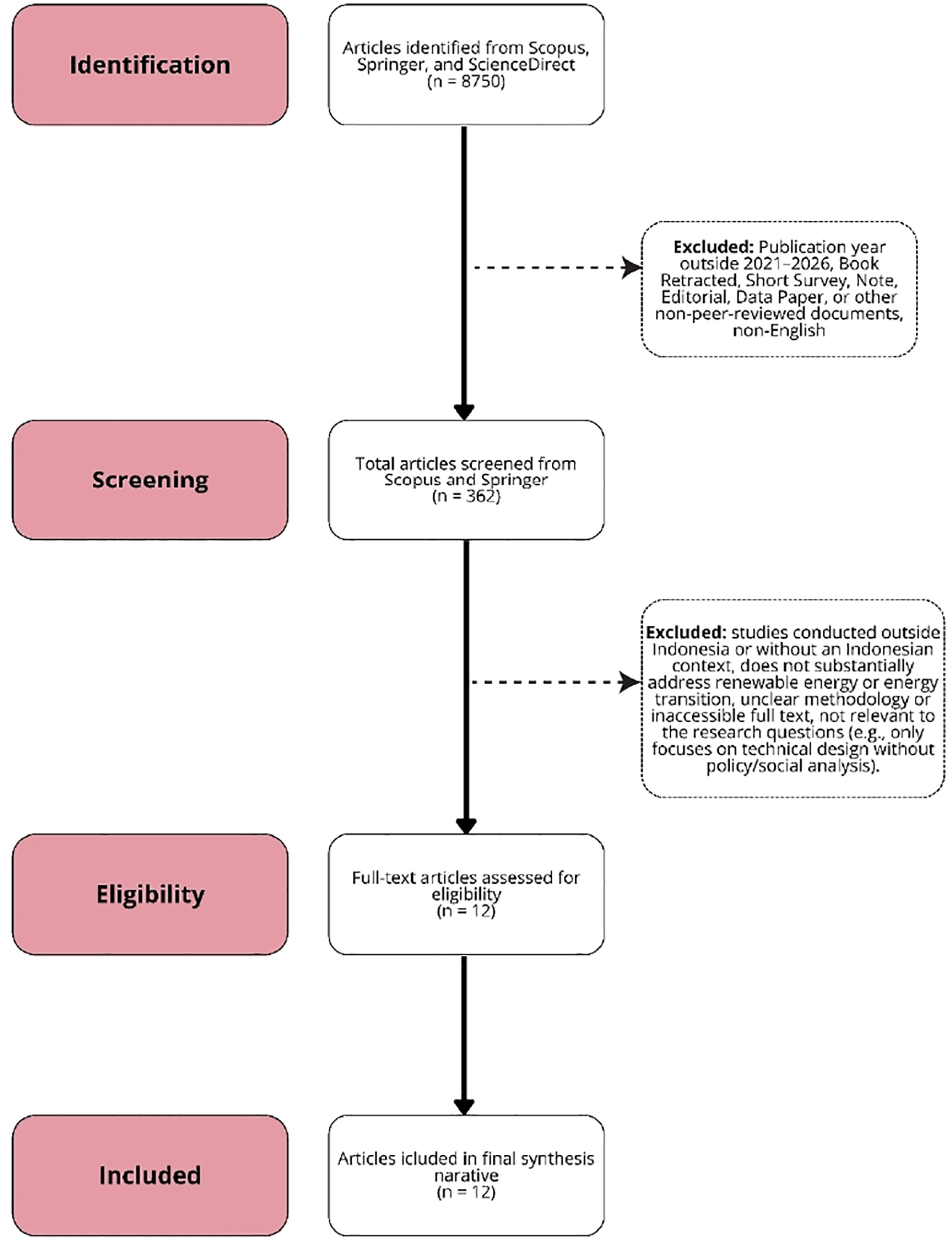
Source: Researcher’s Visualisation (2026).
Data from the 12 included studies were systematically extracted using a standardized data extraction form. The extraction process was conducted independently by the authors to minimize bias and ensure accuracy. Any discrepancies were resolved through discussion and consensus (Chandler et al., 2019).
The extracted data included the following information: author(s) and publication year, research focus and objectives, methodology used, key findings related to challenges, opportunities, policies, and stakeholder roles, geographic scope and locus of study, as well as policy and practical implications. This structured approach enabled systematic comparison and synthesis of findings across studies.
The methodological quality of the included studies was assessed using an adapted version of the Mixed Methods Appraisal Tool (MMAT) version 2018 (Hong et al., 2018). The MMAT is designed to appraise the quality of qualitative, quantitative, and mixed-methods studies, making it suitable for the diverse methodologies represented in the included studies.
The assessment covered four domains: clarity of objectives, appropriateness of methods, transparency of data collection and analysis, and generalizability or transferability of findings. Each domain was rated as “yes,” “no,” or “unclear.” Studies meeting 80 percent or more of the criteria were classified as low risk of bias, those meeting 50 to 79 percent as moderate risk, and those meeting less than 50 percent as high risk. Table 3 presents the results of the risk of bias assessment for each included study, along with the justification for the assigned scores.
Assessment adapted from the Mixed Methods Appraisal Tool (MMAT) version 2018 (Hong et al., 2018), covering four domains: (1) Clarity of objectives, (2) Appropriateness of methods, (3) Transparency of data collection/analysis, (4) Generalizability/transferability. Final score: Low = ≥80% criteria met; Moderate = 50–79%; High = <50%.
| No | Study (Author, Year) | Domain 1 | Domain 2 | Domain 3 | Domain 4 | Final Score | Remarks |
|---|---|---|---|---|---|---|---|
| 1 | Keumala et al. (2025) | ✓ | ✓ | ? | ? | Moderate | Strong normative legal method, but lacks primary empirical data. |
| 2 | Prakoso et al. (2025) | ✓ | ✗ | ✗ | ✗ | High | Limited methodological information available in the conference proceeding; comprehensive bias assessment is constrained. |
| 3 | Arwadi et al. (2025) | ✓ | ✓ | ✓ | ✓ | Low | Clear survey sample (n = 182), robust statistical analysis (EFA & SEM). |
| 4 | Setiawan et al. (2025) | ✓ | ✓ | ? | ? | Moderate | Good policy analysis, but lacks field data for validation. |
| 5 | Rahmawati & Adiansyah (2024) | ✓ | ✓ | ✓ | ✓ | Low | Case study of NTB with verified secondary and primary data. |
| 6 | Nurhidayah et al. (2024) | ✓ | ✓ | ✓ | ✓ | Low | In-depth stakeholder interviews with data triangulation. |
| 7 | Sundja et al. (2025) | ✓ | ✓ | ✓ | ✓ | Low | SLR with strict PRISMA protocol from 56 Scopus articles. |
| 8 | Sudhakar et al. (2026) | ✓ | ✓ | ? | ? | Moderate | Systematic review, but the scope is very broad and lacks specificity. |
| 9 | Resosudarmo et al. (2023) | ✓ | ✓ | ✓ | ✓ | Low | Valid macroeconomic and policy data with reliable quantitative analysis. |
| 10 | Arumbinang & Puspitasari (2025) | ✓ | ✓ | ? | ? | Moderate | Good legal analysis, but limited exploration of empirical field impacts. |
| 11 | Prasetyo (2026) | ✓ | ✓ | ✓ | ✓ | Low | Meta-analysis of 30 studies, with heterogeneity and publication bias tests. |
| 12 | Aditya et al. (2025) | ✓ | ✓ | ✓ | ✓ | Low | Comprehensive analysis of RE potential and regulations, data clearly presented. |
Data synthesis was conducted using a thematic synthesis approach, which is appropriate for integrating findings from studies with diverse methodologies and focusing on identifying recurring themes across the literature (Thomas & Harden, 2008). The synthesis process involved three stages: coding the findings of included studies, organizing codes into descriptive themes, and developing analytical themes that answer the research questions.
The findings from each study were initially coded based on their relevance to the four research questions: challenges, opportunities, policy influences, and stakeholder roles. These codes were then grouped into broader descriptive themes, such as coal dependence, infrastructure limitations, regulatory barriers, renewable energy potential, international collaboration, and energy decentralization. Finally, these descriptive themes were synthesized into analytical themes that form the basis of the results and discussion sections of this review.
The final dataset comprised 12 studies that met all predefined eligibility criteria and were subsequently included in the qualitative synthesis. The included studies were published between 2023 and 2026, reflecting the most recent scholarly attention to Indonesia’s energy transition. Table 4 summarizes the characteristics of the included studies, including their objectives, methodologies, aspects examined, and geographic loci.
| No | Author (Year) | Objective/main focus | Methodology | Aspect examined | Locus of study & primary sector |
|---|---|---|---|---|---|
| 1 | Keumala et al. (2025) | Analyzing challenges and expectations of green economy policy in the energy sector | Normative (legal analysis & expert interviews) | Policy, regulation | National; Energy & legal sector |
| 2 | Prakoso et al. (2025) | Examining renewable energy financing barriers and policy implications | Conceptual study (conference proceedings) | Financing, regulation | National; Finance & investment sector |
| 3 | Arwadi et al. (2025) | Identifying CSFs, challenges, and project management strategies for RE projects | Survey (n = 182), EFA, SEM | Project management, stakeholders | National (PLN & vendors); Project management sector |
| 4 | Setiawan et al. (2025) | Analyzing climate change implications for energy policy and system resilience | Policy analysis & literature review | Climate resilience, infrastructure | National (coastal); Infrastructure & climate sector |
| 5 | Rahmawati & Adiansyah (2024) | Evaluating NTB’s commitment to achieving NZE 2050 through energy transition | Case study & document analysis | Regional case study, local RE | NTB Province; Regional energy sector |
| 6 | Nurhidayah et al. (2024) | Investigating social implications of just energy transition policies and legislation | Stakeholder interviews & literature review | Social justice, participation | National (rural/indigenous); Social & legal sector |
| 7 | Sundja et al. (2025) | SLR on RE investment policies for economic growth, sustainability, and resilience | SLR (56 articles, PRISMA) | Investment, economy, environment | Global/Asia (comparative); Investment & economic sector |
| 8 | Sudhakar et al. (2026) | Evaluating green energy transition and its implications for peace and development | Systematic review | Energy security, policy | National; Energy security sector |
| 9 | Resosudarmo et al. (2023) | Assessing energy transition prospects amid fiscal constraints and NZE targets | Macroeconomic & policy analysis | Economy, financing, coal | National; Macroeconomy & fiscal sector |
| 10 | Arumbinang & Puspitasari (2025) | Legal strategies for energy justice in rural Indonesia | Qualitative legal method (statutes & cases) | Energy justice, indigenous communities | Rural (3 T regions); Legal & indigenous sector |
| 11 | Prasetyo (2026) | Techno-economic evaluation and policy frameworks for RE in 3 T regions | Meta-analysis (30 studies, random-effects) | 3 T regions, LCOE, socio-economy | 3 T regions (Papua, Maluku, NTT, NTB); Techno-economic sector |
| 12 | Aditya et al. (2025) | Comprehensive analysis of challenges, opportunities, and strategic RE solutions | Qualitative & quantitative data analysis | RE potential, hydrogen, nuclear | National; Energy sector (hydrogen & nuclear) |
The included studies cover diverse aspects of sustainable energy transition in Indonesia. From a methodological perspective, the studies employ various approaches, including normative legal analysis (Arumbinang & Puspitasari, 2025; Keumala et al., 2025), survey-based quantitative analysis with structural equation modeling (Arwadi et al., 2025), policy analysis (Resosudarmo et al., 2023; Setiawan et al., 2025), case studies (Rahmawati & Adiansyah, 2024), stakeholder interviews (Nurhidayah et al., 2024), and systematic literature reviews (Prasetyo, 2026; Sudhakar et al., 2026; Sundja et al., 2025).
Geographically, while most studies focus on the national level, several provide regional perspectives. Prasetyo (2026) specifically examines the 3 T regions (frontier, outermost, and least developed), while Rahmawati & Adiansyah (2024) focuses on NTB Province as a case study of successful renewable energy deployment. This geographic diversity enables a more nuanced understanding of how energy transition challenges and opportunities vary across different regions of Indonesia.
The studies address various sectors and themes: policy and regulatory frameworks (Aditya et al., 2025; Keumala et al., 2025; Setiawan et al., 2025), financing and investment (Prakoso et al., 2025; Resosudarmo et al., 2023; Sundja et al., 2025), project management (Arwadi et al., 2025), social justice and community participation (Arumbinang & Puspitasari, 2025; Nurhidayah et al., 2024), and techno-economic feasibility (Prasetyo, 2026).
The challenges facing Indonesia’s sustainable energy transition are multidimensional and interconnected, spanning technical, economic, regulatory, and social domains. These challenges collectively hinder the country’s ability to achieve its renewable energy targets and transition away from fossil fuel dependence. The following section synthesizes the key challenges identified across the 12 included studies.
The most fundamental challenge is Indonesia’s heavy reliance on coal as the primary energy source. Resosudarmo et al. (2023) reported that coal-fired power plants account for approximately 61 percent of Indonesia’s electricity generation, making the country the seventh-largest coal user globally in terms of electricity generation share. Aditya et al. (2025) provided more specific data, noting that in 2023, coal-fired power plants contributed 67.3 percent of Indonesia’s electricity output, with an installed capacity of 49.93 GW. This coal dependence is reinforced by several structural factors. Resosudarmo et al. (2023) identified that fossil fuel subsidies, which amounted to approximately Rp 134 trillion in 2022, artificially lower the cost of coal-fired electricity, making renewable energy alternatives economically uncompetitive. Keumala et al. (2025) further explained that the Domestic Market Obligation (DMO) policy, which requires coal producers to supply a certain percentage of their production to domestic users at regulated prices, locks Indonesian industries into continued fossil fuel use. Setiawan et al. (2025) highlighted that coal not only contributes to greenhouse gas emissions but also causes air pollution, land degradation, and water quality decline.
The dominance of coal is inextricably linked to infrastructure limitations that constrain renewable energy deployment. Setiawan et al. (2025) identified that the existing electricity grid, particularly outside Java-Bali, is outdated and not designed to accommodate the variable output of renewable energy sources such as solar and wind. This leads to energy wastage and underutilization of installed renewable capacities. The lack of an inter-island transmission grid further restricts the distribution of electricity from renewable-rich regions to demand centers. Prasetyo (2026) examined the specific challenges faced by 3 T regions (frontier, outermost, and least developed), finding that geographic isolation significantly increases both capital and operational costs for renewable energy systems. The absence of reliable central databases and limited local technical capacity further constrains the sustainability of operation and maintenance. Arwadi et al. (2025) found that infrastructure challenges are compounded by inadequate planning, poor stakeholder communication, and unrealistic cost and time estimations, which frequently lead to project delays and failures. These infrastructure deficits create a vicious cycle: without adequate grid infrastructure, renewable energy projects cannot be efficiently integrated, which in turn discourages investment in both generation and transmission.
Compounding these technical and infrastructural barriers are significant regulatory and financing constraints. Keumala et al. (2025) analyzed the Indonesian legal framework and found significant fragmentation across ministries and agencies. The Energy Law (Law No. 30/2007), the Environmental Protection and Management Law (Law No. 32/2009), and the Village Law (Law No. 6/2014) are not harmonized, creating overlapping authorities and unclear jurisdictional boundaries. This regulatory uncertainty reduces investor confidence and creates implementation gaps. Prakoso et al. (2025) specifically examined financing barriers, identifying fossil fuel subsidies, low electricity tariffs, local content requirements (TKDN), and the lack of an inter-island power grid as the main obstacles to attracting renewable energy investment. The study noted that regulatory uncertainty and complicated licensing procedures further discourage domestic and international investment.
Sundja et al. (2025) confirmed these findings in their systematic literature review, reporting that unstable policies and inconsistent regulatory frameworks have consistently reduced investor confidence in Indonesia’s renewable energy sector. Aditya et al. (2025) provided quantitative evidence of the financing gap, noting that the investment target for renewable energy in 2022 was USD 4 billion, but actual realization was only USD 1.6 billion. The study attributed this gap to complex bureaucracies, limited technical capacities, lack of planning, and limited access to financing for Independent Power Producers (IPPs). The financing gap is particularly acute given that the International Renewable Energy Agency (IRENA) estimates that Indonesia requires between USD 73 billion and USD 76 billion in energy sector investment from 2018 to 2050 to meet its net zero emissions targets Aditya et al. (2025).
Beyond the technical, economic, and regulatory dimensions, the energy transition also carries significant socio-economic implications that must be carefully managed. Nurhidayah et al. (2024) conducted stakeholder interviews and found that the closure of coal-fired power plants and the decline of the coal mining industry would directly affect the livelihoods of thousands of workers and communities in mining areas. The study emphasized the lack of transparency in planning for a just transition and the absence of adequate social protection mechanisms for affected workers. Arumbinang & Puspitasari (2025) examined the legal dimension of energy justice in rural Indonesia, finding that indigenous and rural communities are often excluded from energy decision-making processes. The study argued that current legal frameworks fail to adequately recognize customary land rights and do not consistently apply the principle of Free, Prior, and Informed Consent (FPIC). This procedural failure not only undermines public trust but also jeopardizes the inclusion of indigenous communities in renewable energy development.
Sudhakar et al. (2026) added that the high cost of renewable energy and limited financing options create unequal access to clean energy, particularly in remote regions. The study emphasized that without adequate community engagement and capacity building, renewable energy projects may face social resistance and fail to achieve long-term sustainability. These socio-economic challenges highlight that the energy transition is not merely a technical or economic exercise but a profound social transformation that requires inclusive governance, transparent decision-making, and equitable distribution of benefits and burdens.
In summary, the challenges facing Indonesia’s energy transition are deeply interconnected. Coal dependence, reinforced by subsidies and DMO policies, creates a lock-in effect that perpetuates fossil fuel use while simultaneously discouraging renewable energy investment. This is exacerbated by outdated infrastructure, regulatory fragmentation, and financing constraints that collectively undermine the business case for renewable energy. These challenges, in turn, generate socio-economic vulnerabilities that, if left unaddressed, could undermine public support for the transition and perpetuate energy inequality. Addressing these challenges requires an integrated approach that simultaneously tackles technical, regulatory, financial, and social dimensions rather than treating them as separate issues.
Despite the formidable challenges, Indonesia possesses significant opportunities that can accelerate its sustainable energy transition. These opportunities span resource availability, international partnerships, technological innovation, and policy development. The following section synthesizes the key opportunities identified across the 12 included studies.
The most significant opportunity is Indonesia’s vast renewable energy potential. Aditya et al. (2025) provided a comprehensive mapping of Indonesia’s renewable energy resources, reporting a total potential of 441.7 GW, comprising solar energy (207.8 GW), hydropower (94.3 GW), wind energy (60.6 GW), biomass (32.6 GW), and geothermal (28.5 GW). The study noted that while most of this potential remains untapped, ongoing projects like the Cirata floating solar project (145 MW) demonstrate the technical feasibility of large-scale renewable deployment. This enormous potential provides the foundation for a fundamental transformation of Indonesia’s energy system, reducing dependence on imported fossil fuels and enhancing energy security.
Prasetyo (2026) provided quantitative evidence of renewable energy’s competitiveness, conducting a meta-analysis of 30 studies on the 3 T regions. The study found a statistically significant standardized mean difference (SMD) of 1.57, indicating that renewable energy systems offer competitive techno-economic performance compared to diesel generators. The analysis also revealed that renewable energy deployment could increase electrification rates by approximately 22.9 percent, create an average of 98 jobs per project, and reduce CO2 emissions by 515 kg per household annually. These findings demonstrate that renewable energy is not only environmentally beneficial but also economically viable, particularly in remote regions where diesel generation is currently the dominant source of electricity.
Rahmawati & Adiansyah (2024) provided a real-world example of successful renewable energy deployment in NTB Province. The study reported that NTB achieved a renewable energy mix of 22.43 percent in October 2023, exceeding the national target. The province has significant potential in solar (10.6 GW), wind (2.6 GW), and other renewable sources. Key drivers of this success included government initiatives such as solar PV installations on public facilities, biodiesel utilization, and biogas digesters with community involvement. The private sector, particularly mining company PT Amman Mineral Nusa Tenggara, also played a crucial role through investments in solar PV (26.8 MWp) and the development of a 450 MW combined cycle power plant powered by liquefied natural gas. This case study demonstrates that with appropriate policy support and private sector engagement, renewable energy deployment can be accelerated significantly.
Complementing the resource potential and local success stories are international partnerships that provide crucial financial and technical support. Resosudarmo et al. (2023) discussed the Just Energy Transition Partnership (JETP), launched at the G20 Summit in Bali in 2022, which aims to mobilize USD 20 billion in public and private financing over three to five years. The partnership supports achieving an NZE power sector by 2050 and a 34 percent renewable energy share by 2030. The study also noted the Energy Transition Mechanism (ETM) Country Platform, which facilitates the early retirement of coal-fired power plants and promotes investment in renewable energy. These international mechanisms address one of the most critical barriers financing by providing concessional loans and technical assistance that can de-risk renewable energy investments.
Setiawan et al. (2025) highlighted the role of international financial institutions such as the Asian Development Bank (ADB) and the World Bank Group in providing soft loans and technical assistance for renewable energy projects. Green bonds and concessional financing mechanisms were also identified as potential sources of capital for infrastructure development. Sundja et al. (2025) reported that renewable energy investment attracts Foreign Direct Investment (FDI), with a 1 percent increase in RE investment leading to approximately 0.6 percent GDP growth in OECD countries, suggesting similar potential for Indonesia. The combination of international partnerships and FDI creates a virtuous cycle: external financing reduces the burden on the state budget, while successful projects attract further investment, creating momentum for the energy transition.
Beyond financial resources, decentralized energy systems were consistently identified as a significant opportunity, particularly for remote and underserved regions. Prasetyo (2026) found that hybrid renewable energy systems (combining solar PV, micro-hydro, and battery storage) provide superior reliability and cost-effectiveness in isolated energy systems. The study emphasized that decentralized systems reduce dependency on centralized networks and enhance energy security in remote areas. This is particularly relevant for Indonesia’s archipelagic geography, where extending the national grid to all islands is prohibitively expensive.
Arwadi et al. (2025) proposed a cross-functional framework and early consultation as strategies to optimize project management for decentralized renewable energy projects. The study recommended integrating community participation and local capacity building to ensure project sustainability. Aditya et al. (2025) also highlighted the potential of emerging technologies such as green hydrogen and nuclear energy as long-term options for energy diversification, although these require further feasibility studies and policy development. The development of these technologies could provide Indonesia with additional pathways to achieve its net zero emissions targets, particularly for hard-to-abate sectors such as heavy industry and long-distance transportation.
Finally, recent policy developments provide a supportive framework for accelerating the energy transition. Keumala et al. (2025) noted that Presidential Regulation Number 112 of 2022 on Accelerated Renewable Energy Development prohibits new coal-fired power plants and mandates early retirement schedules for existing plants. The regulation also proposes more feasible price-ceiling regimes and outlines transparent tender procedures. Setiawan et al. (2025) emphasized that Indonesia’s NDC targets, which aim for a 31.89 percent reduction in emissions by 2030, provide a clear policy direction for the energy transition.
Prakoso et al. (2025) examined alternative policy mechanisms that could enhance renewable energy investment, including Feed-in Tariffs (FiT), feed-in premiums, competitive auctions, power wheeling mechanisms, and Renewable Energy Certificates (RECs). The study argued that these mechanisms could address current market distortions and create more favorable conditions for green investment. Sundja et al. (2025) recommended regulatory reforms, financial incentives (tax benefits and subsidies), investment in local R&D, and public-private partnerships as key policy strategies to accelerate renewable energy adoption. When combined with the resource potential, international financing, and decentralized technologies, these policy innovations create a comprehensive opportunity set that, if effectively implemented, could fundamentally transform Indonesia’s energy system.
In conclusion, the opportunities for Indonesia’s energy transition are substantial and mutually reinforcing. The country’s vast renewable energy resources provide the raw material for transformation. International partnerships offer the necessary capital and technical expertise. Decentralized technologies enable tailored solutions for remote regions. And progressive policies create the enabling environment for investment and innovation. The key challenge lies in aligning these opportunities into a coherent and coordinated strategy that addresses the structural barriers identified in the previous section. Table 5 synthesizes the key challenges and opportunities identified across the 12 included studies, organized by main themes and sub-themes.
| Main theme | Sub-theme | Relevant studies | Key findings |
|---|---|---|---|
| Challenges | Coal Dependence | (Aditya et al., 2025; Keumala et al., 2025; Resosudarmo et al., 2023; Setiawan et al., 2025) | Coal dominates >60% of the energy mix; large fossil fuel subsidies; DMO policy locks in industrial coal use. |
| Infrastructure & Technical | (Arwadi et al., 2025; Prasetyo, 2026; Setiawan et al., 2025) | Uneven grid connectivity (Java vs. outer islands); RE variability; lack of inter-island transmission networks. | |
| Regulatory & Financing | (Keumala et al., 2025; Prakoso et al., 2025; Sundja et al., 2025) | Low electricity tariffs; burdensome local content requirements (TKDN); low legal certainty; low investment realization. | |
| Socio-Economic | (Arumbinang & Puspitasari, 2025; Nurhidayah et al., 2024; Sudhakar et al., 2026) | Job losses for coal miners; marginalization of indigenous communities; unequal energy access. | |
| Opportunities | Abundant RE Potential | (Aditya et al., 2025; Prasetyo, 2026; Rahmawati & Adiansyah, 2024) | 441.7 GW potential (solar, geothermal, hydro); competitive LCOE in 3 T regions; NTB achieved 22.43% RE mix. |
| International Collaboration | (Resosudarmo et al., 2023; Setiawan et al., 2025; Sundja et al., 2025) | JETP (USD 20B), ETM, ADB; green bonds attract FDI and create green jobs. | |
| Energy Decentralization | (Aditya et al., 2025; Arwadi et al., 2025; Prasetyo, 2026) | Microgrids, rooftop solar, green hydrogen, and nuclear as long-term options. | |
| Progressive Policies | (Keumala et al., 2025; Nurhidayah et al., 2024; Prakoso et al., 2025) | Presidential Regulation 112/2022, FiT, competitive auctions, RECs, and FPIC recognition are gaining traction. |
The analysis of the 12 included studies reveals that the challenges and opportunities in Indonesia’s energy transition are not isolated phenomena but deeply interconnected elements of a complex system. The most significant insight emerging from this synthesis is that the challenges facing Indonesia’s energy transition are mutually reinforcing, creating a lock-in effect that perpetuates fossil fuel dependence. Coal dominance, reinforced by subsidies and the Domestic Market Obligation (DMO) policy, creates economic and political incentives that resist change (Keumala et al., 2025; Resosudarmo et al., 2023). These economic incentives are, in turn, reinforced by infrastructure lock-in: power plants, transmission lines, and distribution networks were all designed for a coal-centric system, making the integration of variable renewable energy sources technically challenging and economically costly (Setiawan et al., 2025).
This lock-in effect is further compounded by regulatory fragmentation. As Keumala et al. (2025) demonstrated, overlapping authorities and unclear jurisdictional boundaries between different ministries and levels of government create uncertainty that discourages investment. Prakoso et al. (2025) and Sundja et al. (2025) confirmed that regulatory uncertainty is one of the most significant barriers to renewable energy investment, as investors require predictable and stable policy environments to commit capital to long-term infrastructure projects. The result is a vicious cycle: regulatory uncertainty discourages investment, which limits renewable energy deployment, which in turn maintains the dominance of coal and reinforces the political and economic power of the fossil fuel industry.
However, the analysis also reveals that opportunities can create virtuous cycles that reinforce positive change. The abundance of renewable energy resources, particularly solar and geothermal, provides the raw material for a fundamental transformation of the energy system (Aditya et al., 2025). When combined with international partnerships like the Just Energy Transition Partnership (JETP) and the Energy Transition Mechanism (ETM), these resources can attract the necessary capital and technical expertise to accelerate deployment (Resosudarmo et al., 2023). Successful projects, like those documented in NTB Province by Rahmawati & Adiansyah (2024), demonstrate that renewable energy deployment is technically feasible and economically viable, creating demonstration effects that can build confidence among investors and policymakers. This, in turn, can lead to improved policies and regulatory frameworks, as seen with Presidential Regulation 112 of 2022, which creates a more supportive environment for further investment (Keumala et al., 2025).
The concept of path dependency is particularly relevant to understanding these dynamics. Path dependency refers to the tendency of historical choices to constrain future options, even when those choices are no longer optimal. In Indonesia’s case, decades of investment in coal infrastructure, coupled with institutional arrangements and political economy factors that favor the status quo, have created a path that is difficult to deviate from. However, the opportunities identified in this review suggest that Indonesia may be reaching a critical juncture where the costs of maintaining the current path begin to outweigh the benefits. Falling renewable energy costs, international pressure to reduce emissions, and the increasing urgency of climate change impacts are creating conditions that could enable a shift to a more sustainable path.
The findings of this review have several important implications for policy and regulatory reform. First, addressing the structural barriers to renewable energy investment requires a comprehensive and coordinated policy approach that simultaneously addresses multiple dimensions. Fossil fuel subsidy reform is essential but insufficient in isolation; it must be accompanied by regulatory simplification, infrastructure investment, and the development of new financing mechanisms (Prakoso et al., 2025; Resosudarmo et al., 2023).
Presidential Regulation 112 of 2022 represents an important step in this direction, as it prohibits new coal-fired power plants, mandates early retirement schedules for existing plants, and proposes more feasible price-ceiling regimes for renewable energy procurement (Keumala et al., 2025). However, as the analysis in this review suggests, implementation gaps remain. The regulation does not specify funding sources for early retirement, nor does it adequately address the regulatory fragmentation between national and subnational levels that continues to create uncertainty for investors.
The financing gap is particularly critical. Aditya et al. (2025) found that only USD 1.6 billion of the USD 4 billion investment target for renewable energy in 2022 was realized. This gap reflects not only the scale of required investment but also the inadequacy of existing financing mechanisms. International partnerships like JETP and ETM can help bridge this gap, but they require complementary domestic reforms to be effective (Setiawan et al., 2025). These reforms should include streamlining licensing procedures, strengthen local technical capacity, and developing new financial instruments such as green bonds and blended finance mechanisms that can de-risk renewable energy investments (Sundja et al., 2025).
The review also highlights the importance of addressing socio-economic dimensions of the energy transition. As Nurhidayah et al. (2024) and Arumbinang & Puspitasari (2025) demonstrated, the closure of coal-fired power plants and the decline of the coal mining industry will have significant impacts on workers and communities. A just transition requires proactive planning to provide alternative livelihoods, social protection, and retraining opportunities for affected workers. It also requires meaningful engagement with indigenous and rural communities to ensure that they are not excluded from energy decision-making processes and that they benefit equitably from renewable energy development.
The findings of this review have important implications for different stakeholders in Indonesia’s energy transition. For the government, the primary implication is the need for a whole-of-government approach that addresses regulatory fragmentation and creates a stable and predictable policy environment. This includes harmonizing national laws and regulations, clarifying jurisdictional boundaries between central and regional governments, and developing a comprehensive and coordinated energy transition roadmap that integrates technical, economic, and social dimensions (Keumala et al., 2025; Setiawan et al., 2025).
For the private sector, the findings underscore the importance of engaging early and actively in the energy transition. Companies that invest now in renewable energy technologies, supply chains, and workforce development will be better positioned to benefit from the transition (Aditya et al., 2025). Public-private partnerships can help bridge the financing gap, as demonstrated by the PT Amman Mineral Nusa Tenggara project in NTB Province (Rahmawati & Adiansyah, 2024). Arwadi et al. (2025) emphasized that successful project management requires cross-functional collaboration, early stakeholder consultation, and robust monitoring and reporting mechanisms.
For civil society and communities, the findings highlight the need for active engagement and advocacy to ensure that the energy transition is just and equitable. Communities affected by coal mine closures should be consulted and compensated, and they should have opportunities to participate in and benefit from renewable energy projects (Arumbinang & Puspitasari, 2025; Nurhidayah et al., 2024). Capacity building and education are essential to enable communities to participate meaningfully in energy decision-making and to develop the skills needed for green jobs.
The challenges and opportunities identified in this review are not unique to Indonesia but reflect broader patterns observed in other developing and emerging economies. Many developing countries face similar challenges: heavy reliance on fossil fuels, weak regulatory frameworks, limited financing, and infrastructure constraints (Sundja et al., 2025). The success of Indonesia’s energy transition will depend not only on addressing these domestic challenges but also on leveraging international cooperation and learning from best practices in other countries.
Comparisons with other countries are instructive. In India, for example, large-scale solar auctions have successfully driven down renewable energy prices and attracted significant private investment (Burke et al., 2019). In Vietnam, policy reforms and international partnerships have accelerated renewable energy deployment, with solar capacity growing from negligible levels to over 16 GW in just a few years (Sundja et al., 2025). These experiences suggest that targeted policies, combined with international support, can overcome many of the barriers identified in this review.
However, the Indonesian context presents unique challenges. As an archipelagic country with diverse geographic and socio-economic conditions, Indonesia faces challenges of connectivity, infrastructure development, and regional inequality that are different from those faced by continental countries (Prasetyo, 2026; Setiawan et al., 2025). The 3 T regions (frontier, outermost, and least developed) require tailored approaches that account for their specific conditions, including geographic isolation, limited technical capacity, and weak infrastructure (Prasetyo, 2026). The success of the NTB Province case study (Rahmawati & Adiansyah, 2024) demonstrates that region-specific strategies, combined with strong political commitment and private sector engagement, can achieve significant results.
This systematic review has several limitations that should be acknowledged. First, the review is based on a limited number of studies (12), which may not fully capture the breadth of research on energy transition in Indonesia. The selection of studies was constrained by the inclusion and exclusion criteria, which prioritized recent publications (2021–2026) and peer-reviewed research. As a result, some relevant studies may have been excluded, particularly those published before 2021 or in non-English languages (Sundja et al., 2025).
Second, the included studies vary significantly in their methodological rigor and quality. As shown in Table 3, the risk of bias assessment revealed that three studies were rated as having moderate risk, and one study had high risk due to limited methodological information. While this variation is common in systematic reviews, it may affect the reliability of some findings and should be considered when interpreting the results (Prasetyo, 2026).
Third, most of the included studies are qualitative or conceptual in nature, with limited quantitative data or empirical analysis. Although these studies provide valuable insights into policy, regulatory, and social dimensions, they do not always provide the quantitative evidence needed to assess the magnitude of challenges or the effectiveness of specific interventions (Arumbinang & Puspitasari, 2025; Keumala et al., 2025). Future research should include more quantitative studies, such as cost-benefit analyses, economic impact assessments, and empirical evaluations of policy effectiveness (Sundja et al., 2025).
Fourth, the geographic scope of the included studies is uneven, with most focusing on national-level issues and only a few providing regional perspectives (Prasetyo, 2026; Rahmawati & Adiansyah, 2024). As a result, the review may not fully capture the diversity of energy transition challenges and opportunities across different regions of Indonesia. Future research should include more region-specific studies to account for the significant variability in renewable energy potential, infrastructure, and socio-economic conditions across the archipelago (Setiawan et al., 2025).
Finally, the review does not include primary data collection, such as stakeholder interviews or field observations, which could provide deeper insights into the implementation challenges and local dynamics of energy transition. As recommended by Nurhidayah et al. (2024) and Arwadi et al. (2025), future research should include primary data collection to validate the findings of the literature review and to provide more nuanced understanding of the barriers and enablers of energy transition in different contexts.
Despite these limitations, this review provides a comprehensive and integrated synthesis of the current state of knowledge on sustainable energy transition in Indonesia. The findings contribute to understanding the multidimensional nature of energy transition challenges and opportunities and provide a foundation for future research and policy development.
This systematic review has synthesized evidence from 12 selected studies to examine the challenges and opportunities in Indonesia’s sustainable energy transition. The findings reveal that Indonesia faces multiple interconnected challenges in its transition toward sustainable energy. Coal dependence remains the most fundamental barrier, with fossil fuels dominating more than 60 percent of the national energy mix, reinforced by large subsidies and the Domestic Market Obligation policy. Infrastructure limitations, including outdated grid systems and the lack of inter-island transmission networks, significantly constrain renewable energy deployment. Regulatory fragmentation across ministries and agencies creates uncertainty that discourages investment, while financing constraints have resulted in investment targets consistently falling short of projections. Socio-economic challenges, including potential job losses for coal workers, marginalization of indigenous communities, and unequal energy access across regions, further complicate the transition.
Despite these challenges, Indonesia possesses substantial opportunities that can accelerate its energy transition. The country has abundant renewable energy potential totaling 441.7 GW across solar, geothermal, hydro, wind, and biomass resources, which combined with competitive techno-economic performance provides a strong foundation for transformation. International partnerships, including the Just Energy Transition Partnership and the Energy Transition Mechanism, offer crucial financial and technical support. Decentralized energy systems such as microgrids and rooftop solar provide tailored solutions for remote regions, while progressive policies, particularly Presidential Regulation 112 of 2022, are beginning to create a more supportive environment for renewable energy investment.
The review also demonstrates that policies and regulations have a dual effect on Indonesia’s energy transition. On one hand, fossil fuel subsidies and the Domestic Market Obligation policy perpetuate coal dependence by artificially lowering fossil fuel costs and locking industries into continued fossil fuel use. Regulatory fragmentation creates overlapping authorities and unclear jurisdictional boundaries, reducing investor confidence. On the other hand, recent policy developments, including Presidential Regulation 112 of 2022 and enhanced Nationally Determined Contribution targets, are beginning to create a more supportive framework. Alternative policy mechanisms such as Feed-in Tariffs, competitive auctions, and Renewable Energy Certificates offer potential solutions to address current market distortions.
Stakeholders play critical and complementary roles in the energy transition. The government’s primary role is to provide a stable policy environment, harmonize regulations, and develop comprehensive transition roadmaps. The private sector contributes through investment, innovation, and project development, with public-private partnerships proving effective in bridging financing gaps. Civil society and communities play essential roles in ensuring that the transition is just and equitable through active engagement and participation in energy decision-making processes.
In conclusion, Indonesia stands at a critical juncture in its energy transition. The country possesses abundant renewable energy resources, and there is growing political commitment and international support. With aligned policies, adequate financing, and strong stakeholder collaboration, Indonesia can realize its renewable energy potential and achieve its goal of net zero emissions by 2060. The transition to sustainable energy is not merely a technical or economic exercise but a profound social transformation that requires inclusive governance, transparent decision-making, and equitable distribution of benefits and burdens.
| Views | Downloads | |
|---|---|---|
| F1000Research | - | - |
|
PubMed Central
Data from PMC are received and updated monthly.
|
- | - |
Provide sufficient details of any financial or non-financial competing interests to enable users to assess whether your comments might lead a reasonable person to question your impartiality. Consider the following examples, but note that this is not an exhaustive list:
Sign up for content alerts and receive a weekly or monthly email with all newly published articles
Already registered? Sign in
The email address should be the one you originally registered with F1000.
You registered with F1000 via Google, so we cannot reset your password.
To sign in, please click here.
If you still need help with your Google account password, please click here.
You registered with F1000 via Facebook, so we cannot reset your password.
To sign in, please click here.
If you still need help with your Facebook account password, please click here.
If your email address is registered with us, we will email you instructions to reset your password.
If you think you should have received this email but it has not arrived, please check your spam filters and/or contact for further assistance.

Comments on this article Comments (0)