Keywords
Vorasidenib, Systematic review, Brain tumor, low-grade glioma, progression-free survival

Vorasidenib, Systematic review, Brain tumor, low-grade glioma, progression-free survival
Gliomas are a subtype of primary brain tumors and account for approximately 25–29% of intracranial tumors and up to 80% of all malignant brain tumors.15,29 Their high incidence underscores their significant role in the epidemiology of brain tumors. The World Health Organization (WHO) classifies gliomas into low-grade (WHO grades I and II) and high-grade (grades III and IV) categories. Low-grade gliomas (LGGs) are more commonly found in younger populations, particularly children and young adults, whereas high-grade gliomas are more prevalent in older adults.5,39 The annual incidence of gliomas is estimated to be between 3 to 8 per 100,000 people, with low-grade variants comprising a substantial proportion globally.33,26
Although significant progress has been made in the management of gliomas, current standard-of-care modalities including surgical resection, radiotherapy, and chemotherapy, primarily provide disease control but remain limited by substantial neurotoxicity and long-term adverse effects.4,10,34 These limitations highlight the unmet need for novel therapeutic strategies capable of improving clinical outcomes while mitigating treatment-related morbidity. Among emerging approaches, vorasidenib, a first-in-class isocitrate dehydrogenase (IDH) inhibitor, represents a promising development designed to selectively target mutant IDH (mIDH) gliomas, which have been managed with radiation and chemotherapy.16,19
Vorasidenib has shown potential in several clinical trials, particularly in the INDIGO study, where it significantly improved progression-free survival (PFS) in patients with grade 2 mIDH gliomas compared to placebo. This reduction in the need for immediate radiation and chemotherapy makes vorasidenib a compelling treatment option.2,23,28 By specifically inhibiting the abnormal function of IDH enzymes, vorasidenib helps reduce the levels of 2-hydroxyglutarate (2-HG), an oncometabolite that promotes tumor growth.12,13,15,18,33 This targeted approach represents a major advancement in glioma therapy, addressing both metabolic dysregulation and tumor progression.
This systematic review aims to evaluate the therapeutic potential of vorasidenib in the treatment of IDH-mutant gliomas. Specifically, the study will assess the efficacy of vorasidenib in improving progression-free survival (PFS) and overall response rates in patients with IDH-mutant gliomas, summarize preclinical and clinical trial data to evaluate the safety, pharmacokinetics, and therapeutic implications of vorasidenib in glioma management.
This systematic review followed the guidelines of the Preferred Reporting Items for Systematic Reviews and Meta-Analyses (PRISMA) and Cochrane Handbook for Systematic Reviews of Interventions. This study was registered on PROSPERO ( https://www.crd.york.ac.uk/PROSPERO/view/CRD420251078604 ) on 22 June 2025.
A comprehensive literature search was conducted using a combination of Medical Subject Headings (MeSH) terms and free-text keywords across six databases: PubMed, Cochrane Library, Wiley Online Library, Epistemonikos, EBSCO, and Google Scholar searched up to June 2025. Boolean operators (AND, OR, NOT) will be applied to refine search results. More specifically, terms in English included: “Low-Grade Glioma,” “Grade II Glioma,” “Diffuse Glioma,” “Oligodendroglioma,” “Astrocytoma,” “IDH1 Mutation,” “IDH2 Mutation,” “Isocitrate Dehydrogenase Mutant,” “Vorasidenib,” “AG-881,” “IDH Inhibitor,” “Isocitrate Dehydrogenase Inhibitor,” “Efficacy,” “Safety,” “Progression-Free Survival,” “Overall Survival,” and “Adverse Effects.” We will run an example on our search on PubMed as follows:
Table 1. Search strings example on PubMed and other databases
| Author | Year | Title | Study Design | Centre | Population | Total Sample | Intervention | Placebo and Other drugs | Glioma | Doses |
|---|---|---|---|---|---|---|---|---|---|---|
| Mellinghoff23 | 2021 | Vorasidenib, a Dual Inhibitor of Mutant IDH1/2, in Recurrent or Progressive Glioma; Results of a First-in-Human Phase I Trial | Cohort | Multi centre | Patients with mutant IDH1/2 (mIDH1/2) solid tumors, including glioma | Glioma (n = 52) and non-glioma (n = 41) | Orally vorasidenib administration in 28-day cycles with dose escalation | N/A | 52 | 25 mg/day, up to 300 mg/day in glioma patients. |
| Mellinghoff21 | 2023 | Vorasidenib and ivosidenib in IDH1-mutant low-grade glioma: a randomized, perioperative phase 1 trial | Randomized clinical trial | N/A | IDH1-mutant low-grade glioma | Glioma patients (n = 48), with 24 in the Vorasidenib group and 24 in the Ivosidenib group. | 24 | Ivosidenib (n = 24) | 49 | 50 mg daily: 92.6% reduction in 2-HG. |
| Mellinghoff24 | 2020 | Vorasidenib (VOR; AG-881), an inhibitor of mutant IDH1 and IDH2, in patients (pts) with recurrent/progressive glioma: Updated results from the phase I non-enhancing glioma population | Randomized controlled trial | multicenter | patients aged ≥18 years and histologically or cytologically confirmed glioma with documented mIDH1/2; ECOG 0–2; and evaluable disease by RANO-LGG criteria. | Glioma patients (n = 331), with 168 in the Vorasidenib group and 163 in the placebo group. | 168 | 163 | 331 | 40 mg |
| Mellinghoff25 | 2019 | A phase 1, open-label, perioperative study of ivosidenib (AG-120) and vorasidenib (AG-881) in recurrent, IDH1-mutant, low-grade glioma: Updated results | Cohort | N/A | Eligible patients with recurrent mIDH1 nonenhancing WHO 2016 grade 2/3 LGG who are candidates for resection | Glioma patients (n = 331), with 168 in the Vorasidenib group and 163 in the placebo group. | 10 | 5 | 15 | 50 mg |
#1 Search: “Low-Grade Glioma” OR “Grade II Glioma” OR “Diffuse Glioma” OR “Oligodendroglioma” OR “Astrocytoma”
#2 Search: “IDH1 Mutation” OR “IDH2 Mutation” OR “Isocitrate Dehydrogenase Mutant”.
#3 Search: “Vorasidenib” OR “AG-881” OR “IDH Inhibitor” OR “Isocitrate Dehydrogenase Inhibitor”.
#4 Search: “Efficacy” OR “Safety” OR “Progression-Free Survival” OR “Overall Survival” OR “Adverse Effects”
Inclusion and exclusion criteria of the literature
Inclusion criteria: (1) Clinical trials (Phase I, II, or III); (2) Evaluating vorasidenib in patients with histologically confirmed IDH1- or IDH2-mutant low-grade gliomas; (3) Studies reporting at least one efficacy outcome (progression-free survival [PFS], overall survival [OS]) or safety outcomes (e.g., adverse events, tolerability).
Exclusion criteria: (1) Non-clinical studies, like case reports, reviews; (2) Studies without extractable efficacy or safety data; (3) Duplicate publications or incomplete datasets.
Studies from 6 databases were extracted by 2 authors (N.N, O.H) and cross checked, discrepancy and opinions between two independent searches were solved on discussion by senior authors (A.A.F, T.A). In literature, titles and abstract were both screen first and irrelevant studies were directly excluded (A.H, N.N), full texts that passed initial screening were extracted as csv and imported into Microsoft Excel for futher screening.
Data extracted consists of: title, authors, publication time, study design, study participants, population characteristics, intervention, placebo and other drugs information, dosing details, outcome measures (PFS, OS, etc), and adverse events infomation if provided.
The risk of bias in the included studies was evaluated using the Cochrane Risk of Bias assessment tool to ensure methodological rigor. Two researchers independently conducted the assessments, after which the results were cross-checked. Any discrepancies were resolved through consensus, with reference to the original study data when necessary.
A systematic literature search was conducted using PubMed, Cochrane, and Google Scholar, yielding a total of 3,990 records. After removing 500 duplicate records and excluding 32 studies based on predefined filters (e.g., publication year, clinical trial status), 3,458 unique records remained for screening. During the screening phase, 3,418 studies were excluded based on title and abstract relevance. Subsequently, 40 full-text articles were assessed for eligibility. Of these, 31 studies were excluded due to inappropriate study design (n = 21), wrong outcome measures (n = 8), or incomplete data (n = 2). In the final analysis, 9 studies met the inclusion criteria and were selected for this systematic review ( Figure 1).
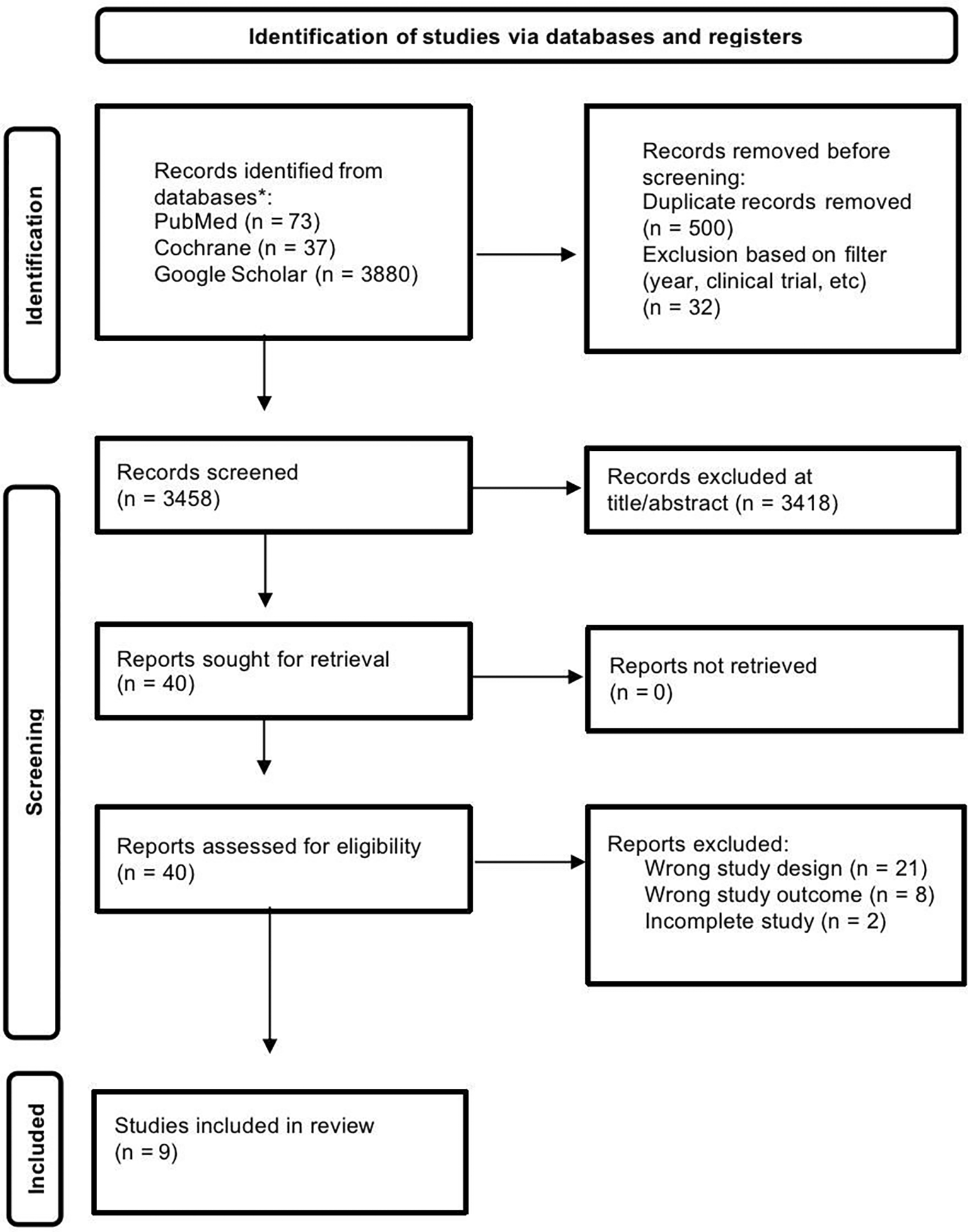
A PRISMA-compliant flow diagram illustrating the systematic screening and selection process of studies evaluating Vorasidenib. A total of nine randomized controlled trials were included after removal of duplicates, title/abstract screening, and full-text eligibility assessment. Reasons for exclusion at each stage are detailed to ensure transparency and reproducibility of the study selection process.
The studies included in this review primarily enrolled patients with IDH1- or IDH2-mutant low-grade gliomas, including both astrocytomas and oligodendrogliomas. Participants were mostly adults, with some studies including adolescents aged 12 years and older. Sample sizes varied from small early-phase cohorts (n ≈ 48–52) to larger multicenter phase III trials (n = 331). Eligible patients generally had residual or recurrent measurable disease, predominantly non-enhancing on imaging, and were candidates for surgery or had undergone prior resection.
Baseline characteristics showed that most patients had a high performance status, with Karnofsky scores ≥80 or ECOG 0–2. Prior surgical interventions were common, with a proportion of patients having undergone multiple resections. Tumor size was frequently ≥2 cm, and enrollment criteria typically required documented IDH1 or IDH2 mutations confirmed histologically or cytologically. Studies were conducted across multiple centers, often internationally, with both single-arm early-phase trials and multicenter, randomized, double-blind designs represented.
Interventions included oral administration of vorasidenib in continuous 28-day cycles at doses ranging from 25 mg to 300 mg/day, and ivosidenib in perioperative settings. Placebo controls were included in the phase III trials to allow for comparison, while early-phase studies were primarily single-arm. Across all studies, eligibility criteria consistently emphasized adequate organ function and the absence of acute need for chemotherapy or radiotherapy at the time of enrollment. Information about the baseline study characteristics of the included studies can be found in Table 1.
We used the RoB 2 risk of bias (robvis) tool to evaluate the randomized trials included in this study. Studies with a low risk score in every domain were categorized as having low risk. The ROB-2 on Figure 2 assessment evaluates five methodological domains: randomization process (D1), intervention adherence (D2), missing outcome data (D3), outcome measurement (D4), and selective reporting (D5). Studies classified as “low risk” demonstrate robust methodological implementation that minimizes systematic error, while “some concerns” indicates methodological ambiguities that may compromise effect estimate precision without constituting overt bias. Seven studies achieved low risk ratings across all domains, whereas two studies received “some concerns” primarily due to inadequate randomization documentation (D1). Domains D2-D5 demonstrated consistently acceptable standards across all included investigations, indicating proper intervention implementation, comprehensive data collection, and transparent reporting. While the evidence base supports quantitative synthesis, the identified randomization deficiencies necessitate cautious interpretation of Vorasidenib effects and consideration of potential therapeutic benefit overestimation due to selection bias vulnerabilities. From nine included studies in this systematic review, the overall assessment identified seven studies with low risk of bias and two studies with some concerns, due to the randomization process that weren’t clearly stated.
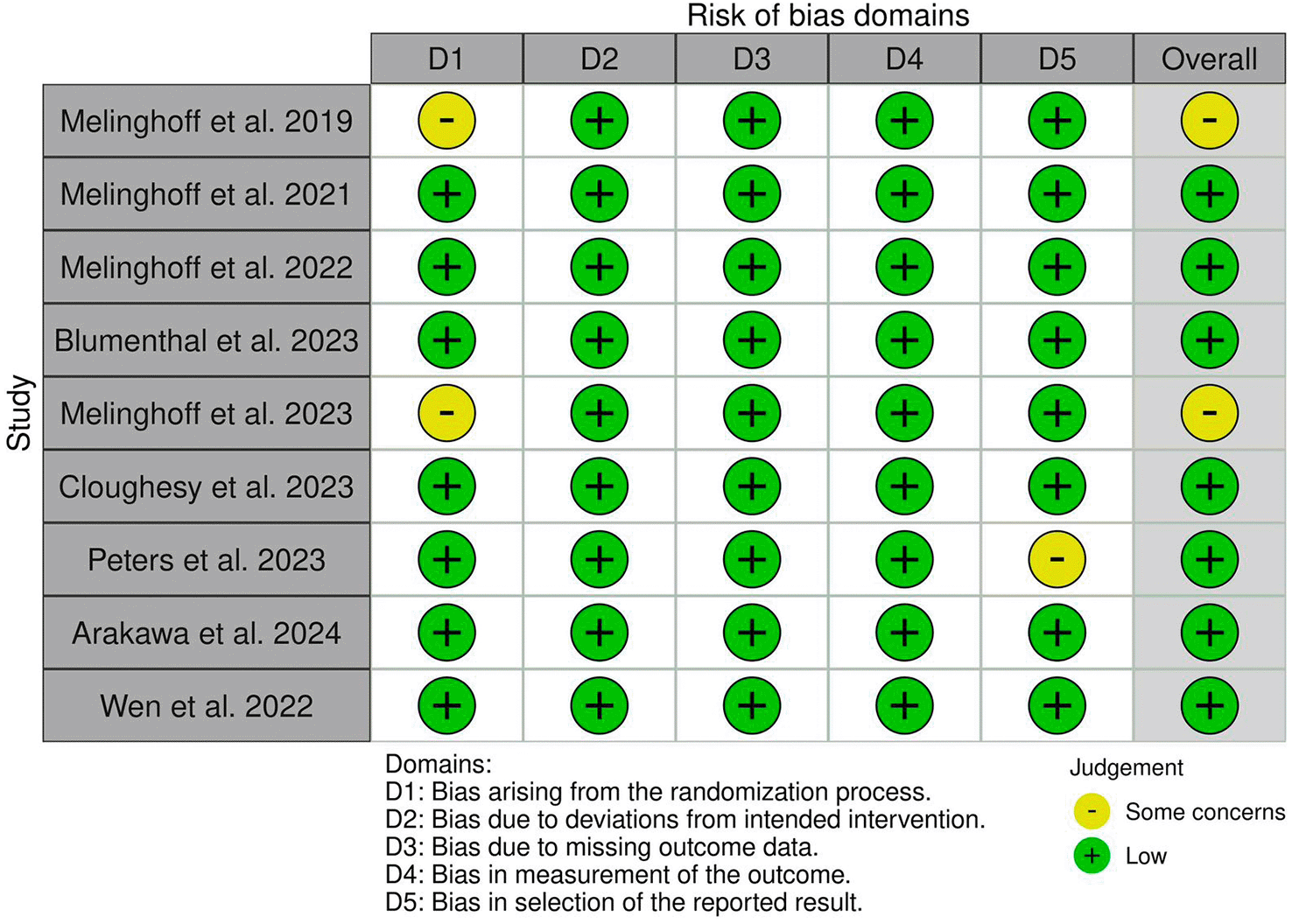
Risk of bias evaluation of the nine included randomized controlled trials using a standardized assessment tool (e.g., Cochrane RoB 2). Seven studies demonstrated low risk of bias across all domains, while two studies showed some concerns, primarily in Domain 1 (bias arising from the randomization process). Overall, the included studies were considered to have acceptable methodological quality.
Several included Phase I studies have evaluated the safety and efficacy of vorasidenib in IDH-mutant gliomas. One perioperative Phase I study by Mellinghoff25 reported that 8.3% of patients experienced transaminase elevations, while grade 3 or higher adverse events occurred in 25% of patients, primarily due to postoperative complications.
In another Phase I study by Mellinghoff et al.,,21 vorasidenib demonstrated disease stabilization in 77.3% of patients, with 60.5% remaining progression-free at 24 months. The median progression-free survival (PFS) was 7.5 months (95% CI: 3.7–12.9). Common adverse events included ALT/AST levels (63.6%/59.1%), headache (45.5%), nausea (40.9%), neutropenia (31.8%), and seizures (22.7%). Mellinghoff17 also highlighted vorasidenib’s favorable safety profile at doses below 100 mg/day, with elevated liver transaminases emerging as the primary dose-limiting toxicity (DLT) at doses ≥100 mg/day. Among non-enhancing gliomas, the objective response rate (ORR) was 18%, with a median PFS of 36.8 months. In contrast, enhancing gliomas showed no objective responses, and the median PFS was significantly lower at 3.6 months.
Furthermore, in a perioperative Phase I study25,37 comparing vorasidenib to ivosidenib in IDH1-mutant low-grade glioma, vorasidenib led to a 92.6% reduction in 2-HG levels, a key biomarker of IDH-mutant gliomas. While long-term survival data were still maturing, vorasidenib-treated patients exhibited prolonged progression-free intervals compared to untreated controls. In comparison, ivosidenib is an approved drug for IDH1-mutant acute myeloid leukemia (AML) and previously treated cholangiocarcinoma, showing potent enzymatic inhibition (IC50 < 10 nM) and > 90% intratumoral 2-hydroxyglutarate reduction.9 Nonetheless, clinical outcomes were limited, with 57% of relapsed/refractory AML patients developing resistance due to co-occurring RTK pathway mutations,1 and its poor blood–brain barrier penetration (brain:plasma ratio 0.16, ~4.1% penetration) restricts central nervous system applications.9,24
By contrast, vorasidenib is a brain-penetrant dual mIDH1/2 inhibitor with superior pharmacokinetics, including a 15-fold higher brain:plasma ratio (2.4 vs 0.16) and markedly improved tumor-to-plasma ratio (1.69 vs 0.10) compared with ivosidenib (Konteatis et al., 2020; Mellinghoff et al., 2019). In early-phase trials, it achieved higher objective response rates (46% vs 27%) and prolonged progression-free survival (41.4 vs 38.6 months) in IDH-mutant glioma patients11,23,25 Preclinical work further confirmed >97% 2-hydroxyglutarate suppression and strong tumor growth inhibition in orthotopic glioma models, underscoring vorasidenib’s transformative potential in IDH-mutant CNS malignancies.27
The Phase III INDIGO trial21 confirmed vorasidenib’s efficacy in a larger cohort. Patients receiving vorasidenib achieved a median PFS of 27.7 months, significantly longer than 11.1 months in the placebo group (HR = 0.39, 95% CI: 0.27–0.56; P < 0.001). Time to next anticancer intervention (TTNI) was also significantly delayed (HR = 0.26, 95% CI: 0.15–0.43; P < 0.001), with 85.6% of vorasidenib-treated patients progression-free at 18 months, compared to 47.4% in the placebo group. However, 22.8% of vorasidenib-treated patients experienced grade 3 or higher adverse events, with elevated ALT levels (9.6%) being the most common.
The INDIGO trial further detailed vorasidenib’s safety profile, reporting serious adverse events in 6.59% of patients, including autoimmune hepatitis, hepatic failure, enterocolitis infection, postprocedural infections, and nervous system disorders such as seizures (2.99%). Subgroup analysis revealed a greater benefit in patients with the IDH1-R132H variant, with an HR for PFS of 0.33 (95% CI: 0.22–0.50). Cloughesy (2023) examined variant allele frequency (VAF) and PFS, demonstrating that vorasidenib was significantly more effective than placebo across both low and high VAF subgroups. The median PFS difference was statistically significant (P = 0.0116 for low VAF, P < 0.0001 for high VAF), suggesting greater benefit in patients with a higher tumor burden. Information regarding the outcomes of the included studies are shown in Table 2.
| No | Author (year) | Doses | Survival Rate | Response to therapy | Adverse Effects |
|---|---|---|---|---|---|
| 1 | Mellinghoff (2021)23 | 25 mg/day, up to 300 mg/day in glioma patients. | N/A | Nonenhancing gliomas: 4(18.2%)[95% CI 5.2–40.3]; objective response rate, Enhancing gliomas: 0(0%) [95% CI, o-11.6] objective response rate. | headache 24 (46.2%), nausea 17 (32.7%), seizure 15 (28.8%). Increased ALT 23(44.2%), AST 21(40.4%) |
| 2 | Mellinghoff (2023)21 | 50 mg daily: 92.6% reduction in 2-HG. | No deaths reported during median 14.2-month follow-up; overall survival data pending, still being collected. | 85.6% vorasidenib vs 47.4% placebo remained treatment-free at 18 months (hazard ratio 0.26, P < 0.001). | Grade 3+ adverse events: 22.8% vorasidenib vs 13.5% placebo; elevated liver enzymes most common (9.6% vs 0%). |
| 3 | Blumenthal (2023)3 | 40 mg | Median progression-free survival: 27.7 months (vorasidenib) vs 11.1 months (placebo); hazard ratio 0.39 | 61% reduction in progression risk; 74% reduction in time-to-next-intervention; significant benefit across IDH1-R132H subgroup (HR 0.33) | Grade 3 elevated ALT: 9.6% vorasidenib vs 0% placebo |
| 4 | Mellinghoff (2020)24 | 40 mg | 60.5% of patients remained progression-free and alive at 24 months in this non-enhancing glioma population. | Objective response rate: 13.6% (1 partial, 2 minor responses); 77.3% achieved stable disease; encouraging preliminary activity demonstrated. | elevated ALT/AST (63.6%/59.1%), headache (45.5%), nausea (40.9%), neutropenia (31.8%), fatigue, hyperglycemia (27.3% each). |
| 5 | Cloughesy (2023)6 | 40 mg | The median PFS results favored vorasidenib over placebo in both subgroups (low VAF, one-sided P = 0.0116; high VAF, one-sided P < 0.0001). | N/A | N/A |
| 6 | Mellinghoff (2019)25 | 50 mg | N/A | IVO mean tumor 2-HG: 10 μg/mL vs control 141 μg/mL VOR mean tumor 2-HG: 6.8 μg/mL vs control 141 μg/mL | Grade 1–2 only; Diarrhea (36%), hypocalcemia/constipation (20% each), anemia/hyperglycemia/pruritus/headache/nausea (16% each), hypokalemia/fatigue (12% each) |
The mutation of IDH1 in gliomas has profound effects on cellular metabolism, contributing to carcinogenesis through various mechanisms, one of which involves the disruption of cellular redox balance. IDH1 normally catalyzes the conversion of isocitrate to α-ketoglutarate (α-KG), a reaction that is coupled with NADPH production, which is crucial for maintaining the cell’s redox balance and protecting against oxidative stress. However, in IDH1-mutant gliomas, this enzyme acquires a neomorphic function, catalyzing the reduction of α-KG to 2-hydroxyglutarate (2-HG), a metabolite with oncogenic properties.7,16
The accumulation of 2-HG impairs histone demethylases, leading to abnormal DNA methylation patterns and reversion to a progenitor-like epigenetic state, thus promoting tumorigenesis.11 Furthermore, the decrease in NADPH levels resulting from the mutant IDH1 enzyme exacerbates oxidative stress, as cells become more susceptible to reactive oxygen species (ROS), which damages cellular membranes and enzymes, and promotes genomic instability.17 This redox imbalance, alongside the accumulation of 2-HG, a metabolite which disrupts normal cellular metabolism and epigenetics by inhibiting α-ketoglutarate-dependent dioxygenases, creates a favorable environment for gliomagenesis.3 Vorasidenib functions by selectively inhibiting mutant IDH1 and IDH2 enzymes, thereby reducing the accumulation of the oncometabolite D-2-hydroxyglutarate (D-2-HG). In preclinical studies, vorasidenib demonstrated potent inhibition of IDH-mutant gliomas, as evidenced by its ability to suppress 2-HG levels by over 97% in orthotopic glioma mouse models.13 Therapeutically, IDH1-mutant inhibitors such as AG-881(vorasidenib) have shown promise in reducing the oncogenic effects of 2-HG, mitigating seizure risks in glioma patients, and reducing epileptiform activity in preclinical models, highlighting their potential for clinical use in mitigating the harmful effects of these mutations.9 Thus, targeting the metabolic alterations caused by IDH1 mutations represents a crucial therapeutic strategy in the management of IDH1-mutant gliomas.
As a small-molecule pan-IDH1/2-mutant inhibitor, AG-881 targets and inhibits both mutated IDH1 and IDH2 enzymes with IC50 values between 0.04 and 22 nM, effectively reducing the levels of 2-HG.12 AG-881 binds to the mutated IDH1-R132H and IDH2-R140Q proteins in the same binding pocket located at the enzyme dimer interface, triggering a conformational change that inactivates the enzymes and halts the production of 2-HG.18,35 This dual capability to cross the BBB and selectively inhibit the mutated enzymes positions AG-881 as a highly promising therapeutic agent for treating IDH-mutant cancers, particularly those in the central nervous system, where other treatments may be less effective.
Additionally, AG-881 (vorasidenib) is orally administered with the ability to cross the blood-brain barrier (BBB), offering significant potential for treating patients with advanced solid or hematological tumors that carry IDH1 or IDH2 mutations. Phase 1 clinical trials have shown that AG-881 successfully penetrates the BBB in patients with these mutations, suggesting it could be effective for brain tumors as well.35 The schematic illustration is presented on Figure 3.
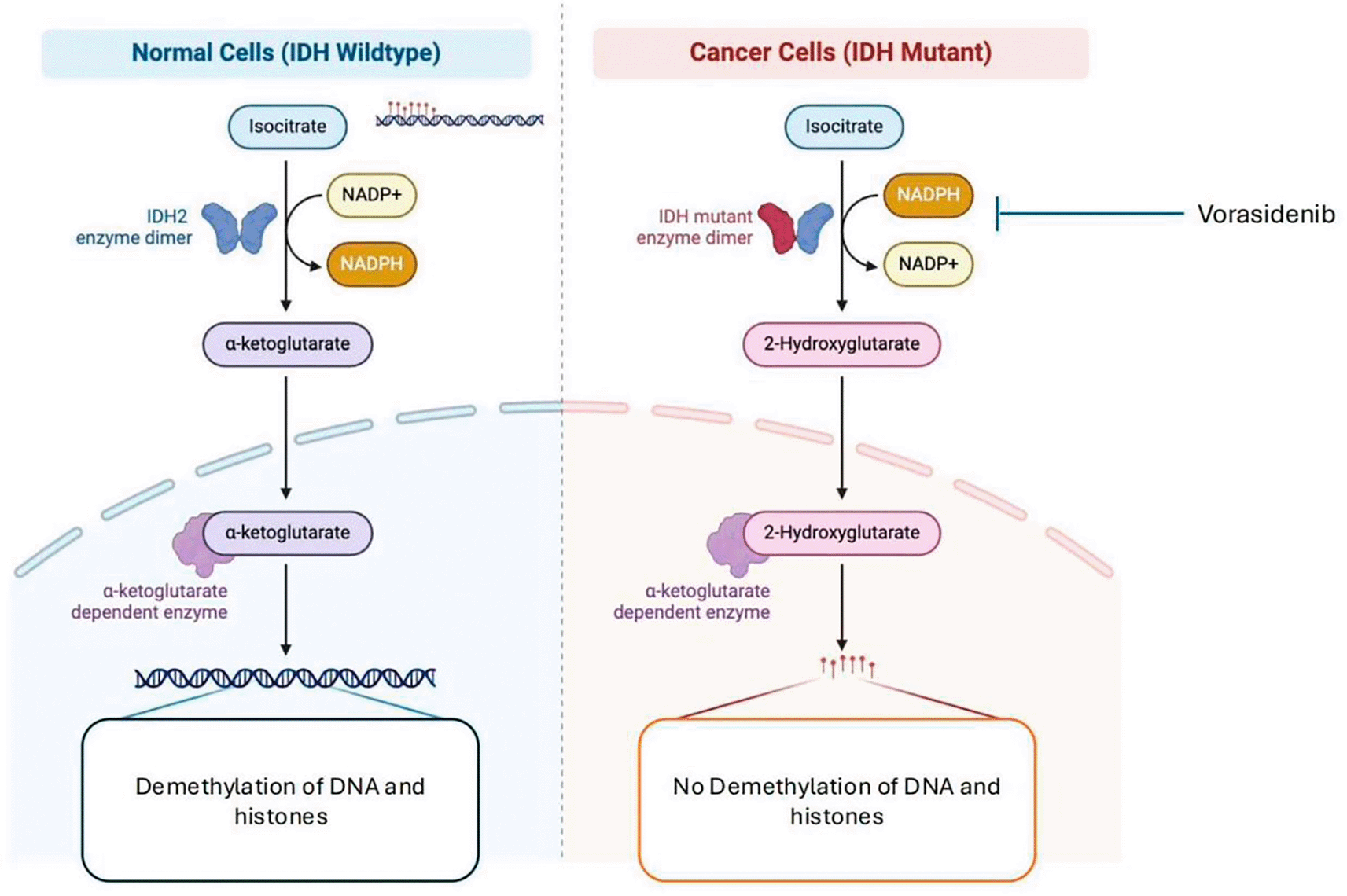
Schematic illustration of the mechanism of action of Vorasidenib as a dual inhibitor of mutant Isocitrate Dehydrogenase 1 (IDH1) and Isocitrate Dehydrogenase 2 (IDH2). In IDH-mutant gliomas, aberrant enzymatic activity leads to the accumulation of the oncometabolite 2-hydroxyglutarate (2-HG), which promotes epigenetic dysregulation and impairs cellular differentiation. Vorasidenib inhibits mutant IDH enzymes, reducing 2-HG levels and restoring normal cellular differentiation pathways, thereby contributing to its antitumor effects.
The brain-penetrant properties of AG-881 (vorasidenib) were further validated in glioma-spheroid cocultures and IDH-mutant glioma mouse models, where neuronal firing and tumor cell proliferation were significantly reduced.9 In a Phase I trial, vorasidenib lowered 2-HG levels by 95% within gliomas, confirming its strong metabolic inhibition in human patients. Additionally, vorasidenib has been shown to exert immune-modulating effects, increasing CD4+ and CD8+ T-cell infiltration and enhancing IFNγ-related gene expression, which may contribute to an anti-tumor immune response.8 These findings suggest that vorasidenib not only targets the metabolic vulnerabilities of IDH-mutant gliomas but may also enhance anti-tumor immunity, offering potential synergistic benefits in combination with immunotherapy.
The collective findings from the Phase III INDIGO trial21 and Phase I trials21,23,37 highlight vorasidenib’s efficacy in prolonging progression-free survival in IDH1/2-mutant low-grade glioma, particularly in non-enhancing tumors. The median PFS of 27.7 months in Phase III trials significantly outperforms placebo, indicating strong disease control benefits. The reduction in 2-HG levels further supports its mechanism of action as an IDH inhibitor. Additionally, the significant delay in time to next anticancer intervention (TTNI) suggests that vorasidenib could help delay the need for more aggressive treatments like chemotherapy or radiation.
While vorasidenib shows a strong efficacy profile, its toxicity remains a concern, particularly its hepatic effects. Across multiple studies, elevated ALT levels and transaminase elevations were among the most common adverse events, with some cases of autoimmune hepatitis and hepatic failure. Additionally, seizures were reported in nearly 3% of patients, necessitating neurological monitoring. Despite these adverse events, the majority were manageable with dose modifications, and severe toxicity rates remained comparable to those of other targeted therapies.31
Variant allele frequency (VAF) analysis during vorasidenib treatment demonstrates significant predictive value for therapeutic response across diverse IDH-mutant hematologic malignancies. In a cohort of 46 patients comprising AML (n = 34), MDS (n = 11), and AITL (n = 1), baseline VAF distributions were comparable between IDH1-only (mean 37.49%) and IDH2-only mutations (mean 34.92%), with co-occurring mutations present in 8.7% of cases.8 Longitudinal VAF monitoring revealed profound reductions in complete responders compared to non-responders, with mutation-specific patterns emerging.31,36 Patients harboring IDH2-R140 mutations exhibited remarkable VAF reductions of 98% versus 16% in complete responders versus non-responders, respectively (P < 0.0001), while those with IDH2-R172 mutations showed more modest but significant differences of 62% versus 7% (P = 0.013).36 The clinical relevance of these VAF dynamics is underscored by treatment duration outcomes, where 17.4% of patients achieved sustained exposure ≥6 months, with five being IDH-inhibitor naive.8 Notably, baseline VAF levels appear less predictive than dynamic changes during treatment, as patients with subclonal IDH mutations can still achieve complete hematological remission.38
The variant allele frequency (VAF) analysis suggests that patients with a higher IDH-mutant tumor burden may derive greater benefit from vorasidenib, opening the possibility for biomarker-based patient selection in future trials. Furthermore, the lack of benefit in enhancing gliomas suggests that vorasidenib may be most effective in early-stage, non-enhancing IDH-mutant gliomas, potentially as an adjuvant therapy to delay disease progression before more aggressive interventions are required as seen on Table 3.
| No | Author | Title | Study Design | Centre | Population | Total Sample | Intervention | Dose | Safety | Adverse Events | |
|---|---|---|---|---|---|---|---|---|---|---|---|
| Vorasidenib | Placebo | ||||||||||
| 1 | Mellinghoff23 | Vorasidenib, a Dual Inhibitor of Mutant IDH1/2, in Recurrent or Progressive Glioma; First-in-Human Phase I Trial | Cohort | Multi-centre | Patients with mIDH1/2 solid tumors, including glioma | 93 (Glioma 52, Non-glioma 41) | N/A | Vorasidenib orally in 28-day cycles with dose escalation | 25–300 mg/day | Favorable safety <100 mg/day; elevated liver enzymes ≥100 mg/day, reversible | Nonenhancing gliomas: headache 46.2%, nausea 32.7%, seizure 28.8%, ALT 44.2%, AST 40.4% |
| 2 | Mellinghoff22 | Vorasidenib and Ivosidenib in IDH1-mutant low-grade glioma: Perioperative Phase 1 Trial | Randomized clinical trial | N/A | IDH1-mutant low-grade glioma | 48 (24 Vorasidenib, 24 Ivosidenib) | N/A | Vorasidenib 24 | 50 mg daily | Well tolerated | Grade ≥ 3 AEs: 22.8% Vora vs 13.5% placebo; elevated liver enzymes most common (9.6% vs 0%) |
| 3 | Mellinghoff21 | Vorasidenib in IDH1- or IDH2-Mutant Low-Grade Glioma | Double-blind, placebo-controlled Phase 3 | Multi-centre | IDH1- and IDH2-mutant low-grade glioma | 168 | 163 | Vorasidenib 168 | 40 mg daily | Grade ≥ 3 AEs: 22.8% Vorasidenib, 13.5% PBO; ALT 9.6% | Primary endpoint: PFS; median PFS 27.7 mo Vora vs 11.1 mo PBO |
| 4 | Blumenthal32 | INDIGO: Randomized, double-blinded Phase III study of Vorasidenib vs Placebo in IDH1/2 LGG | Double-blind Phase 3 | Multicentre, USA | Residual or recurrent grade 2 mIDH1/2 oligodendroglioma or astrocytoma | 168 | 163 | 168 | 40 mg | – | Grade 3 ALT: 9.6% Vora vs 0% PBO; TTNI: Vora not reached vs 17.8 mo PBO |
| 5 | Mellinghoff24 | Vorasidenib (VOR; AG-881) in recurrent/progressive glioma: Phase I non-enhancing population | Randomized controlled trial | Multicentre | Adult glioma patients ≥18 y, ECOG performance status 0–2, evaluable disease by RANO-LGG | 168 | 163 | 168 | 40 mg | Favorable; 3 grade ≥ 3 AEs, 2 discontinued | ORR 13.6%, 77.3% stable disease; ALT 63.6%, AST 59.1%, headache 45.5%, nausea 40.9%, neutropenia 31.8%, fatigue/hyperglycemia 27.3% |
| 6 | Mellinghoff25 | Perioperative study of Ivosidenib (AG-120) and Vorasidenib (AG-881) in recurrent, IDH1-mutant LGG | Cohort | N/A | Recurrent mIDH1 nonenhancing WHO 2016 grade 2/3 LGG, candidates for resection | 10 | 5 | 10 Vorasidenib | 50 mg | Transaminase elevations in 8.3% Vora; Grade ≥ 3 in 25% | IVO 2-HG: 93% reduction; VOR 95% reduction; AE: diarrhea 36%, anemia, hyperglycemia, pruritus, headache, nausea 16%, hypokalemia/fatigue 12% |
| 7 | Wen37 | LTBK-06: Impact of Vorasidenib Treatment on Mutant IDH1/2 Diffuse Glioma Tumor Growth Rate | RCT | N/A | Age ≥ 12, KPS >80, residual/recurrent grade 2 IDH1/2 LGG, measurable non-enhancing disease | 168 | 163 | 168 | 40 mg daily | – | Tumor growth rate: Vora −3.3% vs placebo 12.2% post-treatment |
| 8 | Peters30 | QOL-26: INDIGO Health-Related QoL, Neurocognition and Seizures | RCT | 168 | 163 | 168 | 40 mg daily | – | No clinically meaningful deterioration in FACT-Br; seizures baseline 11.9% Vora vs 12.3% PBO | ||
| 9 | Arakawa1 | ADULT-TYPE DIFFUSE GLIOMA with IDH1/2 Mutation: Japan Subgroup Analysis | RCT | 168 | 163 | 7 | – | All-grade AEs >20%: ALT 68.8% (≥G3 25%), AST 56.3% (≥G3 18.8%), GGT 31.3% (≥G3 6.3%) | |||
Vorasidenib has been well tolerated in clinical trials; however, dose-limiting toxicities, primarily elevated liver enzymes, have been observed at doses exceeding 100 mg. Increased ALT levels were reported in approximately 68.8% of patients, with 25% experiencing grade 3 or higher elevations.2,21 These toxicities were reversible with dose adjustments or drug discontinuation, highlighting the need for regular liver function monitoring during treatment.2,21 Other frequently reported side effects include gastrointestinal symptoms (nausea, diarrhea, vomiting), fatigue, and headaches, which are generally manageable with supportive care.20 Additionally, vorasidenib has been linked to a potential risk of bleeding, requiring caution in patients receiving anticoagulants.20 Given the limited studies available and the recent introduction of this drug, further research is necessary to enhance understanding of its safety and efficacy.
A keynote we can highlight is the INDIGO trial, which enrolled 331 patients with IDH-mutant WHO grade 2 glioma between January 2020 and February 2022 across 77 centers. Patients were randomized to receive vorasidenib (n = 168) or placebo (n = 163), with groups balanced in baseline characteristics such as age (median ~ 40 years), performance status (Karnofsky score ≥ 100 in >50%), prior surgery (100% had surgery, ~21.5% had ≥2 surgeries), and tumor size (≥2 cm in >80% of patients). At a median follow-up of 14 months, vorasidenib significantly prolonged imaging-based progression-free survival (PFS) to 27.7 months versus 11.1 months with placebo (HR: 0.39; 95% CI: 0.27–0.56; P < 0.001) and delayed time to next anticancer intervention (TTNI) (HR: 0.26; 95% CI: 0.15–0.43; P < 0.001).36 By 18 months, 85.6% of vorasidenib-treated patients remained free from further intervention versus 47.4% in the placebo group.1 Subgroup analyses consistently favored vorasidenib.1
Importantly, the perioperative cohort treated with vorasidenib or ivosidenib, enriched for Grade 2 disease, demonstrated exceptional disease control, with a 100% rate of efficacy. In terms of safety, vorasidenib was associated with mainly low-grade toxicities; however, grade ≥ 3 adverse events were more common (22.8% vs 13.5%), primarily elevated liver enzymes (e.g., ALT in 9.6%).36 Serious drug-related adverse events were rare (1.8%), and discontinuation due to adverse events was low (3.6% in the vorasidenib group.
The FDA’s recent approval of vorasidenib for the treatment of IDH-mutant grade 2 gliomas marks a major milestone in neuro-oncology. The perioperative cohort receiving vorasidenib or ivosidenib, largely composed of Grade 2 tumors, achieved remarkable disease control, with all patients (100%) demonstrating stable or improved outcomes. Adverse event reported was still well tolerated and manageable with supportive care. These findings support vorasidenib as a promising early intervention strategy for delaying disease progression in IDH-mutant low-grade glioma during the watch-and-wait period. Future studies should focus on long-term survival outcomes, optimal patient selection, and combination strategies with other glioma treatments. However, further studies are needed to explore its long-term efficacy, optimal dosing strategies, and potential for combination therapies.
| Views | Downloads | |
|---|---|---|
| F1000Research | - | - |
|
PubMed Central
Data from PMC are received and updated monthly.
|
- | - |
Provide sufficient details of any financial or non-financial competing interests to enable users to assess whether your comments might lead a reasonable person to question your impartiality. Consider the following examples, but note that this is not an exhaustive list:
Sign up for content alerts and receive a weekly or monthly email with all newly published articles
Already registered? Sign in
The email address should be the one you originally registered with F1000.
You registered with F1000 via Google, so we cannot reset your password.
To sign in, please click here.
If you still need help with your Google account password, please click here.
You registered with F1000 via Facebook, so we cannot reset your password.
To sign in, please click here.
If you still need help with your Facebook account password, please click here.
If your email address is registered with us, we will email you instructions to reset your password.
If you think you should have received this email but it has not arrived, please check your spam filters and/or contact for further assistance.

Comments on this article Comments (0)