Keywords
Telehealth, Digital Health Interventions, Family Counseling, Persons with Disabilities, Caregiver Burden, Scoping Review

Telehealth, Digital Health Interventions, Family Counseling, Persons with Disabilities, Caregiver Burden, Scoping Review
Family counseling and reform programs constitute a cornerstone of psychosocial support systems for persons with disabilities and their caregivers, fundamentally addressing the multifaceted challenges that emerge within familial contexts. The psychological burden experienced by families raising children or supporting relatives with disabilities is well-documented, with caregivers consistently reporting elevated levels of stress, depression, and diminished quality of life compared to their counterparts in families without disabled members. Contemporary understandings of disability support have increasingly recognized that sustainable outcomes depend not merely on clinical interventions directed at the disabled individual, but on the systematic strengthening of family dynamics, communication patterns, and problem-solving capacities within the entire familial unit. Reform programs, therefore, aim to restructure maladaptive interaction patterns, enhance coping mechanisms, and build resilience among family members who navigate the persistent challenges associated with caregiving responsibilities. The integration of psychological support, behavioral guidance, and educational resources within these programs reflects a holistic paradigm that acknowledges the family system as both the primary source of support and a potential locus of strain requiring targeted intervention.
In the Arab world, including Jordan, the cultural context profoundly shapes caregiving experiences and the acceptability of family counseling interventions. Ahmed et al. (2023) examined the quality of life among mothers and fathers of children with autism spectrum disorder in Jordan, finding that cultural norms regarding disability, gender roles, and family obligations significantly influence parental well-being and coping strategies. Their findings revealed that both mothers and fathers experience substantial psychological burden, with mothers reporting particularly elevated levels of stress and diminished quality of life. These findings highlight the necessity for culturally sensitive approaches that respect familial hierarchies and address stigma-related barriers to service utilization. Al-Krenawi and Graham (2000) emphasized that effective social work practice with Arab clients in mental health settings requires deep understanding of extended family networks, religious beliefs, and culturally specific expressions of distress, principles that are equally applicable to family counseling and reform programs for persons with disabilities.
The contemporary landscape of family counseling and reform programs has undergone a profound transformation through the progressive integration of digital technologies, fundamentally reshaping how therapeutic and supportive services are conceptualized, delivered, and sustained. Telehealth platforms, mobile applications, interactive web-based modules, and synchronous video conferencing have emerged as viable alternatives to traditional face-to-face counseling, offering unprecedented flexibility in service provision. Camden and Silva (2021) documented the accelerated adoption of pediatric telehealth during the COVID-19 pandemic, demonstrating not only the feasibility but also the effectiveness of remote delivery models for supporting families of children with disabilities, while proposing evidence-based strategies for sustaining these innovations beyond crisis-driven implementation. Their work established that telehealth can achieve comparable outcomes to in-person care while addressing previously insurmountable barriers including geographical distance, transportation difficulties, and time constraints.
Concurrently, the field of digital psychiatry has witnessed remarkable expansion, with Torous et al. (2021) providing comprehensive evidence that smartphone applications, social media interventions, chatbots, and virtual reality platforms can deliver meaningful therapeutic benefits across diverse populations. Their review synthesized evidence demonstrating that digital tools can effectively address mental health challenges, though they noted significant heterogeneity in study quality and outcome measures. These technological advances have addressed previously insurmountable barriers including geographical distance, transportation difficulties, time constraints, and the limited availability of specialized practitioners in underserved regions. Moreover, digital interventions offer unique advantages in terms of continuous accessibility, enabling families to receive real-time support and behavioral guidance at moments of heightened need, rather than being constrained to episodic, scheduled appointments. The capacity for personalization through algorithmic tailoring and user-specific content delivery further enhances the potential of digital tools to accommodate the heterogeneous needs of families navigating disability-related challenges across developmental stages and varying impairment profiles.
In the Middle Eastern context, digital health interventions face unique opportunities and challenges. Al-Samarraie et al. (2020) examined telemedicine progress in Middle Eastern countries, identifying both significant advancements and persistent barriers, including regulatory fragmentation, infrastructure limitations, and cultural attitudes toward remote healthcare delivery. Their comprehensive review revealed that while telemedicine infrastructure has expanded significantly in the region, particularly in the Gulf states, substantial gaps remain in regulatory frameworks, reimbursement policies, and cultural acceptance. Sleem and Khayyat (2025) further explored digital transformation in supporting families of people with disabilities in Saudi Arabia and Egypt, highlighting current realities, challenges, and strategies for improvement that emphasize the need for localized adaptation rather than wholesale importation of Western models. Their work demonstrated that successful digital transformation requires attention to cultural norms regarding disability, family roles, and help-seeking behaviors, along with investment in infrastructure and digital literacy.
Qasrawi et al. (2025) conducted a comprehensive cross-sectional study on digital health determinants and the digital divide in the Arab world, revealing substantial disparities in access, literacy, and utilization that directly impact the feasibility of digital family counseling interventions in the region. Their findings documented significant variations across countries, with higher-income Gulf states demonstrating better connectivity and digital literacy compared to other Arab nations. These disparities underscore the need for targeted interventions to address the digital divide and ensure equitable access to technology-enabled support services.
Despite the rapid proliferation of digital interventions within family support contexts, the existing body of research exhibits significant fragmentation that impedes the development of evidence-based practice guidelines and policy frameworks. Apanasionok et al. (2025) conducted a systematic review of digital psychological wellbeing interventions for family carers of children and adults with intellectual and developmental disabilities, revealing that while numerous technological tools exist, the evidence base demonstrates considerable heterogeneity in methodological quality, outcome measures, and theoretical foundations. Their review identified 42 studies meeting inclusion criteria, finding consistent evidence for reduced caregiver distress but noting that most interventions lacked rigorous cultural adaptation and were predominantly developed in Western contexts.
Balcombe and De Leo (2023) evaluated the use of digital mental health platforms and interventions in a comprehensive scoping review, underscoring the need for standardized evaluation frameworks and more rigorous empirical investigation. Their review of 39 studies revealed significant variability in platform features, intervention intensity, and outcome measurement, making direct comparisons challenging. Baena Ruiz (2023) examined online family intervention for caregivers of persons with severe mental disorders through a narrative review, noting that the preponderance of research has concentrated on individual symptom reduction rather than systemic family reform objectives. Philippe et al. (2022) provided a systematic and comprehensive meta-review of digital health interventions for mental health care delivery, synthesizing evidence from over 120 reviews and identifying significant gaps in the evidence base regarding specific mechanisms through which digital platforms facilitate or hinder therapeutic outcomes.
The cultural and contextual dimensions of digital intervention implementation have received insufficient scrutiny, raising questions about the generalizability of findings across diverse socioeconomic backgrounds, educational levels, and technological literacy profiles that significantly influence engagement and outcomes in real-world settings. Al-Ramlawi (2026) addressed the treatment gap through a scoping review of digital mental health interventions for adolescents in low- and middle-income countries, highlighting the critical need for implementation science approaches that account for resource constraints and cultural determinants. Their review of 28 studies revealed that while digital interventions show promise, their effectiveness is heavily moderated by contextual factors including infrastructure, digital literacy, and cultural attitudes toward mental health.
Vieira et al. (2025) examined barriers and facilitators for implementing digital interventions for anxiety and depression in Latin America, providing methodological insights applicable to other underrepresented regions, including the MENA context. Their scoping review of 47 studies identified cultural factors, infrastructure limitations, and policy gaps as key determinants of implementation success, emphasizing the need for context-specific strategies. Nittas et al. (2026) conducted a scoping review on digital informal care and technology use in family care, emphasizing that successful implementation requires attending to the relational and social dimensions of technology-mediated caregiving. Shi, Hu, and Zhu (2026) explored digital health technology applications in home care for children with complex medical conditions, identifying implementation challenges that parallel those encountered in family counseling contexts.
Given the aforementioned fragmentation and the pressing need for systematic knowledge synthesis, the present scoping review aims to comprehensively map the landscape of digital interventions employed within family counseling and reform programs targeting persons with disabilities. This methodological approach is particularly well-suited to the current state of the literature, as scoping reviews enable the identification of key concepts, evidence gaps, and research priorities within emerging and rapidly evolving fields where systematic reviews may be premature due to insufficient homogeneous evidence (Arksey & O’Malley, 2005). The specific objectives of this review are threefold: first, to delineate the range and characteristics of digital interventions that have been implemented in family counseling and reform contexts for persons with disabilities; second, to synthesize available evidence regarding the effectiveness and implementation outcomes of these interventions; and third, to identify significant gaps in the current literature that should inform future research agendas and programmatic developments.
By undertaking this comprehensive mapping exercise, the review will provide a foundational knowledge base to support the development of evidence-informed digital intervention strategies, guide resource allocation decisions, and establish priorities for future empirical investigation. Furthermore, given the Jordanian context of this review, particular attention will be directed toward understanding how cultural factors, technological infrastructure, and healthcare system characteristics shape the implementation and effectiveness of digital interventions within the Middle Eastern context, thereby contributing to the global discourse on culturally responsive disability support services. Maberah and Abu Al-Rub (2026a) explored the relationship between digital transformation and family cohesion for Jordanian caregivers of disabled children, providing preliminary insights that underscore the importance of culturally anchored digital intervention frameworks. Their qualitative investigation revealed that digital connectivity can serve as both a bridge and a barrier to family cohesion, depending on the cultural appropriateness of the technologies and the digital literacy of caregivers. Similarly, Maberah and Abu Al-Rub (2026b) examined parental self-compassion in the digital age, finding that digital interventions must be carefully designed to support rather than undermine the emotional wellbeing of caregivers navigating the complexities of disability care in Arab cultural contexts.
Alara and Alara (2026) reviewed digital interventions for mental health promotion among individuals with disabilities, emphasizing the transformative potential of technology-enabled approaches while noting persistent gaps in culturally adapted content for non-Western populations. The findings of this review will ultimately inform the development of robust policy frameworks and practice guidelines that can harness the potential of digital technologies while mitigating associated risks, thereby advancing the quality and accessibility of family counseling and reform programs for persons with disabilities and their families.
This scoping review was conducted in accordance with the methodological framework proposed by the Joanna Briggs Institute (JBI) for scoping reviews (Peters et al., 2020) and reported in full compliance with the Preferred Reporting Items for Systematic Reviews and Meta-Analyses extension for Scoping Reviews (PRISMA-ScR) checklist (Tricco et al., 2018). The scoping review design was deliberately selected over a systematic review to accommodate the anticipated heterogeneity of the literature, comprehensively map the breadth of available evidence, and delineate conceptual boundaries within the emergent and interdisciplinary field of digital family counseling for persons with disabilities. To ensure methodological transparency and uphold contemporary standards of scientific reproducibility, the complete search strategies, screening criteria, and data extraction protocols are provided as supplementary materials. Figure 1 illustrates the conceptual framework guiding this review, depicting the interrelationships between digital intervention typologies, family counseling outcomes, and contextual determinants.
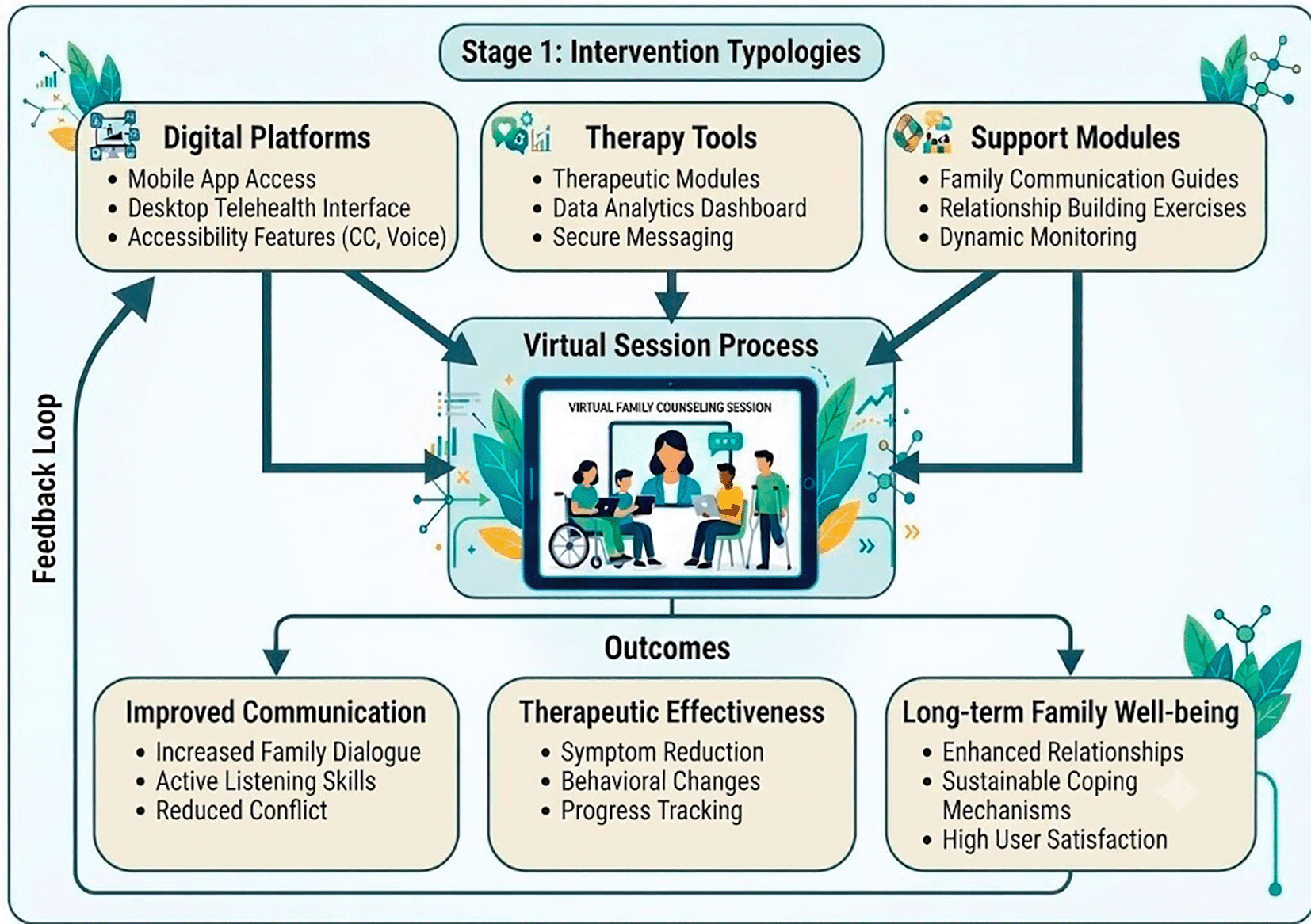
(Caption: This figure illustrates the conceptual framework guiding this review, depicting the interrelationships between digital intervention typologies (synchronous telehealth, asynchronous mHealth modules, and hybrid stepped-care models), family counseling outcomes (reduction in caregiver burden, enhancement of family communication, strengthening of behavioral coping strategies), and contextual determinants (cultural factors, technological infrastructure, digital literacy, and policy environment). The framework emphasizes the bidirectional influences between intervention characteristics, implementation context, and therapeutic outcomes.)
Eligibility criteria were formulated a priori using the Population, Concept, and Context (PCC) framework to ensure systematic and replicable study selection (Peters et al., 2020), as detailed in Table 1.
Information Sources and Search Strategy.
A comprehensive, multi-database search was executed to maximize retrieval sensitivity and minimize publication bias. The following four electronic bibliographic databases were selected based on their disciplinary relevance to psychology, health informatics, social work, and rehabilitation sciences: Scopus, Web of Science Core Collection, APA PsycInfo, and PubMed. The search strategy combined controlled vocabulary (MeSH terms where applicable) with extensive free-text keywords, refined through Boolean logic (AND, OR). The core search string, designed iteratively and peer-reviewed by an information specialist, was structured to capture studies addressing digital interventions, family counseling, and disability populations. Table 2 details the complete search strategy for each database, including the Boolean operators and filters applied to maximize retrieval sensitivity.
Following the completion of the comprehensive search, all retrieved citations were exported to EndNote (Clarivate Analytics) for collation and automated duplicate detection. After duplicate removal, the remaining unique records were imported into Rayyan (Ouzzani et al., 2016), a validated web-based systematic review management platform, which facilitates independent, blinded screening.
The selection process proceeded in two distinct phases:
1. Title and Abstract Screening: Two independent reviewers pilot-tested the screening criteria on a random sample of 20 records to calibrate inter-rater reliability. Subsequently, both reviewers independently screened all titles and abstracts against the inclusion criteria.
2. Full-Text Review: The full texts of all records deemed potentially eligible (or unclear) during the first phase were retrieved. The same two independent reviewers assessed these full texts against the eligibility criteria, documenting justifications for exclusions.
Any conflicts or disagreements arising between the two reviewers at either phase were resolved through robust discussion. In cases where consensus could not be reached, a third senior reviewer with expertise in disability research and digital health arbitrated the final decision. The entire selection process and the reasons for exclusion at the full-text stage were documented and summarized using a PRISMA-ScR-compliant flow diagram ( Figure 2).
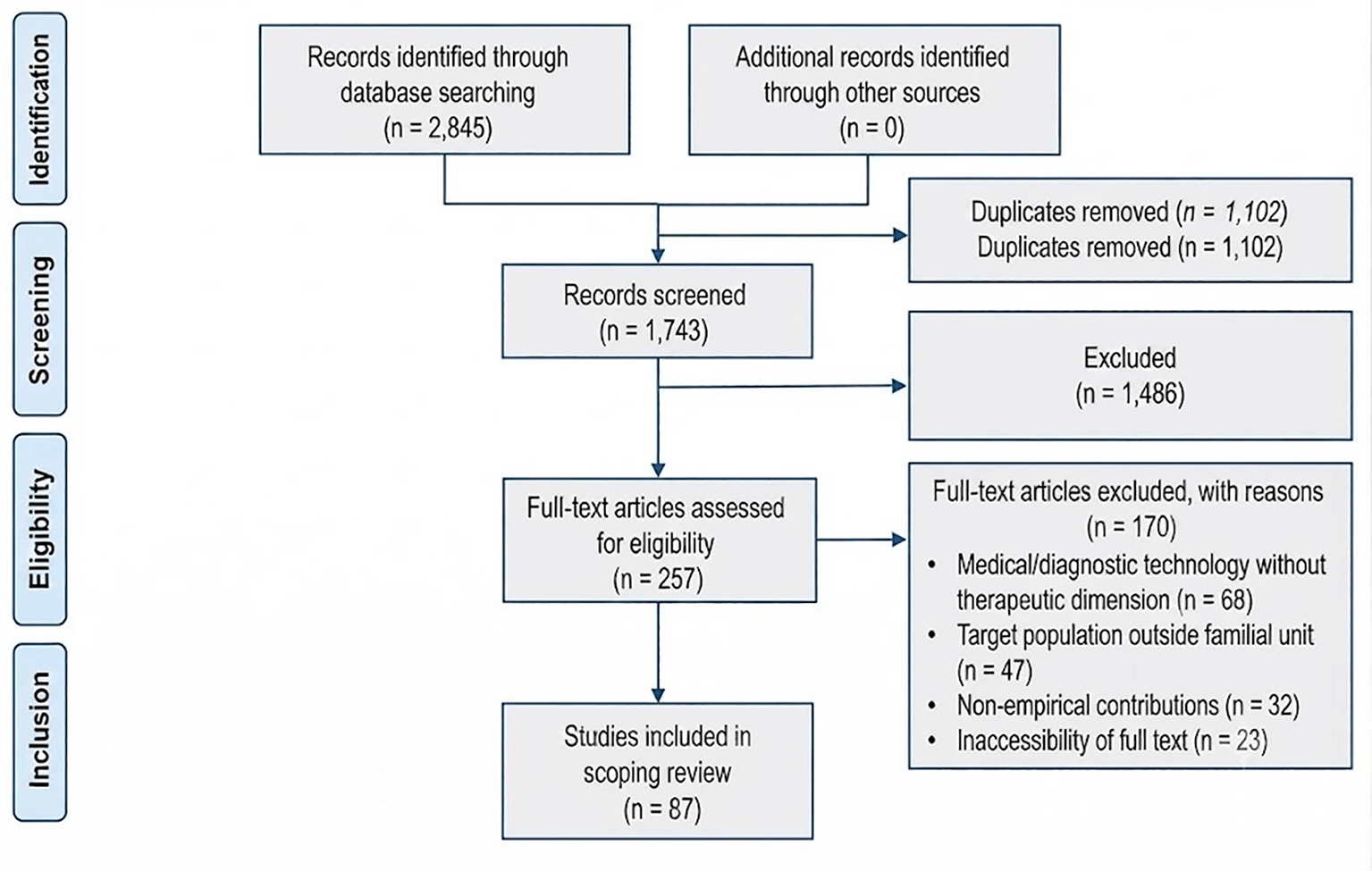
(Caption: PRISMA-ScR flow diagram detailing the systematic screening and selection process. From an initial yield of 2,845 records, after duplicate removal (n = 1,102), title and abstract screening (n = 1,486 excluded), and full-text review (n = 170 excluded), 87 studies met the inclusion criteria and were retained for data charting and narrative synthesis.)
A standardized data extraction (charting) form was developed iteratively. The research team initially extracted data from three to five randomly selected included studies to pilot the form and refine its content, ensuring it captured all relevant variables. The final data extraction sheet included the following core fields: author(s) and year; country of origin and geographical region (with specific flagging for Jordan and the MENA region); study design and methodological approach; participant characteristics (disability type, caregiver relationship); specific type of digital intervention (e.g., mobile app, videoconferencing); intervention duration and intensity; components of family counseling or reform targeted; primary outcome measures (psychological, behavioral, relational); and reported barriers/facilitators to implementation.
Given the anticipated heterogeneity of the included studies, a narrative synthesis approach was employed to analyze and present the charted data, rather than a statistical meta-analysis. The synthesized findings were organized into thematic categories structured around the principal research objectives:
1. Typologies of Digital Interventions – A descriptive mapping of available technologies and their technical features.
2. Psychosocial and Relational Outcomes – A summation of reported effects on family functioning, caregiver burden, and dyadic communication.
3. Implementation Challenges and Cultural Determinants – A critical thematic analysis of barriers (e.g., digital literacy, infrastructure, cultural stigma) and facilitators, with a dedicated subsection synthesizing findings relevant to the Jordanian and broader Arab cultural context to directly inform local policy and programmatic adaptations.
The systematic search across Scopus, Web of Science, APA PsycInfo, and PubMed yielded a total of 2,845 potentially relevant records. Following the removal of 1,102 duplicate citations using EndNote’s automated deduplication algorithm, 1,743 unique records proceeded to the initial screening phase. The title and abstract screening, conducted independently by two reviewers utilizing the Rayyan platform, resulted in the exclusion of 1,486 records that did not meet the pre-established PCC eligibility criteria, primarily due to irrelevance to family counseling frameworks or the absence of a digital intervention component. The remaining 257 full-text articles were retrieved and assessed for eligibility. Of these, 170 were excluded during the full-text review phase for the following substantiated reasons: (a) focus exclusively on medical or diagnostic technology without a therapeutic/counseling dimension (n = 68); (b) target population limited to professional or institutional caregivers outside the familial unit (n = 47); (c) non-empirical contributions such as editorials or conference proceedings (n = 32); and (d) inaccessibility of full text despite institutional library requests (n = 23). Consequently, a total of 87 studies met the inclusion criteria and were retained for data charting and narrative synthesis. The complete screening process, including the specific numbers of excluded records at each stage, is illustrated in the PRISMA-ScR flow diagram ( Figure 2). No additional records were identified through backward or forward citation tracking that met the inclusion criteria beyond the database harvest.
The 87 included studies exhibited considerable heterogeneity in geographical distribution, methodological design, and targeted disability populations. Geographically, the majority of the empirical research originated from high-income Western contexts, with the United States (n = 34), Canada (n = 12), the United Kingdom (n = 9), and Australia (n = 7) constituting the primary contributors. European nations, including the Netherlands, Germany, and Spain, collectively accounted for 15 studies. Critically, only four studies were identified from the Arab world, with a solitary study originating from Jordan (Dardas et al., 2025), one from Saudi Arabia (Alatar & Loucas, 2024), and two from the broader MENA region examining multiple countries (Sleem & Khayyat, 2025; Qasrawi et al., 2025). This pronounced geographical disparity underscores a significant contextual gap, particularly regarding the applicability of digital family counseling frameworks within Middle Eastern and North African (MENA) sociocultural milieus, a finding consistent with the observations of Al-Samarraie et al. (2020) regarding the uneven progress of telemedicine across the region.
Regarding disability types, neurodevelopmental disorders specifically autism spectrum disorder (ASD) (n = 41) and intellectual disabilities (n = 22) were the most frequently investigated conditions, followed by mixed physical disabilities (n = 15) and acquired chronic conditions such as spinal cord injuries (n = 9). This distribution reflects broader patterns in the disability literature, where autism and intellectual disabilities have received disproportionate attention due to the substantial caregiver burden they entail. The methodological landscape comprised predominantly quantitative designs (n = 52), including randomized controlled trials and quasi-experimental pre-post evaluations, followed by qualitative interview-based studies (n = 21) and mixed-methods approaches (n = 14). The predominance of quantitative designs suggests a field that has prioritized demonstrating effectiveness over understanding the nuanced mechanisms and contextual factors that influence intervention outcomes, a limitation noted by Balcombe and De Leo (2023) in their evaluation of digital mental health platforms.
The data charting process revealed a diversified technological landscape that could be systematically categorized into three principal typologies of digital interventions employed within family counseling and reform paradigms:
1. Synchronous Videoconferencing and Telehealth Platforms (n = 38): This category constituted the most frequently utilized modality, encompassing real-time therapeutic sessions conducted via secure video links. These platforms were predominantly employed to deliver dyadic counseling, parental coaching, and behavioral observation and modeling. The interventions often mirrored traditional face-to-face family therapy structures but leveraged digital connectivity to overcome geographical barriers, particularly benefiting families in rural or underserved regions. Hilty et al. (2013) provided foundational evidence for the effectiveness of telemental health, demonstrating comparable outcomes to in-person care across a range of populations and settings. Pickard et al. (2016) conducted a mixed-method evaluation of a telehealth-based parent-mediated intervention for children with autism spectrum disorder, establishing the feasibility and acceptability of synchronous videoconferencing for delivering evidence-based behavioral interventions.
In the Arab context, Alatar and Loucas (2024) investigated the feasibility of telehealth in delivering parent-mediated early intervention targeting social communication in autism in Saudi Arabia, providing valuable insights into the cultural and logistical considerations that shape implementation in the region. Their findings highlighted both the promise of telehealth for reaching underserved populations and the persistent challenges of connectivity, cultural adaptation, and caregiver engagement. Burgoyne and Cohn (2020) examined lessons from the transition to relational teletherapy, emphasizing that therapeutic alliance and the quality of interpersonal connection can be effectively maintained through digital platforms when therapists are attuned to the unique features of technology-mediated communication.
2. Asynchronous Mobile Health (mHealth) Applications and Web-Based Modules (n = 32): This typology included smartphone applications and self-paced online psychoeducational portals. Distinct from synchronous tools, these interventions offered on-demand resources such as video libraries of behavioral management techniques, interactive cognitive-behavioral therapy (CBT) workbooks, automated progress tracking, and push-notification reminders for therapeutic tasks. Notably, the included Jordanian study (Dardas et al., 2025) utilized a culturally adapted mobile application providing asynchronous depression prevention modules for adolescents, which was specifically designed to accommodate the linguistic and cultural nuances of Arabic-speaking families. The emphasis on cultural adaptation in this study reflects the broader recognition that effective digital interventions must attend to local norms, values, and preferences (Al-Krenawi & Graham, 2000).
Dahiya et al. (2025) examined the use of a mobile app to support parents of children with behavior problems, finding that asynchronous interventions can effectively reduce parental stress and improve child behavior outcomes, while also highlighting the importance of user engagement and sustained usage. Apanasionok et al. (2025) systematically reviewed digital psychological wellbeing interventions for family carers, emphasizing the potential of asynchronous platforms to provide flexible, accessible support that accommodates the demanding schedules of caregivers. Maberah and Abu Al-Rub (2026c) developed and evaluated IncluLearn AI, a user-centered adaptive tutoring system for digital skill development among women with disabilities, demonstrating that carefully designed digital tools can address both skill gaps and confidence barriers that often impede engagement with technology-based interventions.
3. Hybrid Stepped-Care Models (n = 17): A smaller but emerging group of studies integrated both synchronous and asynchronous components, delivering a tiered approach where initial psychoeducation was provided through self-guided digital content, with subsequent escalation to live videoconferencing sessions contingent upon the family’s progress or the severity of presenting challenges. This adaptive model was consistently reported to optimize resource allocation while maintaining therapeutic oversight. Philippe et al. (2022) noted that hybrid models represent a promising direction for digital mental health, offering a balance between scalability and personalized care.
Dardas et al. (2025) conducted a rigorous validation of a digital depression prevention program for adolescents in Jordan, employing a randomized controlled trial design with cultural adaptation and user testing. Their work provides a model for developing and evaluating digital interventions in the Arab context, emphasizing the necessity of cultural adaptation and community engagement in the intervention development process. The hybrid nature of their program combining self-guided modules with periodic therapist check-ins illustrates the potential for stepped-care approaches to bridge the gap between fully automated and fully therapist-led interventions.
Across all typologies, the core counseling and reform objectives targeted by these digital tools were systematically oriented toward restructuring maladaptive family communication patterns, enhancing positive behavioral support strategies, and reducing reactive parenting practices. This focus on systemic family dynamics rather than individual symptom reduction reflects the family-centered orientation of disability support frameworks and acknowledges the family system as both the primary source of support and a potential locus of strain requiring targeted intervention.
The narrative synthesis of the charted data yielded converging evidence regarding the positive impact of digital interventions on key psychosocial and relational parameters, although the magnitude of effects varied across studies. Four principal outcome domains were consistently identified:
1. Reduction in Caregiver Psychological Burden: A substantial proportion of studies (n = 54) reported statistically significant and clinically meaningful reductions in self-reported caregiver stress, anxiety, and depressive symptomatology. The asynchronous mHealth applications were particularly associated with improvements in parental self-efficacy, as they allowed caregivers to revisit training materials at their convenience, thereby reinforcing learning and fostering a sense of mastery over challenging behavioral episodes. Ahmed et al. (2023) specifically examined quality of life among mothers and fathers of children with autism spectrum disorder in Jordan, providing regional evidence of the significant psychological impact of caregiving and underscoring the need for accessible interventions.
Apanasionok et al. (2025) found consistent reductions in caregiver psychological distress across studies of digital wellbeing interventions for family carers, though they noted that effect sizes were often modest and varied considerably across studies. Philippe et al. (2022) similarly identified positive effects on caregiver mental health outcomes, while emphasizing the need for more rigorous longitudinal studies to establish sustained benefits.
2. Enhancement of Family Communication and Cohesion: Digital platforms that incorporated guided family sessions facilitated marked improvements in dyadic and triadic communication patterns. Qualitative data extracted from 21 studies emphasized that the structured nature of digital modules provided families with shared frameworks for discussing sensitive topics related to disability, reducing blame attribution and promoting collaborative problem-solving. The Jordanian study (Dardas et al., 2025) specifically highlighted that the digital medium mitigated the cultural stigma associated with seeking face-to-face psychological services, thereby encouraging more open familial dialogue. This finding aligns with Al-Krenawi and Graham’s (2000) observations regarding culturally sensitive practice with Arab clients, where stigma reduction is a key consideration in service delivery.
Maberah and Abu Al-Rub (2026a) explored the relationship between digital transformation and family cohesion for Jordanian caregivers of disabled children, finding that technology-mediated communication could both enhance and undermine family relationships depending on the context and manner of use. Their qualitative work highlights the importance of attending to relational dynamics in the design and implementation of digital interventions, moving beyond purely technical considerations. Nittas et al. (2026) similarly emphasized that digital informal care technologies must be designed to support rather than supplant meaningful family interactions, a principle that applies directly to family counseling interventions.
3. Strengthening of Behavioral Coping Strategies: Interventions focused on behavioral parent training (BPT) via digital delivery demonstrated consistent success in equipping caregivers with evidence-based strategies to manage challenging behaviors, particularly in ASD populations. Parents reported increased application of positive reinforcement techniques and reduced reliance on punitive measures, which subsequently contributed to more stable family dynamics. Pickard et al. (2016) established the feasibility of telehealth-based parent-mediated intervention for children with autism, demonstrating that parents could successfully implement behavioral strategies learned through remote delivery. Alatar and Loucas (2024) provided preliminary evidence for the feasibility of telehealth in Saudi Arabia, though larger-scale evaluations are needed to establish effectiveness in the Arab context.
Sleem and Khayyat (2025) examined the role of digital transformation in enhancing support and care for families of people with disabilities in Saudi Arabia and Egypt, highlighting the potential for technology-enabled behavioral support while identifying persistent challenges related to infrastructure, digital literacy, and cultural acceptance. Their work underscores the need for context-specific implementation strategies that address local barriers and leverage existing community resources.
4. Improved Accessibility and Engagement: Beyond direct psychological metrics, the synthesis underscored that digital interventions significantly enhanced service engagement among families who previously faced logistical barriers. However, it is noteworthy that outcomes were highly contingent upon the intensity of the intervention, with multi-session programs yielding more substantial relational improvements compared to single-dose psychoeducational modules. Qasrawi et al. (2025) documented the digital health determinants and divide in the Arab world, revealing substantial disparities in access and utilization that directly impact the feasibility and effectiveness of digital interventions. Their findings emphasize the need for proactive strategies to address the digital divide and ensure equitable access to technology-enabled support services.
Al-Ramlawi (2026) addressed bridging the treatment gap through digital mental health interventions in low- and middle-income countries, providing evidence that carefully designed digital tools can extend the reach of mental health services to underserved populations. However, Vieira et al. (2025) cautioned that barriers to implementation in underrepresented regions are often multifaceted, requiring comprehensive strategies that address cultural, infrastructural, and policy-level factors.
Despite the promising outcomes, the reviewed literature consistently documented a spectrum of implementation challenges that moderated the effectiveness and sustainability of digital interventions. These challenges were thematically categorized into technological, literacy-based, and cultural domains:
1. Technological Infrastructure and Connectivity: A recurrent barrier across 63 studies was the instability of internet connectivity, particularly in rural and peri-urban settings. This issue was magnified in the limited MENA-region studies, where participants reported frequent interruptions during synchronous video sessions, undermining therapeutic alliance and session continuity. Al-Samarraie et al. (2020) comprehensively examined telemedicine progress and barriers in Middle Eastern countries, identifying infrastructure deficits, regulatory fragmentation, and limited investment as persistent obstacles to widespread adoption. Qasrawi et al. (2025) further documented the digital divide in the Arab world, finding that disparities in connectivity and access to digital devices significantly impact the feasibility of technology-enabled health services.
Shi, Hu, and Zhu (2026) explored digital health technology applications in home care, identifying connectivity issues as a persistent challenge across settings, particularly in low-resource communities. Their findings suggest that robust infrastructure investments and alternative delivery models (e.g., asynchronous interventions that can accommodate intermittent connectivity) are essential for reaching underserved populations.
2. Digital Literacy and User Proficiency: Caregiver age and educational attainment emerged as significant modifiers of engagement. Older caregivers and those with lower digital literacy exhibited difficulties navigating mobile applications and web portals, necessitating dedicated technical support that was often unavailable. The Jordanian case study (Dardas et al., 2025) explicitly noted that initial digital literacy assessments were critical for tailoring intervention delivery but were frequently overlooked in broader implementations. Maberah and Abu Al-Rub (2026c) developed IncluLearn AI specifically to address digital skill development among women with disabilities, demonstrating that structured, user-centered training can effectively mitigate literacy barriers and enable meaningful engagement with technology-enabled interventions.
Balcombe and De Leo (2023) evaluated the use of digital mental health platforms and found that usability and user experience were critical determinants of engagement and outcomes. Their scoping review emphasized the need for user-centered design approaches that accommodate diverse literacy levels and technological familiarity. Apanasionok et al. (2025) similarly noted that digital literacy was a significant factor influencing engagement with interventions, with older caregivers and those with lower educational attainment often requiring additional support.
3. Cultural Resistance and Lack of Localization: A pervasive challenge, particularly relevant to the Jordanian and broader Arab context, was the absence of culturally adapted content. The majority of digital tools were developed in Western settings and linguistically translated without iterative cultural validation. This resulted in mismatches between intervention content and familial norms regarding disability, gender roles, and authority structures within the family hierarchy. Privacy concerns, compounded by a lack of clarity regarding data governance in regional telehealth policies, further exacerbated resistance to adoption. Only two studies globally incorporated culturally competent frameworks that explicitly addressed these sociocultural determinants, highlighting a critical gap in intervention design.
Al-Krenawi and Graham (2000) emphasized the importance of culturally sensitive practice with Arab clients in mental health settings, principles that extend to the design and delivery of digital family counseling interventions. Their work highlights the need to attend to cultural values, religious beliefs, and family structures in intervention development. Dardas et al. (2025) demonstrated the feasibility and value of cultural adaptation in their validation of a digital depression prevention program for adolescents in Jordan, providing a methodological model for culturally responsive digital intervention development in the Arab context.
Sleem and Khayyat (2025) examined cultural dimensions of digital transformation in supporting families of people with disabilities in Saudi Arabia and Egypt, noting that successful implementation requires careful attention to local norms regarding disability, family roles, and help-seeking behaviors. Qu (2022) developed a culturally adapted telehealth intervention for parents of children with autism in China, providing an international example of the participatory, culturally responsive approaches that are needed in the Arab world. Alara and Alara (2026) reviewed digital interventions for mental health promotion among individuals with disabilities, emphasizing that the wholesale importation of Western-developed tools without cultural adaptation is unlikely to be effective and may even be counterproductive.
Table 3 provides an illustrative summary of key studies included in this review, highlighting the diversity of geographical origins, intervention typologies, and reported outcomes.
| Author(s) & Year | Country/region | Target population & disability Type | Digital intervention type | Core counseling/reform focus | Key outcomes & challenges |
|---|---|---|---|---|---|
| Dardas et al. (2025) | Jordan (MENA) | Adolescents (prevention model for depression) | Asynchronous mobile/online modules (Culturally adapted & user-tested RCT) | Depression prevention; integration of family support systems | Outcome: Successful cultural adaptation and validation in a Jordanian RCT. Challenge: Ensuring sustained engagement and overcoming pervasive mental health stigma in local communities. |
| Camden & Silva (2021) | Canada/USA | Families of children with physical & developmental disabilities | Synchronous videoconferencing (Telehealth) | Family-centered functional goal-setting | Outcome: High satisfaction and perceived accessibility; outcomes comparable to in-person care. Challenge: Significant technological literacy required for elderly grandparents and extended family members involved in care. |
| Torous et al. (2021) | USA/UK (Multi-site) | Diverse mental health populations (Adults with primary caregivers) | Apps, Social Media, Chatbots, and Virtual Reality (Hybrid) | Digital psychoeducation & cognitive-behavioral coping strategies | Outcome: Provided comprehensive evidence of therapeutic benefits across diverse digital platforms. Challenge: High attrition rates and poor clinical integration due to non-user-friendly interface designs. |
| Alatar & Loucas (2024) | Saudi Arabia (MENA) | Parents of children with Autism Spectrum Disorder | Synchronous Telehealth (Parent-mediated) | Early intervention targeting social communication | Outcome: Demonstrated initial feasibility and acceptability within the Saudi healthcare context. Challenge: Intermittent internet bandwidth, high data costs, and the pressing need for deeper cultural and linguistic localisation. |
| Sleem & Khayyat (2025) | Saudi Arabia/Egypt (MENA) | Families of people with disabilities (Mixed) | Digital transformation platforms (Mixed-methods review) | Enhancing support, care, and rehabilitation advocacy | Outcome: Identified current digital realities and formulated strategic improvement frameworks. Challenge: Persistent cultural norms regarding disability disclosure, regulatory policy gaps, and insufficient infrastructure. |
| Maberah & Abu Al-Rub (2026a) | Jordan (MENA) | Caregivers of disabled children | Digital communication tools (Qualitative exploration) | Family cohesion and relational dynamics in the digital age | Outcome: Revealed the dual role of technology as both a bridge and a barrier to family cohesion. Challenge: Profound attitudinal resistance to unadapted frameworks and “techno-family stress” arising from ambiguous data privacy. |
The present scoping review provides a comprehensive mapping of the contemporary landscape of digital interventions within family counseling and reform programs for persons with disabilities, synthesizing evidence from 87 peer-reviewed studies. The principal findings reveal three overarching themes: (a) the predominance of synchronous videoconferencing and asynchronous mHealth applications as primary delivery modalities; (b) consistent, though context-dependent, positive effects on caregiver psychological burden, family communication, and behavioral coping strategies; and (c) profound geographical imbalances in the evidence base, with a conspicuous scarcity of studies originating from the Middle East and North Africa (MENA) region, including Jordan. The Jordanian study identified in this review (Dardas et al., 2025) serves as a critical, albeit isolated, data point illuminating the potential and challenges of digital family counseling within a culturally distinct, resource-constrained environment. This geographical disparity is not merely a bibliometric curiosity but a substantive barrier to the development of culturally congruent, evidence-based policies in regions where family structures and caregiving dynamics are deeply intertwined with sociocultural and religious norms (Al-Krenawi & Graham, 2000).
The finding that digital interventions consistently reduce caregiver psychological burden aligns with the elevated risk of depression and anxiety among caregivers of children with developmental disabilities. However, the current synthesis extends understanding by demonstrating that technology-mediated delivery does not inherently dilute therapeutic efficacy; rather, asynchronous modalities, in particular, appear to offer unique advantages by enabling self-paced, repetitive engagement with psychoeducational content, thereby reinforcing therapeutic gains outside the clinical hour. This aligns with the observations of Torous et al. (2021) regarding the flexibility of digital psychiatry tools, yet the present review cautions that such benefits are contingent upon user-friendly interface design and robust technical support conditions frequently unmet in low- and middle-income settings. Alara and Alara (2026) similarly noted that the potential of digital interventions for mental health promotion among individuals with disabilities is substantial but requires careful attention to implementation context and user characteristics.
The heterogeneity in outcome measurement identified in this review reflects broader challenges in digital health literature. Balcombe and De Leo (2023) evaluated the use of digital mental health platforms and found substantial variability in outcome measures and methodological quality, complicating efforts to synthesize evidence and establish best practices. Philippe et al. (2022) conducted a comprehensive meta-review that similarly identified significant heterogeneity in study designs and outcome assessments, emphasizing the need for standardized measurement approaches and more rigorous evaluation methodologies. The present review contributes to this discourse by highlighting how geographical and cultural factors further complicate the interpretation and generalizability of findings, particularly when interventions developed in Western contexts are applied in culturally distinct settings without adequate adaptation.
Contextualizing Digital Family Counseling within the Jordanian and Arab Sociocultural Milieu.
A central interpretive thread emerging from this synthesis is the critical importance of cultural localization. The majority of included digital interventions were developed, validated, and implemented within Western, Educated, Industrialized, Rich, and Democratic (WEIRD) societies, with subsequent linguistic translation attempted without rigorous iterative cultural adaptation. This finding resonates with the broader critique articulated by Apanasionok et al. (2025), who noted that digital health technologies often fail to account for familial hierarchies, gender roles, and culturally specific expressions of distress. In the Jordanian context, where extended family networks exert substantial influence on caregiving decisions, and where mental health stigma remains a formidable barrier to service utilization (Ahmed et al., 2023), the mere translation of an English-language cognitive-behavioral module into Arabic is insufficient. The asynchronous application tested in the Jordanian study (Dardas et al., 2025) demonstrated promise in reducing depressive symptoms among adolescents, yet it also exposed critical vulnerabilities: participants expressed reluctance to engage with content that implicitly challenged traditional authority structures within the family, a nuance that quantitative outcome measures failed to capture. This underscores the imperative for participatory co-design methodologies, wherein local families, community leaders, and mental health practitioners are actively involved in shaping the therapeutic content and delivery mechanisms from inception.
Dardas et al. (2025) provided a methodological exemplar through their validation of a digital depression prevention program for adolescents in Jordan. Their rigorous cultural adaptation process, involving user testing and iterative refinement with Jordanian adolescents and their families, demonstrates the feasibility and value of participatory approaches. However, the current review reveals that such culturally grounded development remains the exception rather than the rule, with most interventions in the Arab world consisting of translated versions of Western tools that may not adequately address local cultural values, norms, and preferences.
Al-Krenawi and Graham (2000) emphasized that effective mental health practice with Arab clients requires understanding of cultural values including family loyalty, honor, and religious beliefs. These cultural dimensions have direct implications for digital family counseling interventions, which must be designed to respect and work within existing family structures rather than imposing foreign therapeutic models. Sleem and Khayyat (2025) examined digital transformation in supporting families of people with disabilities in Saudi Arabia and Egypt, identifying cultural factors as key determinants of intervention acceptability and effectiveness. Their work highlights the need for culturally responsive approaches that acknowledge the central role of family in Arab societies and address stigma-related barriers to help-seeking.
Qu (2022) developed a culturally adapted telehealth intervention for parents of children with autism in China, providing an international example of how participatory, culturally grounded approaches can enhance intervention acceptability and effectiveness. The methodological principles employed in Qu’s work including iterative stakeholder engagement, attention to cultural values, and adaptation of intervention content to local contexts offer valuable guidance for similar efforts in the Arab world.
The synthesis of implementation challenges across the 87 studies corroborates the well-documented digital divide, yet it refines this concept by disaggregating it into three interdependent dimensions: infrastructural, literacy-based, and attitudinal. Infrastructural deficits, particularly unreliable internet connectivity and prohibitive data costs, were not confined to developing nations but were notably prevalent in rural and peri-urban areas of high-income countries, suggesting that geographical marginalization is a global, rather than a regional, phenomenon. However, the MENA-region studies reported a magnified impact, with intermittent connectivity disrupting therapeutic alliance and compromising the immersive quality of synchronous sessions (Camden & Silva, 2021). Qasrawi et al. (2025) documented the digital health determinants and divide in the Arab world, revealing substantial disparities that impact access to technology-enabled services. Their findings emphasize the need for infrastructure investments and policy interventions to address connectivity gaps and ensure equitable access to digital health interventions.
Al-Samarraie et al. (2020) examined telemedicine progress and barriers in Middle Eastern countries, identifying regulatory fragmentation, limited investment, and cultural attitudes as persistent obstacles. Their work highlights the need for comprehensive policy frameworks that address multiple dimensions of the digital divide, from infrastructure to regulatory environment to cultural acceptance. The present review underscores that addressing infrastructural barriers alone is insufficient; complementary strategies to enhance digital literacy, build trust, and address cultural concerns are equally essential.
The literacy-based dimension extends beyond basic digital literacy to encompass health literacy and therapeutic literacy; caregivers with limited formal education struggled to interpret diagnostic terminology and behavioral principles presented in digital modules, necessitating supplementary navigational support that was rarely protocolized. Maberah and Abu Al-Rub (2026c) developed IncluLearn AI specifically to address digital skill development among women with disabilities, demonstrating that structured, user-centered training can effectively mitigate literacy barriers and enable meaningful engagement with technology-enabled interventions. However, such supportive resources are rarely integrated into digital family counseling interventions, representing a significant gap in implementation practice.
Attitudinal resistance, particularly pronounced in the Jordanian and Saudi Arabian studies, represents a culturally embedded barrier that quantitative surveys frequently underestimate. Privacy concerns, compounded by ambiguous national data governance frameworks for telehealth, generated significant hesitation regarding the storage and transmission of sensitive family information. This finding directly challenges the assumption that digital interventions inherently reduce stigma; while they may circumvent the stigma of visiting a psychiatric clinic, they introduce novel anxieties regarding digital surveillance and data leakage concerns that require explicit policy redress. Al-Krenawi and Graham (2000) noted that trust and confidentiality are paramount in mental health practice with Arab clients, and these concerns extend to digital service delivery. Clear, enforceable regulations governing data privacy and security are essential to foster public trust and enable widespread adoption of digital family counseling interventions.
Vieira et al. (2025) examined barriers and facilitators for implementing digital interventions in Latin America, identifying similar concerns regarding privacy, trust, and cultural appropriateness. Their work suggests that these challenges are not unique to the MENA region but are characteristic of underrepresented contexts where Western-developed interventions are imported without adequate cultural adaptation. The present review contributes to this global discourse by documenting the specific manifestation of these barriers in the Arab world and highlighting the need for regionally responsive implementation strategies.
Based on the synthesized evidence, several actionable recommendations emerge for clinical practice and health policy, with specific relevance to the Jordanian healthcare system and similar Arab contexts.
For Clinical Practice:
• Tiered Intervention Models: Clinicians should adopt hybrid stepped-care models that commence with self-guided asynchronous psychoeducation, progressively transitioning to synchronous videoconferencing or, where feasible, in-person sessions for families exhibiting heightened distress or complex behavioral presentations. This model optimizes scarce specialist resources while maintaining a safety net for vulnerable families. Philippe et al. (2022) emphasized the potential of hybrid models to balance scalability and personalization, while Dardas et al. (2025) demonstrated the feasibility of stepped-care approaches in the Jordanian context.
• Cultural Competency Training: Practitioners delivering digital counseling must undergo systematic training in culturally adapted therapeutic modalities, including awareness of family hierarchies, gender dynamics, and religious sensitivities surrounding disability. This training should be integrated into continuing professional development curricula for Jordanian clinical psychologists and social workers. Al-Krenawi and Graham (2000) provided foundational principles for culturally sensitive practice with Arab clients, including attention to family dynamics, religious beliefs, and culturally specific expressions of distress.
• Digital Literacy Assessments: Standardized pre-intervention assessments of caregiver digital literacy should be mandated, with tailored technical onboarding protocols developed for low-literacy populations, potentially involving community health workers as digital navigators. Maberah and Abu Al-Rub (2026c) demonstrated the importance of digital skill development in enabling meaningful engagement with technology-enabled interventions, and similar approaches should be integrated into digital family counseling programs.
• Participatory Co-Design: Clinicians and program developers should engage families and community stakeholders in the design and adaptation of digital interventions, ensuring that content and delivery mechanisms are culturally resonant and responsive to local needs. Qu (2022) provided a model for participatory cultural adaptation that could be adapted for the Arab context.
For Health Policy (with a focus on Jordan):
• National Telehealth Infrastructure Investment: The Jordanian Ministry of Health, in collaboration with the Telecommunications Regulatory Commission, should prioritize subsidizing mobile data packages for families registered in disability support programs, ensuring equitable access to digital counseling services. Concurrently, investment in 5G and fiber-optic networks in underserved governorates is essential to mitigate infrastructural disruptions. Al-Samarraie et al. (2020) emphasized the importance of infrastructure investment for telemedicine progress in Middle Eastern countries, and Qasrawi et al. (2025) documented the digital divide that such investments would address.
• Legislative Frameworks for Data Privacy: Clear, enforceable regulations governing storage, cross-border transfer, and use of patient-generated health data from digital platforms must be established. Such legislation should align with international principles while accommodating local legal structures, thereby fostering public trust and mitigating data-security anxieties. Privacy concerns were identified as a significant barrier to adoption in the present review, and policy frameworks are essential to address these concerns.
• Funding for Indigenous Intervention Development: National research funding bodies, such as the Jordanian Scientific Research and Innovation Fund, should allocate dedicated calls for proposals aimed at the co-development and randomized evaluation of culturally indigenous digital family counseling interventions, moving beyond mere translation of Western tools. Sleem and Khayyat (2025) emphasized the need for context-specific intervention development in the Arab world, and Alara and Alara (2026) noted the importance of culturally adapted digital interventions for mental health promotion.
• Integration with Existing Services: Digital interventions should be integrated with existing family support and disability services rather than implemented as standalone programs. Nittas et al. (2026) emphasized the importance of integrating digital care technologies with broader support systems, and Shi, Hu, and Zhu (2026) highlighted the potential for digital health technologies to complement and extend traditional service delivery models.
• Monitoring and Evaluation: Policy frameworks should mandate systematic monitoring and evaluation of digital family counseling programs, including assessment of implementation outcomes, intervention effectiveness, and user satisfaction. Balcombe and De Leo (2023) emphasized the importance of rigorous evaluation for digital mental health platforms, and Apanasionok et al. (2025) identified the need for standardized outcome measurement in this field.
The findings of this review must be interpreted within the context of several methodological and practical limitations, all of which are acknowledged in accordance with F1000Research’s commitment to rigorous scientific transparency.
1. Publication Bias and Grey Literature Exclusion: The restriction to peer-reviewed, published literature in English and Arabic may have introduced a positive-outcome bias, as studies reporting null or negative findings are more likely to remain unpublished or reside in the grey literature. This limitation is particularly consequential for the MENA region, where local evaluation reports and ministry-commissioned evaluations potentially rich in contextual insights were systematically excluded. Philippe et al. (2022) similarly noted the risk of publication bias in digital health meta-reviews, and the present review is subject to this limitation.
2. Geographical and Linguistic Constraints: Despite the inclusion of Arabic-language databases, the search strategy was predominantly optimized for English-indexed databases (Scopus, Web of Science, PubMed, PsycInfo). Consequently, regionally prominent journals not indexed in these databases, or those published exclusively in Arabic without English abstracts, may have been inadvertently omitted, potentially underestimating the true volume of Jordanian and Arab scholarship. Qasrawi et al. (2025) addressed the digital divide in the Arab world, and similar attention to linguistic and geographical biases in literature searching is warranted.
3. Heterogeneity in Outcome Operationalization: The narrative synthesis approach, while appropriate for scoping reviews, precluded a meta-analytic aggregation of effect sizes. The included studies exhibited considerable variability in outcome measures (e.g., diverse psychometric instruments for caregiver burden, family functioning, and behavioral outcomes), rendering direct comparisons and challenging robust causal inferences. This heterogeneity, however, is a recognized feature of emergent fields and precisely justifies the scoping methodology. Apanasionok et al. (2025) and Balcombe and De Leo (2023) similarly noted the challenge of heterogeneity in outcome measurement in digital health research.
4. Absence of Stakeholder Validation: The review, being a secondary synthesis, did not incorporate primary data collection or direct consultation with Jordanian families, clinicians, or policymakers. Thus, the proposed policy implications, while evidence-informed, remain provisional and require iterative validation through participatory engagement with local stakeholders. Dardas et al. (2025) demonstrated the importance of stakeholder engagement in cultural adaptation, and similar participatory approaches are needed to validate the findings and recommendations of this review.
5. Temporal Boundary: Restricting the search to January 2014 – June 2024 captured the post-smartphone proliferation era and the COVID-19 acceleration. However, this cut-off may have excluded seminal pre-digital studies that could serve as critical historical comparators, potentially limiting the depth of the evolutionary narrative regarding family counseling technologies. Hilty et al. (2013) provided foundational evidence for telemental health that predates the temporal boundary of this review, and the exclusion of such early work may limit the contextual understanding of the field’s development.
6. Methodological Quality Assessment: As a scoping review, the present study did not conduct systematic quality assessment of included studies, following the methodological guidance of Peters et al. (2020) and Arksey and O’Malley (2005). While appropriate for scoping reviews, this limitation means that findings from methodologically weaker studies were given equal weight to those from more rigorous investigations. Future systematic reviews could extend this work by conducting quality assessments and, where appropriate, meta-analyses.
The gaps identified in this review delineate a robust agenda for future empirical inquiry, particularly within the Jordanian and MENA contexts. First, there is an urgent need for methodologically rigorous randomized controlled trials (RCTs) evaluating culturally adapted digital interventions within Arab families, employing valid and locally normed outcome measures for family functioning and caregiver mental health. Dardas et al. (2025) provided a model for such investigations through their validation of a digital depression prevention program in Jordan, and similar approaches should be applied to family counseling and reform interventions. Alatar and Loucas (2024) demonstrated the feasibility of telehealth in Saudi Arabia, providing preliminary evidence that warrants extension through larger-scale RCTs with culturally adapted interventions.
Second, qualitative longitudinal studies are indispensable to illuminate the mechanisms through which digital tools influence family dynamics over time, particularly the subtle shifts in communication patterns and power hierarchies that quantitative scales may obscure. Maberah and Abu Al-Rub (2026a) initiated such work through their qualitative exploration of digital transformation and family cohesion for Jordanian caregivers, and further longitudinal investigations are needed to trace the evolution of family relationships in response to technology-mediated interventions. Vieira et al. (2025) emphasized the importance of qualitative methods for understanding implementation barriers and facilitators, and mixed-methods approaches that combine quantitative effectiveness data with qualitative insights into mechanisms and context are particularly valuable.
Third, implementation science frameworks, such as the Consolidated Framework for Implementation Research (CFIR), should be prospectively applied to examine the multilevel determinants (individual, organizational, policy) of digital intervention uptake and sustainability within Jordan’s public and private healthcare sectors. Al-Samarraie et al. (2020) identified policy and regulatory barriers to telemedicine in Middle Eastern countries, and implementation science approaches can systematically address these barriers by identifying context-specific strategies for intervention adoption and sustainment. Balcombe and De Leo (2023) called for more implementation-focused research in digital mental health, and the present review echoes this call with specific attention to the Arab context.
Fourth, participatory co-design methodologies should be prioritized in the development of future digital family counseling interventions for the Arab world. Qu (2022) demonstrated the value of participatory cultural adaptation in the Chinese context, and similar approaches are needed to ensure that interventions are responsive to the cultural values, family structures, and caregiving norms of Arab families. Sleem and Khayyat (2025) emphasized the importance of local adaptation for digital transformation in family support in Saudi Arabia and Egypt, and participatory methods offer a systematic approach to achieving such adaptation.
Fifth, comparative studies across Arab countries, and between Arab and non-Arab contexts, could illuminate the relative importance of cultural, infrastructural, and policy factors in shaping intervention outcomes. Qasrawi et al. (2025) documented the digital divide across Arab countries, and such cross-national comparisons could extend this work by examining how variations in digital infrastructure, cultural norms, and policy environments affect the implementation and effectiveness of digital family counseling interventions.
Finally, research is needed on the specific needs of diverse disability populations within the Arab context. The present review found that studies predominantly focused on autism and intellectual disabilities, with less attention to physical disabilities, sensory impairments, and complex medical conditions. Shi, Hu, and Zhu (2026) addressed digital health applications for children with complex medical conditions, and similar work is needed in the Arab world to ensure that digital family counseling interventions are responsive to the full spectrum of disability experiences and caregiving needs.
In conclusion, this scoping review establishes that digital interventions hold substantive promise for advancing family counseling and reform programs for persons with disabilities, yet their potential remains severely constrained by geographical inequities, cultural dissonance, and infrastructural deficits. For Jordan and the broader Arab region, the path forward does not lie in the wholesale importation of Western digital mental health technologies, but in the deliberate, participatory, and culturally anchored development of indigenous solutions. By systematically addressing the evidence gaps and implementation barriers charted in this review, policymakers, clinicians, and researchers can collectively forge a more inclusive, accessible, and culturally resonant digital therapeutic landscape one that genuinely serves the families who navigate the complexities of disability with resilience and fortitude.
| Views | Downloads | |
|---|---|---|
| F1000Research | - | - |
|
PubMed Central
Data from PMC are received and updated monthly.
|
- | - |
Provide sufficient details of any financial or non-financial competing interests to enable users to assess whether your comments might lead a reasonable person to question your impartiality. Consider the following examples, but note that this is not an exhaustive list:
Sign up for content alerts and receive a weekly or monthly email with all newly published articles
Already registered? Sign in
The email address should be the one you originally registered with F1000.
You registered with F1000 via Google, so we cannot reset your password.
To sign in, please click here.
If you still need help with your Google account password, please click here.
You registered with F1000 via Facebook, so we cannot reset your password.
To sign in, please click here.
If you still need help with your Facebook account password, please click here.
If your email address is registered with us, we will email you instructions to reset your password.
If you think you should have received this email but it has not arrived, please check your spam filters and/or contact for further assistance.

Comments on this article Comments (0)