Keywords
Unlearning; Emerging countries; IPO framework; Bibliometric, Systematic Literature Review

Unlearning; Emerging countries; IPO framework; Bibliometric, Systematic Literature Review
The accelerating digital transformation due to the development of artificial intelligence, big data, cloud computing, and the Internet of Things has forced organizations around the world to adapt sustainably to dynamic and uncertain environmental changes (Ranjan & Narwal, 2025). In this context, the success of an organization is no longer determined only by the ability to acquire new knowledge, but also by the ability to let go of old knowledges, routines, values, and mindsets that are no longer relevant, and this concept is known as unlearning (Duan et al., 2023; Wang et al., 2022). Tsang & Zahra (2008) explained that unlearning is a deliberate process to reduce the influence of old knowledge so that organizations and individuals adjust to changes in the environment. Unlearning is necessary to remove learning barriers due to the dominance of old habits that have taken root in the work system (Newstrom, 1983). Consequently, unlearning is widely regarded as a crucial foundation for relearning, innovative capacity, agility, and sustained digital transformation (Ranjan & Narwal, 2025; Sharma & Lenka, 2019; Wang et al., 2022).
The concept of unlearning develops not only at the organizational level, but also at the individual and team level (Klammer et al., 2025). Hislop et al. (2014) explain that individuals frequently have challenges in leaving outdated practices due to emotional attachments, prior experiences, and resistance to change. At the organizational level, Wang et al., (2022) show that the failure of innovation and change often result from organization’s inability to let go of routines as well as old mental models embedded in organizational memory. Then, Klammer et al., (2025) also emphasized that the success of organizations in facing market changes is greatly influenced by the ability to abandon established routines that are no longer relevant. Thus, unlearning is a multidimensional process that includes changes in the behavior of individuals, teams, and organizational systems collectively.
The urgency of unlearning research is increasingly high in the context of emerging countries that face various limitations in innovation and digital transformation. According to the 2024 Global Innovation Index (GII) report, many developing countries, including Indonesia, sit in lower rank for the assessment of innovation capability and performance. This current rank shows a gap in terms of innovation and technology adoption capabilities compared to developed countries such as South Korea in 5th place or Singapore in 8th place (WIPO, 2024). This condition shows that the challenges of digital transformation in developing countries are not only related to technological limitations, but also the low ability of organizations and individuals to abandon old work patterns that are not adaptive. Tsang & Zahra (2008) explain that organizations often have difficulty erasing old knowledge because organizational routines and values tend to be deeply rooted in daily practice. In developing countries, the challenges of unlearning becomes increasingly complex due to a combination of organizational cultural resistance, limitations of learning systems, and low levels of digital literacy (Klammer & Gueldenberg, 2019; Tenggono et al., 2025). As a result, many organizations in developing countries are still trapped in excessive knowledge retention, causing in hindered innovation capability and digital transformation (Ranjan & Narwal, 2025).
Several recent studies show that unlearning is intimately related to innovation performance, strategic flexibility, and sustainable digital transformation (Dutta et al., 2020; Ranjan & Narwal, 2025; Wang et al., 2022). Zhao and Yan (2023) discovered that organizational unlearning significantly contributes to promoting sustainable digital innovation through strategic flexibility and organizational slack. Ranjan & Narwal, (2025) also show that unlearning and agility significantly influence the success of digital transformation and innovation performance of organizations. However, the development of unlearning research generally exhibits a high conceptual fragmentation. Klammer et al. (2025) emphasized that the field of unlearning still lacks a strong theoretical foundation and does not yet have a consensus on the definition, dimensions, and mechanism of the process. Sharma & Lenka, (2019) even show that there is an unclear relationship between learning, unlearning, and relearning in the development of learning organizations.
Moreover, existing literature indicates that research on unlearning in the context of rising nations remains somewhat constrained. Most of the previous research has focused on organizational contexts in developed countries (Açıkgöz et al., 2021; Burton et al., 2023; Klammer et al., 2025), while the mechanisms of unlearning in developing countries that have different cultural, regulatory and institutional system characteristics have not been systematically mapped. Chen et al. (2024) show that unlearning research is developing in a multidisciplinary manner, but the integration with the fields of innovation, sustainable knowledge management, and digital transformation is still relatively weak. This condition shows the need for systematic mapping to understand the evolution of the concepts, mechanisms, and direction of development of unlearning research, especially in the context of emerging countries.
Based on these problems, this study aims to conduct a Bibliometric–Systematic Literature Review (B-SLR) (Marzi et al., 2025) on unlearning research in emerging countries using the IPO (Input–Process–Output) Framework (Waring, 1996). This study seeks to answer the following three research questions:
RQ1: What are the main characteristics (e.g., publication trend, research focus, methods, theoretical lenses) of previous studies examining unlearning in the emerging context?
RQ2: How has the unlearning construct evolved, and the mechanisms of unlearning occurred? and,
RQ3: How does the proposed mechanism guide future research and address regulatory and implementation challenges?
Using the IPO Framework approach, this research is expected to be able to provide a comprehensive mapping of inputs, process mechanisms, and outcomes of unlearning at the individual, team, and organizational levels. In addition to making a theoretical contribution through strengthening the conceptual foundation of unlearning, this research is also expected to be able to be the basis for the development of transformation strategies and innovation capabilities that are more adaptive for organizations in developing countries.
This study was conducted using the Bibliometric-Systematic Literature Review (B-SLR) approach. The B-SLR method was chosen because it combines the quantitative strength of bibliometrics with the qualitative strength of SLR (Marzi et al., 2025). This approach also comprehensively maps the development of research on organizational unlearning in the context of emerging or developing countries. The inclusion criteria applied in this study include: (1) studies published in English to maintain terminology consistency on or before April 30, 2026 across various disciplines to broaden searches about unlearning in emerging or developing countries; (2) articles published in peer-reviewed journals and academic journal articles; (3) articles that have topical relevance based on titles and abstracts; and (4) articles that emphasize and have direct relevance to unlearning in the context of emerging or developing countries. Meanwhile, exclusion criteria include: (1) non-peer-reviewed articles or non-English articles; (2) duplication between databases and studies derived from non-peer-reviewed books, book chapters, conference papers, practical reports, theses/dissertations, working papers, and predator journals; (3) irrelevant articles based on titles and abstracts; and (4) articles that do not show substantial relevance to the topic of unlearning in emerging countries.
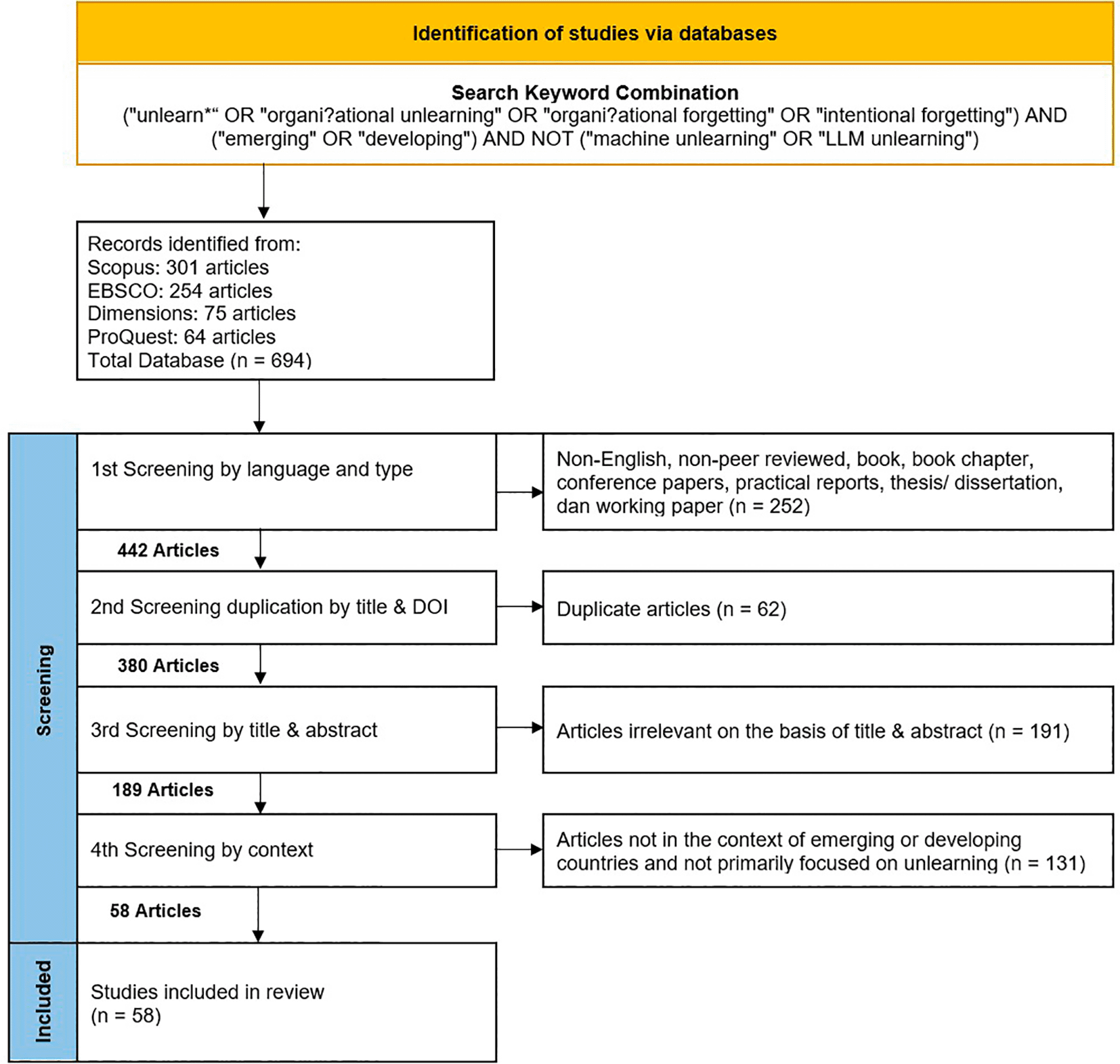
The article search strategy uses a combination of logically arranged keywords, namely: (“unlearn*” OR “organi?ational unlearning” OR “organi?ational forgetting” OR “intentional forgetting”) AND (“emerging” OR “developing”) AND NOT (“machine unlearning” OR “LLM unlearning”). Article searches were conducted on 4 databases, namely Scopus, EBSCO, Dimension.ai, and ProQuest. Scopus can search citations extensively, providing a comprehensive interdisciplinary view, while Scopus is the largest indexing database (Elsevier), covering a wide range of publishers such as Springer, Wiley, Taylor & Francis, Emerald, and SAGE. Therefore, Scopus is the choice of initial coverage for bibliometric analysis. Then, EBSCO was chosen because it has access to quality business and management journals and has a wide scope (multidisciplinary) with flexible search capabilities. Dimensions.ai used in this study to capture research representations from developing countries, which are then complemented by ProQuest which contains literature relevant to global and regional research that is not always covered by Scopus.
The article selection process follows the PRISMA 2020 (Preferred Reporting Items for Systematic Reviews and Meta-Analyses) diagram as a systematic reporting standard (Page et al., 2021). The study selection process is illustrated in Figure 1. The selection stage is carried out in stages, with initial screening carried out based on language and type of publication. Non-English, non-peer-reviewed articles, as well as documents such as books, book chapters, conference papers, practical reports, theses/dissertations, and working papers are excluded from screening. A total of 252 articles were deleted at this stage. The second screening was done by removing duplicate articles based on titles and DOIs, resulting in a total of 62 articles being removed. The third screening was carried out based on titles and abstracts, resulting in 191 articles being deleted. The last screening is based on context, where articles that are not in the context of emerging or developing countries and do not focus primarily on unlearning are removed, so 131 articles are deleted. Overall, the initial search yielded 694 articles from all four databases. After going through a rigorous process, the number of articles that passed the screening and reviewed in this study was 58 articles.
Of the 58 articles that passed the selection, data was codified and extracted systematically using Microsoft Excel containing columns for author, title, year of publication, source journal, quartile, theory used, research methods, main findings, study contributions, DOIs, and links. The full-text analysis process was carried out comprehensively to identify the important elements of each study. This approach is in line with bibliometric studies that can map research trends related to themes, methodologies, country contexts, data levels, and publication quality (Indarti et al., 2021).
Data is extracted, mapped, and analyzed using an Input-Process-Output (IPO) framework. IPO frameworks are widely used in SLRs to systematically organize findings (Briatore et al., 2026; Ghezzi et al., 2018; Nirino et al., 2024). The input dimension contains factors that are antecedents or initial conditions for unlearning (e.g., organizational characteristics, environmental dynamics, leadership). The Process dimension describes the mechanism or process by which unlearning occurs in the organization (e.g., reflection, removal of old routines, new learning). The last dimension, namely Output, describes the consequences or outcomes of unlearning, both at the individual, group, and organizational level (e.g., innovation, performance improvement, adaptation).
This study is a systematic review synthesizing previously published literature and does not involve human participants, or primary data collection. Therefore, ethical approval and informed consent were not required, as all data analyzed were derived from studies that had already undergone independent ethical scrutiny prior to publication.
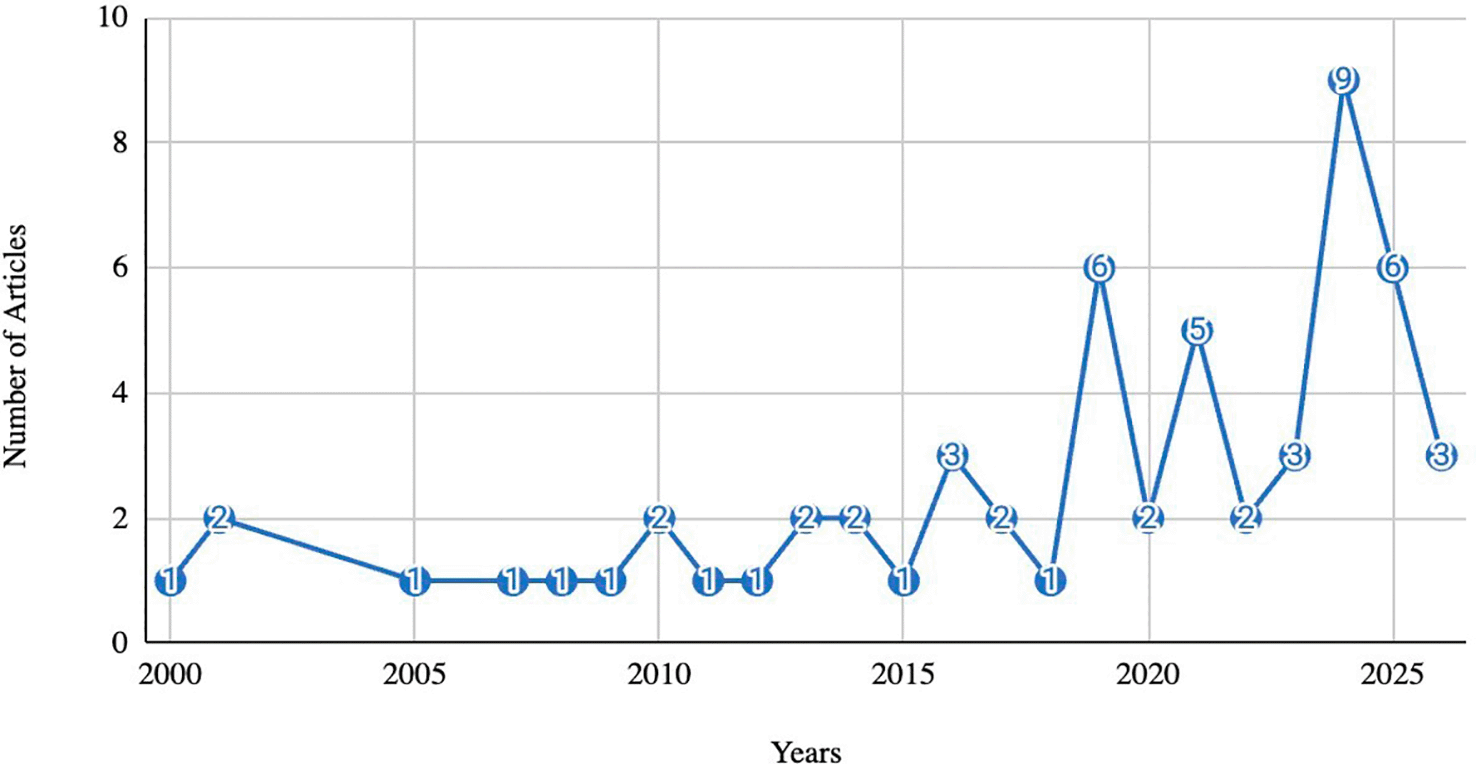
Figure 2 shows a profile of previous research on unlearning that shows an increasing trend of research interest in this topic. The early period (2000–2015) shows that the number of unlearning publications is still very limited, and the growth is relatively stagnant, generally 1–2 articles per year. This number shows that unlearning is still positioned as a supporting concept and has not yet played a key role in research. From 2016 to 2019, the trend indicates a more consistent increase in the number of publications, with the number of publications increasing to 3–5 articles in some years. This marks the phase of strengthening of unlearning as an important variable. Then, although 2020 showed a decrease in the number of unlearning publications due to the COVID-19 pandemic, the pandemic also became an important catalyst that forced organizations to abandon old practices (unlearning) and quickly adopt new ways of working. This in turn makes the publications increase again in the following years. In the post-pandemic period, publication trends show a sharp acceleration and dynamic fluctuations, with the highest peak in 2024. This indicates that unlearning has developed into a strategic research agenda. Research in 2026 looks to decline because this year’s research is still ongoing and articles in this study are limited to April 2026.
3.1.2 Mapping based on Research Focus, Dominant Theories and Methods, and Journals
Table 1 shows the distribution of unlearning research from 58 articles included in the research corpus based on the dominant research focus, method and theory. Unlearning research in the context of emerging countries is developing in a multidisciplinary manner, but it is still dominated by the perspective of Organizational Learning and Strategic Management which indicates that Unlearning is increasingly seen as a strategic capability during technological turbulence and business dynamics. This finding is in line with Tsang & Zahra, (2008) who affirmed that unlearning is a strategic process to let go of old routines and assumptions so that organizations are able to adapt to changing environments.
| Field | No. of Articles | Dominant Theories | Dominant Methods | Journal | Sources |
|---|---|---|---|---|---|
| Organizational Learning and Strategic Management | 10 | Organizational Unlearning Theory; Organizational Learning Theory; Forgetting Theory; Individual Unlearning; Cross-Cultural Management Theory; Continuous Learning; Chaos Edge Management Theory and Intentional Organizational Forgetting Framework | Bibliometric Analysis; Quantitative; SLR; Qualitative Conceptual; Case Study; Narrative Analysis | SAGE Open; Annals of the Constantin Brancusi University; Learning and Motivation; Learning Organization; Management Learning; Journal of Management Inquiry; Asia Pacific Business Review; Global Business Review; Problems and Perspectives in Management; Industrial Marketing Management | Chen et al. (2024); Eryilmaz, (2016); Kang et al. (2021); Sharma & Lenka, (2019); Hislop et al. (2014); Zahra et al. (2011); Chan et al., (2005); Bhandarker, (2014); Madhoushi & Sazvar, (2016); Lyu et al., (2020) |
| Education, Pedagogy, and Learning Transformation | 9 | Learning-Unlearning Theory Unlearning Framework; Learn–Unlearn–Relearn Cycle; Sociocultural Theory; Decolonial Theory | Critical Reflection; Conceptual; Mixed Methods; Case Study; Participatory Qualitative; Literature Review. | Revista Brasileira de Linguística Aplicada; Bangladesh Journal of Medical Science; Educational Review; Frontiers in Education; Convergence; Language Testing in Asia; Cogent Education; Childhood; Futures | Fernandes & Gattolin, (2021); Islam, (2021); Alexiadou et al. (2025); Kearney & Gonzálvez, (2022); Longwe, (2001); Coombe et al. (2020); Xu & Wilkins, (2025); Kallio et al. (2025); Takeuchi et al. (2026) |
| Public Policy, Development, and Societal Transformation | 9 | Learning-Unlearning in Development Consensus; Policy Learning & Unlearning Framework; Institutional Transition Theory; Workforce Development Theory | Conceptual Analysis; Policy Analysis; Reflective Autoethnography; Case Study | Oxford Development Studies; International Journal of Qualitative Methods; Social Sciences; Australian Journal of International Affairs; University of Pennsylvania Journal of International Law; Review of Policy Research; International Journal of Training Research; Journal of East European Management Studies | Nayyar, (2008); Dutta, (2019); Muringa & Shava, (2025); D’Costa, (2021); Mayer, (2013); Hosman, (2009); Ra et al., (2019); Vamosi, (2001) |
| Cognitive and Behavioral Psychology | 8 | Think or No Think Paradigm; Prospective Memory; Directed Forgetting Theory; Intentional Forgetting Theory | Experimental Quantitative | Cognition; International Journal of Aging & Human Development; Cognition, Brain, Behavior; Quarterly Journal of Experimental Psychology; Learning & Individual Differences; PLoS ONE; Applied Cognitive Psychology; Addiction Research & Theory | Wang et al. (2015); Bozdemir & Cinan, (2021); Yılmaz et al. (2018); Qi et al. (2024); Yang, (2010); Racsmány et al. (2012); Jing et al. (2024); Chen & Gao, (2023) |
| Decolonial, Critical, and Philosophical Studies | 7 | Decolonial Theory; Unlearning Imperialism; Unlearning as Theological Resistance | Qualitative Reflective and Interpretative; Critical Analysis; Philosophical Analysis; Pedagogical Autoethnography; Conceptual Meta-Analysis | Black Theology; Discourse; Journal of Speculative Philosophy; Paragraph; Critical Arts; Education as Change; Social Sciences | Urbaniak, (2019); Zembylas, (2024); Hay, (2024); Dunne, (2024); Mendes, (2024); Ngoasheng & Gachago, (2017); Tufte, (2024) |
| Digital Technology, AI, and Information Systems | 7 | Recommendation Unlearning Theory; Federated Learning Framework; Technology Management Theory; Relational Business Ecosystem Theory | Computational Experiment; Agent-Based Modeling; Case Study; Conceptual Study | ACM Transactions on Information Systems; IEEE Transactions on Information Forensics and Security; IEEE Transactions on Services Computing; Estudios Gerenciales; Competitiveness Review; Journal of Global Information Management; Industrial Marketing Management | Dang et al. (2025); Zhao et al. (2025); Wang et al. (2024); Ramírez et al. (2017); Dutta et al. (2020); Joia, (2000); Komulainen et al. (2026) |
| Innovation and Entrepreneurship | 5 | Innovation Agility Theory; Organizational Capability Theory; Organizational Unlearning Theory; Organizational Learning and Unlearning Theory; Dynamic Capability Theory | Quantitative | Global Journal of Flexible Systems Management; Sustainability; Asia Pacific Business Review; Journal of Engineering and Technology Management; Frontiers in Psychology | Ranjan & Narwal, (2025); Zhao & Yan, (2023); Duan et al. (2023); Akgün et al. (2007); Wang et al. (2022) |
The next research focus was found in a balanced number in the fields of Education, Pedagogy, Learning Transformation and Public Policy, and Development & Societal Transformation with a total of 9 articles each. The equal number of publications in three different focuses further emphasizes the essence of unlearning as an important ability when viewed from the dynamics of the organization, the order of public institutions, and the transformation of personal and relational ways of thinking.
In terms of theory, the dominant theory group per cluster reveals that the conceptual development of unlearning takes place in three major lines of science that hardly intersect with each other. The first group is organizational, rooted in Organizational Learning and Organizational Unlearning Theory. The second group is pedagogical-critical, which stretches from the Learning-Unlearning-Relearning Cycle in the field of education to Decolonial Theory in the most critical clusters. The third group is cognitivists, which consists of Directed Forgetting Theory, Think or No Think Paradigm, and Intentional Forgetting Theory, which operates exclusively in the field of Cognitive & Behavioral Psychology. This group concluded as scientifically fundamental category because it explains the actual mechanisms of how the brain releases information.
Subsequently, the methodological pattern in the study of unlearning reflects the epistemological fragmentation that occurs between fields. Performance and technology-oriented fields, such as Cognitive & Behavioral Psychology, Innovation & Entrepreneurship, and Digital Technology, consistently use quantitative and experimental approaches, while more critical clusters such as Decolonial & Philosophical Studies feature a considerable diversity of methods, ranging from philosophical analysis to pedagogical autoethnography. The fields of Education and Public Policy are in the middle, combining Case Studies, Conceptual Analysis, and Mixed Methods heterogeneously. Then, Bibliometric Analysis and Systematic Literature Review only appeared in the field of Organizational Learning & Strategic Management, indicating that efforts at cross-field cumulative synthesis are still very limited.
3.1.3 Research Themes
Figure 3 presents a network map of the keyword’s emergence in the unlearning literature relevant to the context of developing countries. The co-occurrence analysis resulted in keyword mapping used in various unlearning studies, and those keywords were used to explore the relationships that emerged between the terms used (Bernatović et al., 2022). Based on keyword co-occurrence analysis, three main clusters were identified that grouped unlearning research in the individual cognitive dimension, affective factors in education, and organizational unlearning in the industrial sector.
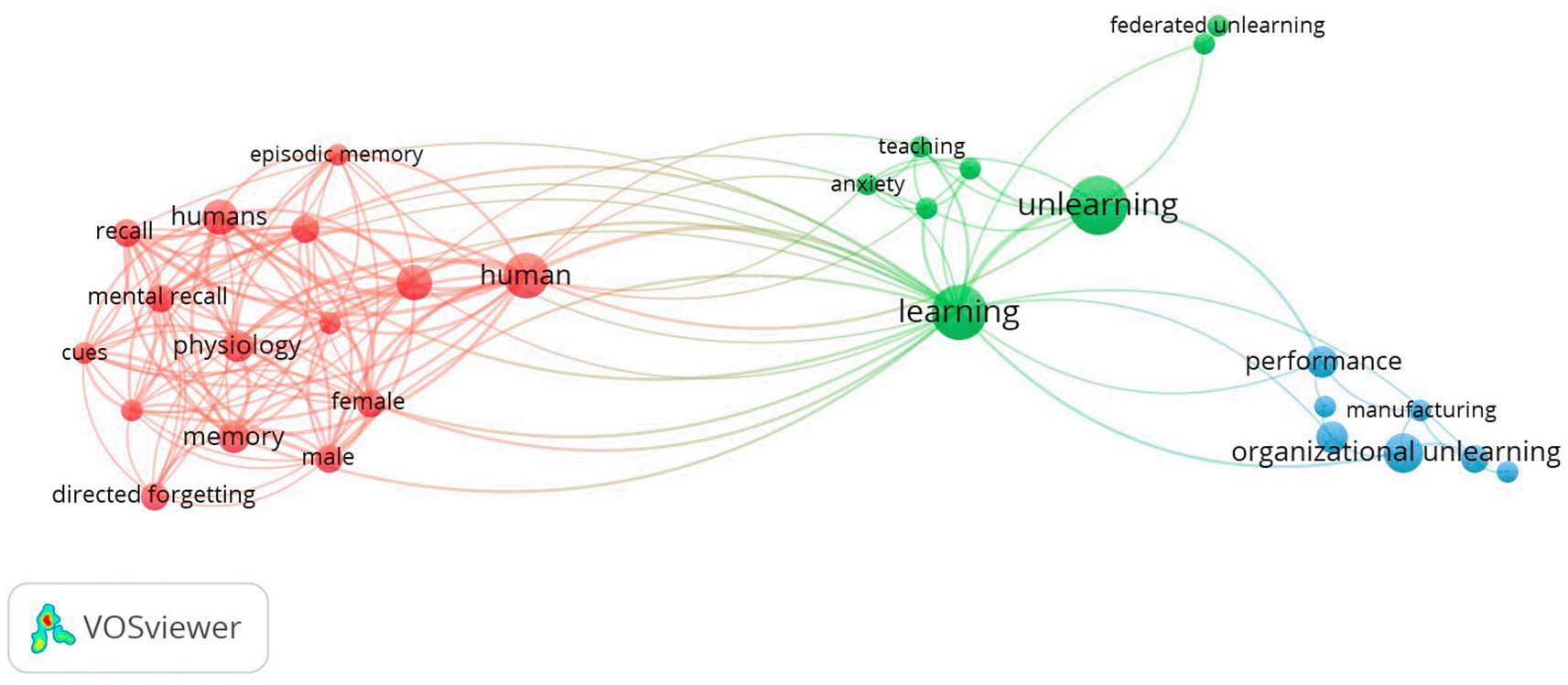
Furthermore, in bibliometric analysis, the visual node size and line thickness show the frequency of keyword occurrence and the strength of the relationships created between the keywords that appear (Marzi et al., 2025). The nodes ‘unlearning’ and ‘organizational unlearning’ have the largest size and the strongest connection with ‘learning’, ‘performance’, and ‘manufacturing’, while ‘memory’, ‘directed forgetting’, and ‘anxiety’ form their own clusters. The frequency with which the word “unlearning” appears indicates its position as a central concept indicated by the largest node size among others.
3.1.3.1. Cluster 1: Cognitive processes of memory in individual unlearning (red)
The first cluster, represented by keywords such as ‘memory’, ‘recall’, ‘episodic memory’, and ‘directed forgetting’, reflects the early foundations of unlearning research derived from cognitive and behavioral psychology perspectives. In this phase, unlearning is understood primarily as an individual-level forgetting process related to memory suppression mechanisms and cognitive replacement. These findings are in line with an early perspective that emphasizes that the process of forgetting and eliminating old knowledge is an important prerequisite for adaptation and relearning (Newstrom, 1983). Thus, the intellectual roots of unlearning research initially developed from the traditions of cognitive psychology and behavioral science before later being adopted into the study of organizational and strategic management.
3.1.3.2. Cluster 2: Affective factors and performance in the context of teaching and learning (green)
The second cluster is centered on the keywords learning, unlearning, teaching, and anxiety, which shows a shift from a passive forgetting perspective to a more active adaptive learning process. The strong connection between learning and unlearning indicates that recent research increasingly views unlearning as a dynamic capability that allows individuals and organizations to adapt to environmental turbulence and technological disruption. These findings support the argument of Tsang & Zahra, (2008) who asserted that unlearning is not only understood as a process of disposing of outdated knowledge, but also as a strategic process to support organizational renewal and learning transformation. Interestingly, the emergence of the keyword ‘federated unlearning’ also shows a new development direction that connects unlearning with artificial intelligence, machine learning governance, and digital ethics. This indicates that unlearning research is beginning to expand beyond the traditional boundaries of organizations into the context of digital technology and AI governance.
3.1.3.3. Cluster 3: Organizational unlearning in the manufacturing sector (Blue)
Meanwhile, the third cluster consisting of the keywords ‘organizational unlearning’, ‘performance’, and ‘manufacturing’ shows the strengthening of strategic orientation of unlearning research in the context of organizations and industries. This cluster shows that unlearning is increasingly associated with innovation capability, strategic flexibility, and organizational performance, especially in the manufacturing sector and technology-based industries. Previous research has shown that organizational unlearning has an important role in driving radical innovation and overcoming organizational inertia in turbulent environments (Akgün et al., 2007; Lyu et al., 2020). These findings also indicate that research in the context of emerging countries tends to place unlearning as an important mechanism to improve organizational competitiveness and digital transformation capabilities amid institutional and technological uncertainty.
Overall, the keyword network visualization shows that unlearning research is still experiencing conceptual fragmentation among cognitive, educational, and organizational domains. Although this field has evolved significantly from a memory-forgetting-based approach to an organizational strategic adaptation perspective, integration between levels of analysis still appears limited. This fragmentation reinforces the previous argument that unlearning research still lacks a unified theoretical foundation and a coherent procedural framework (Klammer & Gueldenberg, 2019; Tsang & Zahra, 2008).
3.2.1 The development of the concept of unlearning
The evolution of the unlearning concept analysis has swung like a pendulum since the term unlearning was introduced by Hedberg, (1981) in the organizational learning handbook, then began to be highlighted in the context of individuals (psychology and education) as in the study of Hislop et al. (2014), then analyzed at the level of teams or movement communities (Mayer, 2013) until post-covid 19 was again analyzed at the organizational level.
The swing of the pendulum as illustrated in Figure 4 shows that the study of unlearning undergoes an evolutionary shift in focus from the individual level to the team/community, and finally to the organizational level. In the early stages, research focuses more on cognitive barriers and individual behavior as the main factors for change (Hedberg, 1981; Klein, 1989; Newstrom, 1983). Built upon that, unlearning is needed when old beliefs and routines are no longer in accordance with changes in the organizational environment. As research progresses, the focus begins to shift towards collective mindset and shared norms, where the process of unlearning is understood as a social phenomenon influenced by group norms and organizational culture (Becker, 2005; Tsang & Zahra, 2008).
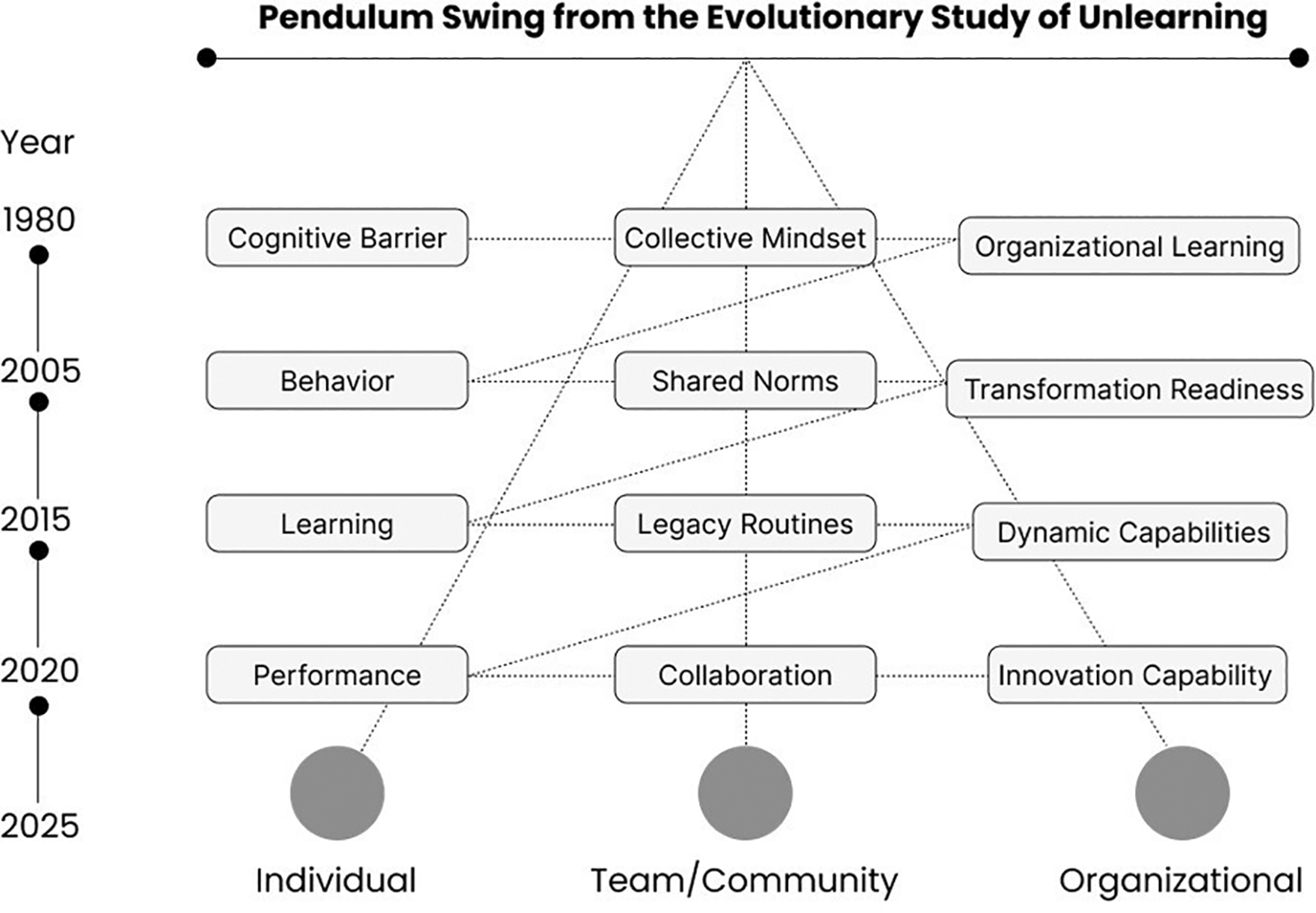
At the organizational level, the focus then shifts to the organization’s ability to transform through organizational learning, dynamic capabilities, and innovation capability. Organizational unlearning is seen as a mechanism that allows organizations to sense, seize, and reconfigure resources and competencies (Teece, 2010, 2018). Organizations that could abandon outdated practices tend to be more innovative, resilient, and responsive to technological changes and market disruptions. The collaboration and relational learning process is also an important aspect because innovation capability develops through cross-functional interaction and knowledge sharing between organizational members. In addition to generating operational transformation, organizational unlearning also encourages changes in organizational values and relationships with stakeholders in a more reflective and ethical manner. Unlearning is therefore no longer understood simply as a process of erasing old knowledge, but as a foundation of strategic learning that supports organizational agility and adaptation to the turbulence of the business environment. Hence, continuous organizational transformation requires a balance between individual change, strengthening team collaboration, and simultaneous organizational capability development.
3.2.2 IPO Framework of Unlearning
As illustrated in Figure 5, the IPO framework of unlearning consists of three interconnected components: input, process, and output.
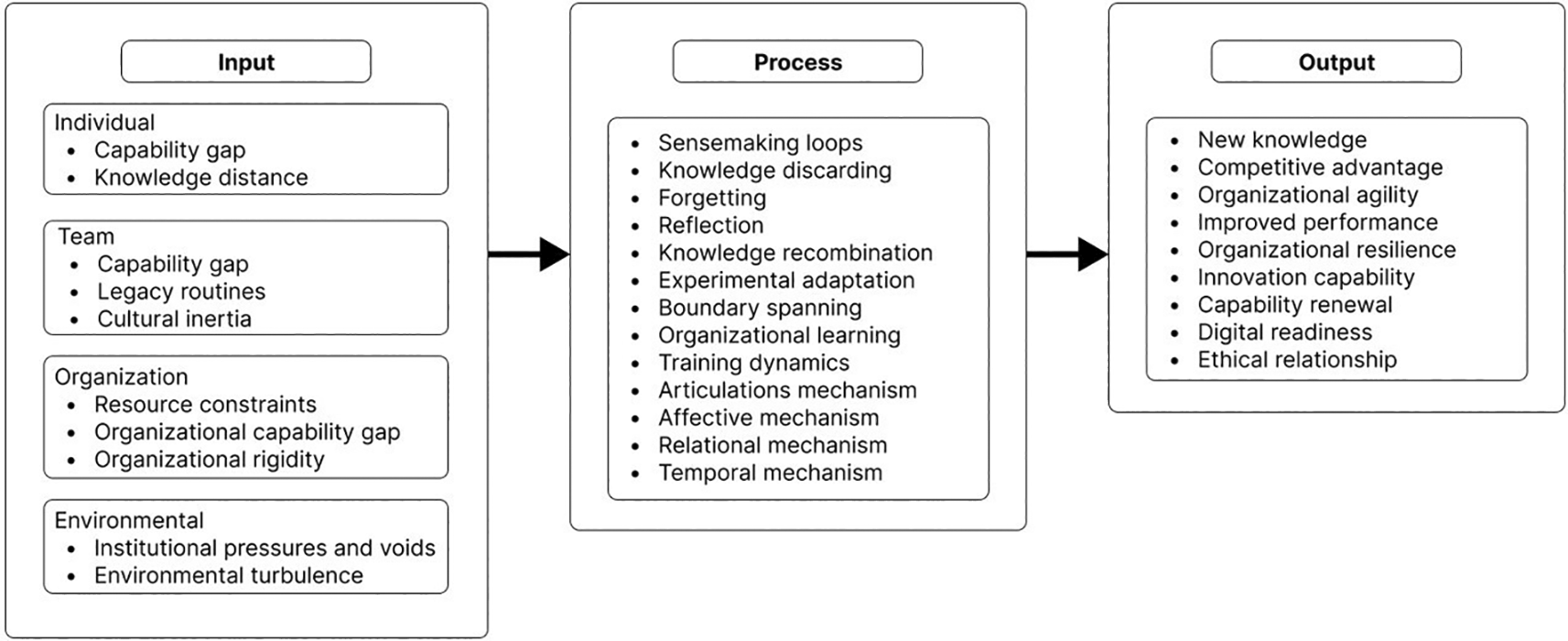
3.2.2.1 Input. The process of unlearning is driven by a series of conditions that occur on four different but interrelated levels. At the environmental level, institutional pressures & voids and environmental turbulence such as crisis, uncertainty, technological disruption and institutional change are the most fundamental triggers that drive the need for unlearning from outside the organizational boundaries (Akgün et al., 2007; Madhoushi & Sazvar, 2016). These circumstances disrupt organizational routines and show the limitations of the knowledge system the organization has (Fiol & O’Connor, 2017; Zhao & Wang, 2020). In this state, organizations are encouraged to abandon old assumptions and practices that are no longer relevant (Sharma & Lenka, 2019).
Akgün et al. (2007) proved that changes in organizational beliefs and routines are strongly influenced by external environmental instability, while Lyu et al. (2020) show that environmental turbulence is a significant antecedent to organizational unlearning, where the higher the external uncertainty, the greater the pressure for the organization to let go of the old ways. This is increasingly relevant in the context of emerging economies where institutional voids, i.e. the absence of a stable institutional framework, create ambiguities and mismatches between organizational practices and the demands of the external environment (van Oers et al., 2025), which simultaneously encourage and complicate the adaptation process (Zhao & Yan, 2023).
At the internal level, unlearning antecedents occur through three interconnected layers. At the organizational level, resource constraints that include limitations in capabilities, technology, knowledge, and human resources create an awareness that the old ways can no longer be maintained and force the organization to re-evaluate old routines and knowledge that are no longer effective (Annosi et al., 2020; Lyu et al., 2020). Meanwhile, the organizational capability gap and organizational rigidity reinforce the urgency of change due to the gap between existing and required capabilities (Zhao & Yan, 2023).
At the team level, legacy routines embedded in collective work patterns and cultural inertia act as barriers as well as starting points that must be destabilized before collective unlearning can begin. Excessively rigid routines can restrict experimentation and hinder the development of alternate viewpoints, hence limiting adaptation and innovation, impeding the collaborative attainment of new insights, and forcing the removal of outdated practices (van Oers et al., 2025). This is in line with the argument of Fiol & O’Connor, (2017) that the destabilization of the traditional belief is the primary precursor to the unlearning process.
At the individual level, the personal capability gap and knowledge distance, which is the disparity between an individual’s existing knowledge and the knowledge required, creates cognitive dissonance, providing cue that the old knowledge is no longer adequate, thereby encouraging the individual to initiate a process of reflection and release (Hislop et al., 2014; Matsuo, 2019).
3.2.2.2 Process. The process dimension indicates the procedure by which an organization discards outdated information and cultivates new insights. The unlearning process, in contrast to traditional organizational learning models, is non-linear and encompasses interconnected cognitive, behavioral, relational, affective, and temporal dynamics (Cegarra-Navarro & Wensley, 2019; Klammer et al., 2025).
Sensemaking loops, knowledge discarding, forgetting, reflection, relearning process, and knowledge recombination are the core mechanisms in this process. Sensemaking loops enable individuals and organizations to continuously reinterpret disruptions and novel experiences, prompting a reevaluation of previously unspoken assumptions (Cristofaro, 2022; Means & Mackenzie Davey, 2023). Knowledge discarding and forgetting to refer to the process of discarding knowledge and practices that have become irrelevant (Klammer et al., 2025), whereas the processes of relearning and knowledge recombination enable organizations to assimilate new viewpoints and develop a more adaptable comprehension (Islam, 2021). Organizational learning and training dynamics facilitate this change through reflective practices and ongoing adaptive learning. By this means, unlearning might be perceived as the reconstruction of a more relevant knowledge system.
Experimental adaptation and boundary spanning are action-oriented approaches used to transform reflection into practice. Experimental adaptation enables organizations to incrementally implement new routines and interpretations in reaction to uncertainty (Annosi et al., 2020; Fiol & O’Connor, 2017), whereas boundary spanning facilitates the acquisition of new perspectives using external networking and knowledge exchange (Ofstad & Bartel-Radic, 2024).
Furthermore, the collection of research papers identifies four critical supporting mechanisms in the unlearning process, which arise from the triggers. The articulation mechanism is a process that helps make tacit information explicit, facilitating collective reflection and reconstruction (Sharma & Lenka, 2019; Xu & Wilkins, 2025). Affective mechanisms are processes involving psychological distress and ambiguity that must be addressed prior to the formation of new understandings (Kallio et al., 2025; Zembylas, 2024). Relational mechanisms indicate processes that involve trust and collaborative engagement as the foundation of co-learning (Takeuchi et al., 2026) (Xu & Wilkins, 2025). The temporal mechanism denotes processes that develop gradually and cumulatively through continuous contemplation and experimentation (Kallio et al., 2025).
3.2.2.3 Output. The output dimension represents the results of the transformation that arises from the interaction between the input condition and the unlearning mechanism. Outputs include knowledge transformation, capability development, relationship change, and performance improvement.
New knowledge emerges when companies effectively transform outdated assumptions into more thoughtful and adaptable insights. Capability renewal, innovation capability, organizational agility, and digital readiness represent the evolution of dynamic capabilities that empower organizations to respond changes more effectively by sensing, adapting, and reconfiguring resources and competencies amid environmental turbulence (Awwad et al., 2022; Tenggono et al., 2025). Organizational resilience fosters the capacity of companies to foresee, overcome, and adjust to external disruptions continuously (Hollands et al., 2024).
The improved performance and competitive advantage can be seen as a strategic outcome of the successful unlearning process. Organizations enhance their innovation, flexibility, and responsiveness to market dynamics by discarding outdated practices and incorporating new knowledge (Leal-Rodríguez et al., 2015). Organizational unlearning facilitates improvement of dynamic skills, enabling organizations to adapt more effectively to changes and environmental turbulence (X. Wang et al., 2022).
Moreover, ethical interactions are recognized as a significant outcome of transformative unlearning. Organizations can cultivate more collaborative, reciprocal, and ethical connections with diverse stakeholders through relational and reflective processes. When examined, dialogue that involves a variety of stakeholders and collective reflection serves as the foundation for the development of trust-based organizational relationships (Grimm et al., 2024).
In general, a successful unlearning process not only leads to operational transformation, but also profound significant changes in values, awareness, and interaction patterns. These changes act as a transformational mechanism that assists people and organizations in bringing outdated beliefs and practices in line with environmental demands and long-term sustainability (Klammer et al., 2025).
The findings of this study indicate that the study of unlearning in emerging countries remains in a phase of fragmented conceptual advancement, centered around the analytical level, theoretical framework, and contextual application. While prior research indicates that unlearning is crucial for innovation capability, organizational agility, and adaptive transformation, most studies focus merely on linear relationships between variables and do not sufficiently unravel the procedural mechanisms of unlearning at the individual, team, organizational, and institutional levels. This condition reinforces the argument that the unlearning domain continues to face fragmentation issues and lacks a robust integrative framework (Hislop et al., 2014; Klammer & Gueldenberg, 2019; Tsang & Zahra, 2008). This study introduces the IPO Framework as a comprehensive method to better understand the connections between inputs, process mechanisms, and unlearning outcomes, particularly within emerging economies that are marked by institutional uncertainty, resource constraints, and significant pressures for digital transformation (G. Dutta et al., 2020; X. Wang et al., 2022).
The future research agenda should concentrate on the integration of unlearning across micro, meso, and macro levels. In addition, the existing literature continues to exhibit a prominent dichotomy between cognitive psychology viewpoints that concentrate on forgetting, memory suppression, and cognitive flexibility (Y. Chen & Gao, 2023; Tenggono et al., 2025) and an organizational learning perspective that underscores routines, governance, and strategic adaptation (Muringa & Shava, 2025; Ranjan & Narwal, 2025; Tenggono et al., 2025). In fact, the process of organizational change in emerging economies typically begins with individual cognitive and behavioral changes before moving to organizational and institutional transformation. Therefore, the next research must integrate a combination of individual unlearning mechanisms (cognitive and affective) with team and organizational mechanisms, including legacy routines and institutional pressures, to clarify how unlearning evolves into organizational renewal capability. The findings align with those of Hislop et al., (2014) and Burton et al., (2023), who emphasize the significance of analyzing individual unlearning processes, as well as (Wang et al., 2022), who demonstrate the correlation between organizational unlearning, dynamic capability, and product innovation performance.
Moreover, future research should develop a theoretical framework for unlearning that is better suited to the attributes of emerging countries. The majority of unlearning theories remain grounded in the context of developed economies, in which there is considerable institutional stability, advanced governance, and resource accessibility (Chen et al., 2024; D’Costa, 2021; Takeuchi et al., 2026). Organizations in underdeveloped countries encounter distinct dynamics, including institutional voids, informal structures, cultural rigidity, and limitations in digital capabilities (Wang et al., 2022; Zahra et al., 2011). In this setting, unlearning serves as both a process of knowledge substitution and a strategy to navigate regulatory ambiguity, technology evolution, and swift societal changes. Research by Ranjan & Narwal, (2025), Dutta et al. (2020) dan Ra et al. (2019) indicates that digital transformation and Industry 4.0 require enterprises to continuously develop learn–unlearn–relearn capacities in order to survive in a more disruptive landscape.
The emergence of problem areas such as federated unlearning, artificial intelligence, data governance, and cybersecurity indicates that unlearning research is progressing into the domain of socio-technical transformation (Ranjan & Narwal, 2025; Zhao et al., 2025). This creates new research opportunities on the role of unlearning in AI adoption, digital governance, and adaptive intelligence systems, particularly in developing countries that continue to encounter digital infrastructure gaps and regulatory readiness. In this setting, implementation issues apply not just to technology but also to cultural opposition, insufficient digital literacy, and organizational unpreparedness to let go of legacy routines and established dominant logic (van Oers et al., 2025). Therefore, the subsequent study must investigate the influence of leadership, organizational culture, and regulatory support on the successful outcome of unlearning during an organization’s digital transformation.
Alternatively, the findings of this study indicate a growing focus on the emotional, pedagogical, and decolonial aspects of unlearning. The emergence of themes such as (Qi et al., 2024), critical pedagogy (Mendes, 2024), decolonial learning, dan pluriversal knowledge (Urbaniak, 2019) signifies that unlearning is perceived as a reflective process focused on investigating prevailing assumptions, power dynamics, and hegemonic knowledge structures. Tufte, (2024), Mendes, (2024) and Ngoasheng & Gachago, (2017) demonstrate that unlearning serves as an epistemic transformation mechanism to foster a more inclusive and contextual approach to thinking and learning practices in the Global South. These findings indicate that future research on unlearning should transition from an instrumental organizational perspective to a more human-centered, reflective, and socio-cultural approach.
Overall, this study confirms that the main challenge of implementing unlearning in emerging countries lies not only in the ability of organizations to acquire new knowledge, but also in the ability to systematically let go of old knowledge, routines, and logic that are no longer relevant by sticking to theories that reflect the reality in emerging countries. Future research needs to develop a more integrative, multilevel, and contextual unlearning model to explain how antecedents, process mechanisms, and unlearning outcomes interact with each other in supporting organizational resilience, innovation capability, and sustainable transformation in the era of digital disruption.
This research contributes to the unlearning literature by offering an integrative evaluation using bibliometric methods and a systematic literature analysis within the context of emerging countries. This study maps out the evolution of the unlearning field by analyzing publication trends, analyzing research theme development, dominant theories, methodological approaches, keyword co-occurrence, and interdisciplinary research clusters. The study’s findings indicate that unlearning has transitioned from a cognitive forgetting framework to a multifaceted construct associated with organizational agility, creative capacity, digital transformation, and socio-technical adaptation. Furthermore, it was discovered that unlearning is studied under a multidisciplinary perspective, indicating that it is a significant concept derived from both positivistic and technical standpoint as well as critical and interpretative perspectives.
This research contributes theoretically by introducing the Input–Process–Output (IPO) Framework as an integrative framework to synthesize fragmented unlearning perspectives across individual, team, and organizational levels. This paradigm explains the interplay between cognitive obstacles, institutional pressures, organizational routines, and environmental turbulence with unlearning mechanisms in generating strategic outcomes, including organizational resilience, capability renewal, and innovative performance. This study also highlights several significant research gaps, particularly concerning multilevel integration, contextual theoretical advancement in new countries, unlearning during digital transformation and AI, emotional and relational dynamics, and constraints in utilizing longitudinal and mixed methods approaches. Consequently, the results of this study are expected to serve as a theoretical framework for future researchers and offer practical insights for businesses and governments in developing adaptive capacity and sustainable transformation during digital disruption.
This study demonstrates that the concept of unlearning has evolved from a cognitive forgetting framework to a multidimensional paradigm which includes organizational learning, innovation capacity, digital transformation, as well as socio-technical and epistemic transformation within the context of emerging economies. Bibliometric and thematic synthesis results reveal that unlearning research continues to face conceptual, theoretical, and methodological fragmentation across scientific domains, particularly among cognitive psychology, organizational learning, critical pedagogy, and digital transformation perspectives. While unlearning is recognized as a strategic capability that enhances organizational agility, resilience, and sustainable transformation, the multilevel integration among individuals, teams, organizations, and institutions remains relatively constrained, especially among developing countries struggling with institutional voids, resource limitations, and technological disruption pressures. This paper presents the IPO Framework as a comprehensive model to better understand the dynamic interplay among inputs, process mechanisms, and strategic outcomes of unlearning. This framework aims to enhance theoretical comprehension while offering practical applications for enterprises, policymakers, and educational institutions in developing adaptive capacities and readiness for increasingly complex digital transformations.
| Views | Downloads | |
|---|---|---|
| F1000Research | - | - |
|
PubMed Central
Data from PMC are received and updated monthly.
|
- | - |
Provide sufficient details of any financial or non-financial competing interests to enable users to assess whether your comments might lead a reasonable person to question your impartiality. Consider the following examples, but note that this is not an exhaustive list:
Sign up for content alerts and receive a weekly or monthly email with all newly published articles
Already registered? Sign in
The email address should be the one you originally registered with F1000.
You registered with F1000 via Google, so we cannot reset your password.
To sign in, please click here.
If you still need help with your Google account password, please click here.
You registered with F1000 via Facebook, so we cannot reset your password.
To sign in, please click here.
If you still need help with your Facebook account password, please click here.
If your email address is registered with us, we will email you instructions to reset your password.
If you think you should have received this email but it has not arrived, please check your spam filters and/or contact for further assistance.

Comments on this article Comments (0)