Keywords
Renal failure; Herbal products; Cosmetic exposure; Nephrotoxicity; Case–control study.

This article is included in the Global Public Health gateway.
Renal failure; Herbal products; Cosmetic exposure; Nephrotoxicity; Case–control study.
1. Provides epidemiological evidence linking cosmetic/skincare and herbal product exposure to renal failure.
2. Demonstrates increased renal failure risk associated with repeated cosmetic and herbal product exposure.
3. Expands evidence on environmental and lifestyle contributors to kidney disease in low- and middle-income settings.
4. Supports the need for stronger pharmacovigilance, product regulation, and exposure-based renal assessment.
Renal failure represents a growing global public health burden, contributing significantly to population morbidity, premature mortality, and disability (Ayalew et al., 2025). Globally, chronic kidney disease (CKD) affects approximately 850 million people, representing nearly 10–13% of the adult population (He et al., 2025). while acute kidney injury accounts for approximately 13.3 million cases annually worldwide and contributes to nearly 1.7 million deaths each year, with the highest burden occurring in low- and middle-income countries (Batte et al., 2023). This estimation show that kidney disease is now among the top ten leading causes of death, with mortality increasing by over 40% in the past three decades (Ayalew et al., 2025).
In Sub-Saharan Africa, the burden of renal disease is increasing with prevalence estimates ranging from 13% to 18% among adults (Mark et al., 2025). In Nigeria and many African countries, the use of non-prescription cosmetic products, skin-lightening agents, and herbal medicines is widespread (Egbi & Kasia, 2021). Surveys conducted in urban West African populations report that 25–60% of women use skin-lightening cosmetics (Owusu-Agyei et al., 2020), while herbal medicine utilization exceeds 70% of the population for treatment of various health conditions (Nono et al., 2025). These products are easily obtained without medical supervision and are commonly perceived as safe as they are classified as cosmetic or natural remedies.
However, recent evidence indicate that many cosmetic and herbal preparations contain potentially nephrotoxic substances such as mercury, hydroquinone, corticosteroids, lead, cadmium, and aristolochic acid (Nono et al., 2025). Studies have shown that mercury concentrations in some skin-lightening creams exceed recommended safety limits by up to 10,000 times, posing serious risks of systemic toxicity following chronic dermal absorption (Bastiansz et al., 2022). Similarly, herbal nephropathy has been reported in Africa and Asia, accounting for an estimated 10–35% of kidney injury cases in certain hospital-based studies (Sethi et al., 2025). The kidney is highly vulnerable to toxic exposure because of its high blood flow and its primary role in filtering and excreting xenobiotics, making cumulative toxic injury a potential pathway to renal failure.
Current evidence suggests a possible association between non-prescription cosmetic, skin care, and herbal product use and renal dysfunction (Meena et al., 2024). However, available studies remain limited and are mainly based on case reports, toxicological investigations, and small clinical observations. Reports have documented kidney injury and nephrotic syndrome following prolonged exposure to mercury-containing skin-lightening products (Wu & Liu, 2025). indicating potential nephrotoxicity through chronic dermal absorption of heavy metals. Chronic dermal absorption of heavy metals from cosmetic products may contribute to potential nephrotoxic effects. Similarly, herbal medicines have been linked to renal injury through contamination with heavy metals and the presence of nephrotoxic phytochemicals such as aristolochic acid (Abolhassanzadeh et al., 2023). Despite these observations, epidemiological studies establishing a clear causal relationship are limited, and exposure to cosmetic and herbal products remains an under-investigated contributor to renal failure.
At the University of Nigeria Teaching Hospital (UNTH), Enugu, clinicians frequently encounter patients presenting with renal impairment in the absence of clearly defined conventional risk factors. This clinical pattern raises concern regarding potential exposure-related determinants, including prolonged cosmetic and herbal product use. Despite these observations, limited empirical data exist within the Nigerian context examining the relationship between these exposures and renal failure. Therefore, this case–control study aims to investigate the association between renal failure and non-prescription cosmetic/skin care and herbal product use among patients attending UNTH, Enugu.
This study was an unmatched hospital-based case–control study conducted to investigate the association between renal failure and exposure to non-prescription cosmetic/skincare and herbal products among adults attending the University of Nigeria Teaching Hospital (UNTH), Ituku-Ozalla, Enugu State, Nigeria. The study was conducted between September 2025 and December 2025. UNTH is a major tertiary healthcare institution serving patients from Enugu State and neighboring southeastern Nigerian states and provides specialized nephrology services for patients with renal disorders. Primary herbal exposure was defined as regular use of at least one herbal product for at least three months before recruitment, while secondary herbal exposure referred to concurrent or repeated use of two or more herbal products or combined herbal formulations during the same period. The three-month exposure threshold was selected to improve consistency in exposure classification and minimize inclusion of short-term or incidental product use unlikely to contribute to cumulative nephrotoxic exposure.
The study population comprised adults aged 18 years and above attending UNTH during the study period. Cases included patients with confirmed chronic kidney disease (CKD) stages 3–5, defined as estimated glomerular filtration rate (eGFR) <60 mL/min/1.73 m2 persisting for at least three months and confirmed by a consultant nephrologist. Controls consisted of adults without known renal disease and with normal renal function (eGFR ≥90 mL/min/1.73 m2) recruited from medical and surgical outpatient clinics during the same study period. Controls were restricted to individuals with eGFR ≥90 mL/min/1.73 m2 to ensure recruitment of participants with clearly normal renal function and minimize potential misclassification arising from inclusion of individuals with early or undiagnosed kidney impairment. Estimated glomerular filtration rate was calculated using the Chronic Kidney Disease Epidemiology Collaboration (CKD-EPI) equation based on serum creatinine measurements obtained from participants’ clinical records.
Eligible participants were adults aged 18 years and above who provided written informed consent. Cases included patients with confirmed CKD stages 3–5, while controls were adults without evidence of renal disease. Participants with acute kidney injury, uncertain renal diagnosis, severe illness limiting participation, cognitive impairment affecting reliable responses, or inability to provide informed consent were excluded from the study.
The minimum sample size for this study was determined using the standard formula for unmatched case-control studies at k = 1:
Where:
• α = 0.05
• Zα/2 = 1.96 (for 95% confidence)
• β = 80%
• Z(1-β) = Z(β) = 0.84
• p1 = 0.30 (exposure rate among controls) from a previous study
• OR = 2.0
• p2 =?
• n =?
First, p2 (exposure rate among cases) will be calculated as:
The calculated minimum sample size was 137 participants per group. After allowing for 10% non-response, the required sample size increased to approximately 150 cases and 150 controls, giving a total sample of 300 participants.
Systematic random sampling was used to recruit participants. Eligible CKD patients attending nephrology clinics and admitted to nephrology wards constituted the sampling frame for cases. The sampling interval (k) was calculated by dividing the estimated number of eligible patients by the required sample size per clinic session. A random starting point was selected, after which every kth eligible participant was recruited until the required sample size was achieved. Controls were recruited from medical and surgical outpatient clinics using the same systematic sampling procedure among adults without renal disease who met the eligibility criteria.
Data were collected using a structured interviewer-administered questionnaire developed specifically for this study. The questionnaire consisted of four sections. Section A assessed sociodemographic characteristics including age, sex, educational level, occupation, residence, and monthly income. Section B obtained clinical information including renal disease diagnosis, duration of illness, medication use, dialysis history, family history of kidney disease, and comorbidities. Section C evaluated patterns of cosmetic/skincare and herbal product use including frequency, duration, product types, and sources of products. Section D assessed awareness and perceptions regarding potential health risks associated with cosmetic and herbal product use and sources of health-related information.
The questionnaire was pretested among 20 adult patients attending another tertiary healthcare facility in Enugu State to assess clarity, logical flow, relevance, and average completion time. Feedback obtained during pretesting was used to revise ambiguous questions and improve wording before commencement of the main study. Internal consistency of questionnaire sections assessing exposure to cosmetic/skincare and herbal products and awareness of associated health risks was evaluated using Cronbach’s alpha coefficient. A Cronbach’s alpha value of 0.70 or higher was considered acceptable.
Collected data were checked daily for completeness and consistency, coded, and entered into Microsoft Excel before exportation to Statistical Package for Social Sciences (SPSS) version 27 for analysis. Descriptive statistics including frequencies, percentages, means, and standard deviations were used to summarize sociodemographic, clinical, and exposure-related variables. Bivariate logistic regression analysis was conducted to assess crude associations between independent variables and renal failure status using odds ratios (ORs) and 95% confidence intervals (CIs). Variables with p-values <0.20 in bivariate analysis together with clinically important variables identified from previous literature were included in the multivariable logistic regression model to identify factors independently associated with renal failure while controlling for potential confounding variables. Adjusted odds ratios (AORs) with corresponding 95% confidence intervals were reported. Statistical significance was determined at p < 0.05. Multicollinearity among independent variables was assessed using variance inflation factors (VIFs), while model fitness was evaluated using the Hosmer–Lemeshow goodness-of-fit test.
Ethical approval was obtained from the Health Research Ethics Committee (HREC) of University of Nigeria Teaching Hospital, Ituku-Ozalla, with approval reference number UNTH/HREC/2025/08/4186 and NHREC registration number NHREC/05/01/2008B-FWA00002458-1RB00002323. The study adhered to the ethical principles outlined in the World Medical Association Declaration of Helsinki and the Council for International Organizations of Medical Sciences International Ethical Guidelines for Health-Related Research Involving Humans (World Medical Association, 2013). Written informed consent was obtained from all participants prior to enrolment. Participation was voluntary, and participants were free to withdraw at any stage of the study without consequences to their medical care. Confidentiality and anonymity were maintained through the use of participant identification codes, and all collected data were securely stored and used strictly for research purposes.
Renal failure cases were older than controls, with most participants falling within the middle-aged (45–59 years) and elderly (≥60 years) age categories ( Table 1). Middle-aged individuals accounted for 42.0% of cases compared with 29.3% of controls, while elderly participants represented 33.3% of cases versus 12.7% of controls. Younger age groups were more represented among controls, particularly young adults aged 25–44 years (44.7% compared with 24.0% among cases). The mean age among cases was higher than that of controls (54 ± 14 years versus 41 ± 15 years). The sex distribution was similar between the two groups, with males accounting for 52.7% of controls and females constituting 49.3% of cases. Most participants in both groups were married, higher proportions of divorce and widowhood were observed among cases. Participants with renal failure had lower educational attainment, with higher proportions reporting no formal education (21.3% vs 4.7%) and primary education (27.3% vs 20.0%) compared with controls. In contrast, tertiary education was more frequent among controls (34.7%) than cases (22.7%). Income distribution followed a similar pattern, as a larger proportion of cases earned less than ₦50,000 per month (40.7%) compared with controls (17.3%), whereas higher income categories were more common among controls. Residential location showed minimal variation between groups, with rural residence higher among cases (48.7%) than controls (44.0%).
The clinical characteristics of respondents show that the majority of renal failure cases had a prior diagnosis of kidney disease (76.0%) compared with only 9.3% among controls ( Table 2). The duration of diagnosis represent both recent and long-standing disease, with 30.7% diagnosed within the previous five years, 24.7% between five and ten years, and 21.3% living with kidney disease for more than ten years. Recent symptom experience was higher among cases, where 74.0% reported symptoms within the last six months compared with 26.7% of controls. Regular medication use was also more common among cases (80.0%) than controls (40.0%), consistent with active disease management. Dialysis treatment was reported exclusively among cases, affecting 32.7% of participants, while none of the controls required renal replacement therapy. Attendance at nephrology clinics was similarly higher among cases (67.3%) compared with controls (16.7%). Family history of kidney disease was more frequently reported among cases (40.0%) than controls (18.7%).
Chronic kidney disease (CKD) was the most common diagnosis among cases, accounting for 42.7%, compared with only 5.3% among controls ( Figure 1). End-stage renal disease (ESRD) was also higher in cases (26.0%) than controls (2.7%). Nephrotic syndrome (NS) showed relatively comparable proportions between groups, occurring in 12.0% of cases and 10.0% of controls. Similarly, glomerulonephritis (GN) was reported in 11.3% of cases and 10.7% of controlsIn contrast, urological obstruction (UO) was more frequent among controls (9.3%) compared with cases (3.3%). The “others” category represented the majority diagnosis among controls (62.0%) but was uncommon among cases (4.7%).
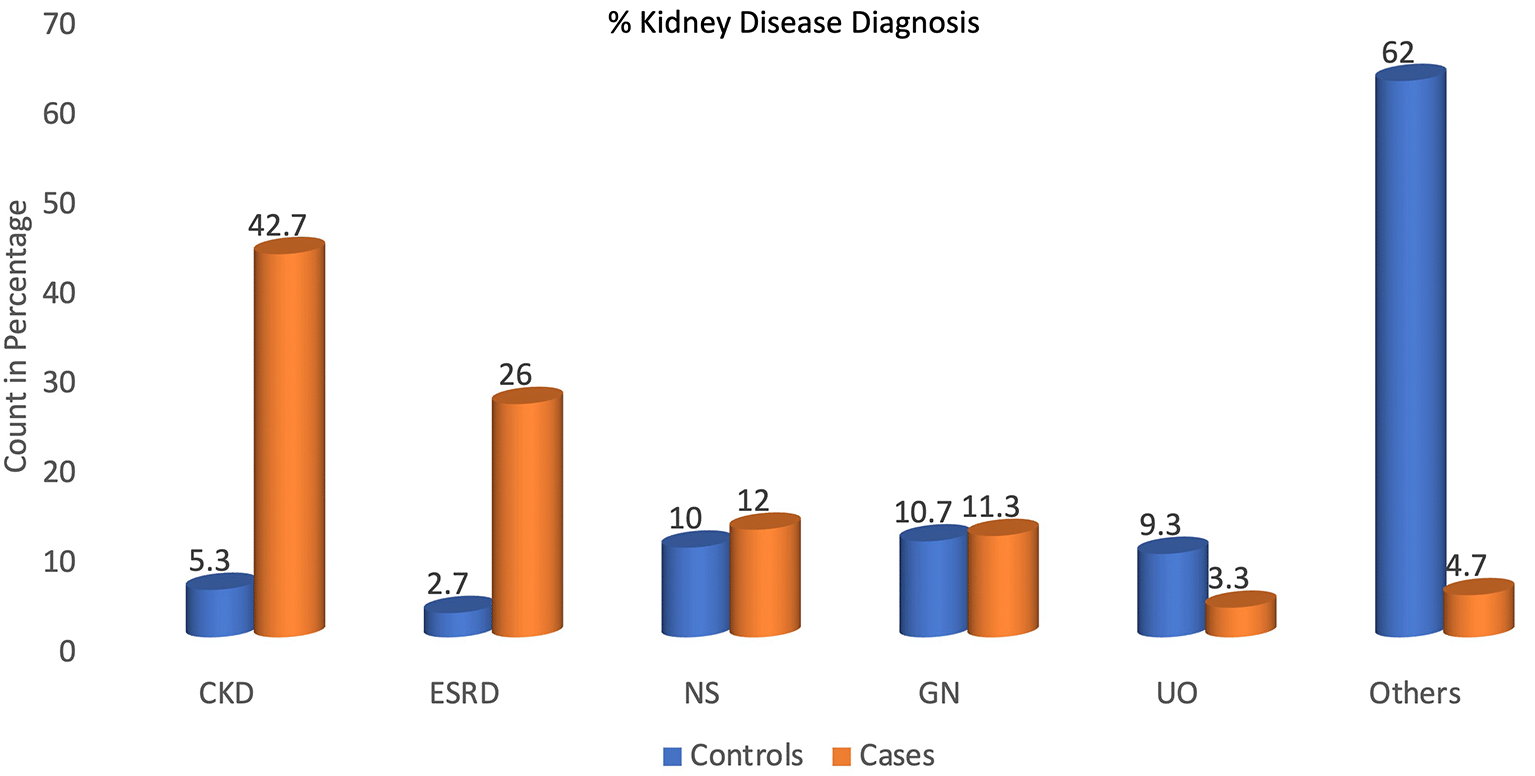
Chronic kidney disease (CKD) and end-stage renal disease (ESRD) were common among cases (42.7% and 26.0%, respectively) than controls (5.3% and 2.7%). In contrast, most controls fell into the “others” category (62.0%), while this was rare among cases (4.7%).
Source, Field data, 2025.
The result show that fatigue was the most frequently reported symptom among cases, affecting 59.3%, compared with 16.0% of controls ( Figure 2). Leg swelling was also highly prevalent among cases (55.3%) but occurred in only 12.0% of controls indicating fluid retention commonly associated with impaired renal function. Gastrointestinal symptoms were more common among cases, with 40.7% reporting nausea and vomiting compared with 7.3% of controls. Abdominal pain was reported by 28.7% of cases versus 8.7% of controls. Respiratory-related complaints also differed considerably, as shortness of breath affected 35.3% of cases but only 6.0% of controls. Neurological and cardiovascular symptoms followed a similar pattern. Dizziness was reported by 35.3% of cases compared with 11.3% of controls, while palpitations were present in 28.7% of cases and 4.7% of controls. Headache was reported by 23.3% of cases compared with 12.7% among controls.
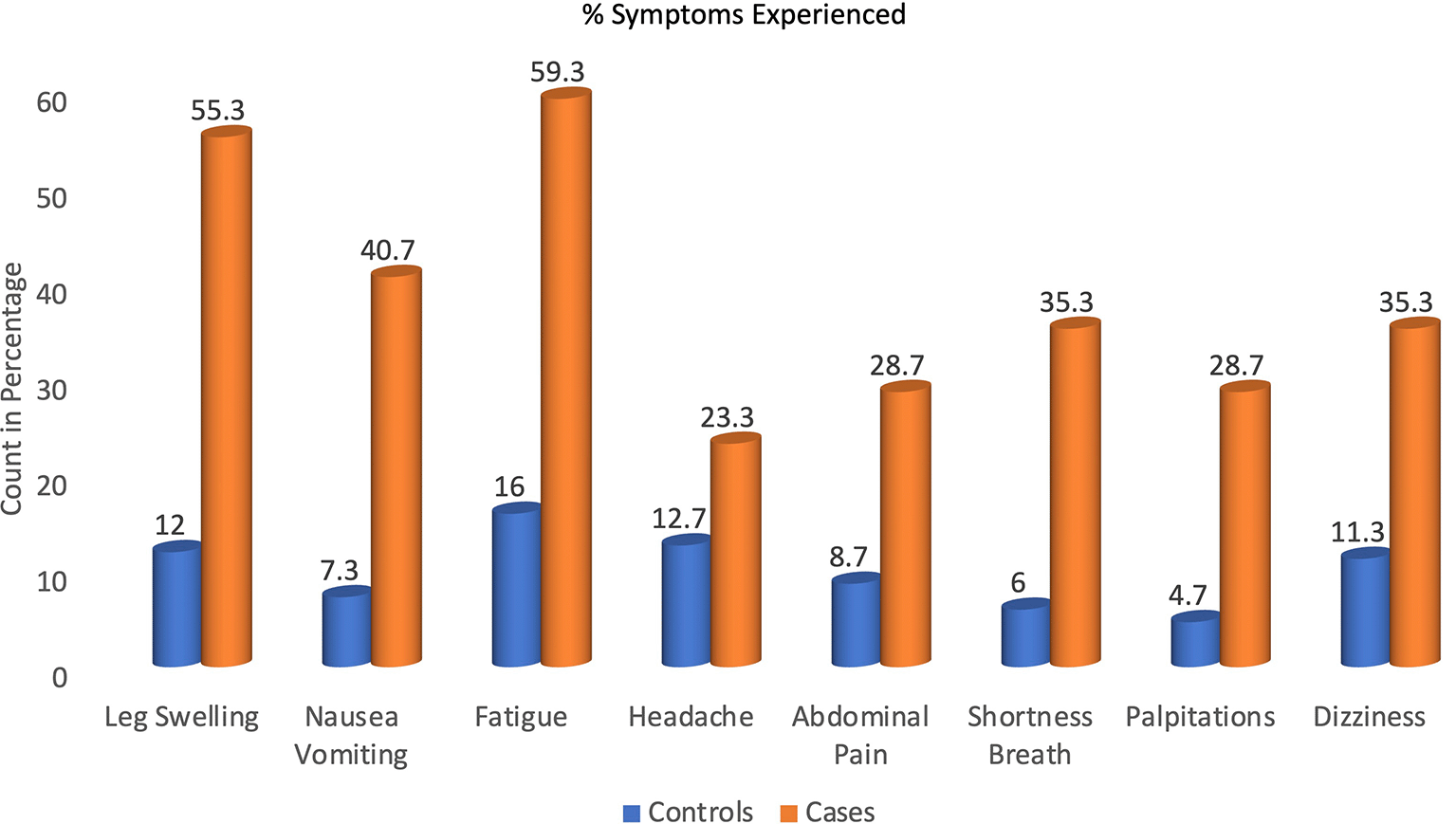
Renal failure cases consistently reported a higher prevalence of all symptoms, particularly leg swelling (55.3% vs 12.0%), fatigue (59.3% vs 16.0%), nausea/vomiting (40.7% vs 7.3%), and shortness of breath (35.3% vs 6.0%).
Source, Field data, 2025.
Hypertension was the most common comorbidity among cases, affecting 44.0% compared with 22.0% of controls ( Figure 3). Similarly, diabetes mellitus was more prevalent among cases (29.3%) than controls (10.7%). Obesity showed relatively comparable proportions between the two groups, occurring in 8.0% of cases and 10.0% of controls. In contrast, absence of comorbidity was higher among controls (49.3%) compared with only 14.0% of cases. Other comorbid conditions were reported less frequently overall but remained higher among controls (8.0%) than cases (4.7%).
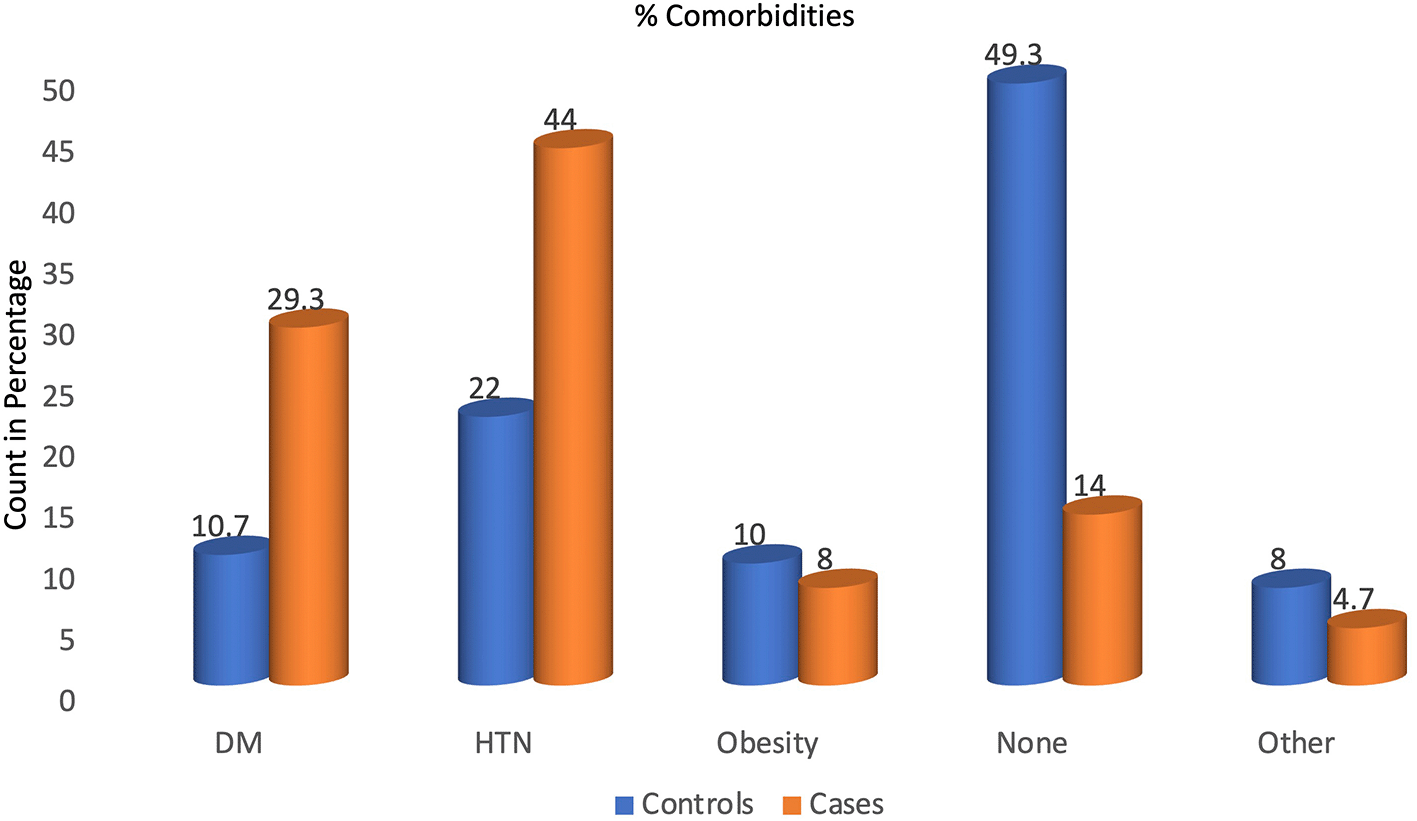
Hypertension and diabetes mellitus were more common among cases (44.0% and 29.3%, respectively) than controls (22.0% and 10.7%), while nearly half of the controls reported no comorbidity compared with only 14.0% of cases.
Source, Field data, 2025.
Use of skin-lightening or toning creams was more common among cases, where respondents (61.3%) reported use compared with controls (46.7%), while non-use was higher among controls (53.3%) than cases (38.7%) ( Table 3). Bathing soap products were frequently reported among cases, with (62.7%) indicating use compared with controls (51.3%). Hair relaxers, dyes, or conditioners showed difference between groups. Exactly cases (66.0%) reported using these products compared with controls (50.0%), whereas non-use was higher among controls (50.0%) than cases (34.0%). A similar pattern was observed for make-up or facial products, where cases (66.0%) reported use compared with 85 controls (56.7%). Perfume and deodorant use showed minimal variation between groups, with cases (52.7%) and controls (52.0%). Use of other cosmetic products demonstrated one of the strongest contrasts, with cases (64.7%) reporting use compared with controls (42.7%), while non-use remained higher among controls (57.3%) than cases (35.3%).
The results showed that the use of herbal teas or ‘agbo’ mixtures was higher among cases (40.0%) compared with controls (29.3%), whereas non-use was more common among controls (70.7%) than among cases (60.0%) ( Table 4). Similarly, fertility or sexual enhancement herbal products were more commonly used among cases (44.7%) than controls (39.3%). In contrast, weight-loss or slimming herbal products were slightly more frequent among controls (36.0%) compared with cases (32.0%). Use of detox drinks or immune boosters was comparable between groups but marginally higher among cases (39.3%) than controls (37.3%). A similar pattern was observed for herbal capsules, tonics, or bitters, with use reported by 38.7% of cases and 36.0% of controls. Traditional remedies such as agbo jedi and herbal roots were also more frequently used among cases (36.0%) than controls (32.0%). Use of food supplements or energy-boosting herbal products was similar between groups (36.0% vs 36.7%). However, exposure to other herbal products was higher among cases (38.7%) compared with controls (28.7%).
The bivariate analysis demonstrated that secondary cosmetic exposure was significantly associated with renal failure (OR = 2.38; 95% CI: 1.46–3.88; p = 0.001), while primary cosmetic or skincare exposure did not reach statistical significance (OR = 1.62; 95% CI: 0.98–2.67; p = 0.059) ( Table 5). Herbal exposure showed significant associations with renal failure, including primary herbal exposure (OR = 2.24; 95% CI: 1.39–3.61; p = 0.001) and secondary herbal exposure (OR = 5.87; 95% CI: 3.29–10.47; p < 0.001). Age was strongly associated with renal failure, with middle-aged and elderly participants (≥45 years) having significantly higher odds of renal failure compared with younger participants (<45 years) (OR = 4.22; 95% CI: 2.58–6.90; p < 0.001). Sex and residential location were not significantly associated with renal failure. Similarly, most occupational categories did not show significant associations, although civil servants demonstrated lower odds that approached statistical significance (OR = 0.40; 95% CI: 0.15–1.05; p = 0.063). Educational attainment showed a protective association against renal failure. Participants with primary education (OR = 0.30; 95% CI: 0.12–0.77; p = 0.012), secondary education (OR = 0.15; 95% CI: 0.06–0.38; p < 0.001), and tertiary education (OR = 0.14; 95% CI: 0.06–0.36; p < 0.001) had significantly lower odds of renal failure compared with those without formal education. Higher monthly income was also associated with reduced odds of renal failure, including ₦50,000–₦100,000 (OR = 0.31; 95% CI: 0.17–0.58; p < 0.001), ₦100,000–₦200,000 (OR = 0.35; 95% CI: 0.18–0.69; p = 0.003), and > ₦200,000 (OR = 0.25; 95% CI: 0.12–0.51; p < 0.001). Among clinical factors, diabetes mellitus (OR = 3.48; 95% CI: 1.86–6.50; p < 0.001) and hypertension (OR = 2.79; 95% CI: 1.68–4.61; p < 0.001) were significantly associated with renal failure. Obesity was not significantly associated with renal failure (OR = 1.02; 95% CI: 0.35–1.73; p = 0.546).
Primary cosmetic or skincare exposure was not significantly associated with renal failure (AOR = 1.34; 95% CI: 0.62–2.90; p = 0.452) ( Table 6). However, secondary cosmetic exposure was significantly associated with increased odds of renal failure (AOR = 3.40; 95% CI: 1.56–7.44; p = 0.002). Herbal product exposure showed strong independent associations with renal failure. Individuals with primary herbal exposure had four times higher odds of renal failure compared with those without exposure (AOR = 4.00; 95% CI: 1.88–8.53; p < 0.001), while secondary herbal exposure was associated with substantially increased odds of disease (AOR = 7.50; 95% CI: 3.26–17.27; p < 0.001). Age was a significant determinant of renal failure, with middle-aged and elderly individuals (≥45 years) having higher odds of renal failure compared with younger individuals (<45 years) (AOR = 4.46; 95% CI: 2.18–9.09; p < 0.001). Sex was not significantly associated with renal failure after adjustment (AOR = 0.86; 95% CI: 0.44–1.71; p = 0.673). Similarly, marital status, occupation, and residential location did not show statistically significant associations with renal failure. Educational attainment demonstrated a protective effect against renal failure. Individuals with primary education (AOR = 0.16; 95% CI: 0.04–0.58; p = 0.005), secondary education (AOR = 0.12; 95% CI: 0.03–0.40; p = 0.001), and tertiary education (AOR = 0.07; 95% CI: 0.02–0.24; p < 0.001) had significantly lower odds of renal failure compared with individuals without formal education. Higher monthly income was also associated with reduced odds of renal failure, including ₦50,000–₦100,000 (AOR = 0.26; 95% CI: 0.10–0.66; p = 0.005), ₦100,000–₦200,000 (AOR = 0.25; 95% CI: 0.09–0.71; p = 0.010), and > ₦200,000 (AOR = 0.18; 95% CI: 0.06–0.52; p = 0.002). Among clinical factors, history of diabetes mellitus was a strong independent predictor of renal failure (AOR = 14.35; 95% CI: 5.15–40.00; p < 0.001). Similarly, hypertension significantly increased the odds of renal failure (AOR = 9.83; 95% CI: 4.01–24.09; p < 0.001). Obesity was associated with increased odds of renal failure; however, the association was not statistically significant after adjustment (AOR = 2.96; 95% CI: 0.84–10.43; p = 0.091).
Awareness of kidney risks from cosmetic and herbal products was higher among renal failure cases than controls (70.7% vs 48.0%), knowledge gaps remained, particularly among controls. About half of respondents in both groups recognized that misuse of multiple products could damage the kidneys, while fewer identified specific products such as skin creams, herbal teas, or supplements as potential risk sources ( Table 7). Awareness of regulatory safety measures was limited; only 42.0% of cases and 28.0% of controls knew of banned or recalled products linked to kidney damage, and consistent verification of NAFDAC approval before purchase was uncommon (22.7% among cases and 33.3% among controls). Misconceptions regarding product safety were evident, with many respondents believing that herbal or cosmetic products are safer because they are natural. Nevertheless, most participants recognized that concurrent use of multiple products could increase health risks and perceived misuse of such products as common within their communities. Exposure to formal health warnings was limited, although the majority indicated they would discontinue product use if informed of potential kidney harm.
News media was the most frequently reported source of information (54.7%), followed by product warning labels (52.3%), friends and family networks (51.0%), and social media platforms (50.3%) ( Figure 4). In contrast, fewer respondents obtained information from health professionals (44.7%), suggesting limited engagement with formal healthcare sources when making decisions about product use. Notably, nearly half of the respondents (49.7%) reported never having received information related to potential health risks associated with cosmetic or herbal products.
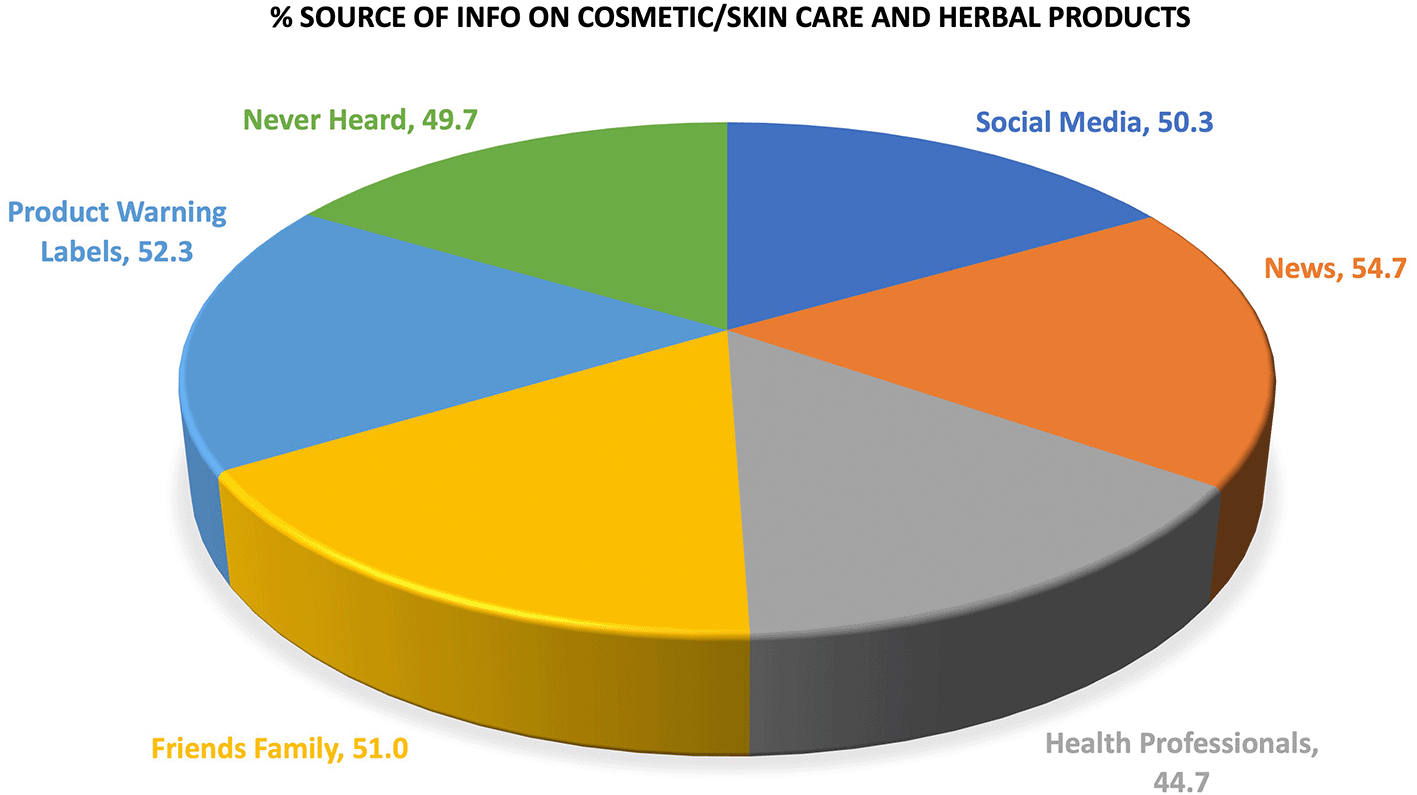
cosmetic and herbal products was most commonly obtained from news media, product warning labels, friends and family, and social media, each reported by about half of respondents. Fewer respondents cited health professionals, and nearly half reported never hearing such information.
Source: Field data, 2025.
This hospital-based case–control study investigated the association between renal failure and the use of non-prescription cosmetic/skin care products and herbal preparations among adult patients attending the University of Nigeria Teaching Hospital (UNTH), Enugu. The findings indicate that renal failure in this population is associated with demographic vulnerabilities, clinical comorbidities, lifestyle exposures, and patterns of health-seeking behavior. Sociodemographic analysis showed that renal failure cases were significantly older than controls, with higher proportions of middle-aged and elderly participants and a higher mean age (54 ± 14 years vs 41 ± 15 years). Multivariable analysis further demonstrated that middle-aged and elderly individuals (≥45 years) had significantly higher odds of renal failure compared with younger adults (<45 years) (AOR = 4.46; 95% CI: 2.18–9.09; p < 0.001). Similar age-related patterns have been reported in global and African CKD studies (Bikbov et al., 2020; L. Wang et al., 2025), likely due to cumulative nephron loss associated with aging, prolonged exposure to hypertension and metabolic disorders, and delayed diagnosis resulting in progressive renal dysfunction. These findings emphasize the importance of early CKD screening, aggressive management of cardiometabolic risk factors, and routine renal function monitoring among older adults to reduce progression to renal failure. Lower educational attainment and lower income were also more common among cases, while higher education and income demonstrated protective effects. Similar findings have been reported among African populations, where socioeconomic disadvantage contributes to poorer renal outcomes (Ogieuhi et al., 2025). Limited education and financial constraints may increase reliance on unregulated products and reduce awareness regarding medication safety and kidney health. These findings emphasize the importance of strengthening public health education and expanding early CKD screening among socioeconomically vulnerable populations.
Clinical findings further demonstrated a high burden of cardiometabolic disease among cases. Hypertension and diabetes mellitus were strong independent predictors of renal failure (AOR = 9.83 and 14.35, respectively). Similar findings have been reported in studies conducted in China (M. Wang et al., 2019), Ghana (Tannor et al., 2019), and Ethiopia (Cheru et al., 2023), identifying hypertension and diabetes as major determinants of CKD progression. These findings reinforce the continuing importance of traditional cardiometabolic risk factors in renal disease development. Exposure to cosmetic and skincare products was more frequent among renal failure cases, particularly skin-lightening creams, hair treatments, and concurrent use of multiple cosmetic products. Although primary cosmetic exposure was not independently associated with renal failure, secondary cosmetic exposure remained significant multivariable analysis (AOR = 3.40). This finding suggests that repeated or combined cosmetic product use may contribute to cumulative nephrotoxic exposure. Previous reports have documented kidney injury associated with mercury-containing skin-lightening creams and other cosmetic products contaminated with heavy metals (Zhang et al., 2014). Chronic dermal exposure to such substances may enhance systemic absorption and contribute to renal toxicity (Meena et al., 2024).
Furthermore, herbal product exposure demonstrated an even stronger association with renal failure. Both primary and secondary herbal exposure remained independently associated with increased odds of renal failure (AOR = 4.00 and 7.50, respectively). Similar findings have been reported in studies linking herbal preparations to acute tubular injury, tubulointerstitial nephritis, and oxalate nephropathy following prolonged or excessive herbal intake (Bhat et al., 2025). Experimental studies have additionally demonstrated nephrotoxic effects of herbal compounds such as aristolochic acid (Quan et al., 2019). The higher frequency of herbal product use among cases therefore supports growing concern regarding the safety of unregulated alternative medicines and traditional remedies. These findings emphasize the need for pharmacovigilance systems addressing herbal and cosmetic product safety within African health systems. Awareness and perception findings revealed an important paradox. Although renal failure cases demonstrated higher awareness of kidney-related risks associated with cosmetic and herbal products compared with controls (70.7% vs 48.0%), fewer cases consistently checked for NAFDAC approval before product purchase. Many participants also relied primarily on informal information sources such as media, social networks, and friends rather than healthcare professionals. These findings suggest that awareness alone may not necessarily translate into safer health behavior when cultural beliefs, accessibility, and marketing influences persist. The findings of this study highlight the need for stronger regulation and monitoring of cosmetic/skincare and herbal products to reduce exposure to potentially nephrotoxic substances. Regulatory agencies should strengthen product surveillance, safety evaluation, and enforcement of quality standards for non-prescription products. Integration of pharmacovigilance systems for herbal and cosmetic products into public health practice is also necessary to improve detection of product-related kidney injury. Public health education programs should promote awareness regarding safe product use and the importance of regulatory approval before purchase. In clinical practice, healthcare providers should incorporate exposure history assessment into routine renal evaluation, particularly among high-risk individuals such as older adults and patients with hypertension or diabetes mellitus.
1. This study is among the few epidemiological investigations in Nigeria examining the relationship between non-prescription cosmetic, skincare, and herbal product exposure and renal failure, addressing an underexplored environmental and lifestyle risk factor for kidney disease.
2. The study included 300 participants (150 cases and 150 controls), providing sufficient statistical power to detect meaningful associations between exposures and renal failure.
3. The study employed multivariable logistic regression to control for important confounding variables such as age, hypertension, diabetes mellitus, and socioeconomic factors, strengthening the reliability of the observed associations.
4. The study assessed a wide range of cosmetic, skincare, and herbal product exposures, providing a broader understanding of potential environmental and behavioral factors that may contribute to renal disease.
5. The findings provide important policy-relevant evidence for strengthening regulation of cosmetic and herbal products, improving consumer safety education, and integrating exposure history into routine clinical evaluation of kidney disease.
1. This study was conducted in a tertiary hospital, and both cases and controls were recruited from the same facility, which may limit generalizability and introduce selection bias.
2. Exposure to cosmetic, skincare, and herbal products was based on self-report and may therefore be subject to recall bias or exposure misclassification.
3. The study did not include toxicological analysis of the products used by participants, preventing identification of the specific nephrotoxic agents involved.
4. Because of the case-control design, temporal sequence and causality cannot be established.
5. Although important confounders were adjusted for, residual confounding from unmeasured factors cannot be excluded.
6. The hospital-based case–control design does not allow establishment of temporal sequence or causality; therefore, the observed associations between cosmetic/herbal product exposure and renal failure should be interpreted cautiously.
This study indicates that renal failure in this population is associated with older age, cardiometabolic comorbidities, socioeconomic disadvantage, and exposure to non-prescription cosmetic and herbal products. Hypertension and diabetes remained the strongest clinical predictors, while repeated cosmetic and herbal product use showed independent associations with renal failure, suggesting potential environmental and lifestyle contributors to kidney injury in low- and middle-income settings. Policy efforts should strengthen regulation and post-market surveillance of cosmetic, skincare, and herbal products to ensure safety, quality control, and accurate labeling. Regulatory authorities should intensify monitoring of unregistered products and integrate nephrotoxicity risk assessment into product approval processes. Health systems should incorporate routine exposure history, including cosmetic and herbal product use, into clinical evaluation of kidney disease. Public health programmes should expand community education on safe product use, encourage verification of regulatory approval before purchase, and promote early kidney disease screening among high-risk populations. Future research should prioritize prospective cohort studies and toxicological investigations to identify specific nephrotoxic compounds, clarify causal relationships, and evaluate regulatory and behavioural interventions aimed at reducing harmful exposures and preventing renal disease in resource-limited settings.
1. Strengthen regulation, monitoring, and post-market surveillance of cosmetic, skincare, and herbal products.
2. Incorporate routine exposure history to cosmetic and herbal products into nephrology and primary care assessment.
3. Expand public education on safe product use and verification of regulatory approval before purchase.
4. Promote safer consumer behavior, particularly avoidance of multiple unregulated products.
5. Conduct prospective, toxicological, and multicentre studies to clarify causal pathways and identify specific nephrotoxic compounds.
Ethical approval for this study was obtained from the Health Research Ethics Committee (HREC) of the University of Nigeria Teaching Hospital (UNTH), Ituku-Ozalla. All procedures involving human participants were conducted in accordance with the ethical standards of the institutional research committee and the principles of the Declaration of Helsinki. Written informed consent was obtained from all participants prior to their inclusion in the study.
The authors confirm that no artificial intelligence (AI) tools, including large language models such as ChatGPT or other automated content-generation systems, were used in the development, writing, analysis, or preparation of this manuscript. All aspects of the study design, data collection, analysis, interpretation, and manuscript preparation were conducted solely by the authors.
| Views | Downloads | |
|---|---|---|
| F1000Research | - | - |
|
PubMed Central
Data from PMC are received and updated monthly.
|
- | - |
Provide sufficient details of any financial or non-financial competing interests to enable users to assess whether your comments might lead a reasonable person to question your impartiality. Consider the following examples, but note that this is not an exhaustive list:
Sign up for content alerts and receive a weekly or monthly email with all newly published articles
Already registered? Sign in
The email address should be the one you originally registered with F1000.
You registered with F1000 via Google, so we cannot reset your password.
To sign in, please click here.
If you still need help with your Google account password, please click here.
You registered with F1000 via Facebook, so we cannot reset your password.
To sign in, please click here.
If you still need help with your Facebook account password, please click here.
If your email address is registered with us, we will email you instructions to reset your password.
If you think you should have received this email but it has not arrived, please check your spam filters and/or contact for further assistance.

Comments on this article Comments (0)