Keywords
ESG, Green economy, Sustainability, Emerging markets, Systematic review

This article is included in the Climate gateway.
ESG, Green economy, Sustainability, Emerging markets, Systematic review
The escalating frequency of climate-related disruptions and the persistent degradation of natural ecosystems have elevated environmental sustainability to a central position in international policy discourse (United Nations, 2015). The 2030 Agenda for Sustainable Development, endorsed by 193 member states, established 17 Sustainable Development Goals (SDGs) as a universal blueprint for balancing economic prosperity, social equity, and ecological integrity (Sachs et al., 2019). Among these, SDG 7 (Affordable and Clean Energy), SDG 8 (Decent Work and Economic Growth), SDG 12 (Responsible Consumption and Production), and SDG 13 (Climate Action) are particularly pertinent to the transition towards low-carbon development pathways (Rockström et al., 2022).
Emerging economies, which collectively host more than 80 percent of the global population and contribute a growing share of greenhouse gas emissions, face a distinctive predicament: they must sustain rapid economic expansion while simultaneously curbing environmental degradation and enhancing social welfare (World Bank, 2022). In this context, the concepts of Environmental, Social, and Governance (ESG) criteria and the green economy have gained traction as operational frameworks for aligning corporate and national strategies with the SDGs (Schaltegger et al., 2016).
Despite widespread endorsement of sustainable development principles, the empirical literature offers fragmented and often conflicting evidence regarding the effectiveness of ESG implementation in fostering green transitions and improving SDG outcomes, especially in developing regions (Friede et al., 2015). Earlier studies have predominantly focused on developed markets, leaving a substantial gap in understanding how institutional weaknesses, capital constraints, and policy volatility moderate the ESG-sustainability nexus in emerging contexts (Eccles et al., 2014). Moreover, many investigations treat ESG, green economy indicators, and SDG metrics as separate analytical domains rather than as interdependent components of a dynamic system (Khan et al., 2016).
This compartmentalisation obscures the causal pathways through which governance practices translate into measurable environmental and social progress. Consequently, policymakers and corporate managers in developing countries lack a coherent evidence base to guide resource allocation, regulatory design, and strategic planning for sustainable development.
A careful examination of the existing literature reveals several persistent voids that motivate the present review. First, although numerous cross-sectional studies have documented associations between ESG disclosure and financial performance, the mechanisms mediating these relationships, particularly the role of green innovation and green accounting, remain underexplored in emerging market settings (Busch et al., 2016). Second, the temporal dimension of the ESG-growth nexus has received insufficient attention; few reviews distinguish between short-term adjustment costs and long-term equilibrium gains, despite theoretical suggestions that such trade-offs are critical for resource-constrained economies (D’Amato et al., 2021). Third, spatial spillover effects and the role of industrial structure in shaping green finance outcomes have been largely overlooked in previous syntheses, especially in geographically fragmented regions such as archipelagic Southeast Asia (Vidyattama, 2014). Fourth, the institutional conditions that amplify or attenuate the effectiveness of ESG practices, including regulatory stringency and audit quality, are seldom treated as contingent variables in a unified analytical framework (Aguilera et al., 2021). These gaps collectively point to the need for a systematic review that integrates heterogeneous evidence, identifies consistent patterns, and offers a holistic understanding of the ESG-green economy-SDG nexus in developing countries.
To address the identified gaps, this review is guided by the following research questions:
1) How do ESG practices and green economy initiatives influence SDG outcomes in emerging markets?
2) What are the key mechanisms, including mediation, moderation, cointegration, and spatial spillovers, through which ESG implementation drives green transitions and SDG acceleration?
3) To what extent do temporal horizons (short-term versus long-term), institutional contexts (regulatory regimes and governance quality), and spatial configurations moderate these relationships?
This study aims to systematically synthesise empirical evidence on the role of ESG implementation in accelerating green economy transitions and SDG achievement in emerging economies. The specific objectives are: (1) to identify and categorise the ESG proxies, green economy indicators, and SDG metrics employed in the current literature; (2) to synthesise the direct, mediating, moderating, and spatial pathways through which ESG influences environmental and economic sustainability; (3) to compare the short-term and long-term effects of ESG-related investments and policies; and (4) to derive evidence-based policy recommendations tailored to the institutional and structural realities of developing countries.
The present review makes several contributions to knowledge and practice. Theoretically, it integrates disparate strands of research into a coherent framework that extends signalling theory, the natural-resource-based view of the firm, and institutional theory to emerging market contexts. Empirically, it provides the first systematic synthesis of quantitative evidence that explicitly examines the interconnections among ESG, green economy variables, and SDG indicators in developing nations. Practically, the findings offer actionable insights for regulators seeking to design effective sustainability mandates, for managers aiming to leverage ESG for competitive advantage, and for international development agencies allocating climate finance. By clarifying the conditions under which ESG initiatives generate tangible benefits for people and the planet, this review directly supports the implementation of SDG 7, 8, 12, 13, and 17.
This systematic review follows the PRISMA 2020 statement to ensure transparency, replicability, and methodological rigour (Page et al., 2021). The review protocol was developed a priori and specifies the research questions, eligibility criteria, search strategy, data extraction procedures, and synthesis approach. Given the heterogeneity of the included studies in terms of analytical methods, country coverage, and variable operationalisation, a qualitative thematic synthesis was adopted rather than a quantitative meta-analysis (Popay et al., 2006).
The inclusion and exclusion criteria were defined to select original empirical research articles that directly address the relationship between ESG, the green economy, and SDGs in emerging markets. Articles were included if they: (1) were peer-reviewed original research published in English between 2020 and 2026; (2) were indexed in Scopus; (3) focused on developing countries or emerging economies; (4) empirically tested at least two of the three core thematic pillars (ESG practices, green economy transition, or SDG indicators) simultaneously; (5) investigated causal, mediating, moderating, or cointegrating relationships; and (6) employed robust econometric techniques that addressed endogeneity, cross-sectional dependence, or heterogeneity. Conversely, articles were excluded if they concentrated exclusively on developed economies, reported only descriptive statistics or simple correlations, were purely conceptual or qualitative without empirical testing, were single-company case studies, or lacked accessible full text. The full operationalisation of these criteria is presented in Table 1.
A comprehensive search was performed on the Scopus database, selected for its extensive coverage of peer-reviewed literature in environmental science, economics, finance, and business management (Falagas et al., 2008). The search was conducted on 15 May 2026 using a structured query string developed iteratively through preliminary scoping searches. The Boolean operator combined keywords capturing the three thematic pillars and the geographic scope.
The following filters were applied: publication years from 2020 to 2026; document type restricted to articles and reviews; English language; and subject areas limited to Environmental Science, Economics/Econometrics/Finance, Business/Management/Accounting, and Social Sciences. The initial search retrieved 756 records, which were subsequently managed using reference management software to identify and remove duplicates. The detailed query syntax and the number of records retrieved at each stage are shown in Table 2.
The systematic search generated an initial pool of 2,065 records. Following the removal of duplicate entries, 756 records proceeded to the title and abstract screening phase. Two independent reviewers evaluated these records against the eligibility criteria summarised in Table 1, resolving any disagreements through consensus discussion. This process yielded 25 articles considered potentially relevant for full-text retrieval. The full texts of these 25 articles were obtained and assessed in detail. During this eligibility assessment, 14 articles were excluded for the following reasons: they examined only one of the three core thematic pillars (ESG, green economy, or SDGs) in isolation without establishing empirical links to the others; they relied on purely descriptive, conceptual, or qualitative approaches that did not test causal, mediating, or moderating relationships; or they employed non-robust methodological frameworks that failed to address endogeneity, cross-sectional dependence, or heterogeneity appropriately. Consequently, 11 studies satisfied all inclusion criteria and were incorporated into the final qualitative synthesis. The full list of excluded studies and the specific reasons for their exclusion are available upon request. The procedural flow, including the precise attrition of records at each stage, is illustrated in Figure 1.
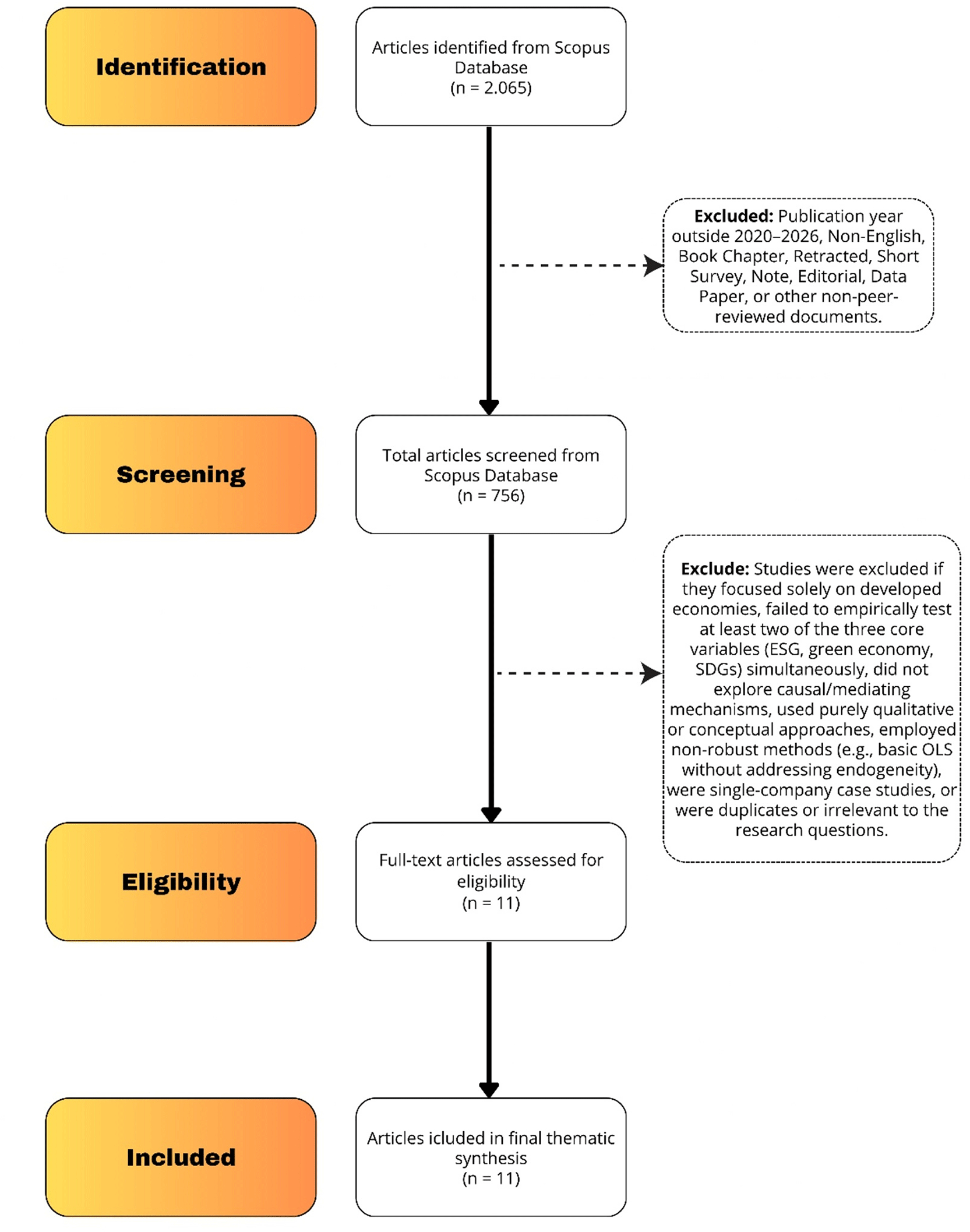
Source: Researcher’s Visualisation (2026).
A standardised data extraction form was developed and piloted on three randomly selected articles to ensure consistency and completeness. From each included study, the following information was extracted: author(s), year of publication, country or region of study, sample characteristics, study period, analytical methods, proxies for ESG, green economy indicators, SDG metrics, main empirical findings, reported mechanisms (mediation, moderation, cointegration, or spatial effects), direction and statistical significance of coefficients, and stated limitations. The data extraction was performed independently by the first reviewer and subsequently verified by the second reviewer to minimise errors.
The methodological quality of the included studies was assessed using a custom three-point scoring system (1 = low, 2 = medium, 3 = high), adapted from established risk-of-bias tools for non-randomised and observational studies (Higgins et al., 2011; Shea et al., 2017; Sterne et al., 2016). Articles were assigned a score of 3 if they employed large cross-country or provincial panels (N exceeding 100 observations), applied advanced econometric techniques that explicitly addressed endogeneity (such as GMM, CS-ARDL, or CUP-FM), conducted comprehensive diagnostic tests, and offered clear policy implications, consistent with best practices for evaluating quantitative panel studies (Arellano & Bond, 1991; Bai et al., 2009; Pesaran, 2006). A score of 2 was given to studies using PLS-SEM or standard panel regressions with moderate sample sizes (N between 50 and 100) that exhibited potential omitted-variable bias but remained methodologically defensible, following guidance on quality appraisal for observational research (Hair et al., 2019; Wooldridge, 2010). No included article received a score of 1, as all satisfied the minimum empirical robustness criteria for inclusion (Shea et al., 2017). The assessment was carried out by two reviewers independently, with disagreements resolved through joint re-evaluation of the original articles, in accordance with recommended practices for systematic reviews (Page et al., 2021). The detailed quality assessment, including the justification for each score, is reported in Table 3.
| No. | Author(s) & year | Quality score | Justification (Risk of bias/methodological rigor) |
|---|---|---|---|
| 1 | Azam et al. (2025) | 3 (High) | Cross-country panel data (8 countries, N > 100 observations). Uses robust estimators (FMOLS, Fixed Effects) with cointegration and unit root tests. Addresses cross-country heterogeneity. Clear policy implications for renewable energy and human development. |
| 2 | Darsono et al. (2024) | 2 (Medium) | PLS-SEM with 114 firm-year observations (N ~ 114, slightly above 100 but still limited). Indonesia-specific context. Potential omitted variable bias in mediation model. Does not explicitly address endogeneity beyond mediation framework. |
| 3 | Manjengwa et al. (2025) | 3 (High) | PMG-ARDL panel estimation across BRICS countries. Handles heterogeneity in short-run dynamics while pooling long-run coefficients. Robust cointegration and diagnostic tests (Pedroni, Westerlund). Clear policy differentiation between short- and long-term effects. |
| 4 | Shaari et al. (2024) | 3 (High) | CS-ARDL, FMOLS, and DOLS with explicit treatment of cross-sectional dependence (CSD) across ASEAN-5. Robust second-generation panel unit root and cointegration tests. Directly addresses endogeneity and heterogeneity. |
| 5 | Magazzino et al. (2026) | 3 (High) | Large provincial panel dataset (30 provinces, 630 observations). Employs VAR, GMM, and DID to establish causality and address endogeneity. Robust instruments and diagnostic tests (Hansen J, AR(1)/AR(2)). Strong policy implications for green finance and innovation. |
| 6 | Lhutfi et al. (2024) | 2 (Medium) | PLS-SEM with 79 firm-year observations. Small sample size; limited generalizability beyond Indonesian firms with ESG scores. Does not employ advanced endogeneity corrections (e.g., GMM or instrumental variables). Modest policy implications. |
| 7 | Sultanova & Naser (2025) | 3 (High) | Large cross-country panel (87 countries, including 59 developing). PMG-ARDL and FMOLS with comprehensive cointegration and CSD tests. Distinguishes between intensive and extensive export margins. Robust heterogeneity analysis. |
| 8 | Bashir et al. (2025) | 2 (Medium) | PLS-SEM using survey data (291 respondents). Cross-sectional design; potential common method bias and social desirability bias. Non-probability sampling limits external validity. Does not address endogeneity beyond statistical mediation. |
| 9 | Hashed et al. (2025) | 3 (High) | Pooled panel regression with GMM robustness checks. Explicitly addresses endogeneity through instrumental variables and pre-post regulatory analysis (ESG regulations dummy). Robust diagnostic tests (Arellano-Bond, Hansen J). Clear policy implications for governance audit mechanisms. |
| 10 | Sadiq et al. (2023) | 3 (High) | CUP-FM and CUP-BC estimators that explicitly handle cross-sectional dependence, endogeneity, serial correlation, and fractional integration. Panel cointegration and CSD tests confirm robustness. ASEAN-focus with strong SDG linkages. |
| 11 | Miranti et al. (2025) | 3 (High) | Dynamic Spatial Durbin Model addressing spatial dependence and heterogeneity across 34 Indonesian provinces. Incorporates short- and long-run direct/indirect effects. Rigorous model selection (LR tests, Hausman, AIC/BIC). Clear spatial policy recommendations. |
A thematic synthesis approach was adopted to integrate findings from the 11 included studies (Thomas & Harden, 2008). This method is particularly suited to systematic reviews with heterogeneous outcome measures and analytical frameworks, as it allows for the identification of recurring patterns and explanatory mechanisms across studies. The synthesis proceeded in three stages. First, the extracted findings were coded according to the thematic pillars they addressed (ESG drivers, green economy pathways, and SDG outcomes). Second, codes were grouped into broader analytical categories reflecting the mechanisms through which ESG influences sustainability: direct effects, mediation via green innovation and green accounting, moderation by regulatory and institutional factors, temporal dynamics, and spatial spillovers. Third, these categories were synthesised into a coherent narrative that compares and contrasts findings across contexts, identifies consistent trends, and highlights contextual nuances. The resulting synthesised patterns are organised thematically and presented in Section 3.4. The synthesis emphasises the direction, magnitude, and statistical significance of the reported relationships, as well as the specific conditions under which they hold.
The systematic search and selection process, as detailed in Section 2.4, resulted in the inclusion of 11 studies for final synthesis. Figure 1 presents the PRISMA flow diagram, illustrating the stepwise attrition of records from the initial 2,065 identification to the final 11 included articles.
The 11 included studies examined diverse emerging economy contexts. Three studies focused on Indonesia (Darsono et al., 2024; Lhutf et al., 2024; Miranti et al., 2025). Three addressed broader ASEAN or ASEAN-5 groupings (Shaari et al., 2024; Sadiq et al., 2023; and the ASEAN-5 component of Sultanova & Naser, 2025). One covered BRICS nations (Manjengwa et al., 2025), one examined China at the provincial level (Magazzino et al., 2026), one investigated Pakistan (Bashir et al., 2025), and one analysed Saudi Arabia (Hashed et al., 2025). Additionally, Azam et al. (2023) covered eight Asian countries including several emerging markets. The time periods spanned from 1995 to 2023, with most studies focusing on the post-2010 era, reflecting the growing availability of ESG data and the post-Paris Agreement policy momentum.
The analytical methods employed varied considerably, reflecting the diverse research questions and data structures. PLS-SEM was used in three studies (Bashir et al., 2025; Darsono et al., 2024; Lhutfi et al., 2024), primarily to test mediation and moderation hypotheses in firm-level datasets. Panel cointegration and error-correction methods, including PMG-ARDL, FMOLS, and DOLS, were applied in three studies (Azam et al., 2025; Manjengwa et al., 2025; Sultanova & Naser, 2025) to examine long-run relationships across countries. Advanced second-generation panel techniques, such as CS-ARDL (Shaari et al., 2024) and CUP-FM/BC (Sadiq et al., 2023), were employed to address cross-sectional dependence and fractional integration. Dynamic panel GMM and DID estimators were utilised by Magazzino et al. (2026) and Hashed et al. (2025) to establish causal identification and address endogeneity. Spatial econometrics, specifically the dynamic spatial Durbin model, was applied by Miranti et al. (2025) to capture geographic spillovers in green finance development. Table 4 summarises the key characteristics of the 11 included studies.
| No | Author(s) & year | Country/region | Sample & period | Analytical method | ESG measure | Green economy measure | SDG indicator(s) | Key findings & mechanism |
|---|---|---|---|---|---|---|---|---|
| 1 | Azam et al. (2025) | 8 Asian countries (Pakistan, Malaysia, Sri Lanka, India, China, Indonesia, Bangladesh, Japan) | Balanced panel; 8 countries; 1995–2018 | Panel FMOLS & Fixed Effects | – | Renewable energy consumption (% of total final energy) | Human Development Index (HDI) – SDG 3, 7, 8 | Renewable energy positively and significantly enhances HDI. GDP per capita and remittances also positive; inflation and population growth negative. Mechanism: Direct positive effect on human development through improved energy access and health/education outcomes. |
| 2 | Darsono et al. (2024) | Indonesia (manufacturing, energy, mining firms) | 114 firm-year observations; 2017–2022; PROPER participants | PLS-SEM | ESG Score (Bloomberg) | Green accounting (recycled material, green cost, renewable energy) | Environmental performance (PROPER rating) – SDG 6, 12, 13, 15 | ESG positively affects green accounting and CSR disclosure; both improve environmental performance. CSR disclosure partially mediates ESG–environmental performance. Mechanism: Multiple mediation; ESG drives green accounting and CSR, which in turn improve environmental outcomes. |
| 3 | Manjengwa et al. (2025) | BRICS (Brazil, Russia, India, China, South Africa) | 5 countries; 2000–2020 | PMG-ARDL | Country-level ESG score (MSCI framework) | – (CO₂ as control) | GDP per capita (SDG 8) | ESG negatively affects growth in the short run (transition costs) but positively and significantly in the long run. CO₂ positively drives short-run growth. Mechanism: Short-term trade-off vs. long-term equilibrium; speed of adjustment (ECT = −0.105) supports cointegration. |
| 4 | Shaari et al. (2024) | ASEAN-5 (Indonesia, Malaysia, Philippines, Singapore, Thailand) | 5 countries; 1995–2020 | CS-ARDL, FMOLS, DOLS | – | Green technology (environment-related technology); renewable energy | Life expectancy (SDG 3) | Green technology improves life expectancy; CO₂ reduces it. Health expenditure and GDP also positive. Mechanism: Long-run cointegrating relationship; CS-ARDL explicitly handles cross-sectional dependence; green technology and CO₂ act as competing determinants. |
| 5 | Magazzino et al. (2026) | China (30 provinces) | 30 provinces; 2000–2020 | VAR, GMM, DID | Green finance index (green credit, subsidies, green bonds) | Renewable energy innovation (green patents) | SDG 7, 8, 13 | Green finance strongly increases renewable energy innovation (β = 2.08). Financial constraints reduce innovation capacity by ~1.5% per unit decrease. Mechanism: Direct causal effect (GMM), quasi-experimental validation (DID), and long-run cumulative impacts via innovation persistence. |
| 6 | Lhutfi et al. (2024) | Indonesia (firms with ESG scores on IDX) | 79 firms; 2018–2022 | PLS-SEM | ESG Score (Morningstar Sustainalytics) | CSR disclosure (GRI-based) | SDGs disclosure; Earnings per Share (EPS) – SDG 8, 12 | CSR and SDGs disclosure increase ESG Score; ESG Score increases EPS. ESG fully mediates CSR–EPS, but not SDGs–EPS. Mechanism: Full mediation for CSR; signalling theory explains why ESG transparency attracts investment. |
| 7 | Sultanova & Naser (2025) | 87 countries (59 developing, 28 developed) | 87 countries; 1995–2014 | PMG-ARDL, FMOLS | – | Export diversification (Theil index: intensive & extensive margins); renewable electricity; fossil fuel energy | Ecological footprint per capita (SDG 12, 13, 15) | Diversification reduces ecological footprint globally. In developing countries, the intensive margin is significantly negative. EKC hypothesis confirmed. Mechanism: Long-run cointegration; intensive vs. extensive margins have differential effects; EKC inverted-U relationship. |
| 8 | Bashir et al. (2025) | Pakistan (non-financial PSX-listed firms) | 291 survey respondents; 135 firms; 2023 | PLS-SEM | ESG dimensions (E, S, G – managerial perception) | Green innovation (product & process) | ROA & ROE (SDG 8, 9) | All three ESG dimensions positively affect ROA, but negatively affect ROE. Green innovation positively mediates ESG–FFP. Mechanism: Complementary mediation for ROA, competitive mediation for ROE; NRBV theory explains why GI transforms ESG into operational efficiency. |
| 9 | Hashed et al. (2025) | Saudi Arabia (Tadawul-listed firms) | 51 firms; 2016–2023 | Pooled panel + GMM | ESG regulations (pre-post 2021 dummy); audit governance mechanisms | Environmental emissions & environmental performance (LSEG) | SDG 7, 13 (emissions reduction, environmental performance) | ESG regulations significantly improve environmental performance and reduce emissions. Audit expertise and internal audits are effective post-regulation. Mechanism: Regulatory moderation; ESG regulation changes the effectiveness of governance mechanisms; pre-post analysis identifies causal regulatory impact. |
| 10 | Sadiq et al. (2023) | ASEAN (10 developing countries) | 20 countries (panel); 2011–2019 | CUP-FM & CUP-BC | Green credit (% of GDP) | Renewable energy production; eco-innovation index; creativity (R&D expenditure) | CO₂ emissions (% of GNI) – SDG 13 | Green finance, renewable energy, eco-innovation, and creativity all negatively and significantly affect CO₂ (i.e., improve environmental sustainability). Economic growth is positively associated with CO₂. Mechanism: Long-run elasticity estimation; CUP-FM/BC handle CSD, endogeneity, and fractional integration simultaneously. |
| 11 | Miranti et al. (2025) | Indonesia (34 provinces) | 34 provinces; 2018–2022 | Dynamic Spatial Durbin Model | Green Finance Index (economic, financial, environmental – PCA) | Optimisation of industrial structure (OIS); environmental protection (Air Quality Index) | SDG 7, 8, 13 (green finance index) | OIS and environmental protection significantly drive green finance. Negative spatial spillover (low-high clusters) exists; only the indirect effect of OIS is significant in the short run. Mechanism: Spatial spillover; short-run indirect effects; persistent spatial outliers identified (LISA analysis). |
With respect to ESG proxies, the studies exhibited considerable heterogeneity. Three studies used composite ESG scores from commercial databases (Darsono et al., 2024; Hashed et al., 2025; Lhutfi et al., 2024). Two studies employed green finance indices as proxies for ESG-aligned financial intermediation (Magazzino et al., 2026; Miranti et al., 2025)). One study used a country-level ESG score based on the MSCI framework (Manjengwa et al., 2025). Others relied on managerial perceptions of ESG dimensions (Bashir et al., 2025), CSR and SDGs disclosure (Lhutfi et al., 2024), or governance mechanisms such as audit committees and internal audits (Hashed et al., 2025).
Green economy proxies were equally diverse. Renewable energy consumption and production featured prominently in four studies (Azam et al., 2025; Miranti et al., 2025; Sadiq et al., 2023; Shaari et al., 2024). Green innovation, measured through patents or survey-based indicators, was examined in two studies (Bashir et al., 2025; Magazzino et al., 2026). Export diversification, measured through the Theil index, was the focus of one study (Sultanova & Naser, 2025). Green accounting practices and CSR disclosure served as green economy proxies in two Indonesian studies (Darsono et al., 2024; Lhutfi et al., 2024). Industrial structure optimisation and environmental protection indicators were used by Miranti et al. (2025).
SDG indicators varied across the studies. Emissions reduction, measured as CO₂ emissions or greenhouse gas intensity, was the most common SDG proxy, appearing in four studies (Hashed et al., 2025; Miranti et al., 2025; Sadiq et al., 2023; Shaari et al., 2024). Human development outcomes, including HDI and life expectancy, were examined in two studies (Azam et al., 2025; Shaari et al., 2024). Economic growth, measured as GDP per capita, was the focal SDG indicator in one study (Manjengwa et al., 2025). Financial performance proxies, such as earnings per share (EPS), return on assets (ROA), and return on equity (ROE), served as SDG-related economic outcomes in three studies (Bashir et al., 2025; Darsono et al., 2024; Lhutfi et al., 2024). Ecological footprint was used as a comprehensive environmental sustainability metric in one study (Sultanova & Naser, 2025).
Eight of the 11 studies received a high-quality score (3), reflecting robust methodological designs that addressed key threats to internal validity. These studies employed large panels, advanced econometric techniques, and comprehensive diagnostic testing. Specifically, Magazzino et al. (2026) and Hashed et al. (2025) used GMM and DID to establish causality. Shaari et al. (2024) and Sadiq et al. (2023) applied second-generation panel methods that explicitly accounted for cross-sectional dependence. Manjengwa et al. (2025) and Sultanova & Naser (2025) employed PMG-ARDL with rigorous cointegration tests. Miranti et al. (2025) used spatial econometrics with extensive model selection diagnostics.
Three studies received a medium-quality score (2). Darsono et al. (2024) and Lhutfi et al. (2024) relied on PLS-SEM with relatively small samples (114 and 79 observations, respectively), which limits their generalisability and may introduce omitted-variable bias. Bashir et al. (2025), while using a larger survey sample (291 respondents), employed cross-sectional data that cannot establish temporal causality and may be subject to common method bias. Nevertheless, all three studies satisfied the minimum empirical standards for inclusion and contributed valuable evidence on mediation mechanisms that larger-scale panel studies often overlook.
Table 5 presents the thematic synthesis of findings from the 11 included studies. The synthesis identified six overarching themes that answer the research questions.
| Theme/focus area | Key mechanisms/channels (how ESG drives green & SDGs) | Context (emerging markets specificity) | Supporting articles | Summary of direction & significance |
|---|---|---|---|---|
| Direct Impact of Green Finance & Renewable Energy on SDGs | Green finance (credit, bonds, subsidies) relaxes capital constraints, enabling investment in renewable energy innovation and infrastructure. Renewable energy consumption directly improves human development (health, education, and income). | Effective in capital-scarce emerging markets where traditional financing is limited. China’s provincial data shows strong causal effects (GMM, DID). ASEAN countries show renewable energy boosts HDI and reduces CO₂. | (Azam et al., 2025; Magazzino et al., 2026; Sadiq et al., 2023; Shaari et al., 2024) | Positive & Significant. Green finance (β = 2.08) and renewable energy significantly improve SDG indicators (HDI, life expectancy, CO₂ reduction). Economic growth, however, often increases CO₂, highlighting the need for green decoupling. |
| Role of Corporate Governance, ESG Disclosures & CSR | ESG disclosure, CSR reporting, and SDGs disclosure act as signaling mechanisms (Signaling Theory) that reduce information asymmetry, attract investment (EPS), and enhance environmental performance. Strong governance (audit mechanisms) ensures credibility. | Critical in emerging markets with weak regulatory enforcement. Mandatory sustainability reporting regimes (e.g., Saudi Arabia post-2021, Indonesia, Malaysia) strengthen the effect of voluntary assurance and ESG scores on environmental outcomes. | (Darsono et al., 2024; Hashed et al., 2025; Lhutfi et al., 2024) | Positive but Context-Dependent. ESG and CSR disclosures improve environmental performance and investment decisions. ESG fully mediates CSR–EPS. However, effectiveness is stronger under mandatory reporting and in non-sensitive industries, highlighting regulatory dependency. |
| Mediating Role of Green Innovation & Green Accounting | Green innovation (GI) and green accounting serve as transmission mechanisms. ESG practices drive GI (product/process innovation), which in turn improves financial performance (ROA). Green accounting mediates ESG → environmental performance. | Essential in industrializing economies where firms need to balance short-term profitability with long-term sustainability. In Pakistan, GI positively mediates ESG–FFP, but the effect differs between ROA (positive) and ROE (negative). | (Bashir et al., 2025; Darsono et al., 2024) | Positive Mediation (Complementary vs. Competitive). GI complements the ESG–ROA relationship. However, ESG investments may reduce ROE in the short term, indicating a trade-off between operational efficiency and shareholder returns in resource-constrained settings. |
| Time Dynamics: Short-Term Costs vs. Long-Term Gains | ESG adoption and green transitions involve upfront costs (transition costs) that temporarily slow economic growth or depress equity returns (ROE). Over the long run, these investments pay off through improved productivity, innovation, and institutional trust. | Particularly relevant for BRICS and emerging Asian economies where capital is scarce and policy horizons are short. Short-term negative effects may deter adoption without supportive policies. | (Bashir et al., 2025; Manjengwa et al., 2025) | Negative in Short Run; Positive in Long Run. ESG negatively affects GDP growth in the short run (β = −0.0052) but positively in the long run (β = 0.167). Similarly, ESG negatively affects ROE but positively affects ROA, underscoring the importance of patient capital and policy stability. |
| Economic Structure, Export Diversification & Spatial Spillovers | Export diversification (especially intensive margin) reduces ecological footprint by shifting away from resource-intensive primary exports. Optimisation of industrial structure (moving toward tertiary/services) and environmental protection drive green finance development, with spatial spillovers affecting neighboring provinces. | Archipelagic and geographically dispersed emerging economies (e.g., Indonesia, ASEAN) exhibit negative spatial autocorrelation, meaning high-performing regions do not automatically benefit neighbors. Targeted spatial policies are needed. | (Miranti et al., 2025; Sultanova & Naser, 2025) | Positive but Spatially Heterogeneous. Diversification reduces the ecological footprint globally. However, spatial spillovers are negative in Indonesia (low-high clusters), indicating that green finance and industrial optimization do not automatically diffuse to neighboring provinces without deliberate policy intervention. |
| Regulatory & Institutional Drivers | Mandatory ESG regulations, audit quality, and board effectiveness are necessary conditions for translating voluntary ESG practices into measurable environmental outcomes. Regulatory pressure creates a baseline that amplifies internal governance mechanisms. | In emerging markets (e.g., Saudi Arabia, ASEAN), voluntary disclosure alone is insufficient. Mandatory reporting regimes significantly enhance the effectiveness of assurance and audit committees. The effect is stronger in non-sensitive industries. | (Hashed et al., 2025; Lhutfi et al., 2024) | Regulatory Amplification. ESG regulations (pre-post analysis) show a significant positive effect on reducing emissions and improving performance. Audit expertise and internal audits are only effective post-regulation, proving that regulation acts as a catalyst for governance mechanisms. |
Theme 1: Direct Impact of Green Finance and Renewable Energy on SDGs. Four studies consistently demonstrated that green finance and renewable energy directly improve SDG indicators. Magazzino et al. (2026) found that green finance strongly increases renewable energy innovation (β = 2.08, p < 0.01) and that financial constraints reduce innovation capacity by approximately 1.5 percent per unit decrease in green financing support. Azam et al. (2025) showed that renewable energy consumption positively affects human development (HDI) across eight Asian countries, with a one percent expansion in renewable energy increasing HDI by 0.02 to 0.01 percent. Sadiq et al. (2023) confirmed that green credit, renewable energy production, and eco-innovation significantly reduce CO₂ emissions in ASEAN countries. Shaari et al. (2024) reported that green technology improves life expectancy, while CO₂ emissions exert a significant negative effect on life expectancy in the ASEAN-5.
Theme 2: Role of Corporate Governance, ESG Disclosures and CSR. Three studies examined the signalling role of ESG disclosures and governance mechanisms. Lhutfi et al. (2024) found that CSR and SDGs disclosure increase ESG scores, and ESG scores subsequently enhance earnings per share, with ESG fully mediating the CSR-EPS relationship. Darsono et al. (2024) demonstrated that ESG positively affects green accounting and CSR disclosure, both of which improve environmental performance. Hashed et al. (2025) reported that ESG regulations significantly reduce emissions and improve environmental performance, with audit committee expertise and internal audit being effective only after the introduction of mandatory reporting, indicating that regulation amplifies the credibility of governance mechanisms.
Theme 3: Mediating Role of Green Innovation and Green Accounting. Two studies explicitly tested mediation pathways. Darsono et al. (2024) established that green accounting mediates the ESG-environmental performance relationship, and CSR disclosure partially mediates this link. Bashir et al. (2025) found that green innovation positively mediates the ESG-FFP relationship, with complementary mediation for ROA (the indirect effect reinforces the direct positive effect) and competitive mediation for ROE (the indirect effect offsets the direct negative effect). These findings demonstrate that ESG does not directly translate into improved financial outcomes; rather, it operates through innovation and accounting mechanisms.
Theme 4: Time Dynamics: Short-Term Costs versus Long-Term Gains. Two studies explicitly addressed temporal heterogeneity. Manjengwa et al. (2025) documented that ESG performance negatively affects GDP growth in the short run (coefficient = −0.0052, p < 0.10) but positively in the long run (β = 0.167, p < 0.05), with an error correction term of −0.105 indicating that 10.5 percent of disequilibrium is corrected annually. Bashir et al. (2025) reported that ESG dimensions negatively affect ROE but positively affect ROA, suggesting that while operational efficiency improves, shareholder returns may initially suffer due to transition costs.
Theme 5: Economic Structure, Export Diversification and Spatial Spillovers. Sultanova & Naser (2025) found that export diversification, particularly the intensive margin, reduces the ecological footprint across 87 countries. In developing economies, the effect is more pronounced, and the Environmental Kuznets Curve hypothesis is confirmed, indicating that beyond a certain income threshold, growth becomes environmentally beneficial. Miranti et al. (2025) identified negative spatial autocorrelation in green finance development across Indonesian provinces, with persistent low-high spatial outliers in regions such as Bangka Belitung and Yogyakarta. Only the indirect effect of industrial structure optimisation influences green finance in neighbouring provinces in the short run, indicating that spatial spillovers are not automatic but require deliberate policy coordination.
Theme 6: Regulatory and Institutional Drivers. Hashed et al. (2025) provided the strongest evidence for regulatory amplification. Their pre-post ESG regulation analysis showed that audit committee expertise shifted from a negative to a positive effect on emissions reduction after mandatory reporting was introduced. Similarly, internal audit effectiveness emerged only in the post-regulation period. This finding is corroborated by Lhutfi et al. (2024), who demonstrated that ESG scores mediate CSR-EPS only in contexts where disclosure practices are credible and standardised.
This section interprets the synthesised findings, situates them within the broader literature, and derives theoretical and practical implications. The discussion is organised around the six thematic mechanisms identified in the synthesis, followed by a comparative assessment with prior reviews, theoretical extensions, policy recommendations, and a transparent acknowledgment of methodological limitations.
The most direct and consistently evidenced pathway through which ESG implementation drives SDG outcomes is financial intermediation, particularly the provision of green finance and the deployment of renewable energy. Magazzino et al. (2026) demonstrated that green finance exerts a strong positive effect on renewable energy innovation (β = 2.08, p < 0.01), and that financial constraints reduce innovation capacity by approximately 1.5 per cent per unit decrease in green financing support. This finding establishes that relaxing capital constraints is not merely facilitative but constitutes a binding condition for green transitions in emerging markets. Similarly, Azam et al. (2025) found that renewable energy consumption significantly enhances human development, with a one per cent expansion in renewable energy increasing HDI by 0.02 to 0.01 per cent across eight Asian countries. Sadiq et al. (2023) confirmed that green credit, renewable energy production, and eco-innovation significantly reduce CO₂ emissions in ASEAN countries, while Shaari et al. (2024) reported that green technology improves life expectancy, with CO₂ emissions exerting a significant negative effect in the ASEAN-5.
Collectively, these studies indicate that financial flows directed towards green sectors produce immediate and measurable improvements in human welfare and environmental quality. The implication is unambiguous: without adequate and accessible green financing, the decoupling of economic growth from environmental degradation remains unattainable. This finding aligns with the natural-resource-based view of the firm (Hart & Dowell, 2011),which posits that organisational capabilities, including financial resources, are prerequisites for sustainability-oriented innovation. The magnitude of the effect documented by Magazzino et al. (2026) underscores those financial constraints are not a minor barrier but a binding constraint that, if relaxed, can generate substantial innovation dividends.
However, the concurrent finding that economic growth often increases CO₂ emissions, as shown by Sadiq et al. (2023) and Manjengwa et al. (2025), highlights the decoupling challenge. Emerging markets cannot simply rely on growth to resolve environmental problems; they must actively steer growth towards green sectors through deliberate policy interventions. Thus, the financial-environmental nexus represents the most foundational mechanism through which ESG implementation accelerates SDG achievement, particularly SDG 7, SDG 8, and SDG 13.
A critical contribution of this review is the identification of green innovation and green accounting as essential mediating mechanisms that bridge ESG adoption and measurable outcomes. Darsono et al. (2024) established that green accounting mediates the ESG-environmental performance relationship, and that CSR disclosure partially mediates this link. Bashir et al. (2025) found that green innovation positively mediates the ESG-FFP relationship, with complementary mediation for ROA, where the indirect effect reinforces the direct positive effect, and competitive mediation for ROE, where the indirect effect offsets the direct negative effect.
These findings reveal that ESG practices do not directly translate into improved environmental or financial performance. Instead, they operate through intermediary capabilities that require deliberate organisational investment. Firms cannot simply adopt ESG principles and expect automatic returns; they must build the internal systems, accounting practices, and innovation capacities that convert ESG intentions into measurable performance. The complementary versus competitive mediation distinction is particularly instructive. While green innovation enhances operational efficiency as measured by ROA, the financial benefits for shareholders as measured by ROE may be delayed or diluted by upfront costs. This temporal asymmetry has practical implications: managers must communicate long-term value creation to shareholders, and investors must exercise patience.
The mediation findings refine the natural-resource-based view of the firm. While the NRBV posits that organisational capabilities are key to competitive advantage, this review demonstrates that green innovation and green accounting are not automatic outcomes of ESG adoption; they require deliberate investment and managerial attention. Moreover, the complementary versus competitive mediation distinction for ROA and ROE suggests that the NRBV needs to differentiate between operational and financial performance outcomes. Consequently, the mediation black box is not a passive conduit but an active, capability-dependent process that determines whether ESG implementation yields tangible SDG progress. Policymakers and managers must therefore prioritise capacity-building in green innovation and accounting as integral components of ESG strategy.
The synthesis provides strong evidence that mandatory regulation and governance quality are necessary conditions for ESG practices to generate credible environmental outcomes. Hashed et al. (2025) offered the most compelling evidence through a pre-post ESG regulation analysis. Their results showed that audit committee expertise shifted from a negative to a positive effect on emissions reduction after mandatory reporting was introduced. Similarly, internal audit effectiveness emerged only in the post-regulation period.
This finding is corroborated by Lhutfi et al. (2024), who demonstrated that ESG scores mediate CSR-EPS only in contexts where disclosure practices are credible and standardised. In voluntary regimes, firms may adopt ESG practices symbolically without substantive change, a phenomenon consistent with legitimacy theory (Suchman, 1995). Mandatory reporting creates a baseline of accountability that transforms symbolic adoption into substantive implementation. The implication is that regulation does not merely encourage ESG adoption; it fundamentally enables ESG to function as a credible governance mechanism. Without regulatory backbone, ESG signals remain weak and unreliable, undermining their potential to drive SDG acceleration in emerging markets.
This finding aligns with institutional theory predictions that organisational practices are shaped by the regulatory environment. However, the evidence goes beyond simple institutional isomorphism by showing that regulation interacts with governance mechanisms to produce synergistic effects. This suggests that institutions and governance are not substitutes but complements, a finding that has not been sufficiently theorised in the ESG literature. Therefore, emerging markets seeking to accelerate SDG achievement should not rely solely on voluntary corporate responsibility; they must establish and enforce mandatory disclosure and assurance frameworks to ensure that ESG signals are credible and decision-useful.
A consistent pattern across the included studies is the temporal asymmetry between short-term costs and long-term benefits. Manjengwa et al. (2025) documented that ESG performance negatively affects GDP growth in the short run (coefficient = −0.0052, p < 0.10) but positively in the long run (β = 0.167, p < 0.05), with an error correction term of −0.105 indicating that 10.5 per cent of disequilibrium is corrected annually. Bashir et al. (2025) reported that ESG dimensions negatively affect ROE but positively affect ROA, suggesting that while operational efficiency improves, shareholder returns may initially suffer due to transition costs.
This temporal trade-off has profound implications for policy and investment. Short-term negative effects on GDP and ROE should not be interpreted as failure of ESG; rather, they reflect necessary transition costs associated with green technology adoption, organisational restructuring, and capacity building. Policymakers must adopt longer evaluation horizons and provide transitional support, such as subsidies, tax incentives, and patient capital, to help firms and regions navigate the initial cost phase. Investors, similarly, must recognise that ESG investments are long-term value-creation strategies rather than short-term arbitrage opportunities. The temporal distinction between short-term costs and long-term gains is more pronounced in emerging markets, consistent with the resource-based view that transition costs are higher in capital-constrained environments (D’Amato et al., 2021). In essence, temporal asymmetry is not a weakness of ESG but an inherent feature of sustainability transitions that requires institutional patience and supportive policy frameworks to realise the eventual gains.
The spatial dimension of green transitions, often overlooked in ESG research, emerges as a significant moderator in geographically fragmented contexts. Sultanova & Naser (2025) found that export diversification, particularly the intensive margin, reduces the ecological footprint across 87 countries, with more pronounced effects in developing economies. This confirms the Environmental Kuznets Curve hypothesis, indicating that beyond a certain income threshold, growth becomes environmentally beneficial.
Miranti et al. (2025) identified negative spatial autocorrelation in green finance development across Indonesian provinces, with persistent low-high spatial outliers in regions such as Bangka Belitung and Yogyakarta. Notably, only the indirect effect of industrial structure optimisation influences green finance in neighbouring provinces in the short run, indicating that spatial spillovers are not automatic but require deliberate policy coordination. This finding challenges the assumption that high-performing regions automatically benefit neighbours through diffusion. In archipelagic countries like Indonesia, geographic isolation, limited infrastructure, and industrial agglomeration effects concentrated in Java and Sumatra create barriers to knowledge and technology transfer.
The spatial spillover findings resonate with new economic geography theories (Krugman, 1991), which emphasise that geographic proximity and infrastructure are critical determinants of knowledge and technology spillovers. Consequently, spatially targeted policies, such as regional green finance hubs, connectivity investments, and innovation clusters, are essential to ensure that green transitions reach lagging regions. Without such spatial awareness, ESG-driven development risks perpetuating rather than reducing regional inequalities.
The six themes identified in this review collectively form an integrated framework in which ESG operates through four interconnected mechanisms: financial intermediation, innovation mediation, regulatory moderation, and spatial diffusion. These mechanisms are not mutually exclusive; they often co-occur, creating reinforcing or, in some cases, competing effects.
This framework is broadly consistent with earlier meta-analyses on ESG and financial performance (Friede et al., 2015), which reported a positive but context-dependent relationship. However, the present review extends previous work in three important ways. First, while earlier studies predominantly focused on developed markets, this review demonstrates that ESG effects are equally, if not more, relevant in emerging economies, albeit with different mechanisms. The mediating role of green innovation appears more critical in developing countries due to weaker institutional buffers, as evidenced by Bashir et al. (2025) and Darsono et al. (2024). Second, the temporal distinction between short-term costs and long-term gains is more pronounced in emerging markets, consistent with the resource-based view that transition costs are higher in capital-constrained environments (D’Amato et al., 2021). Third, the spatial dimension, largely absent from prior ESG syntheses, emerges as a significant moderator in archipelagic and geographically dispersed countries.
The regulatory moderation finding aligns with studies on mandatory CSR reporting in India and China (Chen et al., 2018; Dhaliwal et al., 2011), which found that disclosure mandates improve information environments and corporate behaviour. However, this review adds nuance by showing that regulation does not automatically enhance ESG effectiveness; it does so by enabling governance mechanisms such as audit committees and internal audits to function as credible oversight tools. This integrated framework positions ESG not as a standalone solution but as a systemic intervention whose success depends on the alignment of financial, institutional, and spatial factors.
The findings of this review extend signalling theory by demonstrating that ESG disclosures serve as credible signals only when backed by regulatory enforcement and independent assurance. In the absence of mandatory frameworks, firms may engage in greenwashing, rendering ESG signals noisy and unreliable. This extends the work of Connelly et al. (2011) by contextualising signalling theory within weak institutional environments.
The mediation findings refine the natural-resource-based view of the firm. While the NRBV posits that organisational capabilities are key to competitive advantage, this review demonstrates that green innovation and green accounting are not automatic outcomes of ESG adoption; they require deliberate investment and managerial attention. Moreover, the complementary versus competitive mediation distinction for ROA and ROE suggests that the NRBV needs to differentiate between operational and financial performance outcomes.
The institutional contingency patterns support institutional theory predictions that organisational practices are shaped by the regulatory environment. However, the findings go beyond simple institutional isomorphism by showing that regulation interacts with governance mechanisms to produce synergistic effects. This suggests that institutions and governance are not substitutes but complements, a finding that has not been sufficiently theorised in the ESG literature. Together, these theoretical extensions provide a more granular understanding of the conditions under which ESG implementation translates into tangible sustainability outcomes, moving beyond generic prescriptions to context-sensitive frameworks.
For policymakers, the most urgent implication is the need to move from voluntary to mandatory ESG reporting and assurance frameworks. Hashed et al. (2025) provide compelling evidence that voluntary adoption is insufficient to drive meaningful emission reductions. Mandatory frameworks should include clear reporting standards, independent assurance requirements, and penalties for non-compliance. This is particularly relevant for ASEAN countries, where sustainability reporting is still nascent, as highlighted by Lhutfi et al. (2024) and Darsono et al. (2024).
Green finance instruments, including green credit, green bonds, and subsidies, should be expanded and targeted at sectors with high innovation potential. Magazzino et al. (2026) demonstrate that the effectiveness of green finance depends on the absorptive capacity of the recipient firms and regions. Therefore, financial incentives should be coupled with technical assistance and capacity-building programmes, especially in less-developed provinces, as suggested by Miranti et al. (2025).
Policymakers should also design spatially differentiated policies. Miranti et al. (2025) demonstrate that uniform national policies may not reach lagging regions due to negative spatial spillovers. Targeted interventions, such as green finance hubs in low-performing provinces, infrastructure investments to improve connectivity, and regional innovation clusters, could help diffuse green transitions more equitably.
For corporate managers, the findings underscore the strategic importance of investing in green innovation and green accounting as intermediary capabilities. ESG adoption alone is insufficient; firms must build the internal systems and processes that translate ESG intentions into performance improvements. This includes establishing robust environmental management accounting systems, investing in R&D for clean technologies, and ensuring that boards are composed of members with relevant expertise and diversity.
For investors, the short-term trade-offs identified in this review suggest that ESG investments require patient capital. The negative short-term effects on GDP and ROE should not be interpreted as failure of ESG; rather, they reflect transition costs that are necessary for long-term sustainability gains. Investors should adopt longer evaluation horizons and support firms that are making credible, verifiable ESG commitments. In sum, the practical implications demand a coordinated, multi-actor approach where governments, firms, and investors each play complementary roles in enabling ESG to drive SDG acceleration.
This review has several limitations that should be acknowledged. First, the search was restricted to a single database, Scopus, which may have excluded relevant articles indexed in other databases such as Web of Science or Google Scholar. Future reviews could expand the search to multiple databases and include grey literature to reduce publication bias. Second, the review included only English-language articles, potentially introducing language bias. Third, the geographic coverage, while diverse, is skewed towards ASEAN and BRICS countries, with limited representation from Latin America and Africa. This limits the generalisability of the findings to all emerging markets. Fourth, the heterogeneity in analytical methods and variable operationalisation precluded a quantitative meta-analysis, and the thematic synthesis, while robust, is inherently interpretive. Fifth, the review focused on empirical studies published between 2020 and 2026, excluding earlier foundational research that may provide additional context. Finally, the risk of publication bias cannot be entirely ruled out, as studies with significant positive findings are more likely to be published than those with null or negative results. These limitations, however, do not undermine the core conclusions but rather point to directions for future research, particularly the need for broader geographic coverage, longitudinal designs, and the inclusion of non-English and grey literature.
This systematic review synthesised evidence from 11 empirical studies examining the ESG–green economy–SDG nexus in emerging markets. The findings reveal that ESG and green economy initiatives are powerful drivers of SDG achievement, but their effectiveness is contingent upon multiple factors.
The analysis identified six principal mechanisms through which ESG implementation accelerates green transitions and SDG outcomes. First, green finance and renewable energy directly improve SDG indicators such as human development, life expectancy, and emissions reduction. Second, ESG disclosures and CSR practices enhance investment attractiveness and environmental performance, mediated by green innovation and green accounting. Third, mandatory regulations and audit mechanisms amplify the effectiveness of voluntary ESG practices, transforming symbolic adoption into substantive implementation. Fourth, short-term costs in the form of lower GDP growth and return on equity consistently precede long-term gains in productivity and sustainability. Fifth, export diversification reduces ecological footprints, while sixth, spatial spillovers in green finance are negative in archipelagic contexts, indicating that high-performing regions do not automatically benefit neighbouring jurisdictions.
In response to the research questions, the evidence demonstrates that ESG practices influence SDG outcomes through multiple interconnected pathways: financial intermediation, innovation mediation, regulatory moderation, and spatial diffusion. The direction of these effects is predominantly positive, but the magnitude varies across contexts. The relationships exhibit substantial variation across temporal horizons, institutional contexts, and spatial configurations. Short-term negative effects are consistently followed by long-term positive gains. Mandatory regulatory frameworks amplify the effectiveness of ESG practices, while voluntary regimes produce weaker or inconsistent results. Spatial spillovers are not automatic and require deliberate policy coordination.
Theoretically, this review extends signalling theory, the natural-resource-based view, and institutional theory to emerging market contexts. It demonstrates that ESG operates through multiple interconnected pathways and that its effectiveness is contingent upon institutional quality, time horizons, and geographic configuration. Practically, the review offers evidence-based recommendations for policymakers, corporate managers, and investors seeking to align financial, corporate, and governance mechanisms with SDG acceleration.
For policymakers, the most urgent implication is the need to move from voluntary to mandatory ESG reporting and assurance frameworks, coupled with spatially differentiated policies to ensure that green transitions reach lagging regions. For corporate managers, the findings underscore the strategic importance of investing in green innovation and green accounting as intermediary capabilities. For investors, the short-term trade-offs identified in this review suggest that ESG investments require patient capital and longer evaluation horizons.
For future research, geographic coverage should be expanded to underrepresented regions, particularly Latin America and Africa. More granular spatial units and longitudinal studies are needed to better understand the dynamics of ESG-driven transitions. Additional mediators and moderators, including digital finance, political stability, and institutional trust, should be explored.
ESG and green economy initiatives are not panaceas but are powerful drivers of SDG achievement when supported by strong institutions, patient capital, and spatially aware policies. For emerging markets, the path to sustainable development requires aligning financial, corporate, and governance mechanisms to ensure that the costs of transition today are outweighed by the benefits of a resilient, equitable, and low-carbon future. This systematic review provides a roadmap for that journey, offering both theoretical clarity and practical direction for policymakers, managers, and investors committed to accelerating the SDGs.
Not applicable. This systematic review did not involve human or animal subjects, nor did it collect primary data. All analyses were based on previously published peer-reviewed articles accessed from the Scopus database. The review followed PRISMA 2020 guidelines and did not require informed consent.
| Views | Downloads | |
|---|---|---|
| F1000Research | - | - |
|
PubMed Central
Data from PMC are received and updated monthly.
|
- | - |
Provide sufficient details of any financial or non-financial competing interests to enable users to assess whether your comments might lead a reasonable person to question your impartiality. Consider the following examples, but note that this is not an exhaustive list:
Sign up for content alerts and receive a weekly or monthly email with all newly published articles
Already registered? Sign in
The email address should be the one you originally registered with F1000.
You registered with F1000 via Google, so we cannot reset your password.
To sign in, please click here.
If you still need help with your Google account password, please click here.
You registered with F1000 via Facebook, so we cannot reset your password.
To sign in, please click here.
If you still need help with your Facebook account password, please click here.
If your email address is registered with us, we will email you instructions to reset your password.
If you think you should have received this email but it has not arrived, please check your spam filters and/or contact for further assistance.

Comments on this article Comments (0)