Keywords
Social Interdependence Theory; Cooperative Learning; Collaboration Skills; Pre-Service Teachers

Social Interdependence Theory; Cooperative Learning; Collaboration Skills; Pre-Service Teachers
Collaboration has become one of the most essential competencies required in contemporary education and professional life. As educational systems increasingly emphasize complex problem-solving, interdisciplinary learning, and collective knowledge construction, the ability to work effectively with others is recognized as a critical component of twenty-first-century competencies. Collaborative learning environments encourage learners to share ideas, negotiate meaning, solve problems collectively, and develop higher-order thinking skills that are difficult to achieve through individual learning approaches alone (Chen et al., 2022; Mercier et al., 2023). Consequently, teacher education institutions are expected to prepare future teachers not only to facilitate collaborative learning in schools but also to develop strong collaboration competencies themselves during their professional preparation.
Pre-service teacher education plays a crucial role in preparing future educators to respond to increasingly complex educational demands. Similar to pedagogical practice, which serves as a bridge between theoretical knowledge and professional competence development (Shahini, 2025), teacher education programs are expected to create authentic learning experiences that enable student teachers to acquire the competencies necessary for effective teaching. Contemporary teacher education frameworks emphasize not only pedagogical knowledge and instructional skills but also communication, teamwork, reflection, creativity, and collaborative problem-solving competencies (Arslan & Whitehead, 2025; Manasia et al., 2020). These competencies are considered fundamental for future teachers who will work within increasingly collaborative educational ecosystems.
Research has consistently demonstrated that collaborative experiences during teacher preparation positively influence professional growth and teaching readiness. Service-learning activities, for example, have been shown to provide valuable opportunities for pre-service teachers to engage collaboratively with communities while developing professional competencies (Chambers & Lavery, 2012). Similarly, lesson study approaches encourage prospective teachers to reason collectively, produce instructional solutions, and share professional knowledge, thereby strengthening both pedagogical competence and twenty-first-century skills (Yeşilçınar & Aykan, 2022). Collaborative inquiry and reflective assessment activities further contribute to the development of professional learning communities among pre-service teachers by promoting shared knowledge construction and collective reflection (Y. Yang et al., 2022).
Despite these benefits, developing collaboration skills among pre-service teachers remains a significant challenge. Many teacher education programs continue to rely heavily on individual assignments, competitive assessment systems, and instructor-centered pedagogies that provide limited opportunities for meaningful collaboration (Soh, 2025). As a result, student teachers often experience difficulties in teamwork, shared responsibility, communication, and collective decision-making when participating in collaborative learning activities. Bush & Grotjohann (2020) found that although pre-service teachers generally hold positive attitudes toward collaboration, their intentions and actual collaborative performance frequently vary due to differences in learning experiences and institutional contexts. Likewise, Nix (2021) reported that collaborative teaching experiences often involve challenges related to role negotiation, communication, and mutual accountability among participants.
The increasing integration of digital technologies into teacher education has created new opportunities for collaboration while simultaneously introducing additional challenges. Digital platforms such as Google Docs have enabled collaborative lesson planning and co-construction of instructional materials among pre-service teachers (Colaco & Antao, 2023). Online collaborative peer-assessment approaches have also been found to enhance digital content development competence and higher-order thinking skills (Fang et al., 2021). However, technological tools alone do not guarantee effective collaboration. Without appropriate pedagogical structures, collaborative activities may lead to unequal participation, social loafing, fragmented communication, and superficial engagement (Chen et al., 2022). These findings suggest that successful collaborative learning depends not only on technological support but also on instructional designs that foster positive interaction and mutual responsibility among learners.
Theoretical perspectives on collaboration emphasize the importance of social relationships and interdependence among group members. Social Interdependence Theory, originally developed through the work of Lewin, Deutsch, and later expanded by Johnson and Johnson, proposes that the way goals are structured determines how individuals interact and consequently influences learning outcomes. Positive interdependence occurs when individuals perceive that they can achieve their goals only if other group members also achieve theirs, thereby encouraging cooperation, mutual support, and shared responsibility (Karlsen et al., 2020). Research has shown that positive interdependence contributes significantly to collaborative engagement, academic achievement, interpersonal relationships, and social skill development (Mendo Lázaro et al., 2020).
Several studies have demonstrated the effectiveness of cooperative learning environments grounded in positive interdependence. Puiggalí et al. (2023) reported that cooperative learning promotes social awareness and positive interpersonal perceptions among learners. Similarly, STEM-based collaborative learning approaches have been shown to improve students’ collaborative competencies, communication skills, and problem-solving abilities (Faif Pasani & Amelia, 2024). In engineering education, collaborative learning has been associated with increased learner engagement, deeper conceptual understanding, and stronger teamwork competencies (Mercier et al., 2023). Furthermore, studies involving collaborative robotics activities indicate that structured interaction among learners facilitates the emergence of productive roles and collective problem-solving strategies (Schina et al., 2025).
Within teacher education, collaborative learning has become increasingly important as future teachers are expected to work collaboratively with colleagues, students, parents, and educational stakeholders throughout their careers. Professional teaching itself is increasingly viewed as a collaborative endeavor rather than an individual activity. Ellis (2013) argues that professional creativity emerges through collective participation and collaborative communities of practice, where knowledge is socially constructed and continuously refined through interaction. Collaborative environments therefore provide opportunities for pre-service teachers to develop not only pedagogical competence but also professional identity and collective efficacy.
Recent developments in educational research have highlighted the value of collaborative ecosystems that integrate social interaction, local context, and authentic learning experiences. Purbasari et al. (2026), for example, developed a social collaborative e-learning model that successfully integrated community-based learning and collaborative engagement through symbolic adaptation to local industrial contexts. Similarly, Rudik et al. (2025) demonstrated that collaborative and intercultural learning experiences contribute significantly to the development of intercultural citizenship competencies among pre-service English teachers. These findings reinforce the argument that collaborative learning environments can support the development of complex competencies required in contemporary educational settings.
Nevertheless, although cooperative learning has been extensively investigated in higher education, existing approaches often emphasize group activities without explicitly incorporating the principles of social interdependence as the central mechanism driving collaboration. Many studies focus on collaborative outcomes while paying limited attention to the instructional structures that generate positive interdependence, mutual accountability, and promotive interaction among learners (Karlsen et al., 2020; Mendo Lázaro et al., 2020). Furthermore, research specifically examining cooperative learning models designed to foster collaboration skills among pre-service teachers remains relatively limited. Existing studies tend to investigate collaborative technologies, lesson study, peer assessment, or collaborative inquiry separately rather than developing a comprehensive instructional model grounded in Social Interdependence Theory.
This gap is particularly significant because collaboration skills are increasingly recognized as essential competencies for future teachers. Teacher education programs require instructional models that not only facilitate group work but also systematically cultivate positive interdependence, shared responsibility, communication, collective problem-solving, and reflective collaboration. Without such pedagogical structures, collaborative activities may fail to achieve their intended outcomes and may instead reinforce unequal participation patterns or passive learning behaviors.
To address this gap, the present study develops and evaluates a Social Interdependence-Based Cooperative Learning (CLBIS) Model designed to foster collaboration skills among pre-service teachers enrolled in curriculum development courses. Grounded in Social Interdependence Theory, the model incorporates positive interdependence, individual accountability, promotive interaction, collaborative problem-solving, and reflective group processing as core instructional components. Through a Design-Based Research (DBR) approach, the study seeks to develop, refine, and evaluate the effectiveness of the CLBIS model in enhancing collaboration skills among pre-service teachers. The findings are expected to contribute both theoretically and practically to teacher education by providing an empirically validated instructional framework that strengthens collaborative competence and prepares future educators for professional collaboration in increasingly complex educational environments.
The implementation of the Social Interdependence-Based Cooperative Learning (CLBIS) model significantly improves collaboration skills among pre-service teachers.
Positive interdependence significantly enhances collaborative engagement among pre-service teachers during the implementation of the CLBIS model.
Collaborative engagement significantly contributes to the development of collaboration skills among pre-service teachers.
RQ1. How is the Social Interdependence-Based Cooperative Learning (CLBIS) model developed through the Design-Based Research process?
RQ2. To what extent does the implementation of the CLBIS model improve collaboration skills among pre-service teachers?
RQ3. How do pre-service teachers perceive their collaborative learning experiences during the implementation of the CLBIS model?
The increasing demand for collaborative competencies in education has directed significant attention toward Social Interdependence Theory as a foundational framework for understanding how individuals learn and work together effectively. The concept of interdependence originates from the idea that individuals’ outcomes are influenced not only by their own actions but also by the actions of others within a group (Tjosvold, 1986). Social interdependence exists when individuals perceive that their goals are interconnected, creating conditions in which personal success is linked to the success of fellow group members. This perspective has been widely adopted in organizational, educational, and professional contexts to explain cooperative behaviors and collective performance (Miller & Gordon, 2014).
Social Interdependence Theory posits that positive interdependence encourages promotive interaction, mutual support, shared responsibility, and collective problem-solving. Individuals are more likely to cooperate when they perceive that their goals can only be achieved through collaborative effort (Ma et al., 2022). In contrast, negative interdependence often generates competition, while the absence of interdependence promotes individualistic behavior. Positive interdependence therefore serves as the central mechanism underlying successful cooperative learning environments and effective teamwork (Papineau & Eys, 2025).
Cooperative learning represents one of the most widely implemented instructional approaches derived from Social Interdependence Theory. Cooperative learning emphasizes structured interaction among learners, where group members work together to achieve shared learning objectives while maintaining individual accountability (Karlsen et al., 2020). Research has consistently demonstrated that cooperative learning enhances academic achievement, social relationships, communication skills, and learner engagement. Premo et al. (2018) found that interdependent cooperative learning significantly improved student interactions and academic performance in undergraduate classrooms. Similarly, Kebede et al. (2025) reported that the Jigsaw cooperative learning model produced significant improvements in student achievement compared to conventional instructional approaches.
The effectiveness of cooperative learning is closely associated with the quality of interdependence established among group members. Task interdependence, outcome interdependence, and resource interdependence collectively shape learners’ willingness to collaborate and contribute to group success (Mendo Lázaro et al., 2020; Papineau & Eys, 2025). Research further suggests that positive peer interaction, collaborative problem-solving, and shared accountability are critical factors contributing to successful cooperative learning outcomes (Chen et al., 2022). However, studies have also shown that cooperative learning does not automatically lead to meaningful collaboration. Without carefully designed instructional structures, group activities may result in unequal participation, social loafing, and superficial interaction (Beiki et al., 2020).
Recent developments in educational research emphasize the importance of designing collaborative learning environments that actively foster interdependence among learners. Social collaborative e-learning models, for example, have demonstrated the potential to strengthen collaborative engagement by integrating social interaction and contextualized learning experiences (Purbasari et al., 2026). Similarly, collaborative STEM learning environments have been shown to promote communication, teamwork, and collective problem-solving competencies (Faif Pasani & Amelia, 2024). These findings highlight the need for instructional models that explicitly incorporate the principles of Social Interdependence Theory to optimize collaborative learning outcomes.
Collaboration skills have become an essential component of teacher professionalism in contemporary educational contexts. Teachers are increasingly expected to work collaboratively with colleagues, students, parents, school leaders, and external stakeholders to address complex educational challenges and support student learning. Consequently, teacher education programs are responsible for preparing future educators with the competencies necessary for effective collaboration and teamwork (Alahmad et al., 2021).
Pre-service teacher education has undergone substantial transformation in response to the demands of twenty-first-century education. Contemporary teacher preparation programs emphasize not only pedagogical knowledge and instructional competence but also communication, collaboration, critical thinking, creativity, and digital literacy (Valtonen et al., 2021). Collaboration is particularly important because professional teaching is increasingly viewed as a collective endeavor involving shared decision-making, co-planning, professional dialogue, and collaborative inquiry (García-Martínez et al., 2022).
Research has shown that collaborative learning experiences contribute significantly to the professional development of pre-service teachers. Collaborative classroom participation enhances engagement, communication, and knowledge sharing among student teachers (Adebola & Tsotetsi, 2022). Similarly, collaborative action research activities provide opportunities for prospective teachers to develop teamwork competencies while addressing authentic educational problems (Berisha & Vula, 2024). Group-based flipped learning approaches have also been found to promote higher-order thinking skills and collaborative engagement among pre-service teachers (Zain et al., 2022).
The growing integration of technology into teacher education has further expanded opportunities for collaboration. Digital storytelling activities have been shown to enhance digital collaboration, communication, and language learning competencies among pre-service teachers (Yu & Wang, 2025). Online interaction tools facilitate collaborative engagement and professional communication across diverse learning contexts (Taghizadeh & Ejtehadi, 2023). Similarly, digital collaboration competence has emerged as an increasingly important aspect of teacher readiness, particularly in technology-rich learning environments (Ohle-Peters et al., 2024).
Collaborative experiences also contribute to broader dimensions of teacher preparation. Studies indicate that collaboration supports intercultural competence development (Rudik et al., 2025), critical cultural awareness (Eren, 2023), media education competence (Hahn et al., 2026), computational thinking (Haşlaman et al., 2024), and reading interaction skills (W. Yang & Silvén, 2026). Moreover, collaborative learning environments facilitate authentic professional learning experiences that strengthen teaching readiness and future employability (Nair, 2025; Paterson et al., 2026).
Despite these benefits, research continues to identify challenges in fostering collaboration among pre-service teachers. Dinagsao & Gonzales (2020) found variations in collaborative competencies among student teachers, indicating the need for more structured opportunities to develop teamwork skills. Similarly, pedagogical practice experiences often provide limited opportunities for sustained collaborative engagement despite their importance in professional development (Shahini, 2025). These findings suggest that teacher education programs require instructional approaches specifically designed to cultivate collaboration competencies through meaningful social interaction and shared responsibility.
The literature reviewed above demonstrates that collaboration skills are essential competencies for future teachers and that Social Interdependence Theory provides a robust theoretical foundation for fostering effective collaboration. However, existing studies primarily examine collaborative activities, digital tools, or cooperative learning strategies separately, with limited attention given to the development of comprehensive instructional models explicitly grounded in positive interdependence principles.
Recent educational innovations emphasize the importance of authentic, collaborative, and technology-responsive learning environments for teacher preparation (Ajani, 2024; Hong et al., 2025). Nevertheless, many collaborative learning interventions continue to focus on task completion rather than intentionally cultivating positive interdependence, individual accountability, promotive interaction, and reflective group processing. Consequently, opportunities remain for developing instructional models that systematically integrate these principles into pre-service teacher education.
To address this gap, the present study proposes the Social Interdependence-Based Cooperative Learning (CLBIS) Model. Grounded in Social Interdependence Theory, the model is designed to foster collaboration skills through structured learning experiences that promote positive interdependence, collaborative engagement, individual accountability, collective problem-solving, and reflective interaction. By integrating these elements into curriculum development courses, the CLBIS model seeks to create learning environments in which pre-service teachers actively construct knowledge together, share responsibility for learning outcomes, and develop the collaborative competencies required for contemporary educational practice.
Accordingly, this study employs a Design-Based Research approach to develop, refine, and evaluate the effectiveness of the CLBIS model in fostering collaboration skills among pre-service teachers. The model is expected to contribute both theoretically and practically to teacher education by providing an evidence-based framework for collaborative learning grounded in Social Interdependence Theory.
This study employed a Design-Based Research (DBR) approach to develop and validate a Social Interdependence-Based Cooperative Learning (CLBIS) model for fostering collaboration skills among pre-service teachers. DBR is well suited for addressing complex educational challenges through iterative cycles of analysis, design, implementation, evaluation, and refinement while simultaneously generating practical solutions and theoretical contributions (Anderson & Shattuck, 2012; Hall, 2020; Herrington et al., 2007; Reimann, 2010, 2011). The use of DBR was considered appropriate because collaboration skills development requires context-sensitive pedagogical innovations that can be continuously improved through empirical evidence and stakeholder feedback. DBR also promotes close collaboration between researchers and practitioners, enhancing the relevance and sustainability of educational innovations (Armstrong et al., 2020; Getenet, 2019) while generating transferable design principles for broader educational contexts (Lim, 2023).
The study was conducted in the Curriculum Development course within the Primary Teacher Education Program (PGSD) at Adzkia University, Indonesia. The CLBIS model was grounded in Social Interdependence Theory and contemporary teacher education perspectives emphasizing collaboration, professional creativity, adaptive competencies, and authentic learning experiences (Ajani, 2024; Ellis, 2013a, 2013b; Purbasari et al., 2026). As illustrated in Figure 1, the model was developed through two iterative DBR cycles consisting of analysis and exploration, design and construction, and evaluation and reflection, resulting in a validated instructional framework.
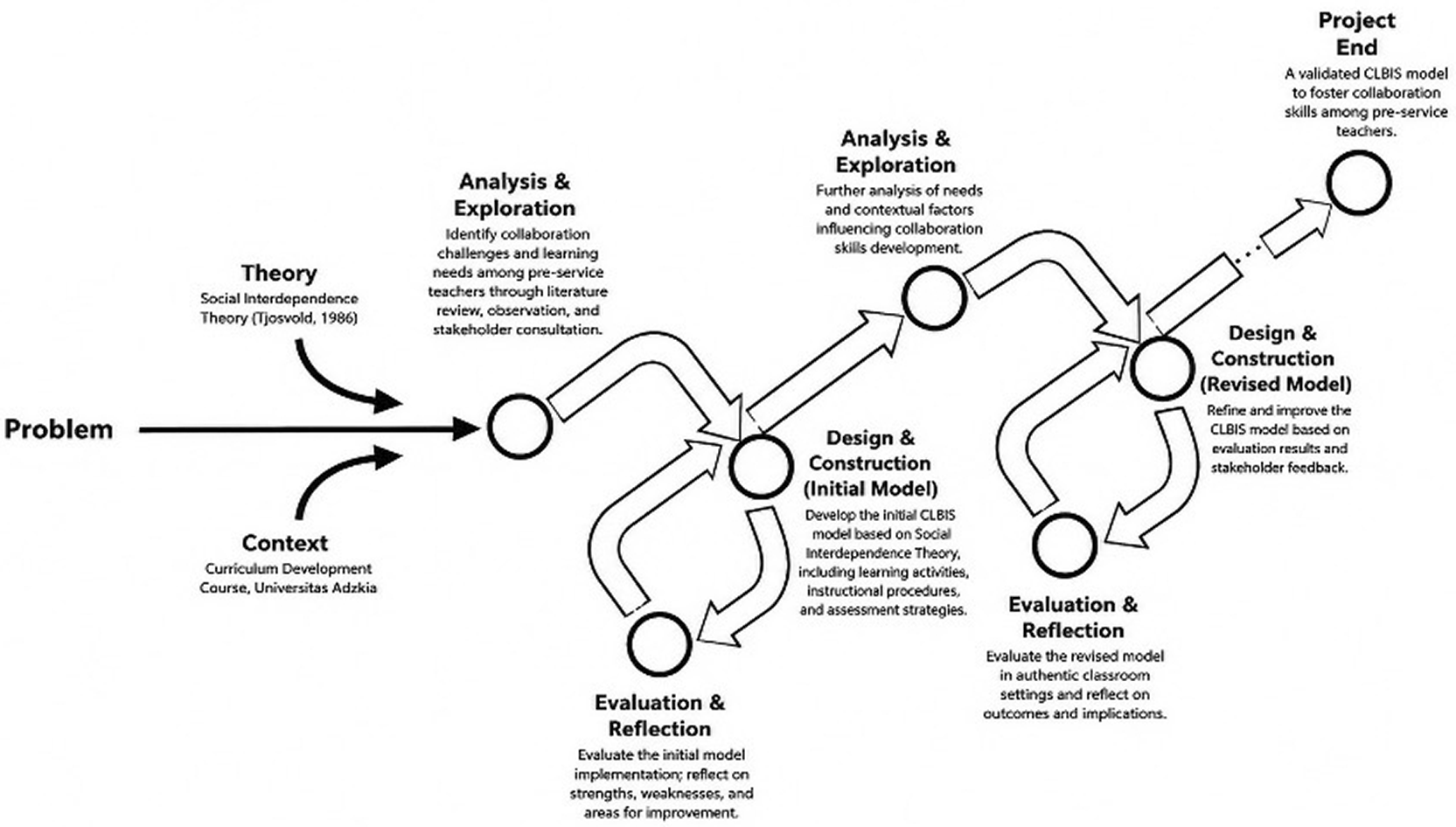
Figure 1 illustrates the iterative Design-Based Research process employed in this study. The process began with the identification of collaboration-related problems among pre-service teachers and was informed by Social Interdependence Theory and the contextual characteristics of the Curriculum Development course at Adzkia University. The model was subsequently developed through two iterative cycles of analysis and exploration, design and construction, and evaluation and reflection, resulting in a validated CLBIS model for fostering collaboration skills among pre-service teachers.
Data were collected using a structured questionnaire developed to measure the constructs of the proposed CLBIS model. The questionnaire employed a five-point Likert scale ranging from 1 (strongly disagree) to 5 (strongly agree).
The study examined four latent variables. The independent variable was the Social Interdependence-Based Cooperative Learning (CLBIS) model. The first mediating variable was Positive Interdependence (PI), which refers to students’ perceptions of shared goals, mutual dependence, and collective responsibility during collaborative learning activities. The second mediating variable was Collaborative Engagement (CE), which represents active participation, communication, knowledge sharing, and collaborative interaction among group members. The dependent variable was Collaboration Skills (CS), encompassing communication, teamwork, shared responsibility, conflict resolution, and collaborative problem-solving competencies.
To complement the quantitative data, classroom observation sheets and reflective journals were employed to document collaborative behaviors and learning experiences throughout the implementation of the CLBIS model. Prior to implementation, all instruments were reviewed by experts in teacher education and instructional design to ensure content validity, clarity, and alignment with the objectives of the study. The research variables present at Table 1 below.
The population of this study consisted of undergraduate students enrolled in the Primary Teacher Education Program (PGSD) at Adzkia University, Indonesia. These students were undertaking the Curriculum Development course, which emphasizes collaborative learning activities and therefore provides an appropriate context for examining collaboration skills development among pre-service teachers.
A purposive sampling technique was employed to select participants who met the criteria of active enrollment in the course and participation in all stages of the CLBIS implementation. A total of 230 pre-service teachers (N = 230) participated in the study as shown in Table 2.
The demographic profile indicates that the majority of participants were female students (70.4%), were aged between 21 and 23 years (61.3%), and reported moderate levels of prior collaborative learning experience (54.8%).
Data collection was conducted during one academic semester and followed the Design-Based Research process presented in Figure 1.
Cycle 1: Analysis and exploration
The first cycle began with an analysis and exploration phase aimed at identifying challenges related to collaboration skills among pre-service teachers. Data were collected through literature reviews, classroom observations, and discussions with teacher educators and students. This phase focused on identifying learning needs, instructional challenges, and contextual factors influencing collaborative learning practices.
Cycle 1. Design and Construction of the Initial Model: Based on the findings from the analysis phase, an initial prototype of the CLBIS model was developed. The model incorporated key principles of Social Interdependence Theory, including positive interdependence, collaborative engagement, shared responsibility, and reflective group processing. Learning activities, instructional procedures, and assessment strategies were designed and subsequently reviewed by experts.
Cycle 1. Evaluation and Reflection: The initial model was implemented in classroom settings and evaluated using questionnaire data, classroom observations, and reflective journals. Reflection activities were conducted to identify strengths, limitations, and areas requiring improvement.
Cycle 2. Analysis and Exploration: The second cycle involved a deeper analysis of findings obtained from the first implementation. Additional evidence was gathered regarding student participation, collaborative engagement, instructional feasibility, and the effectiveness of learning activities.
Cycle 2. Design and Construction of the Revised Model: Based on the findings from the second analysis phase, revisions were made to improve learning activities, collaborative structures, instructional procedures, and assessment mechanisms. These refinements resulted in a revised version of the CLBIS model.
Cycle 2. Evaluation and Reflection: The revised model was subsequently implemented and evaluated in authentic classroom settings. Quantitative and qualitative data were collected to determine the effectiveness, practicality, and acceptability of the revised model. Reflection activities were conducted to assess the extent to which the model achieved its intended objectives.
Final Model Validation: The final stage involved synthesizing evidence obtained across both cycles to produce a validated CLBIS model. The resulting model represents an evidence-based instructional framework designed to foster collaboration skills among pre-service teachers through structured social interdependence and collaborative engagement.
Quantitative data were analyzed using Partial Least Squares Structural Equation Modeling (PLS-SEM) with SmartPLS software. PLS-SEM was selected because it is suitable for evaluating complex predictive relationships among latent variables and assessing newly developed educational models. The analysis was conducted in two stages. First, the measurement model was evaluated through indicator reliability, internal consistency reliability (Cronbach’s Alpha and Composite Reliability), convergent validity using Average Variance Extracted (AVE), and discriminant validity assessment.
Second, the structural model was evaluated through path coefficients, coefficients of determination (R2), predictive relevance (Q2), effect sizes (f2), and bootstrapping procedures to test the proposed hypotheses.
The structural relationships examined in this study were:
H1: CLBIS → Positive Interdependence.
H2: Positive Interdependence → Collaborative Engagement.
H3: Collaborative Engagement → Collaboration Skills.
Qualitative data obtained from classroom observations and reflective journals were analyzed using thematic analysis. The analysis involved coding, categorizing, and interpreting recurring themes related to social interdependence, collaborative engagement, and collaboration skills development. The integration of quantitative and qualitative findings enabled comprehensive evaluation and refinement of the CLBIS model while providing deeper insights into pre-service teachers’ collaborative learning experiences.
This study was conducted in accordance with the ethical principles of the Declaration of Helsinki. Ethical approval was obtained from the Research Ethics Committee of Universitas Negeri Padang, Indonesia (Approval No. 1753/UN35.11.1/AK/2026) prior to the commencement of the study. Ethical approval was issued by Universitas Negeri Padang because the corresponding author conducted this research as part of the doctoral research program at Universitas Negeri Padang. Although the study was implemented at Adzkia University, ethical review and approval were provided by the Research Ethics Committee of the author’s home institution in accordance with institutional research governance procedures.
Before data collection, all participants provided verbal informed consent after receiving a clear explanation of the study objectives, research procedures, the voluntary nature of participation, their right to withdraw at any time without consequence, and the measures taken to ensure confidentiality and anonymity. Written informed consent was not obtained because the study involved minimal risk, posed no foreseeable harm to participants, did not collect sensitive personal information, and the use of verbal informed consent was approved by the Research Ethics Committee. All participants were adults (pre-service teachers enrolled in undergraduate teacher education); therefore, parental or guardian consent was not required. All data were anonymized prior to analysis and were used solely for research purposes.
The development of the Social Interdependence-Based Cooperative Learning (CLBIS) model followed the iterative Design-Based Research process presented in Figure 1. The process began with the identification of collaboration-related challenges among pre-service teachers enrolled in the Curriculum Development course at Adzkia University. Findings from preliminary observations, literature reviews, and discussions with teacher educators revealed several recurring issues, including unequal participation during group activities, limited collaborative engagement, weak shared responsibility, and insufficient opportunities for reflective collaboration.
Based on these findings, an initial CLBIS prototype was developed by integrating the core principles of Social Interdependence Theory, namely positive interdependence, individual accountability, promotive interaction, collaborative engagement, and reflective group processing. The prototype was subsequently reviewed by experts in teacher education and instructional design to ensure its theoretical consistency and practical feasibility.
The first DBR cycle involved implementation and evaluation of the initial model. Reflection activities revealed that although students demonstrated increased participation, several instructional procedures required refinement to strengthen collaborative accountability and mutual dependence among group members. Consequently, revisions were made to collaborative task structures, peer-support mechanisms, reflective activities, and assessment procedures.
The revised model was implemented during the second development cycle. Findings indicated improvements in student participation, collaborative interaction, shared responsibility, and collective problem-solving. Based on evidence obtained across both development cycles, a validated CLBIS model was established and subsequently evaluated using PLS-SEM analysis to examine its effectiveness in fostering collaboration skills among pre-service teachers.
The measurement model was evaluated through indicator reliability, internal consistency reliability, convergent validity, and discriminant validity assessments. All indicator loadings exceeded the recommended threshold of 0.70, ranging from 0.812 to 0.878, indicating satisfactory indicator reliability. Internal consistency reliability was also confirmed, with Cronbach’s alpha values ranging from 0.912 to 0.934 and Composite Reliability (CR) values ranging from 0.932 to 0.948. Convergent validity was established as all Average Variance Extracted (AVE) values exceeded the recommended threshold of 0.50, ranging from 0.733 to 0.772. Furthermore, discriminant validity was confirmed through the Heterotrait–Monotrait Ratio (HTMT), with all values ranging from 0.578 to 0.816, remaining below the recommended threshold of 0.90. Collectively, these results demonstrate that the measurement model possessed satisfactory reliability and validity and was therefore suitable for structural model evaluation.
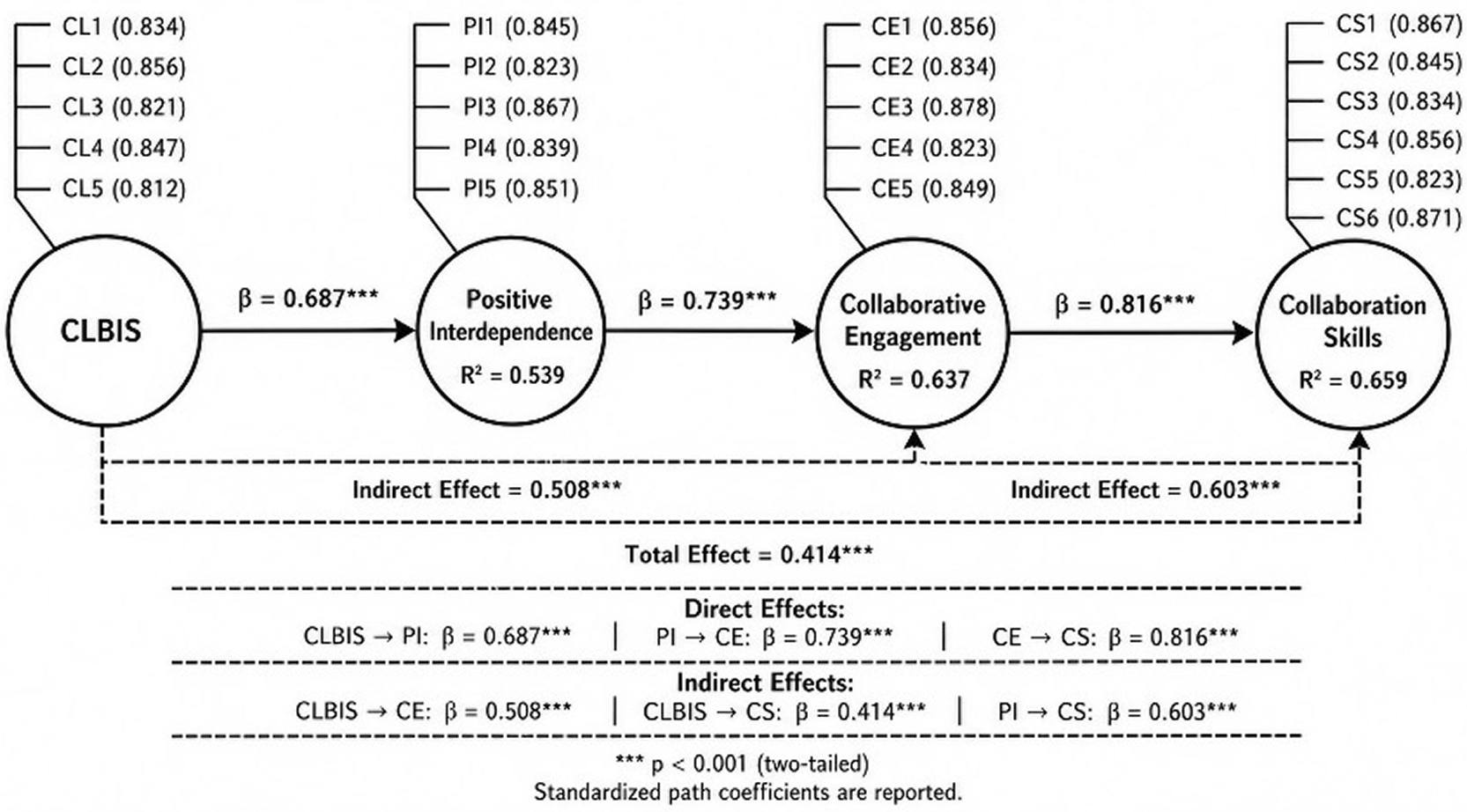
The structural model results supported all proposed hypotheses. The CLBIS model exerted a significant positive effect on Positive Interdependence (β = 0.687, t = 14.312, p < 0.001), supporting H1. Positive Interdependence subsequently demonstrated a significant positive influence on Collaborative Engagement (β = 0.739, t = 14.212, p < 0.001), supporting H2. In turn, Collaborative Engagement exerted a strong positive effect on Collaboration Skills (β = 0.816, t = 19.902, p < 0.001), supporting H3. These findings indicate a sequential mechanism through which the CLBIS model promotes collaboration skills development among pre-service teachers.
The explanatory power of the model was substantial. The model explained 53.9% of the variance in Positive Interdependence (R2 = 0.539), 63.7% of the variance in Collaborative Engagement (R2 = 0.637), and 65.9% of the variance in Collaboration Skills (R2 = 0.659). The predictive relevance assessment further demonstrated satisfactory predictive capability, with Q2 values of 0.388, 0.455, and 0.468 for Positive Interdependence, Collaborative Engagement, and Collaboration Skills, respectively.
The effect size analysis revealed that all structural relationships had large practical effects. CLBIS demonstrated a large effect on Positive Interdependence (f2 = 0.893), Positive Interdependence exerted a large effect on Collaborative Engagement (f2 = 0.421), and Collaborative Engagement showed a large effect on Collaboration Skills (f2 = 0.587).
Finally, the total effect analysis indicated that the influence of CLBIS on both Collaborative Engagement and Collaboration Skills was fully mediated through Positive Interdependence and Collaborative Engagement. The indirect effect of CLBIS on Collaborative Engagement was 0.508, while its indirect effect on Collaboration Skills was 0.414. Similarly, Positive Interdependence indirectly influenced Collaboration Skills through Collaborative Engagement (β = 0.603). All mediation paths demonstrated Variance Accounted For (VAF) values of 100%, indicating complete mediation within the proposed structural model.
As shown in Figure 2, CLBIS exerted a significant positive effect on Positive Interdependence (β = 0.687, p < 0.001), supporting H1. Positive Interdependence subsequently influenced Collaborative Engagement (β = 0.739, p < 0.001), supporting H2. Furthermore, Collaborative Engagement demonstrated a strong positive effect on Collaboration Skills (β = 0.816, p < 0.001), supporting H3. The model explained 53.9% of the variance in Positive Interdependence, 63.7% of the variance in Collaborative Engagement, and 65.9% of the variance in Collaboration Skills.
Qualitative data obtained from classroom observations and reflective journals were analyzed to complement the quantitative findings. Three major themes emerged: strengthened positive interdependence, increased collaborative engagement, and enhanced collaboration skills.
Students reported stronger shared responsibility, mutual support, and commitment to group goals throughout collaborative activities. Observation data indicated that students increasingly relied on one another to complete tasks and achieve collective success. These findings support the significant positive effect of the CLBIS model on Positive Interdependence (β = 0.687, p < 0.001).
Participants described higher levels of participation, communication, and involvement in group discussions. Students became more active in sharing ideas, providing feedback, and engaging in collective decision-making. These findings are consistent with the significant relationship between Positive Interdependence and Collaborative Engagement (β = 0.739, p < 0.001).
Students reported improvements in teamwork, communication, conflict resolution, and collaborative problem-solving. Reflective journals further indicated that structured reflection activities helped students evaluate and improve their collaborative performance. These findings support the strong positive influence of Collaborative Engagement on Collaboration Skills (β = 0.816, p < 0.001). Overall, the qualitative findings reinforce the quantitative results, indicating that the CLBIS model effectively fostered meaningful collaborative learning experiences among pre-service teachers.
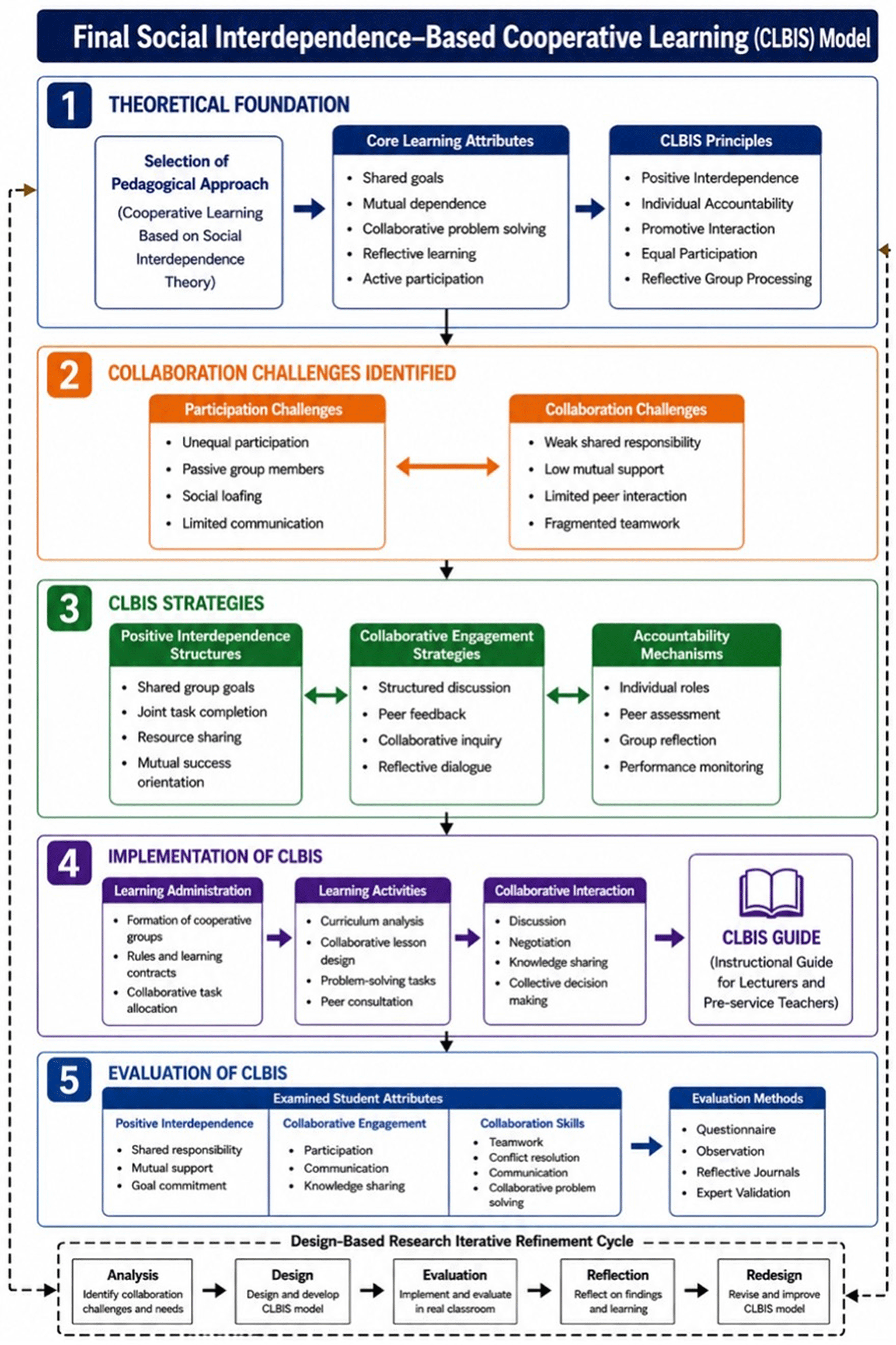
The final Social Interdependence-Based Cooperative Learning (CLBIS) model represents the outcome of two iterative Design-Based Research cycles. The model was developed based on Social Interdependence Theory and refined through continuous analysis, design, implementation, evaluation, and reflection.
Figure 3 show the CLBIS model consists of five interconnected components: (1) theoretical foundation, (2) collaboration challenges identification, (3) CLBIS instructional strategies, (4) classroom implementation, and (5) evaluation. These components are designed to foster Positive Interdependence, Collaborative Engagement, and Collaboration Skills among pre-service teachers. As illustrated in Figure 2, the model begins with a cooperative learning approach grounded in Social Interdependence Theory. Challenges identified during the analysis phase informed the development of CLBIS instructional strategies, including positive interdependence structures, collaborative engagement strategies, and accountability mechanisms. These strategies are implemented through structured cooperative learning activities and supported by a CLBIS instructional guide. The effectiveness of the model is evaluated through Positive Interdependence, Collaborative Engagement, and Collaboration Skills using questionnaires, observations, reflective journals, and expert validation. Overall, the findings demonstrate that the validated CLBIS model provides an effective and theoretically grounded framework for fostering collaboration skills among pre-service teachers.
The findings of this study demonstrate that the Social Interdependence-Based Cooperative Learning (CLBIS) model effectively fosters collaboration skills among pre-service teachers. Developed through two iterative Design-Based Research cycles and validated using PLS-SEM, the model provides empirical evidence that collaboration skills are developed through a sequential process involving Positive Interdependence and Collaborative Engagement. The results confirmed all proposed hypotheses and indicate that collaboration can be systematically cultivated through instructional structures grounded in Social Interdependence Theory.
The support for H1 revealed that the CLBIS model significantly enhanced Positive Interdependence among pre-service teachers (β = 0.687, p < 0.001). This finding suggests that the cooperative learning structures embedded within the model successfully promoted shared goals, mutual dependence, and collective responsibility among students. According to Social Interdependence Theory, cooperation emerges when individuals perceive that their success is linked to the success of others (Tjosvold, 1986). The present findings reinforce this proposition by demonstrating that structured cooperative learning activities, collaborative task design, and accountability mechanisms encouraged students to work collectively rather than individually. This result is consistent with previous studies emphasizing that positive interdependence is the central mechanism underlying effective cooperative learning environments (Karlsen et al., 2020; Mendo Lázaro et al., 2020; Premo et al., 2018). The qualitative findings further supported this relationship, as students reported stronger shared responsibility, increased peer support, and greater commitment to collective success throughout the implementation of the CLBIS model.
The findings also confirmed H2, indicating that Positive Interdependence significantly influenced Collaborative Engagement (β = 0.739, p < 0.001). This result suggests that students became more actively engaged in collaborative learning when they recognized their responsibility toward achieving shared goals. Stronger perceptions of interdependence encouraged greater participation in discussions, more frequent communication, increased knowledge sharing, and stronger involvement in collective decision-making processes. These findings align with previous research demonstrating that collaborative engagement emerges when learners perceive meaningful connections between their individual contributions and group outcomes (Chen et al., 2022; Ma et al., 2022). Similar patterns have been observed in collaborative inquiry and cooperative learning studies, where structured interaction and collective accountability significantly increased student participation and engagement (Adebola & Tsotetsi, 2022; W. Yang & Silvén, 2026; Y. Yang et al., 2022). Observation data from the present study similarly revealed more balanced participation among group members and greater willingness to contribute ideas and feedback during collaborative tasks.
Furthermore, the findings supported H3, which proposed that Collaborative Engagement significantly contributes to the development of Collaboration Skills. Among all structural relationships examined, Collaborative Engagement demonstrated the strongest effect on Collaboration Skills (β = 0.816, p < 0.001). This finding indicates that collaboration skills are primarily developed through active involvement in authentic collaborative experiences rather than through theoretical instruction alone. Students who participated more actively in discussion, negotiation, peer feedback, and collaborative problem-solving activities reported stronger communication skills, teamwork competencies, conflict management abilities, and collaborative problem-solving skills. This result is consistent with studies highlighting the importance of collaborative learning experiences in developing professional competencies among pre-service teachers (Berisha & Vula, 2024; Dinagsao & Gonzales, 2020; García-Martínez et al., 2022). It also supports contemporary perspectives in teacher education that regard collaboration as a professional competency that must be practiced and experienced within authentic learning environments (Alahmad et al., 2021; Valtonen et al., 2021). The integration of quantitative and qualitative findings provides further support for the effectiveness of the CLBIS model. Classroom observations and reflective journals consistently revealed three recurring themes: strengthened positive interdependence, increased collaborative engagement, and enhanced collaboration skills. These themes closely mirrored the relationships identified in the structural model, demonstrating convergence between statistical evidence and participants’ lived experiences. Students reported that the model not only increased participation but also helped them develop greater awareness of collective responsibility, improve communication with peers, and engage more effectively in collaborative problem-solving activities. Such convergence strengthens the credibility of the findings and suggests that the model functioned effectively in authentic teacher education contexts.
Theoretically, this study extends Social Interdependence Theory in pre-service teacher education by demonstrating that collaboration skills develop through a sequential mechanism in which cooperative learning structures foster Positive Interdependence, which subsequently enhances Collaborative Engagement and Collaboration Skills. The validated CLBIS model thus provides a theoretically grounded framework for developing collaboration competencies in teacher preparation programs.
Practically, the findings highlight that effective collaboration does not emerge automatically from group work but requires structured instructional design involving shared goals, accountability mechanisms, promotive interaction, and reflective group processing. The CLBIS model offers an evidence-based framework that can assist teacher educators in designing collaborative learning environments that strengthen both student participation and professional competencies.
Overall, the study presents the CLBIS model as a theoretically grounded and empirically validated framework for fostering collaboration skills among pre-service teachers, providing a practical approach for preparing future educators to work effectively in collaborative professional settings.
This study developed and validated a Social Interdependence-Based Cooperative Learning (CLBIS) model to foster collaboration skills among pre-service teachers in a Curriculum Development course. Using a Design-Based Research approach, the model was refined through two iterative cycles of analysis, design, implementation, evaluation, and reflection, resulting in a theoretically grounded and practically applicable instructional framework.
The findings confirmed all proposed hypotheses. The CLBIS model significantly enhanced Positive Interdependence, Positive Interdependence significantly strengthened Collaborative Engagement, and Collaborative Engagement demonstrated a strong positive effect on Collaboration Skills. The results indicate that collaboration skills develop through a sequential process in which structured cooperative learning promotes shared responsibility and mutual dependence, which subsequently increases engagement in collaborative activities and leads to stronger collaboration competencies. Qualitative findings further supported these results, revealing improvements in students’ shared responsibility, active participation, communication, teamwork, and collaborative problem-solving.
The study contributes to teacher education by translating Social Interdependence Theory into an evidence-based instructional model specifically designed for pre-service teachers. The validated CLBIS model provides a comprehensive framework that integrates positive interdependence structures, collaborative engagement strategies, accountability mechanisms, implementation guidelines, and evaluation procedures. As such, it offers both theoretical and practical contributions to the design of collaborative learning environments in higher education.
Despite these contributions, the study was conducted within a single institution and focused on one teacher education course, which may limit the generalizability of the findings. Future research should examine the implementation of the CLBIS model across different universities, disciplines, and educational contexts, as well as investigate its long-term effects on professional teaching competencies. Overall, the findings suggest that the CLBIS model is an effective framework for fostering collaboration skills and preparing future teachers for collaborative professional practice in contemporary educational settings.
| Views | Downloads | |
|---|---|---|
| F1000Research | - | - |
|
PubMed Central
Data from PMC are received and updated monthly.
|
- | - |
Provide sufficient details of any financial or non-financial competing interests to enable users to assess whether your comments might lead a reasonable person to question your impartiality. Consider the following examples, but note that this is not an exhaustive list:
Sign up for content alerts and receive a weekly or monthly email with all newly published articles
Already registered? Sign in
The email address should be the one you originally registered with F1000.
You registered with F1000 via Google, so we cannot reset your password.
To sign in, please click here.
If you still need help with your Google account password, please click here.
You registered with F1000 via Facebook, so we cannot reset your password.
To sign in, please click here.
If you still need help with your Facebook account password, please click here.
If your email address is registered with us, we will email you instructions to reset your password.
If you think you should have received this email but it has not arrived, please check your spam filters and/or contact for further assistance.

Comments on this article Comments (0)