Keywords
Patient Satisfaction, Nursing Care, Night Shift, Nursing Performance, Hospital Care

Patient Satisfaction, Nursing Care, Night Shift, Nursing Performance, Hospital Care
Patient satisfaction is now regarded as a vital measure of healthcare quality and a predictor of clinical outcomes. Among all aspects of care, nursing has the greatest influence on patient satisfaction, as nurses spend the most time with patients (Aiken et al., 2021; Al-Hammouri et al., 2024). The night shift in nursing is particularly important and challenging. It helps sustain care, ensures patient safety, and provides emotional support during the hours when patients may feel most vulnerable (Al-Saidat et al., 2025; Weaver et al., 2023).
Providing high-quality nursing care at night presents its own set of challenges. Night shifts often have fewer staff members, less support from administrators, and nurses must cope with the effects of working against their natural sleep patterns (Alsharari et al., 2021; Dai et al., 2019). Studies show that patient satisfaction at night depends not only on nurses’ skills but also on their empathy, communication skills, and ability to reassure patients in these difficult conditions (Ng & Luk, 2019). Nevertheless, there is limited research that examines how night shift challenges influence patients’ perceptions and feelings.
Night shifts are often associated with more medication errors, slower patient responses, and missed nursing tasks. Fatigue, lower alertness, and fewer staff at night can reduce the quality of care (Haile et al., 2025; Özsaban et al., 2026). Research shows that nurses working long night shifts are more likely to lose focus, leading to more mistakes and reduced patient safety (LeBlanc Arrington et al., 2026).
Night shifts also lower nurses’ job satisfaction and well-being. Studies show that working against natural sleep patterns and lacking support from managers can lead to burnout, isolation, and less motivation (Haile et al., 2025; Weaver et al., 2023). These problems not only affect care quality but also make nurses more likely to leave their jobs, which puts extra pressure on healthcare systems when patients are most at risk (Alzoubi et al., 2024; Özsaban et al., 2026).
Understanding these dynamics is essential for developing evidence-based strategies that promote nursing excellence and improve the hospital experience. This literature review systematically synthesizes findings from 35 peer-reviewed studies to explore the multidimensional factors influencing patient satisfaction, including clinical predictors, innovative care models, and environmental influences. By critically evaluating the existing evidence, this review aims to provide a comprehensive framework for understanding nocturnal nursing care and to highlight key research gaps, particularly in diverse cultural contexts, to guide future research.
This review process was conducted by systematically selecting and synthesizing literature that explores patient satisfaction with the care received from nurses, with particular focus on factors influencing satisfaction profiles during night shifts.
Relevant studies were identified through a systematic search of PubMed, CINAHL, Science Direct, and Cochrane Library. The search used specific keywords combined with Boolean operators AND and OR. The keywords included “patient satisfaction”, “nursing care”, “night shift”, “nursing performance”, and “hospital care”.
Studies were assessed for eligibility using the following predefined criteria: Studies were included if they focused on adult inpatients who stayed in the hospital for at least one night. Only studies from 2016 to 2026 were included to keep the research up to date. Peer-reviewed articles published in English were considered only, regardless of geographical location, including qualitative, quantitative, mixed-methods, and systematic reviews.
Papers that did not specifically report on patient satisfaction with nursing services, studies focusing only on outpatient or pediatric groups, and studies that were not directly relevant to the main research purpose were excluded.
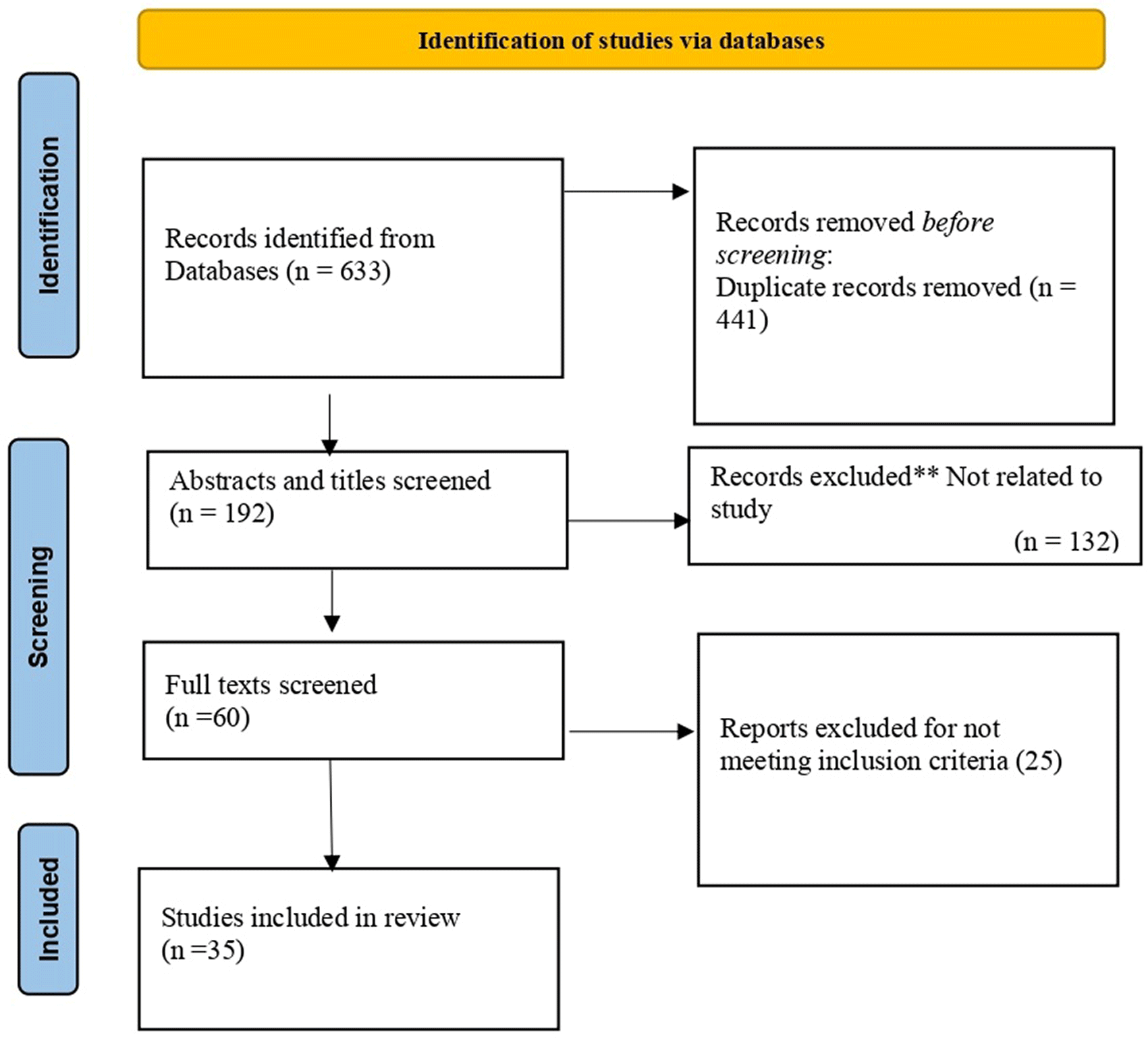
The systematic search identified 35 eligible full-text articles discussing patient satisfaction with the quality of nursing care during night shifts. The study selection process is presented in the PRISMA flow diagram ( Figure 1). The articles included in this review are summarized in Table 1.
| Authors | Study Title | Number of Participants | Country | Objectives | Main Results |
|---|---|---|---|---|---|
| Abebe et al. (2024) | Patient satisfaction and associated factors in Addis Ababa’s public referral hospitals | 422 patients | Ethiopia | Assess patient satisfaction and associated factors | Satisfaction relatively low; responsiveness and communication key predictors; staffing shortages negative |
| Acharya et al. (2019) | Patient Satisfaction with Nursing Care in Five Major Departments | 220 patients | Nepal | Evaluate satisfaction across departments | Moderate satisfaction; communication and professionalism improved ratings; gaps in emotional support |
| Aiken et al. (2021) | Patient satisfaction with hospital care and nurses in England | 66,000 patients | England | Examine satisfaction with hospital care and nursing | Strong link between nurse staffing and satisfaction; higher workloads reduced satisfaction |
| Al-Hammouri et al. (2024) | Quality of nursing care: Predictors of patient satisfaction in a national sample | 1,200 patients | Jordan | Identify predictors of patient satisfaction | Communication, responsiveness, professionalism strongest predictors; missed care lowered satisfaction |
| Alharbi et al. (2022) | Patients’ satisfaction with nursing care quality and associated factors | 500 patients | Saudi Arabia | Assess satisfaction and associated factors | Satisfaction varied; lower at night shifts; communication and nurse availability key determinants |
| Alhowaymel et al. (2022) | COVID-19 Patients’ Satisfaction Levels with Nursing Care | 150 patients | Saudi Arabia | Assess satisfaction among COVID-19 patients | Moderate satisfaction; communication and emotional support critical; isolation affected perceptions |
| Al-Saidat et al. (2025) | Patients’ Perception of Quality Nursing Care in Emergency Department | 300 patients | Jordan | Explore perceptions of nursing care in ED | Responsiveness and professionalism improved ratings; overcrowding reduced satisfaction |
| Alsharari et al. (2021) | Impact of night shift rotations on nursing performance and patient safety | 400 nurses | Saudi Arabia | Examine effects of night shifts on performance and safety | Night shifts linked to fatigue, reduced performance, increased risk of errors |
| Alzoubi et al. (2024) | Workloads, burnout, turnover intention, and healthcare quality | 600 nurses | Middle East | Investigate workload, burnout, turnover, quality | High workload increased burnout; supportive relationships moderated negative effects |
| Books et al. (2017) | Night Shift Work and Its Health Effects on Nurses | 200 nurses | USA | Assess health effects of night shift work | Night shifts associated with sleep disturbances, stress, long-term health risks |
| Chen et al. (2020) | Nurse and patient outcomes following High-Quality Care Project | 1,376 nurses +904 patients | China | Evaluate impact of High Quality Care Project | Improved satisfaction and work environment; no change in burnout |
| Chumbler et al. (2016) | Hospitalized Older Adults’ Patient Satisfaction | 6,021 older adults | USA | Assess satisfaction among older adults | Communication and responsiveness key predictors; varied across departments |
| Dai et al. (2019) | Effect of night shift on sleep quality and depressive symptoms | 1,200 nurses | China | Examine effects of night shifts | Night shifts linked to poor sleep and higher depressive symptoms |
| Dal Molin et al. (2018) | Impact of primary nursing care pattern | 250 patients | Italy | Assess primary nursing care model | Improved satisfaction, communication, continuity of care |
| D’ettorre et al. (2020) | Shift work sleep disorder and job stress in nurses | 300 nurses | Italy | Investigate sleep disorders and stress | High prevalence of sleep disorders and stress; preventive interventions recommended |
| Dires et al. (2023) | Night-shift effects on nurses’ health and performance | 410 nurses | Ethiopia | Assess impact of night shifts | Night shifts linked to fatigue, reduced performance, health problems |
| Gavurova et al. (2021) | Patient Satisfaction Determinants of Inpatient Healthcare | 1,200 patients | Slovakia | Identify determinants of inpatient satisfaction | Communication, responsiveness, environment strongest predictors; staffing shortages lowered satisfaction |
| Gonçalves et al. (2023) | Primary Nursing Care Model and Nursing-Sensitive Outcomes | 15 studies | Multiple | Evaluate impact of primary nursing | Improved satisfaction, continuity of care, reduced adverse events |
| Haile et al. (2025) | Missed nursing care and associated factors among Ethiopian nurses | 12 studies | Ethiopia | Examine prevalence and factors of missed care | High rates of missed care linked to workload and staffing shortages |
| Hoshi et al. (2022) | Effects of minimum night lighting on nurses | 200 nurses | Japan | Assess effects of lighting on fatigue, sleep, safety | Minimum lighting reduced fatigue, improved sleep, better patient safety |
| Hosseini et al. (2023) | Patient satisfaction with nursing care in Iran | 25 studies | Iran | Synthesize evidence on satisfaction | Moderate satisfaction; communication and professionalism improved ratings |
| James et al. (2020) | Sleep health and cognitive effectiveness of nurses on 12-hour shifts | 80 nurses | USA | Assess sleep health and cognitive effectiveness | Long shifts reduced sleep quality and cognitive effectiveness |
| Kannan et al. (2020) | Patients’ Satisfaction with Nursing Care Quality in Chennai | 120 patients | India | Evaluate satisfaction in medical wards | Moderate satisfaction; communication improved ratings; gaps in emotional support |
| Karaca & Durna (2019) | Patient satisfaction with nursing care quality | 635 patients | Turkey | Assess satisfaction with nursing care | High satisfaction; professionalism and communication strongest predictors |
| Kasa & Gedamu (2019) | Predictors of patient satisfaction in Amhara region | 404 patients | Ethiopia | Identify predictors of satisfaction | Responsiveness, communication, nurse availability key predictors |
| Lake et al. (2016) | Missed nursing care and patient satisfaction | 409 adult non-federal acute care US hospitals in four states | USA | Examine link between missed care and satisfaction | Missed care strongly associated with lower satisfaction |
| LeBlanc Arrington et al. (2026) | Enhancing Patient Safety at Night With Night Resource Nurse | Pilot study | USA | Evaluate impact of night resource nurse role | Improved patient safety and support during night shifts |
| Lotfi et al. (2019) | Nurse–patient communication and satisfaction | 300 patients | Iran | Assess communication and satisfaction | Strong correlation between communication and satisfaction |
| Nasir et al. (2024) | Patients Satisfaction with Nursing Care Quality in Ibadan | 250 patients | Nigeria | Assess satisfaction with nursing care | Moderate satisfaction; communication and professionalism key factors |
| Ng & Luk (2019) | Patient satisfaction: Concept analysis in healthcare | Conceptual study | Hong Kong | Analyze concept of patient satisfaction | Defined satisfaction as multidimensional; influenced by expectations and experiences |
| Nurmeksela et al. (2021) | Nurse managers’ work activities, job satisfaction, patient satisfaction, and medication errors | 29 nurse managers, 306 nursing staff, and 651 patients | Finland | Explore relationships between management, satisfaction, errors | Positive management linked to higher nurse and patient satisfaction; fewer errors |
| Özsaban et al. (2026) | Missed Nursing Care and Reasons in Türkiye | 350 nurses | Türkiye | Assess prevalence and reasons for missed care | High rates of missed care due to workload and staffing shortages |
| Skaggs et al. (2018) | Evidence-Based Practice Service Nursing Bundle | 200 patients | USA | Test nursing bundle to increase satisfaction | Bundle improved patient satisfaction in emergency settings |
| Weaver et al. (2023) | Experiences and perceptions of nurses working night shift | 30 studies (systematic review) | Multiple | Synthesize qualitative evidence on night shift experiences | Nurses reported fatigue, isolation, safety concerns; need for systemic support |
| Yan et al. (2022) | Inpatient Satisfaction with Nursing Care in Chinese Tertiary Hospitals | 1,200 patients | China | Assess inpatient satisfaction and factors | Satisfaction moderate; communication and professionalism improved ratings |
The night-shift environment presents unique challenges for nurses, which, in turn, influence patient satisfaction. The literature shows that reduced staffing, quieter hospital conditions, and increased need for vigilance characterize nocturnal care. These factors can cause patients to view their care as less responsive compared to daytime shifts. Furthermore, night shifts often require nurses to balance attending to patients’ immediate needs with ensuring their comfort and rest, which are vital elements of patient satisfaction (Lotfi et al., 2019; Skaggs et al., 2018).
Night shifts take a toll on nurses’ well-being, affecting their performance and the quality of care they deliver. Disrupted sleep patterns and fatigue are particularly common among night-shift nurses. Studies have shown that these conditions lead to reduced cognitive effectiveness, slower reaction times, and diminished decision-making capabilities, all of which can negatively impact patient experiences. Research conducted among nurses working 12-hour night shifts found that poor sleep health directly correlates with lower performance levels, potentially compromising patient satisfaction (James et al., 2020). Furthermore, shift work sleep disorders are prevalent among night-shift nurses, emphasizing the need for better support systems to mitigate these issues (Books et al., 2017; D’ettorre et al., 2020).
In addition, nurses working at night often experience increased isolation and depressive symptoms. In Saudi Arabia, research highlighted that these psychosocial challenges affect nurses’ ability to provide consistent, empathetic care (Alsharari et al., 2021). Similarly, a study in China found that nurses working night shifts reported poorer sleep quality and higher rates of depressive symptoms, further underscoring the indirect effects of nurse well-being on patient experiences (Dai et al., 2019).
In Ethiopia, research on the effects of night shifts on nurses’ health and work performance found a significant reduction in nurse effectiveness associated with prolonged night hours. This decline in performance directly affects patient satisfaction, as reduced responsiveness and attentiveness are often observed during night care (Dires et al., 2023). Qualitative insights further reveal that nurses acknowledge night shifts as emotionally and physically taxing but recognize their importance in ensuring continuity of care and building relationships with patients (Weaver et al., 2023). Addressing these challenges is essential to improve nursing performance and ensure consistent patient-centered care (Alsharari et al., 2021).
Environmental conditions during night shifts also play a significant role in shaping patient satisfaction. The quality of lighting, noise levels, and overall ambience in hospital settings influence both nurse performance and patient perceptions of care. Research suggests that improved night lighting reduces nurse fatigue, enhancing their ability to attend to patient needs. These factors contribute to a safer, more supportive care environment, as reflected in higher patient satisfaction scores (Hoshi et al., 2022).
Night shifts create real challenges for nurses and can impact how patients feel about their care. With fewer staff, disrupted sleep, and fatigue, nurses may respond more slowly, make more medication errors, and find it harder to make decisions (Haile et al., 2025; Özsaban et al., 2026). Nurses also often feel isolated and stressed, which makes it harder to give consistent and caring support (Alsharari et al., 2021; Dai et al., 2019). Poor lighting and noise at night can make fatigue worse and affect how patients view the quality of their care (Hoshi et al., 2022). These issues show why it is important to have support systems in place to help nurses provide high-quality, patient-centered care during night shifts (LeBlanc Arrington et al., 2026; Weaver et al., 2023).
A cross-sectional study was used to evaluate the patients’ satisfaction with the quality of nursing care delivery and its determinants in Saudi Arabia. A total of 502 patients were included in the study, and information was collected using a satisfaction assessment questionnaire verified for authenticity. The findings showed that only 70% of patients in the study were satisfied with the nursing care they received. This percentage reflected patient satisfaction with night-shift care, which is lower than day-shift care, both of which are relatively low in the realm of healthcare. The highest level of patient satisfaction was found with interpersonal skills/Emotional Support. These results raised awareness of the need to develop measures that facilitate better communication between the nurse and the patient and help achieve the improved patient care standard (Alharbi et al., 2022).
A systematic review and meta-analysis examined patient satisfaction with nursing care at night shift in the Middle East Region by synthesizing data from multiple studies. The analysis included 27 articles and revealed an overall satisfaction rate of 68.4%. (Hosseini et al., 2023). In the Turkish context, the quality of nursing care and its predictors determining patient satisfaction were assessed in a study conducted among 378 inpatients. The survey was structured and primarily focused on indicators of responsiveness, communication, and professionalism. 80% of patients expressed satisfaction with the quality of care, citing nurses’ availability to patients and their understanding of patients’ feelings as critical factors. The study also showed that information provision and education are important factors affecting patient satisfaction (Karaca & Durna, 2019).
In the same vein, a cross-sectional descriptive study using a self-administered questionnaire was conducted among 423 adult patients in the Amhara region of Ethiopia to identify factors influencing satisfaction with nursing care in public hospitals. The study employed a standardized survey to assess patients’ satisfaction with separately identified aspects of care experience, which include: care process, information sharing, and attentiveness. Of the respondents, only 67% reported satisfaction with the amount and quality of nursing care they received. Patient’s literacy level, the hospital experience, and the nurse’s workload were among the predictors of satisfaction. On this, the findings underscore that greater emphasis should be placed on enhancing structural and organizational characteristics to enhance satisfaction outcomes (Kasa & Gedamu, 2019).
In the realm of COVID-19, patients’ satisfaction with nursing care was assessed in Saudi Arabia during the pandemic. Of the 320 patients involved, satisfaction was assessed using a specific questionnaire. Of these, 70% reported being satisfied with the nursing care they received. High satisfaction ratings were associated with professionalism as well as flexibility or versatility in adverse conditions among the nurses. Nonetheless, participants indicated they would have liked the service to offer more emotional support and a faster response time. In the same study, the author found that when nurses receive specific training in pandemic care, their satisfaction levels increase (Alhowaymel et al., 2022).
Moving across the globe to the US, survey data from 1,024 hospitalized patients in the United States were used in a study to establish the experiences of older adults with the quality of nursing care provided on the night shift. Final findings disclosed that the satisfaction level at night shift is still below the average of the day shift, highlighting the need to overcome the issue (Chumbler et al., 2016).
In conclusion, studies show that patients are less satisfied with nursing care during night shifts than during the day, with satisfaction rates between 67% and 80% (Alharbi et al., 2022; Hosseini et al., 2023; Karaca & Durna, 2019; Kasa & Gedamu, 2019; Alhowaymel et al., 2022; Chumbler et al., 2016).
Satisfaction levels varied based on factors such as nurses’ communication, professionalism, and responsiveness. Subgroup analyses identified significant predictors, including the availability of nurses, the quality of patient education, and the emotional support provided. Enhancing nurse-patient interactions and addressing organizational challenges could improve satisfaction outcomes across diverse healthcare settings (Hosseini et al., 2023).
Satisfaction predictors in inpatient healthcare were examined in a cross-sectional study conducted in Slovakia. One thousand two hundred patient records were analyzed, and a multivariate regression analysis was performed. The findings highlighted that patients’ perceptions of care quality were strongly influenced by communication, emotional support, and promptness. The study also found that satisfaction levels were lower in units with higher nurse workloads, emphasizing the importance of adequate staffing to improve patient satisfaction (Gavurova et al., 2021).
A correlational study examined the relationships among nurse managers’ work activities, nurses’ job satisfaction, patient satisfaction, and medication errors at the unit level. Emotional work in Finland involved 1500 nurses and 10000 patients. The results indicated that supportive managerial actions are positively associated with higher patient satisfaction. Improved management practices were also found to directly enhance nurse satisfaction and reduce medication-related errors. Based on these findings, leadership was identified as a strong predictor of both nurse engagement and patient satisfaction (Nurmeksela et al., 2021).
Additionally, a quantitative, descriptive, non-experimental study was conducted in England to compare nurse staffing levels with patients’ satisfaction with hospital care. Data from 30000 patients across 46 hospitals were included. Several studies have shown that the standard level of patient satisfaction increased in healthcare organizations where the scope of nurses’ staffing was more favorable. The patient surveys indicated improvements in four specific aspects of the communication climate in these hospitals: perception of communication, perception of staff attentiveness, perception of staff responsiveness, and perception of overall staff responsiveness. According to the study, the most important factor in maintaining high-quality nursing standards and patient satisfaction was staffing levels (Aiken et al., 2021).
A cross-sectional survey was conducted to examine the association between missed nursing care and patient satisfaction in US hospitals. A randomized controlled trial was developed based on reports from patients and nurses from 409 adult, non-federal acute care hospitals to measure the frequency of missed care tasks and their impact on patient assessment. As expected, the results showed a negative correlation between missed care and patient satisfaction. In units where care was most frequently missed, patients expressed dissatisfaction with the care received, highlighting the importance of staffing levels and carrying out care activities (Lake et al., 2016). Additionally, missed nursing care was studied as a predictor of patient satisfaction in a cross-sectional study involving U.S. hospitals. Data from 10,000 patients were analyzed to examine the relationship between missed nursing care tasks and satisfaction scores. Results showed that higher rates of missed care were directly linked to lower patient satisfaction. The findings emphasized the importance of addressing staffing issues and prioritizing essential nursing tasks to enhance patient experiences (Lake et al., 2016).
Patient satisfaction and related factors were examined in referral hospitals in Addis Ababa, Ethiopia. The study involved 600 patients, and a structured questionnaire was used to assess satisfaction levels. Patients reported a satisfaction rate of 70%, with overall satisfaction most influenced by communication and engagement. Ultimately, this research demonstrated that increasing interaction between the nurse and the patient is vital for improving satisfaction outcomes (Abebe et al., 2024).
Patient satisfaction with the quality of nursing care received was evaluated in a cross-sectional study conducted in Ibadan, Nigeria, involving 450 patients. We found that satisfaction depended on professionalism, timeliness, and the nurses’ attitude. These findings suggest that patients who received quick responses and good communication with their caregivers rated their care as excellent. These objectives heavily focused on promoting patient-centered care to increase satisfaction levels (Nasir et al., 2024).
In Chennai, South India, 320 patients from medical wards took part in a cross-sectional survey evaluating the quality of nursing care and patient satisfaction. Studies have indicated that patient satisfaction is influenced by nurses’ working conditions, availability, and responsiveness. It was also found that patient satisfaction increased when nurses displayed effective communication and empathy. This study recommended implementing ongoing education programs to enhance interpersonal relationships and nurses’ care delivery (Kannan et al., 2020).
Patients’ satisfaction with nursing care was surveyed in five large departments of a tertiary care hospital in Nepal. This study adopted a descriptive cross-sectional research design with a sample of 400 inpatients. It confirmed differences in perceived satisfaction across departments, with surgical departments recording the highest satisfaction levels. Most patients appreciated the attention provided by nurses, the quick responses, and the appropriate behavior. Therefore, the findings emphasize the need for an approach that considers departmental differences in patient satisfaction (Acharya et al., 2019).
Perceived inpatient satisfaction with nursing care and related factors in Chinese tertiary hospitals was investigated through a cross-sectional survey. Data from 800 patients were gathered via self-completed questionnaires using a validated tool. The results indicated that improvements in satisfaction were linked to nurses’ psychological communication, their responsiveness to patient needs, and emotional support. They concluded that trust in nursing staff was a key factor influencing overall satisfaction and recommended strengthening the patient-care relationship (Yan et al., 2022).
In Jordan, a study aimed to examine predictors of patient satisfaction with nursing care at night shift using a national sample. Results from two thousand five hundred patients were tested for significant predictors by employing regression models. The findings revealed that satisfaction was influenced by nurse-patient communication, perceived empathy, and responsiveness. Staffing levels and nurse workload also emerged as important organizational predictors. The results indicated that improvements in these predictors through intervention could lead to significant changes in patient satisfaction (Al-Hammouri et al., 2024).
The evidence shows that patient satisfaction depends a lot on communication, responsiveness, emotional support, professionalism, and having enough staff (Aiken et al., 2021; Gavurova et al., 2021; Hosseini et al., 2023). Factors like nurse workload, support from managers, and leadership also play a key role, affecting both how satisfied patients are and how well nurses perform (Al-Hammouri et al., 2024; Nurmeksela et al., 2021). Missed nursing care is often linked to lower satisfaction, which highlights the need to focus on essential care tasks and make sure there are enough staff members (Lake et al., 2016). These findings show that while personal skills and empathy are important for patient experiences, organizational factors matter too. To improve patient-centered outcomes, healthcare systems should use structured nursing care models that address staffing, communication, and leadership issues.
Numerous single cross-sectional studies have been conducted to evaluate nurse or patient satisfaction with the quality of nursing care at night shift, but long-term evidence on improving these outcomes remains limited. The High-Quality Care Project, a nationwide initiative in China, was implemented to enhance nurse and patient satisfaction with nursing care at night shift by adopting primary nursing practices. To assess long-term changes in nurse and patient outcomes, data from two cross-sectional studies conducted in 2009 (pre-implementation) and 2016 (post-implementation) were analyzed. Surveys were completed by 1,376 nurses and 904 patients from 40 units across 10 tertiary hospitals, using reliable and validated instruments to measure outcomes. Multilevel modelling was employed as the primary analytical method. Results indicated that nurses in 2016 reported greater satisfaction with most aspects of their work environment and overall job satisfaction than nurses in 2009, although no significant improvements were observed in burnout, global job satisfaction, or intention to leave their jobs. Furthermore, nurses in 2016 reported higher quality of patient care and patient safety, while patients in 2016 expressed increased satisfaction with nursing care at night shift. These findings, supported by existing evidence, suggest that primary nursing may be an effective strategy for improving nurse work environments and patient outcomes. Further research using rigorous study designs is recommended to explore the direct effects of primary nursing on these outcomes (Chen et al., 2020).
The methods used to conduct the research involved a pre- and post-comparison of primary nursing care patterns on satisfaction levels. Surgical patients in an Italian hospital were the subjects of this study, which compared patient satisfaction after the implementation of primary nursing with that beforehand, assessing a total of 250 patients. The changes were highly significant across all categories compared; the largest increase was seen in communication, continuity of care, and emotional support. The study also highlighted that strong satisfaction results stem from adopting primary nursing models, as these promote positive working relationships between community nurses and patients (Dal Molin et al., 2018).
A search of Medline-PubMed, CINAHL, BNI (British Nursing Index), and Web of Knowledge for quantitative studies investigating primary nursing care models and nursing-sensitive objectives was conducted to perform a systematic review and a narrative synthesis. Of the 15 studies included in the review, the authors found that primary nursing care leads to improved satisfaction, fewer adverse events, and better emotional well-being for patients. The results emphasized the importance of patient-centered and stable care processes to foster the right perceptions (Gonçalves et al., 2023).
Research shows that communication, responsiveness, staffing, and emotional support are key factors in patient satisfaction. Nursing care models like primary nursing help address these issues by promoting continuity of care, building stronger nurse-patient relationships, and reducing missed tasks. These approaches address the organizational barriers that can lower satisfaction during night shifts. Studies highlight that primary nursing and similar patient-centered models improve both nurse work environments and patient outcomes, making them important strategies for better satisfaction and quality of care at night (Chen et al., 2020; Gonçalves et al., 2023).
A review of the selected literature indicates that most studies employed quantitative methods, with over half using only the cross-sectional approach (Abebe et al., 2024; Alharbi et al., 2022; Karaca & Durna, 2019). These designs were suitable for evaluating patient satisfaction at a specific point in time and thus provided valuable insights into the relationship between nursing care and patient satisfaction, understand the determinant, and report the most effective model to improve patients’ satisfaction with nursing care at certain occasion.
The number of participants in the studies also varied significantly, from fewer than 100 (Dal Molin et al., 2018) to over 10,000 (Lake et al., 2016), which raises another important concern. We found that increasing the sample size boosted statistical sensitivity and yielded results relevant to a broader population, especially in multi-hospital or multi-region studies (Aiken et al., 2021). The literature review also revealed variability in settings and populations, with a focus on patient satisfaction across cultural, systemic, and organizational aspects. Research conducted in Saudi Arabia by Alharbi et al. (2022), Ethiopia by Kasa & Gedamu (2019), and Nepal by Acharya et al. (2019) demonstrated how culture and healthcare systems influence patients’ perceptions of nursing care (Acharya et al., 2019; Alharbi et al., 2022; Kasa & Gedamu, 2019). Additionally, several studies highlighted the needs of specific subgroups, including the elderly (Chumbler et al., 2016) and patients during the COVID-19 pandemic (Alhowaymel et al., 2022). This focus added depth to the literature and emphasized the importance of developing interventions tailored to specific patient groups.
Research shows that night shifts bring unique challenges for both nurses and patients. Issues like fewer staff, environmental factors, lightening, administrative factors, disrupted sleep, fatigue, and slower response times can lower care quality and affect patient satisfaction (Haile et al., 2025; Özsaban et al., 2026). These problems make patients feel care is less responsive at night, while nurses often face isolation, burnout, and trouble making decisions. We see these challenges as signs of deeper problems in healthcare systems that need urgent attention.
Studies from different settings show that patient satisfaction is usually lower during night shifts than during the day, with rates between 67% and 70% (Alharbi et al., 2022; Hosseini et al., 2023). Factors like good communication, quick responses, emotional support, professionalism, and enough staff are strong predictors of satisfaction (Al-Hammouri et al., 2024; Gavurova et al., 2021). On the other hand, missed care and heavy workloads are linked to worse patient experiences (Lake et al., 2016). Leadership and support from managers also have a big impact on both nurse engagement and patient satisfaction (Nurmeksela et al., 2021). We believe these results show that patient satisfaction depends on more than just individual nurses. It is shaped by complex organizational and system-wide factors. To improve satisfaction, we need to address both personal interactions and larger structural issues.
Primary nursing care models offer strong solutions to these problems. Research from China, Italy, and systematic reviews shows that primary nursing improves care continuity, builds better nurse-patient relationships, and increases satisfaction during night shifts (Chen et al., 2020; Dal Molin et al., 2018; Gonçalves et al., 2023). We think this model works well because it lets nurses give personalized care and helps fix issues like missed tasks and poor communication. As someone researching healthcare in Jordan, we believe using primary nursing could lead to lasting improvements in patient satisfaction and care quality at night. This approach also fits the urgent need to fix system-wide problems in Middle Eastern healthcare, where cultural expectations, staff shortages, and organizational issues often hurt patient-centered care.
Future research should move beyond cross-sectional designs and employ longitudinal or experimental approaches to capture the long-term impact of nursing care models on patient satisfaction, particularly during night shifts. Stronger designs such as randomized controlled trials or multi-center cohort studies would provide more robust evidence on causal relationships between determinants—like staffing levels, communication, and managerial support—and patient outcomes.
Additionally, studies should prioritize context-specific investigations that account for cultural expectations, systemic barriers, and organizational structures unique to different healthcare systems. Exploring the implementation of primary nursing models across diverse hospital settings could generate valuable insights into their feasibility and effectiveness. Such work would not only advance academic knowledge but also guide policymakers and healthcare leaders in designing evidence-based interventions that sustainably improve patient satisfaction and nursing care quality.
While this review covers a wide range of studies, some limitations should be acknowledged. Restricting the search to publications in English might have excluded important research published in other languages. The included studies also employed various approaches, especially in how they measured patient satisfaction, which hindered a meta-analysis. Most of the studies were cross-sectional, making it difficult to establish causal relationships between nursing interventions and satisfaction outcomes.
Research shows that patients are less satisfied during night shifts than during the day. This is mostly because of issues like fewer staff, missed nursing care, and less emotional support. Factors such as communication, responsiveness, professionalism, and support from managers strongly influence satisfaction. This means that patient experiences depend on both individual nurses and the way organizations are run. These results highlight the need for healthcare systems to include patient satisfaction in their quality improvement plans and to focus on fixing staffing and workload problems.
Primary nursing care models can help solve these problems by making care more consistent, building stronger nurse-patient relationships, and improving communication. Studies from China, Italy, and systematic reviews show that these models improve patient satisfaction during night shifts (Chen et al., 2020; Dal Molin et al., 2018; Gonçalves et al., 2023). As researchers, we believe that using primary nursing in Jordan and the Middle East could lead to lasting improvements in patient-centered care. Adding these models to national health policies would boost patient satisfaction and set a new standard for nursing and healthcare quality in the region.
This review demonstrates that patient satisfaction during night shifts depends on several factors, including nurse well-being, organizational support, and the work environment. Good communication and professionalism remain essential for quality care, but working at night presents its own challenges, such as nurse fatigue and reduced staff, which can impact patients. Our analysis highlights a significant research gap, particularly in the Middle East, regarding how structural and clinical factors together influence night-time care. To enhance nursing, healthcare organizations should prioritize better staffing and creating a more suitable environment for night shifts. Future studies should adopt long-term and intervention-based approaches to develop stronger evidence for practices that ensure patient-centered care at all hours.
| Views | Downloads | |
|---|---|---|
| F1000Research | - | - |
|
PubMed Central
Data from PMC are received and updated monthly.
|
- | - |
Provide sufficient details of any financial or non-financial competing interests to enable users to assess whether your comments might lead a reasonable person to question your impartiality. Consider the following examples, but note that this is not an exhaustive list:
Sign up for content alerts and receive a weekly or monthly email with all newly published articles
Already registered? Sign in
The email address should be the one you originally registered with F1000.
You registered with F1000 via Google, so we cannot reset your password.
To sign in, please click here.
If you still need help with your Google account password, please click here.
You registered with F1000 via Facebook, so we cannot reset your password.
To sign in, please click here.
If you still need help with your Facebook account password, please click here.
If your email address is registered with us, we will email you instructions to reset your password.
If you think you should have received this email but it has not arrived, please check your spam filters and/or contact for further assistance.

Comments on this article Comments (0)