Keywords
Solar Energy, Parabolic Trough Solar Collector, Nanofluid, ZnO Nanoparticles, MgO Nanoparticles.

This article is included in the Fallujah Multidisciplinary Science and Innovation gateway.
This article is included in the Nanoscience & Nanotechnology gateway.
Solar Energy, Parabolic Trough Solar Collector, Nanofluid, ZnO Nanoparticles, MgO Nanoparticles.
Energy production from renewable sources has attracted worldwide attention. Solar energy, as a renewable resource, has the potential to satisfy the growing global energy demand.1 Solar energy can be divided into photovoltaic (PV) and concentrated solar thermal power plants (CSTPP). CSTPP are subdivided into tower power plants, parabolic trough solar collectors (PTSC), flat-plate solar collectors, and dish-type collectors.2 It consists of a solar collector, working fluid, heat exchanger, turbine, and generator to produce electricity.3,4 Furthermore, energy storage systems can be added to store solar energy and provide it under request or at night.5–7 The main component of the CSTPP is the solar collector, which captures sunlight and converts it into heat. There are different numerical studies on the heat transmission of PTSC in order to analyze the results.8–11 Furthermore, both simulation and experimental studies were conducted to provide insight into the heat transfer on PTSC.12,13 To improve the efficiency of PTSC, new techniques have been developed, such as nanoparticles. Dispersing nanoparticles into the working fluid leads to improved heat transfer, resulting in a higher increment in the solar collector efficiency.14 Furthermore, extensive studies on the performance of nanofluids have been conducted.15,16
According to Raza et al. (2023), nanoparticles improved the efficiency of PTSC.17 They prepared two types of nanoparticles, namely, multi-wall carbon nanotubes and alumina nanoparticles. It was found that nanoparticles improved the efficiency of the solar collector by 18% compared with the base fluid without any additives. In addition, alumina nanoparticles were dispersed in the working fluid.18 Their results showed that the efficiency of the PTSC when using alumina-nanofluid outperformed base fluid (water) by 3.9%. Another study showed that alumina nanofluids can improve the performance of PTSC.19 They studied the effect of different geometries of absorber tubes along with nanofluids.19 A simulation study was conducted using CFD to compute the performance of different types of nanoparticles (alumina and copper oxide) on a PTSC. It was found that copper oxide nanofluid has a higher thermal efficiency of 7.19% (with a porous obstacle insert) than the others.20 Other researchers used CFD to analyze PTSC using nanofluid.21–25
Moreover, Kaloudis et al. (2019) numerically investigated a PTSC using Al2O3/Syltherm 800 nanofluid as the heat transfer fluid via a two-phase CFD model.26 The simulations, validated against experimental data with a maximum relative error of 0.3% in the outlet temperature and 7.3% in the collector efficiency, demonstrated that a 4% nanoparticle concentration enhanced the efficiency by up to 10% compared to pure oil.
Two-phase modeling was more accurate than the single-phase approach in representing nanofluid behavior and provided new insights into potential thermal performance enhancements in PTSCs. Ekiciler et al. (2021) performed a numerical study to analyze the heat-transfer performance of a PTSC receiver using hybrid Ag-based nanofluids of Ag–ZnO, Ag–TiO2, and Ag–MgO in Syltherm 800 at 1-4 vol. % concentration and a Reynolds number of 10,000-80,000.27 They conducted 3D turbulent flow simulations based on C++ and non-uniform heat flux numerical methods and found that Ag–MgO/Syltherm 800 at 4% concentration was the best performing nanofluid, as it demonstrated the highest thermal efficiency compared to other fluids and the base fluid. They reported an improvement in the Nusselt number, heat transfer coefficient, and Peclet number with an increase in nanoparticle concentration, while the efficiency deteriorated at higher Reynolds numbers. This work suggests that Ag–MgO hybrid nanofluids are the most recommended choice for implementation in PTSC receivers, and that nanofluid component selection is crucial for enhancing the performance of solar collectors. Farooq et al. (2022) also conducted a CFD analysis to examine a PTSC’s thermal performance using Al2O3 and CuO nanofluids of 0.01% concentration and flow rates of 0.0112 and 0.0224 kg/s and acquired efficiencies of 13.92% and 14.79%, respectively, indicating that Al2O3 reached 13.01-13.1%.28 The authors also explored the influence of the absorber tube material, proving that copper had the highest value of 311 K, while steel and aluminum reached 307 K and 308 K, respectively. Tube length was also studied, and similar to a previous study, the CuO nanofluid always performed better. Their work also indirectly makes a case for implementing nanofluid-enhanced PTSC, while validating their CFD-based thermal data with laboratory experiments. Ram et al. (2023) assessed a PTSC experimentally using a CuO-water nanofluid with a 0.05-0.1% mass fraction and flow rates of 70-140 L/h and reported peak efficiencies of 55.26% and 69.07%, respectively, compared to water; thus, efficiency depended on the nanoparticle volume fraction and flow rate.29 They confirmed that the cost is 1.08% greater for 0.05% nanofluid at a flow rate of 70 L/h, affirming that using more concentrated nanofluids requires a large investment but pays off at 69% efficiency, making CuO-water nanofluid an attractive choice for PTSC implementations. Awad and Hussien (2024) assessed the effects of Al2O3 and SiO2 nanoparticle-based water-assisted thermal systems at a fixed 0.5 vol. % concentration over a cold Iraqi period from January to March and reported that Al2O3 consistently outperformed SiO2 at up to 4.8% higher efficiency rate due to the better-defined thermal conductivity characteristics.30 The authors repeated the sentiment that nanoparticle component selection should be the subject of detailed analysis to improve solar system performance. Abu-Zeid et al. (2024) compared a flat-plate solar collector and a PTSC for water heating based on CNTs-based CNT/water and CNT/EG fluids at 0.47-1.75 kg/min mass flow rate and stated that PTSC’s 80.6% efficiency with CNT/EG was substantially higher than flat-plate solar collector’s 64.1%. All energy-based indicators favored the PTSC, and a higher outlet temperature and useful energy were noted.31 The study also presented an ecological impact, claiming that 31.26 and 39.28 kg/day was saved during water heating process since the flat-plate and PTSC implementations respectively reduced CO2 emissions. This study links multiple factors that impact the selection of a sustainable water-heating solution for a private household, where a consistent nanofluid-PTSC configuration is perceived as the most optimal.
Furthermore, recent research indicates that metal-oxide and hybrid nanofluids markedly improve the parabolic trough collector by increasing the thermal conductivity, Nusselt number, and heat transfer fluid temperature with moderate to significant increases in efficiency depending on the nanoparticle type and operating conditions.32–36 Recent advances include the increased utilization of hybrid nanofluids, nano-enhanced coatings, and direct-absorption schemes, together with enhanced photothermal conversion, improved exergetic performance, and broader operating conditions in advanced solar collectors.36,37
To date, theoretical studies have generally focused on the dispersion of nanoparticles in a base fluid (water, etc.) to enhance the thermal enhancement of nanofluids. The resulting working fluid also has an advantage in its thermophysical properties for its performance characteristics as an applicant for solar collectors. Various types of nanoparticles, such as CuO, SiO2, Ag, TiO2, and Al2O3, have been dispersed in various working fluids. Studies have focused on the concentration of nanoparticles and their distributions in such fluids, which are key to improving the heat transfer.
A significant challenge is to achieve a stable nanoparticle distribution. Generally, nanoparticles with a diameter of 20 nm are used. The main goal of this study was to illustrate the effect of nanoparticles in PTSC. As part of this investigation, an assessment of the energetic and exergetic performance of PTSC will be conducted, experimentally testing various nanofluids (0.2 wt. % ZnO-water and 0.2 wt.% MgO-water). Additionally, different volumetric flow rates, namely 0.1 l/min, 0.2 l/min, and 0.3 l/min, will be examined. The purpose of this research is to demonstrate the optimum type of nanoparticles that provide a higher thermal efficiency of PTSC under Iraqi weather conditions. To the authors’ knowledge in this important and distinctive thermal application, ZnO-water and MgO-water nanofluids have not been compared in the previous literature. We focused on MgO and ZnO nanoparticles because of their high thermal conductivity, stability, low cost, and availability.
The Al2O3 –water nanofluids were prepared using a two-step method. The NPs were dispersed in deionized water with the assistance of a magnetic stirrer for 30 min, and ultrasonic treatment was performed for 1 h to maintain homogenization. The loading of the particles was 0.2 wt. % were precisely weighed by sensitive weight balance.38 The mixture was well dispersed using a magnetic stirrer and ultrasonication for different periods.39 The prepared samples were stable with no sedimentation or agglomeration.
The nanofluid stability was qualitatively tested. After preparation, each nanofluid sample was stored in a clear capped container and visually monitored for sedimentation, agglomeration, or color change at regular intervals. The samples were visually examined at the time of mixing and after specific times (0, 6, 12, 24, etc.).
No apparent sedimentation formation or layer splitting was observed during the first 48 h of all the experimental measurements. Because all the experiments were performed within the stability time lapse and the nanofluids were freshly prepared before each test operation, the quality of dispersion was assumed to be relatively stable for the scope of this research.
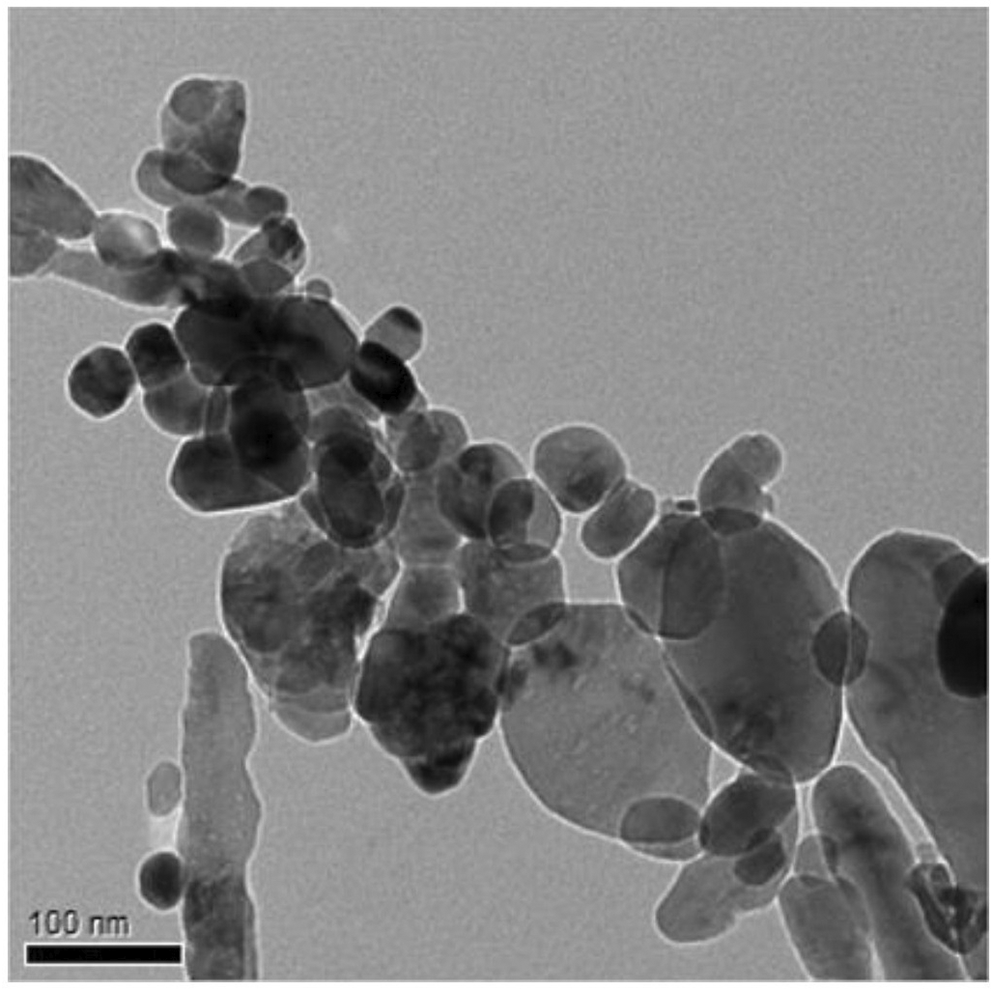
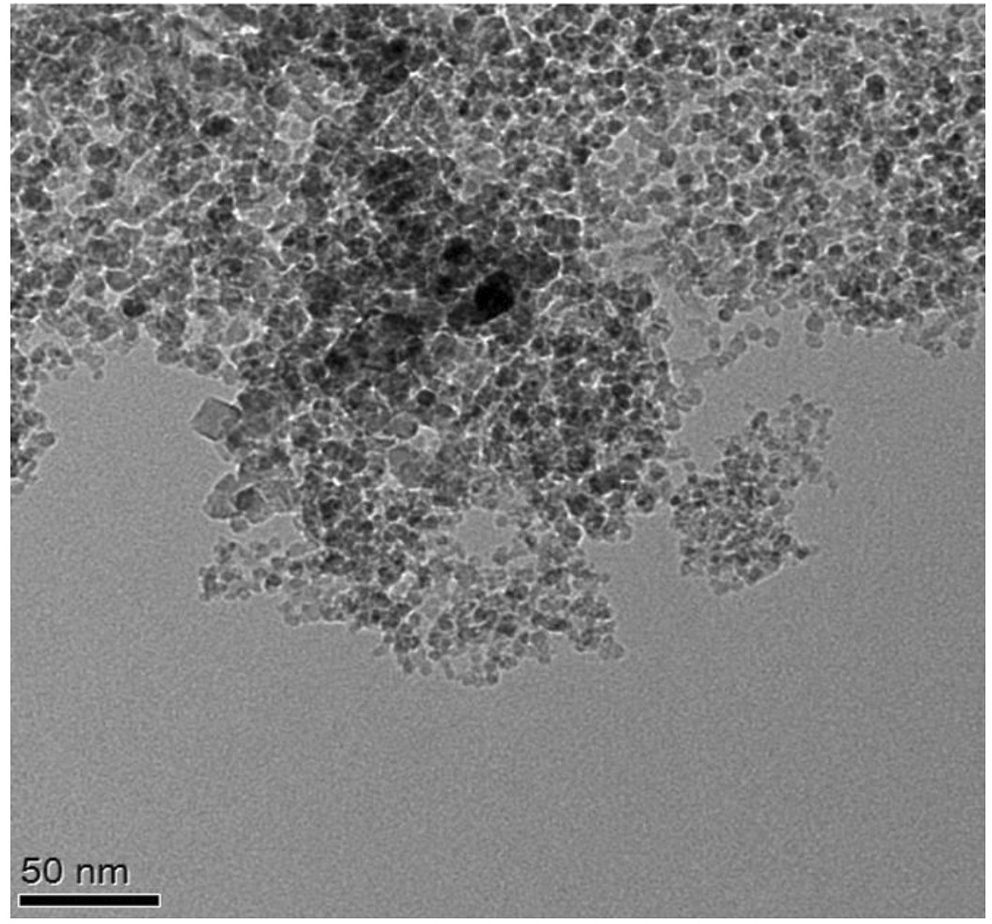
Table 1 lists the specifications of the material used in this study.40,41 The size of the nanoparticles was determined using a TEM device, as shown in Figures 1 and 2, to clarify the nanosize. The thermophysical properties of the nanofluid were calculated according to equations (1-3)35:
After the materials were prepared, the ZnO-water nanofluid and MgO-water nanofluid were supplied as the working fluid. The experiments were conducted over three different months (May, June, and July). There are three different types of working fluids: water, ZnO-water nanofluid, and MgO-water nanofluid. In the experiments, we used three different values of the volume flowrate (0.1, 0.2, and 0.3 l/min). All data for these experiments were collected at the same location as the northern technical university in Kirkuk City. The experimental setup contained PTSC, receiver tube, thermocouples (± 0.5°C), and flow rate meter (± 0.02 l/min). In addition, devices to measure ambient temperature (± 0.2°C) and wind speed (± 0.02 m/s). All the instruments employed in this study were calibrated before conducting the experiments. The accuracy of the thermocouples was calibrated using a two-point reference procedure (ice bath at 0°C and boiling water at 100°C) to an accuracy of ±0.5°C, while the flowmeter was calibrated against a known volumetric tank with an uncertainty of ±2%.
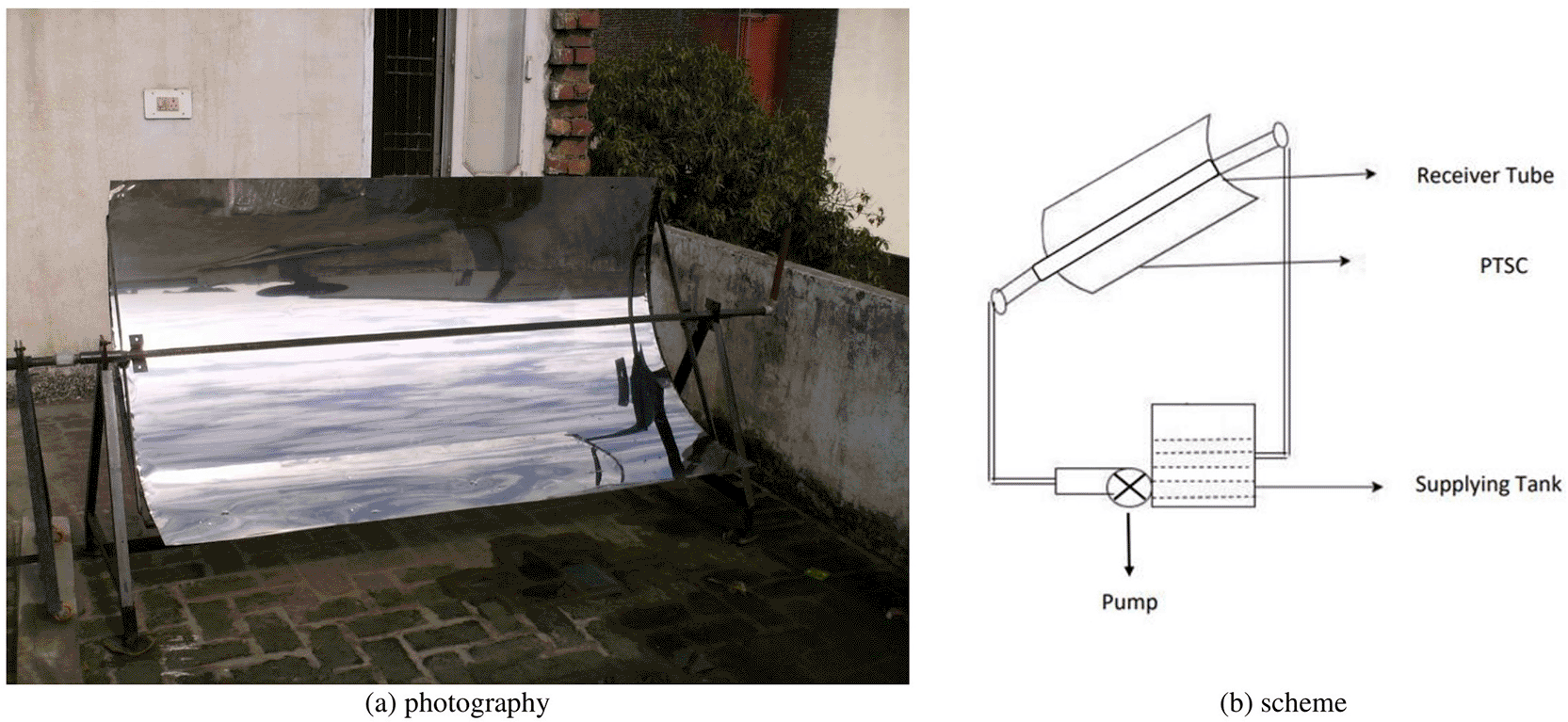
Data were collected between 8 A.M. and 5 P.M. The specifications of the PTSC are listed in Table 2. Figure 3 shows the experimental apparatus.
Energetic (first law) analysis evaluates the thermal performance of the PTSC by quantifying how effectively the solar energy is converted into useful heat.
As a result, the obtained analysis considered the main parameters of heat gain, outlet temperature, and thermal efficiency as influenced by nanoparticle type, flow rate, and solar irradiance. Comparing the energy output of the two nanofluids, ZnO-water and MgO-water, with the baseline pure water, the present study shows which working fluid can be used to achieve the maximum heat transfer and system efficiency in practice. According to Ref. 42, from the perspective of energy conservation, the energy input to the PTSC is
The output energy calculates by:
Now the thermal efficiency ( is calculated from equation (6):
However, exergetic or second law analysis is not restricted to energy conservation alone; it also examines the quality of energy conversion. While energetic analysis only includes the inner energy from heat, exergy analysis includes irreversibilities, such as losses linked to entropy creation. This method on the efficiency of the solar collector has highlighted some inefficiencies experienced in the process, which include thermal resistance and temperature differencing. It has also provided a sharp understanding of how a nanoparticle-containing fluid optimizes the heat transfer and overall performance of solar thermal systems.
The exergy rate of the available solar energy can be calculated using the Petela model.43
The useful exergy rate ( ) (W) of the PTSC used water and nanofluids as the working fluids, as given by equation (8)45:
The exergy efficiency ( ) represents the exergy rate of available solar energy to the useful exergy rate, which can be expressed by equation (9).46
The uncertainty (error) in the experimental tests was evaluated using the uncertainty propagation equation47
The accuracy of this study was deemed acceptable because the uncertainty did not exceed 3.5%. Table 3 shows the uncertainty of the measurements.
The obtained thermal efficiency results of the current PTSC study were compared with literature data from Hamad (1987).48 The comparison is shown in Figure 4. Good agreement between both datasets, with the peak efficiencies around solar noon, enables validation of the accuracy of the measurement methodology and the performance of the baseline collector. Peak efficiencies were estimated to reach 57% in the current study and 58% in the literature. Minor differences below 1% were probably caused by different local weather conditions, collector parameters, or measurement techniques. The small differences (<1%) in the current work compared to the literature were due to slight test environmental deviations. For this investigation Solar irradiance (850–920 W/m2), outdoor ambient temperature (30–36°C), and limited to low wind speeds (<3 m/s) exert a minor influence on heat losses and thermal behavior, clarifying the very small but non-identical efficiencies.
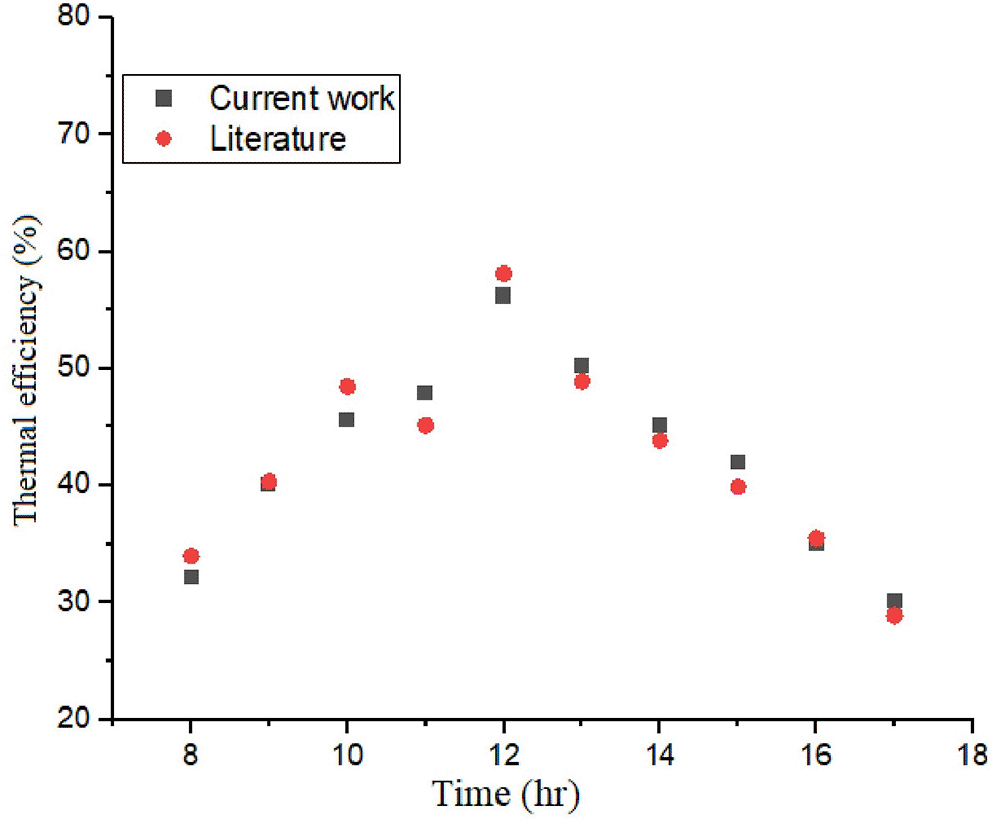
This validation step is essential, as it establishes confidence in the subsequent nanofluid efficiency comparisons, providing evidence that the obtained enhancements were produced by the presence of nanoparticles rather than artifacts of the measurement equipment. The majority of the current results are in close relation to published literature data, thereby ensuring the methodological robustness of the study and providing a baseline for interpreting novel nanofluid results.
This section discusses the effects of changing the water flow rate on the performance of the solar collector and the selection of the optimal flow for its application to nanofluids. The second subject addressed was nanofluids and their impact on improving thermal efficiency.
The relationship between time and the outlet temperature of the water from the PTSC is shown in Figure 5. The X-axis represents the time of the day in hours, while the y-axis shows the outlet temperature (in °C). The figure contains three plots of the relationship between the outlet temperature and time for flow-rate volumes of 0.1, 0.2, and 0.3 L/min. Generally, the data for all the flow rates exhibit the same trend, indicating a diminished outlet temperature owing to the reduced residence time of the fluid in the collector. At a flow rate of 0.1 L/min, the difference in the heat absorption within the day fluctuates between the least at 54.22 °C by 8 A.M. to the peak of 70.3 °C by 12 P.M. The curve for the flow of 0.2, 0.3 L/min hardly increases the peak temperature of the water from the inlet temperature graph. However, the relationship between temperature and the rate of increase of intensity for all flows is equally similar to the wavelength. The steepest gradient was observed at a higher rate of 0.1 L/min shows the steepest gradient. This means that the impact of solar intensity on the PTSC is higher than that for high flow rates, which has a dampening effect. These results are consistent with the broad statement from the study that lower flow rates conserve heat better by consuming more heat. However, they are likely to trade off flow volume. The gradient curve for the 0.1 L/min reflects the extent to which the heat absorption process can accelerate or decelerate. In high-irradiance areas, such as Iraq, the flow rate needs to be consistently optimized.
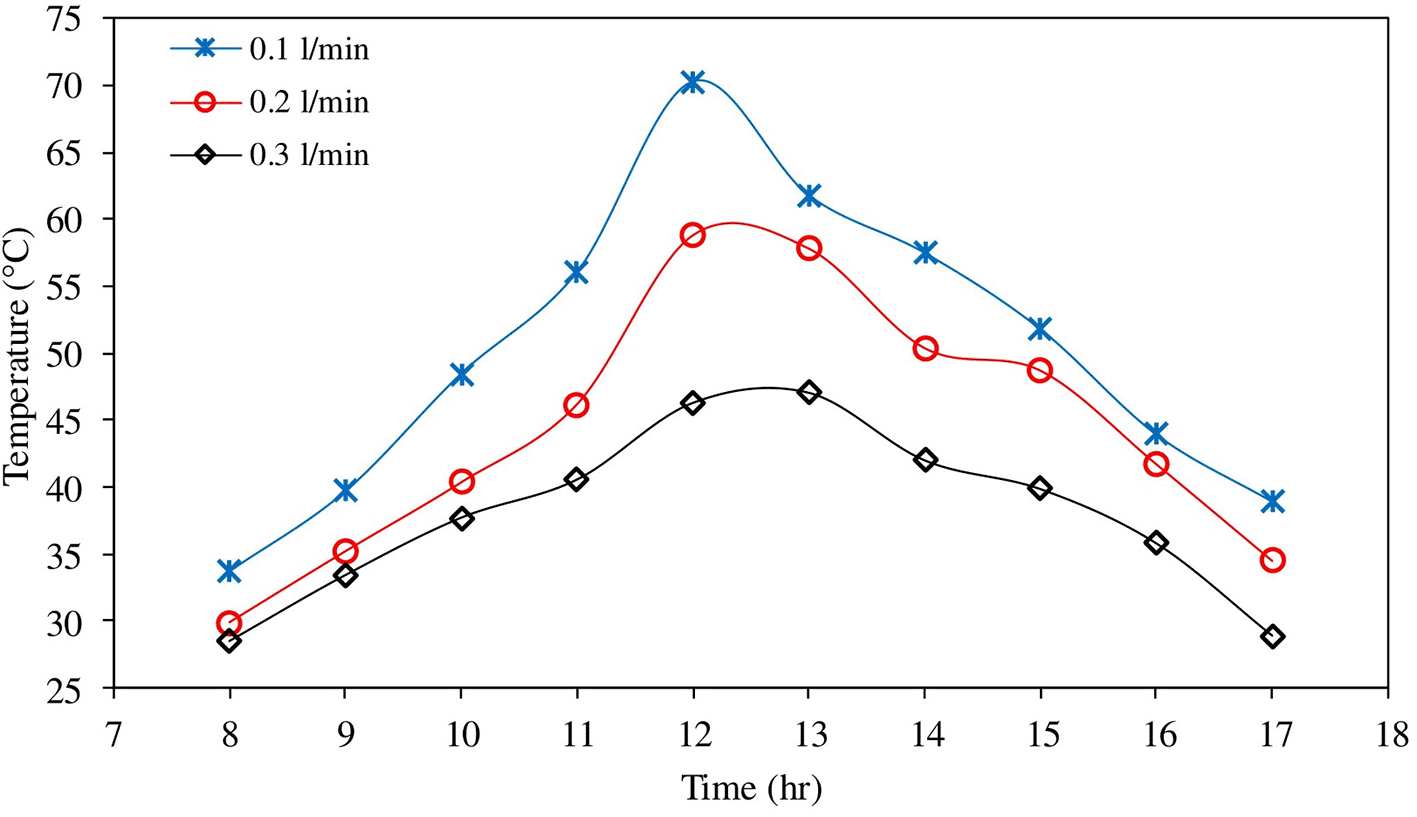
Figure 6 shows the heat gain of the PTSC over time for the three volume flow rates. The heat gain exhibits a diurnal pattern and peaks at noon before declining symmetrically in the morning and afternoon, following the trajectory of solar irradiance. Regardless of the volume flow rate, heat gain achieves its maximum values at midday, and this range from 446.24 W at 0.1 L/min, 429.8 W at 0.2 L/min, and 400.5 W at 0.3 L/min. These data confirm the previous preliminary results that increased volume flow rates reduce the thermal performance. This reduction is due to the lower fluid residence time in the collector, which limits the amount of heat that can be transferred. However, the differences between the volume flow rates decreased slightly during peak hours. This indicates that, while the volume flow rate significantly influences the heat gain, the impact is visible at lower solar irradiance times. The gradual decline in values from noon is linked to the reduction in solar radiation. Consequently, the variation was minimal in the late afternoon. Subsection 5.2 utilized a 0.1 L/min volume flow rate, because its results were optimal in nanofluid analysis. Hence, it demonstrates the best results with peak outlet temperatures of 70.3°C and heat gain of 446.24 W. The fixed volume flow rate addresses the variance and allows a direct review of the effects of nanoparticles on system performance. This approach is critical, as it aligns with the premise of reduced volume flow rates for optimal thermal energy output.
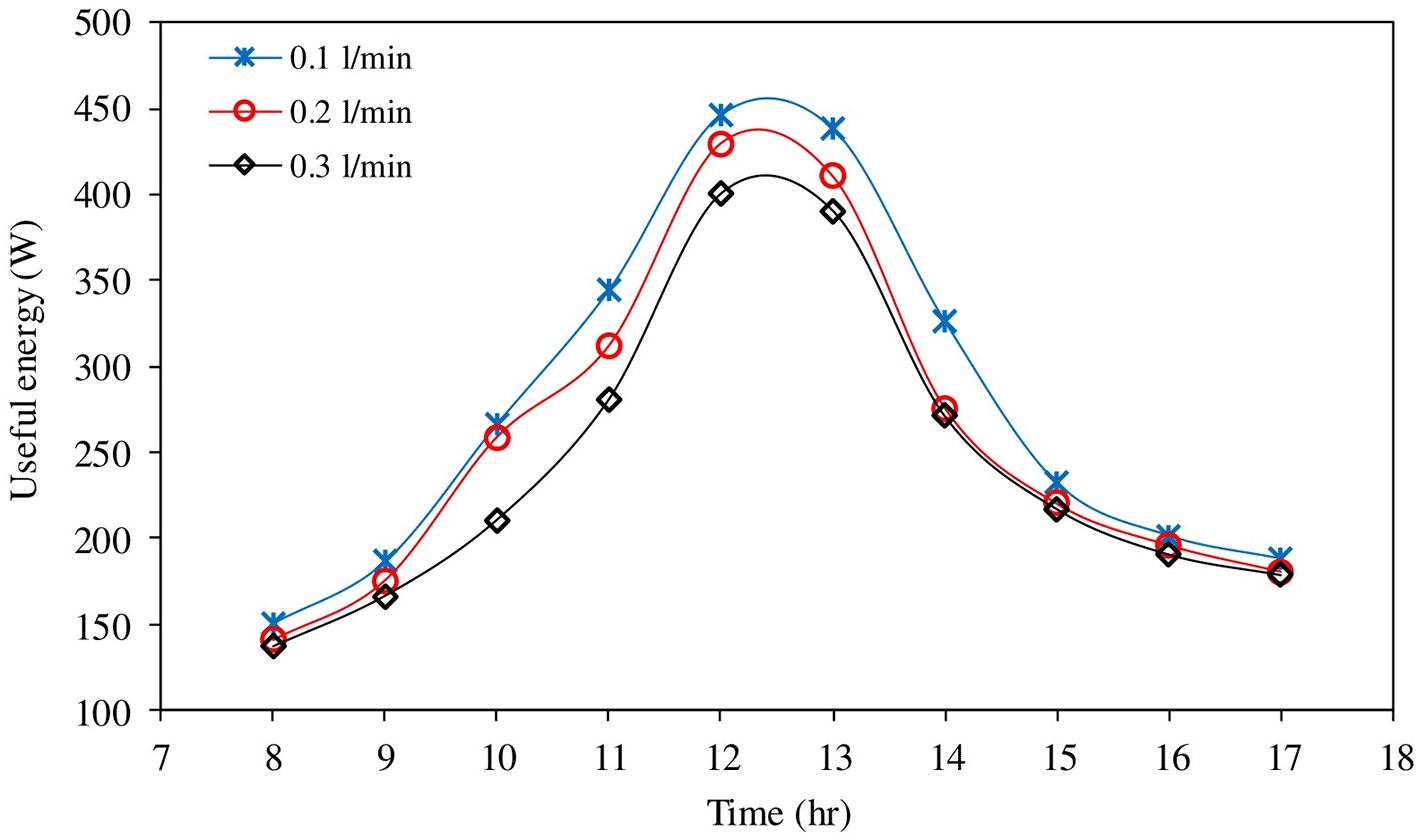
Figure 7 shows the outlet temperature profiles of three fluids (pure water, ZnO-water nanofluid (0.2 wt. %), MgO-water nanofluid (0.2 wt.%)—in PTSC with flow ratio of 0.1 L/min. The results showed that the nanofluids performed better than pure water. During the daytime (10:00 A.M. to 4:00 P.M.), MgO achieved the highest temperatures; for example, at noon (12 PM) it reached 75.08°C.
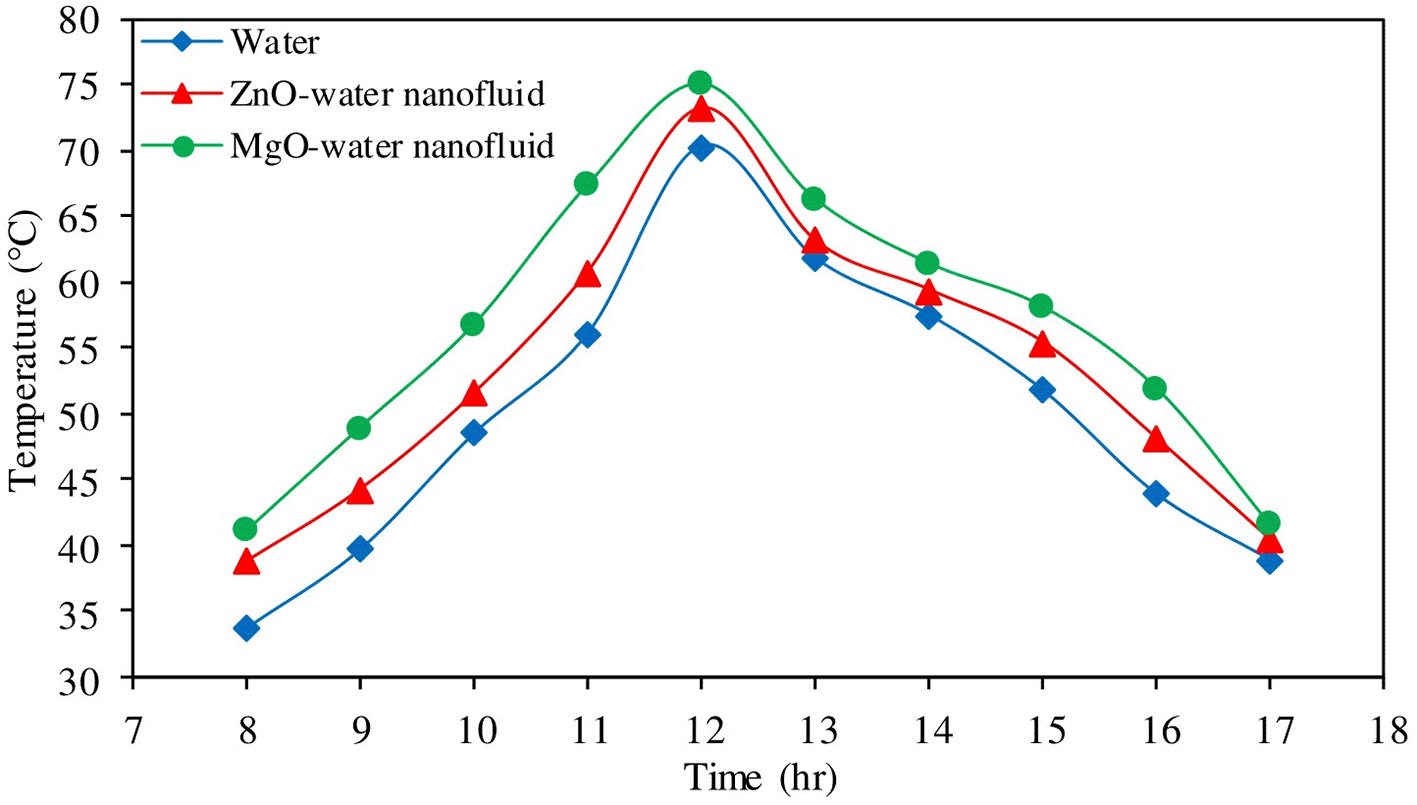
The performance disparity is greatest during solar hours of 10 A.M.–2 P.M.; MgO nanoparticles have a higher thermal conductivity, to wit, 48.4 W/m·K (versus ZnO nanoparticles owns 29 W/m·K), allowing for greater heat absorption. The difference in ΔT between the nanofluid and water also decreases around the early morning and late afternoon, which is attributed to the decrease in solar irradiance but has always been better for MgO. The results highlight two main conclusions: (1) the enhancement of PTSC thermal convection through nanoparticles and (2) MgO is more efficient than ZnO because of its higher conductivity and low density. These tendencies justify the decision in this study to consider NP selection as a major leverage for solar collector optimization, especially in high insolation regions such as Iraq. The figure also emphasizes the correlation between the timing of the daylight temperature maxima and solar noon, illustrating that the system behavior is decoupled from irradiance intensity.
The data in Figure 8 affirm the significant improvement in heat gain when nanofluids are used compared to pure water in the PTSC. This can be observed in all three cases, where MgO-water delivers the highest heat gain in all three cases, with a maximum value of 489.78 W occurring at noon, followed closely by ZnO-water at 466.89 W and pure water at 446.24 W. This difference is particularly large at noon, when high solar intensity allows the thermal attributes of nanoparticles to express themselves. These variances indicate the differences in heat transfer between the nanofluids and pure water, which is expected considering the superior thermal conductivity and convection properties of the nanofluids. Furthermore, it can be observed that the variations in heat gain as a function of solar intensity, as measured for all fluids, are consistent with the expected day/night and high/low solar irradiance patterns. However, it is clear that the performance gap between MgO nanofluids and pure water is more substantial (up to 9.8% at noon) than the gap between ZnO and pure water (approximately 4.6% at the same time). The entire performance curve for MgO is consistently above water at all times, including when the solar intensity is relatively low. Therefore, it appears that the MgO nanofluids in this experiment continually outperform water under the same conditions.
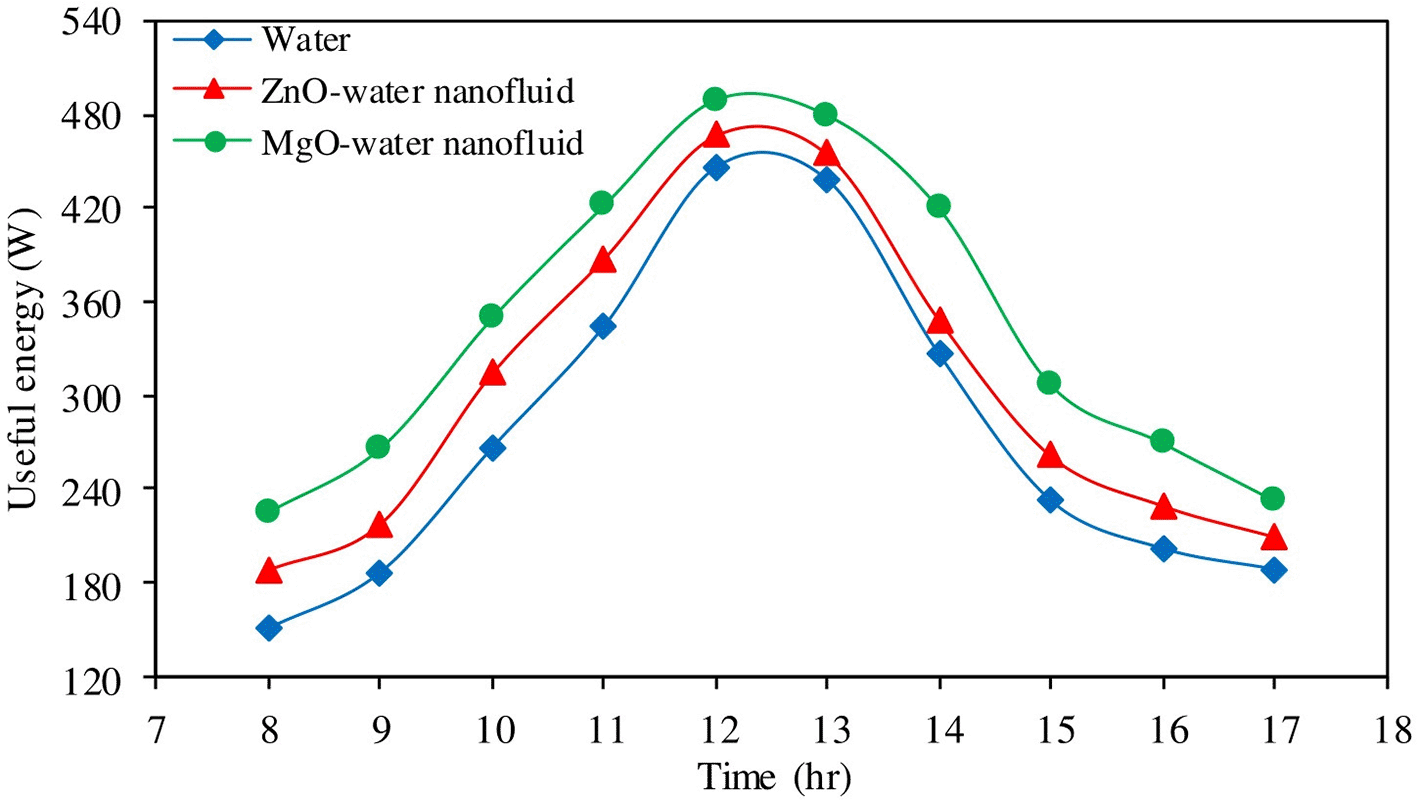
Figure 9 presents the thermal efficiency of the PTSC using three types of working fluids: pure water, ZnO-water nanofluid 0.2 wt. %, and MgO-water nanofluid 0.2 wt. %. Therefore, the use of both types of nanofluids as working fluids leads to a significant improvement in collector efficiency, and MgO provides the best performance during any measured time of the day. At solar noon, the maximum efficiency values for all the working fluids were recorded. For example, the efficiency of the MgO nanofluid was 66.9%. Simultaneously, the efficiencies of ZnO and water were 62.7% and 57.19%, respectively. The efficiency variation with time is equal to the variation in the solar irradiance, which is propagated during the day starting in the morning, reaching peak values, and then falling in the afternoon. Moreover, the best performance of the nanofluid-enhanced working fluids was observed during the two hours around solar noon starting from 10 A.M. and finishing at 2 P.M. in the afternoon, when the thermal transfer processes were the most intensive. MgO also exhibited the best efficiency among the working fluids used during this part of the day. The increased thermal conductivity and better stability in the suspension of MgO compared to ZnO 2 facilitated the heat transfer processes, which led to the higher efficiencies observed at this time. The results suggest that the addition of nanoparticles to the working fluid, especially in the form of MgO as a nanoparticle enhancer, shows promising results and improves the thermal efficiency of PTSC systems. The performance was consistent across the day, which means that such a system can operate at an improved energy output.
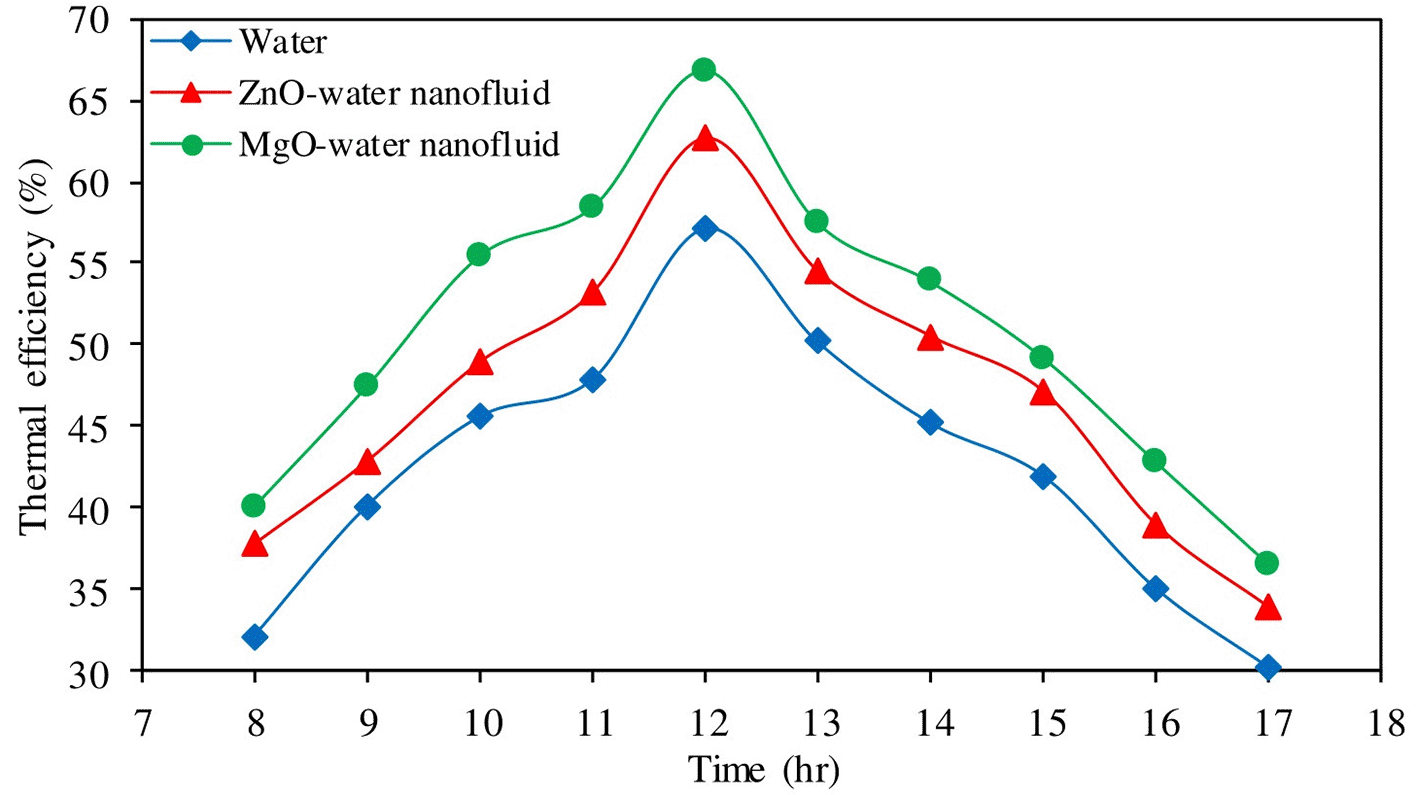
Table 4 captures the main findings for water, ZnO nanofluid, and MgO nanofluid, highlighting the outlet temperature, heat gain, and efficiency, respectively.
| Parameter | Water | ZnO-nanofluid | MgO-nanofluid |
|---|---|---|---|
| Outlet temperature (°C) | 70.3 | 73.19 | 75.08 |
| Heat gain (W) | 446.24 | 466.89 | 489.78 |
| Efficiency (%) | 57.19 | 62.7 | 66.9 |
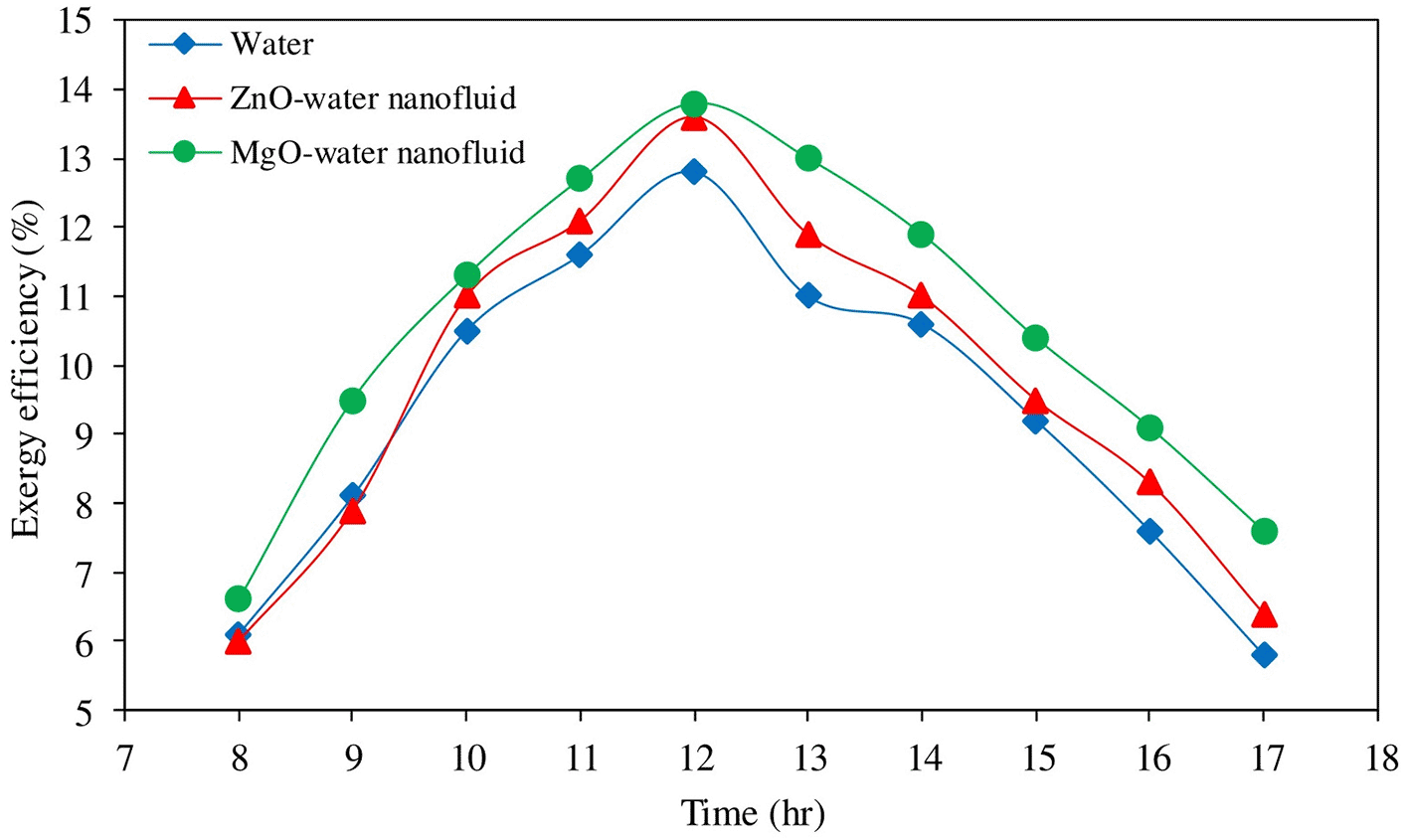
Figure 10 shows the PTSC exergy efficiency for water, the ZnO water nanofluid, and the MgO water nanofluid. The PTSC exergy efficiency for the working fluids shown in Figure 10 was notably smaller than the thermal efficiency values presented in Figure 9. At solar noon, the peak exergy efficiency recorded by the PTSC was only 13.8% when the MgO nanofluid was used. This value is much lower than the corresponding thermal efficiency of 66.9%, owing to the fact that exergy analysis takes the quality of the energy used into account, with the thermodynamic irreversibilities and entropy generation ignored by thermal efficiency. The modest values attained by exergy reflect the inherent inefficiency of converting the high-exergy solar energy produced by the sun at 5770 K into low-exergy thermal energy usable for work by a working fluid. The processes and equipment used can cause such reductions. The MgO nanofluid continues to perform the best in this analysis because of reducing system irreversibilities by streamlining the heat transfer, but the gap is not large compared to the efficiency of water in exergy terms. This suggests that the sole aspect of the system affected by nanoparticle modifications is the relative energy quantity and quality remaining. Consequently, both values are critical for analyzing the performance of a solar collector.
This experimental work presents a performance enhancement of a PTSC using ZnO-water and MgO-water nanofluids compared to the base fluid (water) in the Kirkuk climate. It was found that the nanofluid species and flow velocity play important roles in thermal performance. The highest outlet temperature (water = 70.3°C) and maximum heat gain (446.24 W) were achieved at the optimum flow rate of 0.1 L/min, i.e., owing to longer residence time and better absorption of heat.
The MgO-water nanofluid showed a maximum thermal efficiency of 66.9%, or 16.98% higher than that of pure water at noon working conditions, and a higher thermal conductivity of 48.4 W/m). This measurable enhancement indicates the potential of MgO nanoparticles as an effective heat-transfer augmentation material in PTSC systems. While the thermal efficiencies were quite high, the corresponding exergetic performances were moderate (13.8% for MgO), which is inherent when applying thermodynamic properties in solar-thermal conversion.
From a technical perspective, these results have significant implications for large-scale solar thermal adoption at Iraq and other hot-dry sites. Iraq is more than 1800–2200 kWh/m2 yr for enhanced collector efficiency, meaning more thermal output and eventually a smaller system size, for example, industrial heating, desalination, or district hot water pump and pump installation. According to the demonstrated ~17% efficiency increment, it is believed that the use of MgO-based NF for PTSC loops may potentially enhance daily thermal energy production, lower fuel consumption in hybrid systems, and reduce overall life cycle costs. Furthermore, the good stability of both MgO-water and ZnO-water nanofluids for the period of experimentation indicates their applicability under field conditions.
In summary, this study demonstrates that MgO nanofluids flowing at optimum rates represent a viable and cost-effective method to improve the solar-thermal performance in high-irradiance environments and national objectives for sustainable and affordable energy.
To enhance future research, the experimental period should be extended to include other seasons. Multi-season measurements would assist in evaluating the effect of changing solar and ambient conditions on the nanofluid performance and PTSC efficiency, which will present a comprehensive overview of year-round operation.
| Views | Downloads | |
|---|---|---|
| F1000Research | - | - |
|
PubMed Central
Data from PMC are received and updated monthly.
|
- | - |
Provide sufficient details of any financial or non-financial competing interests to enable users to assess whether your comments might lead a reasonable person to question your impartiality. Consider the following examples, but note that this is not an exhaustive list:
Sign up for content alerts and receive a weekly or monthly email with all newly published articles
Already registered? Sign in
The email address should be the one you originally registered with F1000.
You registered with F1000 via Google, so we cannot reset your password.
To sign in, please click here.
If you still need help with your Google account password, please click here.
You registered with F1000 via Facebook, so we cannot reset your password.
To sign in, please click here.
If you still need help with your Facebook account password, please click here.
If your email address is registered with us, we will email you instructions to reset your password.
If you think you should have received this email but it has not arrived, please check your spam filters and/or contact for further assistance.
 O 3
O 3 –water nanofluids were prepared using a two-step method”. However, the study investigates ZnO-water and MgO-water nanofluids. This inconsistency suggests that part of the experimental description may have been reused from previous work or incorrectly edited. The preparation procedure must clearly correspond to the nanofluids actually used in the experiments.
 mm 2
mm 2 . This value is physically unrealistic and dimensionally incorrect. Typical parabolic trough collectors have aperture areas on the order of square meters. The authors must verify and correct the collector dimensions and associated units.
Comments on this article Comments (0)