Keywords
Viscous Carreau fluid, peristaltic flow, endoscopic hollow flexible channel.

This article is included in the Fallujah Multidisciplinary Science and Innovation gateway.
Viscous Carreau fluid, peristaltic flow, endoscopic hollow flexible channel.
In this revised version of the article, several substantive improvements have been made compared to the previously published version. The Introduction has been revised to enhance clarity and coherence, and additional recent references have been incorporated to strengthen the theoretical background. In Section 4, a new equation has been introduced to further support the analytical framework of the study. The figures have been updated for improved accuracy and presentation, with additional symbols included where necessary. Moreover, the interpretations of the figures have been refined to provide clearer explanations and more precise discussion of the results. These revisions improve the overall rigor, clarity, and scientific contribution of the manuscript.
See the authors' detailed response to the review by Ahmed Gamal
See the authors' detailed response to the review by Anum Tanveer
See the authors' detailed response to the review by Shekar Marudappa
See the authors' detailed response to the review by P. Lakshminarayana Lakshminarayana
Peristaltic transport is a fundamental mechanism of fluid motion generated by progressive wave-like contractions of flexible channel walls. This mechanism plays a crucial role in many physiological processes, including blood circulation, gastrointestinal motility, urine transport, and the operation of catheter- and endoscope-based medical devices. In addition to biomedical applications, peristaltic transport is widely utilized in industrial processes involving complex fluids, particularly in situations where direct mechanical pumping is undesirable or impractical.
Most biological and industrial fluids exhibit non-Newtonian behavior, making classical Newtonian fluid models inadequate for realistic flow prediction. Among the various rheological models, the Carreau fluid model has received considerable attention due to its ability to accurately represent shear-thinning behavior and viscosity variation with shear rate. This feature makes it especially suitable for modeling physiological fluids such as blood. Several studies have investigated peristaltic transport under the Carreau fluid assumption. Ali and Hayat7 analyzed pumping characteristics, axial pressure gradients, and trapping phenomena, providing a comparative study between Newtonian and Carreau fluids. Nadeem et al.11 examined peristaltic wave propagation of Carreau fluid in a rectangular duct under the assumptions of long wavelength and low Reynolds number. Ullah et al.16 studied Carreau fluid flow in an elastic tube, emphasizing the significant role of wall flexibility. In addition, peristaltic transport of other non-Newtonian fluids, such as Jeffrey fluid, in flexible channels has been reported by Al-Khalidi and Al-Khafajy,6 highlighting the importance of rheological complexity in peristaltic flow modeling.
Viscosity is one of the most influential physical properties governing fluid motion, particularly in biomedical and food-processing applications. In realistic physiological environments, viscosity is not constant but depends strongly on temperature and concentration variations, which significantly affect flow behavior, heat transfer, and mass diffusion. Several researchers have reported that although fluid velocity exhibits relatively small variations with concentration and spatial location, it increases noticeably with increasing temperature.1,5,10,12 Nadeem et al.9 investigated peristaltic flow of a reactive viscous fluid with temperature-dependent viscosity. Akram and Akbar2 analyzed biological flow of a Carreau nanofluid in an endoscopic system incorporating variable viscosity effects. The influence of temperature and concentration on oscillatory flow in an inclined porous channel was studied by Al-Khafajy and Labban,4 while Al-Delfi and Al-Khafajy3 examined peristaltic transport of Williamson fluid through a hollow flexible channel, accounting for coupled thermal and concentration effects.
Recent developments in peristaltic flow research have emphasized the necessity of incorporating multiple physical mechanisms to achieve realistic modeling of physiological and industrial transport processes. These mechanisms include heat transfer, mass diffusion, nanofluid effects, magnetohydrodynamics (MHD), electroosmosis, and complex wave motions in flexible biomedical geometries. In this context, Tanveer et al.13 investigated flow and heat transfer characteristics in a fallopian tube with a metachronal wave of cilia, demonstrating the crucial role of coordinated wall motion in physiological transport. Tanveer et al.14 further explored dynamic interactions in MHD Jeffrey fluid flow under peristalsis combined with electroosmotic effects and homogeneous–heterogeneous chemical reactions, highlighting the strong coupling between electromagnetic forces, chemical reactions, and non-Newtonian rheology. Moreover, Tanveer et al.15 analyzed the enhancement of heat generation using a ternary hybrid nanofluid in a periodic channel, reflecting the growing interest in advanced nanofluid models for thermal management applications.
Furthermore, Vijayan and Sucharitha17 examined electroosmotic effects on peristaltic transport of a Ree–Eyring nanofluid with double diffusive convection in a symmetric microchannel, demonstrating the strong interaction between electric fields, thermal gradients, and concentration gradients on flow behavior. Jagadesh et al.8 studied convective peristaltic pumping of an MHD Ree–Eyring nanofluid in a chemically reacting flexible divergent channel, incorporating the effects of activation energy and thermal radiation. Their findings emphasize the importance of coupling electromagnetic, chemical, and thermal effects with non-Newtonian rheology in advanced peristaltic flow models.
These studies collectively indicate that realistic modeling of physiological and industrial transport processes requires the simultaneous consideration of thermal effects, concentration gradients, non-Newtonian fluid behavior, and geometrical features such as wall flexibility and internal devices. Despite these extensive efforts, the combined influence of temperature- and concentration-dependent viscosity on the peristaltic flow of a Carreau fluid through a flexible axisymmetric wavy channel containing an internal catheter has not yet been adequately investigated. In particular, the interaction between variable viscosity, channel flexibility, and internal catheter geometry remains insufficiently explored, despite its direct relevance to catheter-based and endoscopic medical applications.
Motivated by this research gap, the present study develops a mathematical model for the peristaltic transport of an incompressible, non-Newtonian Carreau fluid with variable viscosity flowing through a flexible axisymmetric wavy channel containing an internal catheter placed along the centerline. The effects of temperature and concentration variations at the channel walls are incorporated into the viscosity formulation. Under the assumptions of long wavelength and low Reynolds number, the governing equations are simplified and solved analytically. Unlike earlier investigations that considered either constant viscosity or rigid geometries, the present model simultaneously accounts for variable viscosity, wall flexibility, and internal catheter effects, thereby providing a more comprehensive and physiologically realistic representation of peristaltic transport phenomena.
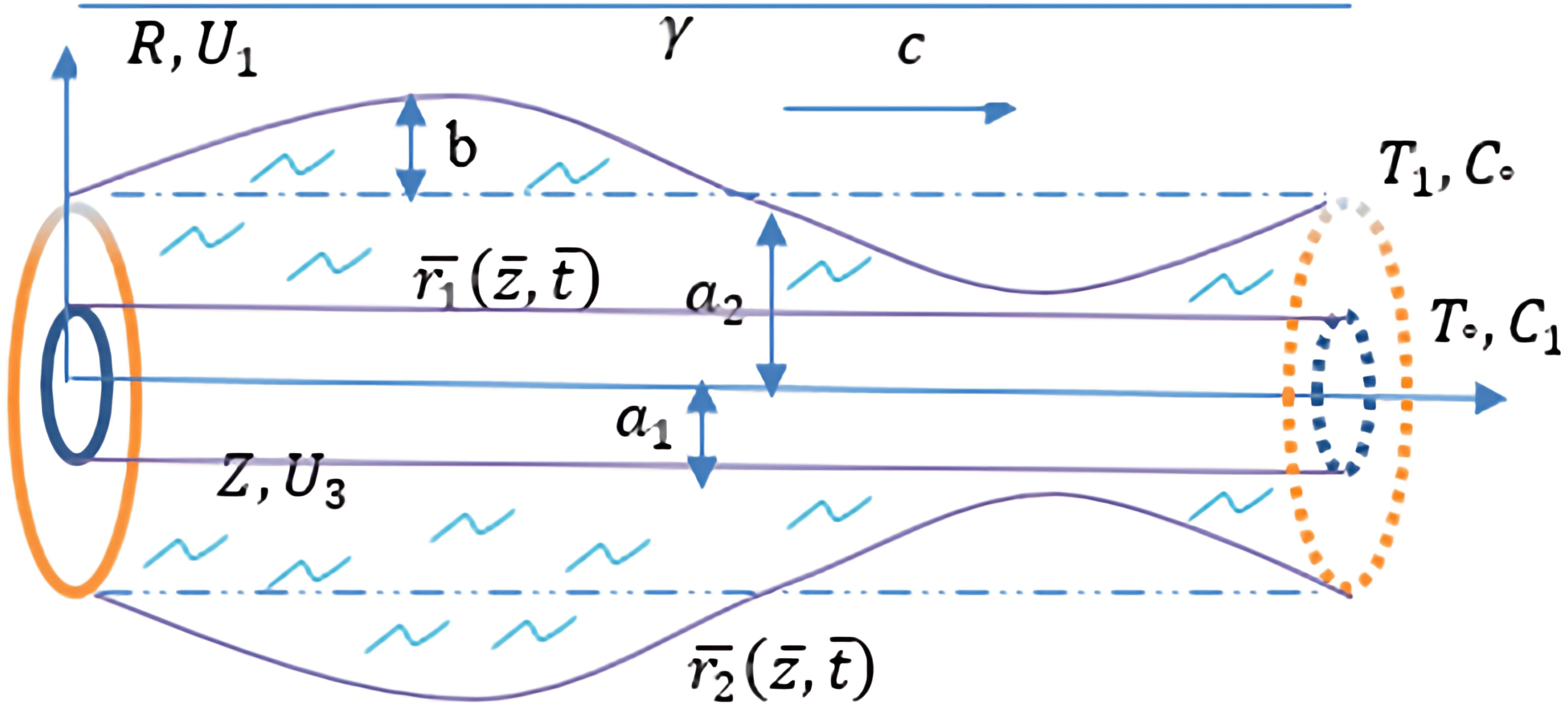
We study the peristaltic flow of an incompressible Carreau fluid between two cylinders that are in a central location, with an endoscope in the middle of the main channel that has a flexible wall structured like a sine wave. A cylinder’s coordinates are specified by the radius of the channel (R) and the tube’s axis (Z).
The geometry wall of the flow channel form is
Here “the unobstructed radius of the pipe” is represented by , the radius of the disturbed tube is represented by , b is “amplitude of the peristaltic wave”, is “a wave length”, is “a wave propagation speed”, and is “a time”.
The basic governing equations of the problem system
Where “Laplace operator”, is “the velocity field”, is a “density”, is “the Cauchy stress tensor”, T is “the temperature”, is a concentration of the fluid, is “the specific heat capacity at constant pressure”, is “the radiation heat flux”, is “the coefficient of mass diffusivity”, is “the mean fluid temperature”, is “the thermal diffusion ratio”.
The equation of incompressible Carreau fluid with variable viscosity as the distance travelled is given by7
Where is “extra stress tensor”, "pressure", “identity tensor”, “dynamic viscosity”, “time constant”, “dimensionless power law index” and is defined as;
The model can be reduced to a Newtonian model , so we investigate the case for . To understand how an elastic wall behaves, the equation , where is “an operator”, which is used to represent the motion of stretched membrane with viscosity damping forces such that, see3
Wall flexural rigidity is denoted by B, longitudinal tension per unit width by , mass per unit area by m, coefficient of viscous damping by D, and spring stiffness by .
This is the equation that controls the properties of a flexible wall canal at , is obtained as;
For the sake of accuracy in writing the continuity equation and the momentum equations, in addition to the temperature and concentration equations, we use the velocity components and , which represent the radial and axial velocity components, respectively, in an unsteady two-dimensional flow. The fluid temperature and concentration functions are expressed in terms of and , respectively. Now, by substituting the governing equations for the problem (1) - (4), we obtain the following system of nonlinear, nonhomogeneous partial differential equations;
The component of the shear stress is
We use generic and specific frame coordinate transformations as shown below. , , , and . Substituting these transformations into a system (9) - (13), we get:
The corresponding boundary conditions of the problem are:
Where the motion equation with condition of the elastic wall as follows:
To simplify the governing equations of the problem and to show the important parameters that affect the fluid flow, we introduce the following dimensionless transformations2,10:
where “amplitude ratio”, “Reynolds number”, “Prandtl number”, “thermal radiation parameter”, “Schmidt number”, “Soret number”, “thermal Grashof number”, “Solutal Grashof number”, “dimensionless wave number”, “heat source/sink parameter”, and is the Weissenberg number, “viscosity constant”.
Substituting Equations (21) into Eqs. (14) - (20), we reformulate the governing equations and accompanying boundary conditions as follows:
The component of the shear stress in dimensionless transformation form is
The corresponding dimensionless boundary conditions of the problem are
These parameters are selected within physically realistic ranges commonly reported in the literature on peristaltic flow through elastic or compliant channels.3,5 They represent the resistance of the wall to bending and stretching, its inertia, viscous damping, and elastic support, respectively. The chosen values ensure numerical stability and allow a clear illustration of the essential physical behavior of the system. Moreover, it has been observed that moderate variations in these parameters do not significantly affect the qualitative trends of the results; therefore, a representative set of parameter values is employed throughout the analysis.
It is very difficult to solve the system of Equations (22) - (27) and (29), so we assume a very small wave number ( ≪ 1) concerning the width of the channel to its length. Thus, the system becomes in the following form after abbreviating its writing, taking into account the condition of the flexibility of the outer wall of the flow channel:
This section involves solving the heat and concentration equations, then substituting the result into the velocity equation to solve it.
The solution to the equations for heat fluid (31) and concentration fluid (32) based on the boundary condition Equation (28) are respectively:
The formula for the velocity equation under the influence of the elasticity of the outer wall of the flow channel, after substituting the shear stress equation in Equation (30), is
For the variable viscosity , we use Reynolds’ model of viscosity . By using the Maclaurin series, we have when , where is the coefficient of variable viscosity, the viscosity is fixed at . Thus, the final form of the velocity equation will be
Equation (35) is a non-linear and non-homogeneous partial differential equation, which is difficult to find an exact solution for it, so the perturbation method (twice in terms of parameter first, then in terms of the parameter) will be used to find the solution to the problem, as follows:
After substitution (36) into Equation (35), we get:
Substation with an equation perturbation
After substitution (39) into Equation (38), we get:
The associated boundary conditions .
The associated boundary conditions .
Substation with an equation perturbation
After substitution (42) into Equation (41), we get:
The associated boundary conditions .
The associated boundary conditions .
We obtain very long solutions for the velocity and stream function, known as , that mean . The associated constants can be determined using the associated boundary conditions. Therefore, we will discuss these solutions graphically in the next section.
Through the graphs of the fluid velocity function, we discussed and analysed the effect of changing temperature on the viscosity of a Carreau fluid and thus on its velocity through a hollow flexible channel. The program “MATHEMATICA 14” was used in this analysis. The following values were adopted to plot the fluid velocity function: , , , , , , , , , , , , , , , , .
The general shape of the fluid velocity function is a downward-concave curve where the maximum value of the curve is close to the catheter tube around the value of , also the ends of the curve are close to zero at the walls of the channel (the rigid inner and the flexible outer), which matches the boundary condition of the problem.
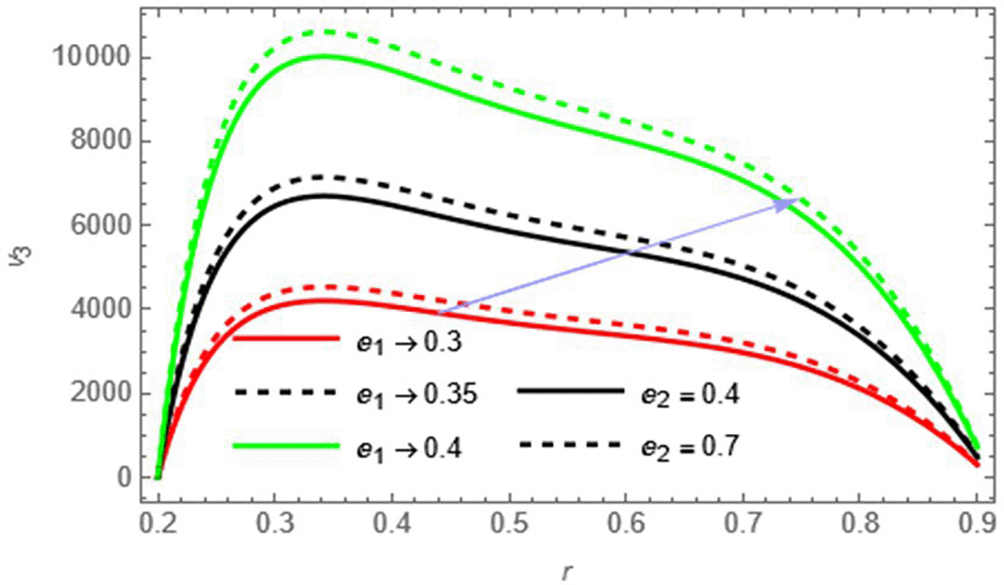
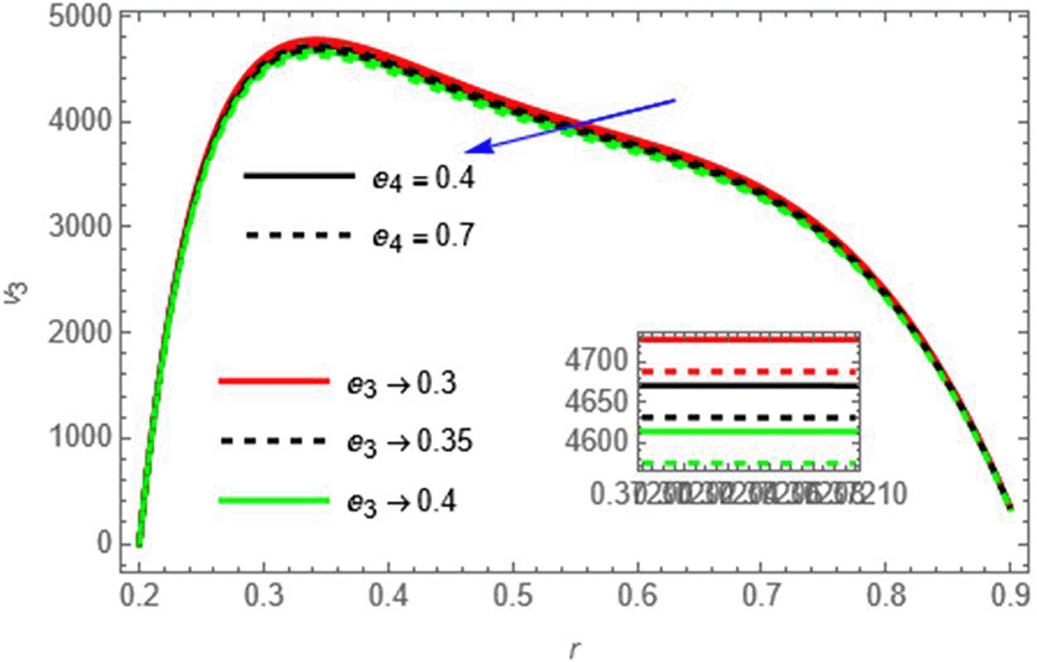
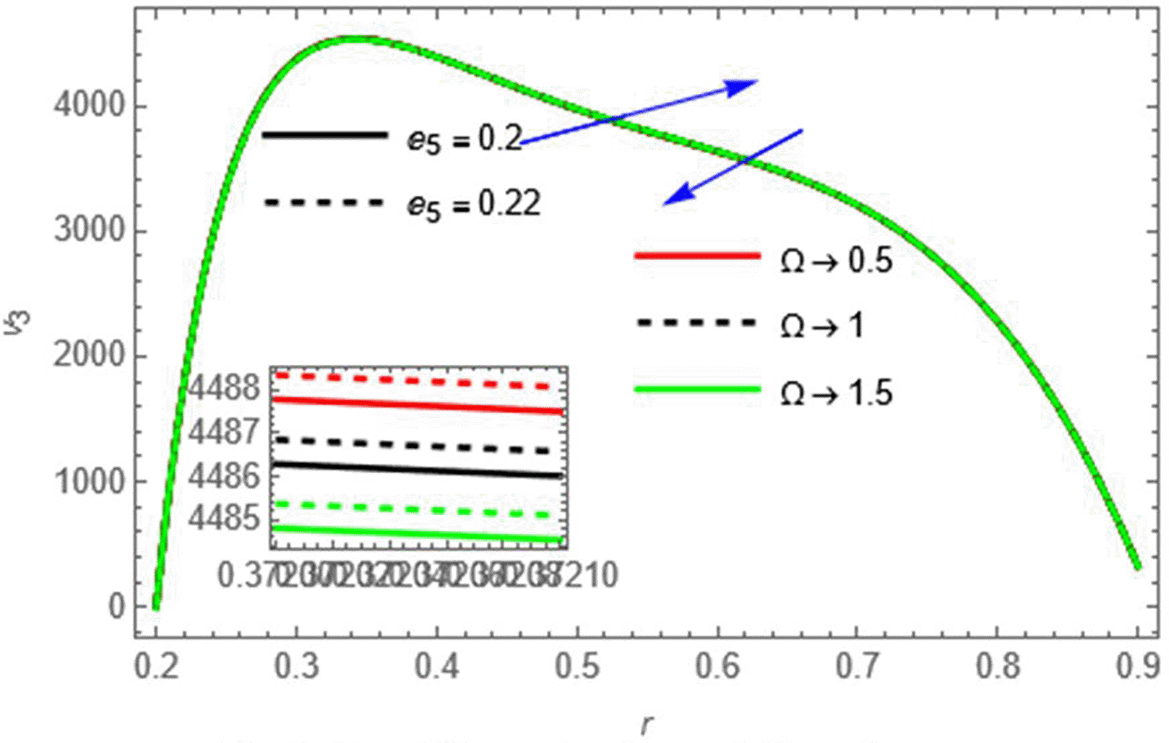
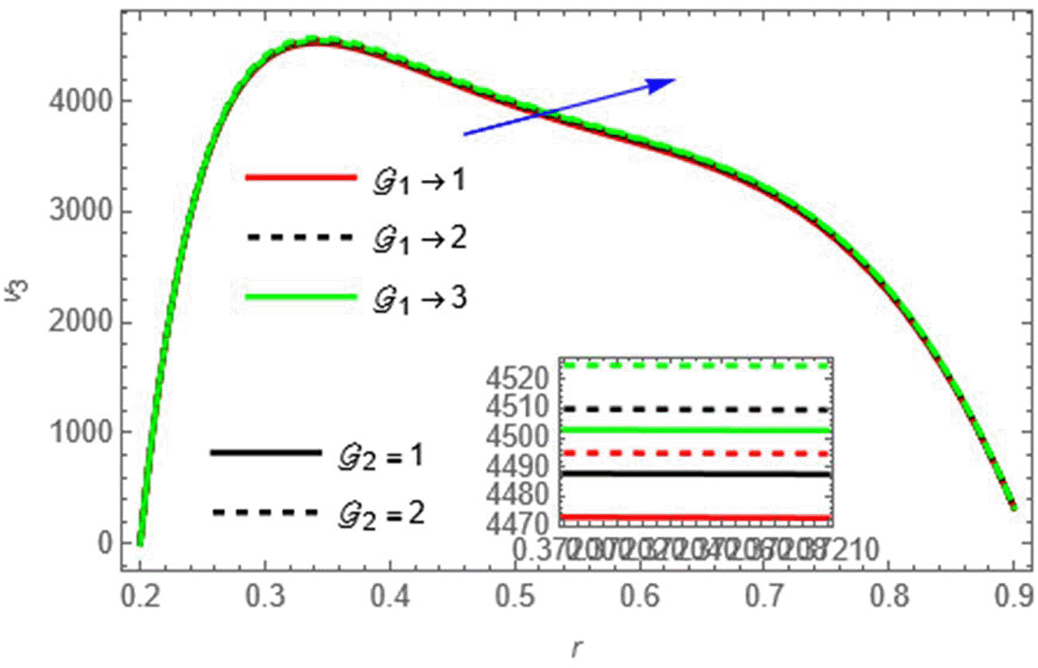
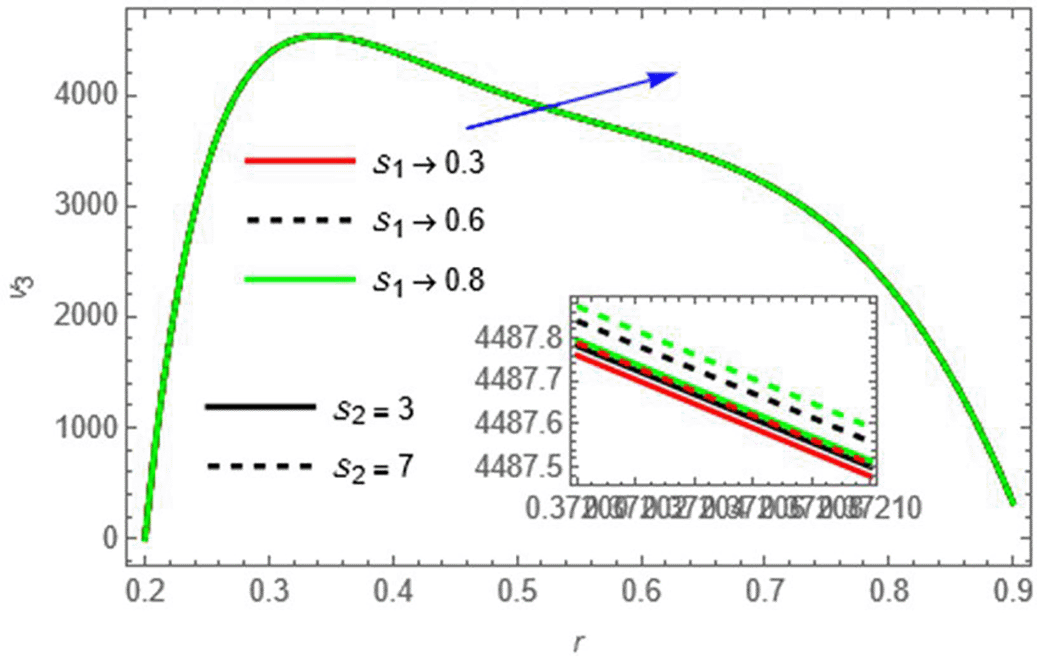
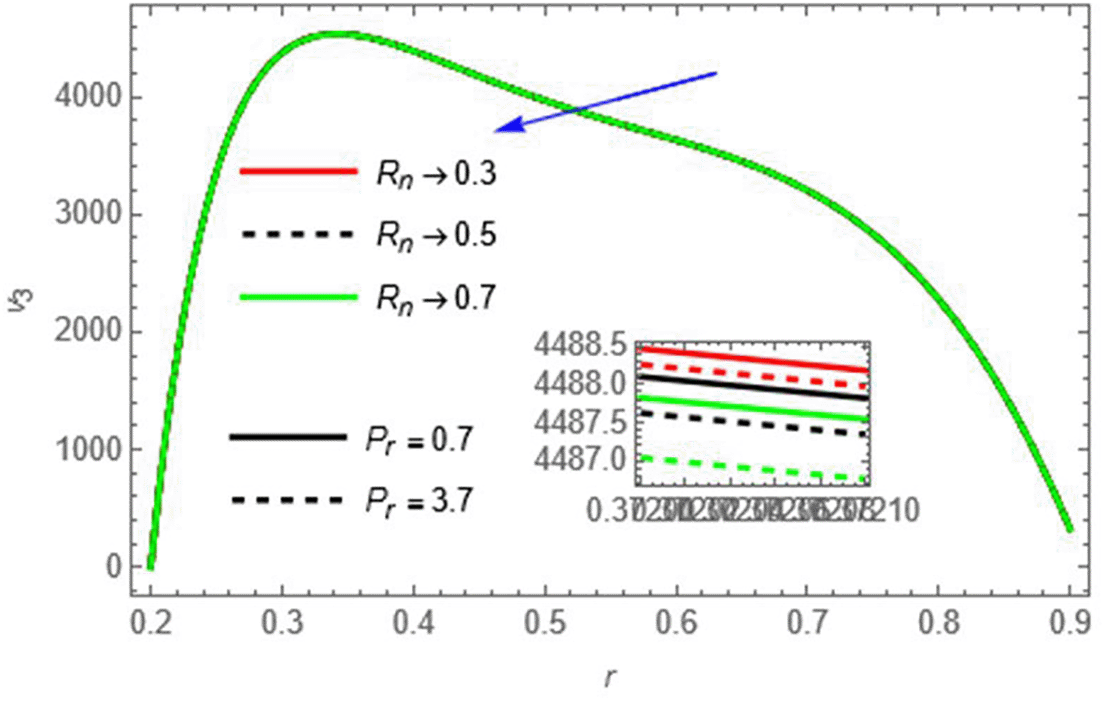
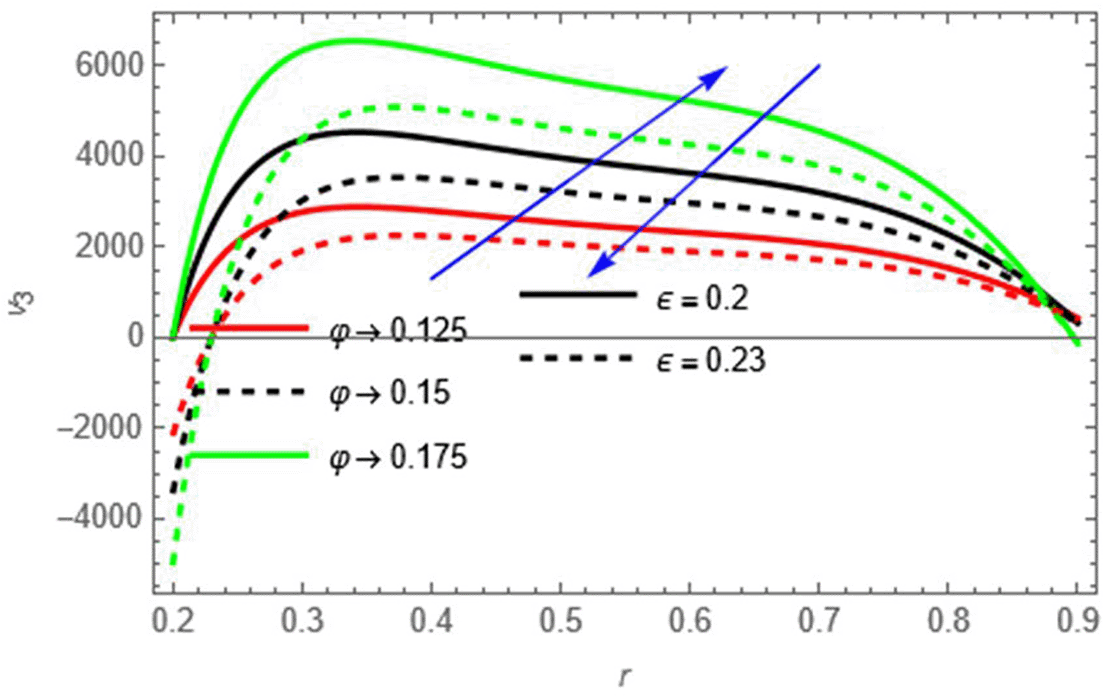
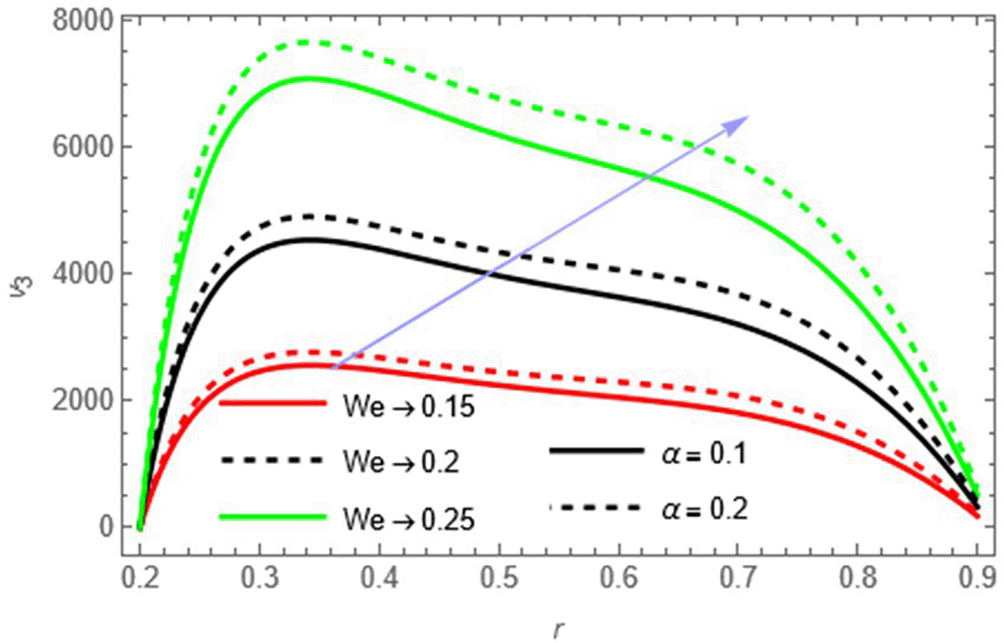
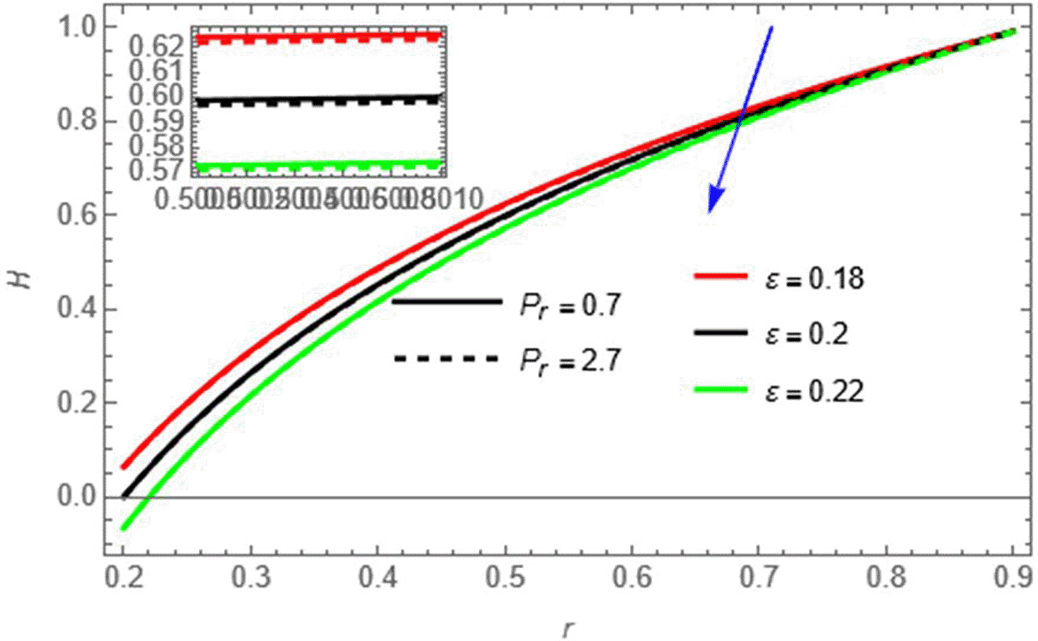
Higher reduces thermal diffusivity, limiting heat penetration into the fluid, while larger increases wall surface effects, enhancing heat transfer toward the walls and lowering the core temperature.
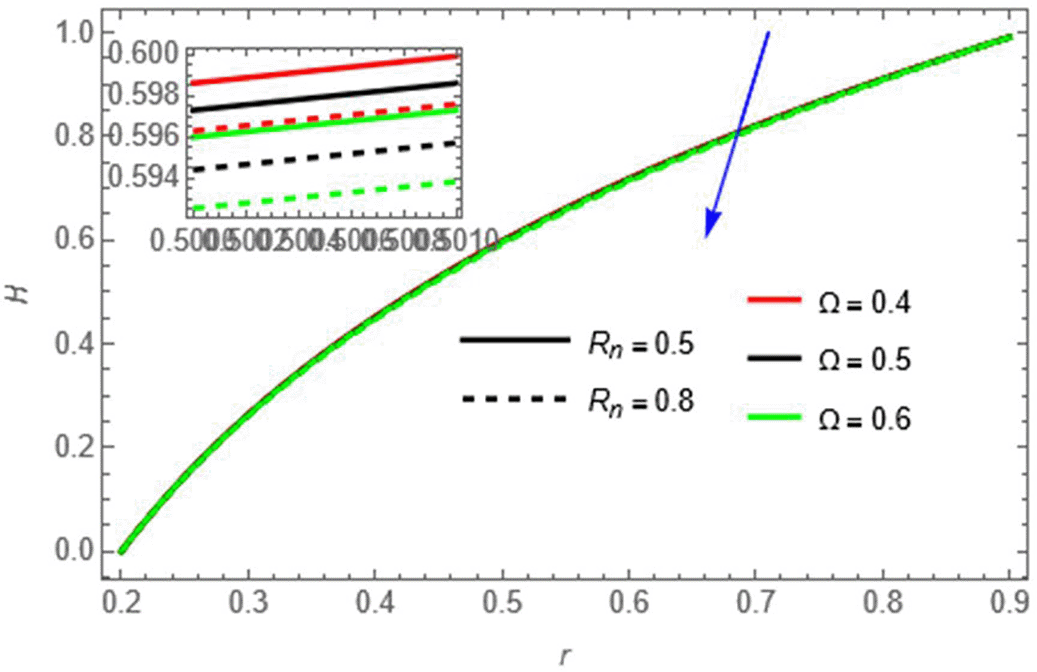
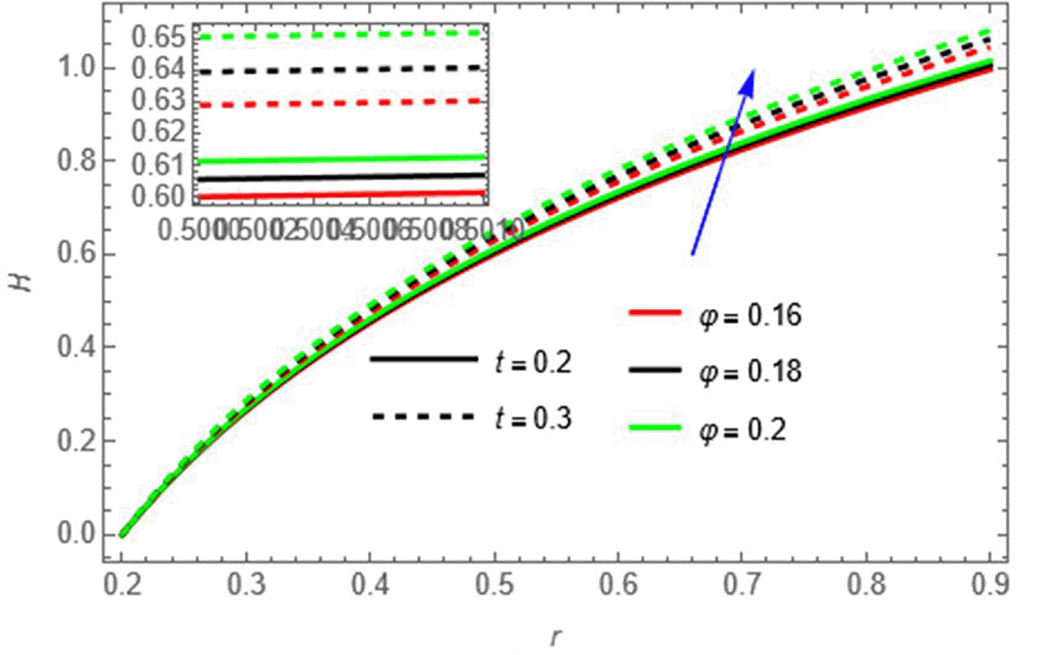
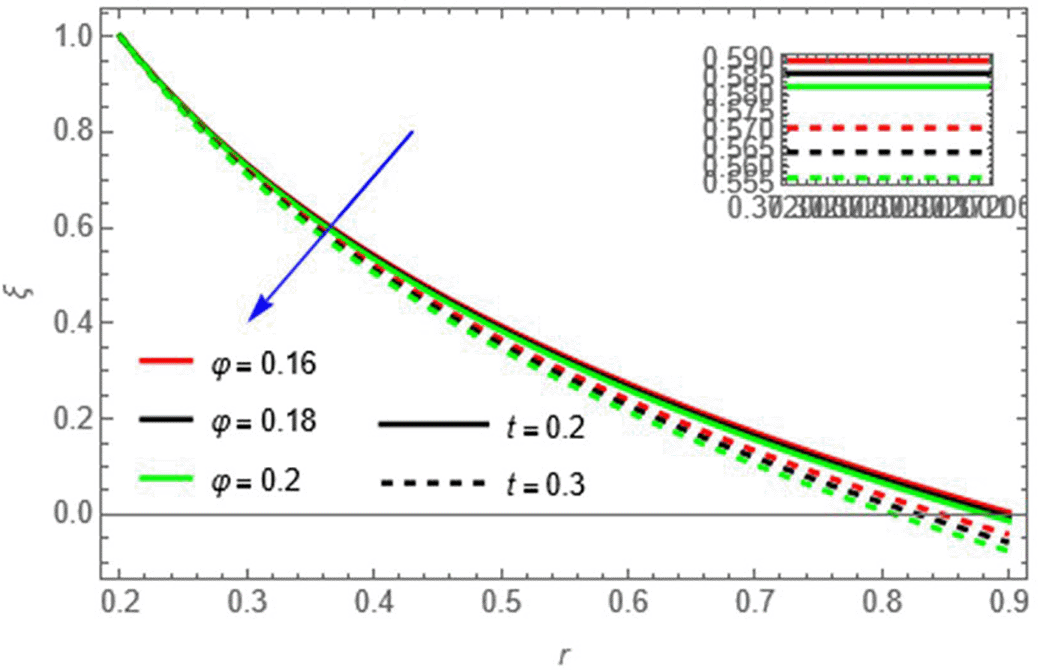
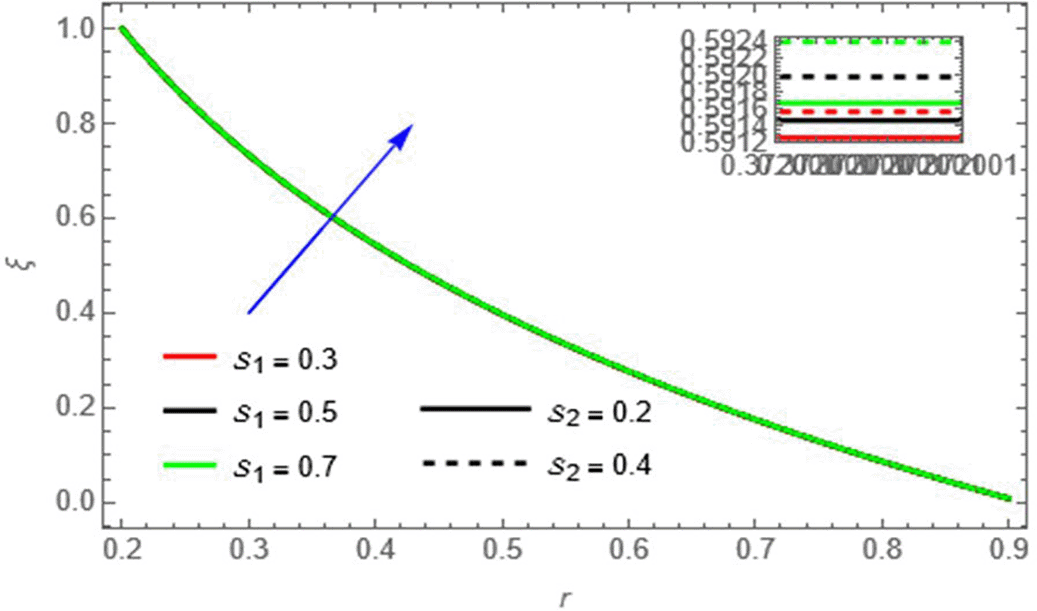
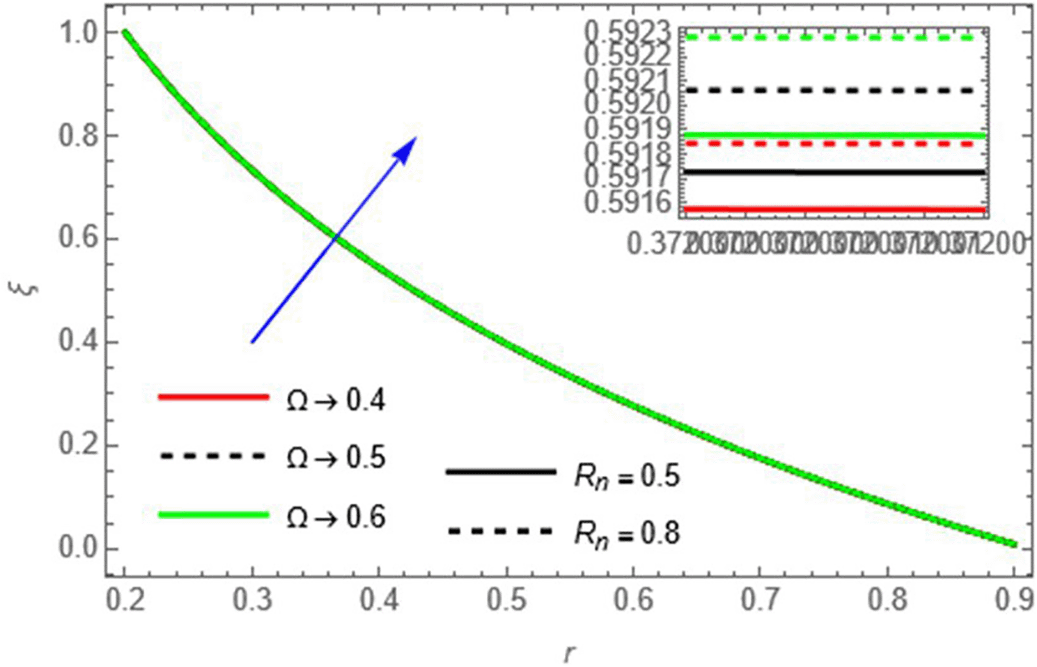
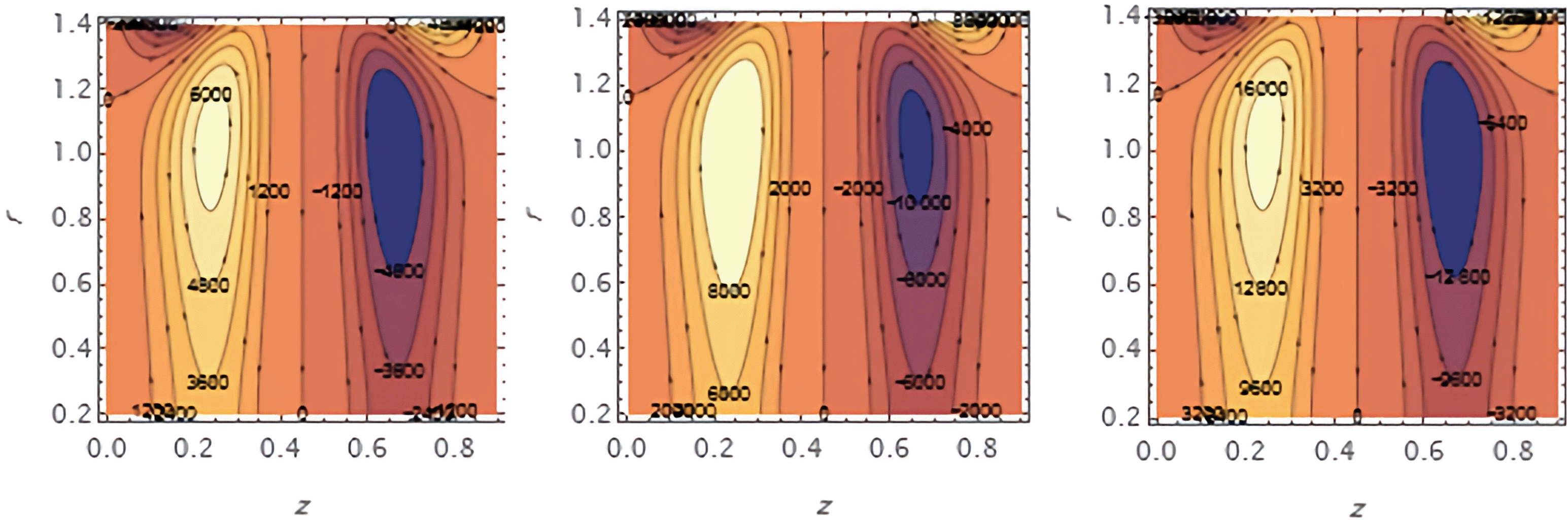
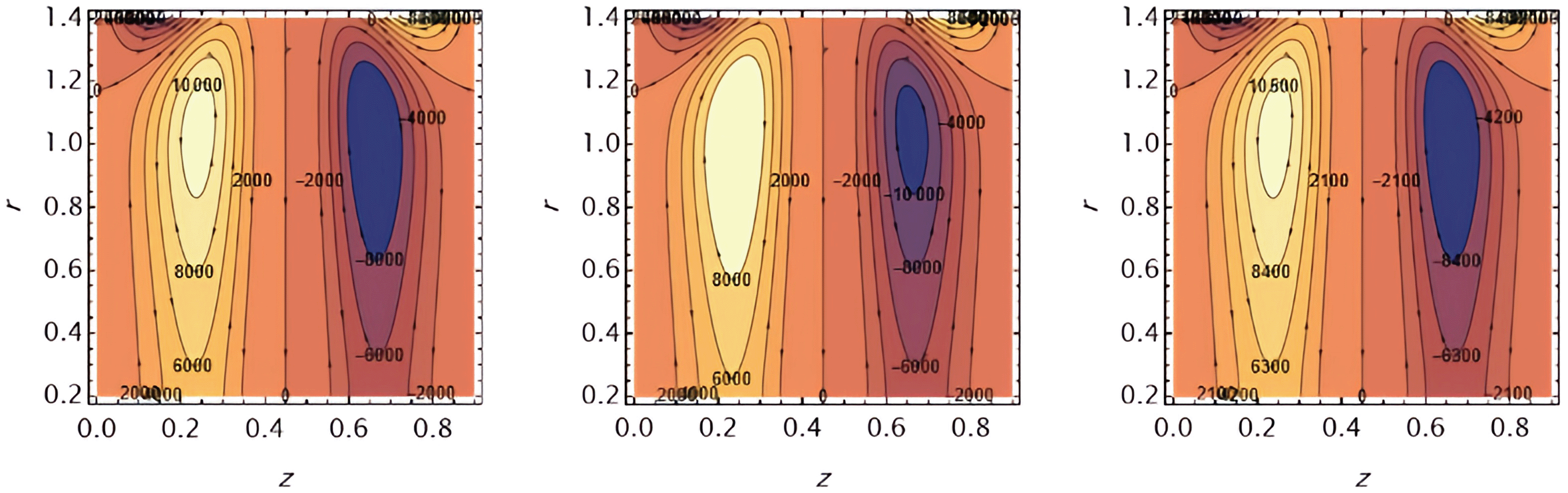
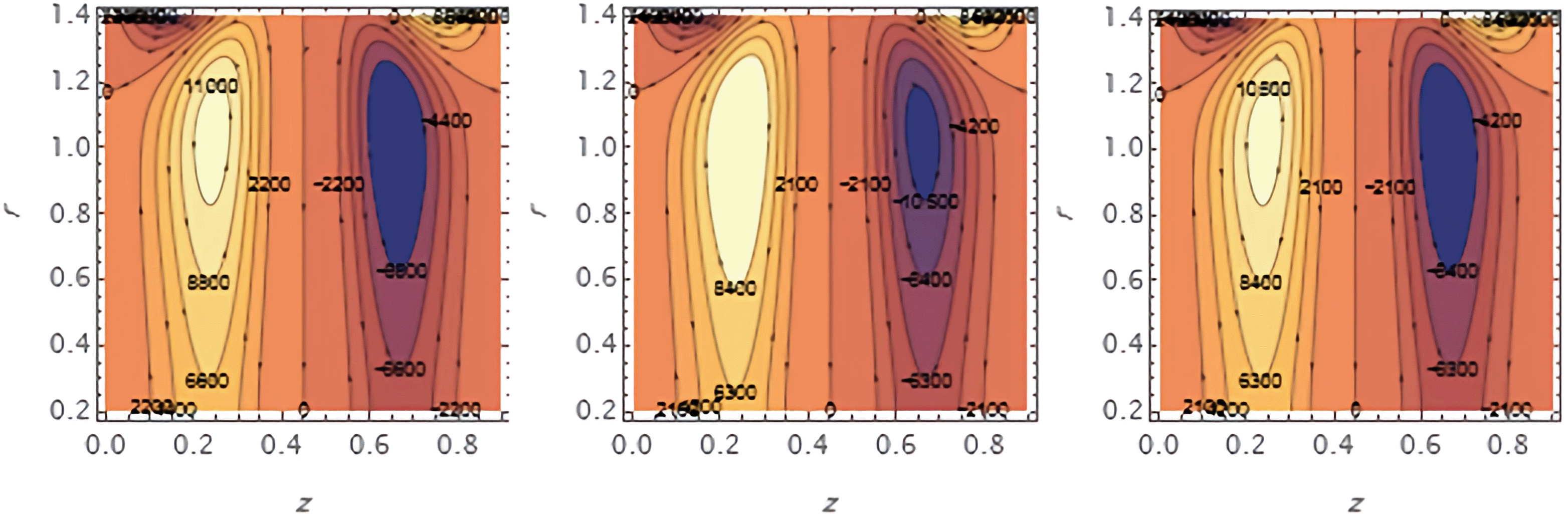
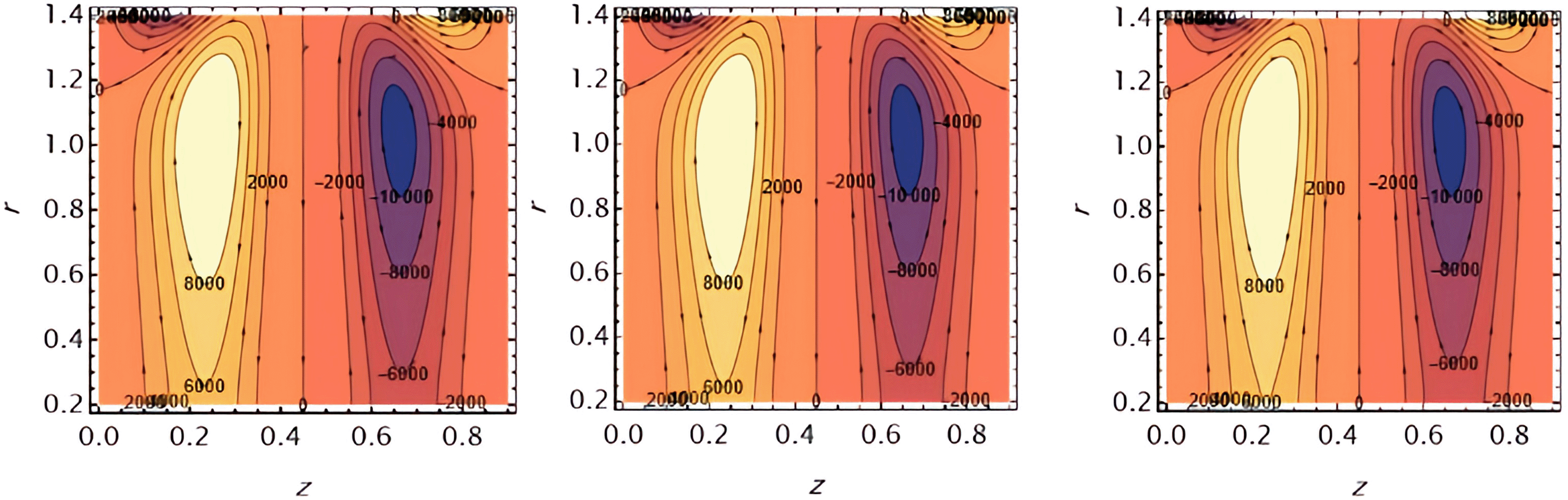
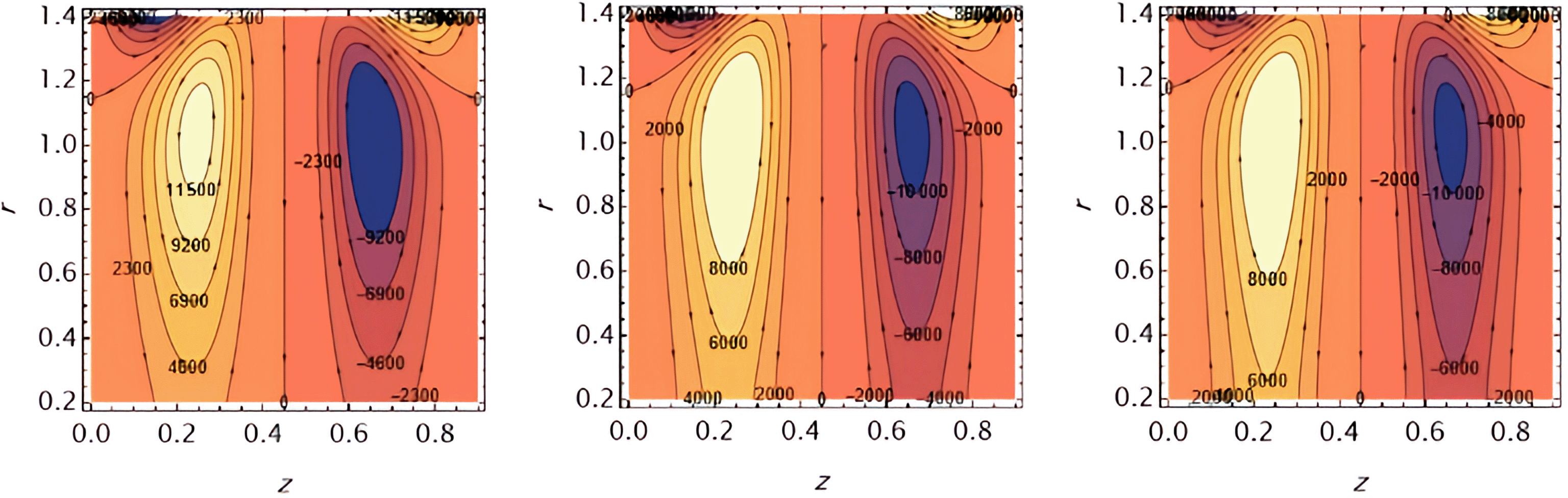
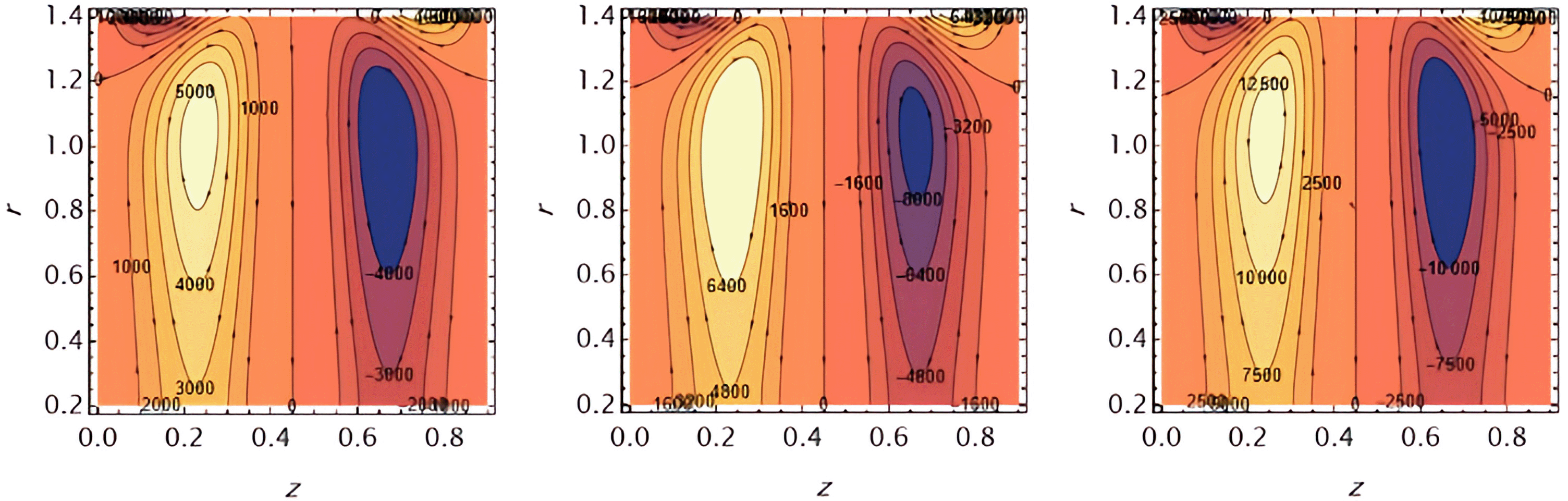
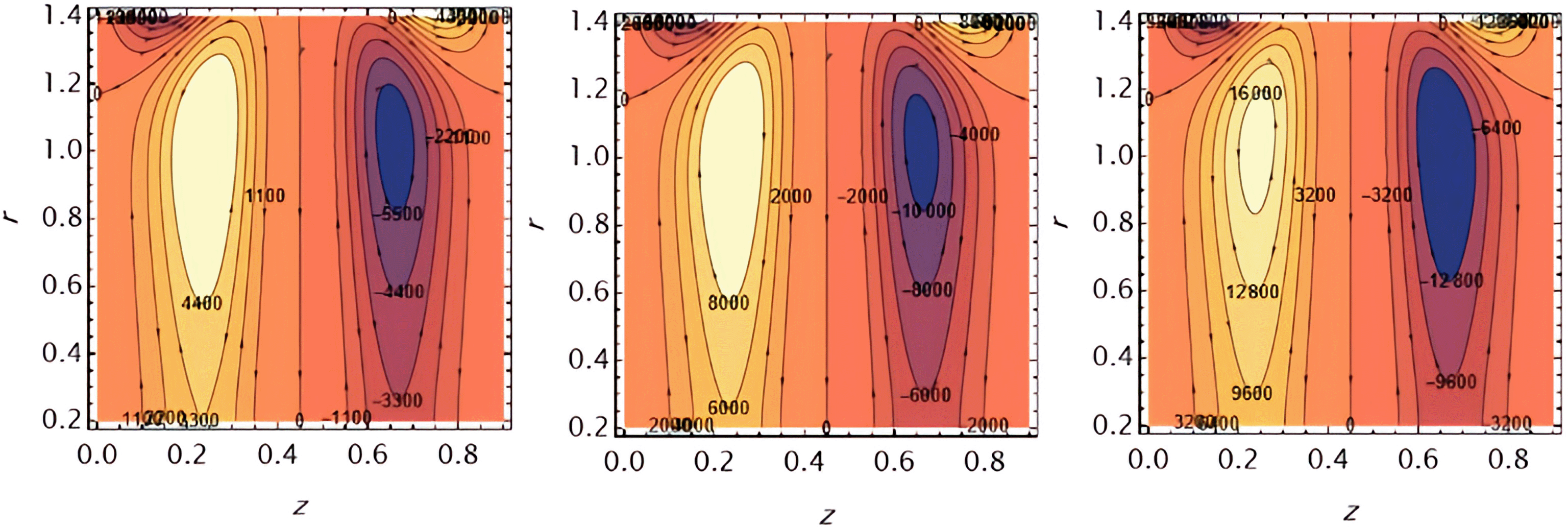
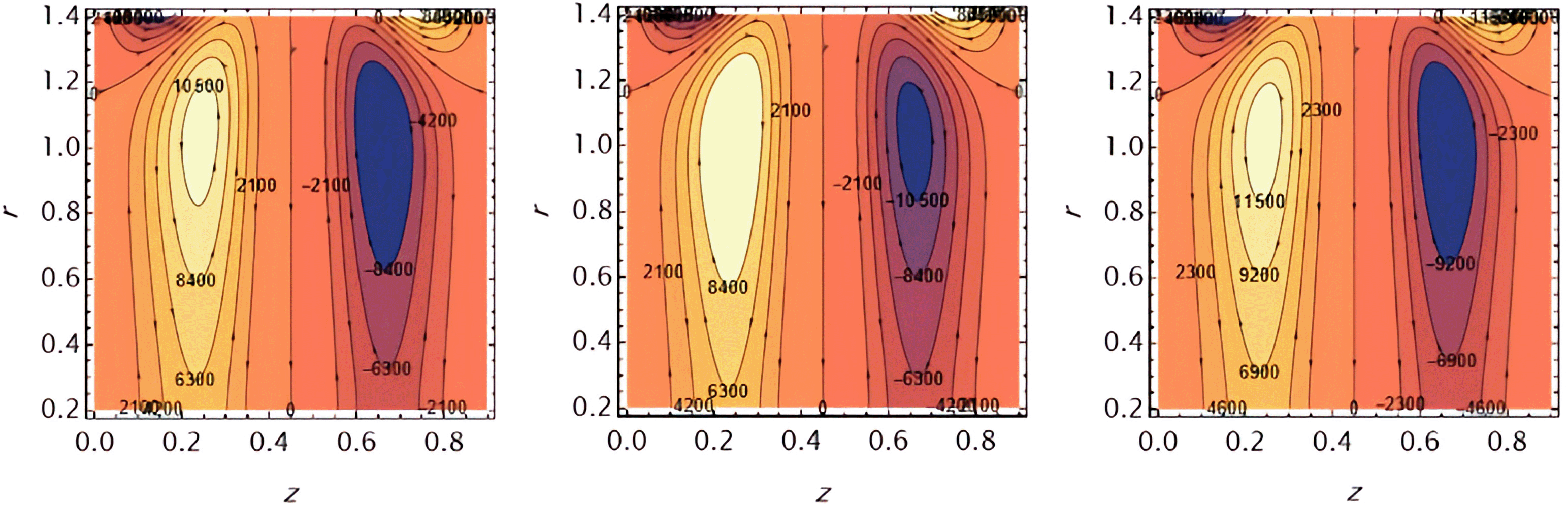
Here we will go over the main points that affect the flow of an incompressible Carreau fluid via a flexible endoscopic hollow tube. Utilizing the perturbation method in conjunction with the MATHEMATICA-14 program, we ascertained the velocity function. We visually examined all the results that came from changing different relevant settings. The key points may be summarized as follows:
1- There is a positive correlation between the growth of , while decreases the velocity is due to the increase in parameter , and .
2- The trapped bolus expands with an increase the trapped bolus shrinks increasing the values of
3- The following parameters , , , , , , , have no effect on the stream function.
| Views | Downloads | |
|---|---|---|
| F1000Research | - | - |
|
PubMed Central
Data from PMC are received and updated monthly.
|
- | - |
Provide sufficient details of any financial or non-financial competing interests to enable users to assess whether your comments might lead a reasonable person to question your impartiality. Consider the following examples, but note that this is not an exhaustive list:
Sign up for content alerts and receive a weekly or monthly email with all newly published articles
Already registered? Sign in
The email address should be the one you originally registered with F1000.
You registered with F1000 via Google, so we cannot reset your password.
To sign in, please click here.
If you still need help with your Google account password, please click here.
You registered with F1000 via Facebook, so we cannot reset your password.
To sign in, please click here.
If you still need help with your Facebook account password, please click here.
If your email address is registered with us, we will email you instructions to reset your password.
If you think you should have received this email but it has not arrived, please check your spam filters and/or contact for further assistance.

Comments on this article Comments (0)