Keywords
CFDST beams, pure torsion, Fire exposure, Residual stiffness, post-fire performance, torsional rigidity ratio, Composite action, ISO-834 fire curve

This article is included in the Fallujah Multidisciplinary Science and Innovation gateway.
CFDST beams, pure torsion, Fire exposure, Residual stiffness, post-fire performance, torsional rigidity ratio, Composite action, ISO-834 fire curve
• Six square CFDST beam specimens tested under pure torsion before and after fire.
• Wall thickness varied from 1.3 mm to 2.6 mm to assess stiffness and strength evolution.
• Fire exposure (90 min ISO-834) caused only moderate degradation (≤17%).
• Residual stiffness ratios ranged between 0.66–0.92 with strong linear correlation to thickness.
• Local buckling and gradual torsional softening governed failure, not bond loss.
• Empirical model developed: Tη = 0.43 + 0.18(t) (R2 = 0.988).
T | Applied torque during pure torsion test kN·m |
Tp (max) | Maximum recorded torque. [Maximum torsional capacity] (at θ = 55°) kN·m |
θ | Angle of twist (rotation) degrees (°) or radians (rad) |
GJ | Torsional rigidity (product of shear modulus and polar moment of inertia) (Elastic Torsional Stiffness) kN·m/rad |
(GJ)amb | Torsional rigidity under ambient (unheated) condition kN·m/rad |
(GJ)res | Residual torsional rigidity after fire exposure kN·m/rad |
Tη | Residual torsional stiffness ratio = (GJ)res/(GJ)amb — |
Gs | Shear modulus of steel MPa |
Gc | Shear modulus of concrete MPa |
Js | Polar moment of inertia of steel section mm4 |
Jc | Polar moment of inertia of concrete core mm4 |
Cη | Temperature-dependent reduction factor for concrete contribution [Concrete reduction factor] |
Sη | Steel reduction factor |
fy | Yield strength of steel MPa |
f′c | Compressive strength of concrete MPa |
t | Outer steel tube wall thickness mm |
ti | Inner steel tube wall thickness mm |
ρ RHS | Ratio of inner hollow section to outer cross-section area — |
L | Total specimen length mm |
Lclear | Clear span between supports (effective torsional length) mm |
ΔT | Fire-induced temperature rise °C |
ISO−834 | Standard time–temperature fire curve reference — |
Composite steel–concrete members have been recognized for a long time as reliable structural systems. They offer a good balance between strength, stiffness, and ductility, while also resisting fire fairly well. By using steel for its tensile strength and concrete for its compressive strength and heat resistance, these members perform well under both mechanical and fire loads.
Concrete-filled double-skin steel tubes (CFDST) offer improvements over conventional CFST members. Placing concrete between two steel tubes increases stability and maintains integrity under both mechanical and thermal loads. The steel walls help distribute stresses more evenly and the hollow core reduces weight without significantly lowering stiffness.1–3
Many studies in the past two decades have examined the axial and bending behaviour of CFST and CFDST members. However, their response to torsion has received less attention. Torsion occurs in structures such as columns, curved beams, and bridge girders when loads are applied eccentrically or laterally, producing complex shear stresses that may cause local buckling in the steel and cracking in the concrete.4,5 Huang and others (2013) reported that the inner steel tube improves ductility and stability under torsion.6
Early studies by Beck and Kiyomiya (2003) and Han et al. (2007) investigated the torque rotation (T–θ) response of CFST members.7,8 The concrete core helps prevent local buckling and makes the beam more flexible after yielding.
Subsequent researches observed the behaviour at torsion together with axial compression, including repeated loading: Lee et al. 2009; Nie, Wang and Fan 2012, 2013.9–11 They found that moderate axial loads improve the torsional strength, while heavy loads cause stiffness to drop faster. The shape of the section also counts - circular sections give smoother torque rotation curves, while square or rectangular sections are stiffer at first but more prone to local bending: Wang et al. 2013; Xin et al. 2018.12,13
CFDST members further enhance torsional performance. The internal tube offers support to the concrete core and develops a better load transfer. Experiments conducted by Huang, Han and Zhao, 2013; Wang, Lu and Zhou, 2018 show that torsional strength and rigidity increase with thicker walls, and decrease with thinner walls.4,6 There have been many findings indicating that adding stiffeners can raise torsional strength up to 40% as noted by Mutlaq and Lateef, 2024, the stiffeners’ arrangement can be critical.14 Numerical studies concluded that the shape of the cross-section remarkably influences torsional rigidity. As Li, Han and Hou, 2018; Wang et al., 2019 noted15,16:
CFST and CFDST member fire performance was studied. It is known that above 400°C, steel loses strength and stiffness, and concrete may crack or disintegrate.
CFDST members usually perform better in fire because the outer steel tube protects the inner tube and concrete core.2,17,18 Zuki et al. (2015) reported that CFDST columns exposed to 600°C for 90 minutes kept about 92% of their original load.19 Yao et al. (2016) reported that the inner steel tube helps retain stiffness after fire.20 Romero et al. (2015) observed that thicker inner tubes delay heat penetration and spread it more evenly.3 Using fibre-reinforced self-compacting concrete also limits spalling and keeps the section intact.2 Fire performance of these members is influenced by their cross-section, the materials used, and the type of support provided.
Recent developments suggest using lightweight inner tubes made of UPVC or stainless steel,21,22 which retain similar after fire strength while reducing cost and weight. Although torsional and fire behaviour have been studied apart, no comprehensive experimental program has yet examined torsion before and after fire exposure or quantified the combined effect on shear modulus (G) and torsional rigidity (GJ).
This study investigates the torsional behaviour of square CFDST beams both at room temperature and post-fire exposure. The focus was on the effect of outer steel tube thickness. Six beams were tested (three at ambient conditions and three after 90 minutes of fire according to ISO 834). After measuring torque and rotation, torsional stiffness has been estimated and remained after heating, and also derived reduction factors for steel and concrete that depend on temperature. These results offer a practical way to link thermal effects to the loss of torsional stiffness.
To accomplish the aim of the study, listed objective can be as follows:
• To measure the torque-rotation response of square CFDST beams before and after fire.
• To study how the outer tube thickness affects torsional strength, stiffness, and ductility.
• To determine post-fire reduction factors for use in design and analytical models.
The study offers experimental data on how section shape and fire affect the torsional behaviour of CFDST beams, helping to better understand composite members under extreme conditions.
The torsional behaviour of square CFDST beams was studied through experiments at both room temperature and after fire exposure. Six beams were made and tested using a custom torsion setup. First group was tested at room temperature, while the other was exposed to fire for one and a half hours, according to ISO 834 standard curve and then allowed to cool naturally. This arrangement allowed a direct comparison of beam behaviour before and after fire.
Three outer steel tube thicknesses 1.3 mm, 1.7 mm, and 2.6 mm were considered, whereas all other parameters such as beam length, inner tube dimensions, and concrete mix remained constant. This allowed the effect of outer tube thickness on torsional performance to be clearly observed.
All CFDST beams had a total length of 2000 mm, with an effective torsional span of 1500 mm between the fixed and movable supports. Each specimen had a square outer section of 100 × 100 mm, while the inner steel tube was also square with a 50 × 50 mm cross-section and a wall thickness of 1.2 mm. The inner tube was centrally aligned along the beam axis, leaving 250 mm at each end unheated to facilitate clamping inside the test supports.
The hollow-section ratio (HSR), defined as the ratio of the inner-to-outer width (50/96 ≈ 0.52), was kept constant across all beams. The six specimens were therefore identical except for the outer tube wall thickness, which was the main variable. The specimen identification system and matrix are summarized in Table 1.
Both the outer and inner steel tubes were fabricated from structural steel with tensile coupon tests yielded an average yield strength (fy) ranging from 380 MPa to 403 MPa, depending on tube thickness. The elastic modulus was E = 200 GPa, and the corresponding shear modulus was Gs = 77 GPa.
The concrete infill was designed as normal-strength concrete. The adopted mix proportions per cubic meter were based on the mix design proposed by Rajab et al. (2023) for normal-strength concrete, as shown below23:
Cylinder tests (150 × 300 mm) after 28 days produced an average compressive strength of 24.3 MPa and a density of 2370 kg/m3. All specimens were cast vertical, vibrated to remove entrapped air, and cured under wet burlap for 28–30 days before testing.
Steel tubes were precision-cut to the required lengths, and the ends were sealed with welded steel plates to ensure complete confinement of the concrete core. The inner tube was kept concentric using steel spacers along its length to maintain a uniform concrete annulus. After casting, the concrete was compacted, leveled, and cured under moist conditions for 28 days. Following curing, the ends of each beam were cleaned and prepared for mechanical clamping in the torsion test rig. Photographic documentation of the fabrication stages and casting concrete is shown in Figures 1–3.
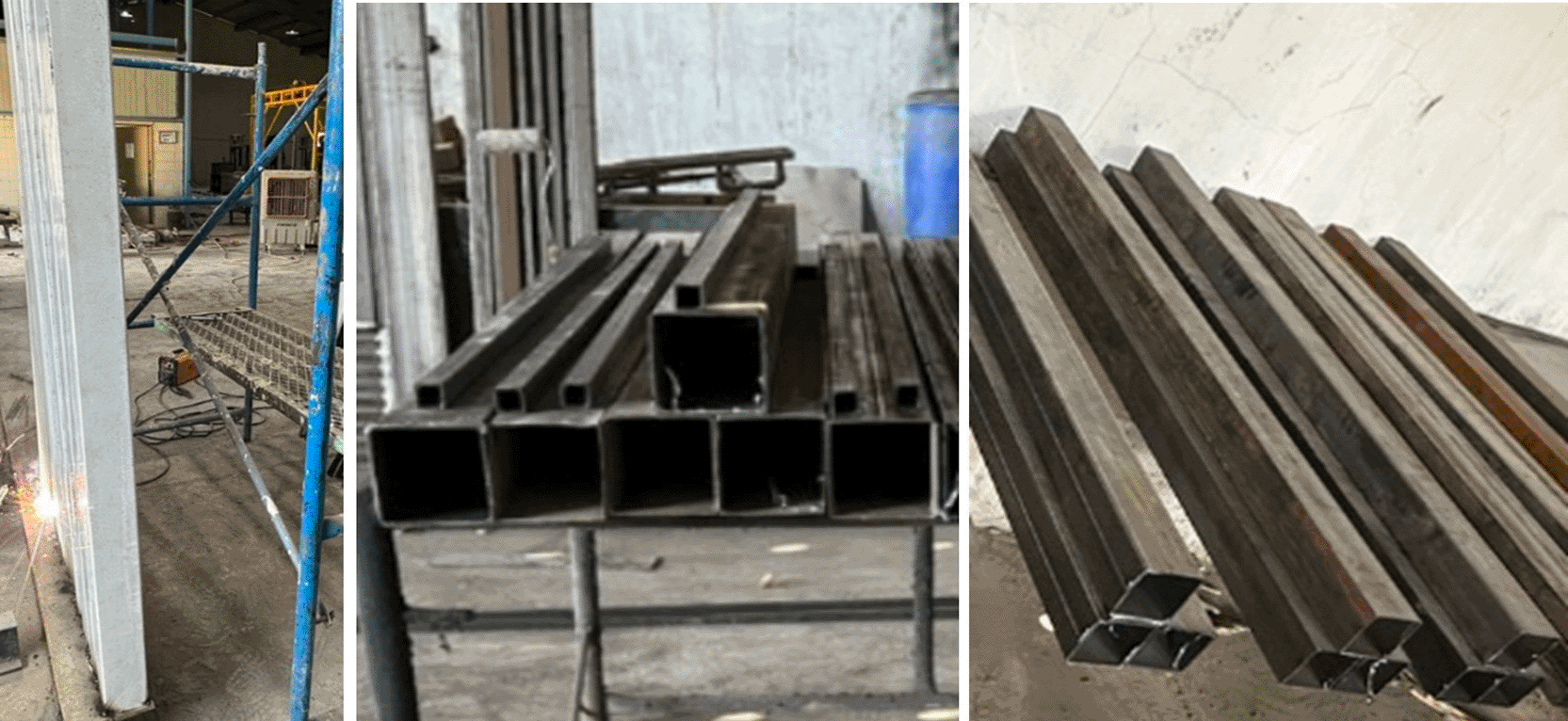
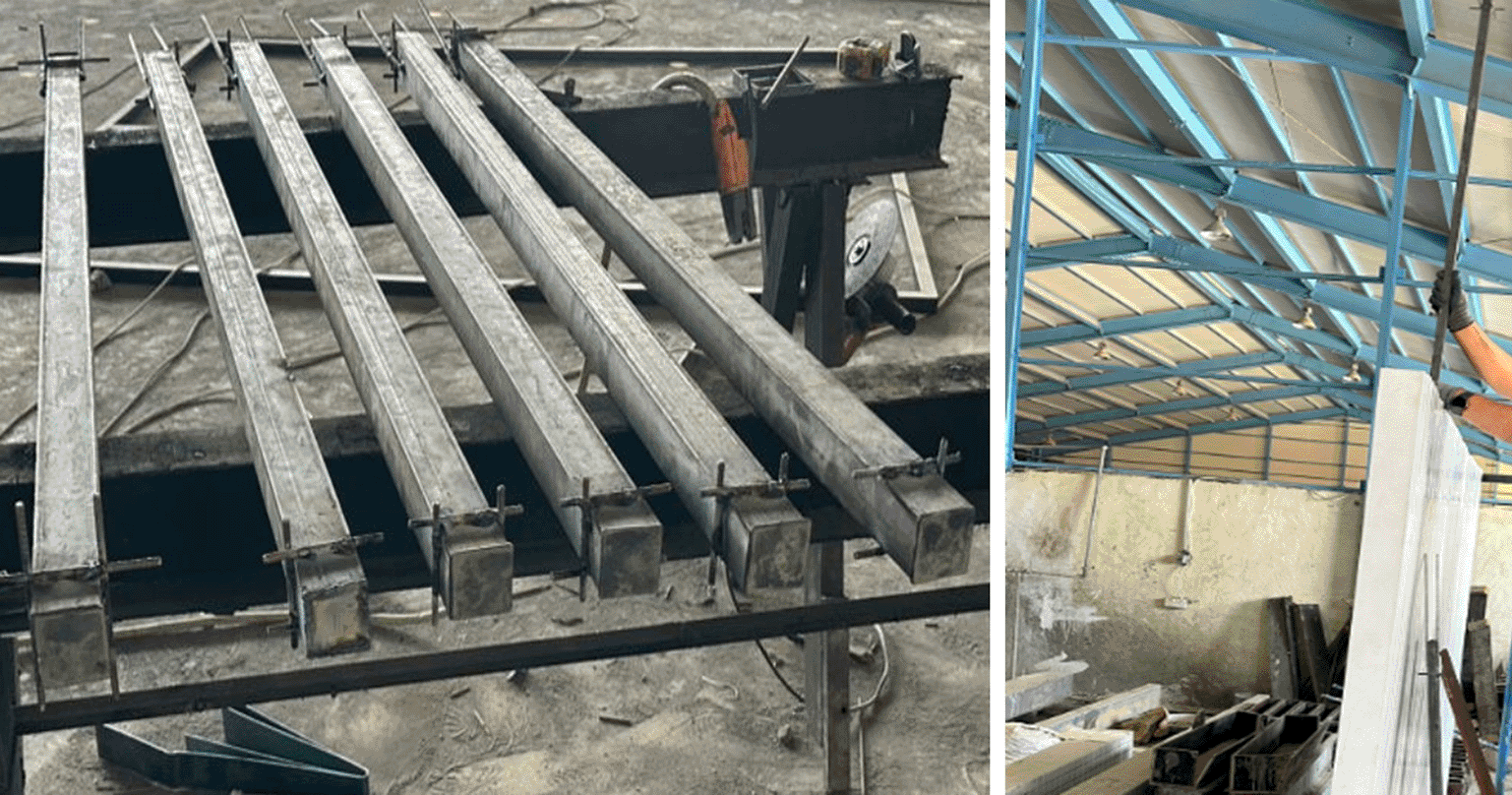
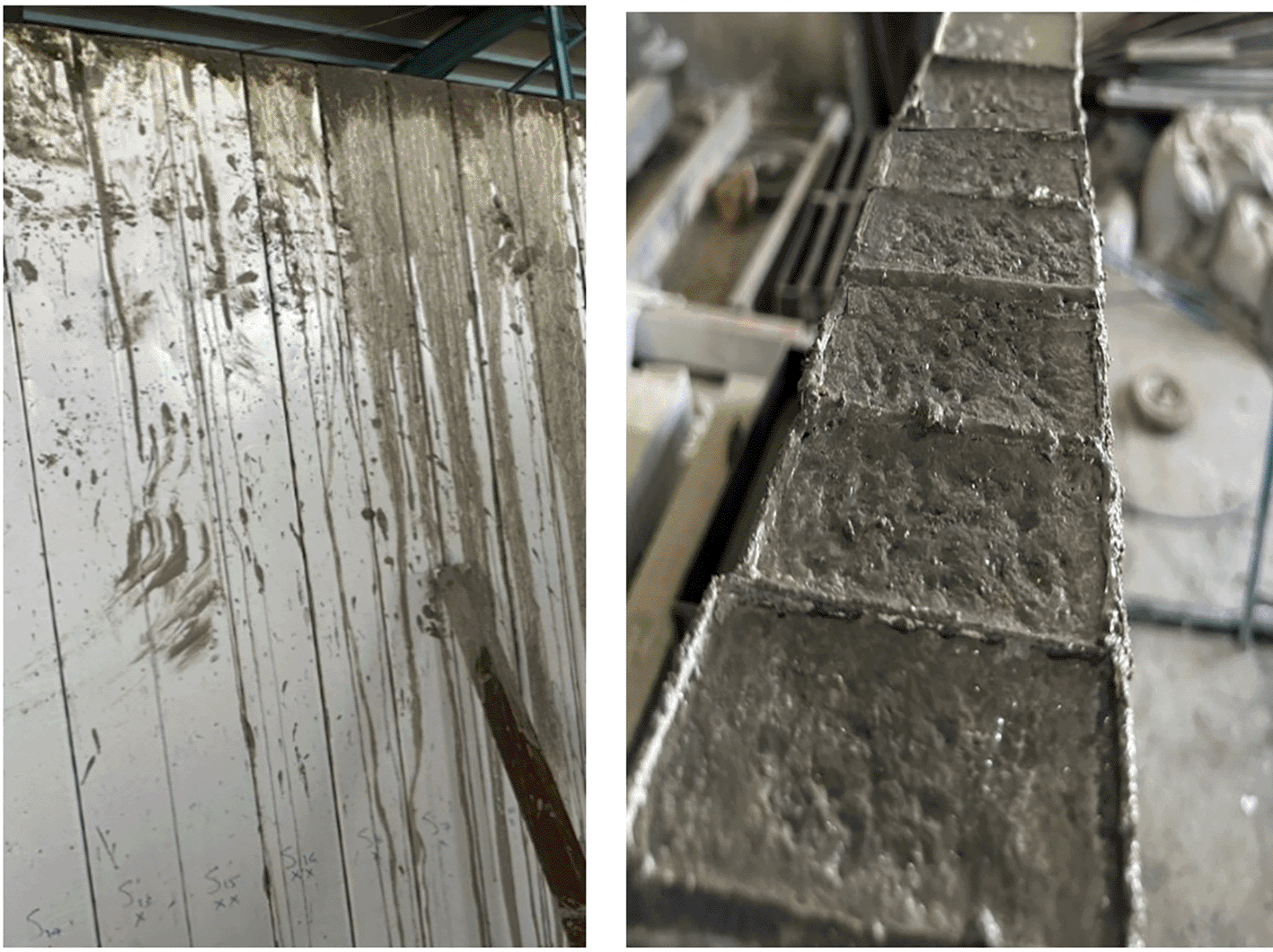
Three specimens (T1.3-F, T1.7-F, and T2.6-F) were subjected to control heating in a custom-built gas-fired furnace developed in the Structural Laboratory-College of Engineering-University of Anbar. The furnace provided a 1500 mm heated zone, leaving 250 mm at each end unheated to simulate realistic support conditions and prevent thermal effects at the grips.
The temperature regime followed the ISO 834 standard fire curve, with a 90-minute exposure duration. A handheld infrared thermometer (0–1200°C range) was used to record temperatures at multiple points on the outer and inner surfaces throughout heating.
At the end of exposure, the average peak temperatures were approximately:
• Outer surface: 607°C
• Inner steel surface (adjacent to concrete): 470°C
• Support zones (unheated ends): ≤187°C
After 90 minutes, the furnace was turned off, and the specimens were left to cool naturally to room temperature to avoid thermal shock. Surface oxidation and discoloration confirmed that the temperature was evenly spread out along the heated zone.
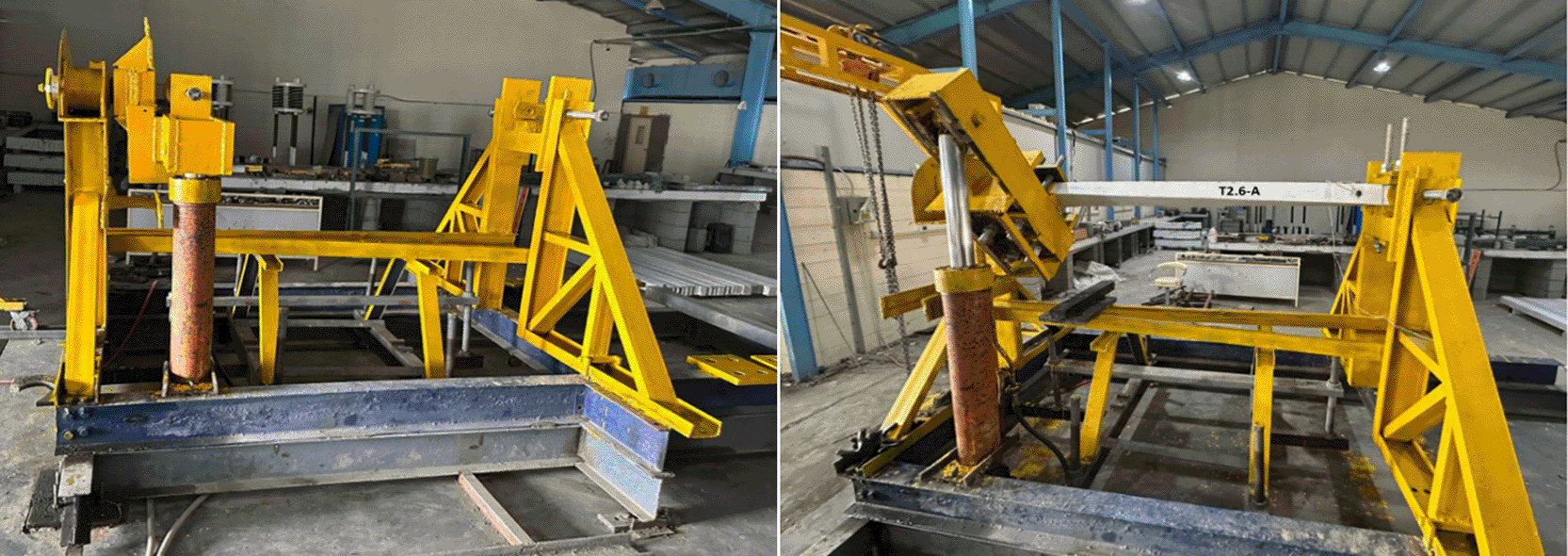
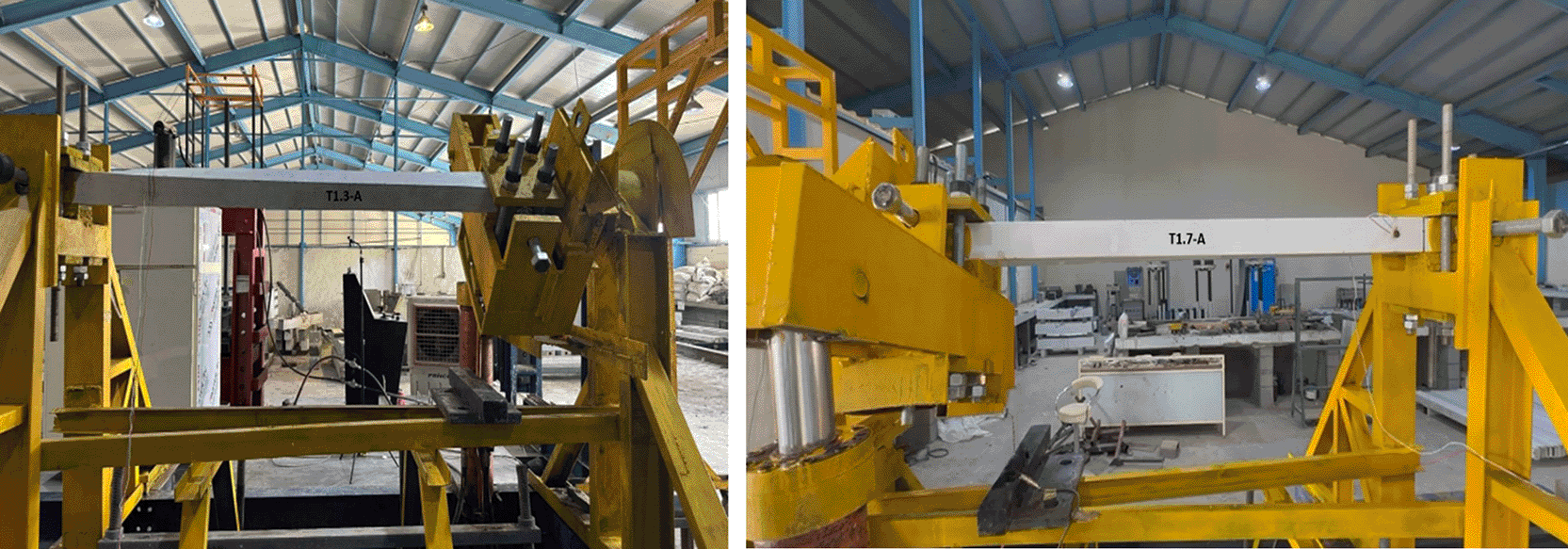
The torsional behaviour of all beam specimens was examined using a custom-built steel frame. Each end support, 250 mm wide, was firmly anchored to the laboratory floor. One end of each beam was fixed, and the other was attached to a movable fixture for controlled rotation. Steel jaws with bolts firmly held each beam, embedding 250 mm of its ends into the supports to stop any slipping. A steel lever arm connected to a hydraulic jack applied the torsional load evenly, and the setup was checked to avoid any unwanted bending or axial forces, keeping the torsion nearly pure.
Torque was measured using a calibrated load cell, and the data were recorded with the TML data acquisition system from Japan. A calibrated load cell connected to the TML data acquisition system from Japan was used to measure the applied torque. The twist of each beam was measured using a custom circular protractor attached to the rotating end, covering 0-180 deg. and accurate to about 0.5 deg. Torque rotation (T–θ) data were recorded continuously until a rotation of 55 deg. (≈ 0.96 rad) was reached. All beams behaved steadily, with torque increasing smoothly throughout the tests.
The tests were conducted by gradually increasing the applied torque until the target rotation of 55° was achieved. Two distinct testing groups were established:
• Group A (Ambient): T1.3-A, T1.7-A, and T2.6-A — used to find the baseline torsional properties at room temperature.
• Group B (Post-Fire): T1.3-F, T1.7-F, and T2.6-F—these were used to see how strong and stiff the material was after being in an ISO 834 standard fire for 90 minutes.
Figure 4 shows the testing frame and the loading system used for torsion, while Figure 5 presents the gas furnace that was used for the fire exposure stage.
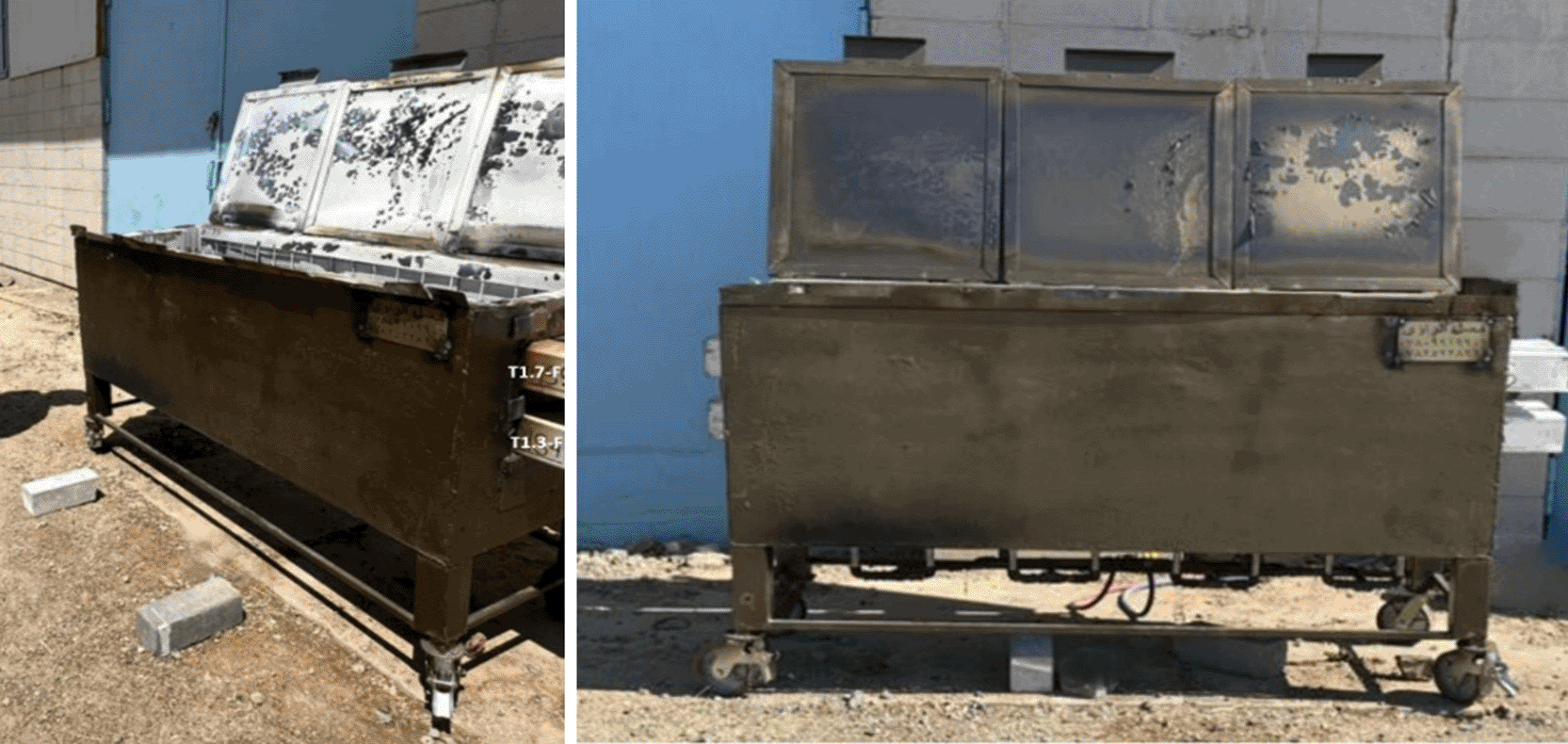
At the beginning of loading, all of the samples showed a linear response. As the rotation increased, the stiffness slowly decreased. Localized outward buckling appeared along the flat surfaces of the outer steel tube, especially from fixed support to midspan. The concrete annulus also made faint cracking sounds. There was no sudden or brittle failure in any of the samples. Instead, deformation continued steadily until the full rotation limit of 55° (≈ 0.96 rad) was reached. This consistent ductile response highlights the strong composite interaction and torsional resilience of the CFDST configuration, even after exposure to elevated temperatures.
This section explains the analytical methods used to understand the experimental torque-rotation data and find the torsional stiffness and post-fire degradation parameters of the six CFDST beam specimens. The analysis was set up so that the conditions before and after the fire were the same, could be repeated, and could be compared directly.
The twist angle was converted from degrees to radians using the standard formula:
This ensured that all torsional stiffness values were expressed in SI units. Torque rotation (T-θ) curves were plotted for each specimen, and the initial linear portion typically the first 0 to 25% of the maximum torque (Tmax) was used to represent the elastic torsional behaviour. Using this range gives a more accurate estimate of elastic torsional rigidity by reducing the effects of local yielding, geometric imperfections, and initial nonlinearity.
The torsional rigidity (GJ) of each specimen was calculated from the slope of the linear portion of its torque rotation curve using:
The residual torsional stiffness ratio (Tη) was used to quantify the loss of stiffness associated with temperature increase. This is what it means:
The stiffness is still there if the Tη ratio is 1.0. The lower the number, the more the fire has damaged the material. This parameter is a standard way to put samples with different wall thicknesses and thermal histories next to each other and compare them. For the present specimens, Tη ranged between 0.66 and 0.92, indicating that the members retained approximately 66–92% of their original torsional stiffness following 90 minutes of ISO 834 standard fire exposure.
The total torsional rigidity of a CFDST member can be conceptually decomposed into the combined contributions of its steel and concrete components:
After fire exposure, each constituent undergoes temperature-dependent degradation, and the residual rigidity may be expressed as:
Where: G s J s = pre-fire rigidity contribution of steel (outer + inner tubes), G c J c = pre-fire rigidity contribution of concrete, Sη = steel reduction factor, Cη = concrete reduction factor.
Although earlier studies qualitatively emphasized the dominant role of steel confinement in composite torsional stiffness,1,19,24 no universal proportion has been experimentally validated due to the strong dependence on geometry, material properties, and boundary conditions.
Consequently, this study posits that GsJs and GcJc ought to be regarded as independent variables amenable to experimental measurement or numerical calibration in forthcoming analytical models, rather than presuming a fixed ratio between steel and concrete contributions. This approach facilitates the creation of a generalized component-based formulation for the torsional behavior of CFDST, suitable for a wider range of configurations and thermal exposures.
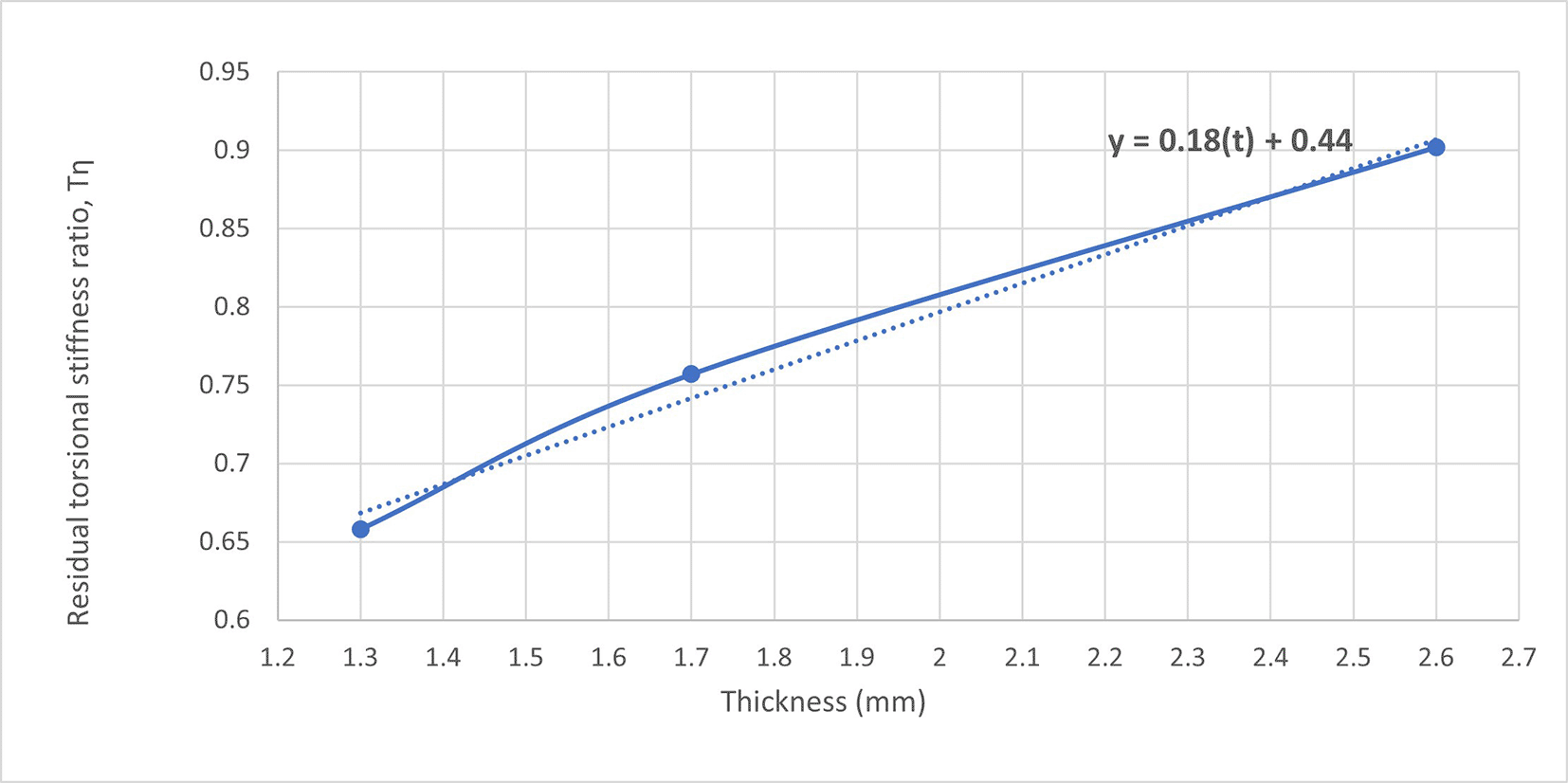
A linear regression analysis was performed to establish a correlation between the experimentally derived residual torsional stiffness ratio (Tη) and the outer steel tube thickness (t). Based on the results of the six tests, the following empirical correlation was made:
Where (t) thickness of outer tube and the coefficient of determination (R2 = 0.988).
This equation fits the measured data very well for the current experimental program. It also makes it easy to guess how much square CFDST beams will keep their torsional stiffness after a fire, based on how thick the walls are. The proposed relationship applies only to the specific materials, dimensions, and fire conditions tested in this research. Equation (3–6) is not a universal design formula; it is an empirical relationship that only works in certain situations. It would be more useful if more tests were done with different types of steel, concrete strengths, or fire durations.
All six square CFDST beams exhibited stable and consistent torsional performance during testing. Each beam reached rotations of up to 55° (≈ 0.96 rad) without brittle failure, showing an overall ductile response. Beams lost stiffness gradually and started to bend in some areas along the flat faces of the outer steel tube.
Occasional cracking suggested minor crushing of the concrete annulus, which demonstrated that the steel and concrete still shared the load effectively in this case. After one and half hours of fire exposure according to ISO-834, the outer steel tubes showed only minor oxidation and surface discoloration; however, beams retained most of their original shape and alignment. Slight stiffness and maximum torque reductions were observed, while all the specimens reached the target rotation, showing that the CFDST configuration retains substantial strength and ductility after fire.
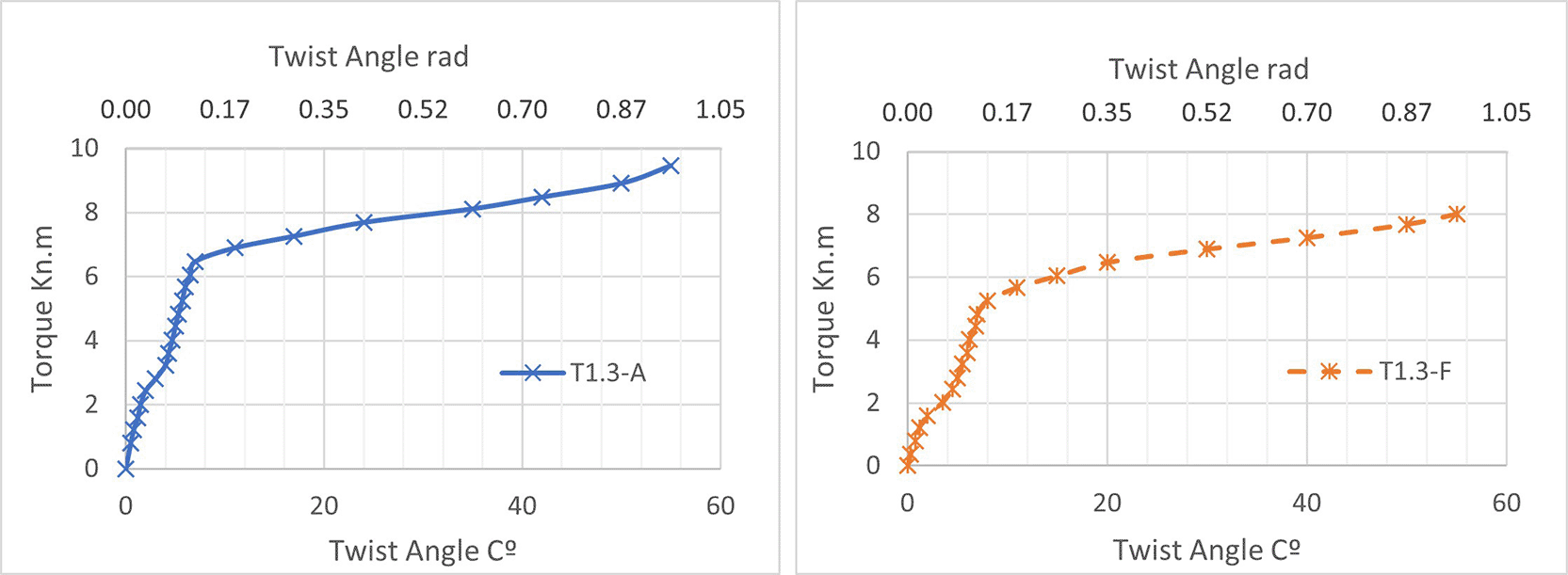
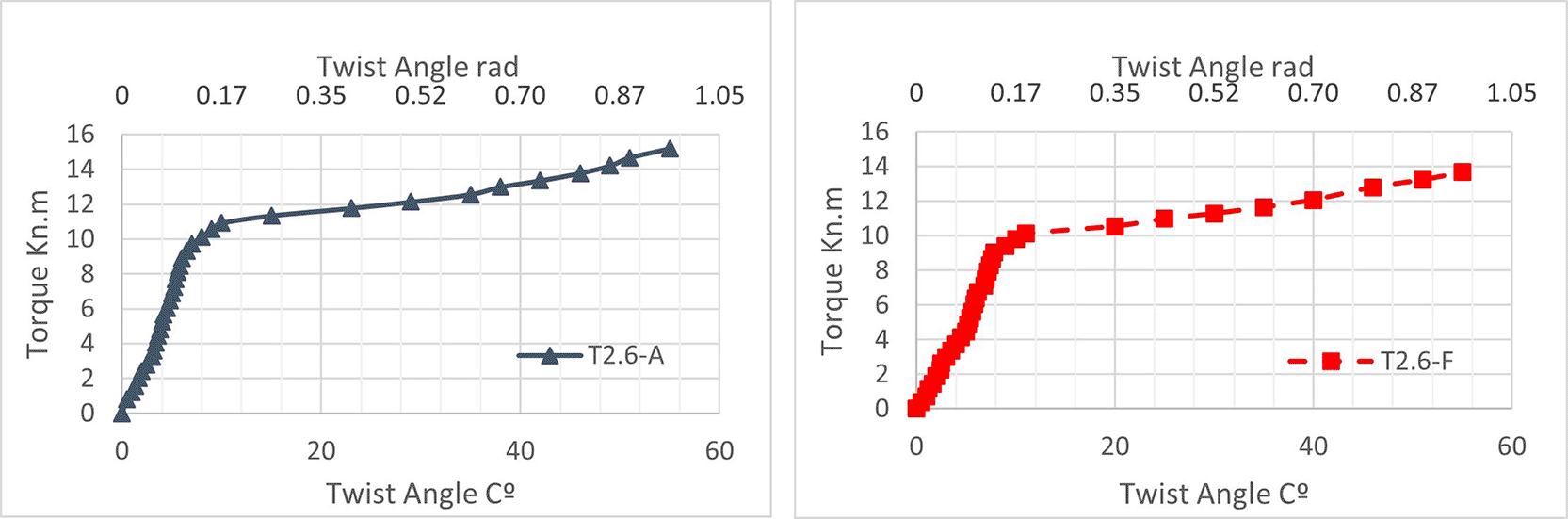
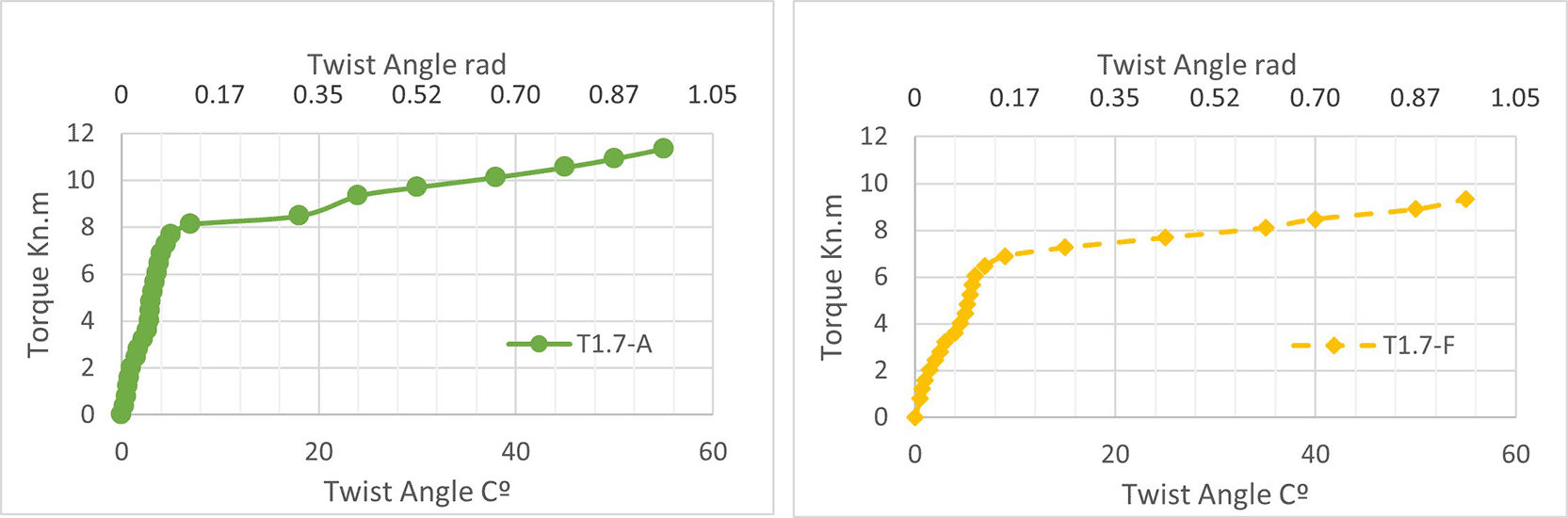
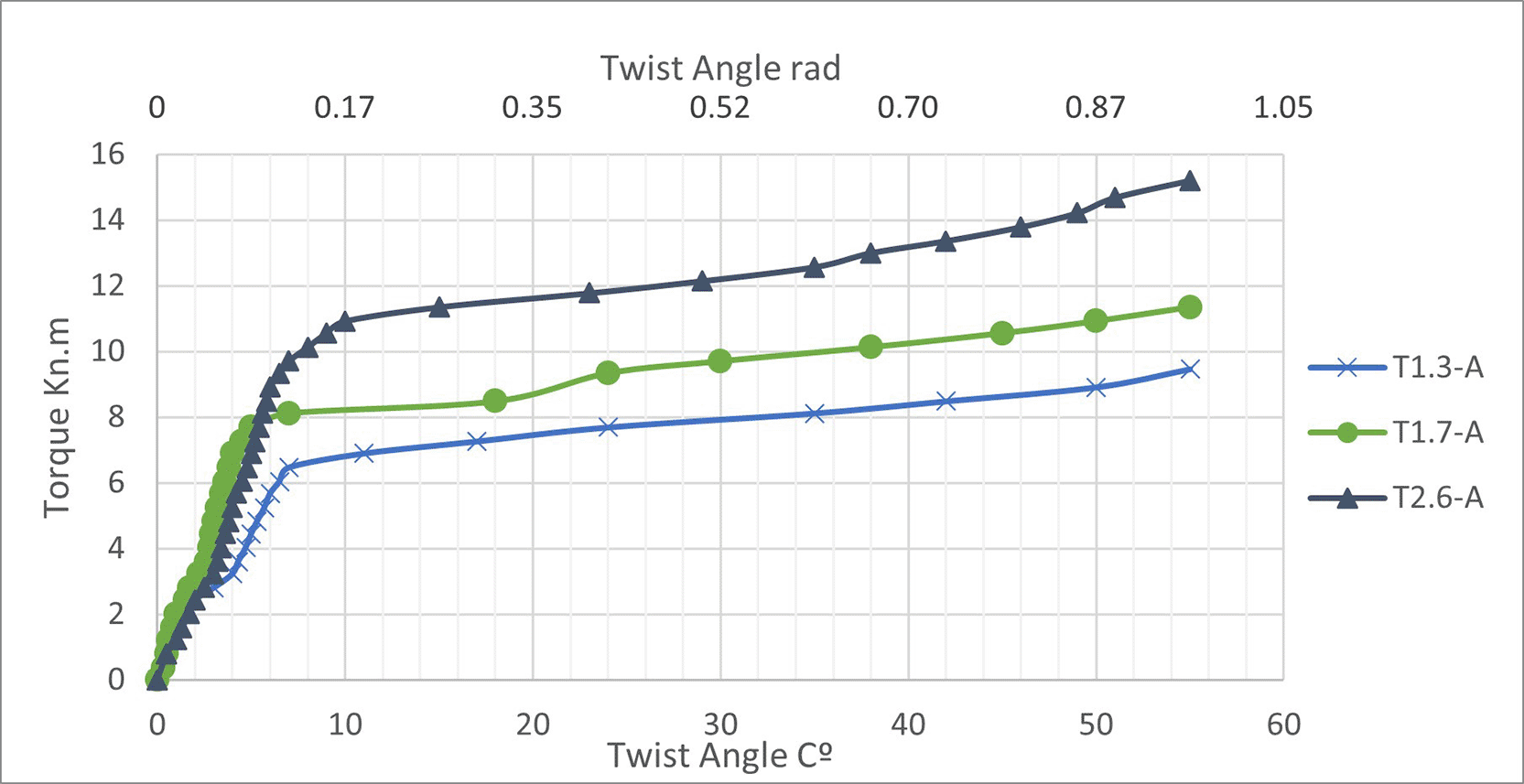
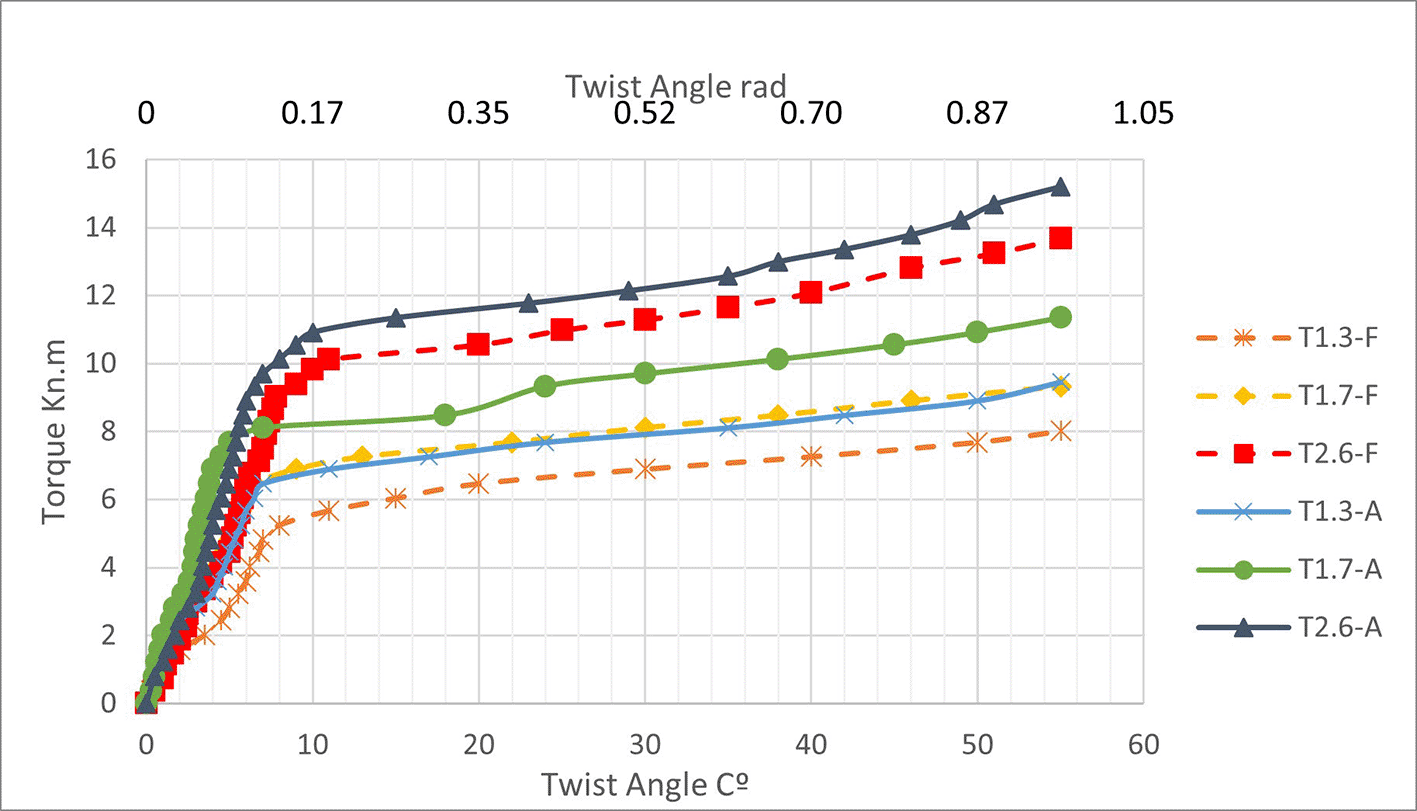
Figures 6 to 8 present the torque twisting (T-θ) curves for the six CFDST beam samples. Beams made with outer tube thicknesses of 1.3, 1.7, and 2.6 mm were tested before heating (A) and after fire exposure (F). All samples showed a typical initial elastic zone with a gradual reduction in stiffness, implying an elastic torsional behavior transition: after fire, the same trend happened, but peak torques decreased moderately:
Before fire:
After fire:
• T1.3-F: 8.013 kN·m (≈15% decrease)
• T1.7-F: 9.333 kN·m (≈18% decrease)
• T2.6-F: 13.679 kN·m (≈10% decrease)
These results indicate that fire caused some loss in stiffness and torque, but beams with thicker outer tubes kept a larger portion of their original capacity, highlighting the importance of tube thickness in improving torsional strength and reducing fire effects.
Table 4.1 shows the highest torque values Tp (max) measured at the last rotation angle of 55° (about 0.96 rad). Figures 9–11 compare the torque–rotation responses of the ambient and post-fire specimens for each wall thickness.
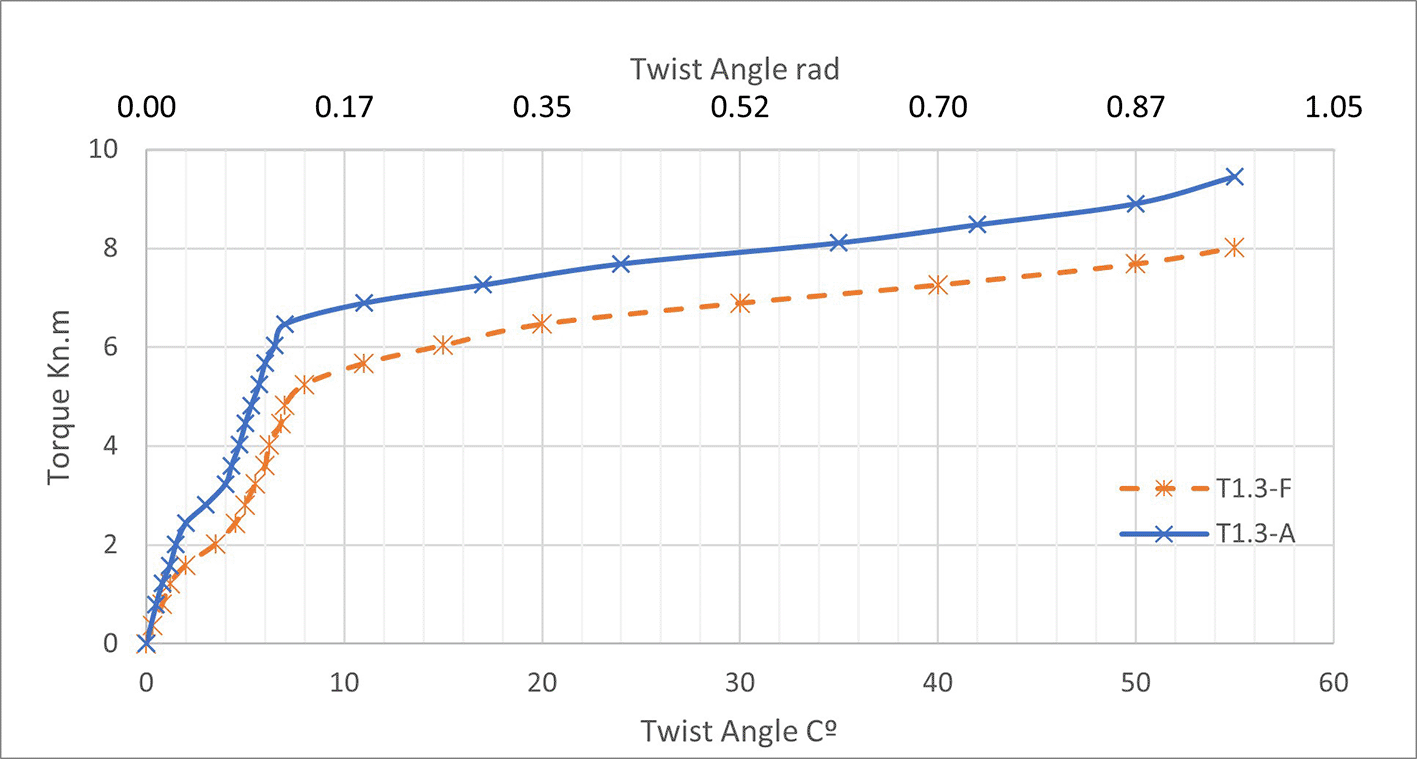
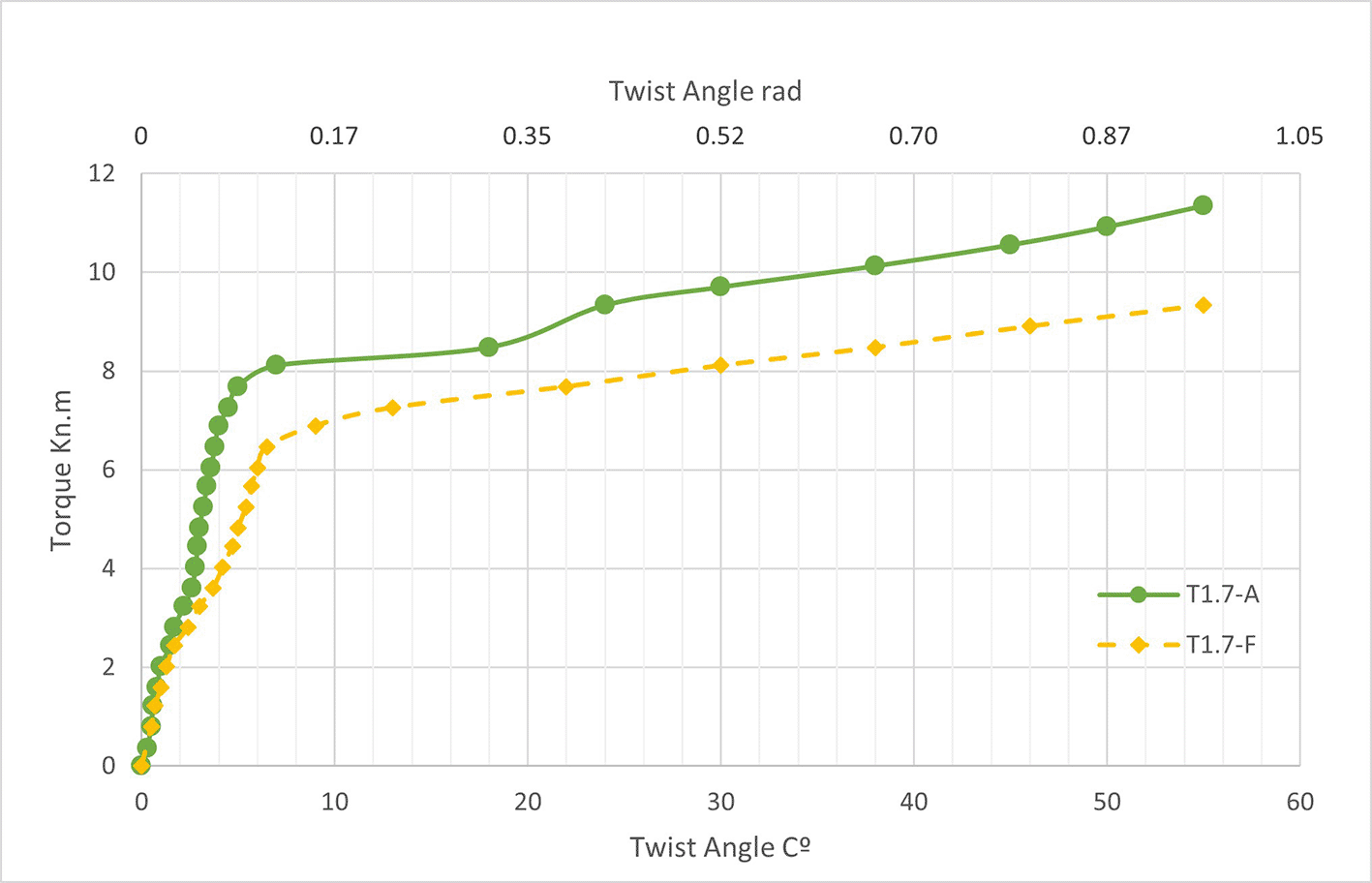
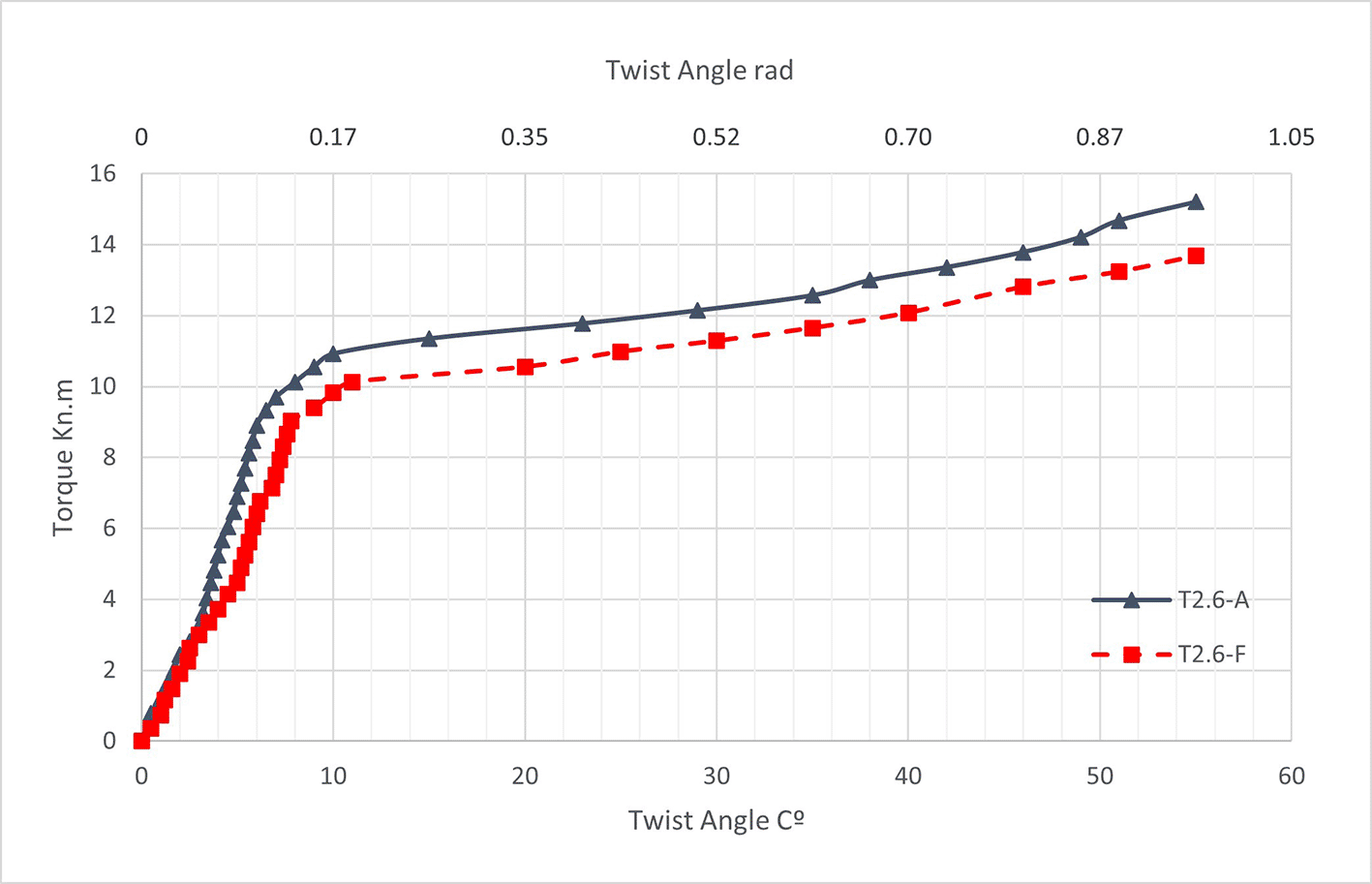
After 90 minutes of ISO-834 fire exposure, the beams lost some stiffness and torque strength, but they still twisted smoothly and carried the load without any sudden failure. The surface had some oxidation marks and small bends, but the steel and concrete still worked well together. After the fire, the residual torque capacities were between 82% and 90% of what they had been before:
The results show that thicker outer walls work better after fire. They slow down heat passing through, reduce temperature differences in the section, and delay local buckling. Thicker tubes improve torsional strength in normal conditions and also keep the section stiffer and better protected after fire.
These results demonstrate that the effect of fire damage diminishes as wall thickness increases.
Thicker tubes provide improved confinement and lower temperature penetration into the core concrete, as also observed by Han et al. (2013) and Zuki et al. (2015) in similar post-fire axial tests.1,19
Moreover, all post-fire specimens retained full ductility, showing that the concrete annulus and inner tube effectively preserve the composite torsional integrity even after heating to ≈600°C.
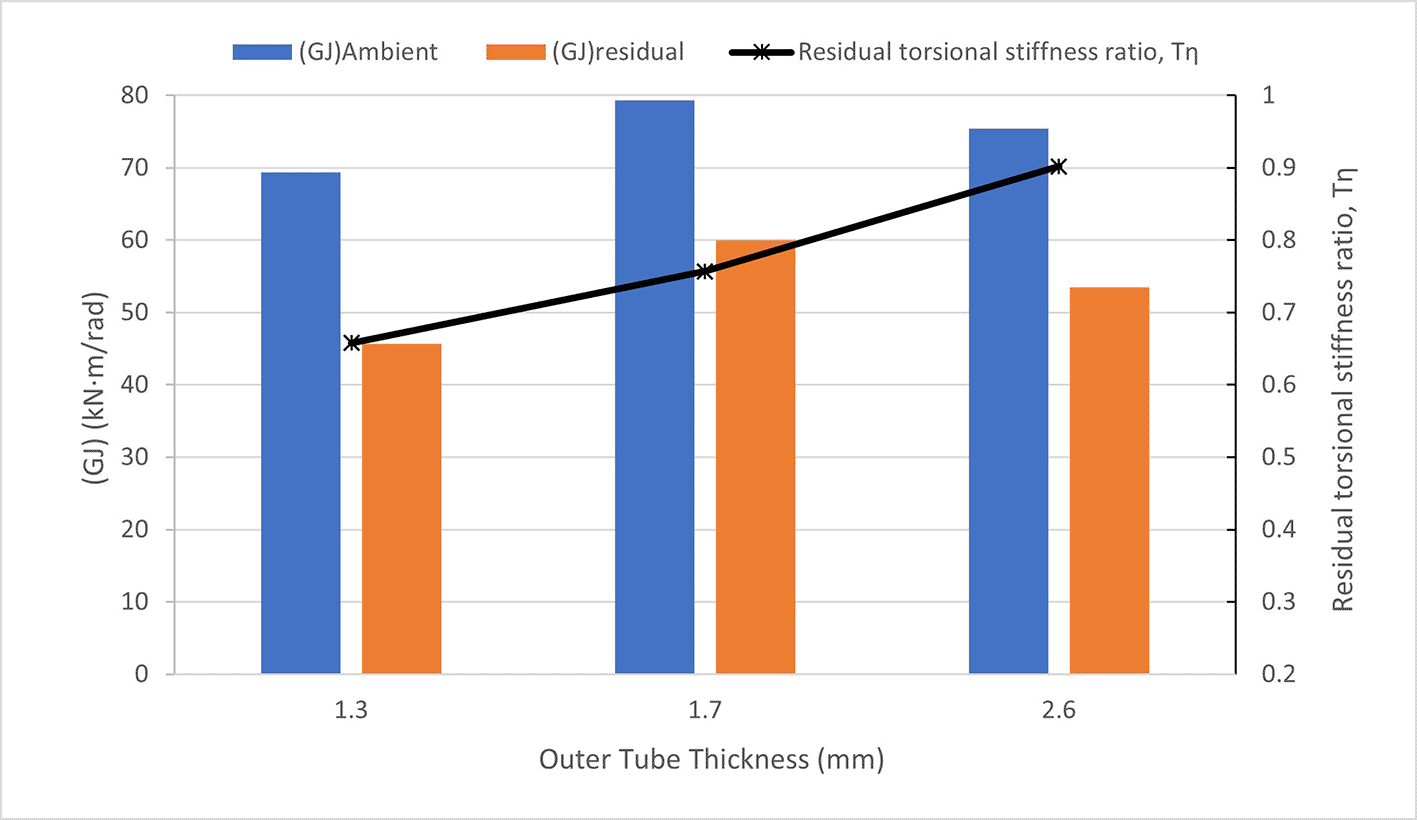
The torsional rigidity (GJ) of each specimen was determined from the slope of the linear elastic segment of the torque–rotation curve (0–25% of Tmax), according to (Eq.3-2): , where ΔT is the torque increment (kN·m) and Δθ is the corresponding twist in radians. Table 4.2 lists the GJ values obtained before and after fire exposure.
Test results showed a relationship between wall thickness and torsional stiffness before and after heating, samples with thicker outer tubes maintained their stiffness. This means that thicker steel walls help keep things in place and keep heat from moving around. This helps keep the torsional performance high after a fire. Wang et al. (2018) noted analogous behavior in CFDST columns evaluated under post-fire conditions.4 The torsional rigidity values shown here reflect the general stiffness of the specimens as measured from their torque–rotation curves. They are valid only for the materials, shapes, and test setup applied in this investigation.
Equation (Eq. 3-2) was employed to determine the residual stiffness ratio (Tη), which represents the reduction in torsional stiffness after heating. Tη = [(GJ) residual/ (GJ) ambient]. Table 4.3 shows a summary of the calculated values.
| Specimen | Thickness (mm) | (GJ)ambient (kN·m/rad) | (GJ)residual (kN·m/rad) | Stiffness Retention (%) | |
|---|---|---|---|---|---|
| T1.3 | 1.3 | 69.4 | 45.7 | 0.66 | 66 % |
| T1.7 | 1.7 | 66.4 | 52.9 | 0.80 | 80 % |
| T2.6 | 2.6 | 63.0 | 58.0 | 0.92 | 92 % |
The obtained ratios ranged between 0.66 and 0.92, which means that the tested specimens kept about 66–92% of their original torsional stiffness after being exposed to ISO-834 standard fire for 90 minutes. A nearly linear relationship was observed between Tη and the outer wall thickness (t), which can be expressed by the following empirical correlation:
This relationship implies that each 1 mm increase in wall thickness results in roughly an 18% enhancement in post-fire stiffness retention. Hence, this empirical model may provide a practical reference for preliminary design and post-fire assessment of CFDST members. However, this correlation should be regarded as case-specific, being valid only for the materials, geometries, and thermal exposure (ISO-834, 90 min) considered in the current experimental program.
Therefore, it is recommended to use this equation as a reference correlation rather than a universal design model. Figure 12, variation of torsional rigidity (GJ) with wall thickness before and after fire and Figure 13, Relationship between wall thickness (t) and residual stiffness ratio (Tη).
The thickness of the outer steel tube had a clear and consistent effect on the torsional performance of CFDST beams under both ambient and post-fire conditions. Figure 14 shows the torque–rotation curves for all unheated specimens (T1.3-A, T1.7-A, and T2.6-A), while Figure 15 presents the corresponding post-fire responses. At Ambient temperature (A), the outer tube thickness varies from 1.3 mm to 2.6 mm resulted in significant improvements in the initial torsional stiffness and the ultimate torque of the beams. Specifically:
• Thus, for an increase from 1.3 mm to 1.7 mm (Δt = ↑31%), the maximum torque had increased about 20%, while the initial stiffness showed a similar rise.
• The increase in the outer tube thickness from 1.7 mm to 2.6 mm (Δt = ↑53%) resulted in an approximate increase of about 34% in torque, showing the better confinement that the thicker steel provided to the concrete core.
• In general, the increase in thickness from 1.3 mm - 2.6 mm (Δt = ↑100%) increased the ultimate torque by about 60.7%, which implies that thicker tubes delay the local buckling and improve torsional rigidity due to a higher polar moment of inertia and better concrete confinement.
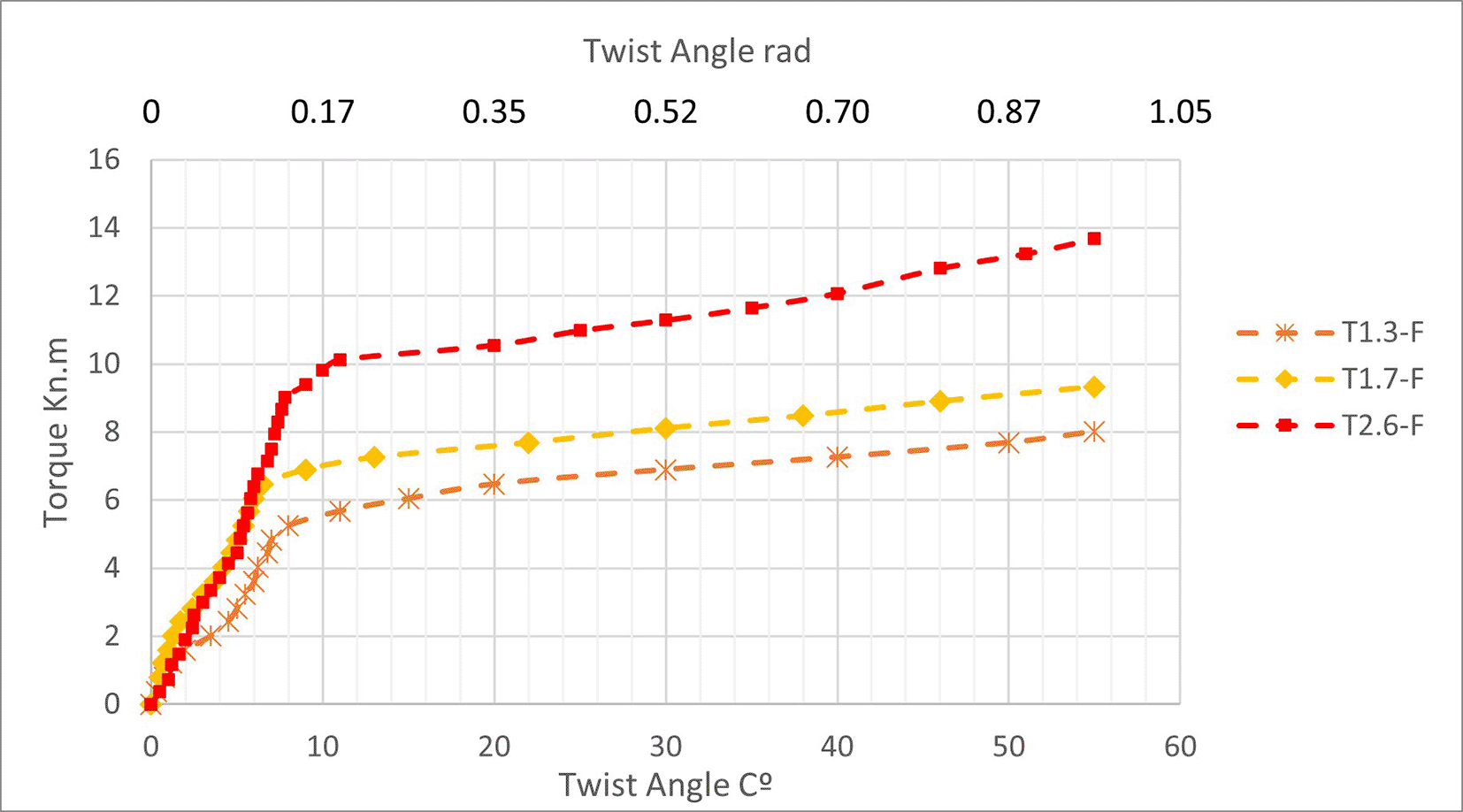
After fire exposure, the effect of wall thickness was even more pronounced:
• Thus, from 1.3 mm to 1.7 mm, torque showed an increase of about 16.5%, and Tη an increase of about 2.4% Δt = 31%↑.
• From 1.7 mm to 2.6 mm (Δt = 53% ↑), torque increased by 46.6%, with an additional 4% increase in stiffness retention.
• Overall, the increment in outer tube thickness from 1.3 mm to 2.6 mm (Δt = 100% ↑) resulted in an approximately 70.7% increase in maximum torque and in the residual stiffness ratio (Tη) from 0.66 to 0.92.
Thicker tubes improve torsional strength and maintain rigidity after fire by delaying heat conduction, deferring local buckling, and preserving the shear properties of steel and concrete. Table 4.4 summarizes the relative increase in torque capacity [Tp (max) at 55°] as a function of wall thickness. The data clearly demonstrate that doubling the wall thickness results in approximately 60–70% gain in ultimate torque, both before and after fire exposure.
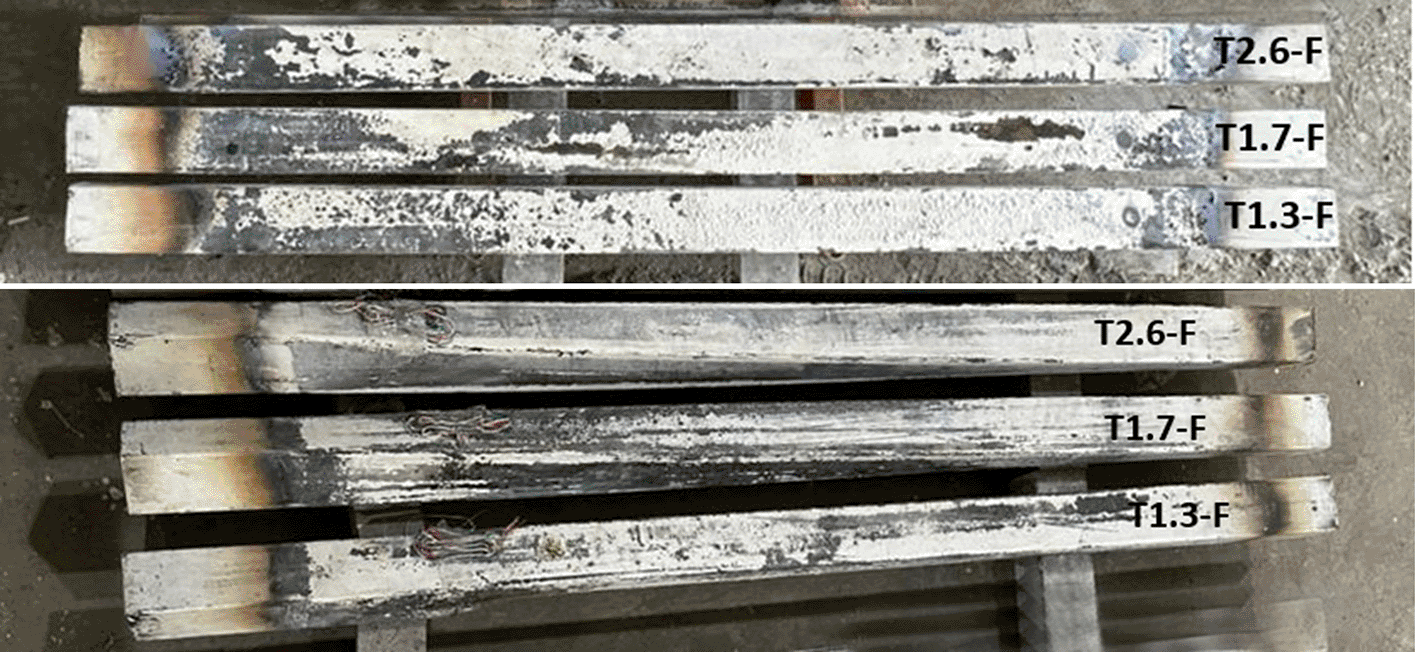
All specimens exhibited a ductile and progressive mode of failure under pure torsion.
No sudden or catastrophic collapse was recorded throughout the loading sequence up to the maximum twist of 55° (≈ 0.96 rad).
During the tests, several consistent visual phenomena were observed (see Figure 16).
• Local buckling initiated along the flat outer faces of the square tubes, particularly near the fixed support to the midspan region where the shear flow is maximum.
• Fine longitudinal cracks appeared on the concrete core surface, audible as minor crushing sounds, especially in the thinner outer tubes (1.3 mm and 1.7 mm).
• Slight outward bulging of the outer steel plates occurred as rotation increased, confirming the transfer of shear stress from steel to the concrete annulus.
• In post-fire specimens, the outer steel showed visible surface oxidation, discoloration, and localized scaling, particularly in the thinner sections as shown in Figure 17.
No separation or delamination occurred at the steel concrete interface, indicating that the bond between steel and concrete remained intact after fire exposure.
These results agree with earlier studies on the torsional and post-fire behavior of composite steel–concrete members, showing similar trends in torque–rotation response and stiffness increase with thicker outer tubes. Under ambient conditions, the torque–rotation response and the increase in stiffness with greater outer tube thickness follow trends reported by Huang, Han, and Zhao (2013) and Wang et al. (2018) for double-skin and stiffened CFST specimens.4,6 The increase in maximum torque and ductility after yielding shows that outer steel tube thickness plays an important role in torsional capacity and overall deformation behavior.
The residual stiffness ratios measured, Tη = 0.66–0.92, and residual strength levels of 66–92% show remarkably similar results as the experimental studies on CFDST columns conducted by Zuki et al. (2015) and Yao et al. (2016) under ISO-834 fire curves for 60–90 minutes.19,20 Such consistency not only establishes the reliability of the testing apparatus used but also infers that fire-induced degradation behaves similarly within similar composite systems. Empirical relation derived herein, Tη = 0.43+0.18(t), shows an explicit positive relation between wall thickness and residual torsional rigidity. This supports the finding by Han et al. (2013) that an increase in the level of steel confinement decreases the loss in post-fire stiffness through the restraint of thermal deformation and local instability.1 Decrease in the torsional rigidity after fire exposure is essentially brought about by temperature gradients, local buckling, and the interaction between the steel tubes and the concrete core.
This study did not distinguish the specific stiffness contributions of the steel and concrete components; however, the overall degradation pattern closely corresponds with the thermo-mechanical responses reported by Romero et al. (2015) and Lu et al. (2010).2,3 Both studies emphasized the importance of containment in maintaining the stiffness of structures at elevated temperatures. In short, the residual flexural stiffness of (CFDST) beams is primarily influenced by the strength of the bond between the steel and concrete and the strength of the outer steel tube. The results presented here enhance comprehension of the interplay between thermal and mechanical forces under conditions of exclusive torsional loading. They are also one of the first big experimental datasets to find out how stiffness is kept in CFDST members after a fire.
This section builds on the experimental findings in Section 4.7 by explaining the mechanical processes that caused the CFDST beams to fail in the way they did and respond to torsion in the way they did. The discussion combines visual evidence, deformation behavior, and torque–rotation data to show how steel confinement, concrete cracking, and thermal degradation affect performance after a fire.
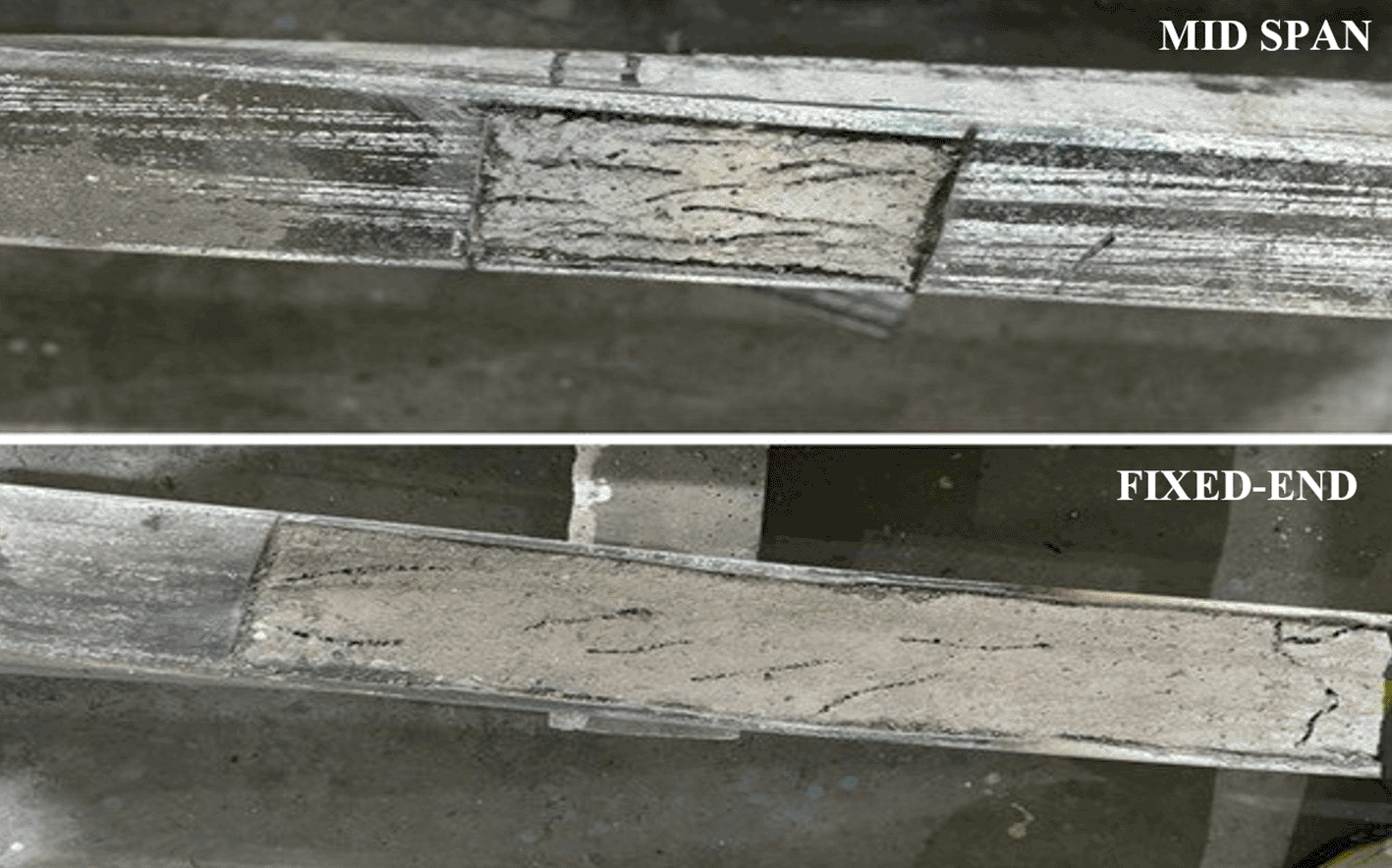
All six specimens exhibited a consistent and gradual failure progression under torsional loading. The torque–rotation curves reflected an initial elastic phase, followed by a smooth transition to plastic deformation without any abrupt load drop or instability. The deformation pattern remained symmetrical along the specimen length, confirming that the torsional load was well-distributed and that the specimens primarily underwent pure twisting without secondary bending effects. Also it was noticed sequence confirms that the torsional capacity degradation was primarily governed by local instability of the steel shell, whereas the inner tube and confined concrete effectively restrained torsional distortion even after fire exposure. Figure 18 Internal view of specimen T2.6-F showing fine cracks and intact steel–concrete bond after fire exposure, while Figure 19 illustrates the consolidated torque–rotation envelopes for all tests.
During testing, all beams exhibited an initial linear elastic range, followed by a gradual reduction in stiffness beyond approximately 25% of the maximum torque capacity [Tp (max)] at 55°. The behaviour then transitioned smoothly into a plastic torsional phase without any abrupt load drop or brittle failure. Such a response confirms the effective composite interaction between the outer and inner steel tubes and the confined concrete annulus. At ambient temperature, failure was primarily characterized by localized buckling of the flat steel plates near from the fixed support to the midspan and minor surface cracking within the concrete core. No rupture or separation occurred at the steel–concrete interface, showing that the bond between the materials remained intact throughout loading. Mild torsional softening appeared as the beams transitioned from elastic to plastic behaviour, yet all specimens resisted torque up to the maximum rotation of 55° (≈ 0.96 rad) without failure.
After fire exposure, a similar behaviour was observed, though thermal effects became more remarkable. The outer steel tubes showed oxidation, discoloration, and slight deformed shapes, especially for the 1.3 mm and 1.7 mm specimens. However, the steel jacket successfully prevented cracking or rupture of the concrete core. In this respect, the thicker specimen, T2.6-F, significantly postponed the occurrence of local buckling and preserved a substantial portion of its stiffness after fire, demonstrating that a larger wall thickness would improve structural stability and reduce thermal damage.
Figure 4.14 illustrates that the post-fire specimens behaved similarly to the unheated ones, but with slightly lower torque–rotation slopes and reduced ultimate torque values, with an average residual stiffness ratio (Tη) ranging between 0.66 and 0.92. This reduction in torsional stiffness can be attributed to the combined thermo-mechanical degradation of both the steel tube and the concrete core during ISO-834 heating. Elevated temperatures reduce the steel shear modulus, especially after 400–600°C, and promote dehydration-induced micro-cracking in the concrete, lowering their respective contributions to the overall torsional rigidity. The physical observations—such as oxidation, discoloration, and minor geometric distortion of the tube—indicate that the specimens experienced thermal effects sufficient to reduce material stiffness and slightly decrease the polar moment of inertia. Nevertheless, while high temperatures weaken the shear strength of steel and concrete, the composite action and confinement mechanism in the CFDST configuration maintain a significant portion of the torsional stiffness, preventing severe post-fire degradation.
The results show that the structure failed mainly by local buckling and gradual torsional softening, not by global fracture or debonding. All of the samples kept their shape even when they were heated to very high temperatures, until they couldn’t move anymore. This means that CFDST beams are very hard to twist, and they can still bend after a fire.
This paper presents an investigation on the torsional behaviour of CFDST beams under fire and after fire exposure. The main findings are summarized below.
Ductile Response:
Beams behaved steadily up to 55° [≈0.96 rad] with no brittle failure. Stiffness decreased gradually, showing effective interaction between steel and concrete.
Outer Tube Thickness:
Increasing the outer tube from 1.3 mm to 2.6 mm improved the initial stiffness and maximum torque, which almost doubled the torsional resistance while maintaining smooth deformation. For torsional strength, wall thickness is important.
Fire Exposure:
After 90 minutes of ISO-834 fire, beams retained 66–92% of their torque capacity. They thus showed good post-fire performance. Stiffness decreased moderately but torsional integrity was largely preserved.
Residual Stiffness Ratio:
The ratio of the post-fire to initial stiffness was in the range of 0.66 to 0.92, indicating that CFDST beams maintain most of their torsional rigidity after heating.
Empirical Relation:
A relation between the thickness of the outer tube and the residual stiffness was found: Tη = 0.43 + 0.18 t (R2 = 0.988). This can estimate post-fire torsional stiffness but is valid only within the experimental limits of this study, including the tested cross-section, materials, and fire conditions.
Material Contribution:
The post-fire torsional response was mainly controlled by steel, while the concrete absorbed energy and delayed stiffness reduction.
Failure Modes:
Failure developed gradually. Local buckling in the steel tube initiated and grew with rotation while concrete provided stability. There was no slippage between steel and concrete.
Overall Performance:
The beams exhibited excellent torsional performance and retained strength during and after fire exposure, confirming the suitability of CFDST beams in structural applications requiring both torsional capacity and fire resistance, such as bridges, transfer beams, and high-rise structures. These results provide practical guidelines for design and modeling.
• All beams showed stable and ductile behavior in torsion, even when the rotation reached about 55 degrees.
• When the wall thickness was doubled from 1.3 mm to 2.6 mm, the maximum torque increased by nearly 60 to 70 percent.
• The beams tested after fire kept around 83 to 90 percent of their original torque strength before heating.
• The residual stiffness ratio (Tη) was between 0.66 and 0.92, and it became higher almost in a straight line as the wall got thicker.
• The main failure modes were local buckling of the outer tube and some cracking in the concrete, but no separation between steel and concrete was noticed after fire.
• A simple relation, Tη = 0.43 + 0.18t (with R2 = 0.987), can be used to roughly estimate the post-fire torsional capacity in design work.
This experimental program investigates the pure torsional behaviour of six CFDST beams before and after fire exposure, with a particular focus on the impact of the outer steel tube thickness. The obtained results represent additional experimental data to the scarce number of studies dealing with the response of double-skinned composite structural systems under fire.
Based on the experiments, the main findings are:
Ductile Behaviour: All the CFDST beams were deformed progressively and without sudden failure, indicating proper composite action between the steel tubes and the concrete core.
Effect of Wall Thickness: Increasing the outer tube wall thickness from 1.3 mm to 2.6 mm increased maximum torque (60-70)% and significantly enhanced torsional stiffness, thus showing that the wall thickness of the tubes plays a fundamental role in the overall torsional performance of CFDST beams.
Post-fire behaviour: After 90 minutes of ISO-834 fire exposure, beams retained more than 80% of the initial torque, illustrating that the composite system performs well under these conditions, even at high temperatures.
Residual Stiffness: The torsional stiffness ratio, Tη, was in the range of 0.66 to 0.92. Thicker tubes reduced heat penetration and improved overall stability.
Failure Mechanism: Specimens failed gradually due to localized buckling and torsional softening, with no steel-concrete debonding, confirming strong composite action.
Empirical Post-Fire Correlation: A linear relation between residual stiffness ratio and outer tube thickness was obtained: Tη = 0.43 + 0.18t (R2 = 0.988), where (t) is the outer tube thickness in mm. This provides a practical way to estimate post-fire torsional stiffness of square CFDST beams; however, this empirical equation is valid only within the experimental limits of the present study, including the tested cross-section size, material properties, and ISO-834 fire exposure conditions.
• Design Improvements: Thicker outer tubes can improve post-fire torsional stiffness, particularly for critical structural members.
• Fire Design Guidelines: Apply experimental correlations, such as Tη = 0.43 + 0.18t, to estimate the residual torsional stiffness of CFDST beams after fire exposure; however, it should be used only within the experimental limits of this study.
• Advanced Analysis: Apply finite element simulations to quantify the separate roles of steel and concrete in post-fire torsional behavior of CFDST beams.
• Torsion and Fatigue: Perform cyclic torsional tests to examine effects on residual plasticity, crack propagation, and fatigue after fire exposure.
• Concrete Type: Incorporate fiber-reinforced, geopolymer, or lightweight concrete to improve durability and stiffness in future CFDST applications.
• Test beams under both bending and torsion after fire to simulate real conditions.
• Try CFDST beams with circular and rectangular sections to see how shape affects torsional behavior.
• Use the experimental results to create basic numerical models for different scenarios.
• Check the effect of longer or shorter fire exposure and different cooling methods on stiffness.
• Observe long-term behavior of post-fire beams, such as creep and shrinkage under torsional loads.
| Views | Downloads | |
|---|---|---|
| F1000Research | - | - |
|
PubMed Central
Data from PMC are received and updated monthly.
|
- | - |
Provide sufficient details of any financial or non-financial competing interests to enable users to assess whether your comments might lead a reasonable person to question your impartiality. Consider the following examples, but note that this is not an exhaustive list:
Sign up for content alerts and receive a weekly or monthly email with all newly published articles
Already registered? Sign in
The email address should be the one you originally registered with F1000.
You registered with F1000 via Google, so we cannot reset your password.
To sign in, please click here.
If you still need help with your Google account password, please click here.
You registered with F1000 via Facebook, so we cannot reset your password.
To sign in, please click here.
If you still need help with your Facebook account password, please click here.
If your email address is registered with us, we will email you instructions to reset your password.
If you think you should have received this email but it has not arrived, please check your spam filters and/or contact for further assistance.

Comments on this article Comments (0)