Keywords
Change Management Strategies; Employee performance; Local government; Decentralisation; Public sector reform; Governance performance; Uganda

This article is included in the Research on Research, Policy & Culture gateway.
Change Management Strategies; Employee performance; Local government; Decentralisation; Public sector reform; Governance performance; Uganda
Employee performance serves as a critical determinant of effectiveness in local government systems because public employees transform policy commitments into tangible services that influence community wellbeing and development outcomes (Asiimwe et al., 2025). Local governments across different contexts operate within dynamic environments shaped by decentralisation, fiscal pressures, digital transformation, and heightened citizen expectations, requiring employees to adapt and maintain high productivity levels (Masuda et al., 2022; Debbarma & Sharma, 2023). Change management has consequently become a strategic priority, influencing how employees interpret and adapt to organisational reforms while sustaining acceptable performance during periods of institutional transition (Chychun et al., 2023). When effectively implemented, change management aligns organisational goals with individual behaviour, enhances motivation, and strengthens institutional resilience (Afshar & Shah, 2025). Deficiencies in managing change often produce resistance, low morale, and disruptions in service delivery (Atiku et al., 2023). Understanding the link between change management and employee performance is therefore essential for improving public sector effectiveness and strengthening governance at local government levels.
Employee performance within Ugandan local governments has shown progress following decentralisation reforms, reflected through expanded administrative presence, improved frontline service delivery, and strengthened local planning and budgeting processes (Lubuulwa, 2021; Kyohairwe et al., 2024). District administrations have adopted performance appraisal tools, results-oriented management systems, and capacity-building programmes intended to enhance accountability and productivity (Irene et al., 2024; Mwesigwa & Oladapo, 2021). Persistent gaps remain, evidenced by low motivation, skills mismatches, bureaucratic rigidity, political influence, limited fiscal autonomy, and weak alignment between reform ambitions and employees’ operational realities (Mansour et al., 2022; Matagi et al., 2022). Existing literature largely concentrates on institutional capacity, fiscal decentralisation, and service delivery, offering limited examination of internal change management processes that shape employee behaviour and performance. This limitation is especially visible in Kasese and Kabarole Districts, where reforms continue to evolve but the internal mechanisms through which change management influences employee performance remain insufficiently understood. This gap highlights the need for focused empirical inquiry to explain how change management strategies operate within decentralised settings to influence employee outcomes.
Employee performance in Kasese and Kabarole District Local Governments remains weak despite ongoing decentralisation reforms and performance-enhancing strategies, resulting in persistent service delivery challenges and limited progress in local development outcomes (Tumuhe et al., 2025; Namyalo et al., 2025). Oversight and empirical assessments consistently identify inadequate change planning, limited staff training, delays in resource release, weak monitoring mechanisms, and governance inefficiencies that constrain productivity, efficiency, and the quality of services delivered (Zachaeus, 2025). In Kasese District, consistent underperformance is reflected in deteriorating road networks, inadequate health infrastructure, and declining education indicators, highlighting systemic constraints that limit employees’ effectiveness in executing their responsibilities (Kaheeru et al., 2024; Zachaeus, 2025; Deusdedit et al., 2023; Inspectorate of Government Bi annual Performance Report, 2023).
Kabarole District exhibits similar concerns, having recorded chronically low performance and ranking last among district local governments in Western Uganda, pointing to entrenched inefficiencies in employee output and service delivery systems (Kabarole District Local Government, 2023; Thomas et al., 2024; Svennersten, 2024; Banturaki et al., 2024). Although various reports acknowledge capacity and resource limitations, they often conceptualise change primarily as a structural or administrative endeavour and provide little insight into how employees experience and respond to change processes. The absence of empirical evidence on how specific change management strategies influence employee performance in these two districts limits understanding of the internal behavioural and organisational factors that mediate reform outcomes (Inspectorate of Government Bi annual Performance Report (2023)).
This study responds to this knowledge gap by examining the effect of change management strategies on employee performance using a convergent parallel mixed-methods design in Kasese and Kabarole Districts. The two districts provide a unique context because both exhibit persistent performance challenges despite having long histories of decentralisation and reform implementation. Analysing their experiences offers context-specific evidence capable of informing both the theoretical understanding of change management in decentralised systems and practical strategies for improving employee performance within Uganda’s local government framework.
The study specifically aimed to:
• Examine the effect of change management strategies on employee productivity in Kasese and Kabarole District Local Governments.
• Assess the influence of change management strategies on the quality of employee work outputs in the two districts.
• Evaluate the impact of change management strategies on the efficiency of service delivery by local government employees.
• Determine the role of change management strategies in enhancing the sustainability of services within Kasese and Kabarole District Local Governments.
• Provide policy recommendations for improving employee performance through effective change management strategies in local government settings in Uganda.
This study was anchored on the Complexity Theory and the Public Policy Theory, which collectively provide a robust framework for understanding the relationship between change management strategies and employee performance in local governments as shown in Figure 1. Complexity Theory, as articulated by Anderson (1999), posits that organisations are complex adaptive systems where interactions among individuals, processes, and structures generate unpredictable behaviours and outcomes. The theory assumes that organisational performance emerges from non-linear interactions, feedback loops, and adaptive learning within dynamic environments. In the context of this study, Complexity Theory explains how change management strategies, such as training, resource allocation, and reform planning, influence employee productivity, efficiency, quality of work, and the sustainability of services. By acknowledging the interdependencies and adaptive behaviours of employees, the theory provides insight into how strategic interventions can enhance performance outcomes in decentralised governance structures (Anderson, 1999).
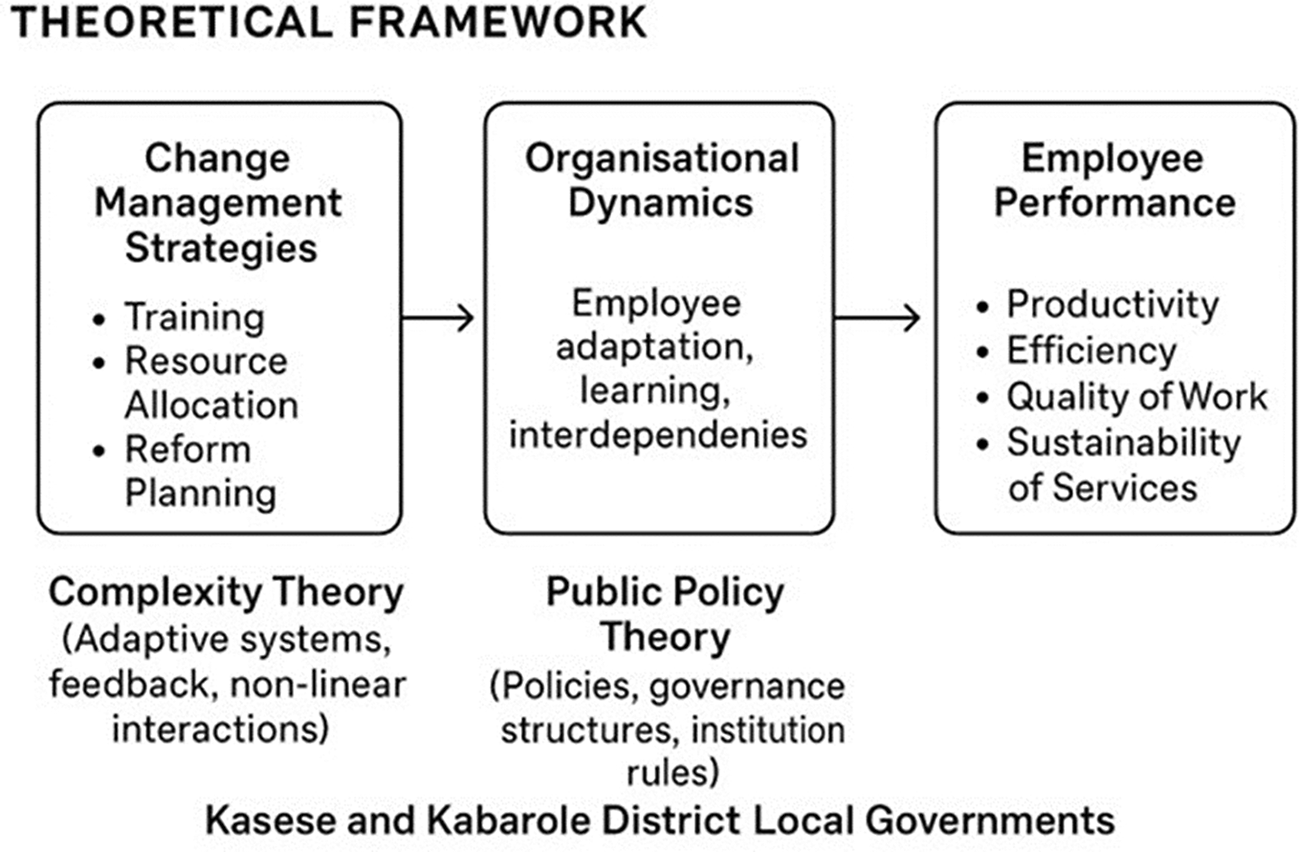
Public Policy Theory, as developed by Dye (2013), asserts that policy decisions and implementation processes shape organisational behaviour and outcomes. The theory assumes that institutional rules, resource allocation, and regulatory frameworks directly affect the effectiveness of public organisations and the performance of their employees (Dye, 2013). In this study, Public Policy Theory underpins the dependent variable, employee performance, by explaining how change management strategies are operationalised within the policy and governance frameworks of Kasese and Kabarole District Local Governments. It highlights the systemic, procedural, and motivational dimensions of employee performance, illustrating how strategic reforms, managerial decisions, and policy directives impact productivity, efficiency, work quality, and service sustainability.
The integration of these two theories is relevant to this study because it provides a comprehensive lens for analysing both the organisational dynamics (Complexity Theory) and the policy-driven context (Public Policy Theory) that shape employee performance in local governments. Together, they justify the focus on change management strategies as a critical determinant of employee outcomes and provide a theoretical basis for interpreting the empirical findings of the study.
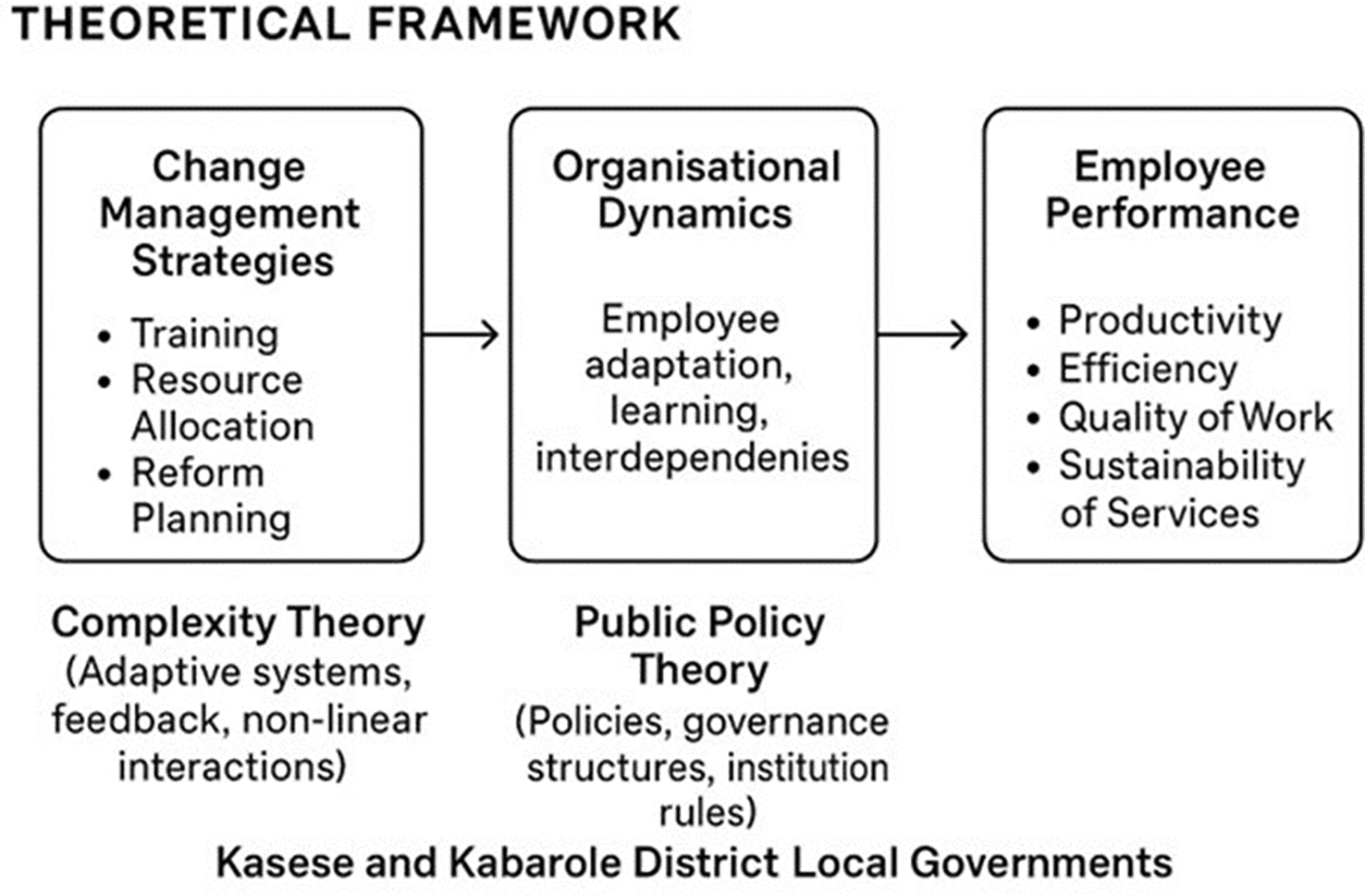
In response to persistent performance constraints within Uganda’s decentralised governance system, the study undertook empirical reviews of change management strategies and employee performance to identify unresolved research gaps and generate evidence as shown in Figure 2.
Several recent studies have explored the relationship between change management and employee performance in local government settings, each contributing unique insights into how strategic initiatives influence employee outcomes.
Tang and Qin (2022) investigated the effect of local government competition on green total factor productivity (GTFP) and its implications for employee performance indirectly through factor market distortions. The study employed a three-stage data envelopment analysis (DEA) model to measure GTFP across 30 Chinese provinces from 2008 to 2017. Additionally, a spatial Durbin model (SDM) and a mediation effect model were applied to analyse the influence of local government competition and factor market distortions. Findings revealed significant spatial correlation of GTFP and showed that competition among local governments inhibited GTFP growth, especially in the western region, by causing distortions in factor markets. In conclusion, the study suggested that policy and governance dynamics at the local government level can have a substantial impact on organisational performance, highlighting the importance of strategic change management in mitigating negative effects of competitive pressures.
Mabasa and Flotman (2022) focused directly on change management and its impact on employee experiences during the implementation of a performance management system in South African organisations. A qualitative research design using semi-structured interviews was employed with nine purposively selected participants. Data were analysed using thematic analysis. The study found that organisational change affected employees cognitively, emotionally, and physically, and that leaders’ styles influenced employees’ adaptation to change. Effective change management was shown to depend on preparation, participation, empowerment, and communication across all levels of the organisation. The authors concluded that understanding employees’ lived experiences during change is crucial for successfully implementing performance management systems, emphasising the role of change management as a stabilising factor.
Isi et al. (2022) presented the Sustainability-Centred Budgeting Framework (SCBF) aimed at improving long-term local government performance through strategic fiscal planning. The study was conceptual, supported by case studies from municipalities that implemented sustainability-focused budgeting. The SCBF integrates sustainability metrics, participatory governance, and adaptive financial planning to enhance resource allocation, fiscal resilience, and service delivery outcomes. Findings indicated that the framework improved efficiency and alignment with global development agendas, while challenges such as political resistance and technical capacity gaps remained. The study concluded that embedding sustainability into local government budgeting enhances both organisational performance and employee engagement by providing clear, strategic priorities and participatory decision-making processes.
Widarko and Anwarodin (2022) examined the influence of motivation, organisational culture, and organisational citizenship behaviour (OCB) on civil servant performance in Blitar Regency, Indonesia. A quantitative study was conducted with 236 respondents using stratified proportional random sampling, with data analysed via statistical models. Results showed that motivation directly influenced OCB and employee performance, while organisational culture did not directly affect OCB. The study concluded that enhancing employee motivation and fostering OCB are critical for improving performance in local government, highlighting the importance of internal change management interventions to influence employee behaviours and outcomes.
Masuda et al. (2022) investigated the role of local governments as intermediaries in facilitating partnerships for the Sustainable Development Goals (SDGs) in Japan. A qualitative approach examined how local governments mediated multi-stakeholder partnerships, particularly with the private sector, to implement sustainable initiatives. Findings suggested that local governments could enhance SDG localisation by strategically balancing involvement, leveraging informal networks, and creating new intermediary structures. The study concluded that effective change management at the local government level requires strategic coordination of partnerships and stakeholder engagement to achieve sustainable outcomes and improve employee performance indirectly by aligning organisational objectives with broader societal goals.
Harrison et al. (2021) conducted a systematic review to examine change management methodologies in healthcare contexts, which share similarities with local government service environments in terms of complexity. Thirty-eight studies across ten countries were reviewed, with Kotter’s and Lewin’s models being most commonly applied. Findings highlighted that change management methodologies served as guiding principles rather than prescriptive solutions, facilitating employee adaptation and performance in complex organisational settings. The study concluded that structured change management approaches are critical for improving outcomes in organisations facing dynamic and multi-layered challenges.
Petersson et al. (2022) explored challenges perceived by healthcare leaders in implementing artificial intelligence (AI), providing insights applicable to change management in local governments. A qualitative study was conducted using semi-structured interviews with 26 leaders in Swedish regional healthcare. Analysis revealed challenges linked to external conditions, strategic change management capacity, and professional transformations. The study concluded that effective employee performance depends on building organisational capacity for strategic change, implementing clear policies, and supporting workforce adaptation to technological and procedural changes.
Ahenkorah (2022) examined financial literacy among local government staff in the Prestea Huni-Valley Municipality, focusing on how employees adapt to complex financial environments. A survey of 277 staff members using stratified sampling and Chi-Square analysis revealed low financial literacy, which affected planning and productivity. The study concluded that training and education in financial management constitute a form of change management that can enhance employee performance, particularly in administrative and resource management roles within local governments.
Collectively, these studies demonstrate that effective change management in local governments through strategic planning, employee engagement, participatory governance, and capacity building significantly influences employee performance and organisational outcomes.
First, while leadership support is widely acknowledged as vital, many studies do not examine whether leaders openly champion change initiatives without favouritism or fear, limiting understanding of its direct effect on employee adaptation and performance (Mabasa & Flotman, 2022; Harrison et al., 2021). Second, employee engagement is often inadequately addressed, with previous research indicating that participation can be inconsistent or biased, yet few studies assess equitable involvement in change processes as a determinant of organisational success (Widarko & Anwarodin, 2022; Masuda et al., 2022). Third, employee preparedness through structured training, counselling, and change readiness assessments is rarely measured, despite evidence that inadequate preparation reduces adaptability and performance during organisational change (Petersson et al., 2022; Ahenkorah, 2022; Mabasa & Flotman, 2022).
This study addressed these gaps by systematically measuring leadership support, equitable employee engagement, and structured employee preparedness, providing a practical framework to link change management directly to employee performance outcomes in local government settings.
The study was conducted in Kasese District Local Government and Kabarole District Local Government, both located in the Western Region of Uganda. Kasese District lies along Uganda’s western border with the Democratic Republic of Congo and is characterised by a largely rural setting, mountainous terrain around the Rwenzori ranges, and dispersed settlements, factors that pose logistical and administrative challenges to public service delivery. Kabarole District, whose administrative headquarters is located in Kabarole town (Fort Portal City area), serves as a regional administrative and commercial hub with a mix of urban and rural communities and relatively more developed institutional infrastructure (Mukasa et al. 2025).
These districts were purposively selected because they operate within the same decentralised governance framework yet exhibit persistent employee performance challenges that align with the study dimensions of productivity, efficiency, quality of work, and sustainability of services (Inspectorate of Government Bi annual Performance Report, 2023; Auditor General's Report, 2021). Kasese District has faced infrastructural constraints, including poor road networks and limited health facilities, which have negatively affected employee efficiency and service delivery outcomes (Kaheeru et al., 2024; Zachaeus, 2025; Deusdedit et al., 2023). Kabarole District has similarly recorded low employee productivity and efficiency, reflected in weak service delivery indicators and substandard outputs reported by oversight bodies (Thomas et al., 2024; Svennersten, 2024; Banturaki et al., 2024).
The selection of Kasese and Kabarole enabled the study to examine employee performance within geographically diverse but institutionally comparable local governments facing similar structural, managerial, and operational constraints. This geographical focus facilitated a contextualised assessment of how employee behaviour, motivation, and organisational practices influence service delivery outcomes, while generating insights applicable to performance improvement in local governments across Western Uganda.
The study adopted a convergent parallel mixed-methods approach to generate a comprehensive understanding of the relationship between change management strategies and employee performance in decentralised local governments. This design was appropriate because the research aimed to obtain quantitative evidence on the magnitude and direction of relationships while simultaneously capturing qualitative insights into behavioural, motivational, and institutional processes shaping employee performance. The concurrent collection and integration of quantitative and qualitative data enhanced triangulation, thereby strengthening the credibility and interpretive depth of the findings within complex public sector contexts (Klingshirn et al., 2022).
The descriptive quantitative design was employed to systematically assess the prevailing status of change management strategies and employee performance within Kasese and Kabarole District Local Governments. This design enabled the study to profile training practices, resource allocation mechanisms, reform planning processes, and employee performance indicators such as productivity, efficiency, quality of work, and service sustainability. A descriptive approach was suitable for establishing contextual patterns within decentralised governance settings characterised by structural and operational diversity (Ghanad, 2023).
The correlational quantitative design was selected to examine the relationship between change management strategies and employee performance. This design facilitated the identification of statistically significant associations between key variables and supported the use of regression analysis to estimate the predictive influence of change management strategies on employee performance outcomes. Such empirical assessment was necessary to support evidence-based policy and management recommendations in local government institutions (Thomas & Zubkov, 2023).
The qualitative case study design was adopted to enable an in-depth examination of organisational practices and governance dynamics within the specific institutional settings of Kasese and Kabarole District Local Governments. This design allowed the study to capture context-specific factors such as leadership practices, policy interpretation, and institutional constraints that influence the implementation of change management strategies and employee performance in decentralised public institutions (Kekeya, 2021).
The phenomenological approach was used to explore employees’ lived experiences of organisational change initiatives. This design was appropriate for understanding how employees interpret training programmes, reforms, leadership support, and organisational rules, and how these experiences shape motivation and performance. The phenomenological focus aligned with Complexity Theory by acknowledging adaptive behaviour and interaction among employees within dynamic organisational systems (Alhazmi & Kaufmann, 2022).
The integration of these research designs ensured methodological coherence by combining statistical analysis with contextual explanation and experiential insight, thereby strengthening the study’s capacity to explain employee performance within decentralised public sector environments.
The total target population for this study comprised 252 permanent employees drawn from Kasese District Local Government and Kabarole District Local Government. This population represented career public servants engaged in administrative, technical, and service delivery functions within the two decentralised local governments. The employees were considered suitable for the study because of their sustained involvement in organisational processes and their familiarity with the institutional environments in which change management strategies and performance outcomes are enacted.
The composition of the target population is presented in Table 1 and reflects employees distributed across key functional departments in both districts. In Kasese District Local Government, the target population of 153 employees was drawn from management and administration, internal audit, statutory bodies, procurement, natural resources, finance, community-based services, health services, education services, works, production and marketing, and the planning unit. In Kabarole District Local Government, the target population comprised 99 employees distributed across comparable departments, including management and administration, internal audit, statutory bodies, procurement, natural resources, finance, community-based services, health services, education services, works, production and marketing, and the planning unit. This departmental composition ensured adequate representation of both administrative and service delivery units that directly influence organisational culture and employee performance.
The study included only permanent employees who had served in their respective local governments for a minimum of two years. This inclusion criterion ensured that participants had sufficient exposure to organisational culture, leadership practices, policies, and change management initiatives to provide informed and reliable responses. Employees with this level of tenure were more likely to have experienced routine operations and organisational changes, enabling a deeper understanding of how organisational culture relates to employee performance over time.
Employees who did not meet the minimum tenure requirement were excluded from the study. This included newly recruited staff, contract employees, interns, consultants, and casual workers, whose limited engagement with the organisation could have affected the depth and accuracy of their responses. Political appointees and elected officials were also excluded because their roles and incentives differ from those of career public servants and fall outside the administrative focus of the study. Restricting participation to experienced permanent staff enhanced the validity and trustworthiness of the findings by ensuring that data reflected well-informed perspectives grounded in long-term organisational experience.
In this study a sample size was derived from a target population of 252 using Yamane formula (1967) as shown:
Where:
n = Sample size
N = Population Size
e = Error term (5%)
n= 252/1+252(0.05)2
n= 155
The study employed a combination of sampling techniques guided by the target population and sample size distribution presented in Table 1 to ensure adequate representation of respondents for both quantitative and qualitative data collection. This approach was consistent with the convergent parallel mixed-methods design, which required representative quantitative data alongside in-depth qualitative insights from knowledgeable participants.
For the quantitative component, proportionate stratified random sampling was applied to select respondents from Kasese and Kabarole District Local Governments. The target population was first stratified according to departmental affiliation, including Management and Administration, Internal Audit, Statutory Bodies, Procurement, Natural Resources, Finance, Community Based Services, Health Services, Education Services, Works, Production and Marketing, and the Planning Unit. From each stratum, a sample was drawn proportionately based on the size of the department relative to the total population, as shown in Table 1. This ensured that departments with larger staff establishments contributed more respondents than smaller departments, thereby reducing sampling bias and enhancing the generalisability of the quantitative findings (Saunders et al., 2019).
Within each departmental stratum, simple random sampling was used to select individual respondents to participate in the study. This technique ensured that every eligible employee had an equal chance of being selected, minimising selection bias and improving the representativeness of the sample. The combined use of proportionate stratification and simple random sampling enhanced statistical reliability and provided a comprehensive representation of employees across all functional departments (Gravetter & Forzano, 2022).
For the qualitative component, purposive sampling was employed to select key management staff with relevant experience and decision-making responsibilities within the local governments. Participants were drawn from departments such as Administration, Finance, Planning, and Health Services because of their direct involvement in organisational management, policy implementation, and oversight of employee performance. Purposive sampling enabled the study to obtain rich, context-specific insights into organisational culture, leadership practices, and institutional dynamics that could not be adequately captured through quantitative methods alone (Saunders et al., 2019).
The combined application of proportionate stratified random sampling and simple random sampling for quantitative data, together with purposive sampling for qualitative data, ensured methodological rigour. This sampling strategy supported statistical representativeness while allowing in-depth exploration of managerial perspectives, thereby enhancing the validity and credibility of the study findings (Gravetter & Forzano, 2022; Saunders et al., 2019).
Following the sampling process, data were collected using instruments tailored to the mixed-methods design. For the quantitative component, a structured questionnaire was administered to the selected employees across the various departmental strata. The questionnaire primarily comprised closed-ended questions measured on a five-point Likert scale ranging from 1 (strongly disagree) to 5 (strongly agree), allowing respondents to indicate the extent of their agreement with statements related to organisational practices, change management strategies, and employee performance. This approach facilitated the systematic quantification of perceptions and attitudes, enabling statistical analysis of patterns, trends, and relationships within the workforce.
For the qualitative component, unstructured interview guides were employed to gather data from key informants purposively selected for their managerial roles and decision-making responsibilities. The interview guides contained open-ended questions, allowing participants to provide detailed narratives, explanations, and examples regarding organisational processes, leadership practices, and employee behaviour. This method captured rich, context-specific insights that could not be obtained through structured questionnaires alone, providing a deeper understanding of the factors influencing performance within Kasese and Kabarole District Local Governments.
The combination of structured questionnaires for quantitative data and unstructured interviews for qualitative data ensured that the study obtained both measurable outcomes and in-depth contextual information. This integrated approach supported the convergent parallel mixed-methods design, allowing quantitative results to be complemented and interpreted alongside qualitative insights, thereby enhancing the validity, credibility, and comprehensiveness of the study findings.
The study conducted a pilot test with 16 respondents from Mitooma District Local Government, representing 10% of the intended total sample size, a proportion commonly recommended for pilot studies (Mugenda & Mugenda, 2003). The piloting process enabled the researcher to assess the clarity, comprehensiveness, and relevance of the research instruments, including the semi-structured questionnaires and interview guides. Feedback from participants helped identify ambiguous questions, unclear instructions, or logistical issues, allowing the instruments to be refined for improved reliability and validity. Piloting also provided insights into the time required for completion and facilitated practical adjustments to data collection procedures, enhancing efficiency. Overall, the pilot test strengthened the research design, ensured the instruments accurately captured the intended constructs, and increased confidence in the credibility and quality of the study findings (Creswell & Poth, 2018).
Validity and reliability of research tools
The content validity of the research instruments was established through expert review and feedback from the research supervisor, resulting in a Content Validity Index (CVI) of 0.800. This value indicates that the items included in the questionnaires were considered relevant, clear, and representative of the constructs under study.
To assess the reliability of the self-administered semi-structured questionnaires, Cronbach’s Alpha was calculated to determine internal consistency. The obtained value of 0.881 exceeded the commonly accepted threshold of 0.7, demonstrating that the items were consistently measuring the intended constructs and that the instrument was reliable for data collection. This combination of high content validity and strong internal consistency supports the credibility and dependability of the research findings.
The data collection procedure for this study was systematically designed to gather both quantitative and qualitative data, providing a comprehensive understanding of the relationship between change management and employee performance within local government institutions. The researcher employed a mixed-methods approach, combining self-administered questionnaires with interview schedules. This approach allowed the collection of broad perspectives while ensuring depth and contextual understanding.
Quantitative data were collected through self-administered structured questionnaires distributed to non-management staff. The questionnaires contained items measured on a Likert scale from 1 to 5, enabling respondents to indicate the degree of agreement or perception regarding different aspects of change management and employee performance. To facilitate completion, the drop-and-pick-later method was used, allowing participants to fill out the questionnaires at their convenience. This approach minimized interviewer influence, accommodated employees’ schedules, and increased the likelihood of thoughtful and accurate responses.
Qualitative data were collected from management staff through unstructured interviews guided by an interview schedule. This method allowed for in-depth exploration of management perspectives, providing rich contextual information that could not be captured through structured questionnaires alone. While the interview schedule-maintained consistency across participants, it also offered flexibility to probe emerging topics and follow up on specific responses, enabling a deeper understanding of organizational practices and dynamics.
Before the main data collection, a pilot test was conducted in Mitooma District local government with a sample of 16 respondents, representing 10% of the intended total sample. The piloting process tested the clarity, comprehensiveness, and feasibility of both questionnaires and interview schedules. Feedback from the pilot highlighted areas needing refinement, such as ambiguous questions, unclear instructions, or logistical challenges. Adjustments were made based on these insights to improve the reliability and validity of the instruments and to ensure that the data collection process would be manageable for the main study.
The research instruments were validated through face and content validity. Experts assessed the relevance and clarity of the items to ensure they adequately captured the constructs under study. The instruments achieved a Content Validity Index of 0.80, indicating that the majority of the items were deemed relevant and representative of the study’s constructs. Reliability was further confirmed using Cronbach’s Alpha, which yielded a value of 0.79 for the pilot study, demonstrating acceptable internal consistency and ensuring that the items consistently measured the intended constructs.
The data collection procedure was carefully structured to integrate piloting, validation, and reliability checks. This systematic approach ensured that the instruments were effective, dependable, and capable of producing meaningful and accurate data for analyzing the relationship between change management and employee performance.
The data collected in this study were analysed using both quantitative and qualitative techniques to comprehensively examine the relationship between change management and employee performance. Quantitative data were processed using SPSS software, which facilitated the application of various statistical analyses to summarise, describe, and test the relationships between the study variables.
Descriptive statistics were initially used to organise and summarise the data, providing insights into the distribution, central tendency, and variability of respondents’ perceptions regarding change management and employee performance. This step allowed the researcher to understand the overall trends and patterns in the dataset.
To examine the relationships between variables, correlation analysis was conducted, identifying the strength and direction of associations between specific dimensions of change management and employee performance. This was followed by linear regression analysis, which assessed the predictive influence of change management on employee performance. The linear regression model was expressed through the equation:
Prior to performing regression analysis, a series of parametric tests were conducted to ensure that the assumptions underlying the analysis were met. These tests included:
• Linearity Test, to verify that the relationship between independent and dependent variables is linear.
• Multicollinearity Test, to ensure that the independent variables were not highly correlated, which could distort the regression estimates.
• Normality Test, to confirm that the residuals followed a normal distribution, a key requirement for valid statistical inference.
• Homoscedasticity Test, to check that the variance of residuals was constant across levels of the independent variable.
• Independence of Errors Test, to ensure that the residuals were independent and not autocorrelated.
These tests were essential for validating the suitability of the data for regression analysis and for ensuring the accuracy and reliability of the study’s statistical results.
Hypothesis testing was conducted at a 5% significance level, allowing the researcher to determine whether the observed relationships between variables were statistically significant. The results of the quantitative analysis were presented using suitable tables and figures, formatted according to APA guidelines to enhance clarity and readability.
Qualitative data from interviews were analysed using thematic analysis, which involved identifying, coding, and categorising patterns or themes within the data. This approach enabled the researcher to capture rich, contextual insights into management perspectives on change management and employee performance. The findings from the qualitative analysis were presented in prose, providing detailed explanations and interpretations of key themes that complemented the quantitative results.
By combining these quantitative and qualitative analysis methods, the study ensured a comprehensive understanding of the relationship between change management and employee performance, integrating statistical evidence with in-depth contextual insights.
The study carefully observed ethical principles to ensure the protection, rights, and well-being of all participants throughout the research process as shown in Figure 3. Central to this approach was obtaining informed consent from each respondent. Participants were fully informed about the purpose of the study, the procedures involved, the types of data being collected, and how the information would be used. They were also made aware of their right to decline participation or withdraw from the study at any stage without any negative consequences. This process ensured that participation was entirely voluntary and based on a clear understanding of the study’s objectives.
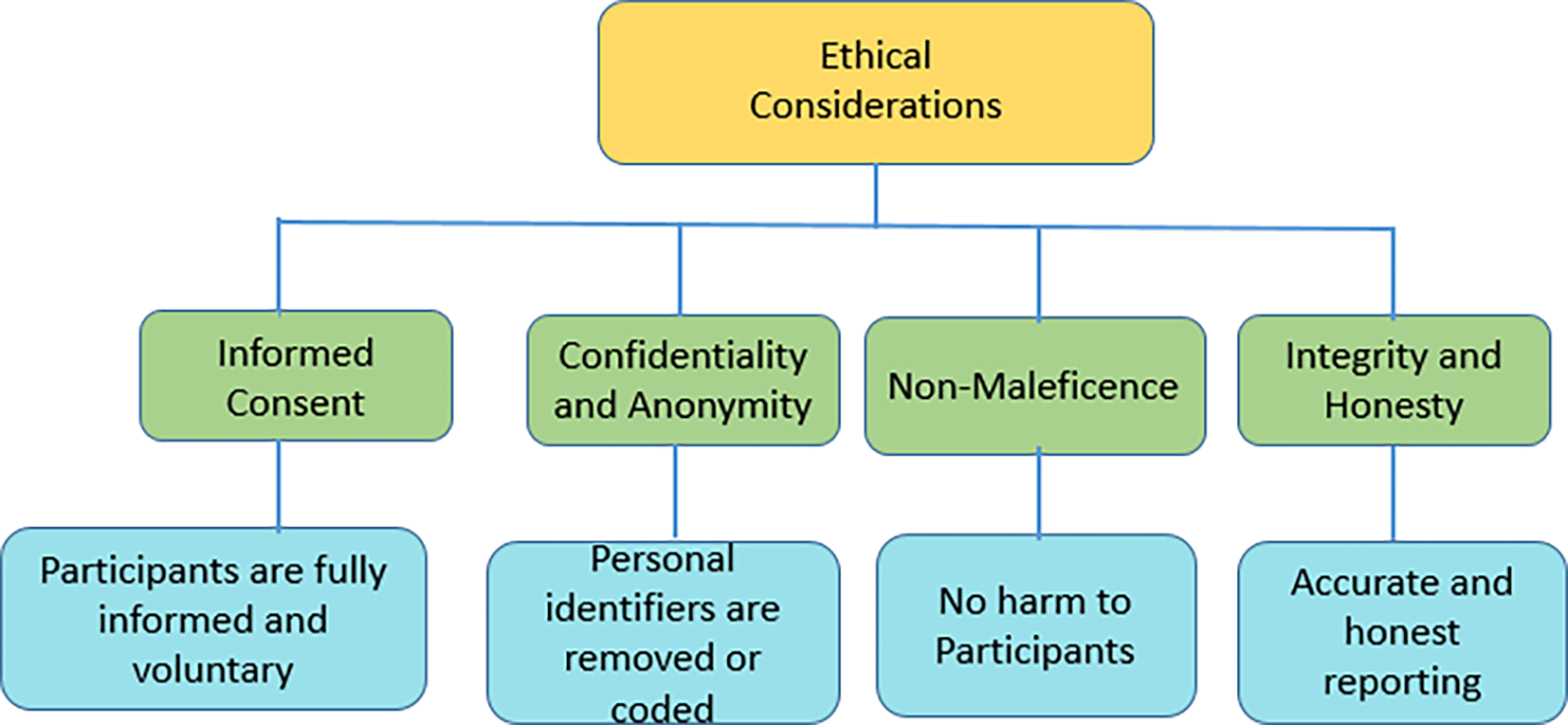
Confidentiality and anonymity were strictly maintained to protect the privacy of respondents. Personal identifiers such as names, positions, or any other information that could link responses to individual participants were either omitted or replaced with codes. Data were securely stored and accessed only by the researcher, ensuring that sensitive information remained private. The presentation of results focused on aggregated data, preventing the disclosure of individual responses.
The study also emphasised non-maleficence, ensuring that no harm, whether physical, psychological, or social, came to participants as a result of their involvement in the research. Questions and interview discussions were designed to avoid sensitive or intrusive topics that could cause discomfort, and participants were treated with respect and consideration at all times.
Integrity and honesty guided the research process, ensuring that the study was conducted objectively and that findings were reported accurately without fabrication, falsification, or misrepresentation. The researcher maintained transparency regarding the methodology, data analysis, and interpretation of results, thereby upholding the credibility and reliability of the study.
Additionally, ethical clearance was sought and obtained from the relevant institutional authority before data collection commenced. This formal approval confirmed that the study met established ethical standards for research involving human participants. The researcher also adhered to local and institutional guidelines regarding the ethical conduct of research within government settings, particularly in managing interactions with staff and accessing organizational information.
By prioritising these ethical considerations, the study ensured respect for participants’ rights, promoted trust in the research process, and safeguarded the integrity of the data collected. These measures collectively contributed to producing reliable, valid, and ethically sound findings.
The study successfully collected a total of 128 completed questionnaires out of 129 from the sampled participants and 13 participants turned up for interviews out of 26 respondents, achieving 99.2% and 50% response rate respectively. This robust sample size meets and exceeds the minimum threshold required for conducting comprehensive statistical analysis, ensuring sufficient statistical power for reliable results.
Gender of the respondents
The distribution of respondents by gender indicates that one gender accounted for a larger proportion of the sample at 61.7 percent, while the other represented 38.3 percent, giving a total of 128 participants as shown in Figure 4. The absence of missing values strengthens the credibility of the data and suggests effective administration of the survey instrument. Although the specific gender categories are not labelled, the results clearly demonstrate an imbalance in representation, with one group being more prominently involved in the data collection process within Kasese and Kabarole District local governments.
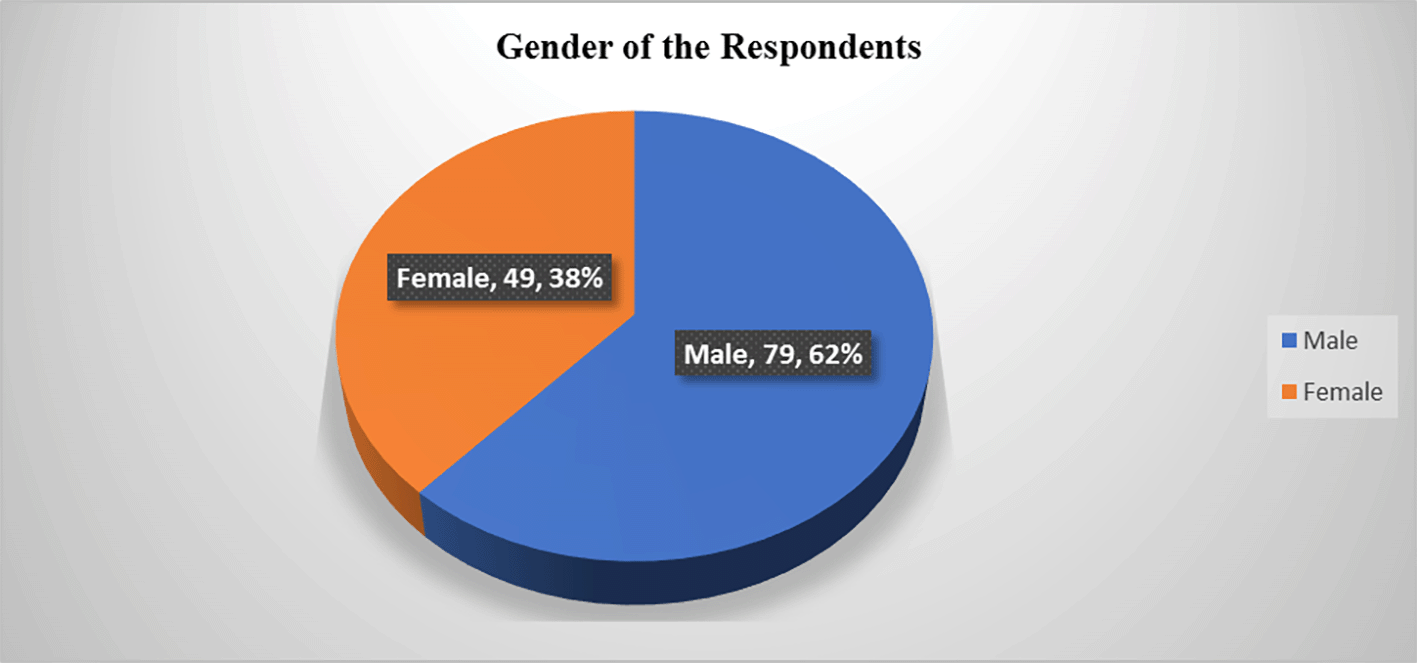
In the context of change management strategies and employee performance, this distribution has important interpretive and practical implications. A predominance of one gender may reflect the existing staffing patterns and gender composition within district local governments, particularly in administrative and technical roles where change initiatives are often implemented. Such a skew can influence how change management strategies are perceived, adopted, and operationalised, as gender-related differences may affect communication preferences, leadership engagement, risk perception, and adaptability to organisational change. Consequently, employee performance outcomes linked to change initiatives may be shaped by the dominant gender’s experiences and perspectives, potentially marginalising the views of the less represented group.
The findings therefore imply that local government change management strategies should consciously integrate gender-sensitive approaches to ensure inclusive participation and equitable performance outcomes. Ensuring balanced involvement during planning, communication, and implementation of change initiatives may enhance acceptance, reduce resistance, and improve overall employee performance. From a policy and managerial perspective, the observed gender imbalance signals the need for deliberate efforts to strengthen gender equity in staffing and decision-making processes, thereby supporting more holistic and sustainable re-engineering of local government performance in Uganda.
Age group of the respondents
The age distribution of respondents shows a clear dominance of middle-aged and older employees within the study sample as shown in Figure 5. A substantial proportion of the respondents, 67.2 percent, were aged 41 years and above, while 32.0 percent fell within the 31–40 years age bracket. Representation from the younger age group of 20–30 years was minimal, accounting for only 0.8 percent of the total sample of 128 respondents. This pattern demonstrates a pronounced skew towards more experienced employees in the local government workforce of Kasese and Kabarole Districts.
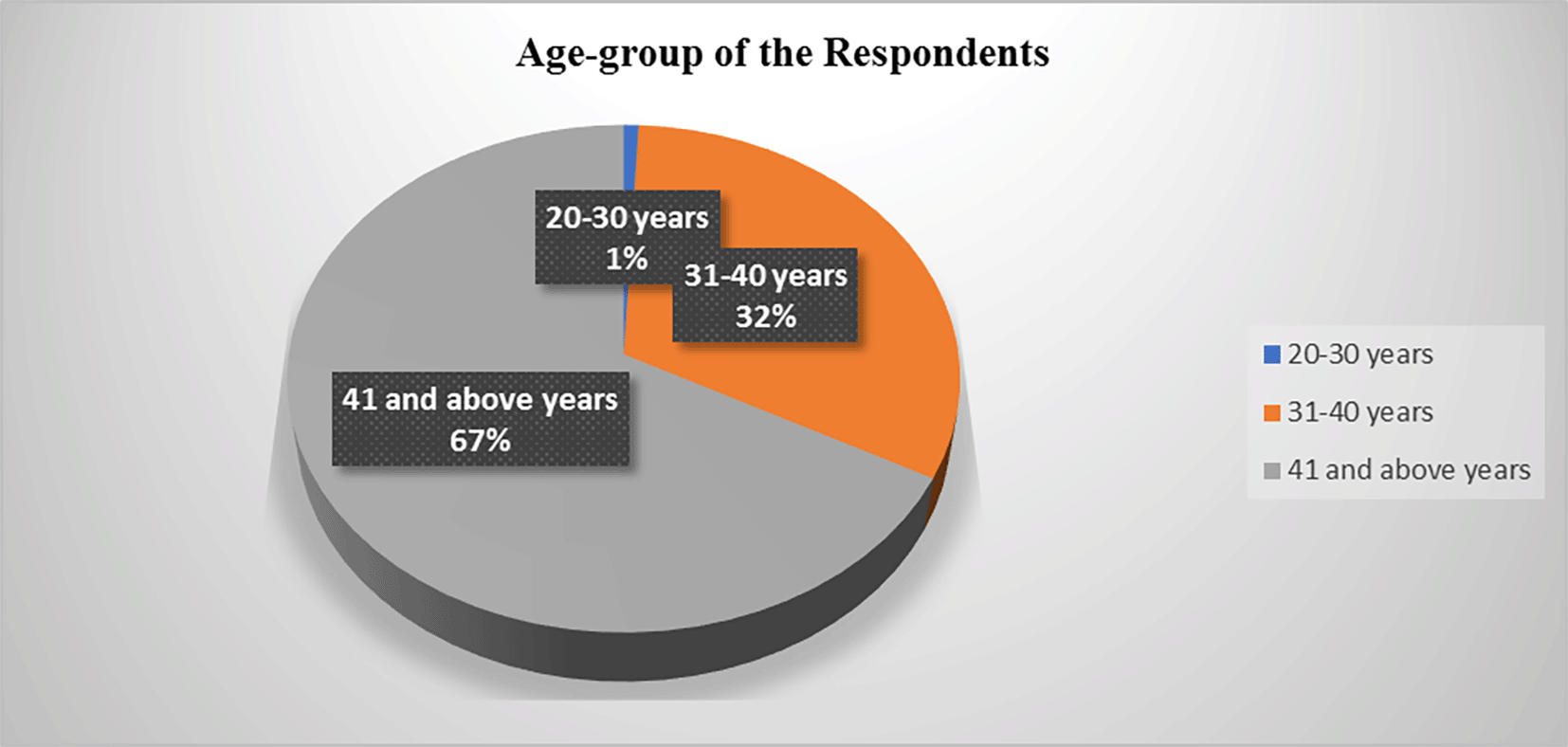
In relation to change management strategies and employee performance, this age profile carries critical interpretive significance. Older and middle-aged employees often possess extensive institutional knowledge, long-term organisational experience, and established work routines, which can positively support the implementation of change through informed decision-making and continuity. At the same time, such employees may exhibit greater resistance to change, particularly when reforms challenge long-standing practices or introduce new technologies and performance systems. Consequently, the effectiveness of change management strategies within these local governments is likely to depend heavily on how well change initiatives address the concerns, expectations, and learning needs of an ageing workforce.
The findings imply that re-engineering local government performance requires age-responsive change management approaches. Strategies that emphasise participatory decision-making, targeted capacity building, mentoring, and gradual implementation of reforms are likely to be more effective in enhancing employee performance among older staff. The limited presence of younger employees also suggests potential challenges in innovation, adaptability, and succession planning, reinforcing the need for human resource policies that attract and integrate younger professionals. Overall, the age structure observed in this study underscores the importance of tailoring change management strategies to the demographic realities of local government employees in Uganda to achieve sustainable performance improvements as shown in Figure 5.
Education level of respondents
The findings on the education level of respondents reveal a workforce characterised by notably high academic attainment within the local governments of Kasese and Kabarole Districts as shown in Figure 6. The results show that more than 86 percent of the respondents possess at least a Bachelor’s degree, with Master’s degree holders forming the largest single category at 39.1 percent. This indicates that the study captured views from employees who are academically well qualified and intellectually equipped to comprehend, evaluate, and engage with organisational reforms. When considered alongside the age and gender profiles, the data presents a coherent picture of a predominantly mature, highly educated workforce with a clear gender majority.
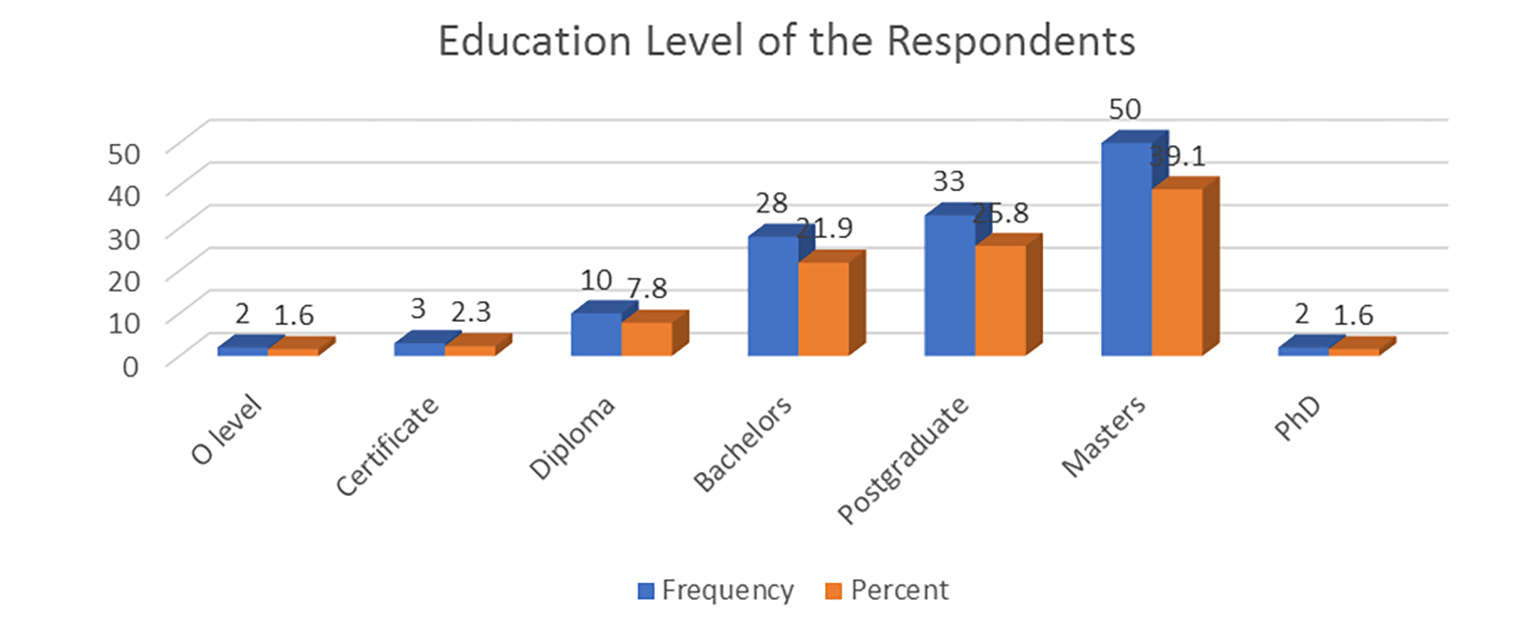
From the perspective of change management strategies and employee performance, this high level of educational attainment carries important implications. Employees with tertiary education are generally more capable of understanding complex policy reforms, performance frameworks, and administrative restructuring processes that accompany re-engineering initiatives in local government. Such employees are also more likely to engage critically with change initiatives, contribute informed feedback, and align personal performance goals with organisational objectives. As a result, the effectiveness of change management strategies in this context may be enhanced by the cognitive capacity and professional competence of staff, potentially leading to improved efficiency, accountability, and service delivery outcomes.
At the same time, the combination of high educational attainment and an older workforce suggests that expectations regarding participation, transparency, and leadership during change processes may be particularly high. Well-educated employees may be less receptive to top-down approaches and more responsive to inclusive, consultative, and evidence-based change management strategies. Failure to recognise this dynamic could result in resistance, reduced morale, or underutilisation of employee capabilities, ultimately affecting performance outcomes. The findings therefore imply that local government leaders should leverage the strong educational base of employees by adopting participatory change management approaches that emphasise professional development, shared decision-making, and clear performance linkages. Harnessing this human capital effectively is central to the sustainable re-engineering of local government performance in Uganda as shown in Figure 6.
Level of experience of respondents
The findings on the level of experience of respondents indicate that the study was conducted among a highly seasoned workforce within the local governments of Kasese and Kabarole Districts as shown in Figure 7. A substantial majority of the respondents, 76.6 percent, reported having six years or more of professional experience, while 13.3 percent had between four and five years of experience and 10.2 percent had two to three years. This distribution demonstrates that the views captured in the study largely reflect the perspectives of employees with prolonged exposure to local government systems, policies, and administrative processes.
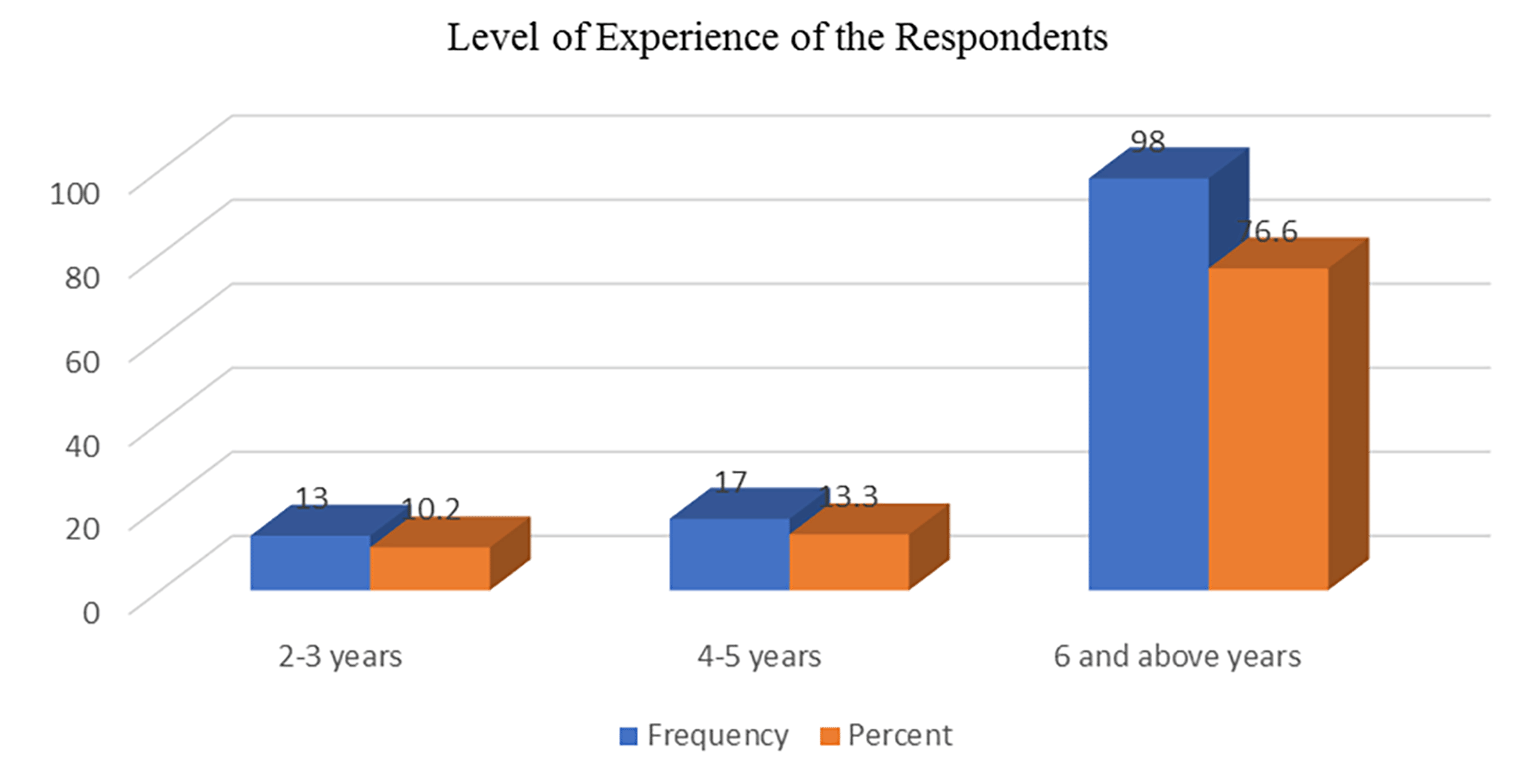
In relation to change management strategies, the dominance of highly experienced employees has important interpretive implications. Such employees are likely to possess deep institutional memory and practical understanding of previous reform initiatives, enabling informed evaluations of current change strategies. This experience can enhance the design and implementation of change by providing insights into what has worked or failed in the past. At the same time, long tenure may also be associated with entrenched work practices and established organisational cultures, which can increase resistance to change if reforms are perceived as disruptive or poorly communicated.
The findings imply that efforts to re-engineer local government performance must carefully balance experience-based knowledge with adaptive change management approaches. Strategies that acknowledge employee expertise, involve experienced staff in planning and decision-making, and emphasise continuous learning are likely to improve acceptance of reforms and positively influence employee performance. Leveraging the competence of experienced employees while addressing potential rigidity in work practices is therefore critical to achieving sustainable performance improvements within local government institutions in Uganda as shown in Figure 7.
The study sought to establish the effect of change management on employee performance as shown in Table 2.
The responses presented in Table 2 show that employees perceive change management strategies in the local governments of Kasese and Kabarole Districts as moderately effective. The overall mean score of 3.50 indicates that respondents generally agreed, to some extent, that change management practices are in place within their organisations. However, the relatively high overall standard deviation of 1.009 reflects notable variation in these perceptions, suggesting uneven experiences among employees across different departments and organisational levels.
With regard to specific change management practices, respondents reported more favourable perceptions of communication and leadership support. Timely creation of awareness about organisational changes received the highest mean score of 3.73, indicating that management generally informs employees about change initiatives in advance. Leadership support for change initiatives also recorded a mean score of 3.65, suggesting that leaders are perceived to openly endorse organisational reforms. Nevertheless, the large standard deviation associated with leadership support (SD = 1.077) points to divergent experiences, implying that leadership commitment to change is not consistently demonstrated across the organisation.
The responses further indicate moderate but weaker perceptions in areas related to employee preparation and practical support. Training and counselling prior to implementing change initiatives recorded a mean score of 3.63, while allocation of adequate resources to support new programmes achieved a lower mean of 3.45. The high variability in perceptions of resource allocation (SD = 1.169) indicates substantial inconsistency, whereby some employees perceive sufficient support while others experience significant resource constraints. Change readiness assessment was rated relatively low, with a mean score of 3.35, suggesting that formal mechanisms to prepare employees for change are not systematically implemented.
The lowest mean score of 3.25 was recorded for preparing employees to be adaptable through continuous learning programmes, highlighting limited emphasis on long-term capacity building. Responses in this area, coupled with the relatively low mean for readiness assessments, suggest that change efforts are largely reactive, with limited focus on cultivating adaptability and resilience among employees prior to implementation.
The interpretation of these responses indicates that while local government employees recognise efforts to communicate change and demonstrate leadership support, critical gaps remain in employee preparation, resource allocation, and capacity development. The high variability in responses underscores inconsistent implementation of change management strategies, which may weaken employee trust and engagement. From an employee performance perspective, such inconsistencies can lead to uncertainty, resistance, and uneven performance outcomes during periods of organisational change.
The implications of these findings suggest that for change management strategies to positively influence employee performance, local governments in Kasese and Kabarole Districts need to move beyond communication and symbolic leadership support. There is a clear need to institutionalise proactive change management practices that prioritise readiness assessments, equitable resource allocation, structured training, and continuous learning programmes. Strengthening participatory approaches and fostering a culture of adaptability would enhance employee confidence, promote sustained engagement, and ultimately support effective re-engineering of local government performance in Uganda.
The study sought to establish the views of respondents on the effects of change management on employee performance guided by this research question:
Qualitative analysis on change management
The study sought to explore the views of respondents on the effects of change management on employee performance in Kasese and Kabarole Districts Local Government in Western Uganda. The analysis revealed that organisational changes significantly influence employee performance, with both positive and negative outcomes depending on the approach and implementation.
Several respondents highlighted those organisational changes are frequently introduced with limited staff involvement, resulting in performance disruptions due to resistance and anxiety. A dominant theme was that change is commonly perceived as an imposition from central government, often implemented without sufficient preparation, consultation, or support. Person A observed, “The recent restructuring was announced on a Friday to be effective on Monday. For months, performance dipped because people were more concerned about their job security than their deliverables.” This illustrates how abrupt implementation can erode morale and productivity. In contrast, successful change management was associated with transparency and staff empowerment. Person A further elaborated, “We phased in the new financial system over six months, with champions in each unit. There was resistance initially, but the training created confidence, and performance in invoice processing actually improved beyond previous levels.” These accounts demonstrate that performance during transitions is heavily dependent on inclusive and supportive change management practices that prioritise communication, involvement, and training.
Effective communication was emphasised as a cornerstone of successful change implementation. Person B stated, “By communicating effectively, any changes can be relayed through meetings and engagement. When you share information, it impacts performance.” He described the Balanced Scorecard (BSC) mechanism implemented under the leadership of the Chief Administrative Officer (CAO), where lower-level staff develop individual scorecards aligned with organisational objectives. He explained, “While this represents a shift, it has positively affected working relationships and overall performance. Each staff member recognises that their contributions are valued, and the CAO evaluates how effectively each person is performing and monitors those in lower positions.” He added that although some employees perceive the initiative as pressure, it has strengthened work effort and accountability, highlighting how structured frameworks like the BSC can bridge the gap between strategy and execution when implemented inclusively.
The challenges of top-down change management were noted by Person C, who asserted, “In government, most changes are imposed from the top down. However, bottom-up approaches can occur. The ‘Carrot and Stick’ method is employed to manage change.” He explained that while systems such as Human Capital Management (HCM) are designed to improve efficiency, success depends on effective execution and infrastructure support: “If Human Capital Management (HCM) enforces a new system, it must be executed effectively. Employee influence can lead to many mistakes linked to changes. There is an absence of a network, and the system relies on network access, which is hindered by a lack of electricity. Occasionally, the approval process becomes a demotivating factor, leading to disengagement at times.” Person C also confirmed that reforms such as the Integrated Personnel and Payroll System (IPPS) and the Balanced Scorecard influence performance but noted that “the changes occur from top to bottom; the system has not been tested yet.” He further explained that newly introduced job descriptions in local governments have sometimes been rejected, indicating a mismatch between centrally designed reforms and local operational realities.
The lack of structured change management was highlighted by Person D: “Effective change management does not exist. The scorecard is a valuable tool, but it only becomes effective when it fulfils its intended objectives. Its outcomes can be either positive or negative.” Despite these limitations, he acknowledged ongoing efforts to sensitise employees about organisational changes: “Training is consistently conducted regarding change, and meetings are scheduled to make employees aware.” He illustrated positive outcomes from technological transitions, noting, “Transitioning from analogue to digital allows someone to access the system from home and provide an update on the system … Previously, salaries were paid tardily, but with the introduction of the web-based system, employees receive their pay on time, which enhances their productivity. For leave requests, employees can submit applications online, leading to improved performance overall.”
Person E emphasised the importance of human resource strategies during organisational changes: “Implementing standing orders is essential for streamlining transfers to enhance employee efficiency and performance.” She noted that staff mobility can have both positive and negative effects, depending on logistical support and accessibility: “When clinical officers move from health centres to healthcare facilities, it brings a renewed sense of direction that can boost performance … Working in remote areas can be discouraging, yet transferring to nearby centres reduces time and costs, thereby improving employee performance.”
Person F reflected on organisational restructuring and its impact on staffing: “Organisational restructuring, elimination of certain roles that previously existed and have now been removed from the system … While employees pursue advanced degrees to enhance their qualifications, they might not have a significant effect.” This observation underscores potential misalignment between individual professional development and institutional restructuring, which may limit the overall impact of capacity-building efforts.
Central government-initiated reforms, such as the Parish Development Model (PDM), were noted by Person G: “Changes that arise, particularly from the Centre, such as the Parish Development Model (PDM), have specific roles that, when introduced, can significantly impact the performance of Parish Chiefs while sidelining their other responsibilities.” He highlighted that centrally imposed changes often neglect performance indicators, creating planning disruptions and forcing local officers to prioritise competing tasks.
The need for contextualised welfare and logistical support was emphasised by Person H: “Staff transfers, particularly to remote or hard-to-reach areas, often affect motivation and output due to poor logistical and welfare arrangements … If we can provide a hardship allowance, employees can end up working well.” Similarly, Person I highlighted abrupt internal transfers and retirements as challenges: “The way we manage our internal changes is a bit radical … People who have mountainous facilities … may not be here because of their health. So to me, we have not been managing these changes very well.” He further noted workforce instability due to inadequate preparation: “People come complaining … We have not been managing those changes very well, especially on transfers.”
Person J reinforced this by noting the lack of structured retirement preparation: “Retirement … We have only had one session where we called people to prepare them … We have not prepared our people.” These gaps in preparation undermine employee well-being and reflect broader inefficiencies in managing organisational change.
Inequities arising from structural reforms were highlighted by Person K: “The recently expelled ones have got jobs … Those with their bachelors being raised as nurses … This has caused discontent among staff.” Person L further emphasised the impact of structural adjustments on engagement and performance: “Like we had the principal health inspectors. Now they change to environmental health officers, U4 … Then you find they have said now no more nursing assistants in the system … That change affects them so much.”
The respondents also identified strategies that enhance employee performance. Person L noted, “Quarterly reviews … conducting monitoring … The availability of facilitation … Staff are supported in transport during these engagements. It enhances high-level performance because they know there is facilitation.” However, environmental and logistical constraints, such as difficult terrain, remain significant barriers: “Kasese has a hard-to-reach area … Even if you have a motorcycle, you can't reach some communities.” (Person L)
Finally, the analysis highlighted that change management extends beyond structural adjustments to include procedural and supervisory shifts. Person M stated, “There could be a change in saying, no, there has been always tea. For me, in my management, there is no tea. It has some effect somewhere … It can either affect people by maintaining my improvement or can affect them by not improving or being lazy at work.” These reflections reveal that change management is multifaceted, encompassing both systemic and subtle procedural shifts that influence employee engagement and performance.
Overall, the qualitative findings indicate that change management in local government institutions profoundly affects employee performance. Abrupt top-down reforms, poorly coordinated transfers, and limited staff involvement generate resistance, anxiety, and workforce instability. Conversely, structured approaches, including phased implementation, effective communication, training, facilitation, and supportive supervision, enhance motivation, accountability, and service delivery. Context-specific measures such as logistical support for remote postings, timely salaries, and participatory planning are critical for sustaining performance. Successful change management in Kasese and Kabarole Districts therefore requires inclusive engagement, human-centred strategies, and adequate resources to achieve organisational objectives without compromising employee well-being.
Triangulation of change management and employee performance
The triangulated findings reveal that change management in Kabarole and Kasese Districts is moderately effective in communication and leadership endorsement but exhibits significant gaps in preparedness, participation, and resource allocation as shown in Table 3. Quantitative results indicate higher mean scores for management’s timeliness in creating awareness (Mean = 3.73) and leaders’ open support for change initiatives (Mean = 3.65), suggesting that employees recognise some effort by management to communicate planned adjustments. Qualitative accounts reinforce this pattern, highlighting mechanisms such as meetings, sensitisation sessions, supervisory engagements, and phased implementation of initiatives like new financial systems and the Balanced Scorecard, which enhanced employee confidence and performance.
Despite these strengths, both data sources point to inconsistencies in the practical execution of change management. High standard deviations in leadership support, resource allocation, readiness assessments, and staff preparation indicate variability in experiences across departments. Qualitative narratives illustrate abrupt restructuring, rapid transfers, and untested systems that create uncertainty and disrupt performance. Employees reported receiving immediate transfer letters or working in remote facilities with inadequate infrastructure, such as unreliable internet or absence of electricity, which amplified anxiety and hindered adaptation. These accounts explain the uneven implementation patterns reflected in the quantitative results.
The lowest quantitative scores, related to adaptability and continuous learning (Mean = 3.25), align with qualitative evidence of insufficient capacity-building, limited counselling, and inadequate preparation for major transitions, including retirement. Respondents described misaligned job descriptions, structural changes eliminating key roles, and reforms that failed to consider local operational realities. Such disconnects between central government policies and district-level capacity contributed to resistance, disengagement, and compromised service delivery.
Qualitative data also reveal additional factors influencing employee performance that are not captured by the descriptive statistics. Logistical and welfare challenges emerged as critical determinants of adaptation to change. Staff posted to hard-to-reach areas without adequate housing, transport, or hardship allowances reported lower motivation and productivity. Facilitation for monitoring activities and programme meetings was highlighted as a key motivator, while managerial shifts such as altered reporting hours or procedural changes also affected behaviour and performance. These findings demonstrate that change encompasses both structural reforms and subtle interpersonal or managerial adjustments that shape daily routines.
The triangulated evidence shows convergence in recognising that clear, timely, and ongoing communication is fundamental for successful change management. Divergence arises in the quality and consistency of support provided during transitions. While quantitative results indicate moderate effectiveness, qualitative insights expose deeper frustrations linked to abrupt reforms, insufficient infrastructure, and limited employee involvement. The human experience of change—including fear of job loss, emotional strain from involuntary transfers, and stress from inadequate welfare provisions emerges as a critical factor influencing performance outcomes.
The integrated findings suggest that employee performance improves when change is implemented gradually, supported by training, logistical facilitation, transparent communication, and participatory planning. Conversely, performance declines under abrupt, top-down reforms that are misaligned with local realities and unsupported by resources. Strengthening change management in these districts will require deliberate investment in readiness assessments, continuous learning programmes, equitable resource distribution, and welfare-sensitive deployment strategies. Enhancing employee participation, aligning reforms with local contexts, and reducing sudden top-down directives can create a more resilient workforce capable of sustaining performance during organisational transitions.
Descriptive analysis on employee performance
The study sought to examine employee perceptions of performance within the local governments of Kabarole and Kasese Districts as shown Table 4.
The findings in Table 4 indicate that employees generally perceive their performance as strong, particularly in areas of productivity and service quality. Respondents rated their own efficiency and ability to carry out duties highly (Mean = 4.32, SD = 0.709), while the quality of services delivered to the public also received a strong rating (Mean = 4.18, SD = 0.567). The low standard deviations for these items suggest a broad consensus among employees, indicating that the workforce is generally competent, reliable, and consistent in executing core responsibilities.
Beyond individual productivity, key operational outcomes also received positive ratings. Measures such as employee retention, sustainability of services, timely completion of tasks, and satisfactory service delivery scored closely together (Means ranging from 3.96 to 3.98) with low to moderate standard deviations (0.509–0.742). This consistency suggests stable operations and indicates that the organizational environment supports the maintenance of service standards across departments. Employees appear confident in their ability to meet expectations, reflecting structured systems, clear responsibilities, and reliable management oversight that sustain performance and accountability.
However, the findings reveal relative weakness in innovation and problem-solving. This area received the lowest mean score (3.73) and the highest standard deviation (0.962) among all performance indicators. The higher variability suggests that while some departments or teams may encourage creative thinking and innovative approaches, others remain focused on routine tasks. This indicates that opportunities for innovation are not uniformly distributed and that the workforce may lack sufficient support, resources, or incentives to pursue adaptive solutions consistently.
The interpretation of these findings highlights a workforce that is strong in operational reliability and service delivery but less effective in fostering a culture of creativity and innovation. High mean scores in productivity, retention, and timely service completion reflect a performance-driven environment where employees understand expectations and maintain high professional standards. The low standard deviations reinforce that these perceptions are widely shared across the organization, pointing to a cohesive and capable workforce.
The implications of these findings for the local governments of Kabarole and Kasese are significant. Maintaining high levels of operational performance demonstrates institutional stability and effective service delivery, which supports citizen trust and organisational credibility. However, the relative weakness in innovation and problem-solving signals a potential limitation in adapting to emerging challenges or improving processes over time. To strengthen employee performance further, local governments should integrate initiatives that promote cross-departmental collaboration, continuous learning, and employee empowerment. Encouraging creativity, innovation, and proactive problem-solving would complement existing strengths in efficiency and reliability, enabling the workforce to respond more effectively to dynamic governance demands and sustain high-quality service delivery in the long term.
Qualitative analysis on employee performance
The study sought the views of respondents on their perception on employee performance by asking this question:
How do you perceive employee performance in Local Government?
The analysis reveals that high-quality employee performance in local government is strongly influenced by continuous feedback, public accountability, and empowerment of middle management to make contextual decisions. Institutionalised feedback loops with citizens provide tangible performance benchmarks, which enhance accountability and service quality. Person A illustrated this, stating, “Publishing our pledge to clear market garbage within 24 hours of a complaint made the team more accountable; the quality of sanitation improved because their performance was now publicly measured.” This example demonstrates that public visibility and clearly defined standards can motivate employees more effectively than financial incentives alone, particularly in resource-constrained settings. A recurring challenge, however, is the misalignment between policy expectations and available resources, which demoralises staff. Person A noted the difficulty of motivating health inspectors without transport resources, highlighting the critical role of logistical support in enabling performance.
Supervisory support and provision of appropriate tools emerged as key drivers of productivity. Empowering middle managers to make minor procurement decisions or respond to local contingencies eliminated delays and enhanced output. Person A explained, “When I was delegated the authority to approve minor procurements without waiting for Kampala, my team completed community projects in record time because we avoided a 3-month approval delay.” Micro-level interventions such as internal resource pooling and job rotations further support efficiency and reduce employee fatigue, though political interference remains a persistent challenge to managerial autonomy and performance enforcement.
Public feedback mechanisms are strategically integrated into performance monitoring, linking employee incentives directly to citizen satisfaction. Person B described, “After a resident obtains a business license, they get a text asking to rate the service. This data is reviewed monthly, and we now directly link staff performance awards to these public ratings.” This approach improves responsiveness, strengthens accountability, and provides verifiable data on service outcomes. Sustainability of service delivery is reinforced through capacity-building strategies such as cross-training and partnerships with NGOs, ensuring continuity despite staff turnover or budgetary constraints. Person B elaborated, “We never have only one person who knows how to operate the water pump system. We have created a roster of three trained personnel, so service continues uninterrupted during transfers or absences.” Long-term resilience is also promoted through activity-based planning, public display of deadlines, and regular progress reviews, fostering peer accountability and reducing delays.
Collaboration and innovation are additional enablers of performance. Multi-disciplinary teams break down operational silos and facilitate skill-sharing, while digital platforms centralize project data, enhancing coordination. Innovation is actively promoted through staff award schemes and “innovation labs,” recognising practical problem-solving at all levels. Person B highlighted, “A revenue clerk designed a simple Excel template to track market dues, which reduced leakage by 15%. We adopted it across all divisions and rewarded her publicly. This signaled that innovation is valued from any level.” These mechanisms ensure that creativity, accountability, and collaboration are embedded in change management, directly linking employee engagement to measurable improvements in performance.
Employee retention is strongly influenced by supportive work environments, clear career pathways, and investment in staff development rather than solely by financial incentives. Person B emphasised, “Our retention is high because we fight for our staff; we nominate them for external training, and we create acting opportunities when posts are vacant. They see this investment and repay it with loyalty.” Structured oversight and participatory management processes are critical for maintaining performance and commitment. Person C noted that frequent project review meetings, timely resource allocation, and continuous monitoring enhance both retention and organisational effectiveness. Participatory, bottom-up planning further promotes engagement, while permanent and pensionable positions necessitate consistent enforcement of performance standards to prevent complacency.
Professional development and training are central to retention strategies. Person D affirmed, “Sending employees for training and involving them in staff development initiatives strengthens their commitment, ensuring continued service.” Annual conferences for district leaders, which facilitate stakeholder discussions and address service gaps, further reinforce retention by promoting a culture of collaboration and performance. Nevertheless, operational challenges such as limited transport, aging vehicles, and budget reductions can impede effective monitoring, emphasising the need for adequate logistical support alongside retention strategies.
Effective communication and timely compensation are additional retention enablers. Person D highlighted that prompt wage payments and proactive communication channels improve staff commitment, while logistical support addresses disparities in resource access. Community engagement mechanisms, including local magazines, radio programmes, Barazas, and anti-corruption coalitions, provide external accountability and reinforce employee motivation and retention. These systems connect employee efforts directly to public expectations, creating a culture where professional commitment is recognised and valued.
Structured planning and monitoring frameworks also underpin performance. Person E explained, “Every task has specific timelines; our goals are established and divided into quarters, and you are expected to meet the target within a designated quarter to address accountability set during the first week of the quarter to ensure that any delays result in sanctions.” Multi-level oversight, including Technical Planning Committee meetings, quarterly reports, and political monitoring by the Office of the RDC, ensures continuous evaluation of employee performance. Person I confirmed, “Every three months, heads of departments report on workers and their performance. Education tells us about the head teachers, health about nurses and doctors. We get to know if there is a problem or there is no problem.” These practices integrate supervision, accountability, and corrective actions to maintain high performance standards.
Promotion, recognition, and partnerships with NGOs are additional strategies supporting employee motivation and retention. Person J stated, “Whenever we promoted teachers or sent health workers to work with NGOs, it helped to motivate them to remain committed, especially in mountain areas where resources are limited.” Recognition of innovation and contributions, as exemplified by awards for practical solutions or community initiatives, reinforces a culture of high performance. Person L highlighted a technological innovation in health reporting, stating, “We developed a software reporting tool; staff now report via a system and I no longer wait for hard paper. All the reports are just put on their phones.” This initiative streamlined workflows, enhanced transparency, and improved monitoring.
The analysis indicates that effective employee performance in local government is shaped by a combination of supportive policies, structured supervision, timely resource provision, participatory planning, and strategic incentives. Challenges such as difficult terrain, inadequate staffing, and limited resources can hinder performance, but well-coordinated systems of accountability, monitoring, and staff support mitigate these risks. Collectively, these mechanisms foster sustained service delivery, high retention, and organisational effectiveness, demonstrating that comprehensive strategies combining professional development, empowerment, collaboration, and innovation are critical for enhancing employee performance in local government.
Triangulation of employee performance findings
The integration of quantitative and qualitative analyses of employee performance in the local governments of Kabarole and Kasese districts reveals both alignment and nuanced differences, providing a comprehensive understanding of the factors influencing workforce effectiveness as shown in Table 5.
Quantitative results indicate that employees perceive performance as strong, with a mean score of 4.01 on a 5-point Likert scale, reflecting widespread agreement on productivity, efficiency, and quality of service delivery. High ratings were particularly evident for employee efficiency (Mean = 4.32) and quality of work provided to the public (Mean = 4.18), with low standard deviations demonstrating consensus across staff regarding these strengths. Similarly, indicators such as timely completion of tasks, sustainability of services, service satisfaction, and retention received high scores, suggesting that employees operate effectively within structured systems that promote reliability, accountability, and consistent service delivery.
Qualitative findings reinforce these perceptions by highlighting the mechanisms that drive high performance. Respondents emphasised structured supervision, participatory planning, and accountability measures, including public feedback loops and quarterly performance reviews. Empowerment of middle management to make context-specific decisions, timely resource provision, and continuous professional development were identified as critical enablers of productivity, service quality, and retention. Examples such as innovation labs, software reporting tools, and cross-training programmes were cited as fostering operational efficiency and problem-solving skills. Recognition, promotion, and partnerships with NGOs further reinforced motivation and employee commitment. These qualitative insights converge with the quantitative evidence, confirming that employee performance is underpinned by structured systems, professional support, and organizational incentives.
Divergence between the two analyses emerges in the area of innovation and creative problem-solving. Quantitative results recorded the lowest mean (3.73) and highest standard deviation (0.962), indicating inconsistencies in innovation across departments. Qualitative data provide context for this variation, revealing that while some departments actively encourage innovation through reward systems, practical tools, and collaborative initiatives, other departments remain focused on routine tasks due to staffing limitations, resource constraints, or challenging terrain. This divergence underscores uneven distribution of innovative practices and identifies a potential area for targeted organizational improvement to foster a uniformly adaptive and creative workforce.
The qualitative findings also introduce additional themes not captured in the quantitative survey. Public accountability mechanisms, such as Barazas and citizen feedback systems, emerged as significant motivators for employees and enablers of service quality. Furthermore, collaboration with NGOs, structured capacity-building, and strategies to mitigate logistical and geographical challenges were identified as essential for sustaining performance and retention. These insights provide a richer contextual understanding of how external partnerships, community engagement, and adaptive management practices contribute to organizational effectiveness in resource-limited settings.
Triangulation demonstrates strong convergence regarding perceptions of high employee performance, productivity, and retention, driven by structured management, accountability, and professional support. Divergence is observed primarily in innovation and problem-solving capacities, where qualitative evidence explains variability and highlights opportunities for intervention. Integrating citizen-driven accountability, participatory management, and innovation-focused initiatives is critical to sustaining performance, enhancing creativity, and fostering a resilient and motivated workforce across the local governments of Kabarole and Kasese districts.
Correlation analysis was conducted to examine the strength and direction of the relationship between change management approaches and employee performance, providing insight into how closely the two variables are associated as shown in Table 6.
| CM | Pearson Correlation | .599** | .630** | .596** | 1 | .341** | .710** |
| Sig. (2-tailed) | .000 | .000 | .000 | .000 | .000 | ||
| N | 128 | 128 | 128 | 128 | 128 | 128 |
The correlation analysis presented in Table 6 shows strong, positive, and statistically significant relationships between change management approaches and employee performance in the local governments of Kabarole and Kasese districts. The Pearson correlation coefficients range from moderate to strong positive values, with several coefficients exceeding 0.60 and one reaching as high as 0.710. These results indicate that improvements in change management practices are closely associated with improvements in employee performance. The significance levels reported (p = .000) confirm that these relationships are unlikely to have occurred by chance, reinforcing the reliability of the observed associations.
The results suggest that change management plays a central role in shaping how employees respond to organisational transitions within local governments. A strong positive correlation implies that where change management processes are clear, inclusive, and well-coordinated, employees tend to demonstrate higher levels of efficiency, commitment, and effectiveness in their roles. This relationship reflects the importance of structured communication, leadership support, and employee involvement during periods of change, which help reduce uncertainty and resistance while fostering a sense of ownership and motivation among employees.
The magnitude of the correlations further implies that change management has a direct and substantive influence on employee performance rather than a marginal or indirect effect. The strongest association indicates that well-managed change initiatives help align employee attitudes and behaviours with organisational goals. This alignment allows employees to adapt more easily to new systems, policies, or procedures, resulting in improved task execution, collaboration, and service delivery in local government settings.
From a practical perspective, these findings highlight the need for local governments to prioritise effective change management strategies as a performance-enhancing tool. Investing in leadership capacity, transparent communication, and employee engagement during change processes is likely to yield tangible improvements in workforce performance (Suryani et al., 2024; Raza et al., 2023; Mwamba, 2023). Failure to manage change systematically may weaken employee outcomes, even where technical or structural reforms are well designed. The results therefore underline change management as a strategic lever for strengthening institutional performance and improving the overall effectiveness of local government operations.
Regression assumptions were tested to ensure the validity, accuracy, and reliability of the regression model in explaining the relationship between change management and employee performance.
Linearity test
The linearity test was conducted to confirm whether there is a straight-line relationship between the independent and dependent variables, which is a key requirement for applying regression analysis.
The linearity test results in Table 7 confirm that a straight-line relationship exists between change management and employee performance, which satisfies a key assumption for conducting regression analysis. The findings show that the linearity component between the variables is statistically significant, as indicated by a very high F-value of 92.183 and a significance level of .000. This result demonstrates that changes in employee performance systematically increase or decrease in response to changes in change management practices, rather than following a random or irregular pattern.
The deviation from linearity is not statistically significant, as shown by the significance value of .410, which is well above the accepted threshold of 0.05. This lack of significant deviation indicates that there is no meaningful curvature or distortion in the relationship between change management and employee performance. In practical terms, this means that the relationship can be accurately represented using a linear regression model without violating the assumption of linearity.
These results imply that improvements in change management practices are associated with proportional improvements in employee performance within the local governments studied. As change management becomes more effective, employee performance tends to improve at a consistent rate. This strengthens the argument that change management is a reliable predictor of employee performance and not merely associated with performance in a complex or unpredictable way.
From an analytical and managerial perspective, confirming linearity supports the use of regression analysis to estimate the effect of change management on employee performance. For local governments, this finding reinforces the importance of systematically strengthening change management processes, as their impact on employee performance follows a predictable and measurable pattern. Effective planning, communication, and leadership during organisational change can therefore be expected to generate steady gains in employee performance, enhancing service delivery and organisational effectiveness.
Normality test
The normality test was conducted to determine whether the data followed a normal distribution, which is essential for ensuring the validity of statistical inferences in regression analysis as shown in Table 8.
| Kolmogorov-Smirnova | Shapiro-Wilk | |||||
|---|---|---|---|---|---|---|
| Statistic | Df | Sig. | Statistic | Df | Sig. | |
| EP | .214 | 7 | .200* | .933 | 7 | .573 |
| CM | .210 | 18 | .034 | .877 | 18 | .123 |
The normality test results presented in Table 8 assess whether the distributions of change management and employee performance approximate a normal distribution, which is a key assumption for valid regression analysis. Both the Kolmogorov–Smirnov and Shapiro–Wilk tests were applied to provide a robust assessment of normality.
For employee performance, the Kolmogorov–Smirnov test reports a significance value of .200, which is above the 0.05 threshold, while the Shapiro–Wilk test shows a significance value of .573. These results indicate that the distribution of employee performance does not significantly differ from a normal distribution. This confirms that the employee performance data meet the normality assumption and are suitable for inferential statistical analysis.
For change management, the Kolmogorov–Smirnov test shows a significance value of .034, which is slightly below the 0.05 level, suggesting a possible deviation from normality under this test. However, the Shapiro–Wilk test, which is generally considered more reliable for small to moderate sample sizes, reports a significance value of .123, which exceeds the 0.05 threshold. This indicates that the change management data can be regarded as approximately normally distributed. Given the reliance on Shapiro–Wilk in such contexts, the normality assumption for change management is reasonably satisfied.
The implications of these findings are that the data for both change management and employee performance are sufficiently normal to support the use of regression analysis. The absence of serious normality violations increases confidence in the validity of parameter estimates, hypothesis testing, and conclusions drawn about the relationship between change management and employee performance. For the study context, this means that inferences regarding the effect of change management practices on employee performance in local governments can be made with greater statistical reliability, strengthening the credibility of the empirical results.
Homoscedasticity
The homoscedasticity test was conducted to verify that the variance of the errors remains constant across all levels of the independent variables, ensuring the reliability of regression estimates. The homoscedasticity test shown in Figure 8 assesses whether the variance of the residuals remains constant across different levels of change management, a critical assumption for reliable regression analysis. Visual inspection of the scatterplot indicates that the residuals are randomly and evenly distributed around the horizontal axis, with no clear pattern such as funneling, clustering, or systematic widening or narrowing. This pattern suggests that the variance of the errors is stable across values of change management.
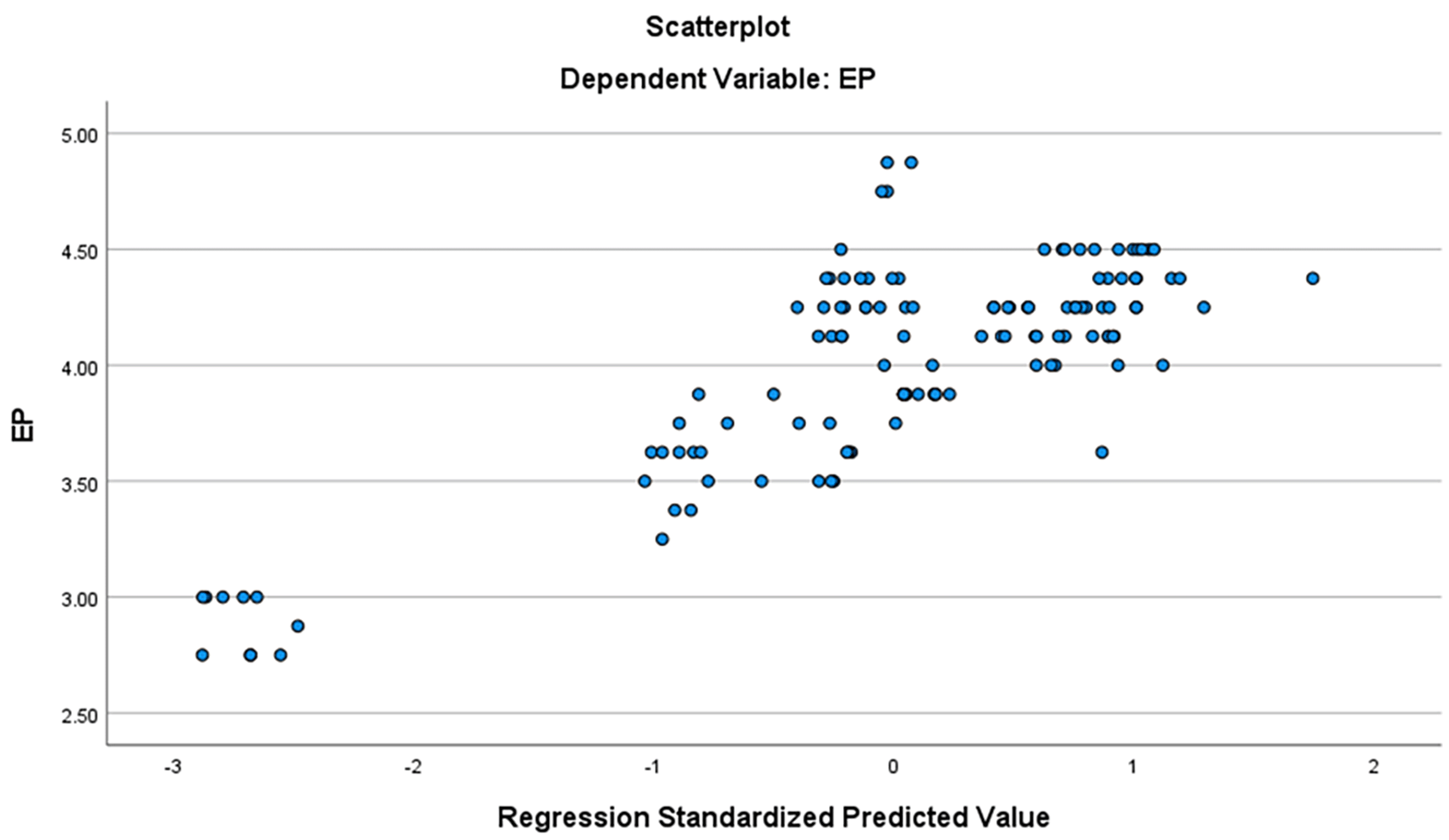
The absence of a discernible structure in the spread of residuals indicates that employee performance does not exhibit increasing or decreasing variability as change management practices improve or weaken. This finding confirms that the assumption of homoscedasticity is satisfied in the relationship between change management and employee performance. In statistical terms, this means that the regression model does not suffer from heteroscedasticity, which could otherwise bias standard errors and weaken the validity of hypothesis testing.
The implication of this result is that the estimated effect of change management on employee performance is consistent across different levels of implementation. Improvements in change management practices influence employee performance in a stable and predictable manner, rather than producing erratic or uneven effects. This strengthens confidence in the regression estimates and supports the credibility of conclusions drawn about the role of change management in enhancing employee performance.
From a practical standpoint, meeting the homoscedasticity assumption reinforces the usefulness of regression findings for decision-making in local governments. Policymakers and administrators can rely on the results to design and implement change management interventions, knowing that their expected impact on employee performance is not distorted by unequal variability across organisational contexts.
Multicollinearity test
The multicollinearity test was conducted to check whether the independent variables were highly correlated with each other, which could distort the regression results and reduce the accuracy of coefficient estimates as shown in Table 9.
| Model | Collinearity Statistics | ||
|---|---|---|---|
| Tolerance | VIF | ||
| CM | .530 | 1.885 | |
The multicollinearity test results presented in Table 9 indicate that there is no serious multicollinearity problem in the regression model examining the relationship between change management and employee performance. The tolerance value for change management is .530, which is well above the commonly accepted minimum threshold of 0.10. This suggests that a substantial proportion of the variance in change management is not explained by other predictors in the model.
The Variance Inflation Factor (VIF) for change management is 1.885, which is far below the critical cut-off values of 5 or 10 that typically signal multicollinearity concerns. This low VIF confirms that change management does not exhibit excessive correlation with other independent variables and that its regression coefficient is estimated with reasonable precision.
The implication of these findings is that the regression results can be interpreted with confidence, as the estimated effect of change management on employee performance is not inflated or suppressed by overlapping relationships among predictors. Each unit change in change management reflects its distinct contribution to explaining employee performance, rather than a shared effect with other variables.
From an analytical and practical perspective, the absence of multicollinearity enhances the credibility of the regression model and supports valid statistical inference. For local governments, this means that conclusions drawn about the influence of change management on employee performance are reliable and can be used to inform policy and managerial decisions without concern that the results are distorted by unstable or misleading coefficient estimates.
Independence of errors test
The independence of errors test was conducted to ensure that the residuals in the regression model were not correlated with one another, which is necessary for producing unbiased and valid statistical results.
The results of the independence of errors test presented in Table 10 indicate that the regression model meets the assumption of independent residuals. The Durbin–Watson statistic obtained is 1.627, which falls within the generally acceptable range of approximately 1.5 to 2.5. This range suggests that there is no serious positive or negative autocorrelation among the residuals.
| Model Summaryb | |
|---|---|
| Model | Durbin-Watson |
| 1 | 1.627a |
The absence of autocorrelation implies that the errors associated with one observation of employee performance are not systematically related to the errors of another observation. In the context of this study, this means that variations in employee performance that remain unexplained by change management are randomly distributed across respondents and are not influenced by temporal or structural patterns within the local governments examined.
The implication of satisfying the independence of errors assumption is that the regression estimates linking change management and employee performance are unbiased and statistically reliable. Standard errors, significance tests, and confidence intervals derived from the model can therefore be trusted. For the study, this strengthens confidence in the conclusion that change management has a genuine and measurable effect on employee performance rather than an effect driven by correlated errors or data dependency.
From a practical perspective, meeting this assumption enhances the credibility of the empirical findings for decision-making in local governments. Administrators and policymakers can rely on the results to guide change management initiatives, knowing that the estimated relationship with employee performance is stable and not distorted by interrelated residual effects.
Regression analysis was conducted to determine the extent to which change management predicts employee performance and to quantify the nature and strength of this relationship.
The model summary presented in Table 11 shows that change management has a strong and meaningful predictive relationship with employee performance in the local governments of Kasese and Kabarole districts. The correlation coefficient (R = 0.710) indicates a strong positive association between change management and employee performance, confirming that improvements in change management practices are closely linked to improved employee outcomes. This strength of association is consistent with earlier correlation and regression results, reinforcing the central role of change management in shaping employee performance.
| Model | R | R Square | Adjusted R Square | Std. Error of the Estimate |
|---|---|---|---|---|
| 1 | .710a | .504 | .500 | .32452 |
The R Square value of 0.504 indicates that change management explains approximately 50.4 percent of the variation in employee performance within the sampled local governments. This proportion of explained variance is substantial in organisational and social science research, suggesting that change management is a key determinant of how well employees perform their duties. The adjusted R Square of 0.500, which accounts for model complexity and sample size, remains very close to the R Square value, indicating that the model is stable and not affected by overestimation.
The standard error of the estimate of 0.32452 is relatively low, implying that the predicted values of employee performance are close to the observed values. This indicates good model precision and suggests that the regression equation based on change management provides reasonably accurate predictions of employee performance in the two districts.
The implication of these findings is that effective change management significantly enhances employee performance, but it does not operate in isolation. While change management accounts for a substantial portion of performance variation, the remaining 49.6 percent of unexplained variance points to the influence of other organisational, individual, and contextual factors. These may include leadership style, employee motivation and incentives, skills and competence levels, organisational culture, availability of resources, work environment, communication systems, and external pressures such as policy changes and political dynamics within local government operations.
From a practical perspective, the results suggest that local governments should prioritise strengthening change management frameworks as a strategic intervention to improve employee performance. At the same time, policymakers and administrators need to adopt a holistic approach that integrates change management with other human resource and organisational development strategies. Addressing complementary factors such as leadership development, capacity building, performance appraisal systems, and employee welfare is likely to further enhance performance outcomes beyond what change management alone can achieve (Day et al., 2021; Errida & Lotfi, 2021; Osman et al., 2024; Ampong, 2024).
The ANOVA results presented in Table 12 show that the regression model examining the effect of change management on employee performance is statistically significant. The regression sum of squares of 13.472 compared to the residual sum of squares of 13.270 indicates that a substantial portion of the variation in employee performance is explained by change management. This supports the strength of the model in accounting for differences in employee performance across the local governments studied.
| Model | Sum of Squares | df | Mean Square | F | Sig. | |
|---|---|---|---|---|---|---|
| 1 | Regression | 13.472 | 1 | 13.472 | 127.925 | .000b |
| Residual | 13.270 | 126 | .105 | |||
| Total | 26.742 | 127 | ||||
The F-statistic of 127.925 is very large, and the associated significance value of .000 is well below the 0.05 threshold. This confirms that the regression model as a whole is statistically significant and that change management significantly predicts employee performance. In practical terms, this means that the relationship between change management and employee performance is not due to random chance but reflects a real and meaningful organisational effect.
The comparatively small mean square for the residuals (0.105) suggests that unexplained variance in employee performance is relatively low when change management is included in the model. This finding aligns with the earlier model summary, which showed that change management explains about half of the variance in employee performance, reinforcing the robustness of the regression results.
The implication of these findings is that change management is a critical explanatory factor in understanding employee performance in Kasese and Kabarole district local governments. The significant ANOVA result validates the regression model and supports the use of change management as a key strategic lever for improving employee outcomes. At the same time, the presence of residual variance indicates that other organisational and contextual factors still influence employee performance. Consequently, local government administrators should combine effective change management practices with complementary initiatives in leadership, resource allocation, employee motivation, and organisational culture to achieve sustained improvements in performance and service delivery (Atiku et al., 2023; Amesho et al., 2022; Ojogiwa & Qwabe, 2021).
The coefficient results presented in Table 13 provide clear evidence of the direction, strength, and statistical significance of the relationship between change management and employee performance. The constant term has a value of 2.526 and is statistically significant, indicating the baseline level of employee performance when change management is held at zero. This suggests that even in the absence of strong change management practices, a minimum level of employee performance exists, shaped by routine structures and existing organisational systems within the local governments.
| Model | Unstandardized Coefficients | Standardized Coefficients | T | Sig. | ||
|---|---|---|---|---|---|---|
| B | Std. Error | Beta | ||||
| 1 | (Constant) | 2.526 | .134 | 18.844 | .000 | |
| CM | .420 | .037 | .710 | 11.310 | .000 | |
The unstandardised coefficient for change management is 0.420, with a very small standard error of 0.037. This indicates that for every one-unit increase in change management, employee performance increases by 0.420 units, holding other factors constant. The small standard error reflects high precision in the estimate, while the corresponding t-value of 11.310 and significance level of .000 confirm that this effect is statistically significant.
The standardised beta coefficient of 0.710 further demonstrates that change management has a strong positive effect on employee performance. This value indicates that a one standard deviation increase in change management leads to a 0.710 standard deviation increase in employee performance. The magnitude of this coefficient suggests that change management is a powerful predictor of employee performance among the variables considered in this model.
The implications of these findings are substantial for both analysis and practice. Statistically, the results confirm that change management makes a significant and positive contribution to explaining variations in employee performance. Practically, the findings imply that improvements in planning, communication, leadership support, and employee involvement during organisational change are likely to produce meaningful improvements in employee performance in Kasese and Kabarole district local governments (Schoeman & Chakwizira, 2023; Ongere & Muchemi, 2024; Njuguna & Minja, 2023; Atiku et al., 2023). While other factors also influence performance, the strength and significance of the change management coefficient underscore its central role as a strategic driver of employee effectiveness and organisational performance.
The findings of this study demonstrate a strong positive relationship between change management and employee performance in the local governments of Kabarole and Kasese districts, with a Pearson correlation coefficient of 0.710 (p < 0.001). Regression analysis further confirmed that change management significantly predicts employee performance (β = 0.420, p < 0.001), explaining approximately 50.4% of the variance in employee outcomes. These results indicate that well-structured change management practices such as timely communication, leadership support, employee training, and adequate resource allocation positively influence productivity, service delivery, and overall employee efficiency. Qualitative findings reinforce this relationship, highlighting that transparent communication, phased implementation of reforms, participatory planning, and targeted training enhance employee confidence, motivation, and performance outcomes. Employees reported that initiatives like the Balanced Scorecard and phased introduction of new financial systems strengthened accountability and improved service delivery, demonstrating the importance of inclusive and supportive change management practices in fostering high performance.
These findings are consistent with the broader empirical literature. Mabasa and Flotman (2022) observed that effective change management in South African organisations positively influenced employee adaptation, cognitive engagement, and overall performance, particularly when employees were actively involved, empowered, and trained. Similarly, Harrison et al. (2021) highlighted that structured change management methodologies serve as guiding principles that facilitate employee adaptation and performance in complex organisational environments, aligning closely with the experiences reported in Kasese and Kabarole districts. Isi et al. (2022) emphasised that participatory governance and adaptive planning frameworks in local government enhance organisational performance and employee engagement, which corresponds with the study’s qualitative findings that employee involvement in initiatives such as the Balanced Scorecard strengthened accountability and output. Tang and Qin (2022) also noted that strategic governance and policy interventions indirectly influence employee performance through organisational efficiency, reinforcing the observed link between structured change management and employee outcomes in the Ugandan districts. Furthermore, Widarko and Anwarodin (2022) identified motivation and internal organisational processes as critical determinants of employee performance, with supportive leadership, empowerment, and procedural clarity acting as internal change management mechanisms that foster higher performance. Masuda et al. (2022) and Petersson et al. (2022) highlighted the importance of strategic coordination, stakeholder engagement, and capacity-building in improving employee adaptation and organisational outcomes, which aligns with the study’s observations on phased implementation of procedural and financial reforms. Ahenkorah (2022) further demonstrated that training and capacity-building as elements of change management enhance performance in administrative and resource management roles, corroborating the qualitative accounts emphasizing training, counselling, and readiness assessments.
Despite this convergence, the study also revealed areas of divergence, reflecting contextual challenges that may limit the effectiveness of change management. Abrupt top-down reforms, untested systems, rapid internal transfers, and inadequate logistical support were reported to cause anxiety, resistance, and reduced productivity, contrasting with the uniformly positive effects reported in studies such as Mabasa and Flotman (2022) and Harrison et al. (2021). While Isi et al. (2022) and Masuda et al. (2022) emphasised participatory and sustainability-focused interventions, the districts studied experienced gaps in readiness assessment, resource allocation, and continuous learning programmes, limiting the full potential of change management interventions. These discrepancies highlight the influence of contextual factors, including infrastructure limitations, geographical constraints, and centrally imposed policies, on the effectiveness of change management in local government settings.
Further, some studies in different contexts report findings that contradict the strong positive relationship observed in this study. Suryani et al. (2024) found that in local governments in West Kalimantan, change management did not have a statistically significant direct effect on organisational performance, with organisational culture playing a more substantial role. Similarly, Mohammed and Mohammed (2024) reported that certain dimensions of change, particularly technological changes, did not exhibit a significant relationship with employee performance, suggesting that not all aspects of change management inherently improve outcomes. Abawari et al. (2024), in a study of public organisations in Oromia, Ethiopia, concluded that change management had no direct effect on service delivery; instead, its impact was mediated through organisational culture. These studies suggest that contextual, cultural, and structural factors, as well as the specific types of change implemented, can weaken or obscure the direct effect of change management on employee performance.
The analytical insights from both convergence and divergence underscore that while change management is a critical determinant of employee performance, its effectiveness depends heavily on implementation fidelity, resource adequacy, and adaptation to local contexts. Well-structured, inclusive, and supportivfe change management approaches enhance employee motivation, accountability, service delivery, and retention. Conversely, inconsistent application, abrupt top-down directives, and insufficient support can weaken the positive relationship between change management and performance. This implies that local governments must complement formal change management frameworks with context-sensitive strategies, logistical facilitation, and participatory mechanisms to optimise employee performance. Overall, the findings provide strong empirical support for the role of change management in enhancing employee outcomes, while also highlighting the importance of considering local operational realities, infrastructural constraints, and employee involvement to sustain high performance in public sector organisations.
The study concludes that change management plays a crucial role in influencing employee performance within the local governments of Kabarole and Kasese districts. Effective change management practices, characterised by clear communication, leadership support, structured training, allocation of adequate resources, and participatory planning, positively affect employee motivation, accountability, and the quality-of-service delivery. Employees’ experiences indicate that when organisational changes are implemented inclusively and systematically, performance improves, with staff demonstrating greater confidence, adaptability, and engagement. In contrast, abrupt top-down reforms, insufficient preparation, rapid internal transfers, and logistical challenges reduce morale, provoke resistance, and hinder productivity, highlighting the importance of context-specific strategies in change management.
The findings are consistent with existing literature that highlights the significance of structured and supportive change management in enhancing employee performance. Studies in various contexts show that employee involvement, empowerment, and capacity-building are essential for successful adaptation to organisational changes. However, this study also reveals that the effectiveness of change management is highly dependent on local operational realities, including infrastructure, welfare provisions, and alignment of reforms with staff capacities. Challenges such as inadequate logistical support, abrupt policy impositions, and misaligned job structures can weaken the impact of otherwise well-designed change initiatives.
The study demonstrates that successful change management in local government is multifaceted and requires both strategic planning and human-centred approaches. Improvements in employee performance are achieved not simply through policy directives but through inclusive engagement, careful preparation, continuous support, and attention to employee well-being. These findings emphasise the need for local governments to balance structural reforms with participatory mechanisms and context-sensitive measures to ensure that organisational changes are effectively integrated into daily operations. The insights provide practical guidance for policymakers and administrators seeking to enhance employee performance, showing that transparent, well-resourced, and inclusive change management strategies are fundamental for building a motivated and high-performing workforce in the public sector.
Based on the comprehensive findings of this study, several practical recommendations can be made for the management of Kasese and Kabarole Districts local governments and other similar local government institutions. First, it is essential for local government leadership to prioritise inclusive and participatory approaches in the design and implementation of organisational changes. Policies should mandate early and continuous engagement of employees in change initiatives, ensuring that their input, concerns, and suggestions are incorporated into planning and execution. This approach will reduce resistance, improve employee buy-in, and enhance the effectiveness of reforms.
Second, clear and consistent communication should be institutionalised as a core component of change management strategies. Management should develop structured communication protocols that provide timely information on organisational changes, expected roles, and performance expectations. Practical measures such as regular meetings, sensitisation sessions, and feedback mechanisms can reinforce transparency, build trust, and ensure employees understand the purpose and benefits of reforms.
Third, investment in training, capacity-building, and readiness programmes is crucial for enabling employees to adapt to changes effectively. Policies should support continuous professional development, including technical training, counselling, and mentoring, to enhance staff competence and confidence in implementing new systems and procedures. Structured induction and refresher programmes for newly introduced tools and processes will also minimise errors and improve efficiency in service delivery.
Fourth, adequate allocation of resources, including logistical support, technological infrastructure, and welfare provisions, should be prioritised to ensure that employees can perform optimally, particularly in remote or challenging environments. Policy frameworks should consider hardship allowances, transport facilitation, and access to essential tools and systems as integral elements of change management. These measures will help sustain performance and reduce employee dissatisfaction during periods of organisational transition.
Fifth, local governments should integrate monitoring, evaluation, and accountability mechanisms into change management processes. Regular performance reviews, supervisory oversight, and participatory feedback from staff and citizens can provide actionable insights on the progress and impact of reforms. Research evidence suggests that linking employee performance assessments to tangible outcomes, while providing constructive feedback, strengthens motivation and ensures alignment with organisational objectives.
Lastly, policies and practical strategies should recognise the importance of contextual adaptation. Change management frameworks must be flexible to account for local operational realities, infrastructure limitations, and workforce dynamics. Phased implementation of reforms, piloting of new systems, and alignment with local capacities can mitigate disruptions and ensure that changes are both effective and sustainable. Incorporating these recommendations will not only improve employee performance but also enhance organisational resilience, service delivery, and long-term governance outcomes in local governments.
This study has several limitations that should be considered when interpreting its findings. First, the study was conducted in only two districts, Kabarole and Kasese, which may limit the generalisability of the results to other local governments in Uganda or beyond. The unique socio-economic, cultural, and administrative contexts of these districts could influence how change management practices are implemented and how employees respond, meaning that similar outcomes may not necessarily be observed in other regions with different operational realities.
Second, the study relied heavily on self-reported data from employees and managers, which may introduce biases such as social desirability or recall bias. Respondents might have provided responses that they perceived as favourable to the organisation or leadership, potentially overestimating positive experiences of change management or employee performance. While qualitative interviews helped to provide context and depth, subjective perceptions could still influence the overall assessment of the relationship between change management and employee performance.
Third, the cross-sectional design of the study limits the ability to draw causal inferences. Although statistical analyses indicated significant associations between change management and employee performance, the study captures a snapshot in time and does not account for changes or developments that may occur over longer periods. Longitudinal studies would be necessary to examine the dynamic effects of change management interventions on employee performance and to better understand the sustainability of the observed outcomes.
Based on the findings of this study, several directions for future research can be identified. First, future studies could adopt a longitudinal design to examine how change management interventions influence employee performance over time. This would provide deeper insights into the sustainability of performance improvements and allow researchers to capture the long-term effects of phased implementation, training programmes, and participatory approaches in local government settings.
Second, research could explore the role of contextual and environmental factors in moderating the relationship between change management and employee performance. Factors such as infrastructure availability, logistical support, staff welfare, and geographical challenges emerged as significant influences in this study, and further investigation could clarify how these conditions facilitate or constrain the effectiveness of change initiatives. Comparative studies across multiple districts or countries would help determine whether these factors consistently impact performance outcomes.
Third, future research could examine specific dimensions of change management and their differential effects on employee performance. While this study highlighted general positive impacts of structured, supportive, and inclusive change management, there is a need to investigate which particular elements such as communication, leadership support, training, or resource allocation have the strongest influence on various performance indicators. This could guide more targeted interventions and policy design in local government and other public sector contexts.
Additionally, qualitative research could be expanded to explore employees’ lived experiences of change more deeply, particularly regarding resistance, adaptation, and motivation. Mixed-method approaches combining quantitative performance metrics with rich qualitative insights could provide a more comprehensive understanding of how organisational changes translate into tangible improvements in service delivery and workforce effectiveness.
The study obtained ethical approval from the Kampala International University Research Ethics Committee, with approval number KIU-2024-633, and was conducted in accordance with the approved ethical guidelines.
All participants provided a written informed consent after receiving a complete description of the study. The study description the aim of the study, participant’s involvement, potential risks and benefits. Participants were assured of confidentiality and their rights to withdraw from the study without any negative effects and their participation was voluntary.
| Views | Downloads | |
|---|---|---|
| F1000Research | - | - |
|
PubMed Central
Data from PMC are received and updated monthly.
|
- | - |
Provide sufficient details of any financial or non-financial competing interests to enable users to assess whether your comments might lead a reasonable person to question your impartiality. Consider the following examples, but note that this is not an exhaustive list:
Sign up for content alerts and receive a weekly or monthly email with all newly published articles
Already registered? Sign in
The email address should be the one you originally registered with F1000.
You registered with F1000 via Google, so we cannot reset your password.
To sign in, please click here.
If you still need help with your Google account password, please click here.
You registered with F1000 via Facebook, so we cannot reset your password.
To sign in, please click here.
If you still need help with your Facebook account password, please click here.
If your email address is registered with us, we will email you instructions to reset your password.
If you think you should have received this email but it has not arrived, please check your spam filters and/or contact for further assistance.

Comments on this article Comments (0)