Keywords
Pile, sand, layered soil, clay

This article is included in the Fallujah Multidisciplinary Science and Innovation gateway.
Pile, sand, layered soil, clay
Foundation piles are structural elements that are required in places where the top layers of soil are weak, highly compressible, and unable to support loads when using shallow foundations. The behavior of piles is even more complicated in cases where there are soft or unsteady layers in the soil profile because the process of load transfer is highly dependent on the stiffness, thickness, and location of the weak layers. Sand and clay layers in many practical engineering locations are interlaced, in that soft clay layers are bounded by denser layers of sand. This stratification may increase or decrease the performance of pile foundations, depending on the properties of each layer.
Knowledge of the behavior of piles in layered soils is paramount for stabilizing foundations and serviceability. Although some research has been conducted on circular and square piles under different soil conditions, there has been minimal research on H-shaped piles, particularly in the condition of various layers of clay and hardness. This study seeks to experimentally test the H-pile behavior in stratified soils with a specific focus on the manner in which the location and uniformity of the clay layer affect the shaft friction and end-bearing capacity.
The load-bearing performance is highly controlled and influenced by subsurface conditions, and initial foundation engineering studies have shown that it is important to be aware of the stratification of soil and its impact on settlement and bearing resistance, particularly in sandy and cohesive soils.1 Subsequent experimental and numerical research has demonstrated that weak seams or layer cavity-like features close to the surface or beneath pile tips can have a major negative effect on the axial pile capacity. Further experiments showed that the distribution of stress is influenced by the shape and geometry of piles and that non-prismatic and modified sections are likely to be more effective in multi-layered deposits.2,3 The additional tests performed on the ratio of slenderness and shaft resistance further confirmed the fact that both the properties of the soil and the size of piles concurrently influence the end result capacity and settlement behavior. Numerical tests have also provided strong results that have shown better performance for non-prismatic and composite piles in layered soils.4–6
The floating piles and pile group behavior under both stationary and dynamic load conditions gave much attention to the interaction between the sand and clay layers and noted that the stiffness, moisture content, and layer sequence significantly influence the behavior of loads and settling of the piles.7,8 To a great extent, more modern works have revealed that the depth of the clay seam and its homogeneity can be relied upon in determining whether the end bearing or shaft friction dominates the overall reaction of the pile. In most cases, the mobilization of thicker weak layers is easier in the surrounding sand resistance.9,10 It is also stated that the theoretical and field study of piles reveals that the composite and non-uniform piles are more efficient when there are confined weaker layers in the center of denser strata, which results in a small settlement and an increase in stability.11–13
Dynamic and cyclic H-shaped sections under lateral and vertical loading indicate that the sections possess a good redistribution of stress when the conditions of moisture and density in cohesive soils are under control.14–16 The horizontal alignment of the soil layers was also illustrated17 to have a significant effect on the behavior of a pile subject to vertical load, and these are in terms of the load-bearing capacity and settlement pattern along the pile. It was established that the redistribution of stress owing to fatigue loading in piles of the H-section is high when lateral forces are applied.18
Studies conducted on load- settlement relations have shown that they form the basis for predicting the behavior of piles and removing excessive settlement. Salih stated that these relationships in multi-layered soil systems should be considered,19 but Wei et al. demonstrated that axial pile capacity and settlement patterns directly rely on the arrangement and treatment of the soil layers.20 H-piles can effectively mobilize shaft resistance in sandy layers, but the presence of weak clay seams makes the depth of the layer and the clay consistency important factors in design.20 New models and data-driven methods for the interaction between soil and structure have enhanced the predictability of piles in layered soils. Piles of different cross-sectional profiles have been studied comparatively, and it has been established that geometry can substantially influence the settlement behavior and mechanisms of load transfer. Standardized testing procedures and methods of characterization were developed in ASTM and other codes that can be used to provide a reliable framework for laboratory and field tests to test the behavior of piles in stratified soils.21 The H-shaped piles have thus come out to be a desirable method of enhancing the resistance of the axis in the scenarios where the thin layers of the clay are enclosed by thicker layers of sand.22,23 The study by Tra et al.2 highlighted the importance of clay layer thickness and shear properties on both the base resistance and shaft friction of piles. Similarly, Leawood et al.24 reported that the presence of a soft clay layer changes the behavior of laterally loaded piles due to the lower rigidity of clay in transferring stress to surrounding sand.
In view of the above, H-section piles would be a suitable solution in stratified soils and when dealing with weak clay layers separating stronger sandy strata as it would provide better resisting power of friction and consistency amid various layers of clay at various depths. Therefore, the interdependence of H-piles on multi-layered soils is required to maximize the design of a foundation in geotechnical soil with non-uniform ground conditions.
In the present study, a silty-clay layer was introduced to the soil profile at three depths to evaluate its implication in terms of the behavior of a pile. The sample layer of clay was placed at three levels of proximity to the surface L1 (top layer near the surface), L2 (middle layer, mid-depth of pile), and L3 (at the bottom, beneath the pile).
Looking at how H-Piles work and seeing how they measure up against older study’s findings of the present study on H-shape piles in layered soils do not contradict previous studies but rather extend them. It was previously established that soil stratification greatly influences pile behavior, while weak layers reduce the axial capacity and change the pattern of settlements.2,3 Later studies also indicated that the pile geometry and slenderness ratio influence the mechanism of load transfer as well as ultimate resistance; for non-prismatic sections, the mobilization of shaft friction is more effective.4,6,7 In confirmation of these results, our tests also indicate that H-piles are highly sensitive to both the depth and consistency of the clay layers. The sensitivity increases when a weak clay layer is closer to the pile tip (L3), and the performance drops significantly. Recent studies on multi-layered soils further support these observations. The findings of8 that the presence and stiffness of clay layers influence the distribution of axial load and settlement within sand-clay profiles is a major finding in this study as well. Stiffer clay layers seem to reduce the degradation of performance, whereas softer layers enhance settlement, thus supporting the above claim. Numerical and experimental studies have also validated that embedding weak layers within stronger surrounding soils increases their overall capacity.12,14 The H-shaped cross-section from our current study was able to rapidly mobilize shaft resistance in sandy layers, but was still very vulnerable to shallow or soft seams, thus illustrating the combined effects of layer depth and consistency. Other studies where Al-Fahham and Al-Jazaairry7,23 reported that location plays a more significant role toward ultimate load reduction validate our sensitivity analysis result, whereby L1 (top layer) has a maximum relative decrease and deeper layers have loss mitigation. Further studies on pile-soil interaction using the finite element method and laboratory testing emphasize the importance of stratification and weak layer properties, thus supporting the current observation that both the depth of the layer and clay stiffness control the load-settlement response of an H-pile. These comparisons prove that although the current experimental results are well within the established literature, they fall in such a manner as to offer some concrete evidence regarding the behavior of H-shaped piles in layered soils under varying conditions of consistency and depth.
The soil used was collected from the vicinity of Al-Najaf city center in the middle region of Iraq. It represents the local subsurface conditions and was carefully dug out to maintain its natural structure for experimentation. Before testing, the moisture content was adjusted to approximately 5%, so that the conditions remained uniform for all specimens.
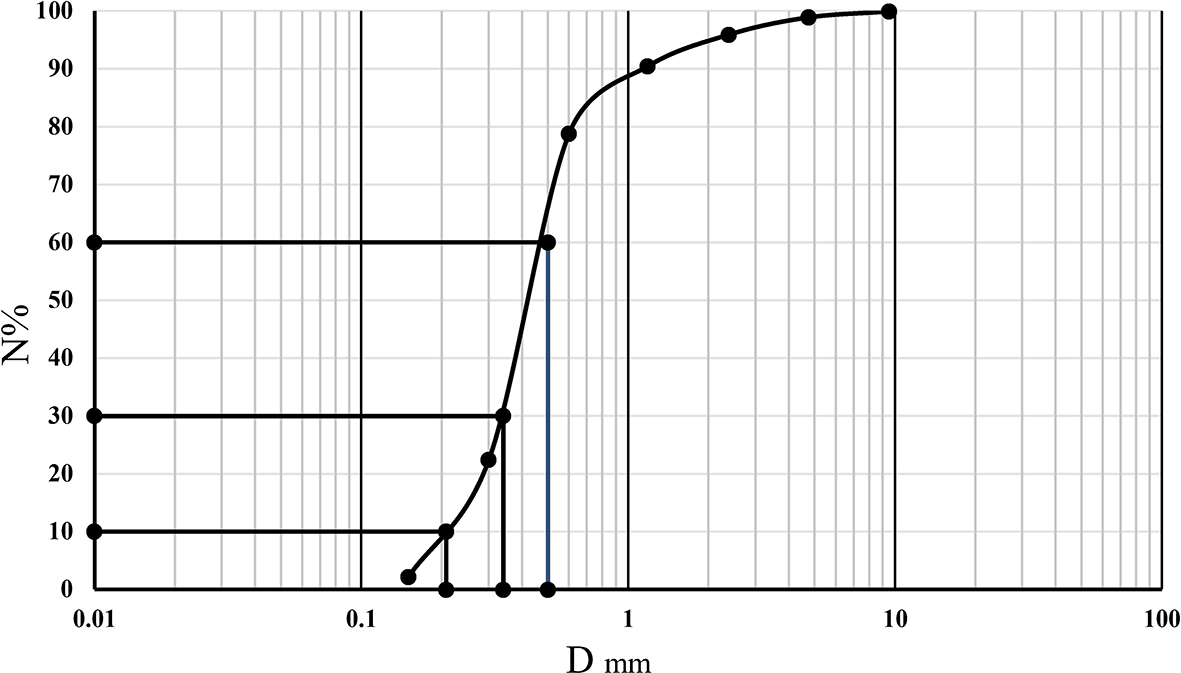
Laboratory testing of the physical properties of the sandy soil was performed according to ASTM standards and chemical properties by BS 1337 – Part 3. The sand used was poorly graded (SP) according to the USCS, with D10 = 0.208 mm, D30 = 0.340 mm, and D60 = 0.500 mm. The tests carried out included determination of bulk density and porosity to throw some light on compaction and void structure, organic matter content determination, pH, salinity, and mineral composition through chemical analyses.
The maximum dry unit weight of the sandy soil was determined in the laboratory using a standard Proctor test according to ASTM D698-07. This test provided the maximum dry density (γdmax) and optimum water content (OMC) under controlled laboratory conditions. To apply these results to field compaction, the interpretation of ASTM D4253-16 was followed, which provides guidance for estimating the target dry specific gravity that is achievable on-site. In this context, the term “field” refers to the dry density to be practically achieved during on-site compaction based on the results of the laboratory Proctor test. The resulting value is 17.48 kN/m3.
Results from these tests are presented in Tables 1 and 2.
| Parameter | Value | Reference/Method |
|---|---|---|
| Gypsum content | 1.91 % | BS 1337 – Part 3 |
| Sulfate content (SO3) | 0.89 % | — |
| Organic matter | 0.67 % | — |
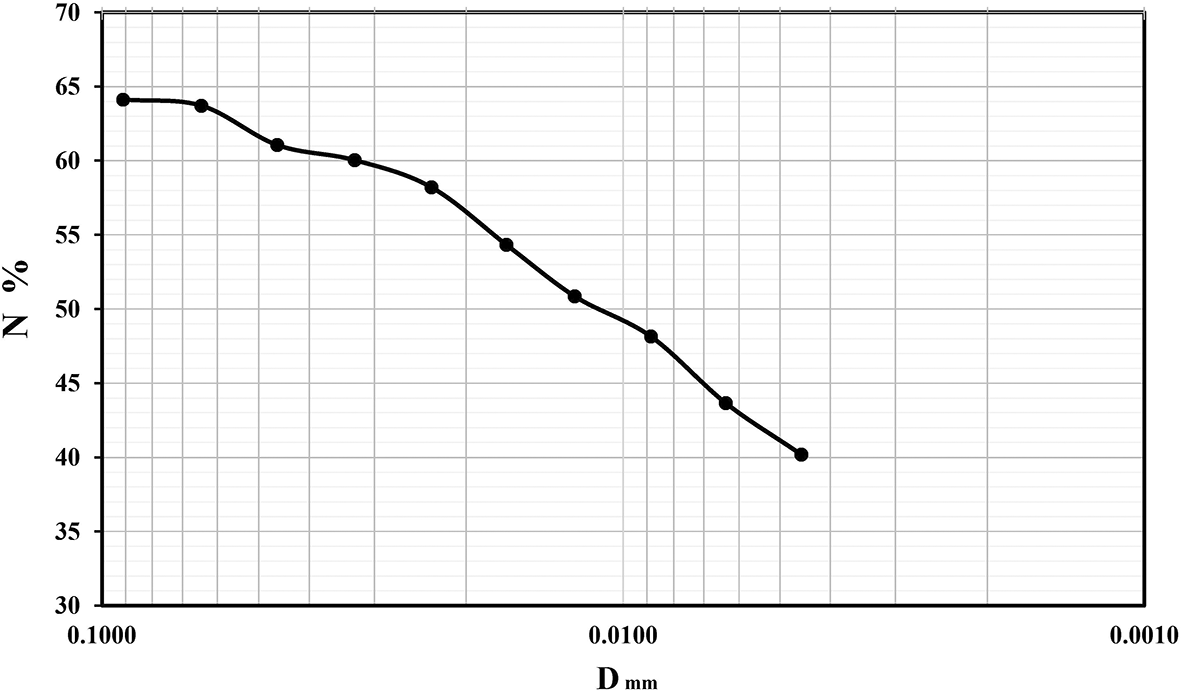
Other tests run on clayey soil, also following ASTM standards, including Atterberg limits for plasticity, particle size distribution, bulk density and porosity, organic matter determination, and chemical analyses of pH and salinity as well as mineral content. Results appear in Tables 3 and 4.
| Parameter | Measured value | Reference/Method |
|---|---|---|
| Sulfate content (SO3) | 1.67% | — |
| Gypsum percentage | 0.78% | BS 1337 – Part 3 |
| Organic matter | 2.21% | — |
Understanding the properties of both soils provides a basis for discussing how the H-shaped pile behaves when it is in contact with multi-layered soil in a later experimental program.
The clay layer was prepared in four different states to reflect the effect of the water content on its hardness and softness according to the Atterberg Limits. The solid clay (SCL) represents low-moisture clay below the plastic limit, where the clay retains its shape and is difficult to mold. The semi-solid clay (SSCL) has a water content close to the plastic limit, allowing it to be molded by hand pressure while exhibiting some elasticity. The semi-liquid state (SLCL) represents clay with a water content between the plastic and liquid limits, where the clay becomes soft and flows slowly under its own weight. Finally, the liquid state (LCL) represents clay with a water content above the liquid limit, where the clay becomes easily flowable and loses its solid shape. The water content was progressively added in each state with constant mixing until the required consistency and layer density were verified to ensure consistent results.
The ratios of water content have been chosen (0.6LL, 0.9LL, and 1.2LL) to reflect proportions of the clay consistency. These were selected according to the behavior of fine-grained soils in general near the lower boundaries of the Atterberg limits, where water contents below the liquid limit are generally indicative of a plastic state, those of the semi-liquid state are near the liquid limit, and those above the liquid limit are the fully liquid state. Therefore, 0.6 LL was used to produce a semi-solid, 0.9 LL for semi-liquid clay, and 1.2 LL for liquid clay.
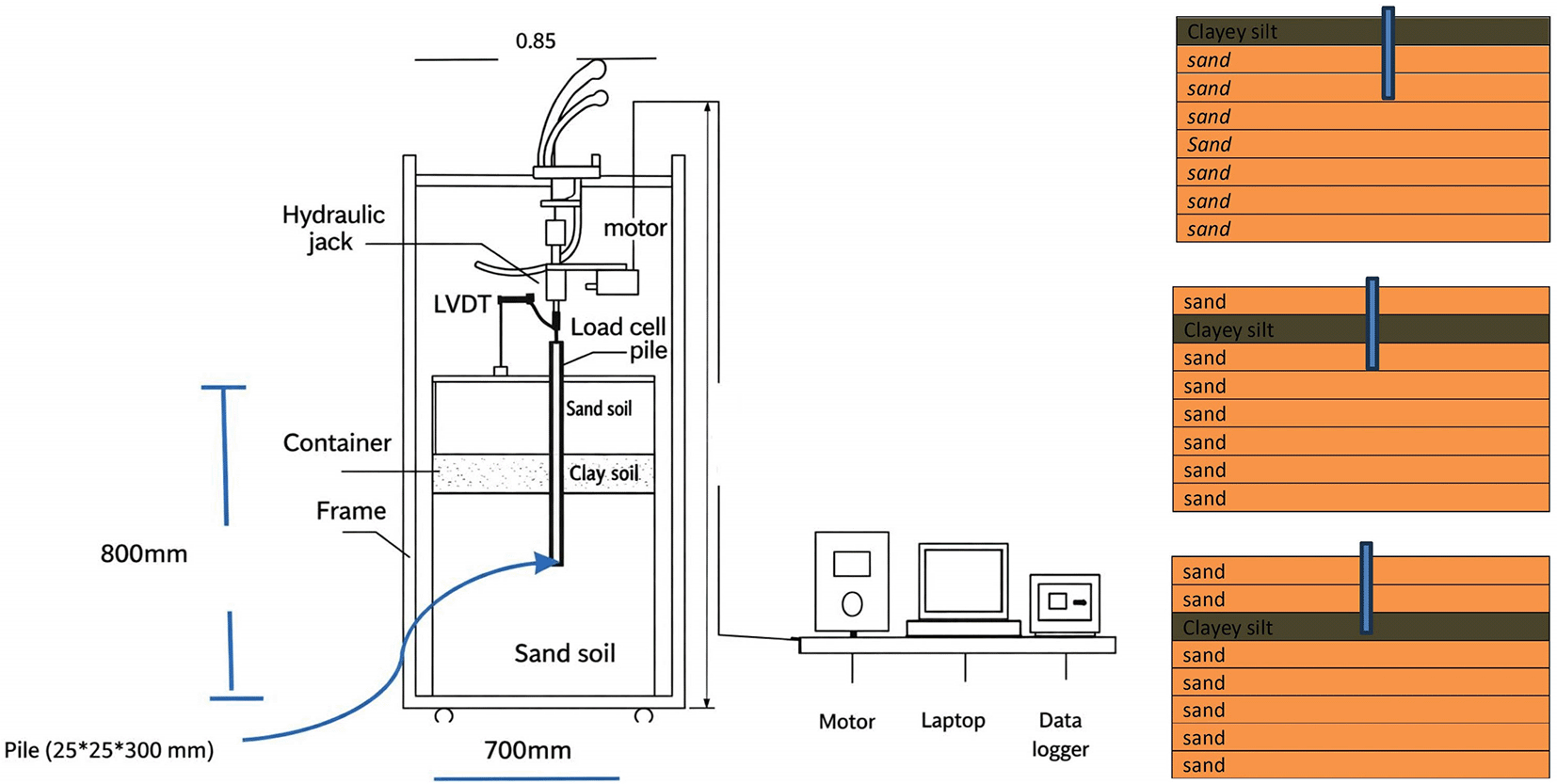
A specially designed steel container, mounted within a rigid load frame, was used. The dimensions of the container were 700 mm × 700 mm × 800 mm, ensuring that the distance from the H-shaped pile axis to any container wall was ten times greater than the pile's width to minimize boundary effects. The container walls were externally reinforced to prevent lateral deformation during soil compaction and loading. A rigid steel pile with dimensions of 25 mm × 25 mm × 30 cm was used. Arrangements were made to mount an electric screw jack on top of this load frame to apply axial loads to the pile head at a maximum capacity of 5 kN and constant loading rate of 1 mm/min. The screw tip is slightly smaller than the pile head to ensure proper contact and can be used to apply tensile loads when required. The applied loads were read by a stainless-steel load cell with an accuracy of ±0.5% connected to a digital data acquisition system. Stability was measured using three linear variable differential transformers symmetrically positioned around the pile head to minimize the deflection effects. The Displacement was continuously recorded during the testing according to ASTM D1143M-07.24 The substrate was composed of eight layers (10 cm thick each): seven layers of sand, and one layer of clay. There were three different depths of the clay layer (L1, close to the surface; L2, average depth; L3, deepest depth of the substrate), which was used to replicate the multi-layered soil profile. All the layers were compacted by hand directly after being placed in the chamber with a manual compactor, which had a flat steel bottom, and the number of strokes remained constant to form the desired density. The compactor used was shorter in length to enable internal movement inside the testing chamber because of the small internal height of the chamber, which would not affect the uniformity of compaction. All the layers were prepared and compacted using the same method to create a uniform density distribution and to eliminate the variation that might cause some variation in the behavior of the substrate under loading. Hand tampers were used to compact each layer of the soil in equal stages. To ensure the accuracy of the resultant readings, all measuring tools (low-pressure gauges and load cells) were recalibrated before each experiment. Figure 1 shows the overall layout of the loading system, and Figure 2 shows part of the photographs taken during the experimental setup, displaying the container, compacted sand surface, measuring instrument, and installation of the support to demonstrate the accuracy and consistency of the test procedures. Figure 3 reveals all components of the experimental setup.
A common coding scheme outlining different combinations of soil consistency and the positions of clay layers of pile H was designed to clarify the results. Since then, all figures, tables, and discussion sections will be written in this notation. Table 5 provides a summary of the adopted coding schemes.
The location of the pile performance at three locations of the clay layers was investigated. Four clay consistency states are also included in the matrix: SCL, SSCL, SLCL, and LCL. In every experimental instance, the substrate was fixed on the third layer such that its end was in direct contact with the bottom layer of the soil. Hence, the bearing layer varied with the location of the clay layer in all three cases. When the clay layer was at the bottom level (L3), it effectively acted as the bearing layer for the substrate, resulting in a significant decrease in the limiting capacity. Conversely, when the clay layer is at the top or middle level (L1 and L2), the substrate rests on the sand, whereas the clay layer acts as a weak layer sandwiched between stronger layers, resulting in different load-displacement curve behaviors.
The pile resistance increases relatively for solid clays under surface conditions (SCL and SSCL). This is basically due to the strong lower sand layers that provide good support, on which any upper material can contribute effectively to shaft friction and end bearing. The ultimate loads were significantly reduced for softer conditions of the upper clay (SLCL and LCL) because it is a weak shallow layer; the piles do not benefit significantly from it, as indicated by the very low ultimate pile resistance in previous studies where this condition was artificially created. According to previous experimental and numerical studies on layered soils, this is a typical phenomenon. At mid-depth location L2, the clay was confined by sand above and sand below, allowing for partial mobilization of the shaft friction. The ultimate loads were moderate: higher than L3 under stiff clay but lower than L1, thereby indicating a positive influence of load transfer through confinement of clay on pile performance. Softer versions of the same material showed noticeable reductions, although not as drastic as in L1, which is consistent with earlier parametric studies on multi-layered soils.2,21 The clay layer was located at the bottom, that is, L3 Resistance was most dramatically reduced by semi-liquid clay, in which SLCL and LCL are examples. Although stiff clay does improve resistance relative to the weaker states, it piles cannot achieve the same loads as in L1 and L2 because of the limited development of shaft friction above the pile tip. This confirms that weak bottom layers have a stronger influence on reducing the pile capacity when the end bearing is critical.
The load-settlement curves ( Figure 5) clearly show that both the depth and consistency of the clay layer critically govern the H-pile response. Thus, clay layers are found to always increase the ultimate load, whereas softer or liquid conditions substantially reduce the performance. The novel observation of top-layer clay (L1) shows that H-piles can develop relatively high resistance when weak clay is confined within strong sand layers below it; thus, it indicates a combined influence of layer depth, clay consistency, and surrounding soil strength on pile behavior. Figure 6 shows the load settlement curve of fully sandy soil condition. However, Figure 7 illustrates the effect of clay layer position and consistency on H-pile capacity.
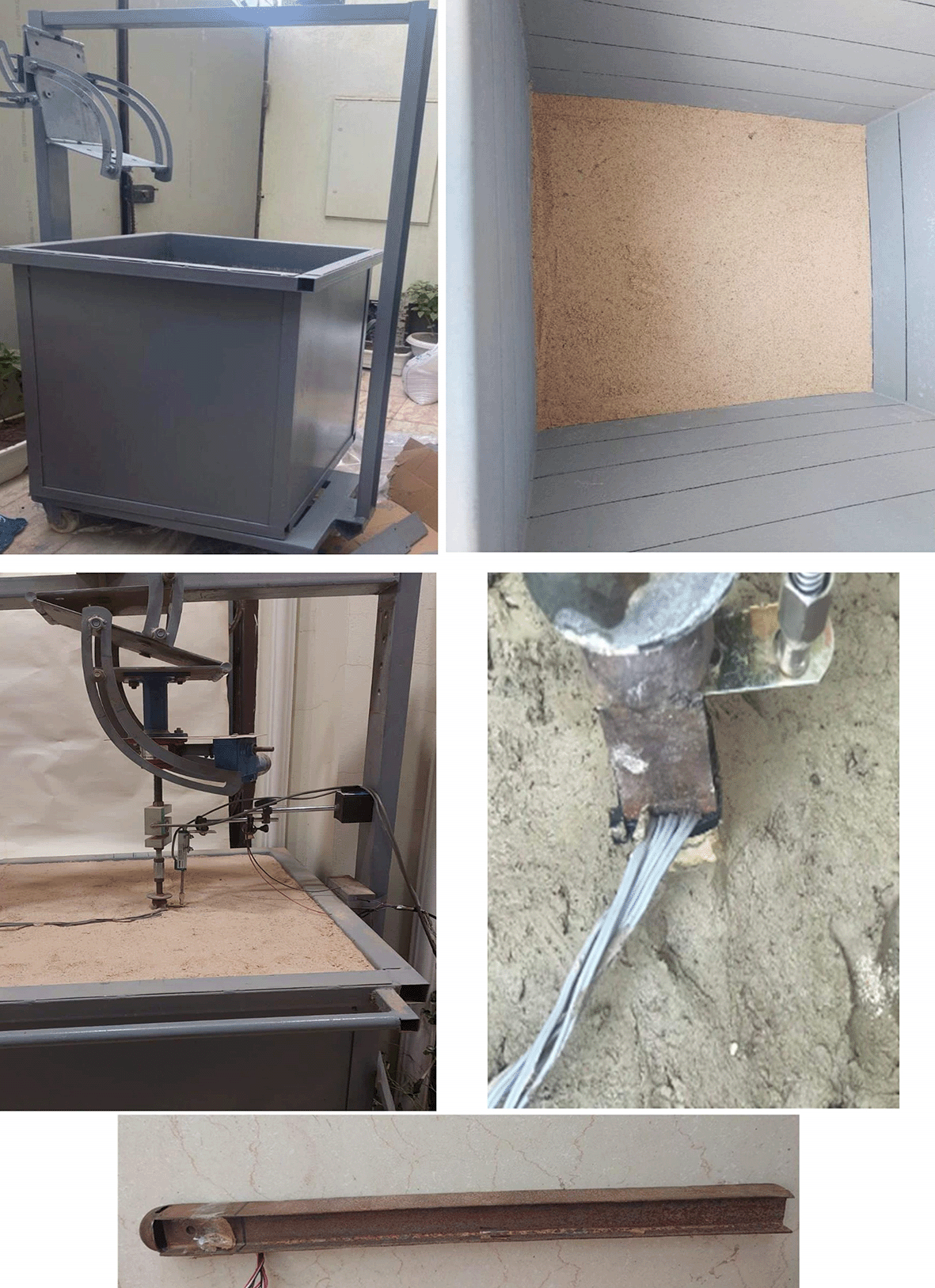
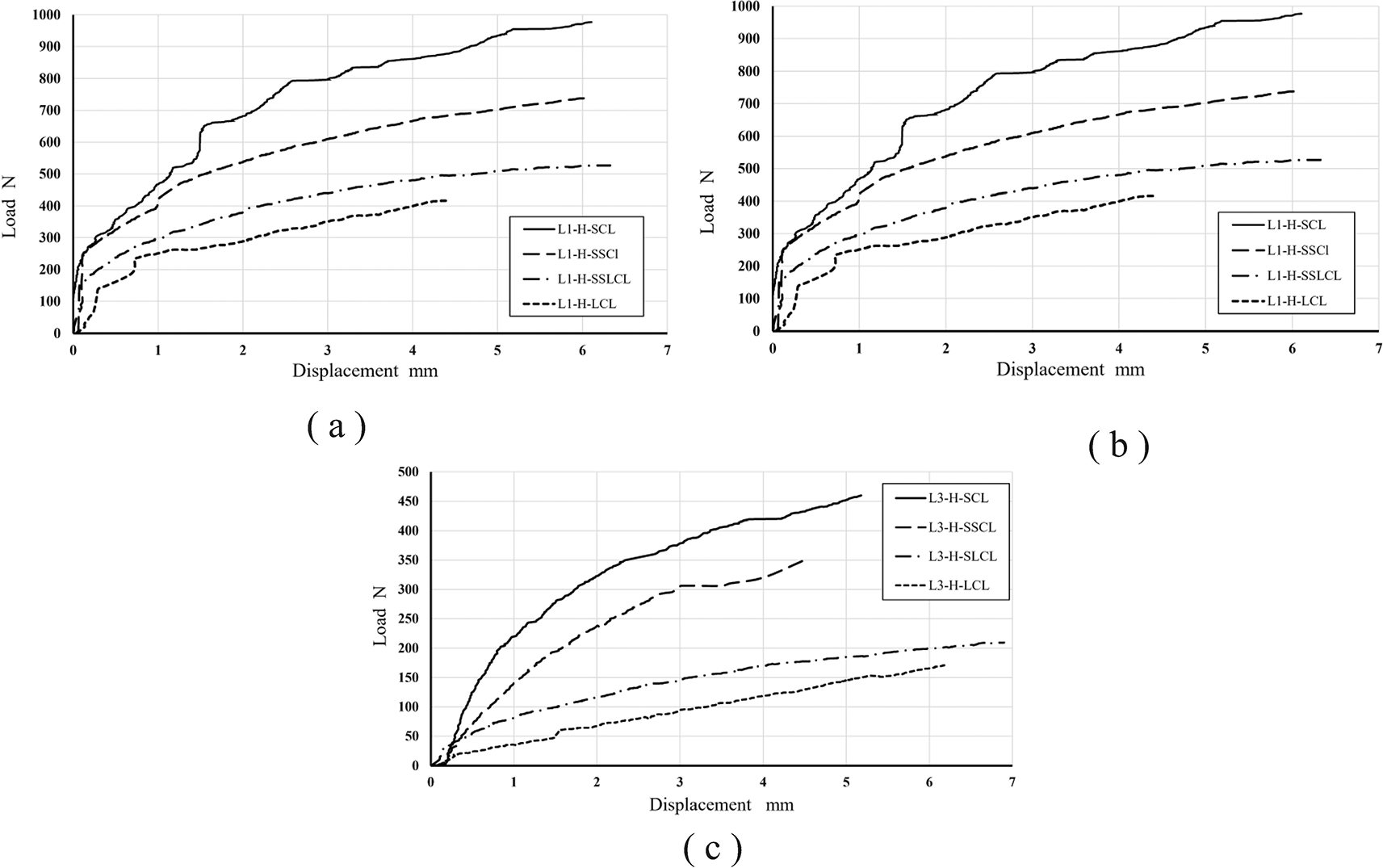
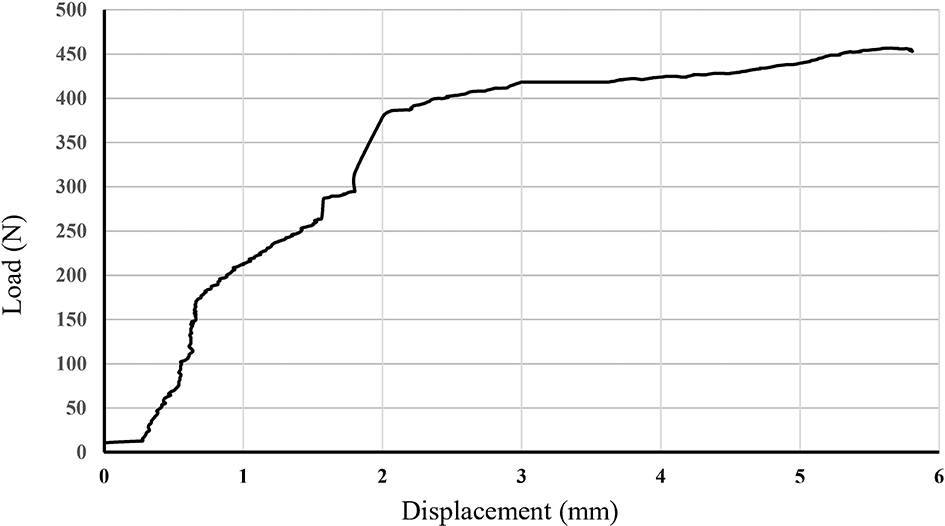
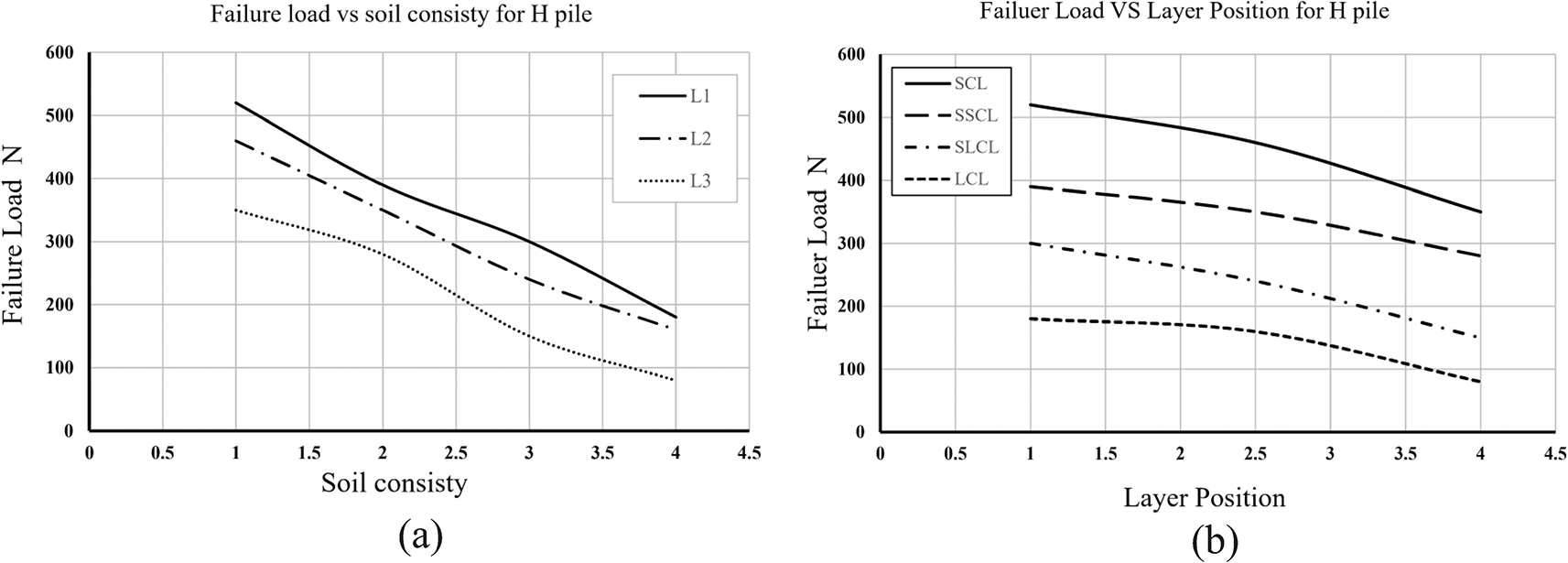
Table 6 presents the values of the ultimate load for H piles embedded in layered soil profiles with different clay consistencies (SCL, SSCL, SLCL, and LCL) at three different depths (L1: top layer, L2: middle layer, and L3: bottom layer). From the above results, it can be observed that there is a consistent performance ranking at all depths: SCL > SSCL > SLCL > LCL. The influence of stiffness was more pronounced when the weak layer was near the surface (L1). The influence of clay stiffness decreases to the same extent as the effect when a particular clay layer is placed deeper.
| Clay condition | L1 – Top layer (N) | L2 – Middle layer (N) | L3 – Bottom layer (N) |
|---|---|---|---|
| SCL (Solid Clay) | 800 | 550 | 350 |
| SSCL (Semi-Solid Clay) | 590 | 410 | 280 |
| SLCL (Semi- Liquid Clay) | 410 | 350 | 185 |
| LCL (Liquid Clay) | 300 | 290 | 80 |
When a pile is loaded, most of the force is directed directly towards the base, making the properties of the layer beneath the pile tip the primary factor determining its response. If this layer is weak, it lacks sufficient stiffness or resistance to prevent pile settlement or withstand its pressure, and failure begins even if the upper layers are stronger. Conversely, a weak layer located above the pile does not produce the same level of impact, as its role is limited to lateral friction, whereas the base's resistance remains dominant in the overall behavior. Therefore, the weakness of the underlying layer was the most influential factor in reducing the bearing capacity in this stratigraphic arrangement.
A preliminary test was conducted to investigate the influence of the clay layer on the behavior of the substrate in a stratified soil system by utilizing eight uniform sand layer sections of fully sandy soil. The given reference case presents a framework for examining and contrasting the load, displacement, ultimate bearing capacity, and reaction of the substrates under the same conditions without a thin layer of weak clay, which were previously used (Al-Jazaairry and Sabbagh 2017).12 The final weight-carrying capacity of the entirely sandy section was 405 N for substrate H.
To measure the impact of clay layers on pile performance, each case should be compared with the reference case of fully sandy soil. The purpose of this comparison was to determine the effect of the presence, position, and consistency of the clay layers on the final load and settlement of the piles. The friction effects of the shafts, base resistance, and general pile capacity can be easily determined by comparing the experimental findings of the clay-affected layers to the all-sandy base. This method offers a simple mechanism for determining the merits or demerits of clay layers under varying conditions and enables intelligent decision-making in relation to layered soil design, as illustrated in Table 7.
| Clay condition | L1 (N) | L2 (N) | L3 (N) | % Change vs Sand | ||
|---|---|---|---|---|---|---|
| L1 | L2 | L3 | ||||
| SCL | 800 | 550 | 350 | +97.5% | +35.8% | –13.6% |
| SSCL | 590 | 410 | 280 | +45.7% | +1.2% | –30.9% |
| SLCL | 410 | 350 | 185 | +1.2% | –13.6% | –54.3% |
| LCL | 300 | 290 | 80 | –25.9% | –28.4% | –80.2% |
| SAND | 405 (N) | |||||
When compared to all the clay cases with pure sand (405 N), the solid clay layers were found to have a greater capacity to support the substrate when it was too close to the surface. The solid clay (SCL) case registered the highest increase at the top (97.5%); however, its effect diminished with depth to a slight decrease at the bottom (13.6%). Semi-solid clay (SSCL) was moderately improved at L1 (+45.7%) and marginally at L2, but was an important reduction at L3 (-30.9%). In contrast, semi-liquid and liquid clay (SLCL and LCL) exhibited a loss in the final capacity at all positions, with the highest loss at the bottom layer (-80%). These findings support the notion that harder clay improves the performance of the substrate close to its surface, whereas softer clay weighs down on the capacity irrespective of depth.
The weak bottom layer governs failure because the pile in our setup relies mainly on the end-bearing resistance. When the pile tip is seated on a soft or weak layer, the layer yields early and cannot support the applied load, directly leading to failure. The upper weak layers affect only shaft friction, whereas the end-bearing mechanism remains controlled by the bottom layer.
The variation in the ultimate load-carrying capacity of the H-pile with respect to the weak clay layer position and consistency is presented in Figure 4. The parametric study for this particular shape of footing also establishes a definite trend that as the clay layer approaches the base of the pile, the ultimate resistance decreases systematically, such that L1 > L2 > L3, irrespective of soil consistency. This again indicates that the soft interlayer proximity to the pile tip strongly governs the reduction in pile capacity, thereby making the layer position a critical parameter in the pile–soil interaction.
With respect to the effect of varying the consistency of clay, the results show that it is on the stiffer side of the spectrum wherein SCL and SSCL are realized that maximum capacities are derived, and it is on the softer side represented by SLCL and LCL, wherein a significant degradation of performance occurs. Hence, this reveals that although the clay stiffness controls the absolute magnitude of the bearing resistance, the layer position controls the degree of reduction relative to the depth. These findings are in agreement with previous experimental and numerical studies on H-piles and non-prismatic sections in a layered ground.
A sensitivity analysis was carried out to determine the most dominant factors influencing the behavior of the H-pile performance in layered soil profiles. The results obtained indicate that the position of the layer governs the ultimate load capacity because the reduced resistance is maximum when the weak clay layer is at the top, that is, its position is L1. The deeper positions, that is, L2 and L3, have comparatively smaller decreases, thus confirming the governing role proximity to the pile base.
The main effect of variations in clay consistency was on the absolute magnitude of pile capacity. Stiffer clays (SCL and SSCL) substantially augment resistance, whereas softer states (SLCL and LCL) manifest as noticeable reductions. The relative ranking of layer positions (L1 > L2 > L3) does not change for any consistency state. This shows that whereas clay stiffness alters the level of bearing resistance, the trend of reduction is governed by the layer position. This substantiates the current inference with improved reliability.
The clay stiffness significantly affected the capacity of the substrate (H). Compared to liquid clay, semi-liquid clay increased the stem friction and bearing capacity at the base by approximately 15–20%, while hard clay improved the overall substrate capacity by up to 35%. Soft clay (semi-liquid or liquid) decreases the lateral confinement, decreases the transfer of lateral stresses, and limits the formation of the base bearing capacity, which leads to increased settlement and reduced ultimate capacity. Thus, the capacity of the substrate and the mechanism of load transfer through the stem and substrate ends are directly proportional to the clay stiffness.
This was an experimental study that involved a thorough investigation of H-shaped piles that were tested within several layers of soils with a weak clay layer at different depths. Layers of harder clays increase the lateral friction resistance and load-bearing capacity at the base of the pile and decrease the load-bearing capacity at the end. In addition, weaker layers at the base were also determined to play a more significant role in the failure that occurs in the piles compared to those at the top, as the former limits the load-bearing capacity of layers at the base, while the upper layers that are weaker in nature provide them with increased resistance owing to the lateral confinement that the surrounding sand imposes on them. These findings indicate the extreme sensitivity of clay properties and layer depth in pile design.
Finally, the results, contributions, and future uses are summarized as follows:
1. Scientific Contributions:
• The experiment demonstrated the synergy between the position and hardness of the clay layer and the final load-bearing capacity and load characteristics of the piles.
• The findings supported that hard clay would increase the stem friction and base of pile resistance, whereas soft or semi-liquid clay would greatly decrease the performance of piles.
• This research contributed to the sensitivity of the H-shaped piles to the presence of weak clay layers towards the surface, which were found to have a more significant influence in reducing the load-bearing capacity than the deeper ones.
2. Engineering Applications:
• The findings can have practical implications for engineers in the design of H-shaped piles when used in multi-layered soils, particularly in areas with weak clay layers between hard sand layers.
• The research points out that the correct determination of soil properties is significant because the performance of piles can be enhanced by enhancing the stiffness of the surface layers or by not locating piles on the weak layer of clay.
• These findings can be used to forecast possible settlement issues and in the process of maximizing pile depth and property choices according to soil layer sequences.
3. Future Research:
• It is suggested that future research based on numerical modeling and detailed field testing should be conducted to confirm this behavior under realistic loading and environmental conditions.
• The performance of H-piles under seismic or repetitive loads can be studied by examining the effects of cyclic or dynamic loading on H-piles in multi-layered soils.
• The H-pile group interactions can also be studied to optimize the lateral friction and maximize the load-bearing capacity of the groups.
Overall, this work highlights the importance of clay layer characteristics and depth in the functioning of H-piles and allows scientific and practical substantiation of the enhancement of the foundation design in multi-layered soils.
| Views | Downloads | |
|---|---|---|
| F1000Research | - | - |
|
PubMed Central
Data from PMC are received and updated monthly.
|
- | - |
Provide sufficient details of any financial or non-financial competing interests to enable users to assess whether your comments might lead a reasonable person to question your impartiality. Consider the following examples, but note that this is not an exhaustive list:
Sign up for content alerts and receive a weekly or monthly email with all newly published articles
Already registered? Sign in
The email address should be the one you originally registered with F1000.
You registered with F1000 via Google, so we cannot reset your password.
To sign in, please click here.
If you still need help with your Google account password, please click here.
You registered with F1000 via Facebook, so we cannot reset your password.
To sign in, please click here.
If you still need help with your Facebook account password, please click here.
If your email address is registered with us, we will email you instructions to reset your password.
If you think you should have received this email but it has not arrived, please check your spam filters and/or contact for further assistance.

Comments on this article Comments (0)