Keywords
Sodium chloride, Nanosalt, Mozzarella cheese, Nanotechnology, Cooling, Freezing, Shelf life, Sensory properties.

This article is included in the Fallujah Multidisciplinary Science and Innovation gateway.
This article is included in the Nanoscience & Nanotechnology gateway.
Sodium chloride, Nanosalt, Mozzarella cheese, Nanotechnology, Cooling, Freezing, Shelf life, Sensory properties.
Cheese is a product obtained from controlled coagulation, dehydration, and ripening of standardized milk using either acids (direct acidification or the addition of starter culture to produce unripened soft cheese, such as Cottage and Paneer) or a combination of acids and enzymes (such as Cheddar, Mozzarella, and Gouda cheeses).1–3 The coagulated protein matrix entraps moisture, fat, lactose, minerals, bacteria, and enzymes and may be subjected to further mechanical treatment, that is, stretching or plasticization, as in the case of Mozzarella or pasta filata-type cheese.4,5 The global cheese market was valued at approximately $143 billion in 2021; Western Europe and North American markets contributed $54 billion and $33.8 billion, respectively. Australasia and the Asia-Pacific region presented very high annual growth rates of 15.1% and 7.5%, respectively, in 2020–2021.1,6 Such rapid market growth necessitates long-term storage of cheese without loss of functionality.7,8 Among all the traded cheese varieties, Mozzarella cheese is one of the most widely consumed dairy products worldwide.9,10 Owing to its unique elasticity, melting properties, and subtle flavuor, it is highly popular in a variety of culinary applications, particularly in pizza and fast food. Miles are traditionally made from milk and lactic acid, and their flavour is preserved by freezing, chilling, or adding regular desk salt.11,12
Sodium chloride has several significant effects on cheese such as modifying the physical properties of the cheese curd, rinding, regulating the development of microflora that ripens cheese, suppressing the growth of undesirable species such as pathogens and other microorganisms that spoil the cheese, improving flavor and overall customer satisfaction.13 Nevertheless, as salination or water loss causes certain physiological changes, the conventional procedures can have a negative impact on the sensory and functional properties of some of the cheeses.14
Cheese making has been used in the last few years as a traditional method to enhance the physical and sensory properties of cheese and to preserve its high level of quality during storage. Freezing is another popular process for preserving mozzarella cheeses, particularly those with high moisture levels, which are intermittent. However, the findings of these studies have been synthesized. Although other studies have indicated that, there may be slight or reversible effects on high-quality cheese, studies have indicated that the formation or recrystallization of massive ice crystals at some stage of frozen storage induces degradation of the protein matrix, resulting in the absence of texture and functionality.12,15–17
With the recent development of food technology, the focus has shifted to nontraditional methods of production that increase the nutritional value of cheese, decrease its sodium levels and enhance its texture and sensory properties.18 Because it makes it possible to transform natural chemical compounds into nanoparticles with sophisticated functionality, nanotechnology has garnered much attention in this regard.19,20 The design of nanosalt (sodium chloride nanoparticles) is one of the most promising packages in the sphere. It is a modern and healthy substitute within the cheese sector due to its large surface area, and nanoscale nature, and it enhances the process of salting, penetrates into the microstructure of cheese, and prevents the loss of storage without imposing a cost to the diet flavour.21
Industrially, nanoparticles of sodium chloride can be used in food preparation, food wrapping, and food protection purposes.22 It can be used as a processing resource in different food production operations, enhance antimicrobial performance in food preservation systems, and improve salt delivery in low-sodium products.23 However, for sodium chloride nanoparticles, dissolution in aqueous biological fluids is expected to occur rapidly, releasing sodium and chloride ions that follow normal physiological pathways.24
This study aimed to use nanosalt in the salting of mozzarella cheese and examine the effects of freezing on quality parameters, including physical and chemical composition and sensory properties. This study aims to contribute to the development of healthy, long-lasting mozzarella cheese products that meet nutritional recommendations and consumer needs.
Fresh cow milk was obtained from the milking herd of the Faculty of Agricultural Engineering Sciences, University of Baghdad. Food grade citric acid (CA), and NaCl were obtained from a local market.
In this method, salt (NaCl) is used in a cylindrical mill to prepare nanoparticle powder from the active material. A mechanical grinder supplied by the German company Ritsch was used and operated at 400 rpm for 12 min, with two to three pauses. The samples were collected in sterile, opaque bottles and stored at room temperature until testing.
Nanodried sodium chloride particles were used to prepare low-sodium cheese. The treatments consisted of three different concentrations of nanotable salt (NaCl) (0.5%, 1%, and 1.5%). The three treatments were tested for chemical composition on day zero, and at weeks 1, 2, and 3. The cheese was sensory evaluated for appearance (5 scores), bitterness (10 scores), cracking (10 scores), texture (20 scores), flavour (45 scores), and color (10 scores).
Mozzarella cheese was produced at the Dairy Processing Laboratory of the College of Agricultural Engineering Sciences, University of Baghdad. Cheese production, including coagulation, cutting, filtration, and curd formation, was conducted on a pilot scale under sterile conditions as previously described.25
Samples of imitation mozzarella cheese were prepared as follows: cow milk was divided into five fractions. The first fraction was gradually acidified directly with 2% dilute lactic acid until a pH of 5.4 was reached and then refrigerated (T1). The second fraction was manufactured from cow milk according to the standard method described previously26 which involves direct acidification with 2% dilute citric acid and freezing (T2) in a home freezer at −20°C for 21 days. The third, fourth, and fifth treatments (T3, T4, and T5) were produced according to the experimental design by adding 1% citric acid to fresh cow milk and salting it with nanosalt (0.5%, 1%, and 1.5%, respectively). All samples (T1) were cooked at 85°C for 10 min. Three replicates were performed for each treatment. Freshly produced cheese samples were analyzed to determine their chemical composition, physical and sensory properties
T1 = Comparison (control) treatment, Cooled treatment
T2 = Mozzarella cheese frozen treatment
T3 = Mozzarella cheese with 0.5% added nano salt
T4 = Mozzarella cheese with 1% added nano salt
T5 = Mozzarella cheese with 1.5% added nano salt
The ash content and fat content of the fresh cheese samples were determined according to the AOAC (2007),25 the protein content was determined via the Kjeldahl method as mentioned by (AOAC, 2000),27 the moisture content was determined according to,11 and the pH value was measured via a digital pH meter (M4 1150 USA) equipped with a glass electrode.28
Sensory tests were conducted on cheese samples subjected to different treatments at 0, 7, 14, and 21 days of storage, depending on the number of experienced evaluators (5) at the College of Agricultural Engineering Sciences, Department of Food Sciences, University of Baghdad. Sensory tests include grading the qualities of color, flavour, texture, opening, bitterness and external appearance, with a ranges of 10, 45, 20, 10, 10 and 5 degrees, respectively, according to the methods of Sameen et al.29 and Abu-Foul (1990).30
ISO 8589:2007 provides general guidelines for the design of test rooms intended for the sensory evaluation of products and requires criteria for plate size and training procedures as part of the overall methodology of the test. These general guidelines include requirements for the test area, preparation area, and office, with the caveat that the standard does not pertain to any specific product or type of testing.
Test Room Design: ISO 8589:2007 describes the basic or desired design requirements for a test room, which typically includes a testing area, preparation area, and desk.
Plate Size Standards: Standard sets of standards for determining the size of the plate used in the sensory evaluation. Importantly, the usual method gives wide recommendations in preference to precise measurements.
Training procedures
Although the specifications do not cover specialized training in detail, well known techniques include training processes for testers; however, the specifics of those processes can also vary on the basis of the product and type of test.
Application: These guidelines follow to the layout of test rooms for preferred sensory evaluation and do no longer cover testing facilities dedicated to specialized inspections or quality control within a factory.
The samples were examined via S-4000T FESEM, and an analysis sample was applied to adhesive tabs on aluminum for SEM. The stubs were coated with platinum using an EMS 550X sputter coater (Electron Microscopy Sciences, Hatfield, PA). A JSM-6610 scanning electron microscope (Jeol Ltd., Tokyo, Japan) operating at an acceleration voltage of 15 kV and a vacuum of 0.00001 MPa was used to examine the materials and capture photographs.31
The weight loss of the Mozzarella cheese slices was determined via Equation (1), where W0 represents the original sample weight (day 0) and Wt denotes the sample weight at 21 days of storage.32
The Statistical Analysis System-SAS (2018) program was used to detect the effects of the different treatments on the study parameters. Least significant difference (LSD) tests were used to compare the means in this study.33
The results in Figure 1 show electron microscope images of sodium chloride after conversion into nanosalt using a nanomill. The results revealed the presence of small nanoparticles ranging in size from 36.99 to 70.59 nm with irregular and partially cubic shapes, indicating the breaking of the traditional crystalline structure of the salt and its transformation into a more dispersed and random structure, a common occurrence in nanomilling owing to the high degree of mechanical effects.
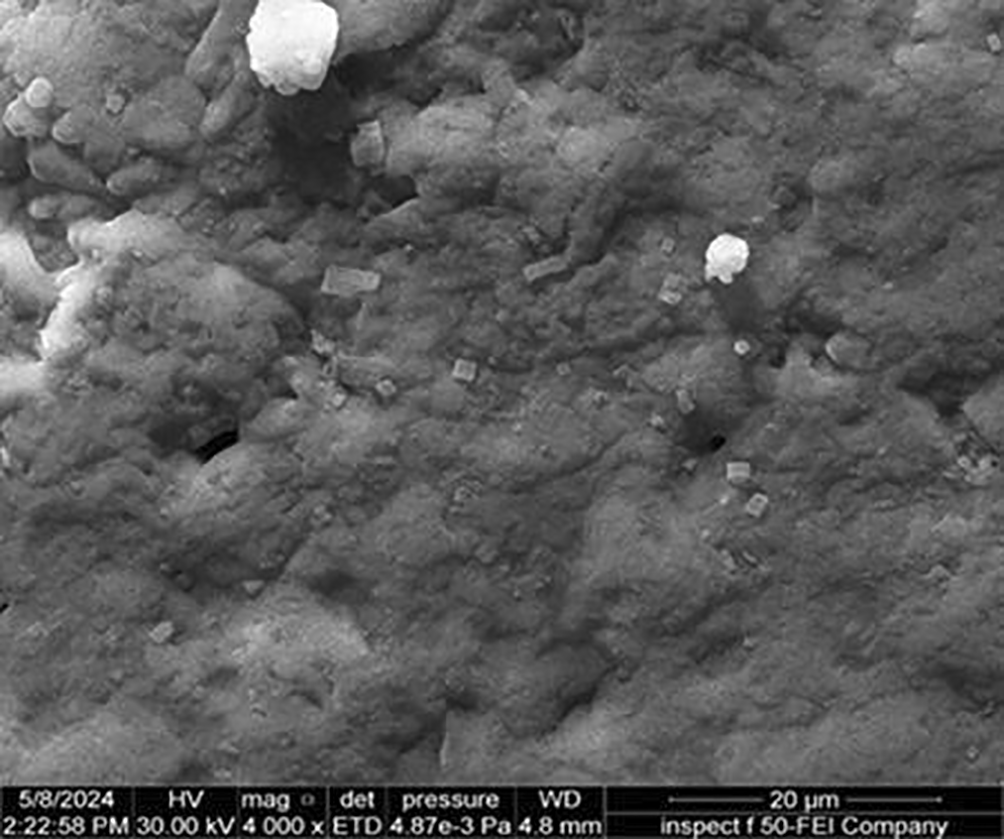
Figure 2 shows SEM images of a cryopreserved mozzarella cheese sample (2, A), a frozen mozzarella sample (2, B) and a mozzarella sample with nanosalt (2, C).
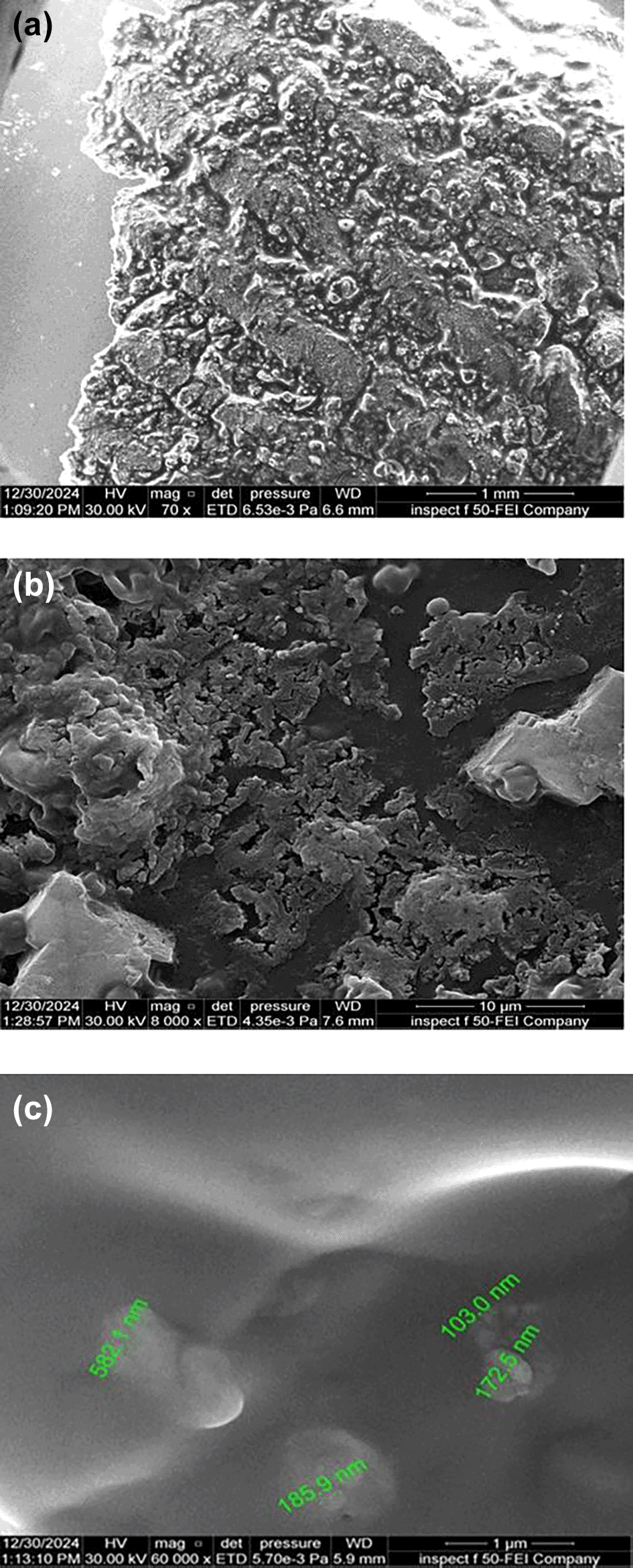
The results revealed clear differences in the microstructures of the cryopreserved and frozen mozzarella samples compared with those of the nanosalt samples. These differences were supported by precise measurements of the nanoscale size of the particles in the cheese matrix.
In the cryopreserved cheese samples, the cut surfaces have been found to be deformed, with blade marks and smeared material acting, and a tremendous amount of structural statistics turned into misplaced ( Figure 2a). In comparison, the internal shape at and below the cryofractured surfaces becomes properly preserved, with a greater uniform and cohesive structural composition, and nanoscale sizes ranging from 1.905 to 862 nm.
The structural damage which was exhibited in the form of cracks and breaking of the bonds between the cheese components was more intense in the frozen samples as shown in the SEM images.
The samples preserved with nanosalt showed excellent structural stability and a uniform distribution of nanoscale particles. As proven in the accompanying images, the particle diameters ranged from 103.0 to 582.1 nm, indicating a more cohesive shape than that of the frozen sample and less fragmentation than that of the chilled sample.
The chemical characteristics of mozzarella cheese treated with nanosalt and chilled at 5°C for 28 days are displayed in Table 1. These traits consist of pH, acidity, ash content, fat content, protein content, and moisture. After 21 days, the moisture content in the control treatment (T1) decreased from 49.91% on day zero to 47.95%.
| Treatment | Age of Cheeses (Day) | Moisture % | Protein% | Fat% | Ash% | Acidity % | pH |
|---|---|---|---|---|---|---|---|
| T1 | 0 | 49.91 | 25.35 | 20.69 | 3.00 | 0.55 | 5.30 |
| 21 | 47.95 | 25.46 | 20.80 | 3.12 | 0.62 | 5.26 | |
| T2 | 0 | 49.88 | 25.35 | 20.50 | 2.99 | 0.54 | 5.31 |
| 21 | 47.60 | 25.43 | 20.58 | 3.10 | 0.60 | 5.28 | |
| T3 | 0 | 56.60 | 25.00 | 19.30 | 3.53 | 0.60 | 5.34 |
| 21 | 54.66 | 25.56 | 19.75 | 3.89 | 0.53 | 5.30 | |
| T4 | 0 | 53.50 | 25.80 | 19.98 | 3.25 | 0.58 | 5.32 |
| 21 | 52.74 | 25.90 | 19.88 | 3.74 | 0.57 | 5.35 | |
| T5 | 0 | 58.70 | 25.21 | 20.00 | 3.29 | 0.60 | 5.24 |
| 21 | 56.96 | 25.46 | 19.81 | 3.71 | 0.58 | 5.25 | |
| L.S.D. value | 4.91* | 1.07 NS | 1.78 NS | 0.774* | 0.167 NS | 0.402 NS | |
The moisture content of the material decreased from 49.88% to 47.60% at some point during the same time period inside the freezing treatment (T2), when the samples were kept frozen.
The use of citric acid and nanosalt in cheese treatment was shown to be successful because of its better water holding properties. Additionally, a decrease was observed from 56.60% to 54.66% in the treatment T3 (mozzarella cheese made from milk supplemented with citric acid and 0.5% nanosalt). Furthermore, the findings illustrated that, relative to the control or freezing treatments, remedy T4 (mozzarella cheese made out of milk supplemented with citric acid and 1% nanosalt) effectively preserved favourable moisture content material, reducing it from 53.50 to f52.74%. The maximum preliminary moisture content material (58.70%) was found in Treatment T5 (mozzarella cheese made from milk supplemented with citric acid and corned with 1.5% nanosalt), which finally decreased to 56.96% after 21 days.
Table 1 illustrates the protein content (percentage) changes within mozzarella cheese under different storage conditions, which include refrigeration (T1), freezing (T2), and addition of nanosalt at varying concentrations (0.5% = T3, 1% = T4, 1.5% = T5), and the samples were stored at 5° C for a period of 21 days. Based on the interpretation of the data, it is established that there was a significant consistency in the protein percentages across the days 0 and 21, and the minimum and statistically nonsignificant (NS) changes were consistent with the least significant difference (L.S.D = 1.07), therefore indicating that the protein content was relatively stable during the entire length of the store period. At the treatment stage, T4 (1% nanosalt) exhibited the maximum elevated protein content (25.90%), in contrast to the results of the T1 treatment (25.46%), suggesting that the application of nanosalt at a moderate concentration may promote the stability of protein construction in cheese by mitigating water loss and inhibiting enzymatic reactions that contribute to the degradation of proteins. On the other hand, a lower percentage was observed on day 0 in T3 (25.00%), which can be attributed to a minor difference in protein distribution at the beginning of storage.
The values in Table 1 indicate that the fat percentage changes between days 0 and 21 were slight across all the treatments, with no significant differences recorded according to the LSD value (1.78 NS), indicating stable fat content across all the treatments. In the T1 treatments, fat (%) increased from 20.69% to 20.80% after 21 days, a nonsignificant increase that is likely attributed to a slight loss of moisture during storage, which increases the relative fat concentration. An identical pattern become determined in T2, where the fat percentage remained nearly constant (20.50% to 20.58%), indicating that freezing did no longer had a negative an effect on fat stability for the duration of this time. In the nanosalt-treated samples, slightly decreased lipid contents were recorded on day zero, specifically at T3 (19.30%), but increased to 19.75% over time, suggesting that the nanosalt helped limit lipid loss for the duration of storage, likely by stabilizing the cellular membrane or lowering the enzyme activity that influences the lipid balance. In the T4 treatment, the fat content remained approximately regular (19.98% to 19.88%), indicating that this specific concentration can be optimal for preserving cheese additives without changing their residences.
The results in Table 1 show substantial variations in ash content (P ≤ 0.05) among the various storage treatments. These effects indicate that the addition of nanosalt notably affected the mineral content of cheese, with T3 and T5 resulting in the highest ash content after 21 days in comparison to the other treatments. In treatment T5 (1.5% nanosalt), the ash content increased from 3.29% on day zero to 3.71% on day 21, reflecting the accumulation of mineral salts within the cheese due to the better concentration of salt introduced.
The final outcome showed that there was a minimal, nonsignificant (NS) difference in the level of acidity among the various treatments over time (21 days) of storage at 5°C as reflected by the LSD value (0.167). A slight increase in acidity was reported in the control treatment (T1) (0.55% 0.62%)and the freezing treatment (T2). This growth is explained by natural bacterial processes that take place during storage and produce organic acids due to the breakdown of lactose.8
The results in the table showed slight changes in pH values over the storage period (21 days at 5°C) between the different treatments, with no significant differences (L.S.D = 0.402, NS). In contrast, the nanosalt treatments (T3, T4, and T5) resulted in wed relatively stable pH values, with T4 even slightly increasing from 5.32 to 5.35.
Sensory attributes are vitally important and directly affect the consumer acceptance and market success of cheese,54 Table 2 shows the results of the sensory evaluation of mozzarella cheese treated with nanosalt during a refrigerated storage period of 21 days at 5°C, according to the following characteristics: external appearance, bitter taste (bitterness), holes, texture, flavour, and color. The results revealed significant differences (P ≤ 0.05) in bitterness, texture, and flavour only, whereas no significant differences were recorded in external appearance, holes, or color according to the LSD value.
| Treatment | Age of Cheeses (Day) | Color (10°) | Flavour (45°) | Texture (20°) | Openings (10°) | Bitterness (10°) | External appearance (5°) |
|---|---|---|---|---|---|---|---|
| T1 | 0 | 10 | 45 | 20 | 10 | 10 | 5 |
| 7 | 10 | 45 | 20 | 10 | 10 | 5 | |
| 14 | 9 | 38 | 17 | 9 | 7 | 5 | |
| 21 | 9 | 35 | 15 | 9 | 7 | 5 | |
| T2 | 0 | 10 | 45 | 20 | 10 | 10 | 5 |
| 7 | 10 | 41 | 20 | 10 | 10 | 5 | |
| 14 | 10 | 43 | 20 | 10 | 10 | 5 | |
| 21 | 10 | 41 | 20 | 10 | 9 | 5 | |
| T3 | 0 | 10 | 45 | 20 | 10 | 10 | 5 |
| 7 | 10 | 45 | 20 | 10 | 10 | 5 | |
| 14 | 10 | 45 | 20 | 10 | 10 | 5 | |
| 21 | 10 | 43 | 20 | 10 | 9 | 5 | |
| T4 | 0 | 10 | 45 | 20 | 10 | 10 | 5 |
| 7 | 10 | 45 | 20 | 10 | 10 | 5 | |
| 14 | 10 | 40 | 18 | 10 | 8 | 5 | |
| 21 | 10 | 40 | 20 | 10 | 8 | 5 | |
| T5 | 0 | 10 | 45 | 20 | 10 | 10 | 5 |
| 7 | 10 | 40 | 18 | 10 | 10 | 5 | |
| 14 | 10 | 40 | 20 | 10 | 10 | 5 | |
| 21 | _____ | ــــــــ | _____ | ____ | ـــــــ | ـــــــ | |
| L.S.D. value | 1.26 NS | 3.87* | 1.95* | 0.00 NS | 1.63* | 0.00 NS |
The external appearance, opening, and color parameters maintained full or near full evaluation scores (5/5 and 10/10), indicating good morphological stability and no effect on the optical properties during storage, even during the nanosalt treatments. This finding is in line with studies that have indicated that nanoprocessing techniques do not cause noticeable changes in the morphological properties of cheese.
For bitterness, significant differences were observed between treatments, with T1 and T2 showing lower scores after 14 and 21 days (e.g., 7/10 in T1 at 21 days). In contrast, treatments T3–T5 (nanosalt) maintained decreased bitterness ranges and higher ratings;
For Textures, remedies T2, T3, T4, and T5 confirmed the right consistency in texture (20/20 or close to it), whereas T1 recorded a gradual decline after 14 and 21 days which were recorded (17/20, and 15/20) respectively.
The flavour consequences shown in Table 2 show large variations (LSD = 3.87) at P ≤ 0.05* among the exceptional treatments over 21 days of storage at 5°C. The T1 group started with an excellent flavour rating (45/45) on day zero; however, a clear decline over time was recorded, reaching 38 on days 14 and 35 on day 21. In T2, despite the decrease become much less excessive, the taste rankings reduced from 45, 41, 43 and 41, respectively, to zero, 7, 14, and 21, indicating that freezing reduces the price of decay in comparison with refrigeration; however, freezing does not completely prevent flavour loss. T3 (0.5 % nanosalt) showed the greatest flavour stability, maintaining the full score (45/45) untill day 14, and decreasing the most effective score to 43 via day 21, suggesting that the nanosalt performs a role in reducing microbial hobbies or oxidation, which could affect taste. The T4 treatment (1% nanosalt) resulted in a proper taste balance in the first week (45 → 40 on day 7); however, the balance stabilized at forty until day 21. These findings suggest that increasing the salt concentration above 0.5% did not result in further improvement, but may have a slight adverse effect on the flavour balance. The T5 treatment (1.5% nanosalt) recorded lower flavour scores which were recorded 40/45 after 7, and 14 days, Sample T5 was damaged, so no values were recorded at 21 days of storage ( Table 2).
The results of the weight loss data in Table 3 for mozzarella cheese indicate significant differences between the different treatments during refrigerated storage at 5°C for 21 days, indicating that the processing method and type of additive clearly affect the rate of weight loss during storage. The control treatment (T1) showed a slight weight reduction from 57.69 g to 56.97 g,
| Treatment | Weight of Cheese gm. (0 Days) | Weight of Cheese gm. (21 Days) |
|---|---|---|
| T1 | 57.69 | 56.97 |
| T2 | 59.90 | 60.80 |
| T3 | 28.72 | 26.95 |
| T4 | 65.77 | 59.83 |
| T5 | 99.5 | 92.50 |
| L.S.D. value | 10.522* | 8.617* |
In the T2 (freezing) treatment, a surprising weight increase was observed, from 59.90 grams to 60.80 grams. This can be due to external moisture absorption all through thawing or a mild weight variant resulting from freezing and inner moisture redistribution. The results of the evaluation revealed that remedy T3 (0.5% nanosalt) had excellent weight stability, with the burden decreasing from 28.72 grams to the handiest 26.95 grams.
Conversely, treatments T4 and T5 (1% and 1.5 % nanosalt) confirmed more weight loss than did the other treatments, regardless of the addition of the same additive. The weight reduction in T4 was approximately 5.94 grams, whereas that in T5 was approximately 7.00 grams.
The results in Figure 1 show electron microscope images of sodium chloride after conversion into nanosalt using a nanomill. Agglomerates were also observed, resulting from the increased surface energy of the particles. The fine surface details indicate an increase in the specific surface area, which is an important indicator of the improved physical and chemical properties of the material.34
Figure 2 shows SEM images of a cryopreserved mozzarella cheese sample (2, A), a frozen mozzarella sample (2, B) and a mozzarella sample with nanosalt (2, C). This nanoscale size form exhibits homogenous dispersion of the protein and lipid molecules, which complements the feel elasticity of the product and further extends the sensory characteristics of the product.35 The results of this work are consistent with those of McManus et al.,36 who revealed that cold cracking occurred in the samples of mozzarella cheese.
The structural damage that occurred in the form of cracks and breaking of the bonds between the cheese components was more intense in the frozen samples. These modifications were coupled with smaller and smaller nanoscale sizes between 82 and 173 nm, indicating the possibility of the collapse of the molecular structure in the freezing process caused by the formation of ice crystals, which caused internal mechanical stress and reduced particle size.37
The samples preserved with nanosalt showed excellent structural stability and a uniform distribution of nanoscale particles. This is attributed to the preservative effect of the nanosalt, which improved the bonding between the casein protein and the fat. Therefore, nanosalt prevents moisture loss and stabilizes the protein shape at the nanoscale, improves texture and extends shelf lifestyles without affecting sensory properties.
The chemical characteristics of mozzarella cheese treated with nanosalt and chilled at 5°C for 28 days are displayed in Table 1. The moisture content (moisture %) significantly decreased with increasing storage duration, and the results revealed significant differences (P ≤ 0.05) among the treatments.
This decrease indicates that changes in the structure of casein micelles may affect the moisture content of cheese made from chilled curd, lowering the curd’s potential to be retained in whey. The higher protein content of Mozzarella cheese, which correlates with growth in frozen curd (FC), may be linked to a decrease in fat content.38
The moisture content of the material decreased during the freezing treatment. This slight decrease reflects the effect of freezing, which contributes to reducing moisture loss compared with refrigeration alone, but does not completely prevent water loss, possibly due to partial thawing of ice during sample transport or analysis. For many cheese types, bulk or free moisture is finely dispersed in the curd matrix39; however, in the case of Mozzarella, it is different at the early stage of manufacturing owing to the coalescence of protein into a fibrous network formed during thermomechanical stretching. These fibrous protein networks create wide-open channels filled with loose moisture, starter bacteria, and fat globules.1
This reflects the effects of different storage methods (refrigeration versus freezing) on water loss from cheese. The reduction in moisture could be the result of water naturally evaporating from the cells over time or water separation caused by structural alterations in the cheese brought on by partial protein and fat breakdown, which makes the cheese less able to hold onto water.
The use of citric acid and nano salt in cheese treatment was shown to be successful because of its better water holding properties. It may be concluded that presence of nanosalt in cheese is critical during cheese processing, compared with that of the control and freezing treatments for protein matrix stabilization, resulting in less water loss. This finding indicates that citric acid, together with the increased attention given to nanosalt, could play an additional role in moisture preservation, which was likely caused by the formation of a more coherent protein structure that displayed anti-dehydrating properties. The present research results are consistent with those of several academic sources, such as those of Abbas et al.40 and Fox et al.,41 who defined the key role of citric acid substances in the preservation of moisture and the production of additional pliable mozzarella cheese.
The established stability of the protein content can be attributed to the structural nature of the cheese proteins which are inherently strong, and the lack of suitable enzymes or microbial activity which can break down the proteins in this relatively limited time.42
Recent studies have shown the beneficial effects of nanosalt treatment stabilizing milk components, particularly proteins through interactions with the surface charge sites of protein molecules leading to decreased proteolysis and changes in the tertiary structure of the protein.43 Furthermore, mild refrigeration conditions also slow endogenous or microbial protease activity, leading to the preservation of protein disulfide without much degradation.44
The lipid content ratio during the storage period reflects the efficacy of refrigeration storage conditions in maintaining the structural pattern of cheese and reducing the amount of microbial or enzyme activity which may lead to lipolysis. Recent studies have that nanocomposites, composed of nanosalt, contribute to preventing the attack on lipids caused by oxidation or loss via improved distribution of salt and improved the ability of the protein community to entrap fats.45 Additionally, Lauculien et al.46 reported that the slight change in fat content was not due to fat loss, but due to water loss, namely, the usa of unfastened packaging or water activity changed.
The increased ash content may be attributed to the specific properties of nanosalt, mainly its small size and high specific surface area, which promote its interaction with proteins and other cheese components. This characteristic helps to incorporate it into the microstructure of cheese and enhance its mineral retention and increase its ash content with increasing concentration.
The samples treated with nanosalt (T3-T5) were more stable with respect to acidity levels with only a minimal decrease in T3, 0.60 to 0.53 %. This is an indication of the role of nanosalt in inhibiting microbial activity and acid production during storage,4 which helps to enhance the stability of cheese and sensory protection. Overall, these findings indicate that the application of nanosalt can potentially prevent the negative influence on acidic stability without a harmful impact on the quality of cheeses.
The chemical interactions among the essential structural components of cheese depend on the pH. Consequently, pH directly affects the structural and rheological characteristics of cheese.45 A slight decrease in pH was detected in both the first (T1) and the second (T2) treatments. This is because calcium phosphate plays a vital role in determining the curdling properties of cheese, which is enhanced by a reduction in the pH from 6.0 to 5.1.47 This in turn led to a higher level of lactate in the protein mixture and a greater level of calcium phosphate as observed in the gelling process thus resulting in a lower pH. Furthermore, the phosphate anion neutralizes the hydrogen ions (H+) and the phosphate anion concentration during the micellization of calcium phosphate increases with cooling, which may cause a reduction in the pH, as the phosphate anion forms organic acids.48 In contrast, the nanosalt treatments (T3, T4, and T5) resulted in relatively stable pH values, indicating that nanosalt has a larger surface area and better distribution in the medium, which increases its effectiveness in inhibiting the growth of bacteria and yeasts, which typically causes changes in pH by producing organic acids (such as lactic or acetic acids). This decreases microbial activity and provides a stable pH.49 A stable pH is a positive indicator of the quality and safety of product storage and also that t improves the sensory and physical attributes of the product during storage. The findings of this research are in line with the findings of Yazici et al.,50 who reported no statistically significant interaction effect (P > 0.05) between the source of milk and the procedure of acidifying cheese on the pH of mozzarella cheese. The pH of the cheese was not affected by the source of milk as shown by other studies. Sameen et al.29 found that the pH of mozzarella prepared from buffalo and cow milk was not greatly altered. This is in accordance to the findings of Emam and Nasir.51 Youssef et al.52 indicated that a decrease in cheese pH signifies the commencement of spoilage, probably because of carbon dioxide production through microorganisms as a consequence of lactate decomposition and amino acid decarboxylation on the cheese surface.52
The discrepancies in the outcomes of the prevailing studies can be attributed to different manufacturing processes (i.e., differences in the dilution water to cheese ratio, salt concentration, and storage techniques), which may affect the percentage of buffering retailers (e.g. phosphates and proteins) to lactate.48 The results of this study are consistent with those of a previous study.53 Additional research is needed to investigate the factors influencing the pH of cured cheese.
For bitterness, this distinction is attributed to the precise bodily and chemical properties of nanosalt, which allow it to have an immediate or roundable effect on the enzymes and bacteria present in cheese. Nanosalt is thought to decrease the production of compounds associated with bitter flavour, which includes bitter peptides or brief-chain fatty acids, which are often produced by the use of the hobbies of proteolytic or lipolytic enzymes that are activated during storage. Furthermore, nanosalt debris can be labelled as bioporous nanocomposites, which might be organic polymeric substances that include various main levels: a nonstop phase, represented by a biopolymer shape, and a dispersed segment, composed of reinforcing materials with nanoscale sizes granging from 1–one hundred nanometres. This nanostructure endows the material with distinct and effective properties in food applications, consisting of structural flexibility, biocompatibility with food products, and biodegradability.55
For Texture, this is attributed to the fact that nano salt facilitates strengthening the protein structure of cheese, lowering moisture loss and retaining its consistency. This is confirmed with the aid of current studies on the impact of nanosalts on the gel properties of dairy products. The findings of the cutting-edge approach align with those of Marshall (1991), who proposed that the versions are because of differing tiers of proteolysis, fat content, and physical and chemical characteristics of every cheese type.56
This remedy has turned into a great sensory-clever. Some nanoparticles, including titanium dioxide (TiO2), which is applied as a bleaching agent and silicon dioxide (SiO2), which is used as an anticaking agent and flavour carrier, have been historically implemented in food products and are categorized as “generally recognized as safe” (GRAS) with the aid of the U.S. Food and Drug Administration. This aligns with the findings concerning the application of nanosalts as flavour preservatives.57–59 The T4 and T5 treatment resulted in lower flavour scores, suggesting that high concentrations of nanosalt may negatively affect taste qualities due to excess saltiness or the interaction of salts with volatile components responsible for flavour.
The weight loss of mozzarella cheese, a natural loss, is likely attributed to water evaporation or leakage of some liquid cheese compounds over time. These effects are consistent with previous observations,60 which indicated weight reduction after refrigeration and attributed this decrease to the thawing operation after frozen storage.
The consequences of remedy T3 (0.5% nanosalt) were excellent weight stability, indicating that this concentration of nanosalt efficiently reduced moisture loss, possibly by strengthening the protein structure of the cheese and stabilizing the water within its structure. This finding is consistent with what Aliabbasi & Emam-Djomeh (2024) mentioned, which indicated that the addition of nanosalts enhances the moisture retention capability and stabilizes the protein community of dairy merchandise.4
Treatments T4 and T5 (1% and 1.5 % nanosalt) confirmed more weight loss, possibly because high concentrations of nanosalt may have opposite effects, increasing the osmotic stress in the cheese and drawing water from the protein shape to stabilize it. This is supported by Salih et al. (2018), who reported that increased salt awareness in dairy products can decrease the ability of the product to keep water due to adjustments in the structural composition of the protein.14
Modern analysis has led to the conclusion that the physical, chemical, and sensory qualities of mozzarella cheese are directly impacted by how it is made and stored. Comparisons revealed that, compared with standard refrigeration and freezing, the use of nanosalt improved moisture stability, decreased weight loss, and increased ash content. In addition, it has a considerably stronger flavour, texture, and taste. These consequences affirm that nanosalt is a promising generation inside the gentle cheese enterprise, offering advanced preservation houses even while retaining the sensory and nutritional value of the product.
| Views | Downloads | |
|---|---|---|
| F1000Research | - | - |
|
PubMed Central
Data from PMC are received and updated monthly.
|
- | - |
Provide sufficient details of any financial or non-financial competing interests to enable users to assess whether your comments might lead a reasonable person to question your impartiality. Consider the following examples, but note that this is not an exhaustive list:
Sign up for content alerts and receive a weekly or monthly email with all newly published articles
Already registered? Sign in
The email address should be the one you originally registered with F1000.
You registered with F1000 via Google, so we cannot reset your password.
To sign in, please click here.
If you still need help with your Google account password, please click here.
You registered with F1000 via Facebook, so we cannot reset your password.
To sign in, please click here.
If you still need help with your Facebook account password, please click here.
If your email address is registered with us, we will email you instructions to reset your password.
If you think you should have received this email but it has not arrived, please check your spam filters and/or contact for further assistance.

Comments on this article Comments (0)