Keywords
Digital Marketing, Food and Beverages, Social Media Analytics, Sustainability

This article is included in the Manipal Academy of Higher Education gateway.
Digital Marketing, Food and Beverages, Social Media Analytics, Sustainability
This version of article has an additional explanation covering reasons to document the sector-specific context in F&B. Also, in this version we have updated study limitations as suggested by reviewers.
See the authors' detailed response to the review by Lokesh Jasrai
See the authors' detailed response to the review by Meylani Tuti
A continuous increase in the global population increases the risk of environmental damage to the environment.1 Rising demand levels are a key contributing factor to the carbon footprints.2,3 In response, organizations providing products and services are also under growing pressure to shift their strategies to accommodate the evolving expectations of diverse stakeholders while taking care of society’s long-term interests. This strategic realignment has strengthened the demand to adopt and uphold sustainable practices. Moreover, consumers are increasingly drawing on green and sustainable offerings. Research indicates that products and brands incorporating sustainability claims exhibit stronger growth trajectories than their conventional counterparts.4 Given the increasing importance of sustainability and growing concerns over environmental issues, there is an urgent need to adopt credible and environmentally friendly practices to address these challenges effectively.
Governments worldwide have emphasized the importance of promoting environmentally friendly products to support green marketing. Strict environmental policies have been adopted to minimize sustainability issues related to the sustainability.5 An urgent need is for environment-friendly innovations, including products, services, and business models that aim to reduce the overall impact on natural resources.6 Previous research on green products and sustainability has typically adopted a broad approach, examining various product categories and services in the far-reaching domain of green marketing.7–9 However, it is important to understand that consumer behavior and marketing strategies often differ significantly across product types. For food products, the role and impact of sustainability may differ from those observed in other categories. Thus, it is essential to explore the sustainability of food products and their development over the past decade (2014-2024), particularly through digital marketing.
The rapid development and spread of digital technology marketing presence has led to a revolution in the marketplace. Marketing is now mainly centred on digital media such as blogs, websites, email, and social networks.10 However, digital marketing extends far beyond traditional internet marketing. Modern digital tools encompass a mix of online marketing tools digital technologies, including websites, email, databases, and interactive platforms such as blogs, feeds, podcasts, and social networks. The growing adoption of digital technology has significantly influenced consumer behavior, reshaping how people make purchasing decisions.11 Consequently, marketers must understand and adapt to the impact of digital marketing. Effective digital marketing requires well-thought strategies and selection of appropriate media to engage target audiences, increase sales, and drive profitability. In addition, with the rapid growth of D2C brands, the traditional e-commerce model has witnessed rapid growth by bypassing traditional retailers and distributors. Additionally, the adoption of the omni-channel approach has further helped the growth of online food sales.
Digital marketing strategies for sustainability in F&B require bibliometric examination due its consumer-centric characteristics that differentiate it from a general branding or digital marketing contexts related to sustainability. Additionally, sustainability in the F&B is directly associated with emerging issues such as food safety, ethical sourcing, environmental impact, sustainable packaging and health, which significantly induce consumer trust and purchase decisions. Digital platforms play a crucial role in sustainability through transparency, traceability, and credibility. Hence, the sector-specific dynamics affect research themes, author collaboration patterns, and knowledge structures that cannot be captured when investigated under a broader perspective. Therefore, a bibliometric analysis is required to map intellectual structure, emerging trends, and thematic evolution in F&B domain thereby providing more precise theoretical and managerial insights.
Previous studies have attempted to identify the factors responsible for consumers’ adoption of green or sustainable food. A review of literature reveals the relationship between green marketing strategies and the resulting consumer behavior in different contexts. A study on green marketing identified the major themes of green purchases and green marketing mix using thematic analysis.12 More recently, a comprehensive assessment of peer-reviewed empirical studies was conducted to gain insights into the interaction between green marketing strategies for sustainable food and consumer behaviour13 findings indicate the role of digital marketing in establishing an effective relationship among players in an agri-food system.14 An increase in the diffusion of digital technologies has significantly influenced consumer purchasing decisions,11 triggering a plethora of research covering the broad domain of food and beverages.15,16 Researchers have attempted to uncover the role of digital advertisements,17 media content and peer influence,18 digital marketing techniques,19,20 brand partnerships21 and influencers in the marketing of food and beverages.22 Scholars have outlined the darker side of digital marketing in the industry, providing deeper insights into policy-related challenges,23 vulnerabilities in the use of social media24 and overexposure.25 However, to our knowledge, no previous study has highlighted digital marketing strategies for sustainable food and beverage brands through a review of the literature from the past decade. As these brands are gaining prominence in the digital sphere, there is an urgent need to explore the studies conducted in the past decade (2014-2024). Furthermore, previous studies have focused on the customer perspective, and no attempt has been made to underline strategic perspectives related to sustainable food and beverage brands in an online ecosystem.
Thus, as evident from the literature, no previous review has captured an inclusive understanding of digital marketing strategies for sustainable food and beverage (F&B) brands. Consequently, this study attempts to address this issue by analyzing and integrating the relevant literature on sustainable foods and digital/online markets/retail in recent years. This study aims to address the following research questions (RQs):
: How has research on digital marketing strategies for sustainable food and beverages (F&B) evolved over time, and what theoretical domains do it draw upon?
: What thematic clusters emerge and how do they contribute to building a conceptual framework for sustainable digital branding?
: Where are the gray areas, and how can future research advance theory and practice in sustainable digital marketing?
To address these research questions, we developed a systematic literature review (SLR) based on the 5W1H pattern.26 The pattern was selected because it is the most appropriate method to map out the state of research on a topic.27 This method is widely implemented across various contexts for frame analysis in literature reviews.28 5W1H represents what, who, where, when, how, and why utilizing this pattern, we attempted to answer the following questions.
What: What are the key findings of this literature review?
Who: Who are the most active researchers? (Collaborations, Affiliations)
Where: Areas of the world where the research is widely published.
When: The span of time for which research has been conducted.
How: How the research in this domain will add to the existing information?
Why is it important for future researchers to choose this area for future research?
The concept of sustainable food involves methods that curtail environmental footprints and increase food safety and quality.29 This implies that food needs to be produced and moved in a way that does not emit greenhouse gases, deplete resources, and avoids over farming. Sustainability also means cutting down on food waste, production costs, and producing food that is healthy and profitable.30,31 As environmental issues are the primary focus, human rights, working conditions, and animal welfare are also taken into consideration.32 The goal is related to sustainable consumption; however, studies have found contradictory findings. For example, some studies33,34 showed that people don’t usually choose what they eat because they want to help the environment or animals.35 This shows that sustainable food purchasing habits are still not well understood. It is especially true in places where people are just now becoming more aware of their environment.36 Factors such as habit, price, health benefits, enjoyment, and subjective standards determine the amount of food consumed.37,38 From a commercial perspective, sustainable food retailing has been revolutionized by digital marketing. With the emergence of new channels, brand marketing has transformed the way businesses communicate with consumers.39 The F&B industry also leverages digital wave by providing improved access and reducing costs. This disruption in the marketplace opens opportunities and challenges for marketers, researchers, and policymakers of strategic marketing in the age of digital transformation.
The concept of sustainability in the food industry is contentious, even compared to other sectors. The term ‘sustainable food’ is extensive and challenging to define for both consumers and policy makers.40 The term “sustainability” was employed to support the principles of sustainable growth. In 1992, the United Nations Conference on Environment and Development (UNCED) incorporated the economic and social dimensions. Subsequently, the three pillars of sustainability currently garnered increased attention and received endorsement from multiple authors worldwide. Therefore, sustainability in the food industry covers practices and priorities that businesses can employ. As one of the largest contributors to greenhouse gas emissions, there is scope for improvement and further research in this domain.
Digital technology is undoubtedly one of the most remarkable innovations, especially when assessing value based on its ability to enhance people’s lives.41 Over the past 25 years, the rapid emergence of the Internet and evolution of modern information and communication technologies have completely transformed traditional marketing principles. This change has brought a new era known as “digital marketing,” driven by the rapid expansion of media and globalization of the market.42
Today, marketers understand the advantages of digital marketing, including accessibility, control, simplicity, and cost-effectiveness. Empirical studies also confirm the connection between digital brand communication and essential consumer attributes such as trust and loyalty.43,44 Emerging technologies like artificial intelligence, the Internet of Things, smart devices, and machine learning are already shaping consumer behaviour and as well as consumer experiences.38 In contrast to traditional marketing, digital marketing serves as a communicator between business and customers. The ability to customize marketing activities has been improved by providing consumers with more control and allowing them to co-create value in their experiences, especially in reference to emerging social behavior.37
Digital platforms help to establish relationships between companies and customers. Platforms that support digital presence, encourage interaction, and drive engagement serve as the foundation for this evolving digital entity.45 Digital marketing includes a wide range of approaches such as banner ads, digital advertisements, sponsored social media content, and other interactive marketing strategies. The interactive and engaging nature of digital marketing differentiates it from traditional marketing, which is a targeted, segmented, and measurable perspective.46 Every digital marketing campaign has a particular set of audiences, clear objectives, and measurable key performance indicators (KPIs) .47 Digital marketing is an affordable alternative, as it may improve marketing strategies and reach a targeted set of customers to earn the best value. When strategically employed, it is simple to incorporate into a company’s marketing plan. The market becomes more open, and it also makes business easier to function. This leads to better experiences for both businesses and customers.48
Digital marketing has introduced new opportunities and challenges for both researchers and professionals. Digital marketers must stay updated with rapidly evolving tools and technologies for efficient performance. Handling vast amounts of data requires comprehensive analysis, which is a challenge. Many businesses face issues when integrating digital strategies into existing business models. A good understanding of consumer behavior and purchasing intention is important for successful digital marketing campaigns. Over the last decade, it has been witnessed that more than half of the world’s population actively uses social media, which has become an essential part of daily life.49 The success of digital marketing strategies depends on the companies’ need to set specific goals aligned with customer expectations, feedback, and technological advancements to be relevant in business.50 Digital marketing may help food and beverage brands develop multichannel marketing and advertising strategies, which can help achieve better target markets, brand awareness, customer engagement, and profitability. The capabilities of the Internet and digital technology establish a virtual marketplace leading to digital transformation of sectors, thereby enabling wider reach, better conversion rates, and a strong digital presence.51
The research intends to answer the questions by employing the Bibliometric Systematic literature review (B-SLR) framework.52 This study limits the review to the period of 2014-2024 to get insights into the trend and recognize the increasing awareness of consumers towards sustainable F&B. This decade was selected for the study, as research production related to sustainable consumer behavior saw an increase after the UN defined the ‘Sustainable Development Goals’(SDGs) in 2015.13 In the context of digital marketing, this period is considered promising for e-commerce.53 In the year 2014, Deloitte reported that the top 250 online retailers registered a growth of 25% for the first time ever.54 Furthermore, in 2014, worldwide retail sales exceeded $1 trillion and witnessed a growth rate of 19.4%. In addition, we followed the suggestions given by well validated study findings,55 advocating the selection of literature from the year of emergence as an inclusion criterion. Therefore, keeping the above-mentioned suggestions in mind, 2014 was selected as the base year for this review.
The present study applies the bibliometric systematic literature review (B-SLR) framework.52 The B-SLR method was used because it is well-suited to the context of management studies and can be applied where literature reviews require a detailed examination of a specific research domain.56 Another reason for employing this method was to outline and synthesize existing literature in the domain of sustainable digital marketing and to position new contributions. First, we scrutinized the literature on sustainable foods, beverages, and digital marketing to build an overview of the research stream and implement a set of representative keywords for database research. Following the B-SLR framework, we outlined our inclusion and exclusion criteria before approaching the data-collection process. To do this, we leveraged a comprehensive set of key definitions in the field of inquiry.55,57 We employed PRISMA as the reporting guideline to identify, select, appraise, and synthesize studies from the literature.58 PRISMA was used to narrow down the set of studies that were less relevant to the review and to increase transparency.59We defined the search query as follows: (TITLE-ABS-KEY(“online sales” OR “digital marketing” OR “online marketing” OR “internet marketing” OR “social media marketing” OR “e-commerce” OR “mobile commerce” OR “quick commerce”))AND (TITLE-ABS-KEY (“environmental impact” OR “carbon footprint” OR “sustainable food” OR “sustainable beverage” OR “sustainable drinks” OR “eco-friendly food” OR “green food” OR “organic food” OR “environmental labelling” OR “Ecolabels” OR “sustainable food production”)). A multi-stage inclusion and exclusion process was used to refine the sample studies following a well-validated set of criteria.60
To qualify, articles had to be included in the Scopus database. This database was selected for the study, as it is the largest existing multidisciplinary database for research. There are approximately 27,950 peer-reviewed journals indexed in Scopus.57 The quality and peer review in Scopus provide a solid foundation for research. Another reason for selecting Scopus over the Web of Science is the coverage of content.61 In addition, Scopus is known for its reliability and reduced risk of bias.62 Google Scholar was used to reduce location bias, and Google search was employed to retrieve reports and official publications.
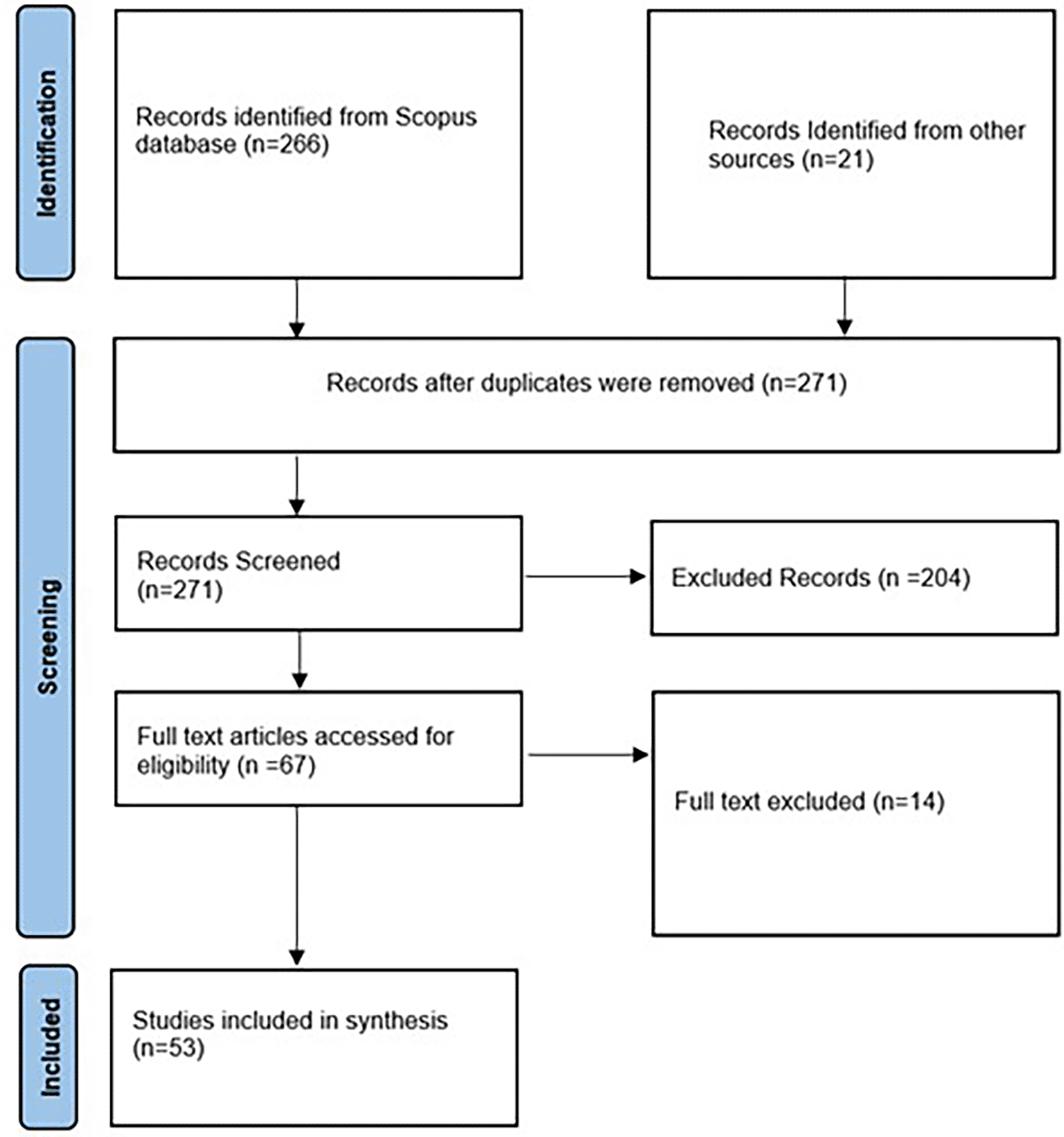
Journal articles should be peer-reviewed, and the language of publication must be English, with full text available. In total, we retrieved 266 articles from the Scope database and 21 articles from Google Scholar and Google searches. After removing the duplicates, screening resulted in obtaining 271 articles.
We further refined the dataset after cross-validating the search results by removing ineligible entries. Additionally, we screened the raw dataset to exclude studies that did not match the description of consumption behavior and strategies promoting ethical food purchases as an outcome. This resulted in 204 entries being removed.
Of the 67 full-text articles accessed for eligibility, we removed 14 articles based on their findings, which were not relevant to the research question. As inclusion criteria, we also included articles involving literature reviews (03), case-based evidence (07), and text mining (01), thereby totalling the total and final number of articles to 53. Sensitivity analyses were performed by employing leave-one-out analysis, a method that is well known for its robustness.63 We evaluated the impact of excluding studies with a high Risk of Bias on the robustness of the results. We also evaluated the impact of excluding studies that did not consider clustering.
Next, each author independently carried out the screening process by assessing the inclusion and exclusion of Krippendorff’s alpha coefficient.64 Before the rating exercise, the authors underwent a training session that included familiarizing them with the rating scheme, practising rating exercises, and discussion to clarify any ambiguities. The confidence intervals were determined at the 95% level with 1000 bootstrap iterations. The rated data were then input into the web-based statistical package, K-Alpha Calculator. The analysis provided a reliability coefficient for the coding scheme, indicating the extent of agreement among raters. The resulting Krippendorff’s alpha coefficient was 0.775, indicated the desired result for the study.52 Figure 1 depicts the PRISMA 2020 flowchart that illustrates the search procedure.
To ensure that the exclusion criteria for databases did not result in bias, we followed the recommendations outlined in the literature.65–67 Bias related to the review design was addressed through a comprehensive inclusion and exclusion process and by calculating Krippendroff’s alpha.52 Location bias was addressed using specific filters. However, issues related to selection bias were reduced by removing ambiguity.66 The extracted documents were read independently to obtain key research topics within each cluster. Disagreements between the authors for the final set of studies were resolved by detailed discussion and developing a consensus with reasons for final decisions of exclusion at full text recorded against citations.68 Once a satisfactory level of agreement among the authors was reached, the minimum cluster size was determined (n = 4). We assessed and ranked the documents based on their representation to form four clusters: 1. Brand Impact 2. Brand Logistics 3. Brand Identity 4. Brand Economics. The final dataset was used to perform a bibliometric analysis using the bibliometrix package in R Studio (https://www.bibliometrix.org).
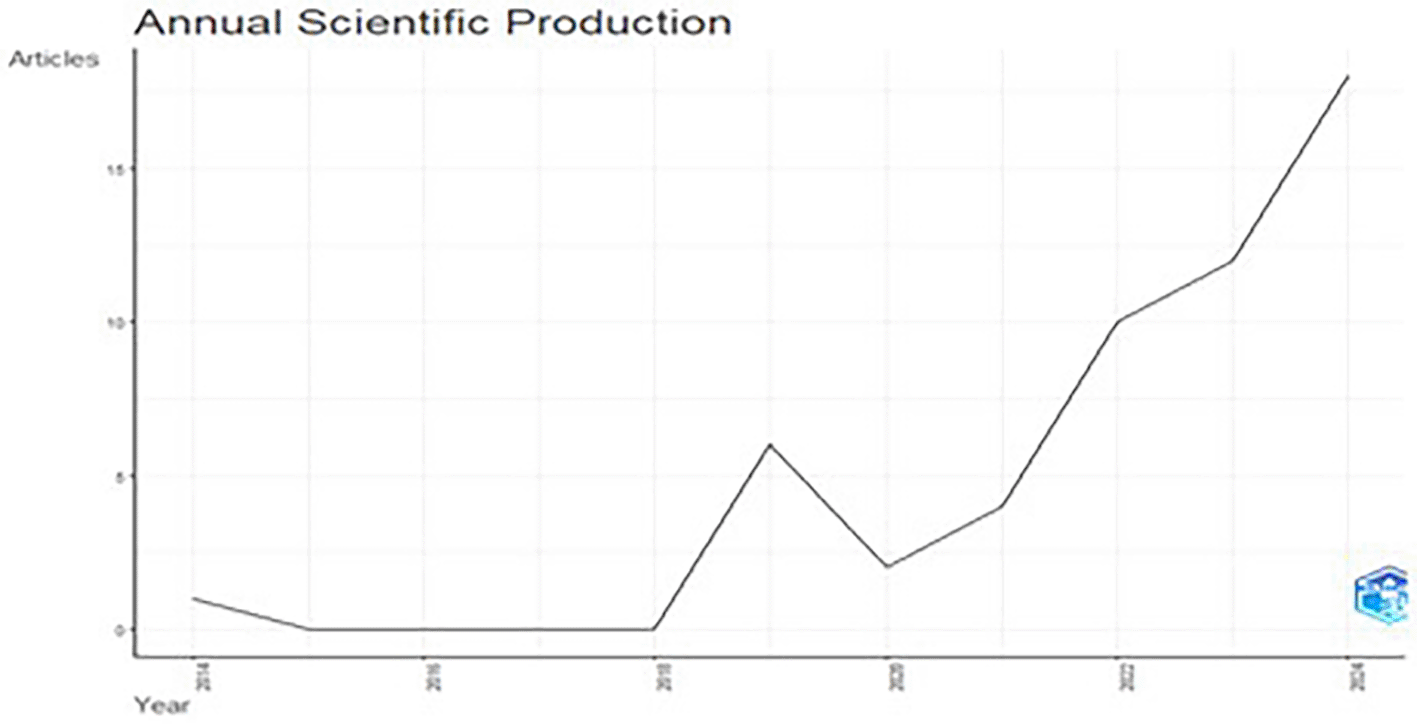
Figure 2 illustrates the yearly distribution of articles published from the year 2014-2024. The data revealed consistency in scientific output from 2015 to 2016, followed by a substantial rise in publications from 2018 onward, with a sharp peak observed in 2019 ( Figure 2). This trend indicates growing research activity, as these years saw the immense popularity of e-commerce platforms across the world. Interestingly, 2019 saw a decline and the post 2020 annual article again saw a rise. From 2020 onward, there was a clear upward trajectory in scientific output, with a sharp increase by 2023. With an upward trend for 2024, this suggests an expanding interest and investment in the field, with a growing number of researchers contributing to the body of knowledge, particularly in the last decade.
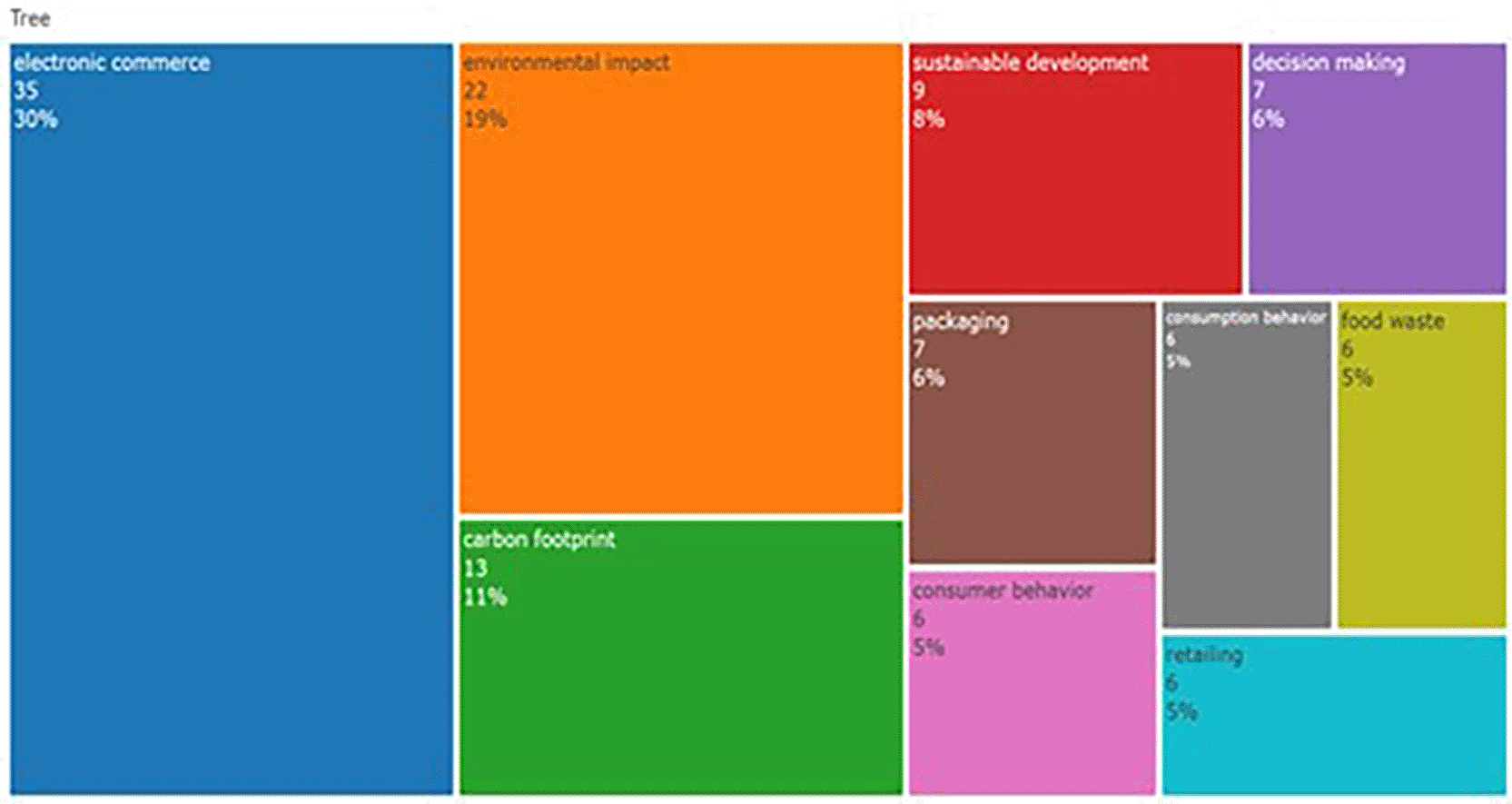
The tree map represents research topics from to 2014-2024 highlighting keywords related to e-commerce and sustainability. As can be seen in Figure 3, e-commerce has been a dominant theme, highlighting its importance and coverage in the last decade. The tree map also highlights research areas such as carbon footprint, “sustainable development,” and “packaging”, which further suggests the emphasis of researchers on sustainability in commerce. The emergence of keywords, decision making, and consumer behavior suggests that research attempts to reveal consumers’ interaction with e-commerce and sustainability efforts. Furthermore, the distribution of keywords reveals the interpretability of ‘sustainability in food’ as a research topic. The analysis also revealed recent and broad topics in the domain of sustainability of F&B.
The three field plots show research from multiple countries and their links with specific domains. The diagram further reveals that topics such as e-commerce and sustainability appeared as central themes ( Figure 4). The diagram shows that universities on the right-hand side have strong contributions to research in various domains. There is also a visible flow of research focus areas from different countries to universities, indicating possible international collaboration or research distribution.
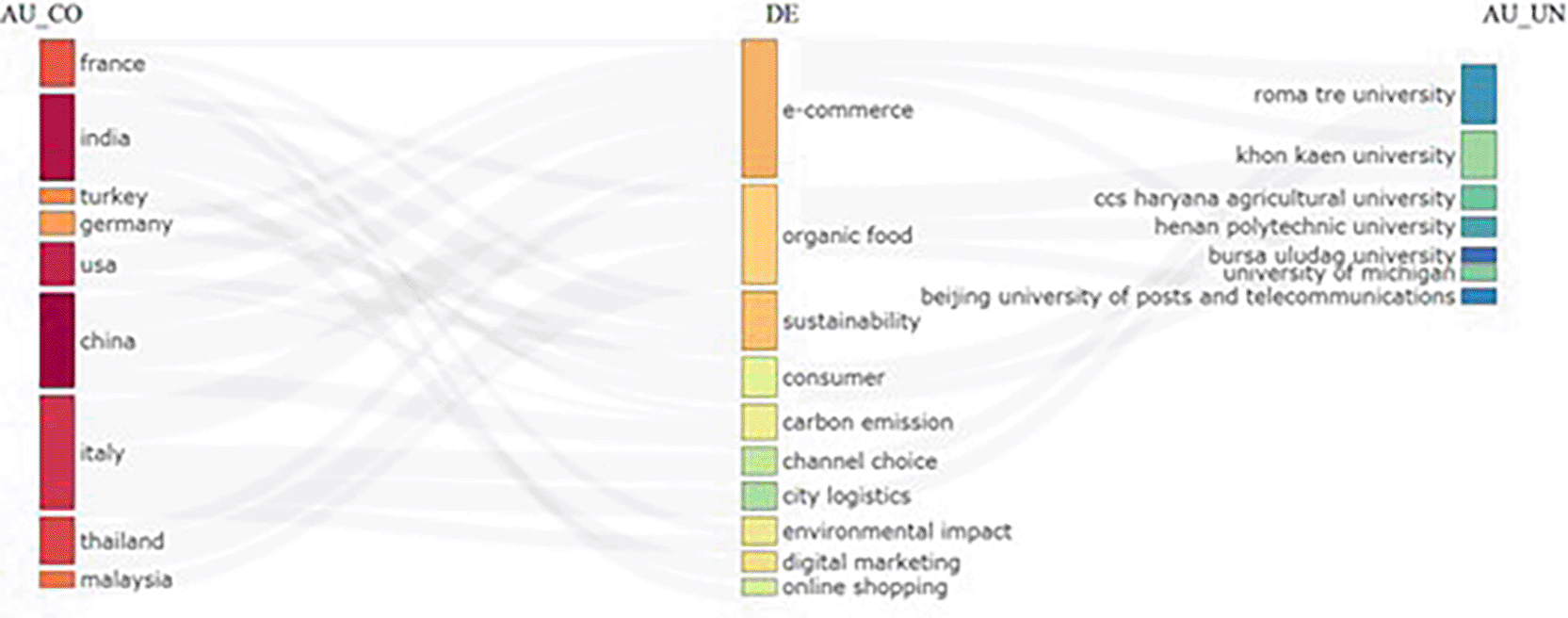
The Sankey diagram lists the following attributes as: 1. AU_CO (Author Country): The Diagram also lists various countries, such as France, India, Turkey, Germany, USA, China, Italy, Thailand, and Malaysia, as countries represented by the authors. 2. DE (Domain/Topic): This reflects research topics such as e-commerce, organic food, sustainability, consumer behavior, carbon emissions, city logistics, environmental impact, and digital marketing as the focus areas of research. 3. AU_UN (Author University): List universities such as Roma Tre University, Khon Kaen University, CCS Haryana Agricultural University, Henan Polytechnic University, Bursa Uludağ University, Beijing University of Posts and Telecommunications, and the University of Michigan. It can be said that France is an active country researching this domain and their focused themes are ‘e-commerce’ and ‘organic food.’ India is the second leading country focusing on ‘sustainability,’ ‘digital marketing,’ ‘online shopping’ and ‘consumer.’ Major countries such as the USA, China, and Germany have comparatively less output linked with the ‘sustainability’ theme, which indicates a bright scope for further research. In terms of collaboration, countries such as China, India, Italy, and France depict multiple linkages, indicating strong collaboration across diverse research domains and universities.
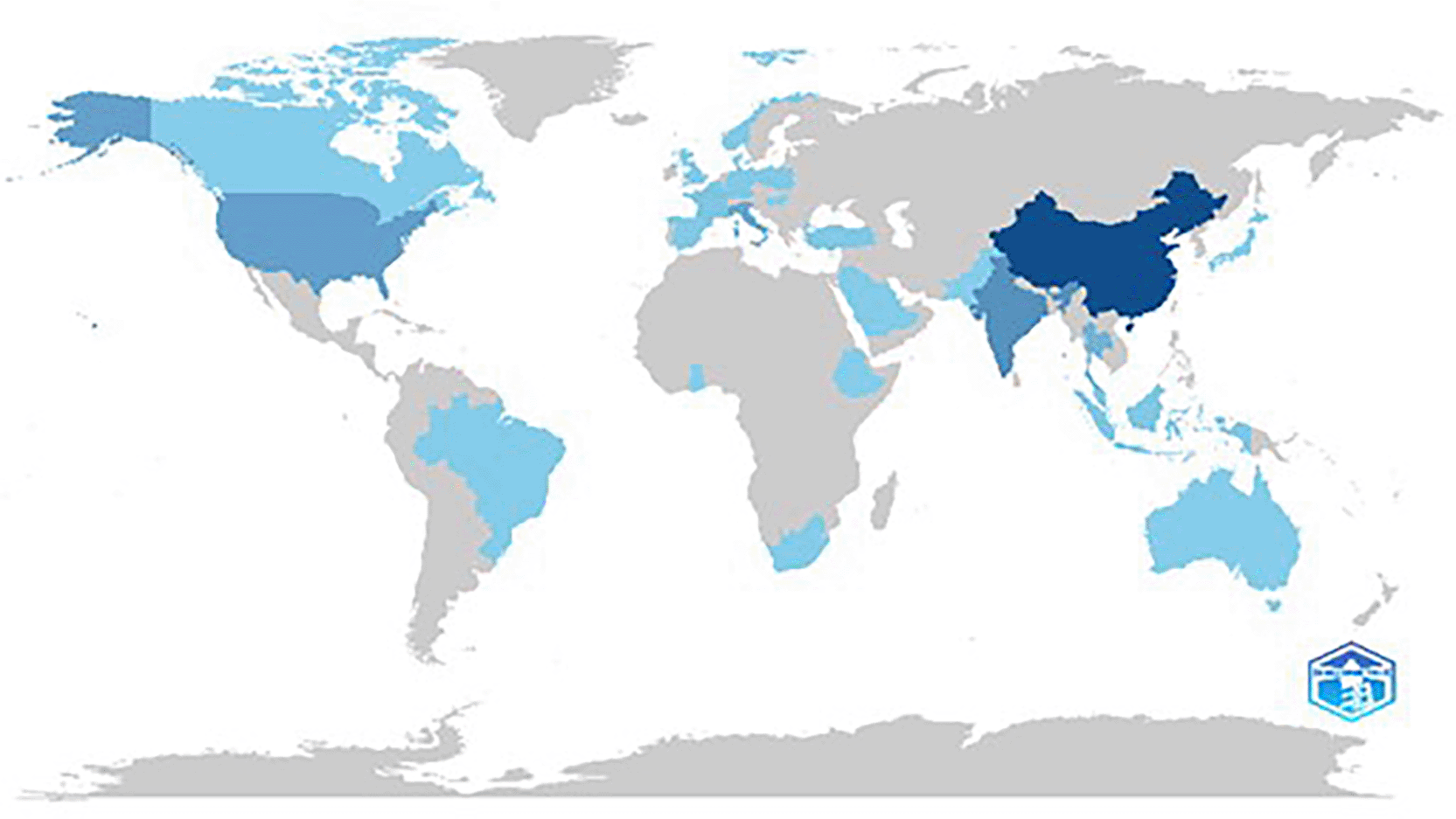
Figure 5 illustrates the scientific production in various countries based on the frequency of publishing articles. China and the USA are the leading contributors with the highest frequency of scientific publications, reflecting their dominant roles in global research output. This further indicates that the broad area of research carried out in these countries is covered under the theme of sustainable food marketing.
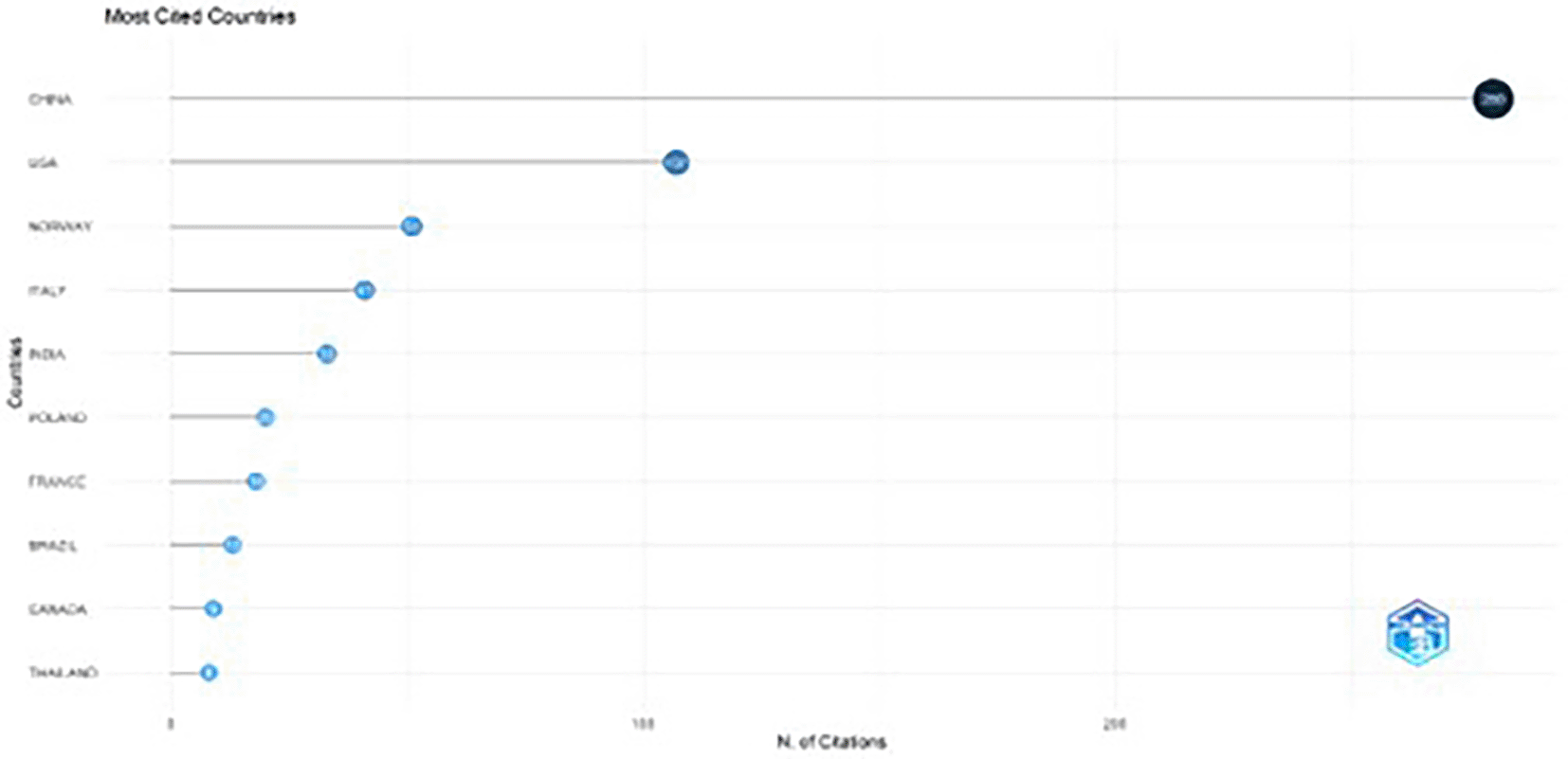
The line graph illustrates the post-article production trends covering citations. As shown in Figure 6, China had 280 citations, immediately followed by the USA with 107 citations. Norway ranks second with 51 citations, and Italy ranks fourth with 41 citations. Other countries, such as India (33), Poland (20), and France (18), show comparatively few citations. A possible reason for the low citation rates of papers from a few countries is a lack of confidence among readers.69
The network visualization map in Figure 7 illustrates the relationships and co-occurrences of the various research topics. The central node, “electronic commerce,” is the most prominent, indicating its strong connection with other related areas such as “environmental impact”, “sustainable development,” “carbon footprint,” “sales” and “consumer behaviour.” The size of the nodes reflects the importance or frequency of the terms, whereas the thickness of the lines represents the strength of the connection between topics. Topics such as “greenhouse emissions,” “supply chain,” and “green economy” are clustered around green brands, showing their relevance to the field. Other smaller clusters, like “commercial phenomena” and “waste disposal,” are also present but less connected to the central theme.
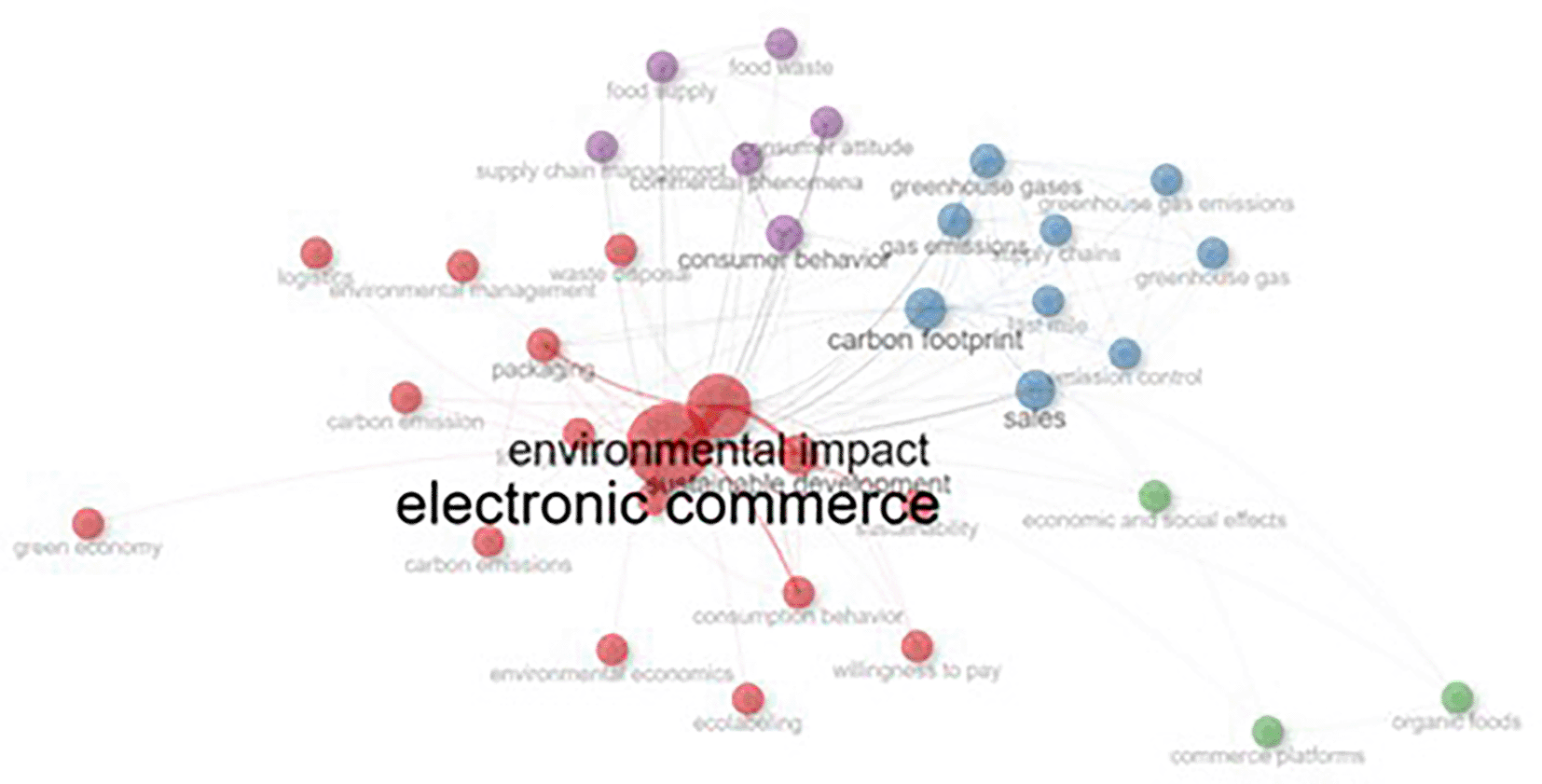
We followed a manual clustering approach to evaluate the relevance of each set of studies. Manual screening was adopted over the algorithmic screening method to add a layer of expert judgment, which is otherwise difficult to establish. In addition, owing to the small number of studies and their nuanced outcomes, algorithmic methods might lack the necessary understanding. After the initial screening, we finalized a set of relevant articles. In the second step, researchers read all the papers to extract common areas of research, methodologies, and findings. Subsequently, categories were created to group similar articles. Within each identified cluster, we identified themes related to sustainability and digital marketing that connected the papers. Based on the commonalities in the identified themes and subthemes, we identified four clusters. As shown in Figure 7, there are four clearly visible clusters with the following colors: 1. Green, Blue, Purple, and Red. Based on these clusters, we identified the emerging research potential of sustainable branding and digital marketing in general.
These findings make theoretical contributions to the field of sustainable digital marketing. This review advances existing understanding by mapping studies related to digital marketing, consumer decision-making, preferences, engagement, and digital channels using bibliometric techniques such as co-occurrence, citation analysis, three field plots, and emerging trends. Through the integration of these methods, we identified major thematic clusters that validate the interdisciplinary nature of digital channels, consumer behavior, economics, and consumer preferences. Using the 5W1H framework, this study devises a structured approach to understand the enablers of digital marketing strategies such as assessing brand impact, logistics, brand identity, and economics. Furthermore, this research presents a novel understanding of under-investigated areas in the broad domain of digital marketing and sustainability.
This study highlights the urgent need for novel understanding of sustainable F&B digital marketing strategies. Through an in-depth analysis of collaborations, publication output, citation count, and co-occurrence of research topics, this research aims to synthesize evidence on digital marketing strategies involving sustainable F&B. This review is an attempt to consolidate the findings in this area of research and devise meaningful strategies that are otherwise fragmented.
Descriptive data highlight the focus of the literature on digital marketing strategies for sustainable F&B brands over the last decade, with most articles published between 2020 and 2024. Publications from 2020 onward witnessed a significant rise due to high emphasis on sustainability and green marketing post the COVID-19 era. Notably, the most cited country, that is, China with 280 citations, leads the way with a huge margin, followed by the US with 107 citations. This highlights China’s research emphasis and contributions in this domain. In addition, the highly cited contributions published between 2014 and 2021 have especially focused on the purchase determinants, intentions, and behavior of consumers towards online purchases of sustainable foods.70–74 We also observed that most of these studies are quantitative in nature. Overall, the data suggest an increasing interest from researchers in determining strategies for sustainable F&B brands in the digital space.
The research questions (RQ1) framed to guide this study can be addressed by pointing out a notable rise in the number of studies covering this broad domain. In addition, studies on the strategies adopted by e-commerce platforms to market sustainable F&B are gaining attention. Overall, the analysis of studies reveals that as consumers tend to buy more from online platforms, digital strategies are also evolving with this trend. The use of advanced technologies such as AI is disrupting the marketplace, as marketers continue to leverage data and technology to optimize marketing.19
The analysis revealed that the studies are guided by different perspectives covered by a broad area of research (RQ2). Based on the analysis, this study provides a strategic framework for brands to promote sustainable F&B through digital marketing channels. The results indicate a significant growth in research over the last decade, revealing collaboration and scientific potential. Furthermore, this review also points out an upward trend in the area of research, covering key keywords such as e-commerce, sustainability, and carbon footprints. To understand the influence of the four dominant strategic perspectives, we grouped them into four clusters based on impact: logistics, marketing, and economics. The clusters were identified based on the overall impression of the brand’s perception in the market.
Based on CoWord analysis, this study identified relationships and interactions between the topics researched and emerging research areas (RQ3). Interestingly, the investigation revealed that most of the research highlighted the perspectives of consumers; hence, existing research has not covered the strategic point of view. In addition, studies have measured behavior, experience, trust, and intentions, whereas the inside-out and outside-in perspectives of strategists are missing in the available literature. The perspectives linked with policy frameworks, incentives, or price regulation are few grey areas that can be covered in future research. A detailed description of the gray areas is provided in Table 1.
Based on the analysis, the following strategies can be suggested for future research. As illustrated in Figure 8, four clusters were identified. A description of resulting clusters is as under.
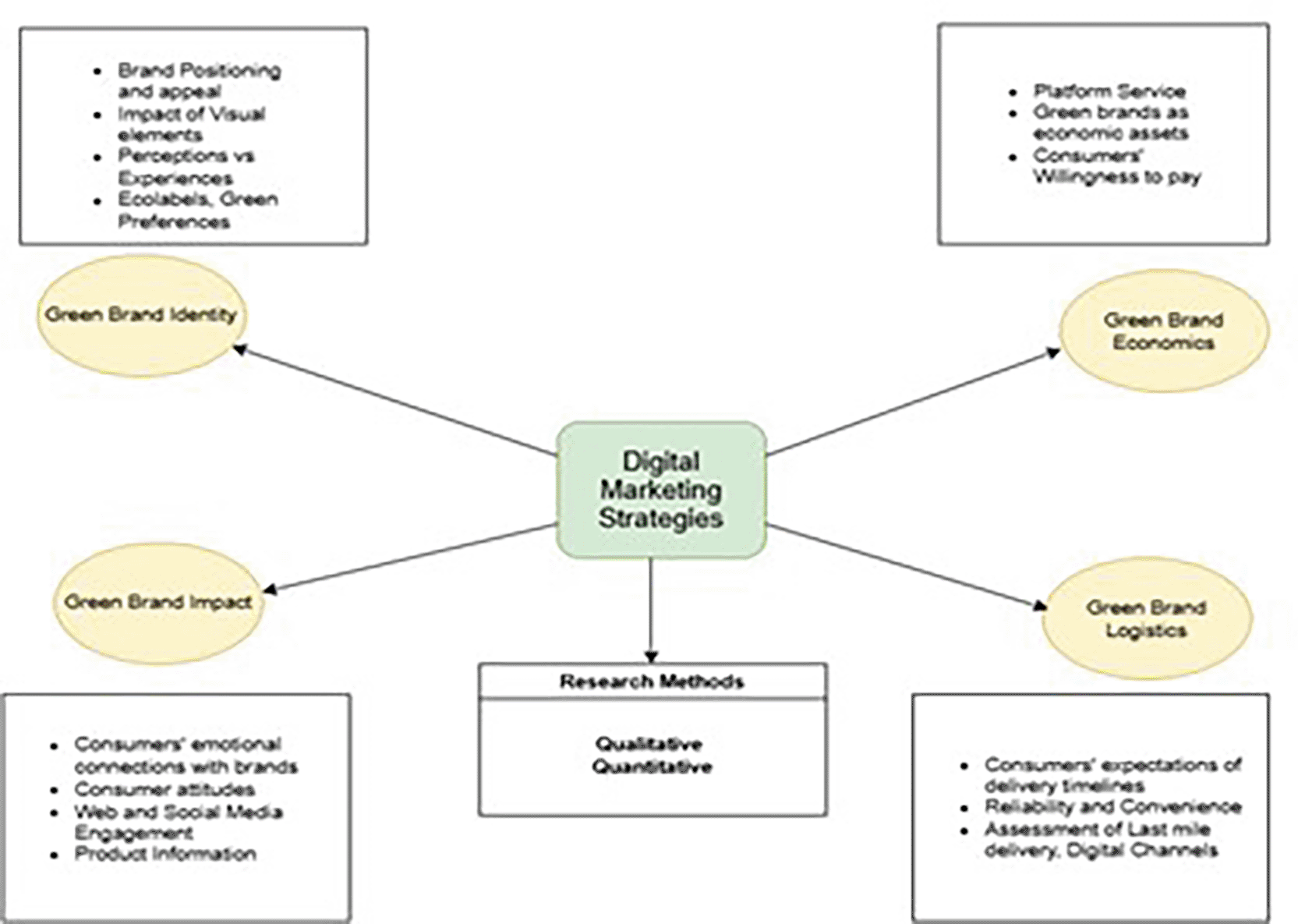
This cluster centres at the intersection of factors including consumer emotions, attitudes, the alignment of buyer-supplier values, and its impact on the positioning of sustainable food or beverage brands. Other factors such as disclosures about brand governance and brand audits may impact consumers’ decision-making, as F&B require the highest level of quality standards. This cluster advances the existing understanding and engagement in green products. These attributes facilitate trust and social identity among stakeholders.75 This cluster highlights growing academic and policy interest in establishing green attributes and product presentations on consumer trust.74,76 Future research should evaluate consumers’ emotional connections and their engagement in social media to determine their preferences. An evaluation of product information, digital marketing interactions, and their impact on purchase decisions could influence green branding in formulating digital marketing strategies.77 Marketers can leverage emotional branding to trigger a response and incentivize purchases.78 Further research can explore the construct across different cultural contexts to investigate the elements of branding that prompt a positive consumer response.
This cluster lies in the evolving domain of active interactions, including last mile delivery.79 Digital marketing strategies in e-commerce logistics play an important role in determining e-commerce success. A digitized food supply chain can be used as a central theme to manage a sustainable food supply chain.80 From a managerial perspective, incorporating sustainability into the supply chain requires the coordination of all stakeholders. Although digital marketing has transformed the marketplace, various hurdles continue to exist for the successful implementation of green logistics.81 Overcoming barriers will enable F&B brands to create a positive brand image through long-term consistency, covering customer convenience, product availability, flexibility, and digital engagement.82,83 Future researchers should attempt to integrate sustainable approaches into both forward and reverse logistics operations with the aim of balancing the social, environmental, and economic dimensions. In addition, research can be conducted on the consumer acquisition process and the underlying factors to balance operational efficiency at the micro- and macro-levels.
This cluster focuses on the significance of emerging labelling systems, such as ecolabels, green brand positioning, sentiments, and visual elements affecting food choices.84 The cluster also includes a combination of studies on ecolabels, consumer preferences, and brand appeal.12,85 Studies within this cluster emphasize impulsive buying behavior and consumer sentiment.86,87 Food and its visual presentation are known to elicit emotions among consumers.88 Marketers can devise strategies related to the visual appeal of F&B in gauging sensory expectations and hedonic evaluations among consumers. Furthermore, a focus on design cues can be linked to determine attention and affective, cognitive, and motivational reactions in buyers.89 Future studies on the efficacy of visual design, including packaging, environment, graphical elements, and packaging size, should be considered. Additionally, elements such as the role of online displays and logos or labels can be determined by impacting F&B choices.
This cluster integrates studies covering the determinants of organic online shopping, willingness to pay.13,90 Brand managers can effectively use emerging technologies such as platform services to forecast and drive demand to manage inventory efficiently.91 In addition, practitioners can explore future possibilities associated with green brands by prioritizing green innovation and acquisition in F&B.92 Leveraging green brands in the F&B industry as strategic assets can reinforce organizations’ sustainability goals by shaping trends within the marketplace. Future studies should capture the value aspects of the customer, including conversion rates and time taken to convert, in addition to gauging consumer willingness to purchase green F&B products. As e-commerce is evolving rapidly, brands need to adjust their strategies according to organizational goals.
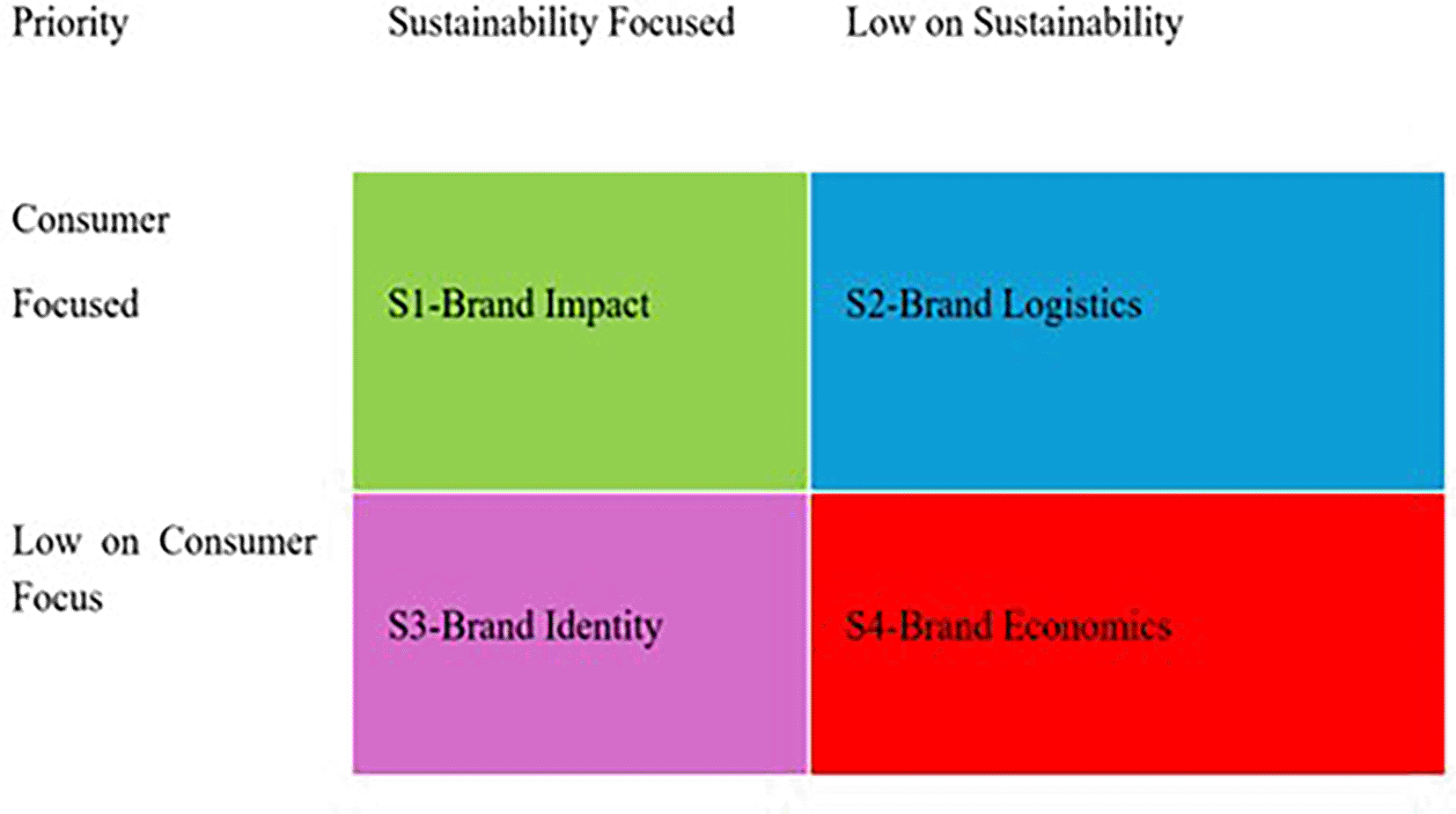
From a strategic perspective, we formulated a strategy grid based on the clusters retrieved from a set of studies ( Figure 9). As can be seen in the four quadrants, brands can use the underlying strategies to devise ways forward. For ease of use and understanding, brand managers can select a set of priorities to obtain a desired strategy that can be implemented. Therefore, from a strategic point of view, this study adds value to emerging sustainable brands by setting their foot in the domain of digital marketing.
Current study provides meaningful insights to marketers and researchers. Marketers looking to develop brand-specific strategies can use the research findings by identifying their priorities. This will not only help the brands engage effectively with the customers but would also ensure the longevity of business profits . Additionally, researchers interested in sustainable brand strategies can use the findings to plan for studies on the identified topics by observing the research trends, as well as research gaps in this domain. Additionally, journal editorial boards can set standards for scholarly journals against these findings and advance guidelines for publishing research on the sustainability front.
The review identifies clusters of variables that shape integrated marketing across different F&B categories. Based on the literature, we have identified several under-researched areas within each cluster and propose future research directions. In the context of modern-day marketing, organizations gather market intelligence that enables them to gain competitive advantage. This study advances the existing literature on brand identity93 by proposing new areas of research that can assist organizations in refining their overall brand strategy. It contributes to the resource-based view by strengthening the argument that a firm’s competitive advantage is fundamentally derived from its unique resources and capabilities.94,95 The findings also enrich the resource orchestration framework96 to direct specific managerial actions toward sustainable F&B brands. Therefore, examining the role of these resources and their impact on brand awareness, brand equity, and ultimate consumer behavior can offer valuable insights into devising strategies aligned with sustainable F&B brands. Given the relevance of sustainability and consumer-focused actions ( Figure 9), the findings suggest that in line with the evolution of resource-based logic, firms can leverage the competitive dynamics that lead to market advantage and improve performance. Thus, this review extends the resource-based view in the context of digital branding by emphasizing the relationship between strategic resources and firm performance.
This study adds a key contribution to the literature in the resource orchestration category by highlighting the importance of structuring a firm’s brand resource portfolio. It also argues that combining resources and transforming them into capabilities can lead to positive outcomes for digital brands. This study enriches the literature by reviewing scholarly research on digital marketing and sustainable F&B brands. The review sought to close the gap between what is already known in the domain of F&B marketing and what needs to be known in shaping strategies for brands operating in the digital sphere. Moreover, the present also study provides valuable insights for practitioners and researchers by providing a roadmap for the identification of future research areas. Being an underexplored domain in digital marketing, brands can utilize the outcomes of this study to influence the decision-making process of consumers by setting a priority embedded in the digital marketing space.
This study attempts to highlight the research on sustainable digital marketing to underline strategies for digital marketers. The review explored the Scopus database for this purpose and retrieved scholarly articles for analysis. This systematic review synthesizes evidence from 53 studies to affirm that in digital brand marketing, the best resource for a firm is its brand attributes, which can be applied to diverse marketing scenarios. Additionally, this study stresses the combination of strategic brand assets with a firm’s overall objectives to elevate business performance. This review offers valuable insights for practitioners by connecting traditional brand attributes with digital marketing, while also identifying prospects for future research.
Despite the application of well-validated processes, this study had several limitations. First, the database selected for article retrieval was only Scopus and did not include the Web of Science database, which limits the number of articles that were retrieved using keywords. In addition, the documents were explored using only a limited set of keywords; hence, other keywords that could have been relevant were not considered. Furthermore, the coverage of the articles determined was from 2014-2024, resulting in a limited number of research articles. This study did not use any validation through statistical techniques, which can lead to methodological bias in the interpretation of the findings. Also, the analysis of this study is subject to geographic bias, as the publications included are from specific countries which limit the comprehensive representation of the Global South. In future research, Digital Marketing innovation and the implementation of digital marketing strategies can be conducted. More specifically, future studies can be designed by considering the specific role of social media strategies for digital marketing and sustainability. A quantitative study probing digital brand attributes in F&B marketing and their impact on consumer decision making can provide detailed insights into strategic brand perspectives.
| Views | Downloads | |
|---|---|---|
| F1000Research | - | - |
|
PubMed Central
Data from PMC are received and updated monthly.
|
- | - |
Provide sufficient details of any financial or non-financial competing interests to enable users to assess whether your comments might lead a reasonable person to question your impartiality. Consider the following examples, but note that this is not an exhaustive list:
Sign up for content alerts and receive a weekly or monthly email with all newly published articles
Already registered? Sign in
The email address should be the one you originally registered with F1000.
You registered with F1000 via Google, so we cannot reset your password.
To sign in, please click here.
If you still need help with your Google account password, please click here.
You registered with F1000 via Facebook, so we cannot reset your password.
To sign in, please click here.
If you still need help with your Facebook account password, please click here.
If your email address is registered with us, we will email you instructions to reset your password.
If you think you should have received this email but it has not arrived, please check your spam filters and/or contact for further assistance.

The weaknesses of this study include: the data used is only sourced from a database (Scopus) with a limited time period (2014–2024), thus potentially causing selection bias and not fully representing the entire global publication with a relatively small number of articles, namely 53 articles. With a descriptive mapping approach, this creates limitations in critical synthesis and the theory used. The author also did not conduct validation with advanced statistical techniques, which will cause bias in addition to geographic bias because the publications used come from certain countries and therefore are less able to represent the Global South region which is the area of this study. However, the existing weaknesses do not reduce the contribution of this study, only the need for the use of a broader database with a focus on deepening the theory in future research.
The weaknesses of this study include: the data used is only sourced from a database (Scopus) with a limited time period (2014–2024), thus potentially causing selection bias and not fully representing the entire global publication with a relatively small number of articles, namely 53 articles. With a descriptive mapping approach, this creates limitations in critical synthesis and the theory used. The author also did not conduct validation with advanced statistical techniques, which will cause bias in addition to geographic bias because the publications used come from certain countries and therefore are less able to represent the Global South region which is the area of this study. However, the existing weaknesses do not reduce the contribution of this study, only the need for the use of a broader database with a focus on deepening the theory in future research.