Keywords
Cyber fraud, Cybersecurity, Machine Learning, Artificial Intelligence, Systematic Review, Bibliometrics

This article is included in the Artificial Intelligence and Machine Learning gateway.
This article is included in the Cybersecurity collection.
Cyber fraud, Cybersecurity, Machine Learning, Artificial Intelligence, Systematic Review, Bibliometrics
Technological advancement is making lives easier on one end and exposing them to new risks on the other. Cybersecurity, therefore, is the process by which the organisation protects its systems and information from unauthorised access and attacks.1 Due to the continuous growth and complexity, organisations must adopt innovative technologies to ensure adequate data protection.2 One such technology with great promise for enhancing cybersecurity is machine learning (ML), a subset of artificial intelligence. ML empowers computers to analyse data, detect patterns, and produce outputs or predictions without being explicitly programmed for each eventuality. This technology can quickly detect unusual patterns and risks, making it a powerful tool in cybersecurity.3 ML enables computers to analyse data and, through analytics, to decide or provide a prediction rather than being programmed for every eventuality. With this technology, one can quickly detect unusual patterns and risks more effectively than with known methods.
A bibliographic review can help one understand how ML is being implemented in cybersecurity. This method primarily entails critically reviewing published papers, articles, journals, and other academic documents to identify trends, developments, and focal areas. For example, in 2019, hackers accessed the database of the Capital One company and stole the data of more than one hundred million clients.4 The following year, Equifax experienced a significant setback and witnessed the loss of sensitive information of approximately 147 million people.5 Cases like this show how easily digital data can be compromised, affecting millions and causing severe harm. The situation worsens when such attacks target one of the nation’s stressed structures. For instance, the Ukrainian Blackout in December 2015 was an attack that disconnected over 230,000 residents.6 This sort of attack can disrupt everyday activities and have adverse effects on industries and communities.
Concerning emergent threats, substandard basic security intervention measures are well appreciated.7 To address such challenges, organisations are implementing new technologies, including but not limited to ML. Thus, across a wide range of applications, ML has been highly valuable for numerous tasks, including pattern recognition, natural language processing, and speech recognition.8 This more refined strategy can counter the latest attacks that older forms of detection may not handle.
On the other hand, the study explores recent developments and rising trends in cybersecurity, with more attention to machine learning-based cybersecurity strategies, using bibliographic analysis. The study placed greater emphasis on both cybersecurity and machine learning, particularly the role of machine learning in improving threat detection, automated incident response, threat prevention, anomaly detection, and threat prediction. The analysis also offered future insights and recommendations for improving cybersecurity practices, drawing on key publications.
Cybersecurity and artificial intelligence are being combined to improve security in the digital world. While there is a strong trend towards applying ML to cybersecurity, limited theoretical research examines the connection between the two fields and the ways in which ML and cybersecurity are essential for developing better security measures to address high-profile threats. Bibliographic analysis helps us understand how a given body of research evolves over time. As Haghani9 discussed, reviewing scientific studies helps demonstrate how research progresses and interacts across different fields. These reviews help people identify patterns and relationships in research by factors such as who is collaborating and what work is sourced.10 Managing research information is still somewhat challenging for most academics. It is imperative to underscore the need for enhanced bibliometric instruments and techniques to deepen our understanding of how machine learning is applied in cybersecurity.11 While it is crucial to maintain and assess reference frameworks useful for structuring research activities, they sometimes fall short of providing a detailed description of pressing research and collaboration. Therefore, there is a need to improve bibliometric instruments and techniques to better understand how machine learning is applied in cybersecurity.
The study presents the latest trends and advancements in the integration of machine learning and cybersecurity. To conduct the literature review and determine the main trends, the next question is to establish how these technologies increase the likelihood of standing up to new threats in cyberspace. Thus, a literature review of this research helps reveal the most recent developments and trends concerning implementing ML in cybersecurity. In this paper, we will discuss contemporary developments in cybersecurity, particularly the application of ML to strengthen security systems. We will also review the literature to examine the implications of such technologies and their potential future development.
Haghani9 presented a study aiming to demonstrate how scientometric reviews can help us understand the organisation and development of research in various fields. Doing so will show that such reviews have become a means to examine massive research data, thereby revealing the dimensions of growth in these areas and their connections. It helps researchers, editors, and reviewers perform and evaluate good scientometric reviews. The study presents different ways to conduct scientometric analysis through co-authorship networks and by looking at citation links between documents.10
Scientific data is a concern for many researchers as it becomes difficult to manage and analyse.11 They require straightforward reference frameworks for the research process to plan and assess the various activities required in research. Such indicators may differ and will only sometimes provide a clear picture of the research activity and cooperation.
Another bibliographic study by Nobanee, Alodat12 explored how research on cybercrime and cybersecurity has evolved. The study further stated that it increases awareness of online threats and emphasises the need for cybersecurity education from an early age. Our understanding of how to prevent cybercrime and assess cybersecurity risks must improve, especially in terms of technology. It's crucial to raise awareness about the dangers and significance of cybersecurity and focus more on effective risk management and protective measures, as shown in the existing literature. This understanding of the evolution of cyber threats underscores the need for continuous research and development in cybersecurity.
On some later occasions, Adnan, Lal13 identified the relationship between advanced cybersecurity methods and machine learning. This showcases the implementation of Machine Learning to elevate cybersecurity. New techniques include advanced algorithms that recognise and respond efficiently to cyber threats. For example, using ML algorithms to identify patterns in the data and other anomalies can be a robust way to defend sensitive information and systems by forewarning internal stakeholders of potential threats. This integration of machine learning and cybersecurity is the foundation for creating state-of-the-art tools and strategies to counter emerging cyber threats, making it difficult for attackers. Understanding when and how trust in technologies is generated and linked to the user’s acceptance and interaction.14
Cabezas-Clavijo, Milanés-Guisado,15 stated that suitable research protocols like the ones applied to systematic reviews should be employed and recommended that researchers, together with editors and reviewers, work towards establishing a better set of rules for bibliometric analyses. Table 1 comprehensively compares different machine learning-based techniques implemented for proactive cybersecurity, with advantages and disadvantages of each techniques.
| Study | Techniques | Advantages | Dataset | Scope | Limitations |
|---|---|---|---|---|---|
| 16 | DL | IDS implemented using DL, Accurate Detection | Large | Overall Cybersecurity | High computational cost |
| 17 | DL | Android-specific with high accuracy | Moderate | Mobile Operating Systems | Platform dependent |
| 18 | GANs | GANs performed well for balanced class detection | Small to moderate | Domain Specific | Domain-based implementation |
| 19 | Adversarial ML | Attack-resilience focus | N/A | ML-based IDS | Simulation-based yet |
| 20 | ML/IDS | The SDN-based system outperformed | Moderate | SDN Infrastructure | Limited to SDN |
| 21 | Semantics-based detection | High real-time protection | Moderate | Digital Environments | Scalability problems |
| 22 | Text Mining | Performed well on financial and social media data | Moderate | Finance | Noise sensitive |
| 23 | Feature-based classification | Good detection accuracy with a structured approach | Moderate | Phishing Detection | Limited features |
| 24 | LightGBM | The optimised model worked well with efficiency and accuracy | Small | Credit Card Fraud Detection | Tuning required |
| 25 | ML/DL | Generalised benefits | Multiple Datasets | General | Light model |
| 3 | ML | Multiple techniques performed well | Multiple Datasets | General | Less technical model |
| 26 | CNN, DNN, LSTM | 99.99% accuracy of the CNN model | CIC-DDoS2019 | Network-based IDS | Tuning required |
| 27 | DNN | Accuracy of 96.70% | Experiment-based | Self-guided Vehicles | Platform dependent |
| 28 | Boosted DT | An accuracy of almost 100% achieved | Moderate | Phishing Detection | Limited features |
| 29 | ML/SDN | 99.53% F1 score obtained | X-IIoTID, TON_IoT | Hybrid SDN-IoT | Modular multi-controller |
| 30 | GANs | Attack agnostic defence with 90+% accuracy | Moderate | ML-based systems | High training cost |
| 31 | Ensemble ML | 99.01% accuracy was achieved | Small | Finance | Enhanced meta learning required |
This study aims to show how cybersecurity and machine learning research are developing. By examining how research is distributed across different fields, the study seeks to identify significant trends, key contributors, and emerging areas gaining attention. Understanding this helps us see how these fast-changing fields are growing and where future research should go. This study is essential because cybersecurity and machine learning are becoming crucial in solving global problems. Machine learning is critical to building a solid defence as cyber threats become more advanced. This study shows where research currently stands and identifies areas that need more attention, making it a valuable guide for researchers, decision-makers, and industry experts working to improve security through new technology.
In this study, we use a bibliometric analysis to examine the relationship between the development of cybersecurity and machine learning research. We selected Scopus as our database, as it provides vast research in the science field.32 This database is suitable for identifying relevant papers about our topic of interest. We carefully planned our search by using specific words important to both fields, such as “cyber security,” “machine learning,” “security,” “data security,” and “Bibliographic Analysis,” among others and their derivatives.
This helped source various research types, ensuring the program received only proper, high-quality data. The review includes papers from 2010 to 2024, as shown in Table 2. This time frame was chosen to capture current findings and emerging trends in the literature.
This study uses bibliometric analysis to understand how cybersecurity and machine learning research have evolved. Figure 1 explains in detail the methodology of the bibliographic study. Data was extracted using the selected papers' titles, abstracts, and keywords. It was possible to collect bibliometric information, including the number of published articles, citations, authors, journals, and their respective affiliations. This comprised the following techniques. To address our first research question, we employed descriptive statistics to examine how it has grown over time. We then focus on the topics, the authors, and the research focus as observed and established over the years. The last group of metrics involved a similar analysis of collaboration patterns and citations to identify key authors and papers.
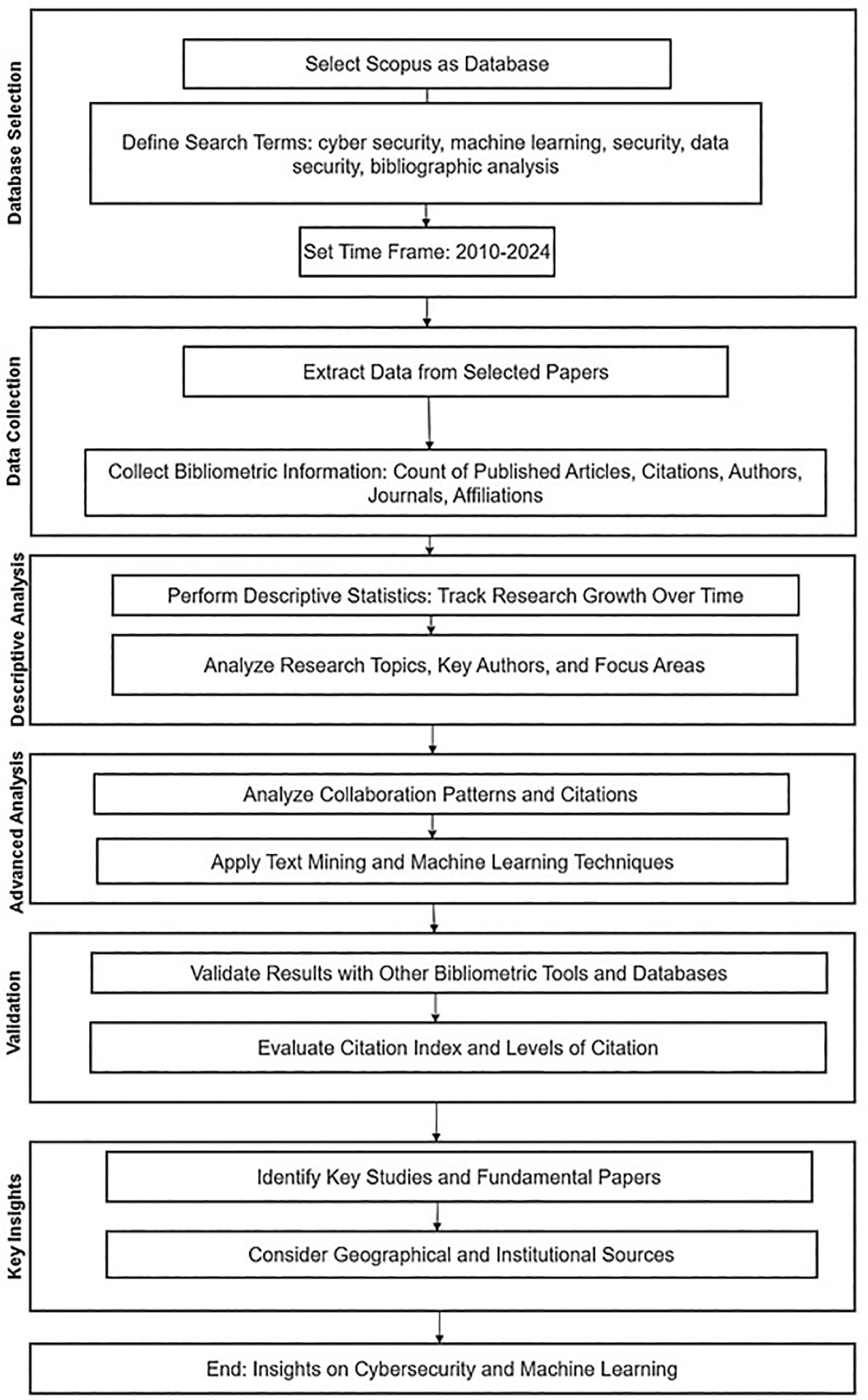
New techniques of text mining and machine learning analysis of the content of the documents to find information about the key authors and influential papers. The bibliometric data was compared with other bibliometric tools and databases to ensure the accuracy of the results. The articles are evaluated based on their citation index and the number of citations from other researchers to identify key studies that are important and influential. This helped establish a pool of foundational papers that served as the basis for understanding the relationship between cybersecurity and machine learning. We also considered the geographical and institutional sources of the work to identify where significant advances are made and to discover the most active institutions/regions in this domain.
In Figure 2, we conducted a comparative analysis with similar studies from other databases and sources to further validate our findings. This helped us verify the robustness of our results and ensure that our analysis was comprehensive and not biased by any single database. The study's methodology thus provides a rigorous and well-rounded examination of the advancements and trends in cybersecurity and machine learning research. This comprehensive approach contributes to academic literature and offers practical insights for professionals in these fields.
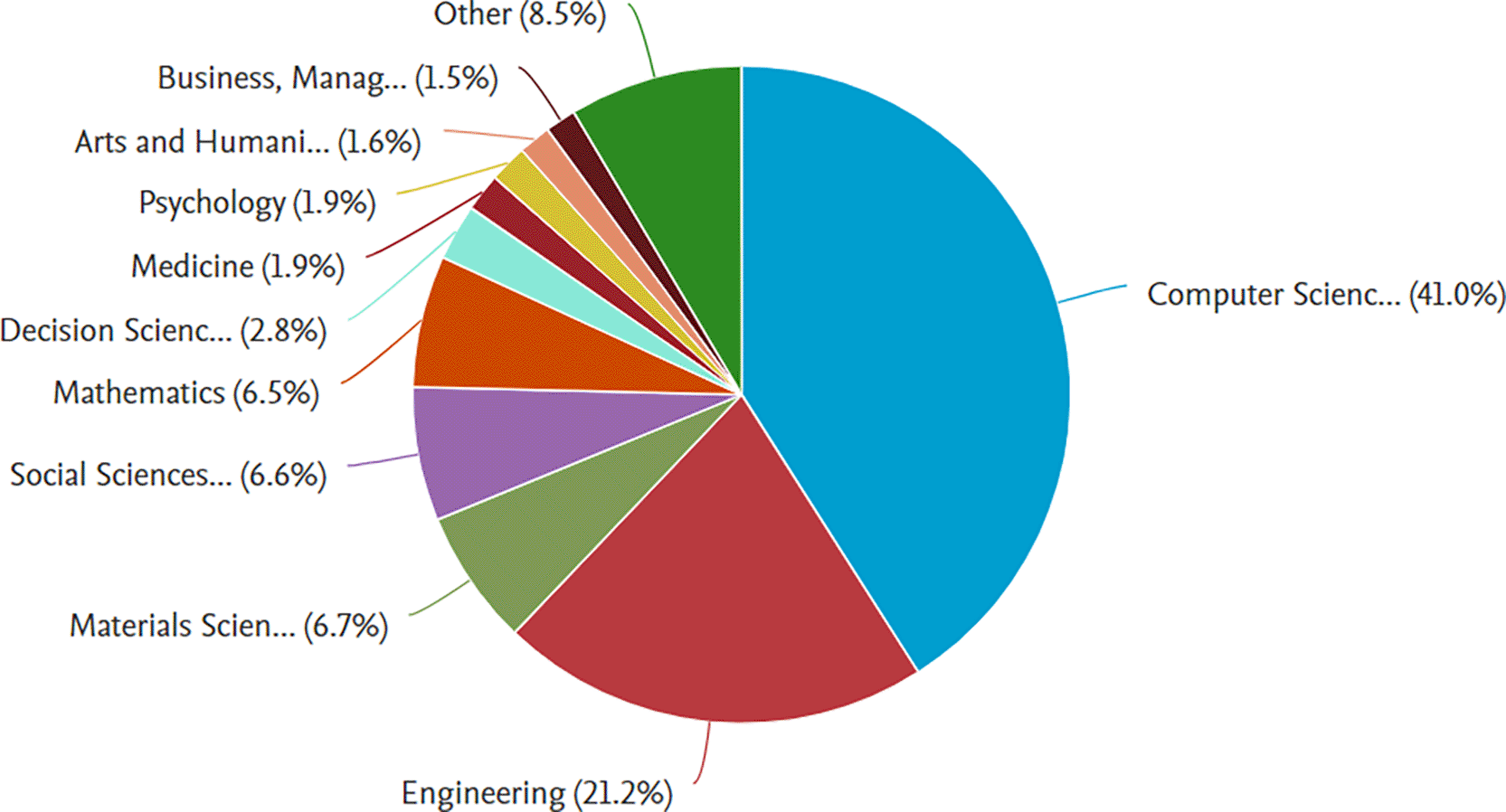
This research aims to identify the categories of research areas that have attracted the most attention and activity in cybersecurity and machine learning. By identifying how research is distributed, it is possible to determine trends, active researchers, main research fields, and even upcoming research directions. The findings help identify significant trends and explore new areas, as the volume of published articles reflects the work done in various fields. This analysis also determines which areas of study are expanding and how they connect to advancing technologies and solutions in a particular field. Understanding these trends can help define future research directions and highlight topics that require greater focus or investigation. A big part, 41%, is in Computer Science, which makes sense because cybersecurity and machine learning are tech-heavy topics. Engineering is next, with 21.2%, as it closely relates to the technical side of these fields. Mathematics and Social Sciences each make up about 6% of the research. Mathematics is critical because many machine learning methods rely on math. Social Sciences have a smaller share but are essential for studying how technology affects society. Materials Science and Decision Sciences account for about 6.7% and 2.8% of the research. These fields help us understand the technical and decision-making parts of cybersecurity and machine learning. Other areas, like Business, Arts and Humanities, Psychology, and Medicine, each comprise less than 2% of the research. This shows that while these subjects are related to cybersecurity and machine learning, they are less common in current research.
In Figure 3, we see that nearly all documents (95.8%) are research articles. These are papers that share new research and discoveries.
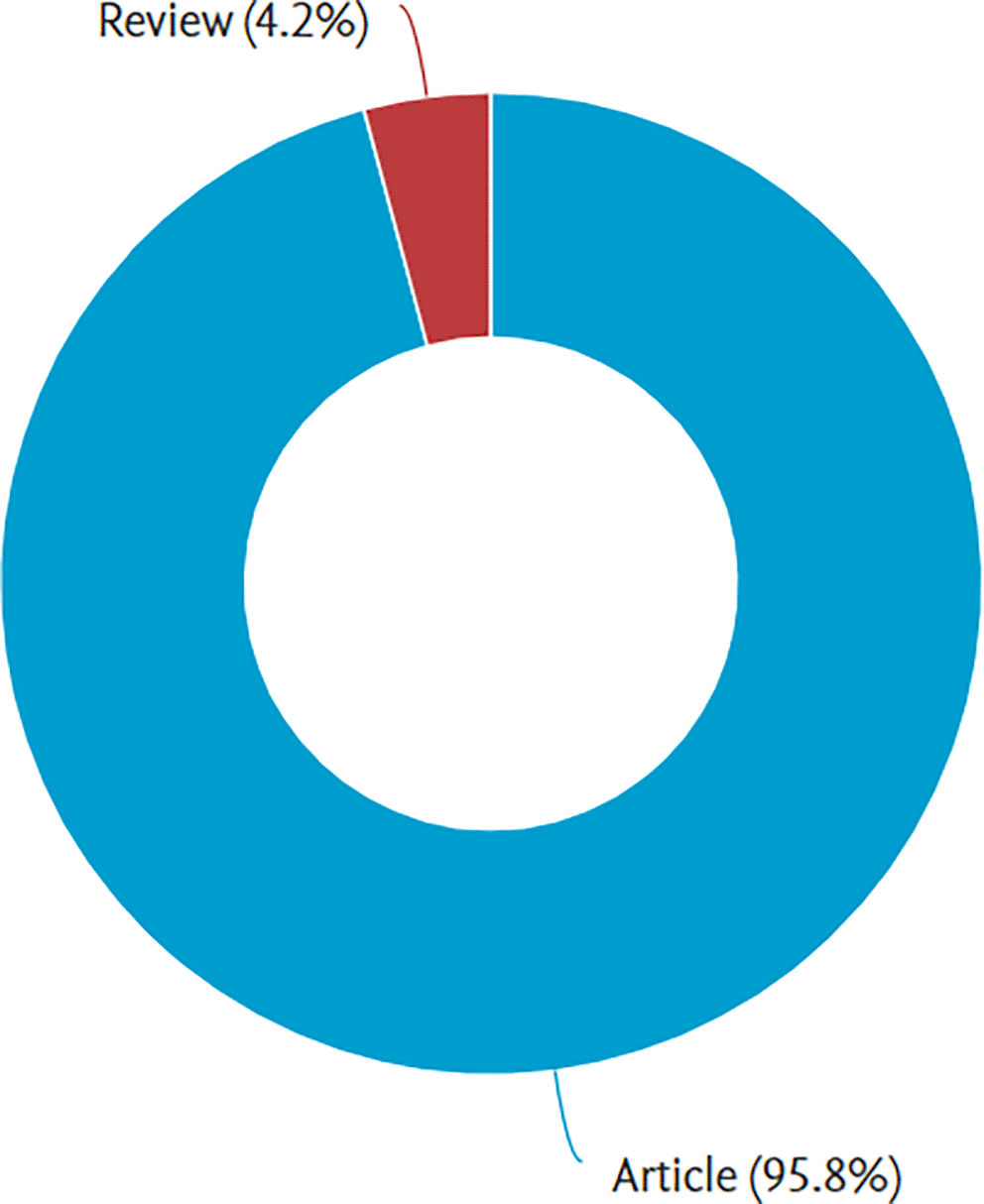
Just 4.2% are review papers. These reviews summarise other research on a topic rather than presenting new findings. Most documents are articles with new information, while reviews are much less common in this research.
In our study, we examined the number of research papers that different universities have published in Figure 4. We found that Princess Nourah Bint Abdulrahman University and King Saud University have published the most papers, showing they are very active in this research area.
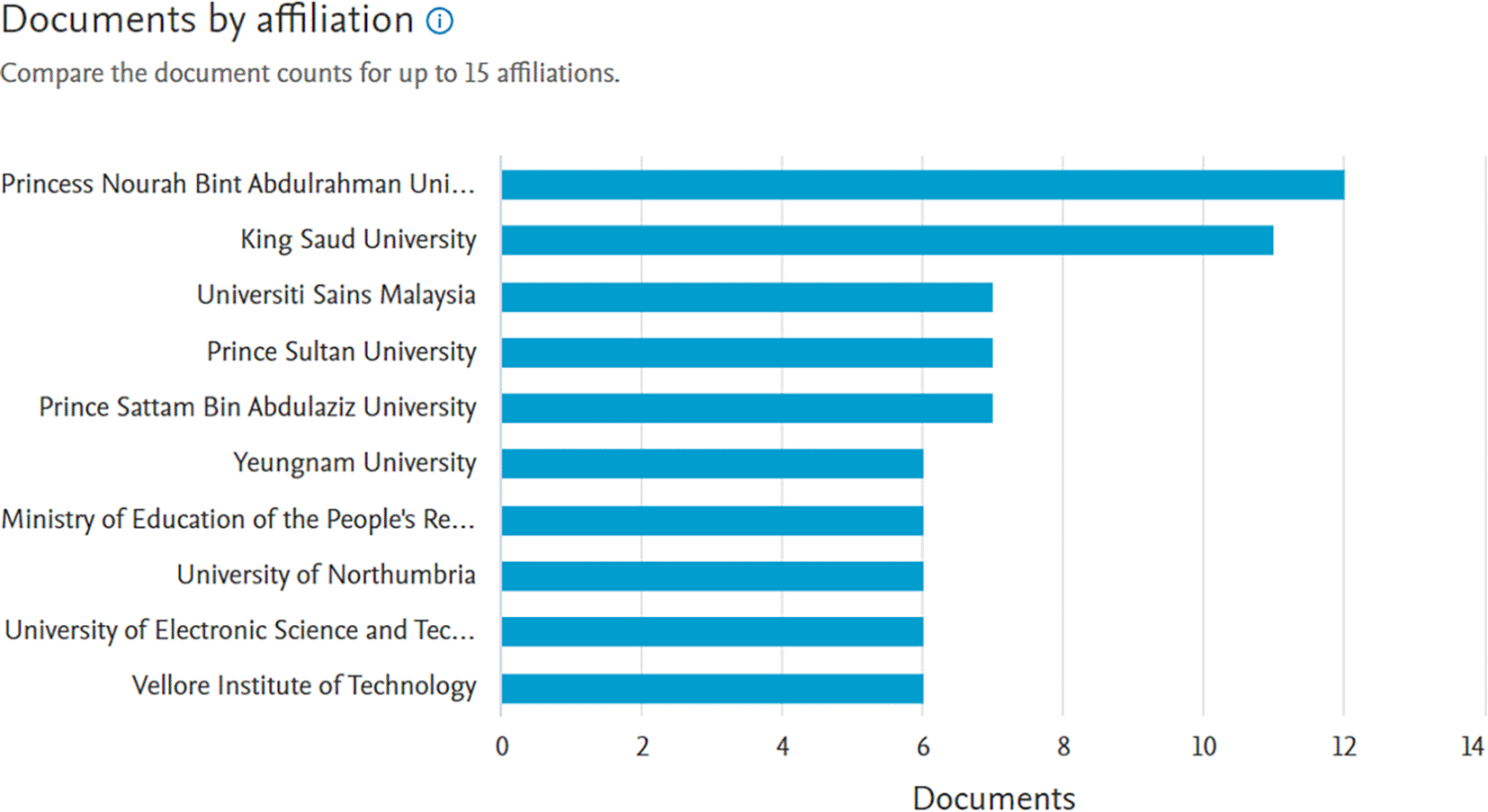
Universiti Sains Malaysia and Prince Sultan University have also published many papers, but not as many as the top two. Prince Sattam Bin Abdulaziz University and Yeungnam University have fewer papers, but they still need to make a notable contribution. Other institutions, such as the Ministry of Education of the People's Republic of China, the University of Northumbria Newcastle, the University of Electronic Science and Technology of China, and the Vellore Institute of Technology, publish fewer papers than leading universities. This helps us see which institutions are most involved and influential in cybersecurity and machine learning research.
Our study counted the number of research papers written by cybersecurity and machine learning authors. Figures 5 and 6 show that the most influential authors are Alazab, M., and Rao, R.S., who authored five articles.
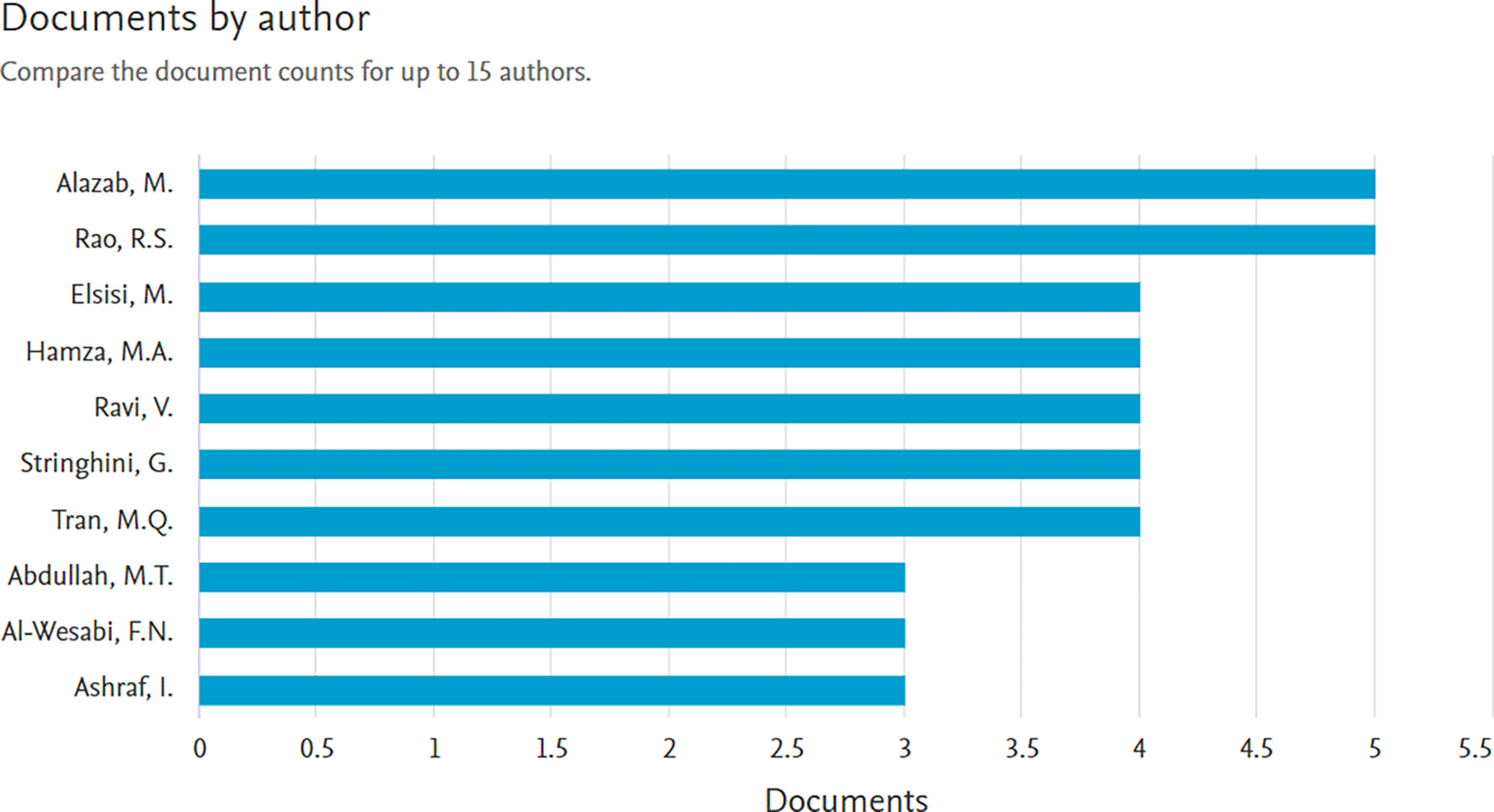
As a result, Elsisi, M., Hamza, M.A., and Ravi, V. have also written a good number of papers, but fewer than the top two. Other authors, such as Stringhini, G., Tran, M.Q., Abdullah, M.T., Al-Wesabi, F.N., and Ashraf, I., have published fewer papers. This helps us understand which authors are the most active and vital in this research field.
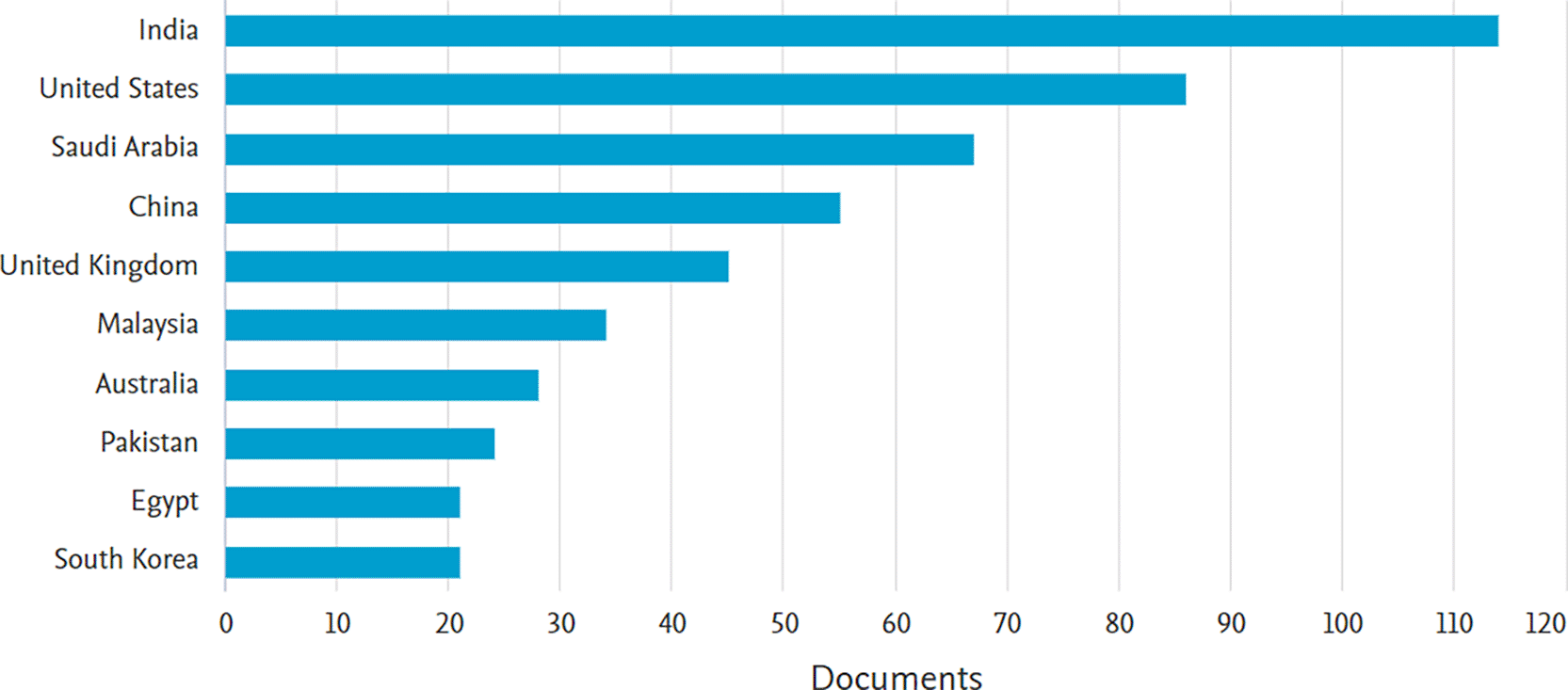
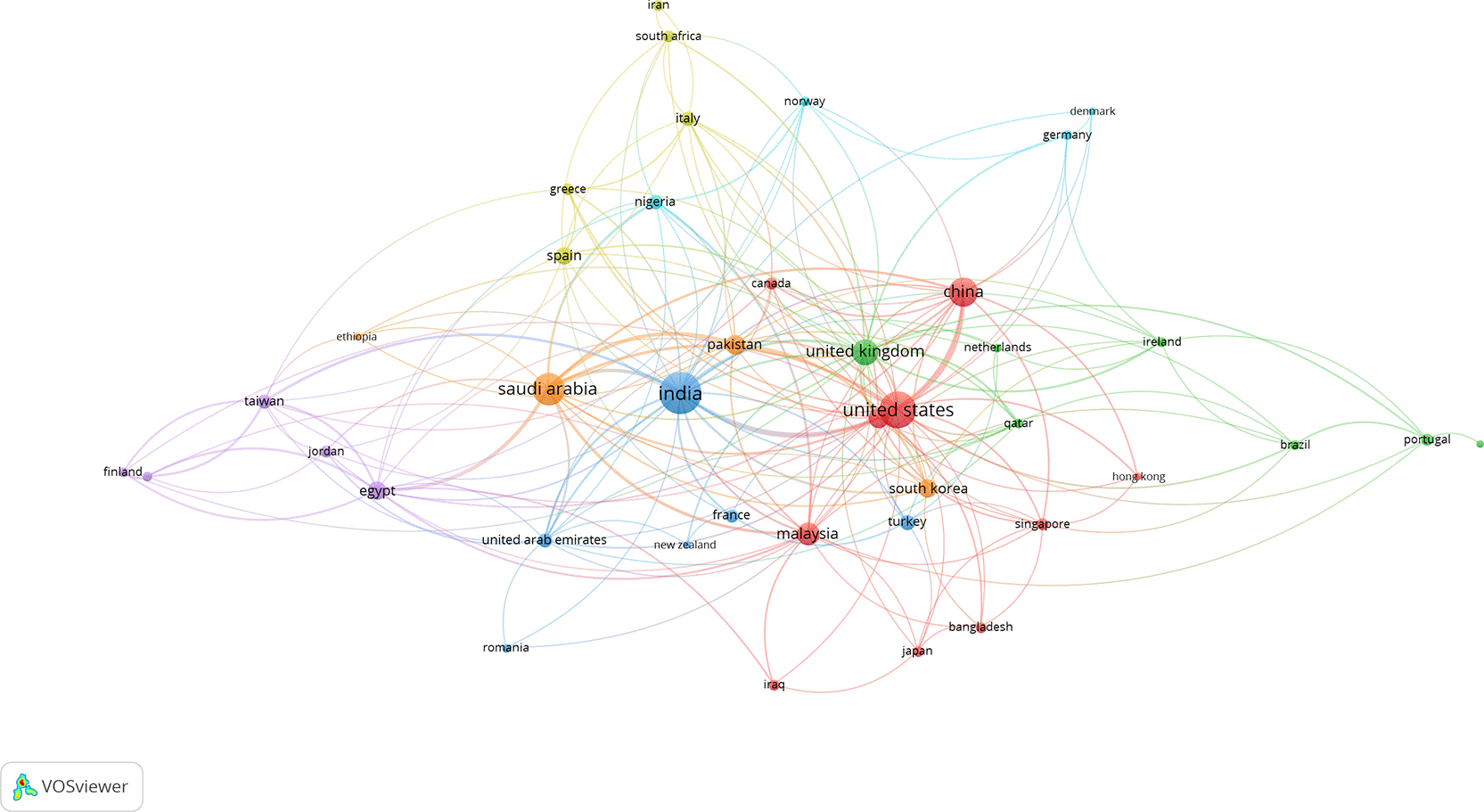
Our analysis examined the number of research papers published by different countries on cybersecurity and machine learning. Figures 6 and 7 show that India has published the most papers, leading the list. The United States and Saudi Arabia also publish many works. China, the United Kingdom, and Malaysia contribute significantly but have fewer papers than the top three. Countries like Australia, Pakistan, Egypt, and South Korea have published even fewer papers. This information helps us understand which countries are most active and contribute the most to cybersecurity and machine learning research.
We examined the number of research papers published and the frequency with which other researchers cited them. Figure 8 shows that 40 papers were published in 1999, but needed to be cited more. By 2024, even though only a few new papers were published, the number of times those papers were cited grew significantly, reaching 4,103 citations. Cybersecurity and machine learning research have become more critical and recognised.

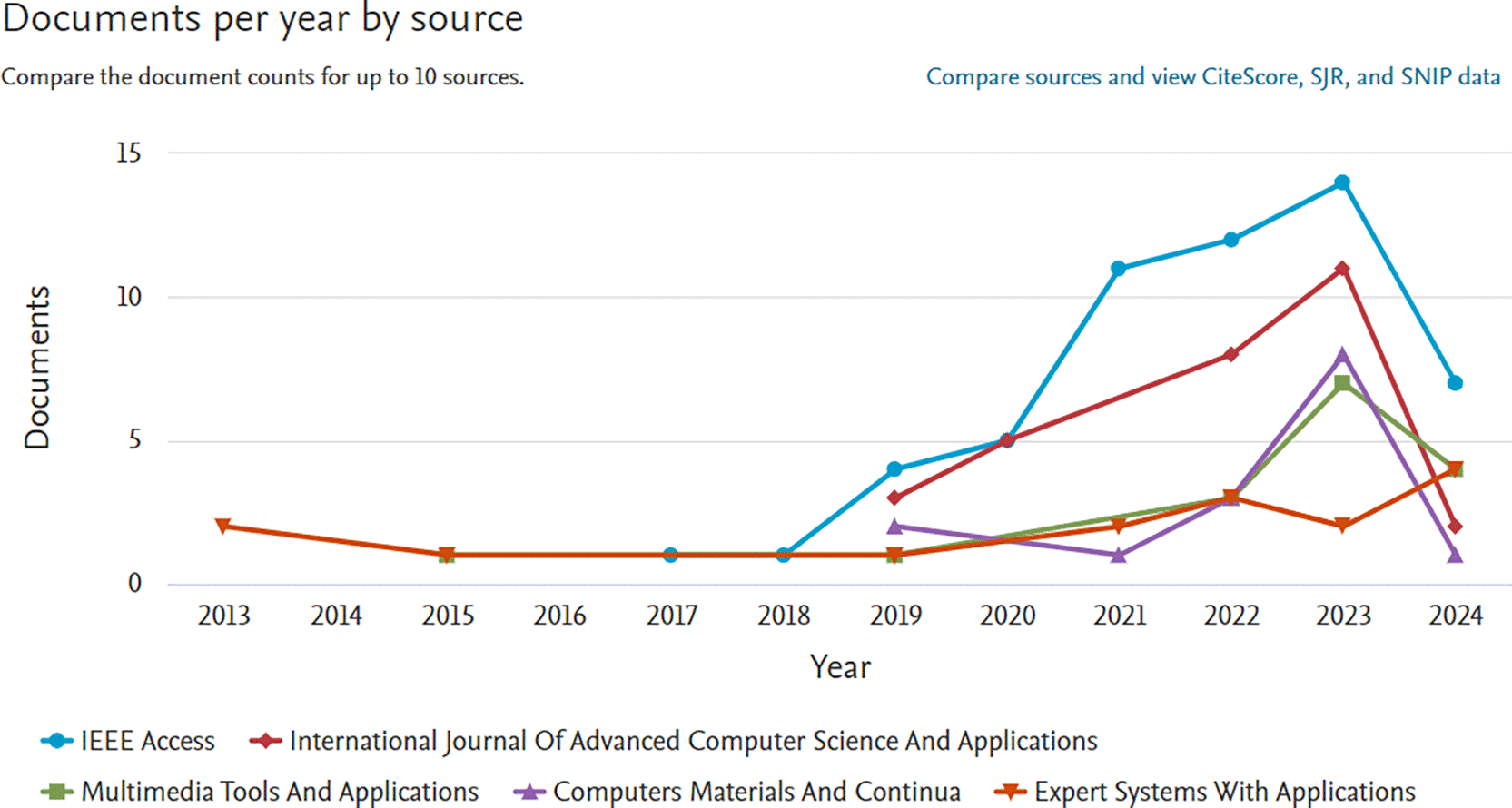
We studied how many research papers and journals are published each year in cybersecurity and machine learning. Figure 9, from 2013 to 2024, shows that “IEEE Access” and “Multimedia Tools and Applications” published the most papers yearly. Other journals, like “Computers Materials and Continua,” “International Journal of Advanced Computer Science and Applications,” and “Expert Systems with Applications,” also published papers, but not as many. This helps us see which journals are the most active in sharing cybersecurity and machine learning research over the years.
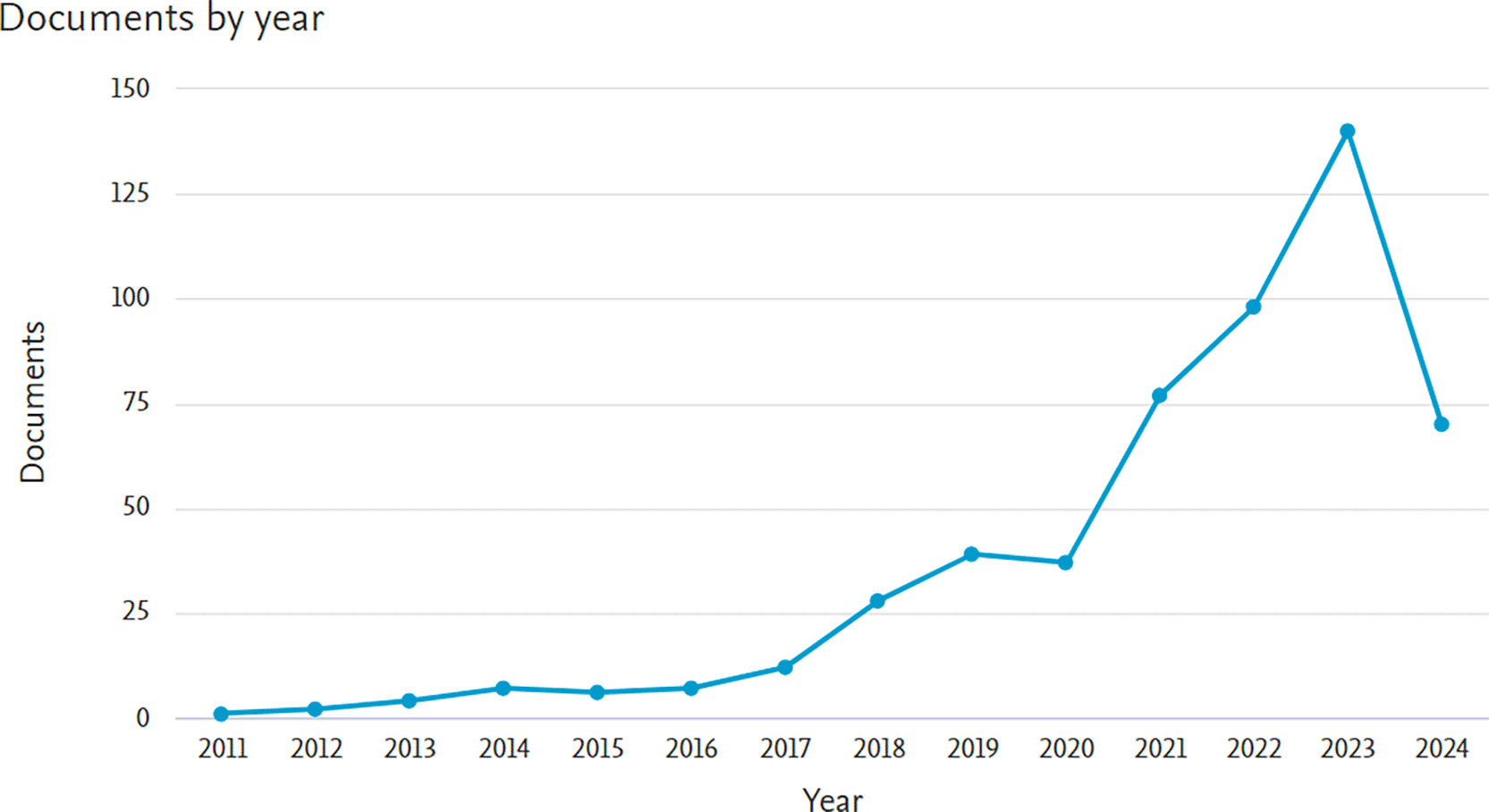
When analysing this, we examined the annual publication trend in machine learning and cybersecurity.
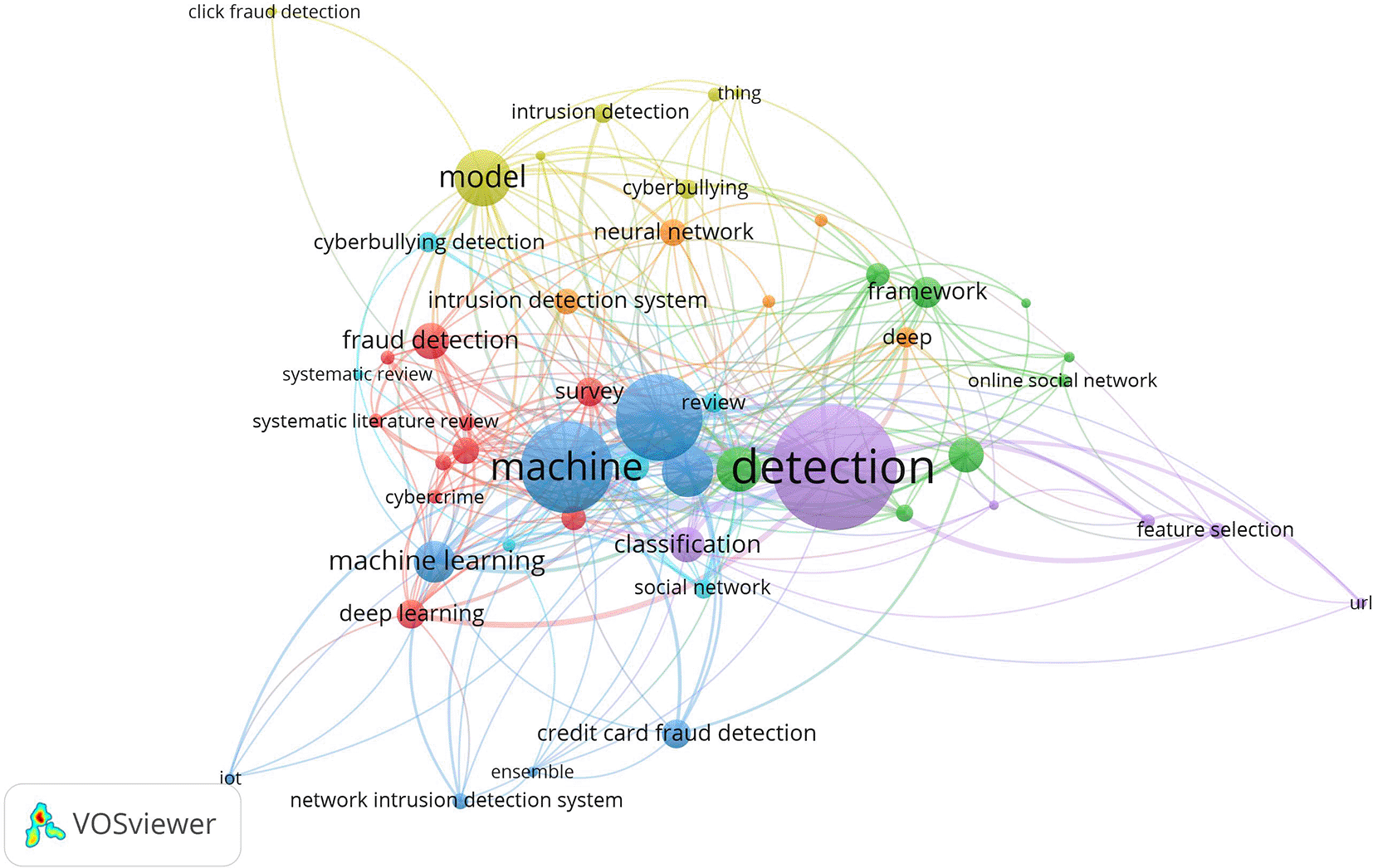
The data in Figure 10 indicate that the number of papers grew slowly from about 2013 onward. The growth continued, with more papers issued yearly until 2024, when the number peaked. This shows that, over time, cybersecurity and machine learning have been among the subjects that researchers have given greater attention to, leading to more papers on them. Based on bibliometric analysis, the list of leading keywords is presented in Figure 11.
In our study, we identified which cybersecurity and machine learning research papers have been cited most by other researchers. As shown in Table 3, the paper “Deep Learning Approach for Intelligent Intrusion Detection,” published in 2019, is the most cited, with 11,753 citations. This means it’s very influential and widely used in the field.
Other highly cited papers include “Droiddetector: Android Malware Characterisation” (2016, 346 citations) and “Using Generative Adversarial Networks for Intrusion Detection” (2019, 329 citations). These papers are also essential but have fewer citations than the top papers. We also found documents such as “Robust Intelligent Malware Detection Using…” (2019, 285 citations) and “Cybercrime Detection in Online Communication” (2016, 260 citations). These papers are important, too, but less highly cited than the top ones.
This data shows which research papers have had the most impact and are most recognised in cybersecurity and machine learning. Table 4 presents the top twenty articles based on the number of citations.
| Rank | Document title | Reference | Citations |
|---|---|---|---|
| 1 | “Deep Learning Approach for Intelligent Intrusion Detection System” | Vinayakumar, Alazab16 | 1060 |
| 2 | “Droid Detector: Android Malware Characterisation and Detection using Deep Learning” | Yuan, Lu17 | 371 |
| 3 | “Using Generative Adversarial Networks for Improving Classification Effectiveness in Credit Card Fraud Detection” | Fiore, De Santis18 | 341 |
| 4 | “Robust Intelligent Malware Detection using Deep Learning” | Vinayakumar, Alazab33 | 332 |
| 5 | “Cybercrime Detection in Online Communications: The Experimental Case of Cyberbullying Detection in the Twitter Network” | Al-Garadi, Varathan34 | 275 |
| 6 | “Us and Them: Identifying Cyber Hate on Twitter Across Multiple Protected Characteristics” | Burnap and Williams35 | 259 |
| 7 | “An Intrusion Detection System Using Network Traffic Profiling and Online Sequential Extreme Learning Machine” | Singh, Kumar36 | 229 |
| 8 | “Automatic Cyberbullying Detection: A Systematic Review” | Rosa, Pereira37 | 184 |
| 9 | “Automated Poisoning Attacks and Defenses in Malware Detection Systems: An Adversarial Machine Learning Approach” | Chen, Xue19 | 184 |
| 10 | “A Data Mining-Based System For Credit-Card Fraud Detection in E-Tail” | Carneiro, Figueira38 | 181 |
| 11 | “An Intelligent Approach to Credit Card Fraud Detection Using an Optimised Light Gradient Boosting Machine” | Taha and Malebary24 | 172 |
| 12 | “A Systematic Literature Review on Machine Learning Applications for Consumer Sentiment Analysis Using Online Reviews” | Jain, Pamula39 | 167 |
| 13 | “Defending Against Phishing Attacks: Taxonomy Of Methods, Current Issues and Future Directions” | Gupta, Arachchilage40 | 158 |
| 14 | “Improving Cyberbullying Detection Using Twitter Users’ Psychological Features and Machine Learning” | Balakrishnan, Khan41 | 157 |
| 15 | “Detection of Phishing Websites using an Efficient Feature-Based Machine Learning Framework” | Rao and Pais23 | 156 |
| 16 | “A Comprehensive Survey of AI-Enabled Phishing Attack Detection Techniques” | Basit, Zafar42 | 155 |
| 17 | “Semantics-Based Online Malware Detection: Towards Efficient Real-Time Protection Against Malware” | Das, Liu21 | 153 |
| 18 | “Detecting Malware With an Ensemble Method Based on Deep Neural Network” | Yan, Qi43 | 142 |
| 19 | “Leveraging Financial Social Media Data for Corporate Fraud Detection” | Dong, Liao22 | 135 |
| 20 | “Designing a Network Intrusion Detection System Based On Machine Learning for Software-Defined Networks” | Alzahrani and Alenazi20 | 132 |
Our research has given us a good overview of the recent chaos in the application of machine learning approaches in cybersecurity, with most work in Computer Science; that makes sense because these fields are very technical. Engineering is also essential due to its close connection with the technical side of these topics. Mathematics is crucial for the methods used in machine learning, while the Social Sciences, though less common, help us understand how technology affects society. Fields such as Materials Science and Decision Sciences are essential for understanding technical details and for decision-making. Still, Business, Arts and Humanities, Psychology, and Medicine have a minor role.
We discovered that nearly all the research documents—95.8%—are new studies that present new findings. Only 4.2% are review papers that summarise existing research. This shows that most researchers are focused on publishing new research rather than reviewing past work. Among organisations, Princess Nourah Bint Abdulrahman University and King Saud University are the top publishers, demonstrating their strong involvement in the field. Universiti Sains Malaysia and Prince Sultan University also make significant contributions. Still, other institutions, such as the Ministry of Education of the People's Republic of China and the Vellore Institute of Technology, publish fewer papers.
Looking at authors, Alazab, M., and Rao, R.S., have written the most papers, followed by other active researchers such as Elsisi, M., Hamza, M.A., and Ravi, V. This indicates the most influential researchers in this field. Globally, India has published the most papers, with the United States and Saudi Arabia also making significant contributions. China, the United Kingdom, and Malaysia are active, while Australia, Pakistan, Egypt, and South Korea have fewer papers.
We also find that while papers from 1999 were not widely cited, by 2024 their citations had grown significantly, reaching 4,103. This shows that research in this field has gained more recognition over time. Journals like “IEEE Access” and “Multimedia Tools and Applications” have been the top publishers from 2013 to 2024, while others like “Computers Materials and Continua” and “The International Journal of Advanced Computer Science and Applications” have published fewer.
Finally, the number of research papers published yearly has steadily increased since around 2013, peaking in 2024. This shows growing interest and activity in cybersecurity and machine learning. The most cited paper of 2019, “Deep Learning Approach for Intelligent Intrusion Detection,” has 11,753 citations, highlighting its significant impact. Other highly cited papers cover topics like Android malware and generative adversarial networks, though they have fewer citations than the top paper. This shows key research areas, major contributors, and the impact of significant studies in the field.
The study’s analysis presents a holistic view of the current state of machine learning and cybersecurity. Because of the technical nature of the connections, most research originates in Computer Science, followed by Engineering. Machine learning techniques require a strong mathematical foundation, while the impact of technology is analysed using insights from the social sciences. Domain disciplines such as Material Science and Decision Science analyse technical details and decision-making procedures, respectively. In contrast, disciplines such as Business, Arts, Humanities, Psychology, and Medicine are less prominent.
The best journals have been IEEE Access and Multimedia Tools and Applications, which have published much work from 2013 to 2024. Other such journals also publish articles at much lower frequencies. Still, some deliver valuable outcomes, such as ‘Computers Materials and Continua’ & ‘The International Journal of Advanced Computer Science and Applications’.
Among all countries in the world, India leads the list of publications, followed by the United States and Saudi Arabia. Some of the most highly published institutions are Princess Nourah Bint Abdulrahman University and King Saud University, which demonstrate their commitment to advancing research. In addition, Universiti Sains Malaysia and Prince Sultan University have made substantial contributions regarding publication. Institutions such as the Ministry of Education of the People’s Republic of China and Vellore Institute of Technology have less contribution.
The paper with the highest citation score in this study is “Deep Learning Approach for Intelligent Intrusion Detection,” published in 2019, with 11,753 citations, demonstrating significant scientific interest. Other highly cited works include research on Android malware and generative adversarial networks, reflecting crucial areas of exploration.
Co-citation analysis highlights relationships between documents that are frequently cited within a given citation environment. This technique provides insights into the influence and relevance of various studies, showcasing how specific papers shape the research landscape.
The co-citation analysis of prominent authors reveals influential scholars in the field. Notable contributors include M. Alazab and R. S. Rao, whose work is frequently cited, indicating their significant influence on current research trends.
The study provides a holistic, inclusive bibliometric and scientometric analysis of machine learning and cybersecurity research from 2010 to 2024. By profiling scholarly output, citation patterns, co-citation patterns, co-authorship mapping, and latest research trends, the study enriches theoretical perspectives to the evolving literature on the intersection of machine learning and cybersecurity practices. Theoretically, the study depicts how multidisciplinary knowledge, such as computer science, mathematics, social sciences, and engineering, is growing to address real-world security problems. Most of the research is original, with 95.8% being new studies rather than reviews, indicating a strong focus on discovering new knowledge. The study further highlights the growing capability of deep learning and adversarial machine learning, offering an up-to-date theoretical framework for academics and policymakers. From a practical perspective, the analysis underscores the use of machine learning-based cybersecurity techniques in real-world environments. The study identified the top institutions, leading journals, and the most influential countries in this domain, providing valuable insights for industry leaders and decision-makers to implement machine learning-based cybersecurity defence strategies. Moreover, identifying highly cited publications offers practitioners deep insights into the latest technologies with greater impact, influence, stability, and sound engineering in implementation.
Additionally, scholarly articles published globally, with notable contributions from universities in Saudi Arabia, Malaysia, India, the United States, and China, underscore the importance of cybersecurity and machine learning research.
The results presented in this study contribute to global cybersecurity deployment through machine learning-based practices, offering practical applications for industry and theoretical insights for academia. The study's insights are essential for federal agencies, cybersecurity organisations, and businesses seeking to update their cybersecurity systems using machine learning-based technologies. Identifying the most influential authors and top-ranked journals offers practical support to researchers to stay abreast of this domain's latest trends and developments. Moreover, the global nature of the study underscores the importance of international collaboration to achieve effective outcomes. Keyword co-occurrence analysis helps identify emerging trends in machine learning and cybersecurity application domains, such as phishing detection, intrusion detection, and proactive threat detection.
The study presents several limitations which should be considered for future studies. At first, the study was restricted to publications from 2010 to 2024 and used only a single database, Scopus. Although comprehensive, it may not cover the full breadth of research articles like IEEE Xplore or Google Scholar. Secondly, specific keywords used for the Scopus search may have missed some interdisciplinary research articles. Moreover, the study identified the latest research trends, i.e., conducted a quantitative study without any qualitative analysis of different machine learning-based cybersecurity practices.
Future studies should focus on different keywords, design new search queries, apply them to other scientific databases, or merge different bibliometric software for analysis. A comprehensive systematic review or meta-analysis in this domain could provide an in-depth understanding of the current dilemma, especially the pros and cons of using different machine learning-based approaches in cybersecurity.
Overall, this study offers meaningful insights, bridges an essential gap in the intersection of machine learning and cybersecurity research, and provides a rich foundation, motivation, and guidance for researchers and industry practitioners in protecting digital infrastructures.
| Views | Downloads | |
|---|---|---|
| F1000Research | - | - |
|
PubMed Central
Data from PMC are received and updated monthly.
|
- | - |
Provide sufficient details of any financial or non-financial competing interests to enable users to assess whether your comments might lead a reasonable person to question your impartiality. Consider the following examples, but note that this is not an exhaustive list:
Sign up for content alerts and receive a weekly or monthly email with all newly published articles
Already registered? Sign in
The email address should be the one you originally registered with F1000.
You registered with F1000 via Google, so we cannot reset your password.
To sign in, please click here.
If you still need help with your Google account password, please click here.
You registered with F1000 via Facebook, so we cannot reset your password.
To sign in, please click here.
If you still need help with your Facebook account password, please click here.
If your email address is registered with us, we will email you instructions to reset your password.
If you think you should have received this email but it has not arrived, please check your spam filters and/or contact for further assistance.

Comments on this article Comments (0)