Keywords
Gamification, Social Skills, Primary School, Motivation, Social and Emotional Development

This article is included in the Research Synergy Foundation gateway.
Gamification, Social Skills, Primary School, Motivation, Social and Emotional Development
We have made thorough revisions based on constructive feedback from both reviewers. The main changes cover the methodological, theoretical, statistical analysis, and presentation aspects of the manuscript. Here is a summary of the changes:
1. Added explicit acknowledgement in the Abstract, Methods, Discussion, and Conclusion that the study used a one-group pretest-posttest design without a control group, so the results are "preliminary evidence" and the causal claim is moderated to "associated with significant improvement."
2. Added:
• Effect size (Cohen's d = 5.20) with the interpretation of "very large practical significance"
• Confidence intervals (95% CI [-17.469, -15.131]) for the mean difference
• Subscale reliability (self-management α = 0.71, assertive behavior α = 0.68, peer relationships α = 0.74, compliance α = 0.76, academic ability α = 0.70)
• Explanation of the reverse scoring procedure for positive and negative items
3. Removed the homogeneity test as it was unnecessary for the paired sample design
4. Added procedural details to the study
5. Strengthened the Theoretical Framework
6. Added current literature
7. Clarified the Comprehensive Direction for Future Research
See the authors' detailed response to the review by Serafeim A. Triantafyllou
See the authors' detailed response to the review by Ana Dolores Vargas Sánchez
Social skills are an important aspect of child development, especially during primary school. At this stage, children begin to develop the ability to interact with peers and the wider social environment. Developing social skills in elementary school is crucial because it lays the foundation for future interpersonal interactions and academic success. Bigelow et al., (2025) explains that early childhood is a critical period for the development of social and emotional skills, which lay the foundation for lifelong success in relationships, communication, and problem-solving. Social skills include the ability to communicate effectively, work together in groups, show empathy, and manage conflict constructively (Denham et al., 2006; Klimecki, 2019; Rice-Bailey & Chong, 2023). These skills play a role not only in academic success, but also in character building and preparing children to face the challenges of social life in the future (Alzahrani et al., 2019; Guo et al., 2021; Wentzel, 1991).
However, various studies show a gap between the need for social skills development and the learning practices implemented in primary schools. Many schools still use traditional learning methods that focus on cognitive aspects and do not provide enough space for the development of meaningful social interactions (D’souza & Kumari, 2018; Rubtsov & Ulanovskaya, 2020). In practice, this gap is evident in classrooms with minimal social activities, and student interactions are often limited to formal teacher-student exchanges, rather than collaborative group work. This gap is particularly evident in the dominance of lecture-based learning, where students rarely engage in peer discussions or group activities that foster social skill development. This hinders the optimal development of students’ social skills, which can ultimately negatively impact their ability to adapt and collaborate in social environments.
In addition, technological developments and changes in social interaction patterns in the digital age demand a more innovative approach to learning that is relevant to the needs of the times. Children today are more familiar with digital media and interactive games, so learning approaches that integrate these elements have the potential to increase their motivation and engagement in the learning process (Fadda et al., 2022; Nadeem et al., 2023; Safitri et al., 2022). However, the application of technology in education must be carefully designed so that it is not merely entertainment, but also supports learning objectives, including the development of social skills.
Gamification, defined as the application of game elements in non-game contexts (Deterding et al., 2011), has emerged as one of the most promising innovative approaches in education. By integrating game mechanisms such as challenges, rewards, and social interaction, gamification can create a more engaging learning environment and motivate students to actively participate (Bouchrika et al., 2021; Campillo-Ferrer et al., 2020; Hellín et al., 2023). Unlike simple point-based systems that focus solely on individual achievement, the gamification approach in this study incorporates collaborative game mechanics such as team quests and peer feedback mechanisms, representing a form of "deep gamification" where game elements are pedagogically integrated to foster social interaction rather than merely extrinsic motivation. This approach not only enhances cognitive aspects but also has the potential to develop social skills through structured collaborative and competitive activities. If the issue of insufficient social skill development is left unaddressed, students may struggle to adapt in future academic and professional environments, where teamwork and interpersonal communication are crucial. Gamification, with its interactive and collaborative nature, is well-suited to address this gap by fostering peer interaction, enhancing empathy, and promoting cooperative problem-solving in a way that traditional methods do not. This is evidenced by several research results such as research by (Fonseca et al., 2023) showing that gamification and cooperative learning can strengthen social and academic skills by creating a participatory space that supports discussions and group work. Additionally, (Maraza-Quispe et al., 2024) found that the use of gamification platforms such as Classcraft improves collaborative work and team management skills. Research by Nguyen et al., (2025) also confirms that the integration of social-emotional practices in gamification improves communication and collaboration tendencies among students. These results provide evidence that gamification not only encourages engagement in learning, but also significantly improves social skills that are important for students’ overall development.
Recent systematic reviews and meta-analyses further strengthen the evidence base regarding the application of gamification in educational contexts. A comprehensive review by Sari et al. provides a theoretical and methodological overview of gamification, while highlighting its potential for fostering engagement and social learning (Sari et al., 2026). Gamification has been shown to significantly increase learning motivation by incorporating engaging elements such as points, leaderboards, and rewards. These elements foster intrinsic motivation and create a competitive yet enjoyable learning environment (Ahma & Kadriu, 2025; Schlag et al., 2024; Ukgoda, 2025). Although these studies focus in part on broader learning outcomes, they include discussions of motivational and engagement mechanisms that are directly relevant to the theoretical framework of the current research. Several studies have shown that gamification can increase learning motivation and student engagement at various levels of (García-López et al., 2023; Grab, 2025; Singh, 2025). However, research specifically examining the effect of gamification on the development of social skills in primary school students is still relatively limited. Most studies have focused more on academic aspects or learning motivation, so there is still a gap that needs to be filled regarding the effectiveness of gamification in the context of children’s social-emotional development.
Furthermore, Indonesia’s cultural context and education system have their own characteristics that influence how students interact and learn. For example, Indonesia’s learning culture still relies on rote learning and a teacher-centered approach in schools, which often limits opportunities for collaborative activities that foster social skill development, as evidenced by persistent low performance in international assessments and inconsistent curriculum implementation. In a 2024 empirical study of 1,020 secondary school students in 74 schools in Greater Bandung, traditional rote learning methods were found to dominate despite the 2013 curriculum promoting student-centered learning, resulting in limited exposure to project-based activities that encourage teamwork and critical thinking (Suryadi & Nugraha, 2025). This is reflected in Indonesia’s poor results in PISA 2022, with a score of 369 the lowest since 2000, well below the OECD average (Sidik & Intan, 2025). These low scores indicate challenges in problem-solving skills and social interaction, which are deficiencies in the development of social skills such as teamwork and empathy. If not addressed, this gap could result in students struggling to adapt to the collaborative and communicative demands of modern society, potentially limiting their success in both academic and professional environments (Jordan & Métais, 1997). Therefore, it is crucial to conduct contextual research that is relevant to local conditions, ensuring that the results can be effectively applied in primary schools in Indonesia.
This study is crucial because it aims to explore how gamification, with its emphasis on collaboration, engagement, and interactive learning, can address unique challenges in the Indonesian education system—particularly the dominance of rote learning and teacher-centered pedagogy that limits the development of social skills. While not all schools in Indonesia face the same conditions (for example, urban private schools or those fully implementing the Independent Curriculum may incorporate more student-centered methods), the majority of public schools, particularly in rural areas and those with limited resources at the elementary and secondary levels, still prioritize rote learning and passive learning over collaborative activities. This problem is exacerbated in contexts such as the uneven rollout of the 2013 Curriculum and its successor, the Merdeka Curriculum, where resource constraints and inadequate teacher training hampered the shift to project-based learning, leading to persistent low performance in collaborative competencies as seen in Indonesia’s PISA 2022 results (e.g., only 18% of students achieved basic proficiency in mathematics, reflecting limited exposure to interactive problem-solving) (Sidik & Intan, 2025; Suryadi & Nugraha, 2025). By focusing on elementary school students in a traditional classroom setting, this research offers targeted insights into how gamification can bridge this gap, fostering social skills such as teamwork and communication in the resource-limited environments common to many public schools in Indonesia. While similar challenges may be found in other countries with traditional educational models, Indonesia’s distinctive social and cultural dynamics, including the limited application of innovative teaching methods, make contextual research even more essential. This study attempts to fill this gap by empirically testing the effectiveness of gamification in improving the social skills of primary school students in the Indonesian educational environment.
The main objective of this study is to determine whether the application of gamification in learning can significantly improve the social skills of primary school students. More specifically, this study aims to explore how gamification affects students' communication, cooperation, and empathy during the learning process, while acknowledging the methodological limitations of the one-group pretest-posttest design.
Theoretically, this study integrates Self-Determination Theory (SDT) (Deci & Ryan, 2012) and Social Learning Theory (SLT) (Bandura, 1986) as adapted by (Krcmar, 2019). Unlike previous studies that focused primarily on cognitive motivation and individual achievement through isolated rewards, this study emphasizes the social-emotional dimension through gamification's collaborative features. Specifically: (1) team quests and peer feedback mechanisms are designed to fulfill the SDT need for relatedness, while role selection and task choices support autonomy and competence; (2) multiplayer simulations and observable peer interactions facilitate SLT mechanisms of modeling and reinforcement, where students learn prosocial behaviors by observing and imitating others. This dual theoretical integration provides a comprehensive framework for understanding how gamification can foster social skills development—SDT explains the intrinsic motivational drive for engagement, while SLT accounts for the social learning processes that occur through peer interaction and observation.
It is hoped that the results of this research will make a practical contribution for teachers and curriculum developers in designing learning that is balanced between academic aspects and social-emotional development of students, especially in public schools based on the Independent Curriculum with limited resources and a lack of collaborative activities. Thus, gamification, when designed with explicit attention to collaborative mechanics, offers a promising alternative learning strategy that bridges theory with equitable education reform.
This study employed a quantitative approach with a one-group pretest-posttest experimental design. A quantitative approach was chosen to investigate a specific population or sample, where data were collected using previously prepared research instruments. The purpose of using this method was to examine the effect of the gamification method on the social skills of fifth-grade students at SDN Palumbonsari II. In this experimental design, the independent variable (gamification method) was tested against the dependent variable (social skills) to determine the extent to which the gamification method could have an influence.
The pretest was administered on August 6, 2025, before the intervention began, and the posttest was administered on September 10, 2025, after five weeks of gamification-based learning activities. This design allows for observation of changes in social skills within the same group of students after the game-based learning experience. However, it is important to acknowledge that this design lacks a control group and is therefore vulnerable to internal validity threats such as maturation, testing effects, and history. The results should be interpreted with these limitations in mind. The research design for the one-sample test technique, involving a pretest and a posttest, is shown in Figure 1.

With the following explanation.
O1: before treatment.
O2: after the treatment was administered.
X: treatment.
The gamification intervention was implemented over a five-week period, with two 60-minute sessions per week, integrated into the "Pancasila Student Profile Strengthening Project" (P5) curriculum theme of "Bhineka Tunggal Ika" (Unity in Diversity). The classroom teacher facilitated the sessions, providing guidance and facilitating discussions, while the application served as the primary medium for skill practice. Each session began with a brief introduction to the target skill, followed by 30-40 minutes of gameplay, and concluded with a 10-15 minute reflection and discussion period where students shared their experiences and learning.
In general, this gamification application is designed for mobile devices (iOS and Android) using Unity as a game development platform. This app allows students to access and play games interactively and fun on their phones. On the app’s main page, there are five sections, each representing the social skills indicators developed by Bremer & Smith, (2004) and (Gresham et al., 2001). Students can choose the part of the game they want to play, according to the indicators they want to develop. This main view gives students the freedom to choose an area that suits their learning objectives, as shown in the images in this app.
In this section students are given the opportunity to interact with various characters in social scenarios (e.g., choosing a character to speak to in a social event). Polite and appreciative conversation choices will lead to positive interactions. As a consequence in this part of the game, if students choose a polite response, they will get points or stars (rewards). If they choose a rude response, they will lose points. Consequences like these help assess whether students are able to make a good first impression. Influence on pre- and post-test: Students who are initially less polite will show improvement after practicing choosing better responses.
In this part of the game, students are faced with challenging tasks (such as preparing for an exam or completing an assignment) in a stressful situation. As a consequence of this part of the game, if students choose to manage stress well (for example, take a deep breath or take a break), they earn points. If they work non-stop until the stress gets higher, they will lose points. These consequences help evaluate students’ ability to manage stress and time. By looking at the pre- and post-test results, we can see if students improve their self-management skills after this gamification exercise.
In this part of the game, students will work in groups to complete the project. They must choose a role (e.g., writing, drawing, or research) and collaborate to complete tasks. As a consequence of this section, if students collaborate well and complete assignments on time, they earn additional points. If they don’t contribute or choose not to help, they’ll lose points. This consequence assesses how well students can work together. The consequences lead students to think about their contributions in the team. The influence on the pre- and post-test will be seen in the improvement of students’ collaboration skills.
In this section, students are given several situations in which they must comply with the rules (e.g., in a classroom, canteen, or playground) and choose the appropriate action. The consequence of this part of the game is that if students follow the rules, they get points. If they ignore the rules, they will lose points. Any rule violation leads to immediate consequences (e.g., the character looks anxious or angry). This consequence can evaluate whether students understand the importance of following the rules. Pre- and post-test results can show an improvement in students’ attitudes towards compliance with the rules.
In this section, students are asked to express their opinions in the debate and defend their views in a constructive way. The consequence in this section, if they express their opinion politely and constructively, they get points. If they are aggressive or passive, they lose points. This assessment measures students’ ability to argue in an effective and polite way. Pre- and post-tests can show improved communication skills and students’ courage to express opinions.
The study population consisted of all students at SDN Palumbonsari II Elementary School in Karawang Regency. The study population consisted of all students at SDN Palumbonsari II Elementary School in Karawang Regency. The study sample consisted of 30 fifth-grade students, selected through purposive sampling based on their availability and willingness to participate in the gamified learning program. Purposive sampling was employed because the intervention required students who could commit to the five-week program and had access to compatible mobile devices. The sample included 16 male and 14 female students, aged 10-11 years, from mixed socio-economic backgrounds (primarily lower-middle to middle class, as typical of public schools in this region). The selection of fifth-grade students was justified because this developmental stage is crucial for the refinement of social skills, as children begin to engage in more complex peer interactions and group dynamics, making them an ideal group to observe the impact of social skills interventions (Zhao et al., 2021). The characteristics of participating students were generally homogeneous in terms of age (typically 10-11 years old) and academic level in fifth grade.
The main view of the social skills gamification interface allows the player to select different sections for gameplay, such as Interpersonal Skills, Self-Management Skills, Collaboration Skills, Rule Compliance Skills, and Opinion Expression Skills ( Figure 2).
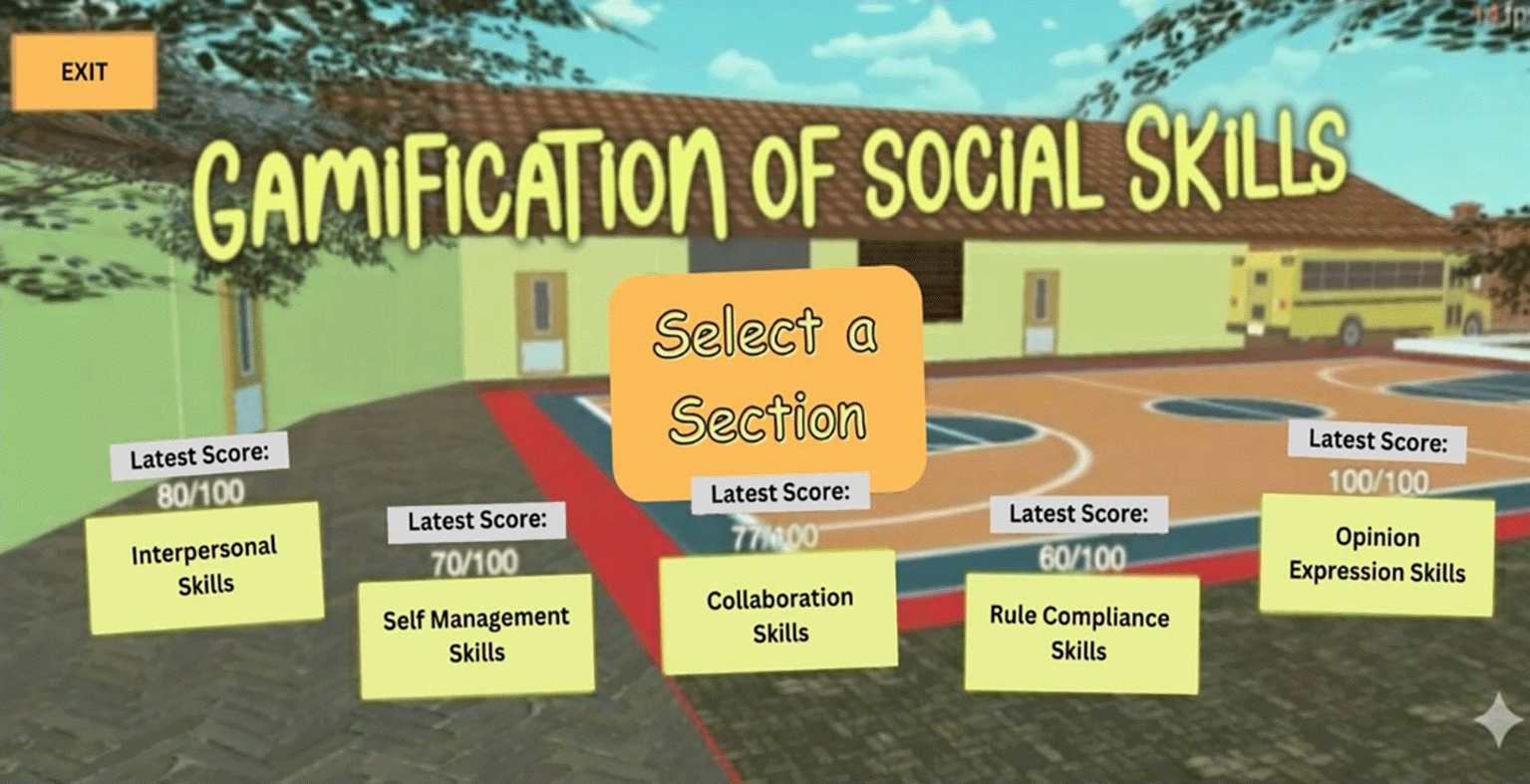
Player can select the game menu on the main page (This visualization is based on the dataset available at https://doi.org/10.6084/m9.figshare.30665678).
Figure 3 shows the interpersonal skills section of the game, where players choose from various characters at a social event to create a positive first impression. Options include ‘Friend,’ ‘Teacher,’ ‘Friend’s Parent,’ and ‘New Friend’ ( Figure 3).
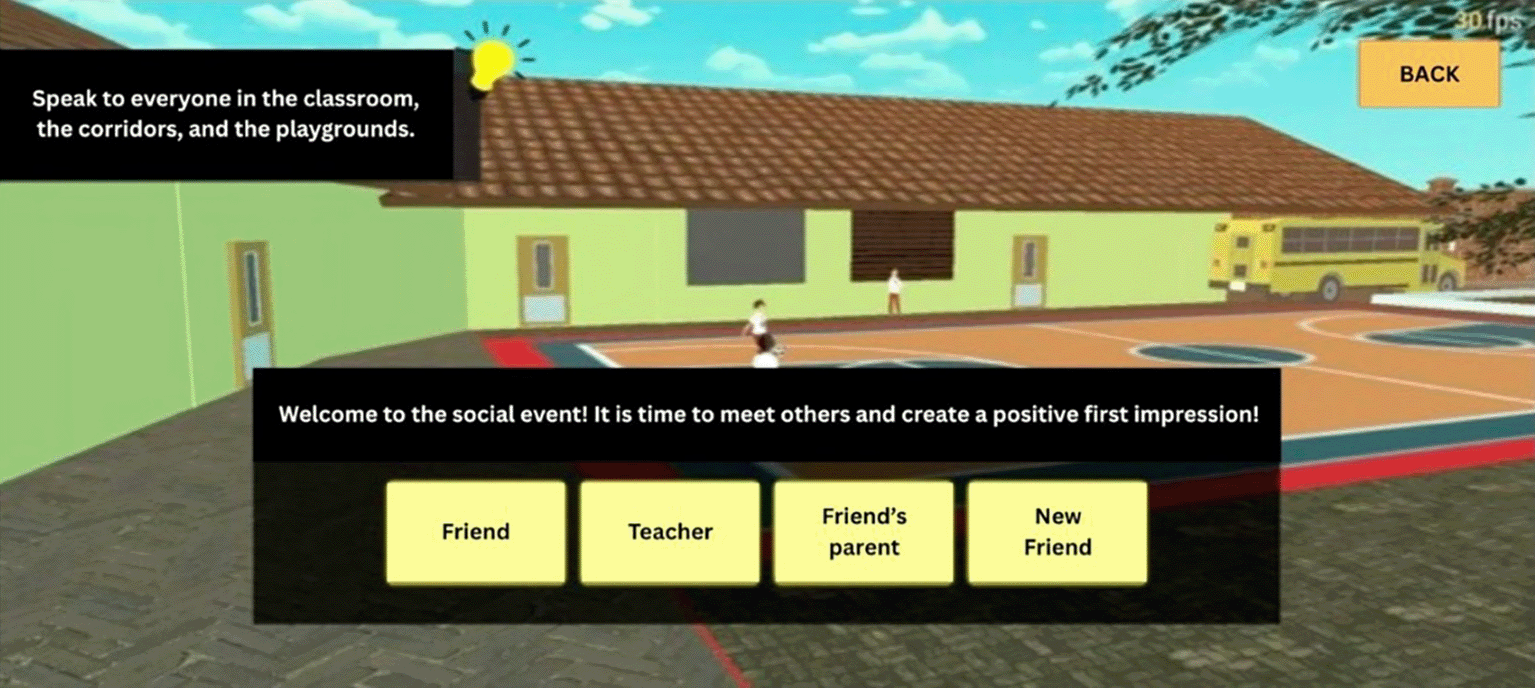
Interpersonal skills section. Players choose from various characters at a social event (This visualization is based on the dataset available at https://doi.org/10.6084/m9.figshare.30665678).
The self-management skills section of the game, shown in Figure 4, involves players helping characters manage stress and stay calm while preparing for an exam. Players are tasked with completing necessary steps before the exam, such as reading the material, taking notes, and formulating conclusions ( Figure 4).
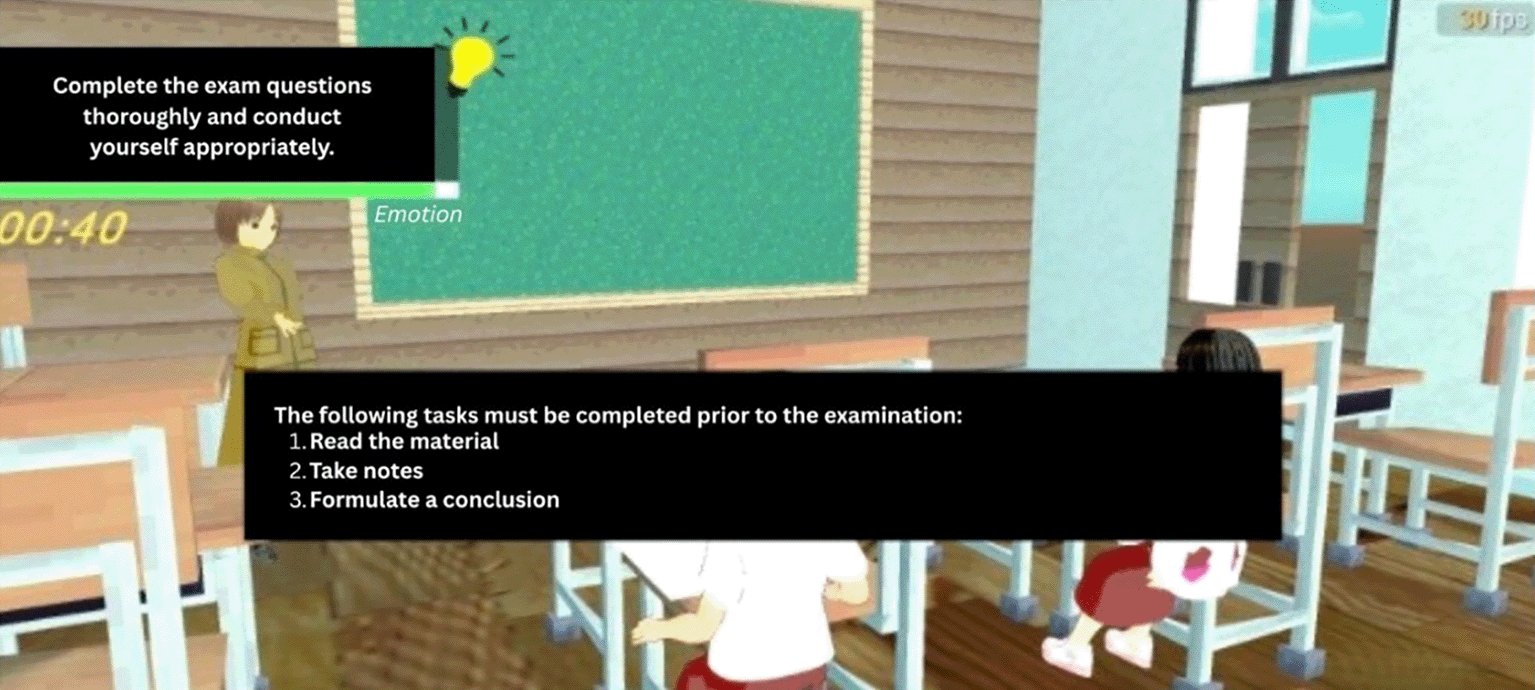
In this section, players can manage stress and stay calm to successfully complete the exam (This visualization is based on the dataset available at https://doi.org/10.6084/m9.figshare.30665678).
In Figure 5, the collaboration skills section of the game is shown. In this level, players work together with their team to complete a project within a limited time. The tasks include answering quizzes, arranging words, and arranging pictures as part of the project on Indonesia’s cultural diversity ( Figure 5).
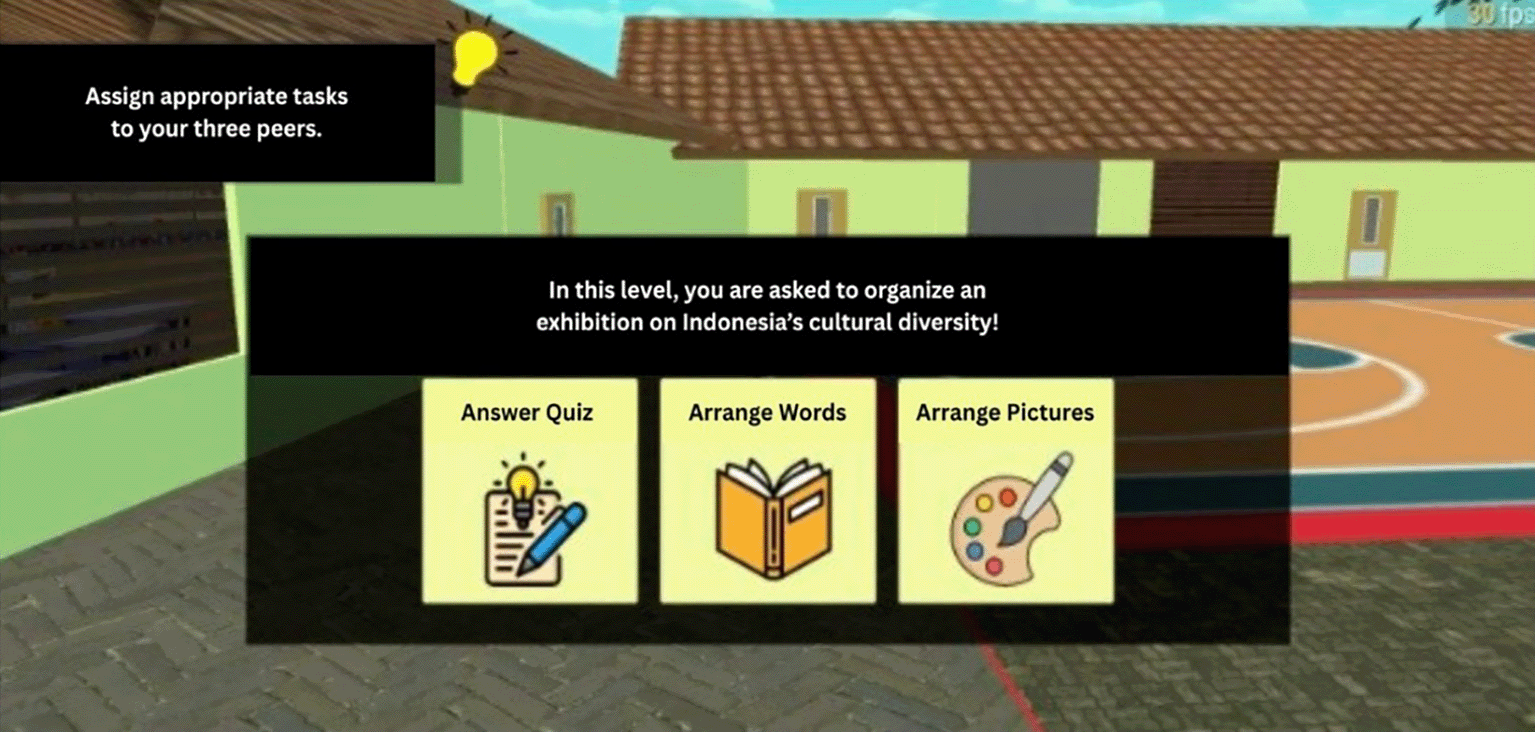
Collaboration skills section. Players must help their team work together to complete the project within a limited time (This visualization is based on the dataset available at https://doi.org/10.6084/m9.figshare.30665678).
In Figure 6, the ‘Following the Rules’ section is displayed, where players must adhere to the rules in various locations such as the classroom, cafeteria, library, playground, and school restroom. Players are challenged to comply with regulations in each of these environments ( Figure 6).
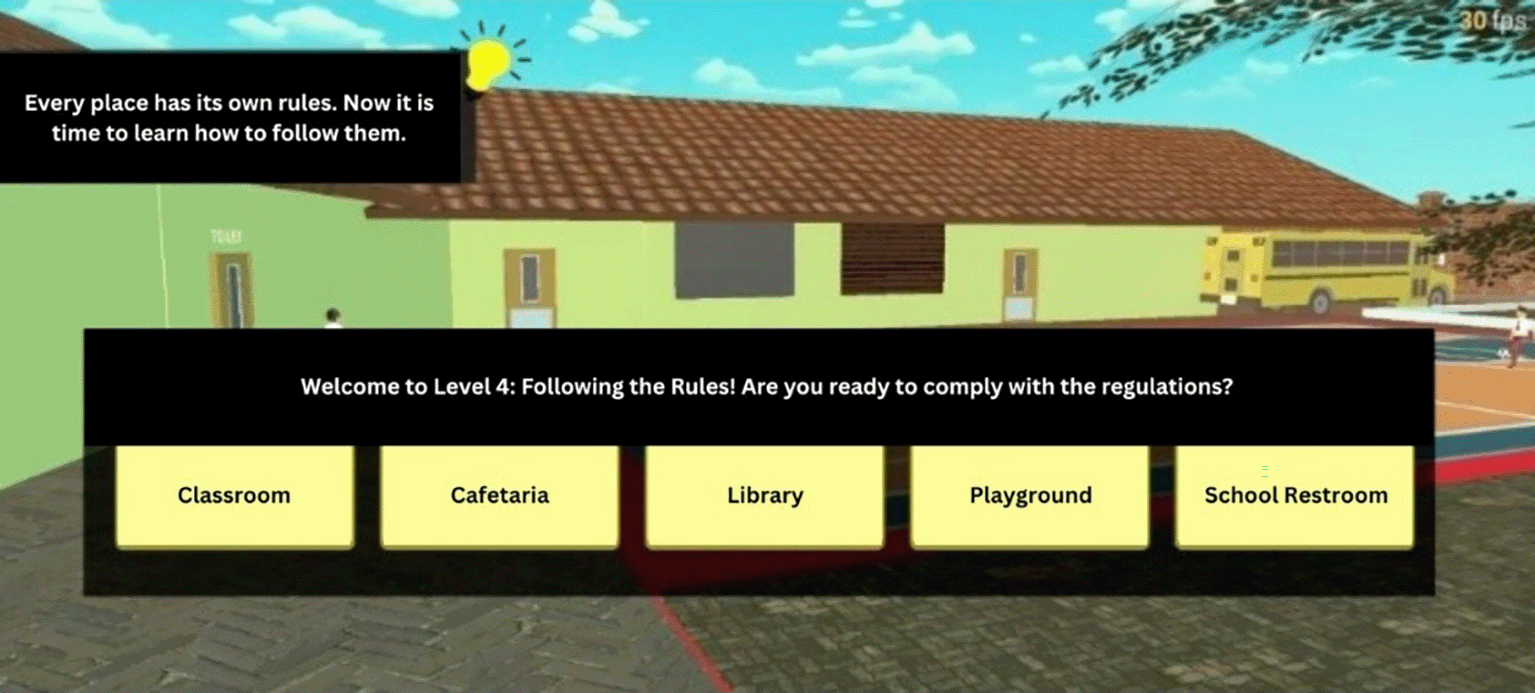
Players must adhere to rules in a highly structured environment (This visualization is based on the dataset available at https://doi.org/10.6084/m9.figshare.30665678).
Figure 7 shows the opinion-expressing skill section. Players participate in debates or discussions where they must express their opinions confidently while respecting the opinions of others. In this scenario, players discuss whether schools should have longer recess periods ( Figure 7).
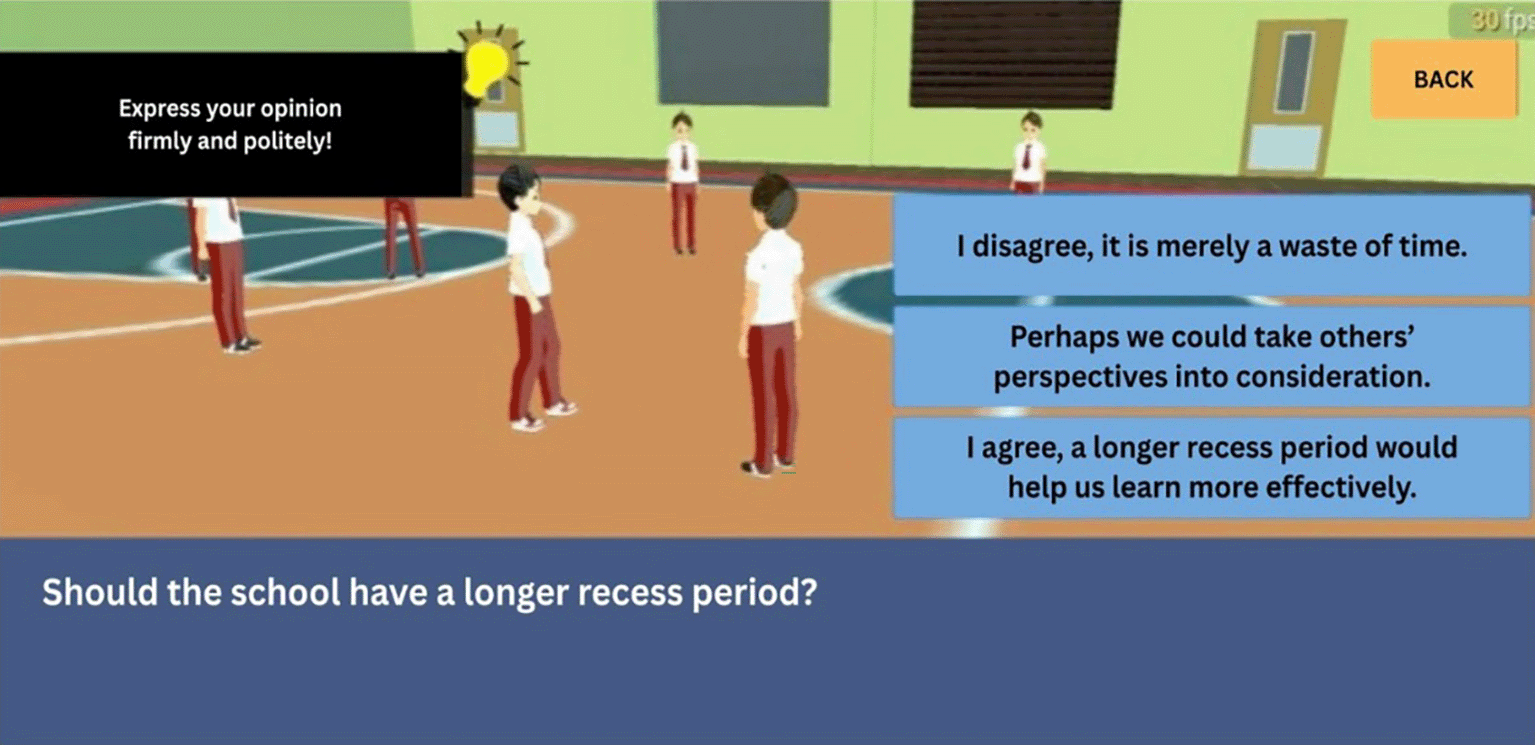
The opinion-expressing skill section. Players must participate in debates or discussions (This visualization is based on the dataset available at https://doi.org/10.6084/m9.figshare.30665678).
Informed consent for participation was obtained from the parents or guardians of the students prior to their involvement in the study. This consent was provided in written form, as it is a standard ethical practice to ensure clear documentation and understanding of the research procedures, risks, and benefits, particularly when involving minors. The consent process included providing parents with detailed information about the study objectives, data collection methods, and their right to withdraw participation at any time without penalty.
The sample size of 30 students was determined based on practical considerations and established practices in similar educational intervention studies focusing on social skills development in elementary school students using a single-group pretest-posttest design. While this sample size is sufficient for detecting large effects in paired comparisons, it limits the generalizability of findings to the broader population. The determination of the participant number in this study is further contextualized by reference to prior research. For instance, several comparable studies, such as (Marsuna et al., 2024; Tshering et al., 2024; Yanto et al., 2022), involved fewer than 30 participants yet were effective in examining educational interventions. These findings illustrate that the appropriateness of sample size may vary depending on the research context, though larger and more diverse samples would strengthen external validity.
The research instrument was a social skills questionnaire consisting of 24 items, adapted from established social skills assessment tools (Bremer & Smith, 2004; Gresham et al., 2001) and designed to measure five indicators: self-management, assertive behavior, relationships with peers, compliance with rules, and academic ability.
Originally the instrument had 35 items, but the number was revised through several stages to increase its effectiveness. The revision process began with expert judgment, where the instruments that have been prepared were examined by experts, including psychologists, to ensure that each question item was in accordance with the purpose of measuring students' social skills. Based on input from experts, there were several items that were considered less relevant or did not reflect the indicators in question, so revisions were made to improve the clarity and focus of measurement.
After the expert judgment stage, the instrument was tested on 67 fifth-grade students from Pebayuran District State Elementary School using a simple random sampling technique. This pilot testing served multiple purposes: (1) to identify poorly performing items through item-total correlation analysis, (2) to assess the internal consistency reliability of the overall scale and subscales, and (3) to refine item wording for clarity. Items with corrected item-total correlations below 0.20 were considered for elimination. Based on the results of this trial, items that were considered less relevant or did not reflect the measured indicators were eliminated, resulting in a more efficient, relevant instrument that still maintained its validity and reliability. After testing and revision, the instrument consisting of these 24 questions still showed good overall reliability with a Cronbach's alpha coefficient of 0.767. Reliability analysis for each subscale yielded the following coefficients: self-management (α = 0.71), assertive behavior (α = 0.68), relationships with peers (α = 0.74), compliance with rules (α = 0.76), and academic ability (α = 0.70). These values indicate acceptable to good internal consistency for each dimension.
Construct validity was supported through expert judgment and the theoretical grounding of items in established frameworks. However, it is acknowledged that more rigorous validity evidence, such as confirmatory factor analysis, would require a larger sample size and is recommended for future research.
The number of 67 students involved in this trial is quite adequate for the preliminary trial process, considering that in psychometric research, the recommended minimum sample size for pilot testing is around 30 respondents, so this number can provide representative and consistent results to test the validity and reliability of the instrument. Informed consent for participation in the pilot testing was also obtained from the parents or guardians of the 67 students involved in the initial trial, in written form, to ensure ethical compliance and clear understanding of the process.
The questionnaire was administered in a paper-and-pencil format within the students’ regular classroom setting. During both the pretest and posttest phases, the primary researcher was present to provide clear instructions, answer any questions, and ensure a conducive testing environment. Students were given ample time to complete the questionnaire independently. Confidentiality was maintained, and students were assured that their responses would only be used for research purposes. The same administration protocol was strictly followed for both the pretest and posttest to ensure consistency and minimize potential biases. The questionnaire uses a Likert scale to assess students' responses, ranging from 1 to 5. For positive items, responses were scored as follows: 5 = Always, 4 = Often, 3 = Sometimes, 2 = Rarely, 1 = Never. For negative items, reverse scoring was applied: 1 = Always, 2 = Often, 3 = Sometimes, 4 = Rarely, 5 = Never. This reverse scoring procedure ensures that higher total scores consistently reflect better social skills across all items. The social skills instrument grid is as follows.
The normality test aims to determine whether the data obtained follows a normal distribution or not, which is calculated using the Shapiro-Wilk test. This test is particularly recommended for smaller sample sizes (n < 50) and assesses normality by comparing the observed data distribution to a theoretically normal distribution. The benchmark for normality is typically a significance value (p-value) greater than 0.05, indicating that the null hypothesis of normal distribution cannot be rejected (Shapiro & Wilk, 1965). After these stages, a hypothesis test is carried out to test the significance of the difference between the pretest and posttest. The paired t-test was used to test whether there was a significant difference, with a formula that refers to the One Group Pretest and Posttest Design research design. This t-test formula calculates the t-value based on the difference between the pretest and posttest means, the deviation of each subject, and the sum of the squares of the deviations to determine whether the treatment given has a significant effect on the variable being tested. In addition to statistical significance, effect size (Cohen's d) was calculated to quantify the practical significance of the findings, using the formula d = mean difference/standard deviation of the difference. Cohen's d values of 0.2, 0.5, and 0.8 were interpreted as small, medium, and large effects, respectively. Confidence intervals (95%) for the mean difference were also reported to provide a range of plausible values for the true population effect.
The Institute for Research and Community Service of Universitas Buana Perjuangan Karawang approved this research with Certificate Number 071/LPPM/UBP/2025 on September 26, 2025. The researcher also provided informed consent to all respondents. Written consent to participate was obtained from respondents in accordance with document 400.3.5/112/SD/2025 on August 12, 2025. Respondents gave their consent without coercion from anyone. Furthermore, to protect the rights and privacy of respondents, all forms of data obtained will be kept confidential.
With reference to the detailed results for each student obtained from (Alpian et al., 2025a, 2025b) Table 2 presents the data processing results of this study. The research results are written to determine the results of the questionnaire on the social skills of Grade V students at SDN Palumbonsari II in the 2025/2026 academic year, which includes statistical analysis, normality tests, and hypothesis tests. The following are the results of descriptive statistical calculations.
In Table 1, the student social skills instrument is presented after trial. The table outlines the various indicators of social skills, including self-management, assertive behavior, relationships with peers, compliance with rules, and academic ability, along with corresponding statement items and Likert scale ratings ( Table 1) (https://doi.org/10.6084/m9.figshare.30665792).
Based on the descriptive analysis shown in Table 2, the average social skills score of students on the pretest was 65.50 with a standard deviation of 2.675, a minimum score of 60, and a maximum score of 71. Meanwhile, on the posttest, the average score increased to 81.80 with a standard deviation of 3.863, a minimum score of 73, and a maximum score of 89. The range of scores on the post-test (16) was greater than that on the pre-test (11), indicating a significant increase in scores.
| Descriptive statistics | |||||||
|---|---|---|---|---|---|---|---|
| N | Range | Minimum | Maximum | Mean | Std. Deviation | Variance | |
| Pretest | 30 | 11 | 60 | 71 | 65.50 | 2.675 | 7.155 |
| Postest | 30 | 16 | 73 | 89 | 81.80 | 3.863 | 14.924 |
| Valid N (listwise) | 30 | ||||||
Examination of the score distributions revealed that all students demonstrated improvement from pretest to posttest, with individual gains ranging from 10 to 22 points. The most substantial gains were observed in items related to peer relationships and compliance with rules, while gains in self-management and assertive behavior were more moderate, suggesting these skills may require more extended intervention periods to develop fully.
In the normality testing of data conducted on 30 fifth-grade students at SDN Palumbonsari II, the normality test was carried out to determine whether the data obtained through the pretest and posttest were normally distributed or not. Using the Shapiro Wilk test with a significance level of > 0.05, the data were declared normal. The following are the results of the pretest and posttest normality tests.
Based on the results of the normality test using Shapiro-Wilk shown in Table 3, it can be seen that the pretest (p = 0.273) and posttest (p = 0.177) data are normally distributed because the significance value is greater than 0.05. This indicates that the normality assumption is fulfilled.
| Tests of Normality | ||||||
|---|---|---|---|---|---|---|
| Kolmogorov-Smirnova | Shapiro-Wilk | |||||
| Statistic | df | Sig. | Statistic | df | Sig. | |
| Pretest | .174 | 30 | .021 | .958 | 30 | .273 |
| Postest | .189 | 30 | .008 | .951 | 30 | .177 |
Furthermore, to determine whether the pretest and posttest values have the same homogeneous data or not, the data homogeneity test uses the Levene Test using SPSS.
Based on the results of the Levene Test for variance homogeneity shown in Table 4, the significance value is 0.055, which is greater than 0.05, so it can be concluded that the variances of the two groups are homogeneous.
After calculating the normality tests, if the data is confirmed to be normally distributed, the next step is to conduct a hypothesis test or t-test to determine whether there is an effect between variable X and variable Y. After conducting a hypothesis test using the t-test formula with a One Group Sample Pretest and Posttest design, the following results were obtained:
Based on the results of the paired samples t-test in Table 4, there is a significant difference between the pretest and posttest scores with a t-value of -28.514, df = 29, and p < 0.05. The average score difference of -16.300 (95% CI [-17.469, -15.131]) with a standard deviation of 3.131 indicates an increase in social skills scores after the gamification treatment. The effect size, calculated as Cohen's d, was 5.20, which represents a very large practical significance according to conventional benchmarks (Cohen, 2013). This very large effect size indicates that the observed improvement is not only statistically significant but also practically meaningful in educational terms.
The results of the paired t-test showed a very significant difference between students’ social skills scores before and after the implementation of gamification, with a t-value of -28.514 and p < 0.05, and a very large effect size (Cohen's d = 5.20). These findings indicate that gamification was associated with a substantial positive change in the social skills of primary school students in this sample. However, due to the absence of a control group, these results should be interpreted as preliminary evidence of association rather than conclusive proof of causation. While the observed improvement is encouraging, it cannot be definitively attributed solely to the gamification intervention, as factors such as maturation, repeated testing, or other classroom experiences may have contributed to the gains.
This significant improvement in social skills scores suggests that gamification can facilitate a learning process that focuses not only on cognitive aspects but also on students' social and emotional aspects. This is important considering that social skills are competencies that are highly needed in daily life and child development.
Gamification is the application of game elements in a non-game context with the aim of increasing participant motivation and engagement (Deterding et al., 2011). In the context of education, gamification creates a more engaging and interactive learning environment, encouraging students to participate actively in the learning process. This pleasant atmosphere can reduce anxiety and increase students’ confidence in social interactions. According to Vygotsky’s social learning theory (1978), social interaction is a fundamental aspect of children’s cognitive and social skills development (Khosravizadeh, 2023; Malik et al., 2025; Weiner et al., 2003). Through interaction with peers and teachers, students learn to develop communication, empathy, and cooperation skills. Gamification provides a platform that facilitates such interaction in a more enjoyable and structured manner, making the learning process more effective.
The theoretical integration of Self-Determination Theory (SDT) and Social Learning Theory (SLT) provides a comprehensive lens for interpreting these findings. From an SDT perspective, the gamification design addressed students' basic psychological needs: autonomy was supported through students' freedom to choose which skill area to practice; competence was fostered through immediate feedback, point accumulation, and level progression; and relatedness was enhanced through team-based quests and peer feedback mechanisms. The significant improvement in social skills suggests that when these psychological needs are met, students become more intrinsically motivated to engage in and learn from social interactions.
From an SLT perspective, the multiplayer and collaborative elements of the gamification design created opportunities for observational learning. Students could observe peers demonstrating effective social behaviors (e.g., polite responses, collaborative problem-solving) and the positive consequences (points, badges) that followed. The structured game scenarios provided safe contexts for modeling and practicing new social behaviors, with immediate feedback reinforcing appropriate responses. The particularly strong gains in peer relationships and rule compliance may reflect the effectiveness of these observable modeling opportunities.
Furthermore, the specific gamification mechanics can be mapped onto these theoretical constructs: team quests directly supported relatedness (SDT) and provided collaborative modeling opportunities (SLT); point systems and badges provided competence feedback (SDT) and served as reinforcement for observed prosocial behaviors (SLT); role selection in group tasks supported autonomy (SDT) and allowed students to experiment with different social roles (SLT). This theoretical alignment suggests that the effectiveness of gamification for social skills development may depend on intentional design that simultaneously addresses motivational and social learning processes.
In addition, gamification can boost students' confidence in social interactions. By completing challenges and receiving rewards, students feel valued and motivated to continue developing their social skills. This confidence is essential in forming positive attitudes and effective communication skills. In addition to motivation and social interaction, gamification also helps students develop emotional skills such as self-control and empathy. Through simulations and game scenarios, students learn to recognize and manage their own emotions and understand the feelings of others, which are important components of social skills. However, it is important to note that while compliance with rules and peer relationships may be relatively easier to assess through gamification due to the presence of clear, actionable choices and immediate consequences, the evaluation of self-management under pressure and assertive behavior presents greater challenges. Self-management under pressure involves complex emotional responses, such as stress management, that are difficult to accurately replicate in a game setting, and the more moderate gains observed in these areas may reflect these measurement challenges. Similarly, assertive behavior involves dynamic and nuanced social interactions that may not be fully captured by binary choice options alone. Gamification elements such as points, levels, and badges play an important role in effectively motivating students. Points provide quick and clear feedback on students' efforts, creating a healthy competition where students attempt to accumulate points as a form of recognition for their achievements. This encourages students to continue to engage in social activities. The level system provides a real sense of progression; each time students reach a new level, they feel more confident and ready to take on greater social challenges, such as interacting with more friends or participating in group discussions. Badges, on the other hand, serve as a symbol of appreciation that recognizes specific achievements, such as the ability to collaborate or communicate effectively. These badges not only increase students' self-esteem but also motivate them to continue honing their social skills, as they seek to accumulate more badges. Overall, points, levels, and badges work together to create a fun atmosphere, which encourages students to be more active and confident in developing their social skills, as found in the study.
The implementation of gamification in learning can accommodate various student learning styles by offering diverse challenges and activities. For example, visual learners may benefit from games with graphics and animations, while auditory learners engage with games that include verbal feedback or dialogue. Kinesthetic learners might thrive in games that involve physical interaction or simulations requiring active participation. However, the success of gamification heavily depends on its design and implementation. Game elements, such as point systems or level-ups, must be tailored to both the learning objectives and student characteristics to maximize impact. Teachers need to creatively integrate these principles, ensuring that each student can develop their social skills effectively based on their learning style.
In addition, school environment support and parental involvement are also important to reinforce the positive effects of gamification on students' social skills. A supportive environment will provide more opportunities for students to practice the social skills they have learned. Gamification can also be a solution to overcome the problem of lack of motivation and engagement among students in traditional learning, which tends to be monotonous. With a fun and challenging approach, the current research shows students were more motivated to actively participate and interact with their peers.
The results of this study are in line with various previous studies that show that gamification is effective in improving students’ social and emotional aspects. Gamification can increase engagement and social interaction in the learning context, which ultimately has a positive impact on the development of social skills (Campillo-Ferrer et al., 2020; Chung & Pan, 2023). While these studies affirm the general efficacy of gamification, their contexts largely differ from the present research. For instance, Campillo-Ferrer et al., (2020); and Chung & Pan, (2023) primarily focused on higher education students, and Meng et al., (2024) investigated online learners. Furthermore, recent meta-analytic evidence (Ahma & Kadriu, 2025; Sari et al., 2026; Schlag et al., 2024; Ukgoda, 2025) that synthesized findings from multiple studies reported moderate to large effects of gamification on collaborative learning outcomes, which aligns with the very large effect sizes observed in this study. However, these results also noted that effect sizes varied significantly depending on contextual factors such as age group, intervention duration, and the specific outcomes measured highlighting the need for more research in elementary school settings specifically.
This study, however, uniquely contributes by providing empirical evidence for the effectiveness of gamification specifically in enhancing social skills among primary school students in a traditional classroom setting within the Indonesian educational environment. This addresses a critical gap in the literature, as most research on gamification's impact on social-emotional development has been conducted in different age groups or cultural contexts. By demonstrating significant improvements in social skills among young learners in Indonesia, this research offers context-specific insights and validates gamification as a relevant and effective pedagogical strategy for early education in non-Western settings, thereby extending the generalizability and practical application of gamification theory. Comparison of these findings with meta-analytic benchmarks (Triantafyllou et al., 2025) reveals that the effect size obtained in this study (d = 5.20) exceeds the average effects reported for gamification interventions in educational settings. This exceptionally large effect may reflect several factors: the specific focus on social skills (which may be particularly responsive to collaborative game mechanics), the developmental appropriateness of the intervention for fifth-grade students, or potential ceiling effects in measurement. However, it may also be partially attributable to the absence of a control group, as uncontrolled pre-post designs can overestimate intervention effects compared to controlled experiments. Future research using randomized controlled designs would provide more accurate estimates of true effect sizes.
Thus, while the results of this study reinforce the argument that gamification is a promising learning strategy for improving the social skills of primary school students, it is recommended that gamification be further investigated through more rigorous experimental designs before being systematically integrated into curriculum and learning practices on a large scale.
Based on the findings, gamification was associated with significant improvement in social skills among the participating primary school students. The paired t-test revealed a statistically significant increase from pretest to posttest (p < 0.05), and the effect size (Cohen's d = 5.20) indicated very large practical significance. However, due to the absence of a control group and the non-random sampling method, these results should be interpreted as preliminary evidence rather than conclusive proof of causation. The study demonstrates that gamification can create an engaging environment that supports social skill development, but stronger causal claims would require more rigorous experimental designs with comparison groups.
The study contributes to the literature by providing contextualized evidence from the Indonesian primary education setting and by offering a theoretically integrated framework combining SDT and SLT to explain how gamification mechanics (team quests, peer feedback, role selection) may support social skills development through enhanced motivation and social learning opportunities.
Several limitations must be acknowledged. First, the one-group pretest-posttest design lacks a control group, making it vulnerable to internal validity threats such as maturation, history, and testing effects. Second, the small (N = 30) purposive sample from a single school limits generalizability to other populations and contexts. Third, while overall instrument reliability was acceptable and subscale reliabilities were reported, more comprehensive validity evidence (e.g., confirmatory factor analysis) would strengthen psychometric foundations. Fourth, the very large effect size, while encouraging, should be interpreted cautiously given the uncontrolled design, as uncontrolled designs can produce inflated effect estimates compared to controlled experiments.
To implement gamification more broadly, schools should consider integrating game elements like points, badges, and levels into classroom activities, providing a motivating and interactive environment that encourages active participation and collaboration. Teachers should tailor gamified tasks to different learning styles, such as using visuals for visual learners, verbal feedback for auditory learners, and role-playing for kinesthetic learners. Additionally, clear feedback and rewards for positive behaviors, such as effective communication or teamwork, should be incorporated. However, the generalizability of these implementation recommendations depends on factors like school infrastructure, teacher training, and student diversity. Schools with access to technology and trained teachers will find it easier to implement digital gamification, but offline alternatives, such as board games or role-playing activities, can be used in settings with limited resources. Adapting gamification strategies to local cultural norms will ensure they are engaging and relevant across different contexts.
Future research should address the limitations of this study through several pathways:
1. Methodologically, randomized controlled trials with larger, more diverse samples are needed to establish causal relationships and improve generalizability.
2. Theoretically, future studies should investigate which specific gamification mechanics (e.g., competition vs. collaboration, individual vs. team rewards) are most effective for different social skill components and student characteristics.
3. Empirically, longitudinal designs could examine whether observed gains in social skills are sustained over time and transfer to real-world social interactions outside the gamified context.
4. Measurement-focused research should develop and validate more nuanced assessments of social skills, particularly for complex dimensions like self-management under pressure and assertive behavior that may not be adequately captured by current instruments.
5. Cross-cultural comparative studies could explore how cultural factors moderate the effectiveness of gamification for social skills development, contributing to more culturally responsive pedagogical designs
The Institute for Research and Community Service of Universitas Buana Perjuangan Karawang approved this research with Certificate Number 071/LPPM/UBP/2025 on September 26, 2025. The researcher also provided informed consent to all respondents. Written consent to participate was obtained from respondents in accordance with document 400.3.5/112/SD/2025 on August 12, 2025. Respondents gave their consent without coercion from anyone. Furthermore, to protect the rights and privacy of respondents, all forms of data obtained will be kept confidential.
| Views | Downloads | |
|---|---|---|
| F1000Research | - | - |
|
PubMed Central
Data from PMC are received and updated monthly.
|
- | - |
Provide sufficient details of any financial or non-financial competing interests to enable users to assess whether your comments might lead a reasonable person to question your impartiality. Consider the following examples, but note that this is not an exhaustive list:
Sign up for content alerts and receive a weekly or monthly email with all newly published articles
Already registered? Sign in
The email address should be the one you originally registered with F1000.
You registered with F1000 via Google, so we cannot reset your password.
To sign in, please click here.
If you still need help with your Google account password, please click here.
You registered with F1000 via Facebook, so we cannot reset your password.
To sign in, please click here.
If you still need help with your Facebook account password, please click here.
If your email address is registered with us, we will email you instructions to reset your password.
If you think you should have received this email but it has not arrived, please check your spam filters and/or contact for further assistance.

Comments on this article Comments (0)