Keywords
Goal setting, Family-centered care, S.M.A.R.T goals , F-words, Physiotherapy goals, Cerebral Palsy, Pediatric rehabilitaiton

This article is included in the Health Services gateway.
Goal setting, Family-centered care, S.M.A.R.T goals , F-words, Physiotherapy goals, Cerebral Palsy, Pediatric rehabilitaiton
Goal setting is a cornerstone of pediatric rehabilitation, directing therapy planning (Forsingdal et al., 2014), fostering collaboration (Kalmanson et al., 1992; An et al., 2016), and improving clinical outcomes (Dekker et al., 2020). For children with neuromotor disabilities, goals must be meaningful and aligned with family priorities (Dekker et al., 2020; Metzler et al., 2021). The SMART framework (Specific, Measurable, Achievable, Relevant, Time-bound) is widely used to structure rehabilitation goals and improve goal quality and therapy effectiveness (Bexelius et al., 2018; Nguyen et al., 2021).
Each SMART element adds value: Specific goals provide focus (Øien et al., 2010); Measurable goals allow progress tracking (Harpster et al., 2019); Achievability enhances self-efficacy (Bandura, 1997; Locke and Latham, 2006; Playford et al., 2009); Relevant goals reflect family values; and Time-bound goals provide structure (Øien et al., 2010). Yet SMART goals may not fully capture developmental priorities or family perspectives (Wiart et al., 2010).
Collaborative goal setting—where children, caregivers, and clinicians jointly develop goals—is increasingly emphasized in pediatric rehabilitation (Forsingdal et al., 2014). It acknowledges families as experts and prioritizes their insights (King et al., 2004). This approach enhances motivation, satisfaction (Siebes et al., 2007), and participation (Costa et al., 2017), and supports self-efficacy (Brewer et al., 2014; Kruijsen-Terpstra et al., 2014; Schwarzer et al., 2011; Wiart et al., 2010; Pritchard-Wiart and Phelan, 2018). Emerging digital tools such as COSMO and Kid’EM apps also facilitate collaborative goal setting and reduce caregiver burden (Kura et al., 2025; Vannier et al., 2025).
Since 2007, the WHO International Classification of Functioning – Child and Youth (ICF-CY) has provided a biopsychosocial model for understanding impairments, activity limitations, and participation restrictions, incorporating environmental and personal factors (Lee, 2011) . In 2011, the CanChild Centre adapted this model into the “F-words for Child Development”: Function, Family, Fitness, Fun, Friends, and Future (Rosenbaum and Gorter, 2012). This framework is strength-based, family-friendly, and closely linked to children’s everyday experiences (Rosenbaum and Gorter, 2012).
Despite wide recognition, the F-words are underused in practice. Many goals remain capacity- or body-function focused rather than participation-oriented (Nijhuis et al., 2008a). Research highlights a mismatch between therapist-documented and caregiver-perceived goals, with caregivers concerns often underrepresented (Nijhuis et al., 2008b; Angeli et al., 2019).
Several goal-setting tools support family involvement. The Canadian Occupational Performance Measure (COPM) identifies priorities and tracks progress, and Goal Attainment Scaling (GAS) measures individual outcomes. However, COPM is subjective and less suited for young children (Ohno et al., 2021), and GAS is time-intensive and complex (Steenbeek et al., 2008).
There is little published evidence from Arab countries on goal-setting practices in pediatric rehabilitation. It is unclear whether goals set for children with neuromotor disabilities in Qatar are both structured and meaningful for the children and their families.
Study aim: This retrospective study analyzed physical therapy goals set in the largest pediatric outpatient department in Qatar to assess goal quality and alignment with family priorities, using the SMART elements and the F-words framework.
A retrospective, cross-sectional analytical study was conducted to examine physical therapy goals documented in the electronic medical records of pediatric patients. Each goal was assessed for its alignment with the SMART elements and the F-words for Child Development, framework (Gefen N, 2020).
The study was conducted at the largest outpatient pediatric physical therapy department in Qatar. Data were collected between January and December 2019. The department operated 11 clinics staffed by licensed pediatric physical therapists and delivered episodic services to children up to 14 years of age. On average, each clinic serves 9–10 patients daily, including three new patients weekly, amounting to approximately 1,800 therapy sessions per month.
Children attend at least one session weekly, with some receiving multiple sessions over periods ranging from few months to few years. Approximately 70% of the caseload comprises children with neuromotor conditions (e.g., cerebral palsy, developmental delay, Down syndrome, genetic and metabolic disorders), while the remainder present with orthopedic and other conditions (e.g., fractures, Erb’s palsy, flat foot, scoliosis, back pain).
A purposive sampling strategy identified children with neuromotor disabilities. Inclusion criteria were as follows:
• Age ≥12 months
• Diagnosis of a neuromotor condition (e.g., cerebral palsy, developmental delay, Down syndrome, genetic or metabolic disorders)
• Receipt of treatment by the same physiotherapist for ≥6 sessions during the study period
• Children having at least one documented therapy goal.
In addition to the children, their treating Physical therapists and parents were included as study participants. Children were excluded if they attended fewer than six sessions or had no documented therapy goals.
In total, 100 children and their parents/caregivers were included with informed consent. A maximum of two recent goals were abstracted from the electronic patient record. All 11 physiotherapists employed in the department consented to participate in the study.
The following informations were collected:
• Socio-demographic and clinical data: Age, gender, parent ethnicity, diagnosis, level of severity and a maximum of two recent therapy goals were extracted from electronic medical records.
• A self-administered questionnaire for Therapists: Therapists’ age category, gender, qualification, ethnicity, language proficiency (Arabic and English) and total pediatric experience.
A data collection form was designed by the primary researcher, integrating the SMART elements and F-words domains (Rosenbaum & Gorter, 2012). Columns were created for each domain; goals were scored as “✓” (criterion met) or “0” (not met). A coding manual defined each component (see Tables 1 & 2) with examples (see Table 3).
| SMART elements | Description |
|---|---|
| Specific | A goal was considered specific if it clearly articulated what the child would do, where the activity would take place, and with whom. It had to be precise, observable, repeatable, and have a definite beginning and end. Goals lacking these elements were classified as vague. |
| Measurable | A goal was considered measurable when it included a clearly defined metric or indicator to assess progress. Measurement types (McConlogue & Quinn, 2009) adapted for this study included: independence (e.g., amount of assistance), efficiency (e.g., time), consistency (e.g., number of trials), endurance (e.g., distance), movement pattern, and targeted behavior (anticipated change). |
| Achievable | A goal was considered achievable if it accounted for the child’s current physical and cognitive abilities, environmental context, available resources, support systems, and developmental stage. All goals were assumed to be achievable (All therapists were experienced and competent). |
| Relevant | A goal was considered relevant if it directly aligned with the family’s identified needs. Goals set collaboratively with families, as indicated by a minimum score of 'Good' on the 'Goal engagement scales (family)' (Turner-Stokes et al., 2015) by the treating therapist, were considered relevant. Family level of engagement in goal setting was scored as follows: • None: No family involvement in goal setting • Minimal: Family only indicates the general goal area • Moderate: Therapist assumes more than 50% of the responsibility for monitoring and resetting goals • Good: Family and therapist share responsibility equally (50/50) for monitoring and resetting goals • Very good: Family assumes most of the responsibility for setting goals • Excellent: Family independently monitors and resets patient goals |
| Time-bound | A goal was considered time-bound if a specific time frame or deadline for achievement was clearly stated in the goal statement. |
A senior pediatric physiotherapist, external to the study site, received a four-hour training session in data abstraction procedures. To assess the usability of the forms and inter-rater reliability, the first author and the SPP independently completed forms for 16 goals derived from eight children.
A total of 183 goals from 92 children were analyzed. The first author and the senior pediatric physiotherapist independently classified each of the 183 goals using the data abstraction form. Any discrepancies identified between the two coders in goal classification were discussed and resolved through consensus. For example, the goal “Child will play with peers during recess without adult assistance” was initially classified differently but was subsequently agreed upon as belonging to the domains “Friends” and “Measurable.”
Inter-rater reliability was assessed using Cohen’s kappa on a subset of goals, yielding κ = 0.47 (moderate agreement).
Table 1 and Table 2 describes the classification criteria for the F-words domains and SMART elements, including operational definitions and correspondence with ICF-CY domains.
Descriptive statistics summarized participant demographics and the distribution of F-words domains and SMART elements. Frequencies and percentages were reported. Cohen’s kappa was used to evaluate inter-rater agreement. Analyses were conducted using Microsoft Excel and IBM SPSS Statistics Version 28.
Ethical approval was obtained from the Human Research Ethics Committee at the University of Cape Town (HREC REF 144/2017) and the Institutional Review Board at Hamad Medical Corporation, Qatar (IRGC-03-NI-17-092). Written informed consent was obtained from the parents of all participating children prior to data collection. Data were anonymized to protect confidentiality.
A total of 92 children with neuromotor disabilities were included in this study, and 183 therapy goals were analyzed. The severity of disability varied, with the majority classified as severe (n = 50, 54.3%), followed by moderate (n = 27, 29.3%) and mild (n = 15, 16.3%).
The sample included 57 boys and 35 girls. Children were distributed across five age groups: 1–3 years, 4–6 years, 7–9 years, 10–12 years, and 13–14 years (see Table 4).
Cerebral palsy was the most frequent diagnosis (n = 75), followed by developmental delay (n = 11), genetic disorders (n = 5) and Down syndrome (n = 1). All participating parents were mothers, with Arabs comprising the majority (n = 58) and Asians representing the second largest group (n = 29) (see Table 4).
Across the 183 therapy goals analyzed, most goals (n = 99, 54%) were set for children with severe disabilities, followed by 54 goals (29.5%) for children with moderate severity and 30 goals (16.3%) for children with mild severity. This distribution reflects the higher representation of children with severe disabilities in the sample and indicates that a substantial proportion of therapy planning focused on children with greater functional limitations.
Eleven pediatric physical therapists participated in the study. Most were male (n = 7, 63.6%) and aged between 41–50 years (n = 6, 54.5%). Seven therapists held a bachelor’s degree (63.6%), while four held a master’s degree (36.4%).
The majority of therapists were fluent in Arabic (n = 7, 63.6%) and were also proficient in English. Ethnically, six were Arab (54.5%) and five were Asian (45.5%). Pediatric experience ranged from 6–15 years for seven therapists (63.6%) and more than 15 years for the remaining four (36.4%) (see Table 5).
| F-words domains | Number of goals | % |
|---|---|---|
| Function | 157 | 85.8 |
| Family | 55 | 30.1 |
| Fun | 44 | 24 |
| Fitness | 28 | 15.3 |
| Friends | 21 | 11.5 |
| Future | 15 | 8.2 |
The distribution of therapy goals according to compliance with the five SMART elements (Specific, Measurable, Achievable, Relevant, and Time-bound) is illustrated in Figure 1.
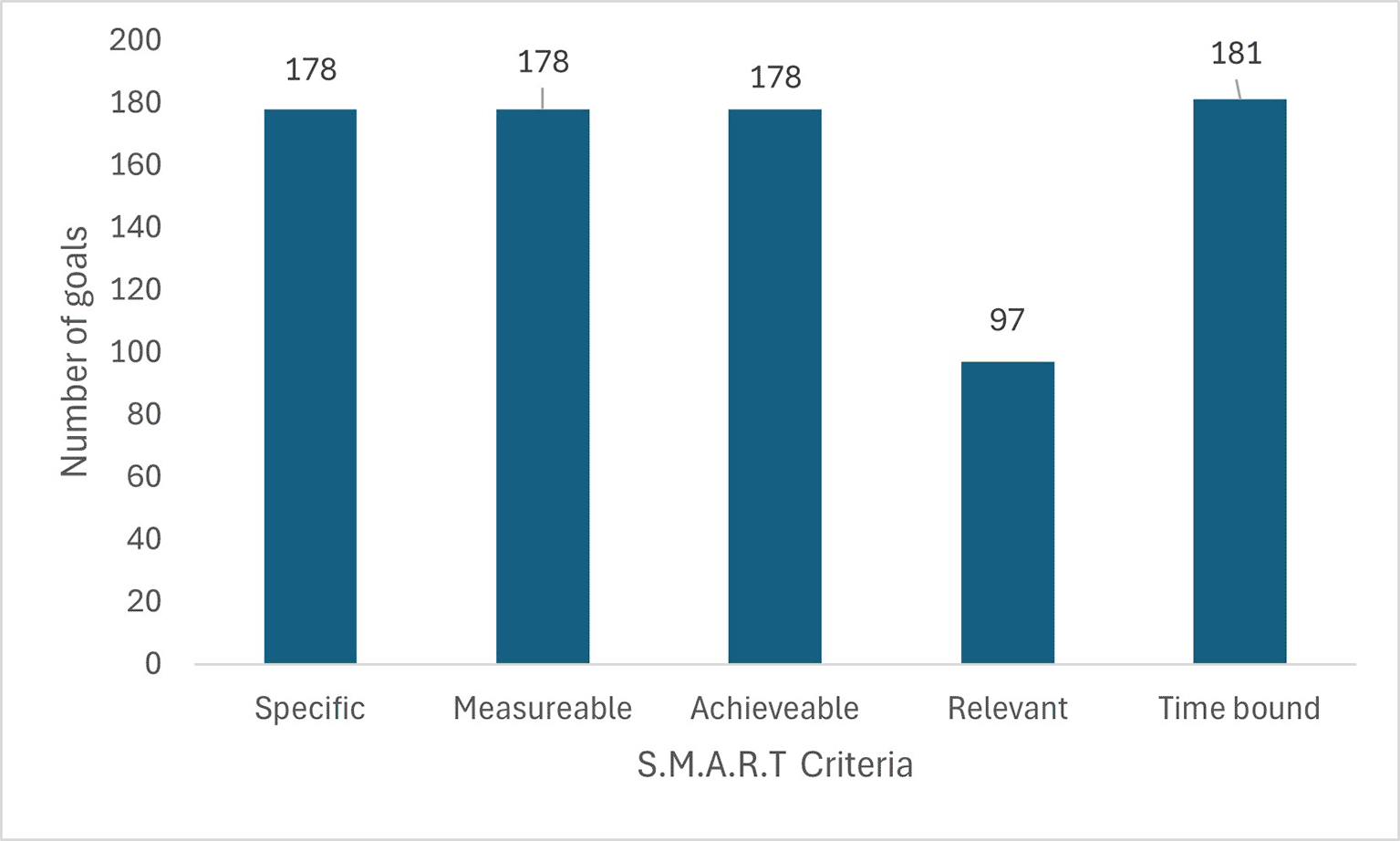
This bar chart illustrates the number of goals compliant with each of the five SMART elements: The vertical bars represent the count of goals meeting each criterion, highlighting that most goals are compliant with Specific, Measurable, Achievable, and Time-bound criteria, while fewer goals meet the Relevant element.
The frequency distribution of measurable elements, categorized in the study, is depicted in Figure 2.
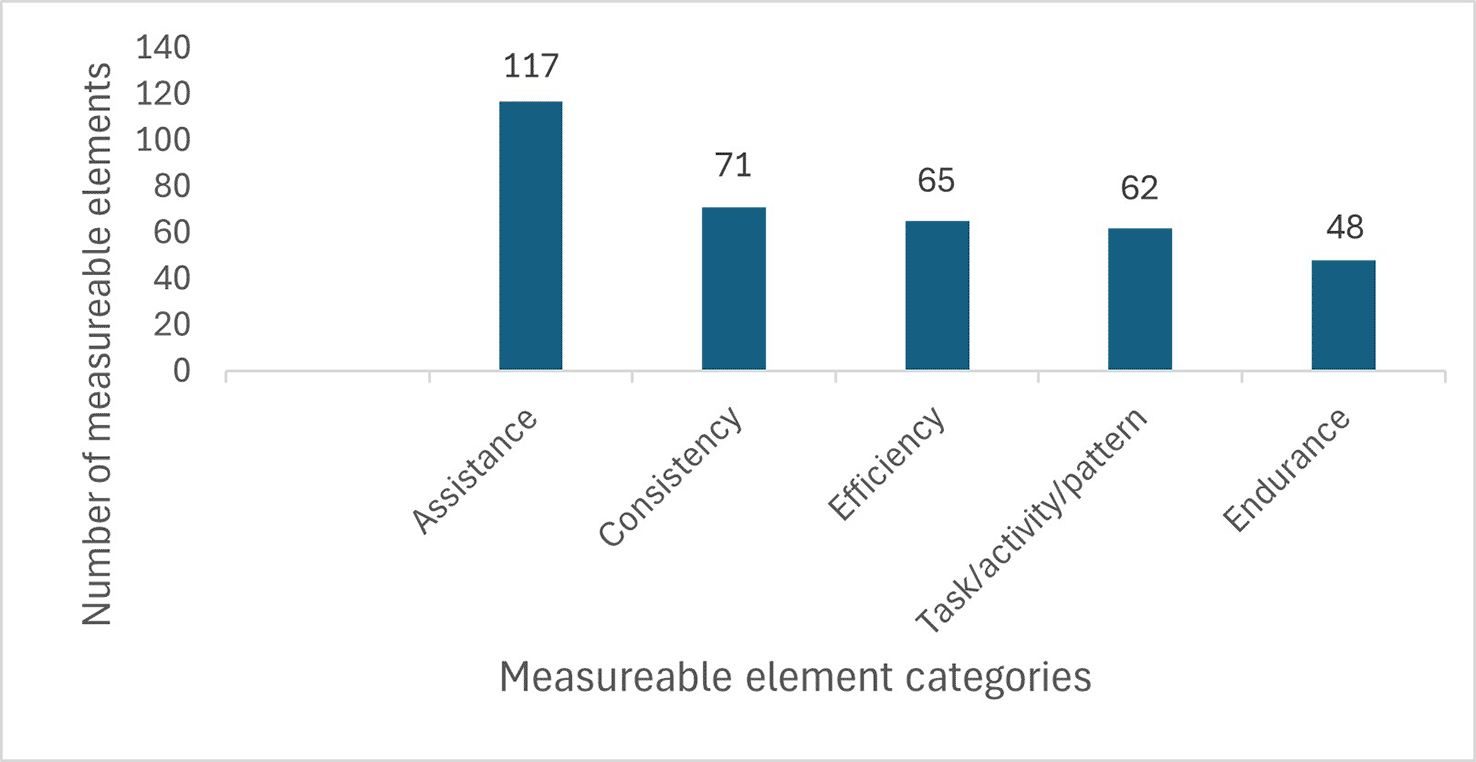
Figure illustrates the frequency distribution of measurable elements categorized according to the study framework. Each bar represents the number of elements identified within a given category, highlighting relative differences across domains.
As illustrated in Figure 3, ninety-four goals fulfilled all SMART elements.
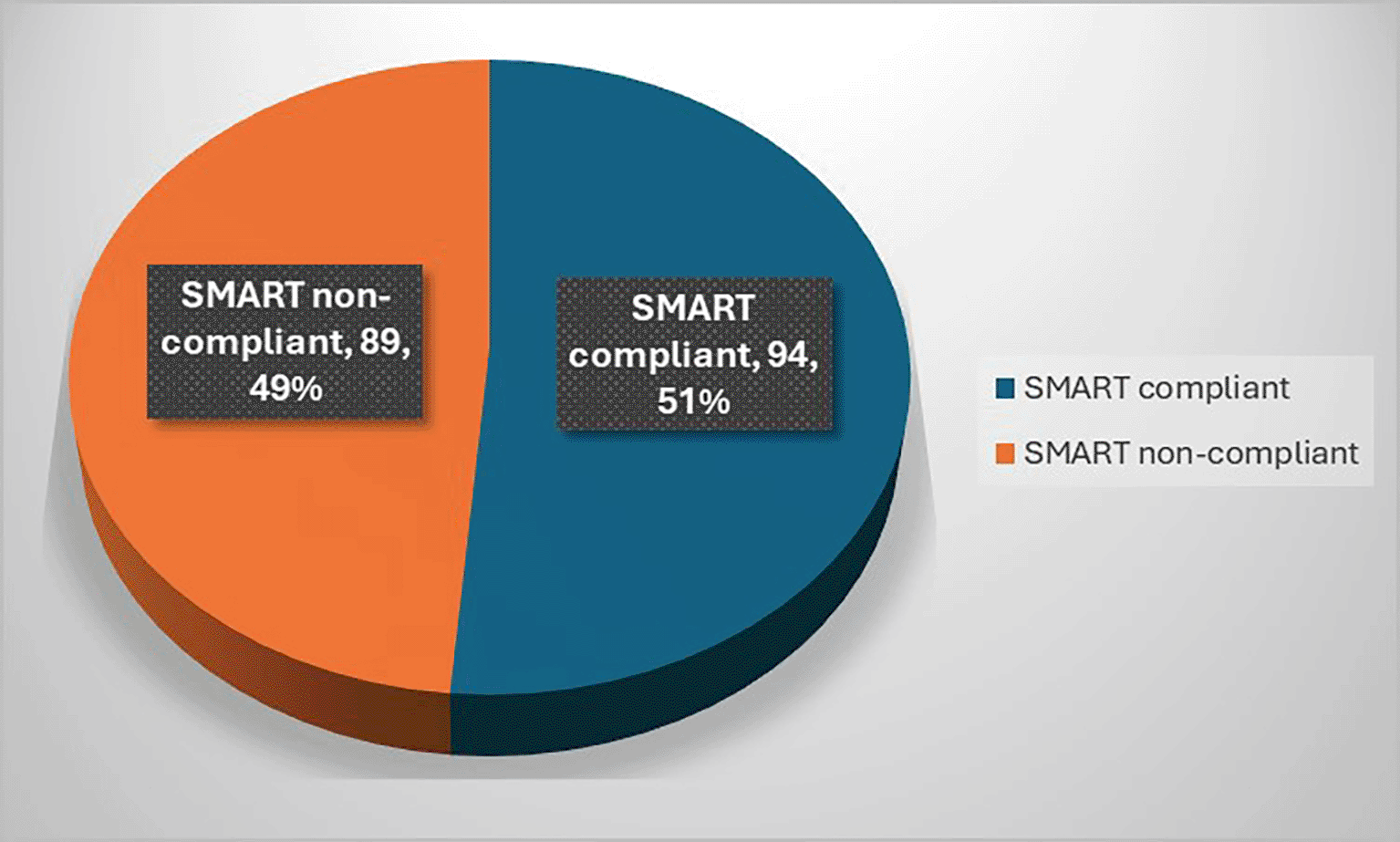
This figure presents the proportion of therapy goals that met all five SMART elements (Specific, Measurable, Achievable, Relevant, and Time-bound). This distribution highlights the variability in goal formulation noted in the study setting.
All therapy goals were successfully mapped to at least one domain of the F-words framework as illustrated in Figure 4.
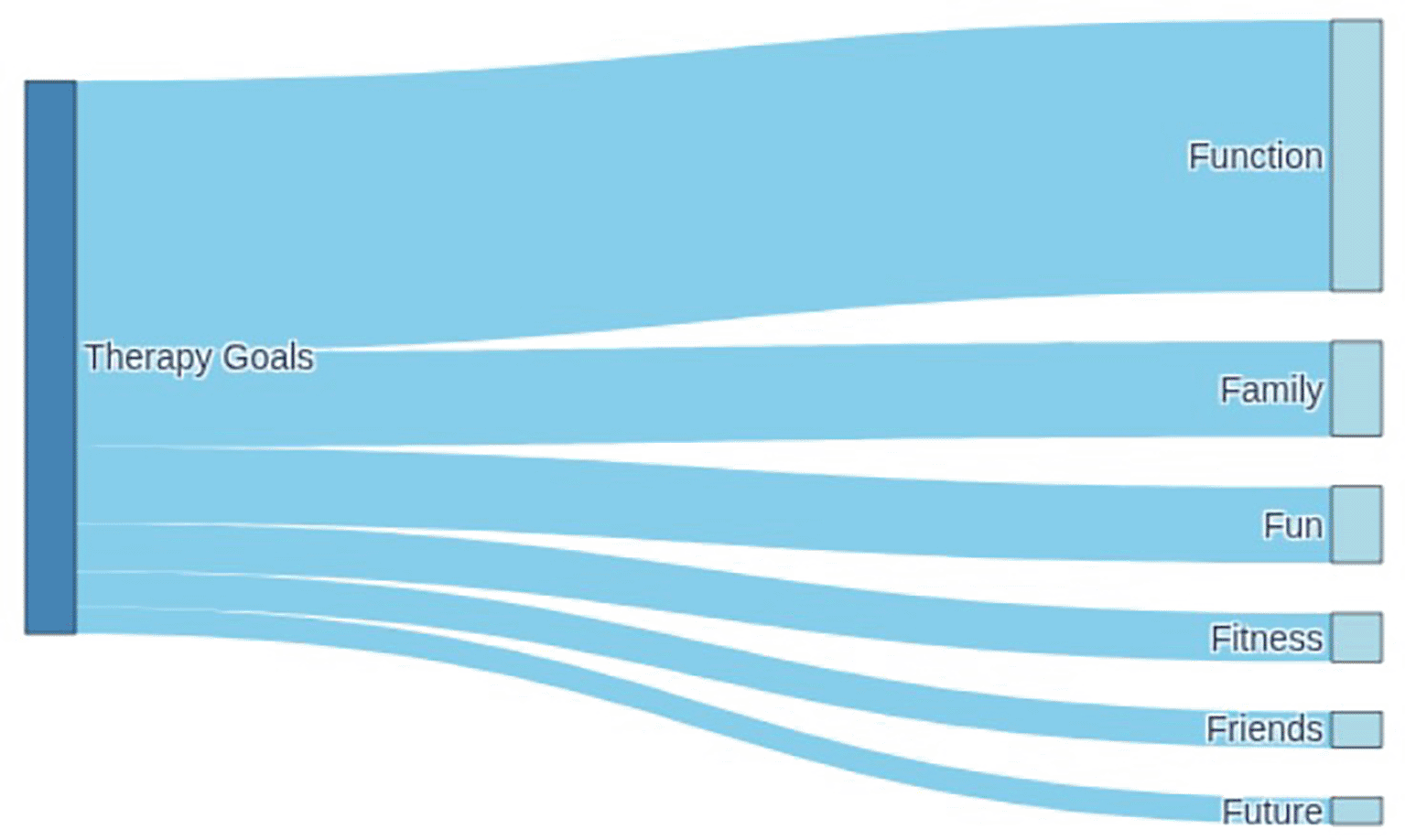
This Sankey diagram illustrates how all the 183 therapy goals were successfully mapped to one or more of the six F-words domains.
As summarized in Table 6 below, the distribution of goals revealed a clear predominance of function-oriented objectives, with notable representation across family and fun domains. Goals related to fitness, friends, and future were less frequent.
This study examined the pediatric physical therapy goals for children with neuromotor disabilities, integrating the SMART elements with the F-words framework. Out of the total 183 goals analyzed, 97.2% were specific, underscoring the importance of clarity in therapy planning. Specific goals facilitate identification of observable behaviors, support intervention planning, and allow progress tracking, consistent with findings by Bexelius et al. (2018) and King et al. (2004). Goals that were vague, such as “improve posture,” were excluded from SMART compliance, aligning with Bovend’Eerdt et al. (2009) who emphasized that unclear goals hinder monitoring and engagement. Families value specific goals as they enhance understanding and accountability. However variability exists across disciplines, with some therapists being less likely to draft clear objectives (Graham et al., 2020). Recent literature describe digital tools, such as the Kid’EM-app, which support goal specificity (Vannier et al., 2025).
Measurability was achieved in 97.2% of goals, reflecting robust use of structured and quantifiable criteria including duration, frequency, assistance level, and success rate. These metrics are essential for tracking progress, guiding interventions, and supporting collaboration among therapists, families, and educators (Faccioli et al., 2023). Assistance and independence were emphasised in this study, consistent withfindings of Angeli et al. (2019) and Darrah et al. (2012). Performance consistency, efficiency, and endurance were also incorporated, demonstrating a broader and more nuanced application of measurable elements than in a previous study (Bovend’Eerdt et al., 2009).
Achievability was also met in 97.2% of goals, reflecting careful alignment with each child’s developmental level and severity, especially given that 64.1% had severe neuromotor disabilities. Realistic goal-setting sustains caregiver engagement, reduces burnout, and enhances motor outcomes (Gray et al., 2012). Therapists consider diagnosis, severity, potential for improvement, comorbidities, and family support when drafting achievable goals (Bexelius et al., 2018; Poulsen et al., 2015). Limiting the number of concurrent goals helps to focus on achievable improvement (Sršen, 2023).
Only 53% of goals met the ‘relevant’ criterion criterion, indicating that parent engagement was suboptimal. Among these, families took most of the responsibility in only 12.4% of the goals, while the remaining 87.6% reflected equally shared responsibility between each family and the child’s therapist. The lack of parental engagement in goal setting identified in this study, which is presumed to explain why many goals were not considered relevant, may be attributed to provider beliefs, limited skills, patient capacity and opportunity issues, as well as organizational factors such as the absence of guidelines and insufficient time (Crawford et al., 2022). Shared, family-driven goal-setting has been associated with more functional, motivating, and ecologically valid outcomes ( King et al., 2004; Kelly et al., 2019). The limited presence of fully independent, family-led goals may reflect underlying cultural perspectives in which families regard therapists as the primary experts on their child’s care (Crom et al., 2020). At the same time, evidence suggests that parents desire greater involvement in decision-making and goal-setting, underscoring the need for approaches that balance professional expertise with family empowerment (Terwiel et al., 2017).
The maximum number of goals (98.9%) were time-bound, typically spanning 1–3 months. Time-bound goals sustain motivation, allow regular review, and facilitate caregiver engagement, though timelines must remain flexible to accommodate complex, nonlinear progress in children with neuromotor disabilities like cerebral palsy (Bexelius et al., 2018; Novak & Cusick, 2006).
Function-related goals dominated, comprising 85.8% of all therapy goals, reflecting a clinical emphasis on mobility, self-care, and daily living skills. This aligns with CanChild’s framework, emphasizing activity and participation over impairments (Rosenbaum & Gorter, 2012), and is consistent with international evidence that emphasizes functional priorities for children with cerebral palsy (Jackman et al., 2022; Novak et al., 2020; Brandão et al., 2014).
Only 30.1% of goals were mapped to the Family domain, indicating limited integration of caregiver-centered objectives. In our study, family goals were primarily embedded within home programs, consistent with evidence that family-centered coaching empowers parents by integrating therapy into daily routines and strengthening caregiver capacity (Novak & Berry, 2014; Morgan et al., 2016). As identified in many studies, parents’ own needs—such as mental health, skill development, and social support—remain underrepresented (King, 2009; Cunningham & Rosenbaum, 2014). Several study from the Arab region recommends a need for culturally sensitive approaches to optimize family engagement and well-being (Raman et al., 2010; Al-Kuwari, 2007; Alsaman & Abd El-Naiem, 2021).
Goals related to Fun (24.0%) and Friends (11.5%) were underrepresented, highlighting the limited emphasis on play, enjoyment, and peer relationships, consistent with findings in children with cerebral palsy in Australia (Imms et al., 2008). Our findings corroborate the work of Kruijsen-Terpstra et al. (2014), who similarly reported that parents of children receiving physical and occupational therapy experienced comparable challenges in communication and collaboration with professionals (Knox, 2008; Chiarello, 2017; Starling, 2011; Graham et al., 2019). Children with complex disabilities tend to participate less than their typically developing peers, with activities often limited to home-based settings and a narrow range of experiences (Law et al., 2009). This restricted participation underscores the critical need to promote recreational opportunities, as the literature consistently highlights their role in fostering emotional well-being, social inclusion, and autonomy (Knox, 2008; Chiarello, 2017; Starling, 2011; Howard, 2017; Graham et al., 2019). Limited goals in the domains of Fun, Friends, and Future—essential for holistic development—may indicate an overemphasis on functional and medical outcomes, as noted in previous studies (Soper et al., 2020; Chiarello et al., 2014; Perrin, Lewkowicz, & Young, 2000).
Limited fitness goals (15.3%) highlight a need for greater integration of health promotion in pediatric physical therapy practice (Verschuren et al., 2016). Future-oriented goals (8.2%) were the least represented, despite their importance for long-term independence, community integration, and psychosocial resilience (Schiariti et al., 2014; Palisano et al., 2010; Gona et al., 2011). Spiritual beliefs and hope (Illum et al., 2018) does play a role in shaping family priorities in future planning, particularly in Muslim communities (Kermanshahi et al., 2008; Mohamed Madi et al., 2019; Othman et al., 2022).
Combining SMART elements with the F-words framework provides a structured, family-centered approach to goal-settingin pediatric rehabilitation. The goals aligned with the SMART elements provides a structured goal setting format, while utilizing the F-words framework for goal formulation adds meaning for the child and families due to its emphasis on strength-based, participatory care (Rosenbaum & Gorter, 2012). This combined model (SMART and F-words) in goal setting may be valuable for children with cerebral palsy and those with similar gross motor dysfunction, ensuring that goals are well structured, and also equally meaningful, for the child and family (Pritchard-Wiart & Phelan, 2018).
Despite strong adherence to SMART elements noted in the goals analyzed, gaps remain in the holistic goal representation of areas meaningful for the children and their families. Limited family engagement in goal setting may have a strong contribution to the underrepresentation of goals within these meaningful areas. However its certainty cannot be established due to the retrospective nature of the study design.
This study highlights both the strengths and gaps in goal setting for children with neuromotor disabilities carried out by pediatric physical therapists in Qatar. Overall, adherence to SMART elements was strong, with notable alignment to specific, measurable, achievable, and time-bound goals. In contrast, the number of goals meeting the relevant element was limited, which may reflect suboptimal family engagement in the goal-setting process. All goals were aligned with at least one F-words domain, with Function predominating. The other domains—Family, Fun, Fitness, Friends, and Future—were comparatively underrepresented, indicating potential gaps in creating family-centered goals and fostering meaningful participation in the child’s environment. To advance family-centered, participation-focused goals, greater family engagement in goal setting is required, alongside enhancing therapist skills in facilitating parent engagement in the goal-setting process. Future prospective studies examining the utility of the F-SMART goal-setting framework are warranted to validate its proposed benefits.
| Views | Downloads | |
|---|---|---|
| F1000Research | - | - |
|
PubMed Central
Data from PMC are received and updated monthly.
|
- | - |
Provide sufficient details of any financial or non-financial competing interests to enable users to assess whether your comments might lead a reasonable person to question your impartiality. Consider the following examples, but note that this is not an exhaustive list:
Sign up for content alerts and receive a weekly or monthly email with all newly published articles
Already registered? Sign in
The email address should be the one you originally registered with F1000.
You registered with F1000 via Google, so we cannot reset your password.
To sign in, please click here.
If you still need help with your Google account password, please click here.
You registered with F1000 via Facebook, so we cannot reset your password.
To sign in, please click here.
If you still need help with your Facebook account password, please click here.
If your email address is registered with us, we will email you instructions to reset your password.
If you think you should have received this email but it has not arrived, please check your spam filters and/or contact for further assistance.

Comments on this article Comments (0)